5 Ways ‘Star Wars Episode VI: Return of the Jedi’ Aged Poorly (And 5 Ways It Aged Masterfully)


‘Star Wars Episode VI: Return of the Jedi’ (1983) holds a special place in my heart as the epic conclusion to the original trilogy. It wrapped up Luke Skywalker’s journey, brought down the Empire, and gave us unforgettable moments, but not every element has stood the test of time.
Some parts feel dated or clunky today, while others remain timeless, proving why this film still resonates with fans old and new. Let’s dive into five ways it hasn’t aged well and five ways it shines brighter than ever, alternating between the two.
Aged Poorly: The Ewok Overload
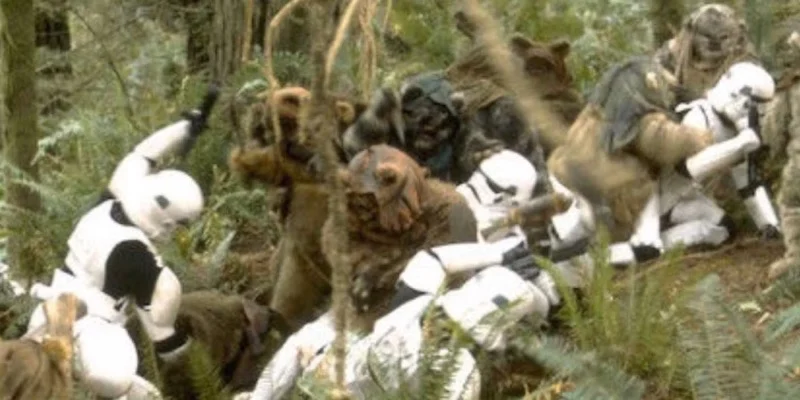
The Ewoks, those furry inhabitants of Endor, were meant to be cute and resourceful, but their heavy presence feels jarring now. Their teddy-bear appearance and simplistic language clash with the darker stakes of the Rebellion’s fight, making them seem like a marketing ploy aimed at kids. Modern audiences often find their victory over stormtroopers—using sticks and stones—hard to buy, especially against a high-tech Empire. The Ewoks’ prominence overshadows more compelling characters, leaving me wishing for less screen time devoted to their antics.
It’s not that they’re without charm, but their role feels forced, pulling focus from the grander narrative. Compared to the gritty battles of earlier films, the Ewok sequences lean too heavily into whimsy, which doesn’t always land with today’s viewers.
Aged Masterfully: Luke’s Confrontation with Vader and the Emperor
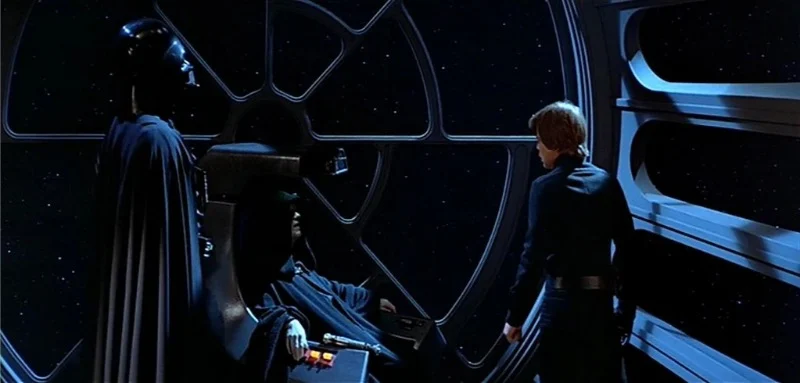
Luke Skywalker’s final showdown with Darth Vader and Emperor Palpatine remains a masterclass in emotional storytelling. Mark Hamill’s performance, layered with conflict and resolve, captures Luke’s struggle to redeem his father while resisting the dark side. The throne room scenes are tense, with Palpatine’s manipulations and Vader’s silent turmoil building to a gut-punch climax. I still get chills watching Luke choose compassion over hate.
The raw emotion and moral complexity hold up beautifully, offering a timeless lesson about redemption and family. John Williams’ music, paired with the stark visuals of the Death Star, elevates this sequence into one of the saga’s finest moments.
Aged Poorly: The Jabba’s Palace Excess
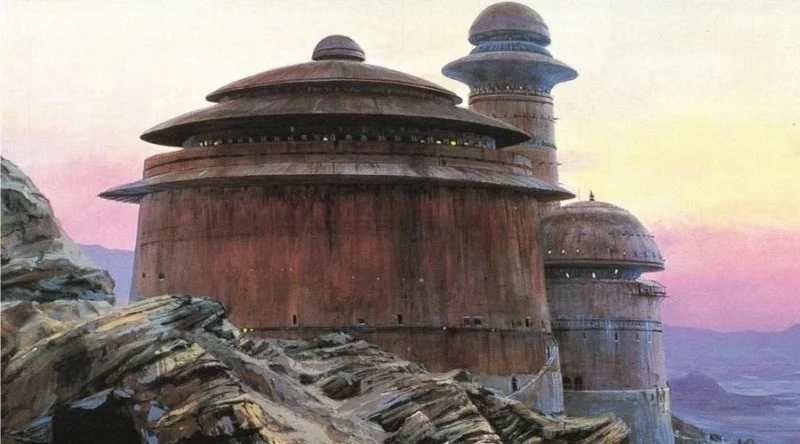
The opening act at Jabba’s Palace, while visually striking, drags with over-the-top characters and prolonged sequences. The Rancor fight and the musical number with Sy Snootles feel like detours, bloating the runtime with cartoonish energy. For a film tasked with wrapping up a trilogy, this segment spends too much time on quirky side characters who don’t add depth to the core story.
Modern viewers, used to tighter narratives, might find this section indulgent, especially when compared to the leaner storytelling of ‘The Empire Strikes Back’ (1980). It’s fun in doses, but the excess feels like a relic of its era’s blockbuster trends.
Aged Masterfully: The Space Battle Above Endor
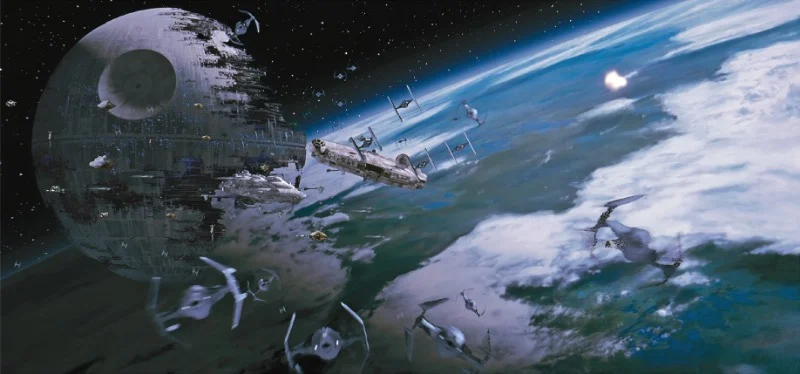
The Battle of Endor is a visual and emotional triumph that still dazzles. The chaotic dogfights, with X-wings and TIE fighters weaving through the second Death Star’s tunnels, set a high bar for space combat. Lando Calrissian’s leadership, paired with the Rebellion’s desperate push, keeps me glued to the screen. The stakes feel real, with every explosion amplifying the tension.
Even today, the practical effects and model work look stunning, blending seamlessly with the story’s heart. This sequence proves that well-crafted action, tied to character-driven goals, never goes out of style.
Aged Poorly: Leia’s Gold Bikini
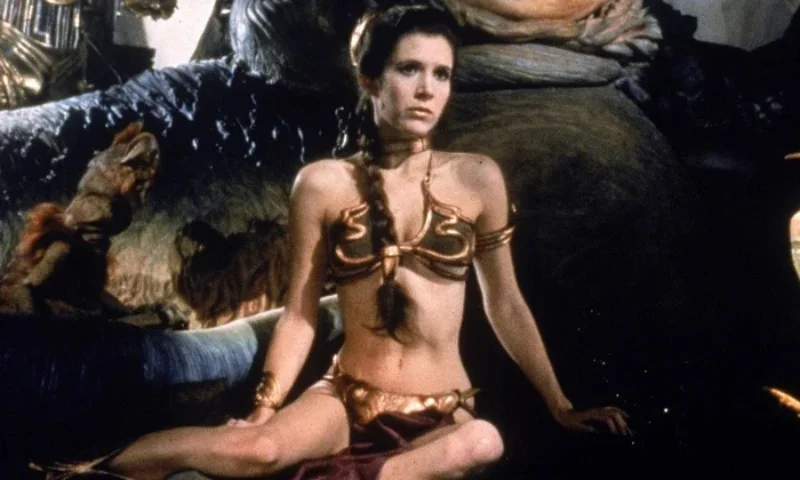
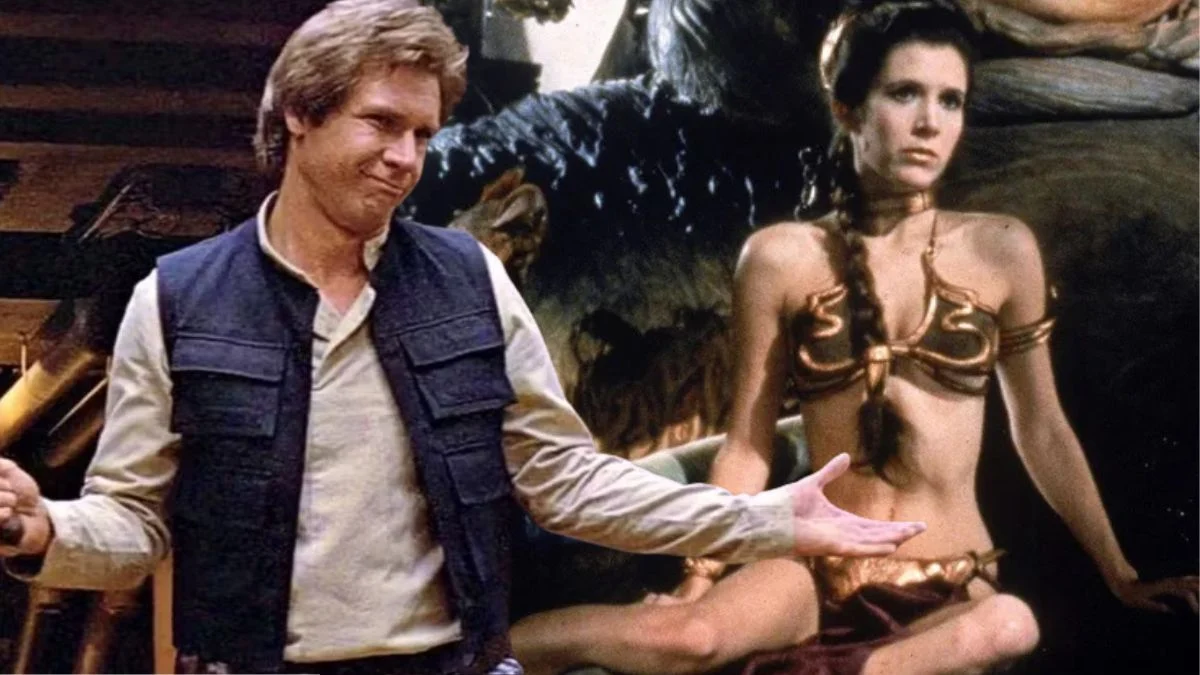
Leia’s enslavement by Jabba, complete with the infamous gold bikini, feels uncomfortable through a modern lens. While Carrie Fisher’s performance as Leia remains fierce, the costume and her objectification lean into dated tropes that don’t sit well today. It’s a moment that prioritizes fan service over character dignity, which clashes with Leia’s established strength.
The scene’s tone feels out of step with the trilogy’s broader themes of heroism and rebellion. For many, it’s a cringe-inducing choice that undermines one of cinema’s most iconic heroines.
Aged Masterfully: Han Solo’s Redemption Arc
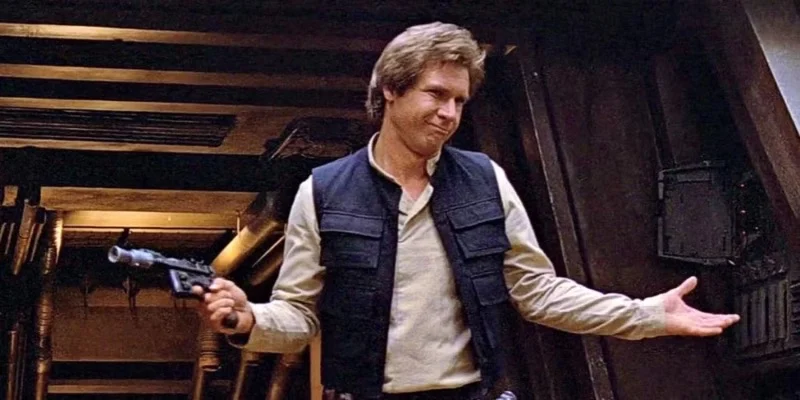
Han Solo’s journey from scoundrel to selfless leader shines in ‘Return of the Jedi’. Harrison Ford brings charm and vulnerability, showing Han’s growth as he risks everything for his friends. His banter with Leia and leadership on Endor ground the film’s emotional core, making him endlessly relatable.
The character’s arc feels complete yet open-ended, a balance that keeps Han timeless. His mix of humor, heart, and grit ensures he remains a fan favorite, with every line landing as sharply now as it did then.
Aged Poorly: The Special Edition Changes
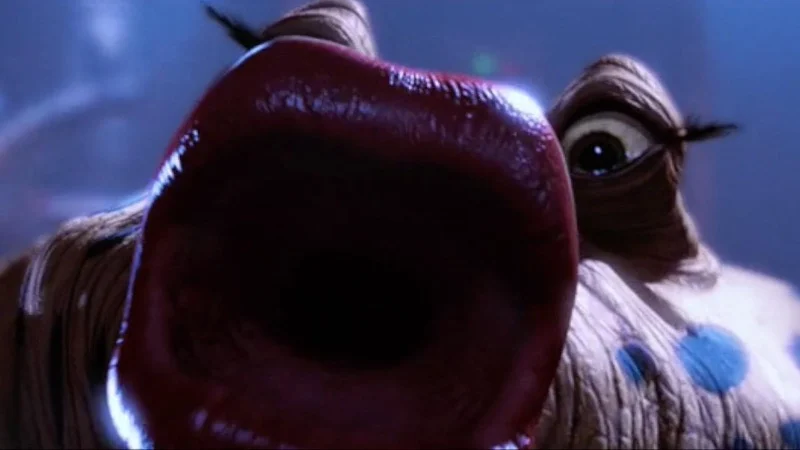
The 1997 Special Edition tweaks, like adding a new Jabba’s Palace song or altering the Sarlacc pit, often feel unnecessary. These changes, meant to “enhance” the film, disrupt its original flow and charm. The CGI additions, especially, look dated compared to the practical effects that defined the trilogy’s aesthetic.
For purists like me, these edits dilute the film’s authenticity. They’re a reminder of a time when studios thought digital touch-ups could outshine the handmade magic of the original cut.
Aged Masterfully: The Emotional Weight of Vader’s Redemption
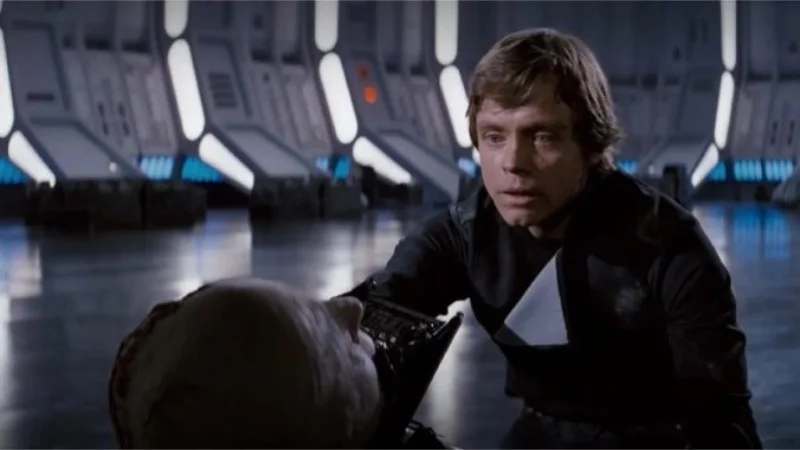
Darth Vader’s turn back to Anakin Skywalker is a moment that still hits hard. The silent unmasking, with Sebastian Shaw’s weary face, conveys a lifetime of regret and love. It’s a simple yet powerful scene that ties the trilogy together, showing the cost of choices and the hope of redemption.
This moment transcends its time, speaking to universal themes of forgiveness and sacrifice. It’s a testament to the saga’s ability to blend mythic storytelling with raw human emotion, keeping me invested every time.
Aged Poorly: The Underdeveloped Emperor
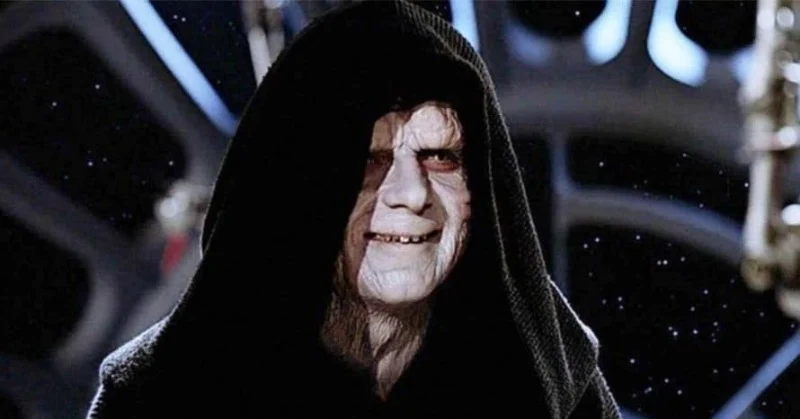
Emperor Palpatine, played by Ian McDiarmid, is a menacing presence, but his limited screen time leaves him feeling one-dimensional. We get little insight into his motives beyond power-hungry evil, which feels thin compared to later explorations of Sith lore in films like ‘Revenge of the Sith’ (2005). His role as the ultimate villain needed more depth to match the story’s stakes.
Today’s audiences, accustomed to complex antagonists, might find him more caricature than compelling. A few extra scenes could have made his threat feel more personal and layered.
Aged Masterfully: The Themes of Hope and Unity
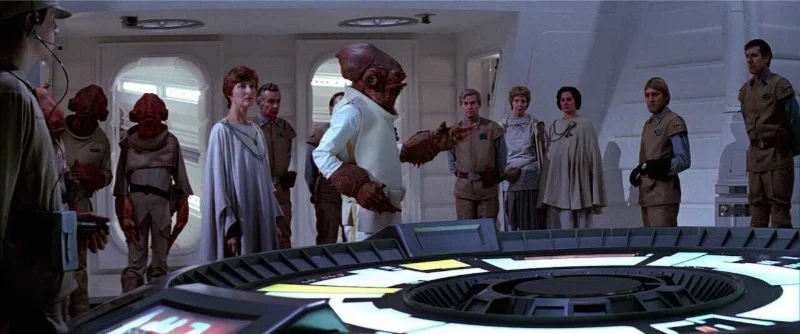
The film’s core message—hope triumphing over despair—remains as powerful as ever. The Rebellion’s unlikely victory, driven by teamwork across species and planets, feels inspiring in any era. Luke’s faith in his father, Leia’s resilience, and the Ewoks’ courage all tie into a story about standing together against overwhelming odds.
These themes resonate deeply, especially in divided times. The film’s ability to weave personal growth with a universal call for unity keeps it relevant and uplifting decades later.
What’s your take on ‘Return of the Jedi’—which moments still hold up for you, or which ones feel stuck in the past? Drop your thoughts in the comments!