5 Things About ‘Star Wars Episode I: The Phantom Menace’ That Made Zero Sense and 5 Things That Made Perfect Sense


‘Star Wars Episode I: The Phantom Menace’ (1999) burst onto screens with massive hype, kicking off the prequel trilogy to George Lucas’s iconic saga. Fans were eager to dive back into the galaxy far, far away, meeting young Anakin Skywalker and witnessing the Jedi in their prime.
Yet, the film sparked heated debates. Some elements left me scratching my head, while others clicked perfectly, grounding the story in the Star Wars universe. Below, I break down five things that made no sense and five that absolutely did, alternating between the two.
Made Zero Sense: Midichlorians Explaining the Force
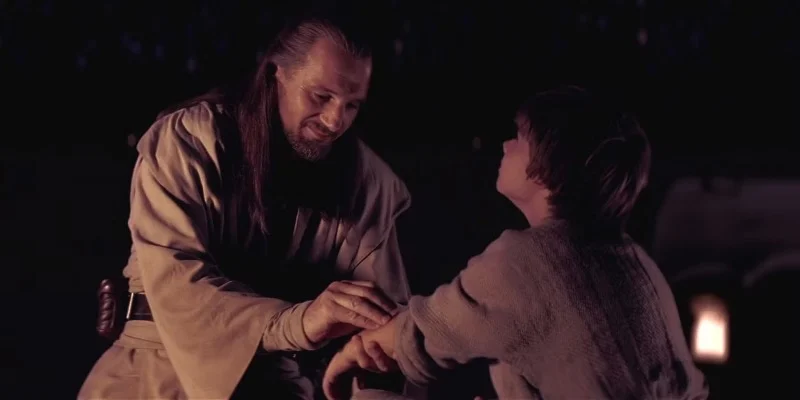
The introduction of midichlorians as a biological basis for the Force felt like a misstep. The Force was always a mystical, spiritual energy, but now it’s tied to microscopic organisms in the blood? It reduces a grand concept to a clinical metric, like measuring Jedi power with a lab test.
This shift confused me and clashed with the saga’s original vibe. Why quantify something that worked best as mysterious? It’s as if the Force needed a scientific manual, which drained some of its magic for me.
Made Perfect Sense: The Jedi Order’s Peak
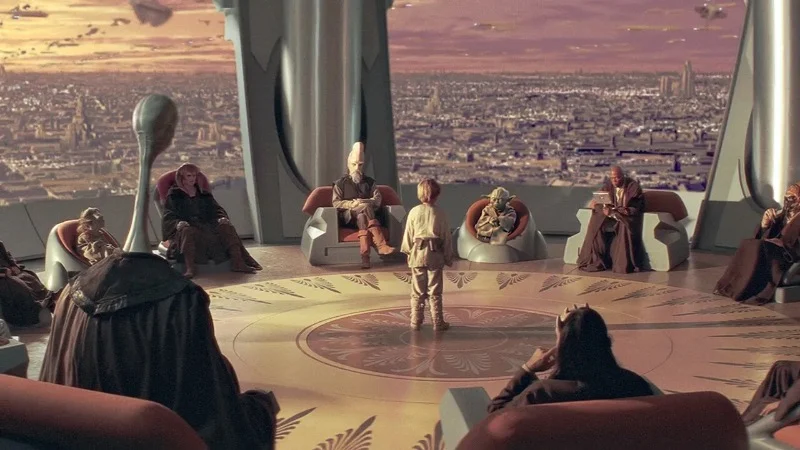
Seeing the Jedi Order at its height was a highlight. Qui-Gon Jinn and Obi-Wan Kenobi, with their flowing robes and lightsaber skills, embodied the Jedi as noble guardians. The Council, led by Yoda and Mace Windu, added depth to their role in the galaxy.
This portrayal grounded the prequels in the lore. It showed a structured, powerful Jedi system, making their eventual fall in later films even more tragic. The visuals and their disciplined vibe nailed the Star Wars aesthetic.
Made Zero Sense: Jar Jar Binks’ Role
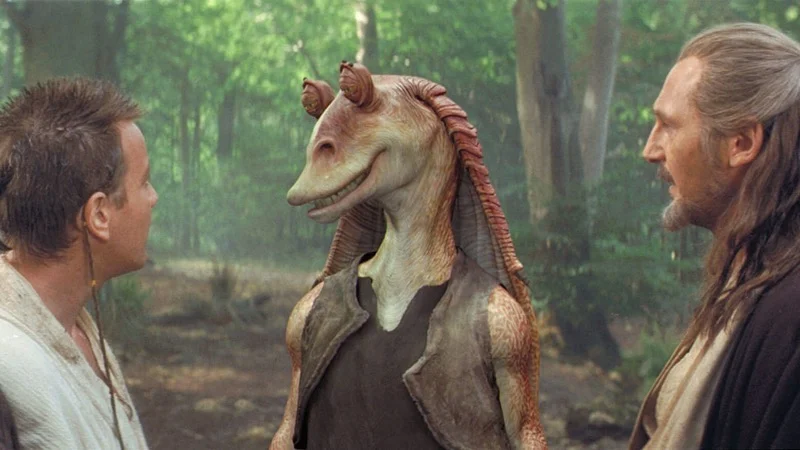
Jar Jar Binks stumbled into the story as a clumsy Gungan, but his prominence baffled me. His slapstick humor and heavy screen time felt out of place in a saga about epic battles and destiny. Why was he a key player in major scenes, like the Naboo battle?
His exaggerated antics often broke the film’s tone. I kept wondering why the Jedi relied on him so much when he seemed more like comic relief than a vital character.
Made Perfect Sense: Darth Maul’s Menace
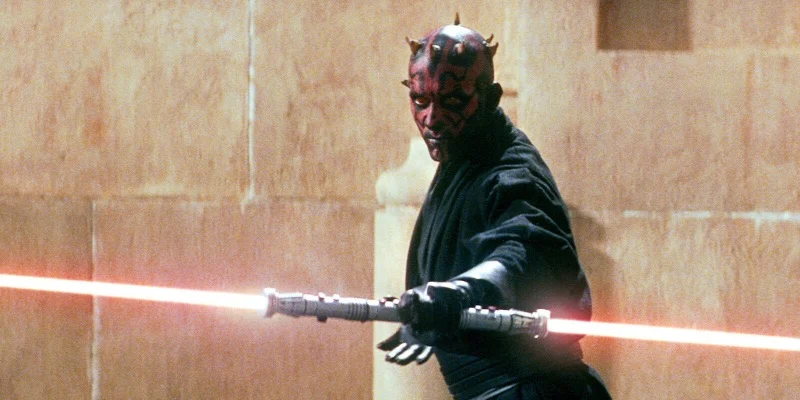
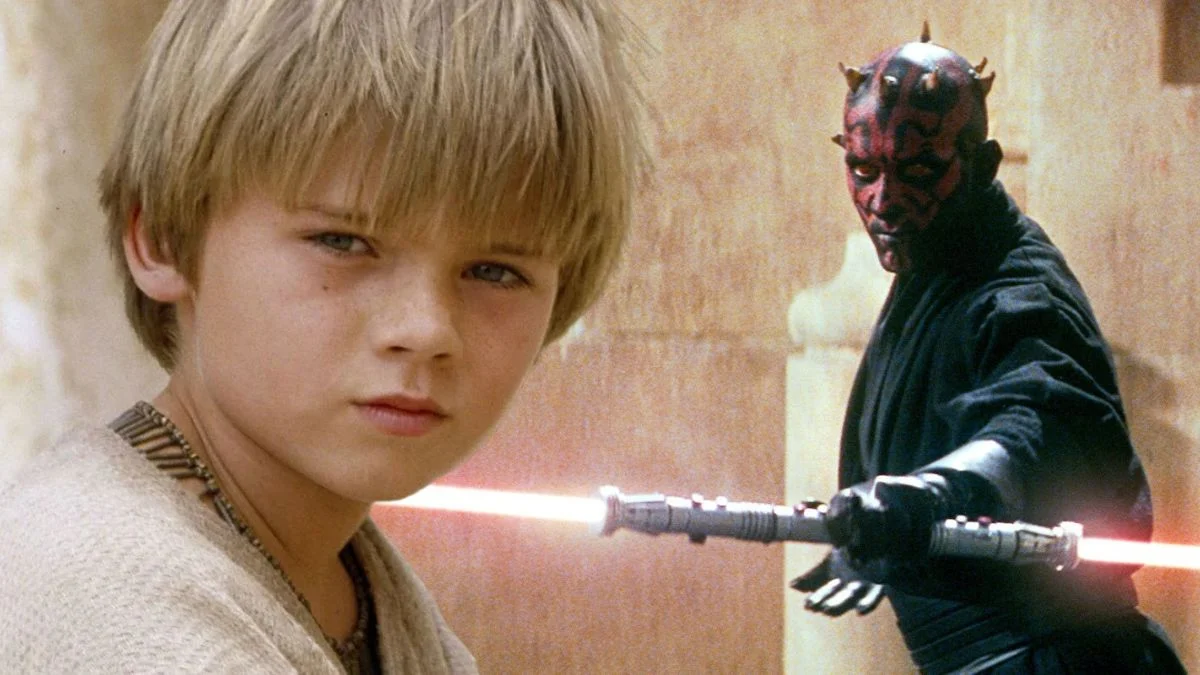
Darth Maul was a standout villain. His double-bladed lightsaber, red-and-black face, and silent intensity made him instantly iconic. The lightsaber duel against Qui-Gon and Obi-Wan remains one of the saga’s best, fueled by John Williams’ ‘Duel of the Fates.’
Maul’s presence added a tangible threat. His design and combat style screamed Sith, giving the film a dark edge that balanced the lighter moments and set up the looming danger of the dark side.
Made Zero Sense: Anakin’s Immaculate Conception
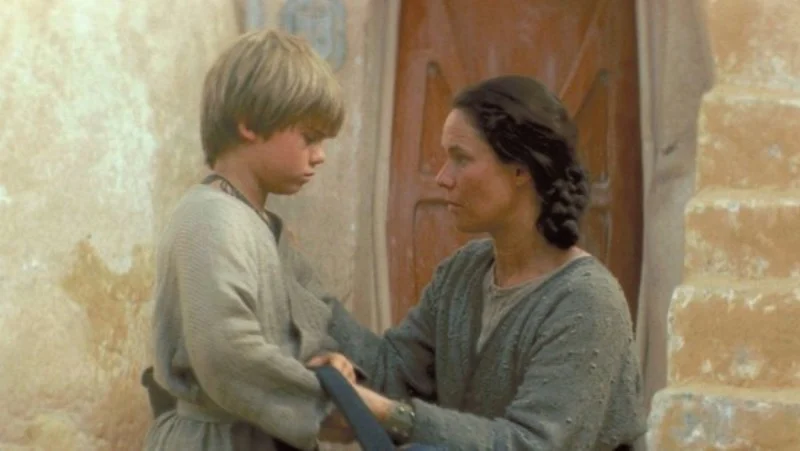
Anakin’s origin story raised eyebrows. Qui-Gon suggests he was born without a father, implying the Force itself created him. This vague, almost messianic setup felt forced and unexplained, even in a galaxy with space wizards.
It left me wondering why this was necessary. The lack of clarity about his birth made it hard to buy into, and it felt like an attempt to make Anakin larger-than-life without enough context.
Made Perfect Sense: Political Intrigue

The film’s political backdrop, with Senator Palpatine manipulating events, worked brilliantly. The Trade Federation’s blockade of Naboo and the Senate’s corruption showed a galaxy on the brink. Palpatine’s scheming as the hidden Sith Lord tied it all together.
This layer added depth, showing how the Republic’s flaws paved the way for the Empire. It grounded the fantastical elements in a relatable struggle, making the stakes feel real and complex.
Made Zero Sense: The Podrace’s Length

The podracing sequence was thrilling, but it dragged on too long. Anakin’s race through Tatooine’s deserts was visually stunning, but its extended runtime felt like padding in a film already packed with plotlines.
I wondered why so much time was spent on a single event when other story elements, like the Sith’s plans, could’ve used more focus. It was fun but overstayed its welcome, pulling me out of the main narrative.
Made Perfect Sense: Naboo’s Visual Splendor
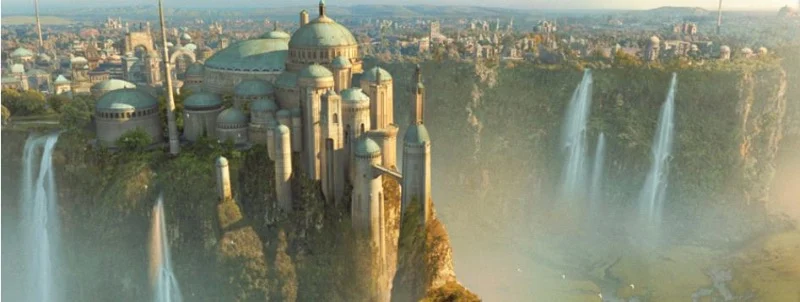
Naboo’s lush landscapes, grand palaces, and underwater Gungan cities were a visual feast. The planet’s vibrant design, from Theed’s waterfalls to the sleek Naboo starfighters, brought the prequel’s aesthetic to life.
This world-building felt quintessentially Star Wars, blending beauty and technology. It gave the galaxy a fresh, vibrant feel while staying true to the saga’s knack for unforgettable settings.
Made Zero Sense: The Trade Federation’s Motives

The Trade Federation’s role as villains was murky. They blockaded Naboo over a trade dispute, but their motivations felt vague. Were they just greedy, or fully under Palpatine’s control? Their robotic army and stilted dialogue didn’t help.
I struggled to care about their conflict. Without clearer stakes or personality, they felt like placeholder antagonists, making the film’s central conflict harder to grasp.
Made Perfect Sense: Young Anakin’s Talent

Anakin as a gifted but enslaved kid worked perfectly. His skills as a pilot and mechanic, paired with his innocence, set up his journey from prodigy to tragedy. Jake Lloyd’s performance captured a believable mix of hope and vulnerability.
This foundation made his arc relatable. It showed why the Jedi saw potential in him, planting seeds for his transformation into Darth Vader while keeping him grounded as a character.
What’s your take on ‘The Phantom Menace’—which moments clicked for you, or left you puzzled? Drop your thoughts in the comments!