Essential Horror Films by Black Directors


Horror films have always been a way to explore fears and societal issues, but Black directors bring unique stories to the genre. Their work often blends chilling narratives with sharp commentary on race, identity, and culture, creating films that linger long after the credits roll.
I’ve put together a list of standout horror films directed by Black filmmakers, drawing from a rich pool of classics and modern gems. Each one offers something special, whether it’s a fresh take on vampires, a supernatural thriller, or a deep dive into social tensions.
Get Out (2017)
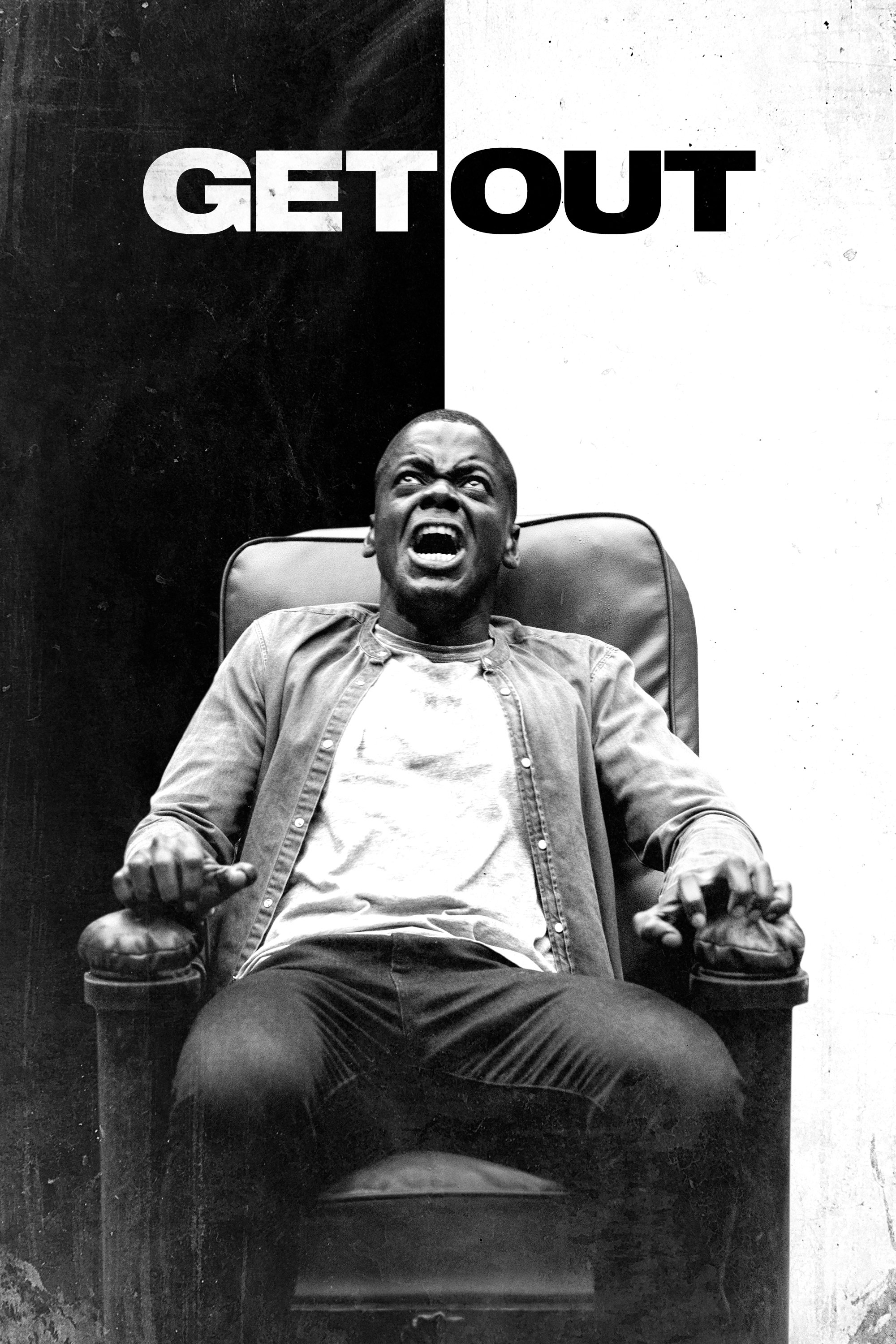
Jordan Peele’s directorial debut is a masterclass in blending horror with social critique. The story follows Chris, a Black photographer meeting his white girlfriend’s family, only to uncover a sinister plot. Peele uses tension and unsettling imagery to expose the horrors of microaggressions and systemic racism.
The film’s sharp writing and standout performances, especially Daniel Kaluuya as Chris, make it both terrifying and thought-provoking. It’s a cultural touchstone that redefined modern horror, earning Peele an Oscar for Best Original Screenplay.
Candyman (2021)
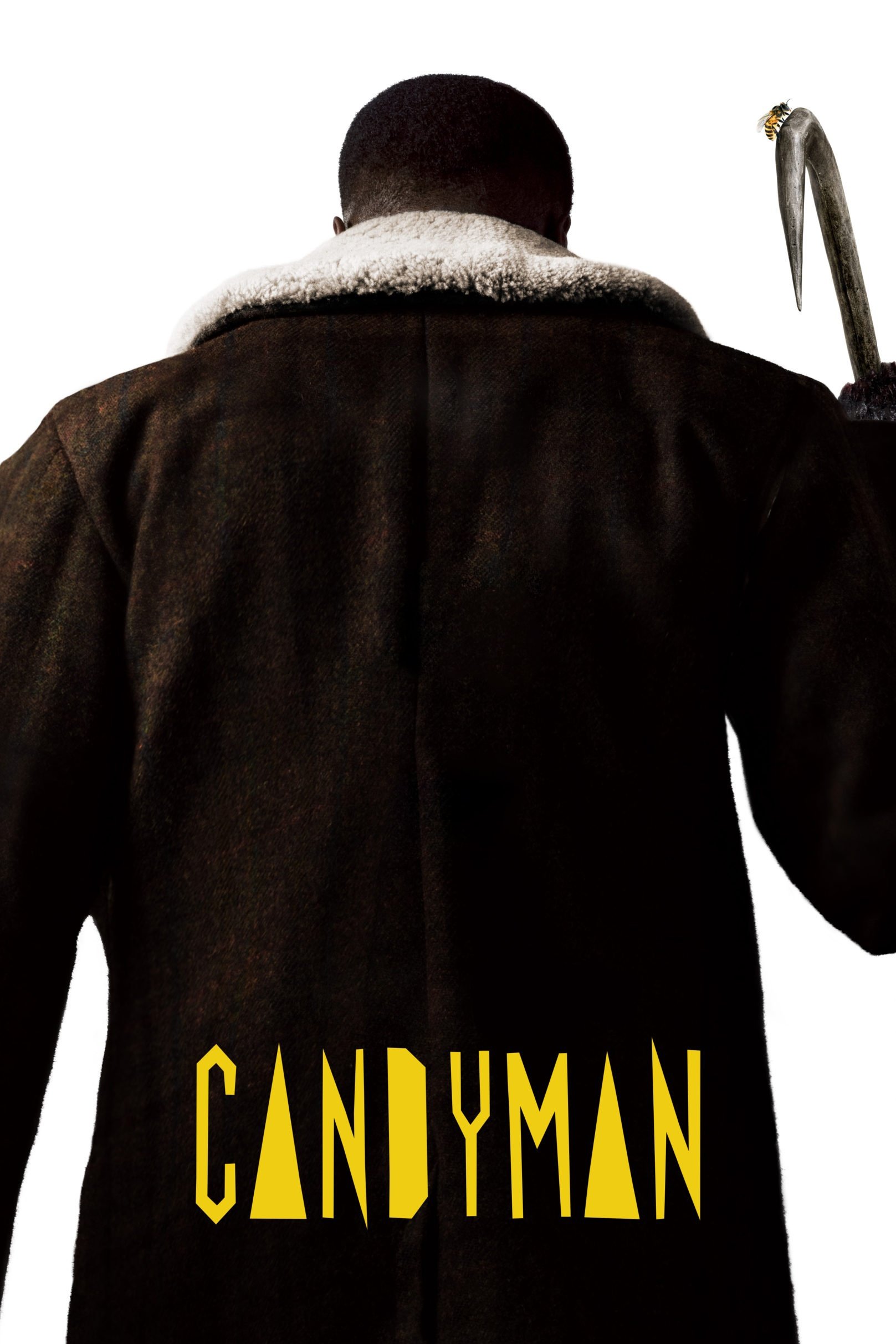
Nia DaCosta breathes new life into the Candyman legend, setting this sequel in Chicago’s gentrified Cabrini-Green neighborhood. Artist Anthony McCoy, played by Yahya Abdul-Mateen II, becomes obsessed with the urban myth of a hook-handed killer, unraveling his own connection to the story. DaCosta weaves supernatural horror with themes of trauma and systemic inequality.
The film’s haunting visuals and bold storytelling make it a worthy successor to the 1992 original. It’s a chilling reminder of how history and pain can linger in a place.
Tales from the Hood (1995)
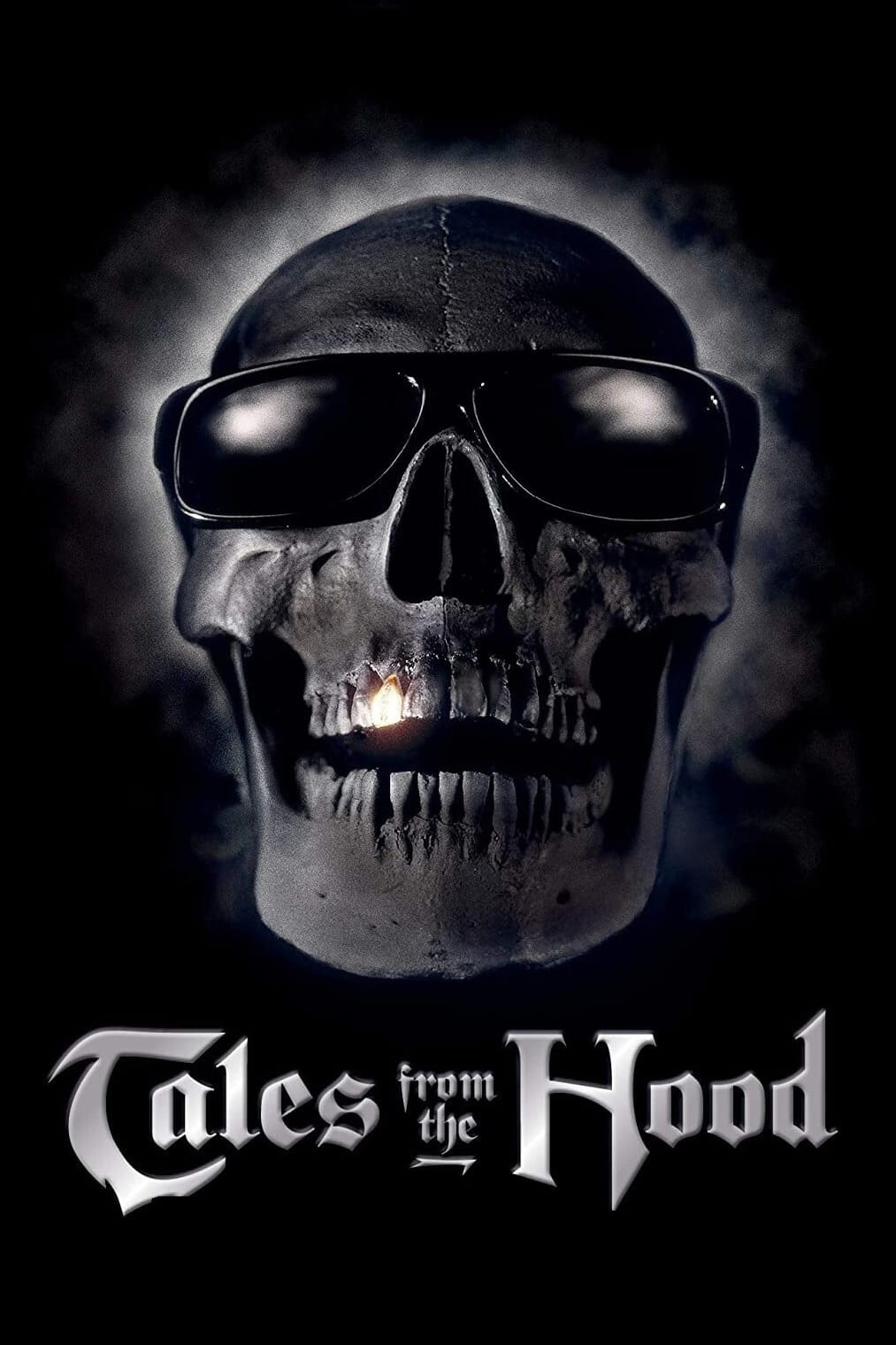
Rusty Cundieff delivers a horror anthology that’s equal parts spooky and socially conscious. A creepy funeral director, played by Clarence Williams III, spins four tales to three drug dealers, each story tackling issues like police brutality, domestic abuse, and racism. The wraparound narrative ties it all together with a devilish twist.
The mix of campy horror and real-world commentary makes this film unforgettable. It’s a bold, in-your-face look at societal wrongs through a horror lens.
Atlantics (2019)
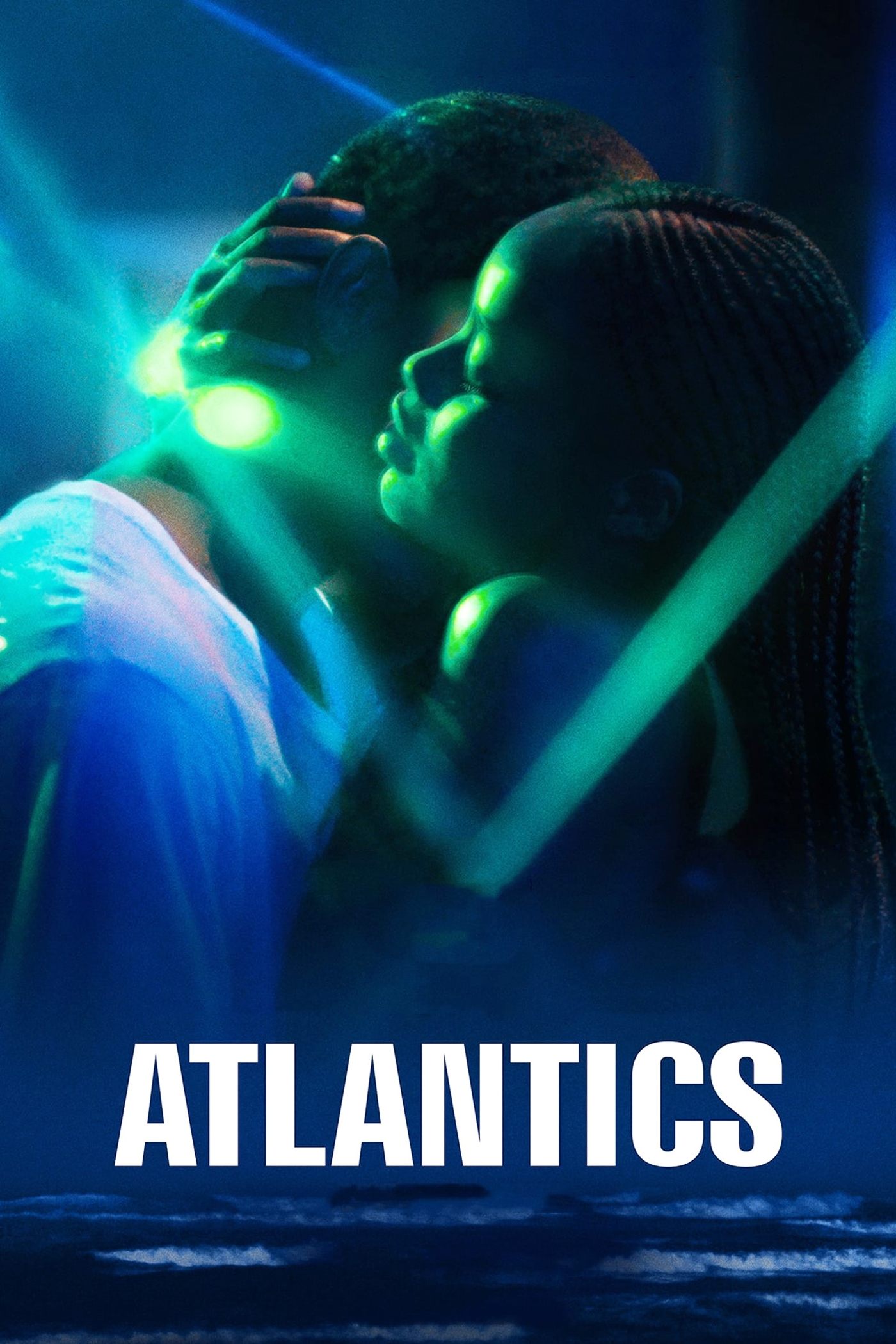
Mati Diop’s haunting film blends romance, mystery, and supernatural elements in a coastal Dakar suburb. Ada, a young woman, is torn between love and an arranged marriage, but when her lover Souleiman and other workers vanish at sea, strange events unfold. Diop uses ghostly imagery to explore grief, exploitation, and resilience.
The film’s dreamlike quality and emotional depth set it apart. It’s a slow-burn horror that leaves you thinking about love and loss long after it ends.
Blacula (1972)
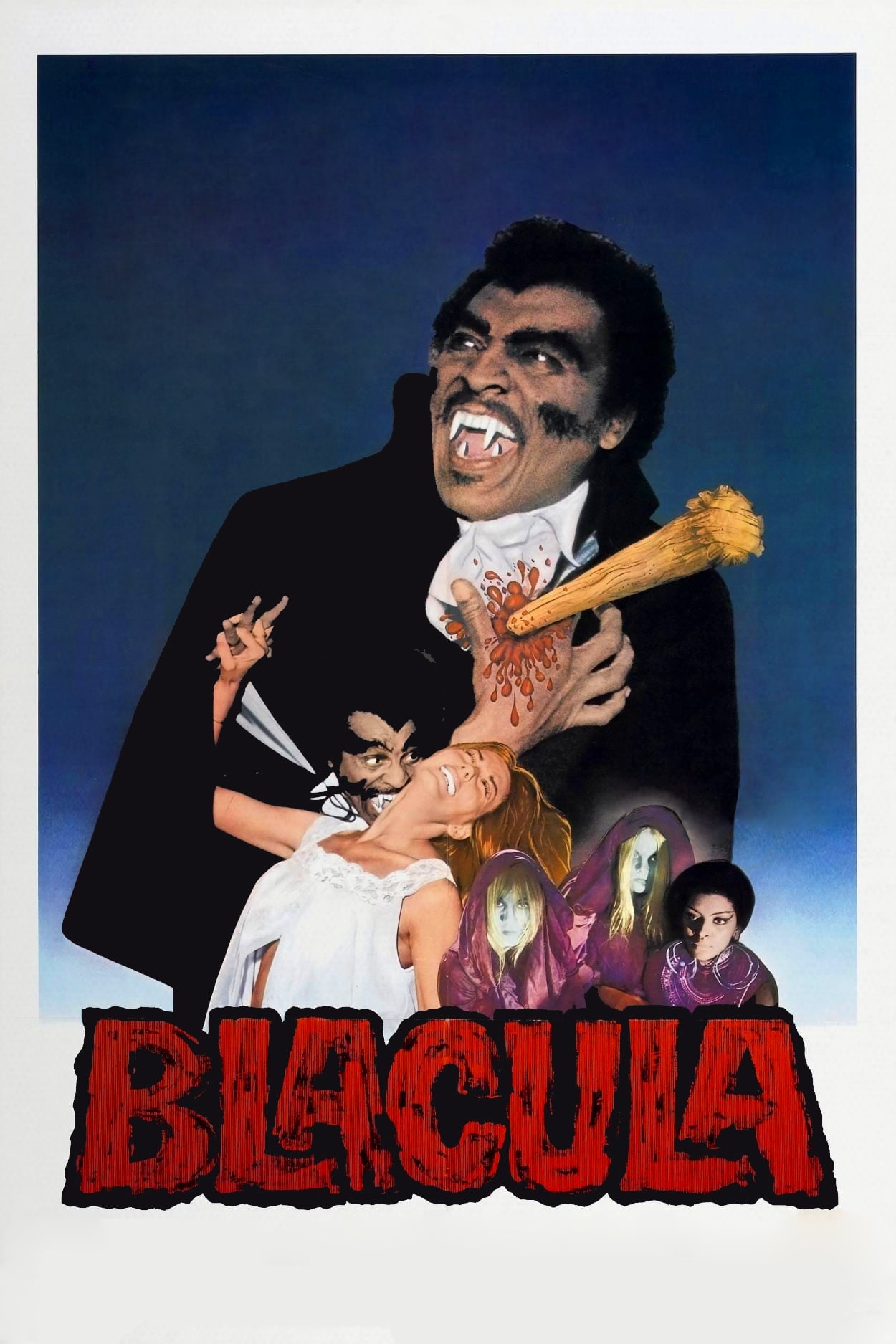
William Crain’s cult classic puts a fresh spin on vampire lore. An African prince, turned into a vampire by Dracula, awakens in 1970s Los Angeles seeking revenge and love. William Marshall’s commanding performance as Blacula brings dignity and menace to the role, elevating the film beyond its blaxploitation roots.
It’s a fun yet poignant mix of horror and cultural commentary, tackling themes of displacement and identity. The film’s retro vibe and bold energy make it a must-watch.
His House (2020)
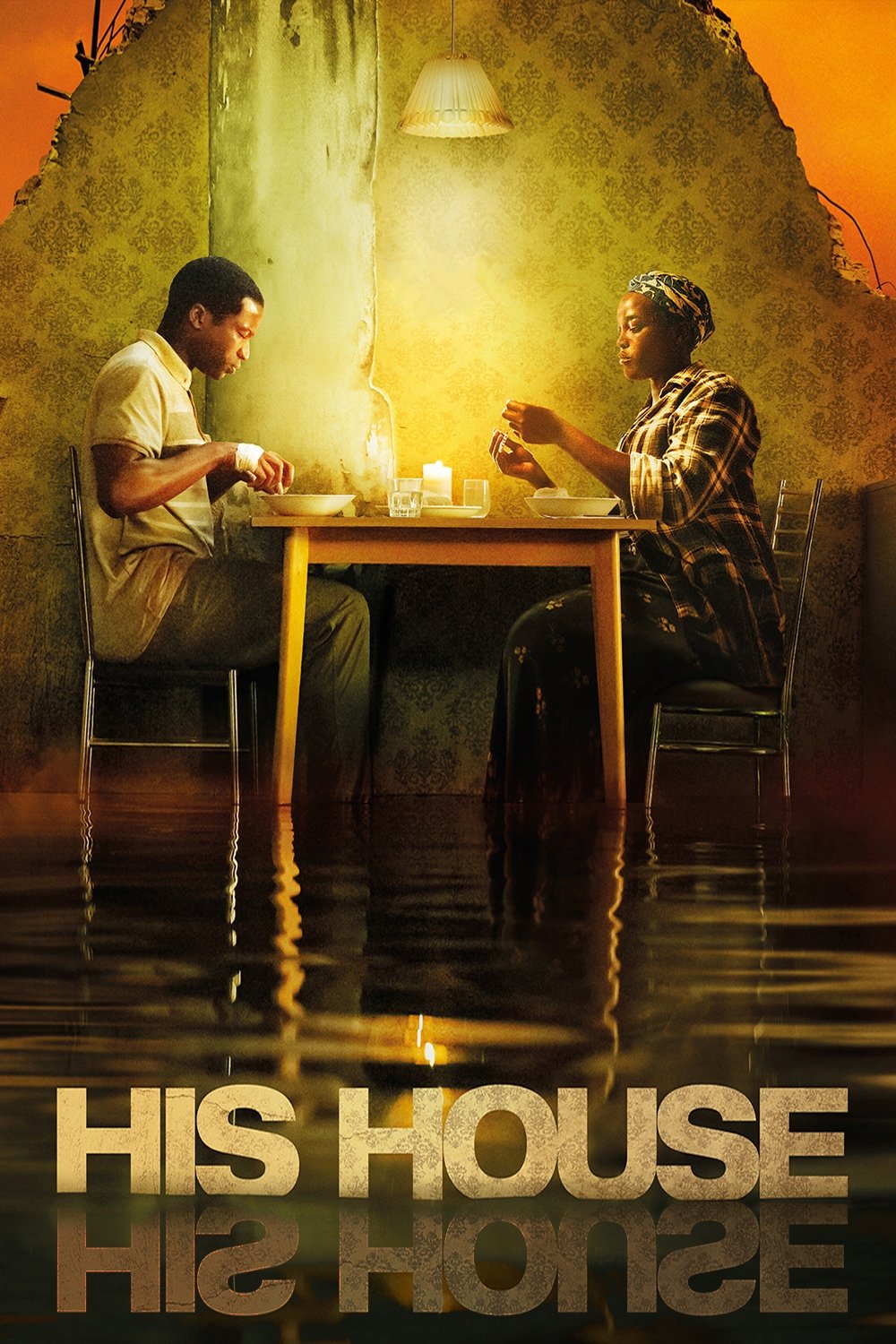
Remi Weekes crafts a gripping tale of a South Sudanese refugee couple, Bol and Rial, resettling in a rundown English town. As they face hostility from neighbors, a malevolent force in their home reveals their past traumas. Sope Dirisu and Wunmi Mosaku deliver raw, powerful performances.
The film uses horror to explore the immigrant experience, blending jump scares with emotional weight. It’s a haunting look at survival and the ghosts we carry.
Us (2019)
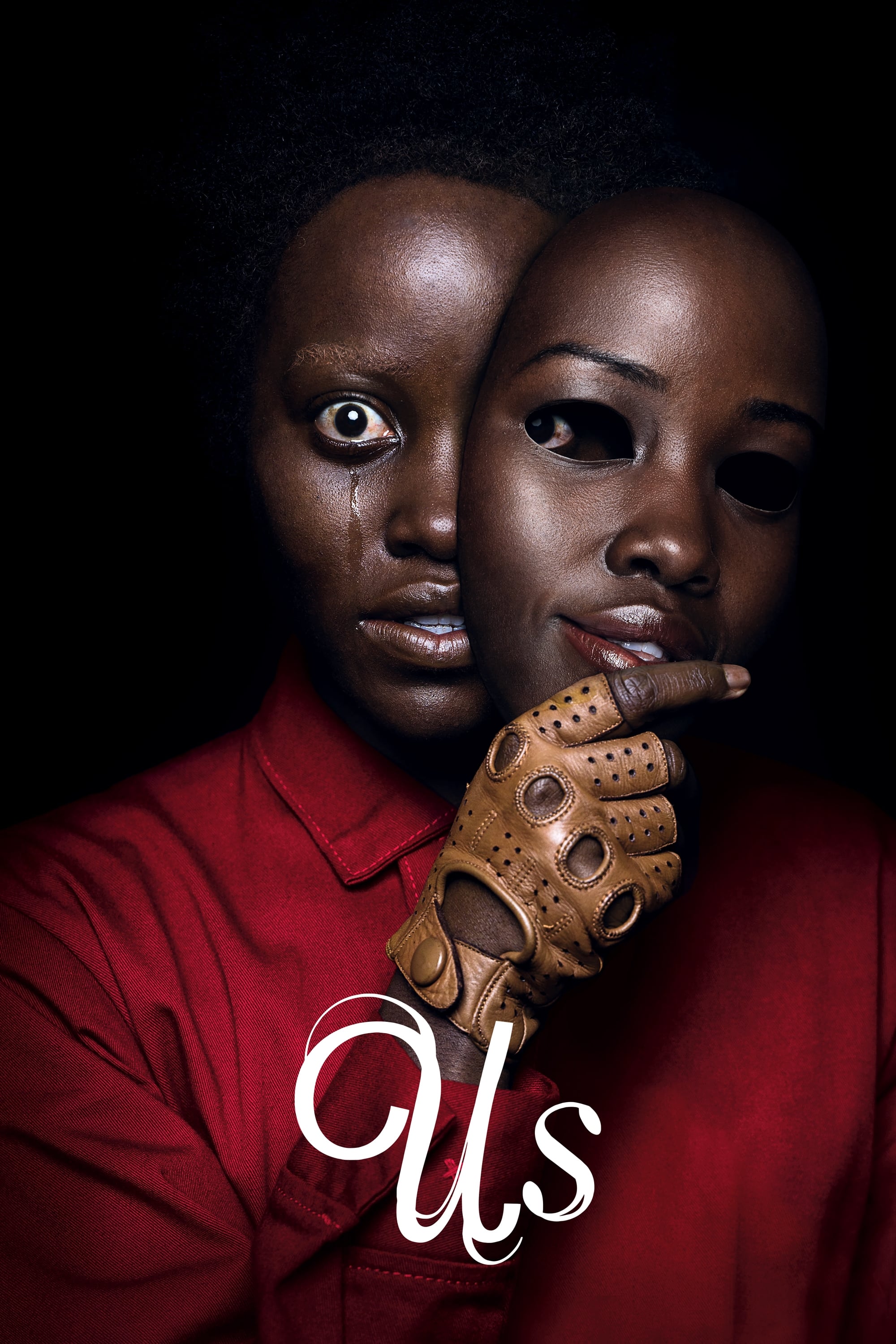
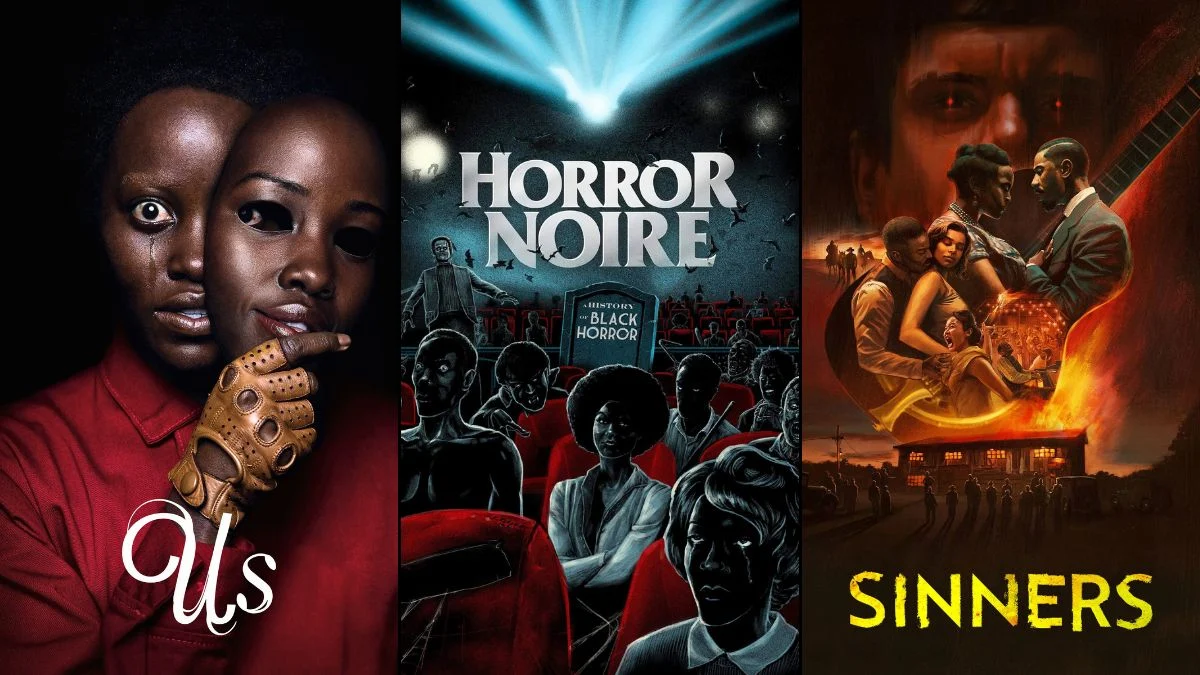
Jordan Peele strikes again with a chilling story about the Wilson family facing their doppelgänger counterparts. Lupita Nyong’o delivers a stunning dual performance as Adelaide and her shadow, Red, in a film that explores class, identity, and duality. Peele’s direction keeps you guessing with every twist.
The film’s eerie atmosphere and sharp social commentary make it a standout. It’s a horror experience that’s as unsettling as it is thought-provoking.
Ganja & Hess (1973)

Bill Gunn’s experimental horror film follows Dr. Hess Green, a wealthy anthropologist who becomes a vampire after a cursed dagger incident. Starring Duane Jones and Marlene Clark, the film dives into addiction, spirituality, and Black identity, using surreal visuals and a haunting score.
It’s less about traditional scares and more about existential dread, making it a bold, unconventional entry in the genre. Its raw artistry still feels ahead of its time.
Sinners (2025)
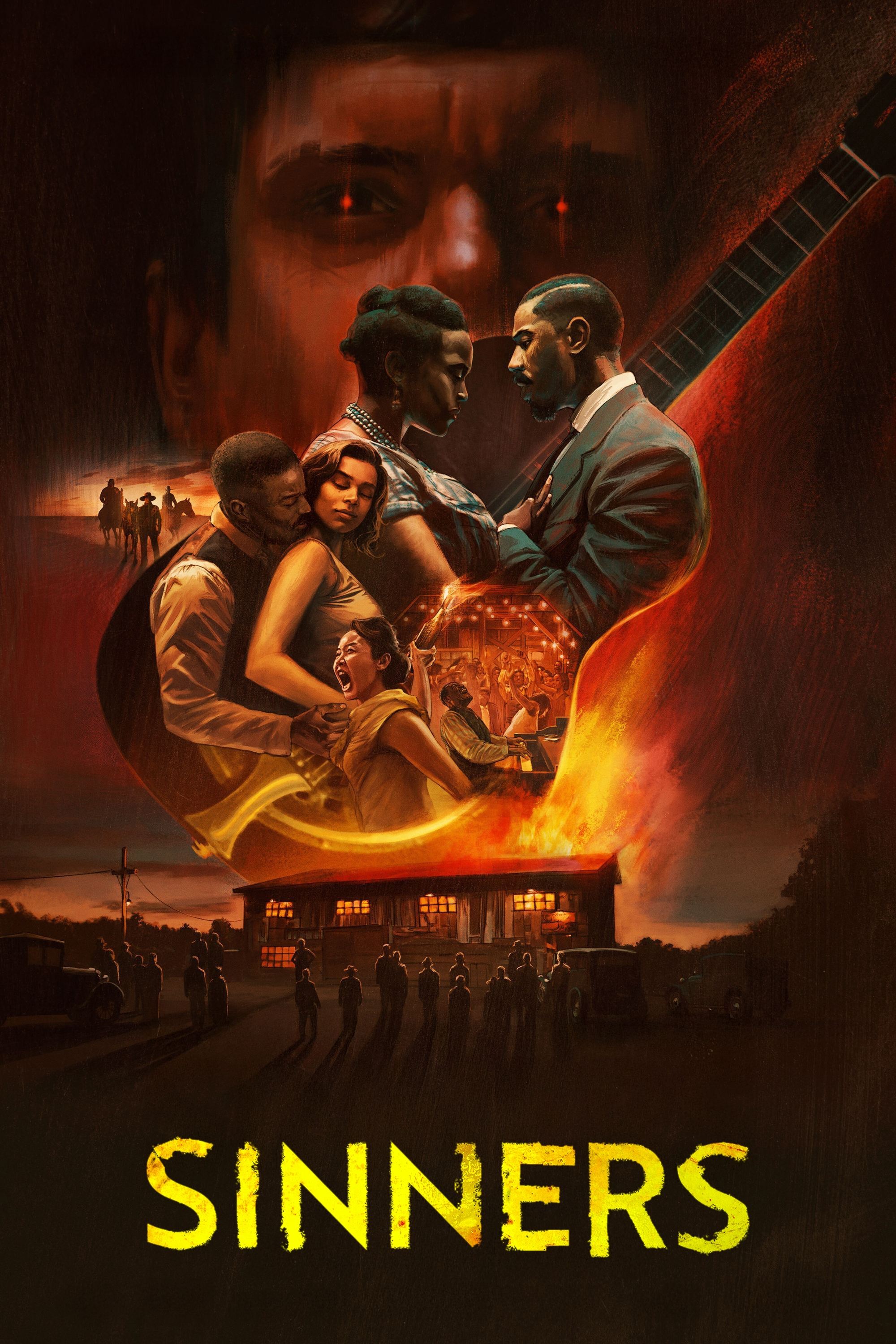
Ryan Coogler’s latest horror venture follows twin brothers returning to their hometown, only to face a sinister force. Michael B. Jordan leads a stellar cast, bringing intensity to a story about redemption and confronting evil. Coogler blends supernatural horror with emotional stakes, creating a gripping narrative.
The film’s atmospheric tension and strong performances make it a modern horror gem. It’s a powerful addition to Coogler’s already impressive lineup.
Horror Noire: A History of Black Horror (2019)
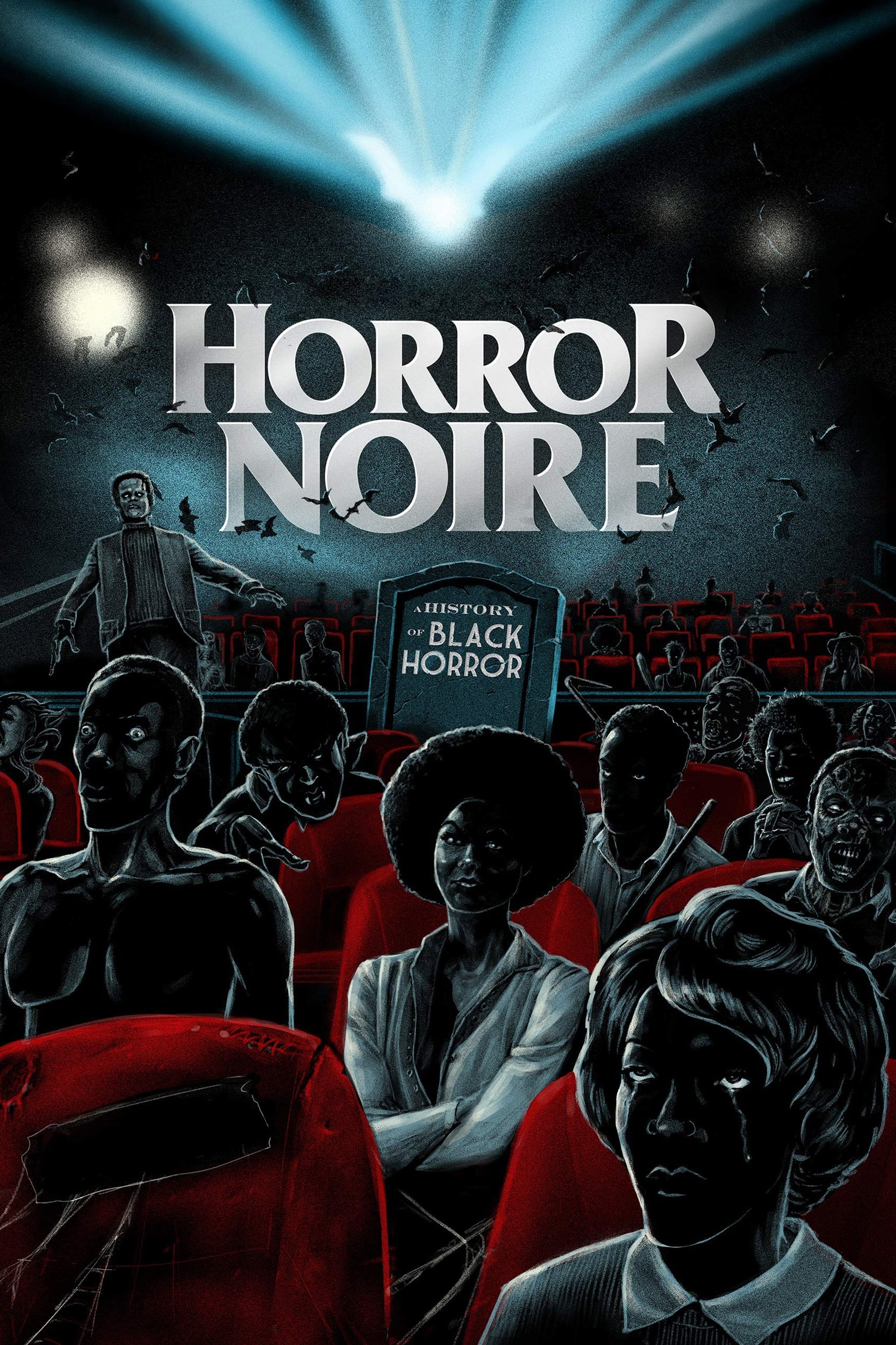
Xavier Burgin’s documentary dives into the legacy of Black horror films, exploring how African American filmmakers and actors have shaped the genre. Featuring insights from directors like Rusty Cundieff and scholars like Robin R. Means Coleman, it traces the evolution from early cinema to modern hits.
It’s not a horror film but a vital companion to the genre, offering context and celebrating Black contributions. This documentary is a must for any horror fan wanting to dig deeper.
Which of these films scared you the most, or is there another Black-directed horror gem I missed? Drop your thoughts in the comments!