10 Offensive Movie Moments That Wouldn’t Be Made Today



Movies often capture the spirit of their time, including attitudes that can seem shocking or wrong today. Certain scenes, once considered funny or dramatic, now feel out of place because of their insensitive content.
These are ten moments from films that wouldn’t get made today. These scenes, rooted in outdated takes on race, gender, or culture, show how much filmmaking has changed. Let’s dive into why these moments would never see the light of day now.
Breakfast at Tiffany’s – ‘Mr. Yunioshi’s Caricature’ (1961)

Mickey Rooney’s role as Mr. Yunioshi in Breakfast at Tiffany’s is a painful racial stereotype. His over-the-top accent, buckteeth, and clumsy antics were meant as comedy but are offensive now.
The character mocks Asian culture in a way that feels cruel. Studios today would avoid this caricature entirely, and even Rooney and director Blake Edwards later regretted the choice.
The Jazz Singer – ‘Blackface Performance’ (1927)
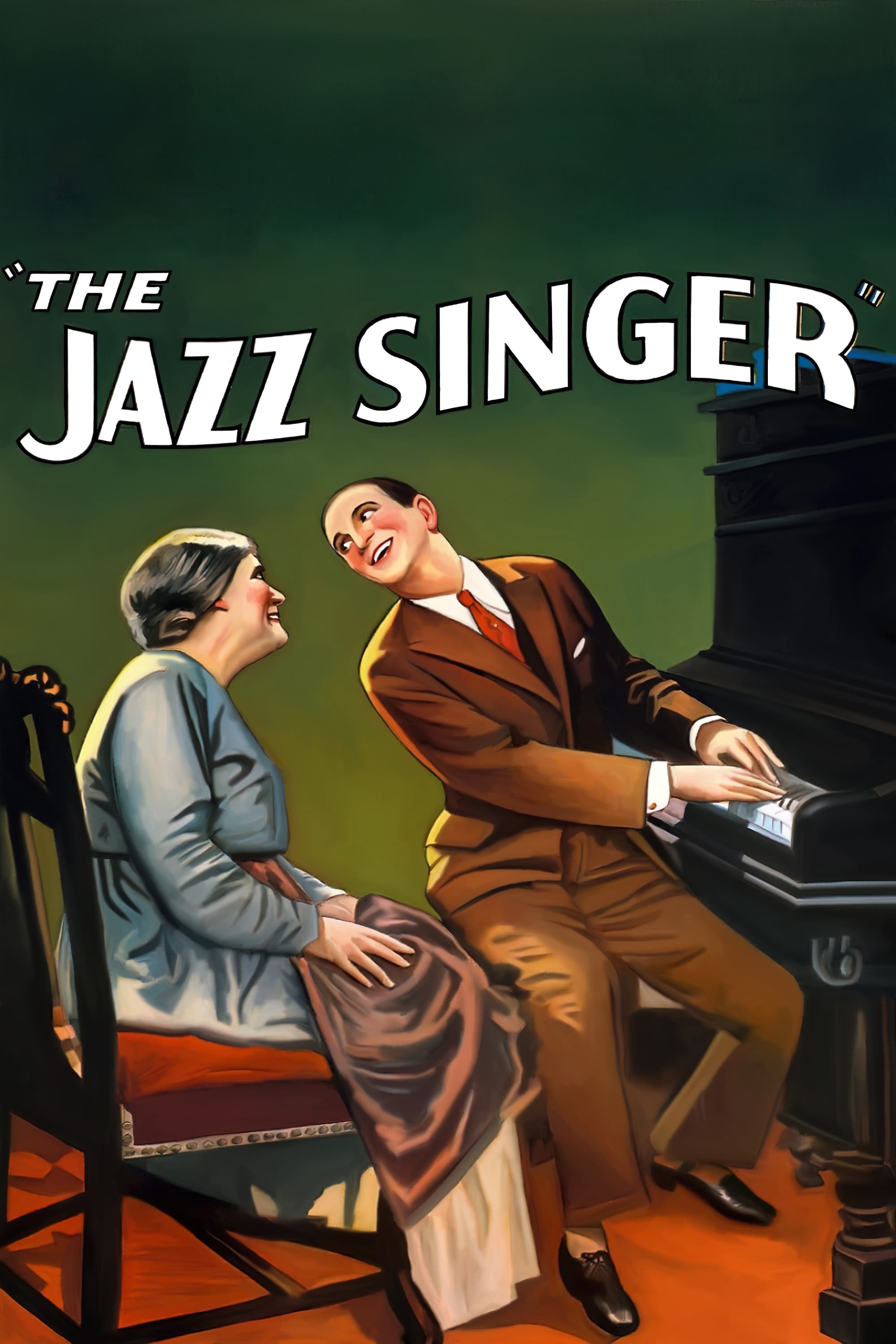
Al Jolson’s blackface act in The Jazz Singer was a key part of the film, which broke ground by adding sound to cinema. He plays a singer who uses blackface for his shows, a practice common at the time.
Blackface is now seen as a racist trope that degrades Black people. This scene’s casual use of it would be unthinkable today, as it relies on harmful stereotypes.
Revenge of the Nerds – ‘Sexual Assault as Comedy’ (1984)
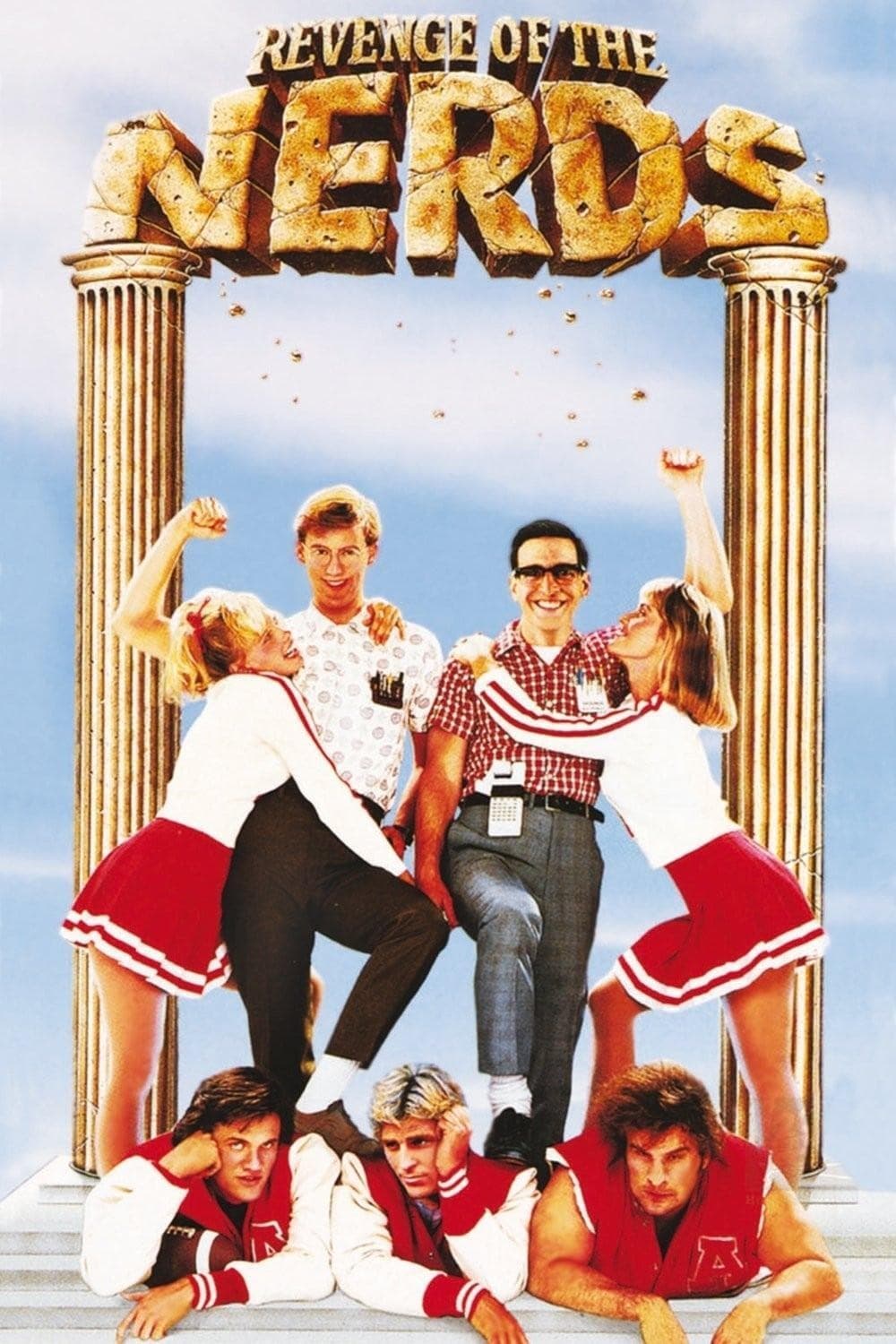
In Revenge of the Nerds, Lewis tricks Betty into s*x by pretending to be her boyfriend, using a mask. The film plays this serious violation as a joke, which lands horribly now.
Modern audiences would find this scene appalling, as it trivializes sexual assault. Studios would cut it, knowing it crosses a line that can’t be laughed off.
Ace Ventura: Pet Detective – ‘Transphobic Gag’ (1994)
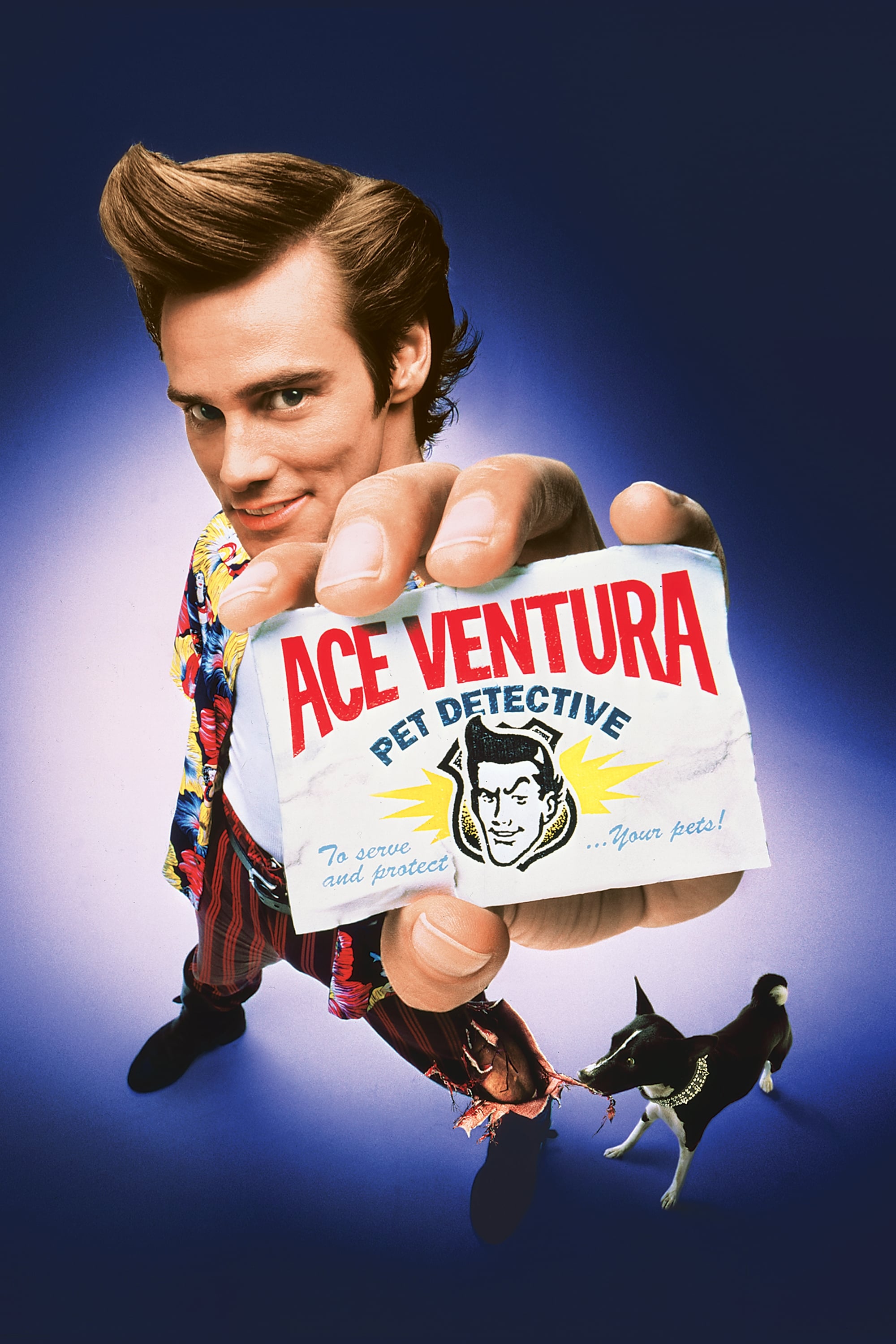
A scene in Ace Ventura: Pet Detective reveals Einhorn as transgender, leading Jim Carrey’s character to react with exaggerated disgust, vomiting and scrubbing himself. It uses trans identity for shock humor.
This cruel joke mocks a marginalized group for cheap laughs. Filmmakers today would skip this, aware it alienates viewers and spreads harmful ideas.
Soul Man – ‘Racial Stereotypes’ (1986)
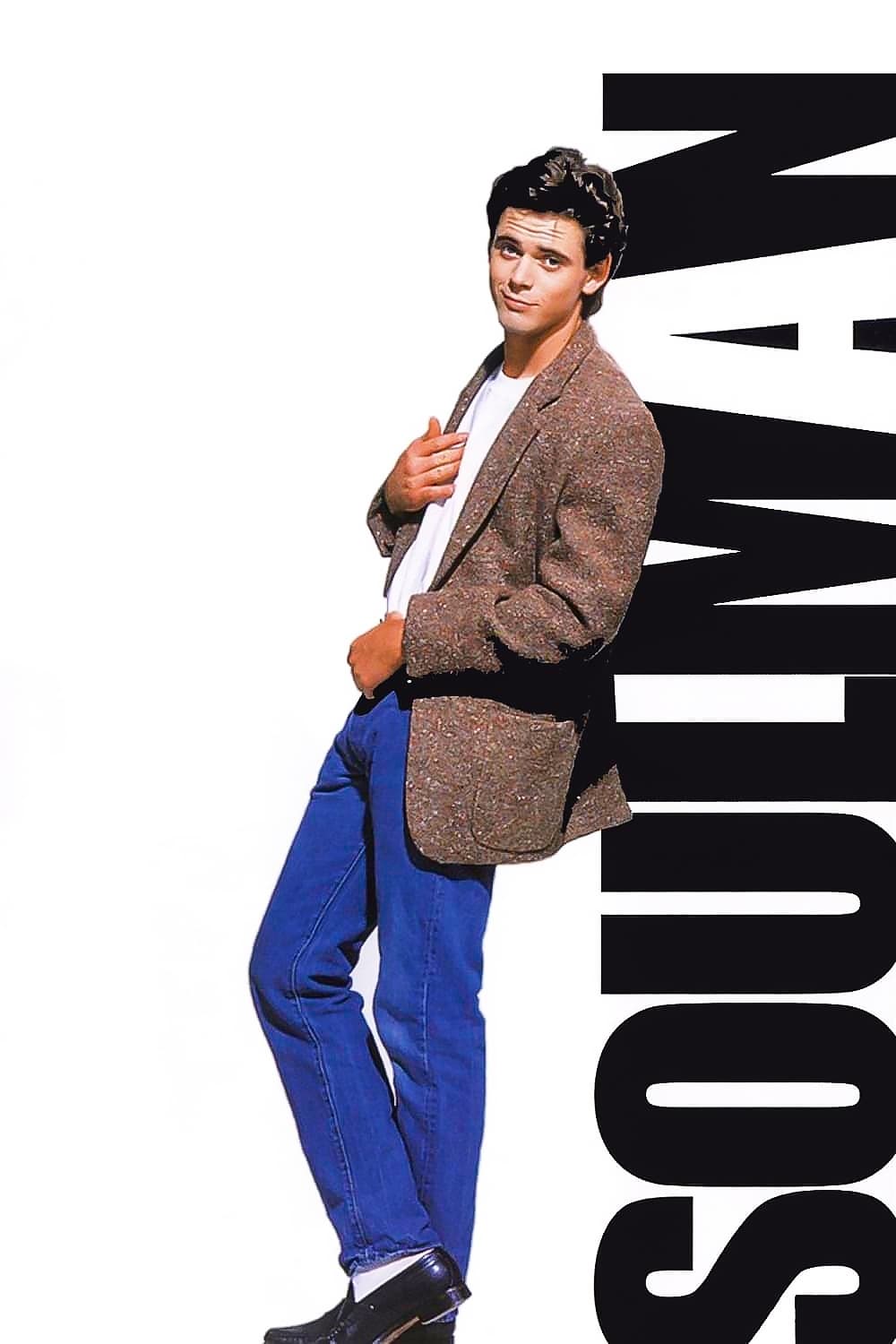
Soul Man has C. Thomas Howell’s character use blackface to pose as a Black student for a scholarship. The film treats this as a funny adventure, ignoring its racial insensitivity.
Leaning on blackface and stereotypes about Black culture would be rejected today. Modern films aim for respect, making this premise a total non-starter.
The Last Samurai – ‘White Savior Narrative’ (2003)
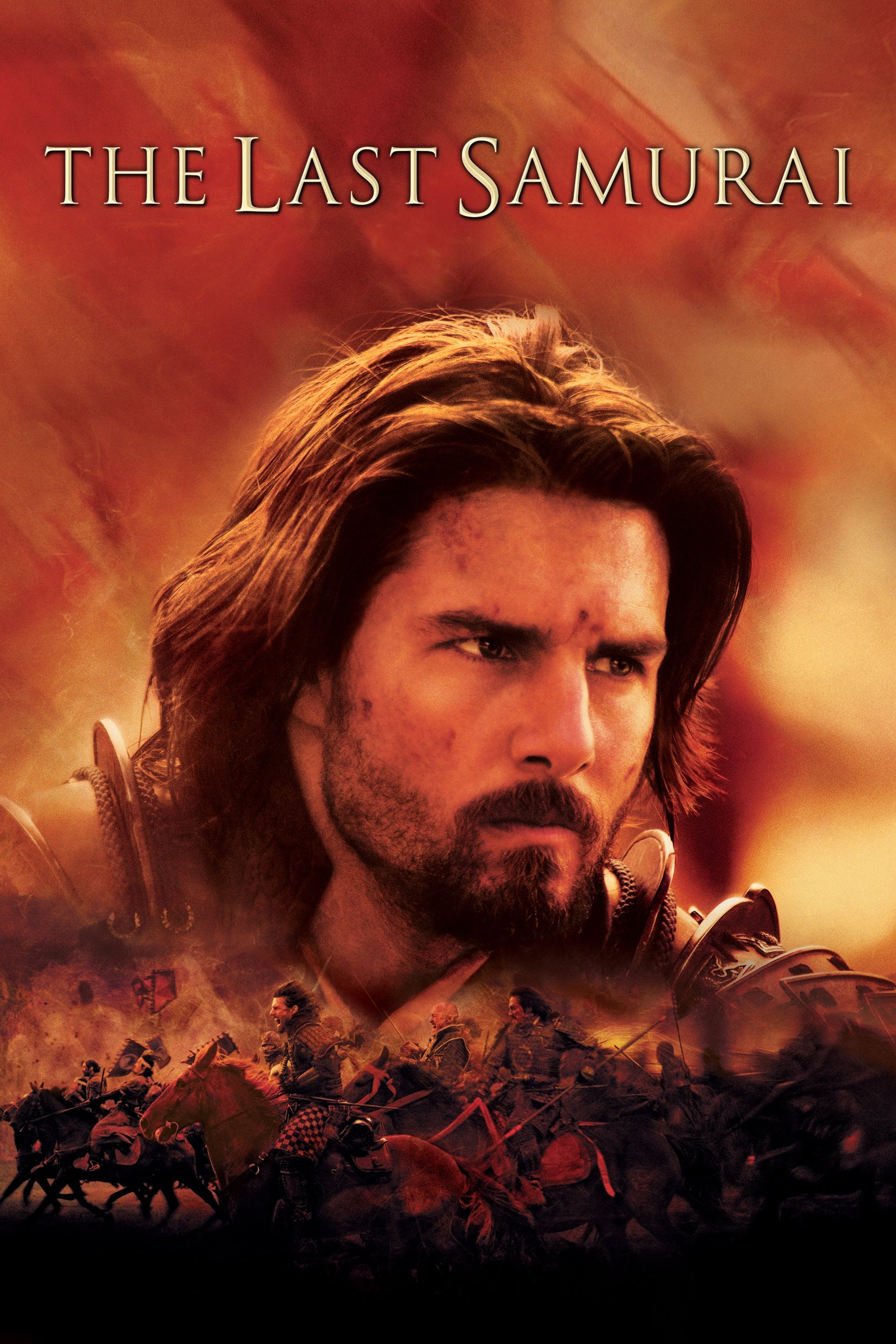
In The Last Samurai, Tom Cruise’s character becomes a hero to a samurai clan, mastering their ways and leading their fight. It centers a white man in a Japanese story.
This trope, where a white hero overshadows non-white cultures, feels patronizing now. Today’s filmmakers would prioritize authentic voices, avoiding this setup.
Airplane! – ‘Jive Talk Scene’ (1980)
Airplane! includes a moment where Barbara Billingsley translates ‘jive’ spoken by two Black passengers for laughs. It relies on stereotypes about Black speech and culture.
Mocking marginalized groups like this would face backlash today. Modern comedies focus on inclusivity, making this scene feel dated and wrong.
Slap Shot – ‘Homophobic Slurs’ (1977)
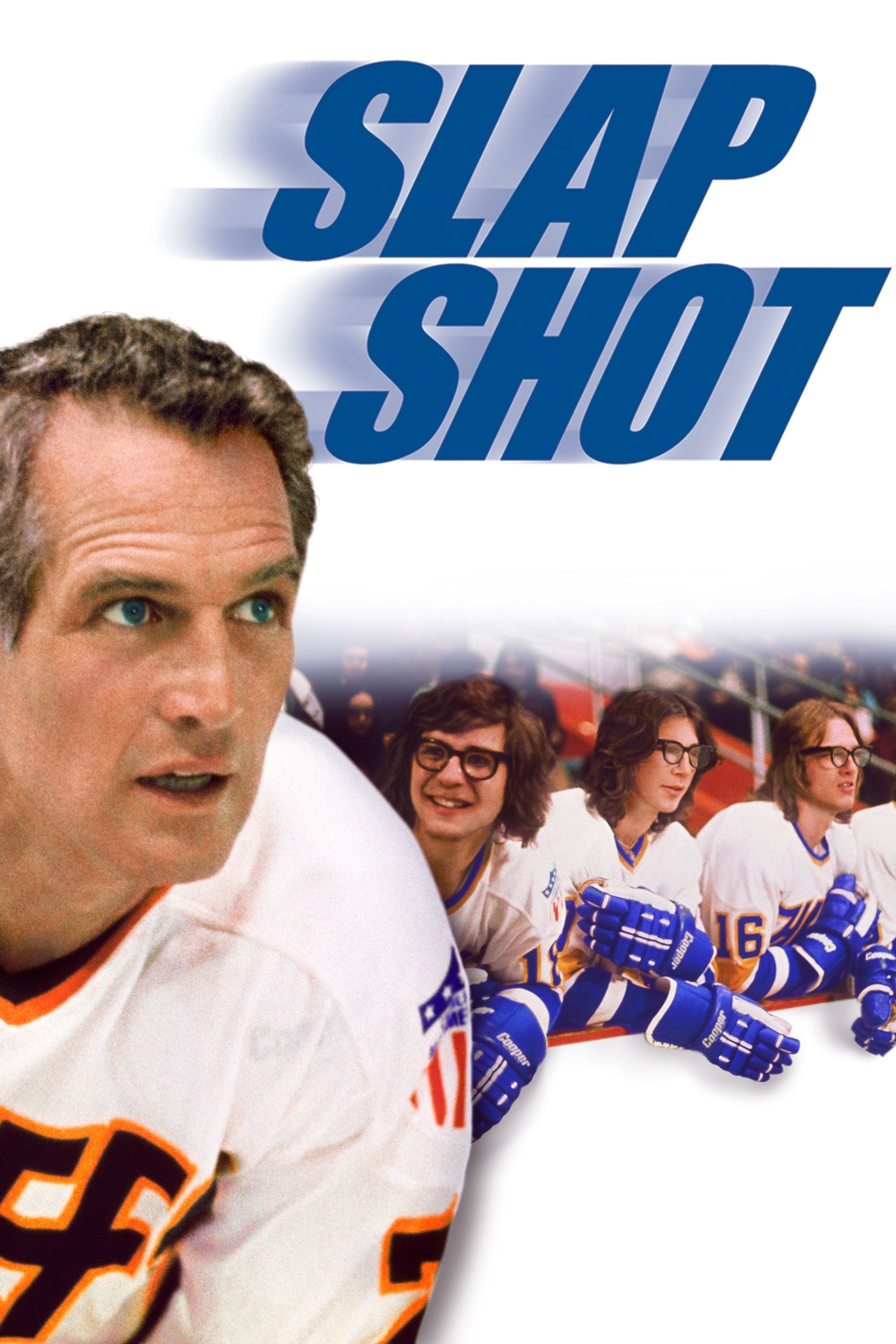
In Slap Shot, Paul Newman’s hockey team uses homophobic slurs casually in locker room talk. The language fit the era’s sports culture but feels harsh now.
Such dialogue would be removed from today’s films, as it normalizes harmful terms. Filmmakers now aim for stories that don’t offend or exclude.
Goldfinger – ‘Bond’s Misogyny’ (1964)
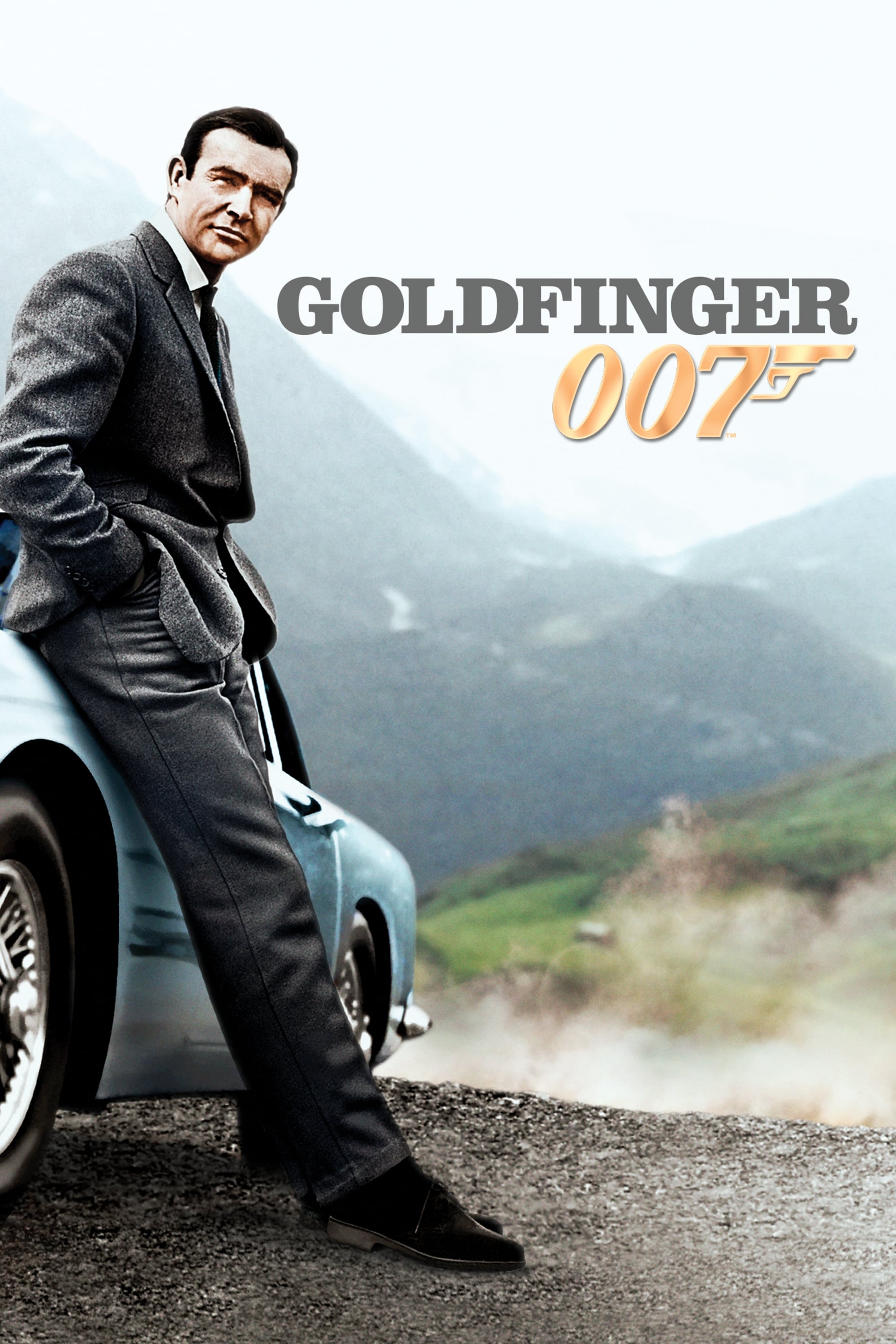
Goldfinger shows James Bond forcing himself on Pu**y Gal*re in a barn, despite her resistance. The scene frames this coercion as romantic, with her giving in.
Portraying non-consensual behavior as heroic is unacceptable today. Modern films would never let a character like Bond act this way without consequence.
Birth of a Nation – ‘Racist Portrayal’ (1915)

Birth of a Nation glorifies the Ku Klux Klan and shows Black characters as dangerous stereotypes. One scene has a Black man, played by a white actor in blackface, threatening a white woman.
The film’s overt racism and white supremacist themes are indefensible now. No studio would produce a movie with such hateful content today.
Which movie scene do you find most jarring today, or did I overlook one that wouldn’t work now? Share your thoughts in the comments!