5 Things About ‘Star Wars Episode III: Revenge of the Sith’ That Made Zero Sense and 5 Things That Made Perfect Sense



‘Star Wars Episode III: Revenge of the Sith’ (2005) stands as a pivotal chapter in the saga, bridging the prequel trilogy to the original films. It’s a story of tragedy, betrayal, and epic battles, with Anakin Skywalker’s descent into Darth Vader at its heart. I’ve always found it a mix of brilliant moments and head-scratching choices, making it a fascinating film to dissect.
As the darkest prequel, it delivers emotional weight and stunning visuals, but some elements leave me puzzled, while others click perfectly. Below, I explore five things that made no sense and five that worked beautifully, alternating between the two to keep things balanced.
Made Zero Sense: Palpatine’s Plan Relies on Too Much Luck
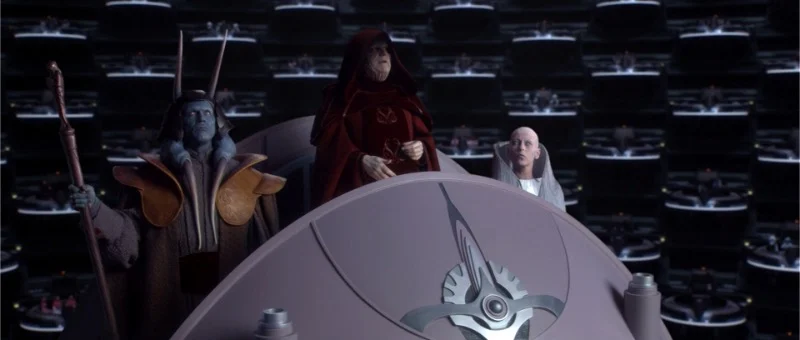
Emperor Palpatine orchestrates Anakin’s fall with cunning, but his scheme feels like a house of cards. He banks on Anakin’s loyalty shifting through a series of unlikely events—Padmé’s pregnancy, nightmares, and a perfectly timed rescue from Count Dooku. If any single piece failed, like Anakin refusing to intervene in key moments, the whole plan could collapse.
It’s hard to buy that a mastermind like Palpatine would hinge his galaxy-dominating scheme on such fragile threads. The Jedi Council’s distrust of Anakin plays into his hands, but that’s more coincidence than strategy. A tighter plan with fewer variables would’ve made his genius more convincing.
Made Perfect Sense: Anakin’s Emotional Turmoil

Anakin’s journey to the dark side is the film’s emotional core, and it lands powerfully. His fear of losing Padmé, fueled by visions of her death, drives him to desperate choices. The conflict between his love for her and his loyalty to the Jedi feels raw and human.
His gradual mistrust of the Jedi, paired with Palpatine’s manipulation, makes his transformation into Darth Vader tragic yet believable. Hayden Christensen’s performance captures Anakin’s inner struggle, especially in quiet moments of doubt. It’s a compelling arc that anchors the entire prequel trilogy.
Made Zero Sense: The Jedi Council’s Blindness

The Jedi Council, supposedly wise and powerful, misses every red flag about Palpatine. They sense a dark presence but never suspect the Chancellor sitting under their noses. Their decision to spy on him through Anakin, without addressing his obvious instability, feels reckless.
How could masters like Yoda and Mace Windu be so oblivious? Palpatine’s influence over Anakin is clear, yet they push him away instead of guiding him. This lack of foresight undermines their authority and makes their downfall feel less tragic and more avoidable.
Made Perfect Sense: The Order 66 Execution

The execution of Order 66 is a chilling highlight. Clones turning on their Jedi commanders in an instant feels both shocking and inevitable. The film builds to this betrayal with subtle hints, like the clones’ loyalty to Palpatine over the Jedi.
The montage of Jedi falling across the galaxy, paired with John Williams’ haunting score, hits hard. It’s a masterclass in storytelling through visuals and music. The clones’ swift shift from allies to enemies underscores the fragility of trust in war.
Made Zero Sense: Padmé’s Sudden Death

Padmé’s death is one of the film’s biggest letdowns. After surviving childbirth, she simply ‘loses the will to live,’ according to the medical droid. This feels like a weak explanation for a character who’s been strong and resilient throughout the trilogy.
Her demise seems crafted to fit Anakin’s tragedy rather than her own arc. A clearer cause, like physical complications or a direct consequence of Anakin’s actions, would’ve given her exit more weight. Instead, it feels like a plot convenience that cheapens her role.
Made Perfect Sense: The Lightsaber Duels

The lightsaber battles in ‘Revenge of the Sith’ are some of the saga’s best. The clash between Anakin and Obi-Wan on Mustafar is a fiery, emotional spectacle, blending raw power with heartbreak. Their moves reflect years of training and brotherhood, now shattered.
Other duels, like Yoda versus Palpatine, bring equal intensity, showcasing the stakes of the galaxy’s collapse. The choreography is tight, and each fight feels distinct. These scenes elevate the film, delivering the epic action Star Wars fans crave.
Made Zero Sense: Grievous’ Pointless Role
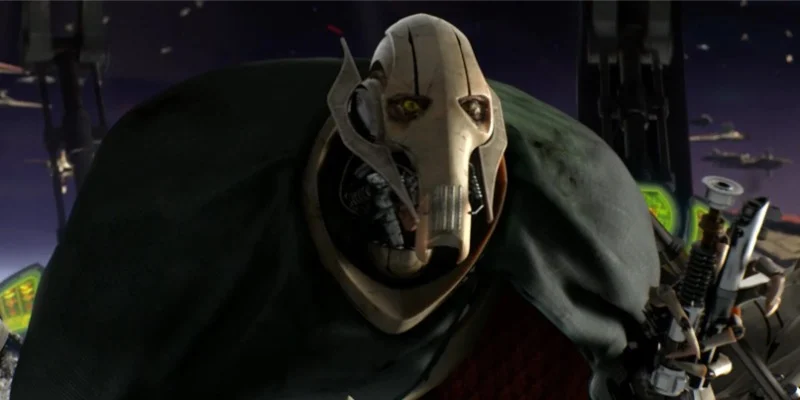
General Grievous, introduced as a menacing villain, ends up feeling like filler. He’s a coughing, four-armed lightsaber-wielding cyborg, but his screen time adds little to the plot. His defeat by Obi-Wan is swift and lacks impact.
His purpose seems to be a distraction while Palpatine’s plan unfolds, but he doesn’t pose a real threat. A more developed role, perhaps tying him directly to Anakin’s fall, could’ve justified his presence. As is, he’s a cool design with no substance.
Made Perfect Sense: Palpatine’s Seduction of Anakin
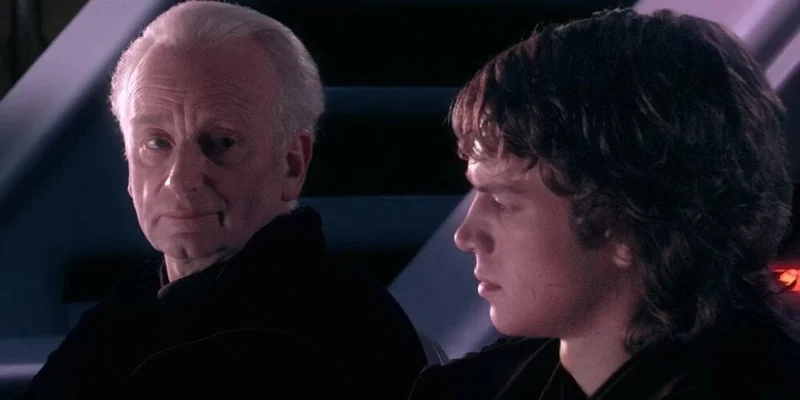
Palpatine’s manipulation of Anakin is a masterstroke of villainy. He plants doubts, preys on Anakin’s fears, and offers forbidden knowledge about saving Padmé. Ian McDiarmid’s performance is magnetic, balancing charm and menace.
Every conversation feels like a chess move, nudging Anakin closer to the dark side. The scene where he pledges himself to Darth Sidious is chilling and earned. It’s a slow burn that pays off, making Palpatine one of cinema’s great villains.
Made Zero Sense: Yoda’s Quick Exit
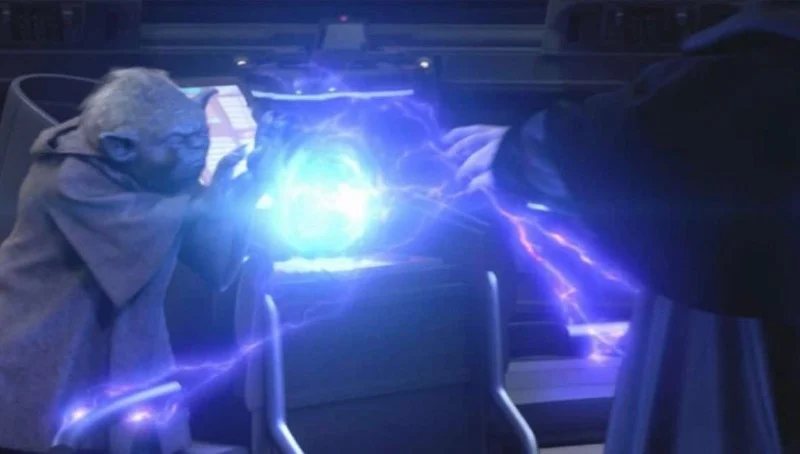
Yoda’s decision to exile himself after losing to Palpatine feels rushed. He’s a centuries-old Jedi Master, yet he gives up after one fight and heads to Dagobah. The galaxy is falling apart, and his retreat seems out of character.
A bit more context, like a clearer reason for his choice or a hint at a larger plan, would’ve helped. Instead, it feels like the story needed him out of the way for the original trilogy. His departure deserved more buildup.
Made Perfect Sense: The Birth of Darth Vader
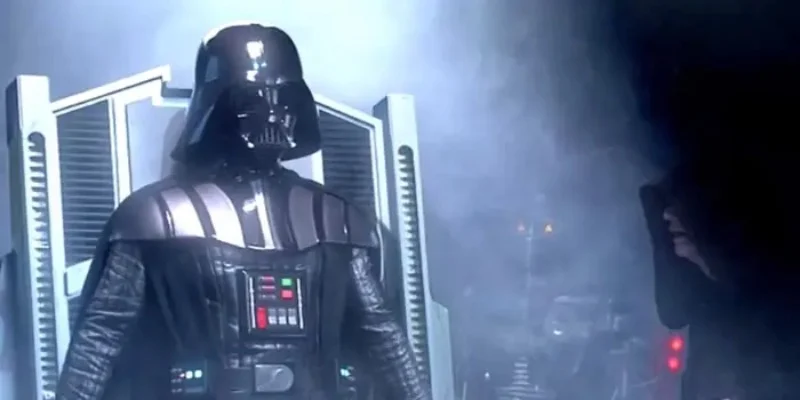
The final transformation of Anakin into Darth Vader is haunting and iconic. The operating table scene, with his mask lowering and that first mechanical breath, is unforgettable. It’s a visual and emotional climax that ties the prequels to the original films.
James Earl Jones’ voice returning as Vader seals the moment’s power. The pain, loss, and rebirth into a machine feel like the perfect cap to Anakin’s tragedy. It’s a scene that resonates with fans and defines the saga’s heart.
What’s your take on ‘Revenge of the Sith’—which moments confused you or felt spot-on? Drop your thoughts in the comments!