10 Book-to-Movie Changes That Enraged Fans of the Novels

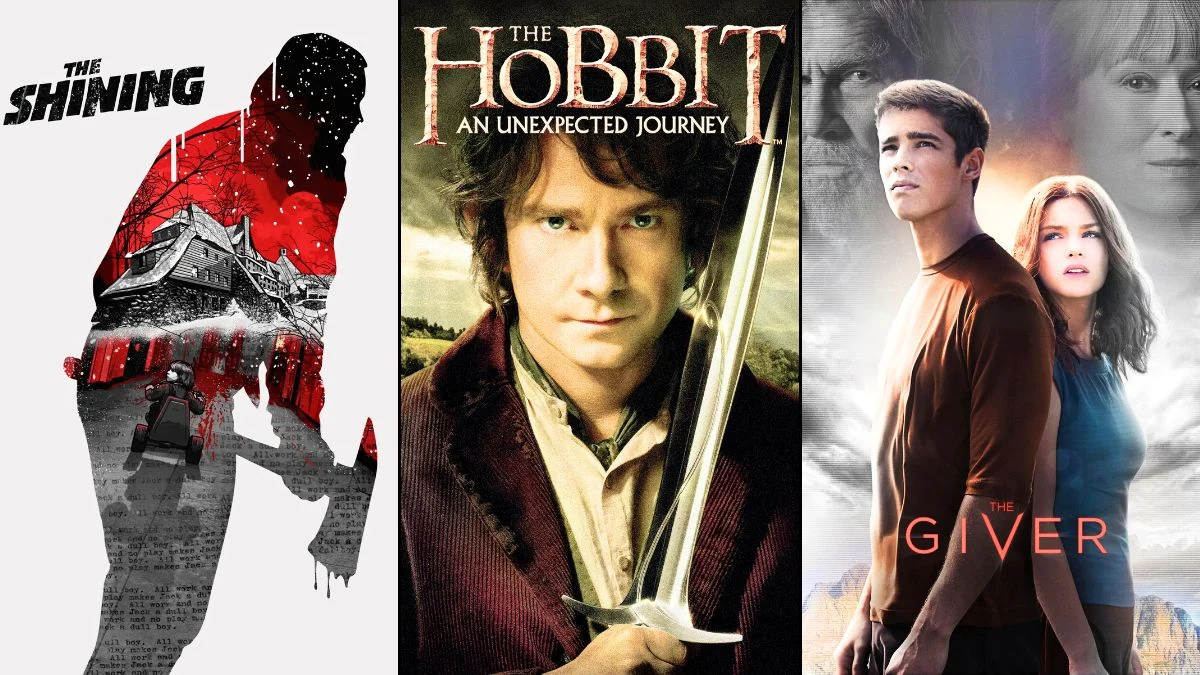

Turning a beloved book into a movie is a tough job, and changes to the story can spark major backlash from fans who cherish the original. When key moments, characters, or themes get altered, it often feels like a betrayal of the novel’s soul.
I’ve gathered ten book-to-movie changes that left readers steaming. These tweaks, from rewritten endings to sidelined characters, shifted the heart of the stories and upset devoted fans. Let’s explore what went wrong and why these changes caused such a stir.
My Sister’s Keeper – ‘Anna’s Ending Changed’ (2009)
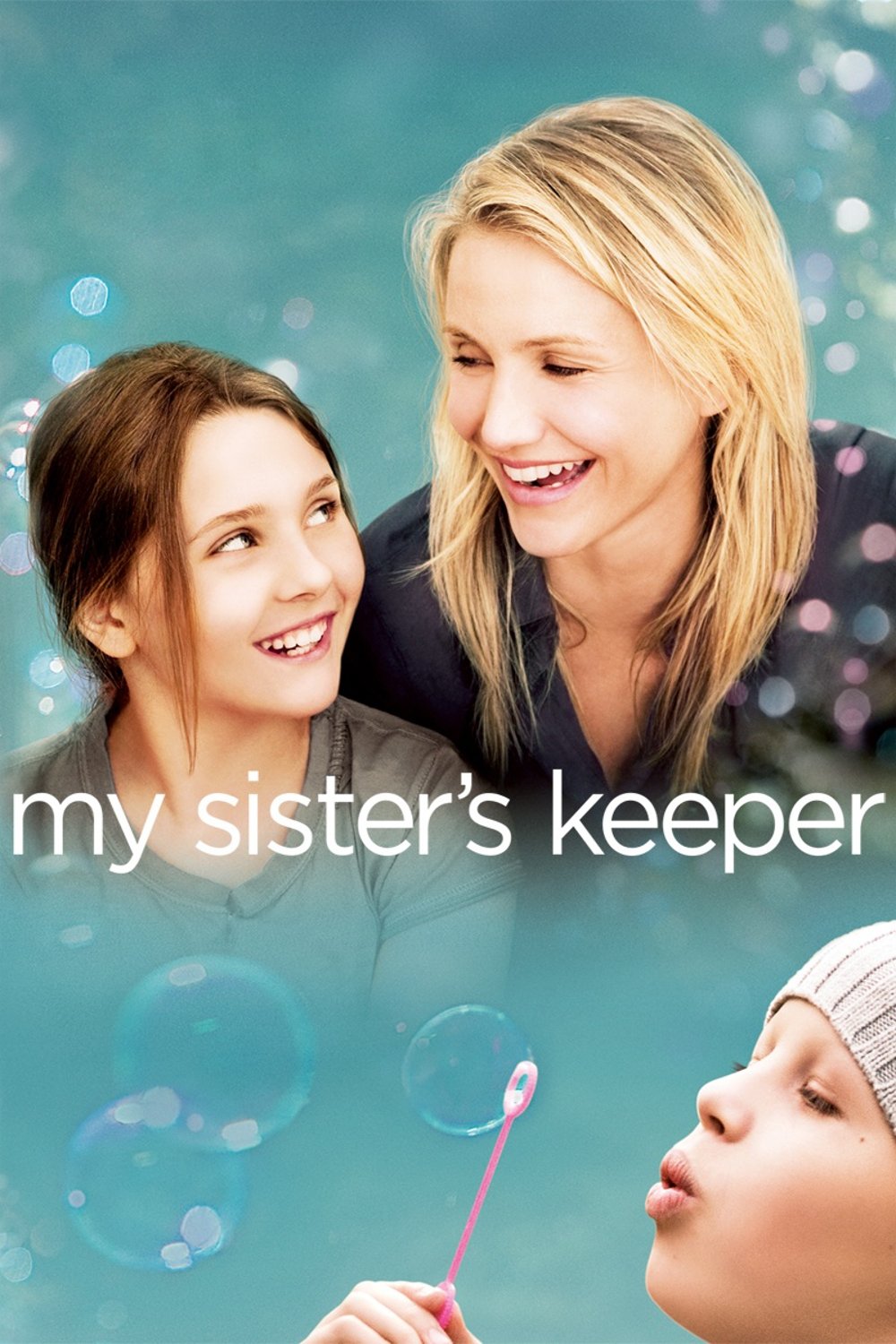
Jodi Picoult’s novel ends with Anna, conceived to save her sister Kate from leukemia, dying in a car crash, a heartbreaking twist that defines the story. The film My Sister’s Keeper flips this, letting Anna live while Kate passes away.
This change gutted the book’s emotional depth, turning a raw tale of sacrifice into a neat Hollywood drama. Fans were furious, feeling the movie dodged the novel’s tough, tragic core.
The Hobbit – ‘Bilbo Sidelined for Extras’ (2012-2014)
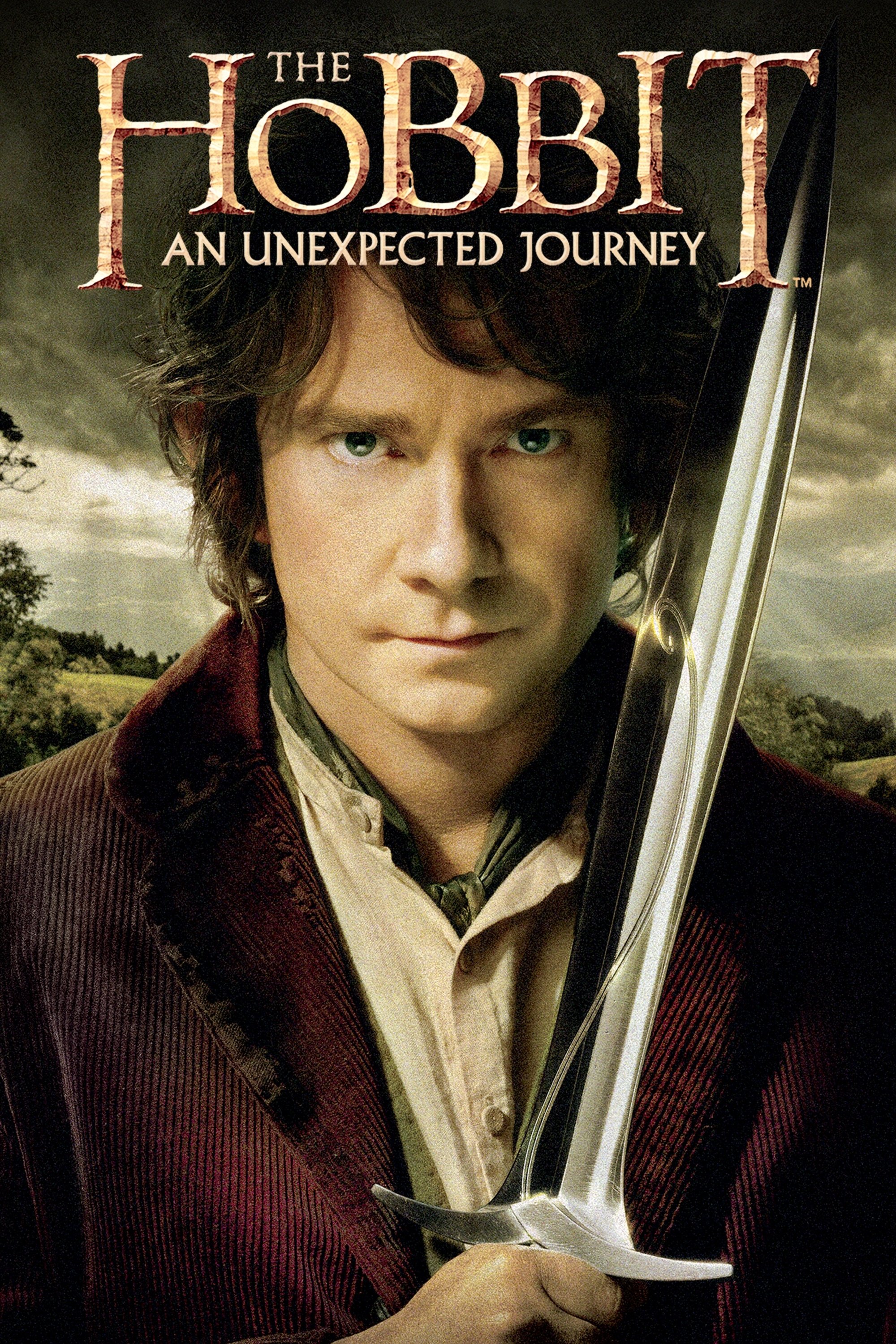
J.R.R. Tolkien’s book follows Bilbo Baggins on a tight, charming adventure. The film trilogy The Hobbit bloats the story into three parts, pushing Bilbo aside for new characters like Radagast and extra Gandalf scenes.
This shift turned a focused tale into an overstuffed epic, diluting Bilbo’s journey. Readers were annoyed that the book’s heart was buried under unnecessary action and filler.
Percy Jackson & the Olympians: The Lightning Thief – ‘Plot and Ages Altered’ (2010)
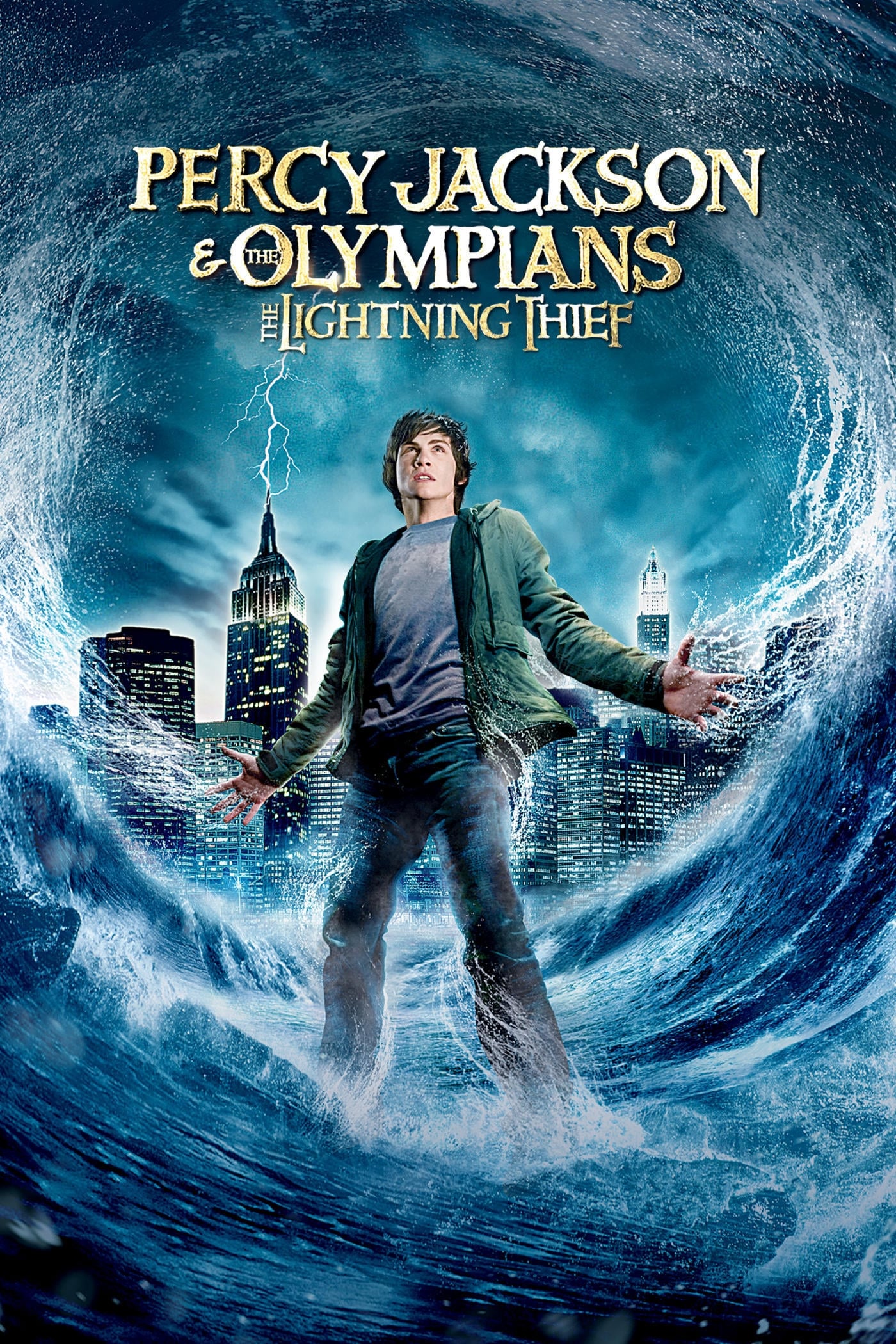
Rick Riordan’s novel centers on 12-year-old Percy, a demigod racing to return Zeus’s stolen lightning bolt. The film Percy Jackson and the Lightning Thief ages the characters to teens and skips major plot points like the Oracle’s prophecy.
These changes stripped the story’s youthful spirit and mythic depth, making it feel generic. Riordan and fans alike were upset that Percy’s world lost its unique spark.
The Giver – ‘Added Love Story’ (2014)
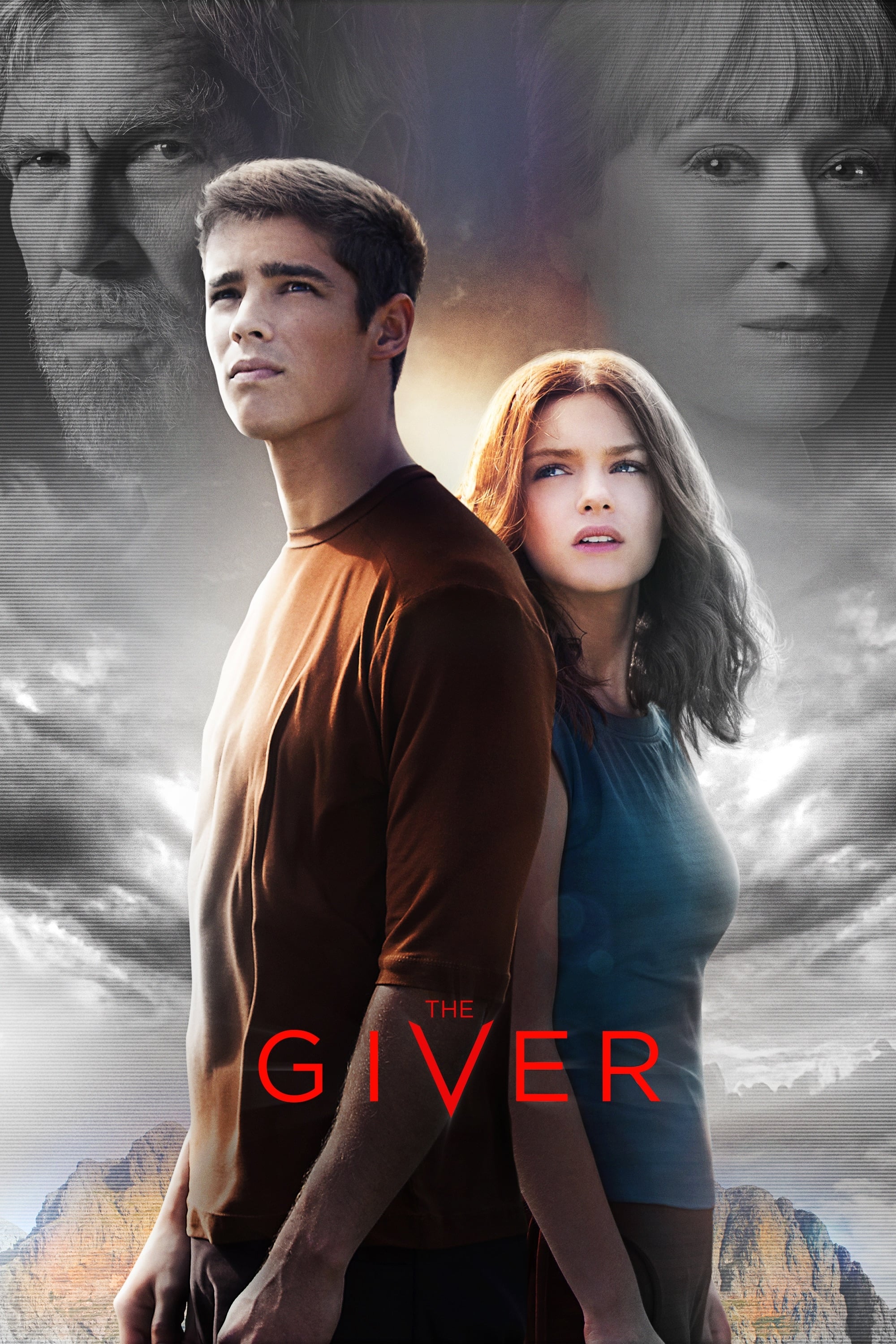
Lois Lowry’s novel is a stark dystopian story about Jonas, who holds his society’s memories, with no romance involved. The film The Giver adds a love plot between Jonas and Fiona, which isn’t in the book.
This romance clashed with the story’s focus on conformity and loss, turning it into a teen drama. Fans felt it undermined the novel’s haunting tone and serious themes.
The Time Traveler’s Wife – ‘Trigger for Time Jumps Changed’ (2009)

In Audrey Niffenegger’s novel, Henry’s time travel is sparked by joy, tying it to his emotional life. The film The Time Traveler’s Wife changes this to trauma, altering the core of his condition.
This shift made Henry’s travels feel random, not tied to his inner world. Fans were frustrated that the movie lost the book’s emotional logic and character depth.
I Am Legend – ‘Ending Simplified’ (2007)
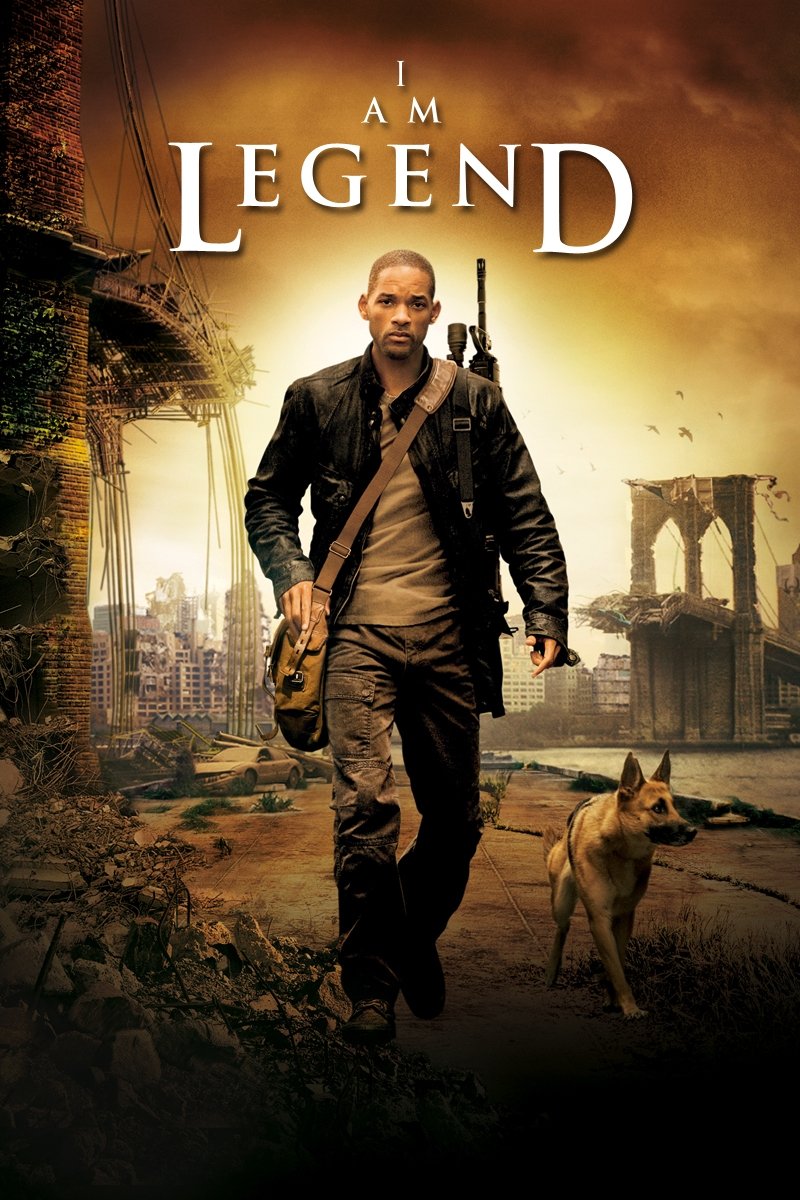
Richard Matheson’s novel ends with Robert Neville realizing he’s the monster to a new vampire society, a dark, thought-provoking twist. The film I Am Legend gives Neville a heroic sacrifice to save humanity.
This Hollywood ending erased the book’s complex moral shift, making it a standard action flick. Fans were mad that the profound message about humanity’s role was lost.
The Shining – ‘Hotel’s Role Changed’ (1980)
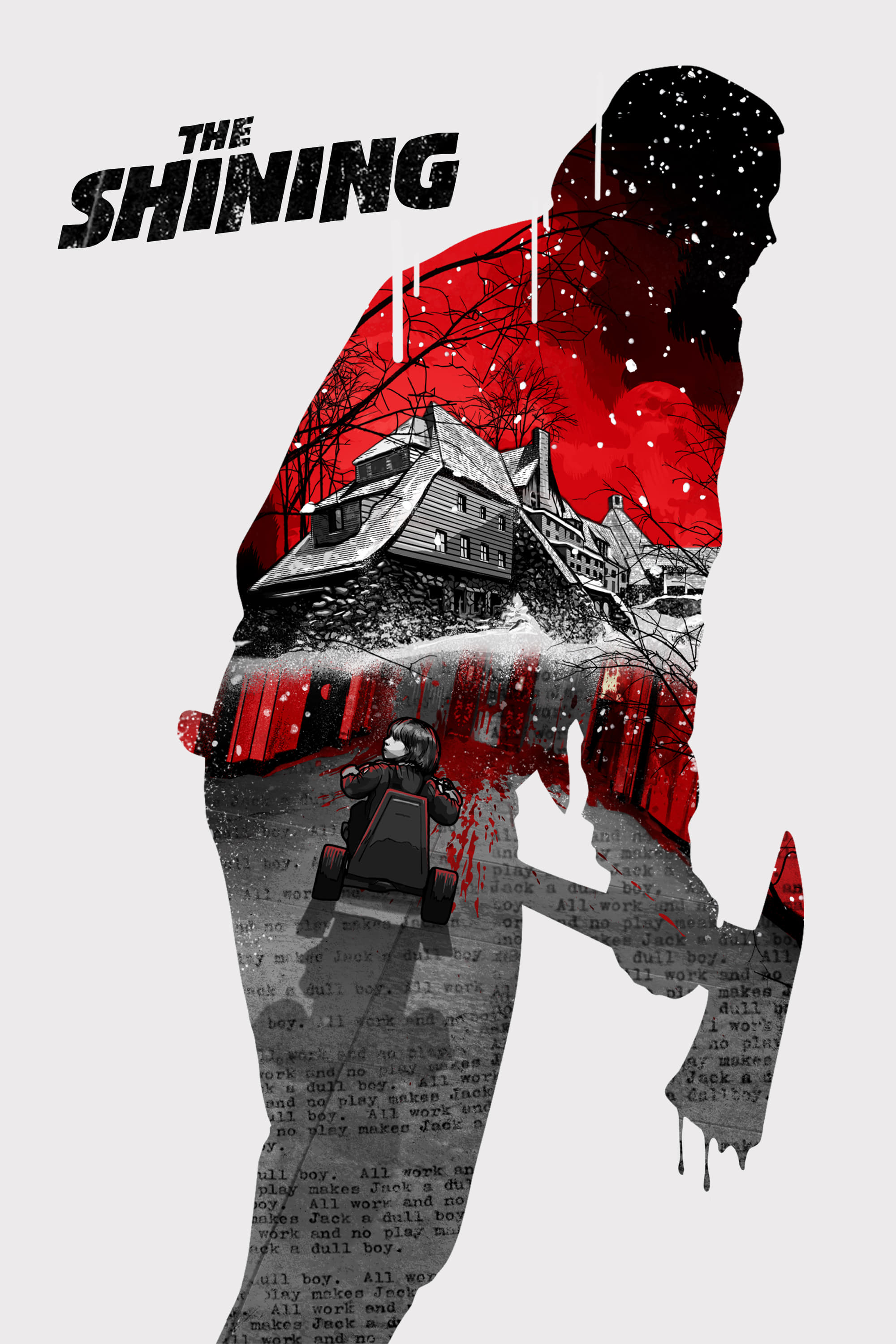
Stephen King’s novel makes the Overlook Hotel a living, evil force driving Jack Torrance’s madness. The film The Shining shifts this to Jack’s personal descent, with the hotel as a mere backdrop.
This change dulled the book’s supernatural horror, frustrating King and fans. The hotel’s loss as a malevolent entity made the story feel less eerie and gripping.
Allegiant – ‘Tris Survives’ (2016)

Veronica Roth’s novel ends with Tris Prior’s heroic death, a bold close to the ‘Divergent’ trilogy. The film Divergent: Allegiant splits the book and keeps Tris alive, setting up a sequel that never came.
This robbed the story of its emotional weight, leaving an incomplete arc. Fans were angry that Tris’s defining sacrifice was undone for no real payoff.
Harry Potter and the Chamber of Secrets – ‘Hermione Steals Ron’s Moment’ (2002)
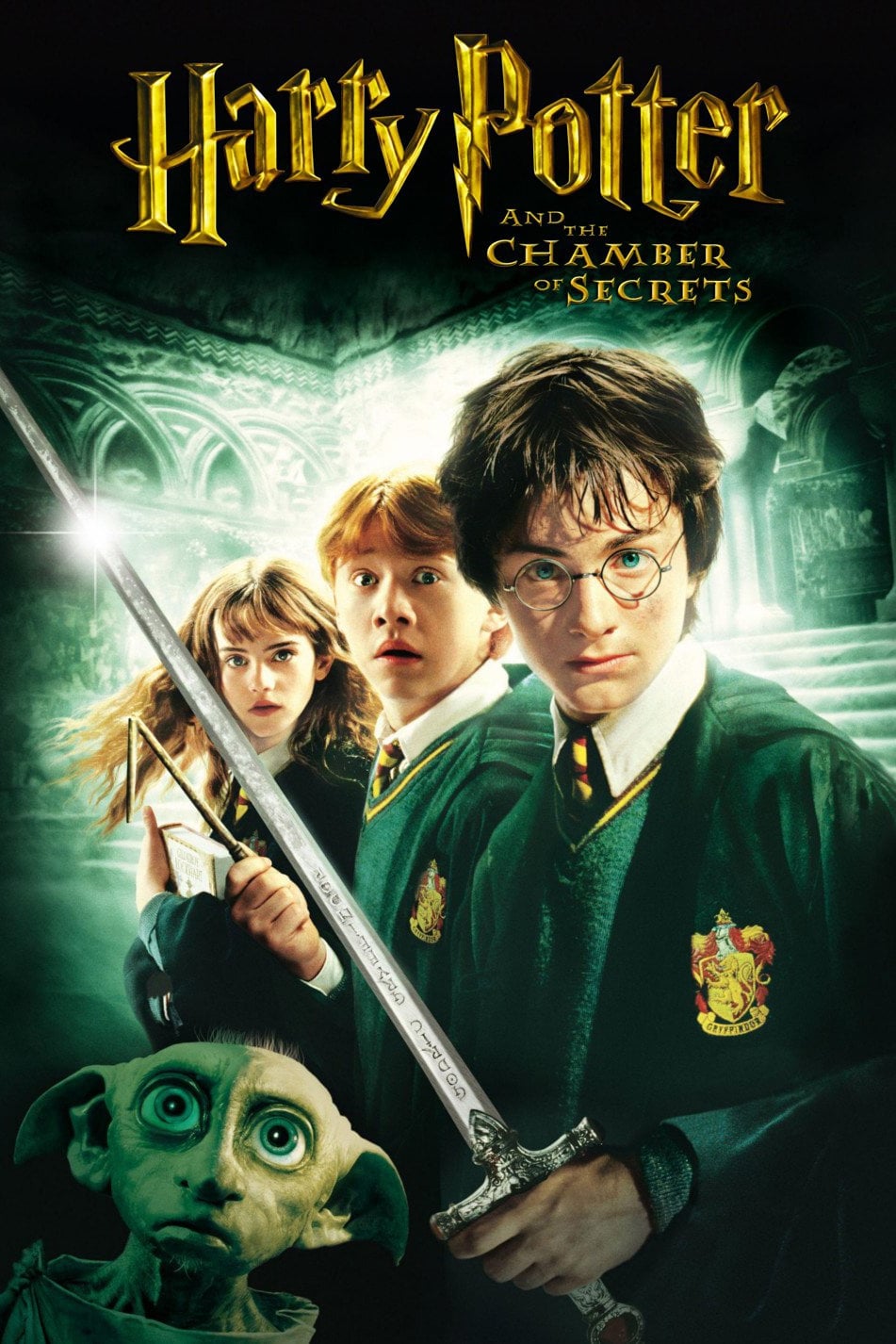
In J.K. Rowling’s novel, Ron explains ‘mudblood’ to Hermione after Malfoy’s insult, showing his loyalty. The film Harry Potter and the Chamber of Secrets gives this moment to Hermione, reducing Ron to comic relief.
This shift weakened Ron’s role in the trio, making him less vital. Fans were irritated that a key piece of Ron’s depth was handed to Hermione, skewing their bond.
Eragon – ‘Saphira’s Character Mishandled’ (2006)
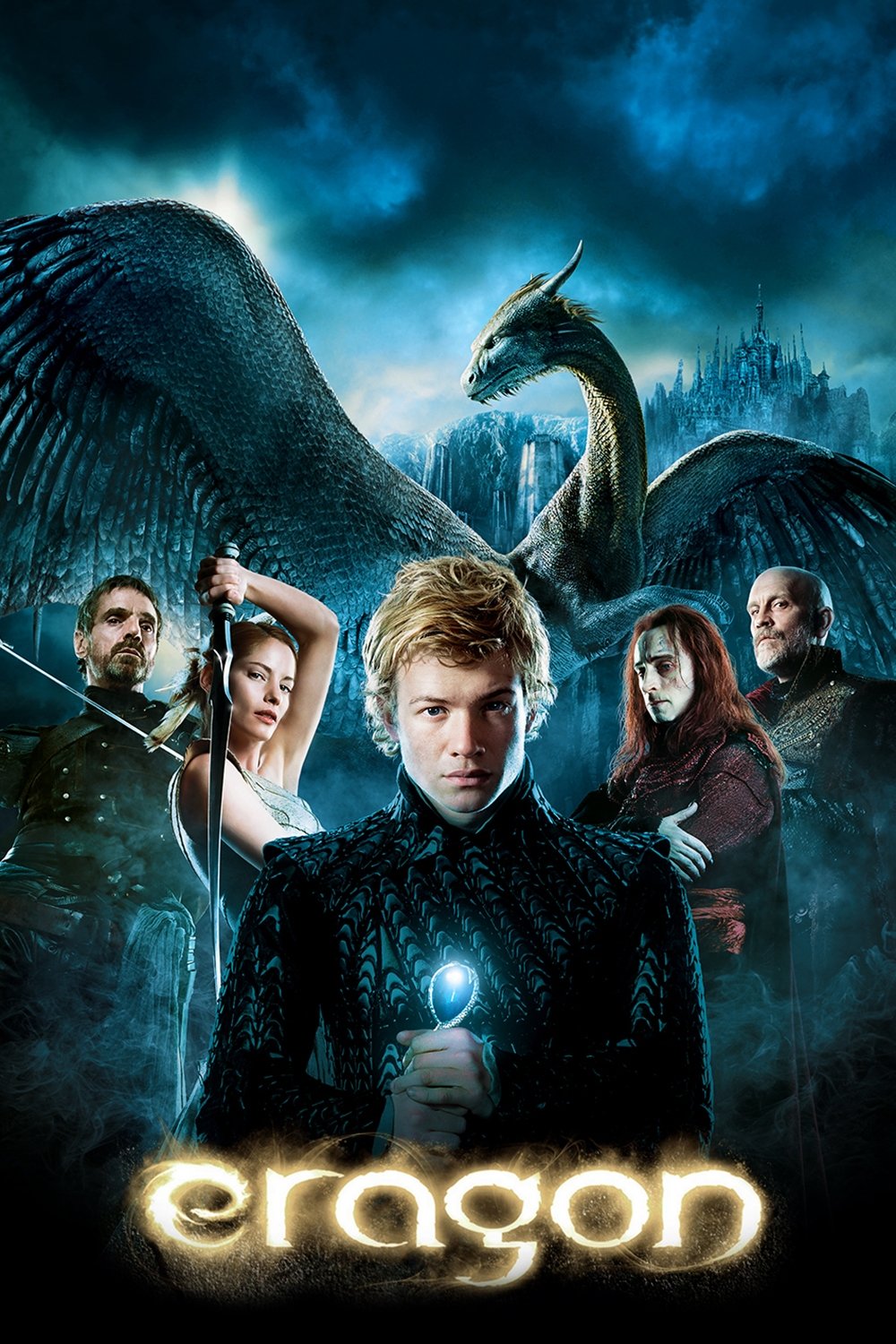
Christopher Paolini’s novel features Saphira, a dragon with a wise, unique personality tied to Eragon. The film Eragon rushes her growth and flattens her into a generic creature, cutting her wit.
This made the dragon-rider bond feel shallow, disappointing fans who loved Saphira’s spark. The movie’s rushed pacing and weak script only deepened their frustration.
Which book-to-movie change got under your skin the most, or did I skip one that still bugs you? Drop your thoughts in the comments!