5 Things About ‘Star Wars Episode VII: The Force Awakens’ That Made Zero Sense and 5 Things That Made Perfect Sense



Star Wars Episode VII: The Force Awakens (2015) brought the galaxy far, far away back to the big screen with a mix of new faces and familiar heroes. As the first chapter of the sequel trilogy, it had the tough job of rekindling the magic of the original trilogy while setting up a fresh story for a new generation.
I dove into this film with high hopes, and while it delivered thrilling moments and emotional punches, some parts left me scratching my head. Below, I break down five things that didn’t quite add up and five that worked perfectly, alternating between the two to keep it balanced.
Rey’s Instant Force Mastery Made Zero Sense
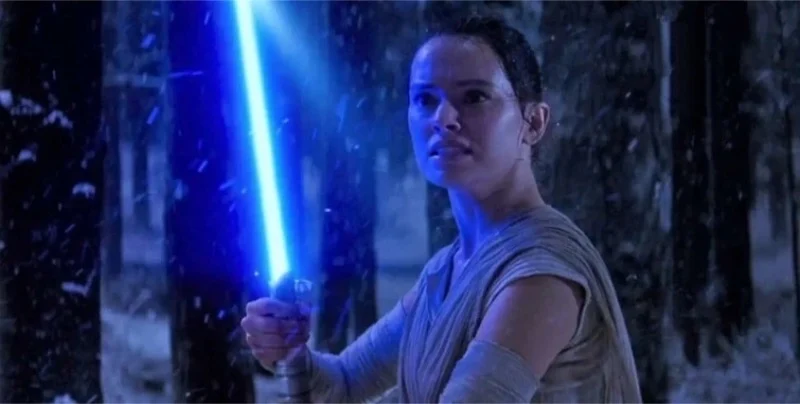
Rey, played by Daisy Ridley, is a scavenger on Jakku who discovers her Force sensitivity in the film. But her ability to wield the Force with almost no training feels off. She resists Kylo Ren’s mind probe, performs a Jedi mind trick, and defeats him in a lightsaber duel, all within hours of learning she’s Force-sensitive.
This rapid mastery stretches believability. Even Anakin and Luke Skywalker, powerful Jedi, needed years of practice to hone their skills. Rey’s quick leap to proficiency feels like a shortcut to make her a hero fast, leaving me wondering how she could outmatch a trained Sith like Kylo without any groundwork.
Han Solo’s Return Made Perfect Sense
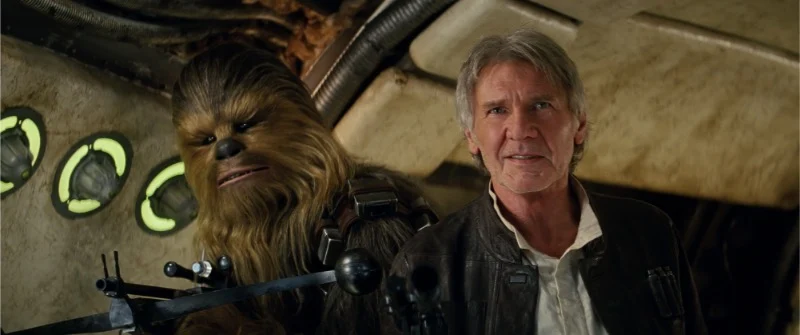
Harrison Ford’s return as Han Solo was a highlight that grounded the film in the Star Wars legacy. Han, now older but still a charming smuggler, bridges the old and new casts, guiding Rey and Finn with his grizzled wisdom and quick wit.
His presence feels right, as he’s still the same roguish hero, flying the Millennium Falcon and bantering with Chewbacca. Ford’s performance carries the weight of Han’s past while setting up the new story, making it a seamless connection to A New Hope (1977).
Starkiller Base’s Existence Made Zero Sense
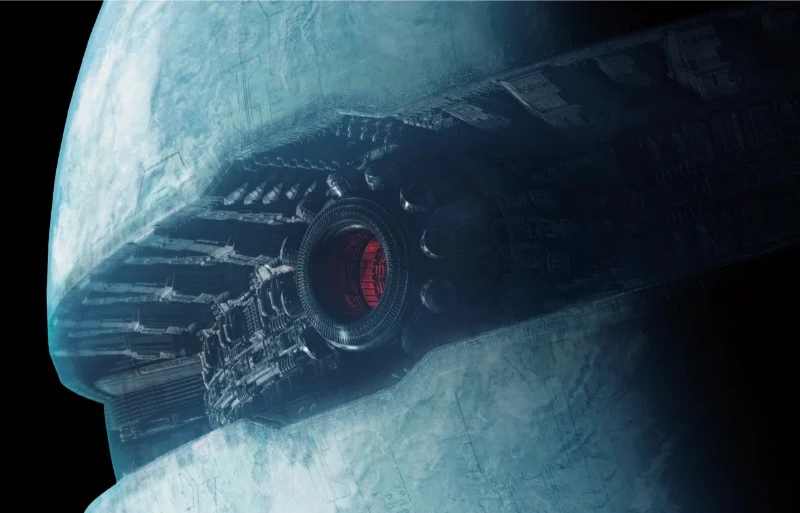
The First Order’s Starkiller Base, a planet-sized superweapon, is a puzzling plot point. It’s essentially a bigger Death Star, capable of destroying entire systems by draining a star. But how did the First Order, a remnant of the defeated Empire, build this massive weapon without the New Republic noticing?
The logistics of constructing a planet-sized base in secret are mind-boggling. The lack of explanation for how the First Order pulled this off, or why the Republic ignored such a threat, makes the base feel like a convenient plot device rather than a plausible part of the galaxy.
Finn’s Defection Made Perfect Sense
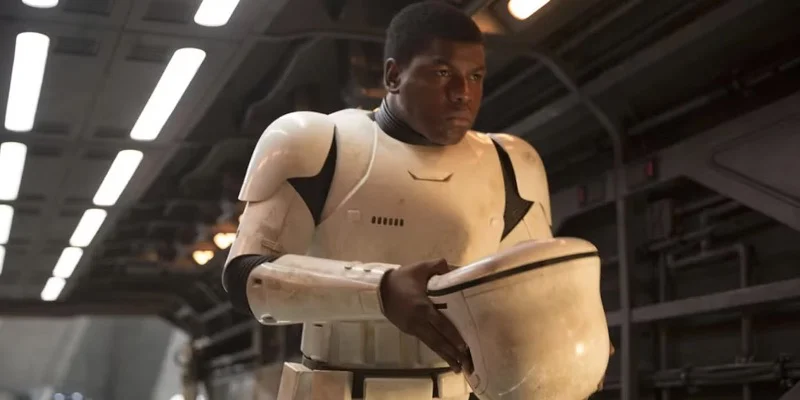
John Boyega’s Finn, a stormtrooper who defects from the First Order, is a fresh addition to the Star Wars universe. His decision to abandon his brainwashed life after witnessing the First Order’s brutality feels authentic and sets up his arc as a reluctant hero.
Finn’s moral awakening drives the story forward, as he risks everything to escape and help Rey. Boyega’s performance captures Finn’s fear, courage, and humor, making his defection a believable and compelling foundation for his character.
Finn and Rey Knowing Han Solo Made Zero Sense
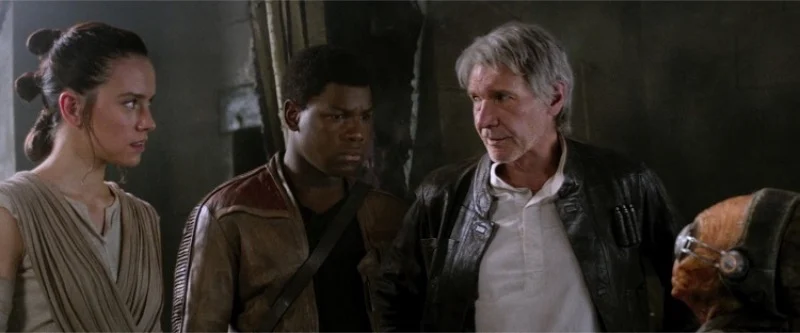
Both Finn and Rey instantly recognize Han Solo as a legendary figure—Finn as a war hero and Rey as a smuggler. But this raises questions. Finn was raised in the First Order, a regime that would likely suppress tales of Rebel heroes. Rey, isolated on Jakku, shouldn’t know specifics about Han’s smuggling past either.
Their knowledge feels forced, as if the script needed them to admire Han without earning it. It’s a small but jarring detail that doesn’t align with their backgrounds or the galaxy’s divided history.
The Millennium Falcon’s Return Made Perfect Sense
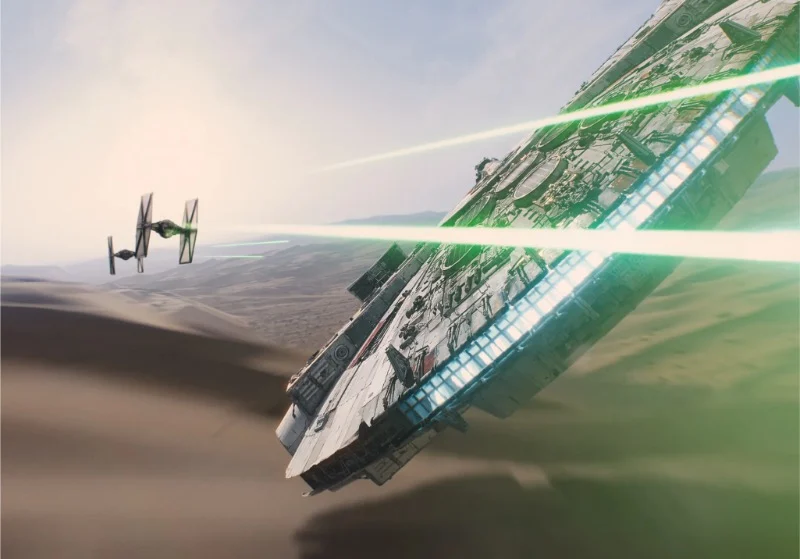
The Millennium Falcon’s reappearance is a nostalgic triumph. When Rey and Finn stumble upon the iconic ship on Jakku, it’s a thrilling moment that ties the sequel to the original trilogy. The Falcon’s dogfights, like the chase through Jakku’s wreckage, are visually stunning and recapture the ship’s scrappy charm.
Seeing Han and Chewbacca reclaim their ship adds emotional weight, making the Falcon a symbol of hope and continuity. It’s a perfect nod to fans while serving the new story.
R2-D2’s Convenient Wake-Up Made Zero Sense
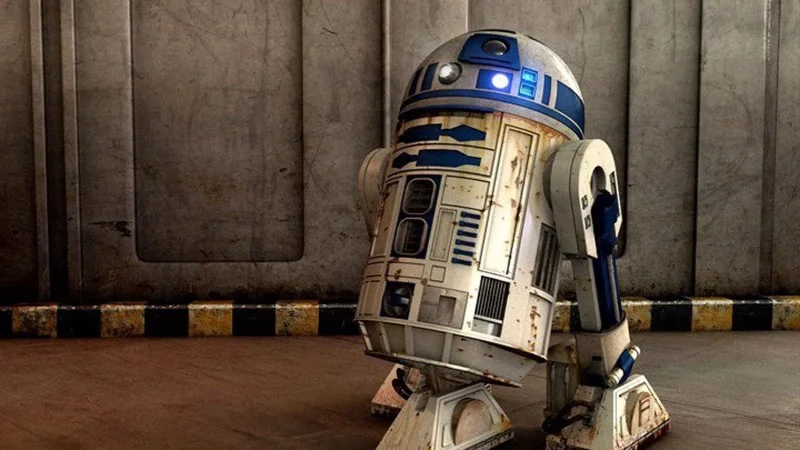
R2-D2, Luke Skywalker’s loyal droid, spends most of the film in a dormant state, supposedly depressed over Luke’s disappearance. Yet, at the climax, he suddenly activates to reveal the map to Luke’s location, just when the Resistance needs it most.
This feels like lazy writing. There’s no clear reason for R2’s shutdown or his perfectly timed awakening. It’s a plot contrivance that resolves the search for Luke too neatly, leaving me frustrated at the lack of explanation.
Kylo Ren’s Complexity Made Perfect Sense
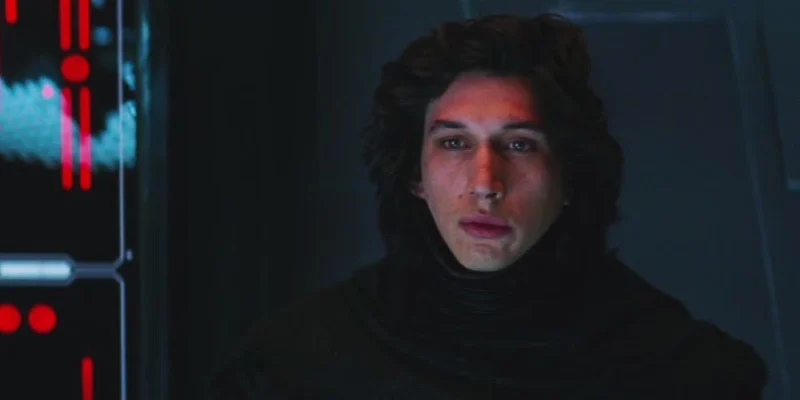
Adam Driver’s Kylo Ren, a conflicted villain torn between the dark and light sides of the Force, is a standout. His emotional turmoil, from idolizing Darth Vader to his rage-fueled outbursts, makes him a layered antagonist unlike the stoic Vader.
Kylo’s internal struggle, especially in his interactions with Han, adds depth to the story. Driver’s performance brings raw intensity, making Kylo’s arc a gripping exploration of loyalty, family, and the pull of the dark side.
The Resistance’s Inaction Made Zero Sense
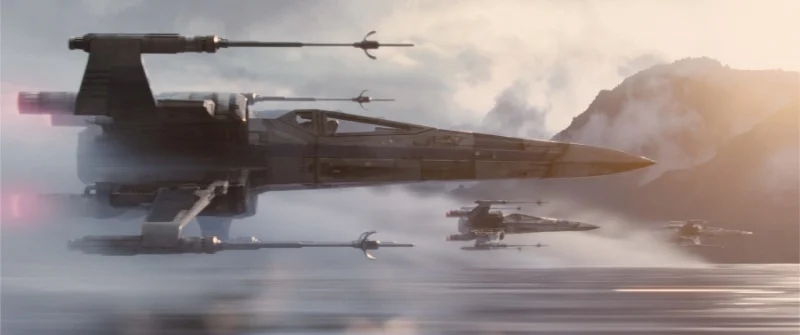
The Resistance, led by Leia Organa, knows about the First Order’s growing power but seems unprepared for Starkiller Base’s attack. The New Republic, which they support, is obliterated in a single strike, yet there’s no hint of prior intelligence or defense plans.
This passivity undermines the Resistance’s competence. Leia, a seasoned leader from Return of the Jedi (1983), should have been more proactive. The lack of strategy or foresight makes the good guys seem oddly ineffective.
The New Cast’s Chemistry Made Perfect Sense
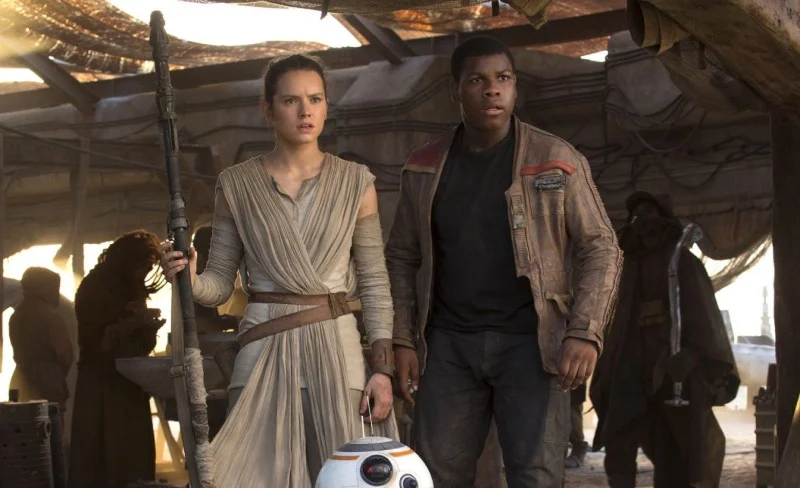
The trio of Rey, Finn, and Poe Dameron, played by Oscar Isaac, brings a vibrant energy to the film. Their banter and teamwork, especially between Rey and Finn as they escape Jakku, feel natural and draw you into their journey.
The new cast’s dynamic echoes the original trio of Luke, Han, and Leia, but with a fresh spin. Their chemistry sets a strong foundation for the trilogy, making you root for them as they face the First Order.
What’s your take on The Force Awakens—did any moments confuse you, or were there parts you loved? Drop your thoughts in the comments!