15 Movie Characters That Didn’t Age Well



Some movie characters capture our hearts the moment they hit the screen, becoming icons of their era. But as years pass and society changes, not all of them hold up. Shifts in cultural values, outdated tropes, or just plain cringe-worthy moments can make once-beloved figures feel out of touch. This article dives into 15 characters from films that haven’t aged well, exploring why their appeal has faded.
From stereotypes that now feel uncomfortable to heroes whose actions don’t align with modern ideals, these characters remind us how quickly time can reshape our views. Whether it’s due to problematic portrayals or stories that no longer resonate, their flaws are hard to ignore today. Let’s take a look at these characters, starting from the bottom of the list and working our way up.
Stifler – ‘American Pie’ (1999)

Stifler, the loudmouth jock from ‘American Pie’, was once the life of the party with his crude humor and wild antics. His over-the-top personality defined teen comedies of the late ’90s, but his behavior feels tone-deaf now. The constant objectification of women and aggressive machismo come off as more creepy than comedic in today’s world.
His role as the ‘funny’ bully hasn’t held up either. What was once seen as harmless prankster energy now reads as toxic, with scenes that glorify sexual misconduct. Stifler’s lack of growth and reliance on shock value make him a relic of a less sensitive era.
Mickey Rooney as I.Y. Yunioshi – ‘Breakfast at Tiffany’s’ (1961)

Mickey Rooney’s portrayal of I.Y. Yunioshi in ‘Breakfast at Tiffany’s’ is a glaring example of Hollywood’s past mistakes. The exaggerated, stereotypical depiction of an Asian character, complete with offensive makeup and broken English, was meant for laughs but feels deeply uncomfortable today. It’s a stain on an otherwise classic film.
Rooney’s performance leaned into racist tropes that were already criticized at the time. Modern audiences cringe at the caricature, which adds nothing meaningful to the story. Yunioshi’s inclusion highlights how far we’ve come in demanding respectful representation.
Martin Riggs – ‘Lethal Weapon’ franchise (1987-1998)

Martin Riggs, played by Mel Gibson in the ‘Lethal Weapon’ series, was the quintessential ’80s action hero—reckless, charming, and unhinged. His suicidal edge and quippy one-liners made him a fan favorite, but his arc feels dated now. The glorification of his erratic behavior and casual violence doesn’t sit right in a world more aware of mental health.
By the later films, Riggs’ transformation into a family man felt forced and watered down his rebellious spark. The franchise’s reliance on outdated cop tropes and Riggs’ lack of depth make him less compelling to modern viewers.
Jar Jar Binks – ‘Star Wars: Episode I – The Phantom Menace’ (1999)

Jar Jar Binks was meant to bring comic relief to ‘Star Wars’, but his clumsy, exaggerated mannerisms quickly became grating. His slapstick humor and questionable accent drew criticism for resembling racial stereotypes, alienating fans. What was intended as lighthearted feels awkward and out of place in the epic saga.
The character’s lack of depth and forced inclusion in serious moments didn’t help. Jar Jar’s role diminished in later prequels, reflecting audience backlash. Today, he stands as a cautionary tale of misjudged character design.
John ‘Bluto’ Blutarsky – ‘Animal House’ (1978)

John Belushi’s Bluto in ‘Animal House’ was the ultimate party animal, embodying the rebellious spirit of college life. His chaotic energy was hilarious in the late ’70s, but scenes of sexual aggression and racial insensitivity in the film feel deeply problematic now. Bluto’s ‘charm’ often crosses into discomfort.
The character’s lack of accountability, especially in moments like spying on women, clashes with modern values. While Belushi’s performance remains iconic, Bluto’s antics are a product of a less enlightened time, making him tough to root for.
Long Duk Dong – ‘Sixteen Candles’ (1984)

Long Duk Dong from ‘Sixteen Candles’ is another painful stereotype that hasn’t aged well. The exchange student’s exaggerated accent, goofy behavior, and ‘exotic’ portrayal were played for laughs, but they lean heavily on outdated Asian caricatures. His presence feels like a cheap gag at best.
The character’s role as comic relief overshadows any depth, and his scenes often feel disconnected from the main story. Today’s audiences see through the lazy humor, making Long Duk Dong a symbol of ’80s missteps in representation.
The Nerds – ‘Revenge of the Nerds’ (1984)

The nerds in ‘Revenge of the Nerds’, led by characters like Lewis and Gilbert, were underdog heroes in a battle against jocks. Their voyeuristic pranks and questionable tactics, like installing cameras to spy on women, were once seen as cheeky but are now outright creepy. The film’s humor feels mean-spirited.
While the nerds’ victory was empowering at the time, their methods don’t align with modern views on consent and respect. The reliance on outdated stereotypes about geeks and jocks makes their story feel stuck in the past.
Ace Ventura – ‘Ace Ventura: Pet Detective’ (1994)

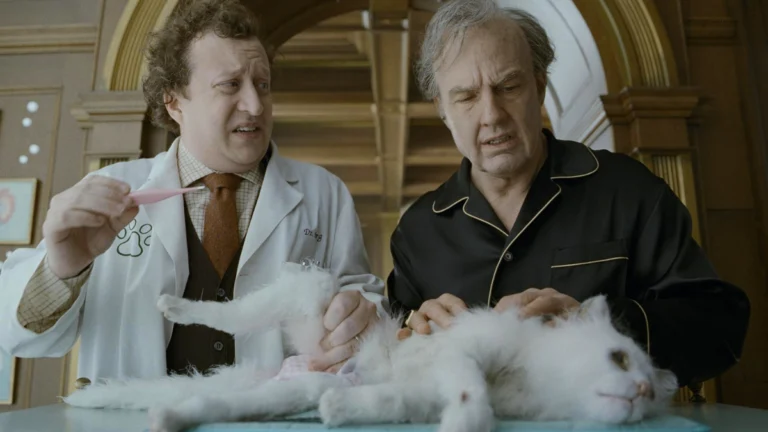
Jim Carrey’s Ace Ventura was a wild, eccentric detective whose over-the-top humor defined ’90s comedy. His exaggerated mannerisms and crude jokes were a hit, but his transphobic gags and mockery of mental illness feel jarring today. The humor often punches down, which doesn’t resonate anymore.
Ace’s lack of growth across the films also hurts his appeal. While Carrey’s energy is undeniable, the character’s reliance on outdated tropes and insensitivity makes him less endearing to new audiences.
Alvy Singer – ‘Annie Hall’ (1977)

Woody Allen’s Alvy Singer in ‘Annie Hall’ was a neurotic, witty everyman whose romance with Annie charmed audiences. But his obsessive behavior and controlling tendencies toward women feel less quirky and more troubling now. The character’s self-absorbed humor can also come off as whiny.
The film’s introspective style is still praised, but Alvy’s flaws reflect an era less critical of problematic relationship dynamics. His charm fades when viewed through a modern lens, making him feel dated and unrelatable.
Edward Cullen – ‘Twilight’ (2008-2012)

Edward Cullen, the brooding vampire from ‘Twilight’, captivated teens with his intense romance and mysterious aura. But his controlling behavior toward Bella, from stalking to dictating her choices, raises red flags today. What was once romantic now feels possessive and unhealthy.
The character’s ageless vampire shtick also leans into creepy territory when paired with a teenage love interest. Edward’s lack of emotional growth and the series’ outdated gender dynamics make him a tough sell for modern audiences.
Ferris Bueller – ‘Ferris Bueller’s Day Off’ (1986)

Ferris Bueller, the slick high schooler from ‘Ferris Bueller’s Day Off’, was the ultimate cool kid, outsmarting everyone for a perfect day. His manipulative schemes and disregard for consequences, though, feel less charming now. Ferris comes off as selfish, especially in how he pressures his friend Cameron.
The film’s lighthearted tone masks Ferris’ entitlement, which doesn’t vibe with today’s emphasis on accountability. While still iconic, his carefree rebellion feels more reckless than relatable to new viewers.
Bella Swan – ‘Twilight’ (2008-2012)

Bella Swan, the heart of ‘Twilight’, was a blank-slate protagonist for fans to project onto, but her passivity hasn’t aged well. Her entire identity revolves around Edward, with little agency or personality outside the romance. This dependence feels limiting and outdated.
Bella’s willingness to abandon her life for a vampire also raises eyebrows now, especially among audiences valuing self-empowerment. Her lack of depth makes her a weaker character in hindsight, overshadowed by the saga’s melodrama.
Austin Powers – ‘Austin Powers: International Man of Mystery’ (1997)

Austin Powers, the groovy spy from Mike Myers’ trilogy, was a hilarious send-up of ’60s culture. His womanizing and crude humor, though satirical, feel out of step with today’s sensibilities. The constant objectification and dated gender jokes land flat now.
While the films poke fun at spy tropes, Austin’s lack of growth and reliance on shock humor limit his appeal. The once-fresh parody feels stuck in a time capsule, unable to keep up with modern comedy.
Charlie Babbitt – ‘Rain Man’ (1988)

Charlie Babbitt, played by Tom Cruise in ‘Rain Man’, starts as a selfish yuppie who grows through his bond with his autistic brother. But his initial exploitation of Raymond and the film’s simplistic portrayal of autism feel outdated. Modern audiences expect more nuanced representation.
Charlie’s arc, while emotional, leans on stereotypes about disability that don’t hold up. The character’s self-centered start and the story’s dated approach make him less impactful today.
Rachel Green – ‘Friends’ (1994-2004)

Rachel Green from ‘Friends’ was the ’90s it-girl, evolving from spoiled socialite to independent woman. But her early reliance on stereotypes about privileged women and her inconsistent growth feel less inspiring now. Some of her choices, like prioritizing romance over career, clash with modern feminist ideals.
The show’s humor, including Rachel’s storylines, often leans on dated gender roles. While Jennifer Aniston’s charm keeps her likable, Rachel’s arc doesn’t fully resonate with audiences seeking stronger, more self-assured characters.
Which movie character do you think has aged the worst, or is there one I missed? Drop your thoughts in the comments!