10 “True Story” Movies That Lied to You



Movies based on true stories can be thrilling. They promise a glimpse into real events, but many twist the truth for drama or convenience. Filmmakers often change facts, add fake characters, or exaggerate moments to make the story more exciting. This can mislead audiences who think they’re watching history unfold.
The following list reveals ten movies that claim to be “based on a true story” but stretch the truth. Some changes are small, while others completely rewrite reality. Here’s a look at what these films got wrong and why it matters.
The Blind Side (2009)
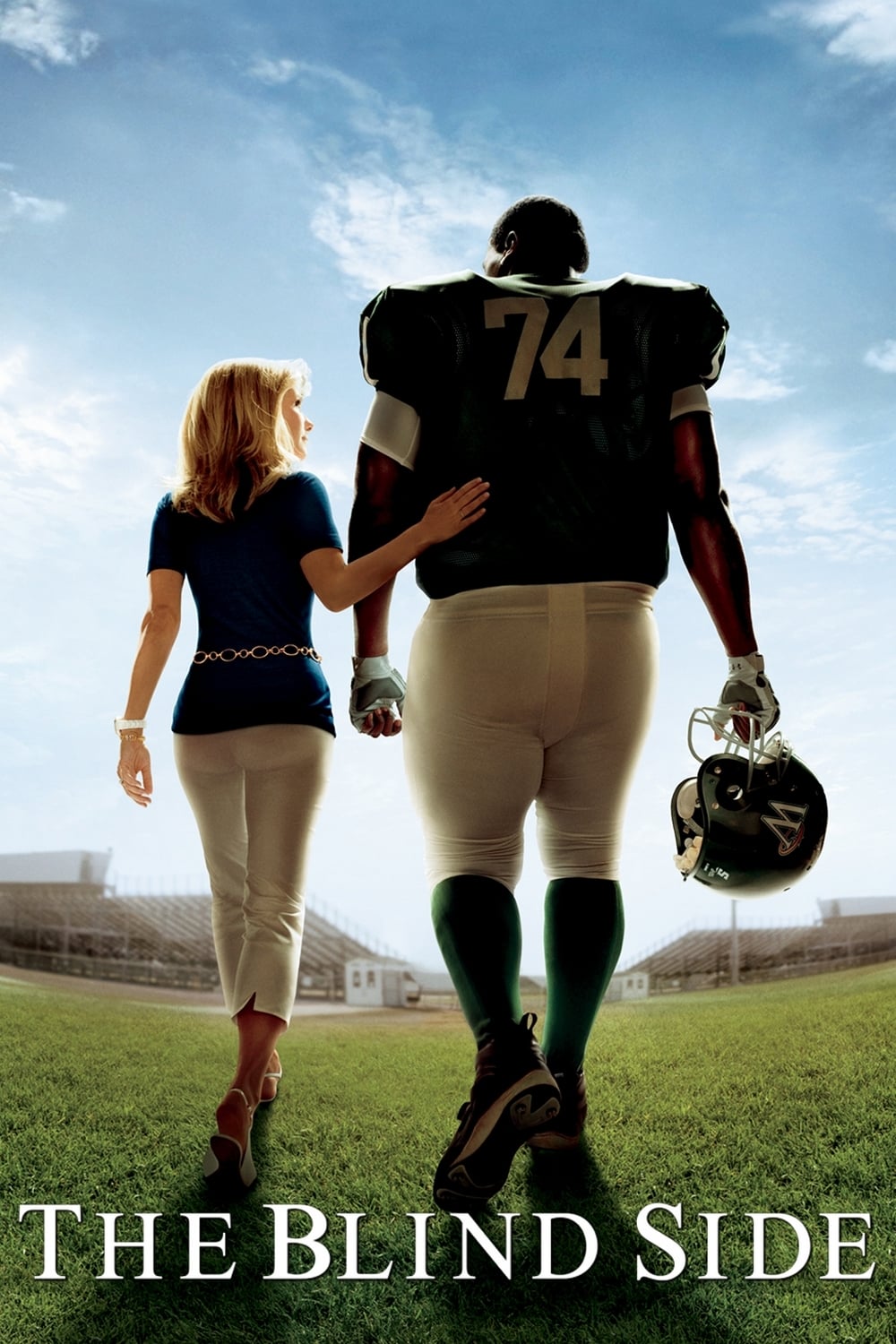
The movie tells the story of Michael Oher, a homeless teen who becomes an NFL star with the help of a kind family. It paints a heartwarming picture of his rise from poverty. But the real story isn’t so simple. Oher himself said the film exaggerated his struggles and made him seem less capable than he was.
The Tuohy family’s role is also dramatized. They did help Oher, but he wasn’t as lost as the movie shows. He already had football skills and a support system. The film simplifies his journey to fit a feel-good narrative, leaving out key details of his real grit and independence.
A Beautiful Mind (2001)
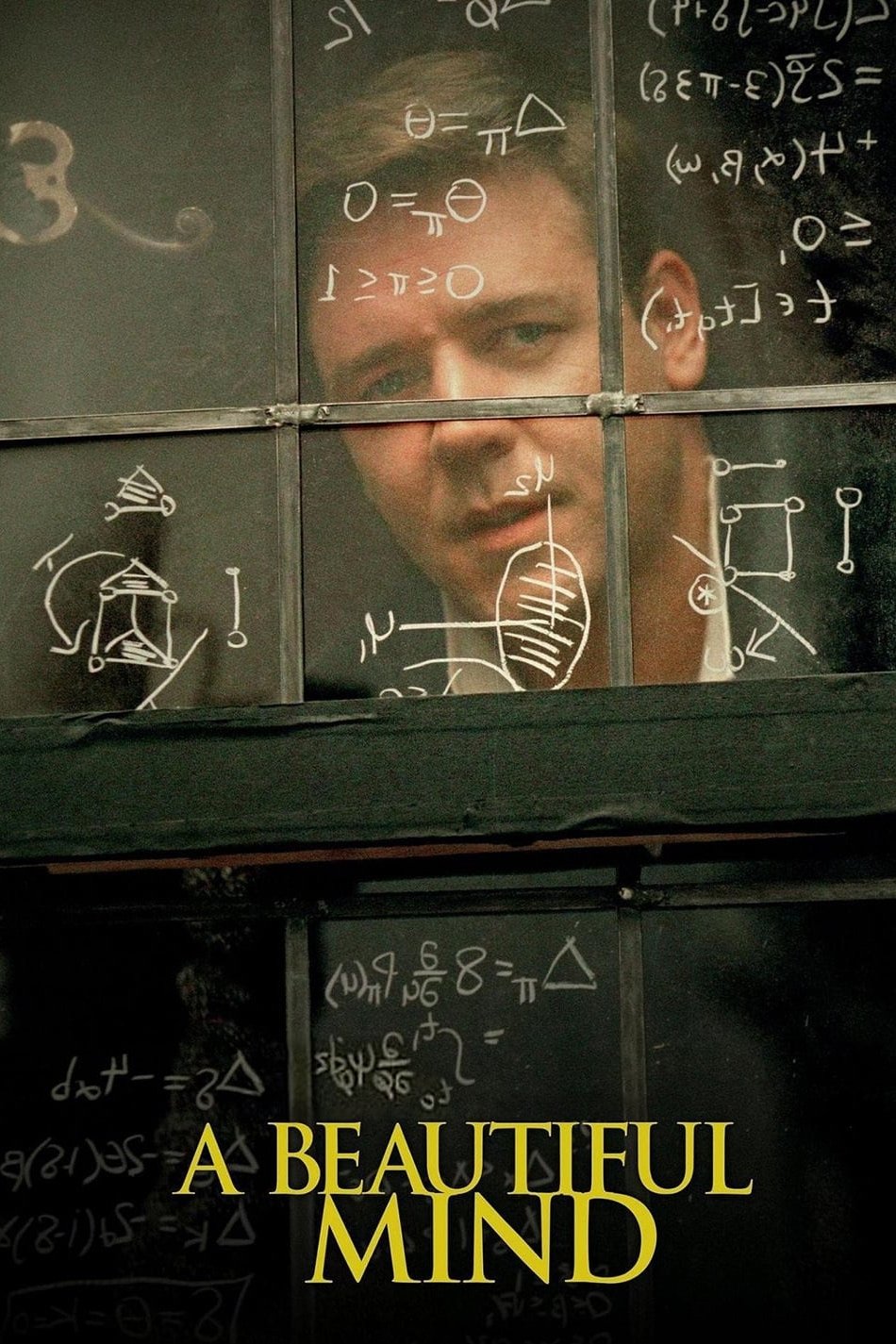
This film follows John Nash, a brilliant mathematician with schizophrenia, as he navigates his career and personal life. It’s praised for its emotional depth and portrayal of mental illness. However, it takes big liberties with Nash’s life. For example, the movie shows him having vivid hallucinations of people who don’t exist, which wasn’t true.
In reality, Nash’s symptoms were mostly auditory, not visual. The film also skips over his troubled relationships, including a divorce and a child he didn’t acknowledge for years. These changes make the story more cinematic but less accurate to Nash’s complex life.
The Imitation Game (2014)

The Imitation Game centers on Alan Turing, the genius who helped crack Nazi codes during World War II. It’s a gripping tale of his work and personal struggles. But the movie invents drama that didn’t happen. For instance, it shows Turing in a tense conflict with his team and hiding his sexuality from everyone.
In truth, Turing worked well with his colleagues, and many knew he was gay. The film also exaggerates the secrecy of his codebreaking machine, which was less dramatic in real life. These changes create a more intense story but distort Turing’s actual experience.
Braveheart (1995)
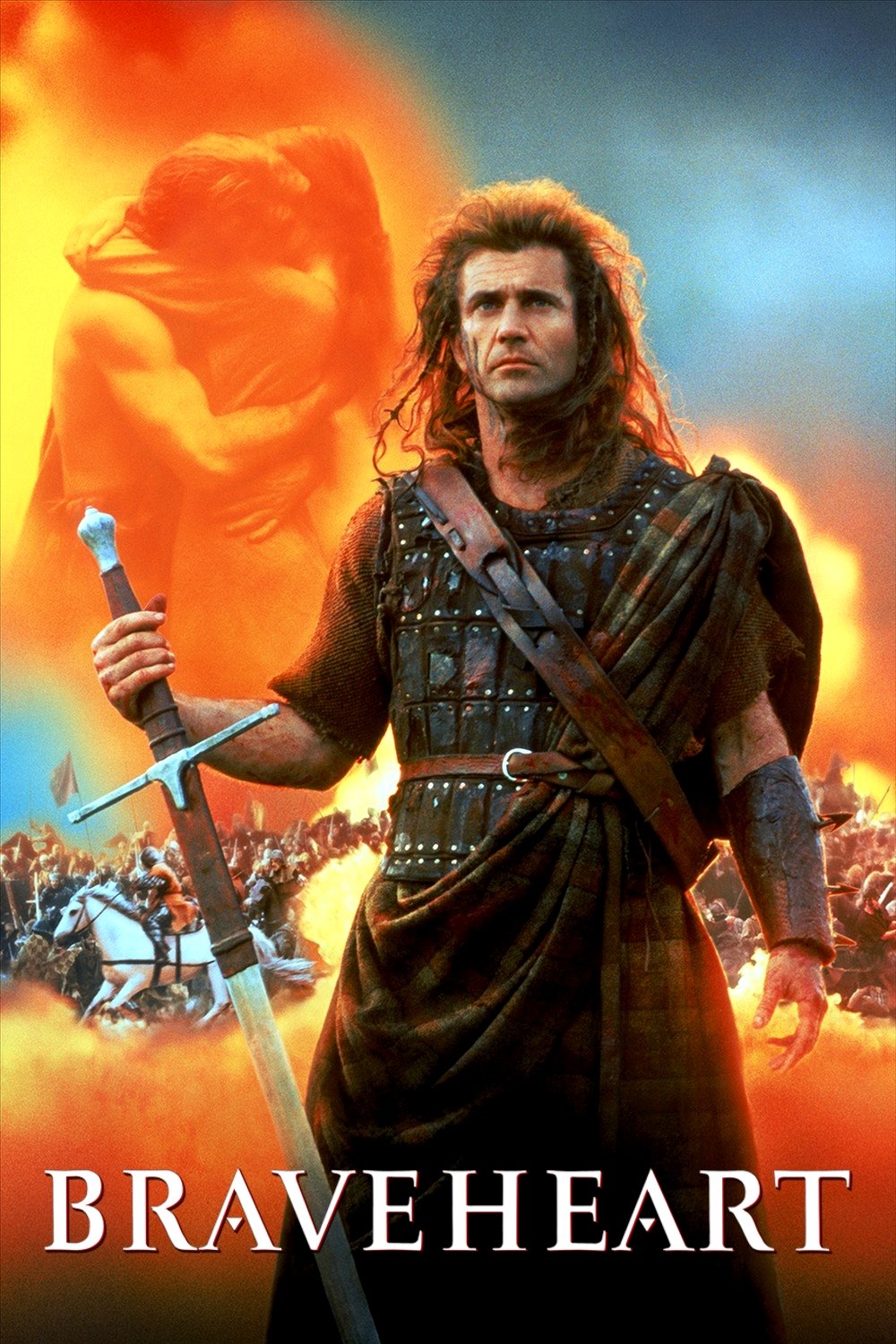
Braveheart depicts William Wallace as a heroic Scottish rebel fighting for freedom against the English. The movie is packed with epic battles and romance. However, it plays fast and loose with history. Wallace wasn’t a poor farmer as shown; he came from a noble family and was more educated.
The film also fabricates key events, like the Battle of Stirling Bridge, which didn’t happen on an open field. The love story with the French princess? Completely made up—she was a child at the time. These changes boost the drama but rewrite Scotland’s history.
The King’s Speech (2010)
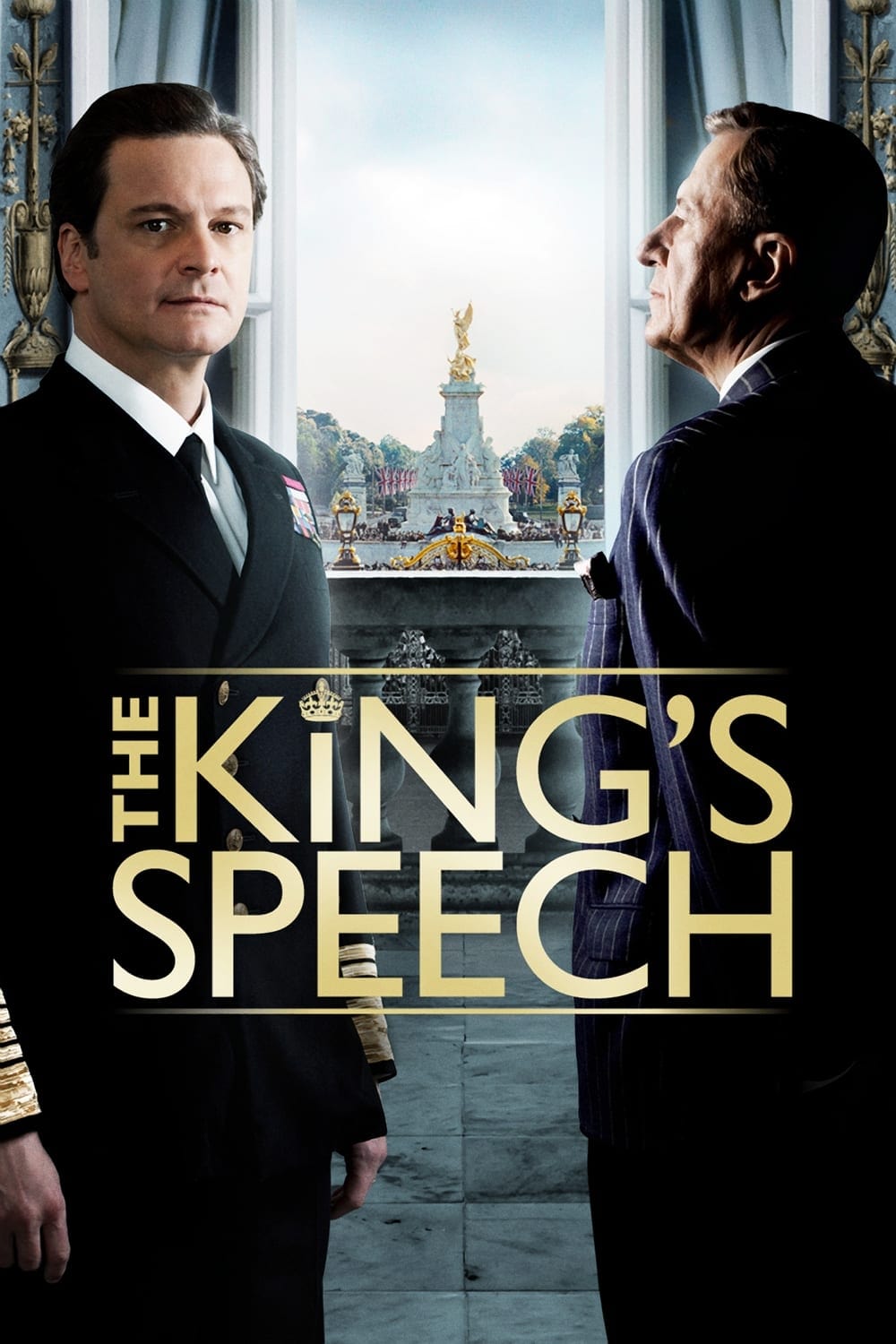
This movie shows King George VI overcoming his stammer to lead Britain through World War II. It’s a moving story of personal triumph. But the timeline is heavily altered. The film suggests the king started speech therapy just before the war, when he actually began years earlier.
The movie also downplays the king’s initial support for appeasing Nazi Germany, making him seem more heroic from the start. His relationship with Winston Churchill is exaggerated for effect. These tweaks create a cleaner, more inspiring story than the messy reality.
Argo (2012)
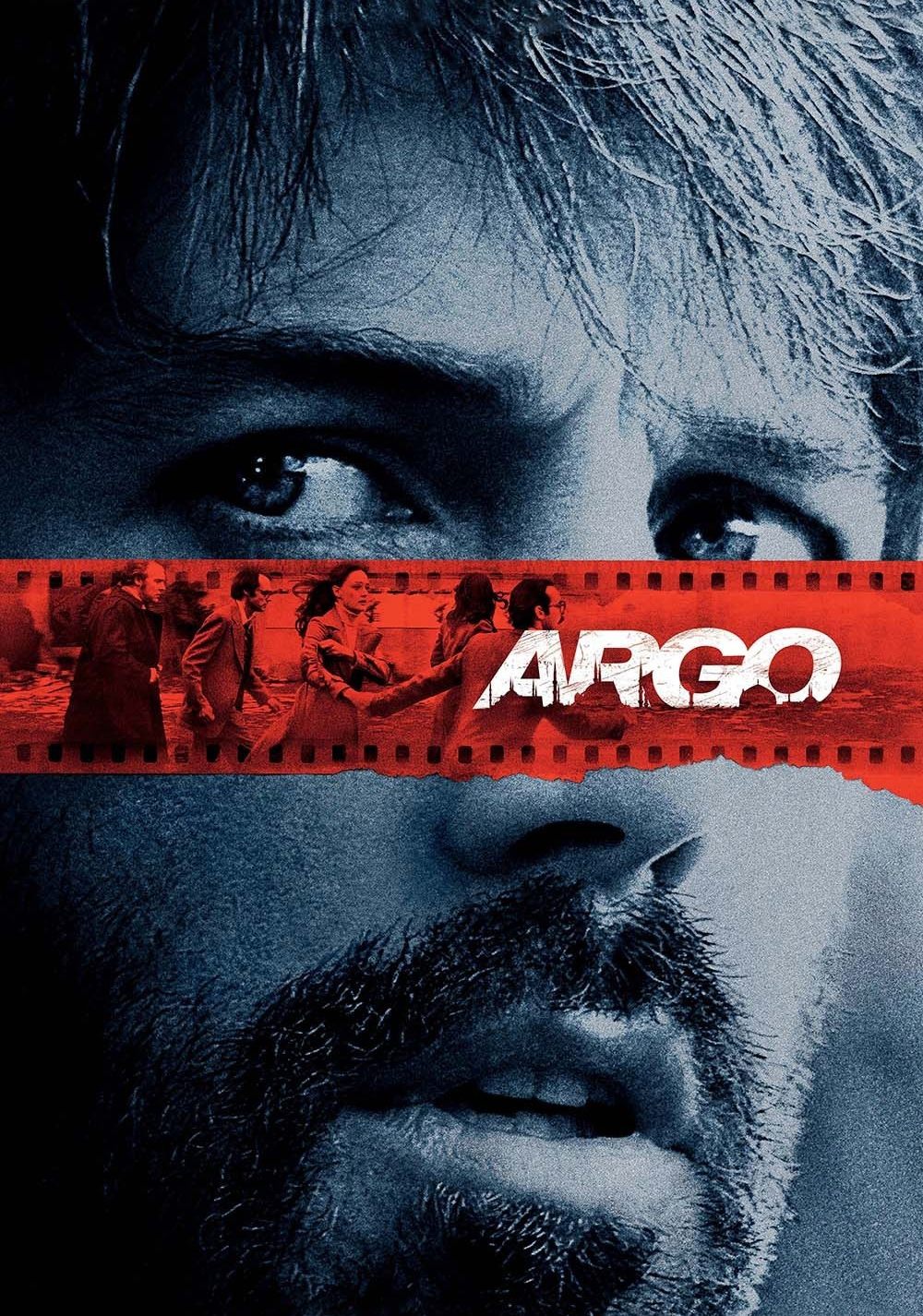
Argo tells the thrilling tale of a CIA agent rescuing Americans from Iran during the 1979 hostage crisis. It’s tense and dramatic, with close calls at every turn. But the real escape was far less cinematic. The group left Iran with little trouble, and the airport chase scene never happened.
The movie also downplays Canada’s role in the rescue, giving most credit to the CIA. In reality, Canadian diplomats did much of the work. These changes heighten the suspense but overshadow the true international effort behind the operation.
The Social Network (2010)

This film dives into the creation of Facebook and Mark Zuckerberg’s rise to fame. It’s a sharp, dramatic look at betrayal and ambition. But it takes huge liberties with the truth. Many scenes, like Zuckerberg’s bitter breakup driving him to create the site, are pure fiction.
Real people, like Eduardo Saverin, are portrayed in exaggerated ways to fit the story’s narrative. The movie also invents conflicts and motivations that don’t match court records or interviews. It’s a great story, but it’s more drama than documentary.
Bohemian Rhapsody (2018)
Bohemian Rhapsody celebrates Queen’s music and Freddie Mercury’s life. It’s a crowd-pleaser with iconic performances. But it messes with the timeline of Mercury’s life. For example, it shows him revealing his AIDS diagnosis before the Live Aid concert, which didn’t happen until years later.
The film also exaggerates band tensions and creates fake drama, like Mercury quitting Queen temporarily. In reality, the band was more united. These changes make for a more emotional story but stray far from the actual events.
The Wolf of Wall Street (2013)
This wild movie follows Jordan Belfort’s rise and fall as a corrupt stockbroker. It’s packed with drugs, parties, and scams. While Belfort’s real life was chaotic, the film amps up the excess. Many scenes, like crashing a helicopter while high, are exaggerated or invented for shock value.
The movie also simplifies Belfort’s crimes, making them seem more glamorous than they were. Real victims of his scams get little focus, and his punishment is downplayed. The result is a flashy story that glosses over the real damage he caused.
Catch Me If You Can (2002)

This film follows Frank Abagnale, a young con artist who scams his way across the world. It’s a fun, fast-paced chase with Leonardo DiCaprio in the lead. But Abagnale’s real story is less glamorous. Many of his claimed exploits, like posing as a pilot or doctor, were exaggerated or never happened.
The movie also invents a close cat-and-mouse game with the FBI agent chasing him. In reality, their interactions were minimal. The film crafts a thrilling tale but relies heavily on Abagnale’s own embellished accounts, blurring the line between fact and fiction.
What’s your take on these “true story” movies that bent the truth—share your thoughts in the comments!