5 Ways ‘Harry Potter and the Prisoner of Azkaban’ Aged Poorly (And 5 Ways It Aged Masterfully)

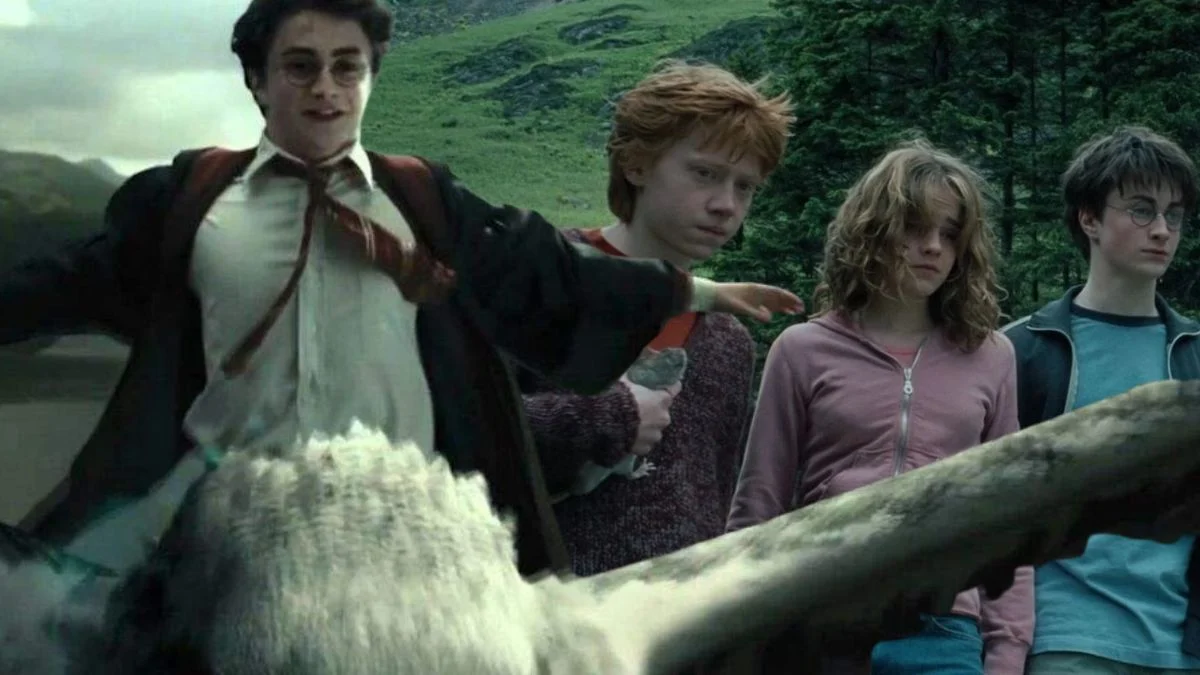

The Harry Potter series is a cultural juggernaut, and Harry Potter and the Prisoner of Azkaban (2004) often gets praised as one of its strongest entries. Directed by Alfonso Cuarón, the film brought a darker tone and a fresh visual style, but time has revealed some cracks in its armor while also highlighting its enduring strengths.
Looking back, certain elements of the movie feel dated or awkward, while others remain timeless and impressive. This list explores five ways Prisoner of Azkaban hasn’t held up and five ways it still shines.
Dated Visual Effects (Aged Poorly)
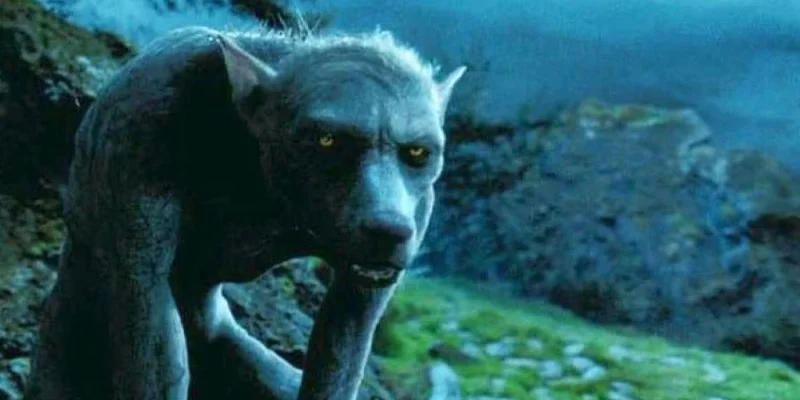
Some of the CGI in Prisoner of Azkaban feels clunky by today’s standards. The werewolf transformation scene, for instance, looks stiff and lacks the smoothness of modern effects.
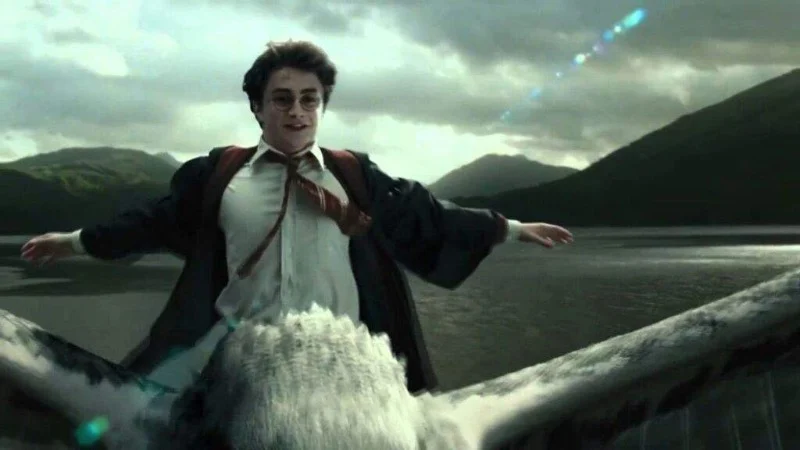
Scenes like the Hippogriff flight also show their age, with noticeable green-screen edges. These moments pull viewers out of the magic, reminding us how far visual effects have come since the early 2000s.
Stunning Cinematography (Aged Masterfully)
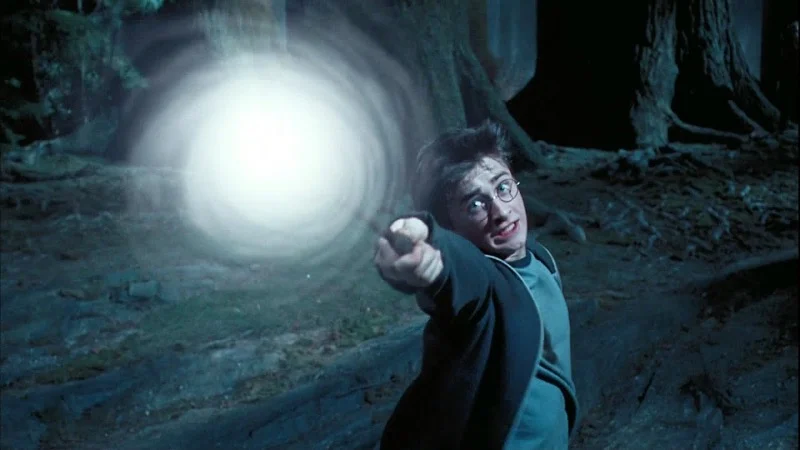
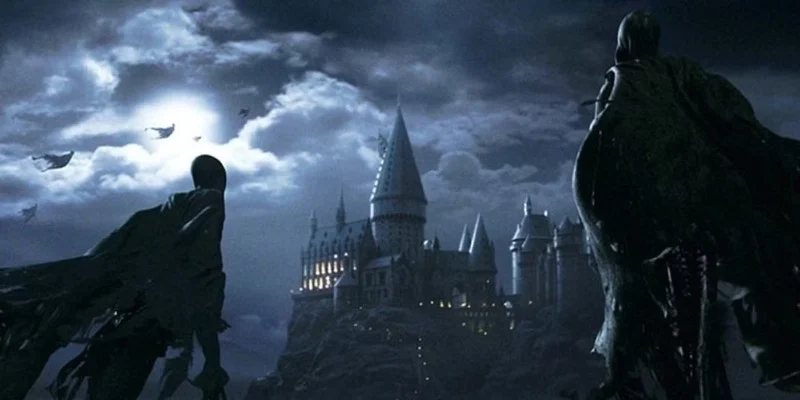
Cuarón’s use of wide shots and moody lighting still feels fresh. Hogwarts looks like a living, breathing place, with sweeping landscapes and shadowy corridors that pop off the screen.
The film’s visual storytelling, like the way it captures the changing seasons, adds depth to the wizarding world. It’s a style that holds up against even the best modern fantasy films.
Overuse of Time-Turner Plot Device (Aged Poorly)
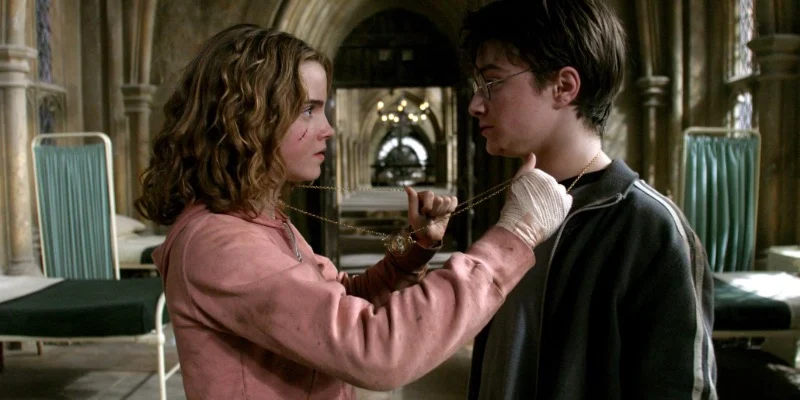
The Time-Turner is a cool concept, but its execution feels convenient and messy. It raises questions about why it’s not used more often in the series, creating plot holes that frustrate fans.
The rules of time travel are vague, and the film doesn’t explain them well. This makes the climax feel like a quick fix rather than a clever twist.
Memorable Character Introductions (Aged Masterfully)
The film nails its new characters, like Sirius Black and Remus Lupin. Gary Oldman and David Thewlis deliver performances that are raw, emotional, and unforgettable.
Their chemistry with the young cast adds heart to the story. These characters remain fan favorites, and their debut still hits hard.
Clunky Teen Drama (Aged Poorly)
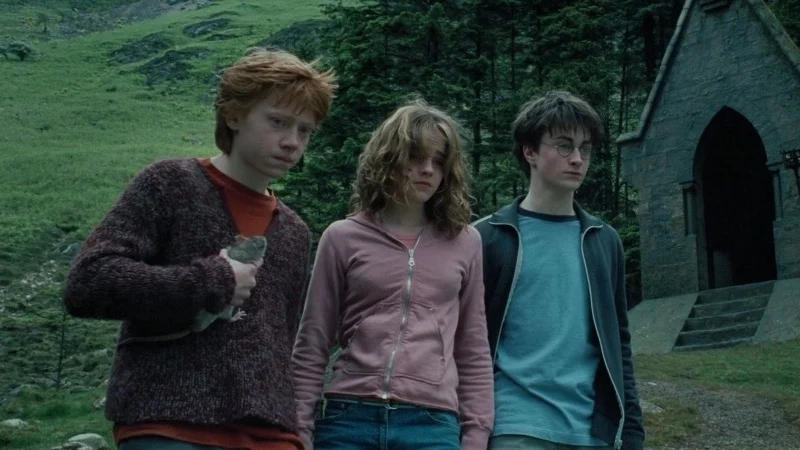
The teenage angst between Harry, Ron, and Hermione feels forced at times. Their arguments, like Ron and Hermione’s bickering, come off as melodramatic and overdone.
These moments disrupt the flow and feel like they’re trying too hard to show the characters growing up. Modern audiences might find the awkward tension a bit cringeworthy.
Haunting Dementor Scenes (Aged Masterfully)
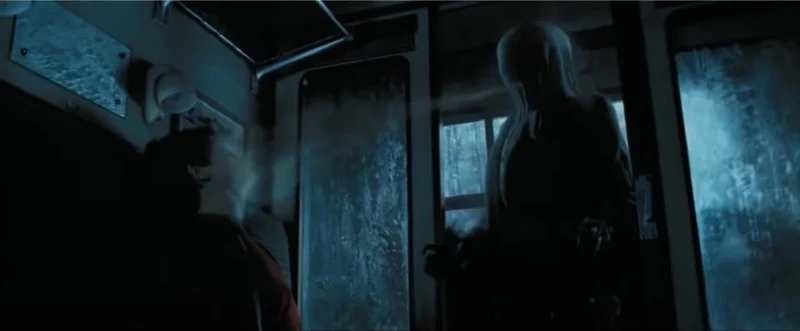
The Dementors are as chilling today as they were in 2004. Their eerie design and the way they drain joy from every scene still give viewers goosebumps.
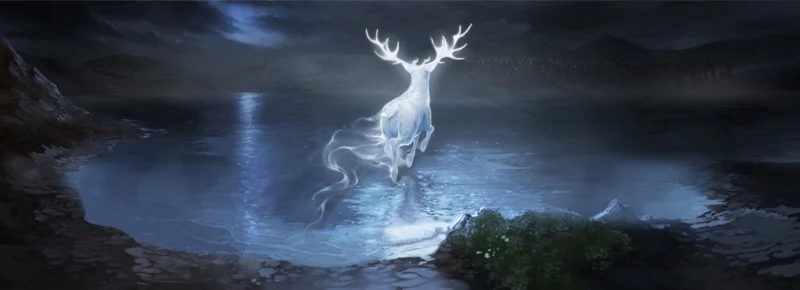
The Patronus scenes, especially Harry’s stag, are beautifully done and emotionally powerful. These moments capture the film’s themes of hope and resilience perfectly.
Inconsistent Tone (Aged Poorly)
The movie struggles to balance its darker themes with goofy humor. Scenes like the Marauder’s Map antics feel out of place next to the grim Dementor attacks.
This tonal whiplash can make the film feel uneven. Today’s audiences, used to more cohesive storytelling, might notice these shifts more.
Brilliant Soundtrack (Aged Masterfully)
John Williams’ score is a standout, blending whimsical and haunting melodies. Tracks like “A Window to the Past” add emotional weight to key scenes.
The music feels timeless and elevates the film’s atmosphere. It’s still one of the best soundtracks in the Harry Potter series.
Underdeveloped Supporting Characters (Aged Poorly)
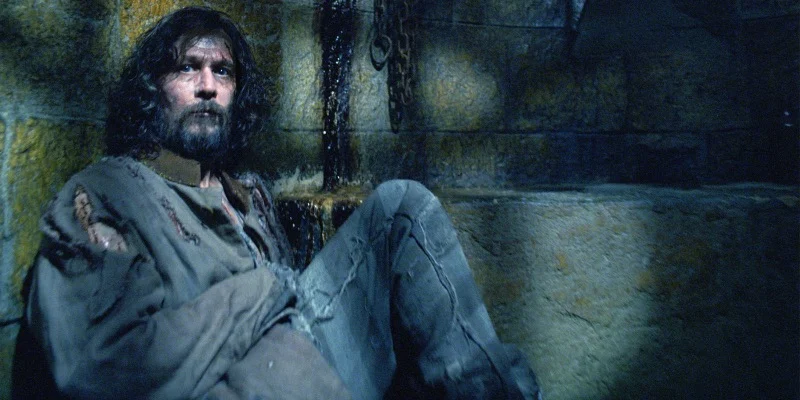
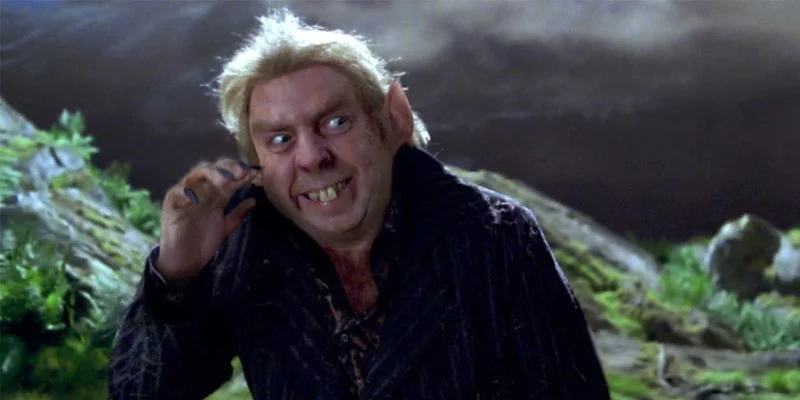
Characters like Lupin and Sirius get great moments, but others, like Peter Pettigrew, feel rushed. Pettigrew’s reveal as a villain lacks depth, making it hard to care about his role.
The film also sidelines characters like Dumbledore, who don’t get enough screen time to shine. This makes the story feel thinner than it could have been.
Bold Directorial Vision (Aged Masterfully)
Cuarón’s unique style sets Prisoner of Azkaban apart from other Harry Potter films. His focus on character-driven storytelling and visual flair still feels innovative.
The way he blends magic with real-world emotions makes the film relatable and rewatchable. It’s a masterclass in directing that holds up beautifully.
What’s your take on how Harry Potter and the Prisoner of Azkaban has aged—share your thoughts in the comments!