20 Times Hollywood Movies Butchered Great Books

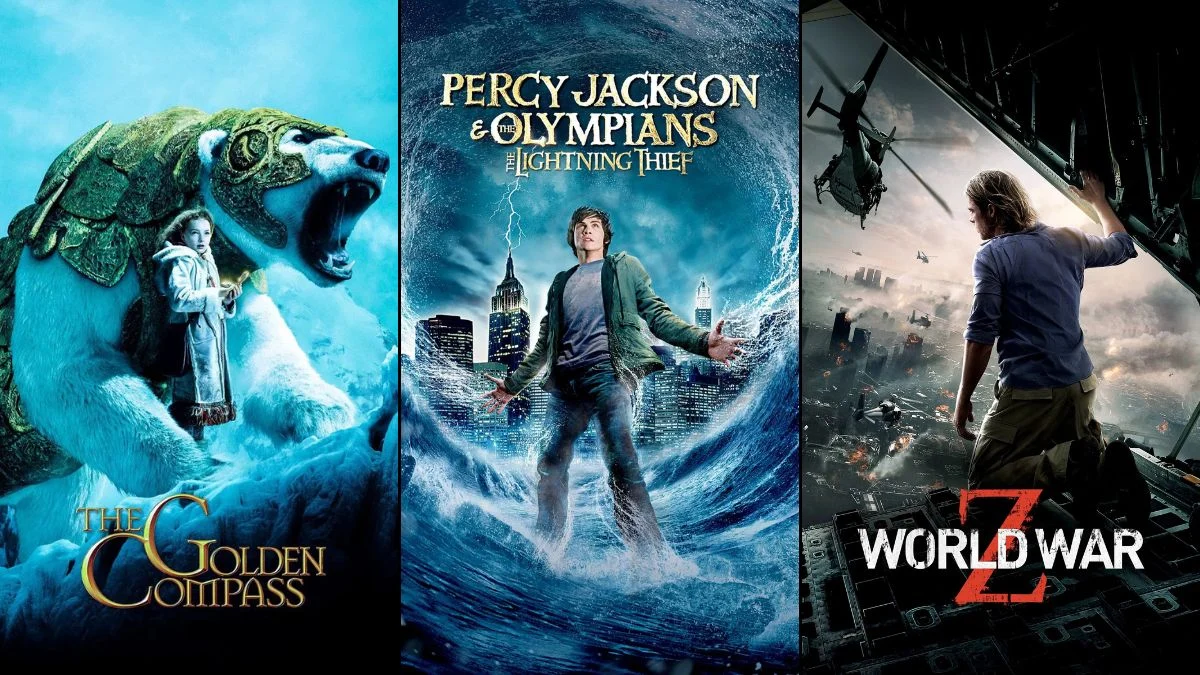

Books often inspire Hollywood to create movies, but the results can disappoint fans. Adaptations sometimes cut key details, change characters, or miss the story’s core, leaving readers frustrated.
This list covers 20 times Hollywood movies failed to capture the magic of the books they were based on. Each entry highlights what went wrong and why fans were upset.
‘The Golden Compass’ (2007)
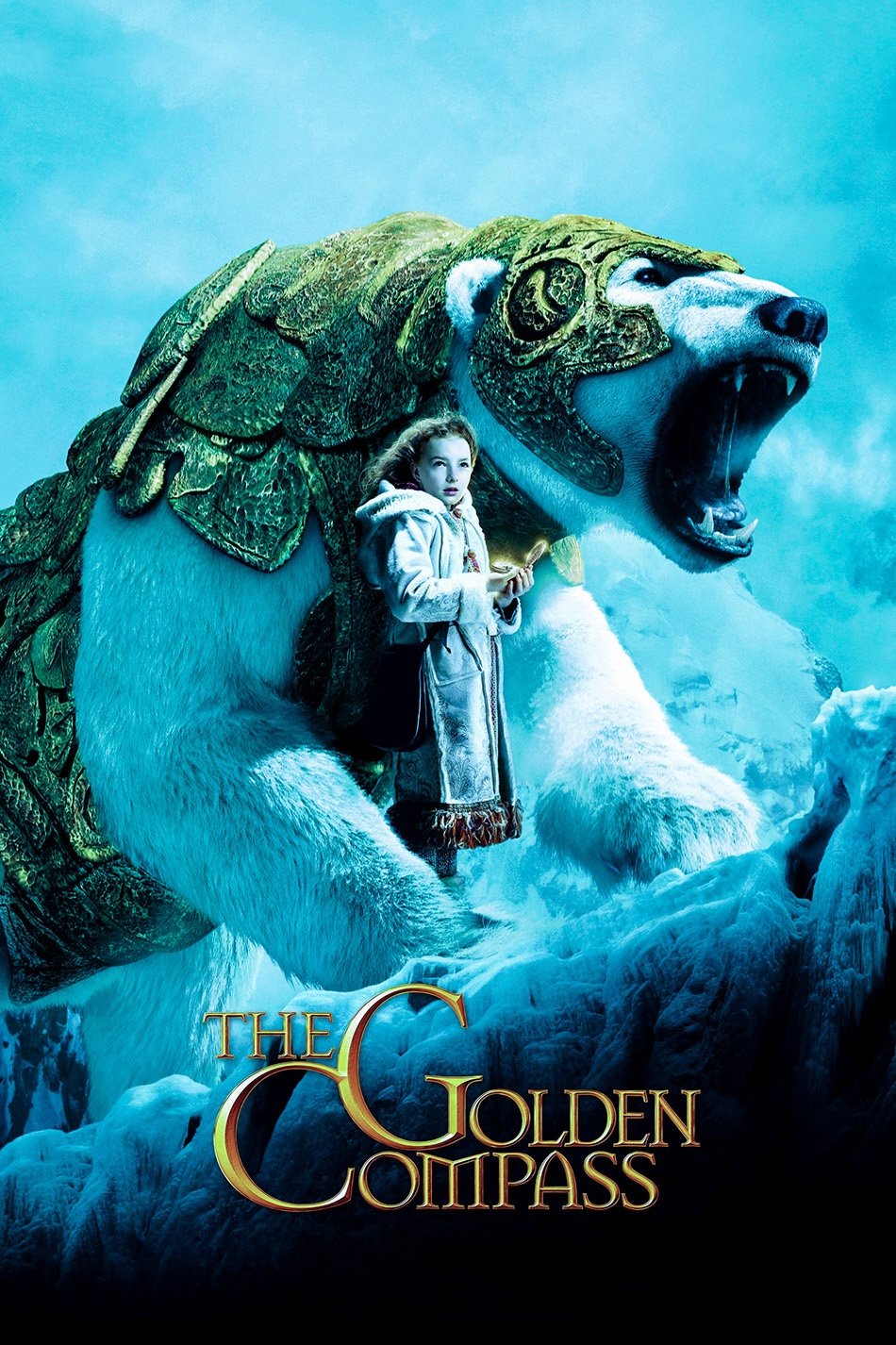
Philip Pullman’s ‘His Dark Materials’ trilogy explores deep themes like religion and human nature. The book ‘Northern Lights’ (titled ‘The Golden Compass’ in some regions) is a rich fantasy with a bold ending. The movie simplifies it into a basic adventure, cutting the shocking conclusion and toning down complex ideas to appeal to more viewers.
The film rushes the plot, making the world feel flat. Characters like Lyra lose their depth, and daemons, vital to the story, become mere CGI effects. Fans hated the lack of loyalty to Pullman’s vision. The movie’s failure ended hopes for sequels.
‘Percy Jackson & The Olympians: The Lightning Thief’ (2010)
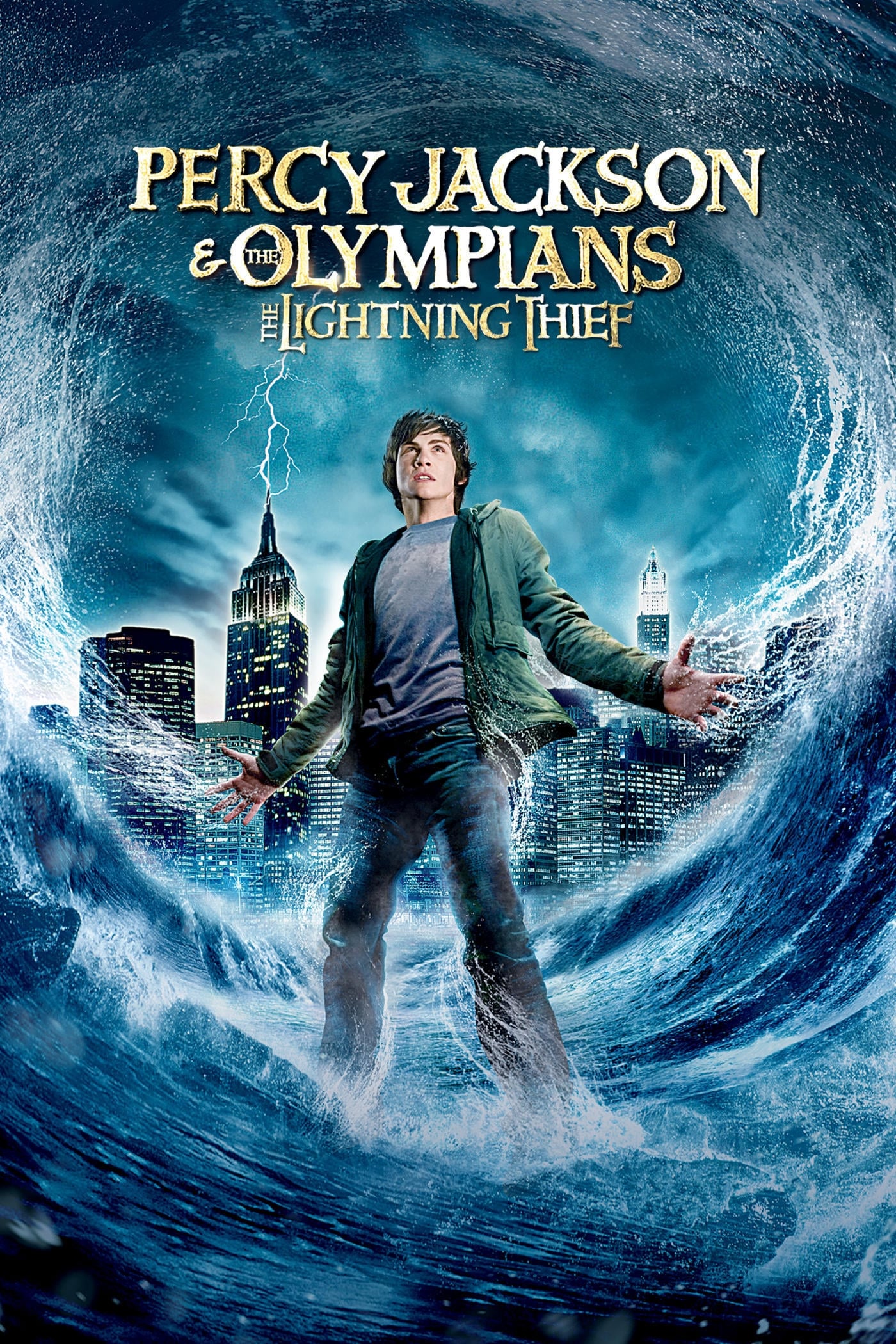
Rick Riordan’s ‘The Lightning Thief’ blends Greek mythology with teen humor in a tight, fun story. The movie ages up the characters and skips key elements like the Oracle’s prophecy, weakening the stakes. It also changes major plot points, losing the book’s charm.
Character development for Percy, Annabeth, and Grover suffers, and iconic locations like the Lotus Casino are rushed. The film feels generic, ignoring the book’s wit. Riordan himself criticized the adaptation, and fans agreed it missed the mark. A sequel didn’t fix the damage.
‘The Hobbit’ (2012-2014)
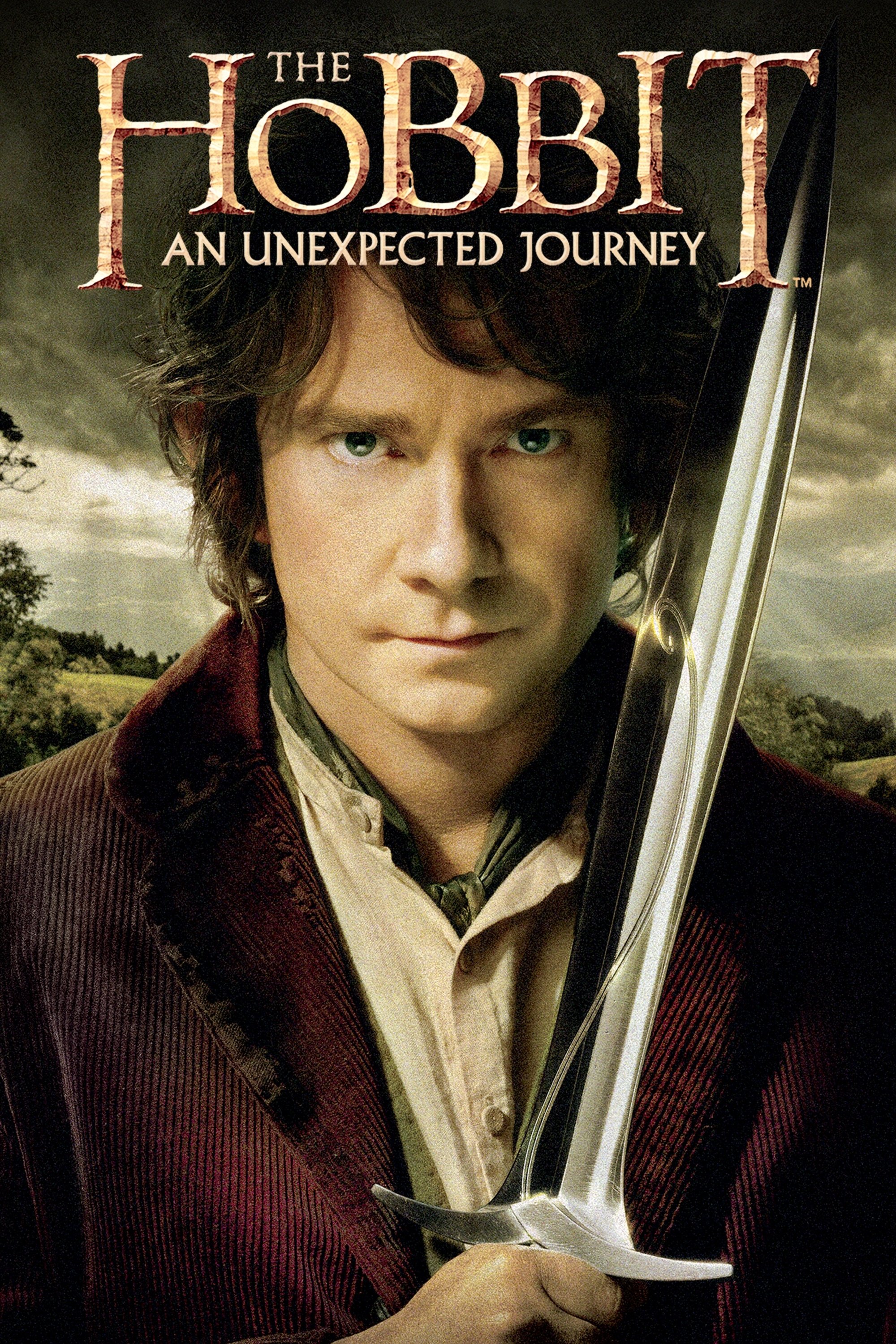
J.R.R. Tolkien’s ‘The Hobbit’ is a short, heartfelt tale of Bilbo’s adventure. Hollywood stretched it into a trilogy, adding pointless subplots like a romance between Legolas and a new character, Tauriel. This shifts focus from Bilbo and bloats the story.
The films rely on overdone CGI, making battles feel cartoonish compared to the book’s grounded tone. Moments like Bilbo’s meeting with Gollum lose their quiet power. Fans were upset that a simple story became a bloated epic. Tolkien purists felt betrayed.
‘Eragon’ (2006)
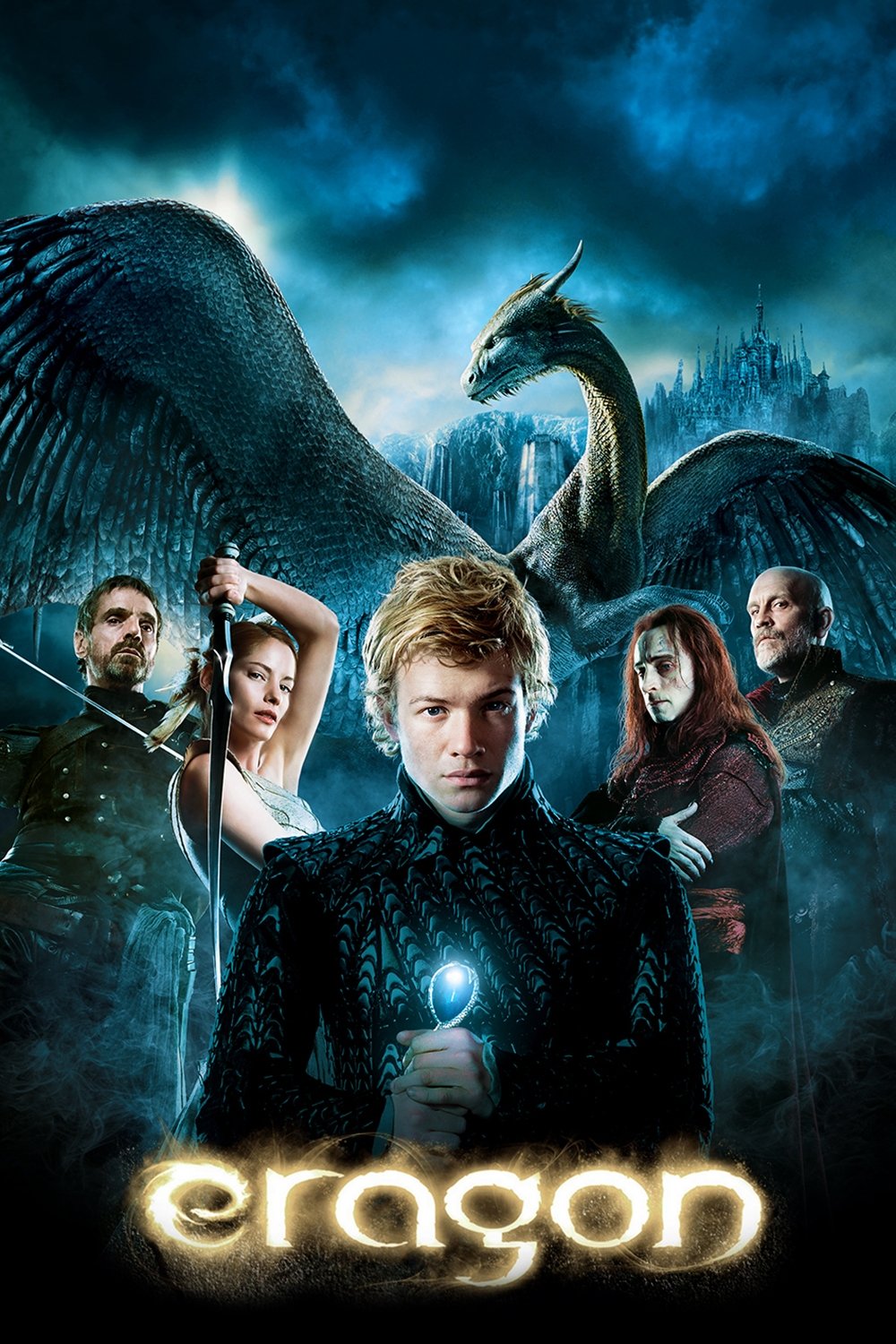
Christopher Paolini’s ‘Eragon’ is a detailed fantasy about a boy and his dragon, packed with lore. The movie cuts major characters, like Oromis, and rushes the plot, making Eragon’s journey feel shallow. It loses the book’s epic scope and depth.
Saphira, the dragon, lacks her book personality, reduced to basic lines. Eragon’s growth as a rider is barely shown, and key themes are ignored. Fans were angry at the generic adaptation. It flopped, killing any franchise plans.
‘The Giver’ (2014)
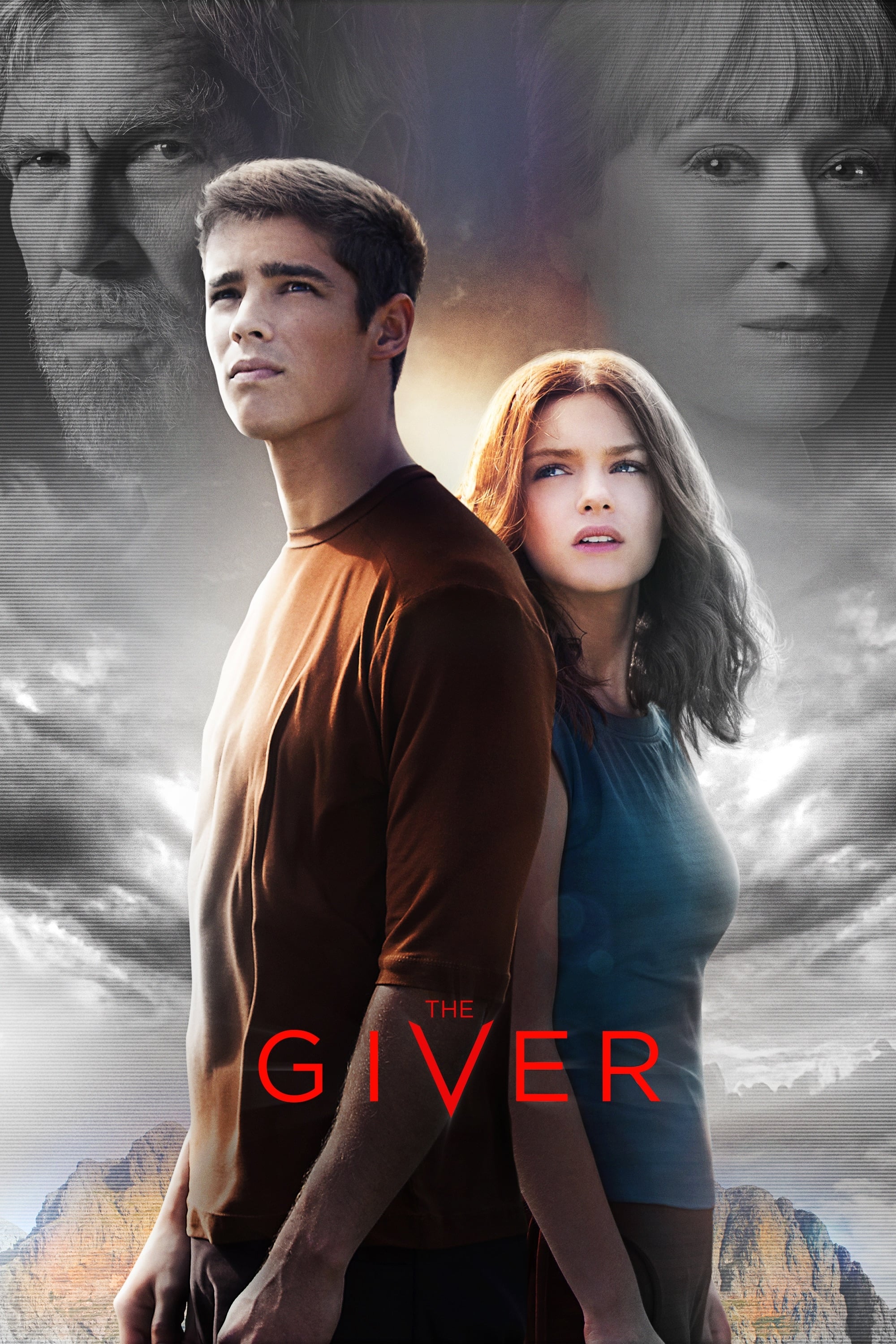
Lois Lowry’s ‘The Giver’ is a subtle dystopian tale about memory and choice. Its emotional depth is gripping. The movie turns it into an action-heavy flick with an added romance and chase scenes. This drowns out the book’s quiet power.
The film simplifies the ending, making it less ambiguous. Jonas and the Giver lose their complexity, and the community’s rules feel shallow. Fans felt the adaptation missed the book’s heart. It failed to match the novel’s impact.
‘Dune’ (1984)

Frank Herbert’s ‘Dune’ is a dense sci-fi epic with intricate politics and ecology. David Lynch’s movie tries to fit it into one film, creating a confusing mess. Rushed pacing and clunky exposition make it hard to follow for non-readers.
Paul Atreides feels flat, and the movie skips the book’s nuance about power. The bizarre tone and cheap visuals don’t match the novel’s grandeur. Fans were let down, though the 2021 remake later showed ‘Dune’ could work.
‘The Scarlet Letter’ (1995)
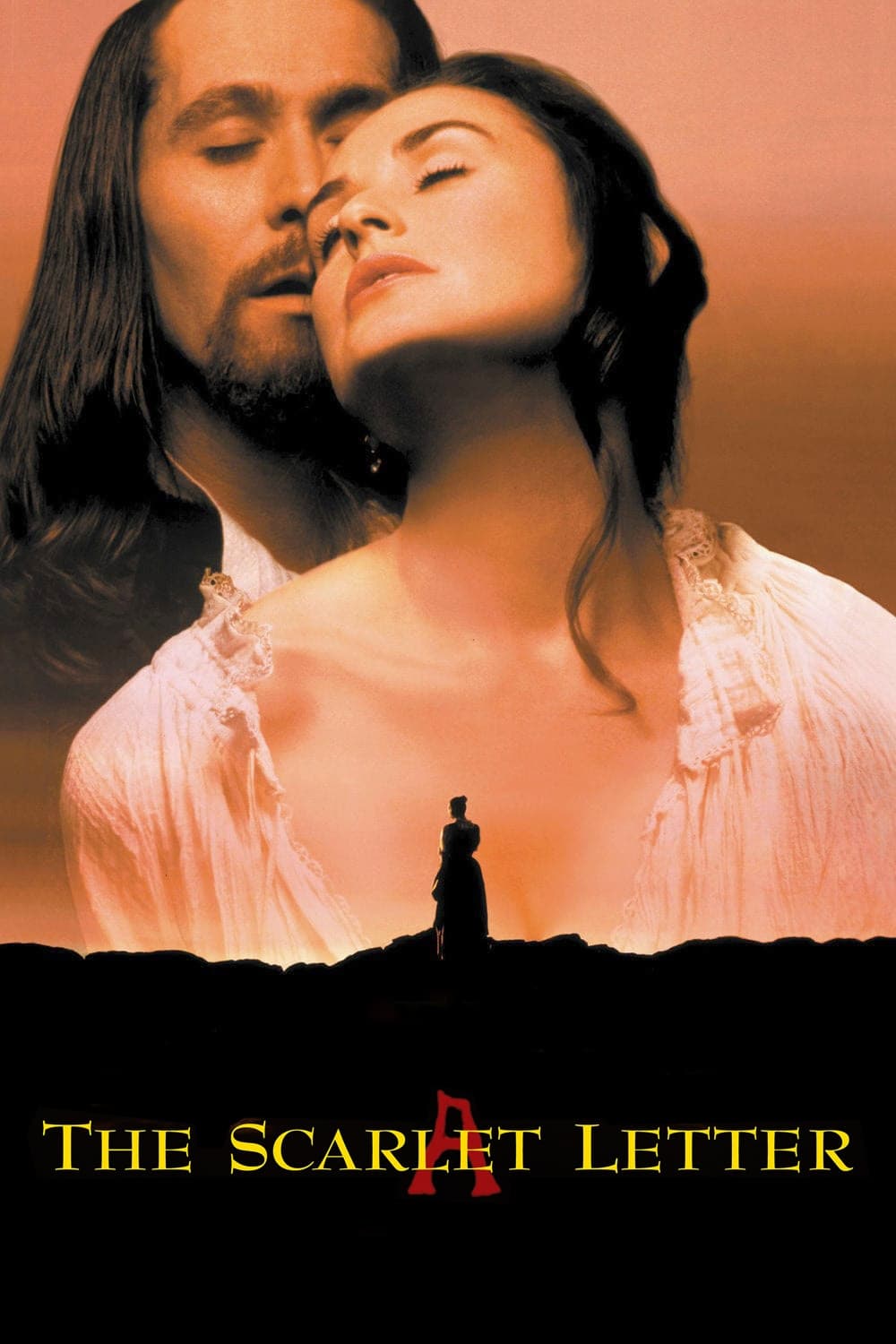
Nathaniel Hawthorne’s ‘The Scarlet Letter’ is a somber story of guilt and redemption. Its introspective tone is key. The movie turns it into a romantic drama with a happy ending, adding action scenes that clash with the book’s mood. Hester’s struggle is sidelined.
The film weakens themes of sin and judgment. Characters like Dimmesdale become stereotypes, and the setting feels like a Hollywood backdrop. Fans were outraged by the changes. It’s often called one of the worst book adaptations.
‘World War Z’ (2013)
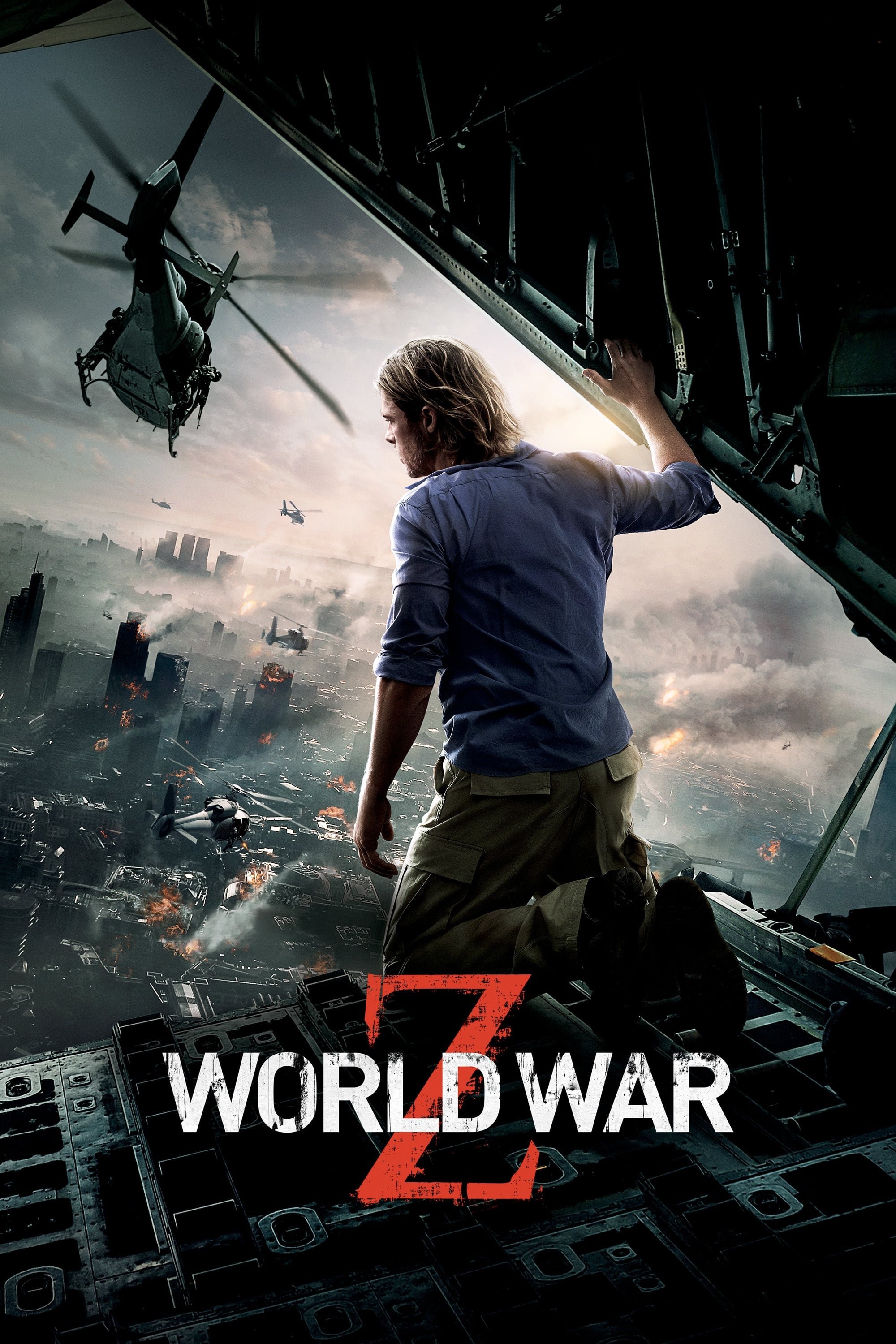
Max Brooks’ ‘World War Z’ uses global interviews to tell a unique zombie apocalypse story. The movie drops this format for a generic action plot with a single hero, Gerry Lane, who isn’t in the book. It loses the global perspective and human stories.
The zombies are fast, not slow, changing the tone. Key moments, like the Battle of Yonkers, are missing, and the ending is too neat. Fans felt the film betrayed the book’s innovative style. It succeeded commercially but not with readers.
‘The Time Traveler’s Wife’ (2009)

Audrey Niffenegger’s ‘The Time Traveler’s Wife’ is a moving tale of love and time travel. Its nonlinear story is emotional and complex. The movie simplifies it, cutting key moments and making time travel feel like a gimmick rather than a tragedy.
Henry and Clare’s characters lose depth, and subplots like their miscarriages are downplayed. The adaptation feels like a shallow romance, not the book’s profound story. Fans were frustrated by the lack of heart. It didn’t capture the novel’s magic.
‘The Cat in the Hat’ (2003)
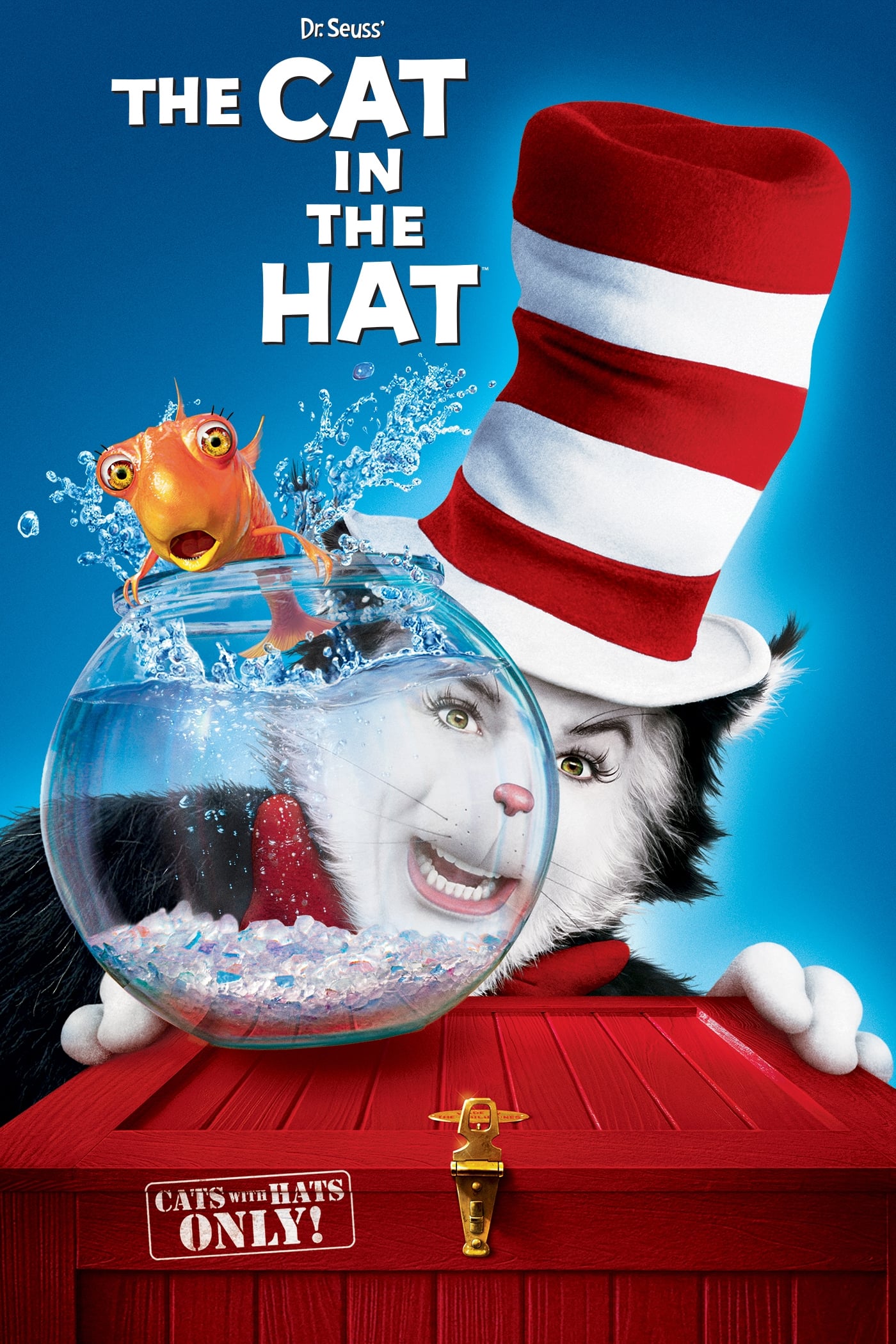
Dr. Seuss’ ‘The Cat in the Hat’ is a simple, charming children’s book. The movie turns it into a crude, chaotic comedy with adult humor. It adds a messy plot about a magical contract and extra characters that don’t fit the story.
The garish visuals and slapstick tone clash with the book’s playful vibe. The Cat, played by Mike Myers, feels creepy, not fun. Fans hated the lack of respect for Seuss’ work. It’s a low point in children’s adaptations.
‘I Am Legend’ (2007)
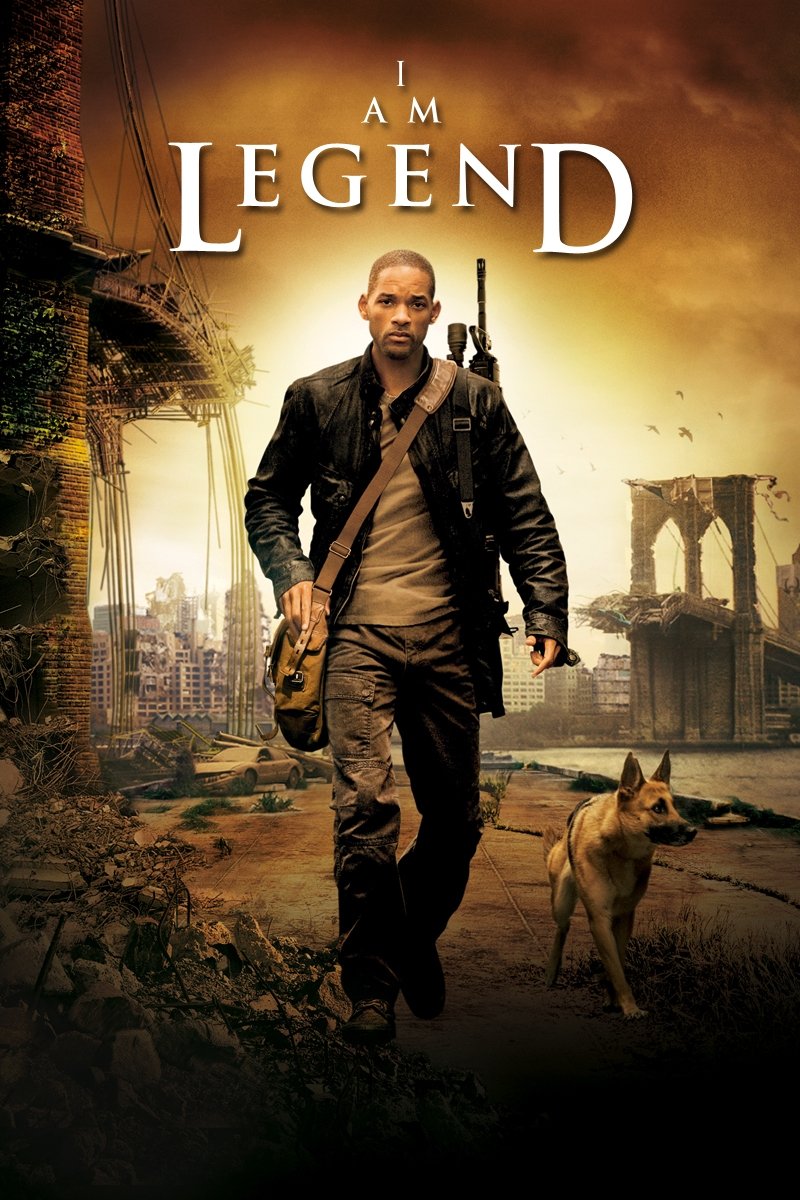
Richard Matheson’s ‘I Am Legend’ is a dark novel about the last man fighting vampire-like creatures. Its ending redefines the protagonist’s role. The movie makes it a standard action film with a heroic sacrifice, missing the book’s moral depth.
Robert Neville’s loneliness and experiments are cut, and the creatures lack nuance. The film ignores key themes about humanity. Fans were upset, though an alternate ending closer to the book was later released. It didn’t fix the overall flaws.
‘The Great Gatsby’ (2013)
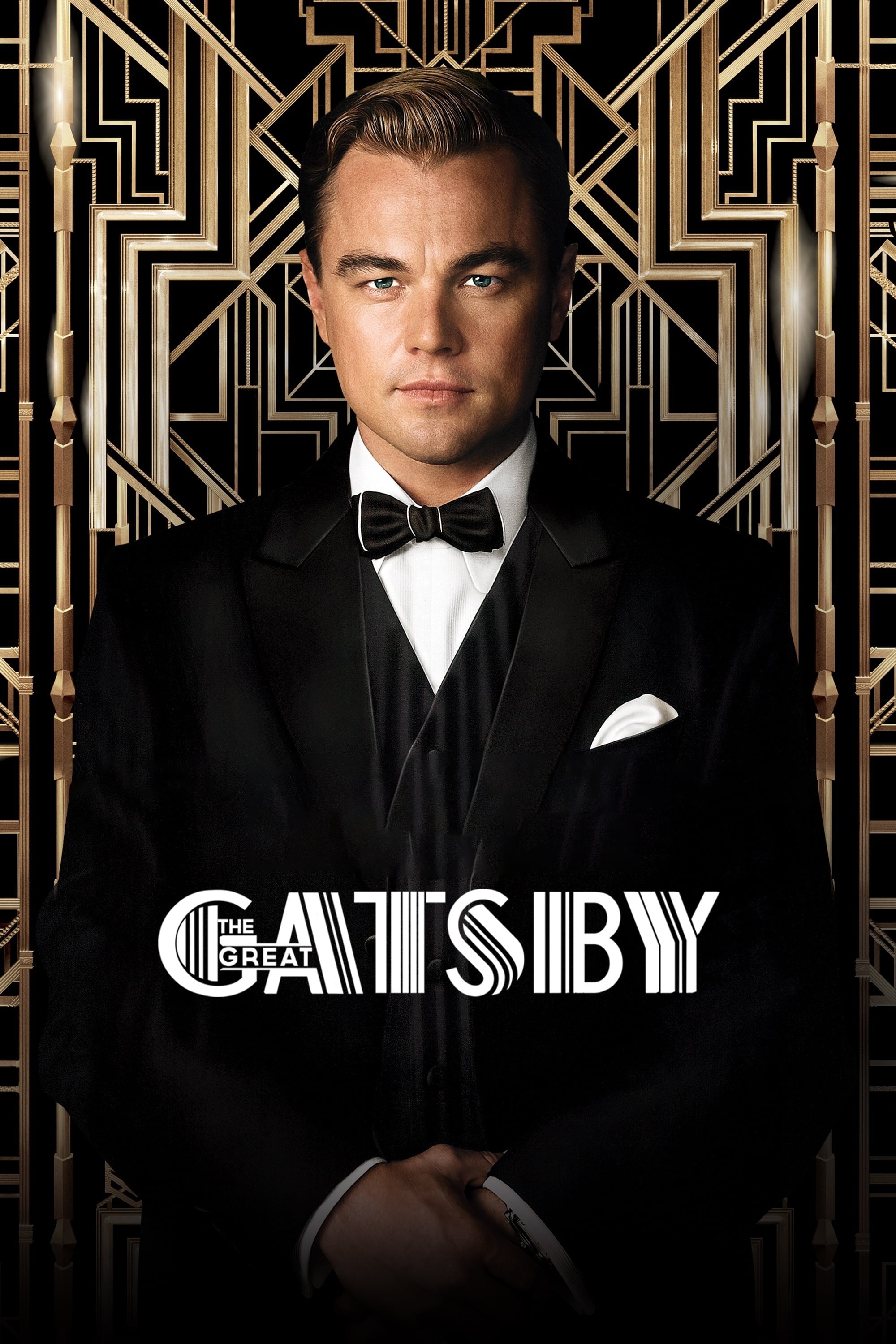
F. Scott Fitzgerald’s ‘The Great Gatsby’ is a classic about wealth and love. Its subtle tragedy shines through elegant prose. The movie’s flashy visuals and modern soundtrack overpower the 1920s setting. It feels like a party, not a critique of excess.
Gatsby and Daisy’s characters are simplified, losing their ambiguity. Themes of hollow wealth are buried under spectacle. Fans felt the film chose style over substance. It looked great but missed the book’s soul.
‘The Lovely Bones’ (2009)
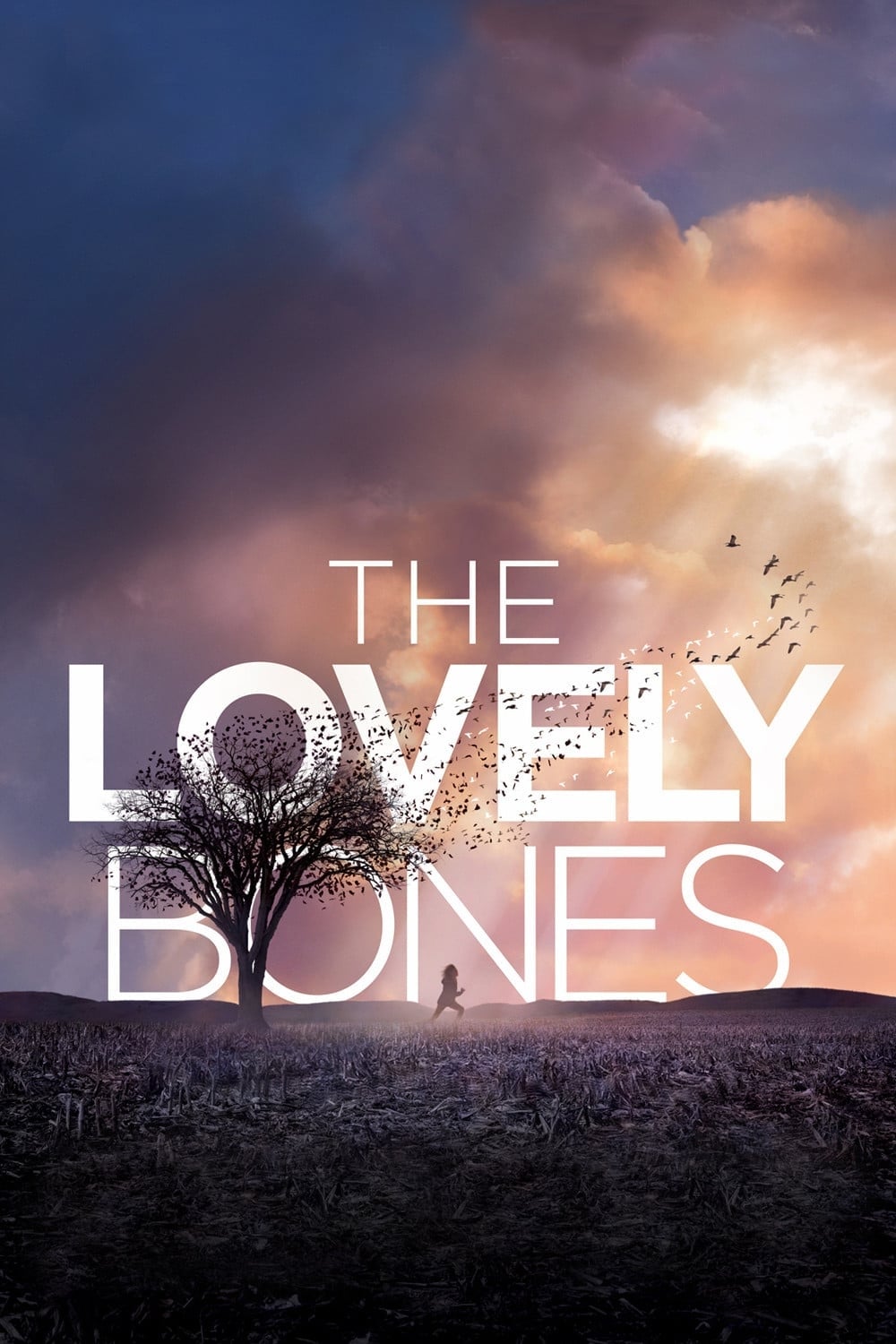
Alice Sebold’s ‘The Lovely Bones’ is a moving story of a murdered girl watching her family. Its blend of grief and hope is powerful. The movie overuses CGI for the afterlife, making it cartoonish. It shifts focus to a thriller plot, sidelining the family’s pain.
Key emotional moments, like Susie’s bond with her sister, are cut. The tone and ending feel less impactful. Fans were disappointed that the adaptation lost the book’s emotional depth. It couldn’t balance the novel’s delicate tone.
‘Lemony Snicket’s A Series of Unfortunate Events’ (2004)
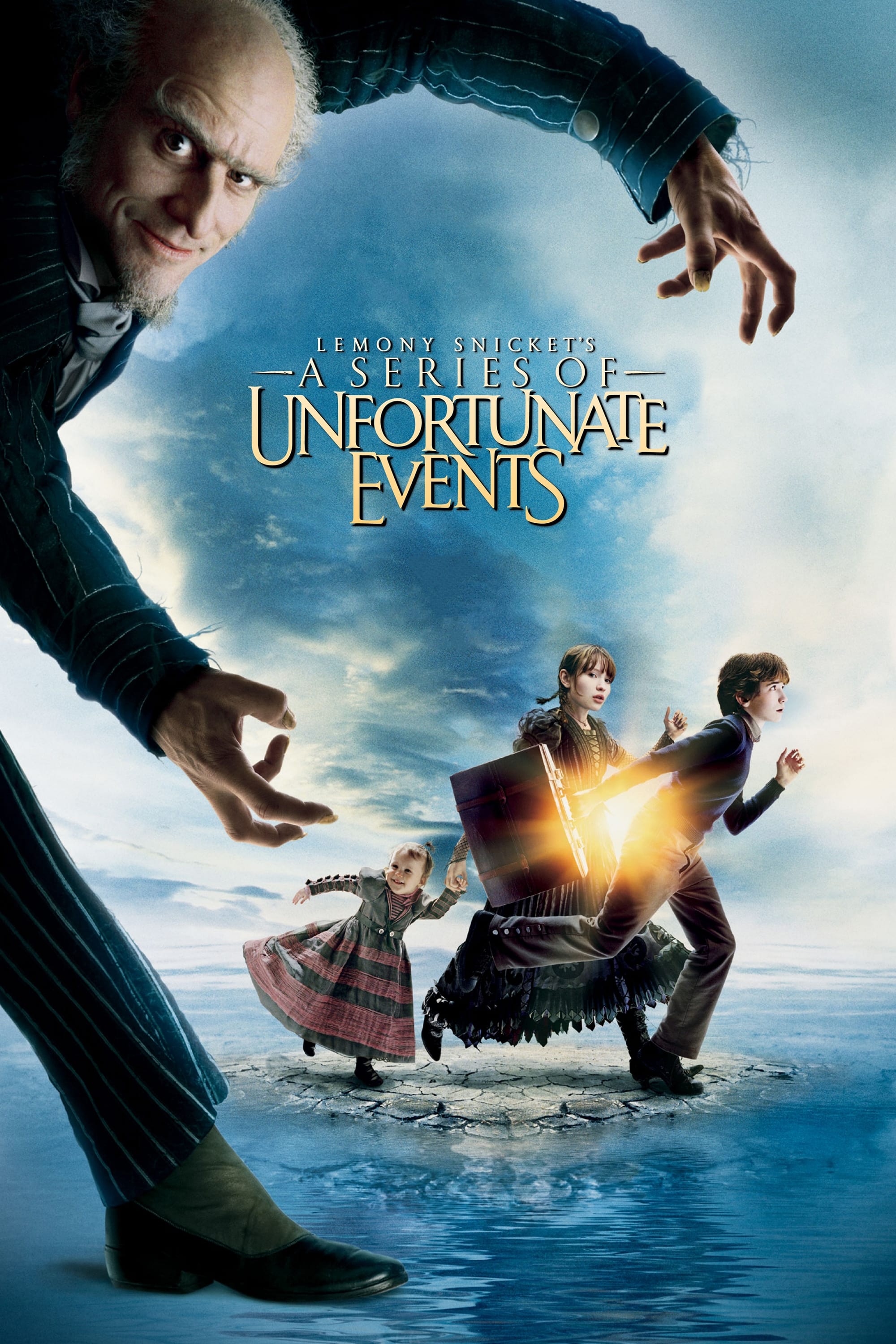
Lemony Snicket’s ‘A Series of Unfortunate Events’ is a darkly funny series with a unique voice. The movie crams three books into one, rushing the story. It skips the Baudelaire siblings’ skills and softens the grim humor that defines the books.
Count Olaf’s schemes and the tone feel more whimsical than sinister. The adaptation misses Snicket’s quirky style. Fans were frustrated, though a later Netflix series proved the story could be done better.
‘Ender’s Game’ (2013)
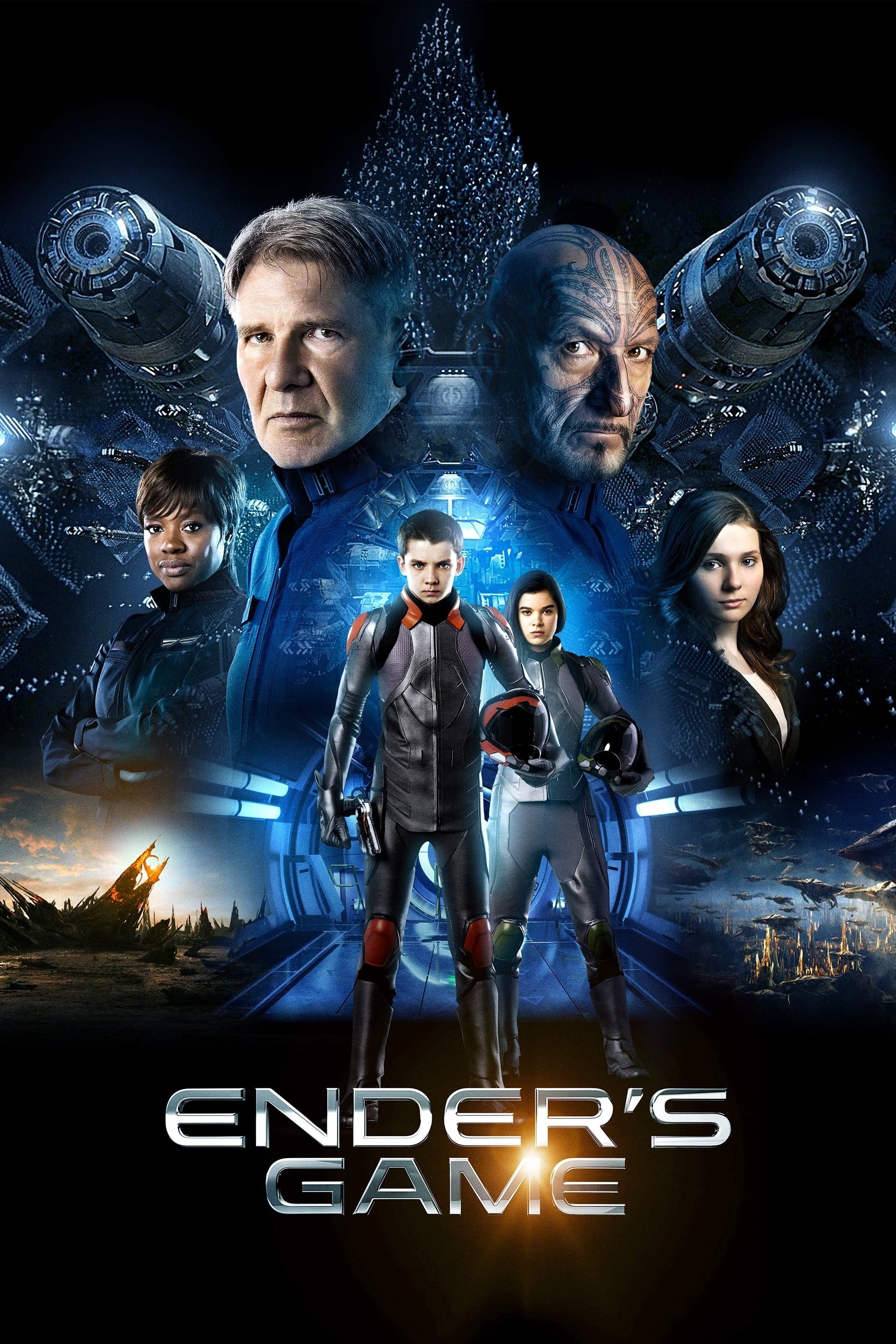
Orson Scott Card’s ‘Ender’s Game’ is a sci-fi novel about a boy training for an alien war. Its focus on strategy and ethics is gripping. The movie rushes Ender’s training, making his victories feel unearned. It cuts moral dilemmas that drive the book.
Ender’s siblings, key to the book’s politics, are skipped. Battle scenes overshadow the story’s heart. Fans felt the adaptation lacked the novel’s depth. It failed to launch a planned franchise.
‘The Dark Tower’ (2017)
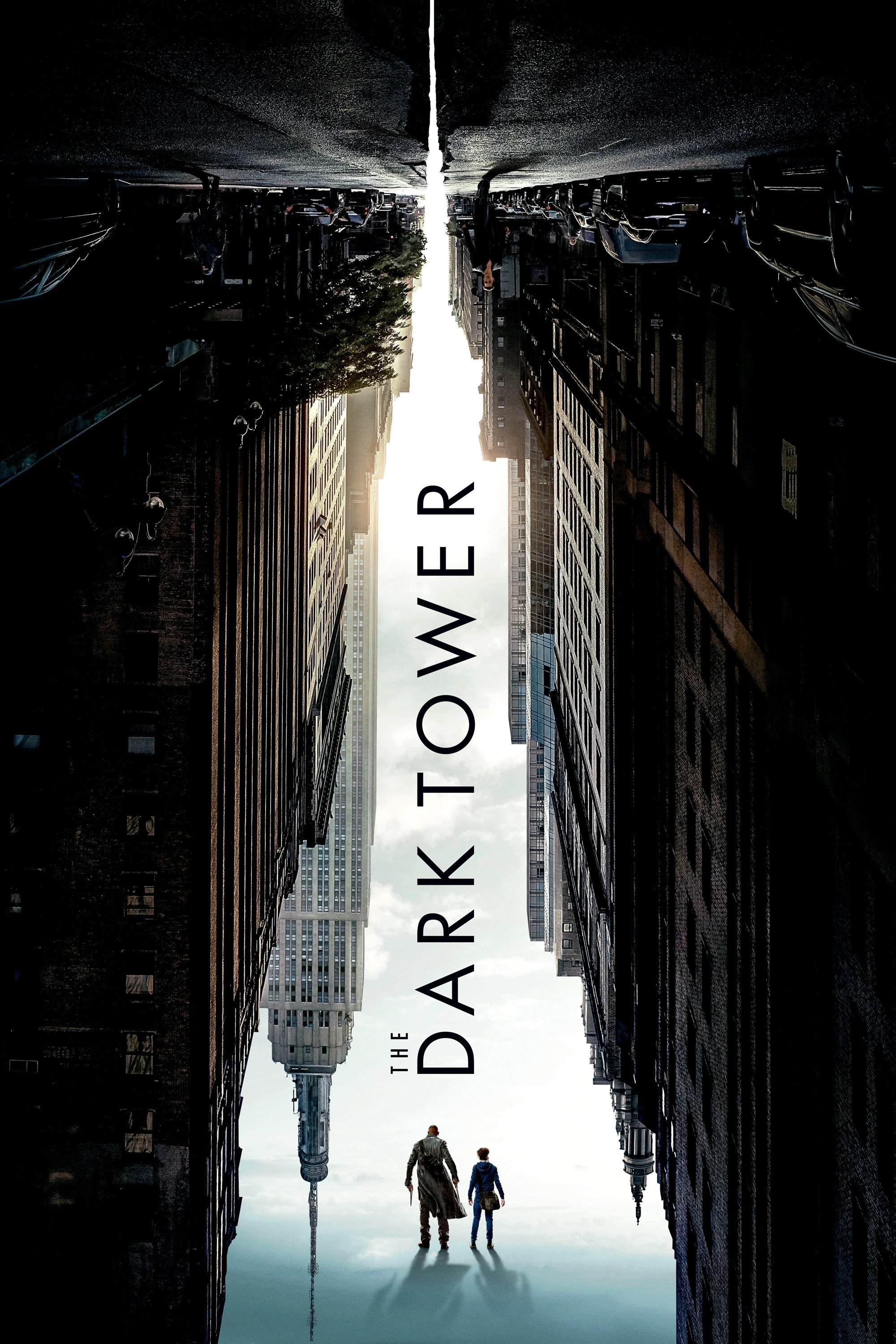
Stephen King’s ‘The Dark Tower’ is a sprawling series blending fantasy and horror. It follows Roland’s complex quest. The movie condenses it into 95 minutes, creating a generic action film. It mixes book elements, confusing fans and newcomers.
Roland and the Man in Black lose their depth, and the Dark Tower itself is barely explored. The film ignores the series’ rich mythology. Fans were angry at the shallow adaptation. It bombed, ending sequel hopes.
‘The Mortal Instruments: City of Bones’ (2013)
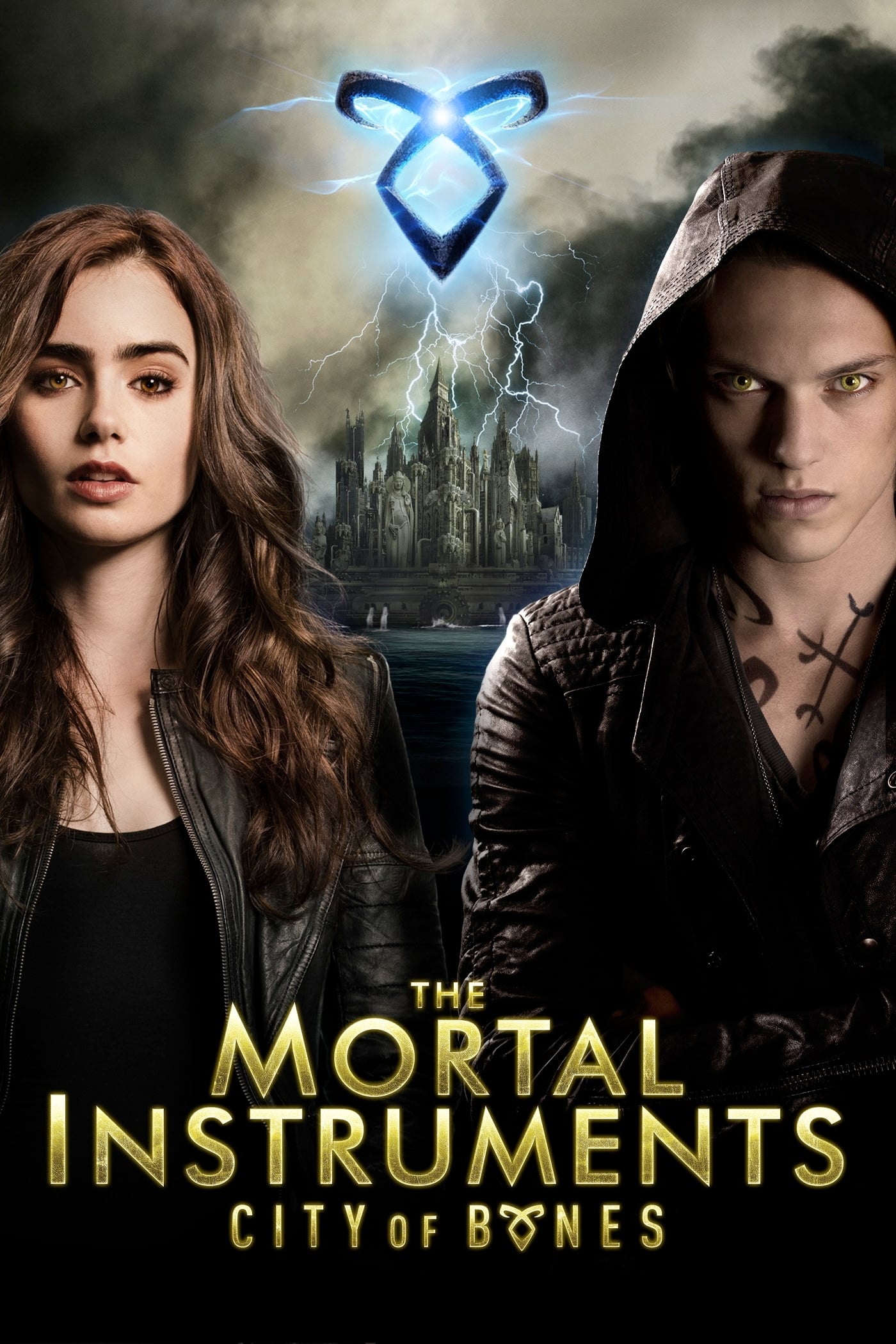
Cassandra Clare’s ‘City of Bones’ is a gritty urban fantasy about Shadowhunters. It has a strong fanbase for its world. The movie rushes the plot and alters Clary and Jace’s relationship. It adds a Hollywood climax that feels forced.
The tone wavers between campy and serious, missing the book’s balance. Characters like Magnus Bane are underdeveloped, and the mythology feels thin. Fans hated the lack of fidelity. The film failed to start a franchise.
‘The Bonfire of the Vanities’ (1990)
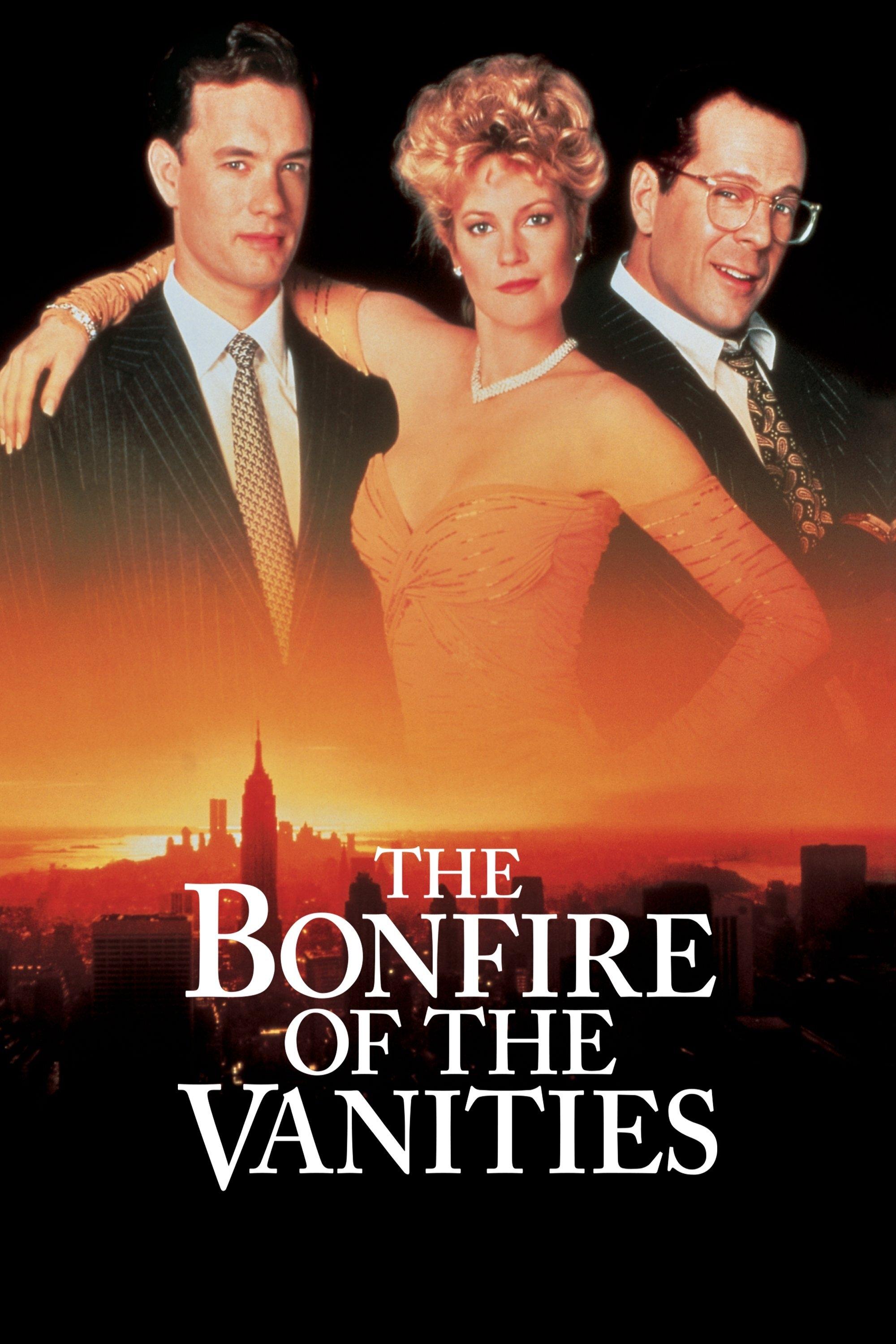
Tom Wolfe’s ‘The Bonfire of the Vanities’ is a sharp satire of 1980s New York, exposing greed and class divides. Its biting social commentary drives the story. The movie, however, turns it into a flat comedy, miscasting key roles and softening the book’s cynical edge.
The film skips major plotlines and weakens characters like Sherman McCoy, making them caricatures. The tone feels uneven, missing Wolfe’s incisive critique. Fans were dismayed by the adaptation’s shallow take. It flopped, failing to capture the novel’s wit.
‘Cloud Atlas’ (2012)
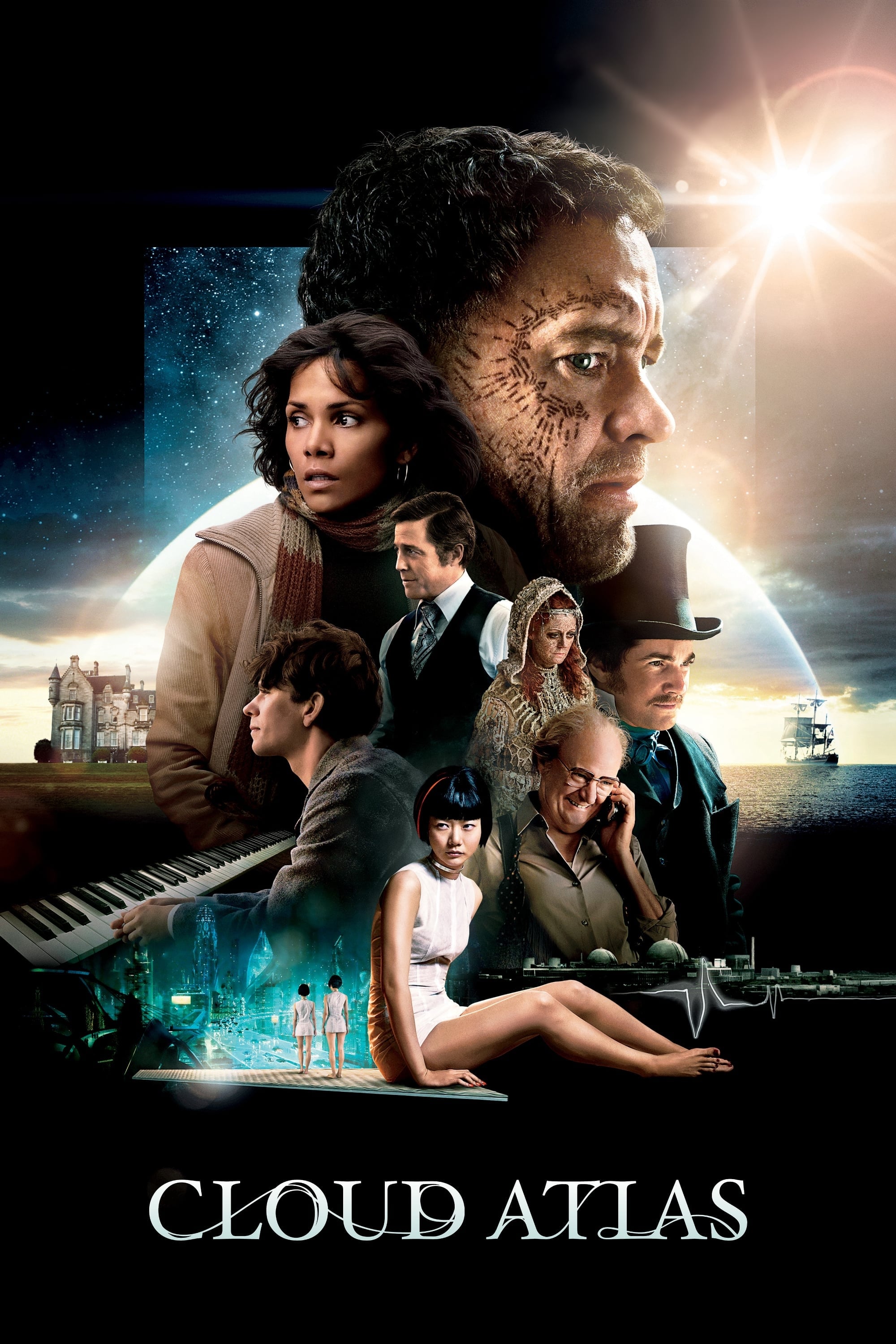
David Mitchell’s ‘Cloud Atlas’ weaves six interconnected stories across time. Its complex structure and themes of reincarnation are unique. The movie struggles with pacing and clarity, condensing each story. This makes them less emotionally resonant.
Controversial casting, with actors playing multiple roles across races, distracts from the story. Themes of human connection lose impact due to the rushed format. Fans felt the adaptation couldn’t match the book’s ambition. It was bold but flawed.
‘The Maze Runner’ (2014)
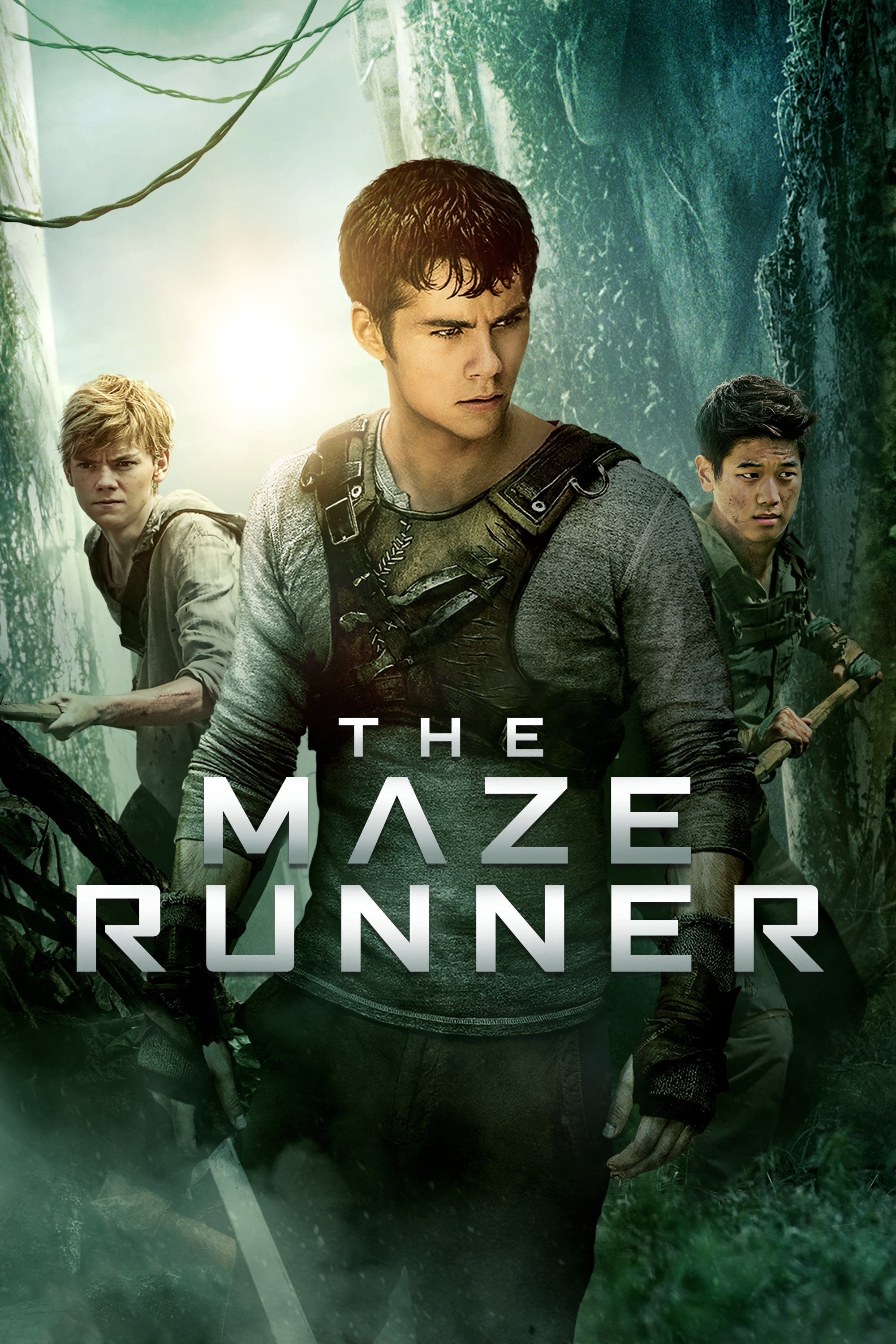
James Dashner’s ‘The Maze Runner’ is a tense dystopian novel about teens in a deadly maze. Its mystery and pacing grip readers. The movie changes the maze’s mechanics and reveals answers too early, reducing the suspense.
Key characters, like Thomas, lose depth, and the Gladers’ dynamics are simplified. The film adds action scenes that feel generic. Fans were frustrated that it didn’t capture the book’s intensity. Later sequels strayed even further.
Which of these book-to-movie flops disappointed you the most, or is there another one we missed? Drop your thoughts in the comments!