‘Star Trek’ Details You Only Catch as an Adult

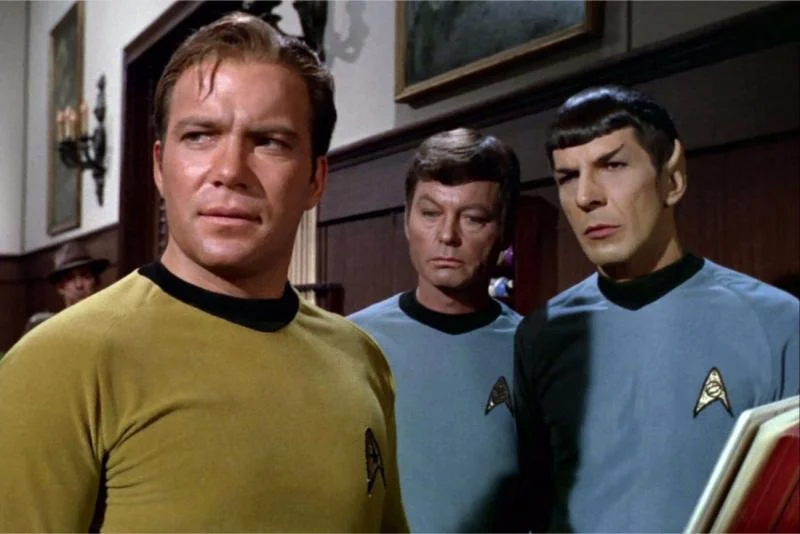

‘Star Trek’ has been a sci-fi favorite for decades, pulling in fans with its bold stories and big ideas. As kids, we loved the cool ships, epic battles, and funny moments, but watching as adults reveals deeper layers that went over our heads back then.
The show’s themes, character choices, and even its flaws stand out more when you revisit it with a grown-up perspective. Here are 10 details in ‘Star Trek’ that hit differently when you’re older, showing why the franchise still sparks thought and debate.
Moral Dilemmas Drive the Stories
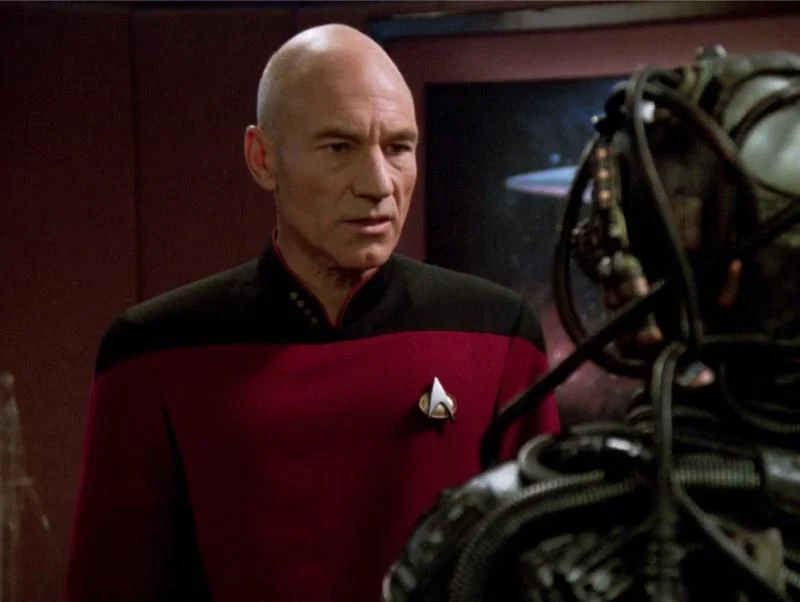
‘Star Trek’ often puts characters in tough spots where right and wrong aren’t clear. As an adult, you notice how episodes like the Prime Directive debates in ‘Star Trek: The Next Generation’ force captains to weigh duty against compassion, with no easy answers.
These choices mirror real-life struggles, like balancing personal values with professional rules. Kids might miss the weight of these decisions, but adults see how the show uses sci-fi to explore human ethics.
Technology Reflects Our World
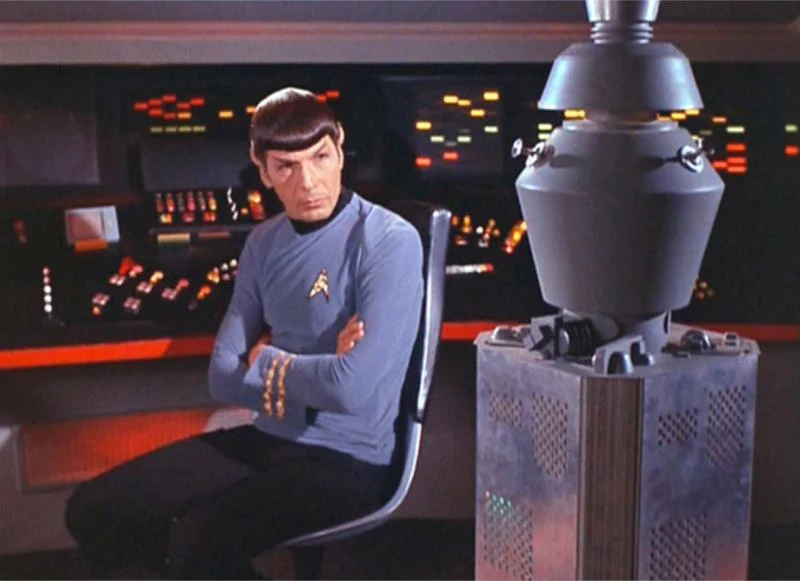
As a kid, phasers and warp drives seem like fun gadgets. As an adult, you realize ‘Star Trek’ predicts tech we use today, like communicators resembling smartphones or tricorders similar to medical scanners.
The show also warns about tech’s downsides, like AI taking over in ‘The Ultimate Computer’ from ‘Star Trek: The Original Series.’ Adults catch how these stories question our reliance on machines, a concern that feels very real now.
Character Flaws Feel More Human

When you’re young, characters like Kirk or Picard seem like perfect heroes. As an adult, you spot their flaws—Kirk’s impulsiveness or Picard’s stubborn pride—and see how these make them more relatable.
These imperfections show up in moments like Picard’s struggle with his past in ‘Family’ from ‘Star Trek: The Next Generation.’ Adults connect with how even great leaders wrestle with doubt and mistakes.
Social Commentary Hides in Plain Sight
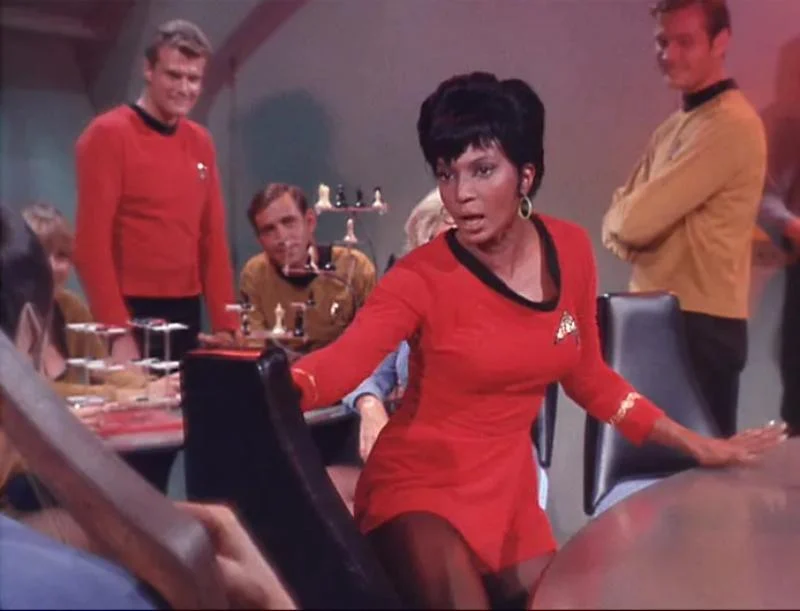
‘Star Trek’ tackles big issues like racism and war, but kids might just see cool aliens. Episodes like ‘Let That Be Your Last Battlefield’ in ‘Star Trek: The Original Series’ use two-toned aliens to show how silly prejudice is, hitting harder when you’re older.
Adults also notice how the show critiques society, like the Cold War parallels in the Klingon conflicts. These messages feel bold and relevant, even years later.
Relationships Have Deeper Layers
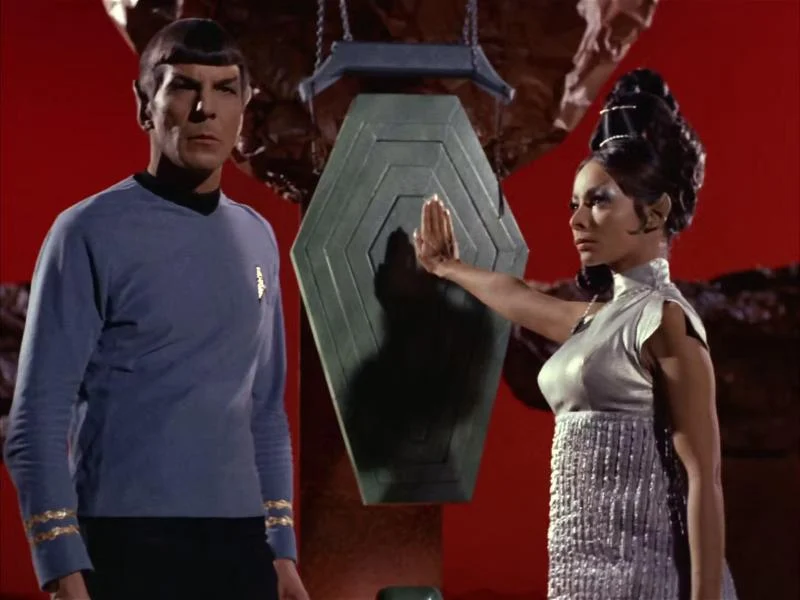
As a kid, you might miss the subtle emotions in ‘Star Trek’ relationships. Watching as an adult, you catch the unspoken tension between Spock and McCoy or the quiet loyalty of Data’s friendships in ‘Star Trek: The Next Generation.’
These dynamics feel richer because adults understand how real relationships work—full of trust, conflict, and growth. The show’s focus on connection hits home in a way kids don’t always see.
The Federation Isn’t Perfect
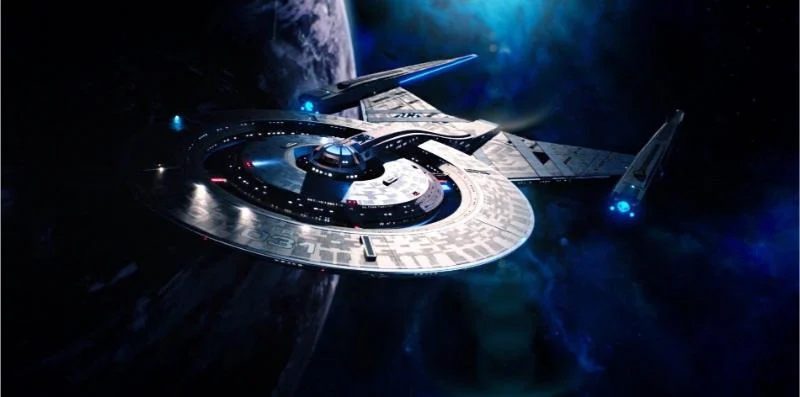
Kids see Starfleet as the ultimate good guys, but adults notice cracks in the Federation’s utopia. Episodes like ‘The Measure of a Man’ in ‘Star Trek: The Next Generation’ show how even this “perfect” society can mess up, like when Data’s rights are questioned.
As an adult, you see the Federation’s flaws—bureaucracy, moral compromises, or arrogance. It’s a reminder that no system is flawless, no matter how good it looks.
Time Travel Raises Big Questions
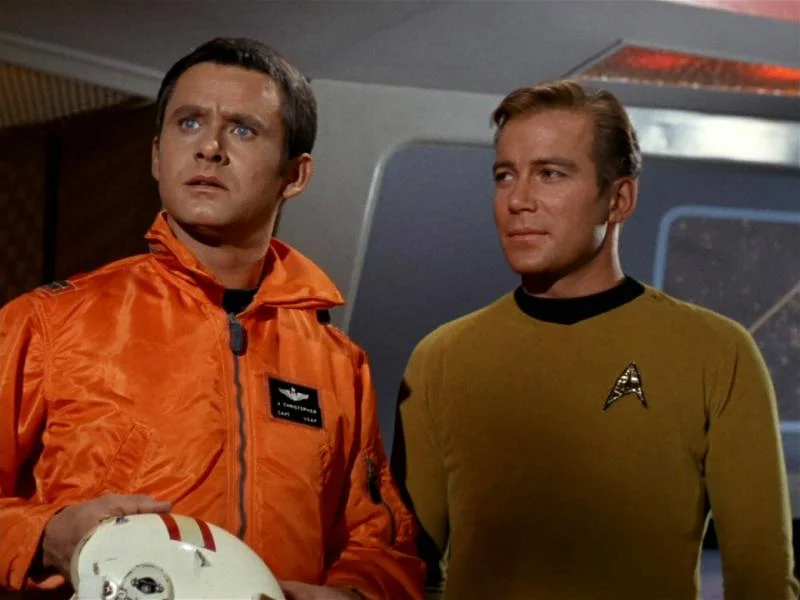
Time travel in ‘Star Trek’ seems fun as a kid—cool paradoxes and adventures. As an adult, you catch how episodes like ‘The City on the Edge of Forever’ in ‘Star Trek: The Original Series’ ask heavy questions about fate and sacrifice.
These stories make you think about choices and consequences in your own life. The sci-fi twists hit harder when you relate them to real-world what-ifs.
Alien Cultures Mirror Humanity
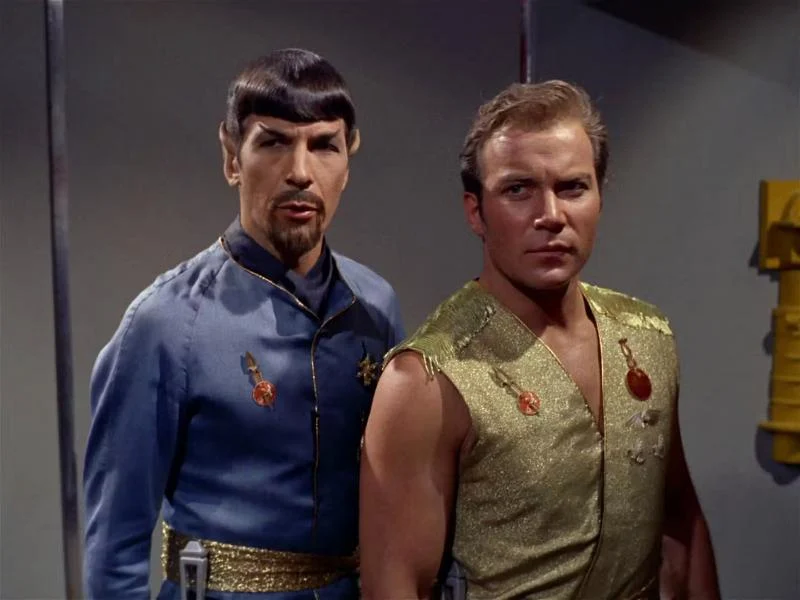
Kids love the weird aliens in ‘Star Trek,’ but adults see how they reflect human traits. The Klingons’ obsession with honor or the Ferengi’s greed in ‘Star Trek: Deep Space Nine’ feel like exaggerated versions of our own cultures.
These alien societies hold a mirror to our world, showing both strengths and flaws. As an adult, you appreciate how the show uses aliens to talk about us.
Leadership Comes with Hard Choices
As a kid, you think being captain means giving orders and winning. As an adult, you see how leaders like Sisko in ‘Star Trek: Deep Space Nine’ face tough calls, like in ‘In the Pale Moonlight,’ where morals get messy for the greater good.
These moments show leadership isn’t glamorous—it’s about carrying heavy burdens. Adults relate to the stress of making decisions with no perfect outcome.
Optimism Feels Radical
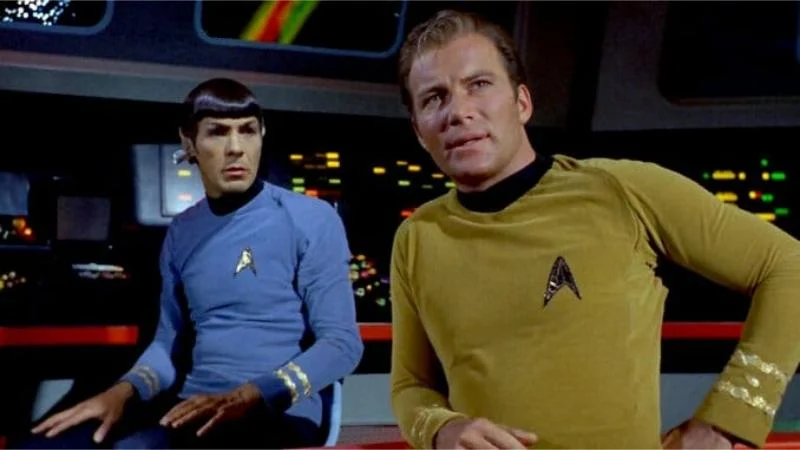
‘Star Trek’ paints a hopeful future where humanity solves its biggest problems, like poverty and war. As a kid, you take it at face value, but as an adult, you see how bold this vision is in a cynical world.
Episodes like ‘Encounter at Farpoint’ in ‘Star Trek: The Next Generation’ push unity and progress, which feel almost rebellious today. Adults admire how the show dares to stay positive despite tough realities.
What’s a ‘Star Trek’ detail you noticed as an adult that surprised you? Share your thoughts in the comments!