‘Lord of the Rings’ Details You Only Catch as an Adult



The ‘Lord of the Rings’ trilogy is a masterpiece that captivates audiences of all ages. As kids, we’re drawn to the epic battles, magical creatures, and grand adventures, but as adults, we notice deeper layers that make the story even richer.
Watching these films as a grown-up reveals subtle details, complex themes, and hidden meanings that might slip past younger viewers. From character motivations to cultural references, here are 10 details in ‘Lord of the Rings’ you only catch as an adult.
Frodo’s Emotional Burden
Frodo’s journey as the Ring-bearer is heavier than it seems at first glance. As an adult, you notice how the One Ring affects his mental state, showing signs of trauma and depression that kids might miss.
The films subtly depict Frodo’s isolation and despair, especially in moments when he withdraws from Sam or stares blankly into the distance. These quiet scenes reveal the psychological toll of his quest, making his struggle feel painfully real.
Aragorn’s Reluctance to Lead

Aragorn’s arc as a leader unfolds with complexity that adults appreciate more. His hesitation to claim the throne of Gondor stems from fear of repeating his ancestor Isildur’s mistakes with the Ring.
This internal conflict adds depth to his character, showing a man wrestling with destiny and self-doubt. As an adult, you see how his journey is about overcoming personal insecurities to embrace responsibility, a theme that resonates deeply.
Gandalf’s Strategic Mind

Gandalf isn’t just a wise wizard casting spells; he’s a master strategist. Adults pick up on how he orchestrates events, like sending Frodo on the quest or rallying allies for key battles.
His subtle manipulations, like nudging Bilbo to give up the Ring or guiding Aragorn toward leadership, show a calculated mind at work. These moments highlight Gandalf’s role as the chessmaster behind the scenes, which kids might overlook.
The Ring’s Corrupting Power
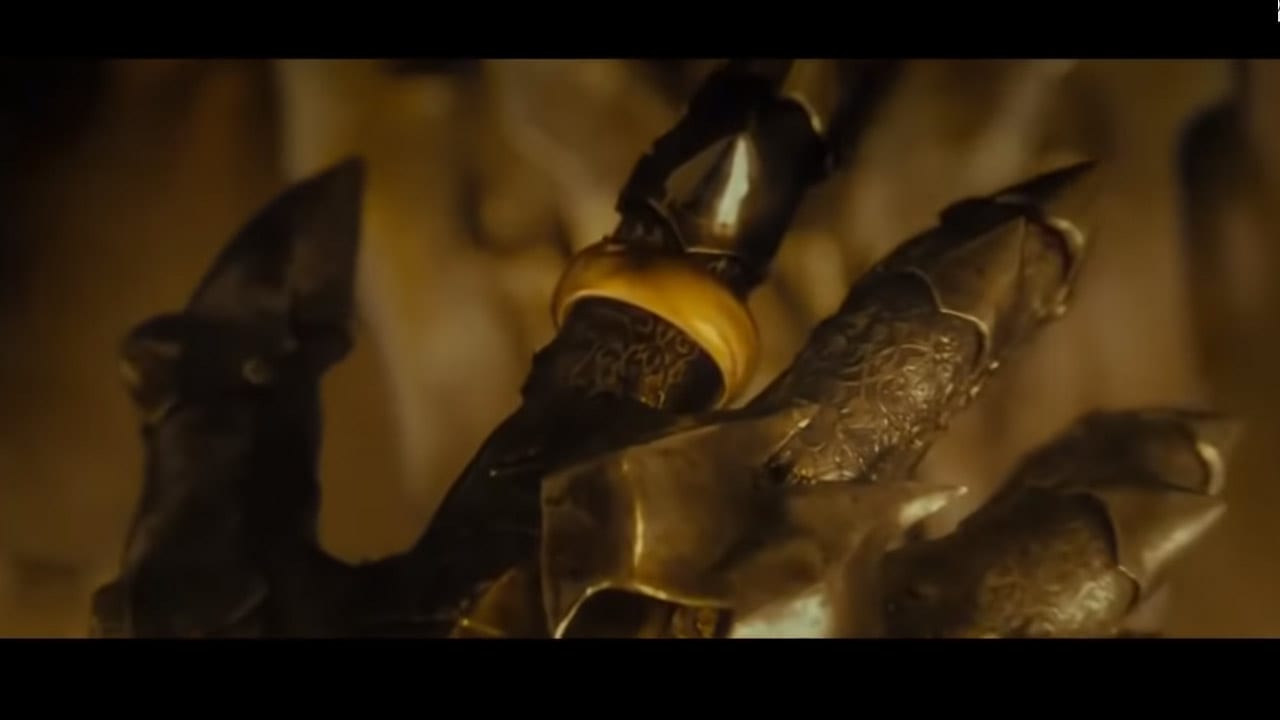
The One Ring’s influence is more than a plot device; it’s a metaphor for addiction and temptation. Adults notice how it affects everyone differently, from Boromir’s ambition to Gollum’s obsession.
The films show subtle signs of its pull, like Frodo’s growing paranoia or Bilbo’s agitation when parted from it. This layered depiction of corruption hits harder when you’ve seen real-world struggles with power or dependency.
Sam’s True Heroism
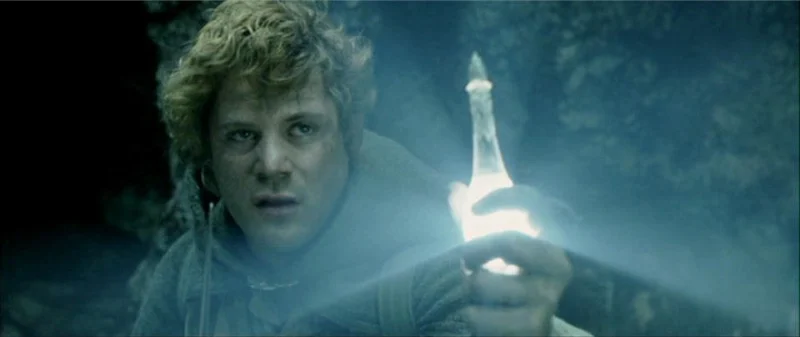
Samwise Gamgee’s loyalty shines brighter as you age. Kids see him as Frodo’s sidekick, but adults recognize him as the emotional core of the story, carrying Frodo through despair.
His quiet strength, like when he carries Frodo up Mount Doom, reflects selfless devotion. As an adult, you appreciate Sam’s unspoken courage and how he embodies the power of friendship and sacrifice.
Political Undertones in Gondor and Rohan

The politics of Middle-earth become clearer with age. Adults notice the power struggles in Gondor, where Denethor’s grief and pride clash with Aragorn’s rightful claim.
Rohan’s leadership crisis, with Théoden under Wormtongue’s influence, mirrors real-world corruption and redemption. These subtle political dynamics add a layer of realism to the fantasy, making the stakes feel grounded and complex.
Elrond’s Bitterness

Elrond’s stern demeanor hides a deeper pain that adults pick up on. His distrust of men, rooted in Isildur’s failure to destroy the Ring, shapes his cold attitude toward Aragorn.
This backstory adds depth to his character, showing a leader burdened by history and loss. As an adult, you see how his bitterness reflects the weight of centuries, making his eventual hope in Aragorn more meaningful.
Gollum’s Tragic Complexity
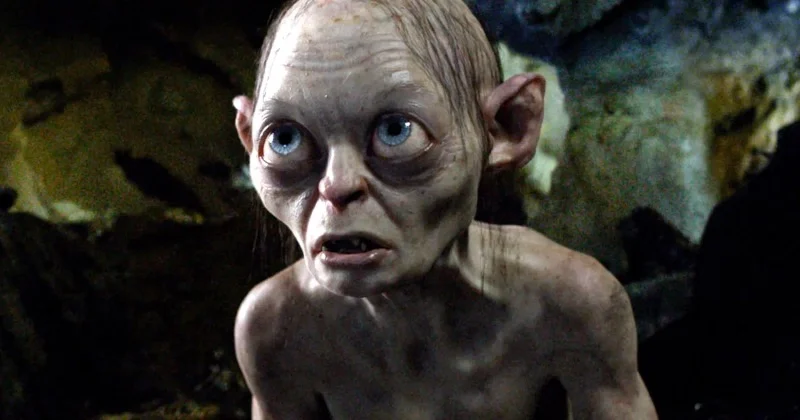
Gollum is more than a creepy villain; he’s a tragic figure destroyed by the Ring. Adults notice the nuance in his split personality, with Sméagol’s fleeting moments of humanity battling Gollum’s corruption.
His story mirrors addiction and loss of self, making him pitiable rather than just evil. This depth makes his betrayal of Frodo and ultimate fate hit harder when you’re older.
The Elves’ Fading Glory

The elves’ departure from Middle-earth carries a melancholic weight adults feel more deeply. Their fading presence, seen in Rivendell’s quiet halls or Galadriel’s weary wisdom, hints at a dying era.
This theme of loss and change resonates with adults who’ve experienced the passage of time. The elves’ choice to leave rather than fight reflects a bittersweet acceptance kids might not grasp.
Tolkien’s War Influences
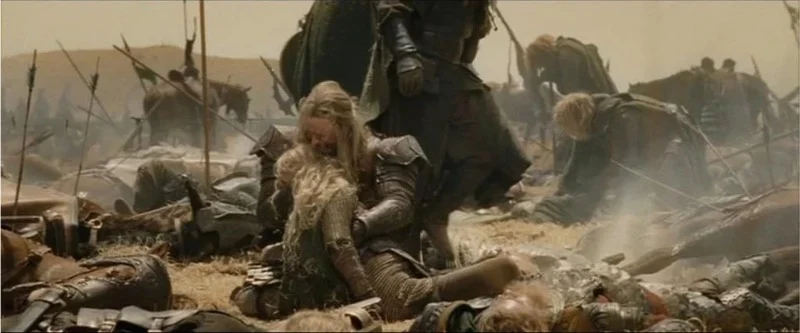
As an adult, you catch how Tolkien’s World War I experiences shape the films. The Dead Marshes, with their haunting imagery of fallen soldiers, echo the trenches he survived.
The camaraderie of the Fellowship and the devastation of war, like in Helm’s Deep, feel grounded in real human struggle. These details give the story a historical depth that adults connect with on a visceral level.
What’s your favorite ‘Lord of the Rings’ detail that you noticed as an adult? Share your thoughts in the comments!