MCU Details You Only Catch as an Adult



The Marvel Cinematic Universe (MCU) is packed with action, humor, and epic battles that appeal to all ages. But as an adult, you start to notice subtle details that kids might miss.
These details add depth to the stories, characters, and themes, making rewatching the MCU a richer experience. From hidden references to mature themes, here are 15 MCU details that stand out when you’re grown up.
Tony Stark’s PTSD in ‘Iron Man 3’ (2013)
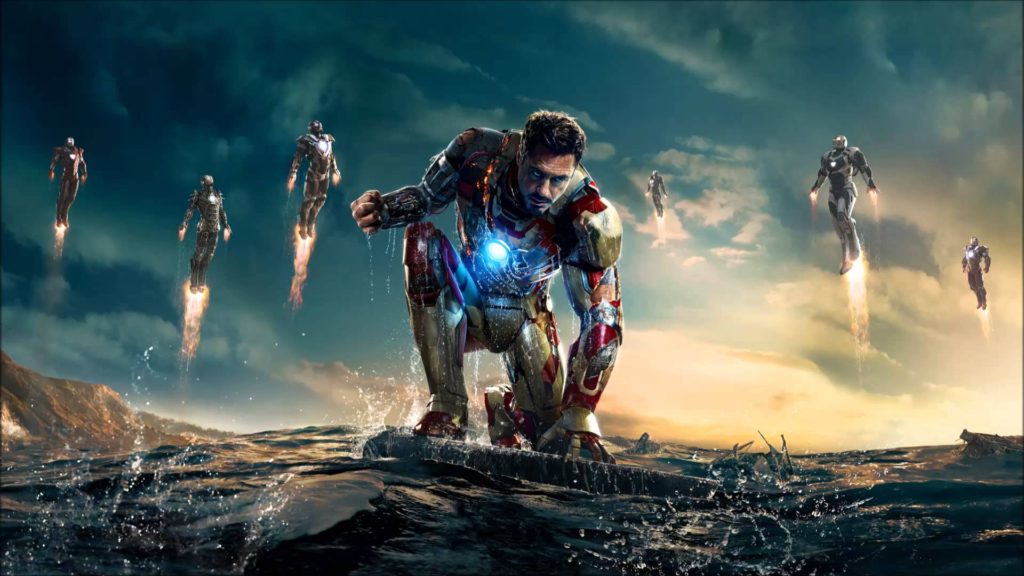
Tony Stark’s struggle with anxiety and PTSD is a major focus in ‘Iron Man 3’. As a kid, you might see his panic attacks as just part of the action, but adults recognize the realistic portrayal of trauma after his near-death experience in ‘The Avengers’.
The film shows Tony grappling with sleeplessness and fear, which grounds his larger-than-life persona. It’s a mature take on a superhero, showing that even Iron Man has vulnerabilities.
Political Themes in ‘Captain America: The Winter Soldier’ (2014)

‘Captain America: The Winter Soldier’ feels like a spy thriller with deep political undertones. Adults catch the film’s commentary on government surveillance and the loss of personal freedom, inspired by real-world issues like the Patriot Act.
The story questions blind loyalty to authority, as Steve Rogers uncovers corruption within S.H.I.E.L.D. This layer of moral complexity makes the movie resonate more with grown-up viewers.
Thanos’ Motivation in ‘Avengers: Infinity War’ (2018)

Thanos’ plan to wipe out half of all life seems like pure villainy to younger audiences. Adults, however, might notice his twisted logic about overpopulation and resource scarcity, reflecting real-world debates on sustainability.
While his methods are extreme, Thanos believes he’s saving the universe, adding a philosophical edge to his character. This nuance makes you rethink the typical hero-villain dynamic.
Natasha’s Sacrifice in ‘Avengers: Endgame’ (2019)

Natasha Romanoff’s death in ‘Avengers: Endgame’ hits harder when you’re older. Kids might see it as a sad moment, but adults understand the weight of her choice to sacrifice herself for the greater good.
Her arc, rooted in redemption for her past, shows a selfless act that resonates with adult themes of purpose and legacy. It’s a moment that lingers long after the credits roll.
Grief in ‘WandaVision’ (2021)
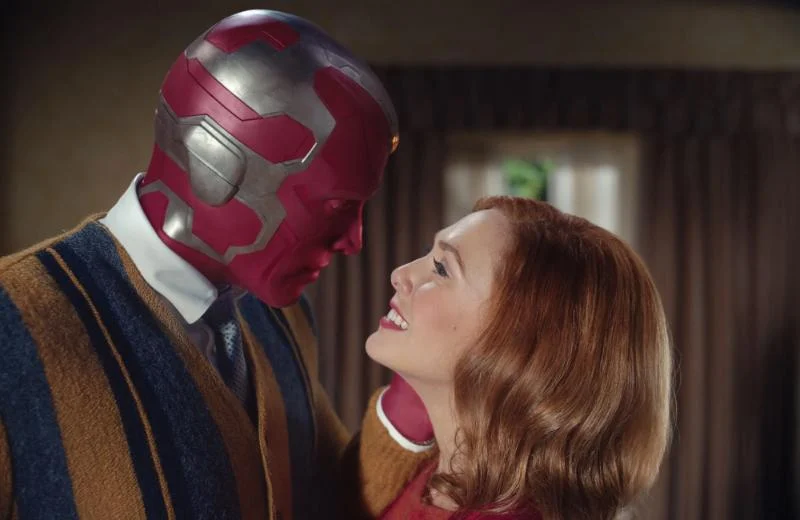
‘WandaVision’ explores Wanda Maximoff’s grief in a way that kids might not fully grasp. Adults relate to her struggle with loss, as she creates a false reality to cope with Vision’s death.
The show dives into emotional pain and mental health, using sitcoms as a metaphor for denial. This mature storytelling makes Wanda’s journey deeply moving for grown-up viewers.
Loki’s Identity Crisis in ‘Loki’ (2021)

In ‘Loki’, the God of Mischief questions his purpose and identity across multiple timelines. Kids enjoy the time-travel chaos, but adults pick up on Loki’s existential struggle to define himself beyond being a villain.
The show explores themes of free will and self-acceptance, especially through Loki’s bond with Sylvie. These ideas hit home for anyone who’s faced their own identity questions.
T’Challa’s Leadership in ‘Black Panther’ (2018)

‘Black Panther’ showcases T’Challa as a king balancing tradition and progress. Younger viewers might focus on the action, but adults notice the film’s exploration of leadership and cultural responsibility.
T’Challa’s choices, like opening Wakanda to the world, reflect real-world debates about isolationism and global cooperation. It’s a layered look at what it means to lead.
Peter Parker’s Maturity in ‘Spider-Man: No Way Home’ (2021)

‘Spider-Man: No Way Home’ forces Peter Parker to grow up fast after losing Aunt May. Kids love the multiverse and villain team-ups, but adults see Peter’s shift from a carefree teen to a hero embracing responsibility.
His final sacrifice, letting go of his old life, mirrors adult moments of letting go for the greater good. It’s a poignant coming-of-age story.
Rocket’s Backstory in ‘Guardians of the Galaxy Vol. 3’ (2023)

Rocket Raccoon’s tragic past in ‘Guardians of the Galaxy Vol. 3’ is heavy for younger viewers to process. Adults, however, connect with the themes of abuse, resilience, and found family as Rocket confronts his origins.
The film doesn’t shy away from showing his pain, making his journey to self-worth deeply emotional. It’s a standout arc that adults feel on a personal level.
Moral Ambiguity in ‘Captain America: Civil War’ (2016)

‘Captain America: Civil War’ pits heroes against each other over government oversight. Kids might pick sides, but adults see the gray area in both Tony Stark’s and Steve Rogers’ arguments.
The film questions loyalty, friendship, and the cost of standing by your beliefs. This moral complexity makes it more than just a superhero showdown.
Tony’s Fatherhood in ‘Avengers: Endgame’ (2019)
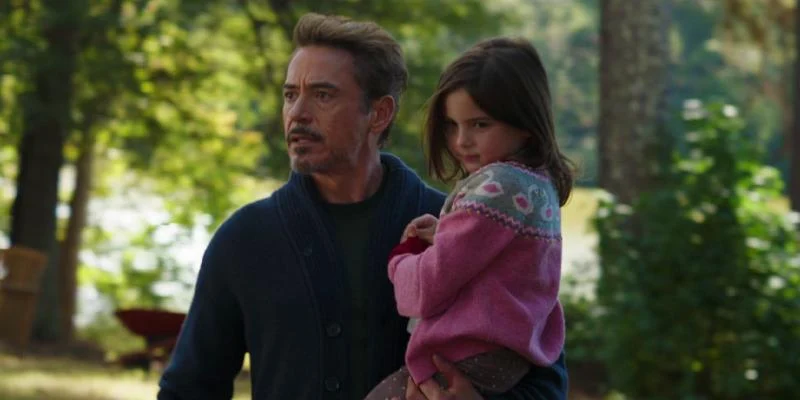
Tony Stark’s role as a father to Morgan in ‘Avengers: Endgame’ adds a new layer to his character. Kids might miss the emotional weight, but adults relate to his desire to protect his daughter while saving the world.
His final sacrifice carries extra meaning when you see it through the lens of parenthood. It’s a gut-punch for anyone who understands that kind of love.
Sam Wilson’s Struggle in ‘The Falcon and the Winter Soldier’ (2021)

Sam Wilson’s journey to become Captain America in ‘The Falcon and the Winter Soldier’ tackles race and identity. Younger viewers might focus on the action, but adults notice the show’s commentary on systemic inequality.
Sam’s hesitation to take up the shield reflects real-world struggles with representation and responsibility. It’s a grounded story that speaks to adult audiences.
Humor as Coping in ‘Thor: Ragnarok’ (2017)

‘Thor: Ragnarok’ is funny, but adults catch how Thor uses humor to mask his pain. Losing his hammer, home, and family pushes him to hide his grief behind jokes, a trait many grown-ups recognize.
The film balances comedy with Thor’s growth into a wiser leader. This emotional undercurrent makes the movie more than just a fun ride.
Gamora’s Trauma in ‘Guardians of the Galaxy’ (2014)

Gamora’s past as Thanos’ adopted daughter is hinted at in ‘Guardians of the Galaxy’. Kids might see her as a tough fighter, but adults pick up on the trauma of being raised by an abusive figure.
Her struggle to break free from Thanos’ influence adds depth to her character. It’s a subtle detail that resonates with mature audiences.
Steve Rogers’ Loneliness in ‘The Avengers’ (2012)

In ‘The Avengers’, Steve Rogers is a man out of time, adjusting to a new era. Kids might miss it, but adults feel his quiet loneliness as he navigates a world that’s moved on without him.
His small moments, like sketching alone or visiting old haunts, show a man grappling with displacement. It’s a relatable struggle for anyone feeling out of place.
What MCU details have you noticed as an adult that you missed as a kid? Share your thoughts in the comments!