5 Things About ‘Jurassic Park’ That Made Zero Sense and 5 Things That Made Perfect Sense

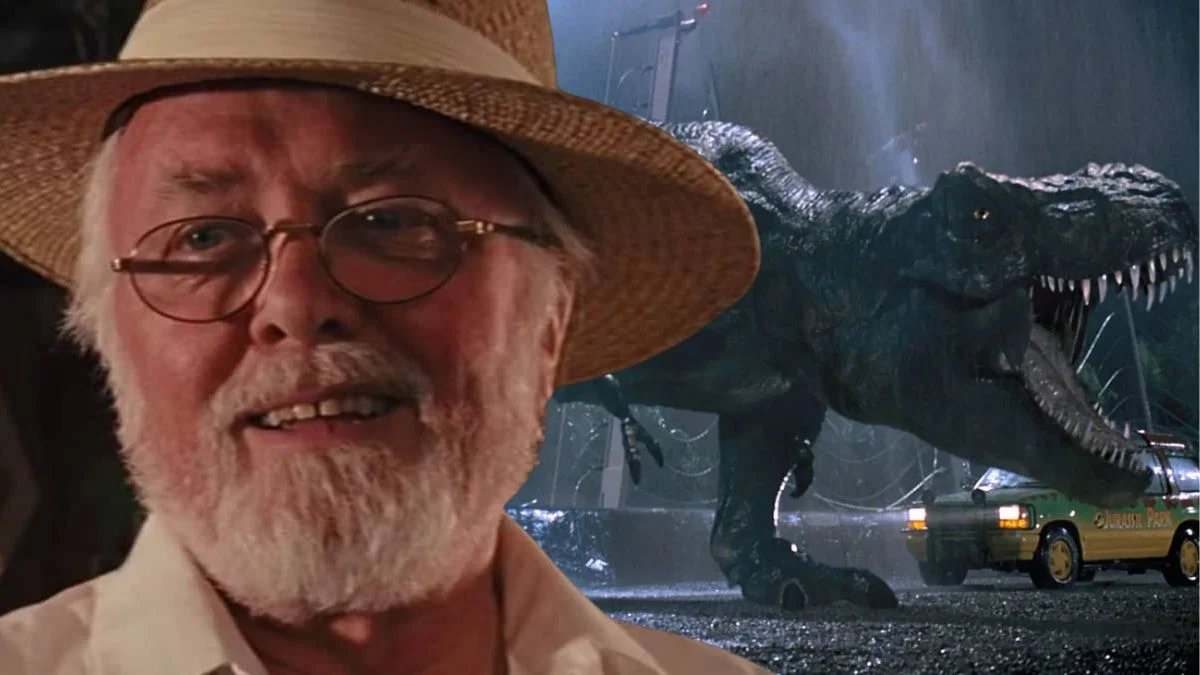

Jurassic Park (1993) is a beloved classic that thrilled audiences with its groundbreaking special effects and gripping story of dinosaurs brought back to life. Directed by Steven Spielberg, the film blends science, adventure, and suspense, but not everything in it holds up under scrutiny, while other elements feel spot-on.
Some plot points and details raise eyebrows because they defy logic or stretch believability. At the same time, the movie nails certain aspects that make it timeless and convincing. Here are five things that made no sense and five that worked perfectly, alternating to show both sides.
Zero Sense: The T-Rex Paddock’s Impossible Cliff
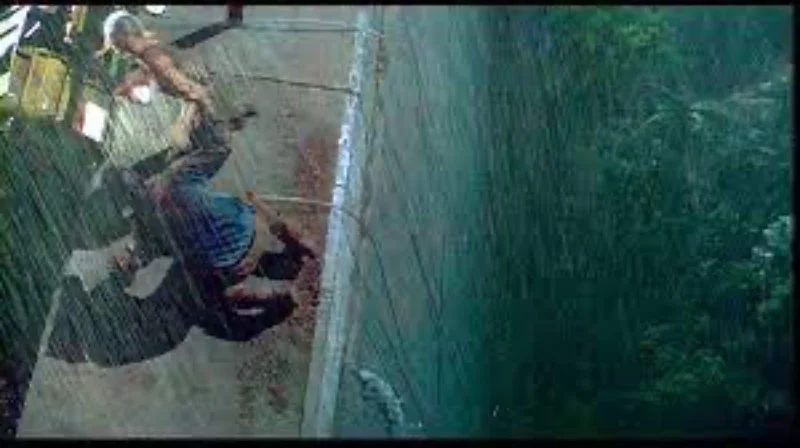
In the iconic T-Rex breakout scene, the dinosaur pushes a car over a steep cliff in its paddock. Later, the same area appears flat, making the cliff’s existence confusing and inconsistent. The terrain changes without explanation, breaking the scene’s logic. It feels like a plot device added for drama, not something that fits the park’s layout.
This inconsistency bugs fans who notice the sudden shift in geography. The film prioritizes suspense over spatial coherence, leaving viewers scratching their heads about where that cliff came from.
Perfect Sense: The Dinosaurs’ Realistic Behavior
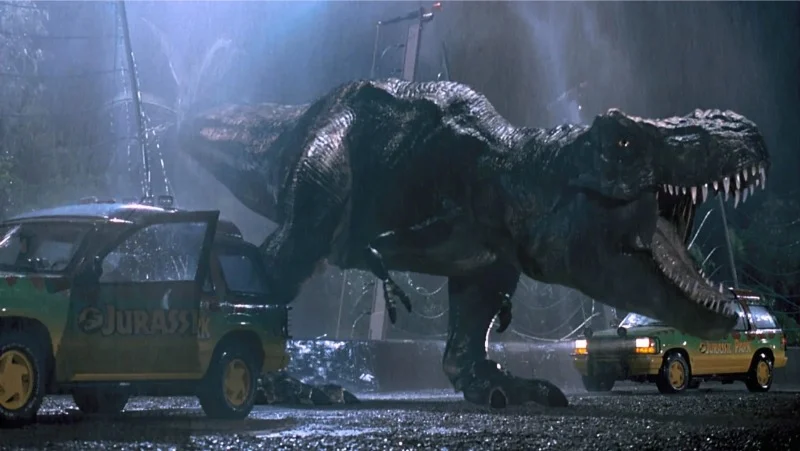
The dinosaurs in Jurassic Park act like real animals, not just movie monsters. From the T-Rex’s hunting instincts to the Velociraptors’ pack tactics, their movements and behaviors feel grounded in nature. Spielberg worked with paleontologists to ensure the dinosaurs moved and acted believably.
This attention to detail makes the creatures terrifying yet authentic. Their lifelike actions, like the Dilophosaurus’s venom spit or the Brachiosaurus’s gentle grazing, sell the idea that these are living animals, not just CGI props.
Zero Sense: The Computer System’s Single Point of Failure
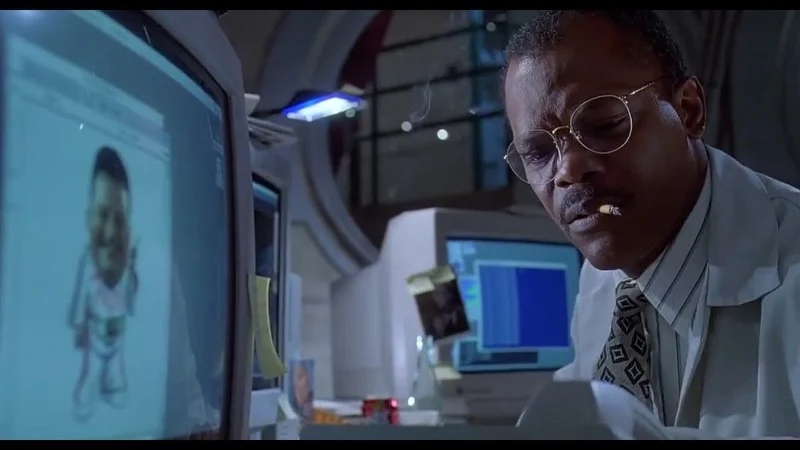
The park’s entire security system relies on one computer, operated by a single person, Dennis Nedry. When he sabotages it, everything collapses—gates, fences, and phones—without any backup system in place. A high-tech facility like Jurassic Park should have redundant systems to prevent such a catastrophic failure.
This flaw feels like a lazy plot point to create chaos. Realistically, a park with such dangerous animals would have multiple layers of security, not one easily hacked system.
Perfect Sense: John Hammond’s Flawed Vision
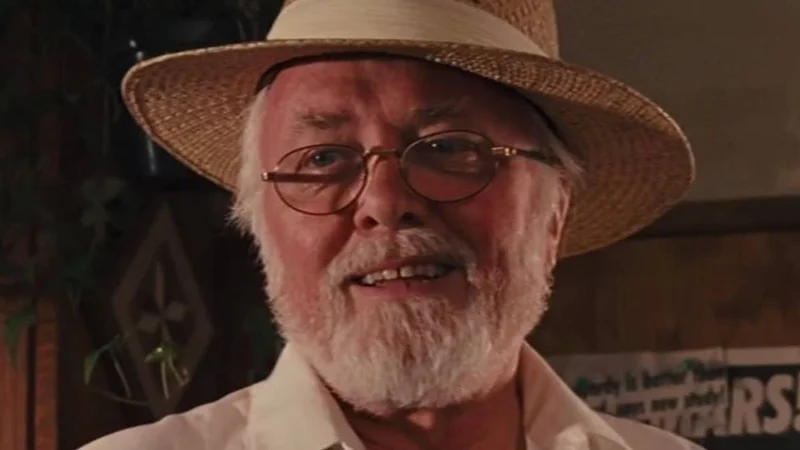
John Hammond, the park’s creator, is portrayed as a dreamer obsessed with wonder but blind to risks. His “spared no expense” mantra contrasts with his cost-cutting on critical systems, like underpaying Nedry, which leads to disaster. This character flaw feels human and believable.
Hammond’s mix of ambition and naivety drives the story’s conflict. It’s a realistic portrayal of someone who loves their vision but overlooks practical dangers, making his character compelling and relatable.
Zero Sense: Kids Surviving Deadly Dinosaurs
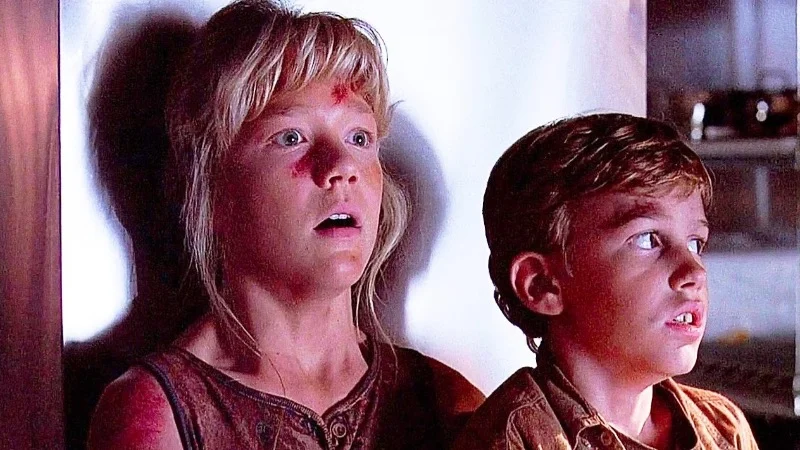
Lex and Tim, two young kids, survive encounters with Velociraptors and a T-Rex despite having no survival skills. They outrun, hide, and even outsmart these deadly predators in high-stakes scenes, which feels far-fetched. Realistically, they’d be easy prey for such intelligent and fast creatures.
The film leans heavily on plot armor to keep the kids alive. Their survival, while emotionally satisfying, stretches believability given the dinosaurs’ strength and cunning.
Perfect Sense: The Velociraptors’ Intelligence
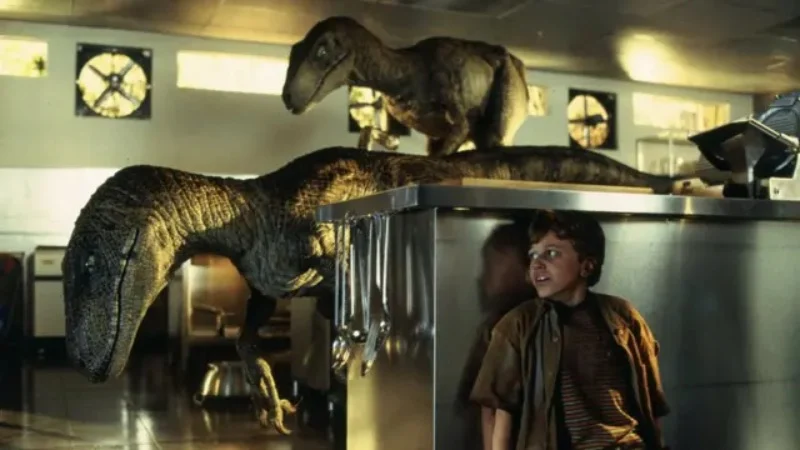
The Velociraptors are shown as cunning, problem-solving hunters who can open doors and set traps. This intelligence aligns with scientific theories about their real-life counterparts, which were likely smart and social. The film uses this to make them terrifyingly effective villains.
Their cleverness adds tension to every scene they’re in. It feels plausible that these dinosaurs could outsmart humans, making their threat feel real and immediate.
Zero Sense: The Magical Power Restoration
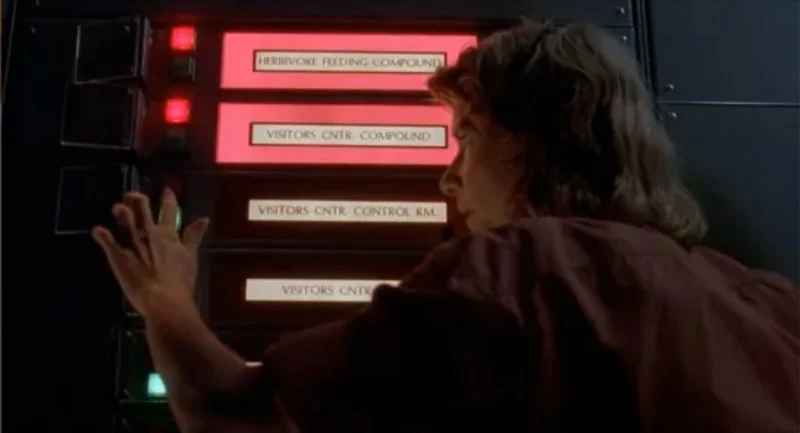
After the park’s power goes down, Ellie restores it by flipping switches in a maintenance shed, despite no clear explanation of how she knows what to do. The system reboots almost instantly, which oversimplifies the complexity of a high-tech park’s infrastructure. Realistically, restarting such a system would take time and expertise.
This moment feels rushed to move the plot along. It sacrifices logic for convenience, making the fix seem too easy for a park of this scale.
Perfect Sense: The Chaos Theory Explanation
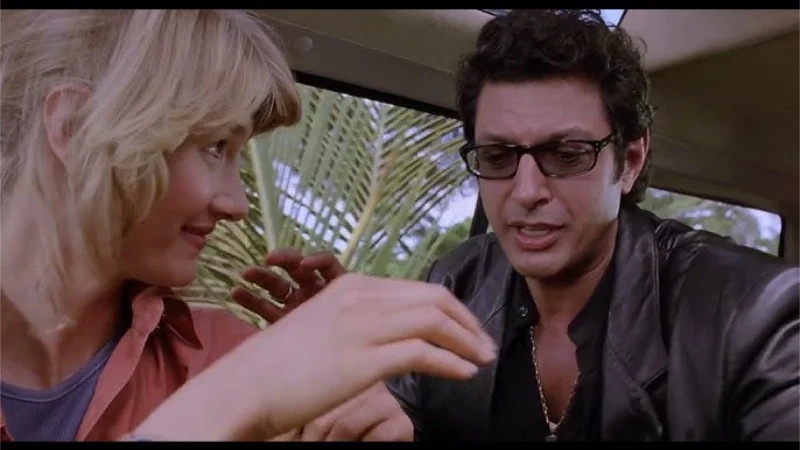
Dr. Ian Malcolm’s explanation of chaos theory, using simple examples like water droplets, makes the park’s failure feel inevitable. It shows how small errors, like Nedry’s betrayal, can spiral into disaster in a complex system like Jurassic Park. This concept grounds the story in a realistic principle.
The idea clicks with audiences because it’s easy to understand yet profound. It makes the park’s collapse feel like a natural consequence of overconfidence, not just bad luck.
Zero Sense: The Missing Park Staff
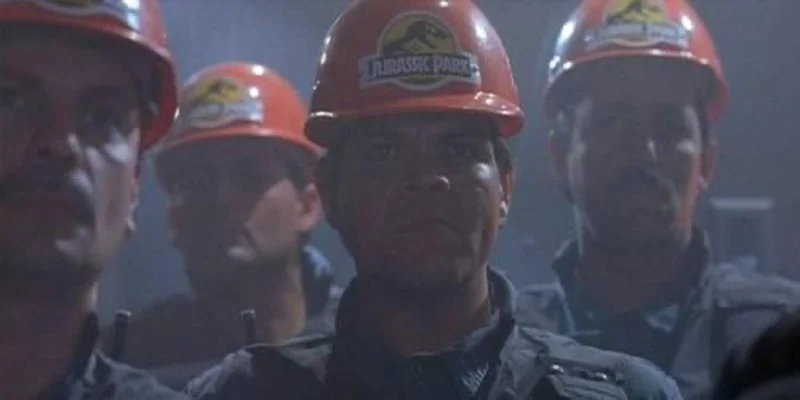
Jurassic Park is a massive facility, yet we see only a handful of staff members. During the chaos, there’s no sign of other workers, security teams, or maintenance crews, despite the park housing dangerous dinosaurs. A real park this size would have dozens, if not hundreds, of employees.
This absence feels like a plot hole to keep the focus on the main characters. It’s hard to believe a park of this scale operates with so few people.
Perfect Sense: The Special Effects’ Groundbreaking Impact
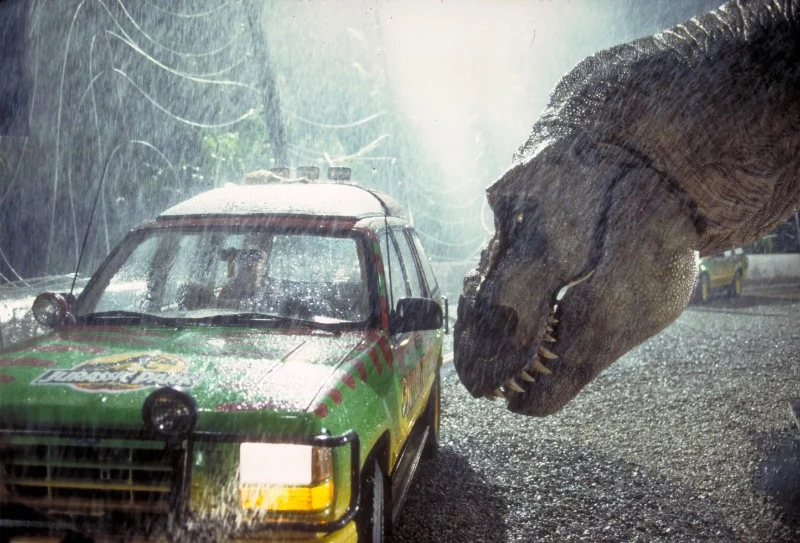
The film’s mix of animatronics and CGI creates dinosaurs that look and feel real, even decades later. The T-Rex’s weighty movements and the Velociraptors’ fluid motions set a new standard for visual effects, blending practical and digital techniques seamlessly. This made the dinosaurs believable.
The effects hold up because they prioritize realism over flashiness. They immerse viewers in the story, making the idea of a dinosaur park feel possible.
What’s your take on Jurassic Park’s mix of brilliance and blunders—share your thoughts in the comments!