‘Fast & Furious’ Details You Only Catch as an Adult

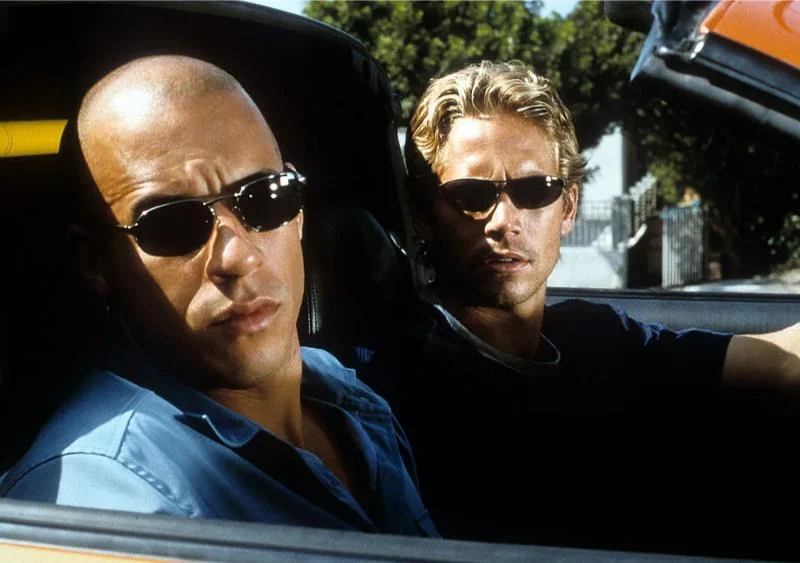

The ‘Fast & Furious’ franchise is a global hit known for its high-speed chases, loud engines, and family bonds. As kids, we loved the shiny cars and wild stunts, but watching these films as adults reveals deeper layers that we missed back then.
From subtle character motivations to hidden references, the series hides details that only grown-ups notice. Here are 10 details in the ‘Fast & Furious’ movies that hit differently when you’re older.
Dom’s Leadership Has Real Weight
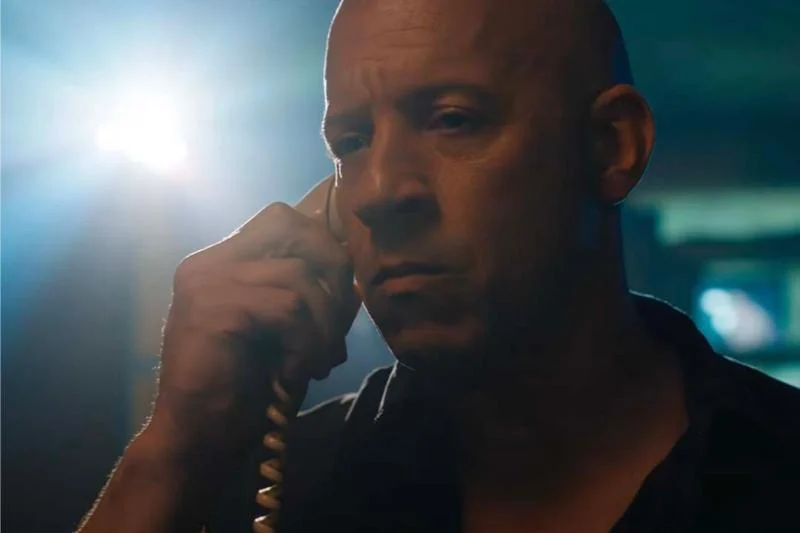
Dominic Toretto isn’t just a tough guy with a cool car. As an adult, you see his leadership is rooted in loyalty and sacrifice, making tough calls to protect his crew, like a father figure. His choices, like risking everything for family, show a depth kids might not grasp. You notice how he balances strength with vulnerability, especially in moments of loss.
This resonates more when you’ve faced real-world responsibilities. Dom’s not just racing; he’s carrying the weight of his team’s survival, which makes his ‘family’ mantra feel less cheesy and more profound.
The Physics Don’t Add Up
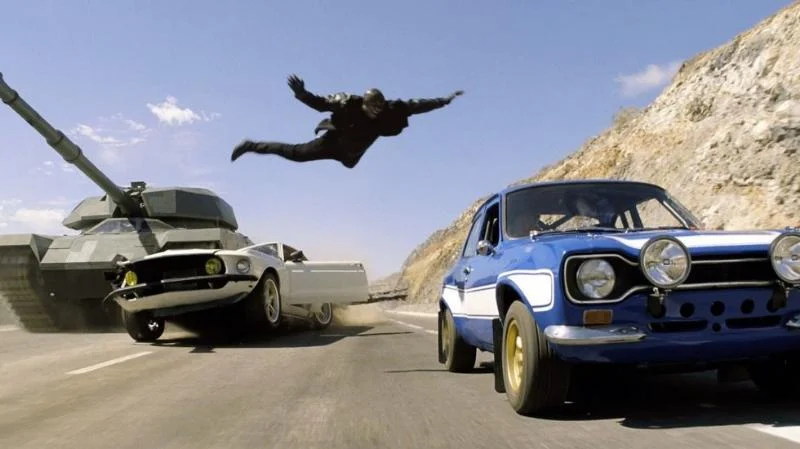
As a kid, the stunts in ‘Fast & Furious’ look awesome. As an adult, you realize cars don’t fly like that. Scenes like cars jumping skyscrapers or dragging safes through streets defy physics. You start questioning how a Dodge Charger can leap across buildings without crumbling.
This doesn’t ruin the fun, but it makes you appreciate the films as pure fantasy. Adults notice the impossible mechanics, while kids just cheer for the explosions.
Family Isn’t Just a Catchphrase
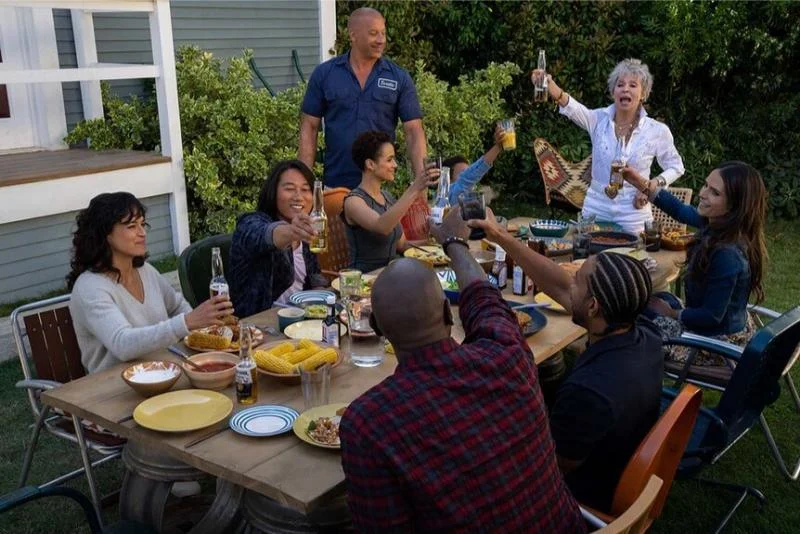
The word ‘family’ gets thrown around a lot, but adults see it’s the core of the series. Dom’s crew sticks together through betrayals, deaths, and global missions, reflecting real-life bonds that endure hardship. You notice the subtle ways they forgive each other, like Letty’s return after betrayal.
Kids see ‘family’ as a cool slogan. Adults recognize it as a complex theme about trust and redemption, especially when you’ve navigated your own messy relationships.
The Timeline Is a Mess
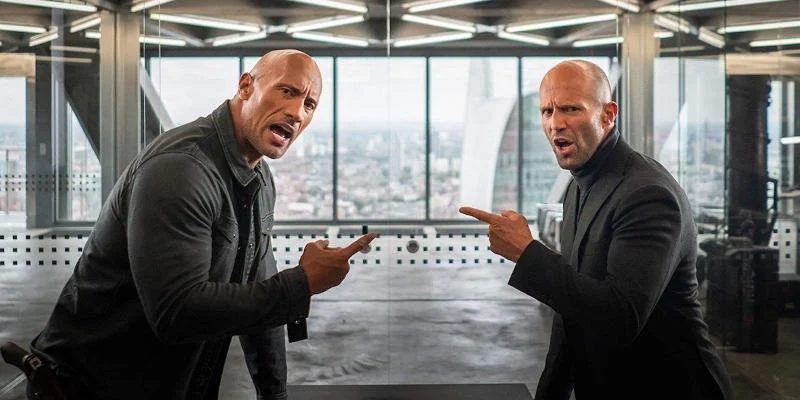
When you’re young, you don’t care about the order of events. As an adult, the ‘Fast & Furious’ timeline is a puzzle that doesn’t fit. ‘The Fast and the Furious: Tokyo Drift’ (2006) happens later in the story, despite being the third film released. Han’s arc, especially, confuses things.
Rewatching as an adult, you try to piece together when each movie happens. It’s a detail kids ignore but adults obsess over, especially if you love a good plot.
Letty’s Arc Is Deeper Than It Seems

Letty’s journey looks simple to kids: tough girl, loves Dom, fights hard. Adults notice her evolution, from a street racer to a woman grappling with memory loss and identity in later films. Her struggle to reclaim her life hits harder when you’ve faced your own challenges.
You also see how her loyalty to Dom mirrors real-world relationships. It’s not just action; it’s about fighting to hold onto who you are.
The Cars Reflect the Characters
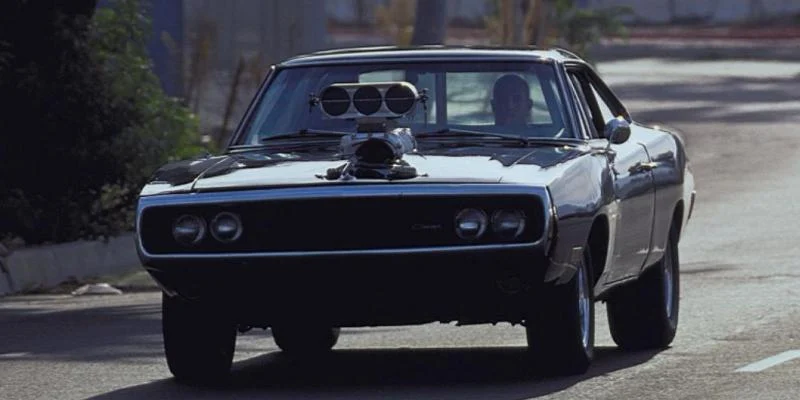
Kids love the shiny cars, but adults see they’re more than props. Each character’s ride matches their personality—Dom’s muscle cars scream power, while Brian’s sleek imports show his finesse. The cars evolve with the characters, like Dom’s Charger staying constant through his growth.
You notice the attention to detail in car choices, reflecting status and identity. It’s a subtle touch that makes the films richer for gearhead adults.
The Villains Have Motives
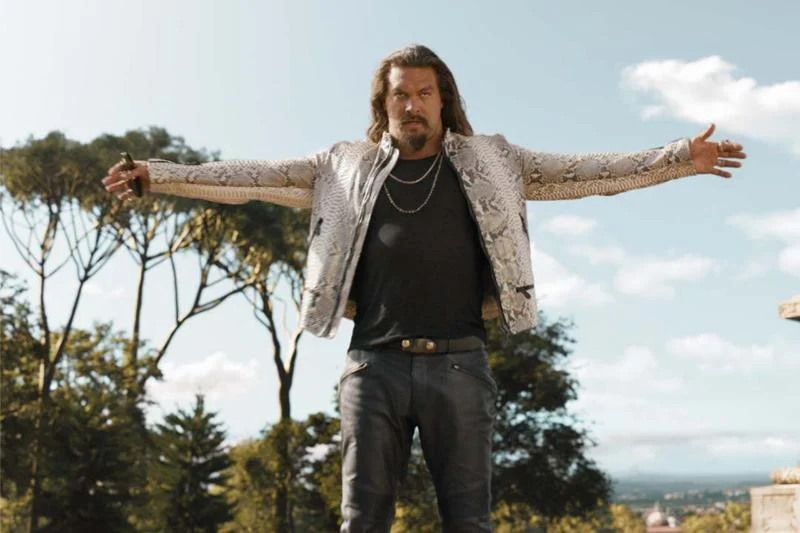
To kids, the bad guys are just evil. Adults see the villains, like Deckard Shaw or Cipher, have reasons for their actions. Shaw’s revenge is tied to family, much like Dom’s, and Cipher’s cold calculations come from a desire for control. Their motives add depth to the conflict.
This makes you rethink who’s truly ‘bad.’ Adults catch the gray areas in these characters, making the stakes feel more human.
The Franchise Loves Nostalgia
As a kid, you don’t notice callbacks to earlier films. Adults spot how later movies, like ‘Furious 7’ (2015), lean on nostalgia with old cars, music, and returning characters. These references reward longtime fans and tie the series together.
You feel the emotional weight of moments like Brian’s farewell, which hits harder when you’ve grown up with the franchise. It’s a detail that makes rewatching special.
The Budget Jumps Are Obvious
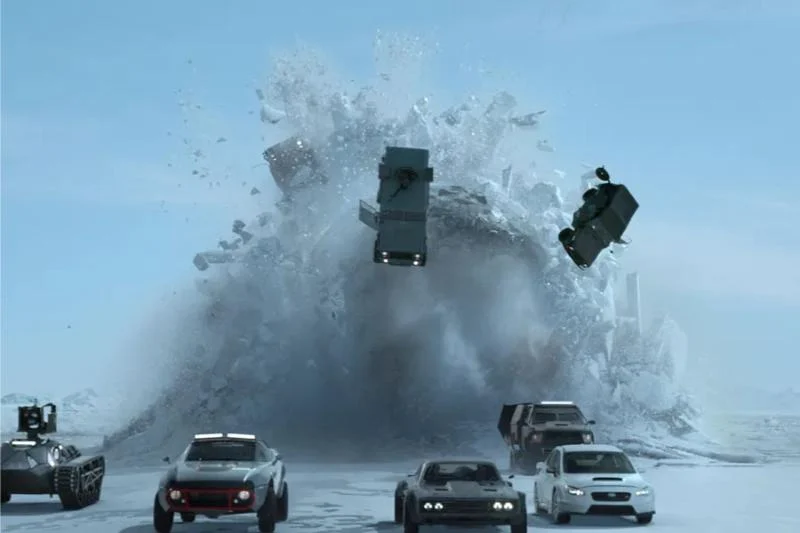
Kids don’t think about money, but adults notice the budget growth across the films. Early movies like ‘The Fast and the Furious’ (2001) focus on street races and small heists. Later ones, like ‘Fate of the Furious’ (2017), have submarine chases and global stakes.
You see how the franchise’s success allowed crazier stunts and bigger sets. It’s a detail that shows how the series evolved with its audience.
Brian’s Shift Feels Real
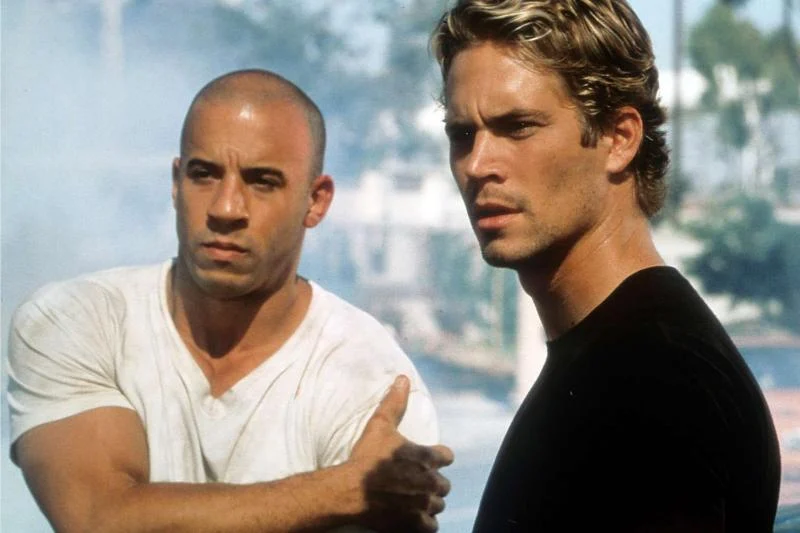
Brian O’Conner starts as an undercover cop but becomes a true family man. Adults notice his arc mirrors real-life growth—choosing love and responsibility over adventure. His shift from reckless racer to grounded dad feels authentic when you’ve faced similar life changes.
Kids see him as the cool guy. Adults relate to his struggle to balance duty and desire, especially in his final scenes.
What’s your favorite ‘Fast & Furious’ detail that you only noticed as an adult? Share it in the comments!