Disney Movie Details You Only Catch as an Adult


Disney movies are loved by kids for their fun stories and colorful characters. But as an adult, you start to notice details that went over your head as a child. These hidden gems—whether subtle jokes, deeper themes, or clever references—add new layers to the films. They show how much thought Disney puts into making movies that work for all ages.
Watching these classics again can feel like discovering a whole new story. From historical nods to grown-up humor, the details are easy to miss when you’re young. Here are 10 Disney movie details that hit differently when you watch as an adult.
Hidden Adult Humor in ‘Toy Story’ (1995)

‘Toy Story’ is packed with kid-friendly laughs, but adults catch some cheeky jokes. For example, when Buzz Lightyear sees a commercial of himself as a toy, he’s shocked to learn he’s not a real space ranger. The scene is funny, but adults might notice the commercial’s exaggerated marketing, poking fun at over-the-top toy ads from the ‘90s. There’s also a subtle nod to adult frustration when Woody mutters about Buzz’s delusions, mimicking workplace gripes.
Another moment is when Wheezy, the penguin, makes a sly comment about being “stuffed” in a dark corner. It’s a throwaway line for kids, but adults pick up the double meaning. These bits show Disney sneaking in humor that only grown-ups would chuckle at, keeping parents entertained.
Historical Context in ‘Pocahontas’ (1995)

‘Pocahontas’ tells a romanticized story of Native American history, but adults notice its deeper commentary. The film shows the clash between settlers and the Powhatan tribe, highlighting greed and misunderstanding. As a kid, you see a love story; as an adult, you spot the subtle critique of colonialism, like when the settlers dig for gold that isn’t there, reflecting real historical greed.
The song ‘Savages’ is another detail that hits harder as an adult. It’s catchy for kids, but the lyrics expose the fear and prejudice on both sides of the conflict. Disney simplifies the history, but these elements make you think about the real events behind the story.
Dark Undertones in ‘The Hunchback of Notre Dame’ (1996)

‘The Hunchback of Notre Dame’ feels light with its talking gargoyles and happy ending, but adults see its heavy themes. Frollo, the villain, isn’t just mean—he’s obsessed with power and control, especially over Esmeralda. His song ‘Hellfire’ is a chilling look at his inner conflict, blending desire with religious guilt, which kids wouldn’t fully grasp.
The film also tackles social issues like discrimination and injustice. Quasimodo’s isolation in the bell tower mirrors how society shuns outsiders, a detail that resonates more with adults. These darker elements make the movie feel much heavier than the typical Disney fairy tale.
Satire in ‘Hercules’ (1997)
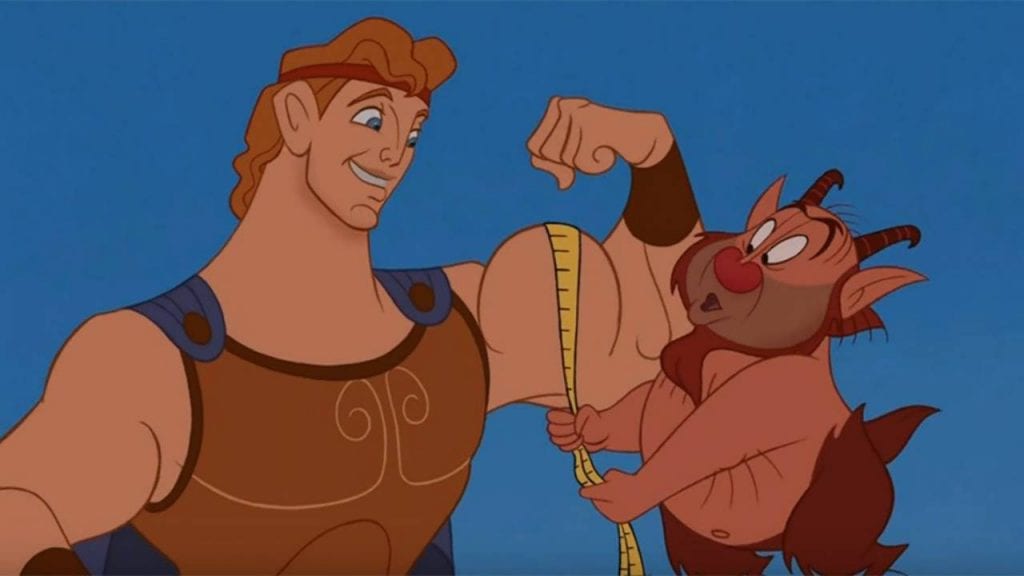
‘Hercules’ is a fun take on Greek mythology, but adults catch its sharp satire. The movie pokes fun at fame and consumerism, like when Hercules becomes a celebrity with his own branded merchandise, from sandals to drinks. It’s a clear jab at modern celebrity culture that kids wouldn’t notice.
Hades, the villain, also delivers adult-aimed humor with his fast-talking, deal-making personality. His sarcastic one-liners, like complaining about his job running the underworld, feel like something out of an office comedy. These touches make the film a clever commentary for grown-up viewers.
Emotional Depth in ‘Mulan’ (1998)

‘Mulan’ is about a girl saving China, but adults feel its emotional weight. The story dives into identity and duty, especially when Mulan struggles with who she’s expected to be versus who she is. Scenes like her cutting her hair or facing her family’s expectations hit harder when you’ve faced similar pressures as an adult.
The war setting also feels more real as an adult. The destroyed village and the soldiers’ sacrifices show the cost of conflict, which kids might gloss over. These moments give the film a depth that grows with you.
Political Commentary in ‘The Emperor’s New Groove’ (2000)
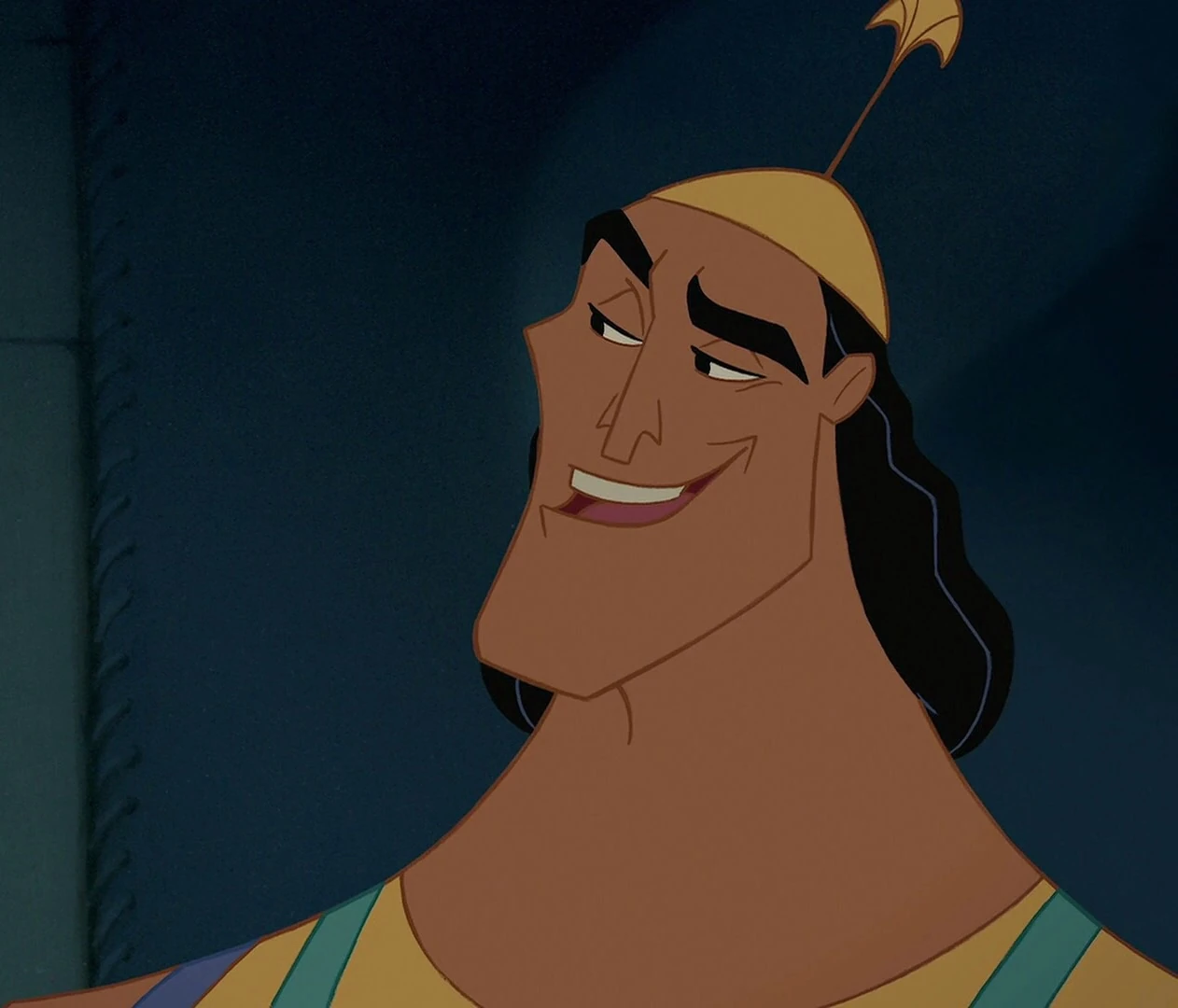
‘The Emperor’s New Groove’ is a goofy comedy, but adults spot its political edge. Kuzco, the selfish emperor, starts as a terrible leader who ignores his people’s needs. His transformation into a llama forces him to see life from the bottom, a subtle nod to class divides that kids miss.
Yzma’s over-the-top villainy also hides a critique of corrupt leadership. Her scheming to take the throne, paired with lines about exploiting power, feels like a jab at real-world politics. These layers add a sharp wit to the film’s humor.
Cultural References in ‘Aladdin’ (1992)

‘Aladdin’ is a magical adventure, but adults catch its pop culture nods. The Genie, voiced by Robin Williams, throws in jokes about old movies, game shows, and even Jack Nicholson impressions. These fly over kids’ heads but make adults laugh at the clever references.
The film also sneaks in commentary on freedom and power. The Sultan’s clueless rule and Jafar’s hunger for control reflect real-world struggles for authority, which adults pick up on. These details make rewatching the movie a treasure hunt for grown-ups.
Psychological Layers in ‘The Lion King’ (1994)
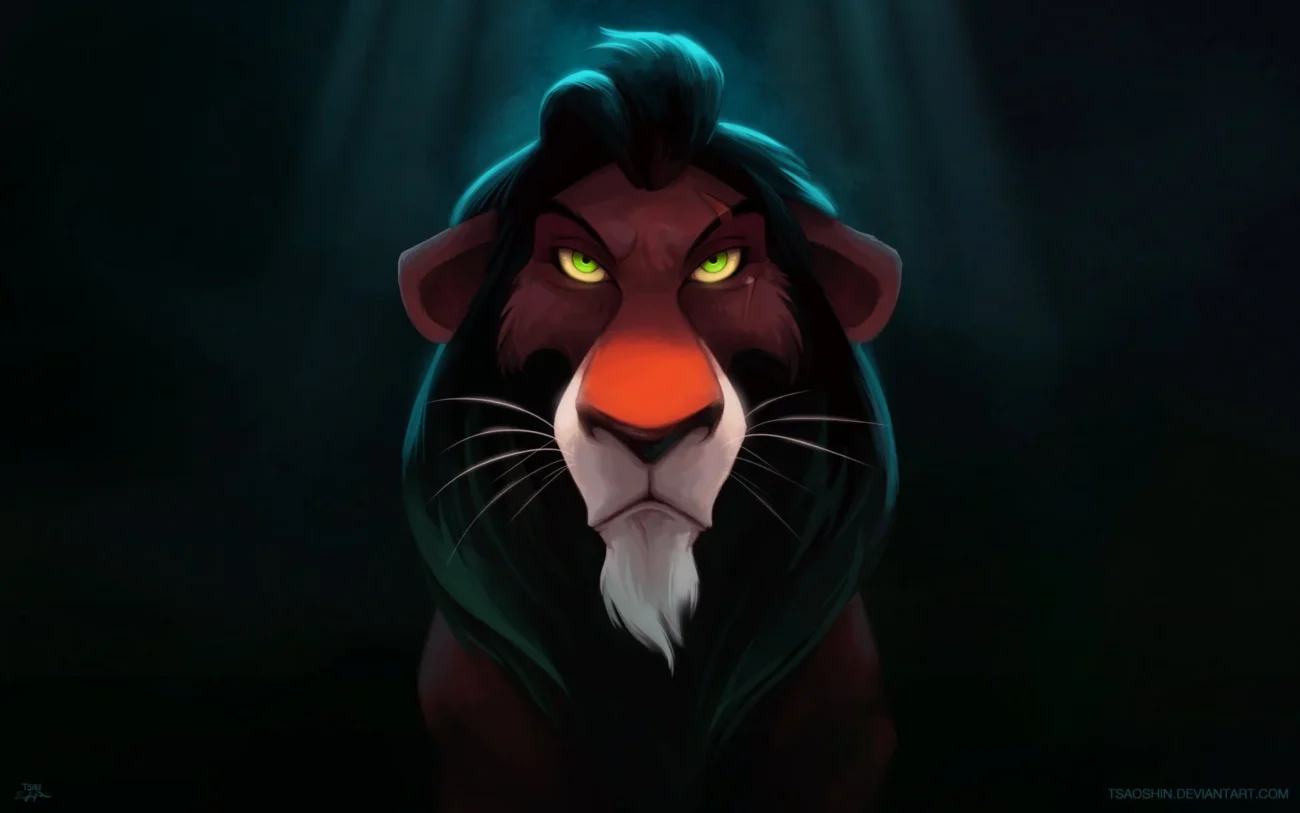
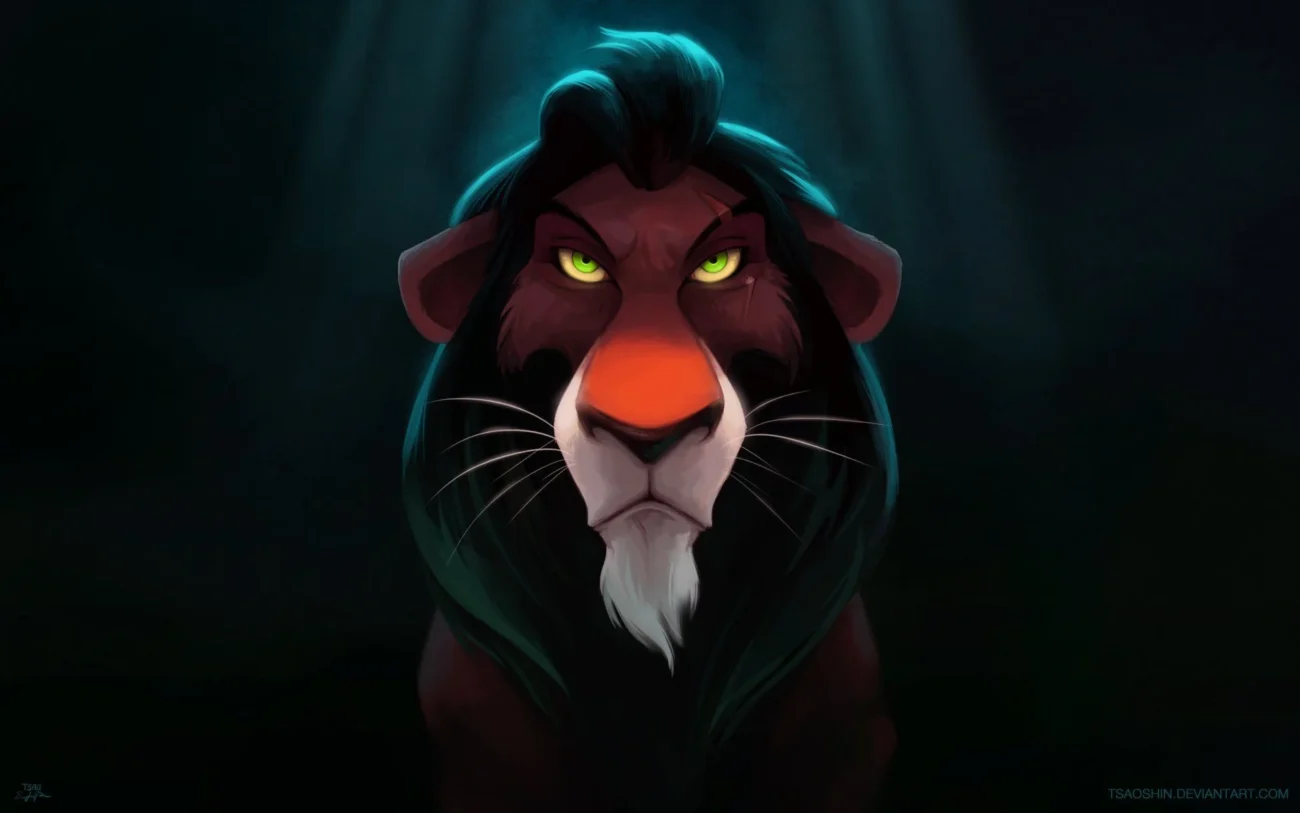
‘The Lion King’ is a kid-friendly story about Simba’s journey, but adults see its psychological depth. Scar’s manipulation of Simba, blaming him for Mufasa’s death, mirrors real-life guilt and trauma. As an adult, you feel the weight of Simba’s struggle to move past his shame.
The film also explores leadership and responsibility. Mufasa’s lessons about the Circle of Life and Simba’s return to Pride Rock hit differently when you’ve faced tough choices. These themes make the movie resonate on a deeper level as an adult.
Subtle Romance in ‘Beauty and the Beast’ (1991)

‘Beauty and the Beast’ is a fairy tale, but adults notice the nuanced romance. Belle and the Beast’s relationship grows through small, realistic moments, like sharing books or dancing awkwardly. Kids see love; adults see trust and understanding building over time.
The film also touches on toxic behavior. Gaston’s arrogance and obsession with Belle feel like red flags to adults, reflecting real-world issues of entitlement. These details make the romance—and the villain—more complex for grown-up viewers.
Real-World Parallels in ‘Zootopia’ (2016)

‘Zootopia’ is a fun animal adventure, but adults see its social commentary. The city’s predator-prey divide mirrors real-world prejudice and stereotyping. Judy Hopps’ struggle as a small bunny in a big job reflects workplace challenges adults relate to, like proving yourself in a tough environment.
The film also tackles bias head-on. Scenes like Nick Wilde’s backstory or the “sloth” DMV joke hit harder when you recognize the real issues they’re poking at. These layers make ‘Zootopia’ a surprisingly sharp watch for adults.
What’s a Disney movie detail you’ve noticed as an adult that surprised you? Share it in the comments!