‘Pirates of the Caribbean’ Details You Only Catch as an Adult

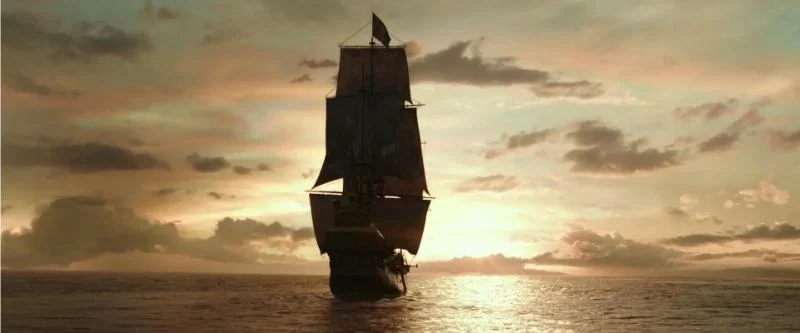

The ‘Pirates of the Caribbean’ franchise is a thrilling mix of adventure, humor, and pirate lore that captivates audiences of all ages. As kids, we’re drawn to the swashbuckling action and colorful characters, but as adults, we notice deeper layers and clever details that make these films even richer.
Rewatching the series reveals subtle themes, historical nods, and character motivations that go beyond the surface. Here are 10 details from ‘Pirates of the Caribbean’ that you’re likely to appreciate more as an adult.
Hidden Historical References
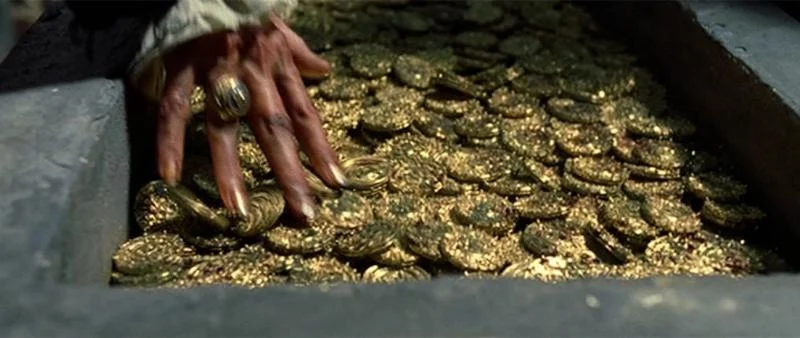
The films weave in real pirate history that kids might miss. For example, the East India Trading Company in ‘Dead Man’s Chest’ (2006) and ‘At World’s End’ (2007) mirrors the real-life organization that controlled trade and colonial power in the 17th and 18th centuries.
Adults catch the political undertones, like the Company’s ruthless tactics to dominate the seas. These historical parallels add depth to the story, showing how power and greed shape the pirate world.
Jack Sparrow’s Moral Ambiguity
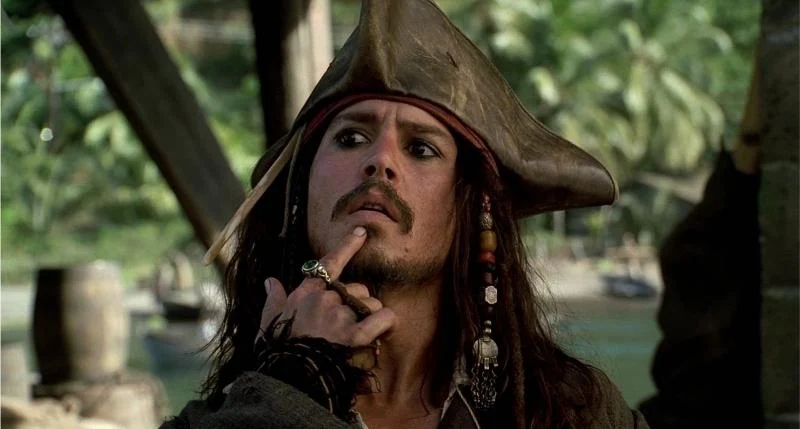
As a kid, Jack Sparrow seems like a funny, chaotic pirate. Adults notice his complex moral code—he’s neither fully good nor evil.
He manipulates situations for his gain but often helps others, like saving Elizabeth in ‘The Curse of the Black Pearl’ (2003). His unpredictable choices reflect a deeper struggle between self-interest and loyalty, making him a more nuanced character.
The Tragedy of Davy Jones
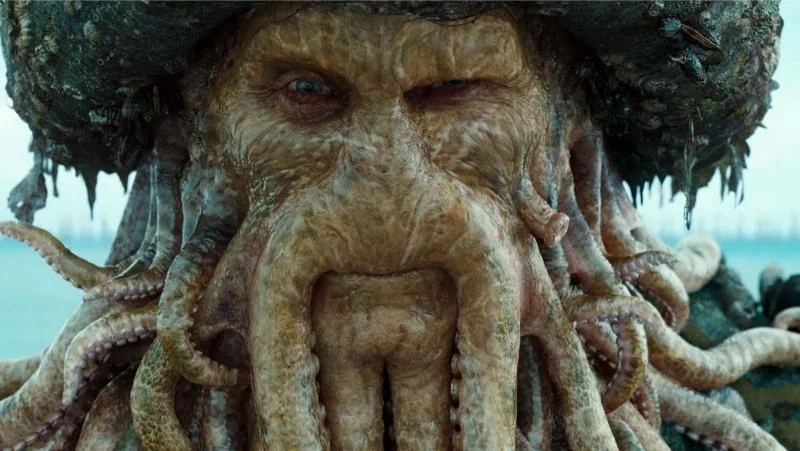
Davy Jones in ‘Dead Man’s Chest’ (2006) is a terrifying villain to young viewers. Adults see the heartbreak behind his monstrous appearance.
His backstory with Calypso reveals a man who gave up everything for love, only to be betrayed. This emotional depth turns him into a tragic figure, not just a scary sea monster.
Elizabeth Swann’s Growth
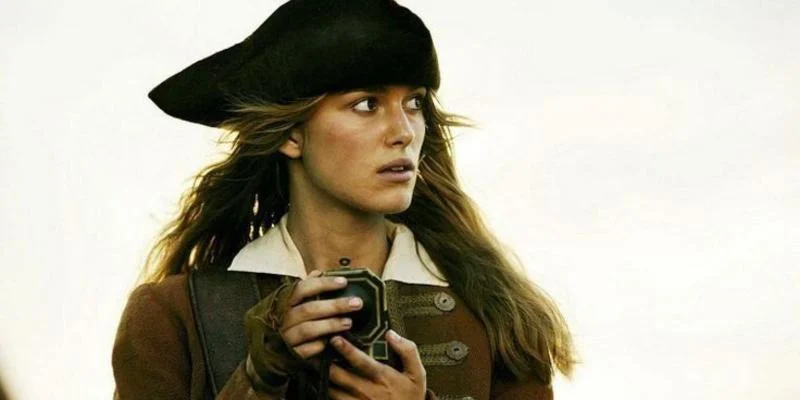
Kids see Elizabeth Swann as a damsel who becomes a pirate. Adults recognize her transformation into a cunning and independent leader.
From a governor’s daughter in ‘The Curse of the Black Pearl’ (2003) to Pirate King in ‘At World’s End’ (2007), her arc challenges gender norms of the time. Her journey reflects strength and adaptability that resonates more with grown-up audiences.
The Cost of Immortality
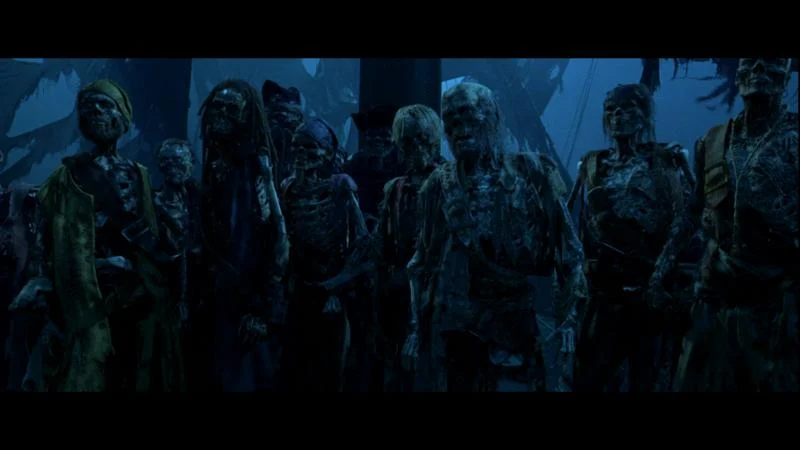
The quest for eternal life drives much of the series, like the Fountain of Youth in ‘On Stranger Tides’ (2011). Kids focus on the adventure, but adults see the darker consequences.
Characters like Barbossa and Blackbeard pay heavy prices for chasing immortality, losing their humanity. This theme of sacrifice and greed hits harder when you understand life’s trade-offs.
Political Power Plays
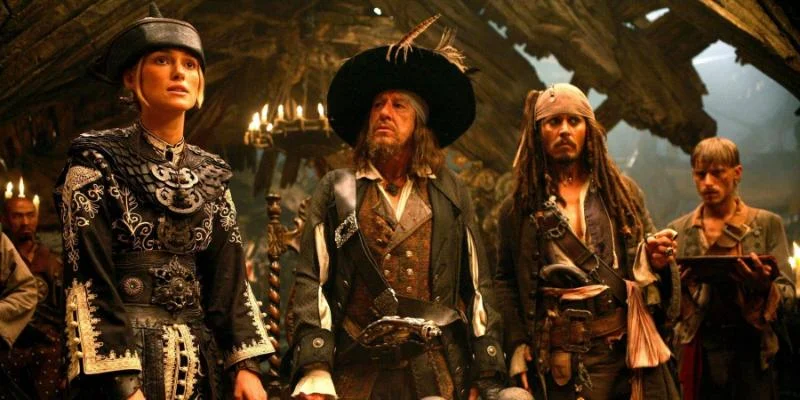
The films show more than just pirate battles—they explore power struggles. Adults notice the scheming between the British Navy, the East India Company, and the Pirate Lords.
In ‘At World’s End’ (2007), the negotiations at the Brethren Court reveal how alliances and betrayals shape the pirate world. These political games mirror real-world conflicts, adding a layer of intrigue for grown-ups.
Will Turner’s Sacrifice
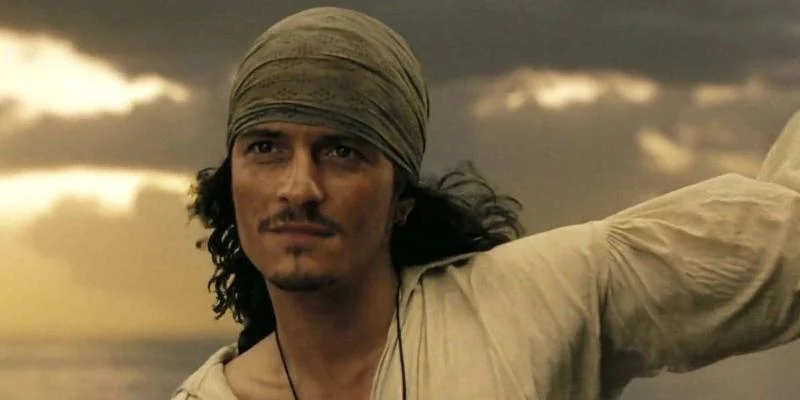
Kids see Will Turner as a heroic figure who loves Elizabeth. Adults feel the weight of his choices, especially in ‘At World’s End’ (2007).
Taking on the curse of the Flying Dutchman to save his father means eternal separation from Elizabeth. This selfless act carries a bittersweet tone that adults connect with more deeply.
Subtle Romantic Tensions
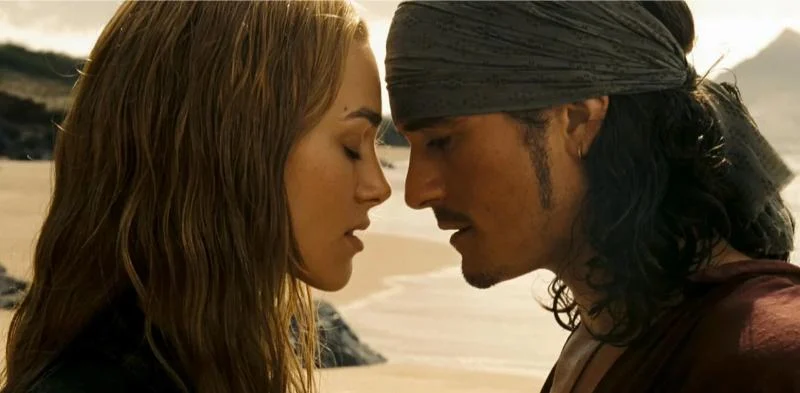
The chemistry between Jack, Elizabeth, and Will is obvious to kids, but adults catch the unspoken tensions. Elizabeth’s brief attraction to Jack in ‘Dead Man’s Chest’ (2006) adds complexity to her relationship with Will.
These moments of temptation and loyalty create a love triangle that feels more real and messy when you’re older.
The Mythology’s Depth
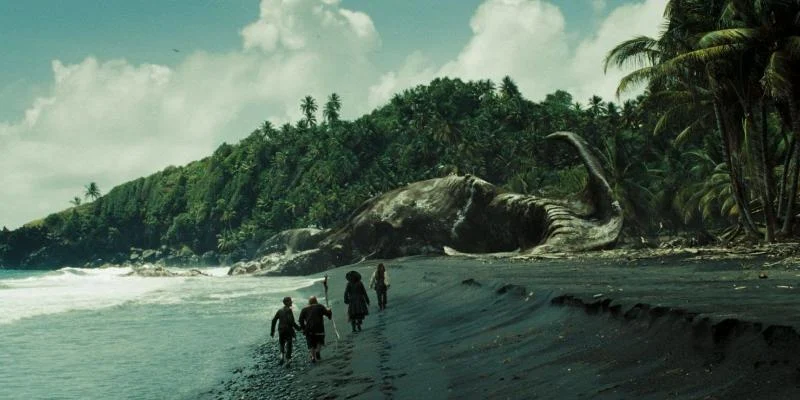
The series’ supernatural elements, like curses and sea gods, thrill young viewers. Adults appreciate how the films blend myths from different cultures, like Calypso’s ties to Caribbean folklore.
The intricate rules of the pirate world, like the Pirate Code or Davy Jones’ curse, create a rich, believable mythology. This detailed world-building keeps adults hooked on the lore.
Symbolism of Freedom
Pirates represent freedom in the films, which kids love for the adventure. Adults see the deeper meaning—freedom comes at a cost.
Jack’s love for the Black Pearl symbolizes his refusal to be tied down, yet he’s constantly trapped by deals and enemies. This struggle between freedom and responsibility resonates more as you age.
What’s your favorite hidden detail in the ‘Pirates of the Caribbean’ series? Share your thoughts in the comments!