5 Things About Fight Club That Made Zero Sense and 5 Things That Made Perfect Sense

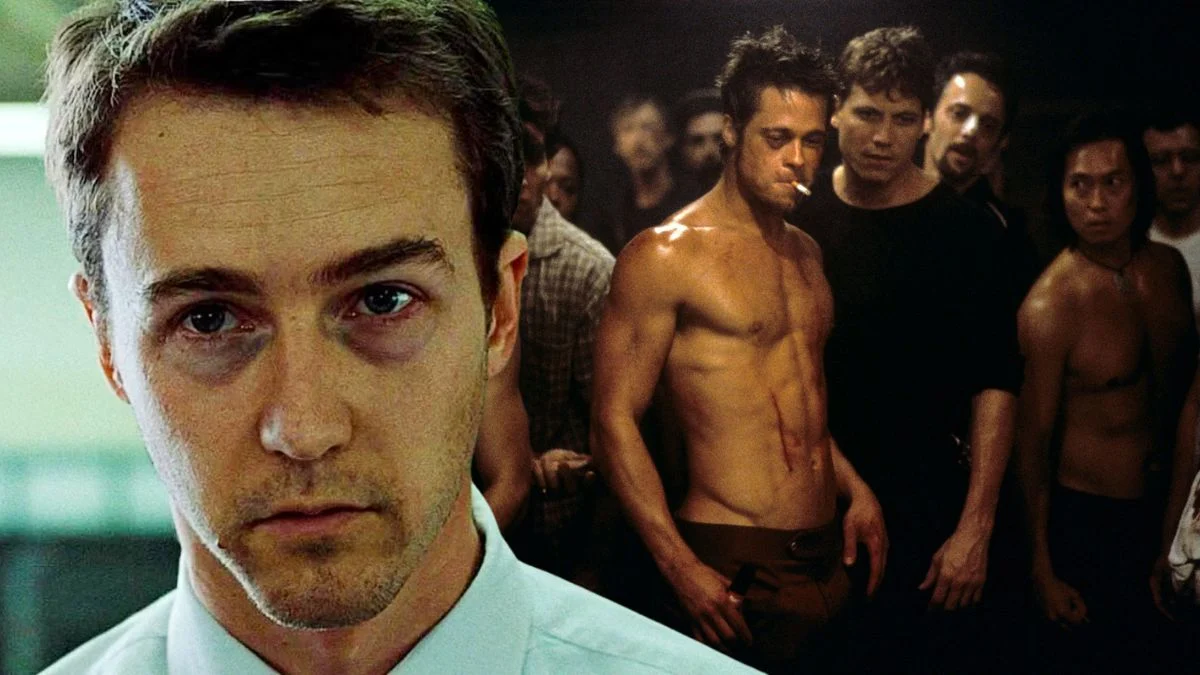

Fight Club (1999) is a cult classic that hooked audiences with its raw energy and wild ideas. Directed by David Fincher and based on Chuck Palahniuk’s novel, it follows a nameless narrator spiraling into chaos with Tyler Durden, his charismatic alter ego, as they build an underground fight club that evolves into something much darker.
The film’s mix of dark humor, rebellion, and mind-bending twists keeps viewers hooked, but not everything adds up. Some parts leave you scratching your head, while others hit hard with clarity. Here are five things in Fight Club that made no sense and five that were spot-on, starting with what didn’t work.
The Narrator’s Job Stays Vague (Zero Sense)

The Narrator, played by Edward Norton, is an “automobile recall coordinator,” but the movie barely explains what he does. He travels, looks at car wrecks, and crunches numbers, but it’s unclear how his job works or why it’s so soul-crushing.
This vagueness weakens the story. His misery drives the whole plot, yet we don’t get enough details to feel his pain. A clearer job description could’ve grounded his breakdown and made his rebellion more relatable.
Tyler’s Charisma Pulls People In (Perfect Sense)

Tyler Durden, played by Brad Pitt, is a magnetic force. His bold attitude, sharp wit, and anti-consumerist rants draw men to join Fight Club without much effort.
This makes total sense. People crave purpose, and Tyler offers it with confidence and rebellion. His ability to inspire feels real, tapping into the frustration many feel with modern life.
Project Mayhem’s Quick Growth (Zero Sense)
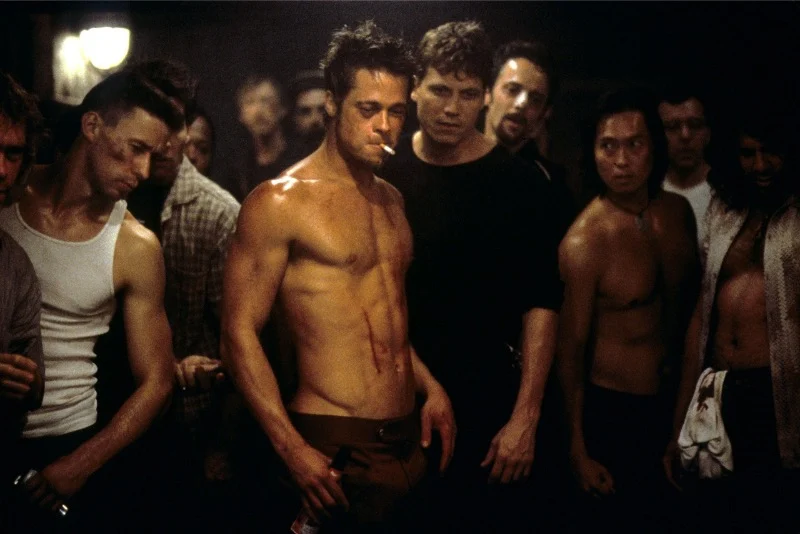
Project Mayhem, the anarchist group Tyler forms, grows from a small fight club to a nationwide network in no time. Random men join, shave their heads, and follow orders without question, all in what seems like weeks.
This rapid expansion feels unrealistic. Building a secret organization that big, with loyal followers and complex plans, would take years, not months. The movie skips over how Tyler pulls this off.
The Narrator’s Split Personality (Perfect Sense)

The reveal that Tyler is the Narrator’s alter ego is a shocking twist that holds up. The clues—Tyler appearing when the Narrator “sleeps,” their shared goals, and the Narrator’s blackouts—fit perfectly.
This twist reflects real psychological struggles. Dissociative identity disorder isn’t portrayed with textbook accuracy, but the emotional truth of someone fragmenting under stress feels authentic and powerful.
Soap Explosives Being So Easy (Zero Sense)

Tyler makes powerful explosives from homemade soap, using basic ingredients like fat and lye. The movie makes it seem like anyone could whip up bombs in their kitchen.
This stretches believability. Explosives require precise chemistry and rare materials, not just soap scraps. The film oversimplifies this to keep the plot moving, but it feels like a lazy shortcut.
The Anti-Consumerist Message (Perfect Sense)
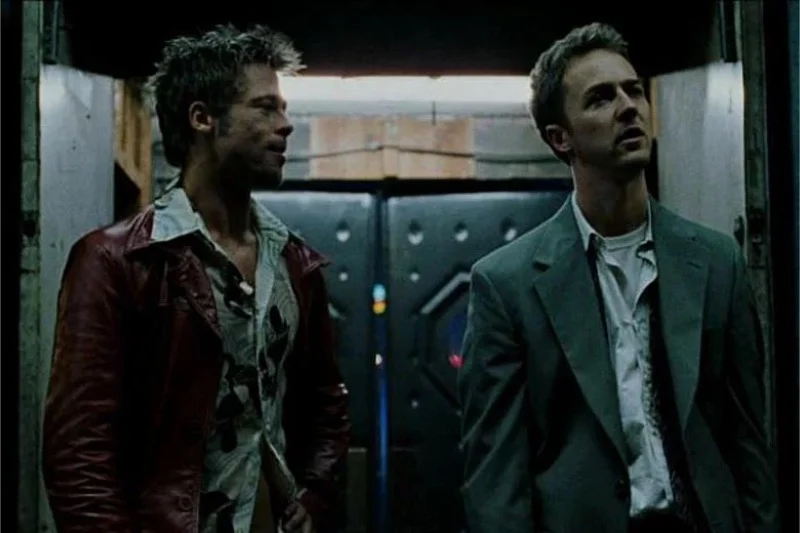
Fight Club hammers home its hatred of mindless consumerism. Tyler’s speeches about rejecting materialism and corporate control hit hard, especially when he mocks the Narrator’s obsession with furniture.
This resonates because it’s grounded in truth. Many people feel trapped by the need to buy more, and the film’s raw take on breaking free from that cycle still feels relevant.
Marla’s Random Survival (Zero Sense)

Marla Singer, played by Helena Bonham Carter, gets caught in dangerous situations—like being in Tyler’s house during a police raid—but always walks away unharmed. She’s never targeted or hurt despite being close to the chaos.
This feels off. Given Project Mayhem’s violent streak, Marla’s constant safety seems like plot armor. The movie doesn’t explain why she’s untouchable, which breaks the story’s gritty realism.
The Fight Club’s Appeal (Perfect Sense)

The underground fight club draws men who are bored, angry, and lost. They find purpose in punching each other, shedding their frustrations through raw, physical combat.
This clicks because it taps into real human needs. Men often hide their struggles, and a space to let it all out, even violently, feels like a believable release for their pent-up emotions.
The Building Collapse Plan (Zero Sense)
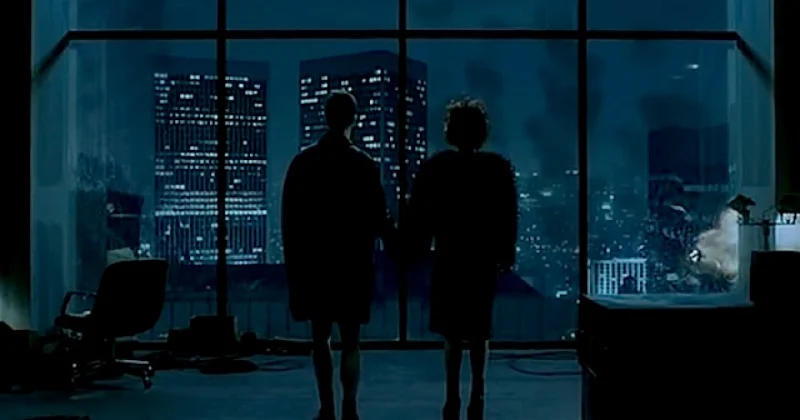
In the finale, the Narrator and Tyler plan to blow up buildings to erase financial records. They rig multiple skyscrapers with explosives, and it all goes off without a hitch.
This is hard to buy. Coordinating a multi-building attack would require insane planning, resources, and secrecy—far beyond what a ragtag group could manage. The scale feels more like a comic book than reality.
The Narrator’s Final Rebellion (Perfect Sense)
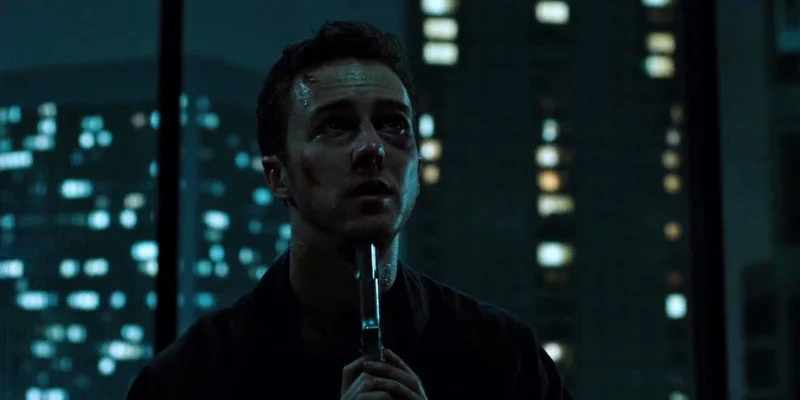
In the end, the Narrator confronts Tyler, shoots himself to “kill” his alter ego, and watches the buildings fall with Marla. His choice to reject Tyler’s chaos and take control of his mind is powerful.
This works because it shows growth. The Narrator finally faces his inner demons, choosing his own path over Tyler’s destruction, making the ending both dramatic and emotionally satisfying.
What’s your take on Fight Club—which parts confused you, and which hit home? Share your thoughts in the comments!