Laurence Olivier’s Career: From ‘Too Many Crooks’ to ‘War Requiem’

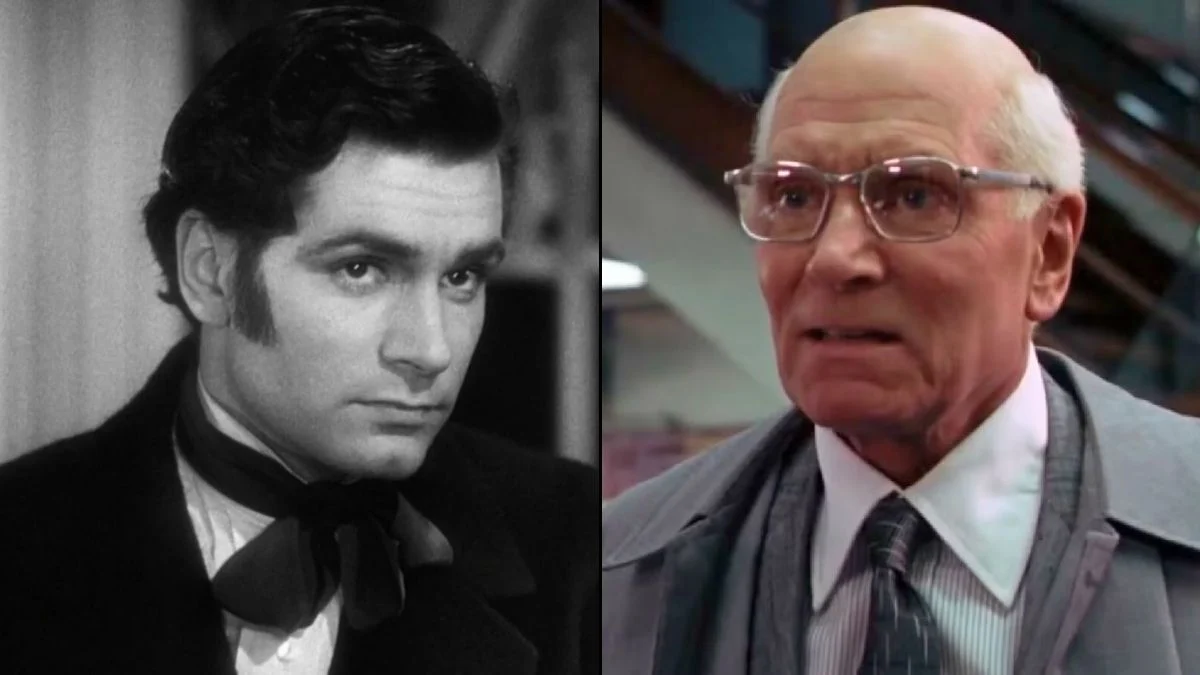

Laurence Olivier was one of the greatest actors of the 20th century. For more than fifty years, he amazed audiences with his work on stage and screen. His film career was long and varied, showing his incredible range as a performer. He played heroes, villains, and everything in between, leaving a permanent mark on the history of cinema. From his early days in British cinema to his final roles in big Hollywood movies, Olivier always delivered a powerful performance.
This list looks back at his journey through film. It covers his most famous roles and some that are less well-known. Olivier was not just an actor; he also directed and produced several of his movies, including famous versions of Shakespeare’s plays. His work earned him many awards and the respect of his fellow actors. This filmography shows the talent of an actor who could handle any character, in any genre, and make it his own.
Too Many Crooks (1930)

In one of his first film roles, Laurence Olivier played a character known as “The Man.” The film was an early British comedy, and his appearance helped to introduce him to movie audiences. It was a supporting role that gave a glimpse of the charisma he would later become famous for. The part was small, but it was a starting point for a legendary career in motion pictures.
The story follows a man who gets mixed up with a group of criminals. He has to use his wits to outsmart them and get away safely. The film is a lighthearted crime-comedy, typical of the era. ‘Too Many Crooks’ is mostly remembered today as an early work of Olivier’s, showing his beginnings before he became an international star.
The Temporary Widow (1930)
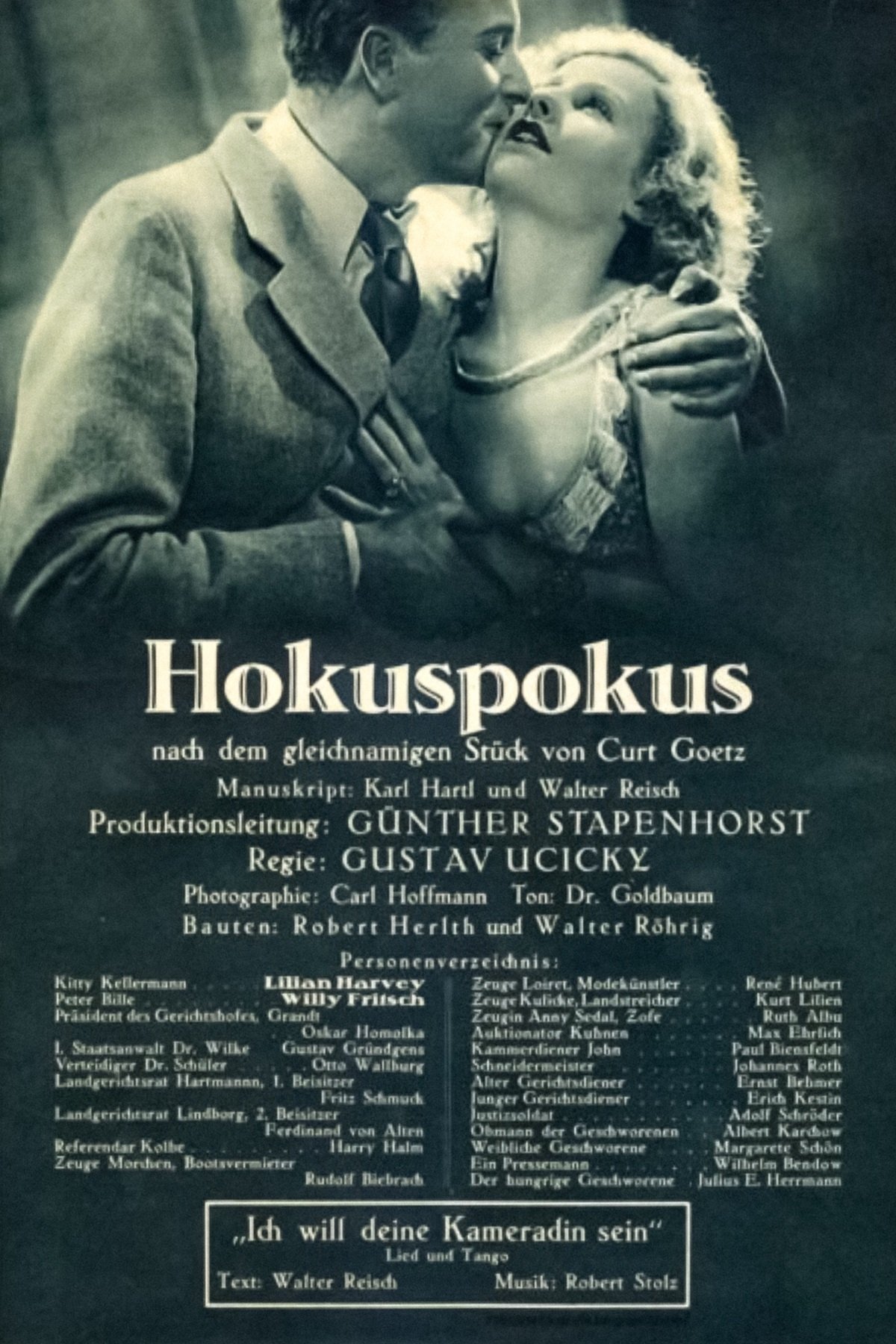
Laurence Olivier appeared as Peter Bille in this early sound film. The movie was a British-German co-production, which was common at the time. Olivier’s role was that of a key supporting character in a story of romance and drama. He was still developing his screen presence, but his natural talent was already clear.
The film’s plot revolves around a woman who is mistakenly led to believe her husband has died. This leads to a series of misunderstandings and dramatic situations. As the story unfolds, secrets are revealed, and relationships are tested. The movie was a showcase for its lead actors, with Olivier providing strong support.
Friends and Lovers (1931)
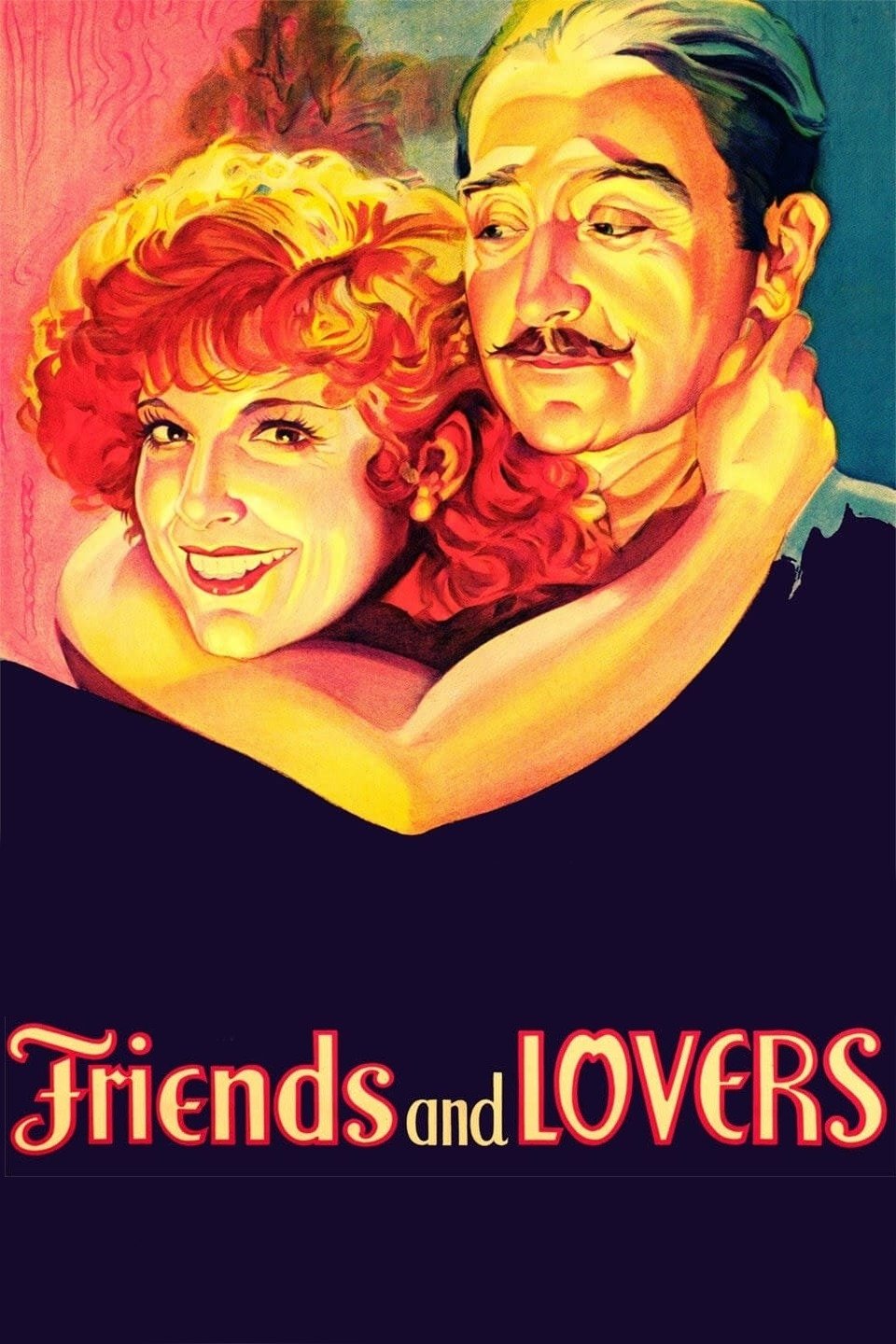
In ‘Friends and Lovers’, Laurence Olivier played the part of Lieutenant Nichols. The film was a Hollywood production, and it put him alongside other notable actors. He played a British army officer caught in a complicated romantic situation. His performance was praised for its sincerity and charm.
The story is a love triangle involving a husband, his wife, and her lover, played by Olivier. The characters must navigate their feelings and loyalties during wartime. It is a drama that explores themes of love, betrayal, and honor. The film helped to raise Olivier’s profile with American audiences.
The Yellow Ticket (1931)
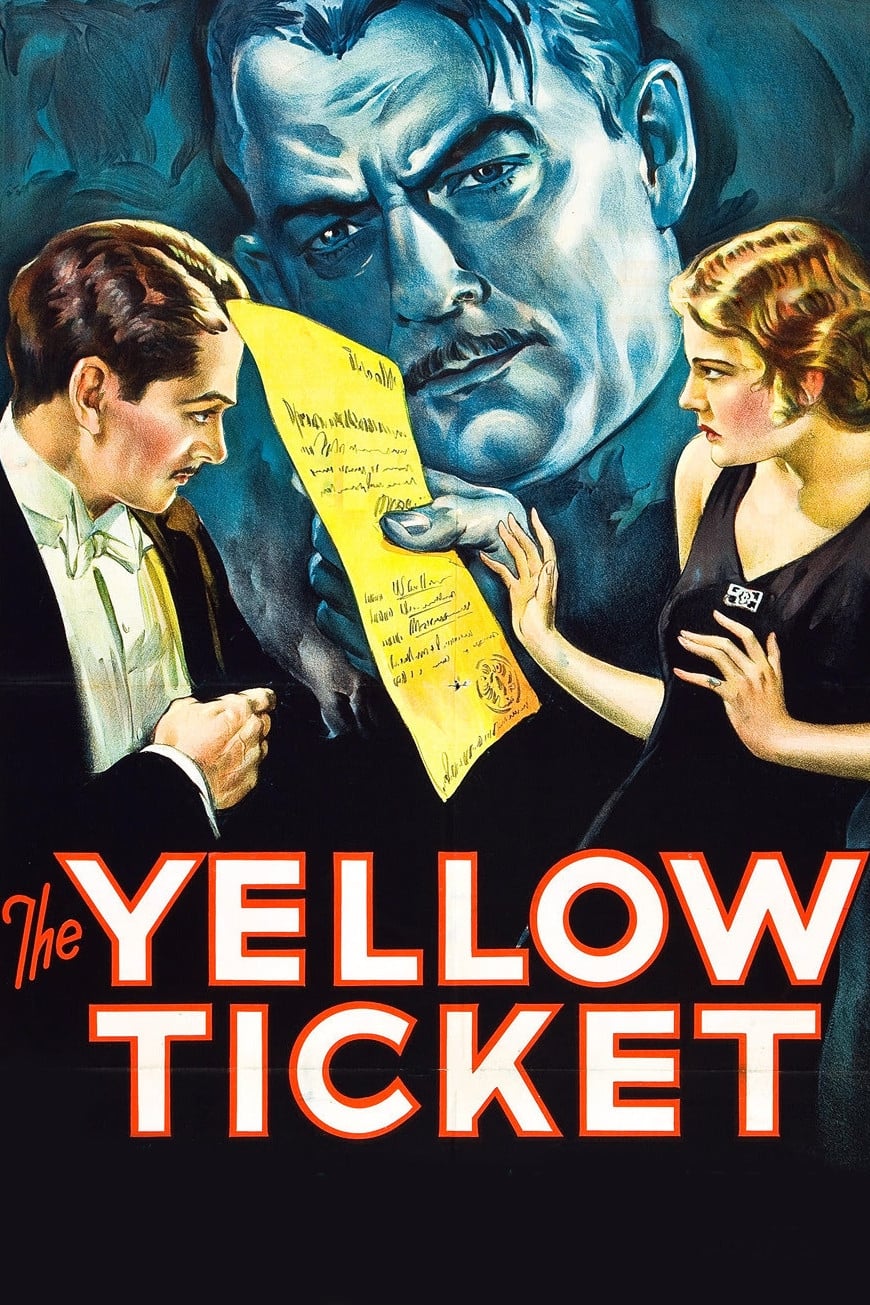
Laurence Olivier played Julian Rolfe, a British journalist working in Russia. His character tries to help a young woman who is facing persecution. He brought a sense of earnestness and determination to the role. The film was a drama that tackled serious social issues.
The movie, also known as ‘The Yellow Passport’ in the UK, tells the story of a Jewish woman who is forced to obtain a special passport to visit her dying father. This passport marks her as a prostitute, leading to great hardship. Olivier’s character risks his own safety to expose the injustice. The film was a powerful drama for its time.
Potiphar’s Wife (1931)
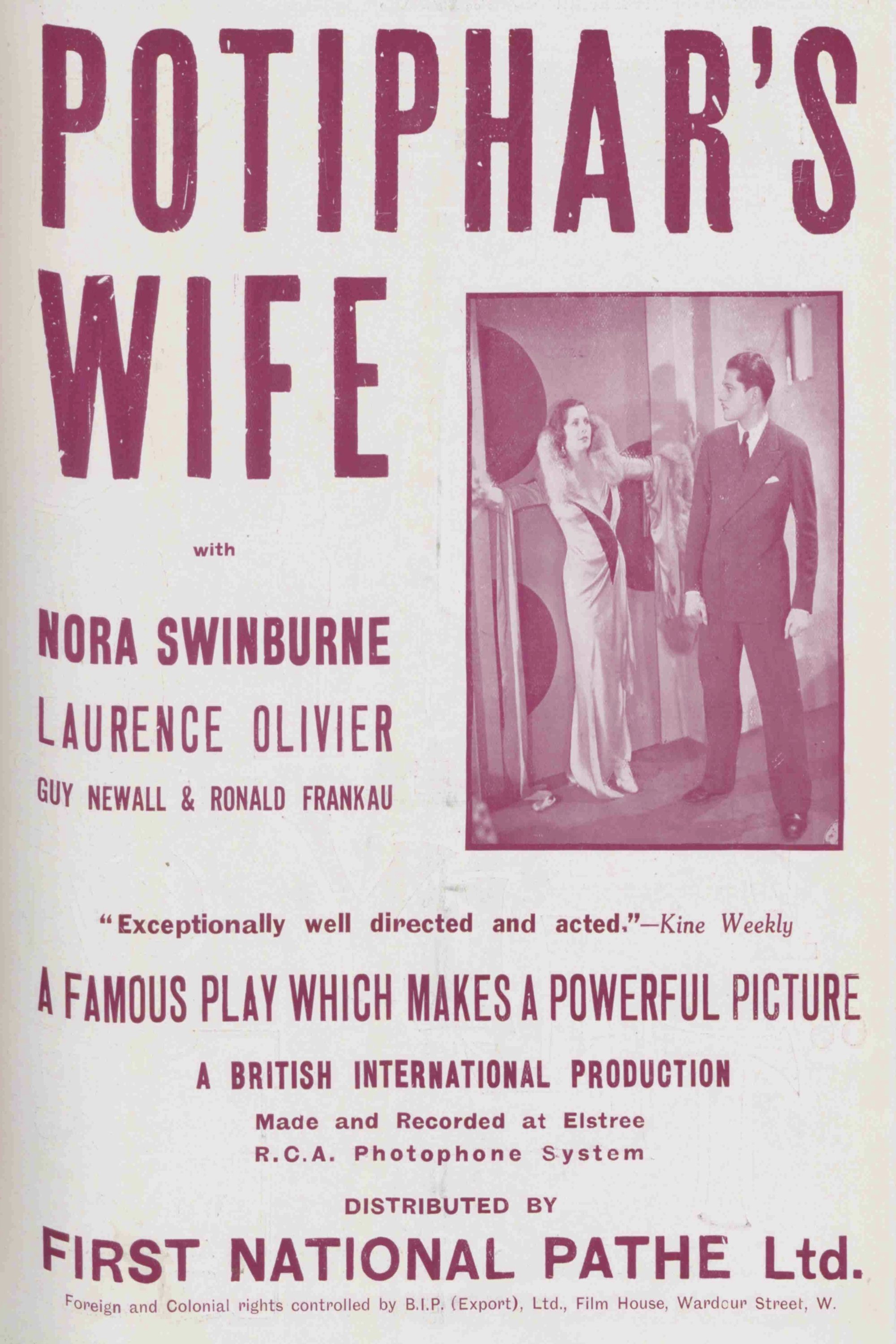
In this British drama, Laurence Olivier played the role of Straker. The film tells a story of accusation and scandal within a wealthy household. Olivier portrayed a chauffeur who becomes entangled in the personal lives of his employers. His character is central to the unfolding drama.
The plot is about a rich woman who accuses her chauffeur of improper behavior after he rejects her advances. The story explores themes of class, power, and deceit. Olivier’s performance captured the pressure and vulnerability of his character’s situation. The film was an intense drama that relied on strong performances from its cast.
Westward Passage (1932)
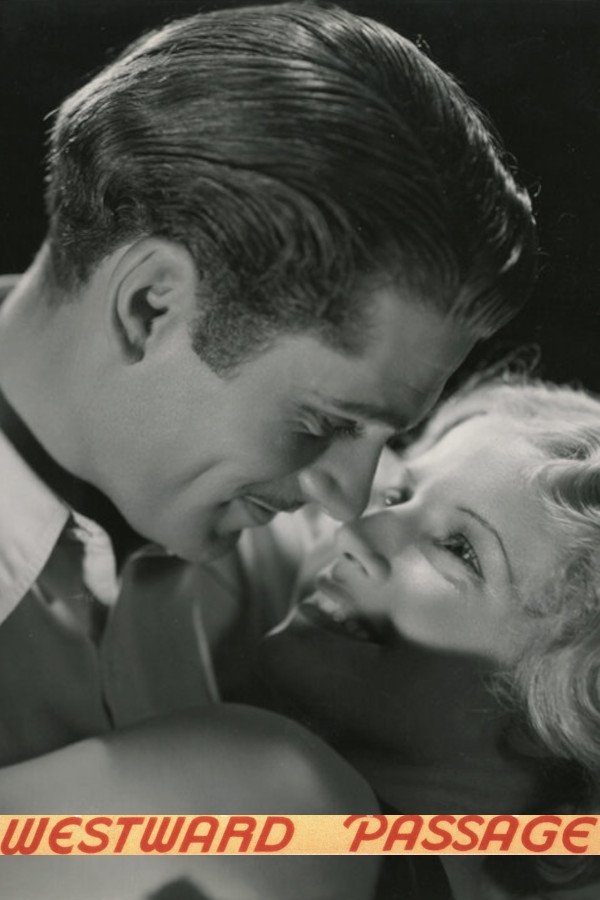
Laurence Olivier played Nick Allen in this romantic drama. The film was produced in Hollywood and saw him in a leading role. He portrayed a charismatic but troubled writer. His performance captured the character’s charm as well as his flaws, making him a compelling romantic figure.
The story follows a woman who divorces her unpredictable husband, played by Olivier, to marry a more stable man. Years later, she meets her first husband again and must decide where her heart truly lies. The film explores themes of love, regret, and second chances. It was a classic romance story from the early 1930s.
Perfect Understanding (1933)

In ‘Perfect Understanding’, Laurence Olivier starred as Nicholas Randall. He also co-produced the film, showing his early interest in working behind the camera. The movie is a romantic comedy about a modern young couple. Olivier played the husband who agrees to an open marriage.
The couple decides that their marriage will be based on trust and freedom, without jealousy. However, their ideals are soon put to the test when temptations arise. The film explores the challenges of their unconventional arrangement. It was a lighthearted look at modern relationships.
No Funny Business (1933)
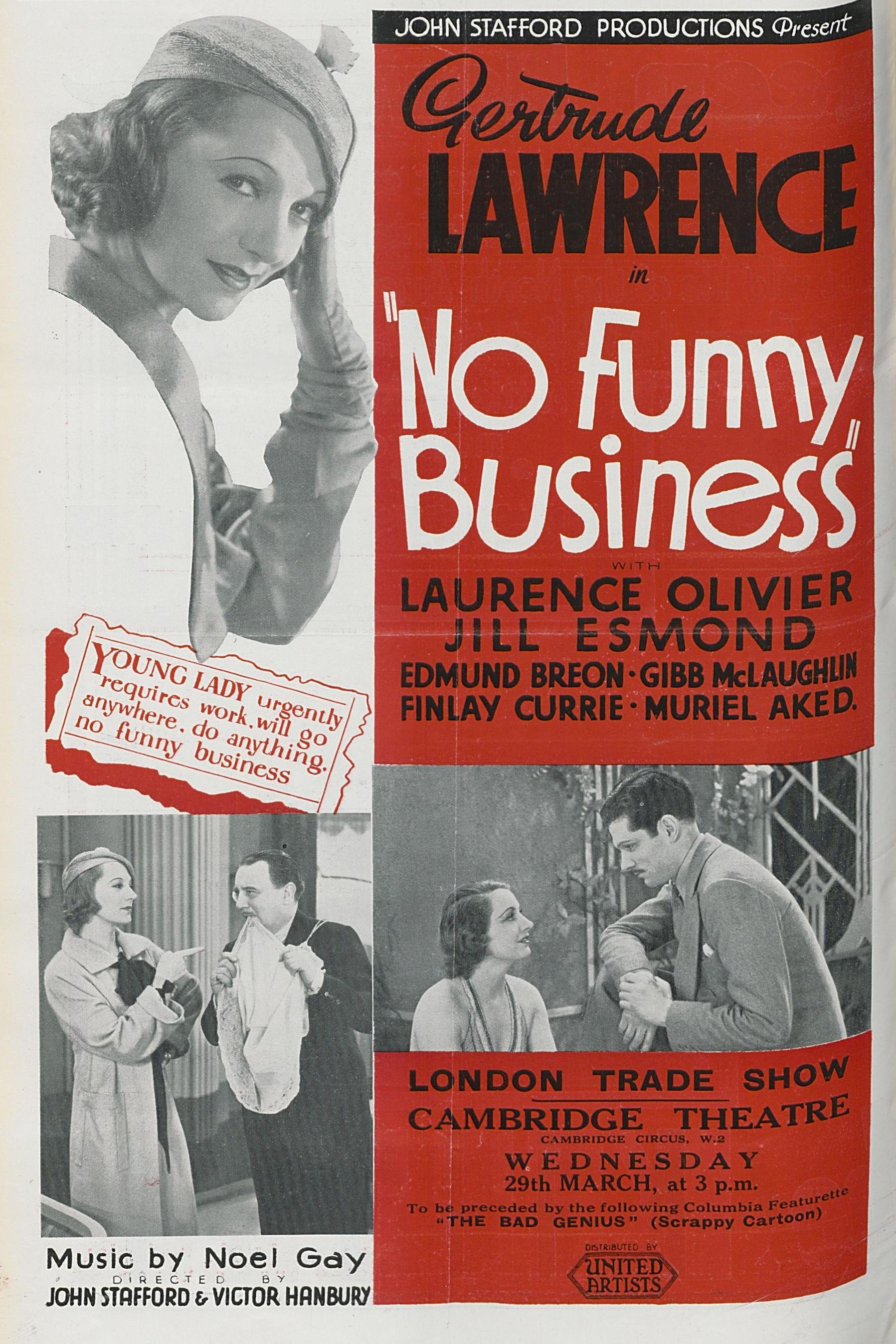
Laurence Olivier played Clive Dering in this comedy film. The story is about two professional “co-respondents” who are hired to fake adultery for divorce cases. Olivier’s character is part of a duo that gets hired by the same couple to work against each other. The film is a playful and witty farce.
The plot becomes complicated when the fake lovers start to develop real feelings for each other. They find themselves in a series of humorous and awkward situations. The movie was a light comedy that showcased Olivier’s ability to handle witty dialogue and comedic timing.
Moscow Nights (1935)
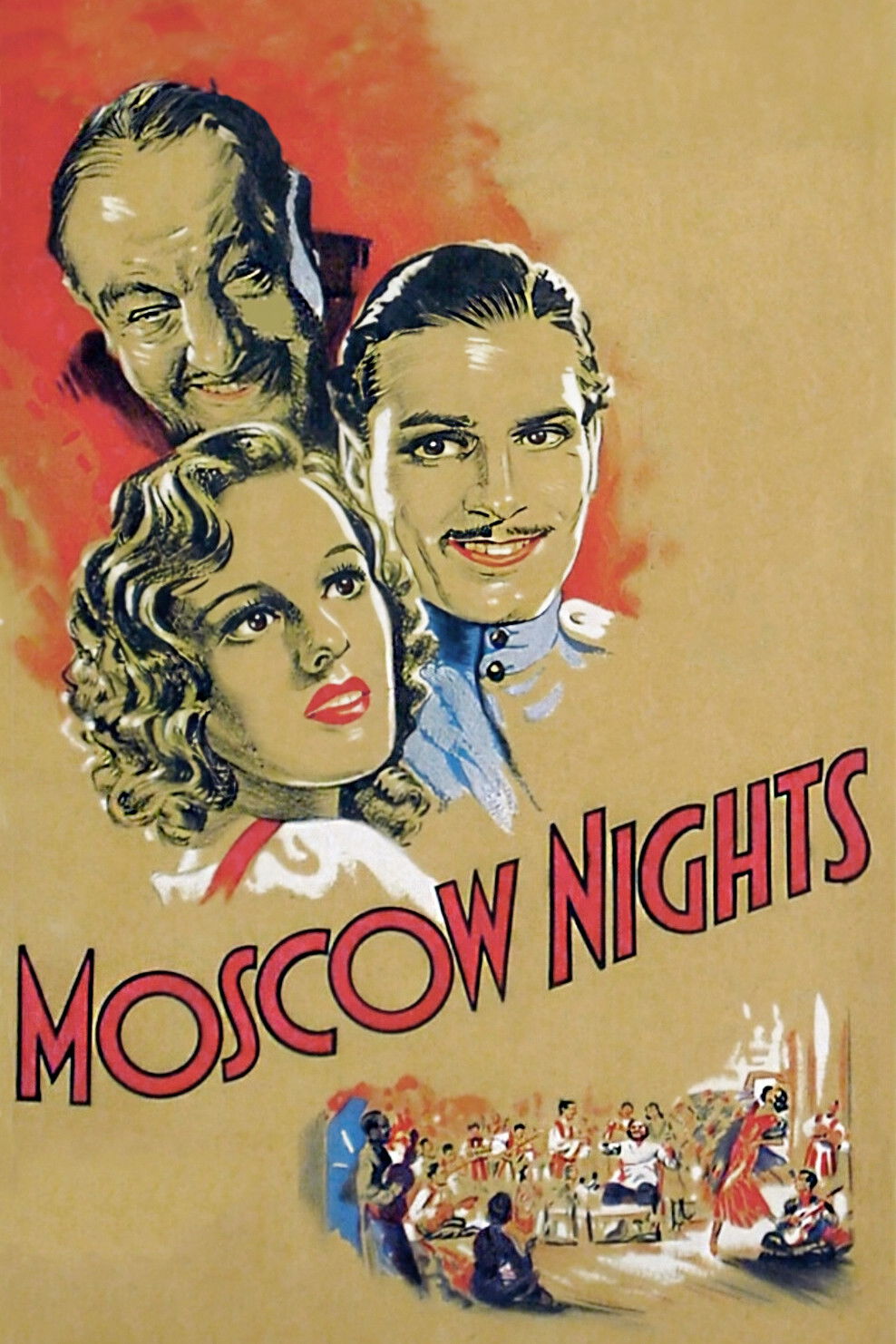
In ‘Moscow Nights’, Laurence Olivier played the role of Captain Ivan Ignatoff. The film is a British drama set in Russia during World War I. Olivier portrayed a decorated army officer who is wounded in battle. His character is a man of honor and duty.
The story follows his character as he falls in love with his nurse, who is already engaged to a wealthy war profiteer. The film is a tale of love and sacrifice set against the backdrop of war. Olivier’s performance was praised for its strength and sensitivity. The movie was a gripping romantic drama.
As You Like It (1936)
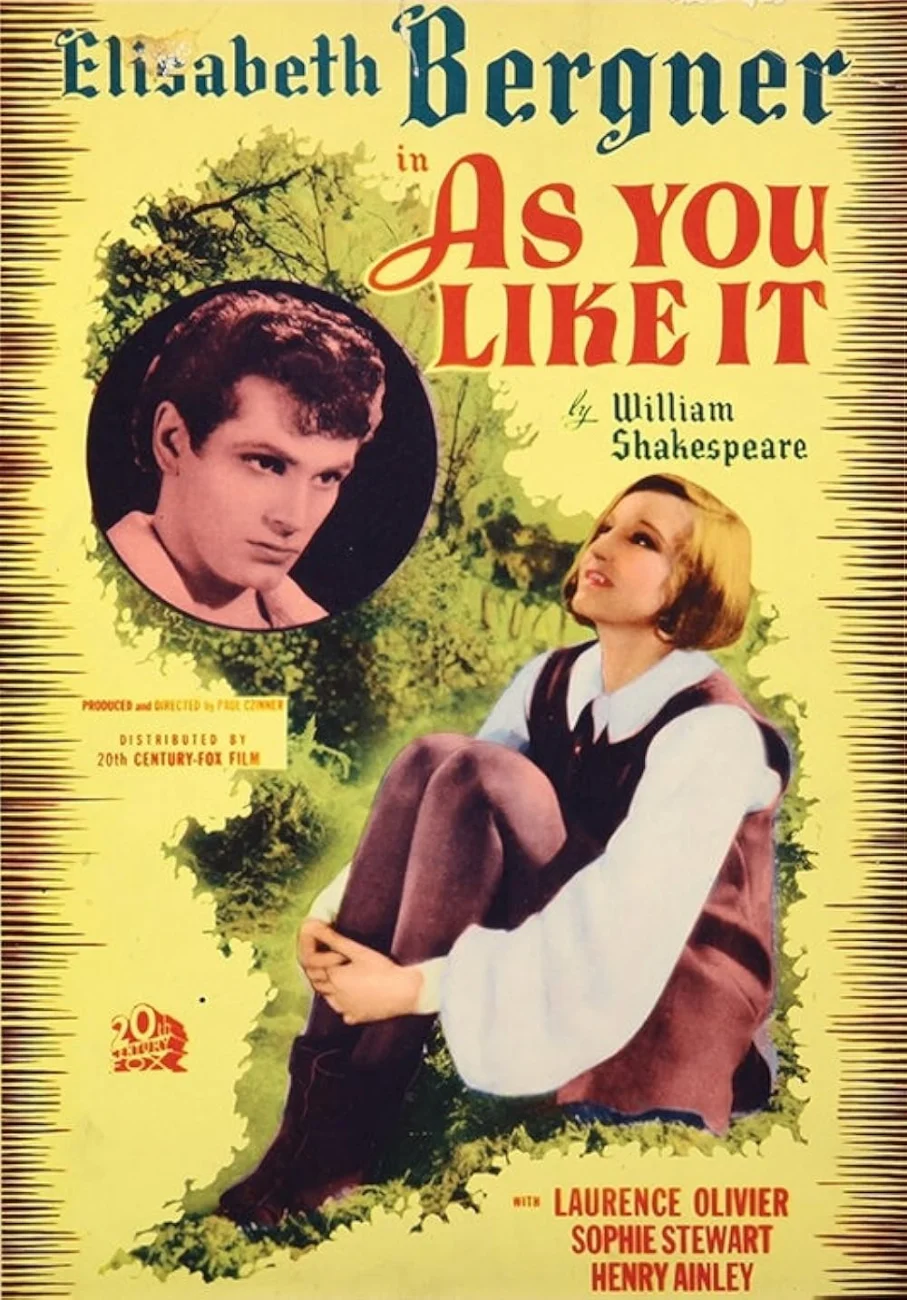
Laurence Olivier starred as Orlando in the first feature-length sound film adaptation of a Shakespeare play. This role was a natural fit for Olivier, who was already a celebrated Shakespearean actor on the stage. His performance was full of youthful energy and romantic passion. He successfully brought the famous character to life for a wide audience.
The film is a faithful adaptation of ‘As You Like It’, a comedy about love, mistaken identity, and life in the Forest of Arden. Olivier’s portrayal of the love-struck Orlando is a highlight of the movie. It was an important step in bringing Shakespeare to the cinema, and Olivier was at the forefront of that effort.
The Conquest of the Air (1936)
In this documentary-style film, Laurence Olivier played Vincent Lunardi, an 18th-century Italian balloonist. The movie tells the history of aviation, from early myths to modern flight. Olivier’s segment dramatized one of the first successful balloon flights in England. His role was part of a series of historical reenactments.
The film combines acted scenes with documentary footage to trace the human dream of flying. It was an ambitious project that aimed to be both educational and entertaining. Olivier’s appearance was brief but memorable, lending his talent to a key moment in the story of flight.
Fire Over England (1937)
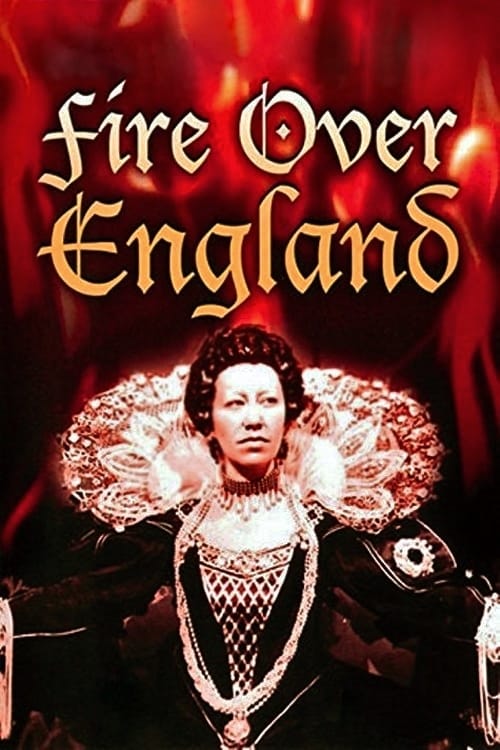
Laurence Olivier played Michael Ingolby, a young naval officer during the reign of Queen Elizabeth I. The film is a historical adventure set against the conflict between England and Spain. Olivier’s character goes on a dangerous mission to spy on the Spanish Armada. The movie was known for its exciting action sequences.
This film is notable as the first time Olivier appeared on screen with Vivien Leigh, who would later become his wife. Their on-screen chemistry was evident and added to the film’s romantic appeal. ‘Fire Over England’ was a lavish production that celebrated English history and heroism.
The Divorce of Lady X (1938)

In ‘The Divorce of Lady X’, Laurence Olivier played Logan, a charming but serious-minded barrister. The film was a romantic comedy and was Olivier’s first movie filmed in Technicolor. He showed his skill for light comedy as his character gets caught in a web of romantic confusion. The vibrant color added to the film’s appeal.
The story begins when a young woman, played by Merle Oberon, is forced to spend the night in a hotel room with Olivier’s character due to a thick fog. A misunderstanding leads him to believe she is the woman his client is divorcing. The film is a classic screwball comedy filled with witty dialogue and humorous situations.
Q Planes (1939)
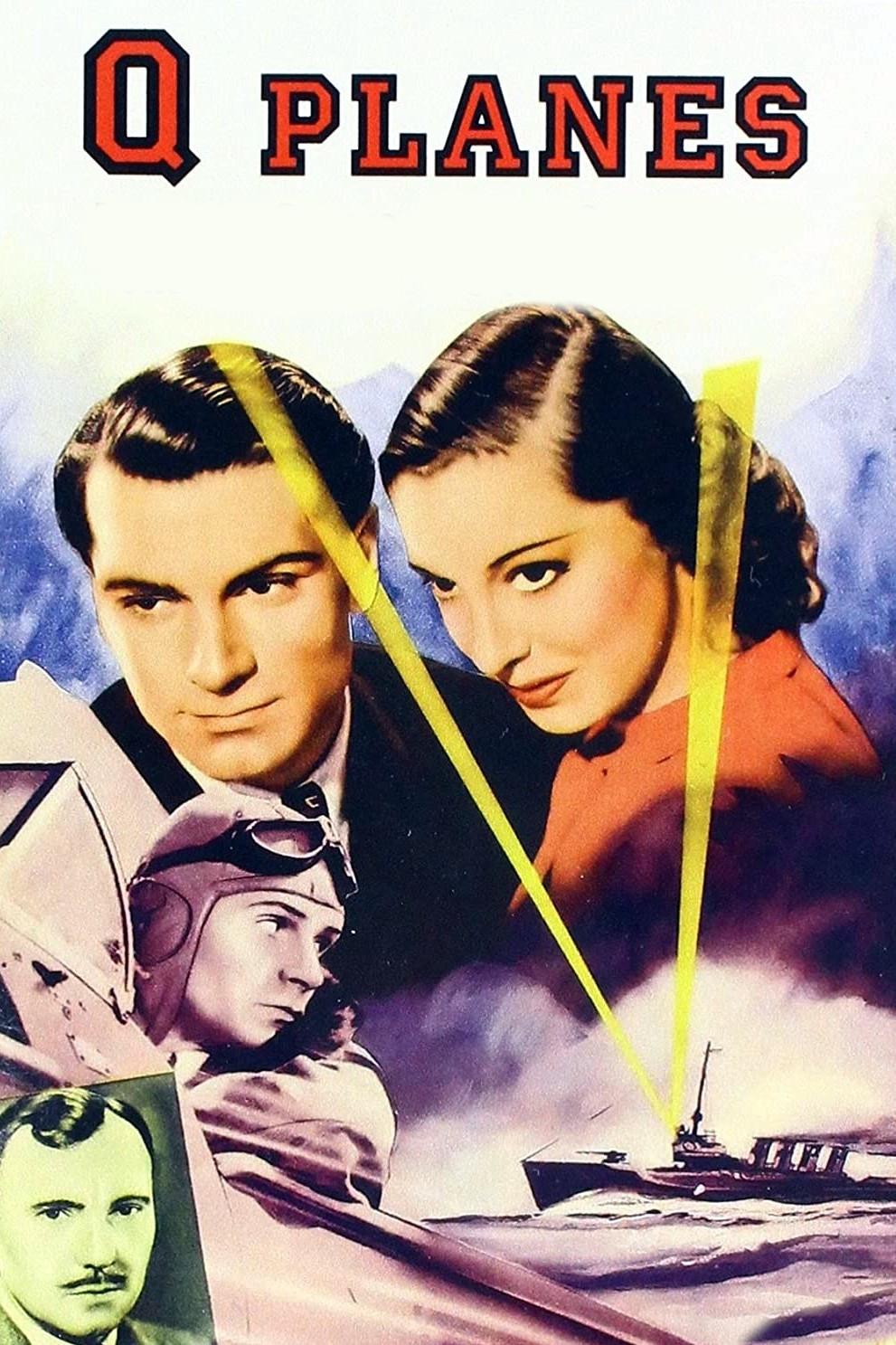
Laurence Olivier starred as Tony McVane, a daring test pilot. The film is a British spy thriller with elements of comedy. Olivier’s character is known for his cool head and sharp wit. He becomes involved in a mystery when new military aircraft start vanishing during their test flights.
Working alongside a secret service agent, McVane helps to uncover a foreign power that is stealing the planes with a powerful ray weapon. The film was praised for its fast pace and clever mix of suspense and humor. It was a successful and entertaining thriller that showcased Olivier’s versatility as a leading man.
Wuthering Heights (1939)
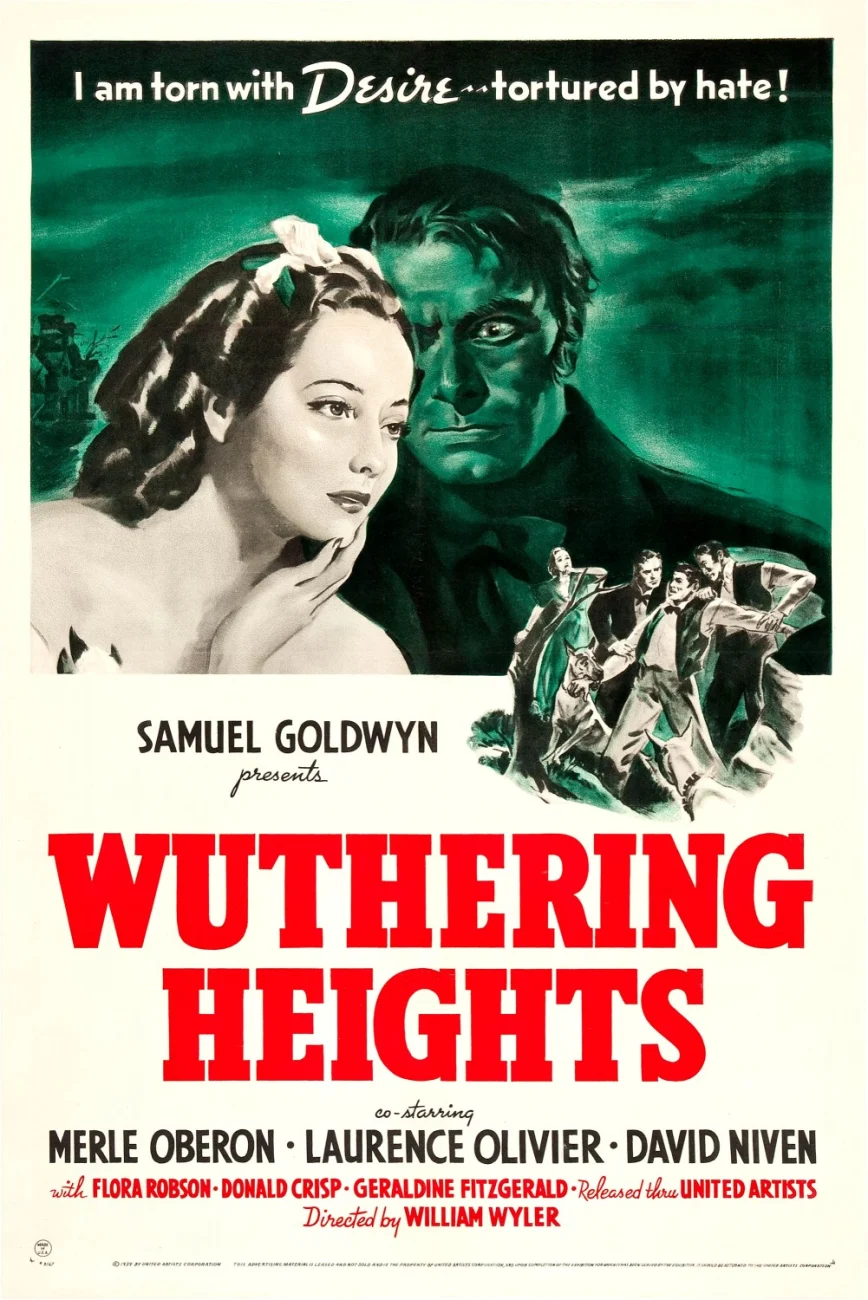
Laurence Olivier’s portrayal of Heathcliff in ‘Wuthering Heights’ is one of his most iconic roles. The film is an adaptation of Emily Brontë’s classic novel. Olivier perfectly captured the dark, brooding, and obsessive nature of the character. His performance earned him his first Academy Award nomination for Best Actor.
The movie tells the tragic love story of Heathcliff and Catherine Earnshaw on the lonely moors of Yorkshire. The film is a masterpiece of Hollywood’s Golden Age, celebrated for its gothic atmosphere and passionate performances. Olivier’s on-screen chemistry with co-star Merle Oberon made their characters’ romance unforgettable.
21 Days (1940)
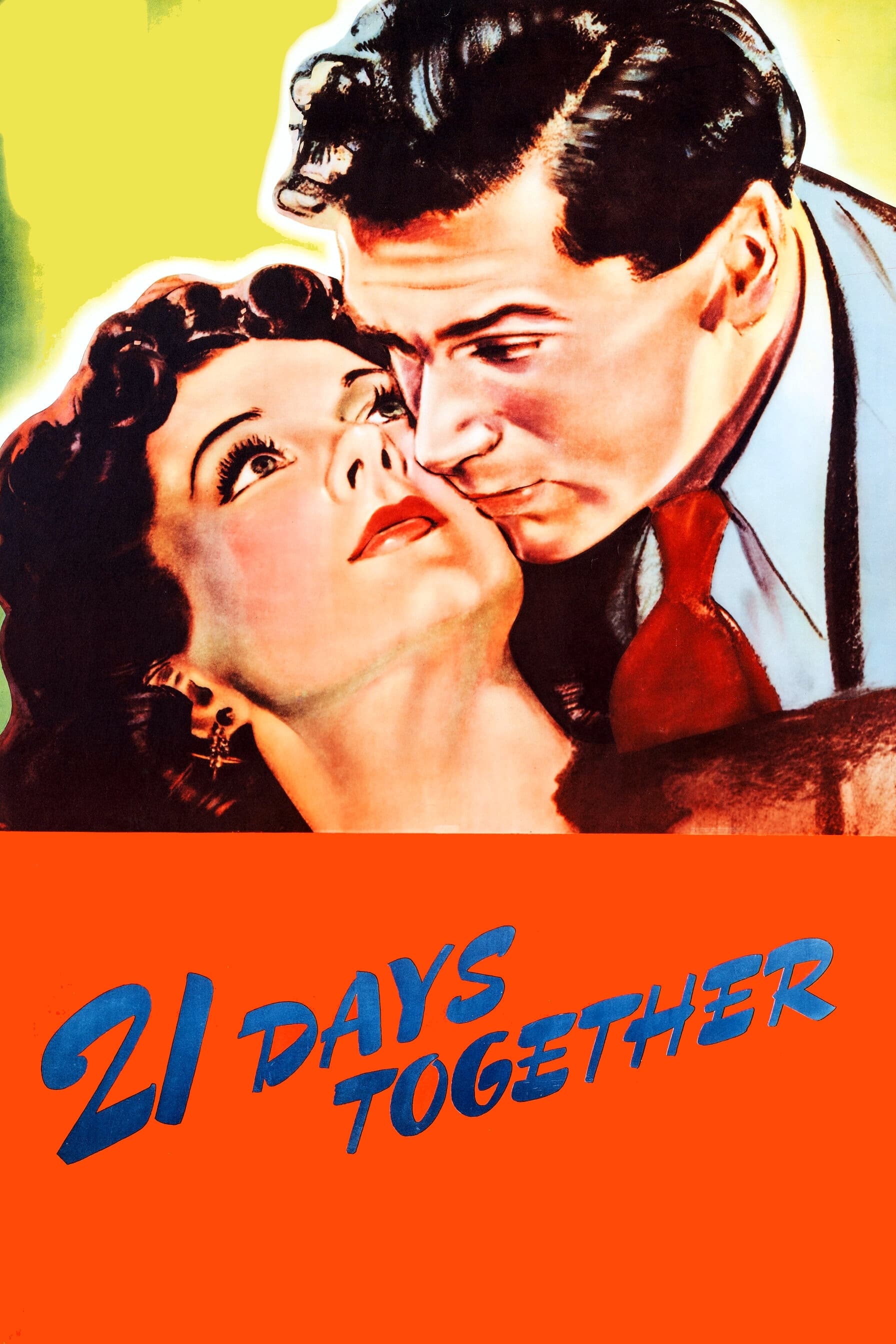
In ’21 Days’, Laurence Olivier played Larry Durrant, a young man who finds his life turned upside down. The film was based on a play by John Galsworthy. Olivier’s character accidentally kills the abusive husband of the woman he loves. The movie was filmed several years before it was released.
The plot follows Larry and his lover, played by Vivien Leigh, as they try to deal with the consequences of his actions. An innocent man is arrested for the crime, and Larry has just 21 days to decide whether to confess before the man is sentenced. The film is a tense moral drama about guilt and sacrifice.
Rebecca (1940)
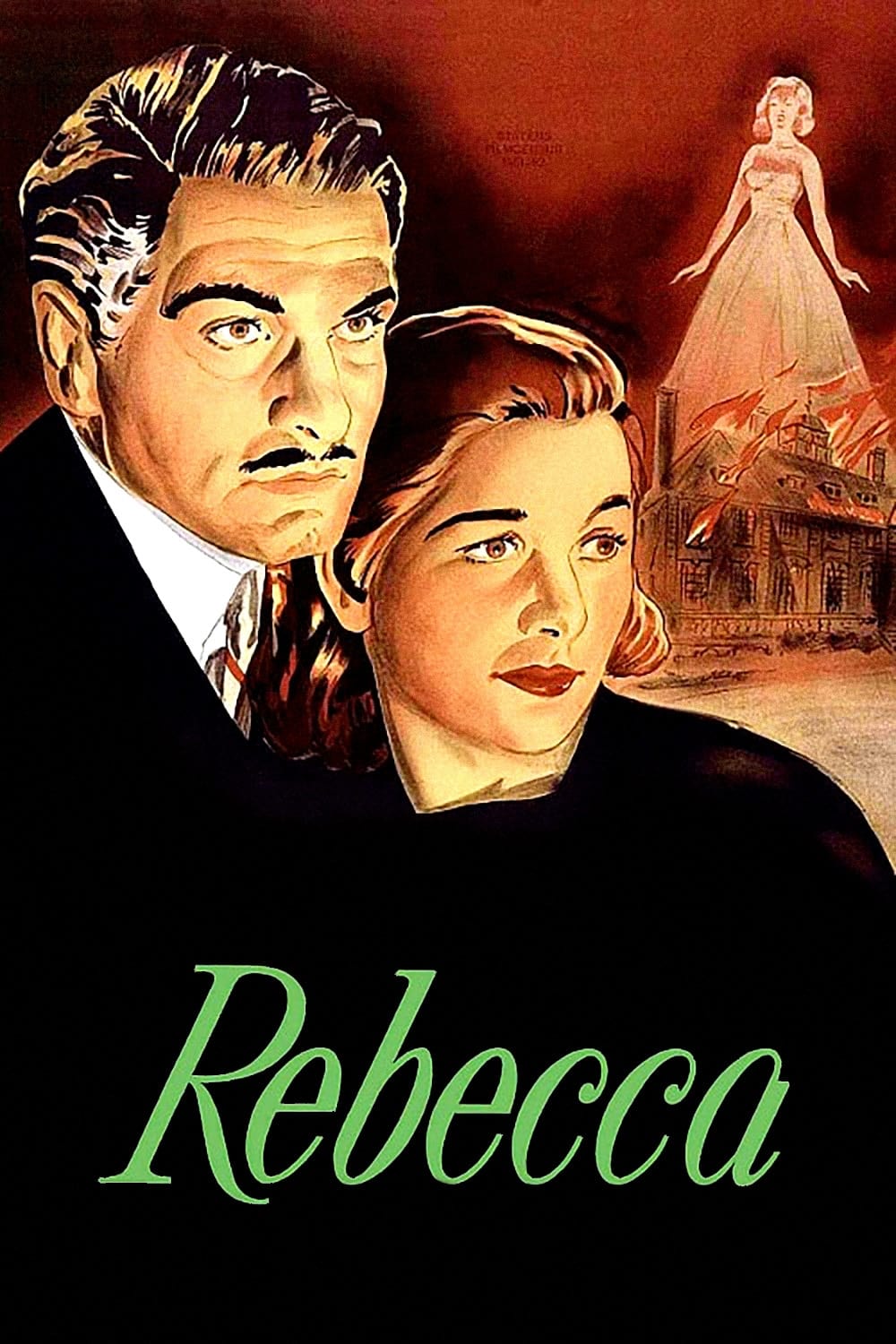
Laurence Olivier starred as Maxim de Winter, a wealthy and mysterious aristocrat haunted by the past. The film was Alfred Hitchcock’s first American production and was based on the novel by Daphne du Maurier. Olivier’s performance captured the character’s torment and sophistication. The role became one of his most famous.
The story follows a young woman who marries Maxim and moves into his grand estate, Manderley. She finds that the memory of his first wife, Rebecca, still dominates the house and its inhabitants. The film won the Academy Award for Best Picture and is considered a classic of psychological suspense.
Pride and Prejudice (1940)
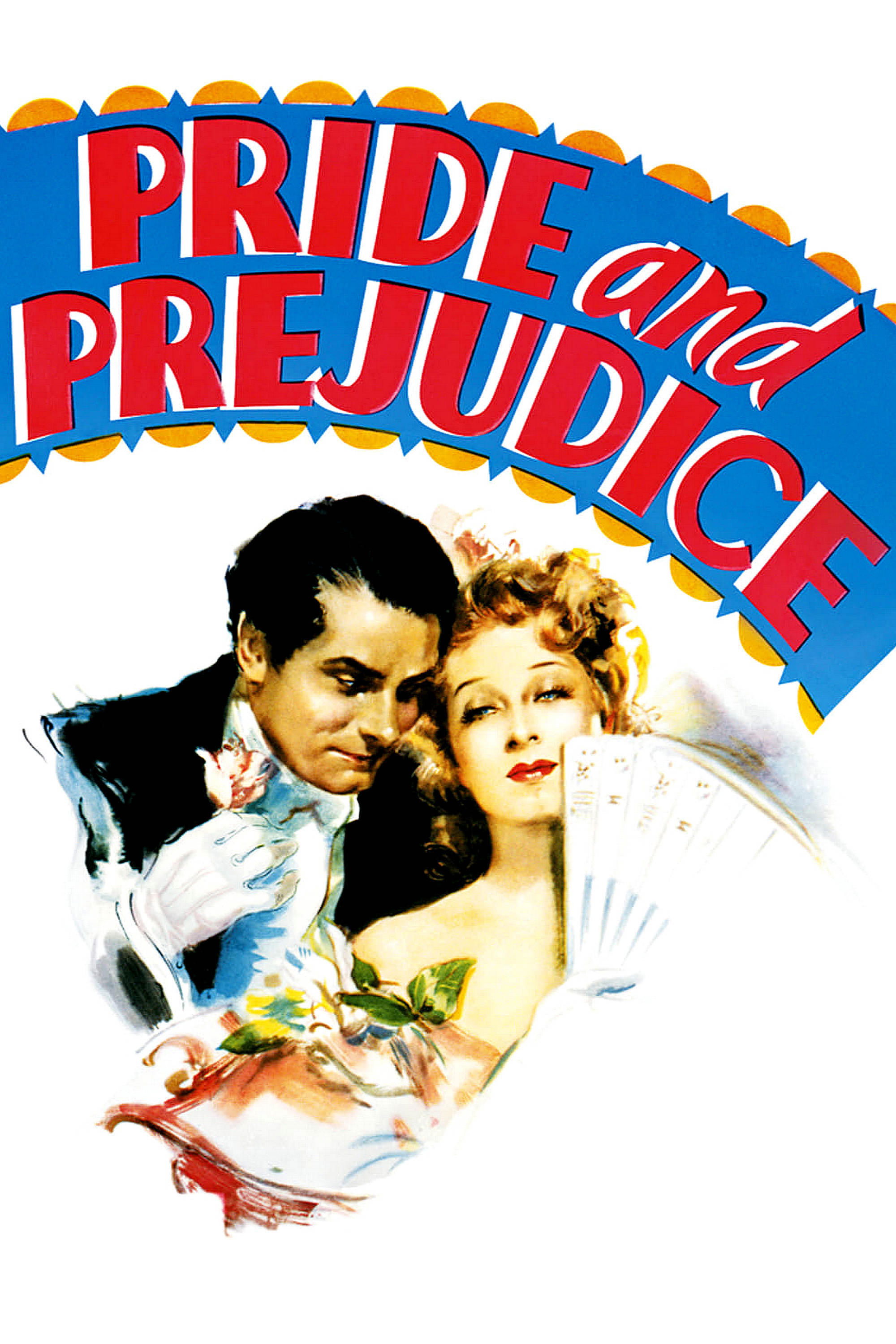
Laurence Olivier played Fitzwilliam Darcy, the proud and wealthy bachelor from Jane Austen’s famous novel. The film adaptation took some liberties with the book’s setting and costumes, but it was a commercial success. Olivier brought a commanding presence to the role of the aloof hero.
The movie tells the story of the Bennet sisters and their efforts to find suitable husbands. The sharp-witted Elizabeth Bennet clashes with the reserved Mr. Darcy, leading to one of literature’s most beloved romances. Olivier’s on-screen sparring with co-star Greer Garson was a highlight of the film.
That Hamilton Woman (1941)
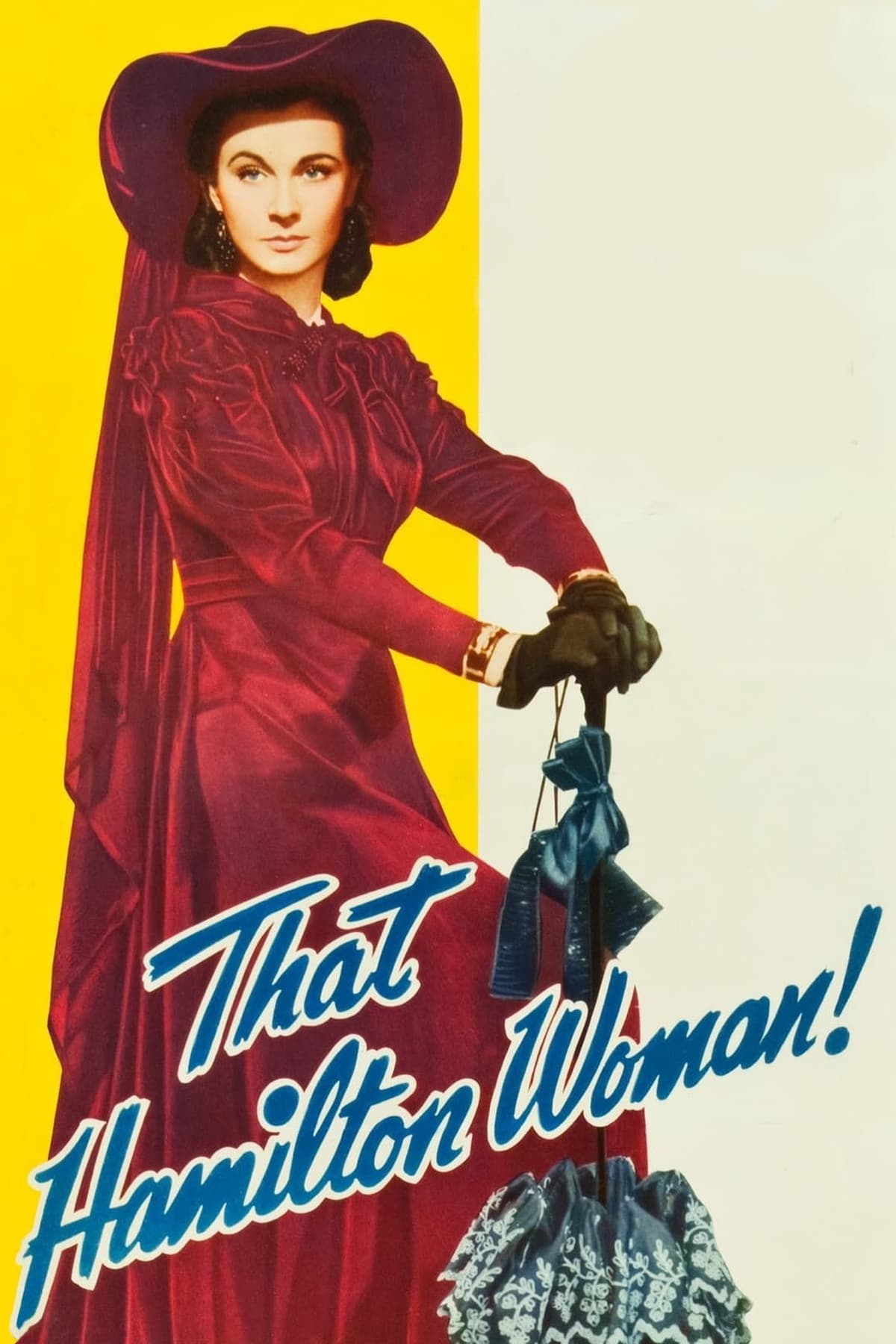
In ‘That Hamilton Woman’, Laurence Olivier portrayed Horatio Nelson, the celebrated British naval hero. The film tells the story of Nelson’s famous love affair with Emma, Lady Hamilton, played by Vivien Leigh. Olivier’s performance showed the conflict between Nelson’s public duty and his private passion.
The movie was reportedly Winston Churchill’s favorite, and he saw it as a piece of pro-British propaganda to encourage American support in World War II. The film is a lavish historical romance, noted for the powerful chemistry between its two leads. It tells a sweeping story of love and war.
49th Parallel (1941)
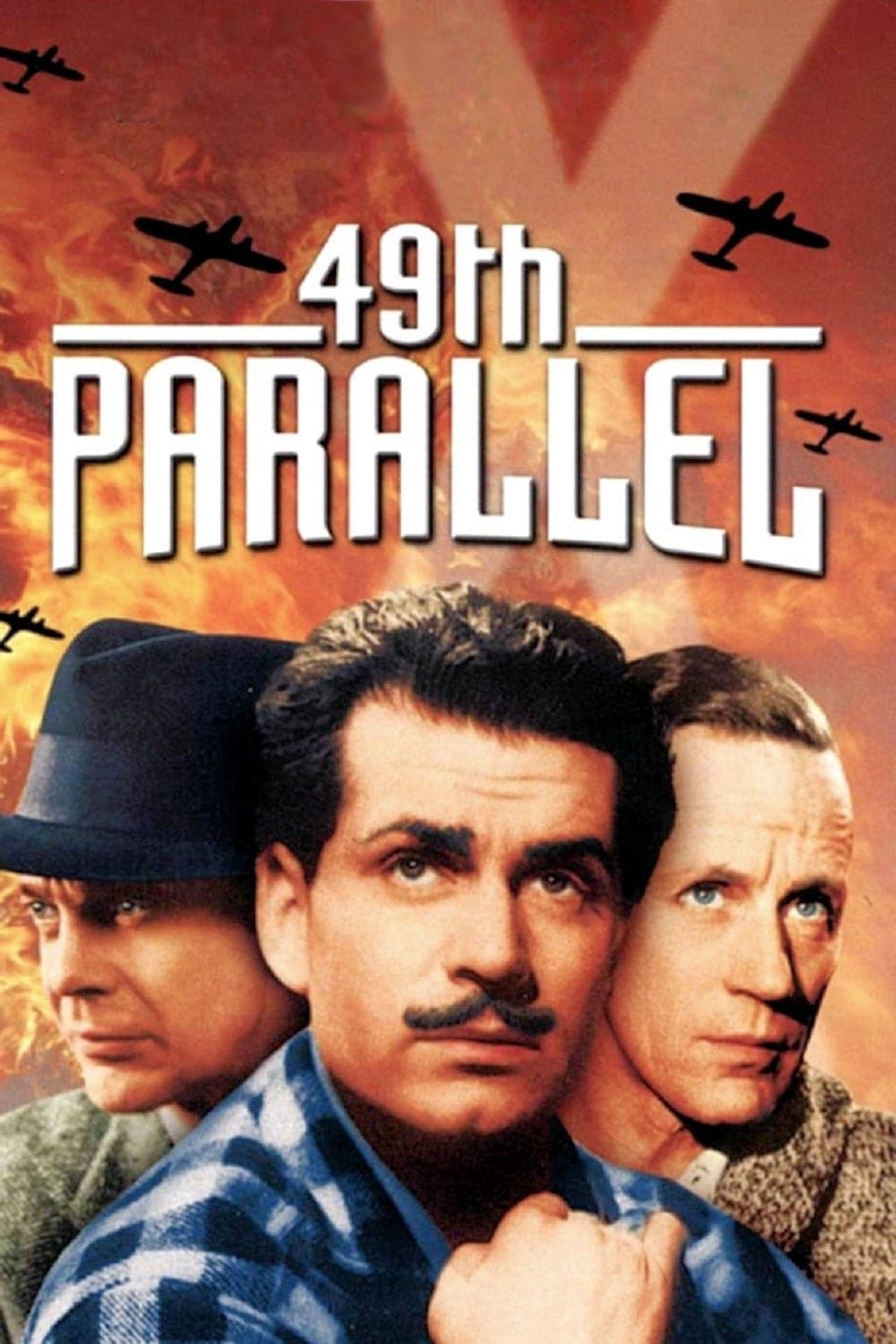
Laurence Olivier played Johnnie, a French-Canadian trapper, in this wartime drama. His role was a supporting part, but it was memorable. Olivier adopted a French-Canadian accent and brought a rugged charm to the character. His performance added a touch of humanity to the film.
The movie follows the surviving crew of a sunken German U-boat as they attempt to cross Canada to the neutral United States. They encounter various people along the way who represent the diversity and spirit of the Canadian nation. The film was designed to build support for the war effort.
Words for Battle (1941)
In this short propaganda film, Laurence Olivier served as the narrator. The movie was produced by the British Ministry of Information during World War II. It was designed to lift the spirits of the British people during a difficult time. Olivier’s powerful and reassuring voice was a key part of its impact.
The film combines images of the English countryside and cities with readings from famous works of English literature and speeches. Olivier’s narration brought texts from writers like John Milton and William Blake to life. It connected the ongoing struggle against Nazi Germany with Britain’s long history of fighting for freedom.
The Volunteer (1943)
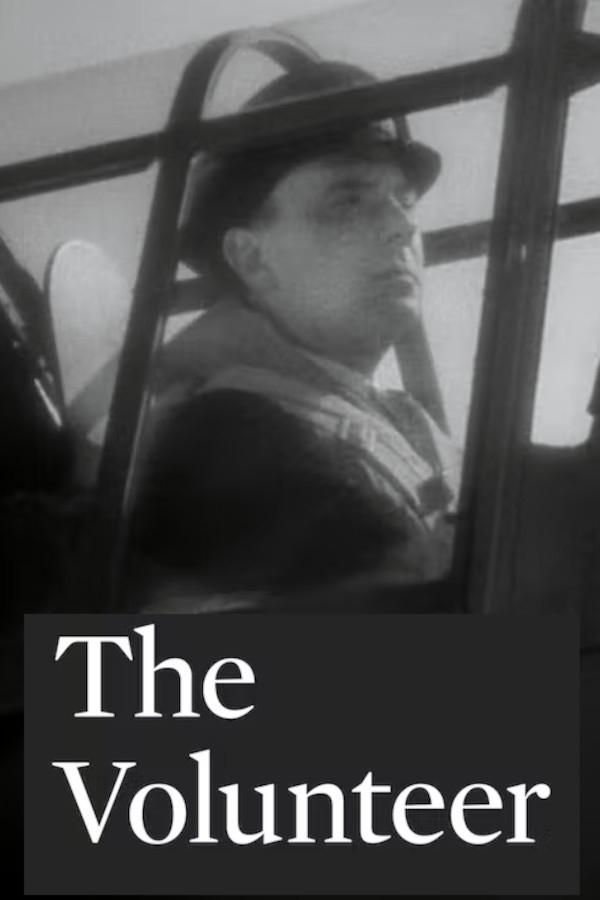
Laurence Olivier appeared as himself in this short wartime propaganda film. The movie was made to encourage men to volunteer for the Fleet Air Arm, the naval aviation branch of the Royal Navy. Olivier’s presence lent star power and credibility to the recruitment effort.
The film tells the story of a talented stagehand at a theatre who decides to join the war effort. It contrasts the glamour of the theatre with the duty and excitement of military service. Olivier is shown performing on stage, representing the world the volunteer leaves behind to serve his country.
Malta G.C. (1943)
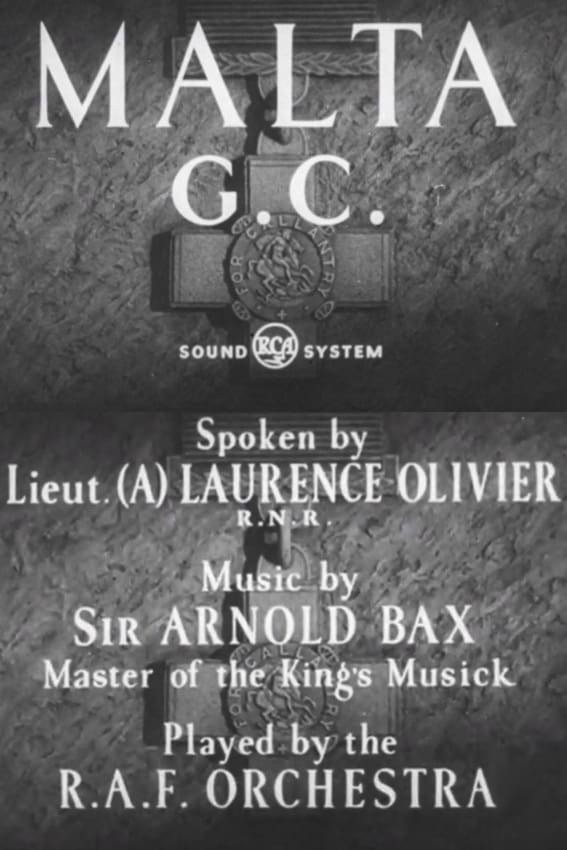
In this wartime documentary, Laurence Olivier provided the narration. The film tells the story of the heroic defense of the island of Malta during World War II. Malta was a key strategic location and endured years of intense bombing. Olivier’s voice conveys the gravity and bravery of the island’s struggle.
The documentary uses real footage of the siege to show the devastation and the resilience of the people of Malta and the soldiers defending it. The “G.C.” in the title refers to the George Cross, the highest civilian award for bravery, which was awarded to the entire island. Olivier’s narration helped to make the film a powerful tribute.
The Demi-Paradise (1943)
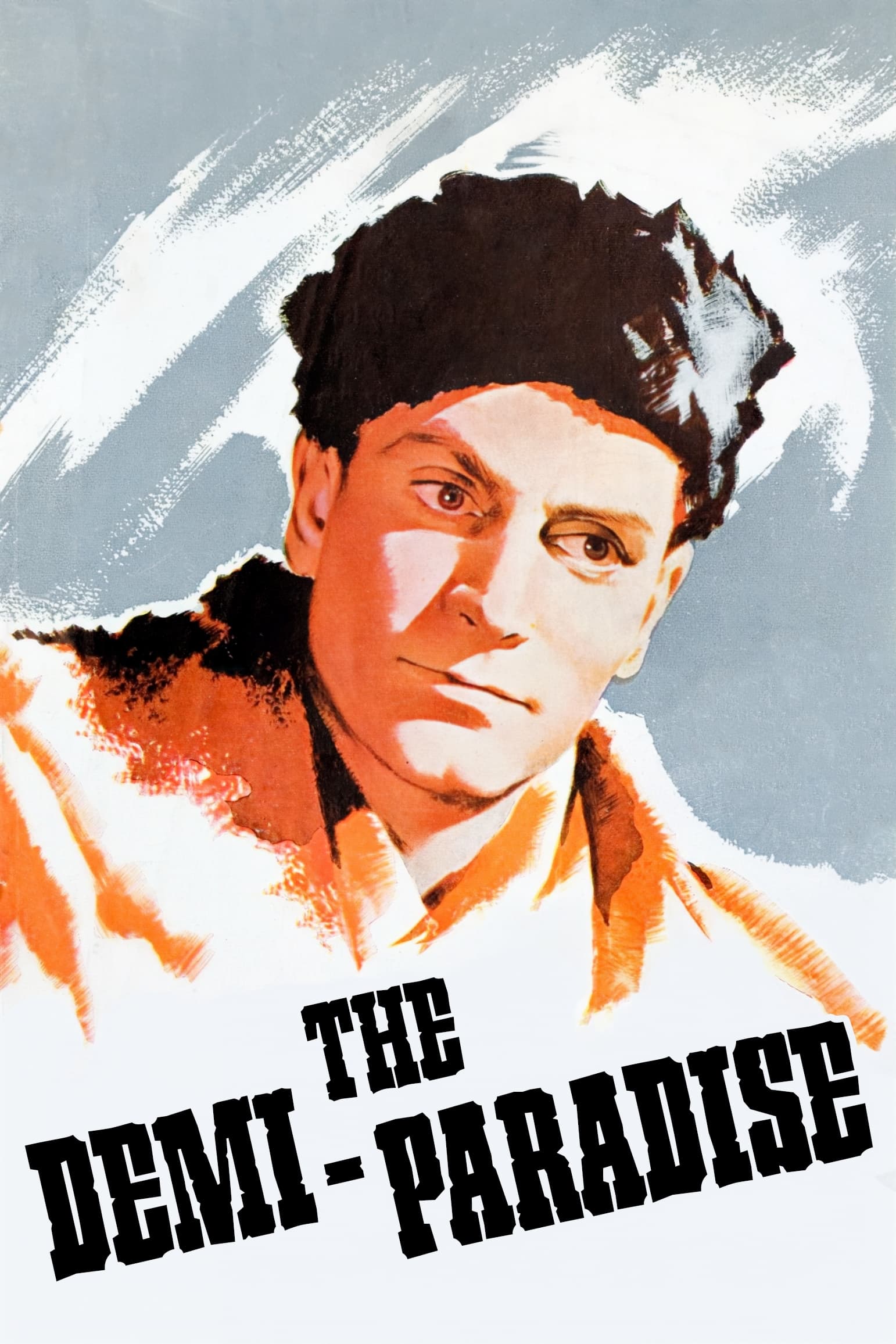
Laurence Olivier starred as Ivan Kouznetsoff, a Soviet inventor who travels to England. The film is a gentle comedy that also serves as a wartime message of friendship between Britain and the Soviet Union. Olivier’s character is initially skeptical of the British way of life but slowly comes to appreciate it.
The story follows the inventor as he works with a British engineering firm to develop a new type of propeller. He clashes with the local customs and the company’s free-spirited designer, but he eventually finds common ground and even romance. The film was praised for its charm and for Olivier’s light comedic performance.
This Happy Breed (1944)
Laurence Olivier served as the uncredited narrator for this film directed by David Lean. The movie is based on a play by Noël Coward. It tells the story of a middle-class London family, the Gibbons, between the end of World War I and the beginning of World War II.
The film follows the family through twenty years of everyday life, with its joys and sorrows. It captures the social and political changes happening in Britain during that period. Olivier’s narration provides context and helps to frame the family’s story within the larger sweep of history.
Henry V (1944)
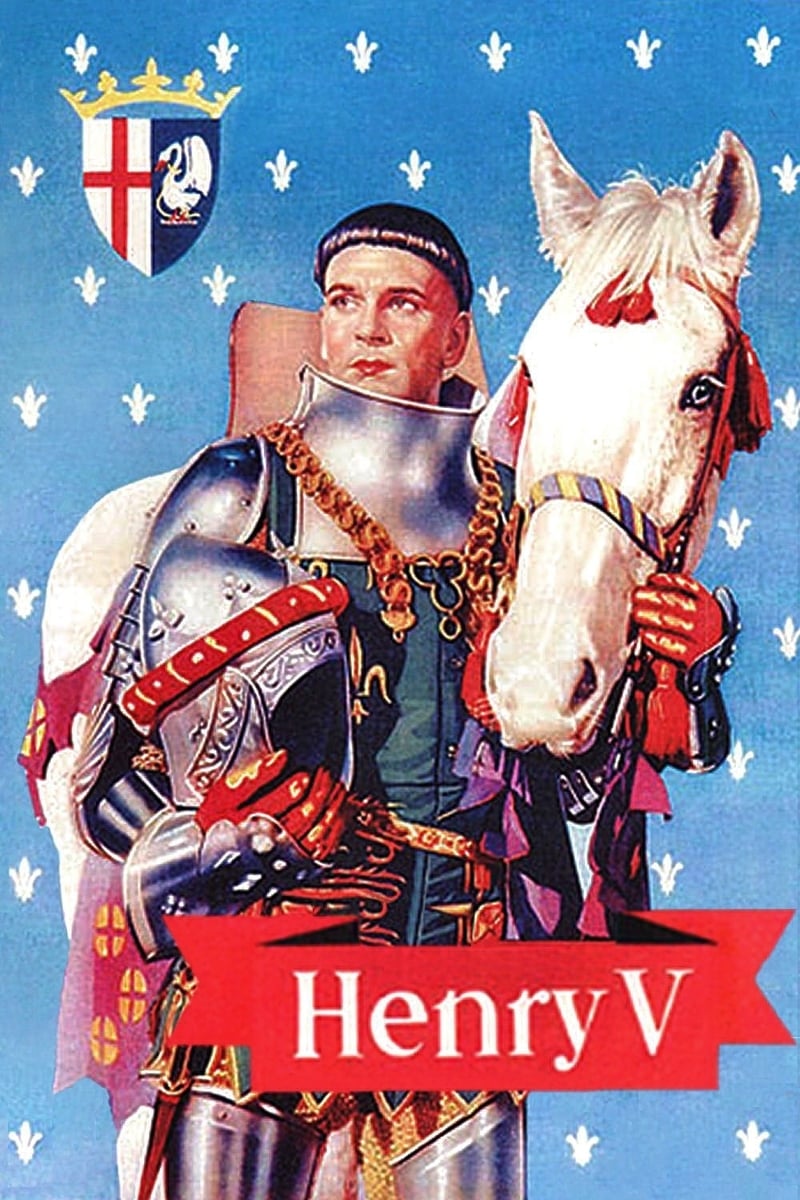
In ‘Henry V’, Laurence Olivier took on the roles of producer, director, and star. He played King Henry V of England. The film was made during World War II and was intended as a morale booster for Britain. It is a vibrant and patriotic adaptation of Shakespeare’s play.
The film is famous for its innovative use of Technicolor and for its structure, which begins in a 17th-century playhouse before opening up into realistic battle scenes. The Battle of Agincourt sequence is particularly celebrated. Olivier received a special Honorary Academy Award for his outstanding achievement in bringing the film to the screen.
Hamlet (1948)

Laurence Olivier directed, produced, and starred in this iconic adaptation of Shakespeare’s ‘Hamlet’. He played the title role of the tormented Danish prince. His performance is considered one of the definitive portrayals of the character. The film’s dark, gothic atmosphere was highly influential.
The movie was a huge critical and commercial success. It won four Academy Awards, including Best Picture and Best Actor for Olivier. This made him the first person to direct himself to an Oscar-winning performance. The film’s focused, psychological approach made the complex story accessible to a wide audience.
Father’s Little Dividend (1950)
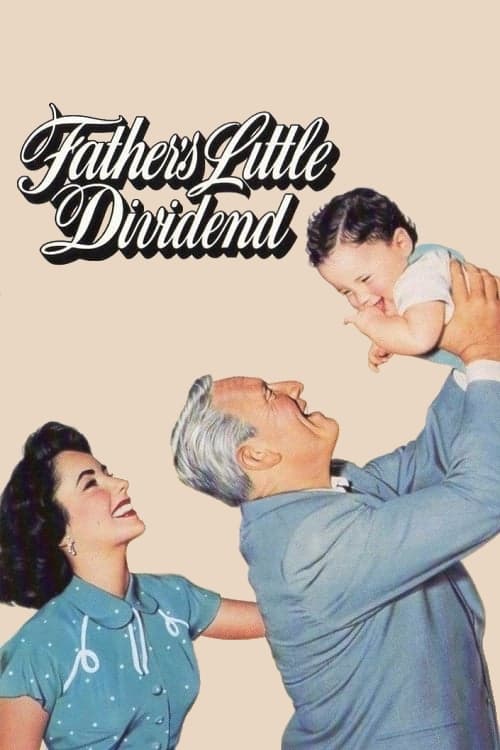
Laurence Olivier made a brief, uncredited cameo appearance as a film industry visitor in this comedy. The movie is a sequel to ‘Father of the Bride’ and stars Spencer Tracy, Joan Bennett, and Elizabeth Taylor. Olivier’s appearance was a small, inside joke for audiences.
The plot follows Stanley Banks, played by Tracy, as he learns to cope with becoming a grandfather. The film is a warm and humorous look at family life. Olivier’s quick walk-on role was a fun, unexpected moment in an already charming movie.
The Magic Box (1951)
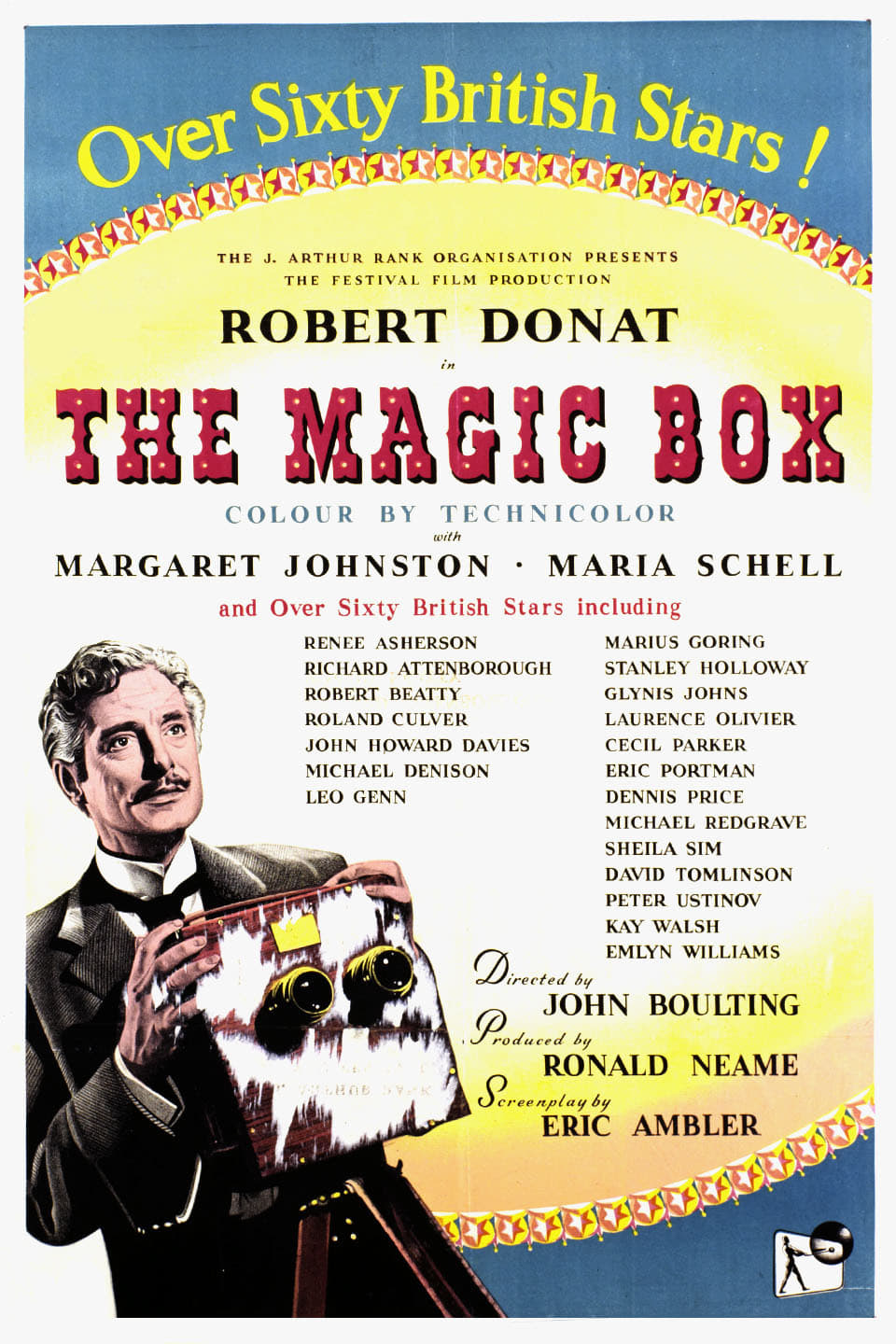
In ‘The Magic Box’, Laurence Olivier had a small cameo role as Police Constable 94-B. The film tells the story of William Friese-Greene, a British inventor and a pioneer of motion pictures. The movie was part of the Festival of Britain and featured appearances by many famous British actors.
The story follows Friese-Greene’s obsessive efforts to create a working movie camera. Olivier’s character is the first person to see the inventor’s successful projection. When asked for his opinion, his simple, unimpressed reaction provides a moment of gentle irony in the film.
Carrie (1952)

Laurence Olivier starred as George Hurstwood in this adaptation of Theodore Dreiser’s novel ‘Sister Carrie’. The film tells the story of a young woman who escapes her small town for the big city of Chicago. Olivier’s character is a wealthy, respected restaurant manager who falls for her.
Hurstwood’s infatuation with Carrie leads him to abandon his family and his comfortable life. His tragic downfall is a central part of the story. Olivier’s performance captured the character’s descent from a confident man of the world into poverty and despair. It was a powerful and heartbreaking portrayal.
The Beggar’s Opera (1953)
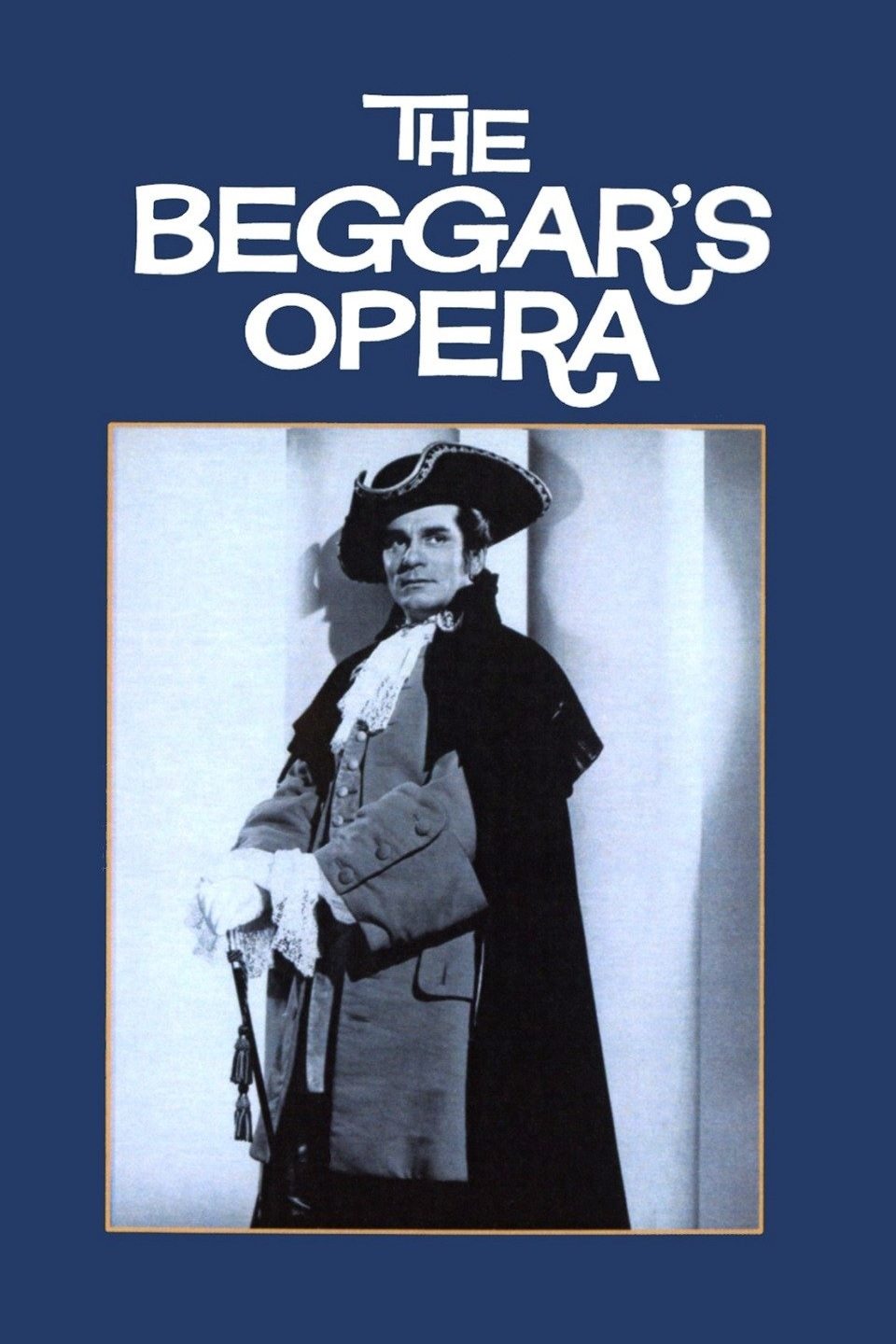
In this musical film, Laurence Olivier played the dashing highwayman Captain MacHeath. He also co-produced the movie. The story is based on a famous 18th-century ballad opera by John Gay. Olivier, not known as a singer, had his singing voice dubbed for the role.
The film is a colorful and lively adventure, following the rogueish MacHeath as he navigates a world of corrupt officials and jealous lovers. He is eventually betrayed and sentenced to hang, but the story takes a playful turn. The movie was a lavish production that brought the classic satirical opera to the big screen.
Richard III (1955)

Laurence Olivier produced, directed, and gave a legendary performance as the villainous King Richard III. This was the final film in his trilogy of Shakespearean adaptations. His portrayal of the cunning and ruthless king is considered one of the greatest interpretations of the role.
The film follows Richard’s treacherous rise to power and his eventual downfall at the Battle of Bosworth Field. Olivier’s performance, complete with a limp and a hunchback, was both terrifying and mesmerizing. The film made Shakespeare’s complex historical play accessible and thrilling for audiences everywhere.
The Prince and the Showgirl (1957)
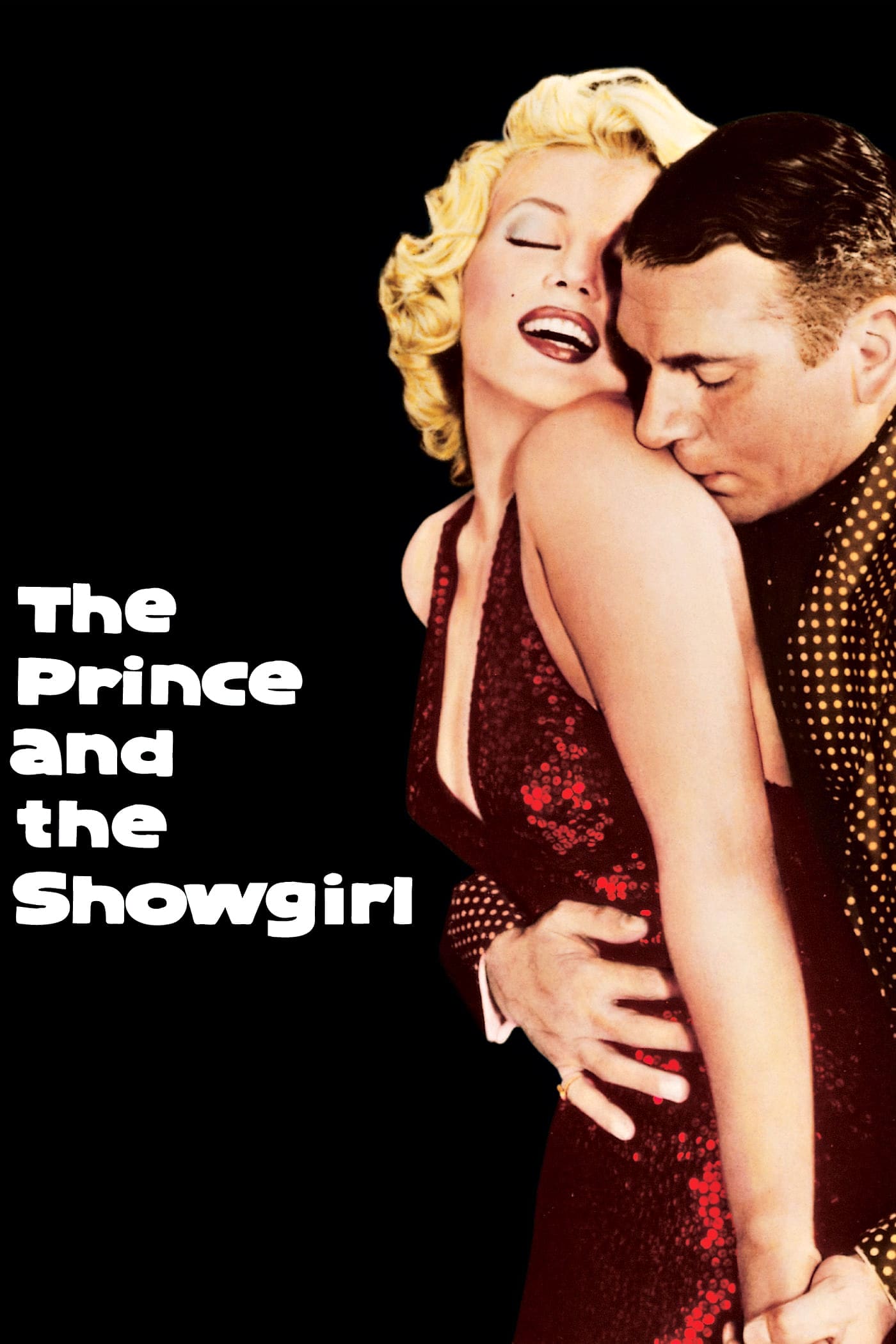
In ‘The Prince and the Showgirl’, Laurence Olivier starred as Charles, the Prince Regent of Carpathia. He also directed and produced the film. The movie is a light romantic comedy that pairs him with Marilyn Monroe, who plays an American showgirl in London.
The story is about the unlikely romance that blossoms between the stuffy, formal prince and the free-spirited performer over the course of an evening. The film is famous for the behind-the-scenes tension between its two stars, but on screen, they create a charming and amusing chemistry.
The Devil’s Disciple (1959)
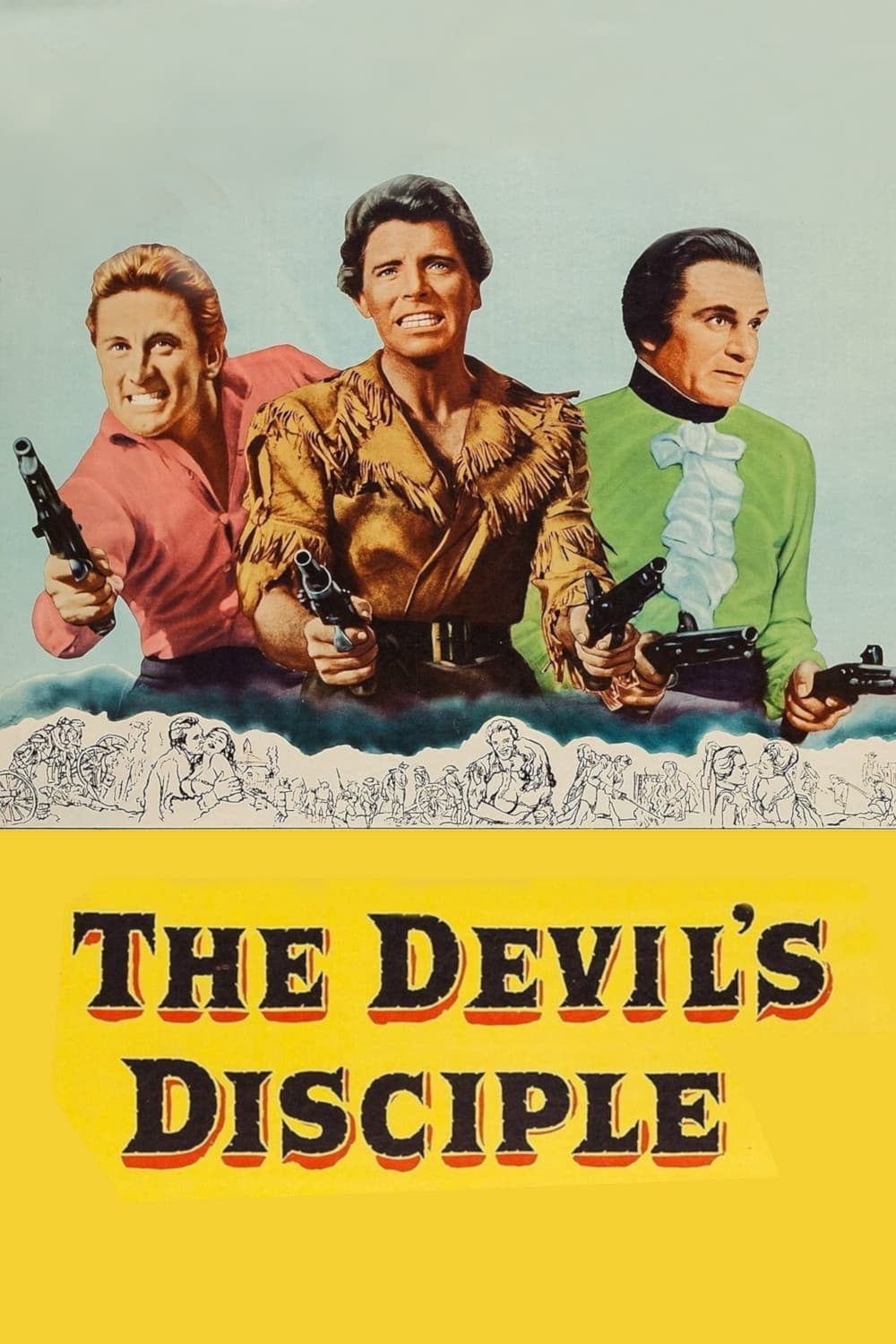
Laurence Olivier played the sophisticated and witty General John Burgoyne in this adaptation of George Bernard Shaw’s play. The film is set during the American Revolutionary War. Olivier’s performance was widely praised and earned him a BAFTA nomination for Best British Actor.
The story is a satirical comedy about a local rebel who is mistaken for a minister and arrested by the British army. General Burgoyne presides over the court martial with sharp intelligence and humor. Olivier stole every scene he was in, delivering Shaw’s clever dialogue with perfect timing.
The Entertainer (1960)
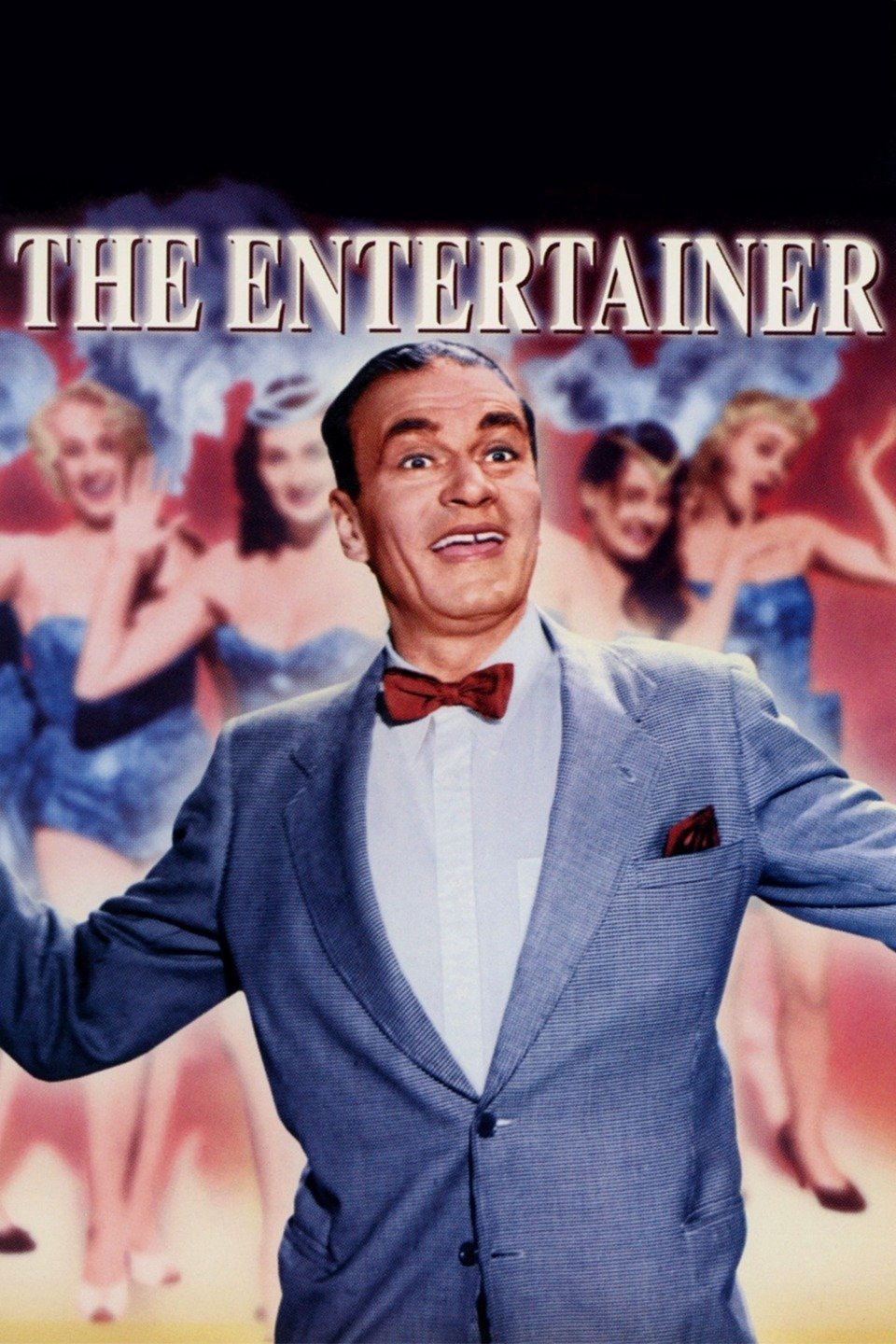
Laurence Olivier reprised his acclaimed stage role as Archie Rice, a washed-up music hall performer. The film, based on the play by John Osborne, is a powerful example of the “kitchen sink” realism movement in British cinema. Olivier’s performance earned him another Academy Award nomination.
The story follows Archie as his professional and personal lives fall apart against the backdrop of post-colonial Britain. He is a tragic figure, clinging to the dying traditions of the music hall while his family life crumbles around him. The role was a stark departure for Olivier and is considered one of his greatest achievements.
Spartacus (1960)

In the epic historical drama ‘Spartacus’, Laurence Olivier played Marcus Licinius Crassus, a wealthy and ambitious Roman patrician. Crassus is the main antagonist of the film, dedicated to crushing the slave rebellion led by Spartacus. Olivier’s performance was cold, intelligent, and menacing.
Directed by Stanley Kubrick, the film is a grand spectacle with a powerful story. As Crassus, Olivier represented the cruelty and power of the Roman Republic. His intellectual rivalry with Spartacus is a central theme of the movie. It was one of his most memorable villain roles in a major Hollywood blockbuster.
Term of Trial (1962)
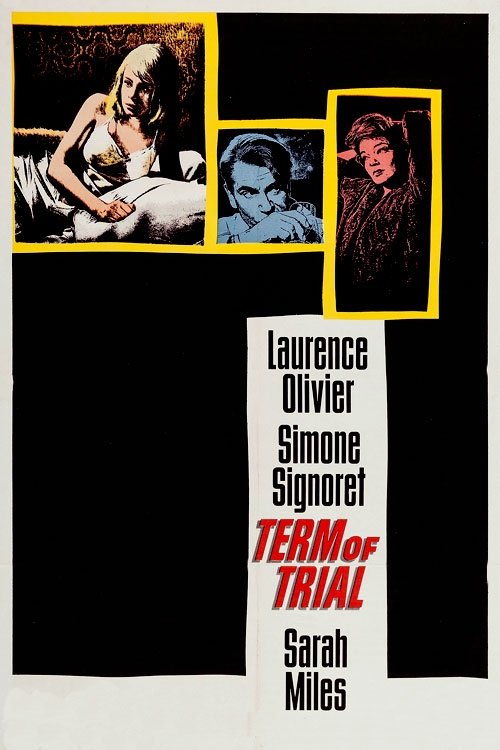
Laurence Olivier played Graham Weir, a gentle but alcoholic schoolteacher. The film is a powerful drama that tackles difficult subjects. Olivier’s character is a good man whose life is destroyed by a false accusation from one of his students. His performance is sensitive and heartbreaking.
The story explores how a troubled teenage girl’s crush on her teacher turns into a vengeful lie that ruins his career and marriage. Olivier portrayed the teacher’s weakness and decency with great skill. The film is an intense character study and a showcase for his incredible acting range.
Uncle Vanya (1963)
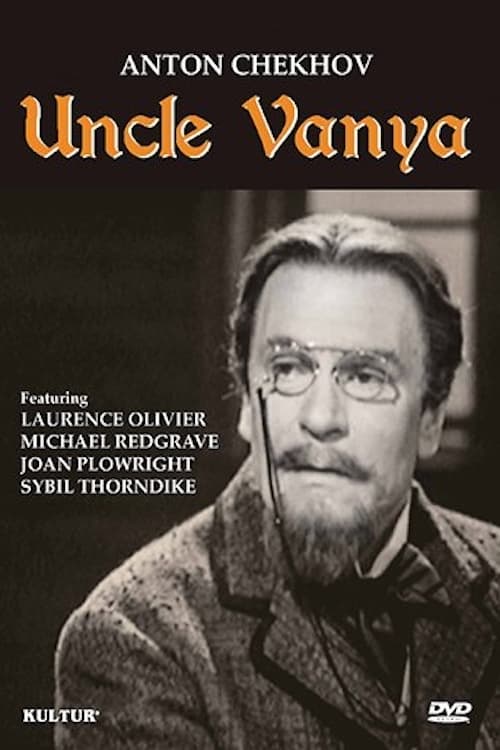
In this film version of a National Theatre production, Laurence Olivier played Dr. Astrov. The movie preserved the performances of the acclaimed stage play, which Olivier also directed. The film adapted Anton Chekhov’s masterpiece about unfulfilled desires and rural life in Russia.
As Astrov, the thoughtful country doctor, Olivier conveyed the character’s weariness and his passion for conservation. The film was praised for its faithful treatment of the play and for the powerful performances of its ensemble cast. It allowed a wider audience to experience this celebrated theatrical event.
Bunny Lake Is Missing (1965)
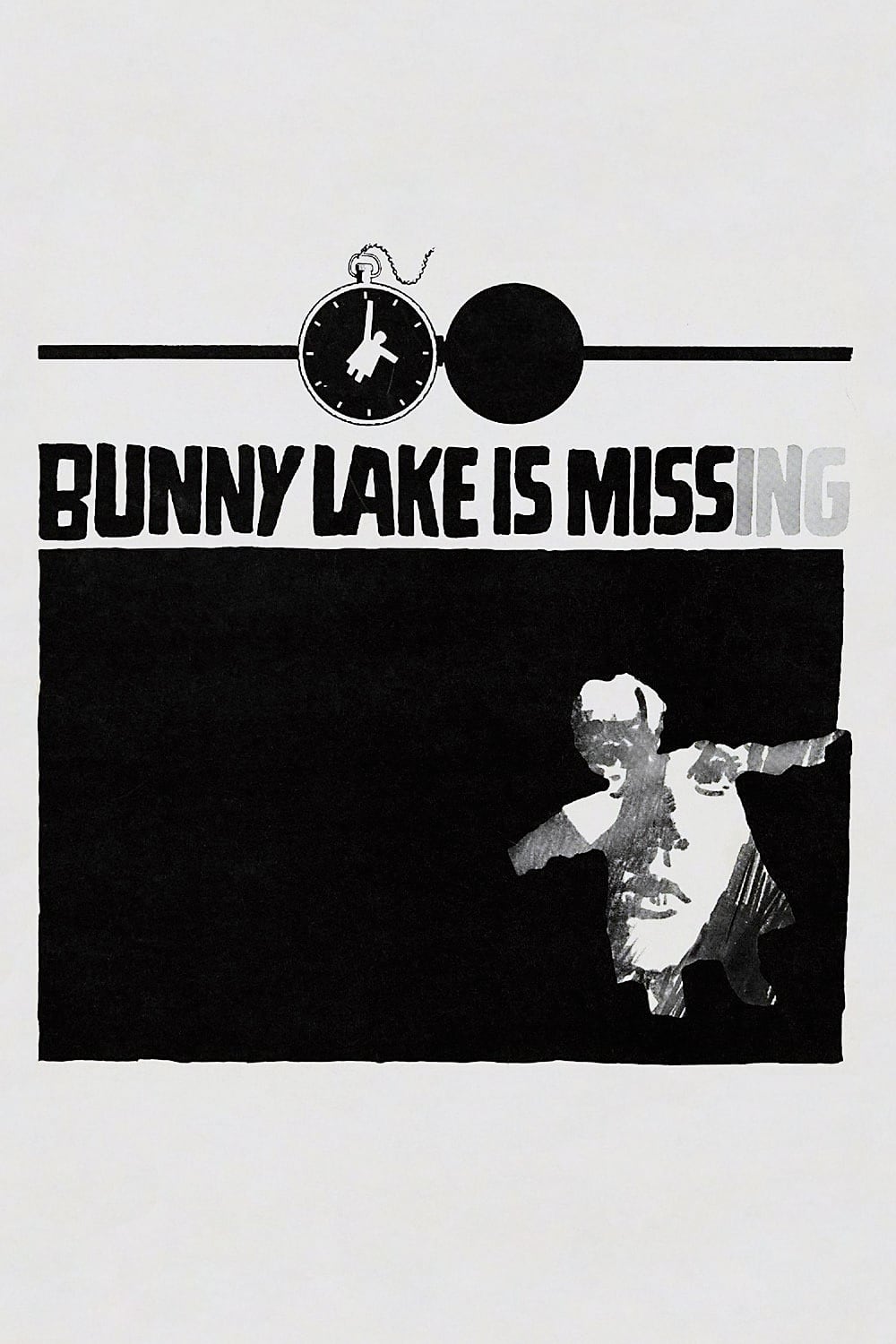
Laurence Olivier played Superintendent Newhouse in this psychological thriller. The film is about a young American woman in London whose daughter vanishes on her first day of school. Olivier’s character is the intelligent and patient police officer assigned to the case.
As the investigation continues, there is no evidence that the girl ever existed, and the police begin to doubt the mother’s sanity. Superintendent Newhouse must unravel the mystery, unsure if he is solving a kidnapping or dealing with a delusional woman. Olivier brought a calm authority to the suspenseful story.
Othello (1965)
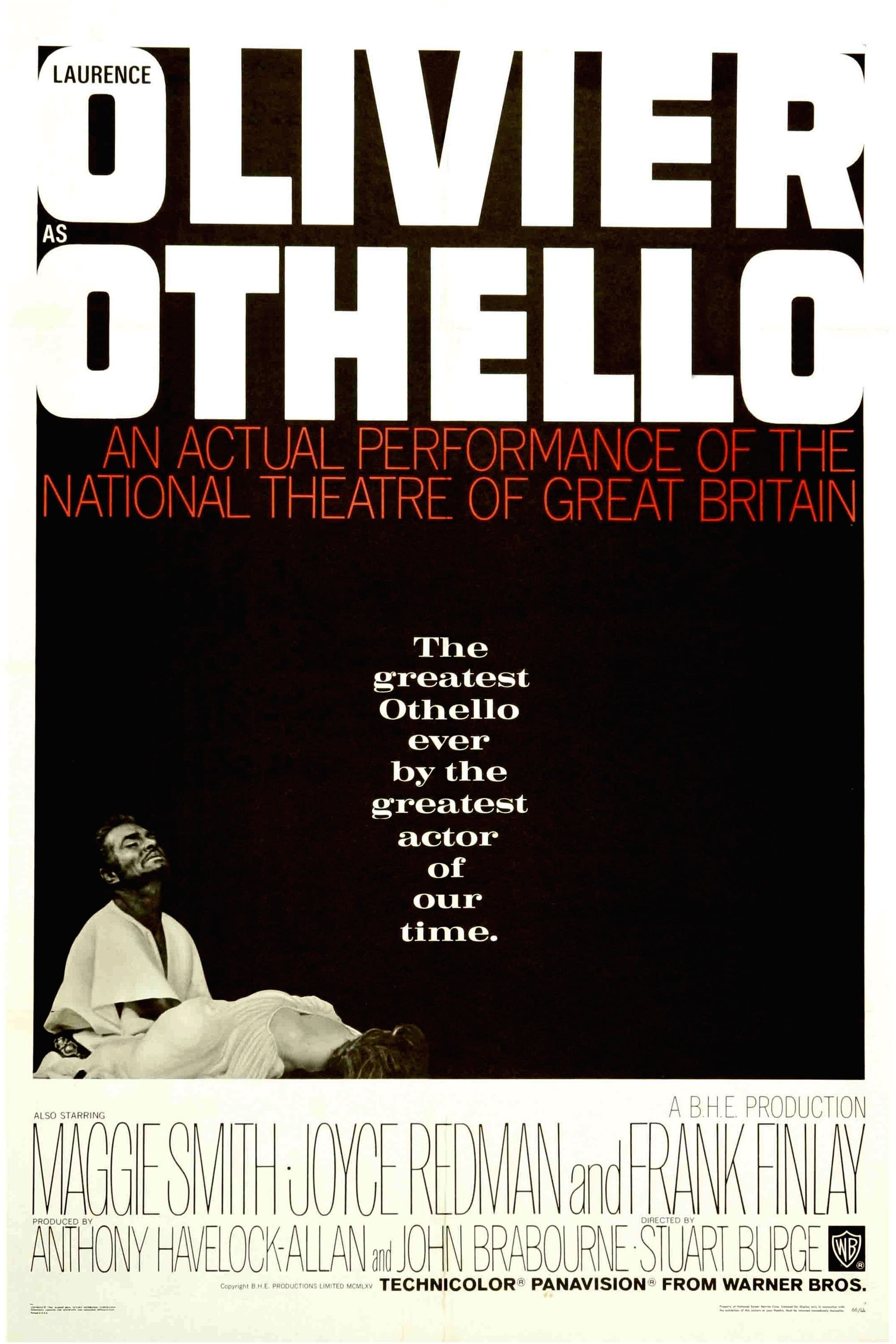
Laurence Olivier’s performance as Othello is one of the most debated of his career. This film is a direct recording of his National Theatre stage production. To play the Moorish general, Olivier wore dark makeup and adopted a specific accent and walk. The performance earned him an Academy Award nomination.
While the interpretation has faced criticism by modern standards, his acting was widely acclaimed at the time for its power and intensity. He portrayed Othello’s descent into jealous madness with terrifying force. The film preserved a significant and controversial theatrical performance on screen.
Khartoum (1966)
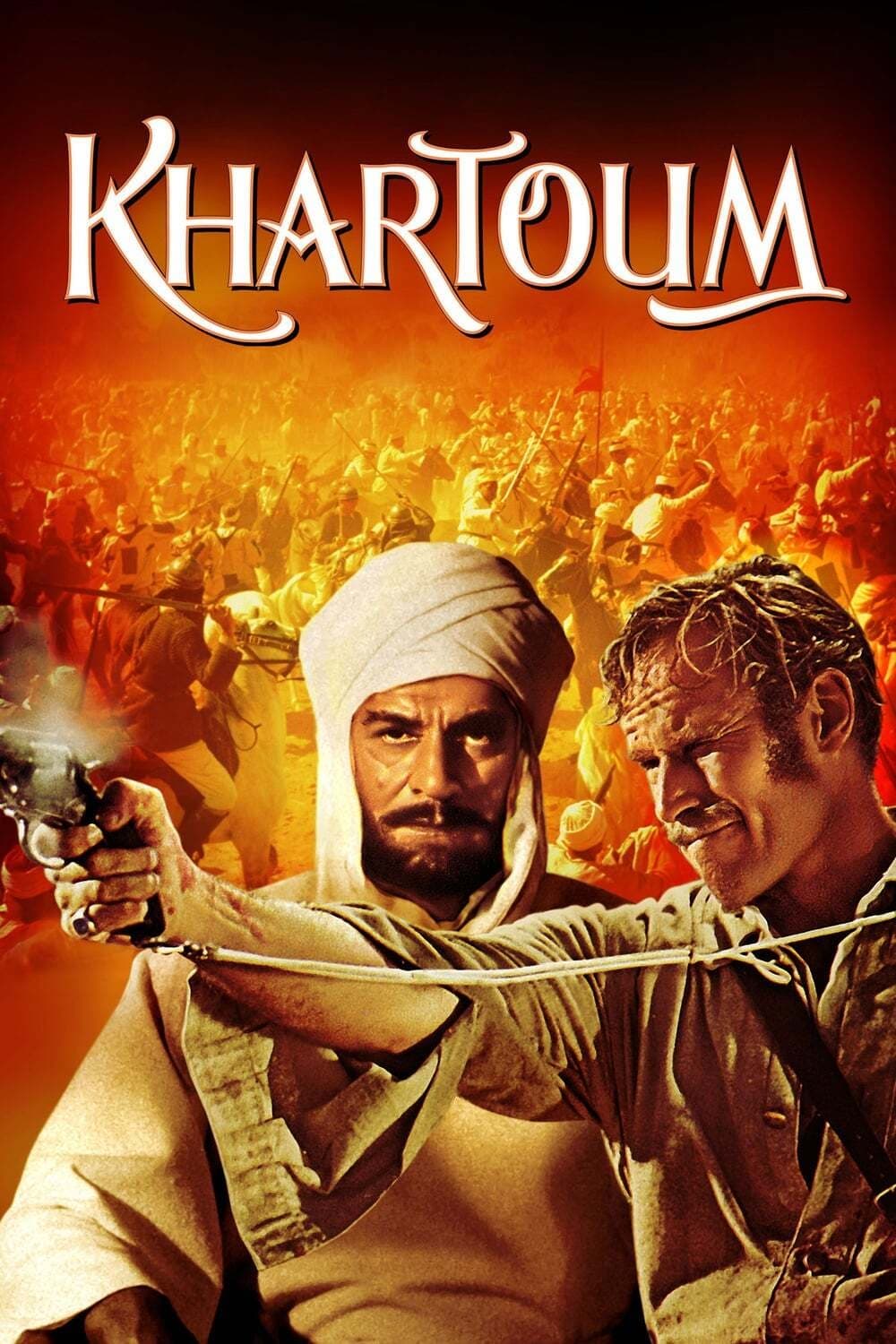
In the epic film ‘Khartoum’, Laurence Olivier played the Mahdi, a Sudanese Islamic leader who led a revolt against Egyptian and British rule. The film depicts the historic confrontation between the Mahdi and the British General Charles “Chinese” Gordon, played by Charlton Heston.
Olivier underwent hours of makeup to portray the charismatic and determined religious leader. He delivered a powerful and convincing performance, speaking his lines in a carefully affected accent. The role was another example of his ability to disappear into a character, even under heavy prosthetics.
Romeo and Juliet (1968)
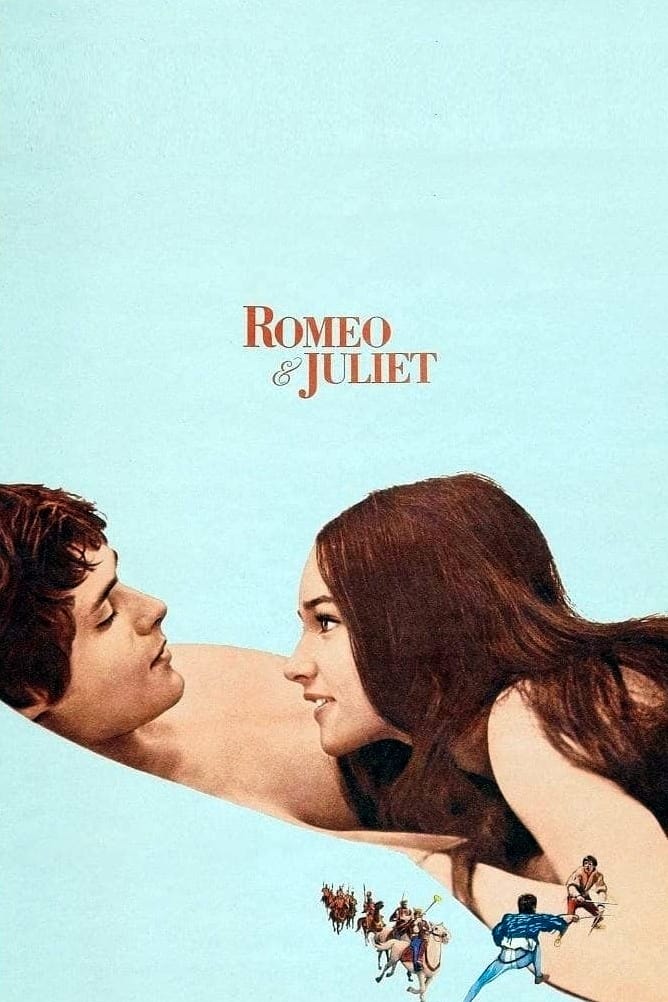
Laurence Olivier served as the uncredited narrator for Franco Zeffirelli’s celebrated film adaptation of ‘Romeo and Juliet’. His famous voice introduced the story, speaking the play’s prologue. He also reportedly dubbed the voice of an Italian actor playing Lord Montague.
Zeffirelli’s film was praised for casting actors who were close in age to the characters, making the story feel fresh and immediate. Olivier’s involvement, though minor, lent a touch of classical authority to this youthful and passionate version of Shakespeare’s great romantic tragedy.
The Shoes of the Fisherman (1968)
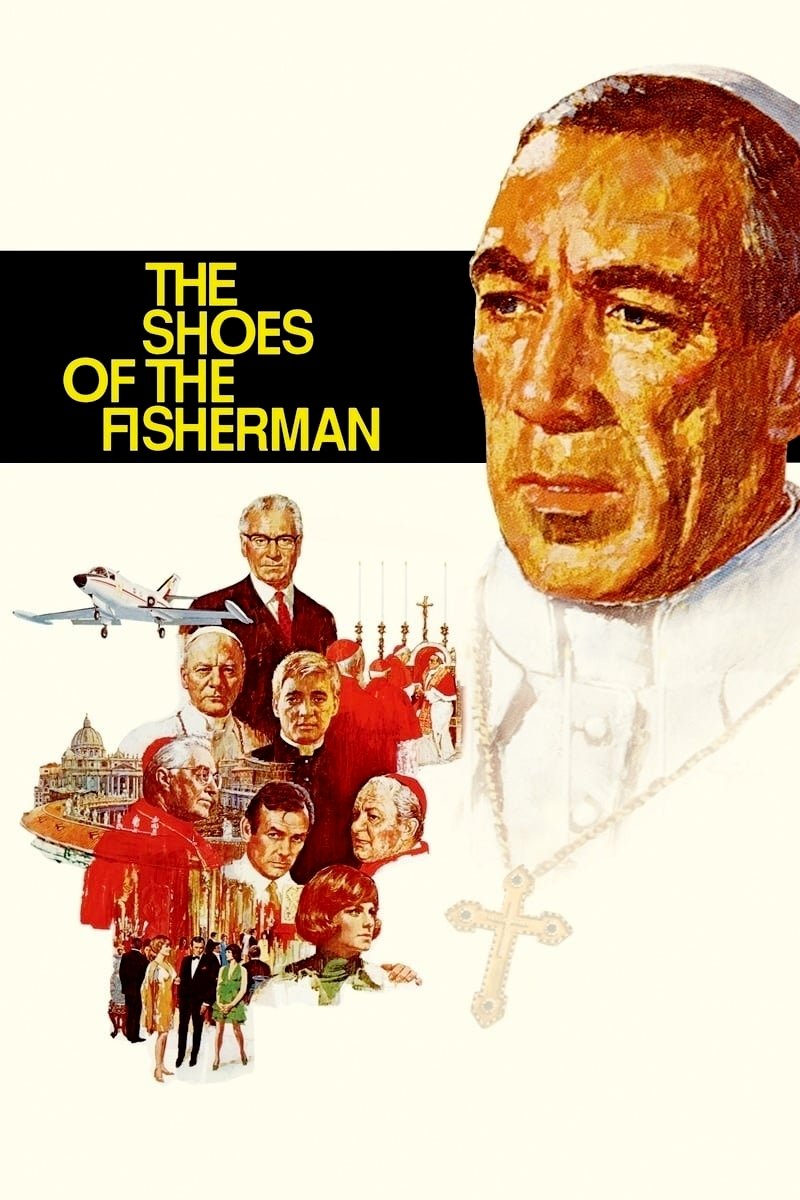
In ‘The Shoes of the Fisherman’, Laurence Olivier played Piotr Ilyich Kamenev, the Premier of the Soviet Union. The film tells the story of a Ukrainian archbishop who is released from a Siberian labor camp and is unexpectedly elected Pope.
Olivier’s character, Kamenev, is the former Pope’s jailer and becomes his adversary on the world stage as they try to prevent a global conflict. His performance was strong and convincing, portraying a powerful world leader during a time of crisis. The role earned him a Golden Globe nomination.
Oh! What a Lovely War (1969)
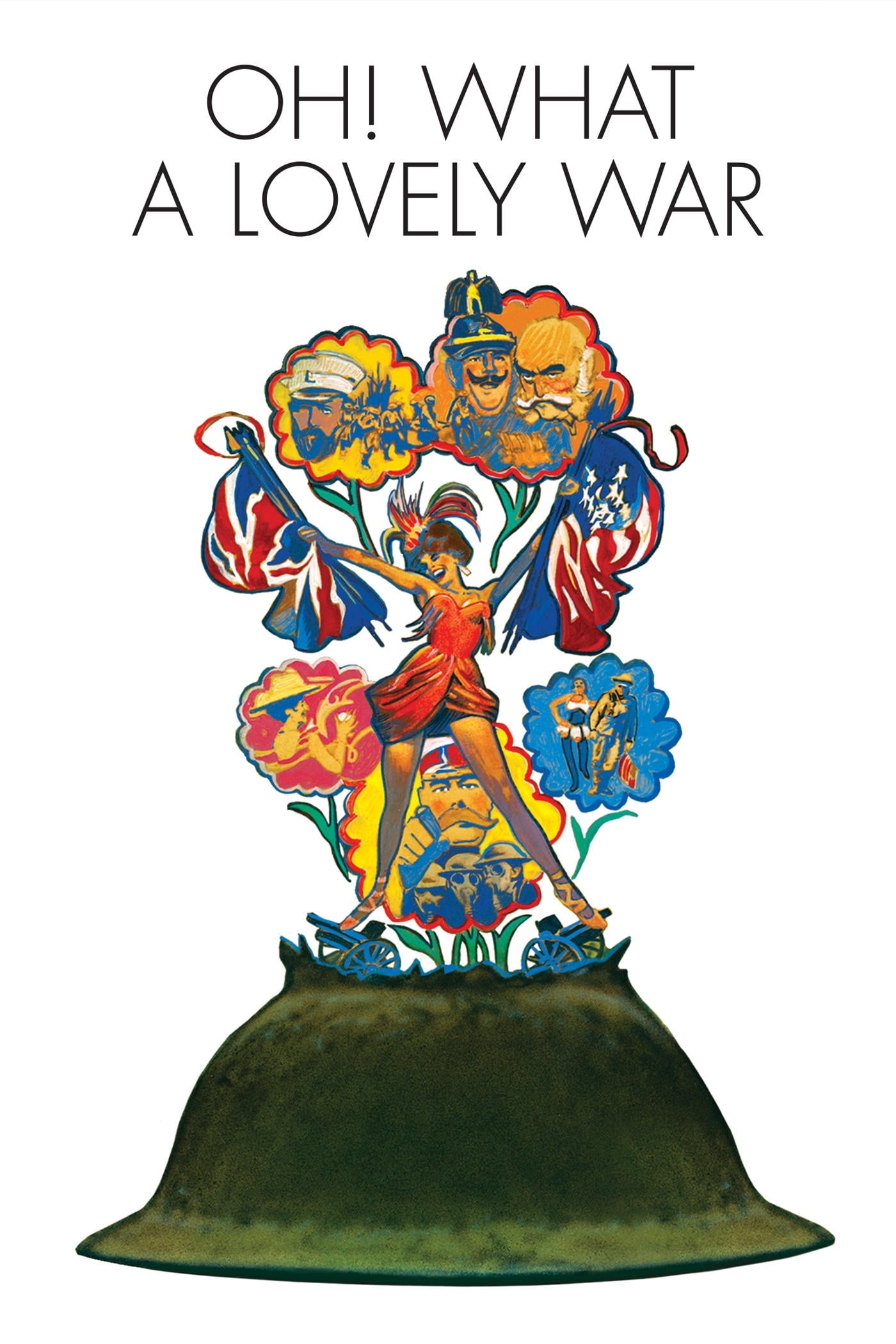
Laurence Olivier had a memorable cameo role as Field Marshal Sir John French in this satirical musical about World War I. The film was Richard Attenborough’s directorial debut. It used popular songs of the era to comment on the absurdity and tragedy of the war.
Olivier appeared in a single scene, presiding over a meeting of generals and politicians. His character, like the others, is portrayed as out of touch with the reality of the fighting. The film featured an all-star cast of British actors in small roles, and Olivier’s appearance was a key part of its prestige.
The Dance of Death (1969)
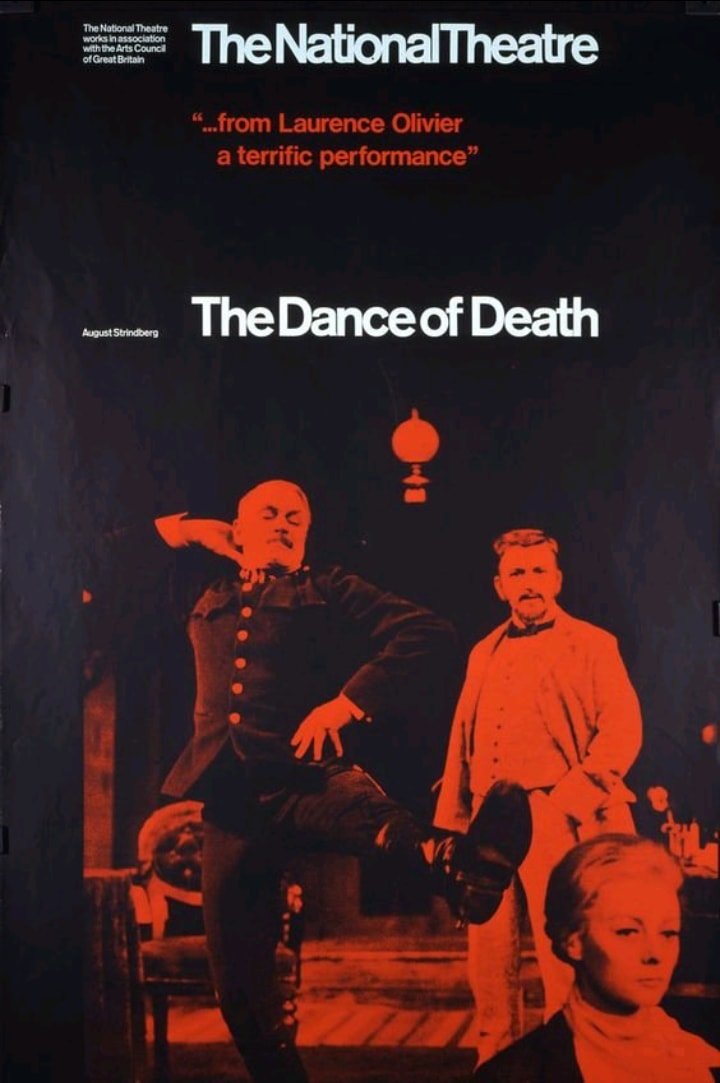
Laurence Olivier reprised his role as Edgar in this film adaptation of the National Theatre’s production of August Strindberg’s play. The story is a dark and intense look at the destructive relationship of a married couple living in isolation. Olivier’s performance was praised for its power and ferocity.
The character of Edgar is a bitter and tyrannical army captain locked in a psychological battle with his wife, Alice. The film preserves one of Olivier’s most acclaimed stage performances from the later part of his career. It is a raw and uncompromising portrait of a marriage filled with hatred.
Battle of Britain (1969)
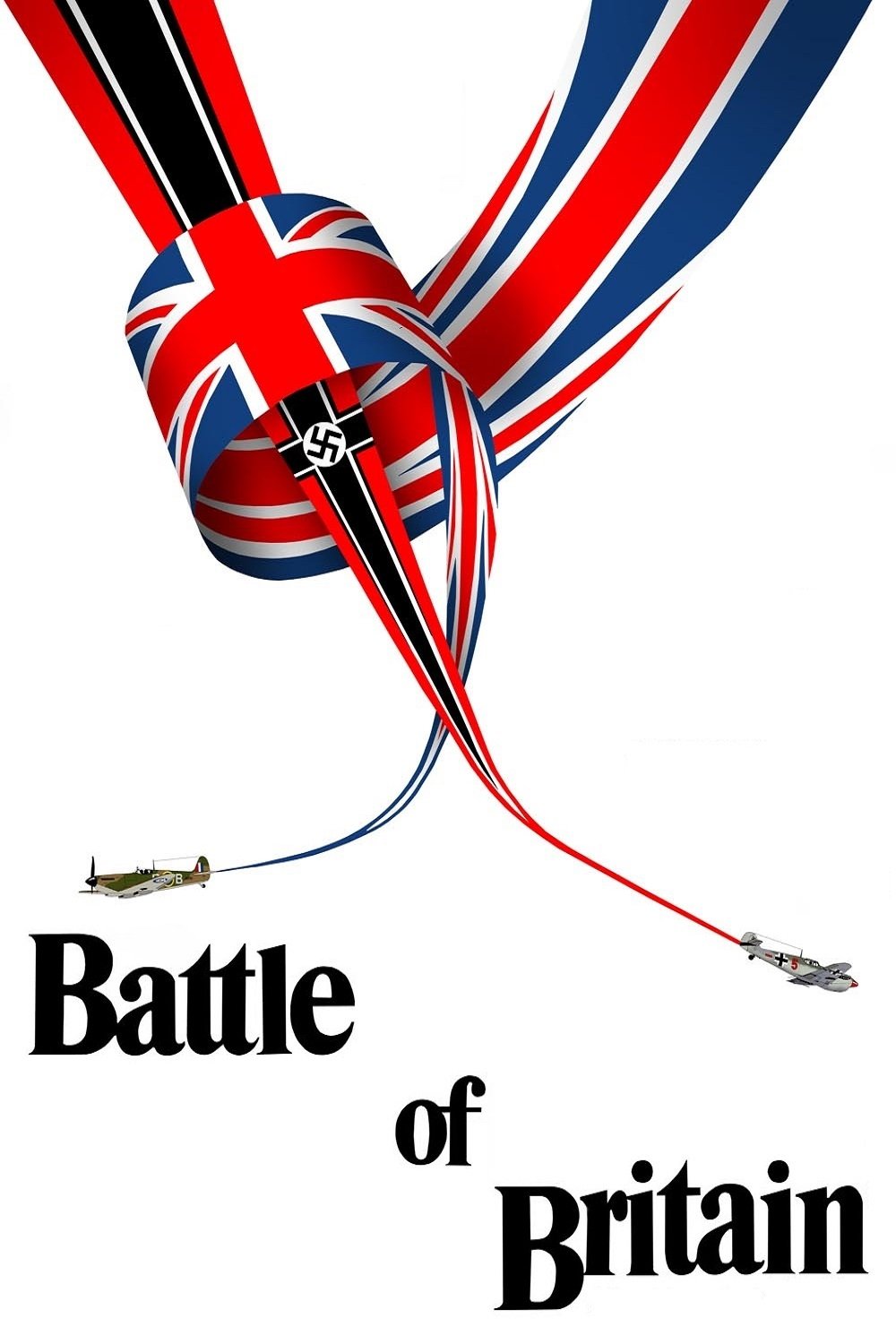
In the epic war film ‘Battle of Britain’, Laurence Olivier portrayed Air Chief Marshal Sir Hugh Dowding. Dowding was the commander of RAF Fighter Command during the crucial air campaign. Olivier captured the real-life figure’s quiet determination and strategic brilliance.
The film tells the story of the heroic defense of Britain by the Royal Air Force in 1940. Olivier led a star-studded cast that included Michael Caine and Christopher Plummer. He portrayed Dowding as a reserved and thoughtful leader, bearing the immense pressure of the nation’s survival on his shoulders.
Three Sisters (1970)
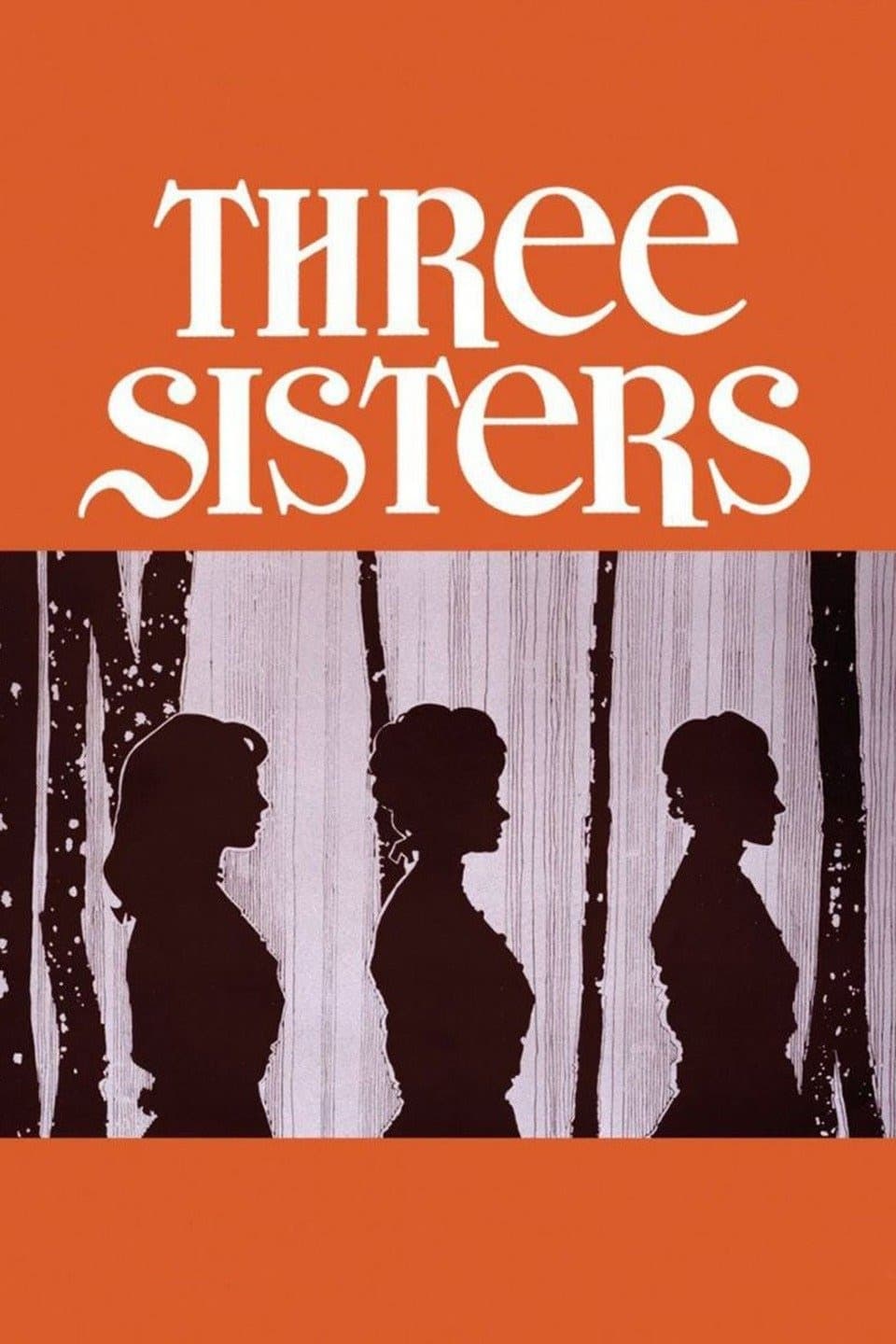
Laurence Olivier directed and starred in this film adaptation of his National Theatre production of Anton Chekhov’s play. He played the role of Dr. Ivan Chebutikin. The film brought the entire stage cast to the screen to preserve their acclaimed performances.
The story is a poignant study of a family in provincial Russia, dreaming of a better life in Moscow. As the aging, alcoholic army doctor, Olivier delivered a touching and tragic performance. The film was a faithful and moving tribute to Chekhov’s work and another example of Olivier’s dedication to transferring great theatre to the screen.
Nicholas and Alexandra (1971)
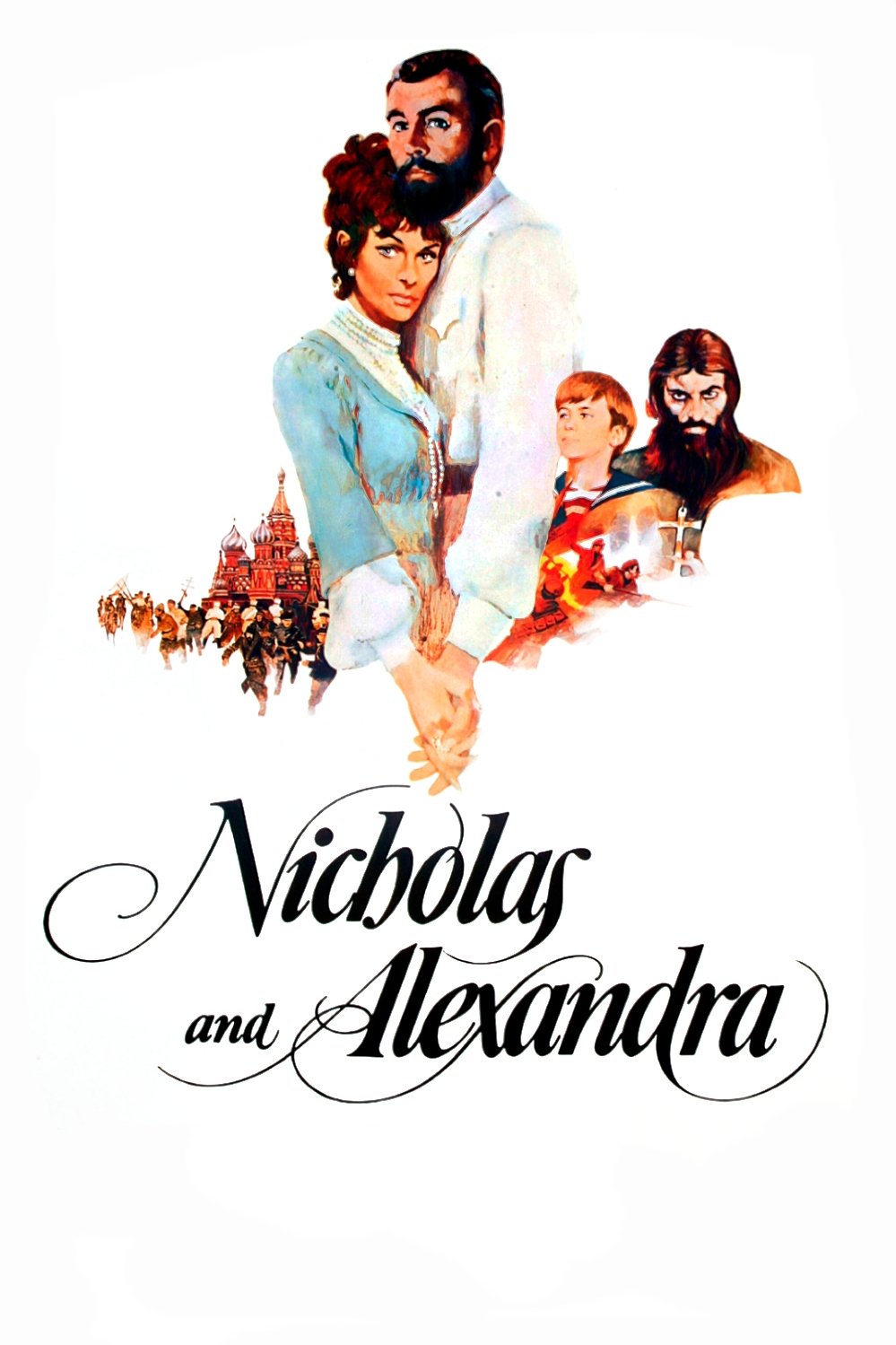
In the historical epic ‘Nicholas and Alexandra’, Laurence Olivier had a supporting role as Count Witte. Witte was the forward-thinking Prime Minister under Tsar Nicholas II. The film chronicles the final years of the Russian monarchy, leading up to the revolution.
Although his screen time was limited, Olivier made a strong impression as the intelligent and frustrated politician. His character tries to warn the Tsar of the coming social upheaval, but his advice is ignored. Olivier’s performance added weight and authority to the film’s depiction of historical events.
Lady Caroline Lamb (1972)
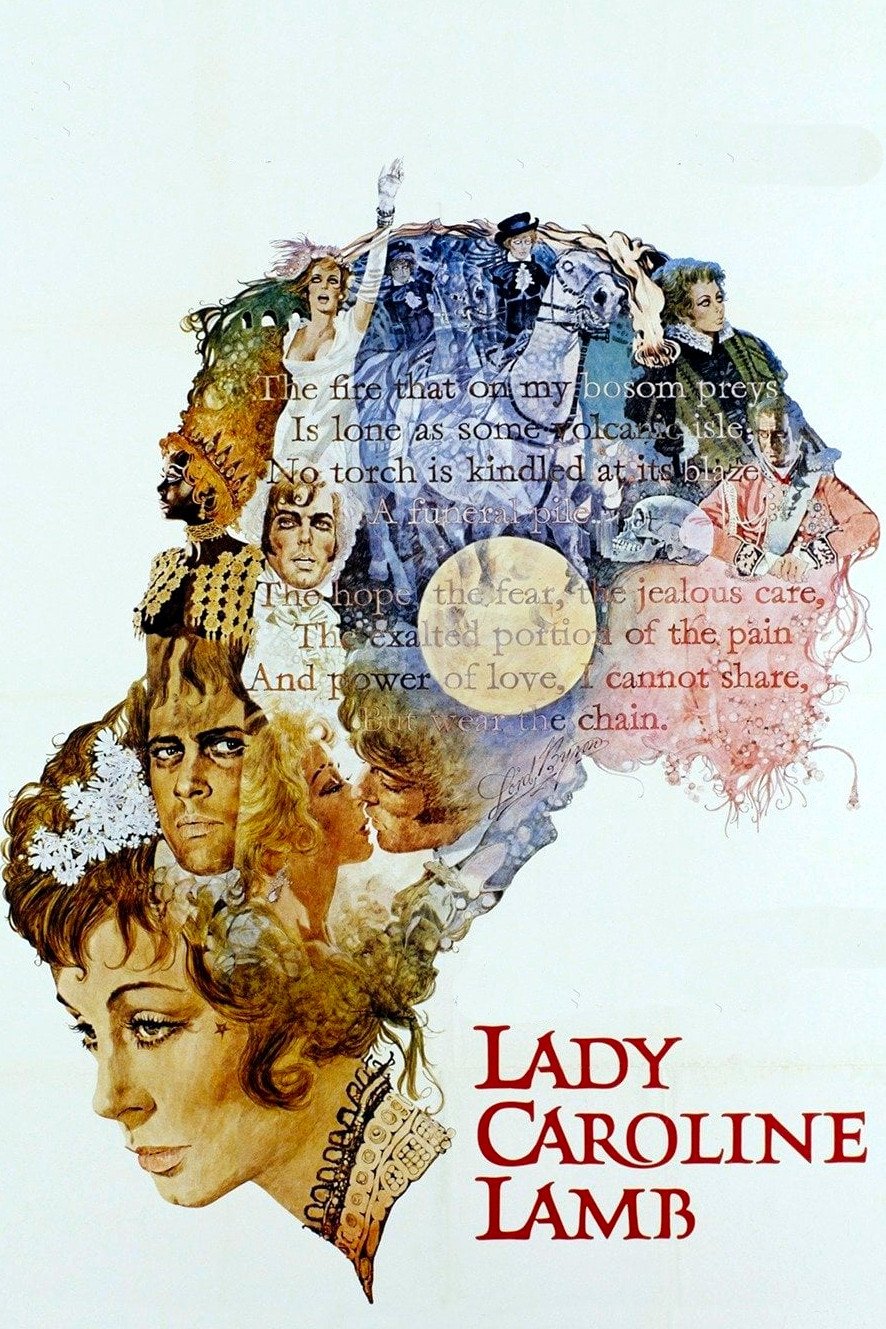
Laurence Olivier played the powerful and influential Duke of Wellington in this historical drama. The film tells the story of the scandalous affair between Lady Caroline Lamb and the poet Lord Byron. Olivier’s role was a supporting one, but he brought a sense of gravitas to the film.
As the Duke of Wellington, Olivier portrayed a figure of great political authority and social standing. His character represents the rigid high society against which the film’s romantic protagonists rebel. It was a dignified and commanding performance in a lavish period drama.
Sleuth (1972)
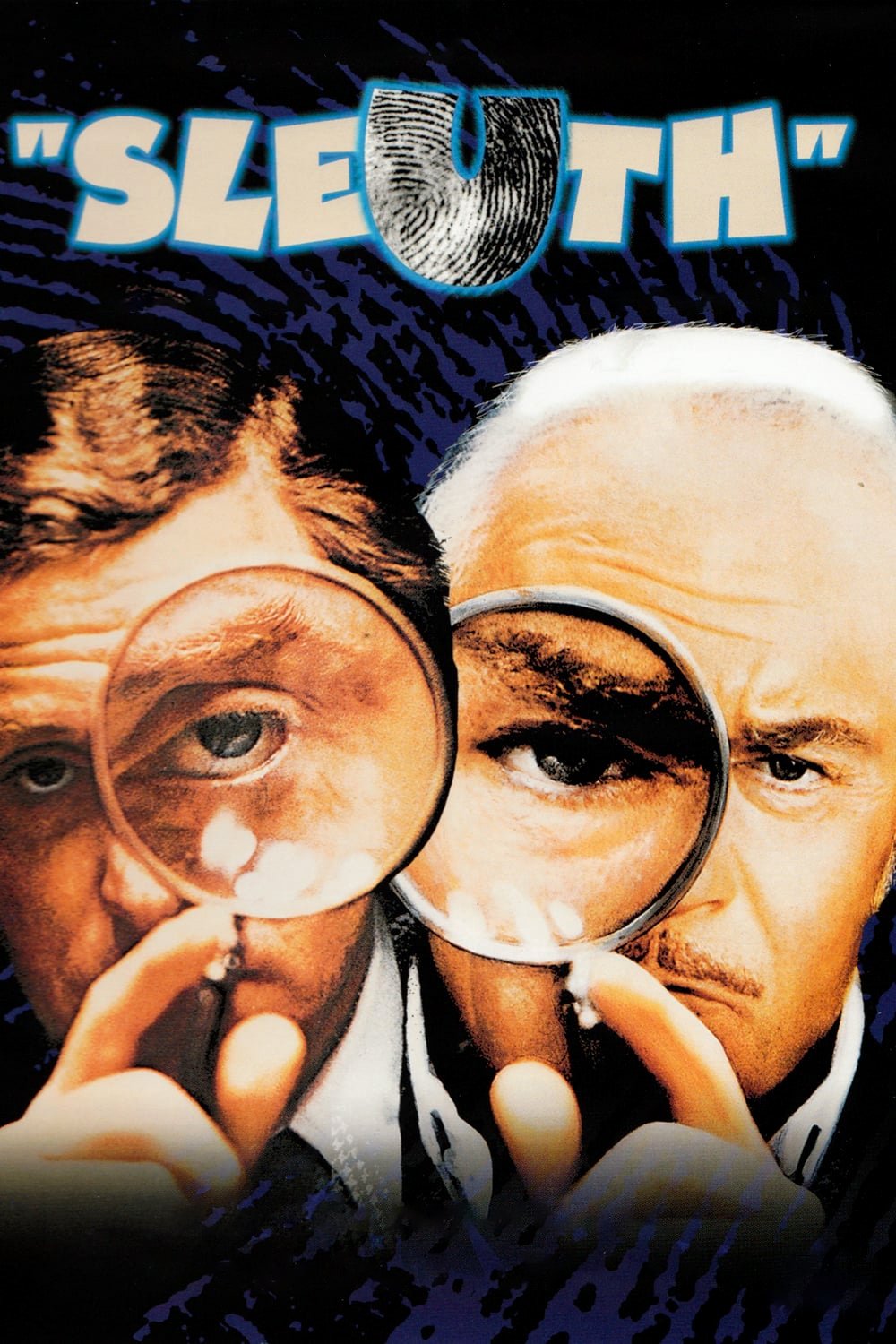
In the clever mystery-thriller ‘Sleuth’, Laurence Olivier starred as Andrew Wyke, a wealthy and eccentric writer of detective fiction. The film is essentially a two-man show, co-starring Michael Caine. The two actors engage in a series of elaborate and dangerous games.
Wyke invites his wife’s lover, played by Caine, to his country mansion and proposes a strange scheme. The plot is full of twists and turns that keep the audience guessing. Both Olivier and Caine were nominated for the Academy Award for Best Actor for their brilliant and witty performances.
The Rehearsal (1974)
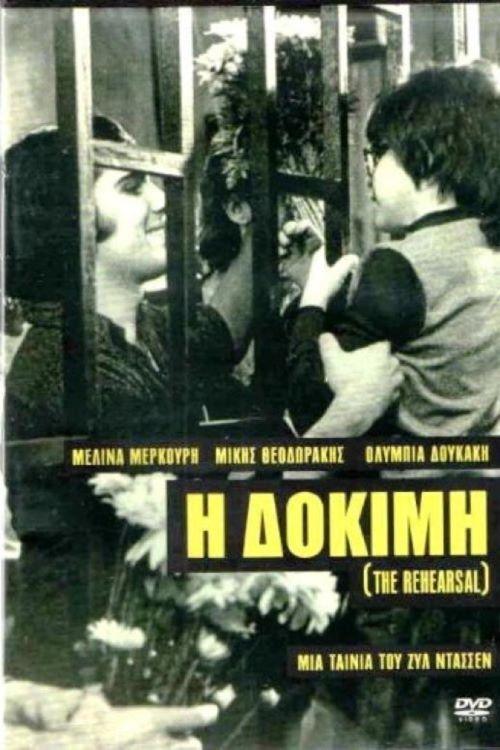
Laurence Olivier was listed as a cast member in this film, which was an adaptation of a play. The production was a filmed version of a theatrical performance from the National Theatre. This project was part of a series that aimed to preserve important stage productions for a wider audience.
The story is a complex drama that often blurs the line between reality and performance. Olivier’s involvement continued his long tradition of bringing high-quality theatre to the screen. These films are valuable records of some of the most significant stage work of the era.
Marathon Man (1976)
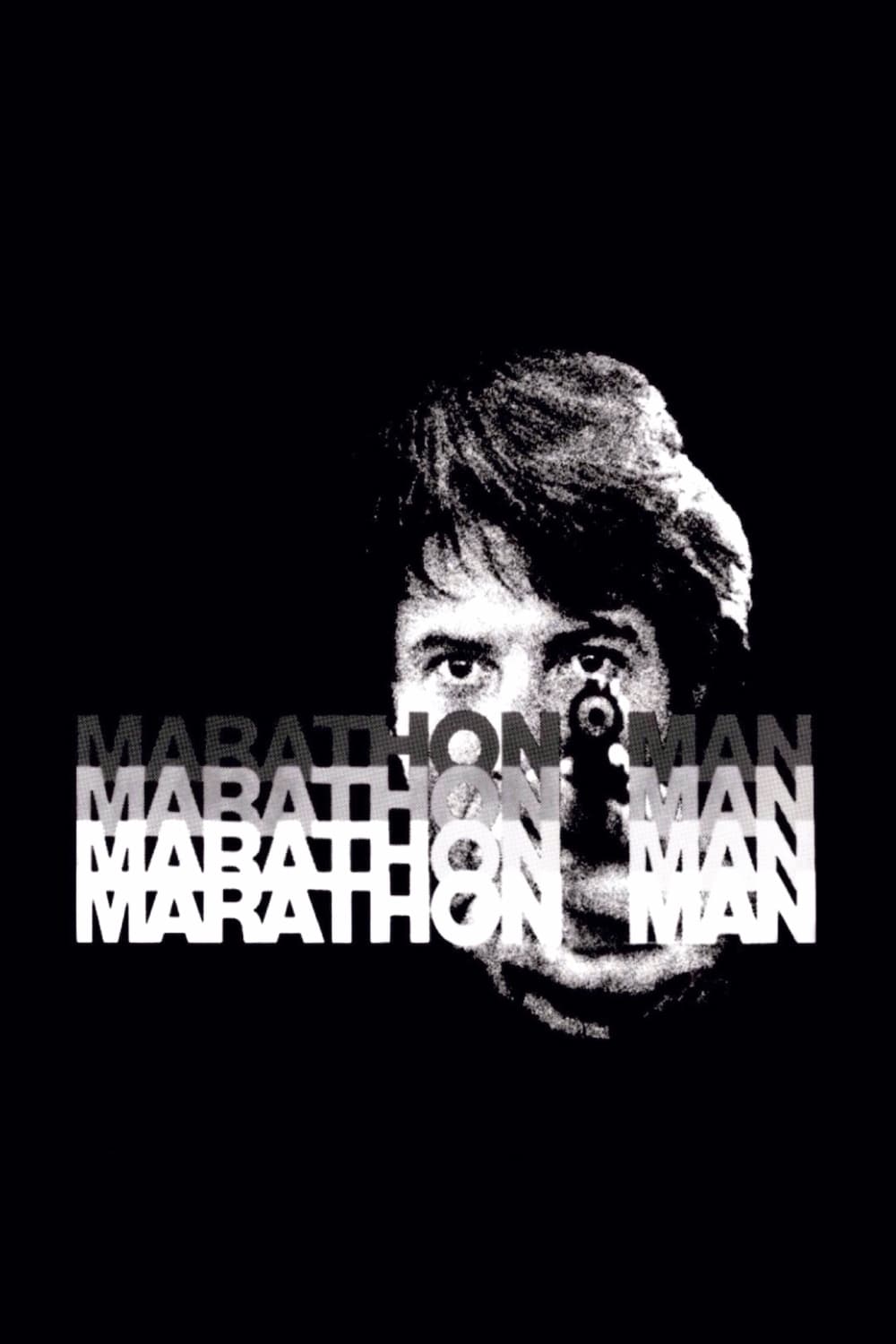
Laurence Olivier delivered one of his most chilling performances as Dr. Christian Szell, a fugitive Nazi war criminal known as “The White Angel.” For this role in the thriller ‘Marathon Man’, he received an Academy Award nomination for Best Supporting Actor. His portrayal of the sadistic dentist is iconic.
The film follows a graduate student, played by Dustin Hoffman, who becomes unwittingly entangled with Szell. The scene in which Szell tortures Hoffman’s character by drilling into a live tooth, repeatedly asking “Is it safe?”, has become one of the most famous and terrifying moments in cinema history.
The Seven-Per-Cent Solution (1976)
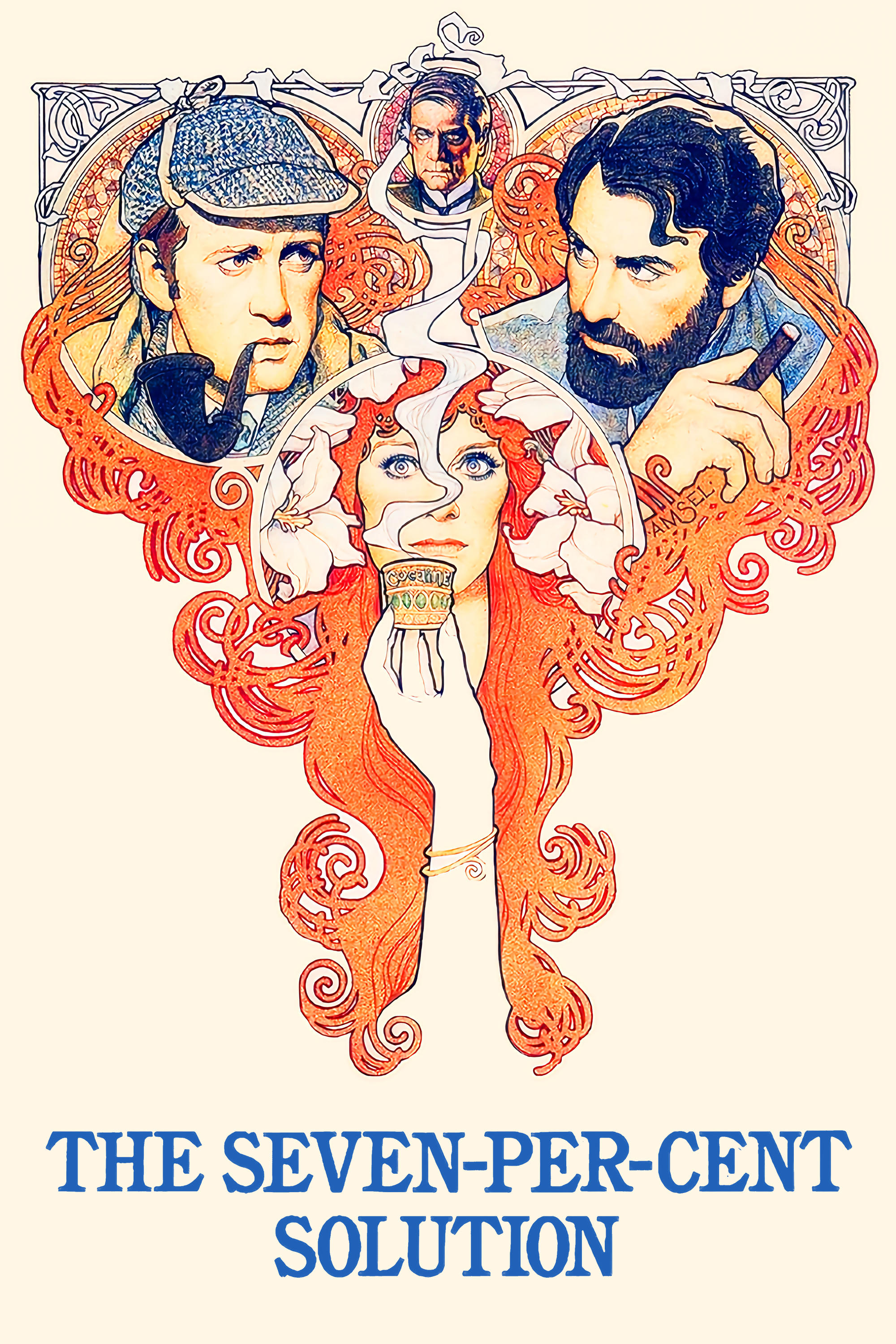
In ‘The Seven-Per-Cent Solution’, Laurence Olivier played the infamous villain Professor Moriarty, the arch-nemesis of Sherlock Holmes. However, this film presents a unique twist on the classic characters. Moriarty is portrayed not as a criminal mastermind, but as a harmless and timid man.
The story follows Dr. Watson as he tricks Holmes into seeking treatment from Sigmund Freud for his cocaine addiction and his “delusions” about Moriarty. Olivier’s performance was a clever and unexpected take on the famous character, showing him as a frightened victim of Holmes’s drug-fueled imagination.
A Bridge Too Far (1977)
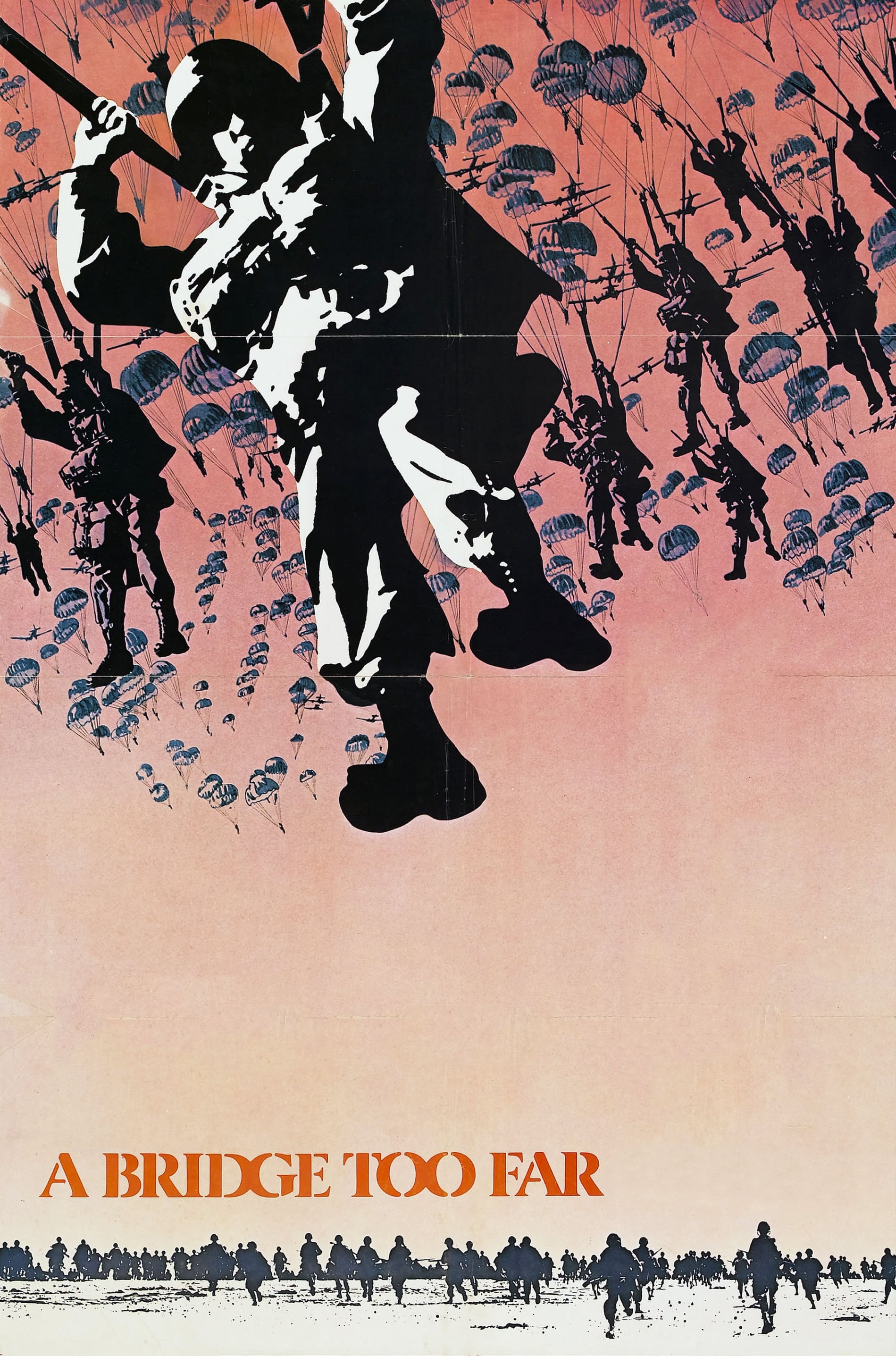
Laurence Olivier had a small but significant role as Dr. Jan Spaander in this epic war film. The movie, directed by Richard Attenborough, depicts the failed Allied military operation known as Market Garden during World War II. It features a large ensemble cast of international stars.
Olivier played a real-life Dutch doctor who bravely works to save lives as the battle rages around his town. He provided a quiet, humane presence amidst the chaos of war. His performance represented the resilience and courage of the civilian population caught in the conflict.
The Betsy (1978)
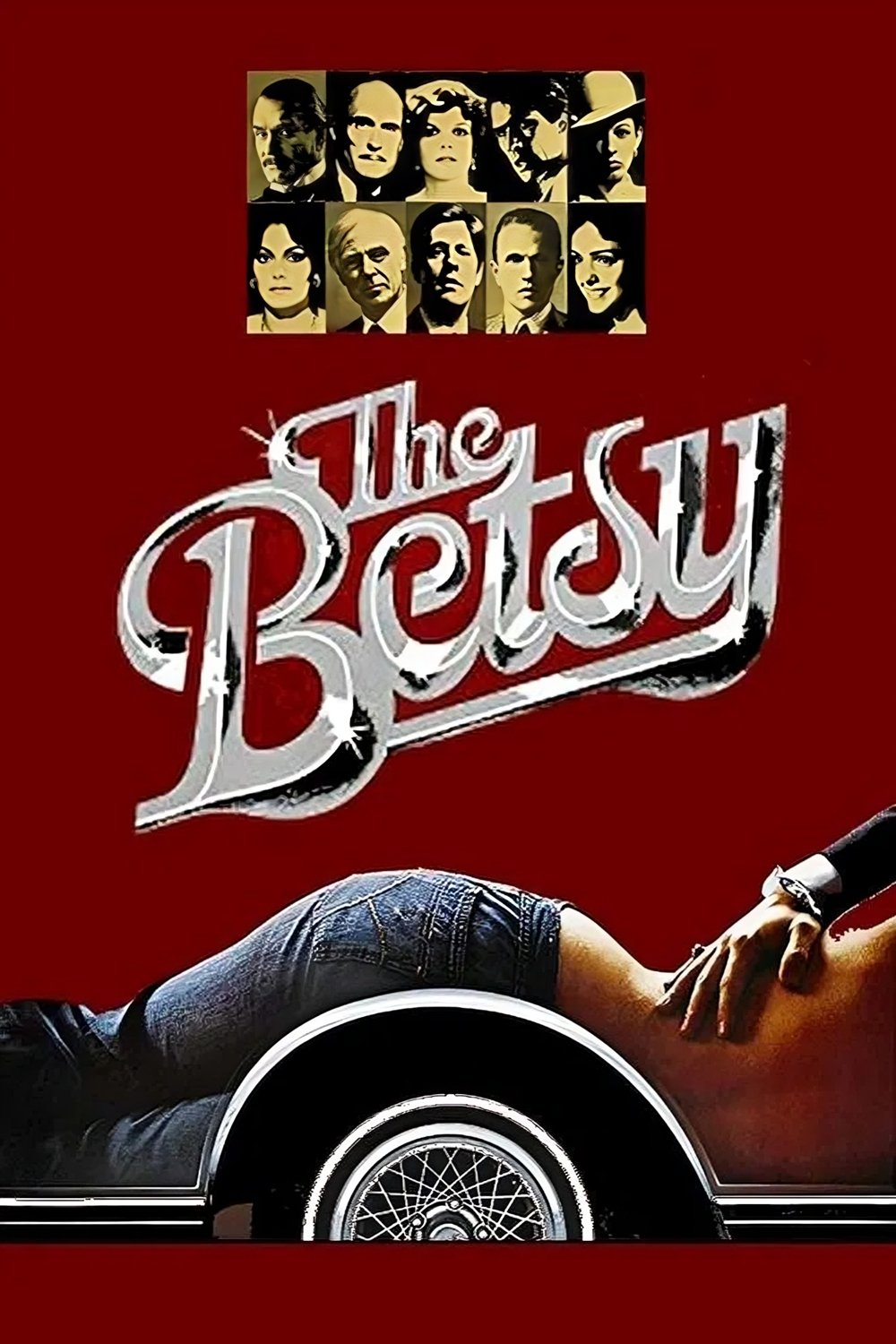
In the drama ‘The Betsy’, Laurence Olivier played Loren Hardeman, the elderly and powerful patriarch of a family-owned automobile empire. The film is based on a novel by Harold Robbins and is filled with intrigue, ambition, and scandal.
Olivier’s character is a ruthless tycoon who decides to come out of retirement to build one last great car, named “The Betsy.” The project brings him into conflict with his family and unearths long-buried secrets. Olivier gave a commanding, larger-than-life performance as the manipulative head of the dynasty.
The Boys from Brazil (1978)
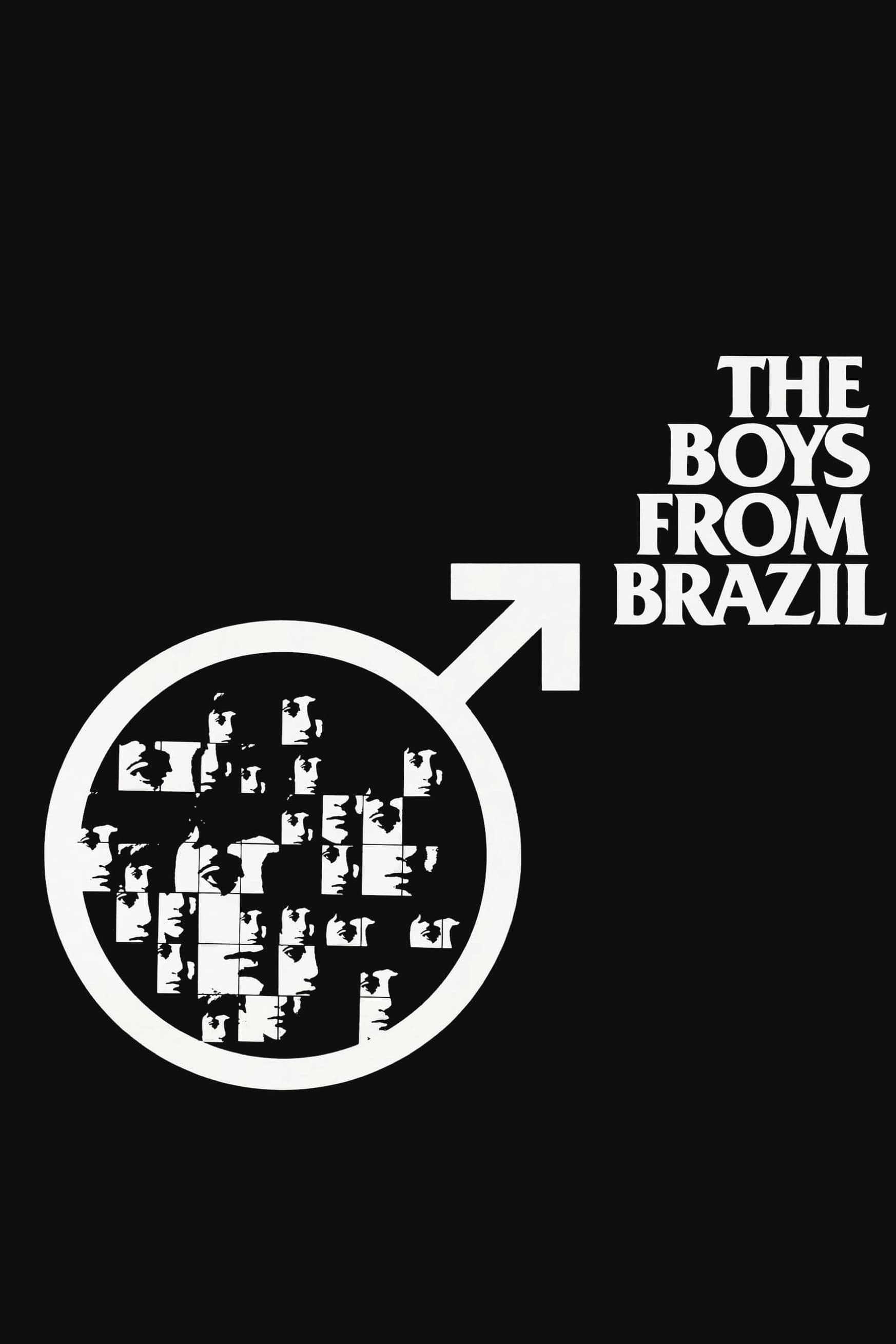
Laurence Olivier starred as Ezra Lieberman, a veteran Nazi hunter, in this thriller. The film pits him against the infamous Nazi doctor Josef Mengele, played by Gregory Peck. Olivier’s performance earned him his final Academy Award nomination for Best Actor.
Lieberman is living a quiet life in Vienna when he is alerted to a sinister plot involving former Nazis. He uncovers a plan by Mengele to clone Adolf Hitler and raise a new generation of Führers around the world. The film is a tense cat-and-mouse game between the two old adversaries.
A Little Romance (1979)
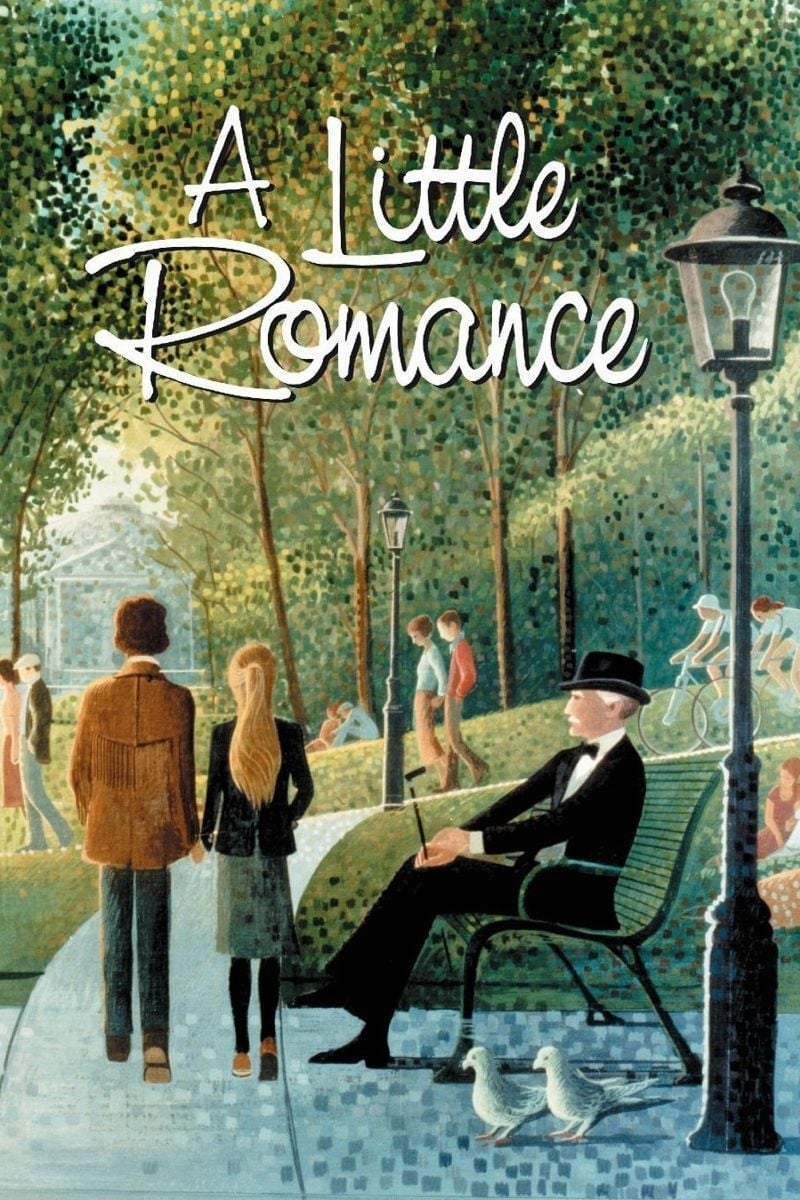
In ‘A Little Romance’, Laurence Olivier played Julius Edmond Santorin, a charming and eccentric old pickpocket. The film is a romantic comedy about two gifted teenagers, one French and one American, who fall in love in Paris. Olivier’s performance was widely praised and earned him a Golden Globe nomination.
His character, Julius, befriends the two young lovers and helps them on their quest to run away to Venice to kiss under the Bridge of Sighs at sunset. Olivier brought warmth, humor, and wisdom to the role. It was a delightful performance that showed a softer side of the legendary actor.
Dracula (1979)
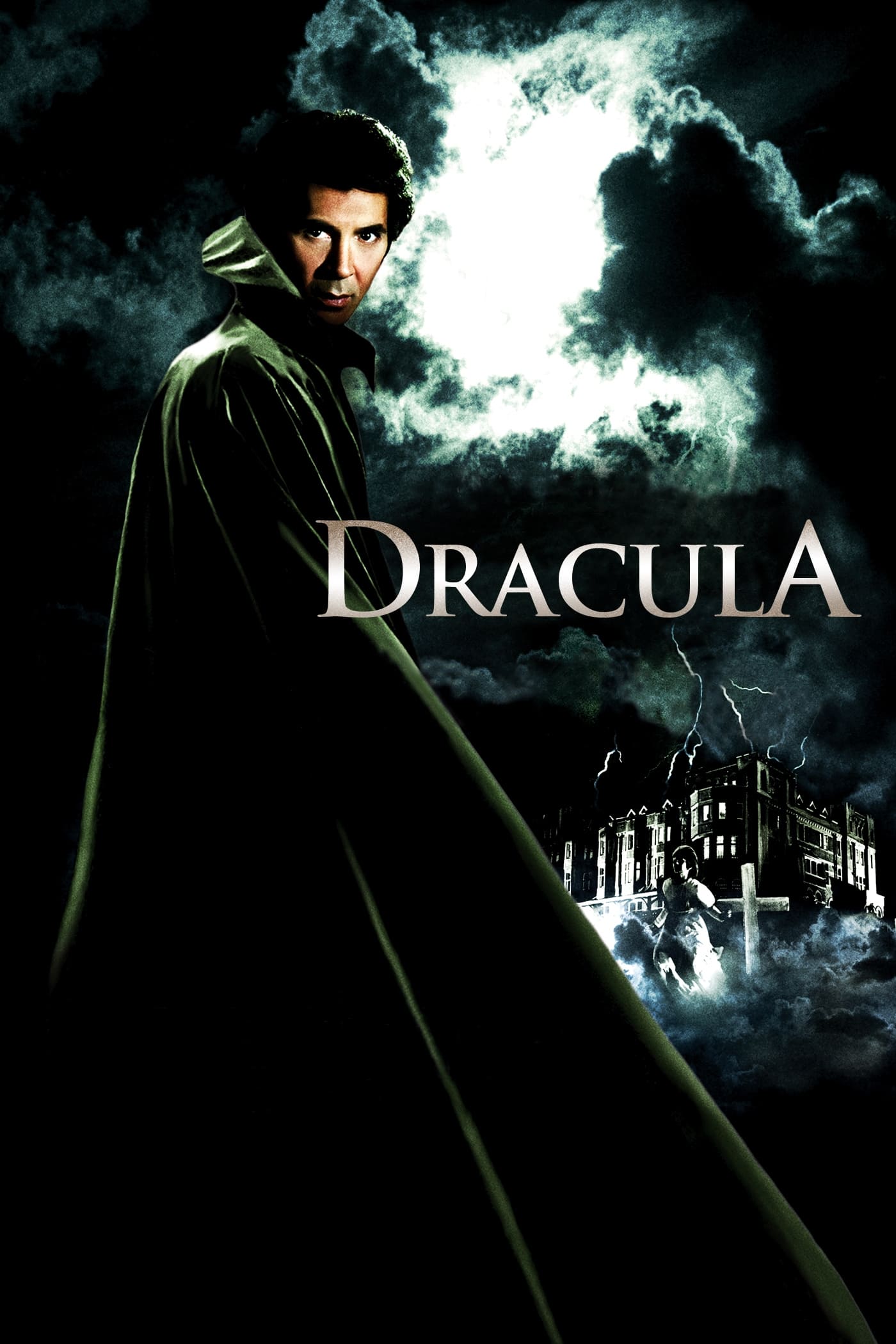
Laurence Olivier took on the role of the legendary vampire hunter, Professor Abraham Van Helsing, in this stylish adaptation of ‘Dracula’. The film presented a more romantic and seductive version of the title character, played by Frank Langella.
As Van Helsing, Olivier was the determined force of reason and science trying to stop the vampire’s reign of terror. He portrayed the character with great intelligence and gravitas, providing a strong counterpoint to the film’s gothic romance. His involvement added prestige to this new take on a classic horror story.
The Jazz Singer (1980)

In ‘The Jazz Singer’, a remake of the classic 1927 film, Laurence Olivier played Cantor Rabinovitch. The story follows a young singer, played by Neil Diamond, who is torn between his dream of becoming a pop star and his duty to succeed his father as the cantor at their synagogue.
Olivier portrayed the stern and deeply religious father who cannot accept his son’s modern ambitions. His performance was powerful and emotional, capturing the pain of a man who feels his son is betraying his heritage and faith. The role earned Olivier a Razzie Award for Worst Supporting Actor.
Inchon (1981)
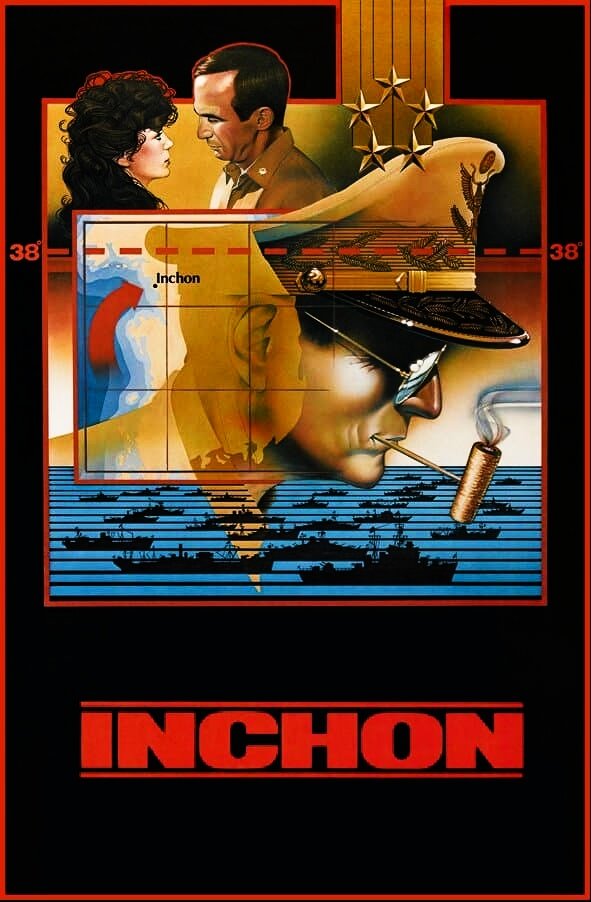
Laurence Olivier portrayed General Douglas MacArthur in ‘Inchon’, a large-scale war film about the Battle of Inchon during the Korean War. The movie was a massive financial failure and was widely criticized by critics.
Despite the film’s poor reception, Olivier committed to the role of the famous American general. He underwent extensive makeup to resemble MacArthur and portrayed him as a commanding and determined military leader. The film was an ambitious project that ultimately failed to connect with audiences or critics.
Clash of the Titans (1981)
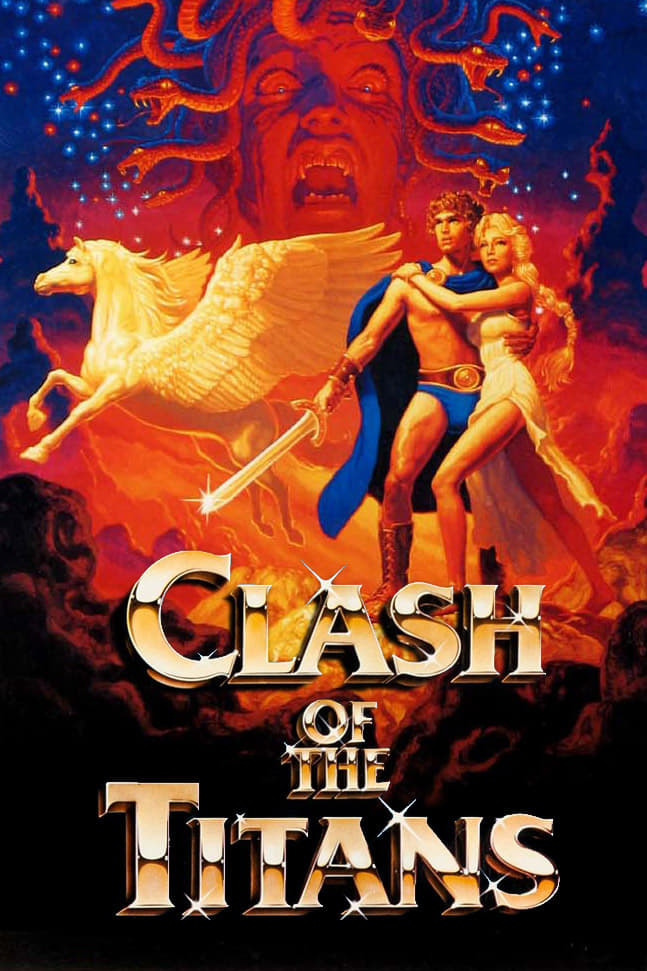
In the fantasy adventure ‘Clash of the Titans’, Laurence Olivier played Zeus, the king of the Greek gods. The film is famous for its stop-motion special effects created by the legendary Ray Harryhausen. Olivier’s powerful presence was a perfect fit for the ruler of Mount Olympus.
From his throne, Zeus oversees the heroic quest of his mortal son, Perseus. He helps and hinders the hero, treating the events on Earth like a game. Olivier led a cast of distinguished actors playing various gods and goddesses, lending an air of theatrical grandeur to the mythological tale.
The Jigsaw Man (1983)
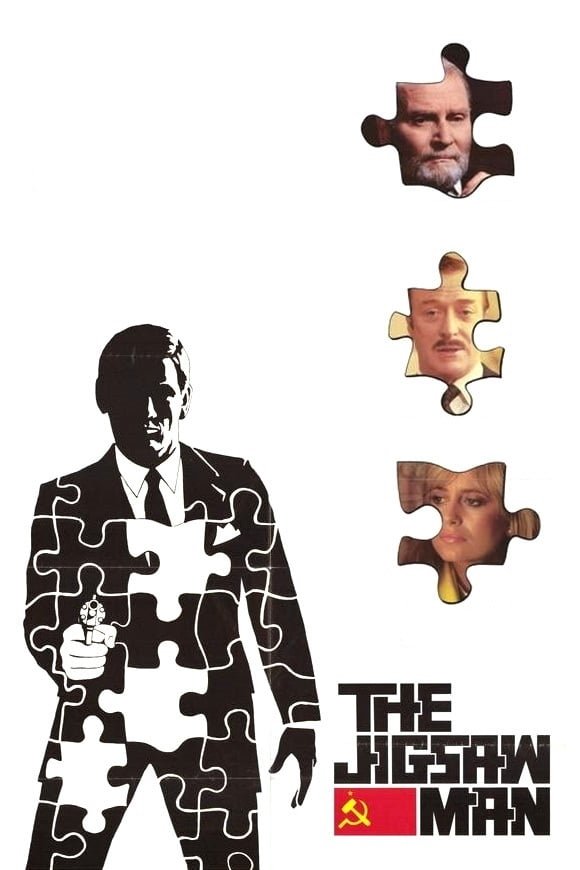
Laurence Olivier starred as Admiral Sir Gerald Scaith in this Cold War spy thriller. The film also starred Michael Caine, marking another collaboration between the two actors. Olivier played the former head of British intelligence.
The plot involves a British double agent who returns to London after defecting to the Soviet Union. Olivier’s character becomes entangled in a web of espionage and deceit. The film was a complex thriller that saw Olivier in a familiar role as a man of authority and secrets.
The Bounty (1984)
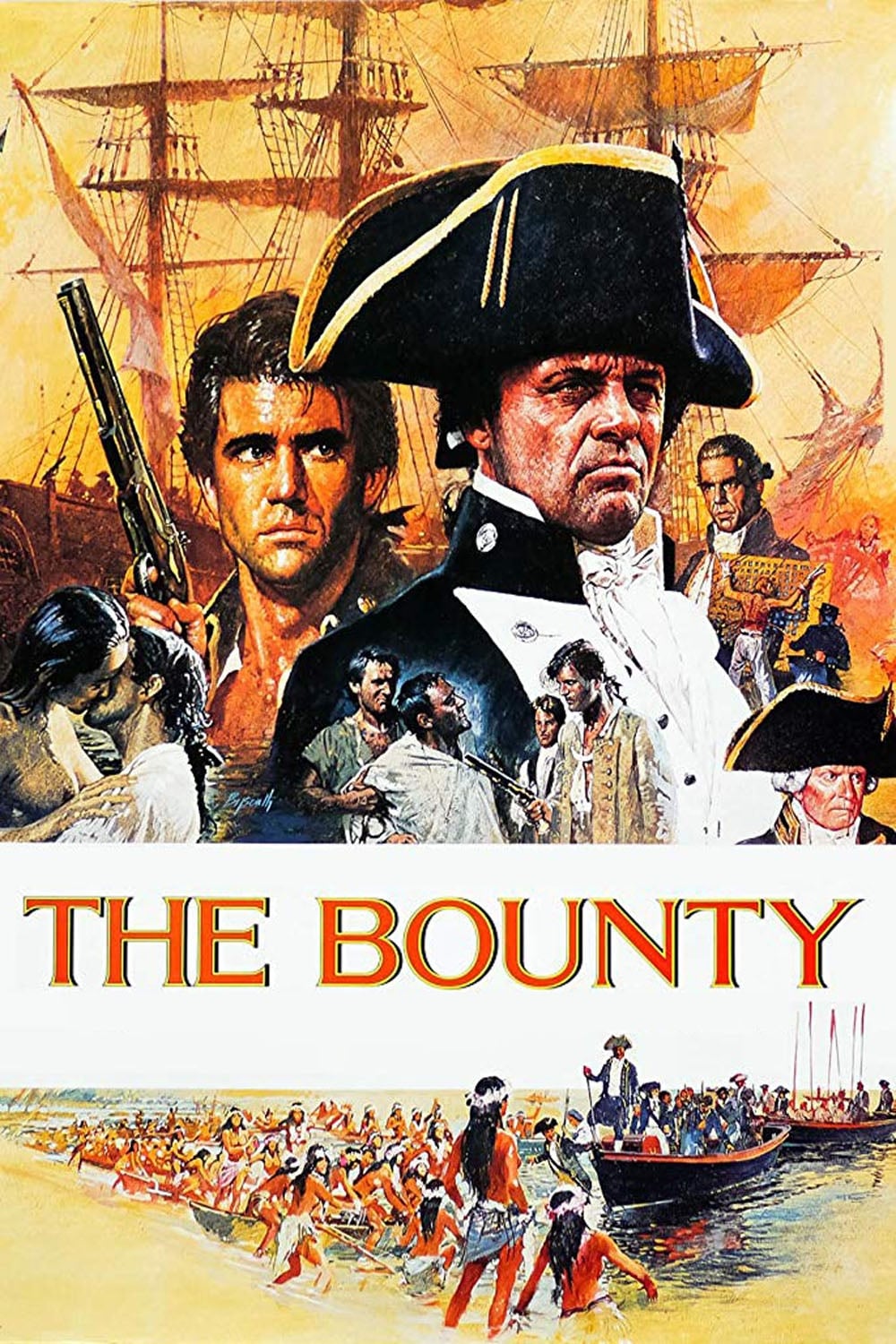
In ‘The Bounty’, Laurence Olivier played the small but important role of Admiral Hood. The film tells the famous story of the mutiny on the HMS Bounty, starring Anthony Hopkins as Captain Bligh and Mel Gibson as Fletcher Christian.
Admiral Hood presides over the court martial of Captain Bligh after his return to England. Olivier’s appearance lent gravitas to these courtroom scenes. He brought a sense of authority and historical weight to the proceedings, providing the framework for the film’s story of conflict and survival at sea.
Wild Geese II (1985)
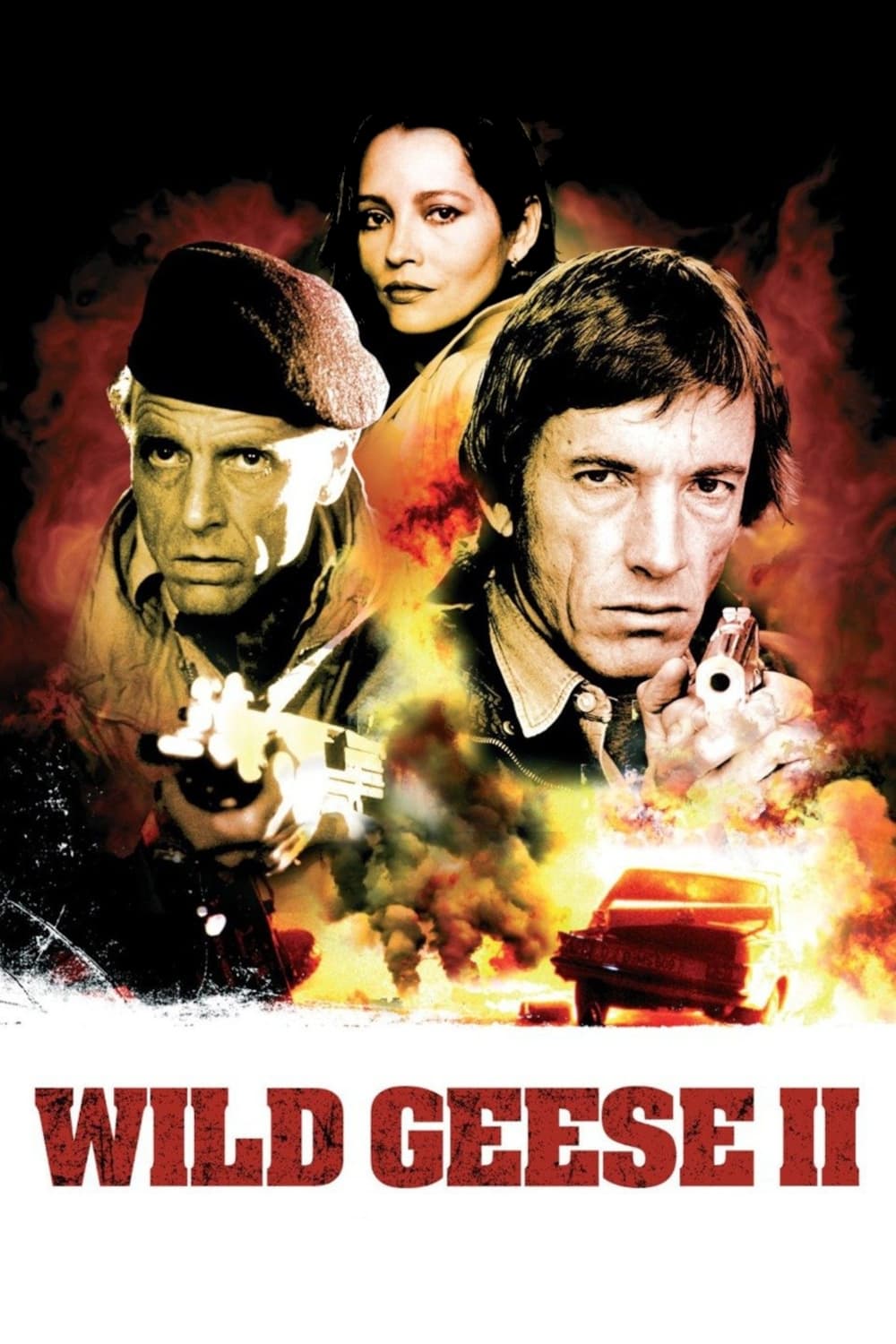
In ‘Wild Geese II’, Laurence Olivier played Rudolf Hess, the former Nazi official. The plot involves a plan to kidnap Hess from Spandau Prison in Berlin. Olivier’s role was central to the story, even though his character spends most of the film as the target of the mission.
Due to his declining health, Olivier’s role was filmed with him seated, and he worked only a few weeks on the production. He portrayed the elderly and frail prisoner with dignity. The film was a sequel to the popular mercenary adventure ‘The Wild Geese’.
War Requiem (1989)
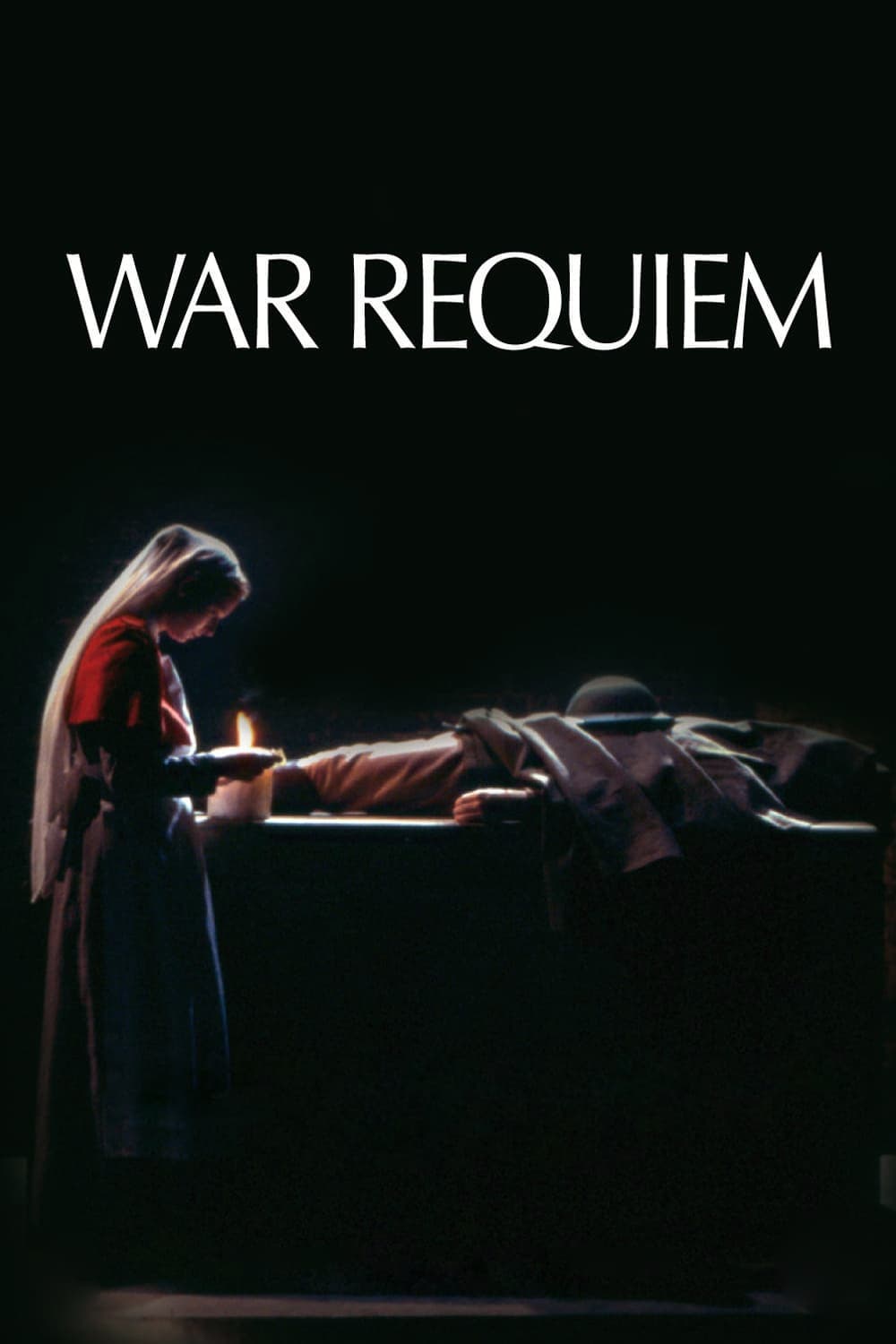
Laurence Olivier’s final film appearance was in ‘War Requiem’, a non-narrative adaptation of Benjamin Britten’s musical masterpiece. The film was directed by Derek Jarman and was released after Olivier’s death. His role is silent and deeply moving.
He portrays an Old Soldier, confined to a wheelchair, who remembers his experiences in war. The film uses Britten’s powerful music and poetry by Wilfred Owen to create a profound statement against war. Olivier’s final, wordless performance serves as a poignant farewell from one of the world’s greatest actors.
Which of Sir Laurence Olivier’s incredibly diverse film roles do you find the most powerful and unforgettable? Share your favorite performance in the comments below.