5 Things About ‘Godzilla’ That Made Zero Sense and 5 Things That Made Perfect Sense

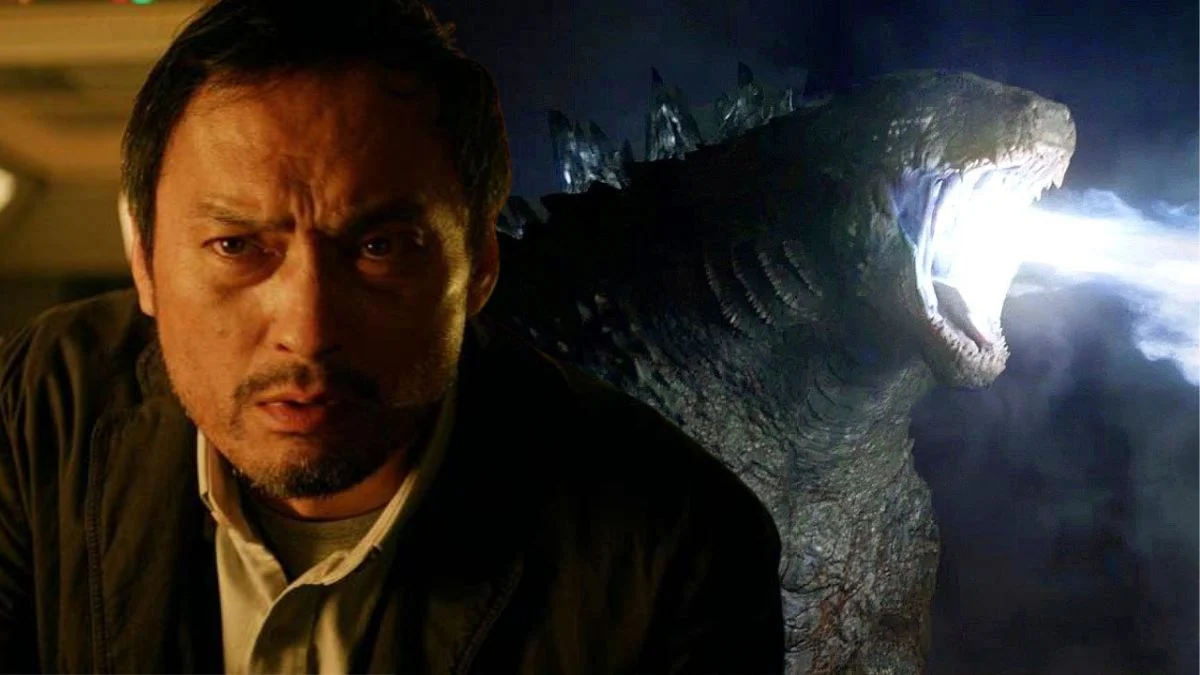

Godzilla (2014) kicked off the MonsterVerse with a bang, bringing the iconic monster back to the big screen. Fans loved the epic scale, but some moments left people scratching their heads, while others nailed the spirit of the franchise.
This list dives into five things in the movie that made no sense at all and five that worked perfectly. From plot holes to standout scenes, here’s what stood out for better or worse.
Ford Brody’s Survival (Zero Sense)
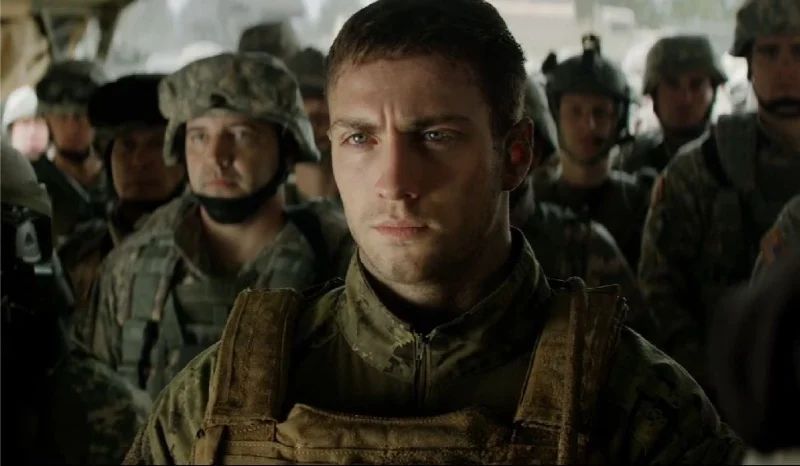
Ford Brody, a bomb disposal expert, survives insane situations without a scratch. He falls from planes, dodges monster battles, and walks through radiation zones with no gear, yet he’s fine every time.
This defies logic. No human could endure that much chaos unscathed, especially without special training or equipment beyond his military background.
Godzilla’s Design (Perfect Sense)
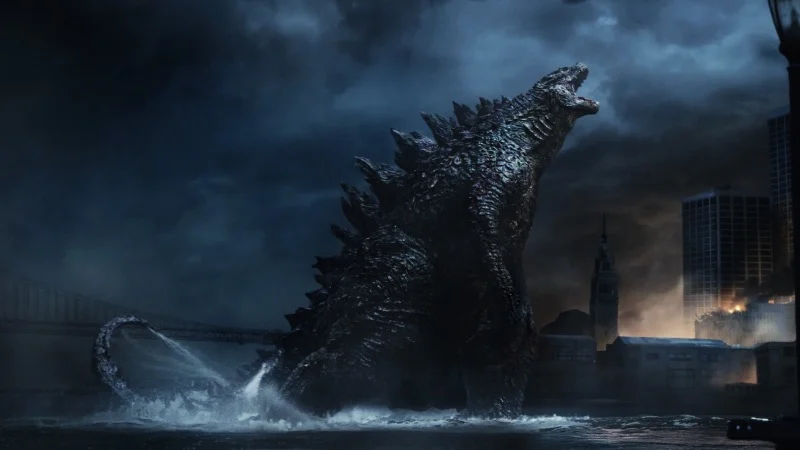
The filmmakers nailed Godzilla’s look, blending his classic design with modern visuals. The massive size, rugged scales, and glowing dorsal spines make him terrifying yet true to the original.
It respects the monster’s legacy while updating him for today’s audience. Every roar and step feels like the King of Monsters.
MUTO Communication (Zero Sense)
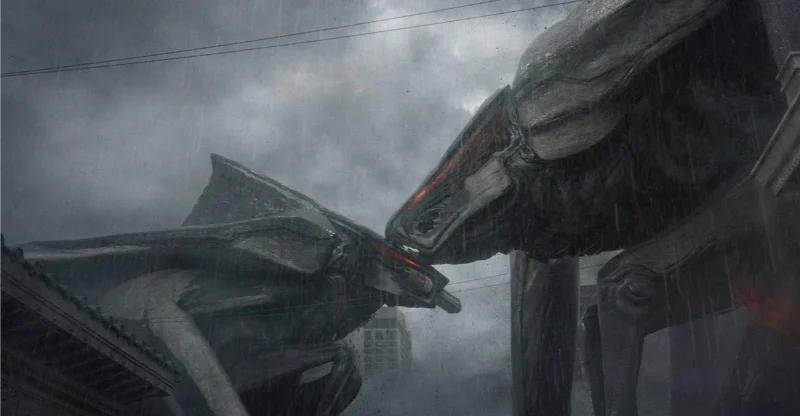
The MUTOs use EMPs to communicate across vast distances, but the movie never explains how this works. It’s a convenient plot device to disable human tech, yet it feels random and unexplained.
Why would giant monsters evolve to talk through electromagnetic pulses? The science feels like a stretch, even for a kaiju film.
Godzilla as a Force of Nature (Perfect Sense)
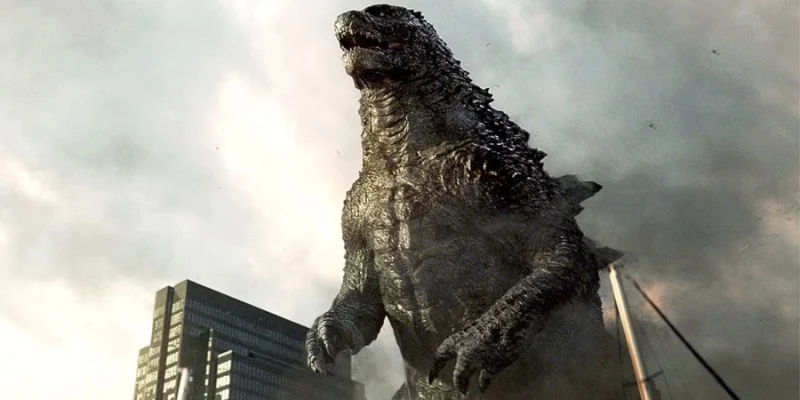
The movie portrays Godzilla as a primal force restoring balance, not just a destructive beast. He rises to fight the MUTOs, who threaten the planet, and then leaves humanity alone.
This fits his roots as a metaphor for nature’s power. It gives the story depth beyond a simple monster brawl.
Dr. Serizawa’s Vague Plan (Zero Sense)
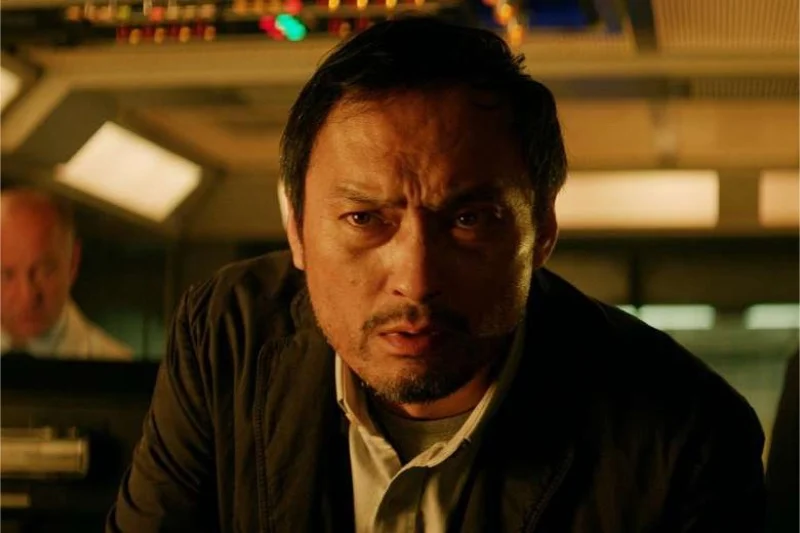
Dr. Serizawa insists on letting Godzilla handle the MUTOs but offers no clear plan or evidence it’ll work. He’s a scientist, yet his strategy feels like blind faith in a giant lizard.
This frustrates the military characters and viewers alike. A little explanation could’ve made his stance less baffling.
The San Francisco Battle (Perfect Sense)
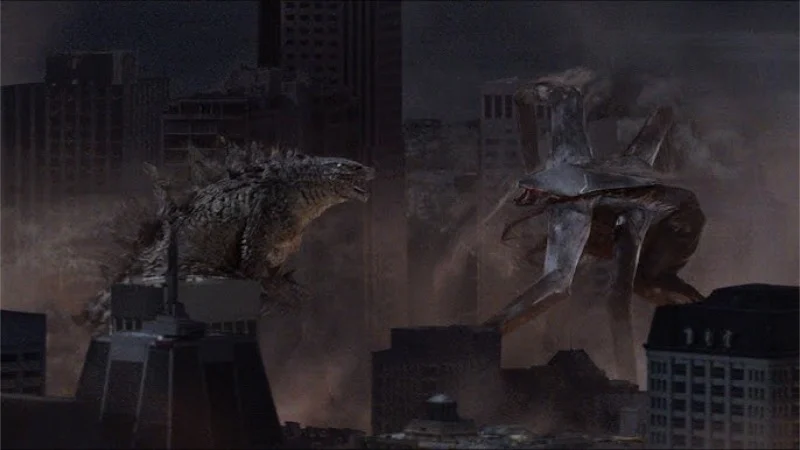
The final battle in San Francisco is a visual spectacle, with Godzilla and the MUTOs tearing through the city. The dark, smoky atmosphere and massive destruction feel epic and grounded.
It captures the chaos of a monster fight perfectly. The scale and stakes make it a highlight of the film.
The Nuke Plan (Zero Sense)
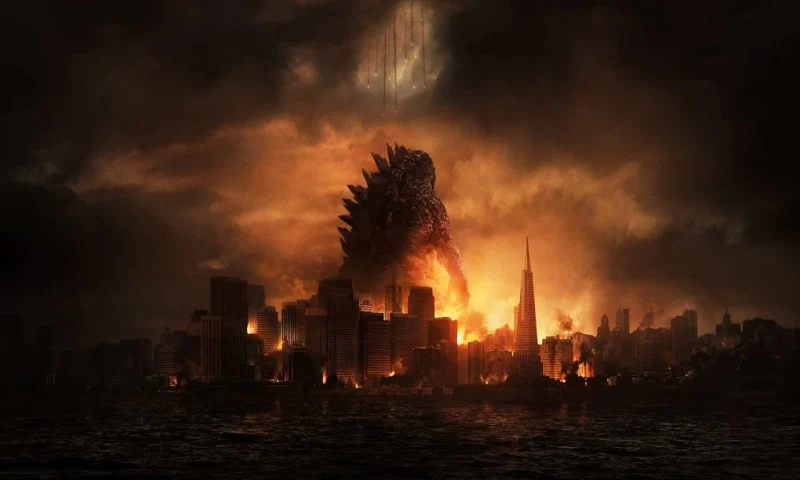
The military’s plan to use a nuclear bomb to kill the MUTOs and Godzilla is absurd. Nukes awaken Godzilla in the first place, and the MUTOs feed on radiation, so it’s a terrible idea.
Why would experts think this would work? It’s a lazy plot point that ignores the monsters’ established traits.
Godzilla’s Atomic Breath (Perfect Sense)
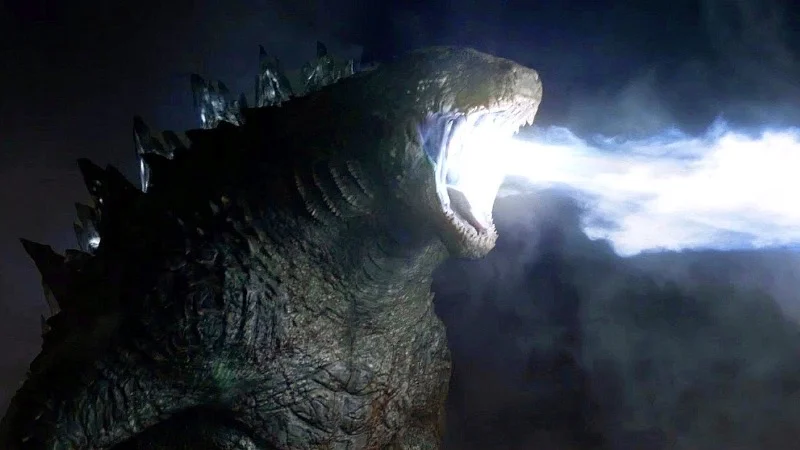
Godzilla’s atomic breath is used sparingly, building anticipation for its big moment against the MUTOs. The glowing blue blast is both nostalgic and devastating, showing his raw power.
It’s a crowd-pleasing callback to the classic films. The buildup and payoff make it one of the movie’s best scenes.
Bryan Cranston’s Underused Role (Zero Sense)
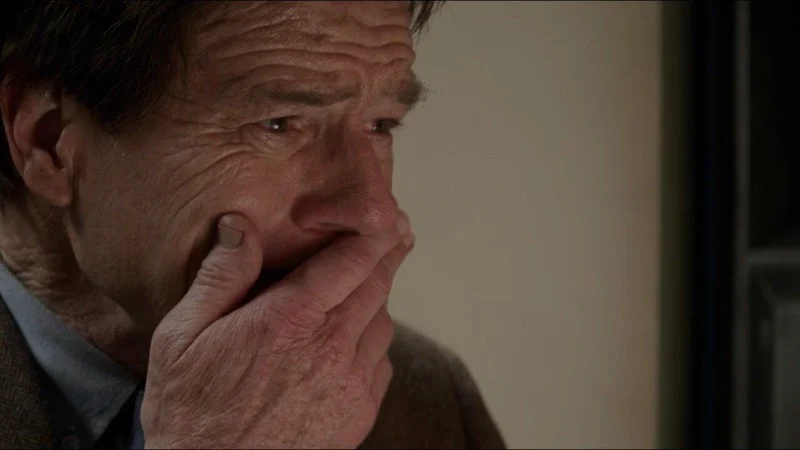
Joe Brody, played by Bryan Cranston, is a compelling character with a tragic backstory, but he’s killed off early. The movie shifts to his less interesting son, wasting Cranston’s talent.
This choice frustrates fans who expected more from such a strong actor. It feels like a missed opportunity for deeper storytelling.
The MonsterVerse Setup (Perfect Sense)
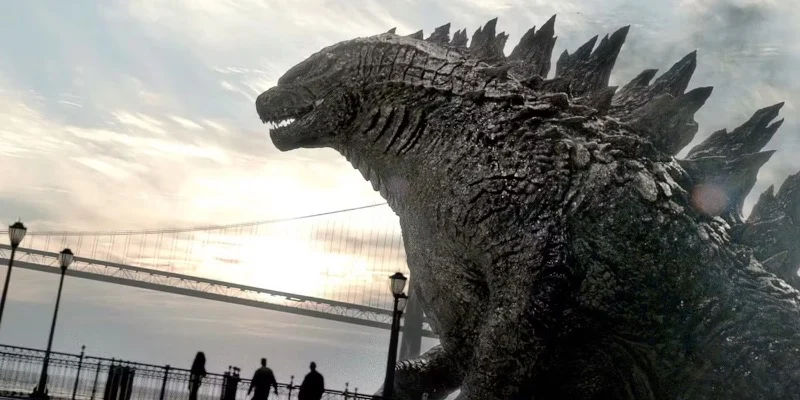
The film subtly lays the groundwork for the MonsterVerse, introducing Monarch and hinting at other titans. It balances this setup without overshadowing the main story.
This approach keeps the focus on Godzilla while opening the door for future films. It’s a smart move for a shared universe.
What’s your take on Godzilla (2014)—which moments made you cheer or roll your eyes? Share in the comments!