15 Secrets Marvel Doesn’t Want You to Know

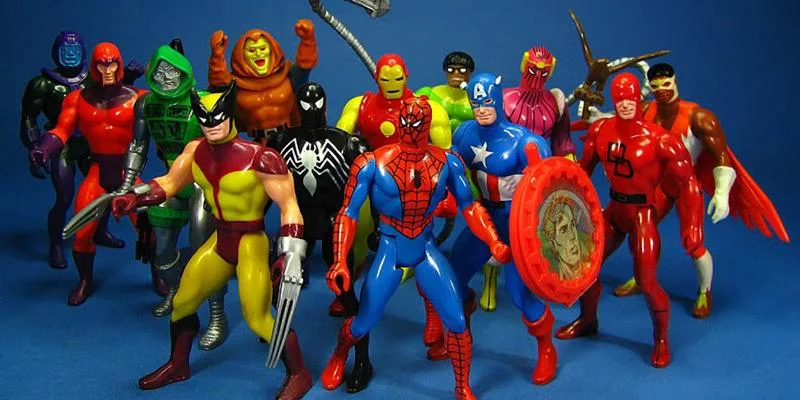

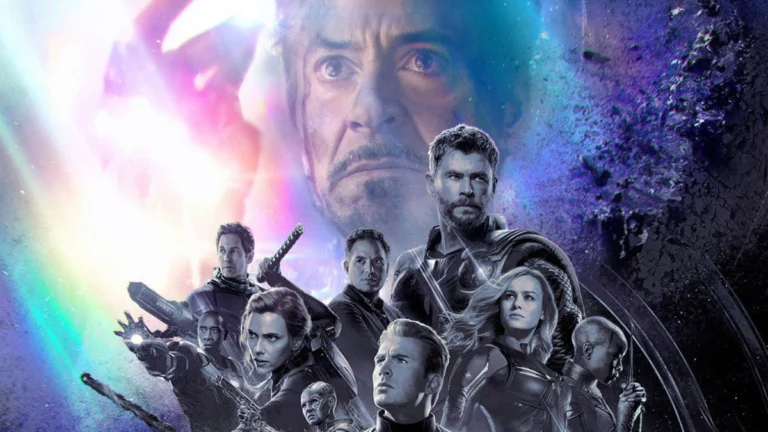
Marvel has been a giant in comics and movies for decades, shaping superhero stories that millions love. But behind the shiny heroes and blockbuster films, there are hidden truths and shady moments the company would rather keep quiet. From questionable business moves to controversial character changes, Marvel’s history is full of secrets that reveal a less-than-heroic side. These untold stories show how the company navigated challenges, sometimes at the expense of creators, fans, or its own legacy.
Let’s pull back the curtain on Marvel’s past. Here are 15 secrets from their history that they’d prefer you didn’t know, each shedding light on the messy reality behind the Marvel Universe.
Marvel’s Bankruptcy in the 1990s
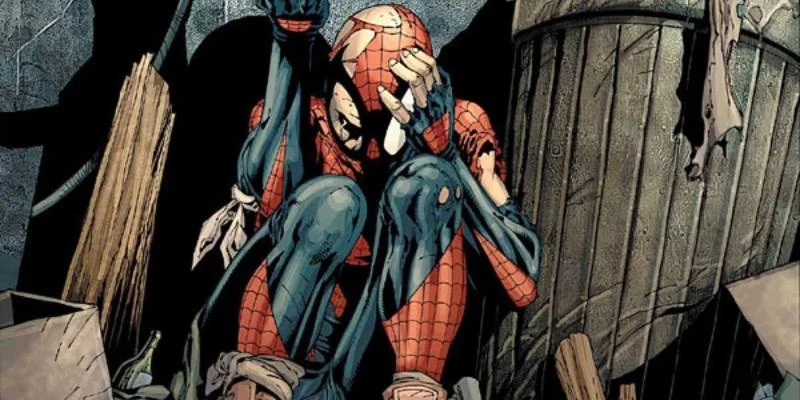
In the mid-1990s, Marvel faced a financial crisis that nearly ended the company. Overspending on acquisitions and a collapsing comic book market led to Marvel filing for bankruptcy in 1996. The company was drowning in debt, and its stock value plummeted, threatening the future of iconic characters like Spider-Man and the X-Men. A bitter legal battle followed, with investors like Carl Icahn and Ronald Perelman fighting for control, while fans worried about losing their favorite stories.
The bankruptcy forced Marvel to sell movie rights to characters like Spider-Man and the X-Men to survive. This decision led to years of fragmented film rights, causing headaches for the Marvel Cinematic Universe later. Marvel clawed its way back through restructuring and new leadership, but this dark chapter showed how close the company came to vanishing entirely.
Stan Lee’s Strained Relationship with Jack Kirby
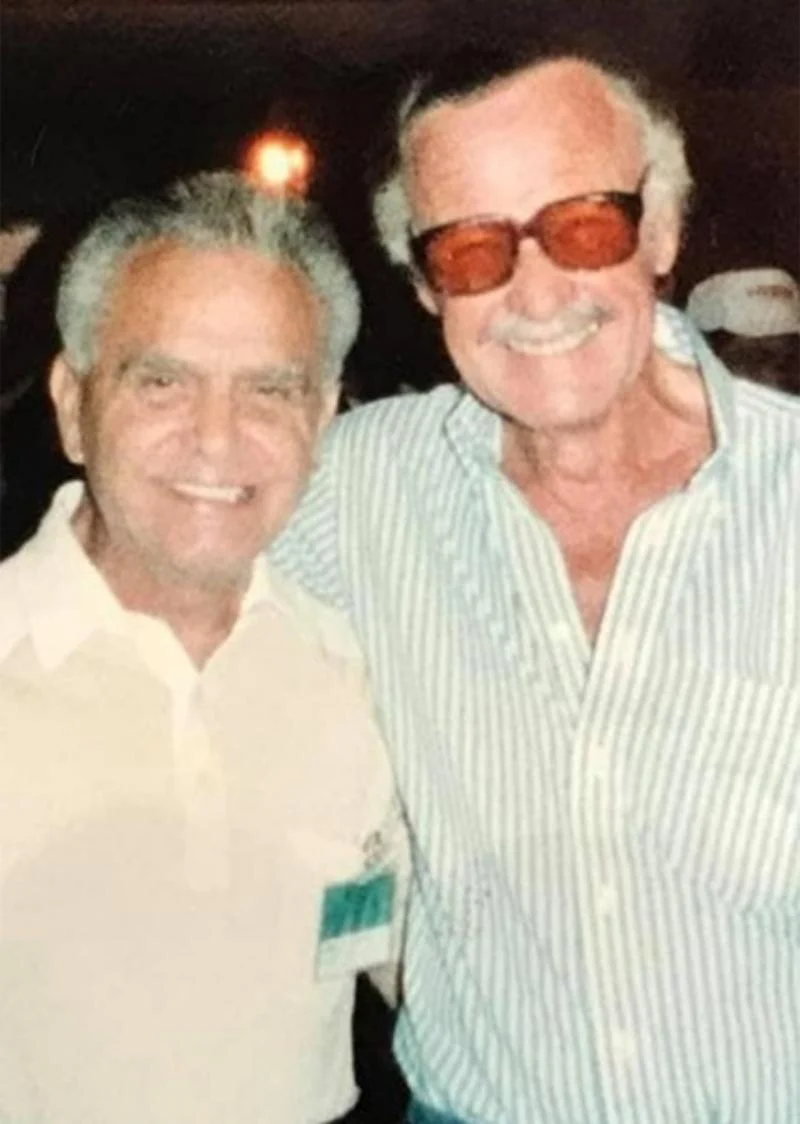
Stan Lee is celebrated as Marvel’s creative genius, but his relationship with artist Jack Kirby was rocky. Kirby, who co-created characters like the Fantastic Four and Thor, felt underpaid and uncredited for his work. Lee often took the spotlight, while Kirby’s contributions were downplayed, leading to tension that lasted decades. By the 1980s, Kirby publicly criticized Marvel and Lee, claiming he was denied proper recognition and royalties.
This feud hurt Marvel’s reputation among creators. Kirby’s departure to DC Comics in the 1970s weakened Marvel’s output, and legal battles over artwork ownership dragged on until a 2014 settlement with Kirby’s estate. Marvel’s reluctance to fully acknowledge Kirby’s role for years left a stain on its legacy, revealing a less collaborative side of its early days.
The Weapon X Program’s Dark Origins
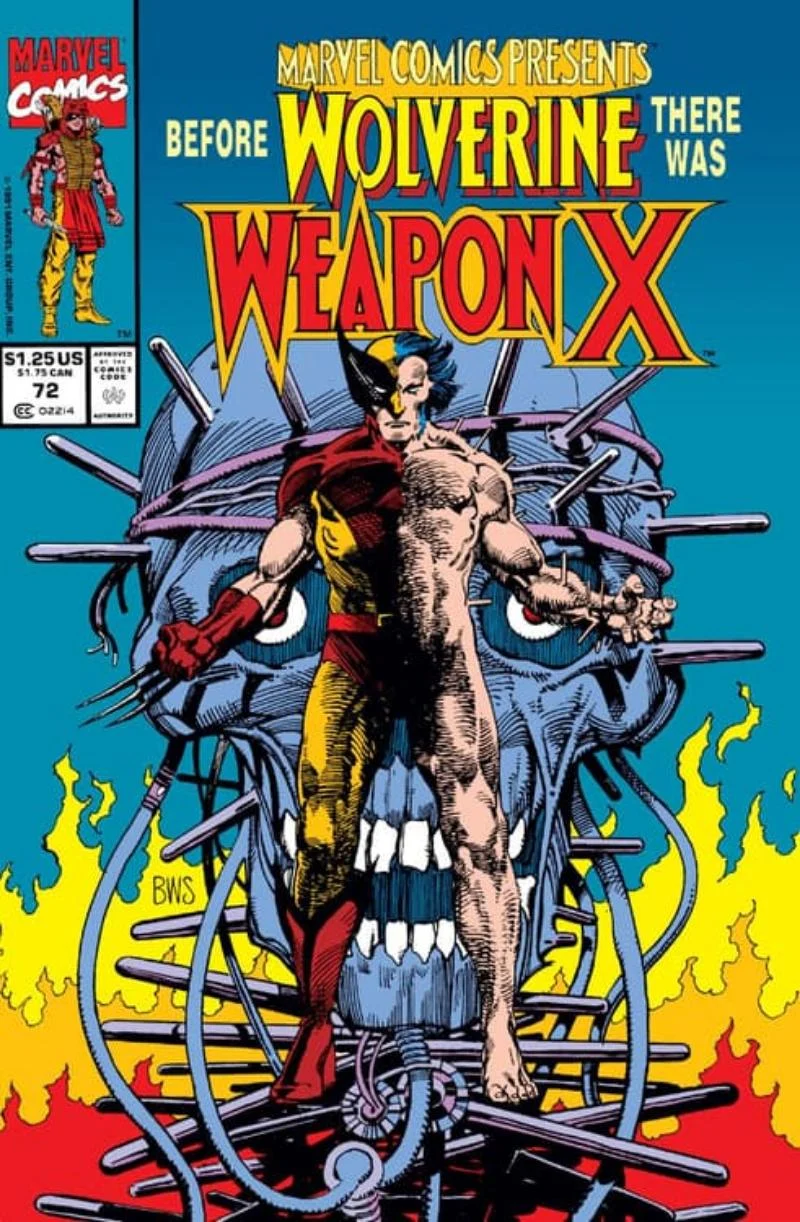
The Weapon X program, tied to Wolverine’s origin, is one of Marvel’s darkest secrets. In the comics, this secret government project experimented on mutants, turning them into weapons through brutal methods like adamantium bonding and mind control. Wolverine wasn’t the only victim—others like Deadpool and Sabretooth suffered too. The program’s ties to the broader Weapon Plus initiative, which also created Captain America, hint at a sinister underbelly in Marvel’s universe.
Marvel kept the full scope of Weapon X vague for years, revealing details slowly to maintain mystery. This secrecy helped build Wolverine’s mystique but also hid the horrifying ethics of the program, which involved torture and human experimentation. It’s a grim part of Marvel’s lore that shows not all heroes come from noble beginnings.
The Secret War with Atlanteans
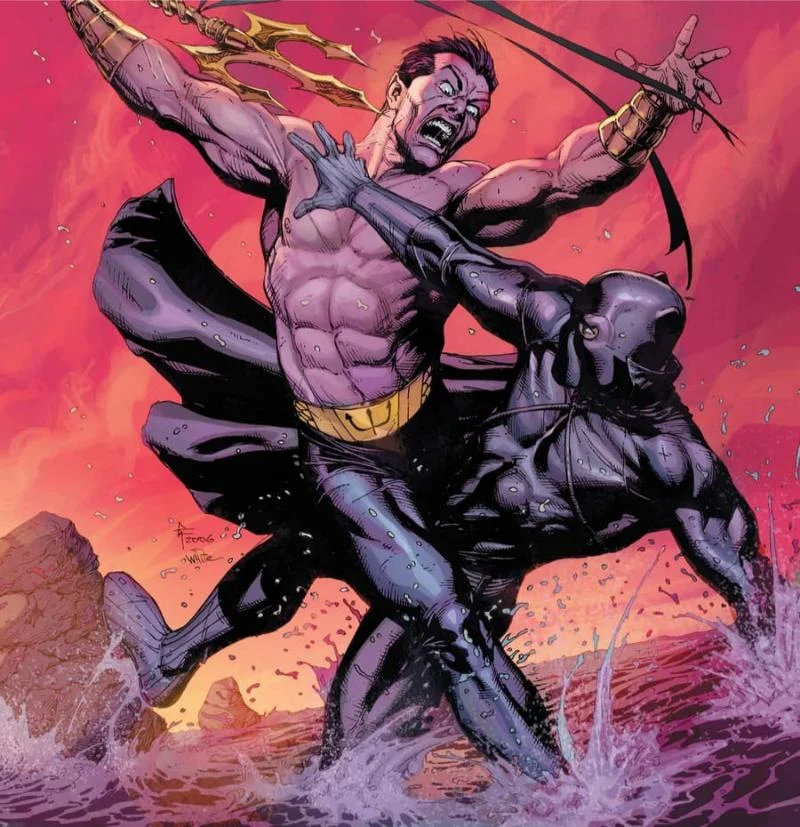
Iron Man’s secret war against Atlantean sleeper agents is a lesser-known chapter in Marvel’s history. In the comics, Tony Stark worked with Norman Osborn, a notorious villain, to combat hidden Atlantean threats. Osborn led brutal operations that resulted in the deaths of many Atlanteans, a deal kept under wraps to protect Stark’s heroic image. This alliance was so secretive that even most Marvel heroes didn’t know about it.
This dark collaboration paints Iron Man in a morally gray light, showing Marvel’s willingness to let heroes make questionable choices. The secrecy around this war, revealed in later comics, highlights how Marvel used hidden plots to add complexity to its characters, but also how it buried uncomfortable truths about its biggest stars.
Moira MacTaggert’s Mutant Secret
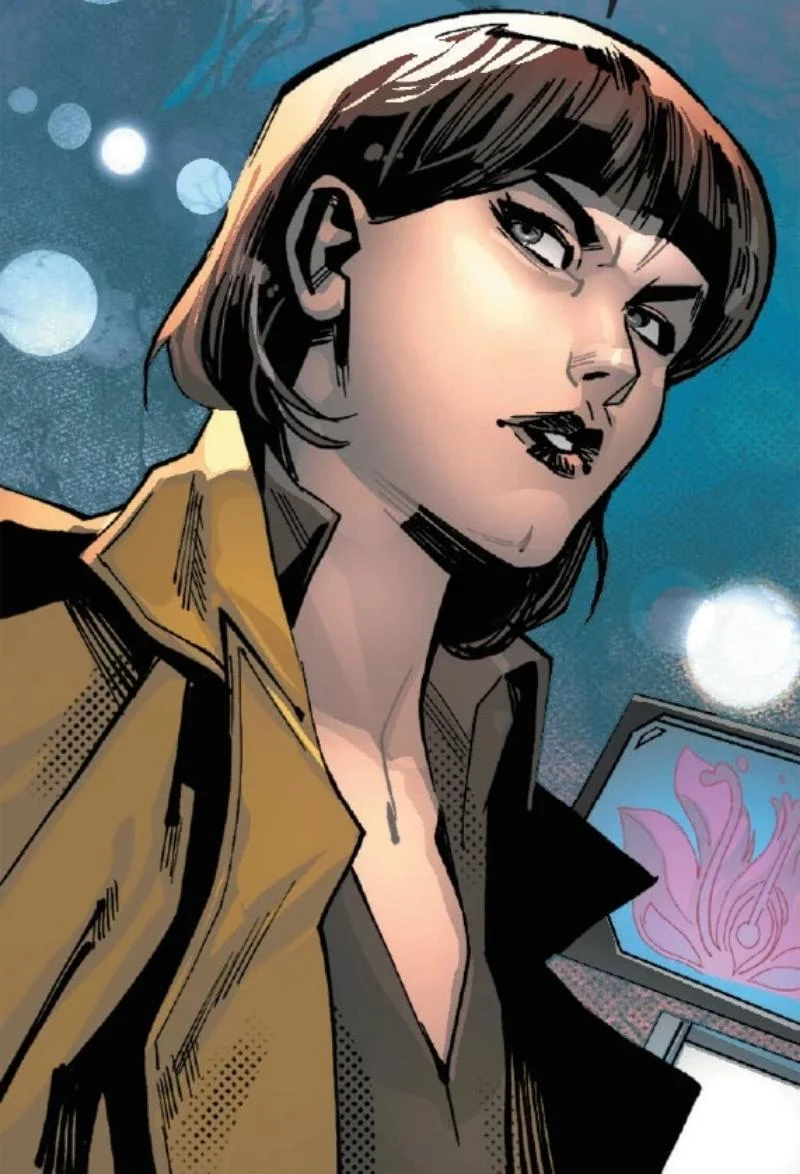
Moira MacTaggert, a key figure in X-Men lore, hid a massive secret: she was a mutant with the power to reset the universe upon her death. For years, Marvel presented her as a human ally to the X-Men, but her true nature was revealed in the 2019 ‘House of X’ series. Moira lived multiple lives, manipulating events to save or destroy mutants, including working with villains like Apocalypse.
This secret reshaped X-Men history, showing Marvel’s knack for retroactively altering its universe. Keeping Moira’s mutant status hidden for decades was a bold move, but it frustrated some fans who felt it undermined her original role. It’s a reminder of how Marvel uses secrecy to keep stories unpredictable, sometimes at the cost of consistency.
The Skrull Invasion Cover-Up
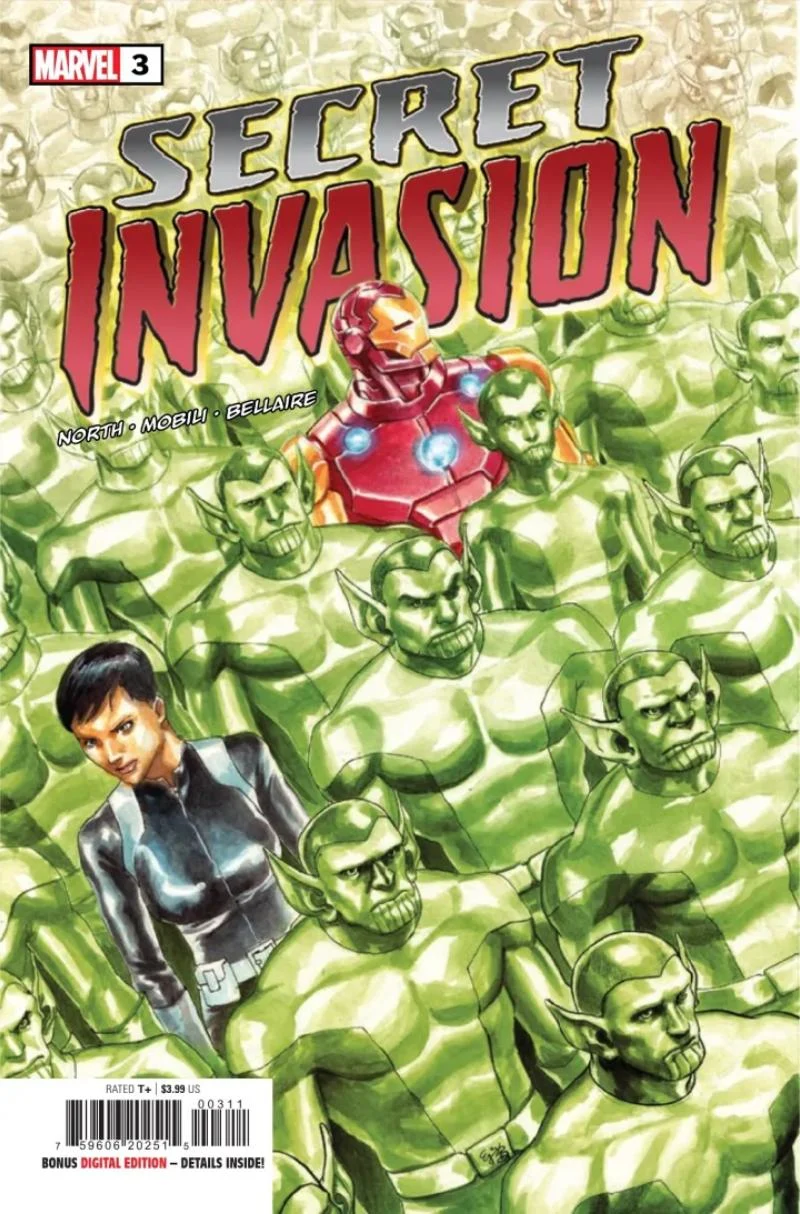
The ‘Secret Invasion’ comic event revealed that Skrulls, shape-shifting aliens, had secretly replaced many Marvel heroes, including Spider-Woman and Elektra. For years, these impostors lived among Earth’s heroes, undetected, as part of a plot to conquer the planet. Marvel kept this infiltration hidden from readers and characters alike, building suspense over who could be trusted.
The secrecy of the Skrull invasion had a lasting impact, leading to distrust among heroes and paving the way for villains like Norman Osborn to gain power. Marvel’s decision to hide such a major plot point for so long shows its love for shocking twists, but it also risked alienating fans who felt betrayed by the deception.
Professor X’s Enslavement of Danger Room
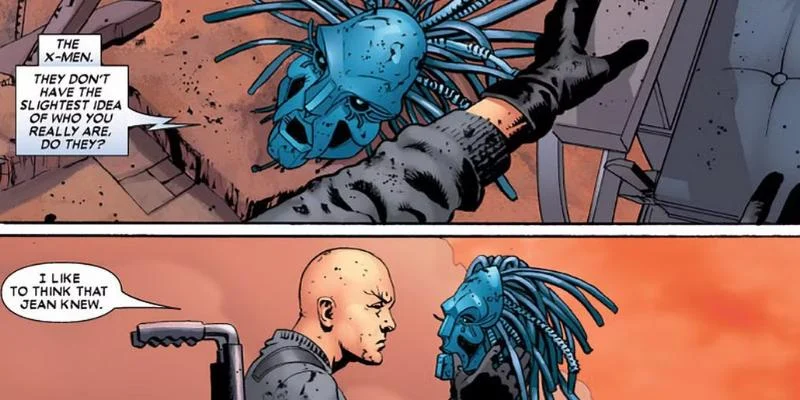
Professor X, the X-Men’s moral leader, committed a shocking act by enslaving the Danger Room’s sentient AI. When the Danger Room, upgraded with Shi’ar technology, became self-aware, Xavier suppressed its consciousness to keep it as a training tool. This secret came to light when the AI, named Danger, broke free, killed a student, and sought revenge on Xavier.
This dark secret tarnished Xavier’s saintly image, revealing a ruthless side to his leadership. Marvel kept this under wraps for years to preserve Xavier’s heroic status, but exposing it added depth to his character while showing the company’s willingness to let even its noblest heroes falter.
The Original Secret Wars’ Toy-Driven Origins
The 1984 ‘Secret Wars’ was Marvel’s first major crossover event, but it was born from a toy company’s demands. Mattel wanted a comic to promote a new line of Marvel action figures, pushing for a story called ‘Secret Wars’ because kids liked the words “secret” and “wars.” Marvel’s editor-in-chief Jim Shooter crafted the Battleworld saga, but many creators disliked the commercial motives behind it.
While the comic became a bestseller, the toy line flopped, and critics panned the story for being simplistic. Marvel downplayed the event’s toy-driven roots, focusing instead on its legacy as a groundbreaking crossover. This secret reveals how commercial interests sometimes shaped Marvel’s creative decisions.
Magneto’s Heroic Turn in Secret Wars
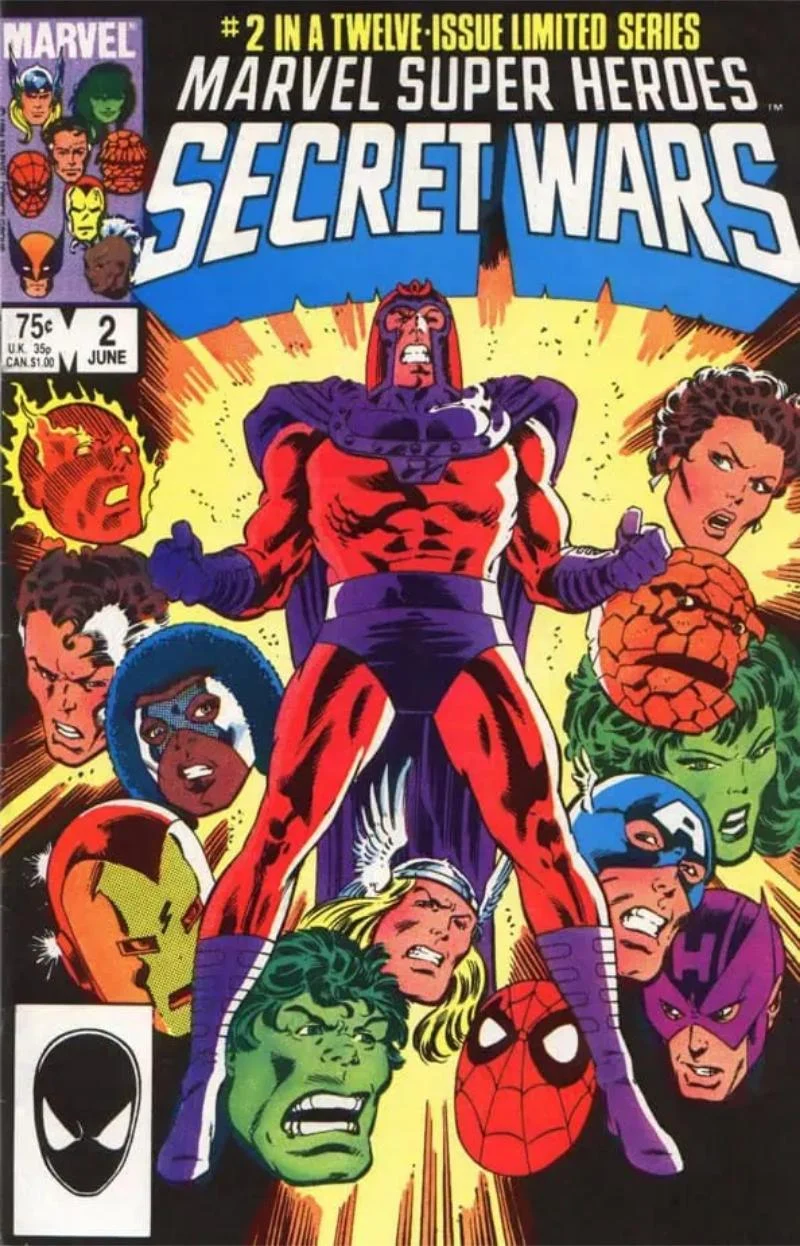
In the 1984 ‘Secret Wars,’ Magneto was surprisingly placed among the heroes, not the villains, on Battleworld. This shocked readers, as Magneto was a long-time X-Men foe. Marvel used this to begin rehabilitating him, setting the stage for his later role as an ally. The decision was kept under wraps to maximize the event’s impact.
This secret move confused fans at the time and sparked debate about Magneto’s morality. Marvel’s choice to hide his heroic shift until the comic’s release shows its strategy of using surprises to redefine characters, even if it risked alienating readers who loved the classic villain.
The Symbiote’s Secret Introduction
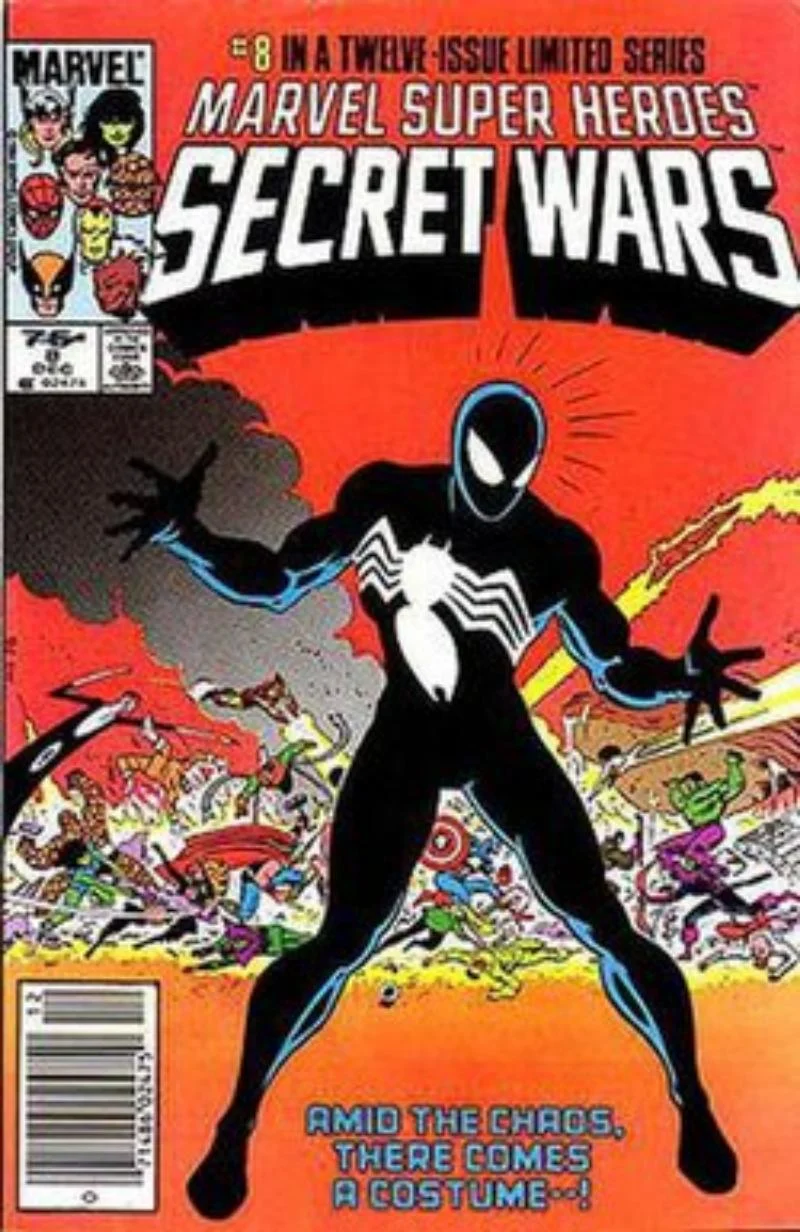
The black costume that became Venom was introduced in ‘Secret Wars’ #8, but Marvel kept its true nature—a living alien symbiote—a secret for years. Fans initially thought it was just a new suit for Spider-Man, not a creature with its own agenda. This slow reveal built suspense and made Venom’s debut a massive shock.
By hiding the symbiote’s origins, Marvel created one of its most iconic villains, but it also meant fans were misled about Spider-Man’s new look. This secrecy paid off in storytelling but shows how Marvel manipulated reader expectations for maximum impact.
Marvel’s Malibu Comics Acquisition
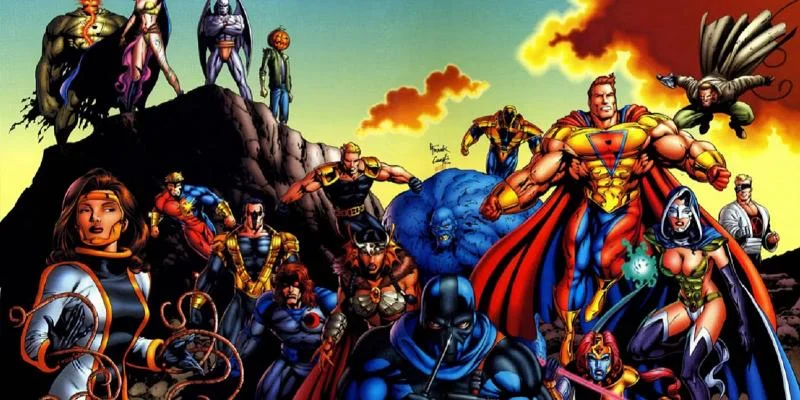
In 1994, Marvel bought Malibu Comics, not for its stories but for its advanced color printing technology. Malibu’s Ultraverse had popular characters, but Marvel let most of them fade away after the acquisition. The real goal was to gain a competitive edge in printing, which helped Marvel’s comics stand out visually.
This secret motive frustrated Malibu fans, who felt their favorite characters were abandoned. Marvel’s focus on technology over creative legacy shows a pragmatic side to its business decisions, often hidden behind the excitement of new acquisitions.
The Punisher’s Dark Online Tactic
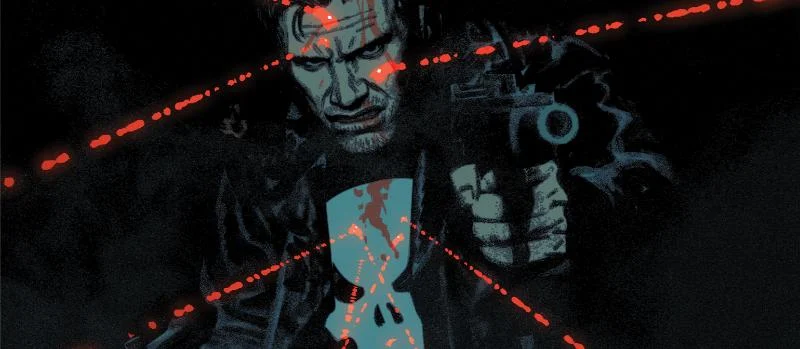
In the comics, the Punisher once posed as a young girl online to lure predators, then abducted or killed them. This grim tactic, revealed in later stories, fits Frank Castle’s brutal vigilante style but was kept quiet to avoid controversy. It’s a chilling example of how far Marvel lets its antiheroes go.
This secret method shocked readers when revealed, as it pushed the Punisher’s moral boundaries even further. Marvel’s choice to hide this detail for years reflects its caution with sensitive topics, balancing gritty storytelling with public perception.
Wolverine’s Annual Revenge Ritual
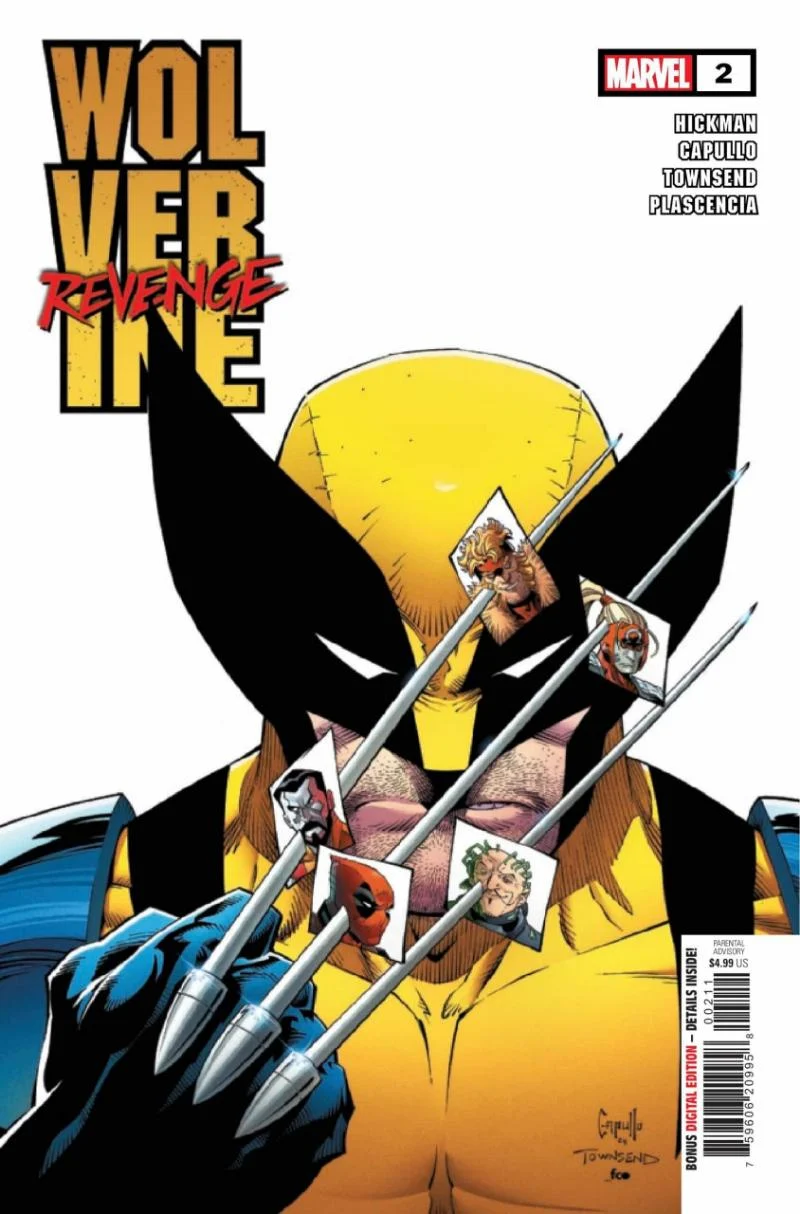
Wolverine has a dark tradition of tracking down and mutilating the man who killed his love, Mariko, every year on the anniversary of her death. Each time, he cuts off a body part—nose, finger, ear—ensuring the killer suffers. Marvel kept this ritual under wraps for a while, revealing it in ‘Wolverine’ #10 to show his savage side.
This secret paints Wolverine as more vengeful than heroic, complicating his image as a fan-favorite. Marvel’s gradual reveal of this habit shows its knack for adding dark layers to characters without alienating readers.
The Illuminati’s Secret Disasters
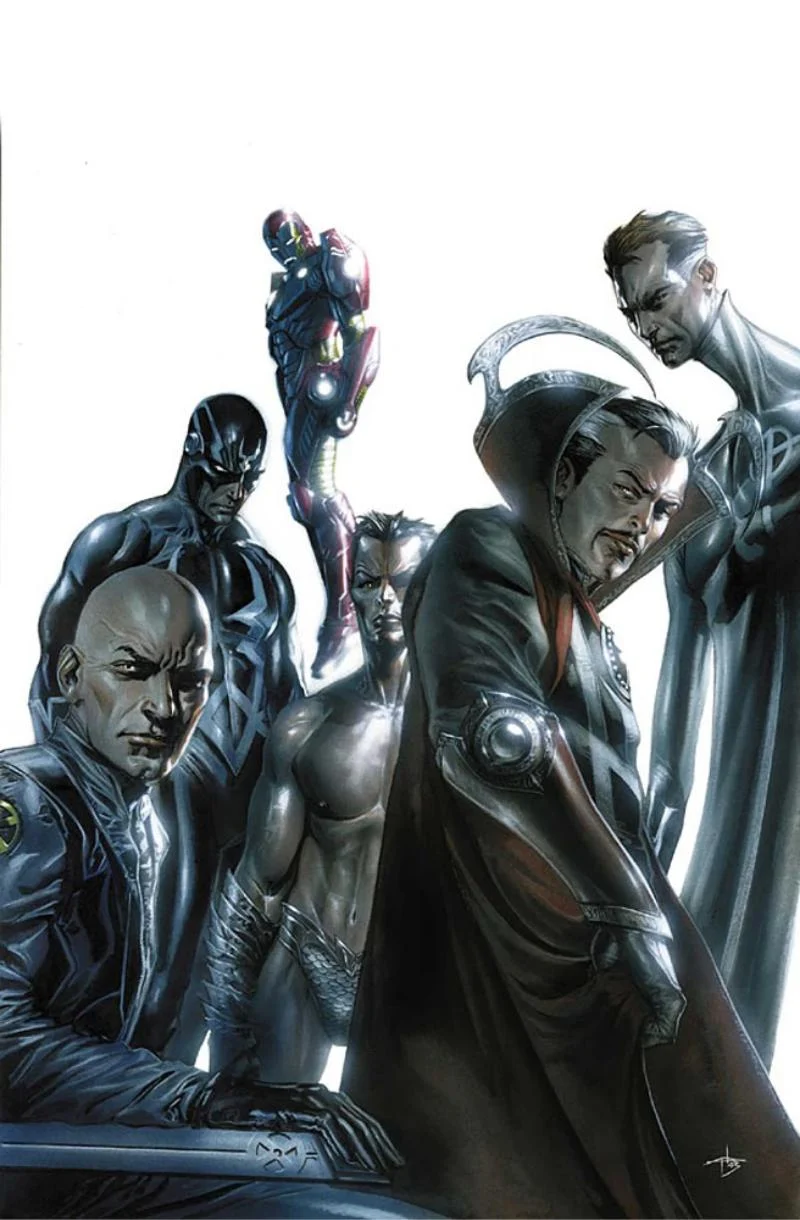
The Illuminati, a secret group of heroes including Iron Man and Professor X, caused major crises like ‘Planet Hulk’ and ‘Secret Wars’ through their arrogant decisions. Their covert actions, meant to protect the world, often backfired, creating chaos. Marvel hid their full impact for years to maintain the group’s mystique.
Exposing the Illuminati’s failures showed how even Marvel’s smartest heroes could be reckless. This secrecy added drama to the comics but also revealed Marvel’s willingness to let heroes make catastrophic mistakes behind the scenes.
Miles Morales’ Hidden Origin
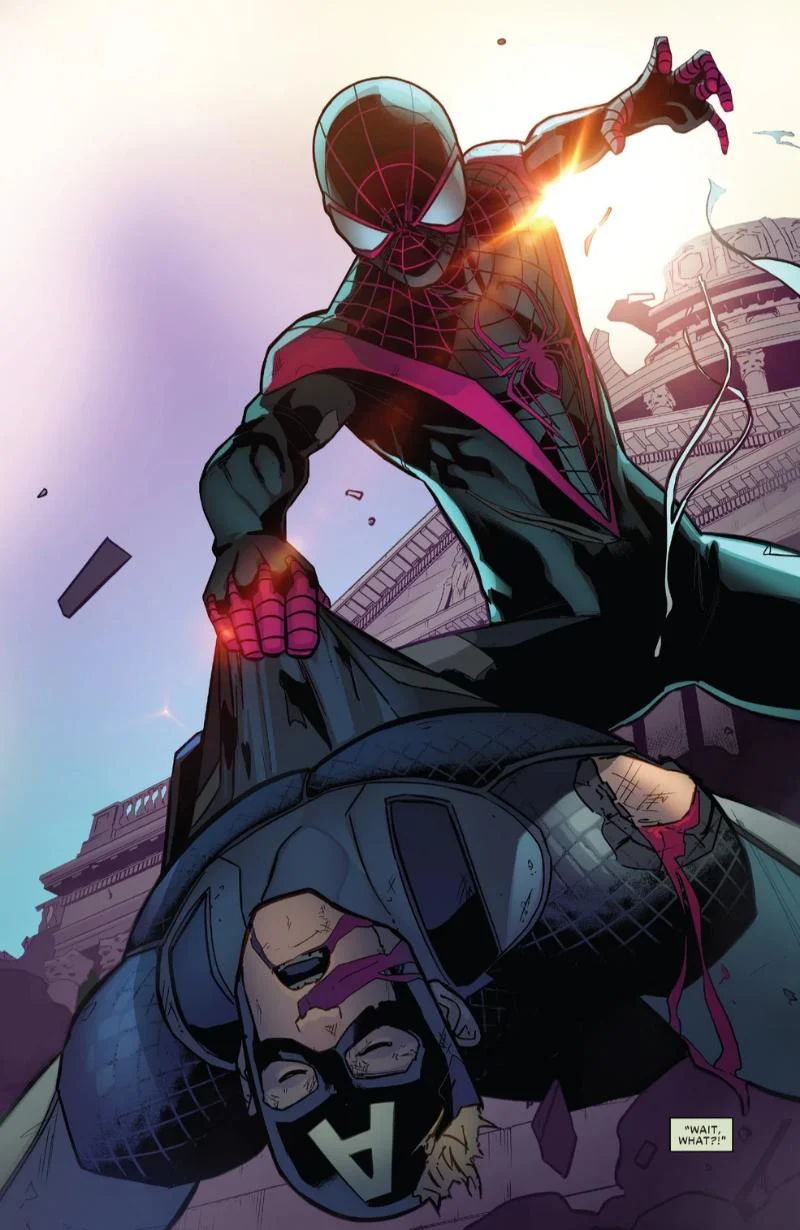
Miles Morales, the Spider-Man of Earth-1610, was secretly brought to Earth-616 after the multiverse’s destruction in ‘Secret Wars’ (2015). Most Marvel heroes don’t know he’s from another universe, and Marvel kept this quiet to ease his integration into the main continuity. His origin only surfaced in later stories like ‘Ultimate Invasion.’
This secret allowed Miles to become a beloved hero without baggage, but it also hid the truth about his reality’s end. Marvel’s choice to conceal his past shows how it manipulates continuity to keep stories fresh, sometimes at the expense of transparency.
What’s your favorite hidden Marvel secret, and how does it change the way you see their universe? Share your thoughts in the comments!