Jack Lemmon’s Career: From ‘The Lady Takes a Sailor’ to ‘The Odd Couple II’

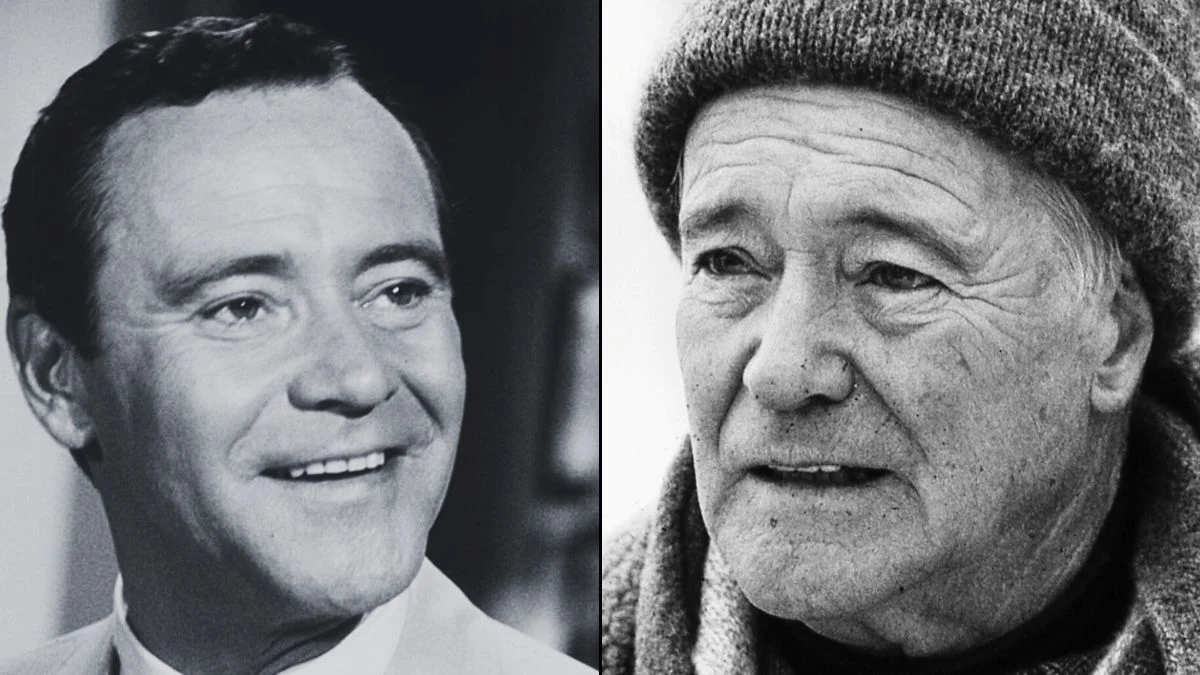

Jack Lemmon was a celebrated American actor known for his ability to play both comedic and serious roles. Over a career that spanned five decades, he became famous for portraying the anxious, middle-class “everyman.” Lemmon’s talent earned him numerous awards, including two Academy Awards, solidifying his status as one of Hollywood’s most respected performers. He was a hit with audiences from his very first major film and remained a top box-office draw for many years.
From his early days on television to his final film roles, Lemmon’s journey through Hollywood is a story of versatility and dedication. He first gained major recognition with his Oscar-winning role in ‘Mister Roberts’ and went on to star in some of the most iconic comedies ever made, including ‘Some Like It Hot’ and ‘The Odd Couple’. Yet, he also took on challenging dramatic parts that showcased his incredible range as an actor, proving he could make audiences laugh and cry with equal skill.
The Lady Takes a Sailor (1949)
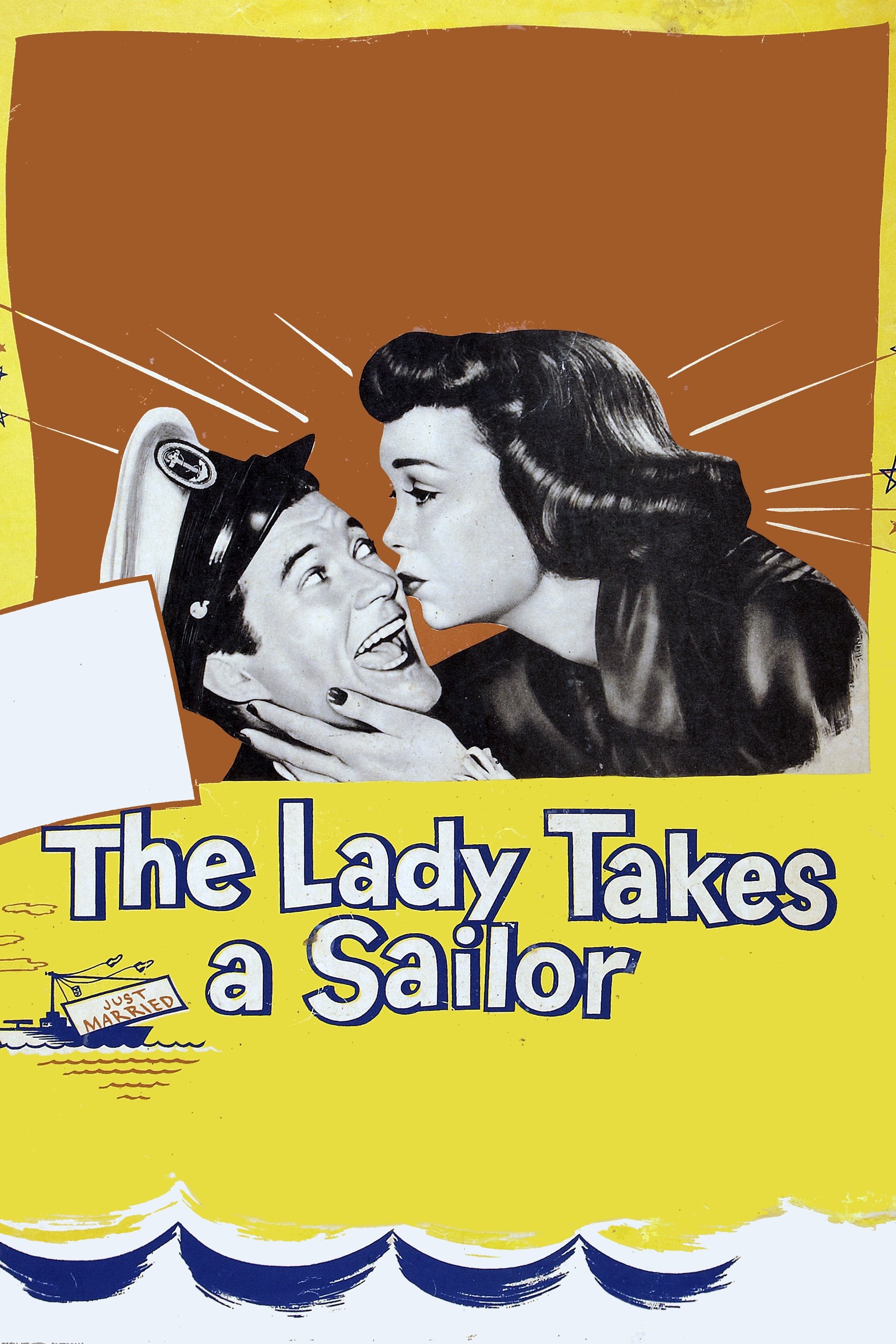
Jack Lemmon began his film career with a small, uncredited role as a plasterer in the comedy ‘The Lady Takes a Sailor’. Starring Jane Wyman and Dennis Morgan, the film follows a consumer protection agent who, after being rescued at sea, tries to convince everyone she was saved by a man in a secret underwater craft. Her efforts lead to a series of comedic misunderstandings.
Lemmon’s part was minor, serving as a humble entry into the movie business. At the time, he was primarily a television actor, having appeared in numerous live dramas and series. This uncredited appearance was simply a starting point, offering no glimpse of the major stardom that would come his way in the following years.
It Should Happen to You (1954)
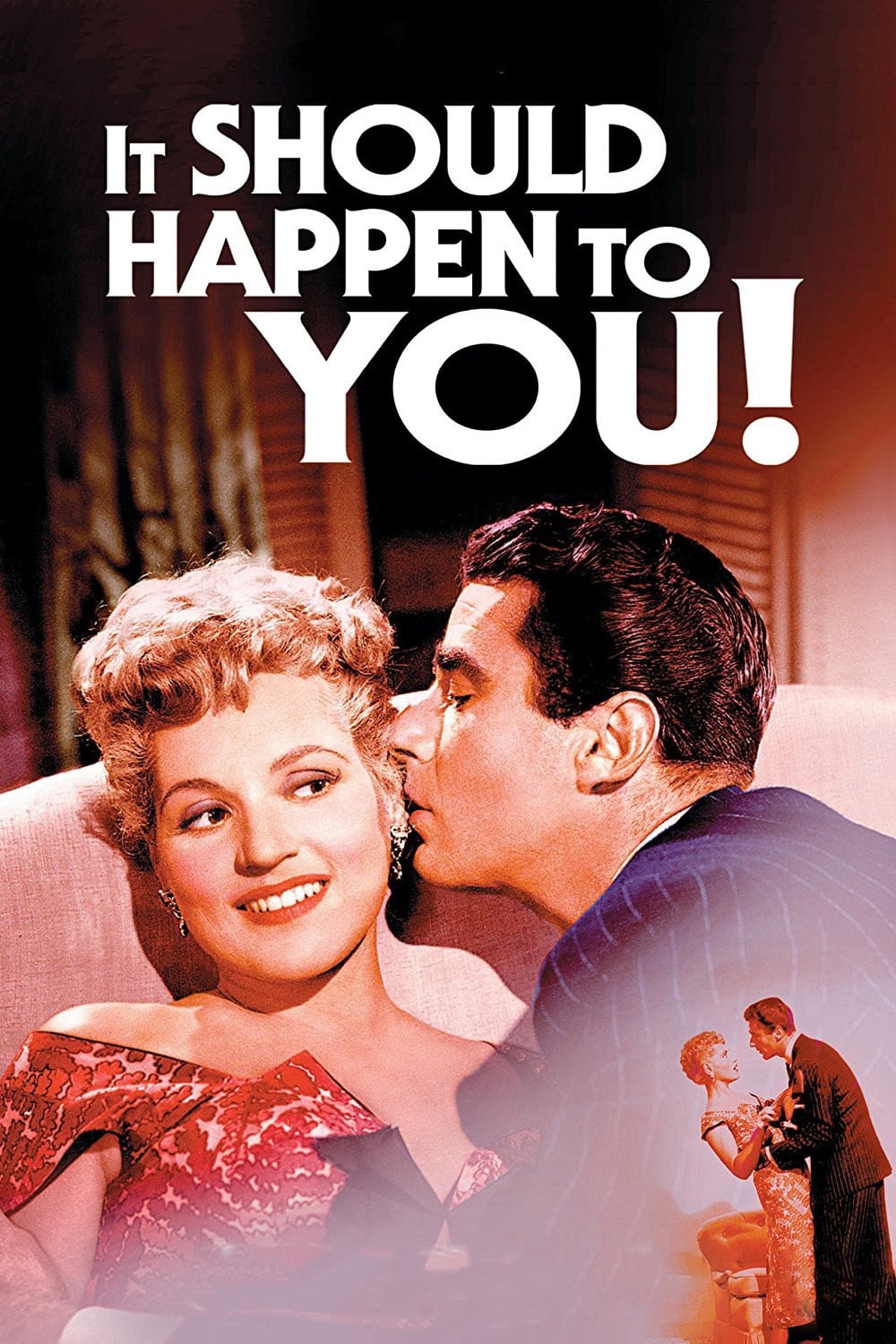
Lemmon’s first major role came in the romantic comedy ‘It Should Happen to You’, where he starred alongside Judy Holliday. He portrayed Pete Sheppard, a documentary filmmaker who becomes romantically involved with a woman who rents a billboard to make her own name famous. The film marked the beginning of Lemmon’s contract with Columbia Pictures.
Directed by the acclaimed George Cukor, the movie was a critical and commercial success. Lemmon’s charming and earnest performance earned him positive notice and established him as a capable leading man. His chemistry with Judy Holliday was a key element of the film’s appeal, setting the stage for their future collaboration.
Phffft (1954)
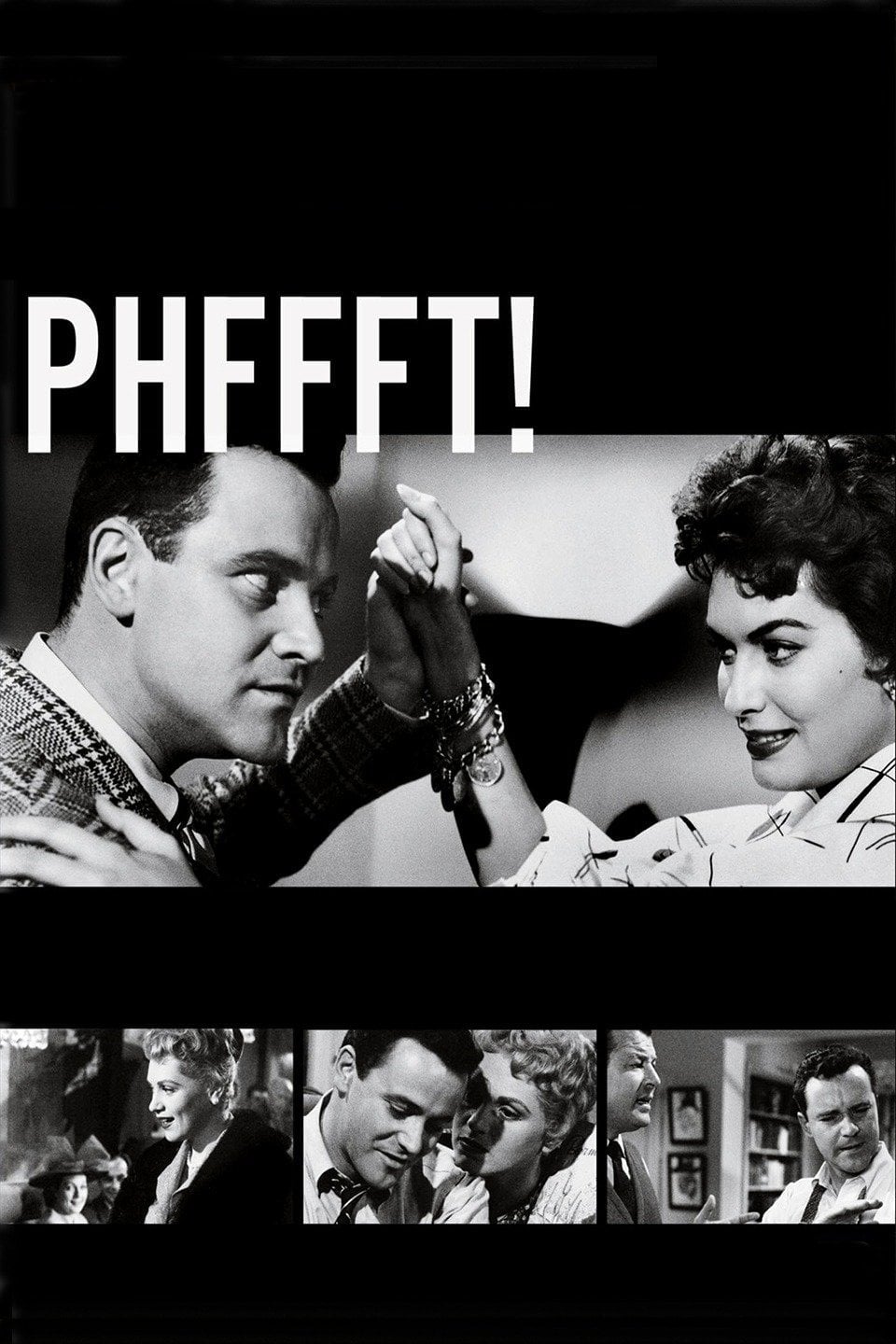
Later that year, Lemmon reunited with Judy Holliday for the comedy ‘Phffft’, a film about a married couple who divorce but soon find that single life is not what they imagined. Lemmon played Robert Tracey, who, after separating from his wife, tries to embrace a new bachelor lifestyle with the help of his friend, played by Jack Carson. The title comes from a gossip column term for a failed romance.
The movie was another success, further solidifying Lemmon’s status as a comedy star. It humorously explored themes of marriage, divorce, and reconciliation, with Lemmon and Holliday once again showcasing their strong on-screen chemistry. The film also featured Kim Novak in a supporting role as a woman Lemmon’s character dates.
Three for the Show (1955)
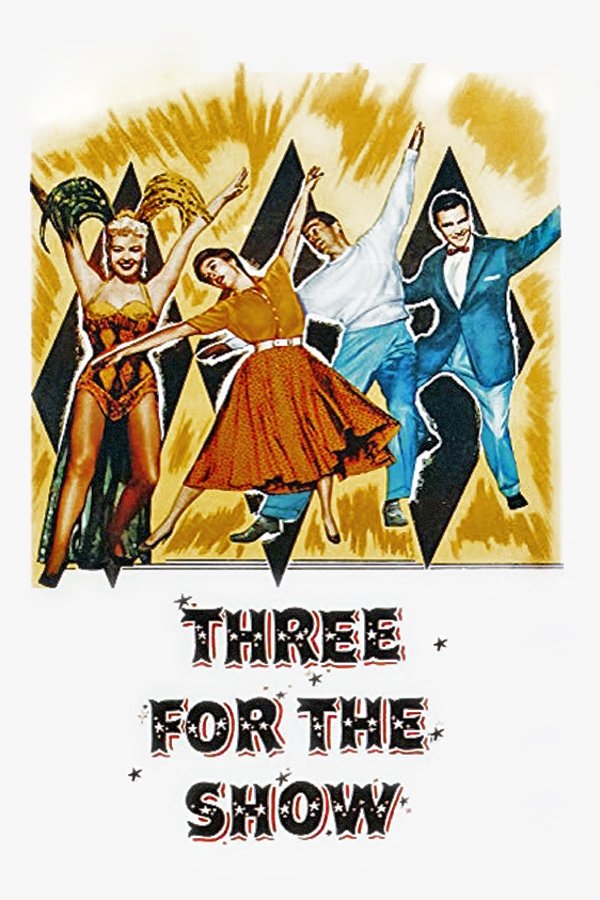
In this musical comedy, Jack Lemmon played Martin “Marty” Stewart, a songwriter who finds himself in a complicated romantic situation. The plot centers on a musical star, played by Betty Grable, whose husband, presumed dead in the war, suddenly returns after she has remarried his best friend and songwriting partner, played by Lemmon.
The film is a remake of the 1940 movie ‘Too Many Husbands’ and features a number of song-and-dance sequences. Lemmon’s role required him to not only act but also participate in the musical numbers, showcasing his versatility as a performer. The bright, Technicolor film was a lighthearted romantic farce typical of the era.
Mister Roberts (1955)
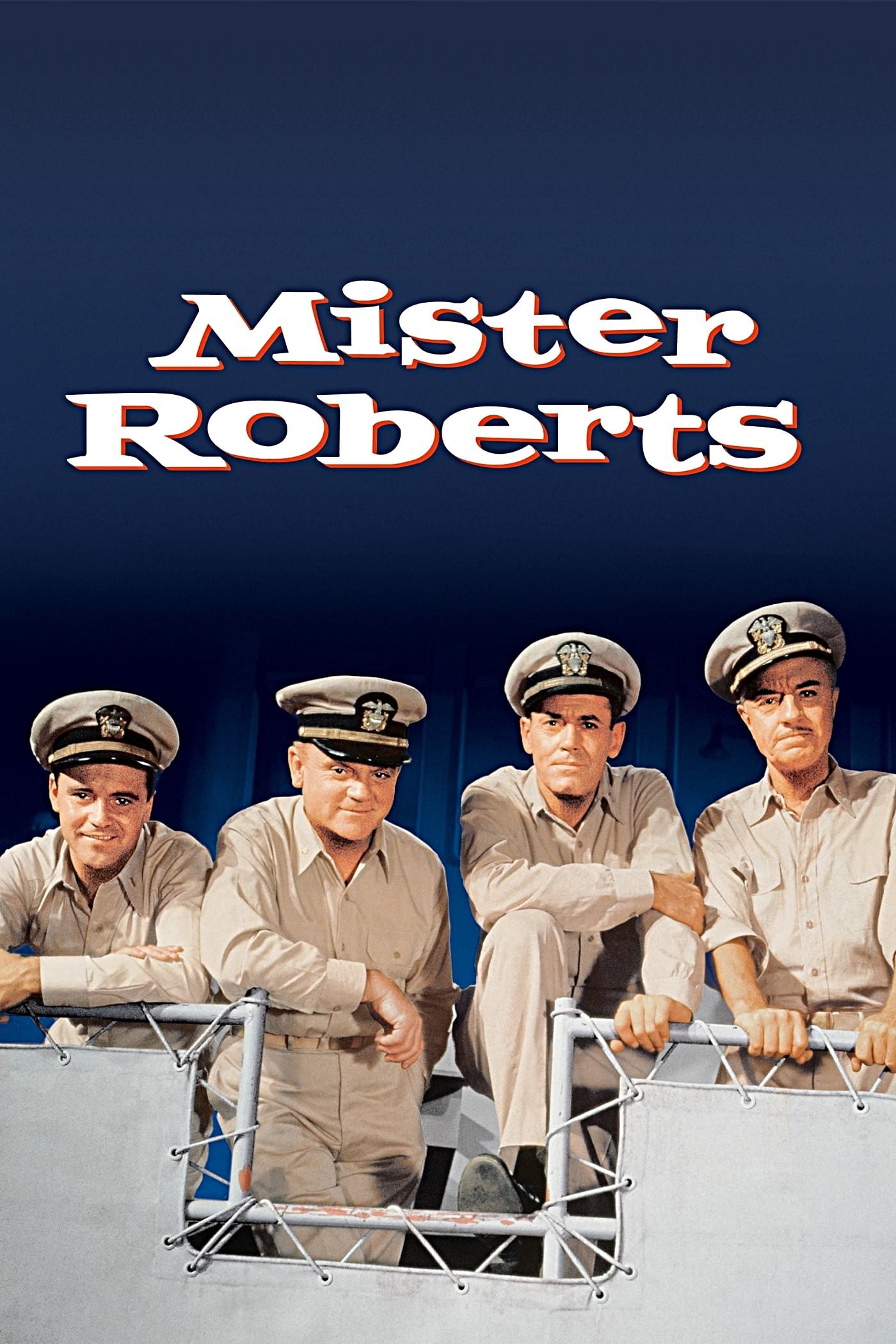
Jack Lemmon’s role as Ensign Frank Thurlowe Pulver in ‘Mister Roberts’ earned him his first Academy Award, for Best Supporting Actor. The film, set on a U.S. Navy cargo ship during World War II, stars Henry Fonda as the title character, an officer desperate for combat action. Lemmon played the lazy, scheme-hatching ensign responsible for laundry and morale.
His performance was a breakout success, filled with nervous energy and comedic brilliance that stole many scenes. The film was a huge hit and featured a legendary cast, including James Cagney and William Powell in his final film role. This Oscar win catapulted Lemmon to a new level of stardom in Hollywood.
My Sister Eileen (1955)
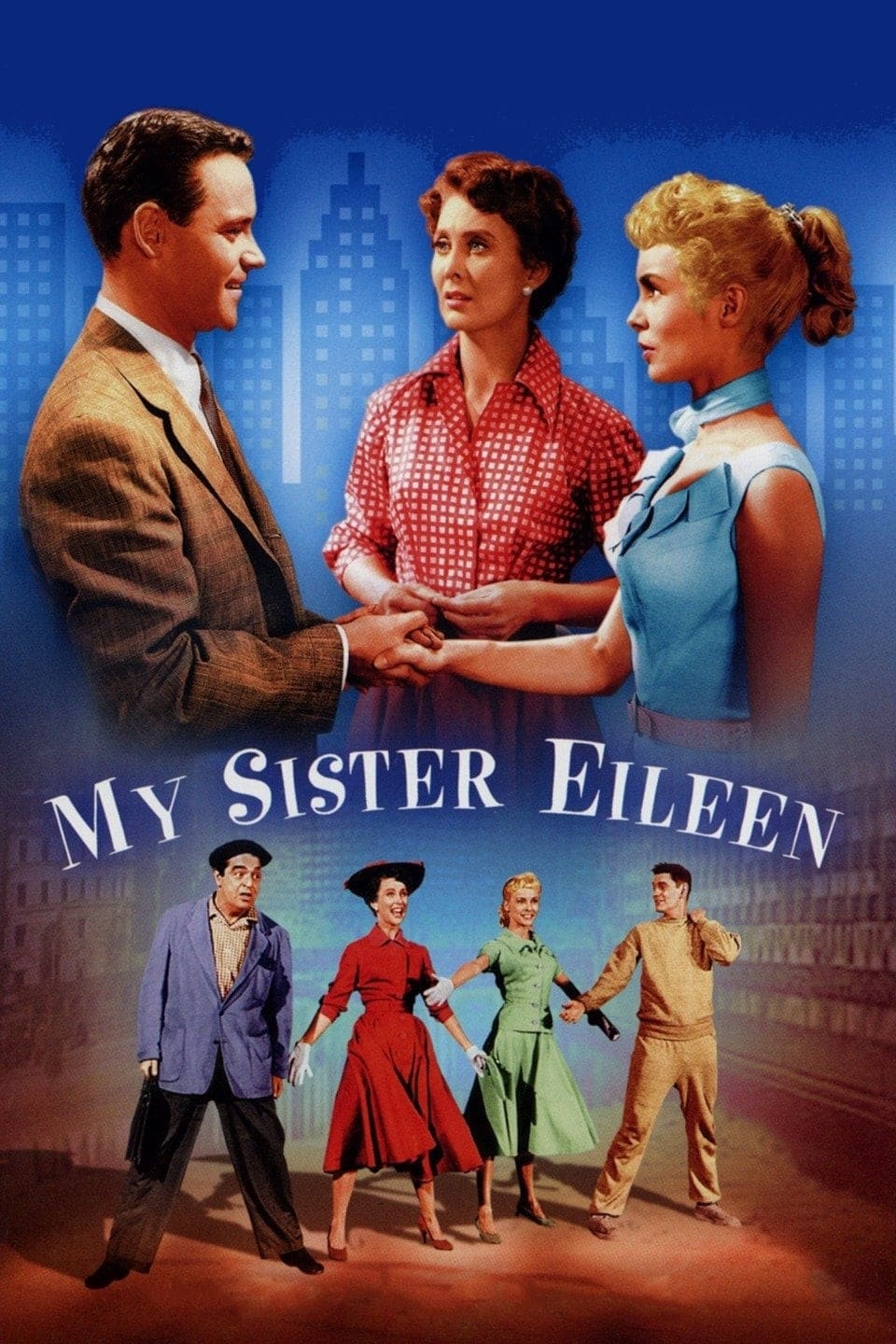
Lemmon starred in this musical comedy as Robert “Bob” Baker, a magazine editor who meets two sisters who have just moved to New York City from Ohio. The sisters, Ruth and Eileen Sherwood, are trying to build careers in writing and acting, respectively, while living in a chaotic Greenwich Village apartment. Lemmon’s character becomes a love interest for the aspiring writer, Ruth.
The film was a musical remake of a 1942 comedy and allowed Lemmon to demonstrate his singing and dancing talents. The production featured choreography by the soon-to-be-famous Bob Fosse, who also had a supporting role in the movie. The movie was a colorful and energetic hit for Columbia Pictures.
You Can’t Run Away from It (1956)
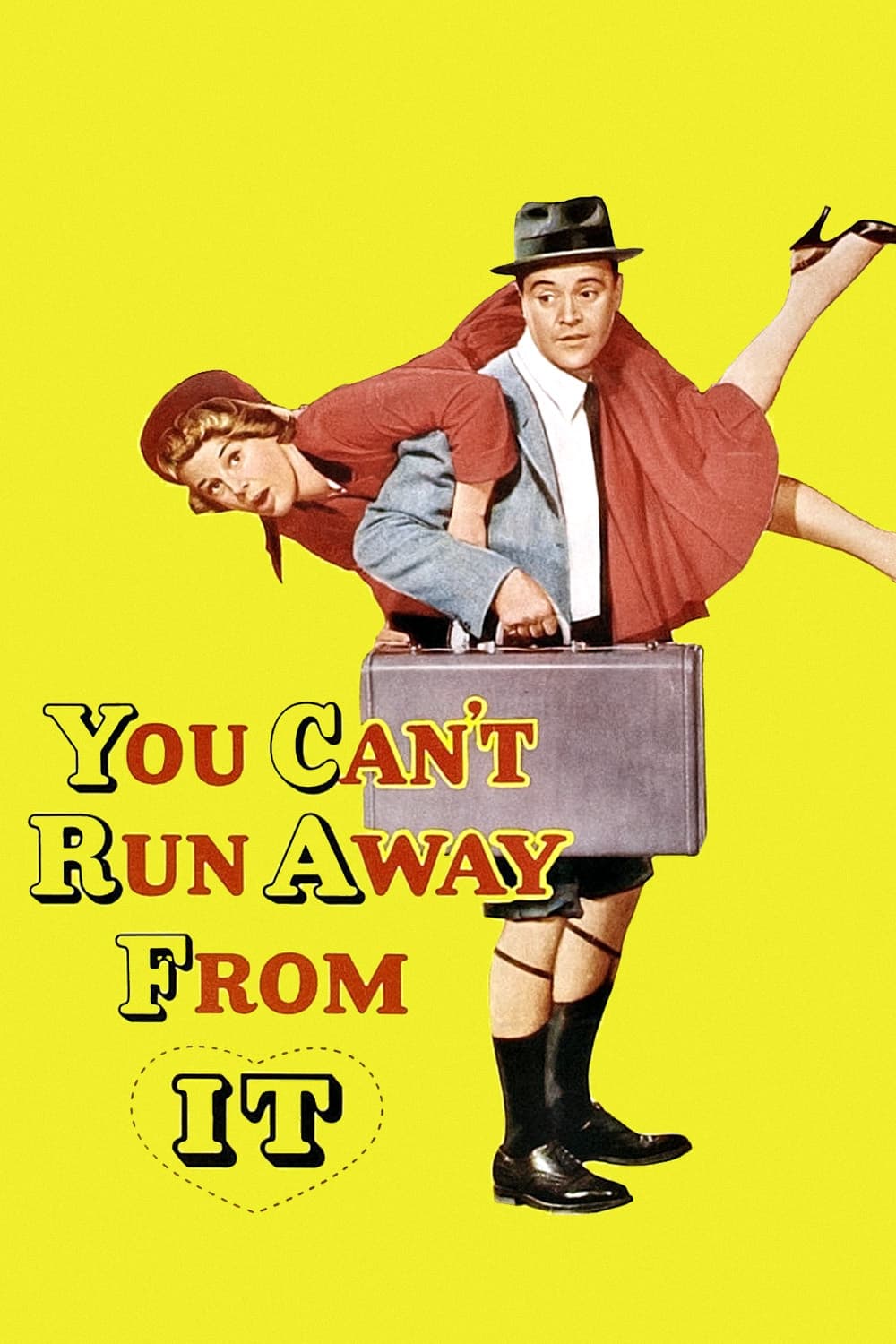
Lemmon starred opposite June Allyson in ‘You Can’t Run Away from It’, a musical remake of the classic film ‘It Happened One Night’. Lemmon played Peter Warne, a newspaper reporter who encounters a runaway heiress on a cross-country bus. The two initially clash but eventually fall in love.
While the original film is considered an all-time classic, this musical version received a more mixed reception. It was directed and produced by Dick Powell, who was also Allyson’s husband. For Lemmon, it was another opportunity to work in the musical genre and take on a role made famous by Clark Gable.
Fire Down Below (1957)
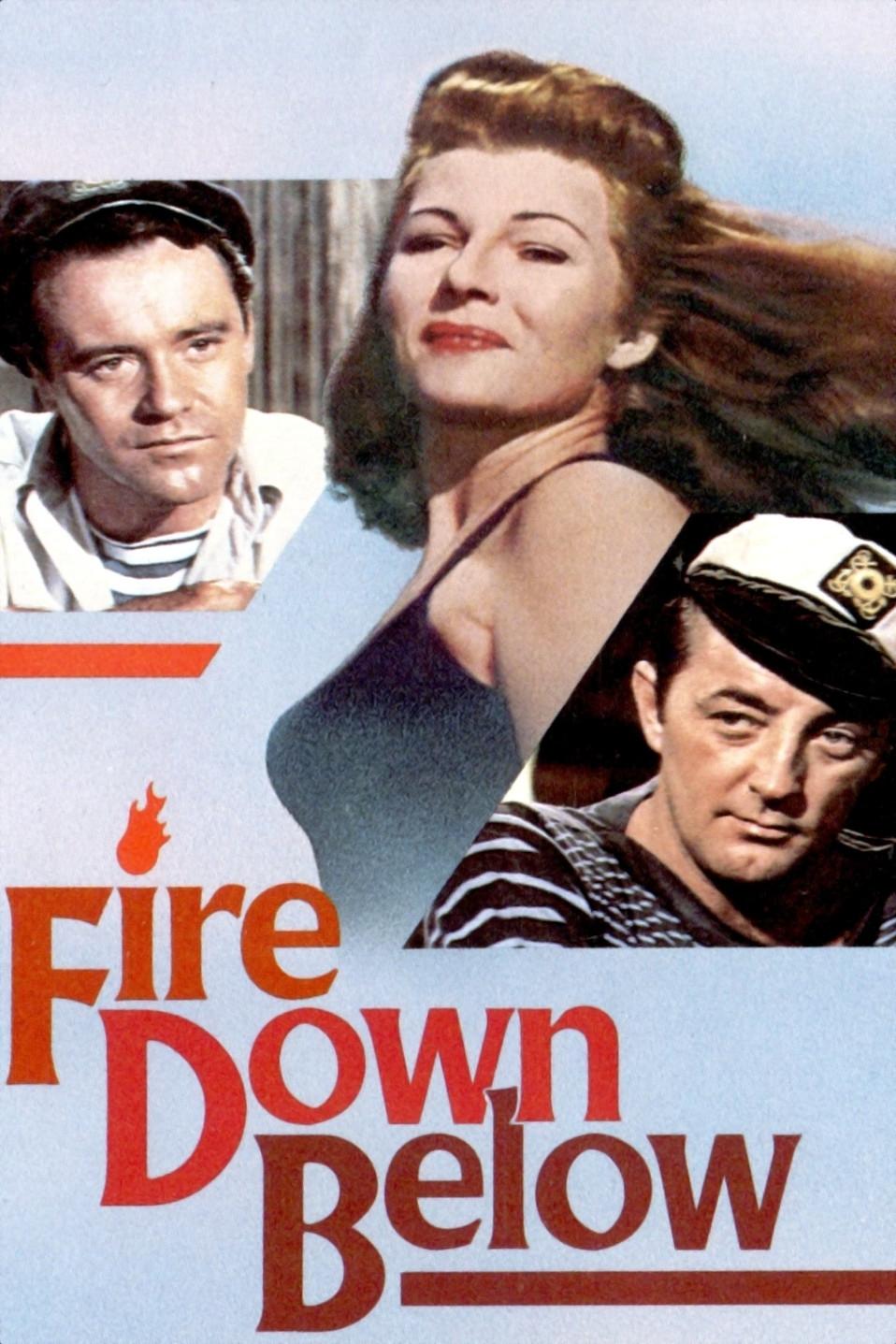
In this adventure drama, Jack Lemmon played Tony, one of two partners who own a small smuggling boat in the Caribbean. He and his cynical partner, Felix (played by Robert Mitchum), agree to transport a mysterious, passport-less woman named Irena (played by Rita Hayworth). Tony’s growing romantic feelings for Irena cause a rift in his friendship with Felix.
The film was shot on location in Trinidad and Tobago and featured a dramatic plot that combined romance with action. In an interesting display of his real-life talents, Lemmon composed and played the harmonica themes heard in the movie’s score. The film offered him a chance to move beyond comedy and play a more straightforward dramatic hero.
Operation Mad Ball (1957)
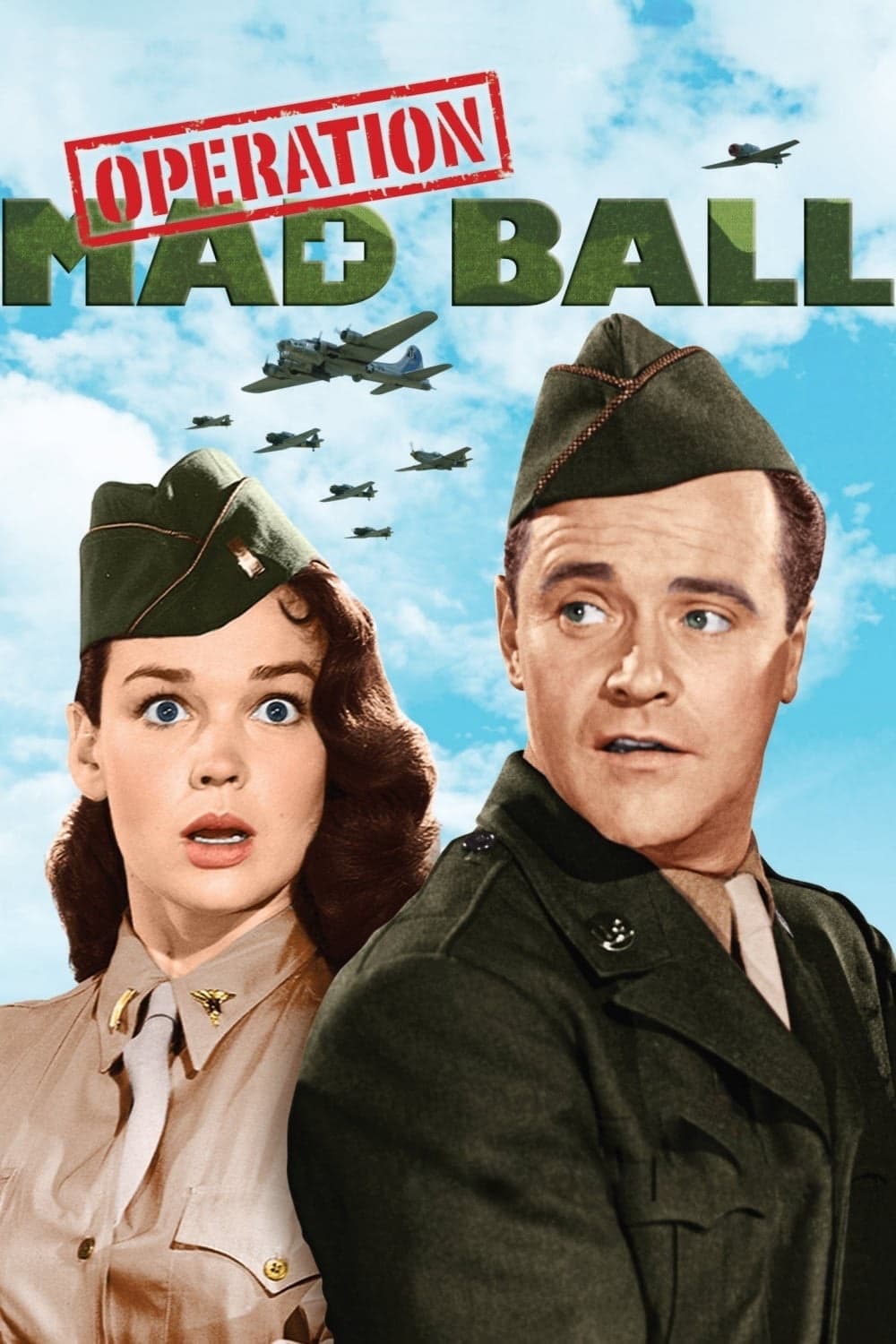
This military comedy marked Jack Lemmon’s first top-billed role. He played Private Hogan, a clever schemer at a U.S. Army hospital in post-WWII France who plans a secret “mad ball” for the enlisted men and nurses, despite strict rules against fraternization. His efforts are constantly threatened by the rigid and suspicious Captain Paul Lock, played by Ernie Kovacs.
The film was a fast-paced farce written in part by Blake Edwards. Lemmon’s performance as the resourceful and charming private was highly praised and seen by some as an extension of his popular Ensign Pulver character from ‘Mister Roberts’. The movie was a success and showcased a strong comedic ensemble that included Mickey Rooney and Dick York.
Cowboy (1958)
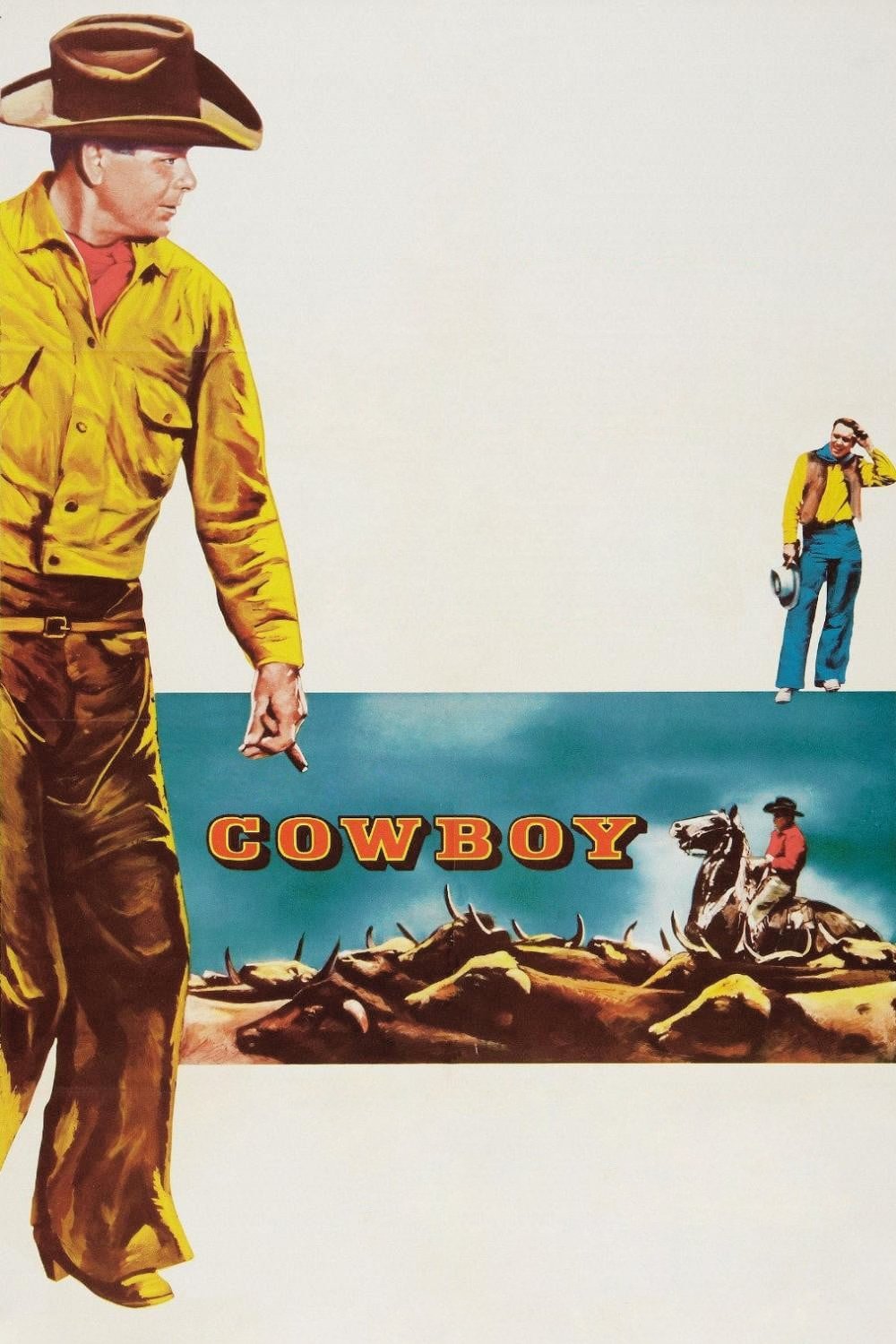
In the Western ‘Cowboy’, Jack Lemmon starred as Frank Harris, a Chicago hotel clerk who dreams of a more adventurous life. He gets his wish when he convinces a tough, experienced trail boss, played by Glenn Ford, to take him on a cattle drive to Mexico. Harris quickly learns that the life of a cowboy is far more difficult and dangerous than he had romanticized.
The film was praised for its realistic depiction of the cowboy lifestyle, a departure from many of the more mythologized Westerns of the time. Lemmon’s performance effectively captured his character’s journey from a naive city dweller to a hardened cattleman.
Bell, Book and Candle (1958)
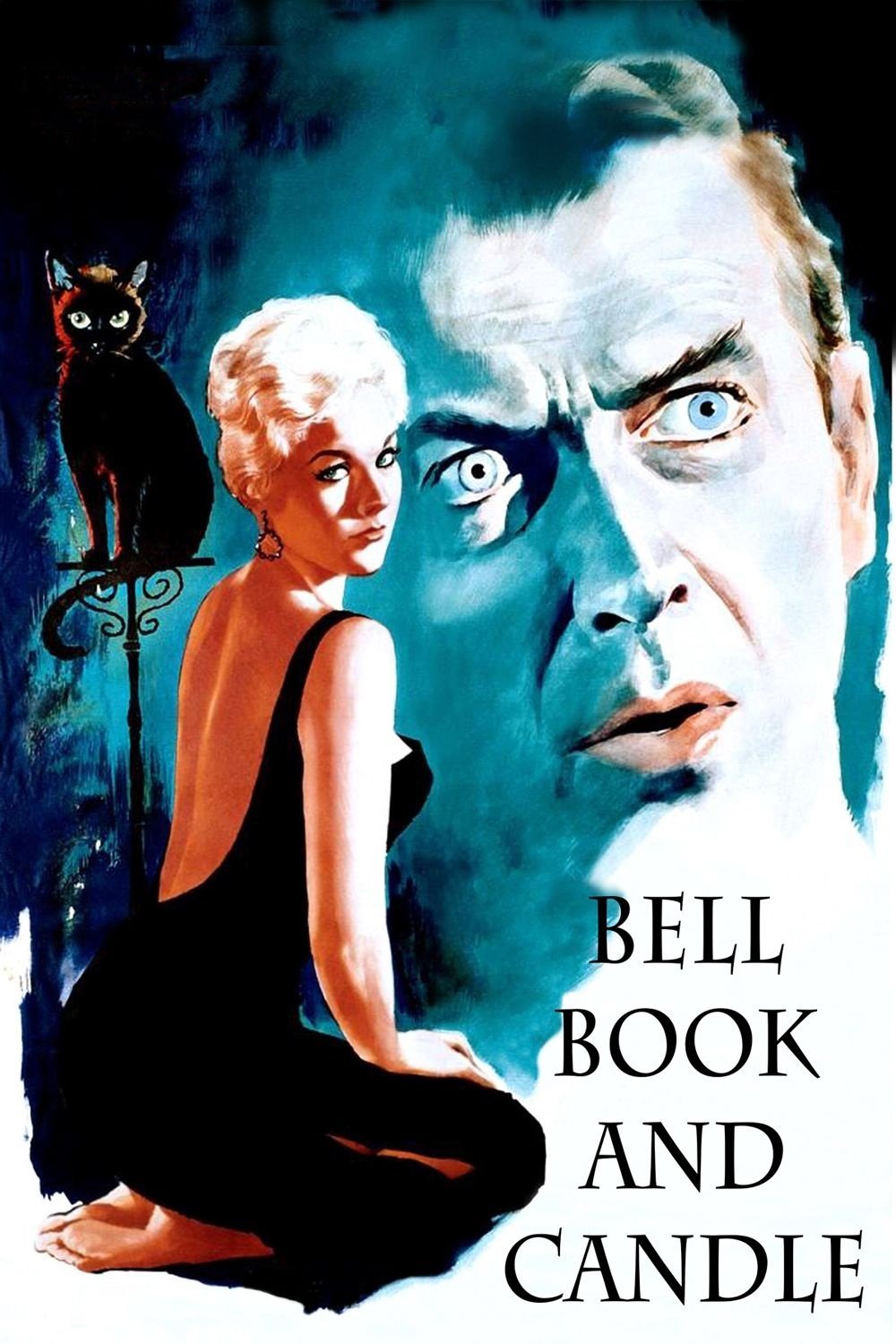
Lemmon joined an all-star cast that included James Stewart, Kim Novak, and Ernie Kovacs in the romantic comedy ‘Bell, Book and Candle’. He played Nicky Holroyd, a warlock living in modern-day Greenwich Village. His sister, a witch played by Novak, casts a love spell on a publisher, played by Stewart, to get back at a rival.
The film blended romance with whimsical fantasy. Lemmon’s role as the bongo-playing, mischievous warlock was a colorful supporting part that added to the film’s comedic appeal. It was one of several films he made with co-star Kim Novak and director Richard Quine.
Some Like It Hot (1959)
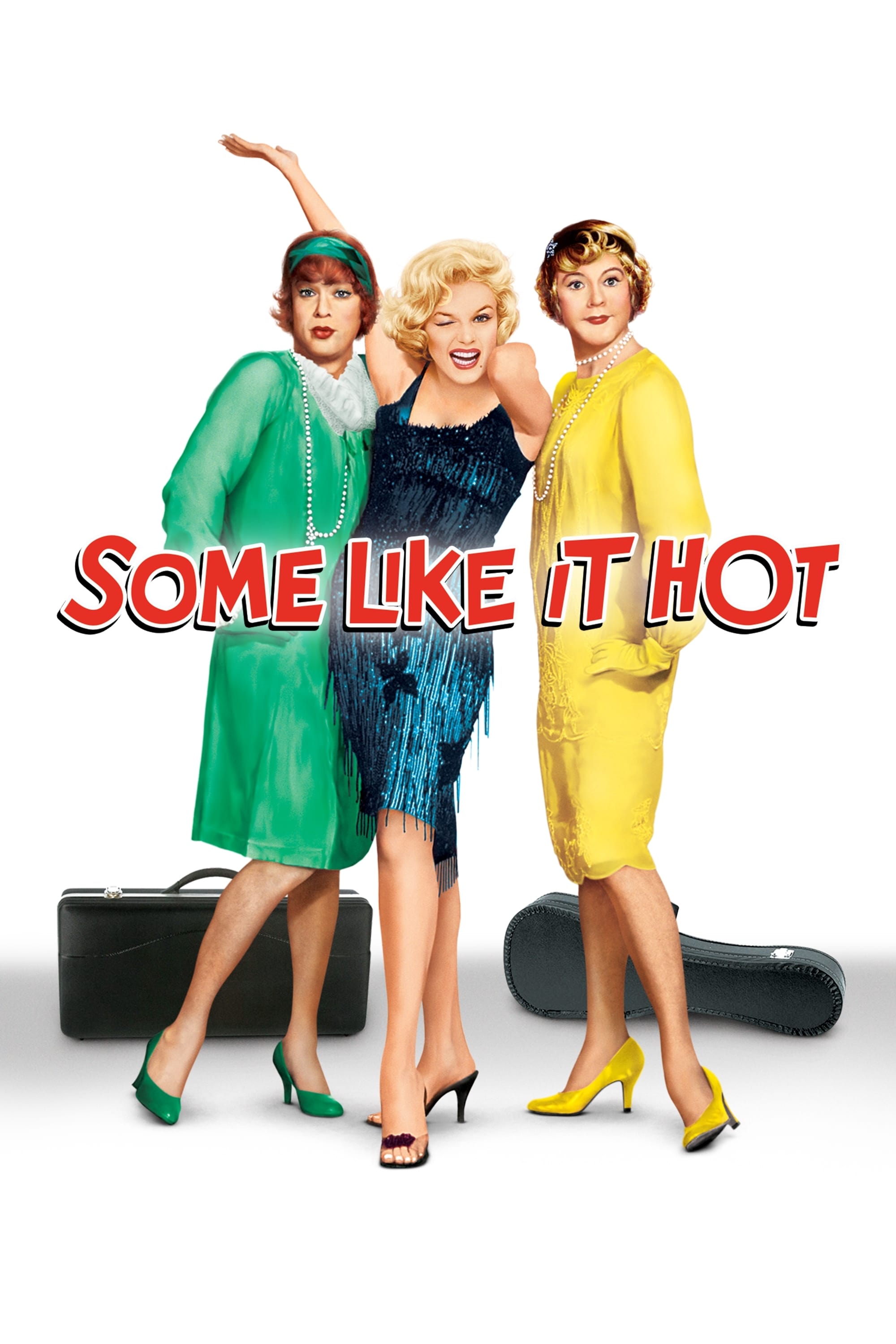
Lemmon starred in what is often called one of the greatest comedies ever made, Billy Wilder’s ‘Some Like It Hot’. He played Jerry, a bassist who, along with his saxophonist friend Joe (Tony Curtis), witnesses a mob crime. To escape, they disguise themselves as women and join an all-female orchestra, where Jerry, as “Daphne,” attracts the attention of a millionaire.
His performance as the frantic and hilarious Daphne earned him an Academy Award nomination for Best Actor. The film was a huge critical and commercial success, celebrated for its witty script and brilliant performances. It is widely considered the best American comedy film ever made, a testament to its timeless humor.
It Happened to Jane (1959)

In this comedy, Lemmon re-teamed with director Richard Quine and co-star Doris Day. Day played Jane Osgood, a widowed lobster businesswoman in a small Maine town whose shipment is ruined by the railroad company. Lemmon played her lawyer and loyal friend, George Denham, who helps her take on the powerful railroad tycoon.
The film was a lighthearted story of a small-town individual fighting against a big corporation. Lemmon’s character is a dedicated, small-town lawyer who carries a torch for his childhood friend. The film also featured Ernie Kovacs as a comedic antagonist, making it a reunion for him and Lemmon after ‘Bell, Book and Candle’ and ‘Operation Mad Ball’.
The Apartment (1960)
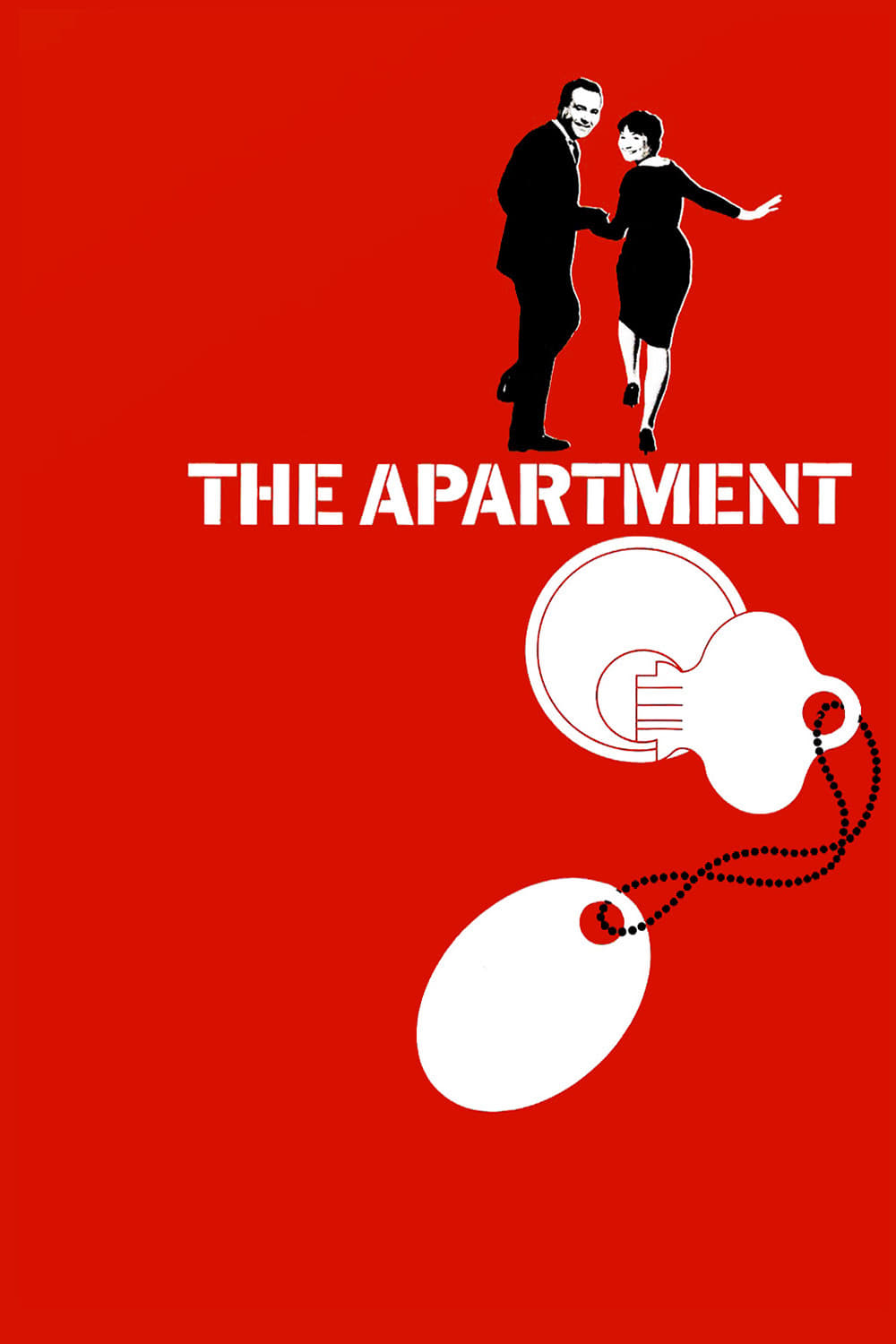
Lemmon collaborated with director Billy Wilder again for ‘The Apartment’, a comedy-drama that won the Academy Award for Best Picture. Lemmon starred as C.C. Baxter, a lonely insurance clerk who lends his apartment to his company’s executives for their affairs, hoping to get a promotion. His plan gets complicated when he falls for the elevator operator, who is also involved with his boss.
The film skillfully blended humor with themes of corporate corruption and loneliness. Lemmon’s portrayal of Baxter was both funny and heartbreaking, earning him another Oscar nomination for Best Actor. His performance is considered one of his finest, showcasing his ability to handle complex emotional tones.
Pepe (1960)
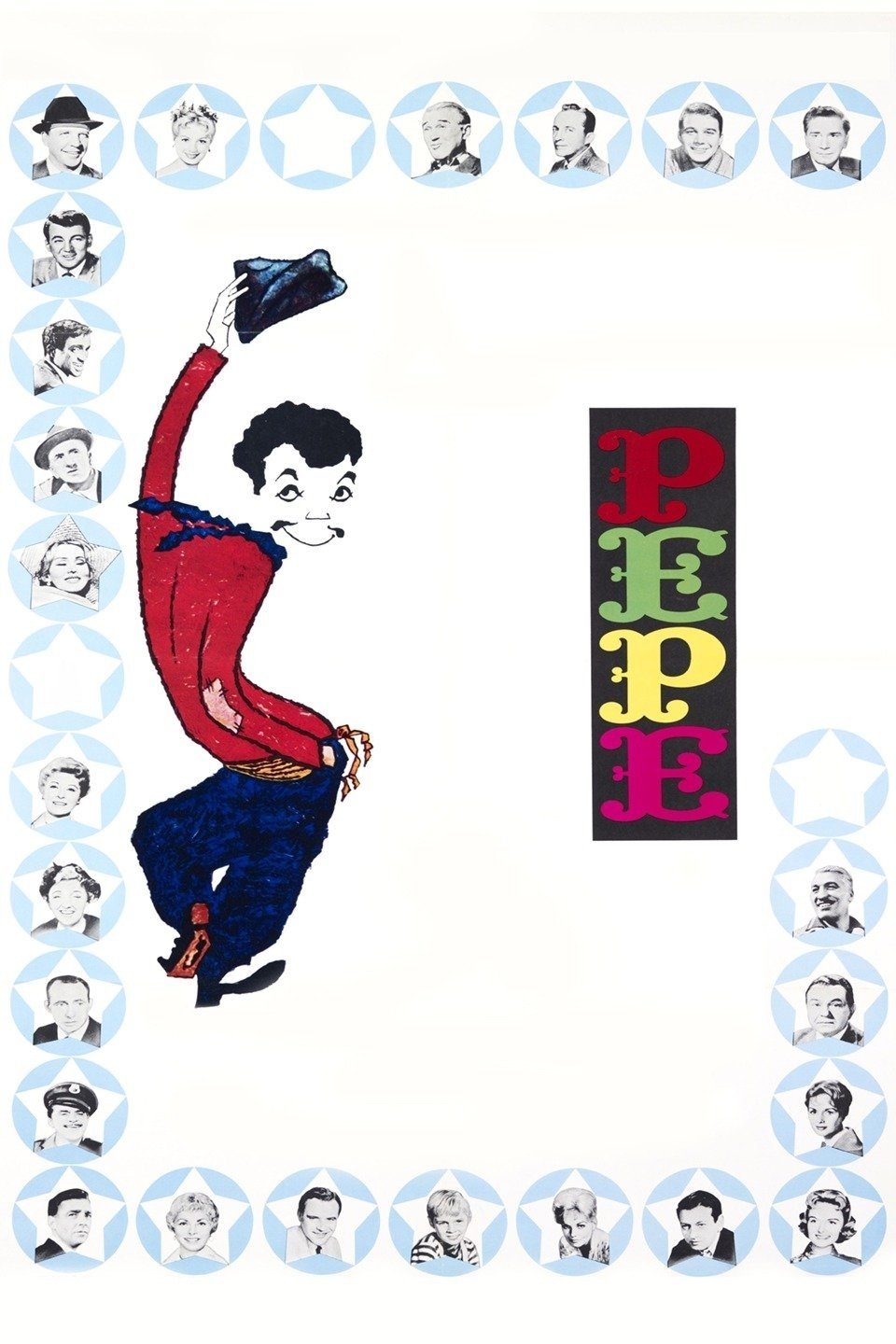
Jack Lemmon made a brief cameo appearance as his ‘Some Like It Hot’ character, Daphne, in the musical comedy ‘Pepe’. The film stars the Mexican comedian Cantinflas as a kindhearted ranch hand who travels to Hollywood and encounters a massive number of celebrities, who all play themselves.
Lemmon’s appearance was one of more than 35 celebrity cameos in the movie. He appears in character, still dressed as Daphne, and speaks briefly with Pepe. This playful nod to his famous role was a fun moment for audiences who had loved ‘Some Like It Hot’ the previous year.
The Wackiest Ship in the Army (1960)
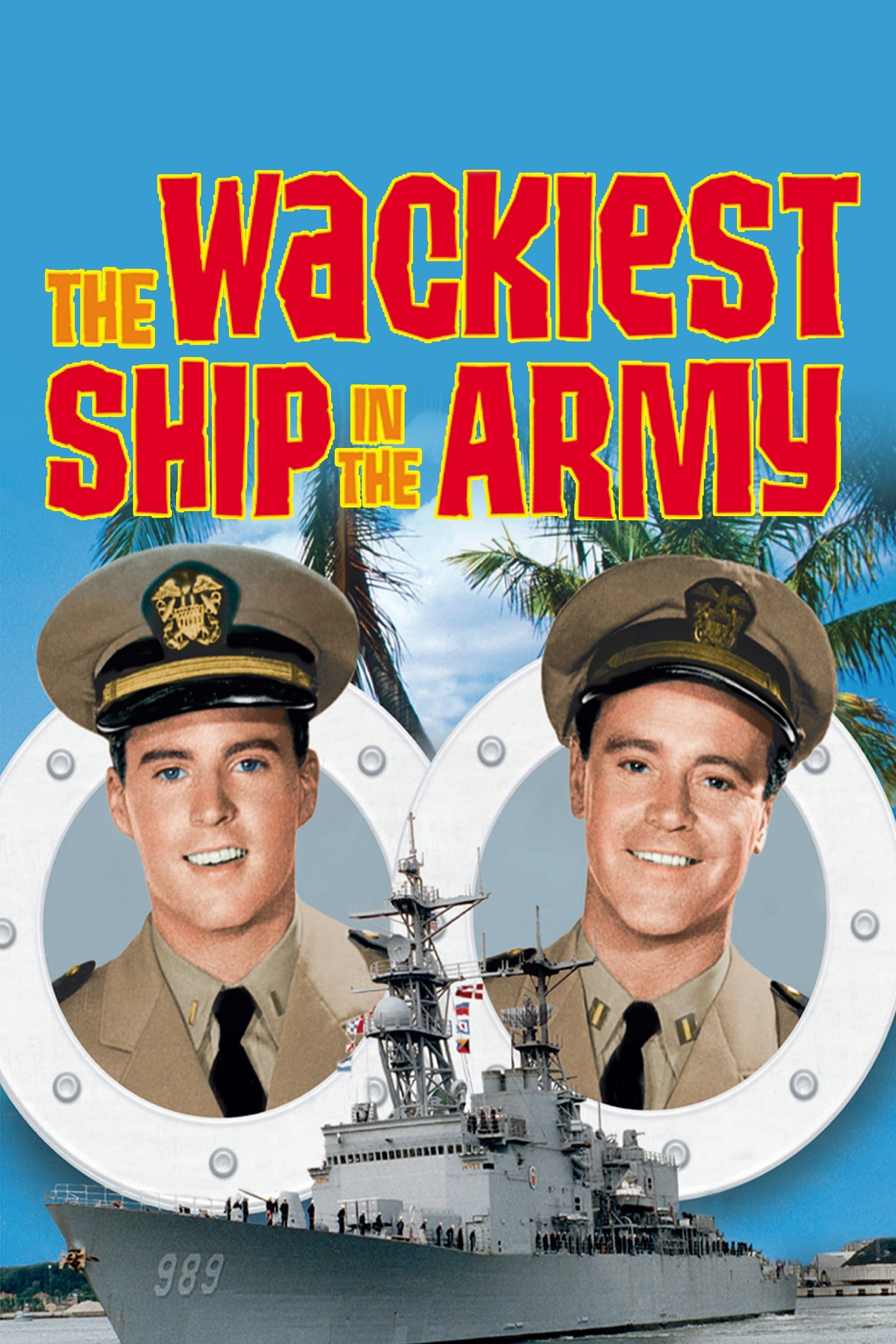
In this World War II comedy, Lemmon played Lieutenant Rip Crandall, a skilled sailor who is tricked into taking command of a rundown schooner, the USS Echo. He and his inexperienced crew are tasked with a secret mission to place a coast-watcher behind enemy lines. The film combines action, adventure, and humor.
The movie provided Lemmon with another military-themed leading role. He portrays a capable but frustrated officer trying to whip his motley crew into shape for a dangerous assignment. The film was a commercial success and later inspired a television series of the same name.
The Notorious Landlady (1962)
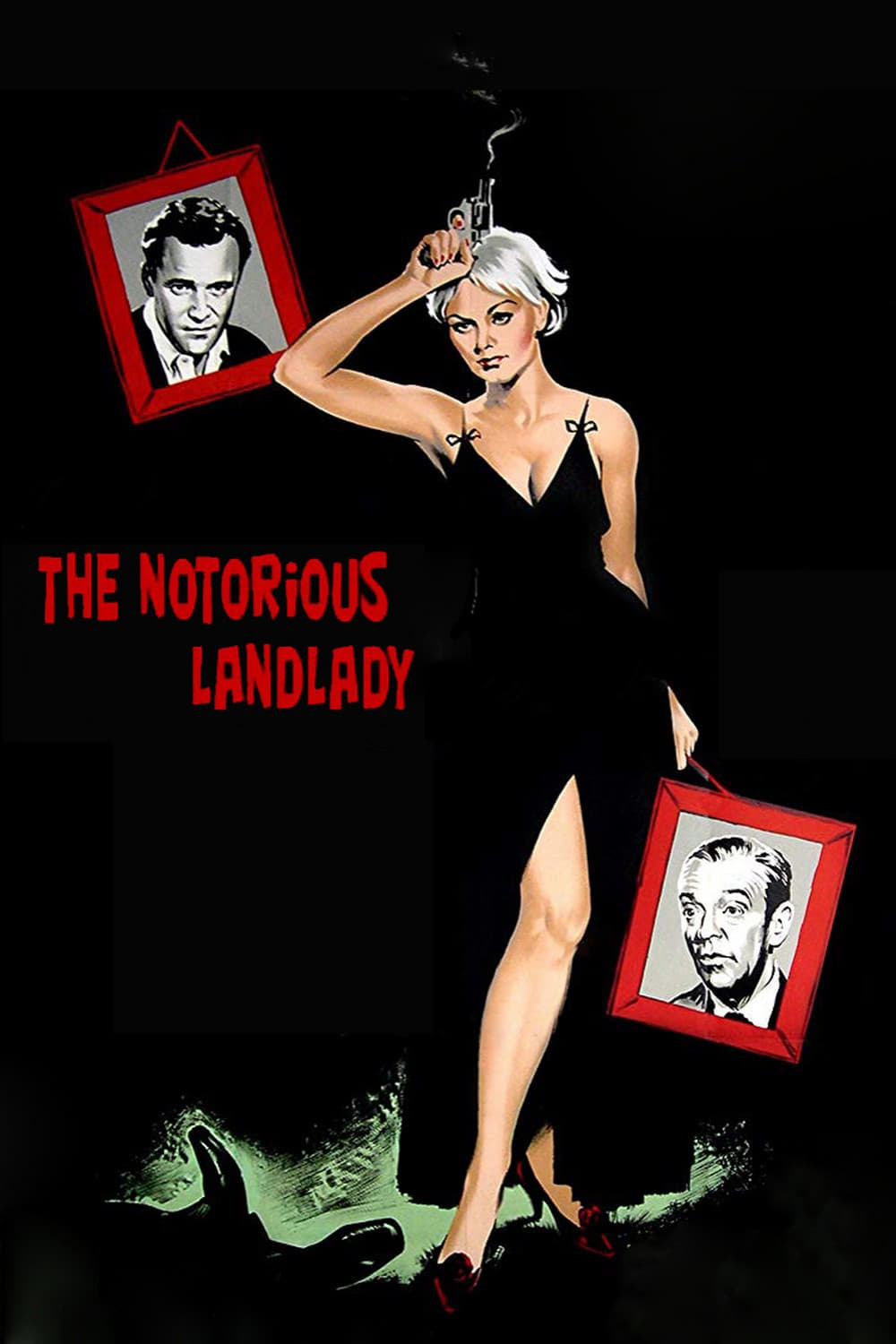
Lemmon starred in this comedy-mystery alongside Kim Novak and Fred Astaire. He played Bill Gridley, a young American diplomat who rents a room in a London flat from an alluring woman, Carlye Hardwicke (Novak). He soon becomes entangled in a murder investigation when her husband disappears and she becomes the prime suspect.
Directed by Richard Quine, the film playfully mixes suspense with humor. Lemmon’s character is torn between his romantic feelings for his landlady and the mounting evidence that suggests she might be a killer. Fred Astaire plays a fellow diplomat who tries to help Lemmon navigate the tricky situation.
Stowaway in the Sky (1960)
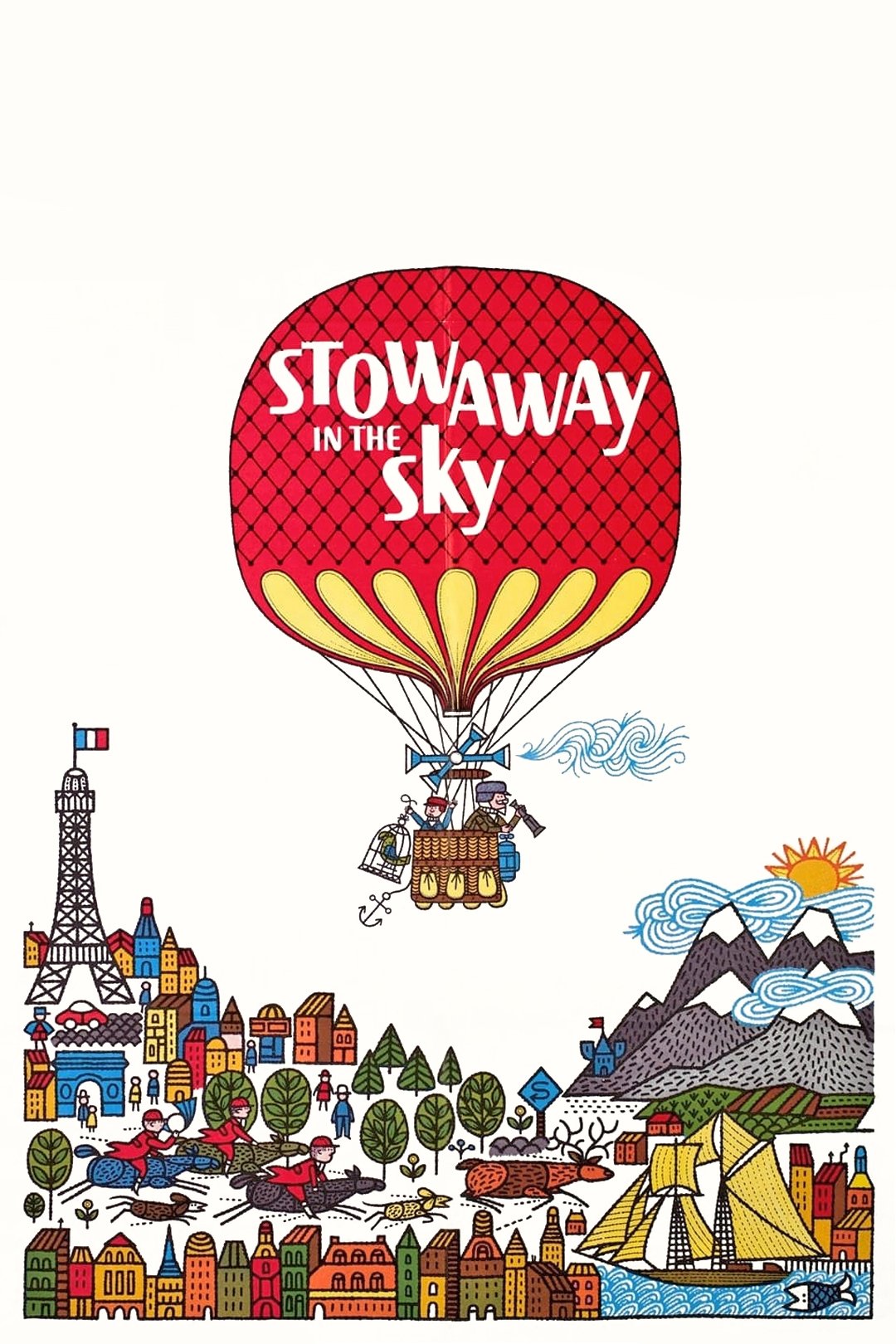
For the U.S. release of the French film ‘Le Voyage en Ballon’, retitled ‘Stowaway in the Sky’, Jack Lemmon served as the English-language narrator. The film follows the adventure of a young boy who accidentally gets carried away in his grandfather’s large, new hot-air balloon.
Lemmon’s production company, Jalem Productions, was also involved in presenting the American version of the film. His narration guides the audience through the boy’s journey across the French countryside, providing a warm and engaging voice for the family-friendly adventure.
Days of Wine and Roses (1962)
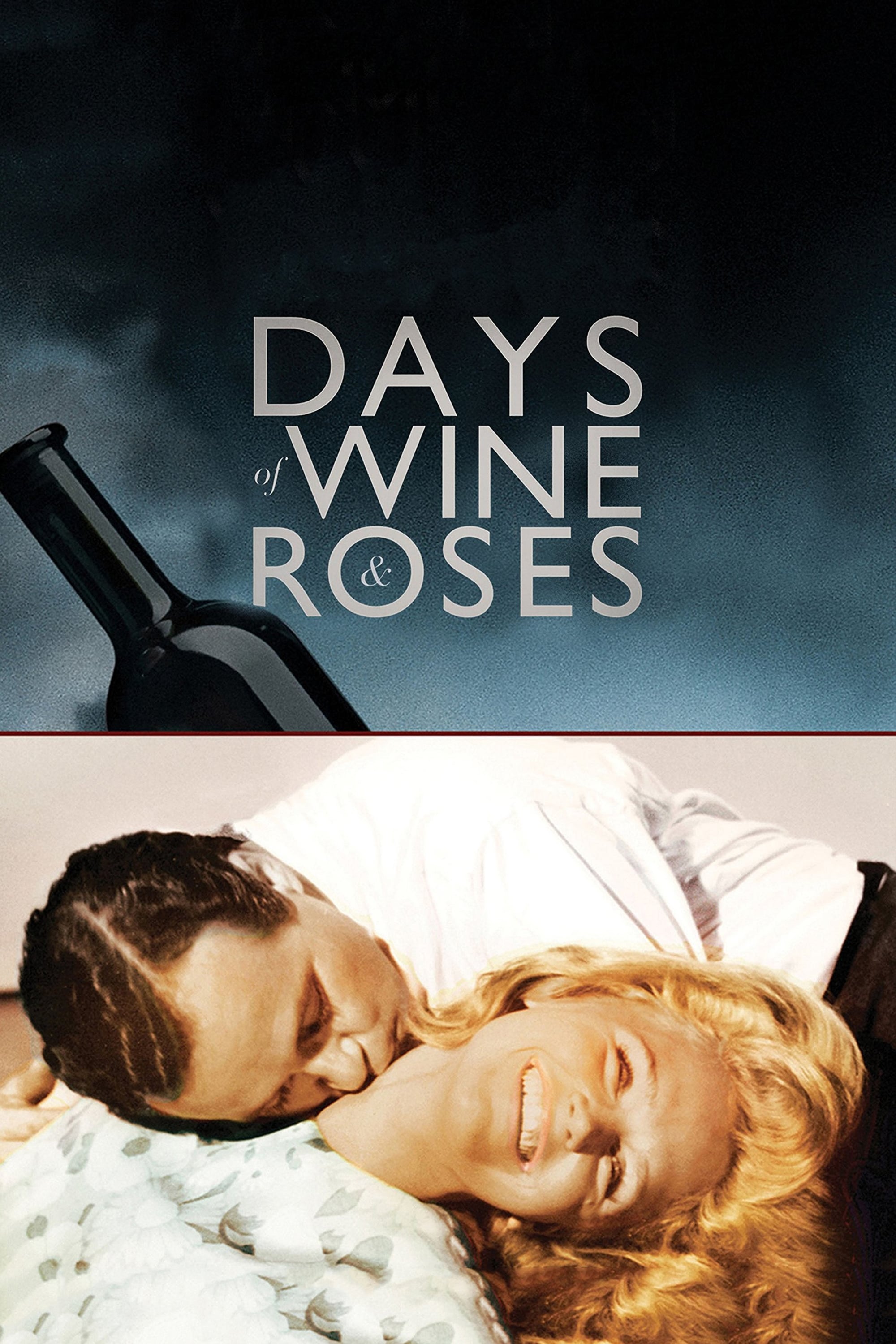
In a powerful dramatic turn, Lemmon starred with Lee Remick in ‘Days of Wine and Roses’, a grim and realistic depiction of alcoholism. He played Joe Clay, a public relations man who introduces his wife, Kirsten, to social drinking. Their habit soon spirals into a devastating addiction that destroys their lives and family.
The role was a significant departure from the comedic characters he was known for. Lemmon’s performance was intense and harrowing, earning him widespread critical acclaim and another Academy Award nomination for Best Actor. The film remains a powerful and sobering examination of the destructive nature of addiction.
Irma la Douce (1963)
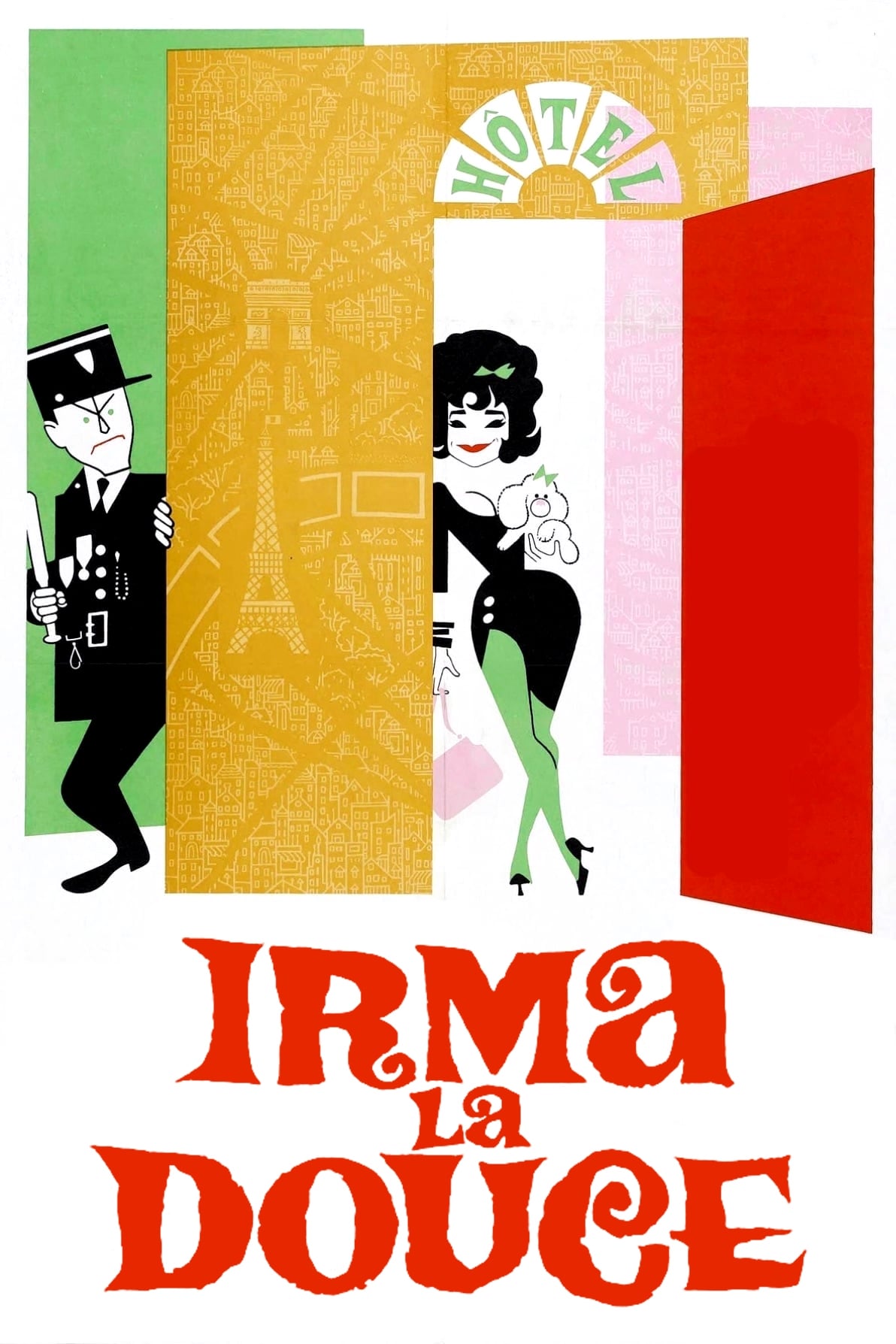
Lemmon reunited with director Billy Wilder and co-star Shirley MacLaine for the romantic comedy ‘Irma la Douce’. He played Nestor Patou, an honest Parisian police officer who is fired after raiding a brothel. He then falls in love with one of the women, Irma, and becomes her new protector, but his jealousy drives him to disguise himself as a wealthy old man to be her only client.
The film was a commercial success, thanks in large part to the chemistry between Lemmon and MacLaine, who had previously starred together in ‘The Apartment’. Director Billy Wilder chose to make it as a straight comedy, using the story’s musical score as background themes. Lemmon’s dual role as the bumbling Nestor and the fictional “Lord X” showcased his comedic range.
Under the Yum-Yum Tree (1963)
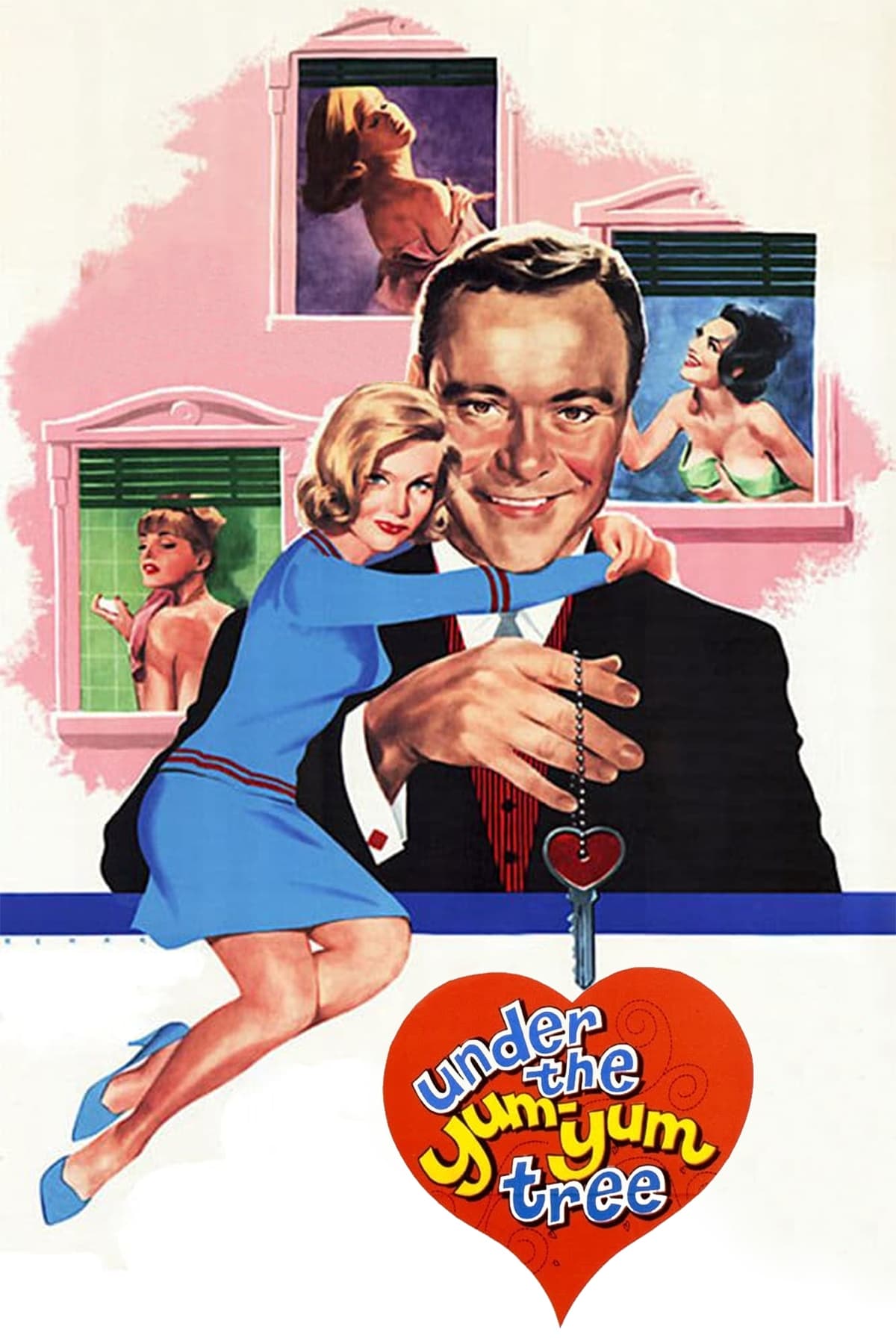
In this sex farce, Lemmon played Hogan, a lecherous landlord who relentlessly pursues the female tenants in his apartment building. The plot centers on a young couple who decide to live together platonically to test their compatibility, moving into an apartment managed by Lemmon’s character. Hogan then does everything he can to seduce the young woman.
The film was a box office hit, though Lemmon himself later expressed his dislike for the movie. His performance as the over-the-top, womanizing landlord was a departure from his usual “everyman” characters. The role earned him a Golden Globe nomination for Best Actor in a Musical or Comedy.
Good Neighbor Sam (1964)
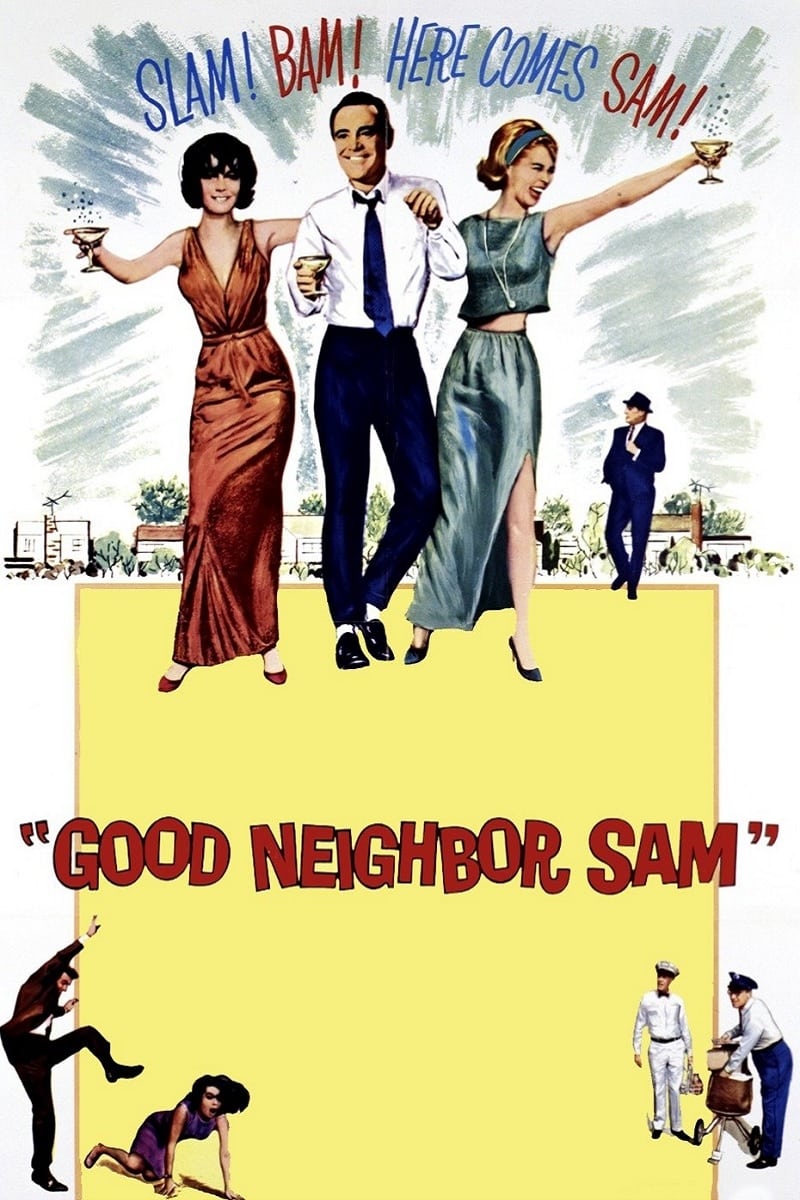
Lemmon starred in this comedy as Sam Bissell, a happily married advertising executive. His life gets complicated when he tries to help his new neighbor, played by Romy Schneider, secure a large inheritance. To do so, he must pretend to be her husband, leading to a series of chaotic and hilarious misunderstandings with his wife, his boss, and a private detective.
The film was a fast-paced farce filled with slapstick humor and mistaken identities. Lemmon’s performance captured the stress and panic of an ordinary man caught in an increasingly absurd situation. The movie was a commercial success and further cemented his status as a top box-office comedy star.
How to Murder Your Wife (1965)
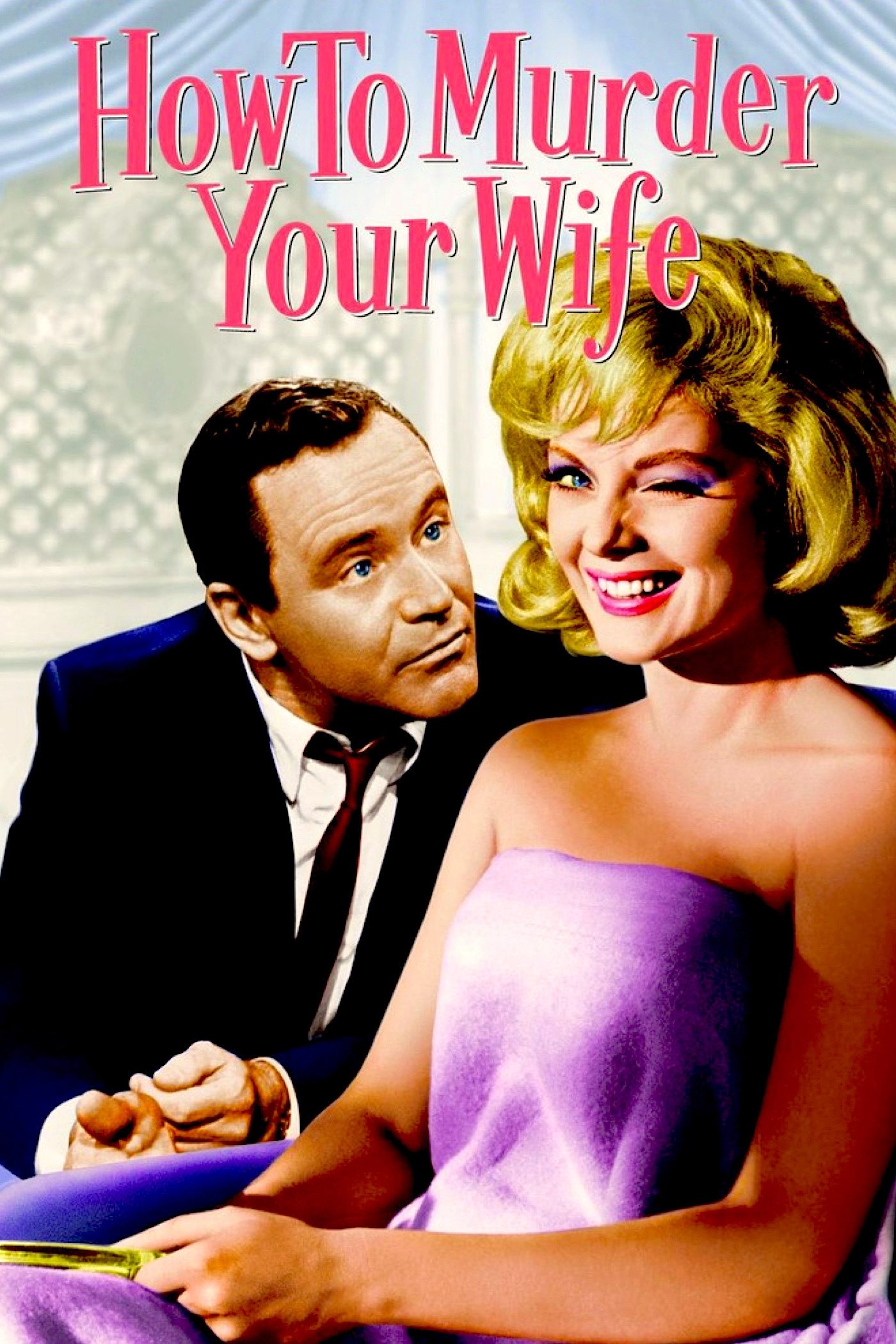
In this dark comedy, Lemmon played Stanley Ford, a successful cartoonist and confirmed bachelor who wakes up one morning to find he drunkenly married an Italian woman at a party. When she proves to be a disruptive force in his meticulously organized life, he begins to plot her murder in his comic strip. His fantasies take a dangerous turn when his wife actually disappears.
The film was another hit for Lemmon, directed by Richard Quine. His character’s frustration and elaborate scheming provided much of the film’s humor. The movie was known for its stylish look and clever premise, playing with the conventions of the “battle of the sexes” comedies popular at the time.
The Great Race (1965)
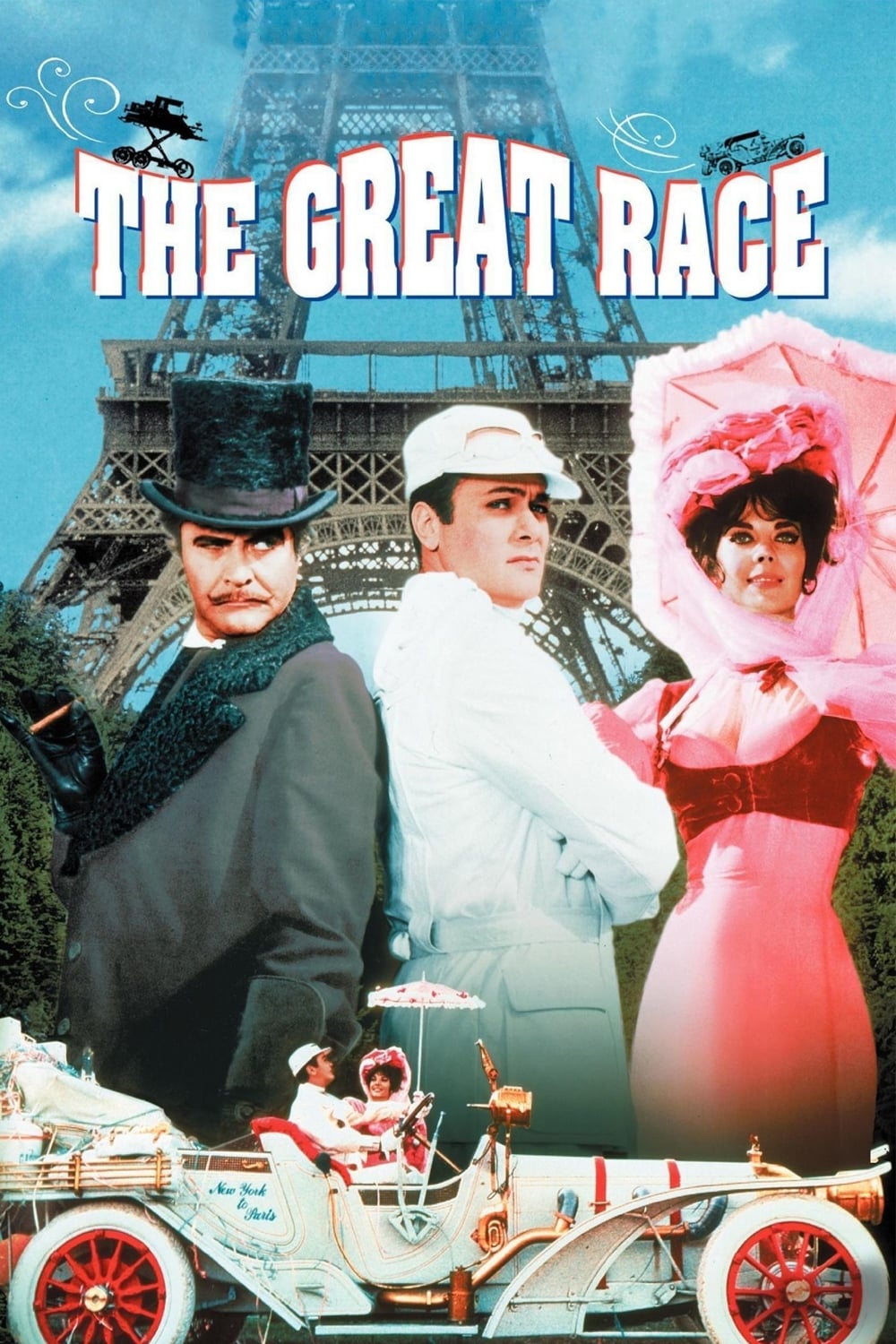
Lemmon played the villainous Professor Fate in Blake Edwards’ epic comedy ‘The Great Race’. The film is a tribute to silent-era slapstick and follows an international car race from New York to Paris. As the mustachioed, black-clad villain, Lemmon’s character tries every underhanded trick to stop the handsome hero, The Great Leslie, played by Tony Curtis.
Lemmon also played a second role as the foppish, drunken Prince Hapnick. His over-the-top performance as Professor Fate, complete with his catchphrase “Push the button, Max!”, is one of the most memorable of his career. The film featured one of the largest pie fights in movie history and was a grand-scale spectacle of comedy.
The Fortune Cookie (1966)
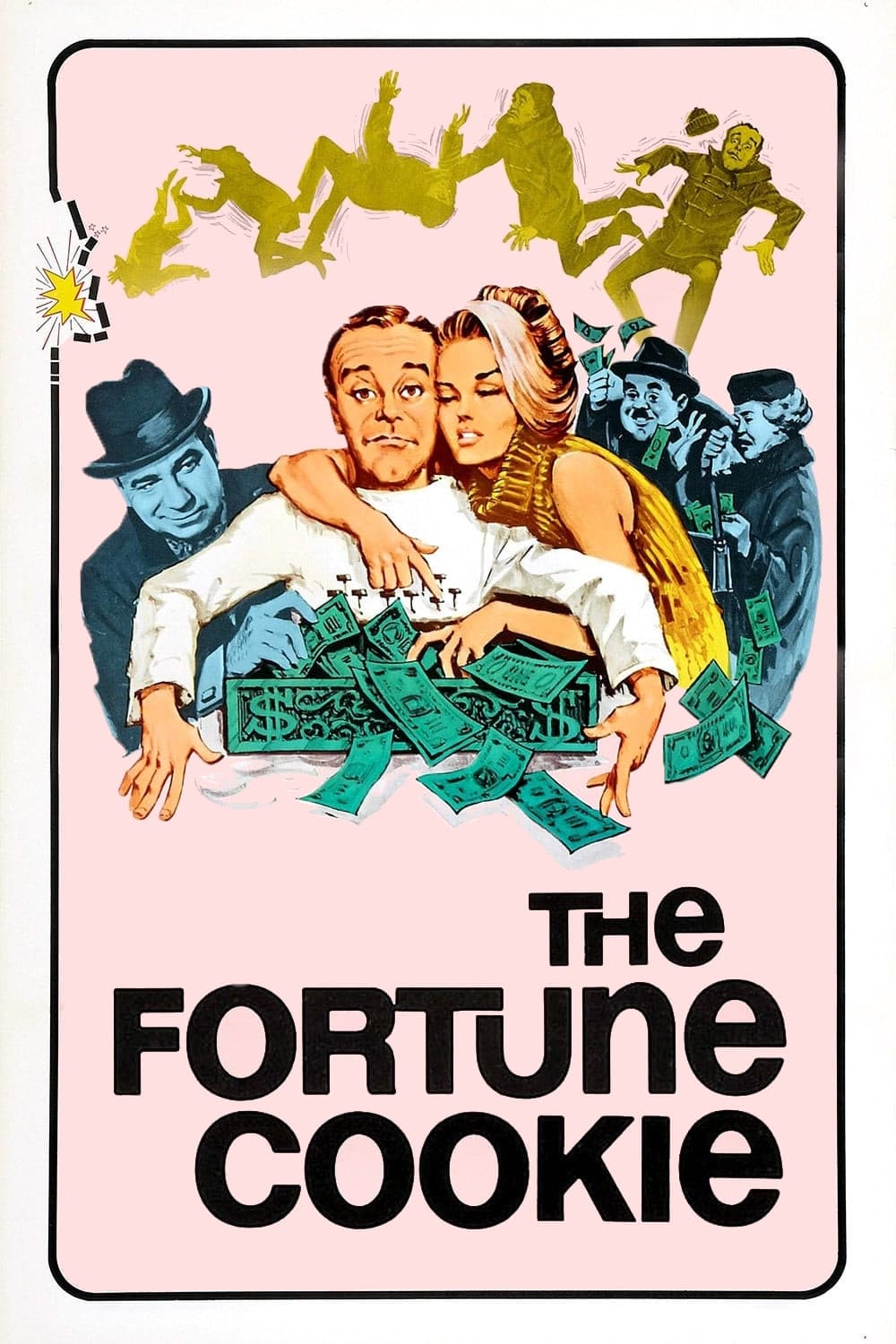
This film marked the first of many successful collaborations between Jack Lemmon and Walter Matthau. Lemmon played Harry Hinkle, a television cameraman who is accidentally injured during a football game. His scheming brother-in-law, a lawyer named “Whiplash Willie” played by Matthau, convinces him to fake a more serious injury for a massive insurance payout.
Directed by Billy Wilder, ‘The Fortune Cookie’ established the classic on-screen dynamic between the two actors: Lemmon as the well-meaning, flustered victim of circumstance and Matthau as the cynical opportunist. Matthau won an Academy Award for Best Supporting Actor for his performance, and their legendary partnership was born.
Luv (1967)

In this dark comedy, Lemmon played Harry Berlin, a down-on-his-luck man about to jump off a bridge. He is interrupted by his old friend Milt (Peter Falk), who wants to get rid of his own wife, Ellen (Elaine May), so he can be with his mistress. Milt decides Harry is the perfect person to take Ellen off his hands, leading to an absurd love triangle.
The film was produced by Lemmon’s own company, Jalem Productions. It uses a highly theatrical and satirical style to explore themes of love, marriage, and misery. The movie received mixed reviews, with some critics finding its humor too frantic and its characters overly exaggerated.
Cool Hand Luke (1967)
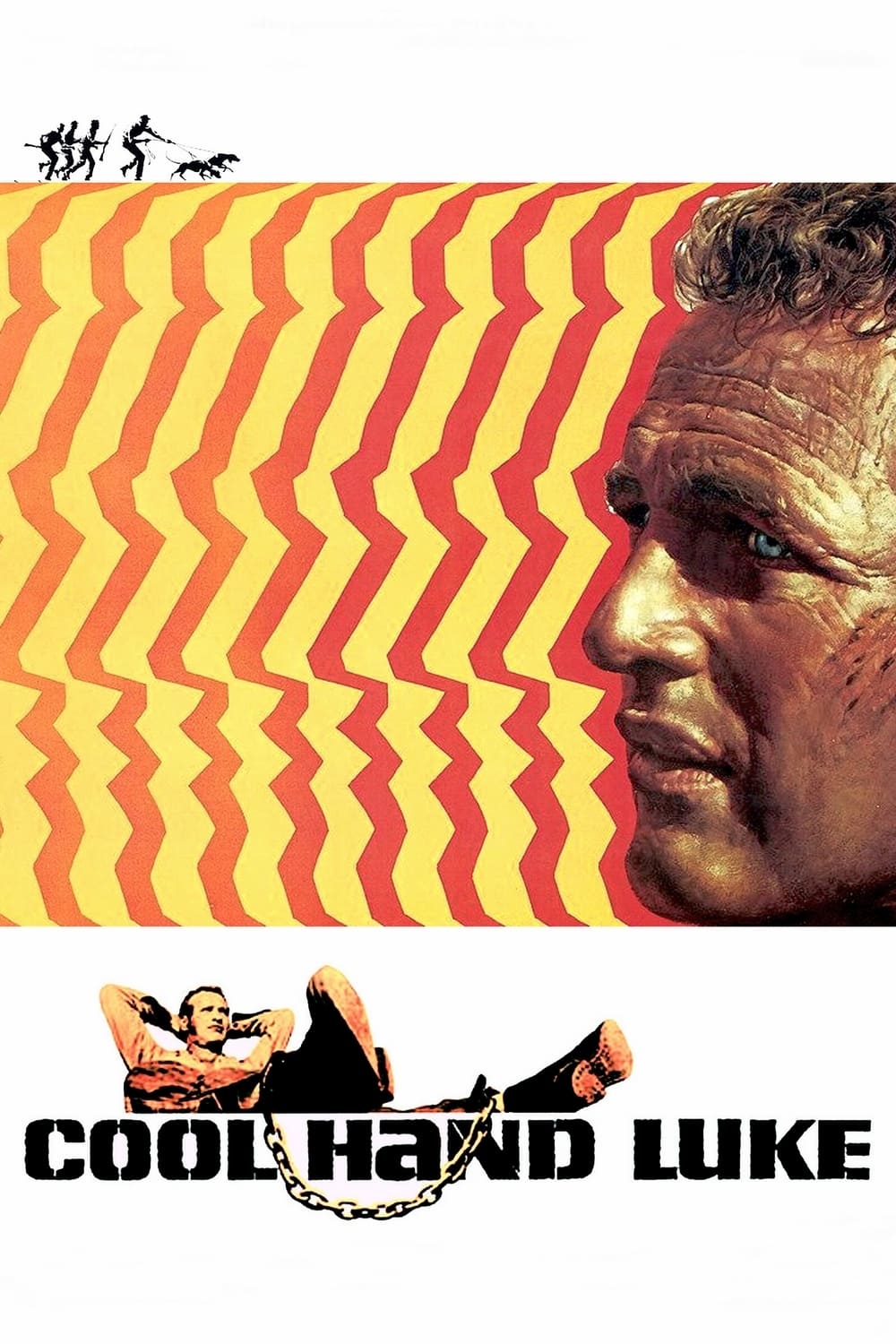
While Jack Lemmon did not act in the classic prison drama ‘Cool Hand Luke’, his production company, Jalem Productions, was behind the film. The movie stars Paul Newman as a defiant nonconformist sentenced to a rural prison camp. His refusal to bend to the will of the warden and guards makes him a hero to his fellow inmates.
‘Cool Hand Luke’ was a major critical and commercial success. George Kennedy won the Academy Award for Best Supporting Actor for his role as the inmate leader, Dragline. Lemmon’s involvement as a producer demonstrated his interest in supporting important dramatic films, not just comedies he starred in.
The Odd Couple (1968)
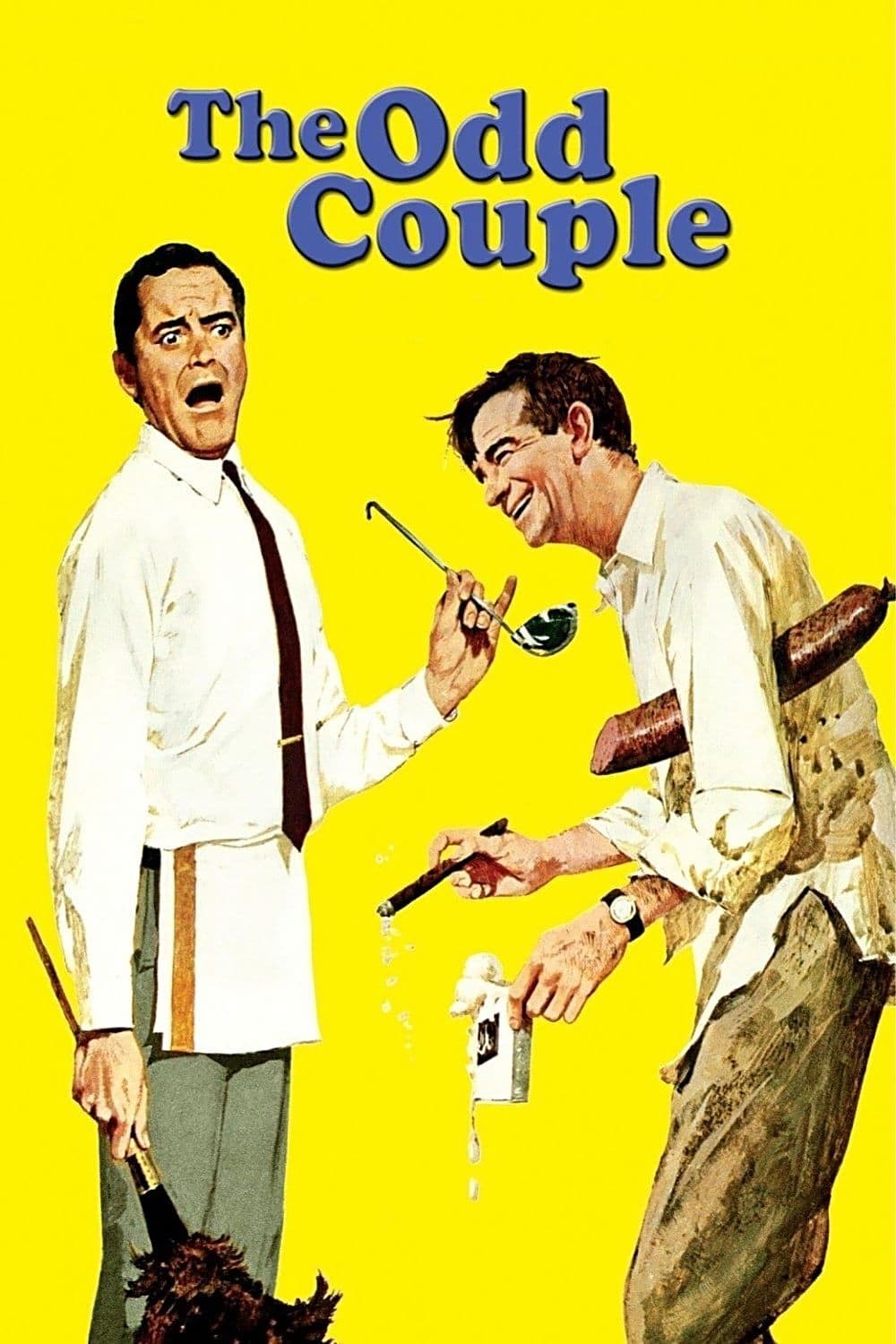
Lemmon co-starred with Walter Matthau in the film adaptation of Neil Simon’s hit Broadway play, ‘The Odd Couple’. Lemmon played the obsessively neat and neurotic Felix Ungar, who, after being kicked out by his wife, moves in with his sloppy and easygoing friend, sportswriter Oscar Madison (Matthau). Their clashing personalities create constant comedic conflict.
The film was a massive critical and financial success, solidifying Lemmon and Matthau as one of the greatest comedy duos in film history. Their perfect chemistry and Neil Simon’s sharp writing made the characters iconic. The movie’s popularity led to a successful television series and cemented the story as a timeless classic.
The April Fools (1969)
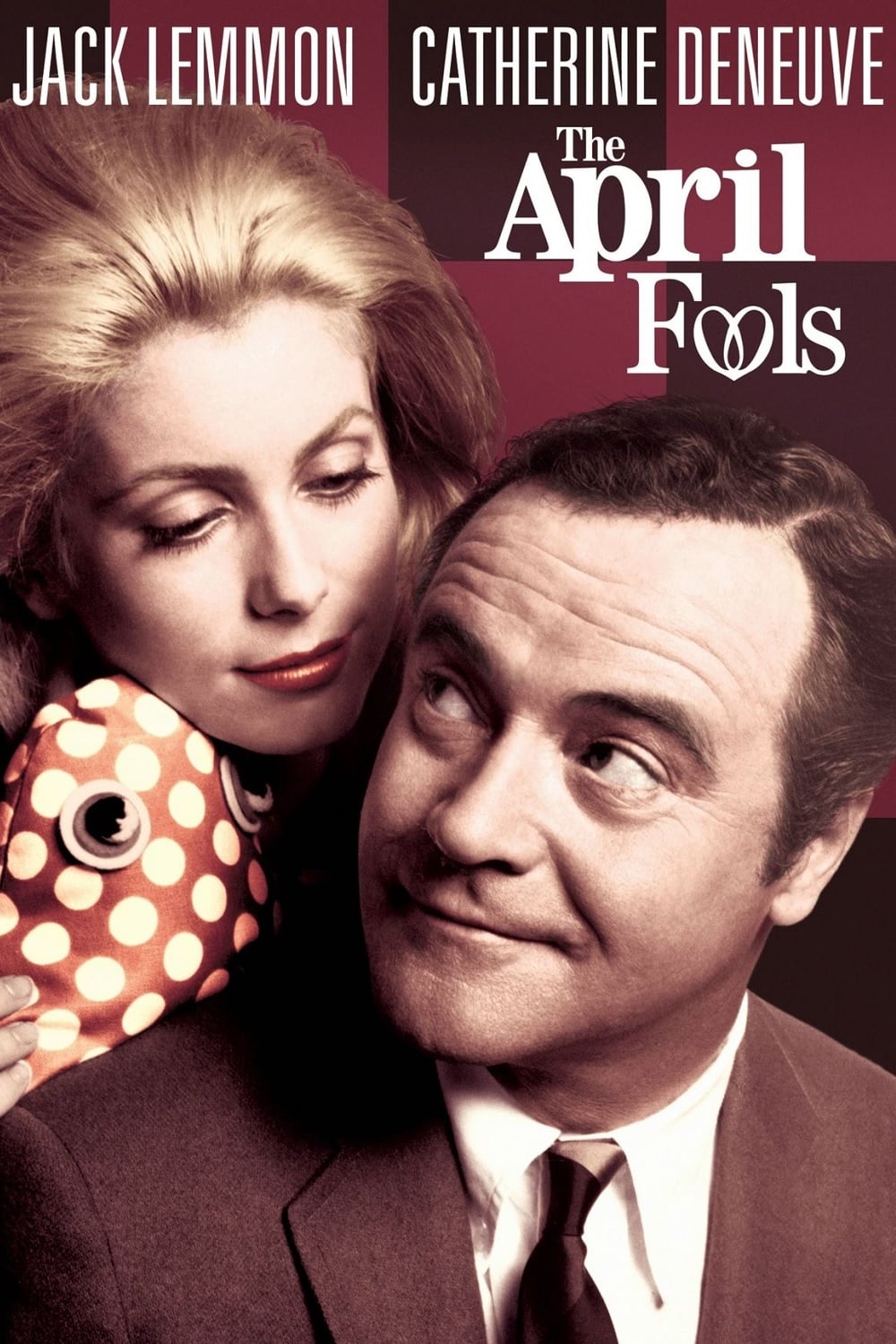
Lemmon starred in this romantic comedy alongside Catherine Deneuve. He played Howard Brubaker, a married, suburban stockbroker who feels trapped in his loveless marriage. He has a chance encounter with a beautiful woman, Catherine, who is also unhappily married to his boss, and they impulsively decide to run off to Paris together.
The film follows their whirlwind one-day romance as they decide to leave their old lives behind. It captures a sense of spontaneous adventure and the desire for a fresh start. The movie received mixed reviews but was notable for pairing Lemmon with the famous French actress Catherine Deneuve.
The Out-of-Towners (1970)
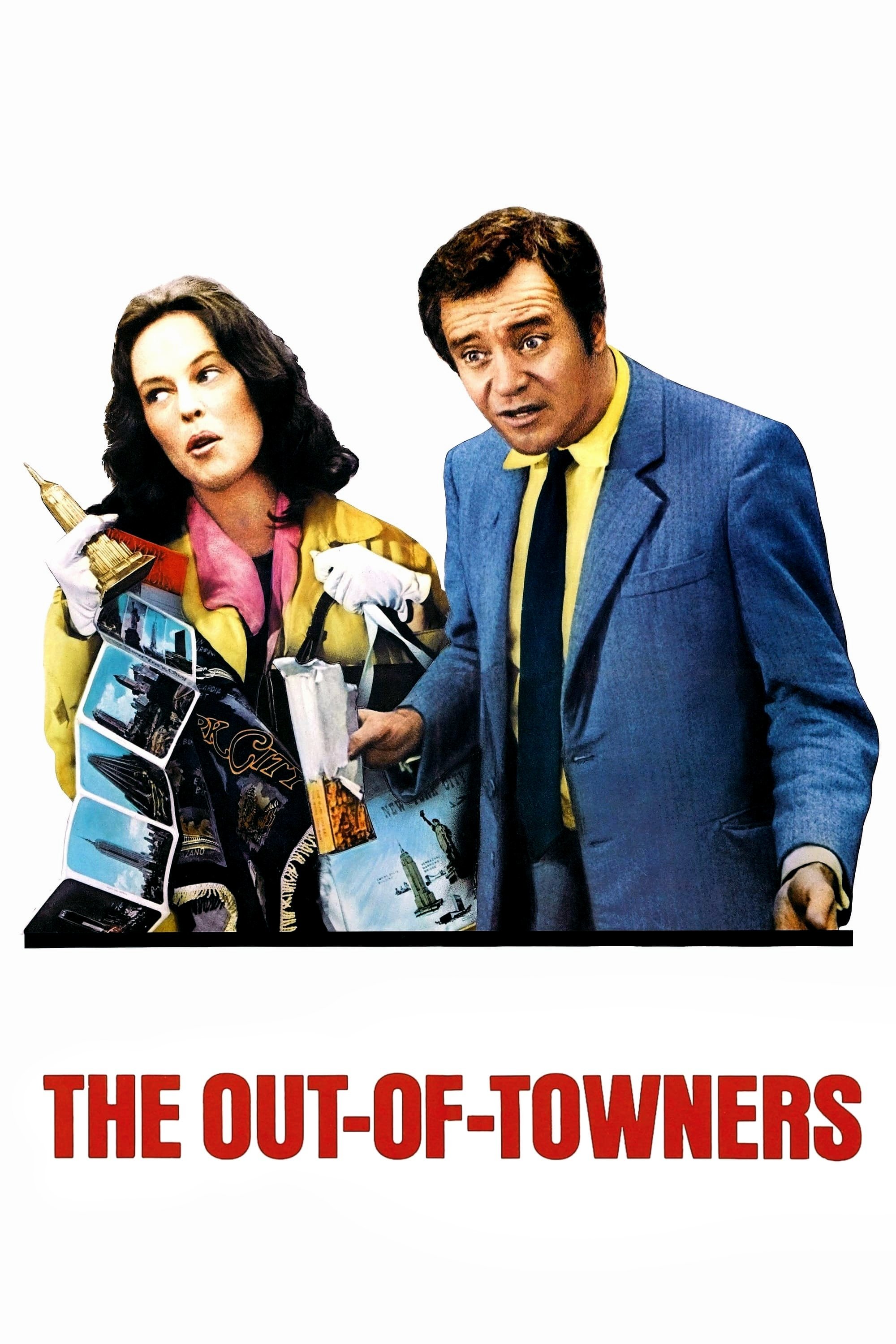
In this comedy written by Neil Simon, Lemmon starred with Sandy Dennis as George and Gwen Kellerman, an Ohio couple traveling to New York City for a job interview. Their trip quickly turns into a complete disaster, as they are mugged, lose their luggage, get stuck between subway doors, and endure a series of other urban nightmares.
Lemmon’s performance as the increasingly frantic and exasperated George is a classic example of his “everyman” character pushed to the breaking point. The film is a relentless comedy of errors, humorously depicting the anxieties of city life for two unsuspecting visitors.
Kotch (1971)

Jack Lemmon made his directorial debut with the comedy-drama ‘Kotch’, which starred his friend and frequent co-star, Walter Matthau. Lemmon did not have a major acting role in the film, but he did make a brief, uncredited cameo appearance as a sleeping bus passenger.
The film tells the story of an elderly widower whose family tries to move him into a nursing home. Matthau earned an Academy Award nomination for Best Actor for his performance. Lemmon’s work as a director received positive notices, proving his talents extended behind the camera as well.
The War Between Men and Women (1972)
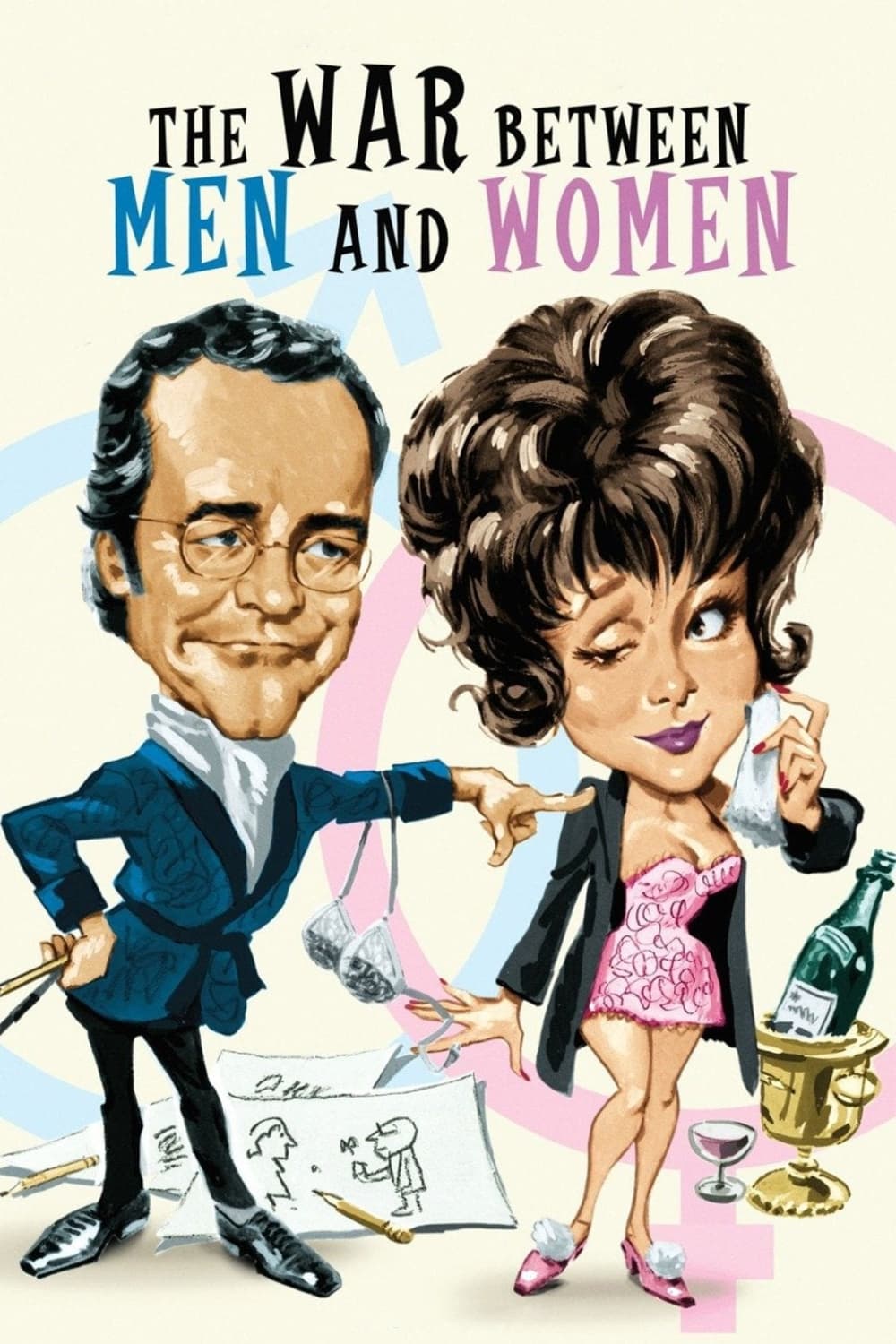
Lemmon starred as Peter Wilson, a sarcastic and partially blind cartoonist who is hostile toward women, children, and dogs. His life changes when he meets and falls for a single mother of three, Theresa Kozlenko, played by Barbara Harris. The film incorporates animated segments based on famous cartoons.
The movie explores the challenges of their relationship as Peter, who is losing his remaining sight, learns to connect with Theresa and her family. Lemmon’s character was a writer and cartoonist, and his performance blended cynicism with underlying vulnerability. The film was noted for its mix of sharp comedy and poignant drama.
Avanti! (1972)

Lemmon teamed up with director Billy Wilder for a seventh and final time in the romantic comedy ‘Avanti!’. He played Wendell Armbruster, Jr., an uptight American businessman who travels to Italy to claim the body of his father, who died in a car accident. He is shocked to discover his father had a secret mistress for years, who also died in the crash, and finds himself falling for her daughter.
Set on the beautiful island of Ischia, the film is a more gentle and leisurely paced comedy than their earlier collaborations. It satirizes cultural differences and bureaucratic red tape as Lemmon’s character slowly sheds his rigid ways and embraces a more relaxed, romantic outlook on life. Lemmon earned a Golden Globe award for his performance.
Save the Tiger (1973)
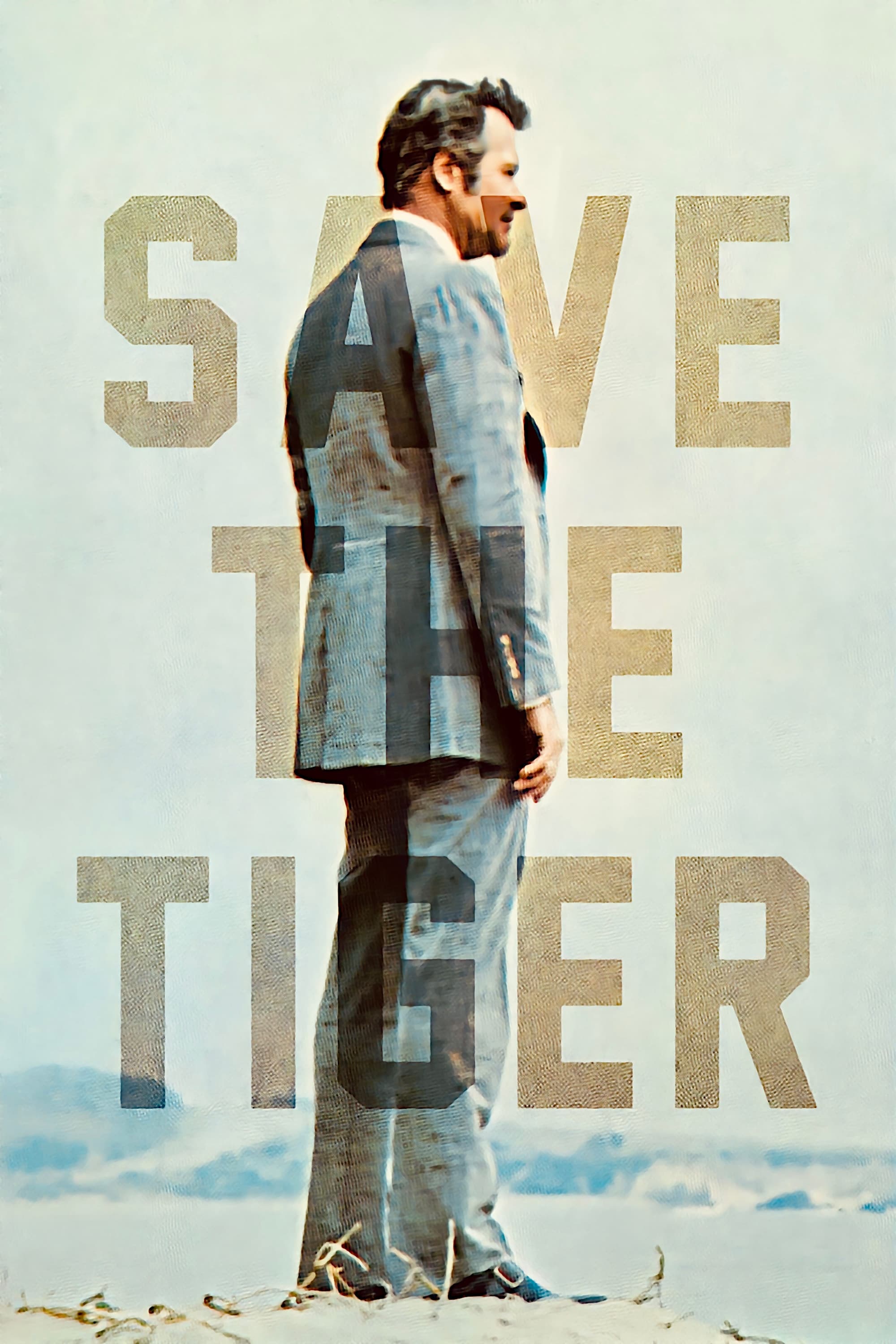
For his powerful performance in ‘Save the Tiger’, Jack Lemmon won the Academy Award for Best Actor. He played Harry Stoner, a garment manufacturer on the verge of a nervous breakdown. Traumatized by his experiences in World War II and facing the collapse of his business, he contemplates burning down his factory for the insurance money.
The role was one of the most demanding of Lemmon’s career, a dark and intense portrayal of a man grappling with moral decay and disillusionment. The film is a gritty character study that captures the desperation of a man who feels the American dream has failed him. Lemmon’s Oscar win made him the first actor to win in both the Best Actor and Best Supporting Actor categories.
Killer Cop (1974)
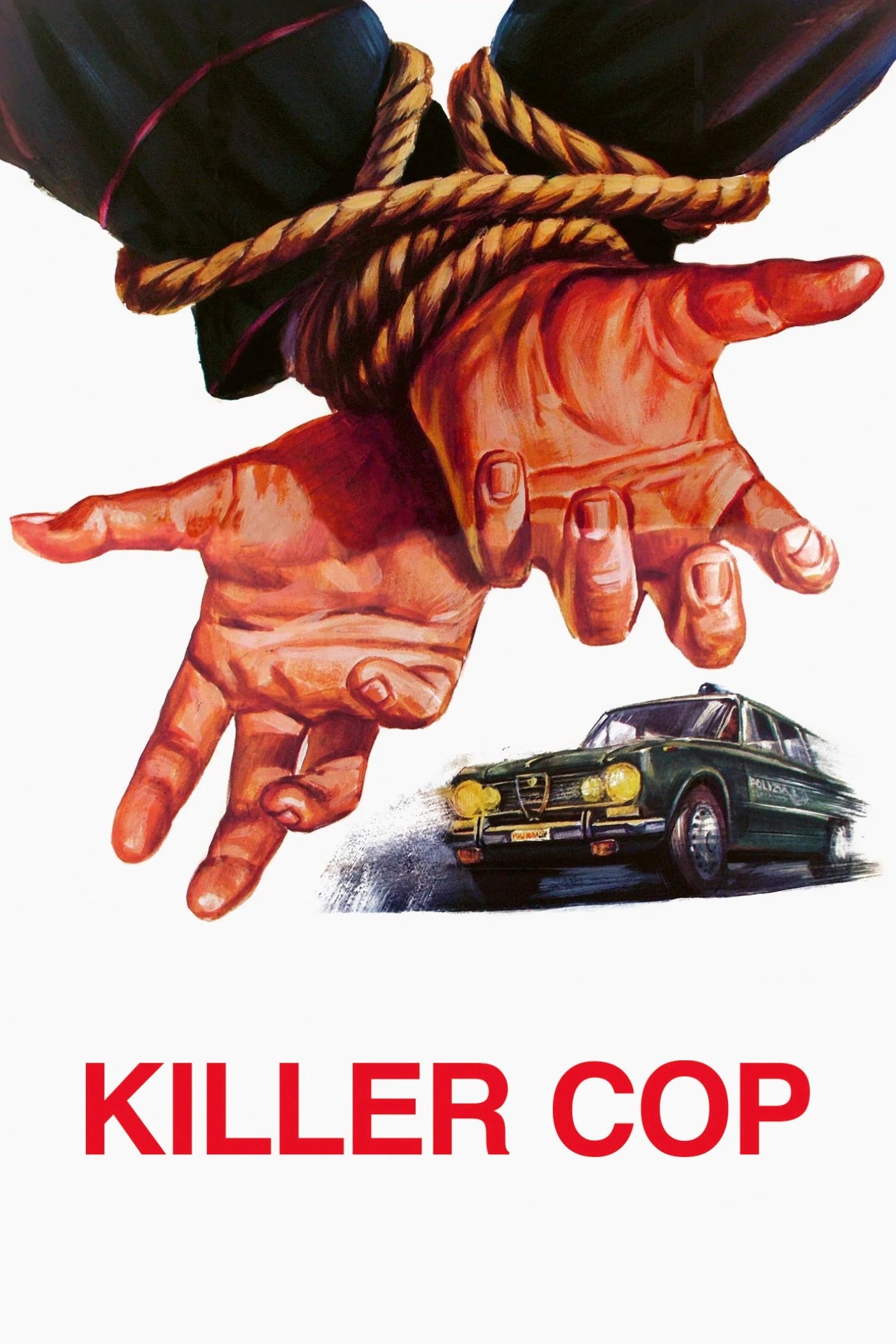
In 1974, Jack Lemmon provided the English-language narration for the U.S. release of the Italian crime film ‘La polizia ha le mani legate’, which was retitled ‘Killer Cop’. The film is a gritty thriller about a police investigation into a series of bombings and a drug trafficking ring.
Lemmon did not appear on screen, but his voice was used to guide American audiences through the complex plot of the foreign film. This type of voice-over work was a common practice to make international films more accessible to U.S. viewers during that time.
The Front Page (1974)
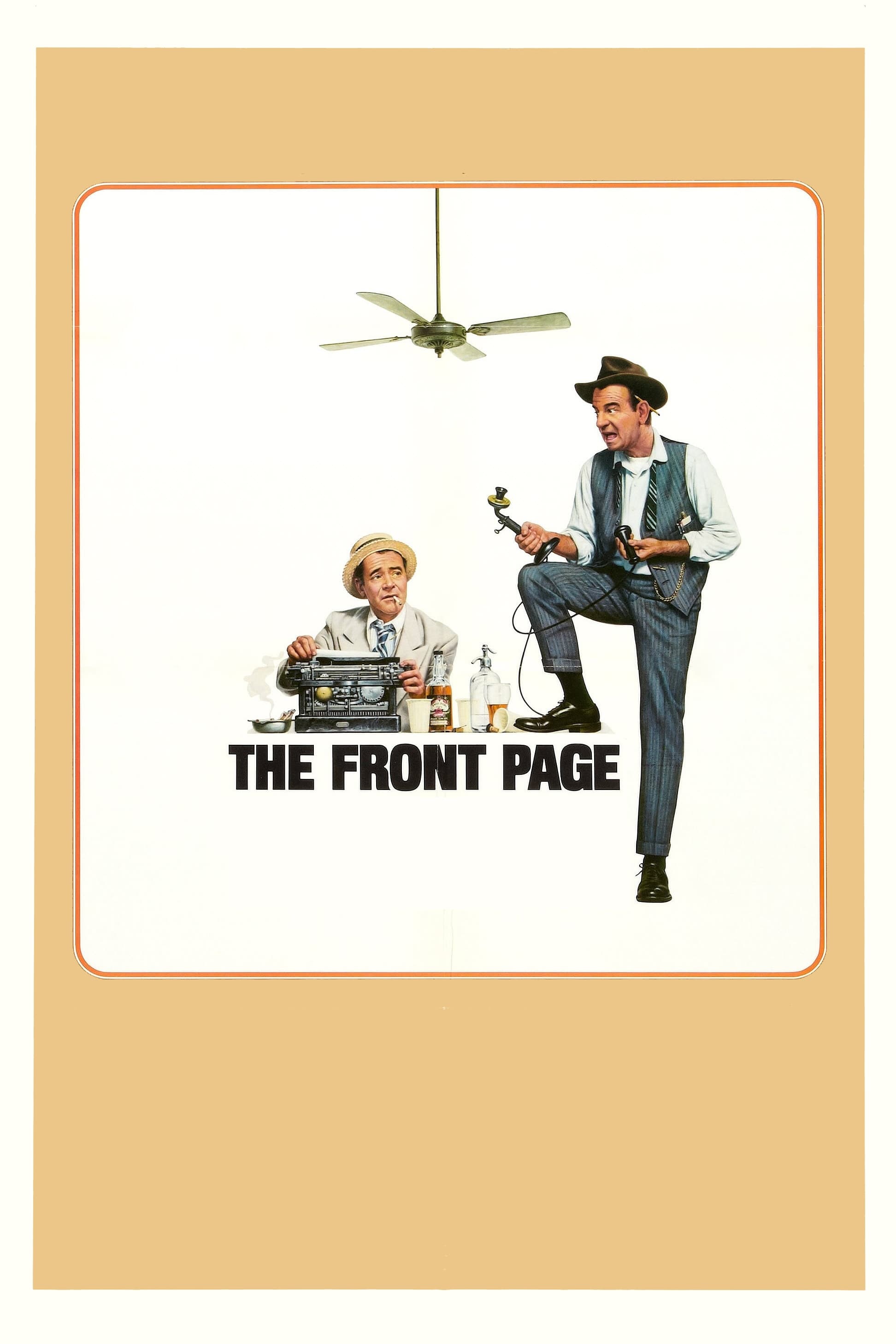
Lemmon and Walter Matthau reunited with director Billy Wilder for a comedy remake of ‘The Front Page’. Lemmon played ace reporter Hildebrand “Hildy” Johnson, who is about to quit his job to get married. His manipulative editor, Walter Burns (Matthau), does everything he can to keep him on the job to cover one last big story: the execution of a convicted killer.
The movie showcased rapid-fire dialogue and cynical humor, powered by the comedic chemistry of its two leads. Lemmon and Matthau both earned Golden Globe nominations for their performances.
Wednesday (1975)
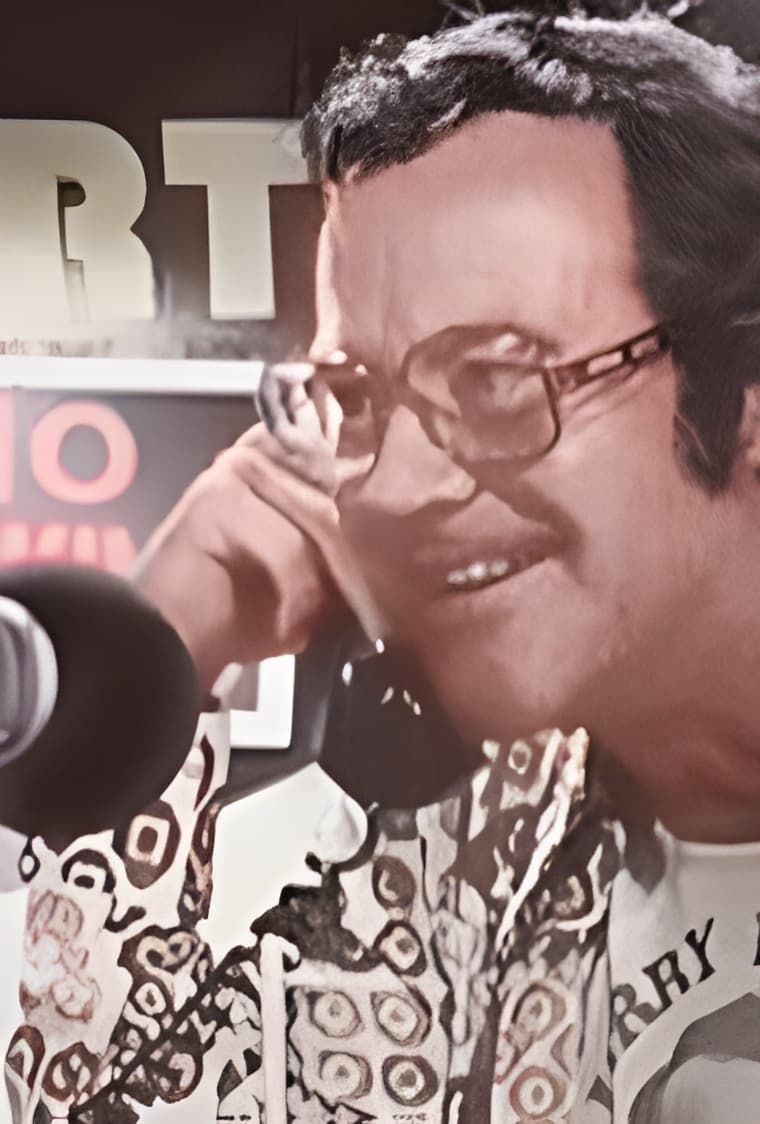
Jack Lemmon starred in the short film ‘Wednesday’ as Jerry Murphy. The film was created as part of the AFI Conservatory’s Directing Workshop for Women, which provided opportunities for women to gain experience in filmmaking.
This role demonstrated Lemmon’s support for emerging talent and new voices in the industry. His participation in a workshop film was a generous contribution from an established star, lending his considerable talent and name recognition to a smaller-scale project.
The Prisoner of Second Avenue (1975)
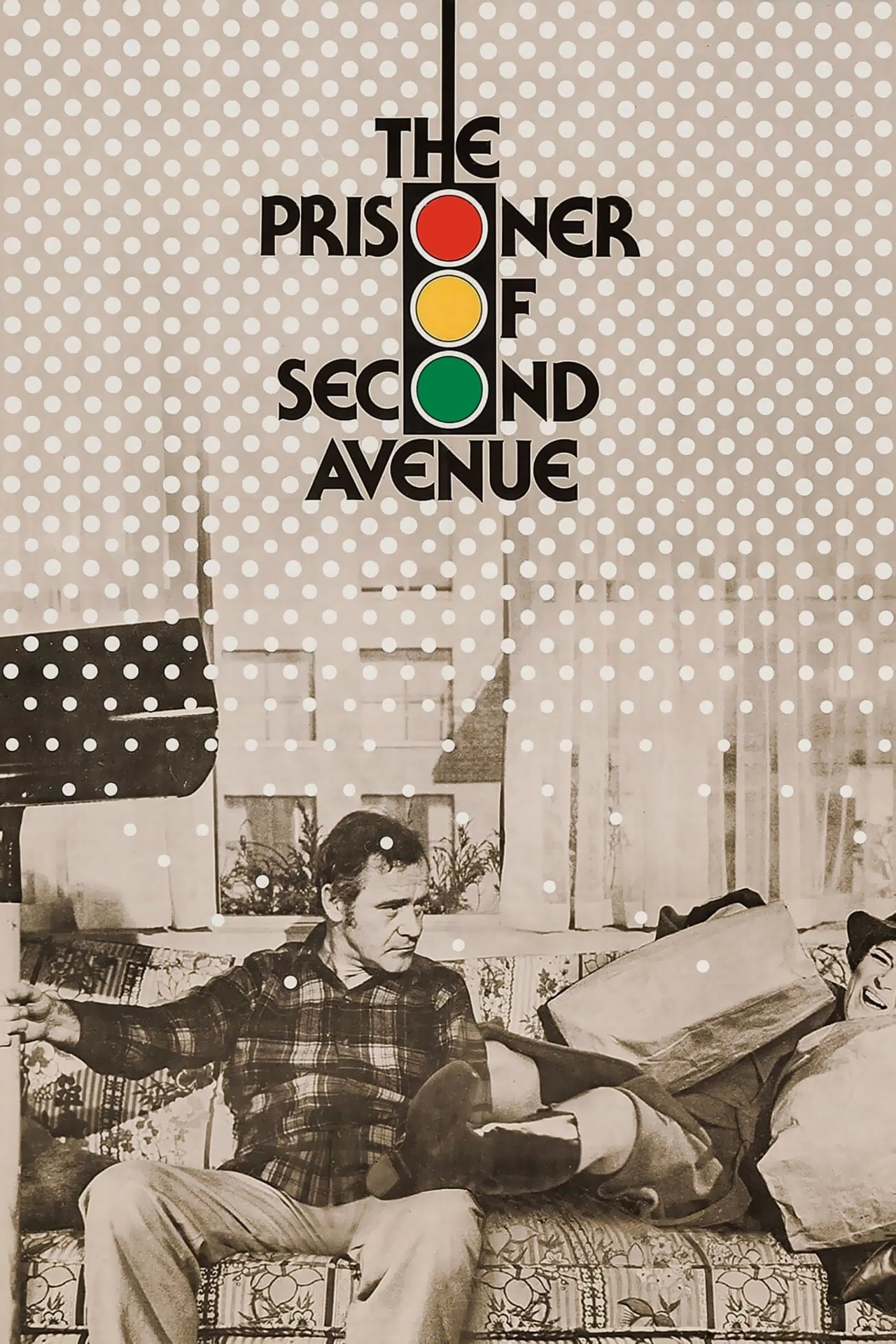
Lemmon teamed up with Anne Bancroft in the film ‘The Prisoner of Second Avenue’. He played Mel Edison, a middle-aged executive who loses his job during a recession. Confined to his New York City apartment, he suffers a nervous breakdown as he deals with the various anxieties of urban life, including loud neighbors, a broken air conditioner, and rising crime.
The film is a dark comedy that captures the stress and frustration of a man trying to cope with unemployment and the feeling of being trapped. Lemmon’s performance expertly balanced the comedic and dramatic elements of his character’s breakdown, making his struggles both funny and painfully relatable.
The Gentleman Tramp (1976)
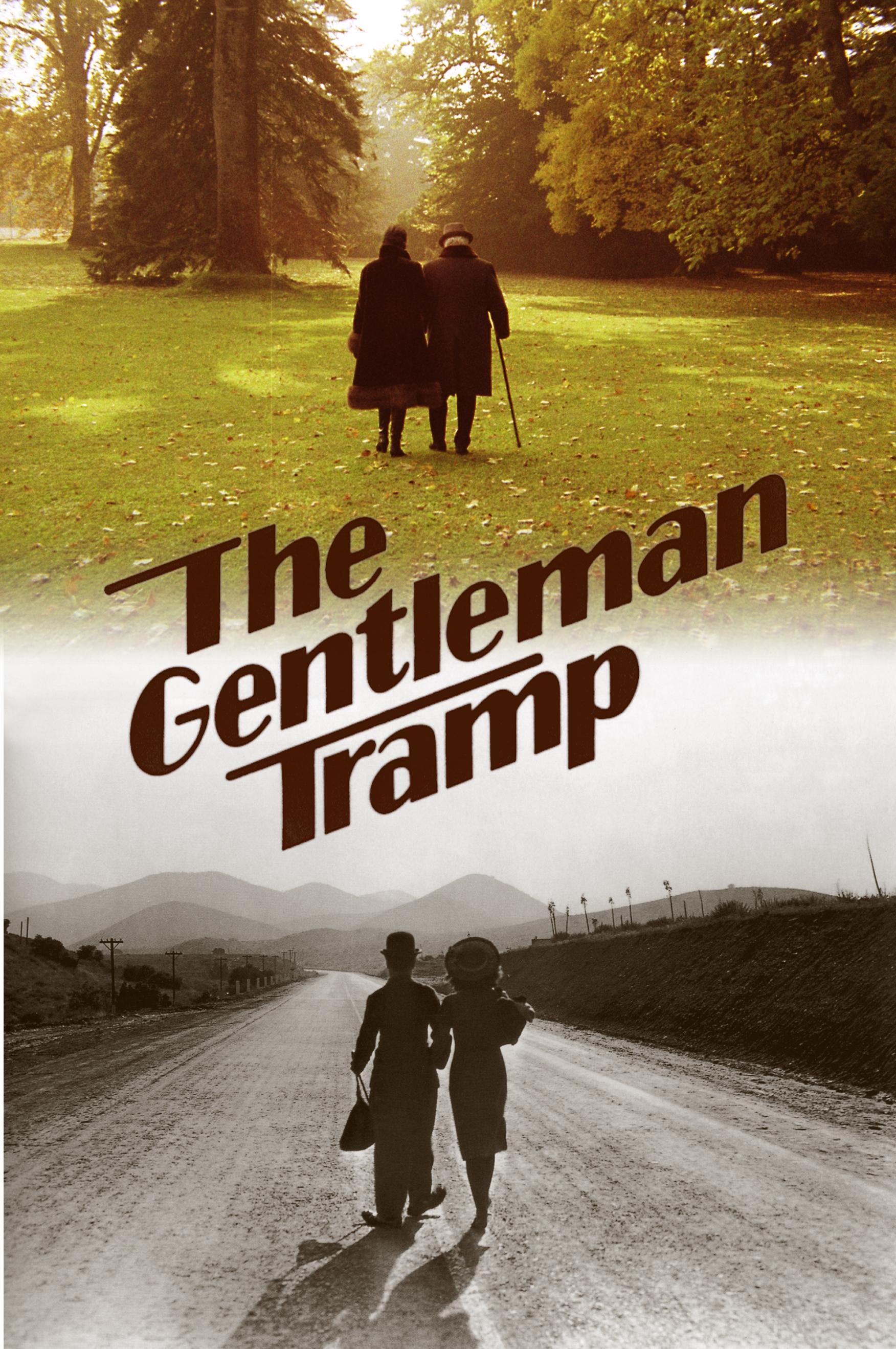
In this documentary about the life and career of Charlie Chaplin, Jack Lemmon served as the narrator. The film chronicles Chaplin’s journey from his impoverished childhood in London to his status as a worldwide film icon. It uses archival footage, clips from his movies, and home videos.
Lemmon’s narration provided a warm and respectful tribute to one of his comedic heroes. The documentary offered a comprehensive look at Chaplin’s work and his impact on cinema, and Lemmon’s involvement helped bring the story of the legendary filmmaker to a new generation.
Alex & the Gypsy (1976)
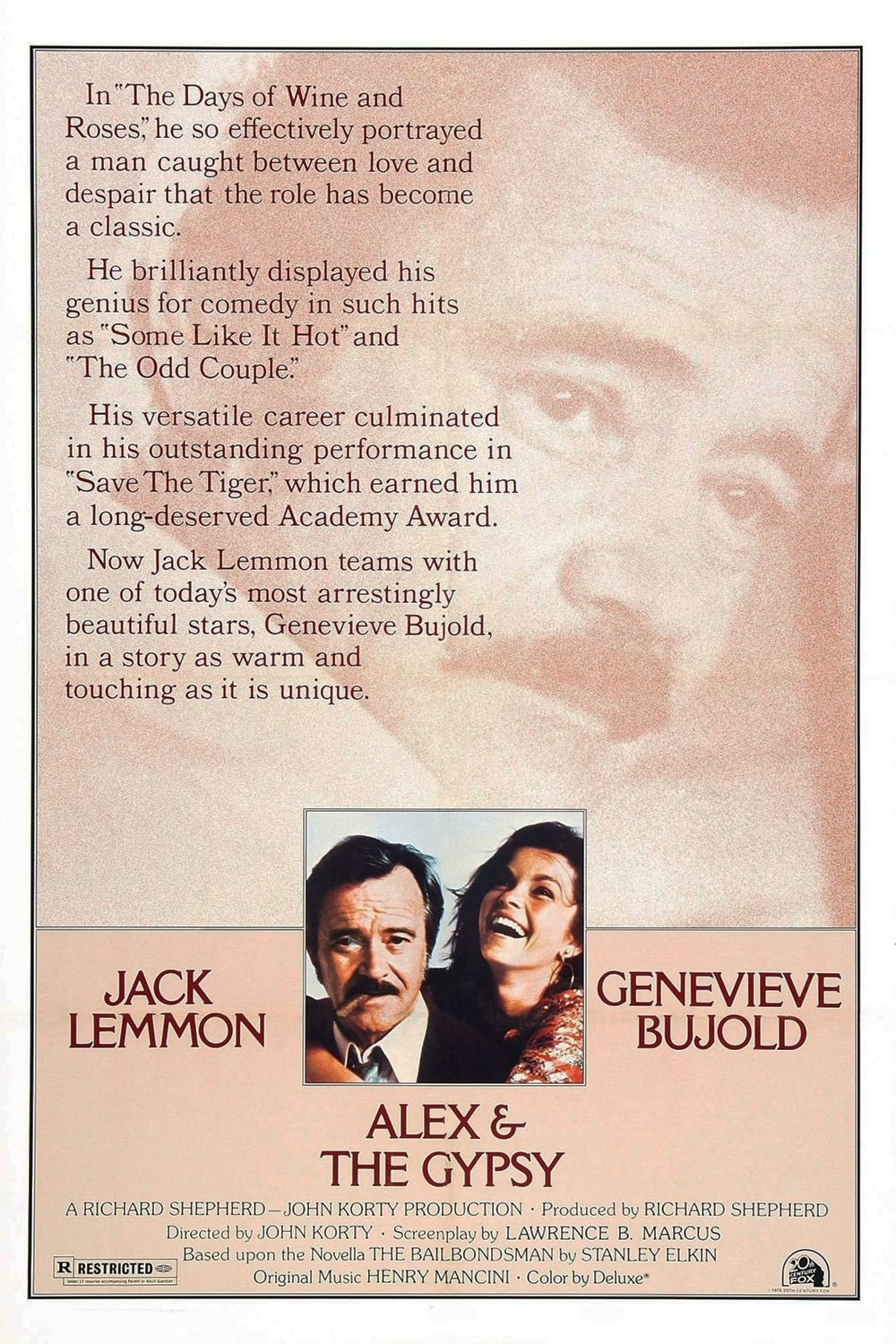
Lemmon starred in this quirky romantic comedy-drama as Alexander Main, a world-weary bail bondsman. His life is thrown into chaos by a fiery and unpredictable gypsy woman, played by Geneviève Bujold, for whom he has complicated romantic feelings. He repeatedly has to bail her out of jail, testing his patience and his wallet.
The film had an unusual tone, shifting between comedy and drama. Lemmon’s character is a cynical man who finds himself drawn to a free-spirited woman he cannot control or understand. The movie received mixed reviews and was not a major box office success, but it offered Lemmon a unique and offbeat character to play.
Airport ’77 (1977)

Lemmon was part of an all-star cast in the disaster film ‘Airport ’77’, the third installment in the ‘Airport’ series. He played Captain Don Gallagher, the pilot of a luxurious private Boeing 747. The plane, filled with wealthy passengers and priceless art, is hijacked and ends up crashing into the ocean in the Bermuda Triangle.
As the heroic pilot, Lemmon’s character must keep the passengers calm and lead the survival effort while the plane is trapped underwater. The film was a classic 1970s disaster movie, full of suspense, action, and a large cast of famous faces facing a life-or-death situation.
The China Syndrome (1979)
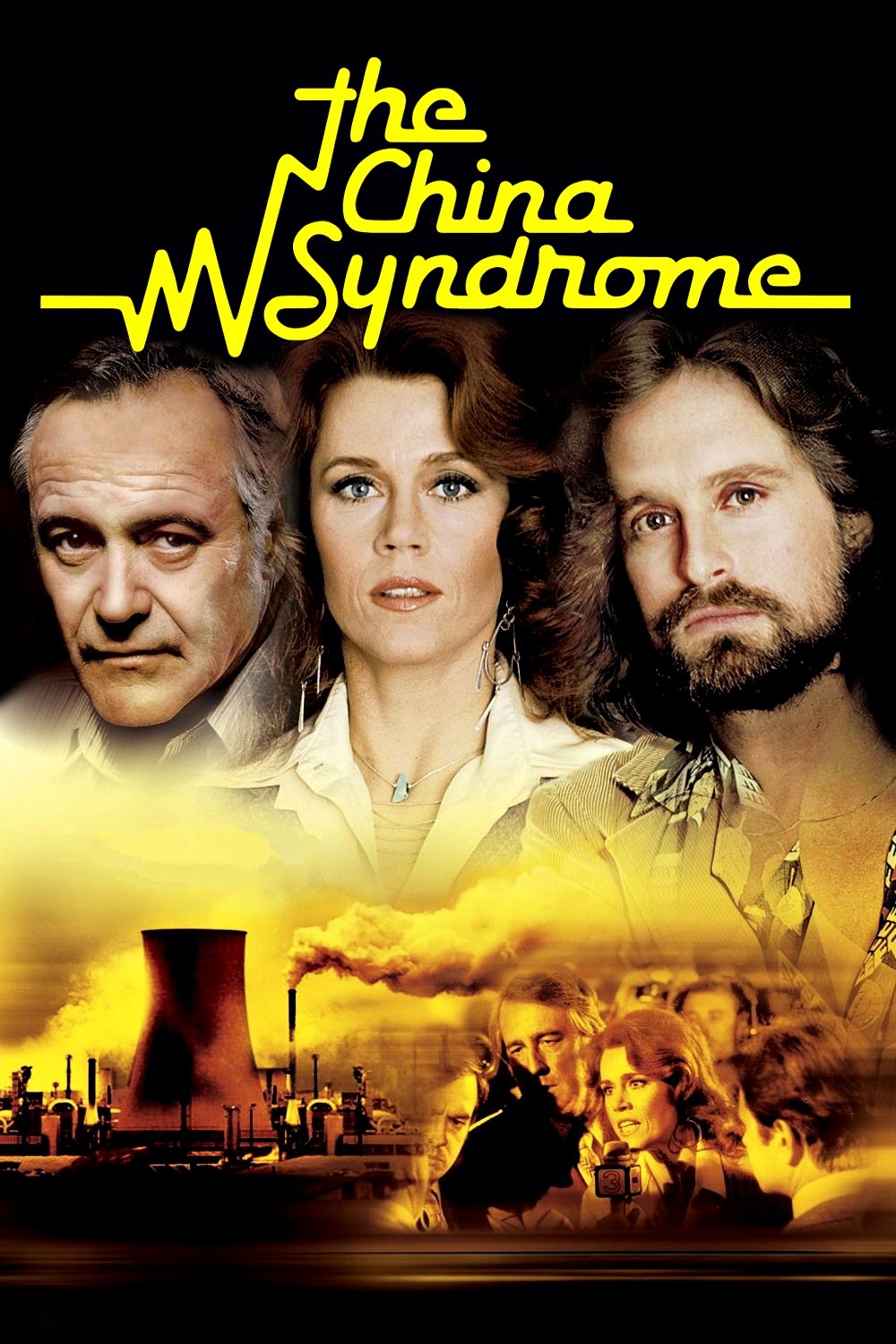
In this gripping thriller, Lemmon starred as Jack Godell, a shift supervisor at a nuclear power plant. He discovers a serious safety flaw that could lead to a catastrophic meltdown, or “China syndrome.” He teams up with a television reporter (Jane Fonda) and her cameraman (Michael Douglas) to expose the cover-up by the plant’s corporate owners.
The film was released just 12 days before the real-life nuclear accident at Three Mile Island, making its subject matter incredibly timely. Lemmon’s performance as the increasingly desperate and heroic whistleblower was highly acclaimed, earning him an Academy Award nomination for Best Actor and a Best Actor award at the Cannes Film Festival.
Tribute (1980)
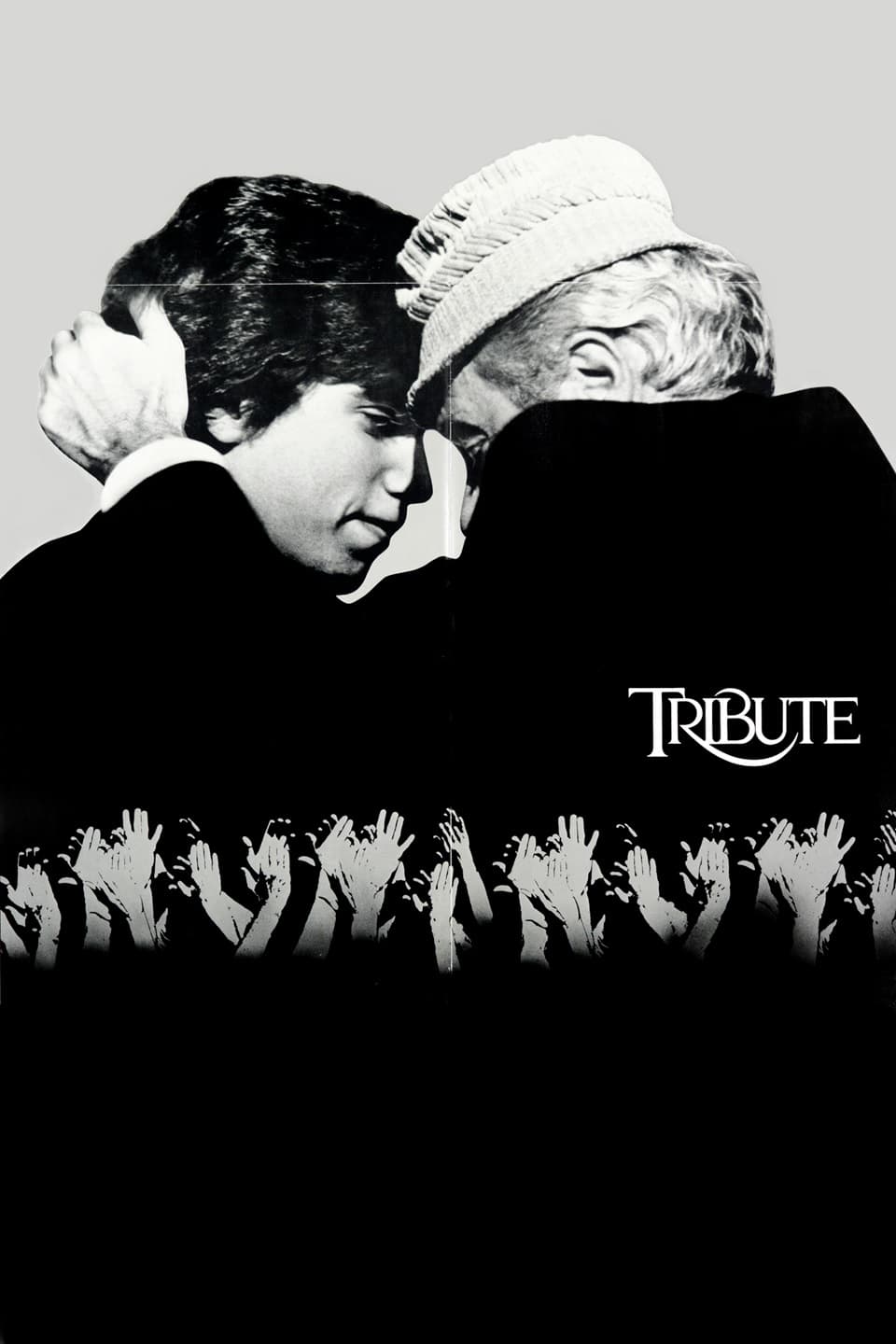
Lemmon starred in the film ‘Tribute’, playing Scottie Templeton, a fun-loving Broadway press agent who has been a distant father to his teenage son. After learning he is terminally ill, Scottie tries to reconnect with his son and make amends for his past failures.
Lemmon’s portrayal of the charming but flawed protagonist earned him another Academy Award nomination for Best Actor, as well as a Silver Bear award at the Berlin International Film Festival. His performance was both comedic and deeply moving, capturing the character’s regret and his desire to leave behind a positive legacy for his son.
Buddy Buddy (1981)
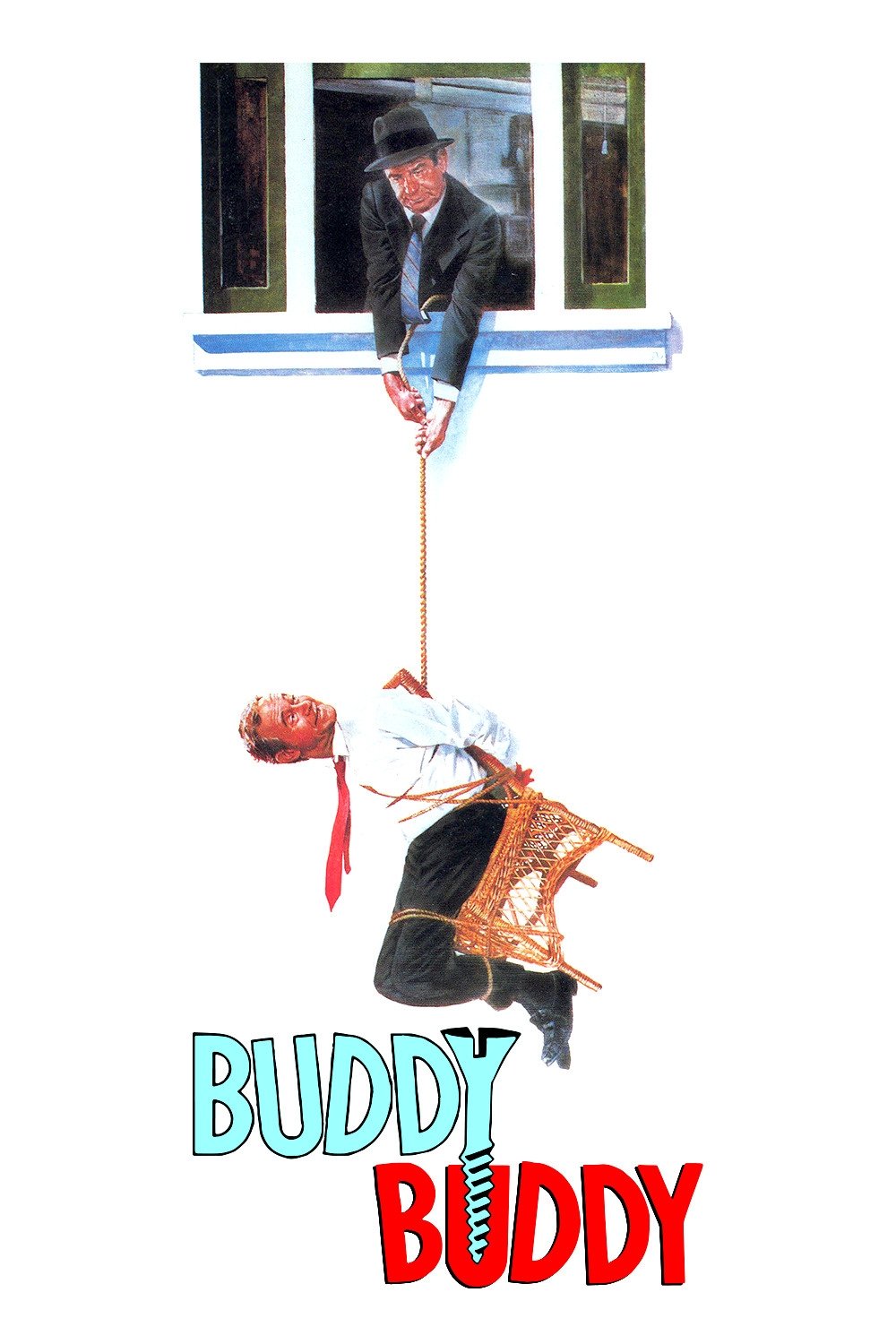
‘Buddy Buddy’ marked the final film collaboration between Jack Lemmon and director Billy Wilder, and also Lemmon’s last film with Walter Matthau for over a decade. Lemmon played Victor Clooney, a man in the midst of a marital crisis who checks into a hotel to end his life. In the room next door is a professional hitman, Trabucco (Matthau), who is there to carry out a contract killing.
The film is a dark farce where Lemmon’s suicidal character repeatedly and hilariously interferes with the hitman’s carefully planned job. The movie received largely negative reviews and was a box office disappointment, providing an unfortunate end to the legendary collaborations between Wilder, Lemmon, and Matthau.
Missing (1982)
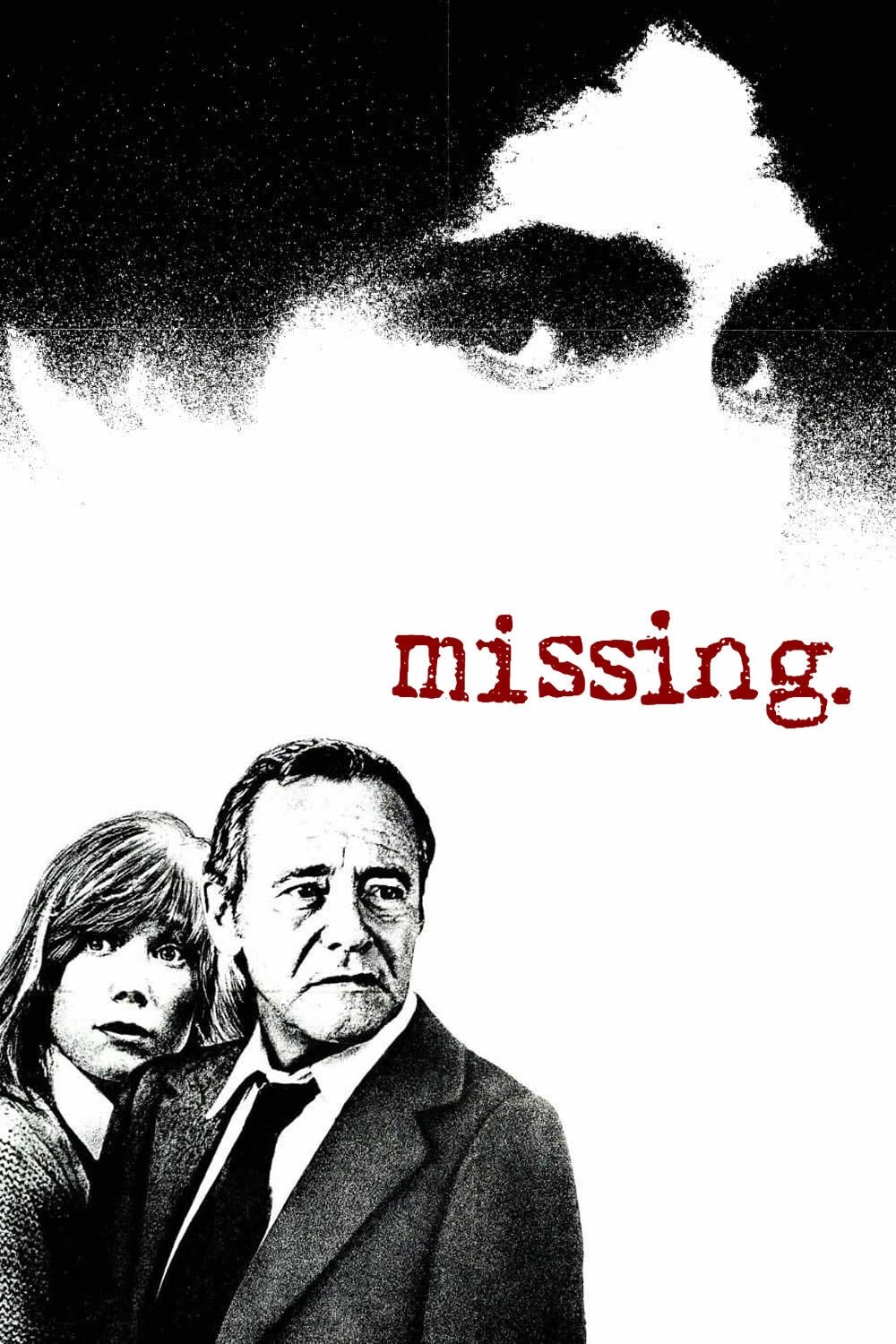
Lemmon gave one of his most powerful dramatic performances in the political thriller ‘Missing’. He played Ed Horman, a conservative American businessman who travels to a Latin American country (an unnamed Chile) after his journalist son disappears during a violent military coup. Initially trusting of government officials, he slowly uncovers a terrifying conspiracy as he searches for the truth.
The film was a searing indictment of U.S. involvement in the 1973 Chilean coup. Lemmon’s transformation from a patriotic father into a determined activist was incredibly moving and earned him a Best Actor award at the Cannes Film Festival and his final Academy Award nomination for Best Actor.
Mass Appeal (1984)

In this film, Lemmon played Father Tim Farley, a popular and charming Catholic priest who avoids controversial topics in his sermons to keep his wealthy congregation happy. His comfortable existence is challenged by the arrival of a radical young deacon who insists on confronting difficult issues of faith and church doctrine.
The film explores themes of complacency, conviction, and the role of the church in the modern world. Lemmon’s character is forced to re-examine his own faith and responsibilities as a spiritual leader. The movie is a thoughtful character study driven by the strong performances of Lemmon and his co-star, Željko Ivanek.
Macaroni (1985)

Lemmon starred in this Italian comedy-drama as Robert Traven, a workaholic American executive who returns to Naples for the first time in 40 years. There, he reunites with a local man who claims that Robert’s brief affair with his sister during the war led to the birth of a child. The film follows Robert’s attempts to reconnect with his past and get to know the family he never knew he had.
Directed by the famed Italian filmmaker Ettore Scola, the film is a warm and gentle story about memory, family, and cultural differences. Lemmon’s performance captures the journey of a man rediscovering a more humanistic and joyful side of himself, away from the pressures of his corporate life.
That’s Life! (1986)
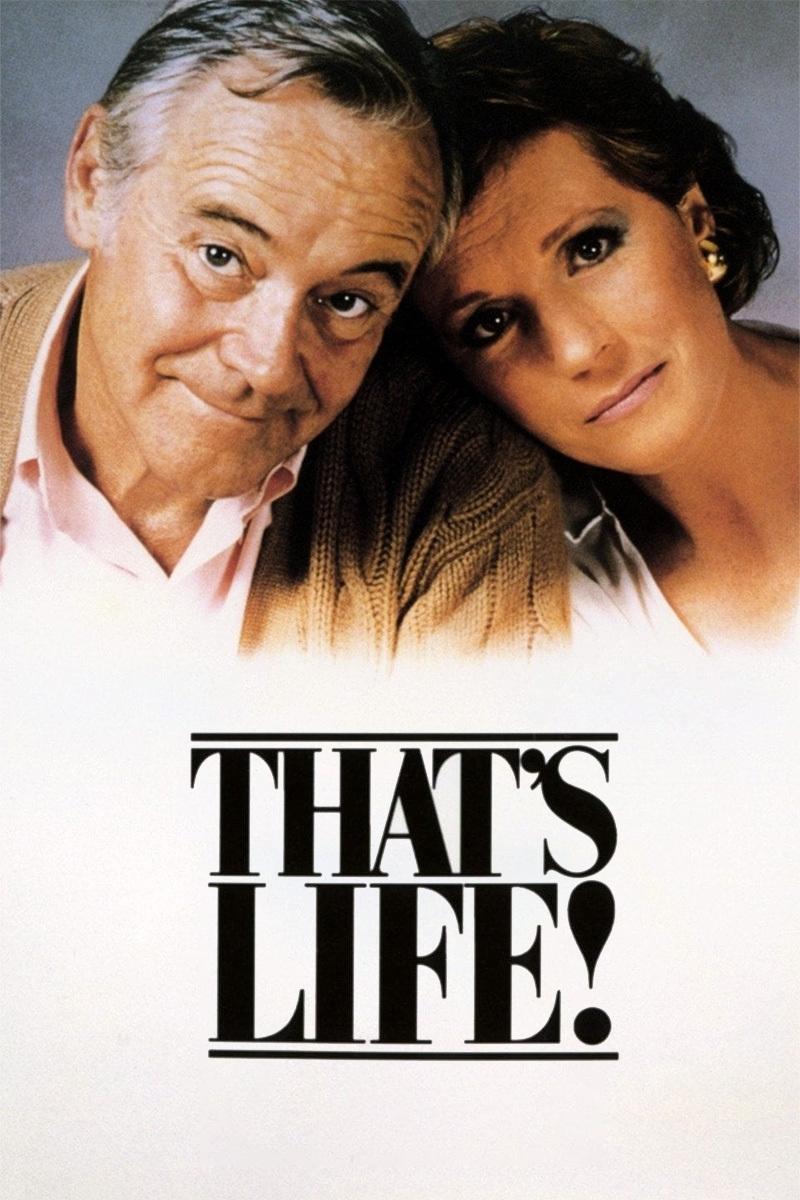
In this personal film directed by Blake Edwards, Lemmon starred opposite his real-life wife, Felicia Farr. He played Harvey Fairchild, a wealthy and successful architect who is having a severe mid-life crisis as he approaches his 60th birthday. At the same time, his wife is anxiously awaiting the results of a biopsy to see if she has cancer.
The film was shot in Edwards’ and his wife Julie Andrews’ own home, and featured members of both the Edwards and Lemmon families in acting roles. It was a deeply personal and improvisational project that explored themes of aging, mortality, and family with both humor and poignancy. Lemmon’s son, Chris Lemmon, played his on-screen son.
Dad (1989)
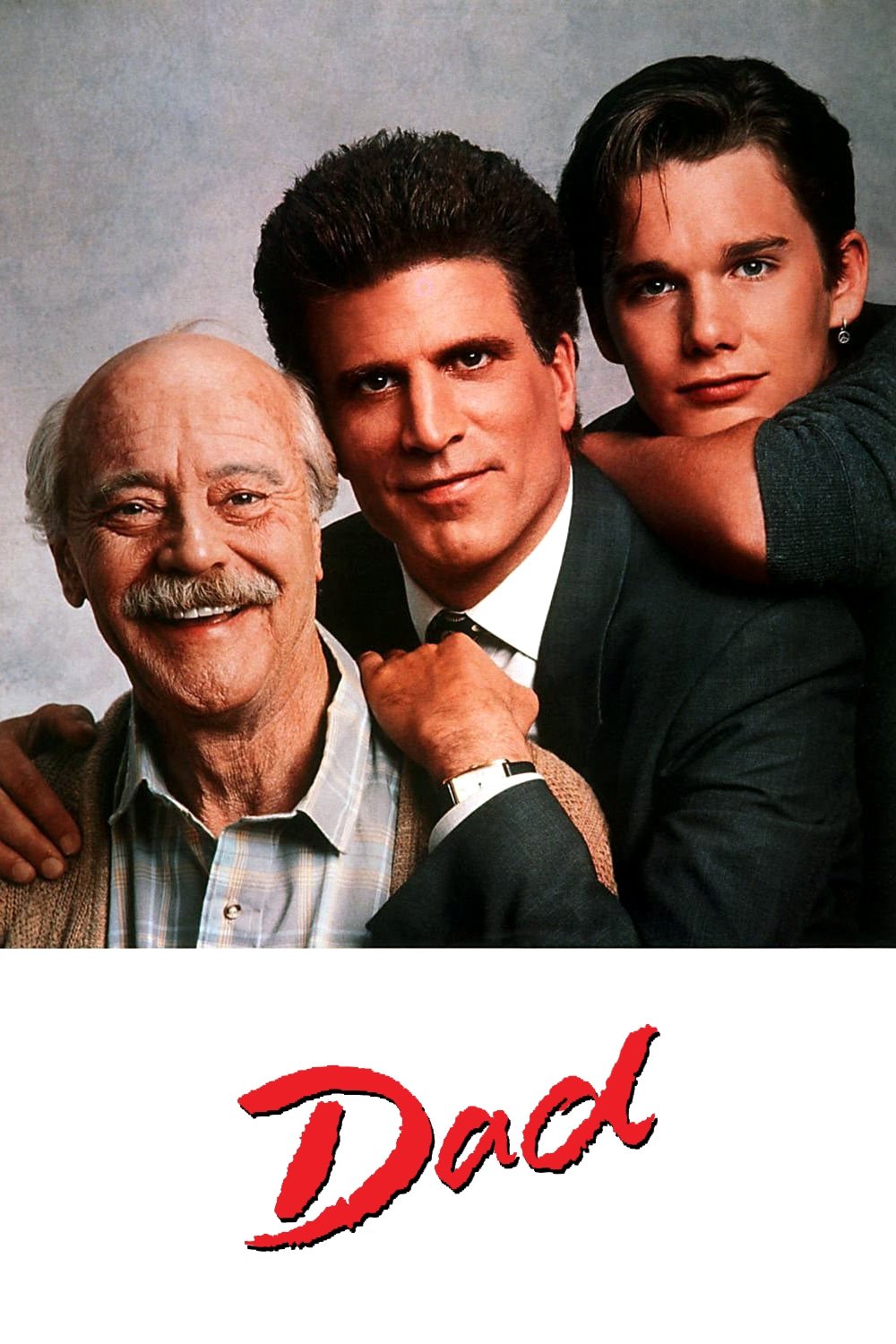
Lemmon played Jake Tremont, an elderly man who becomes dependent on his busy executive son, played by Ted Danson, after his mother falls ill. As the son takes care of his father, the two men begin to form a closer bond, while the son also re-evaluates his relationship with his own son.
Lemmon’s portrayal of a man rediscovering his vitality and independence after a lifetime of being dominated by his wife was highly praised. The film is a touching multi-generational story about family connections and the challenges of caring for aging parents. The role earned Lemmon a Golden Globe nomination.
JFK (1991)
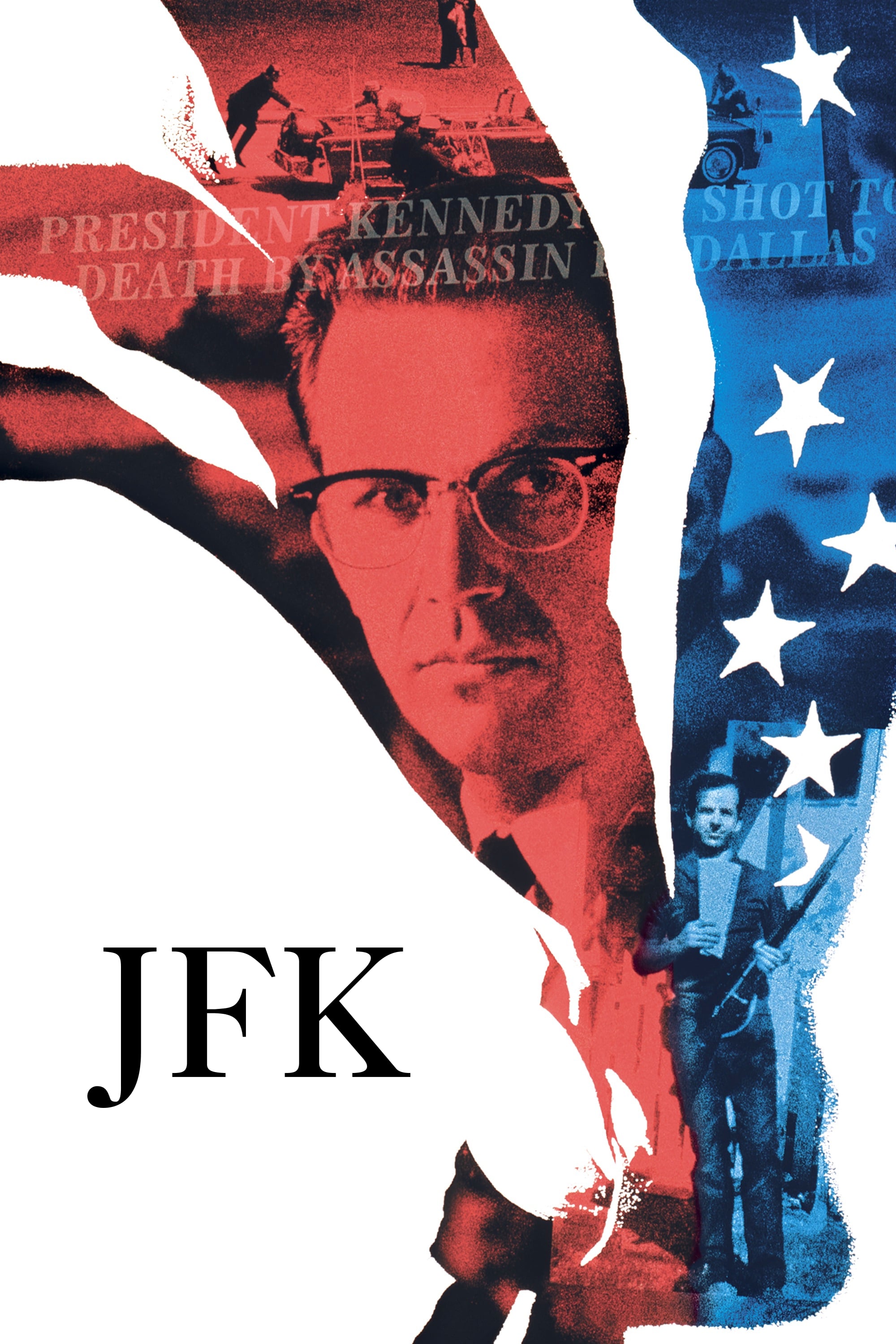
In Oliver Stone’s controversial and epic thriller ‘JFK’, Lemmon had a small but crucial role as Jack Martin. The film investigates the assassination of President John F. Kennedy and the subsequent investigation by New Orleans District Attorney Jim Garrison. Lemmon’s character is a private investigator and associate of a key figure in Garrison’s investigation.
Jack Martin is portrayed as a key witness who provides information that helps fuel Garrison’s conspiracy theories. Lemmon’s performance, though brief, was memorable, capturing the nervous energy and eccentricity of his character. He was part of a massive ensemble cast of famous actors who appeared in the film.
Beyond JFK: The Question of Conspiracy (1992)

Following the release of Oliver Stone’s film, this documentary was produced to explore the historical evidence and controversies surrounding the Kennedy assassination. Jack Lemmon appeared as himself, offering his thoughts and reflections on the subject.
The documentary served as a companion piece to the feature film, featuring interviews with historians, witnesses, and individuals involved in the original investigations. Lemmon’s participation reflected his interest in the subject matter and the public debate that ‘JFK’ had ignited.
The Player (1992)
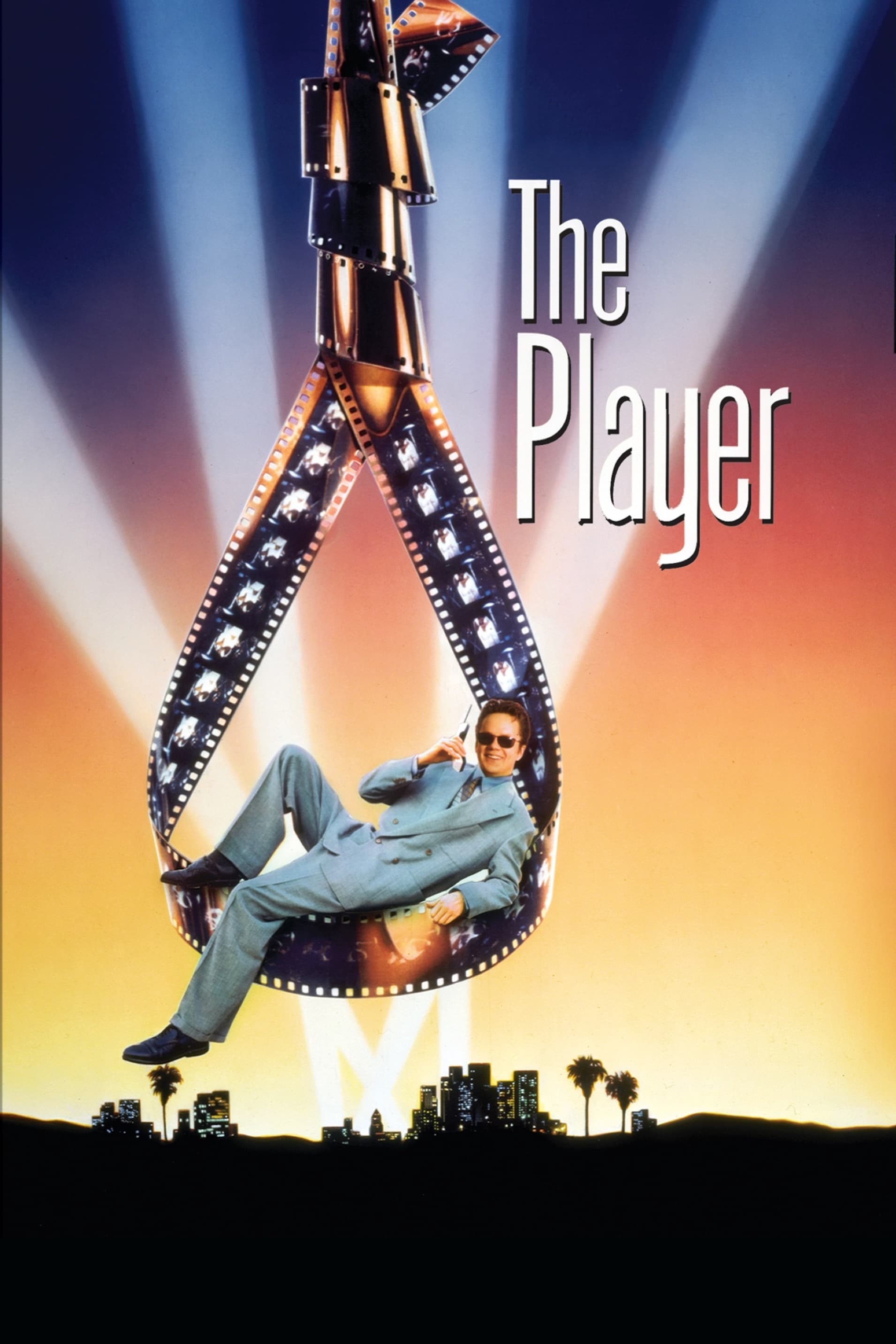
Jack Lemmon made a cameo appearance as himself in Robert Altman’s satirical film ‘The Player’. The movie is a sharp critique of the Hollywood studio system, following a slick studio executive who accidentally kills a screenwriter and gets away with it.
The film is famous for its large number of celebrity cameos, with dozens of stars appearing as themselves to add to the movie’s authentic Hollywood atmosphere. Lemmon’s brief appearance was one of many that helped blur the line between fiction and reality in this acclaimed satire.
Glengarry Glen Ross (1992)
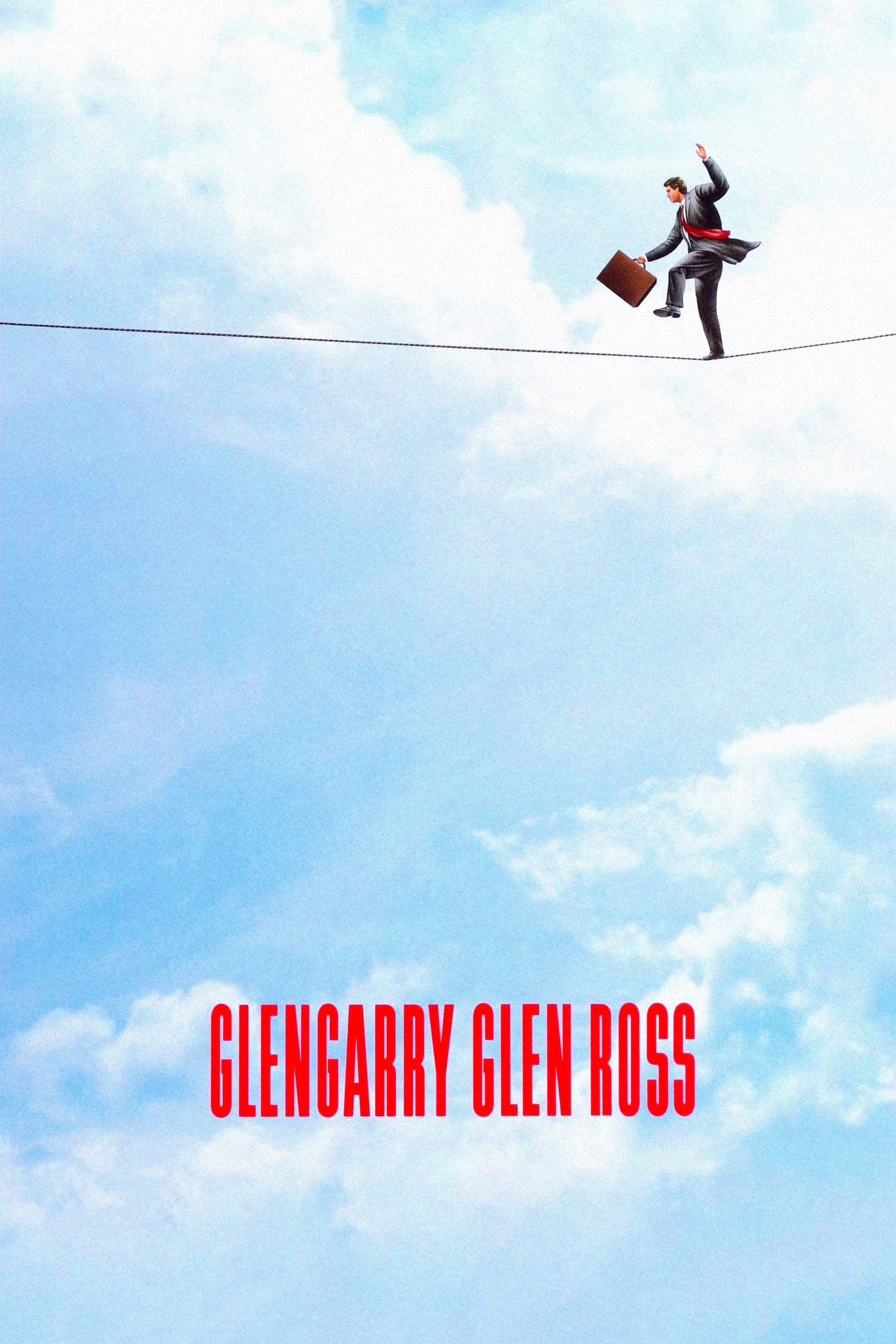
Lemmon was part of a powerful ensemble cast in the film ‘Glengarry Glen Ross’. He played Shelley “The Machine” Levene, a desperate, aging real estate salesman who is struggling to compete in a brutal, high-pressure sales contest.
His portrayal of the down-on-his-luck salesman fighting for his job and his dignity is considered one of the finest performances of his later career. The film is a scathing look at the dark side of American business, driven by sharp, profanity-laced dialogue and intense performances from its cast.
Luck, Trust & Ketchup: Robert Altman In Carver County (1993)
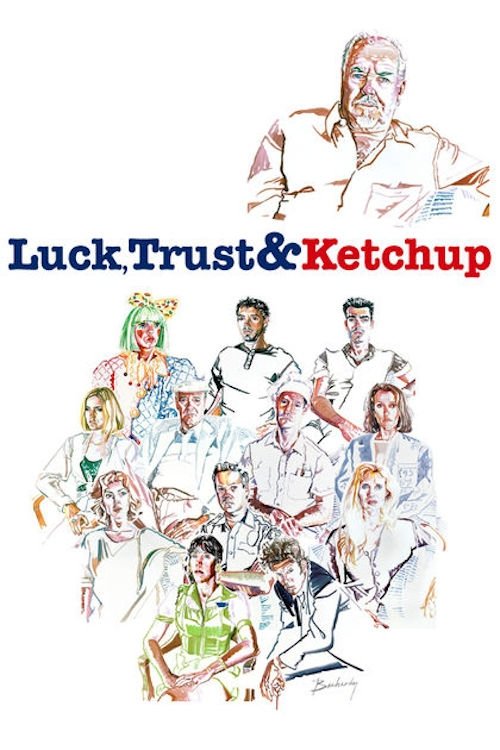
This documentary chronicles the making of Robert Altman’s film ‘Short Cuts’. Jack Lemmon, who starred in ‘Short Cuts’, appeared in the documentary as himself, discussing the experience of working with the acclaimed director and being part of his unique, improvisational filmmaking process.
The film provides a behind-the-scenes look at how Altman adapted stories and worked with his large ensemble cast. Lemmon’s interviews offered insight into the creative environment that Altman fostered on his film sets.
Short Cuts (1993)

Lemmon had a significant role in Robert Altman’s epic ensemble drama ‘Short Cuts’. The film weaves together multiple stories and characters, all set in suburban Los Angeles. Lemmon played Paul Finnigan, a man who, after many years, reunites with the son he abandoned as a child.
His scenes, primarily opposite Bruce Davison as his son, are among the most emotionally powerful in the film. The role was a poignant and regret-filled character study, and Lemmon’s performance was a standout in a film filled with acclaimed actors. The entire cast won a special Golden Globe award for their work.
Grumpy Old Men (1993)
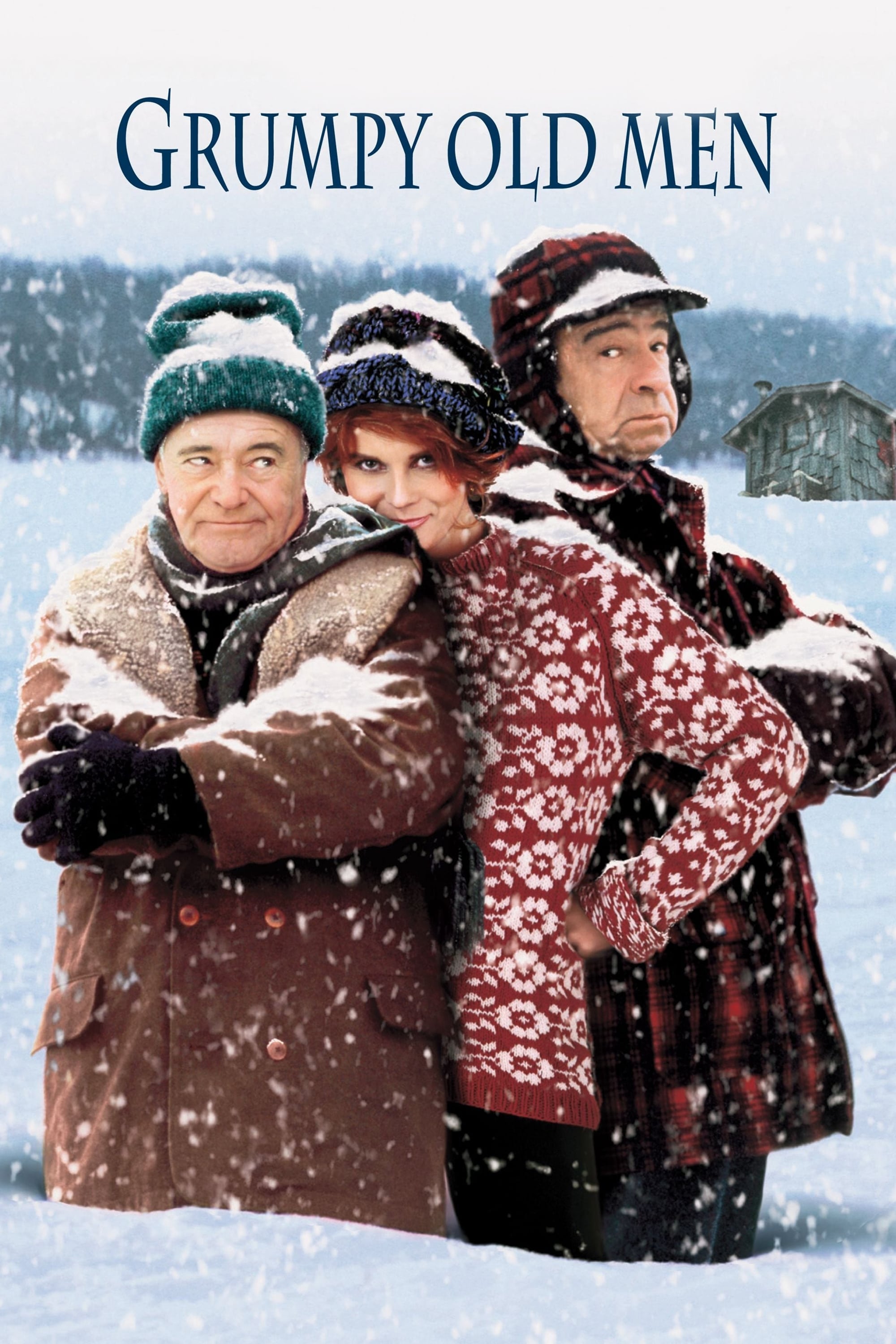
Lemmon reunited with his long-time friend and screen partner Walter Matthau for the hugely successful comedy ‘Grumpy Old Men’. They played John Gustafson and Max Goldman, two elderly, feuding neighbors in a small Minnesota town. Their lifelong rivalry is reignited and escalates when an attractive new woman, played by Ann-Margret, moves in across the street.
The film was a box-office smash, delighting audiences by bringing the classic Lemmon-Matthau chemistry to a new generation. The hilarious insults and prank-filled war between the two characters proved that their comedic timing was as sharp as ever. The movie’s success led to a sequel two years later.
The Grass Harp (1995)
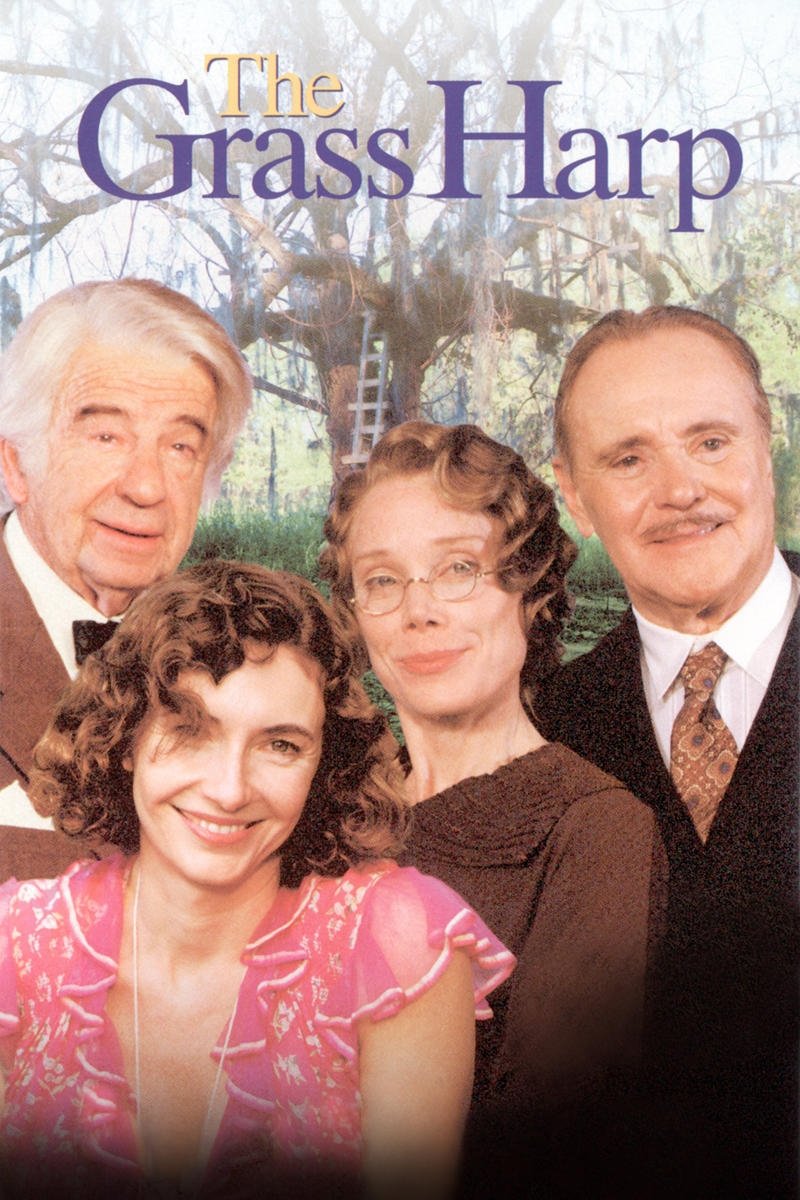
In this film, Lemmon played Dr. Morris Ritz, a charming con man who comes to a small Southern town. He becomes romantically involved with a local businesswoman, played by Piper Laurie, as part of a scheme to get her money.
The film, directed by Walter Matthau’s son, Charles Matthau, featured a strong ensemble cast. Lemmon’s role was a supporting one, playing a smooth-talking character with questionable motives, which was a departure from his more sympathetic later roles.
Grumpier Old Men (1995)
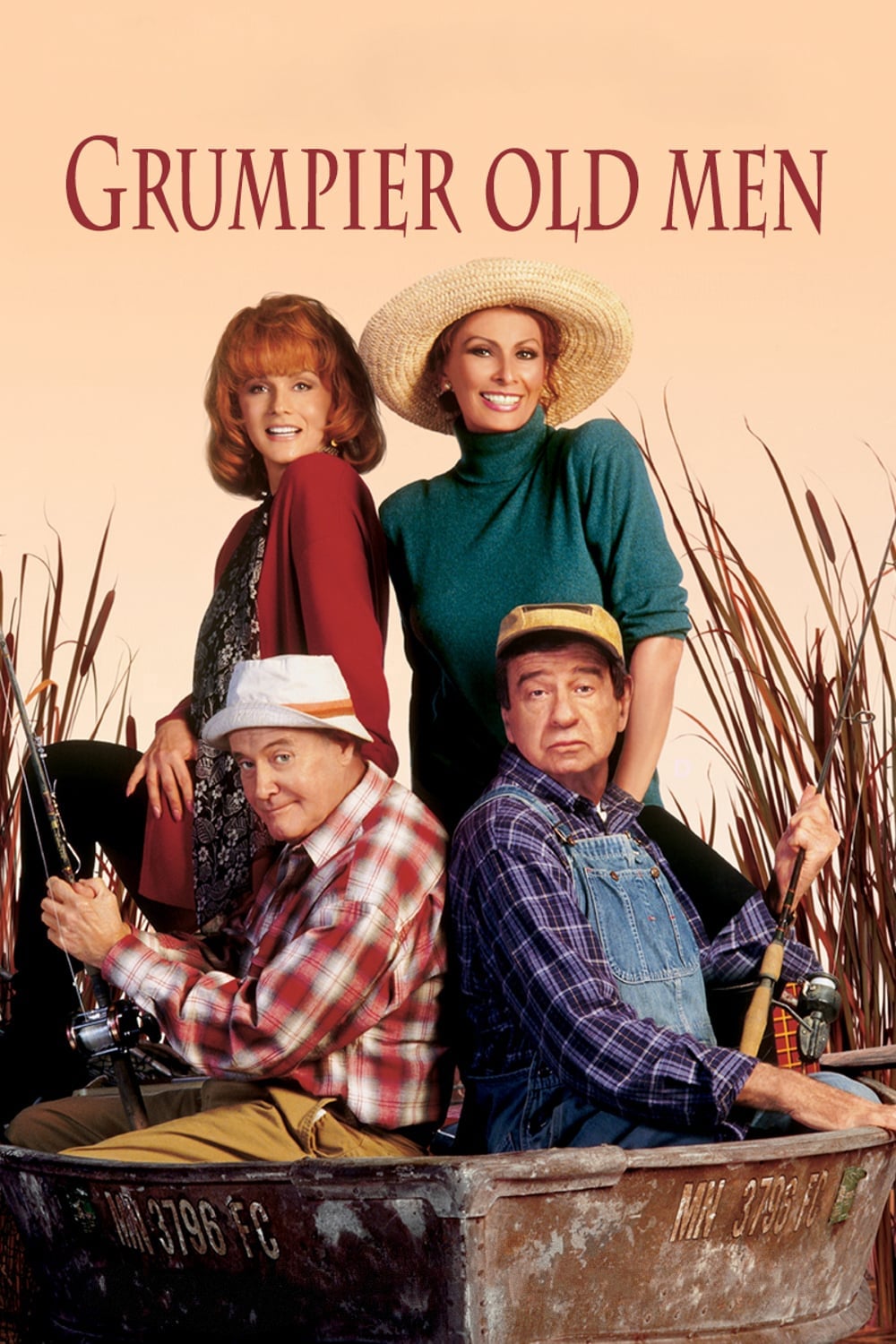
Lemmon and Walter Matthau returned as the feuding neighbors John Gustafson and Max Goldman in this successful sequel. This time, their rivalry takes a new turn when John’s daughter and Max’s son get engaged, threatening their plans to turn their families’ old bait shop into a restaurant. Their plans are further complicated by the arrival of a fiery Italian woman, played by Sophia Loren, who wants to turn the location into a trattoria.
The sequel brought back the beloved characters and their comedic bickering, adding another layer to their relationship as they are about to become family. The film was another box office hit, proving the enduring appeal of the Lemmon and Matthau pairing.
Getting Away with Murder (1996)
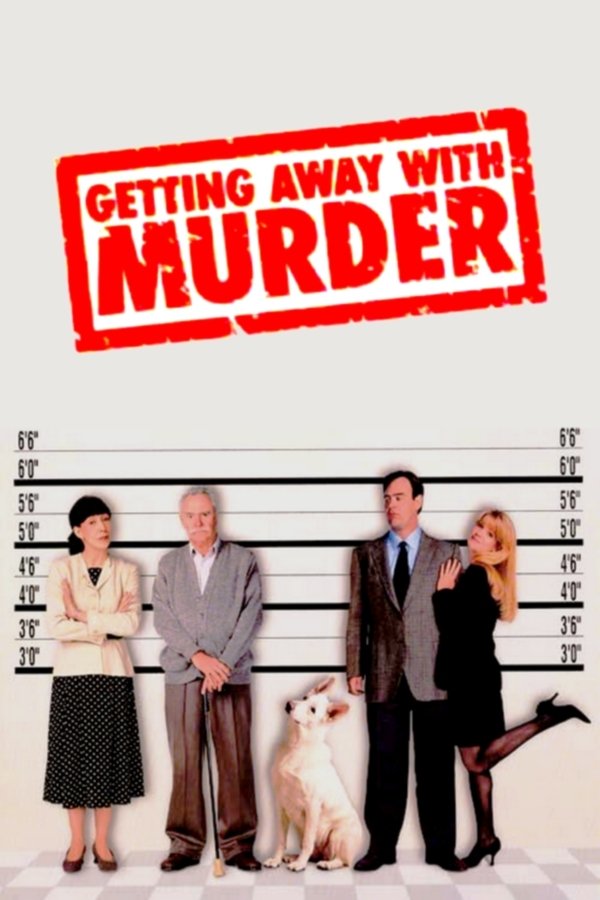
In this dark comedy, Jack Lemmon played Max Mueller, a friendly neighbor who is suspected of being a notorious, escaped Nazi war criminal. The film’s protagonist, an ethics professor, becomes obsessed with proving his neighbor’s true identity and bringing him to justice.
Lemmon’s role was central to the film’s moral dilemma, as his character appears to be a kind and gentle old man. His performance kept the audience guessing about his true nature, adding a layer of ambiguity to the dark comedic plot.
My Fellow Americans (1996)
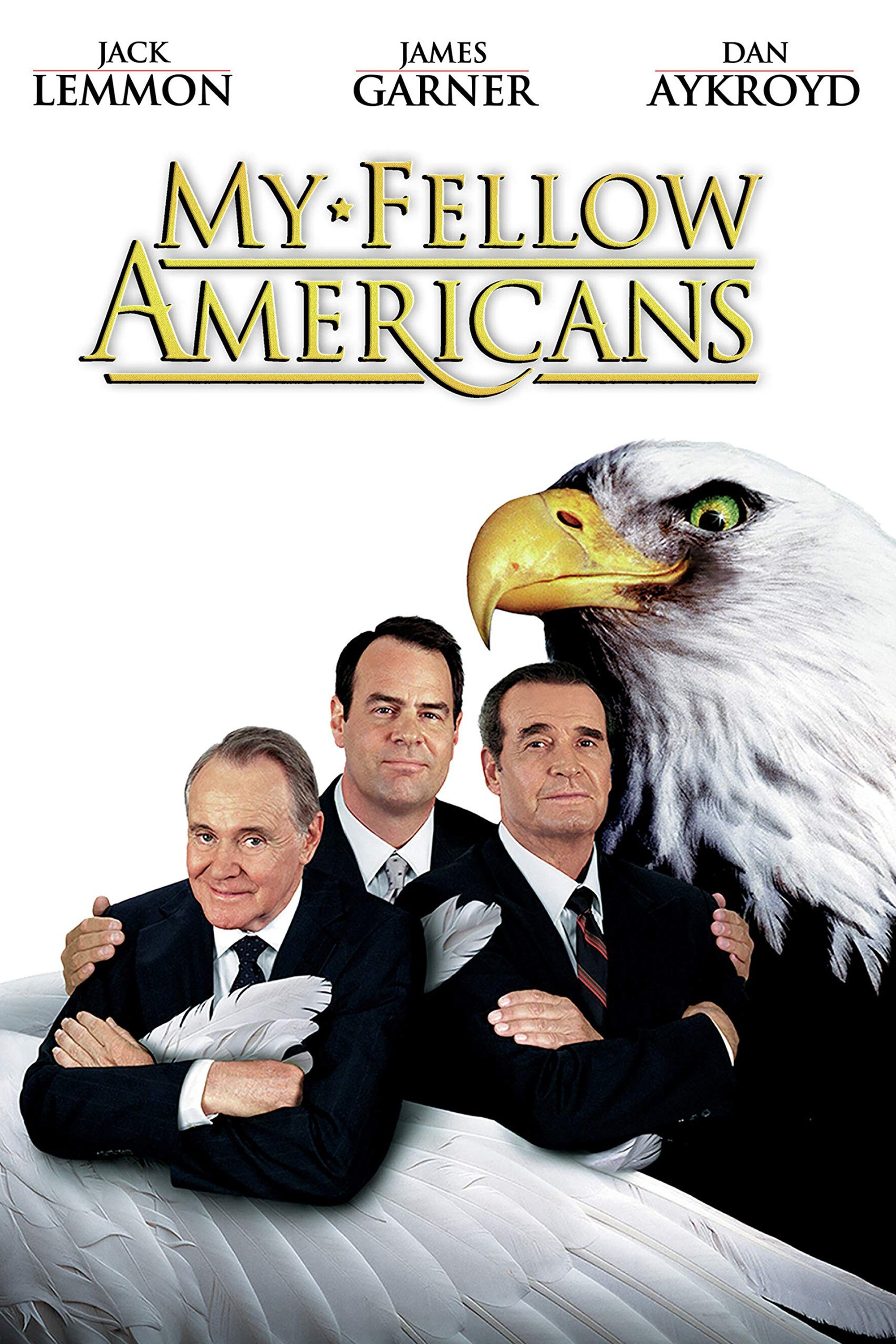
Lemmon shared the screen with another acting legend, James Garner, in the comedy ‘My Fellow Americans’. They played two former U.S. Presidents from opposing political parties who despise each other. They are forced to go on the run together when they become the targets of a conspiracy orchestrated by the current administration.
The film is a political road-trip comedy that relies on the bickering chemistry between its two veteran stars. Lemmon played the uptight and principled Republican ex-president, Russell P. Kramer, providing a comedic foil to Garner’s more womanizing Democratic character.
Hamlet (1996)

In Kenneth Branagh’s epic, four-hour film adaptation of Shakespeare’s ‘Hamlet’, Lemmon had a small but significant role as Marcellus. Marcellus is one of the sentries at Elsinore castle who, along with Horatio, is one of the first to see the ghost of Hamlet’s father.
Lemmon was part of a cast filled with acclaimed actors taking on even minor roles. His appearance was a testament to his respect for the project and for Shakespeare. Although he was not known for classical acting, his performance was natural and grounded, fitting seamlessly into the film’s realistic approach.
Out to Sea (1997)
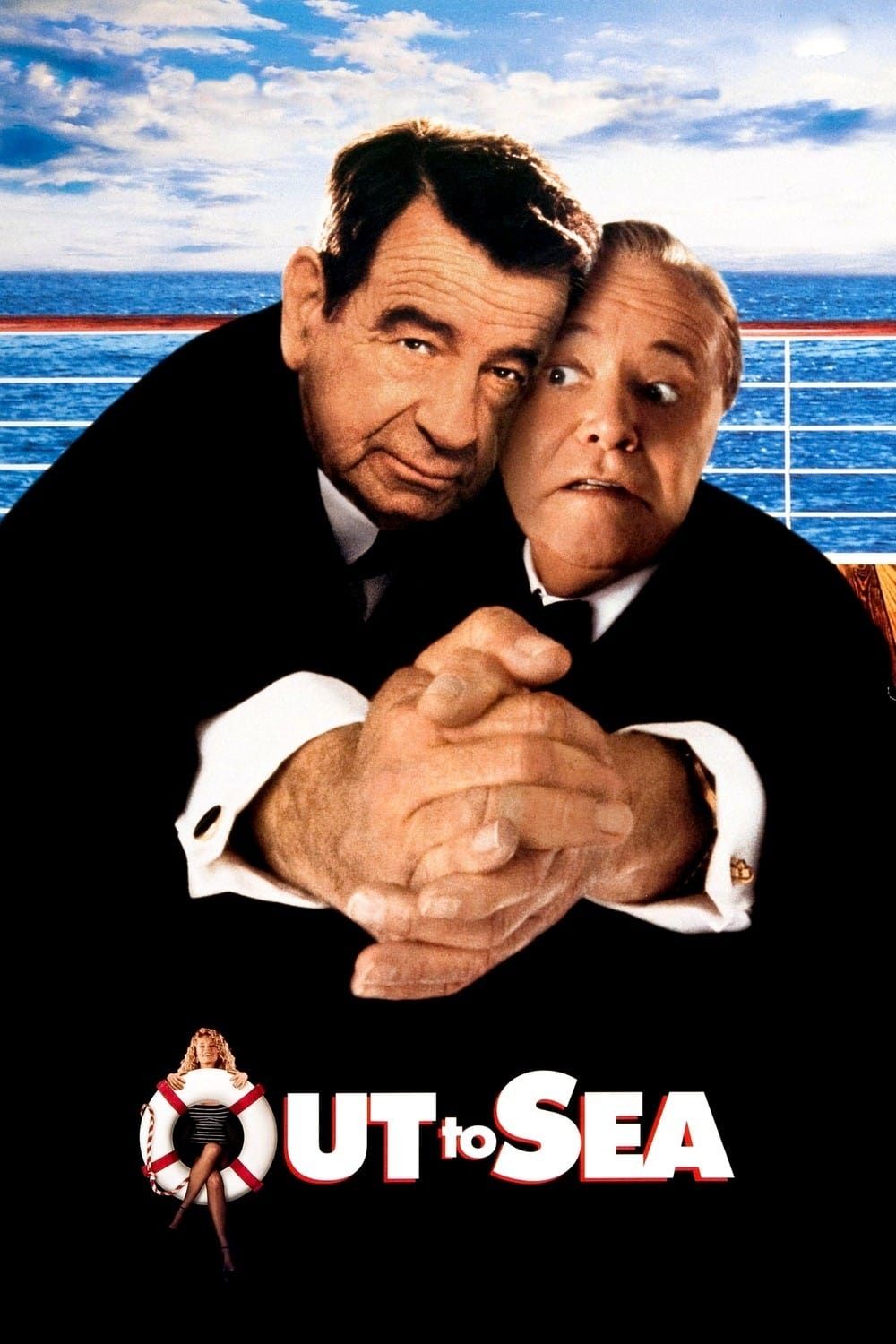
Lemmon and Walter Matthau paired up for another comedy, this time playing two single men who take a job as dance hosts on a cruise ship. Matthau’s character cons his grieving, widowed brother-in-law, played by Lemmon, into the trip with the goal of finding rich, single women to marry.
The film placed the classic duo in a new setting, but their familiar dynamic remained the same, with Matthau as the schemer and Lemmon as the reluctant, more sensitive partner. While not as successful as their ‘Grumpy Old Men’ films, it gave audiences another chance to see the beloved pair together.
Off the Menu: The Last Days of Chasen’s (1997)
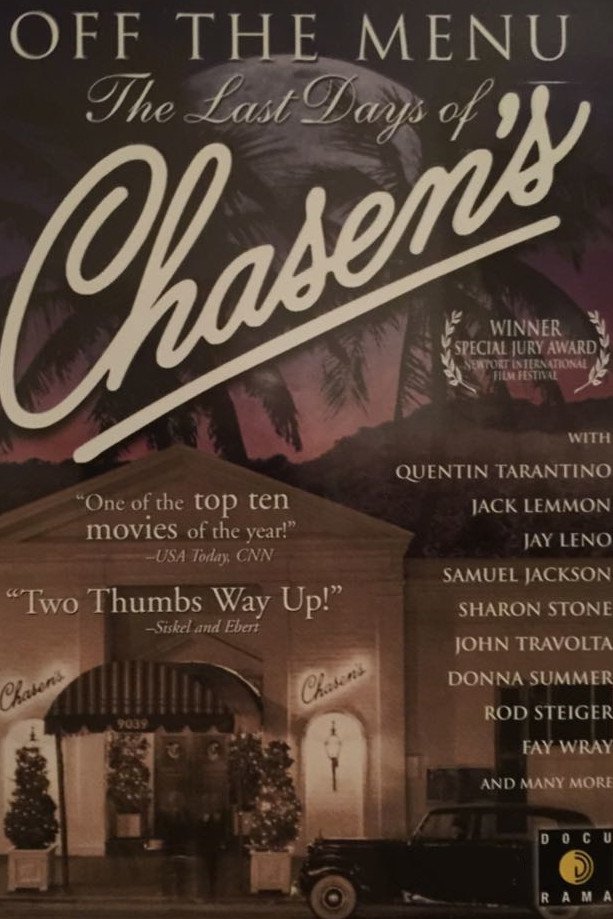
Jack Lemmon appeared as himself in this documentary about the famous Hollywood restaurant, Chasen’s, which was closing its doors after decades of being a favorite spot for stars and industry insiders. The film featured interviews with many celebrities who shared their memories of the iconic establishment.
Lemmon was one of many famous patrons who reminisced about the restaurant’s history and its significance in the Hollywood community. His appearance helped to paint a picture of a bygone era in Hollywood social life.
Puppies for Sale (1998)
In this heartwarming short film, Jack Lemmon played a pet shop owner. The story follows a young boy who wants to buy a puppy but doesn’t have enough money. The boy is particularly drawn to a puppy with a limp, and the film ends with a touching reveal about the boy’s own physical challenge.
The film was a simple, sentimental story with a positive message about empathy and acceptance. Lemmon’s role as the kind pet shop owner was a small but pivotal part of the short’s emotional impact.
The Odd Couple II (1998)
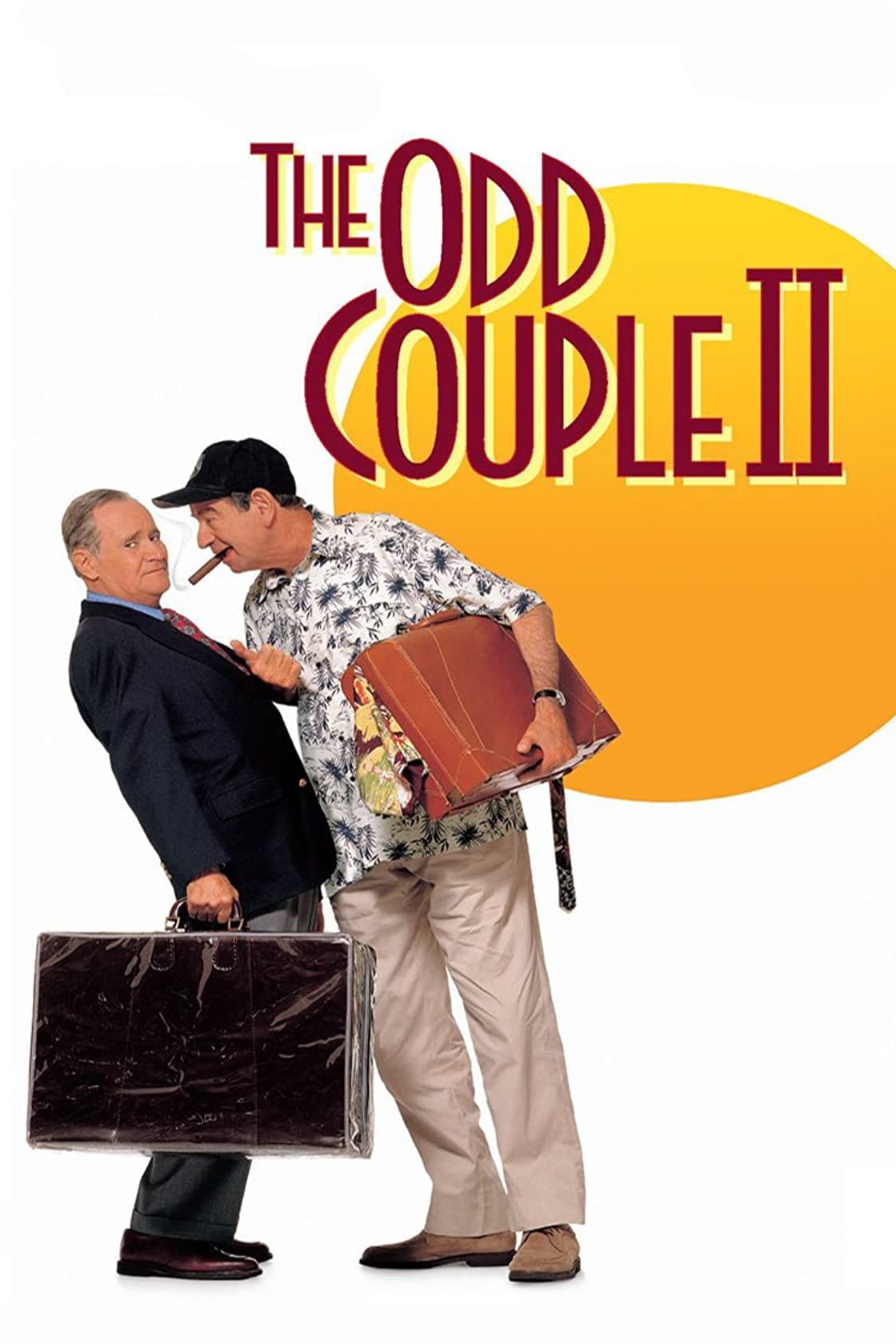
Thirty years after the original, Lemmon and Walter Matthau reprised their iconic roles as Felix Ungar and Oscar Madison in ‘The Odd Couple II’. The sequel finds the two men, who have not seen each other in years, reuniting for a road trip to the wedding of Oscar’s son and Felix’s daughter. Naturally, their journey is plagued by disaster and their constant bickering.
The film was the final on-screen pairing for Lemmon and Matthau. Unfortunately, it failed to capture the magic of the original and was not a success with critics or at the box office. However, it served as a final farewell to two of the most beloved characters in comedy history, played by one of cinema’s greatest duos.
What is your favorite Jack Lemmon performance from his long and varied career? Let us know your thoughts in the comments section.