5 Ways ‘Terminator 2: Judgment Day’ Aged Poorly (And 5 Ways It Aged Masterfully)

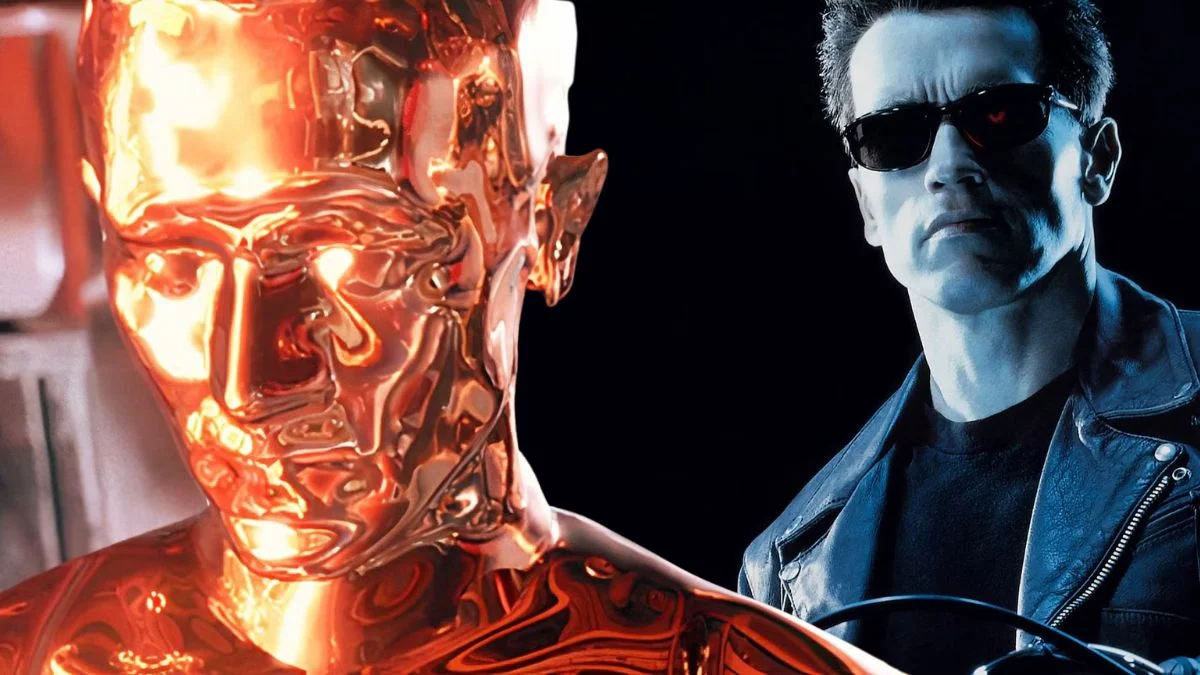

‘Terminator 2: Judgment Day’ (1991) is a sci-fi classic that thrilled audiences with its groundbreaking action and emotional depth. It set a high bar for blockbuster films, blending intense sequences with a story about fate and redemption. However, over three decades later, some elements feel dated, while others remain timeless. This list explores five ways the film hasn’t held up and five ways it still shines.
The movie’s impact on pop culture and filmmaking is undeniable, but time has revealed flaws alongside its strengths. From outdated visuals to enduring themes, we’ll break down what’s aged poorly and what’s aged masterfully. Let’s dive into the mix of nostalgia and critique for this iconic film.
Dated Visual Effects (Aged Poorly)

Some of the CGI in ‘Terminator 2’ looks rough by today’s standards. The T-1000’s liquid metal effects, while revolutionary at the time, can appear clunky compared to modern digital techniques. Early scenes, like the T-1000 morphing through bars, show pixelation and unnatural textures. These moments pull viewers out of the experience, reminding them of the film’s age.
The practical effects, like prosthetics and animatronics, hold up better but still clash with the CGI. For a movie that pushed visual boundaries, these outdated elements stand out. Current audiences, used to seamless digital effects, may find these scenes less immersive. The gap between then and now is clear in the film’s tech-heavy visuals.
Timeless Story of Sacrifice (Aged Masterfully)

The core story of Sarah and John Connor’s fight to prevent Judgment Day remains gripping. Their struggle to change the future while facing impossible odds resonates across generations. The film’s focus on sacrifice—Sarah’s resolve, John’s growth, and the T-800’s final act—hits hard emotionally. It’s a universal theme that doesn’t fade.
The narrative balances action with heart, making viewers care about the characters’ fates. This emotional depth keeps the film relevant, as it speaks to human resilience and hope. Even today, the story’s stakes feel real, proving its lasting power.
Clunky Dialogue (Aged Poorly)
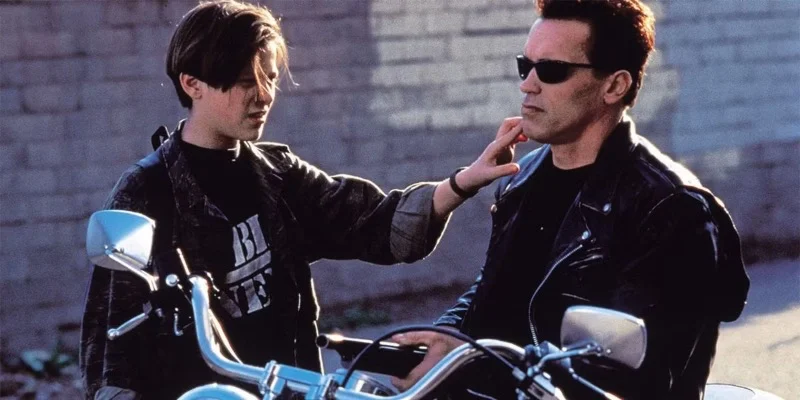
Some dialogue in ‘Terminator 2’ feels stiff and overly expository. Lines like “Come with me if you want to live” were iconic but now sound like relics of early ‘90s action films. Characters often spell out plot points, which can feel unnatural to modern audiences. This style clashes with today’s preference for subtle, realistic exchanges.
The humor, like John teaching the T-800 slang, also feels forced at times. Phrases like “Hasta la vista, baby” became cultural staples, but they land as cheesy in context. Current viewers may cringe at these moments, which disrupt the film’s serious tone.
Groundbreaking Action Sequences (Aged Masterfully)
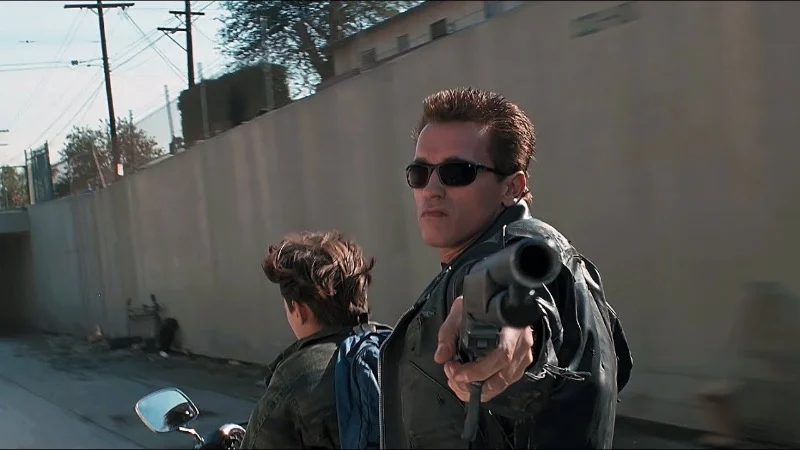
The action in ‘Terminator 2’ still feels thrilling and well-executed. The chase scenes, like the truck pursuit through the canal, are intense and tightly choreographed. Practical stunts and real-world sets give the action a raw, tangible quality that holds up. These sequences set a standard for blockbuster filmmaking.
The film’s ability to blend physical stunts with early CGI creates memorable moments, like the T-1000’s relentless attacks. Even compared to modern action films, these scenes deliver tension and excitement. They remain a benchmark for high-stakes, creative action.
Stereotypical Characters (Aged Poorly)
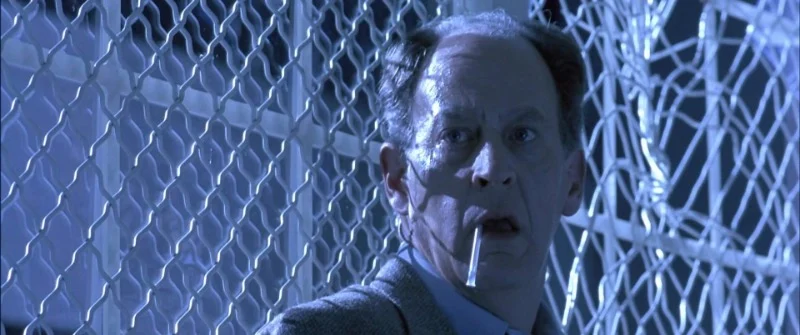
Some characters lean heavily on ‘90s stereotypes. The portrayal of side characters, like the psychiatric ward staff, feels one-dimensional and cartoonish. Dr. Silberman, for example, is a smug caricature of a skeptical doctor, lacking depth. These archetypes feel out of place in today’s nuanced storytelling.
Similarly, the depiction of gang members and other minor roles relies on dated tropes. Modern audiences expect more layered characters, and these flat portrayals stand out as weak links. The film’s main characters shine, but the supporting cast often feels like a product of its time.
Emotional Depth of the T-800 (Aged Masterfully)
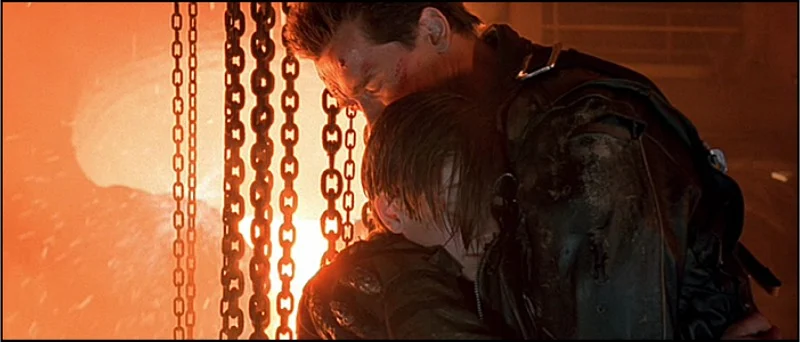
The T-800’s arc, transforming from a cold machine to a figure capable of human connection, is a standout. Arnold Schwarzenegger’s performance brings surprising heart to a robotic character. His bond with John, especially in moments of quiet learning, feels genuine and moving. This arc remains a highlight of the film.
The T-800’s final sacrifice is still a gut-punch, showing the power of selflessness. This emotional core transcends the sci-fi genre, making the character’s journey universally relatable. It’s a testament to the film’s ability to blend humanity with its high-tech premise.
Overreliance on ‘90s Tech Aesthetic (Aged Poorly)
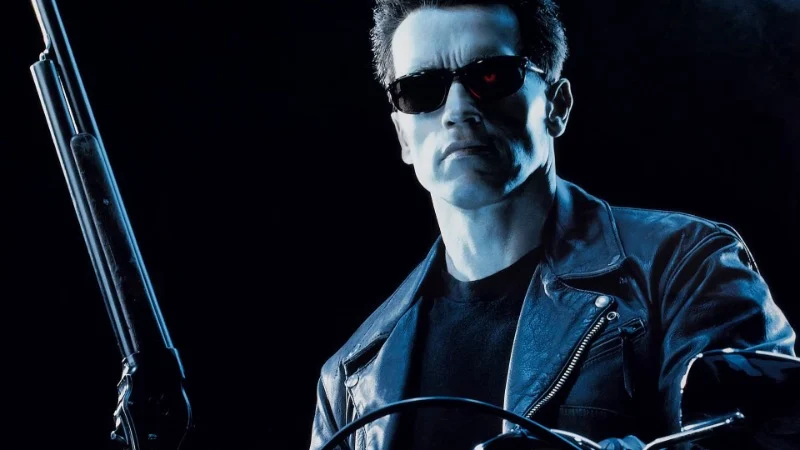
The film’s depiction of technology, like floppy disks and bulky computers, feels ancient now. Scenes in the Cyberdyne Systems lab, with its clunky monitors and outdated interfaces, scream early ‘90s. This makes the film’s vision of a futuristic threat less convincing today. Modern viewers may struggle to see these tools as cutting-edge.
The portrayal of hacking and tech culture also feels simplistic. John’s arcade-based hacking skills, while cool at the time, now seem unrealistic. These elements root the film firmly in its era, reducing its futuristic credibility.
Universal Themes of Fate (Aged Masterfully)

The film’s exploration of fate versus free will remains powerful. The question of whether the future can be changed drives the story and keeps it relevant. Sarah’s determination to rewrite destiny speaks to anyone facing seemingly impossible challenges. This theme feels timeless and universal.
The idea that “there is no fate but what we make” resonates as strongly now as it did then. It’s a message of empowerment that transcends the sci-fi setting. This philosophical core ensures the film’s enduring appeal.
Exaggerated Villain Design (Aged Poorly)
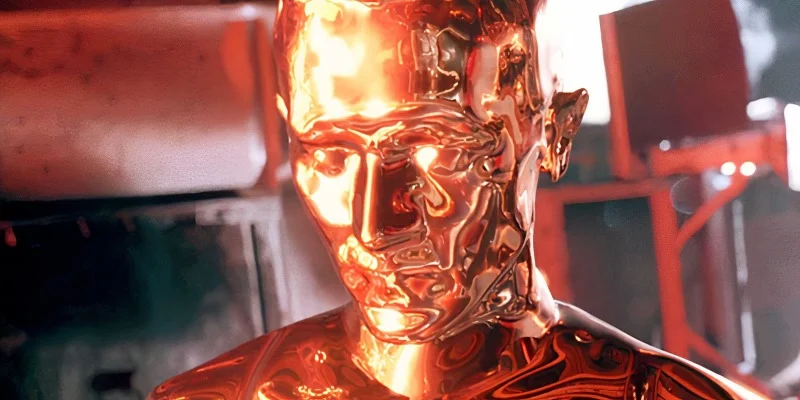
The T-1000’s relentless menace is iconic, but its design leans into ‘90s excess. The liquid metal concept, while innovative, sometimes feels like a gimmick with over-the-top transformations. Certain moments, like the T-1000’s dramatic morphing, border on campy today. This can undermine the villain’s threat for modern viewers.
Additionally, the T-1000’s cold, emotionless persona feels less nuanced compared to complex antagonists in newer films. Audiences now prefer villains with deeper motivations, making the T-1000’s simplicity stand out. It’s effective but dated in its execution.
Strong Character Arcs (Aged Masterfully)
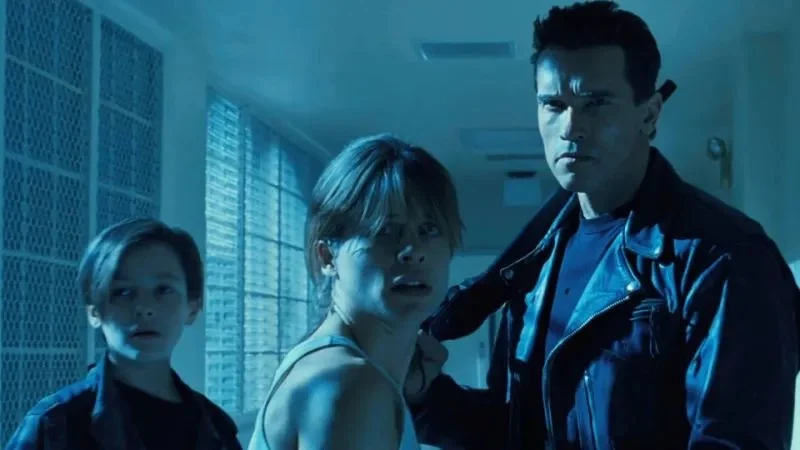
The growth of Sarah, John, and the T-800 keeps the film compelling. Sarah’s shift from a frightened survivor to a fierce warrior is inspiring and well-developed. John’s journey from a rebellious teen to a leader adds depth, while the T-800’s humanization ties the story together. These arcs feel authentic and earned.
These transformations give the film a strong emotional backbone. They ensure viewers stay invested, no matter the era. The focus on character development makes ‘Terminator 2’ a standout, even among modern blockbusters.
What’s your take on how ‘Terminator 2: Judgment Day’ has aged—share your thoughts in the comments below!