10 Things You Probably Didn’t Know About ‘The Godfather Part II’

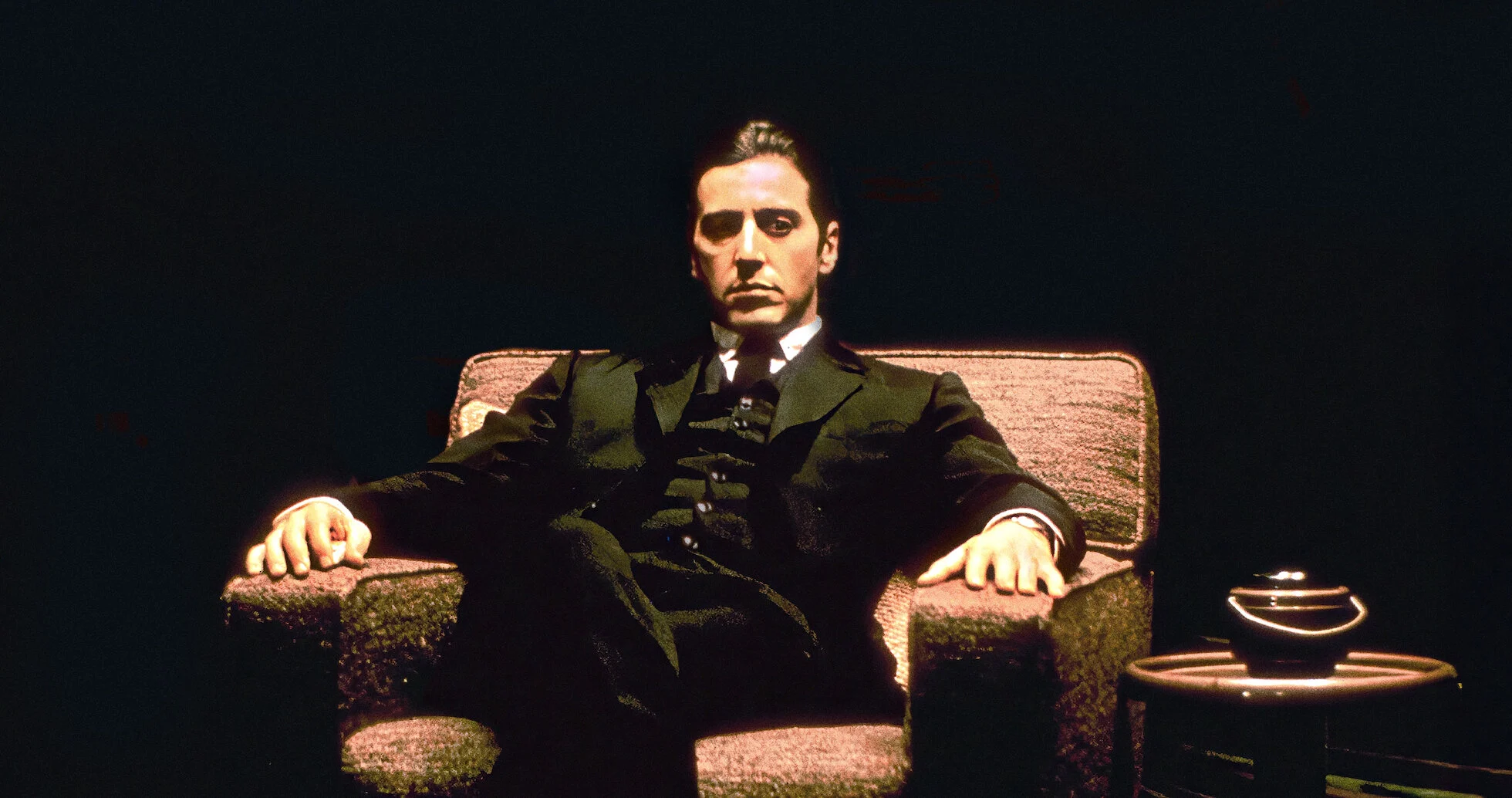

‘The Godfather Part II’ is a cinematic masterpiece that builds on the legacy of its predecessor. It weaves two stories: Michael Corleone’s struggle to maintain power and his father Vito’s rise in the early 20th century. Widely praised for its depth and performances, it won six Oscars, including Best Picture. Many consider it equal to or better than the original.
The production of ‘The Godfather Part II’ was as complex as its story. From casting challenges to real-world inspirations, the film’s creation is full of surprises. Here are 10 things you probably didn’t know about ‘The Godfather Part II’.
Robert De Niro’s Intense Preparation
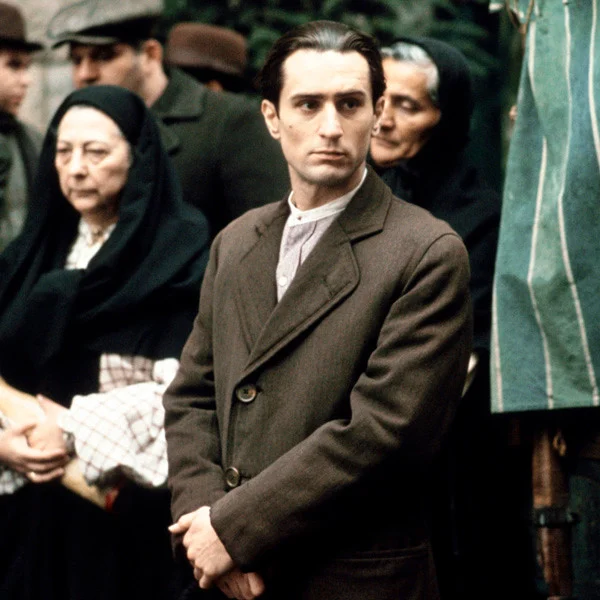
Robert De Niro immersed himself in the role of young Vito Corleone. He spent months in Sicily, learning the local dialect and studying Italian immigrants’ mannerisms. De Niro watched footage of Marlon Brando’s performance in ‘The Godfather’ to mirror his speech and gestures. His dedication earned him an Oscar for Best Supporting Actor.
To perfect Vito’s quiet intensity, De Niro lived among Sicilian locals and practiced their accent daily. He even learned to smoke cigars authentically for the role. This commitment made his portrayal feel real and seamless. Fans still marvel at how he embodied a younger Vito.
Coppola Almost Didn’t Direct
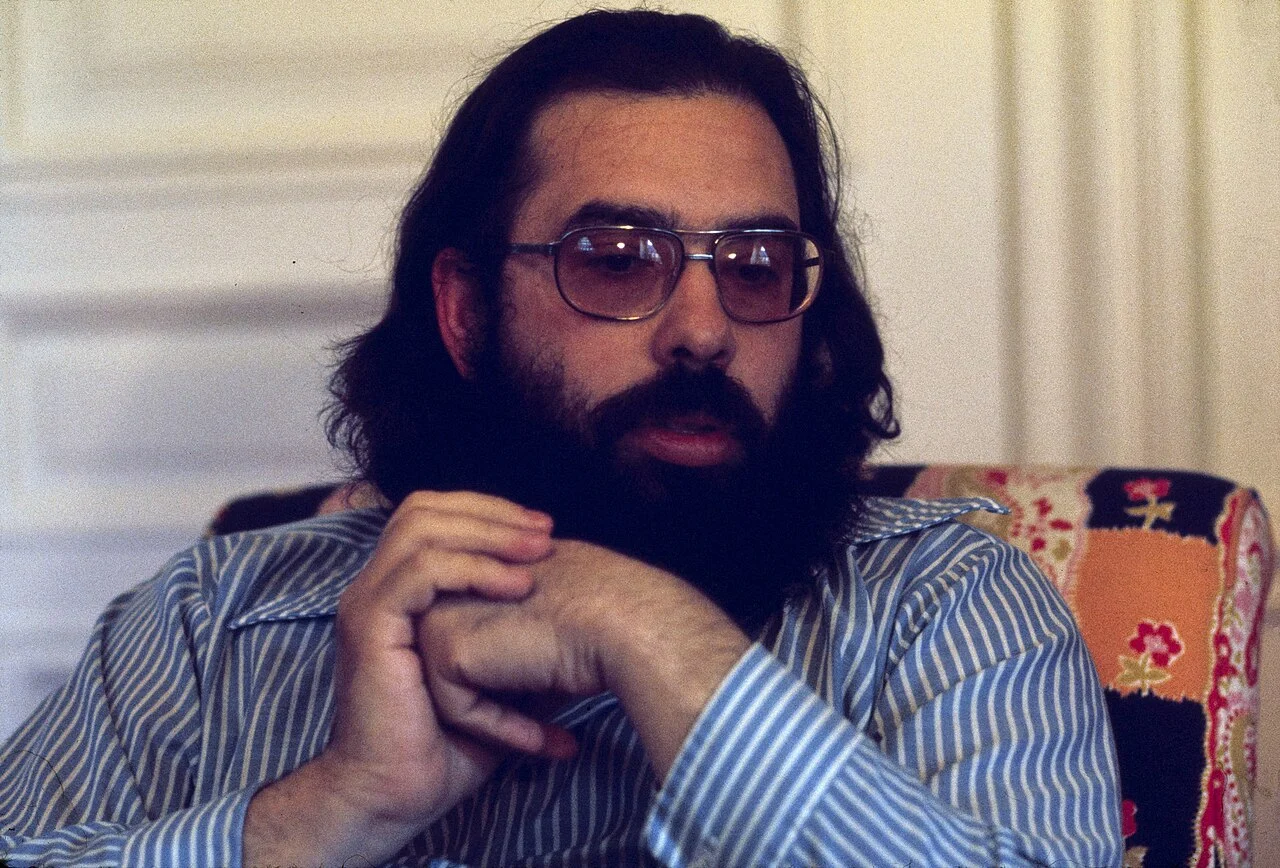
Francis Ford Coppola was hesitant to direct the sequel. After conflicts with Paramount during ‘The Godfather’, he considered passing the job to Martin Scorsese. The studio pushed back, wanting Coppola’s vision, and offered him a bigger budget and creative control. He agreed but demanded the title include “Part II” to signal it wasn’t a typical sequel.
Coppola’s reluctance stemmed from exhaustion and studio battles. His decision to return shaped the film’s ambitious dual-timeline structure. This bold choice set it apart from other sequels. It became a landmark in his career.
Real Locations Added Authenticity
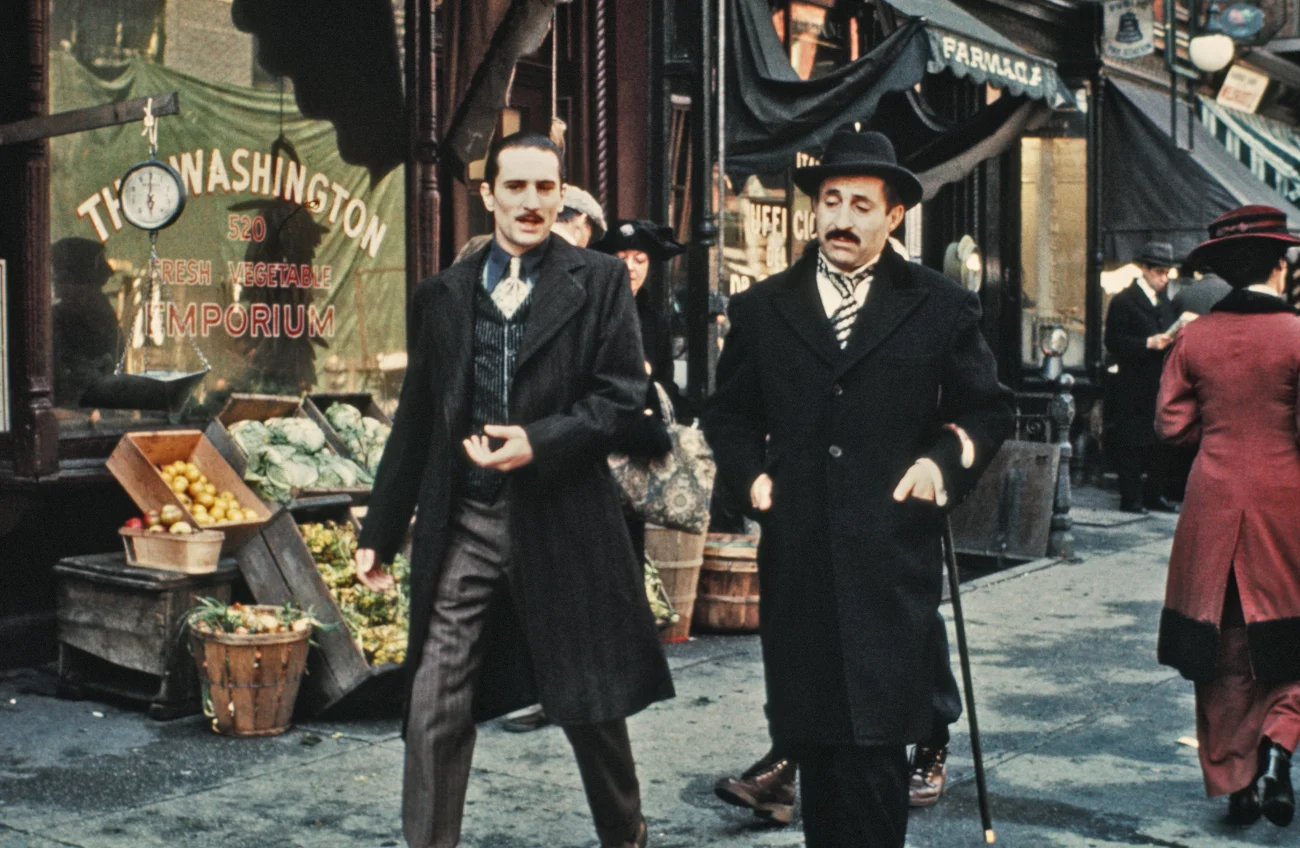
The film’s settings, from New York to Sicily, were shot on location. The crew filmed Vito’s early life in New York’s Little Italy and used Sicilian villages for his backstory. These real places gave the movie a gritty, lived-in feel. The Corleone family’s world felt tangible and immersive.
Shooting in Sicily was tough due to remote locations and language barriers. The crew faced logistical issues, like transporting equipment to rural areas. Yet, these authentic backdrops grounded the story. They helped make the film’s historical scenes visually striking.
Al Pacino’s Demanding Role
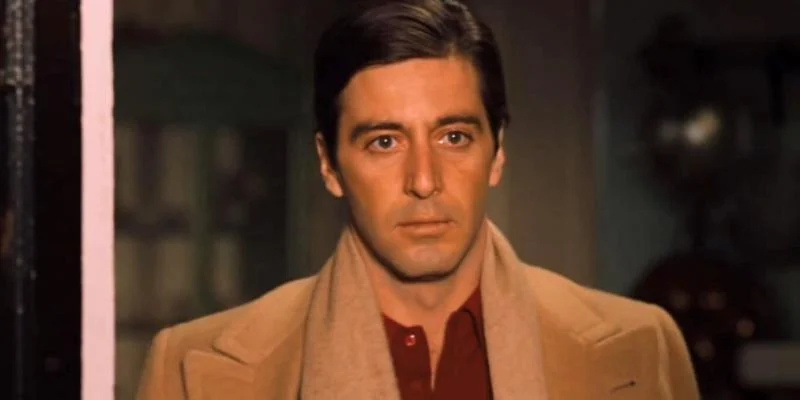
Al Pacino’s portrayal of Michael Corleone is darker and more complex than in the first film. He nearly quit due to the intense emotional toll of playing Michael’s descent. Pacino worked with Coppola to refine the character, adding subtle gestures to show Michael’s inner conflict. His performance earned an Oscar nomination.
Pacino prepared by isolating himself to capture Michael’s paranoia and loneliness. He avoided socializing on set to stay in character. This dedication made Michael’s transformation chilling. Fans still cite his cold intensity as a highlight.
The Studio Hated the Dual Timeline
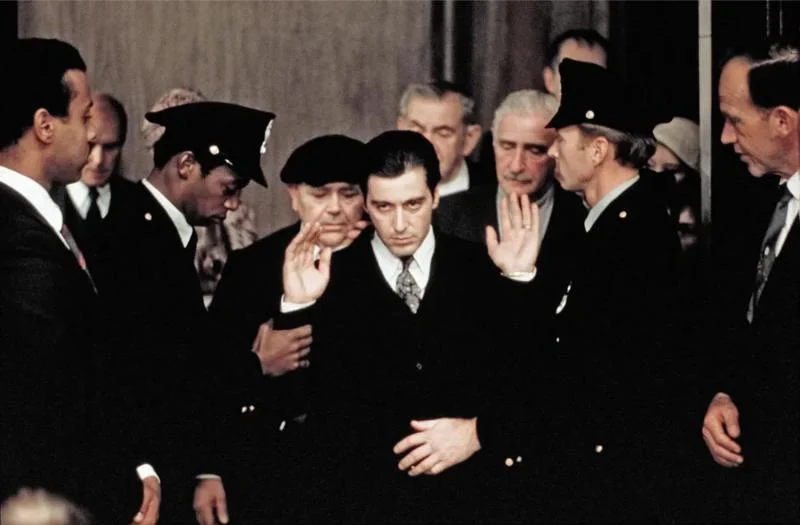
Paramount executives opposed Coppola’s idea to split the film between Michael’s present and Vito’s past. They thought the nonlinear story would confuse audiences and wanted a straightforward sequel. Coppola fought to keep the dual timeline, believing it added depth. He won the argument, and it became the film’s defining feature.
The back-and-forth narrative showed the Corleone family’s rise and fall. It contrasted Vito’s honor with Michael’s ruthlessness, enriching the story. Audiences embraced the structure, and critics praised its bold storytelling. It’s now a hallmark of the film.
Real Historical Figures Inspired Characters
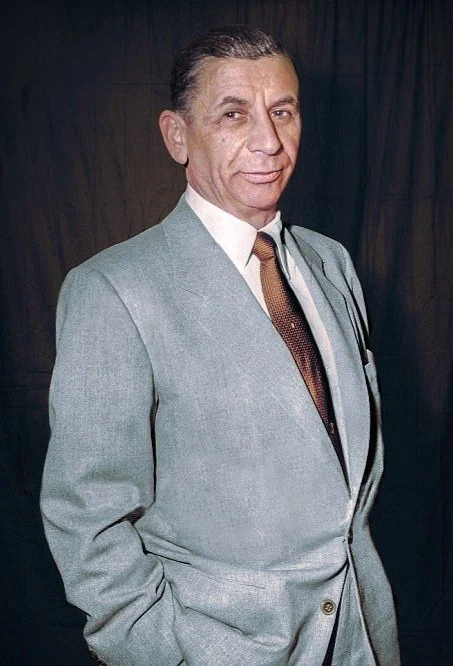
Hyman Roth, played by Lee Strasberg, was based on real-life gangster Meyer Lansky. Coppola and writer Mario Puzo drew from Lansky’s business-like approach to crime and his Havana dealings. Similarly, the character of Don Fanucci was inspired by Ignazio Lupo, a Black Hand extortionist in early 20th-century New York.
These real-world ties added authenticity to the film. Roth’s calm demeanor and Fanucci’s flashy style reflected their historical counterparts. The connections grounded the story in the era’s criminal underworld. Fans often research these links to understand the film’s roots.
Marlon Brando’s Brief Return

Marlon Brando didn’t appear, but his presence lingered. Coppola filmed a flashback scene with Brando as Vito for the film’s ending, showing a family dinner. Brando didn’t show up for the shoot, so the scene was cut. Instead, the film used existing footage from ‘The Godfather’ for a brief Vito moment.
The absence of the flashback shifted focus to Michael’s isolation. Coppola reworked the ending to emphasize Michael’s loneliness, which fans found powerful. Brando’s influence still shaped the film’s emotional weight. His legacy as Vito loomed large.
Improvised Scenes Added Depth
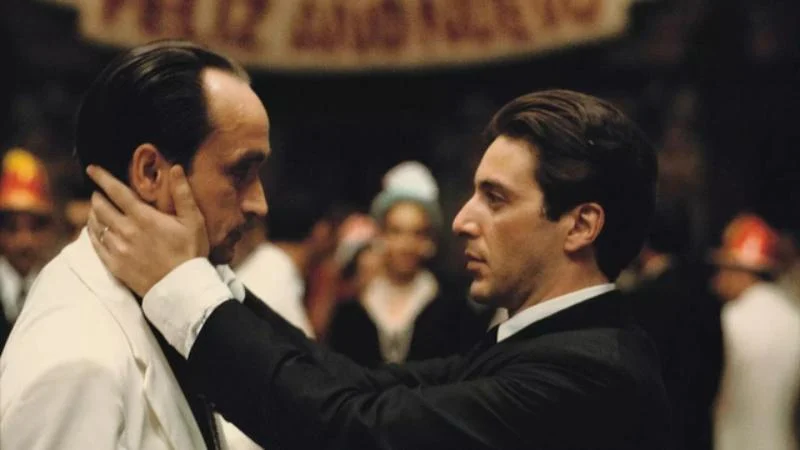
Some key moments were unscripted, like Fredo’s emotional outburst at Michael. John Cazale, who played Fredo, improvised parts of the scene where he vents his frustration. This raw performance captured Fredo’s pain and made his betrayal more heartbreaking.
Coppola encouraged improvisation to keep scenes authentic. Actors like De Niro also ad-libbed small gestures, like Vito’s cautious glances. These unscripted touches added realism to the characters. They made the film’s family dynamics feel alive and relatable.
Casting Conflicts for Key Roles
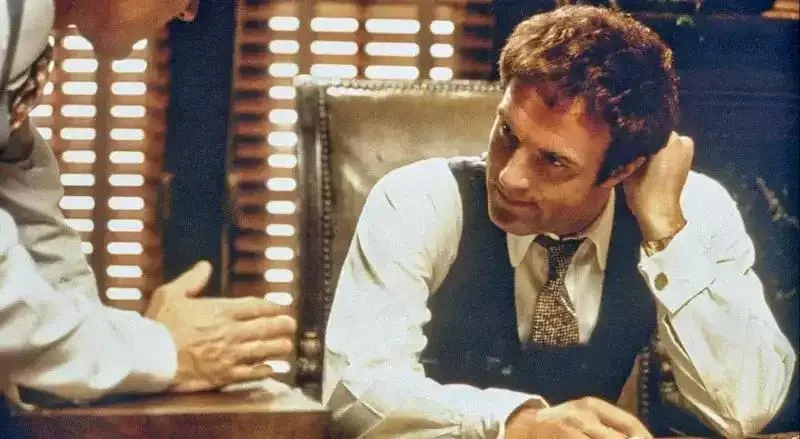
Paramount wanted a bigger name than James Caan to reprise Sonny in flashbacks. They considered actors like Robert Redford, but Caan fought to return, even for a brief scene. Similarly, the studio hesitated on Al Pacino again, fearing he’d overshadow the ensemble. Coppola insisted on keeping the original cast.
These battles ensured continuity with the first film. Caan’s brief appearance as Sonny added nostalgia, while Pacino’s return anchored the story. Coppola’s persistence preserved the film’s emotional core. The cast’s chemistry carried the sequel.
A Record-Breaking Budget
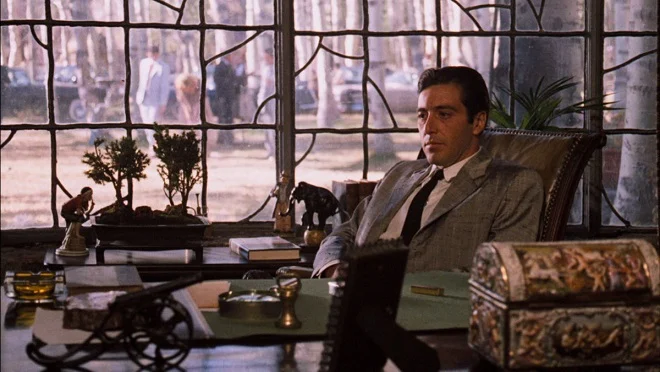
The film had a $13 million budget, huge for its time and double that of ‘The Godfather’. The cost covered extensive location shooting, period sets, and a large cast. Paramount was nervous about the expense, but the success of the first film justified the investment. It grossed over $47 million domestically.
The budget allowed Coppola to craft detailed scenes, like 1910s New York and 1950s Havana. Every costume and set piece was meticulously designed. This scale made the film visually rich. It proved the investment was worth it.
Which ‘The Godfather Part II’ fact shocked you the most? Share your thoughts in the comments!