Secrets DC Doesn’t Want You to Know


DC Comics has been a giant in the comic book world for nearly a century, creating iconic characters like Superman, Batman, and Wonder Woman. Its history is packed with groundbreaking moments, but not all of it is as heroic as the stories they publish. Behind the scenes, there are secrets—some messy, some surprising—that DC would rather keep under wraps.
From legal battles to questionable decisions, these hidden truths reveal the less glamorous side of the company. Let’s dive into 15 secrets from DC’s history that they’d prefer you didn’t know about.
Superman’s Creators Got a Raw Deal

In 1938, Jerry Siegel and Joe Shuster sold Superman to DC for just $130. This one-time payment gave DC full ownership of a character who would earn billions through comics, movies, and merchandise. Siegel and Shuster struggled financially for decades, while DC reaped massive profits. They fought multiple lawsuits to gain royalties, but with little success until the 1970s, when public pressure forced DC to provide them with modest stipends and health insurance.
The duo’s story is a stark reminder of how DC’s early business practices favored profit over fairness. Siegel and Shuster never saw the wealth they deserved, despite creating the superhero genre. Their battle for recognition lasted until DC finally gave them credit in the 1970s, but the damage was already done.
Batman’s Co-Creator Was Denied Credit for Decades

Bob Kane is often credited as Batman’s sole creator, but writer Bill Finger played a huge role. Finger designed Batman’s costume, wrote many early stories, and crafted the tragic origin story that defined the character. Yet, Kane took most of the credit, and Finger was largely ignored until after his death in 1974.
It wasn’t until 2015 that DC and Warner Bros. officially recognized Finger as a co-creator, over 75 years after Batman’s debut in ‘Detective Comics’ #27. This delay shows how DC sidelined key contributors, letting one person take the spotlight while others were forgotten.
DC Almost Sold Its Biggest Heroes to Marvel

In 1984, DC was struggling financially and nearly sold the rights to Superman, Batman, Wonder Woman, and others to Marvel. Marvel rejected the offer, believing they could create their own successful characters. If the deal had gone through, the comic book landscape would be completely different today.
This close call highlights how precarious DC’s position was in the 1980s. It’s a secret they’d rather forget, as it shows how close they came to losing control of their most iconic heroes.
Superman Couldn’t Always Fly

When Superman debuted in ‘Action Comics’ #1, he couldn’t fly—he could only leap great distances. DC changed this in the 1940s after animators at Fleischer Studios said leaping looked “silly” in their cartoons. They requested permission to make him fly, and DC agreed, forever altering the character.
This shift was kept quiet because DC wanted Superman to seem timeless and consistent. Admitting they changed his core powers would highlight how much the character evolved due to external influence.
Kryptonite Was Invented for a Radio Show

Superman’s famous weakness, kryptonite, wasn’t in the original comics. It was created for the 1943 ‘Adventures of Superman’ radio show to explain Superman’s absence when voice actor Bud Collyer took a vacation. The writers needed a plot device to sideline the hero, and kryptonite was born.
DC later added kryptonite to the comics in 1949, but they downplayed its radio origins. This secret shows how practical needs, not creative vision, shaped one of Superman’s defining traits.
Batman Used to Kill

Unlike his modern “no-kill” rule, Batman was a ruthless vigilante in his early days. In ‘Detective Comics’ #27, he knocked a criminal into a vat of acid. In later issues, he snapped necks and used guns, reflecting the darker tone of 1930s comics.
DC softened Batman’s image as comics became more kid-friendly, burying his violent past. They’d rather fans focus on the modern, principled Dark Knight than his murderous beginnings.
The Joker’s Origin Is Still a Mystery

DC has kept the Joker’s true identity a secret for decades. ‘Batman: The Killing Joke’ suggests he was a failed comedian turned criminal, but even that story leaves room for doubt. In ‘Justice League’ #50, Batman learns there might be three Jokers, adding more confusion.
This ongoing mystery is deliberate—DC wants the Joker to remain an enigma. By keeping his past vague, they maintain his unpredictable, chaotic appeal, but it also frustrates fans seeking answers.
DC Sued Over Captain Marvel

In the 1940s, DC sued Fawcett Comics, claiming their hero Captain Marvel (now Shazam) copied Superman. Despite tenuous similarities, DC’s legal pressure forced Fawcett to stop publishing Captain Marvel by 1955. DC later acquired the character in the 1970s.
This lawsuit shows DC’s aggressive stance against competitors. They’d rather not highlight this chapter, as it paints them as bullies who stifled a rival’s creativity.
The Comics Code Crushed Creativity

In the 1950s, the Comics Code Authority, pushed by public backlash against violent comics, forced DC to tone down their stories. Heroes like Superman and Batman became bland, and horror titles like ‘House of Secrets’ faced strict censorship, banning monsters like werewolves.
DC complied to avoid backlash, but this stifled their writers and artists for years. They don’t advertise this period, as it shows how external pressure dulled their creative edge.
Wonder Woman Was Almost Named Suprema

Before settling on Wonder Woman, creator William Moulton Marston considered calling her Suprema. DC chose Wonder Woman to better fit her mythological roots, but the original name was nearly used in early drafts.
This near-miss is rarely mentioned because DC wants Wonder Woman’s iconic name to seem inevitable. Admitting she could’ve been Suprema makes the character’s creation feel less deliberate.
DC’s First Superhero Team Wasn’t the Justice League

The Justice Society of America, introduced in ‘All-Star Comics’ #3 in 1940, was DC’s first superhero team, predating the Justice League by 20 years. It featured heroes like the Flash, Green Lantern, and Hawkman, but faded in the 1950s as superhero popularity dropped.
DC downplays the JSA because the Justice League is more famous. They’d rather focus on their modern flagship team than a lesser-known group from the Golden Age.
Swamp Thing’s Cover Model Became a Comics Legend

The cover of ‘House of Secrets’ #92, which introduced Swamp Thing, featured a woman modeled after future comics writer Louise Simonson. She later became a key figure at Marvel and DC, writing for ‘X-Men’ and ‘Superman’.
DC doesn’t highlight this connection, as it’s a minor detail that could overshadow Swamp Thing’s debut. Simonson’s role as a cover model is a fun but obscure piece of their history.
Crisis on Infinite Earths Rewrote History

In 1985, DC’s ‘Crisis on Infinite Earths’ event merged its multiverse into one Earth, erasing decades of stories. This reboot aimed to simplify continuity but confused fans and alienated some creators who saw their work erased.
DC rarely discusses the backlash, focusing instead on the event’s success. They’d prefer fans forget how this drastic change disrupted their universe and frustrated loyal readers.
Vertigo’s Mature Themes Were a Risky Move

In 1993, DC launched the Vertigo imprint for mature readers, featuring titles like ‘Sandman’ and ‘Preacher’. These gritty, adult stories were a departure from DC’s family-friendly image and faced pushback from conservative groups.
DC keeps quiet about the controversy, as Vertigo’s success redefined comics for adults. They’d rather celebrate the imprint’s awards than admit it was a gamble that could’ve failed.
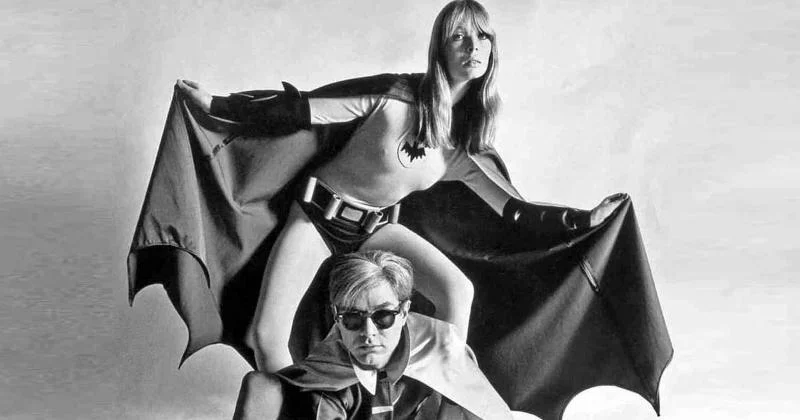
Andy Warhol’s Unauthorized Batman Film
In 1964, Andy Warhol made an unlicensed film called ‘Batman/Dracula’, featuring Batman in a bizarre, black-and-white art project. DC didn’t approve it, and the film was only shown at Warhol’s exhibits, never officially released.
DC buries this story to protect their brand image. An unauthorized, quirky Batman film doesn’t fit their polished narrative of the Dark Knight’s legacy.
What’s the most surprising DC secret you’ve learned today? Share your thoughts in the comments and let us know which hidden truth shocked you the most!