Clint Eastwood’s Career: From ‘Revenge of the Creature’ to ‘Cry Macho’

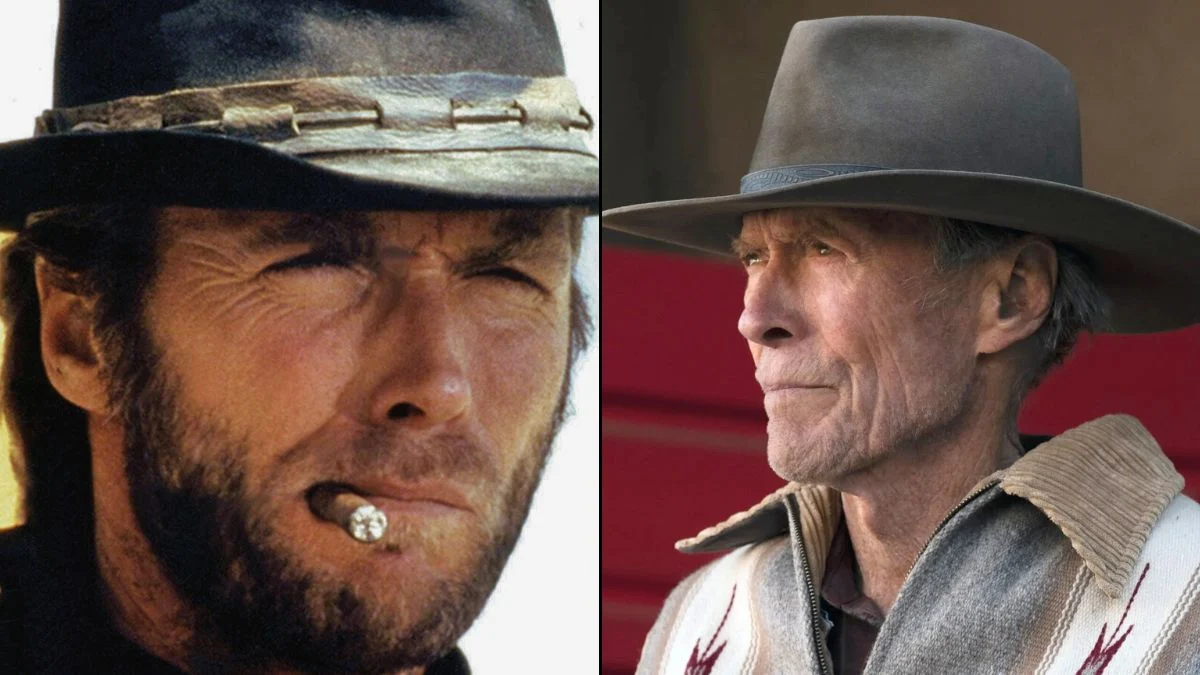

Clint Eastwood is a Hollywood icon with a career spanning over seven decades. He has established himself not only as a versatile actor but also as an acclaimed director and producer, leaving a permanent mark on the film industry. From his early, often uncredited, roles in the 1950s to his status as a leading man in Westerns and action films, Eastwood’s journey is one of remarkable endurance and artistic evolution. His name has become synonymous with a certain kind of tough, solitary hero, a persona he has both embraced and skillfully deconstructed throughout his extensive filmography.
This list explores the vast range of his work, beginning with his minor appearances in monster and military movies and tracing his path to becoming a global superstar. The selection of films highlights his transformation from a contract player to a powerful figure in cinema. It covers his iconic collaborations with directors like Sergio Leone and Don Siegel, his own award-winning directorial efforts, and his more recent, reflective roles. This journey through his films showcases a career defined by longevity, talent, and an unwavering presence on the silver screen.
Revenge of the Creature (1955)
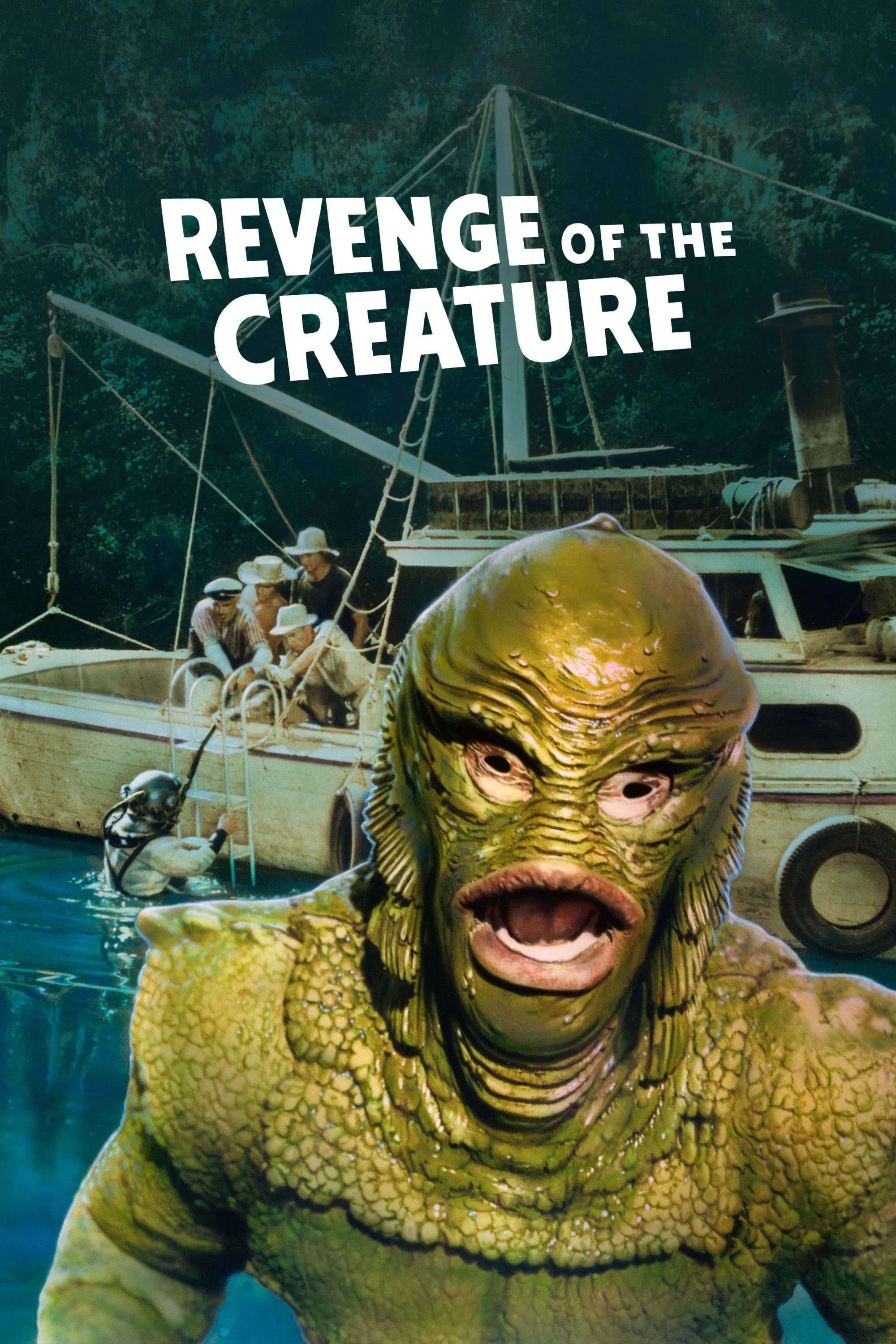
Clint Eastwood’s film career began with a very small, uncredited role in ‘Revenge of the Creature’. He appeared as a lab technician named Jennings in this sequel to ‘Creature from the Black Lagoon’. In his brief scene, Eastwood’s character complains about a missing lab rat, accusing a cat of eating it, only to find the rat in his pocket.
This minor part was one of several that Eastwood took early in his career while under contract with Universal Pictures. Although the role was insignificant, it marked his debut on the big screen. It offered the aspiring actor his first taste of working on a film set, a humble start to what would become a legendary career in Hollywood.
Francis in the Navy (1955)
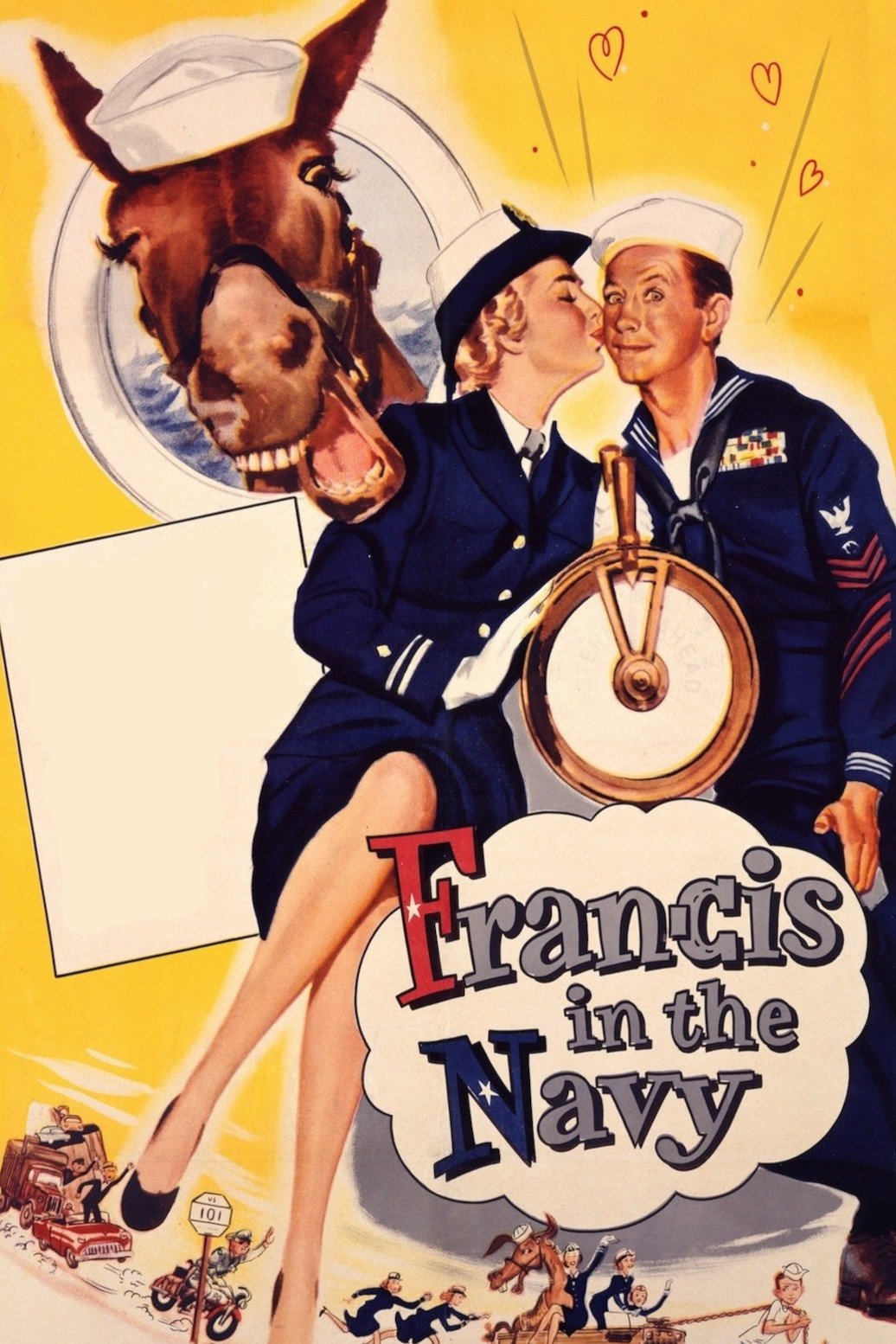
In 1955, Clint Eastwood appeared in ‘Francis in the Navy’, a comedy film starring Donald O’Connor and the sixth movie in the ‘Francis the Talking Mule’ series. Eastwood was cast in the minor role of Jonesy, a sailor. His character gets a few lines, interacting with the main characters in this lighthearted military comedy.
Like his other roles during this period, his part was small and did not give him much screen time. He was still a young actor learning the ropes in the studio system. These early experiences, while not glamorous, provided him with valuable exposure to the filmmaking process and kept him working as he sought more significant roles.
Lady Godiva of Coventry (1955)
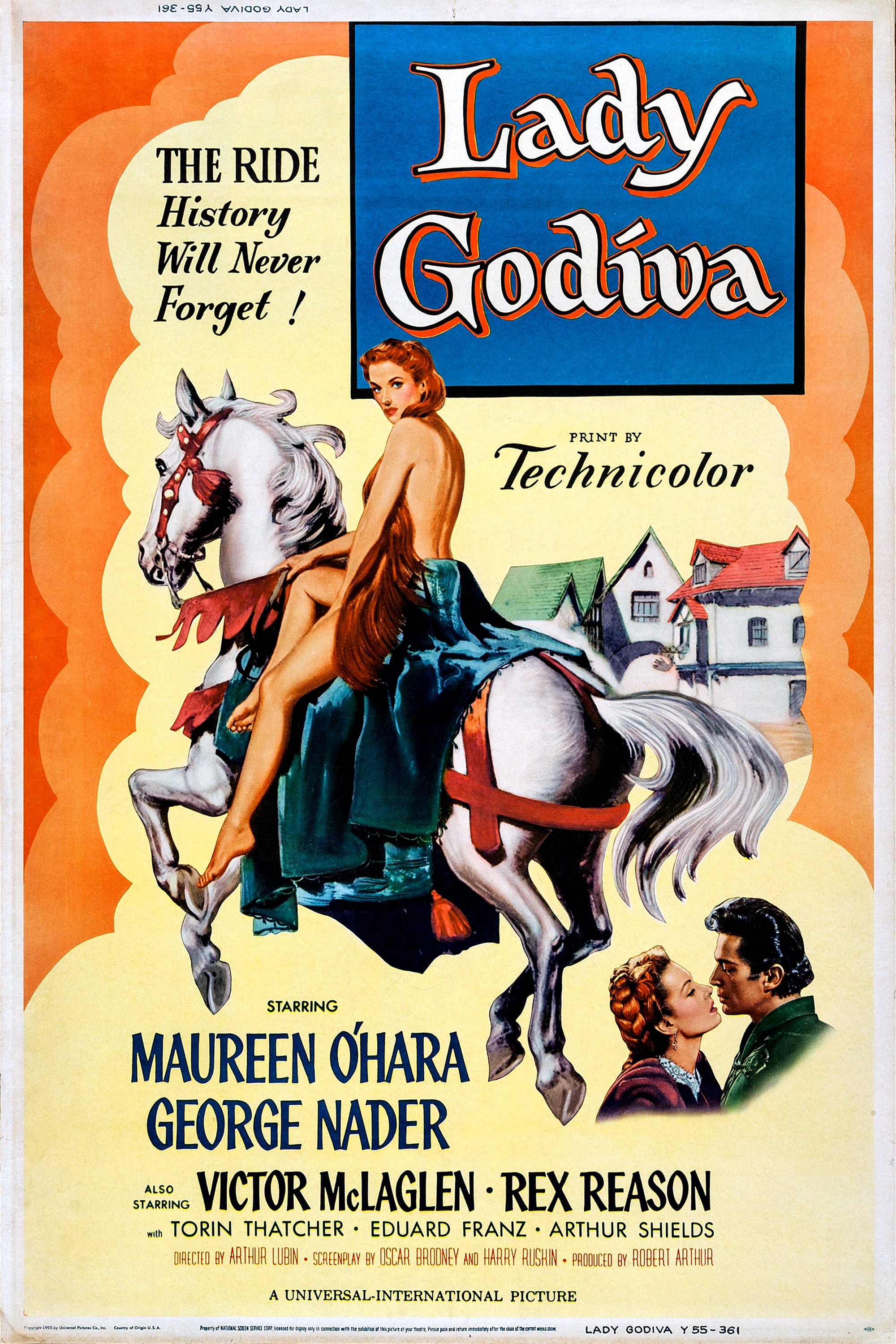
Clint Eastwood had another uncredited role in the historical drama ‘Lady Godiva of Coventry’. He played a character listed as First Saxon. This was a background part in a Technicolor film that starred Maureen O’Hara in the title role. Eastwood’s appearance was fleeting and easy to miss for audiences.
Working on large-scale productions like this gave him a glimpse into different genres of filmmaking. Even as an extra, he was able to observe established actors and directors at work. This period of his career was marked by persistence, as he took any available part to gain experience and stay in the industry.
Tarantula (1955)
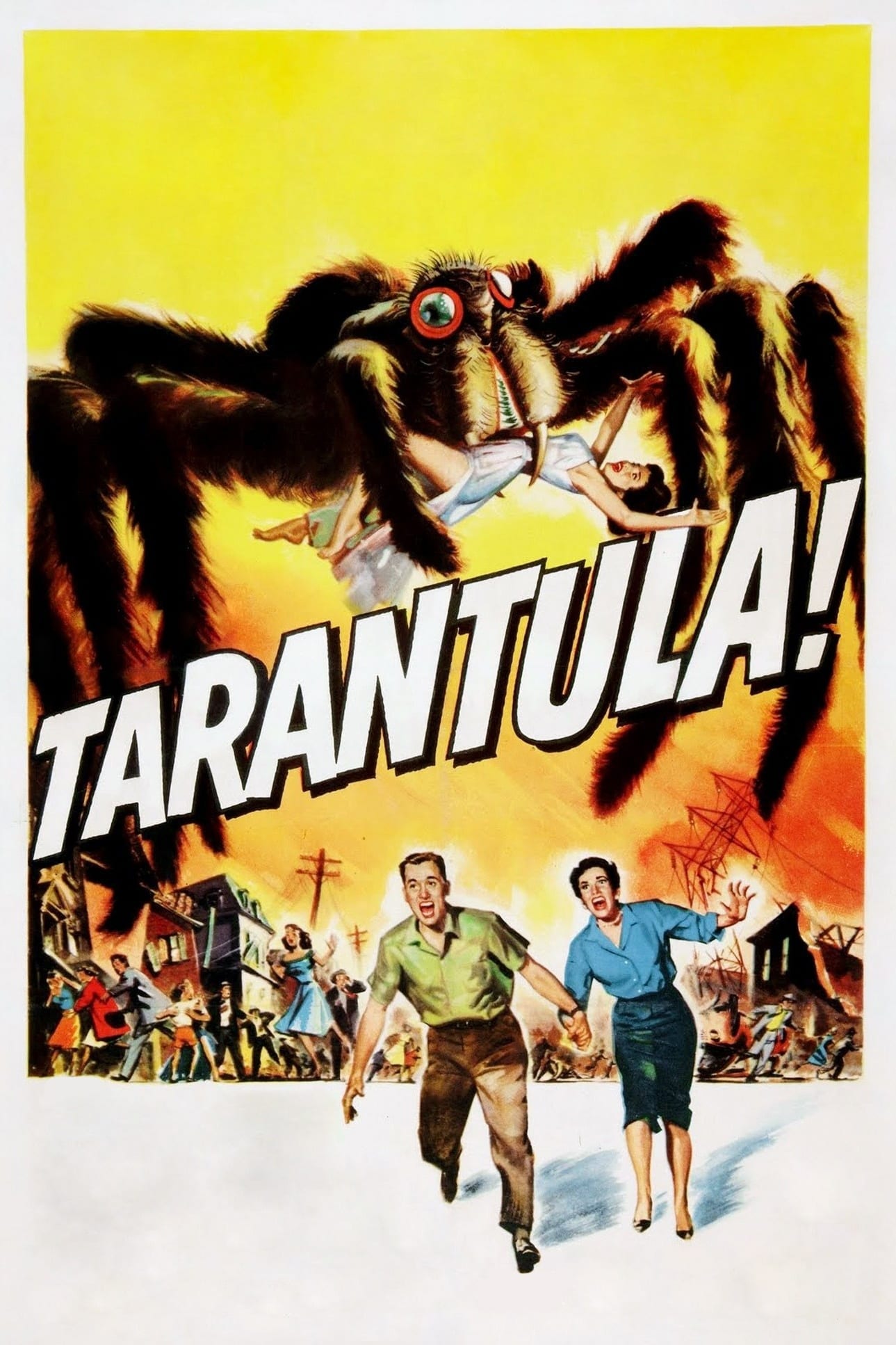
Continuing his work in the science-fiction genre, Clint Eastwood had a small, uncredited part in ‘Tarantula’. He played the role of a jet squadron leader. Near the end of the film, his character leads the aerial attack that ultimately destroys the gigantic tarantula that is terrorizing the Arizona desert.
Although his face is mostly obscured by an oxygen mask and helmet, his voice is recognizable as he gives the command to drop napalm on the creature. This role, while minor, placed him in the climactic scene of the movie. It was another step in his early career, contributing to his growing list of on-screen appearances.
Never Say Goodbye (1956)
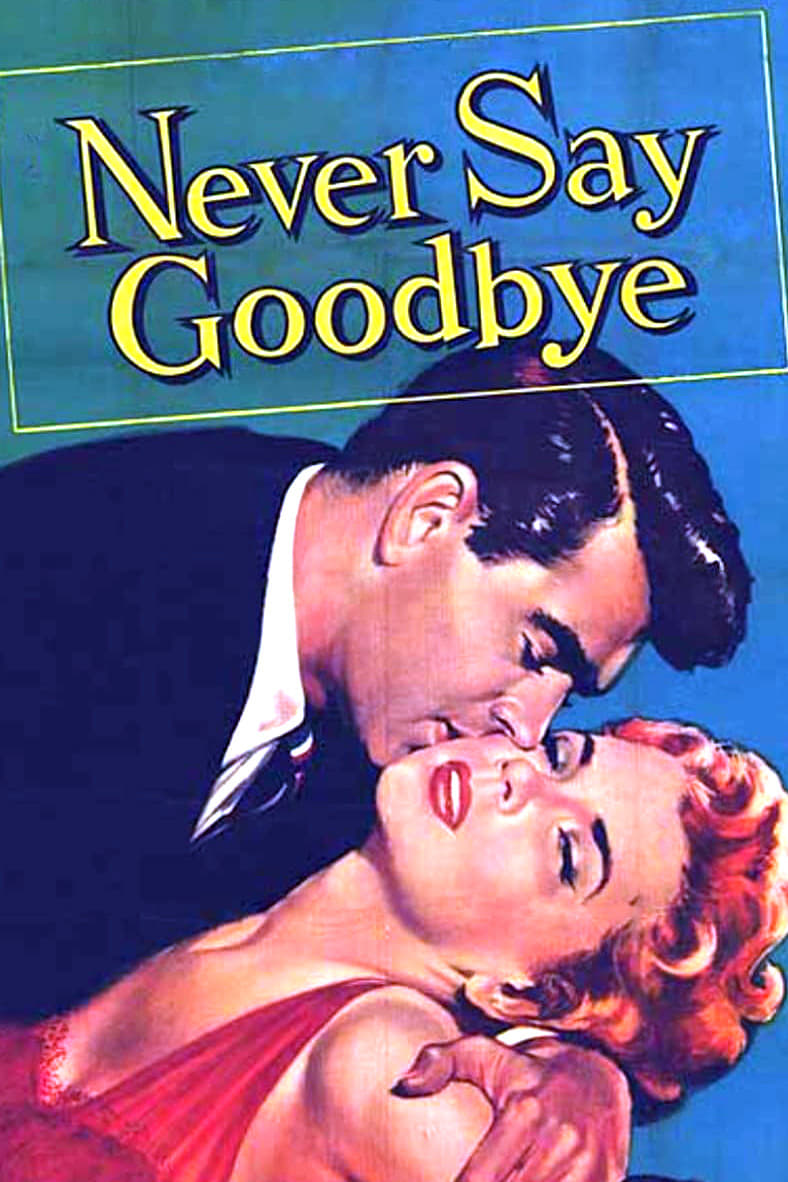
In the 1956 drama ‘Never Say Goodbye’, starring Rock Hudson, Clint Eastwood had a credited role as Will. This part, though still small, was a step up from his uncredited appearances. The film is a remake of the 1945 movie ‘This Love of Ours’.
Eastwood’s role was that of a young doctor. The part allowed him to deliver a few lines and interact with the main star of the film. Being credited in a major studio production with an actor as popular as Rock Hudson was a small but significant milestone for the up-and-coming actor.
Star in the Dust (1956)
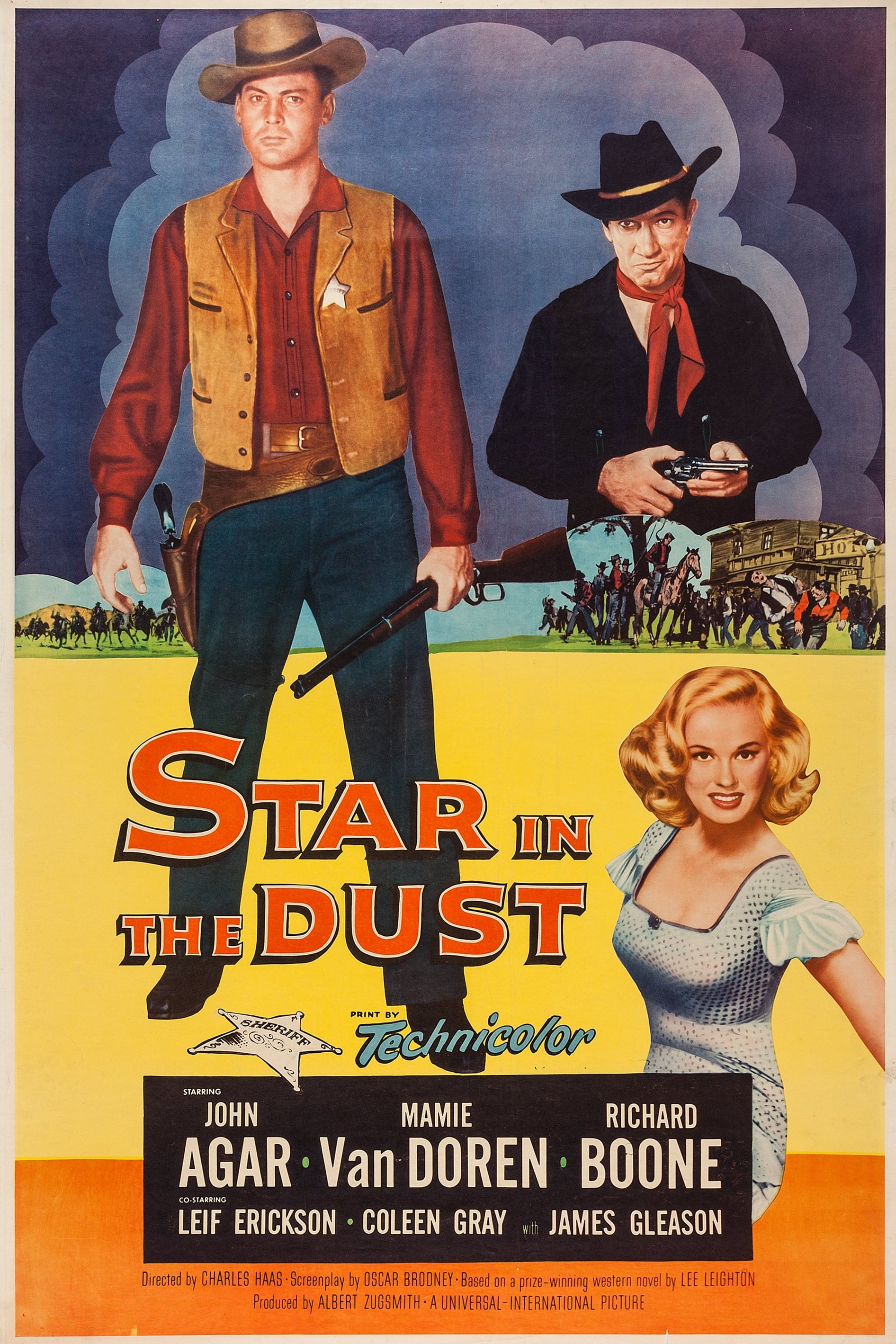
Clint Eastwood appeared in the Western film ‘Star in the Dust’, which starred John Agar and Mamie Van Doren. He played a minor character named Tom, a ranch hand. This role was one of his first in the Western genre, which would later become central to his career and stardom.
His part in the film was small, but it placed him in the setting that would define his public image for decades to come. Working on a Western allowed him to gain experience with the specific demands of the genre, from horseback riding to the overall atmosphere of a frontier story.
Away All Boats (1956)
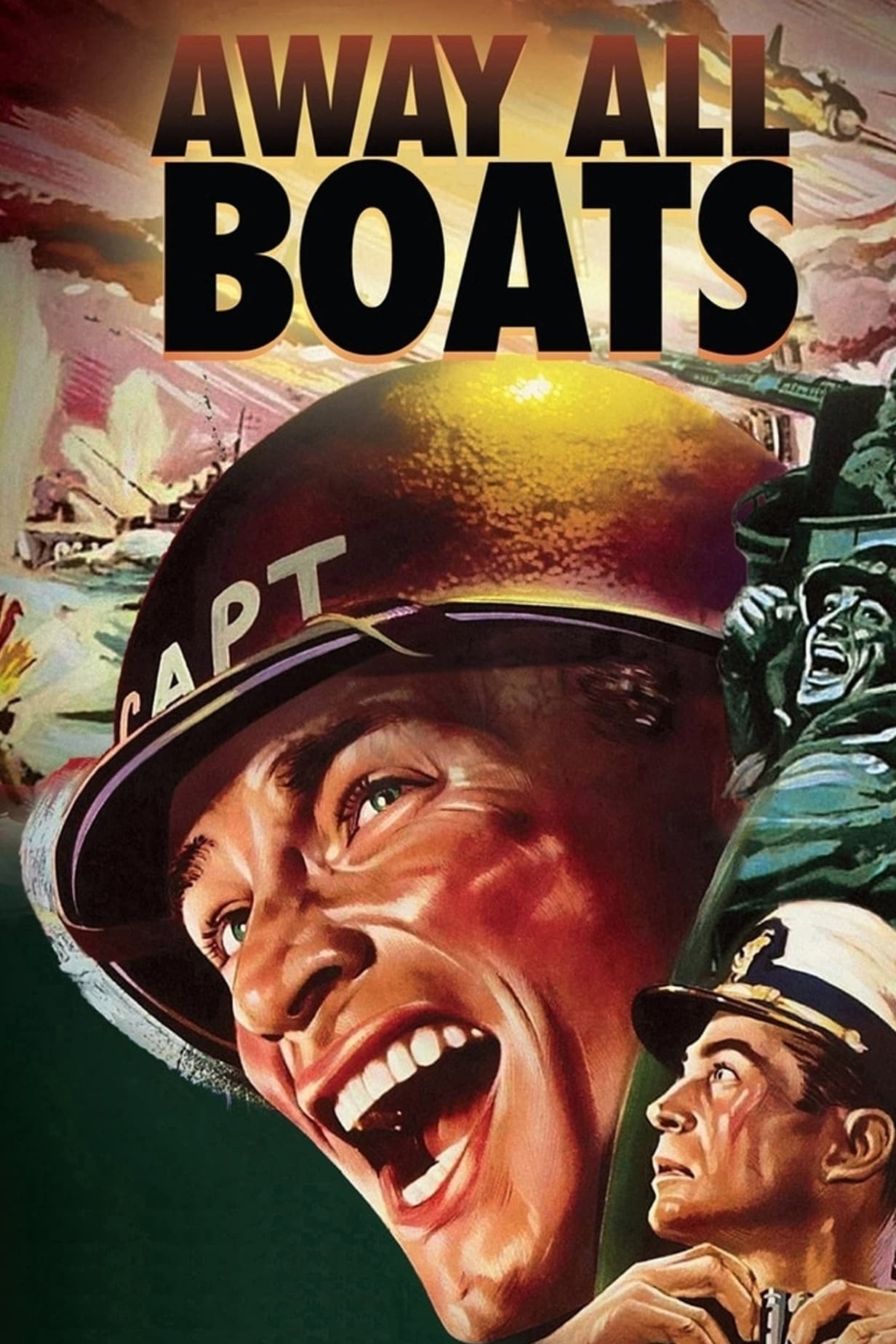
In the World War II naval drama ‘Away All Boats’, Clint Eastwood had an uncredited role as a Navy medic. The film featured a large ensemble cast led by Jeff Chandler and George Nader. Eastwood’s part was that of a corpsman who tends to a wounded sailor.
He is briefly visible on screen, delivering a line as he administers medical aid during a battle scene. This role was another example of the small parts he took in major studio pictures early in his career. It provided him with steady work and allowed him to be part of a large-scale war film production.
The First Traveling Saleslady (1956)
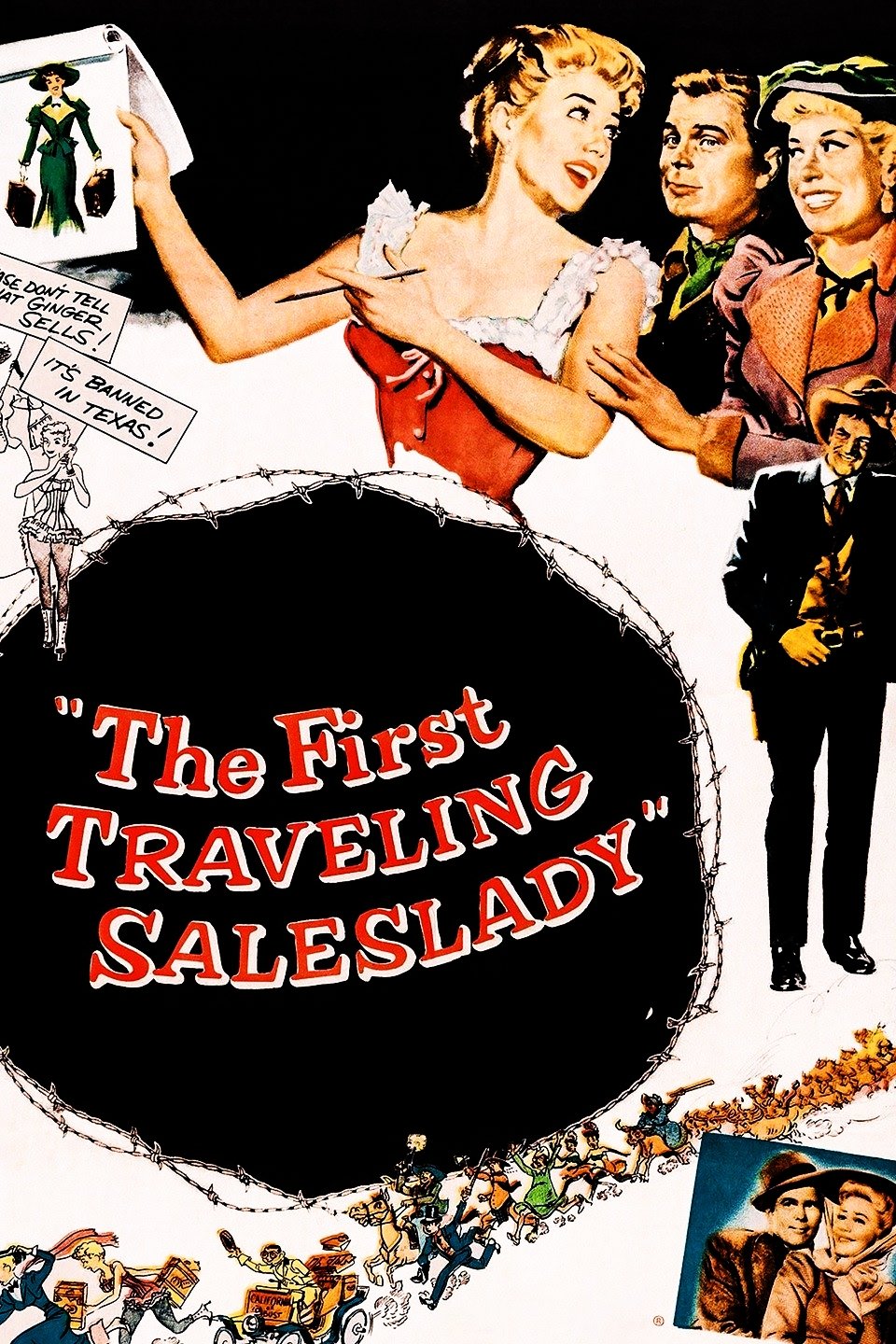
Clint Eastwood had a supporting role in the comedy Western ‘The First Traveling Saleslady’, starring Ginger Rogers and Carol Channing. He played Lieutenant Jack Rice, a cavalry officer. This role was more substantial than many of his previous parts, giving him more screen time and dialogue.
In the film, his character is involved in the plot concerning the introduction of barbed wire to Texas. He works alongside established Hollywood stars, which was a valuable experience. The part gave him a chance to play a more developed character in the Western setting he would soon master.
Escapade in Japan (1957)
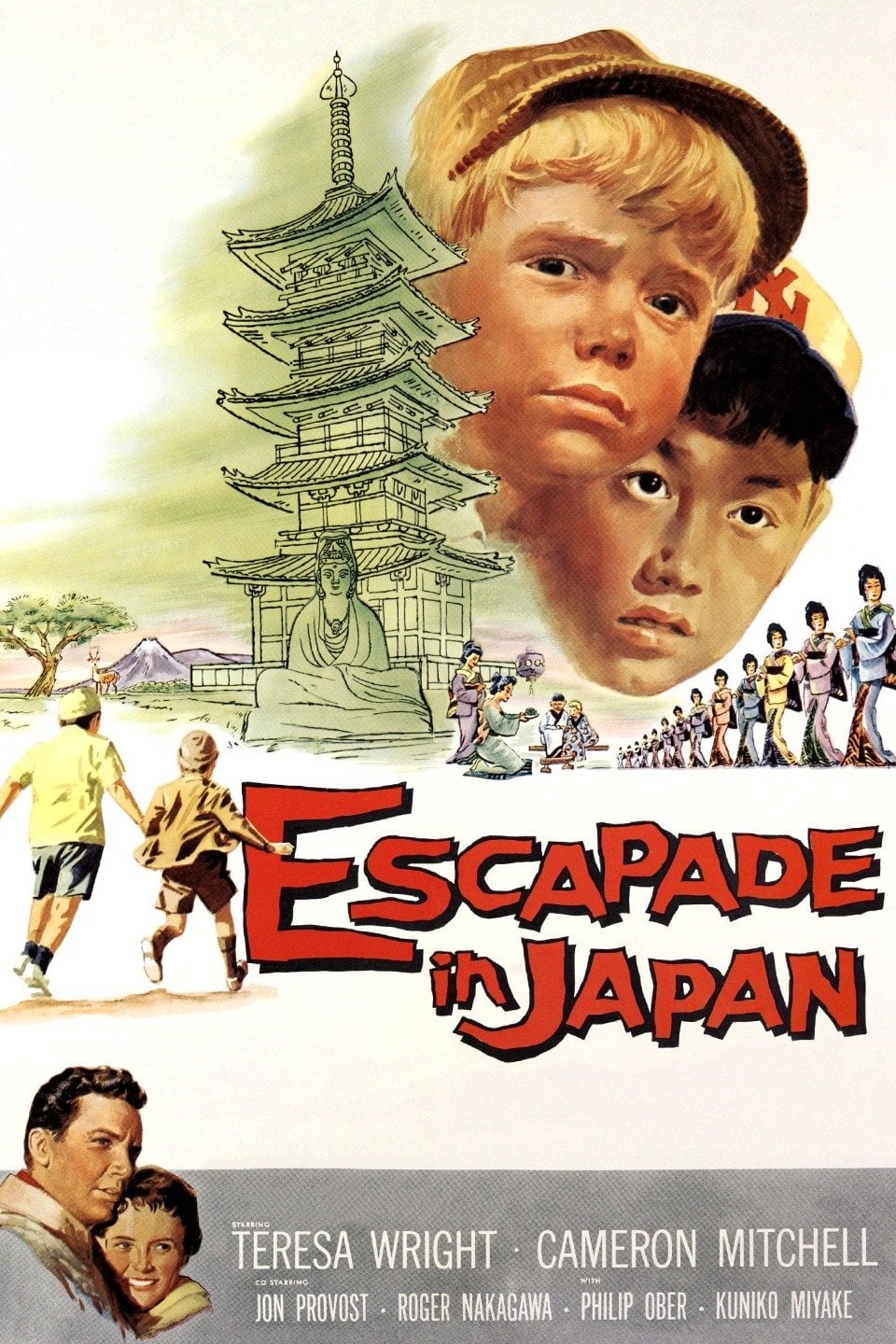
In 1957, Clint Eastwood had an uncredited cameo in the film ‘Escapade in Japan’. He played a Dumbo pilot. The family-friendly adventure film follows two young boys, one American and one Japanese, who are on the run after a plane crash.
Eastwood appears briefly, wearing a flight helmet and oxygen mask, similar to his role in ‘Tarantula’. He has one line in the film, asking for a “Dumbo” in a scene involving an air-sea rescue. It was a minor appearance in a film shot on location, adding another credit to his early resume.
Lafayette Escadrille (1958)
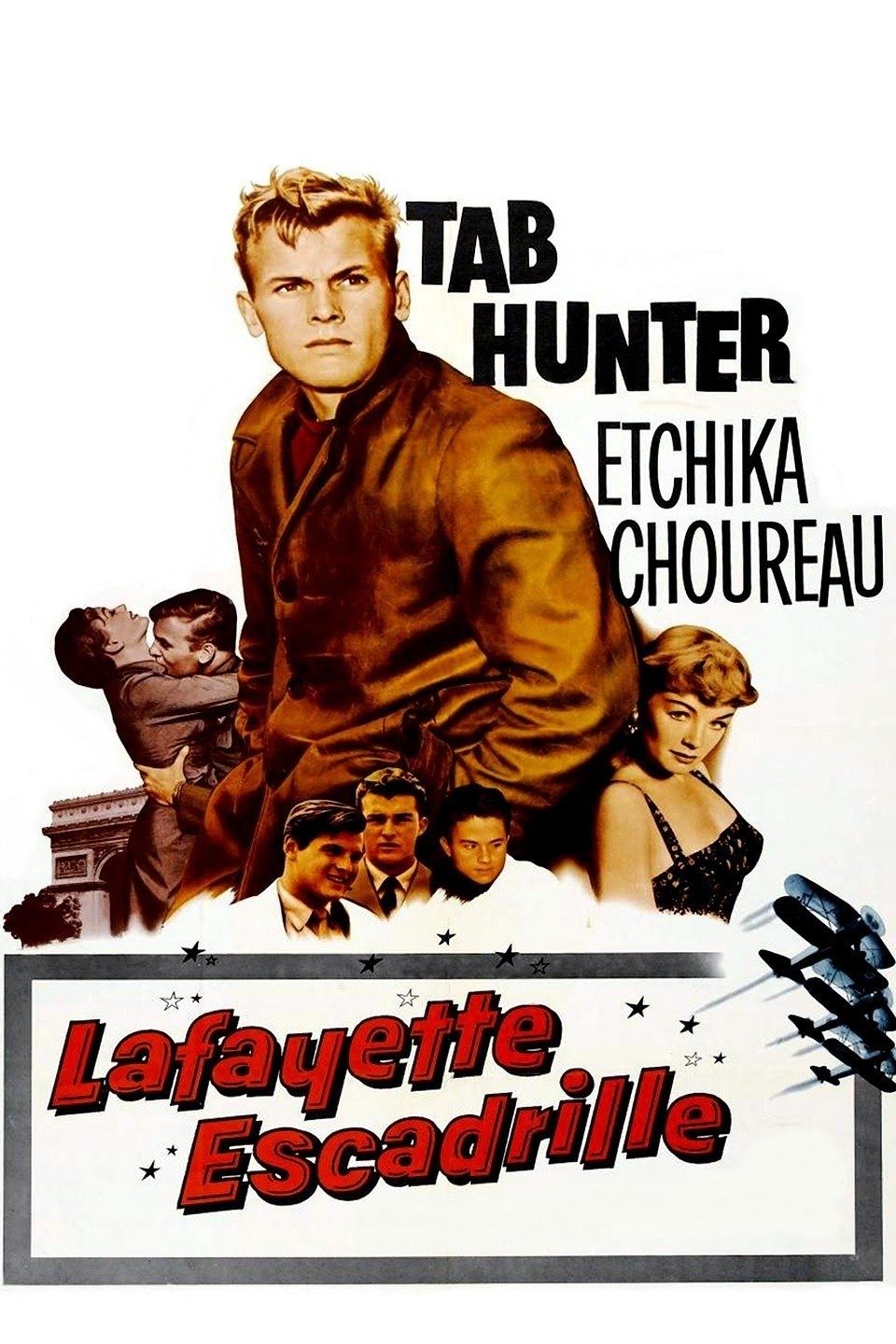
Clint Eastwood had a supporting role in the World War I drama ‘Lafayette Escadrille’. He played George Moseley, a pilot and one of the friends of the main character, played by Tab Hunter. The film was directed by William A. Wellman and was based on the story of the American volunteer flying corps.
His role as Moseley was one of his most significant to date, providing him with more dialogue and character interaction than his previous parts. However, the film was not a commercial success and received mixed reviews. Despite this, it was an important step for Eastwood, who was gaining more visibility as an actor.
Ambush at Cimarron Pass (1958)
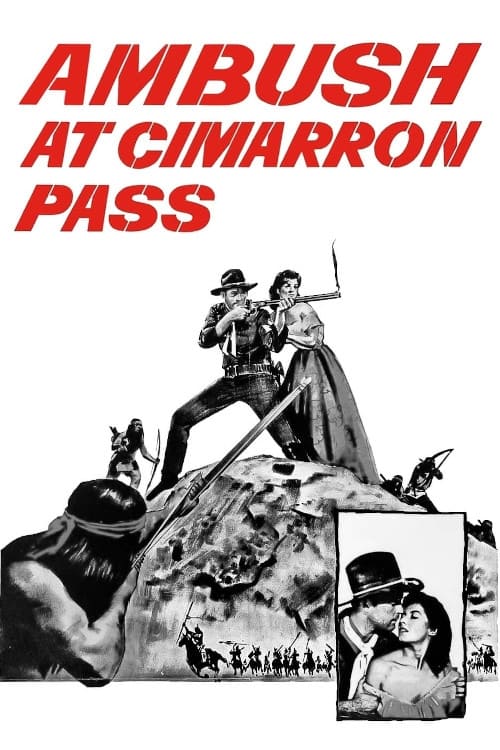
‘Ambush at Cimarron Pass’ was a Western film in which Clint Eastwood had a prominent role as Keith Williams. He was second-billed in the movie, after actor Scott Brady. The film tells the story of a group of Confederate soldiers and Union cavalrymen who must band together to survive an Apache attack.
Despite having a significant role, Eastwood was famously disappointed with the film and his own performance. He has often cited it as the worst movie he ever made and claimed it almost convinced him to quit acting. Nevertheless, the role gave him valuable experience as a leading man in the Western genre.
A Fistful of Dollars (1964)
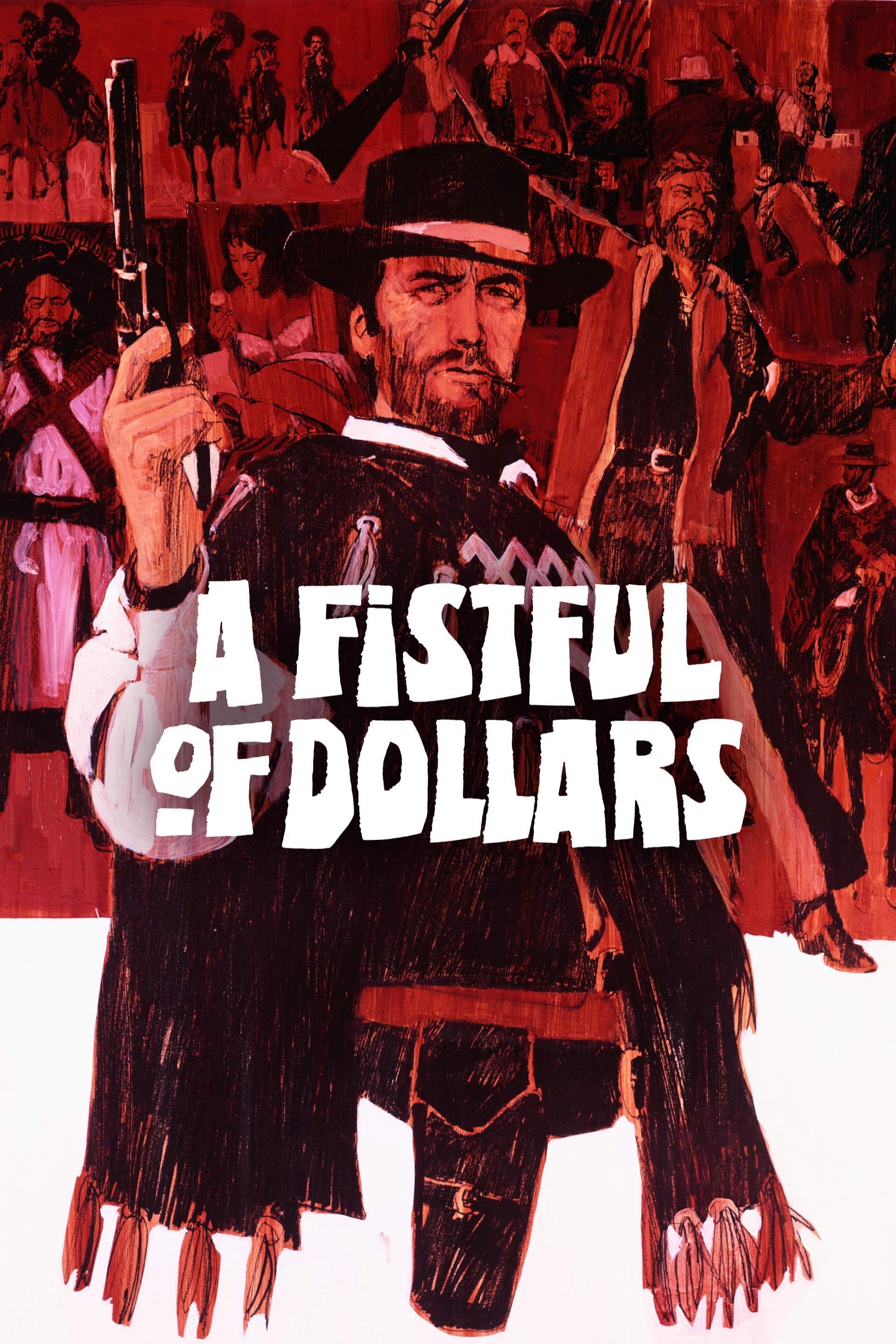
After years of television work on ‘Rawhide’, Clint Eastwood became an international star with ‘A Fistful of Dollars’. He played the “Man with No Name,” a quiet, mysterious gunslinger who pits two rival families against each other in a small border town. The film, directed by Sergio Leone, redefined the Western genre.
This Italian-produced “Spaghetti Western” was a low-budget production, but its unique style, gritty violence, and Eastwood’s minimalist performance made it a huge success. The film’s iconic imagery, combined with Ennio Morricone’s distinctive score, created a new kind of cinematic hero and launched Eastwood to global fame.
For a Few Dollars More (1965)
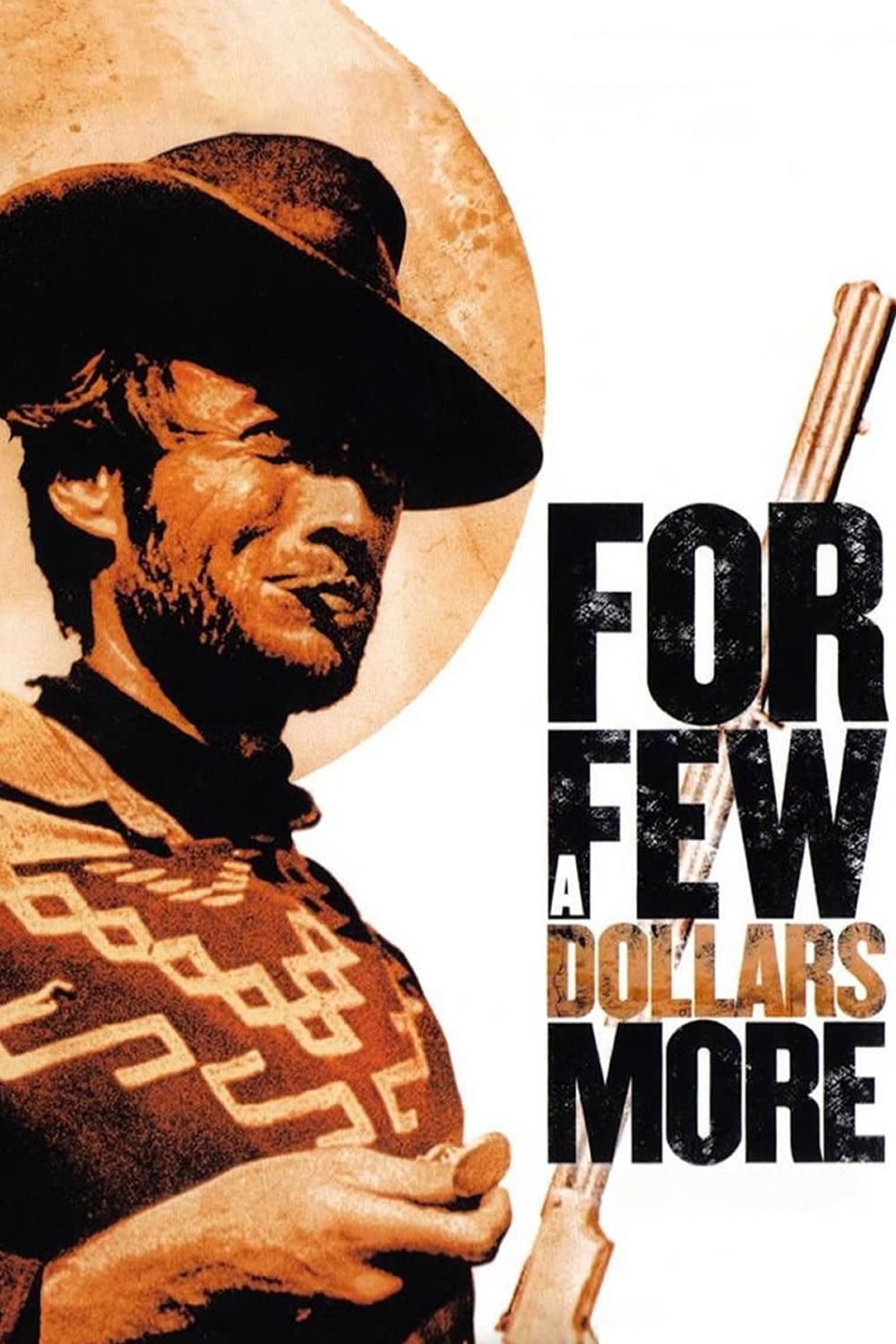
Clint Eastwood reprised his role as the “Man with No Name,” this time called Manco, in ‘For a Few Dollars More’. In this second installment of Sergio Leone’s trilogy, he is a bounty hunter who forms a reluctant partnership with a rival, played by Lee Van Cleef, to track down a ruthless outlaw named El Indio.
The film was more ambitious and had a larger budget than its predecessor. It expanded on the themes and style of the first movie, featuring complex action sequences and a deeper narrative. The dynamic between Eastwood and Van Cleef became a central element, and the film’s success further solidified Eastwood’s status as a major Western star.
The Good, the Bad and the Ugly (1966)
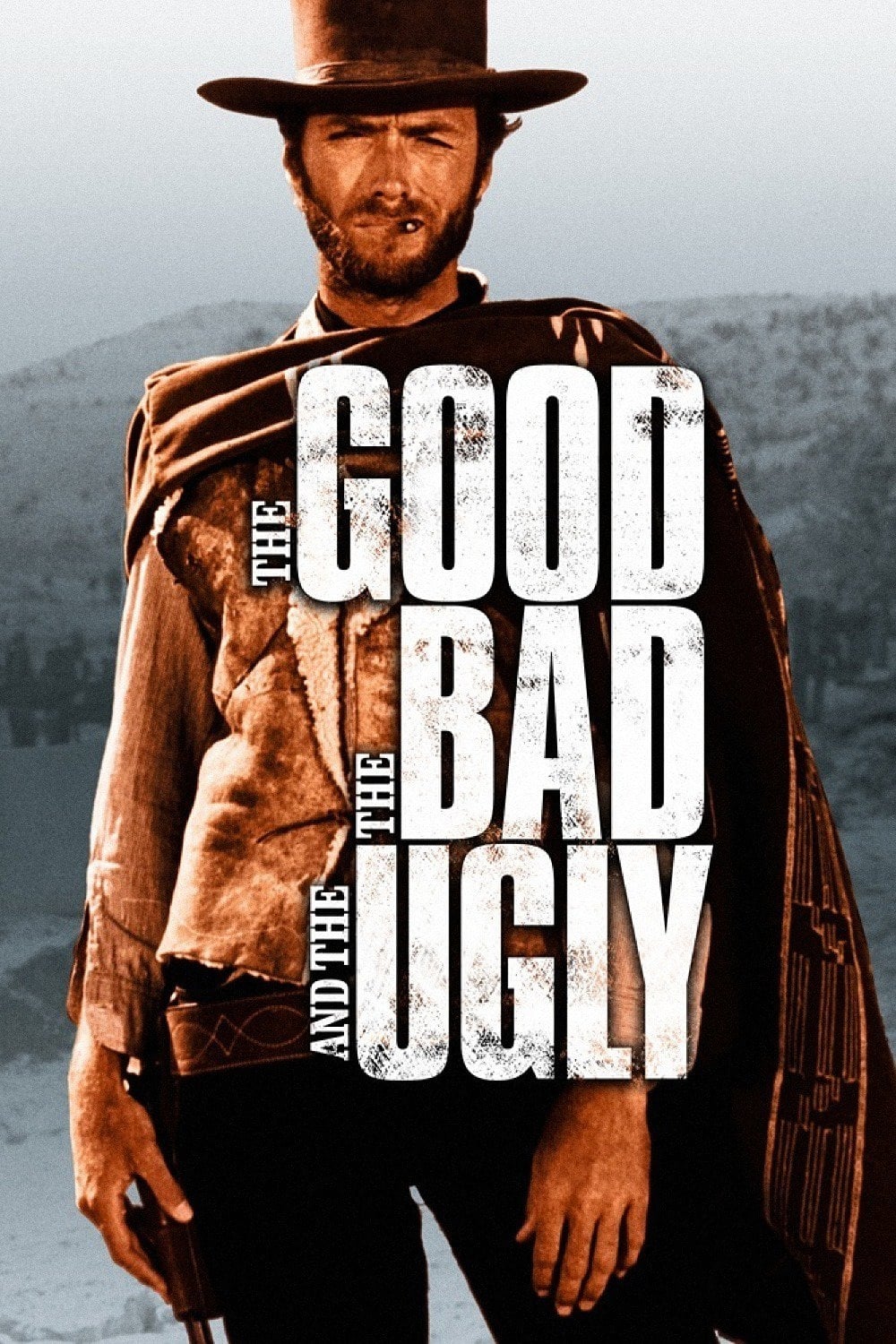
The final film in Sergio Leone’s “Dollars Trilogy,” ‘The Good, the Bad and the Ugly’ is widely regarded as a masterpiece of the genre. Clint Eastwood returned as the “Man with No Name,” here called Blondie, the “Good.” He competes against two other gunslingers, the “Bad” (Lee Van Cleef) and the “Ugly” (Eli Wallach), to find a fortune in buried gold during the American Civil War.
This epic Western is famous for its grand scale, sweeping cinematography, and iconic Ennio Morricone score. The film’s tense standoffs, dark humor, and morally ambiguous characters have made it one of the most influential Westerns ever made. Eastwood’s portrayal of the stoic anti-hero cemented his image as a cinematic legend.
The Witches (1967)
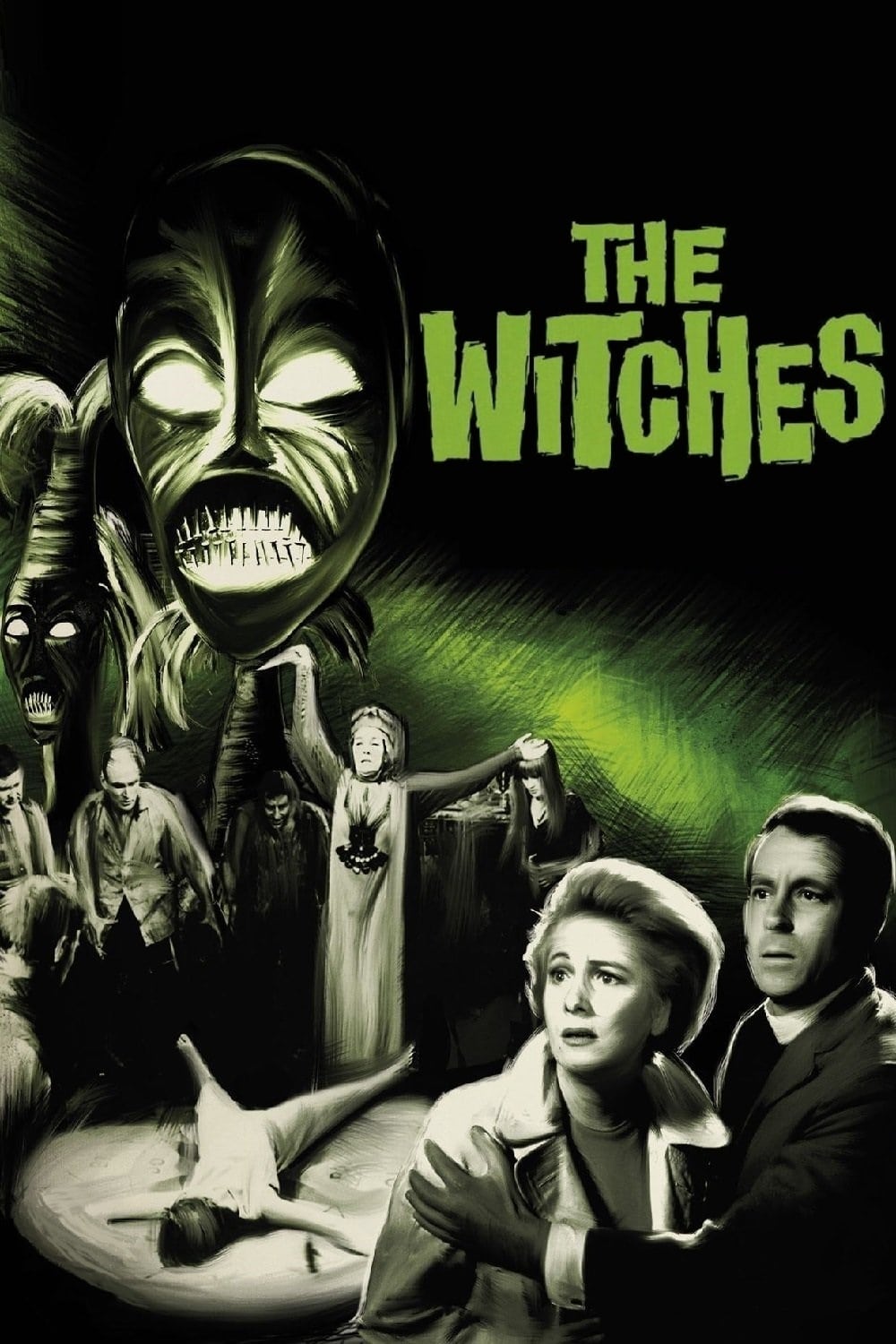
In a departure from his Western roles, Clint Eastwood made a cameo appearance in the Italian anthology film ‘The Witches’. He appeared in the segment titled “An Evening Like the Others,” directed by Vittorio De Sica. Eastwood played the role of Carlo, the husband of a movie star played by Silvana Mangano.
His appearance was a favor to producer Dino De Laurentiis, who had helped with the distribution of his Westerns. The role was uncredited in some versions of the film. It was a brief and unusual part for Eastwood, showing a different side of him in a fantasy-comedy setting during the height of his “Man with No Name” fame.
Hang ‘Em High (1968)
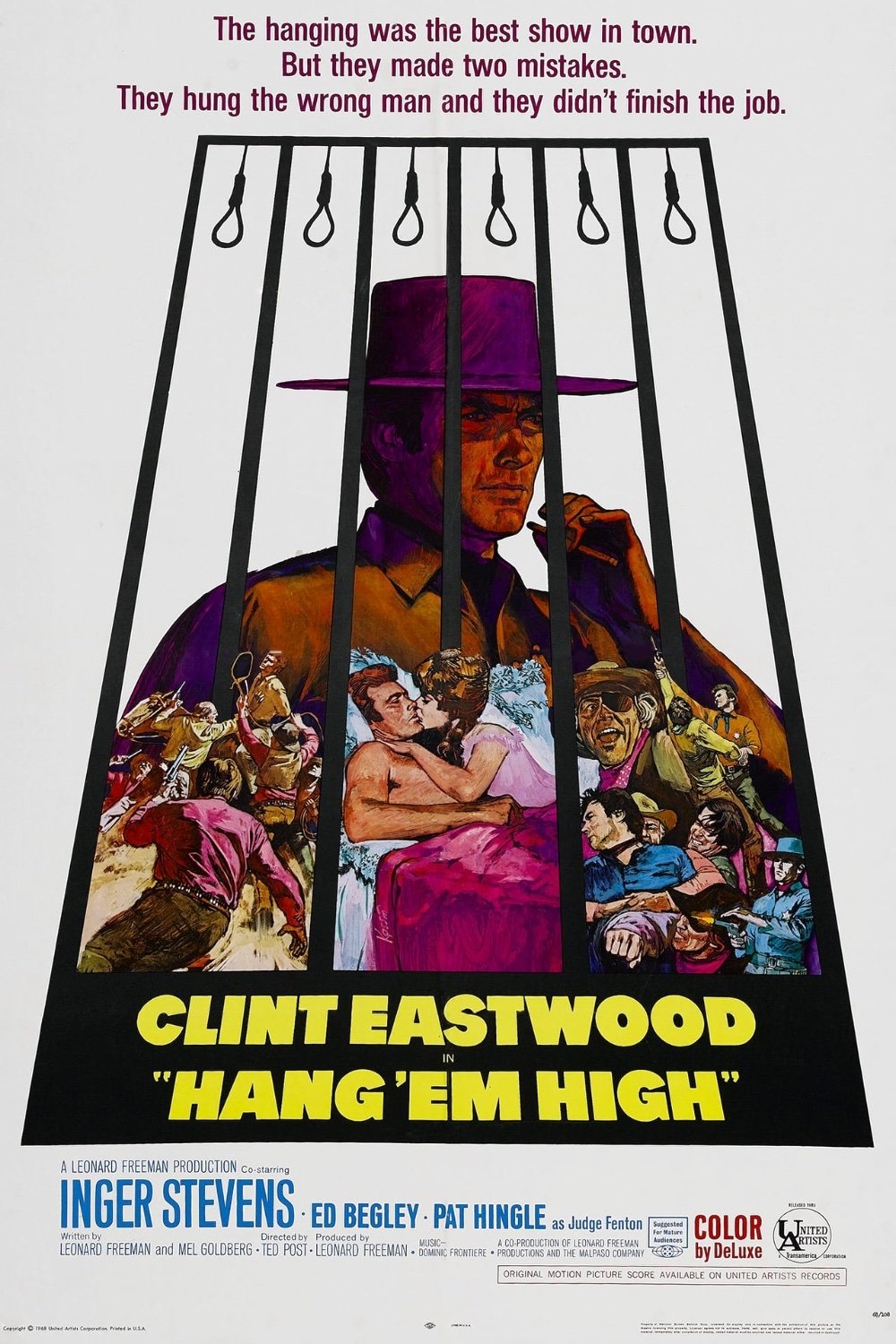
‘Hang ‘Em High’ marked Clint Eastwood’s return to American-made Westerns after his success in Italy. He starred as Jed Cooper, a former lawman who is unjustly hanged by a posse but survives. After being cleared, he becomes a U.S. Marshal and sets out to bring his attackers to justice, torn between revenge and the law.
The film was the first production from Eastwood’s own company, Malpaso Productions. It combined the gritty feel of the Spaghetti Westerns with the themes of a traditional American Western. ‘Hang ‘Em High’ was a major commercial success and proved that Eastwood’s star power was just as potent in Hollywood as it was in Europe.
Coogan’s Bluff (1968)
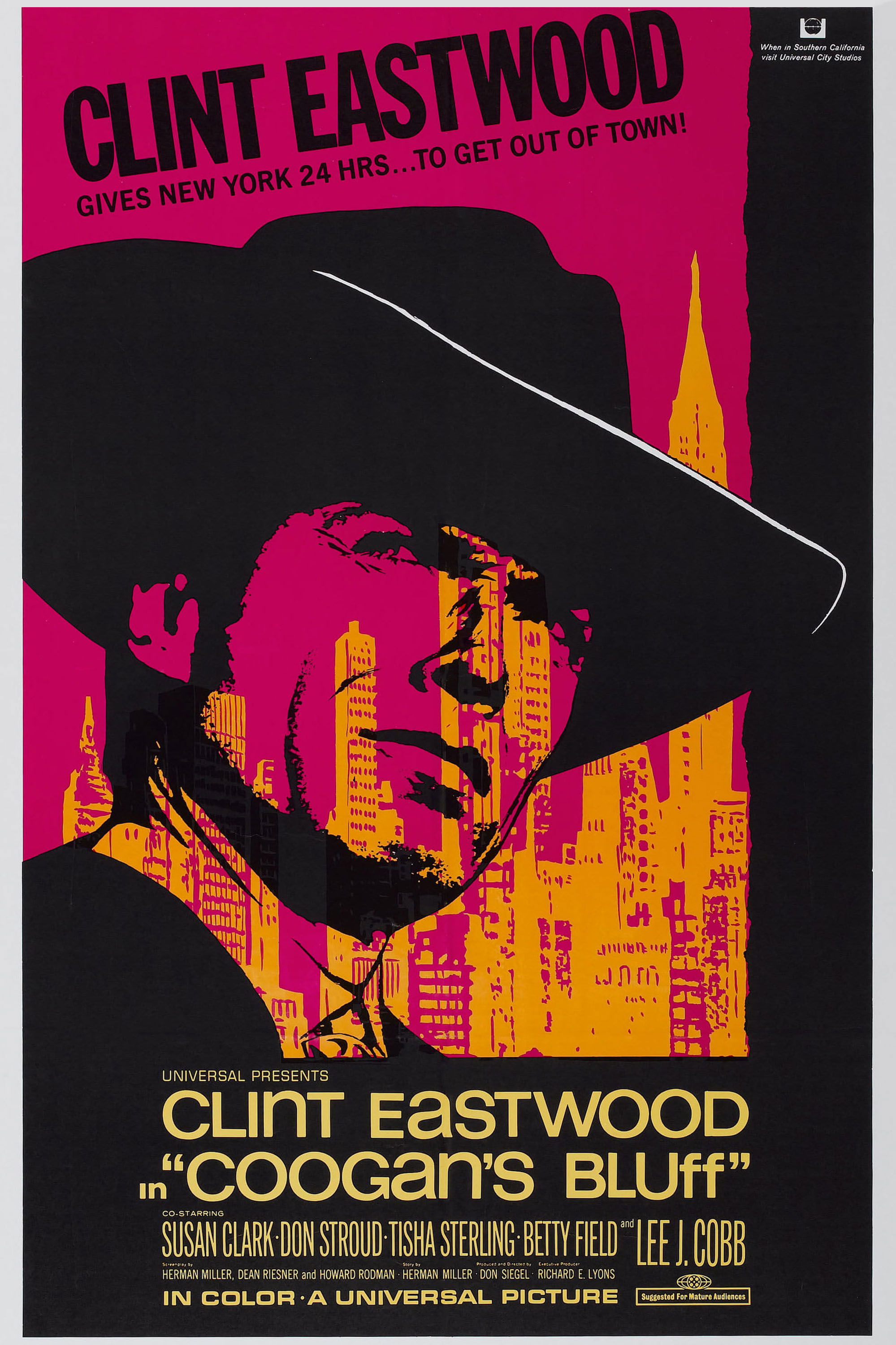
‘Coogan’s Bluff’ was a pivotal film for Clint Eastwood, as it marked his first collaboration with director Don Siegel. He played Walt Coogan, a tough Arizona deputy sheriff who is sent to New York City to extradite a fugitive. When the prisoner escapes, Coogan uses his unconventional methods to track him down in the unfamiliar urban environment.
The film blended the Western and crime genres, laying the groundwork for Eastwood’s future iconic role as Dirty Harry. It established his persona as a no-nonsense lawman who clashes with bureaucracy. The success of ‘Coogan’s Bluff’ began a fruitful partnership between Eastwood and Siegel that would produce several classic films.
Where Eagles Dare (1968)
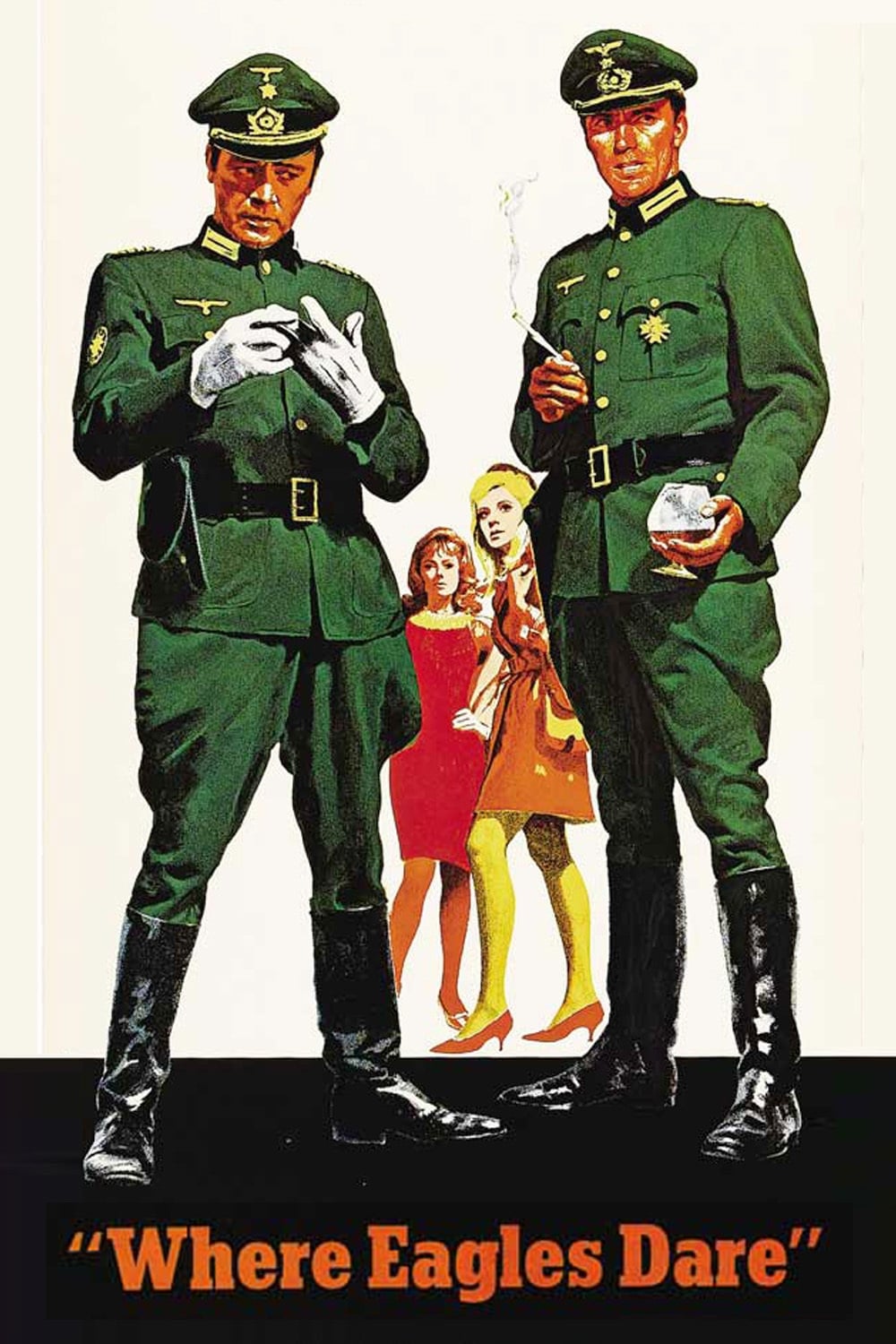
In the World War II action film ‘Where Eagles Dare’, Clint Eastwood starred alongside Richard Burton. He played U.S. Army Ranger Lieutenant Schaffer, who is part of an Allied team assigned to infiltrate a remote German fortress in the Alps to rescue a captured American general. The mission, however, is not what it seems.
Eastwood took the role to work with Burton, a highly respected actor. While Burton dominated the dialogue-heavy scenes, Eastwood handled much of the action, contributing to some of the most memorable and thrilling sequences in the film. The movie was a huge international box office hit and remains a classic of the war-adventure genre.
Paint Your Wagon (1969)
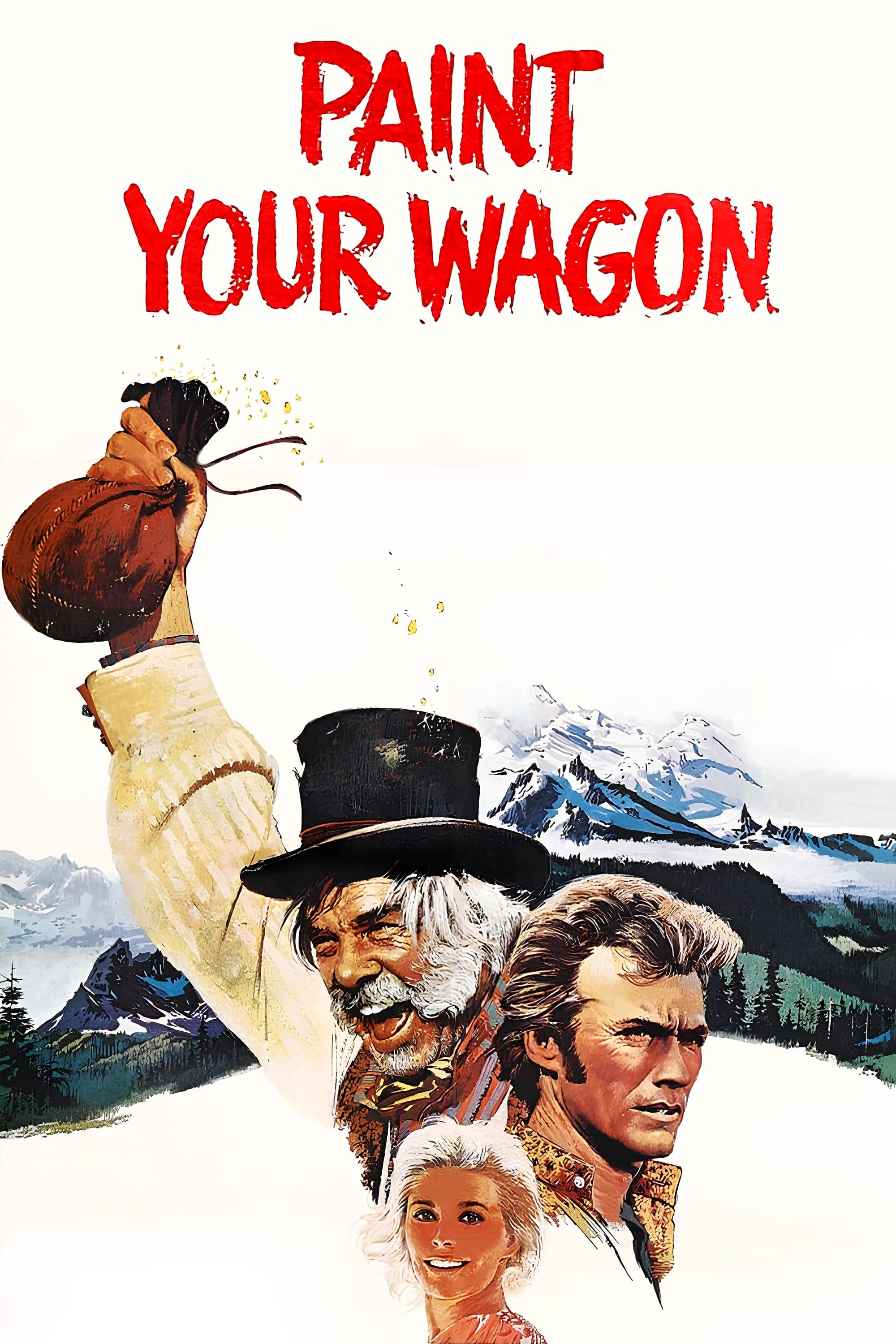
In a surprising move, Clint Eastwood starred in the musical Western ‘Paint Your Wagon’. He played Pardner, a farmer who forms a partnership with a gold prospector named Ben Rumson, played by Lee Marvin. The two men share a claim and, in a strange arrangement, also share a wife.
Eastwood, not known for his singing, performed his own musical numbers, including “I Talk to the Trees.” The production was notoriously long and expensive, and it was not a major success upon release. Despite this, the film has gained a cult following over the years for its unique premise and for showing a lighter, more comedic side of its two tough-guy leads.
Two Mules for Sister Sara (1970)
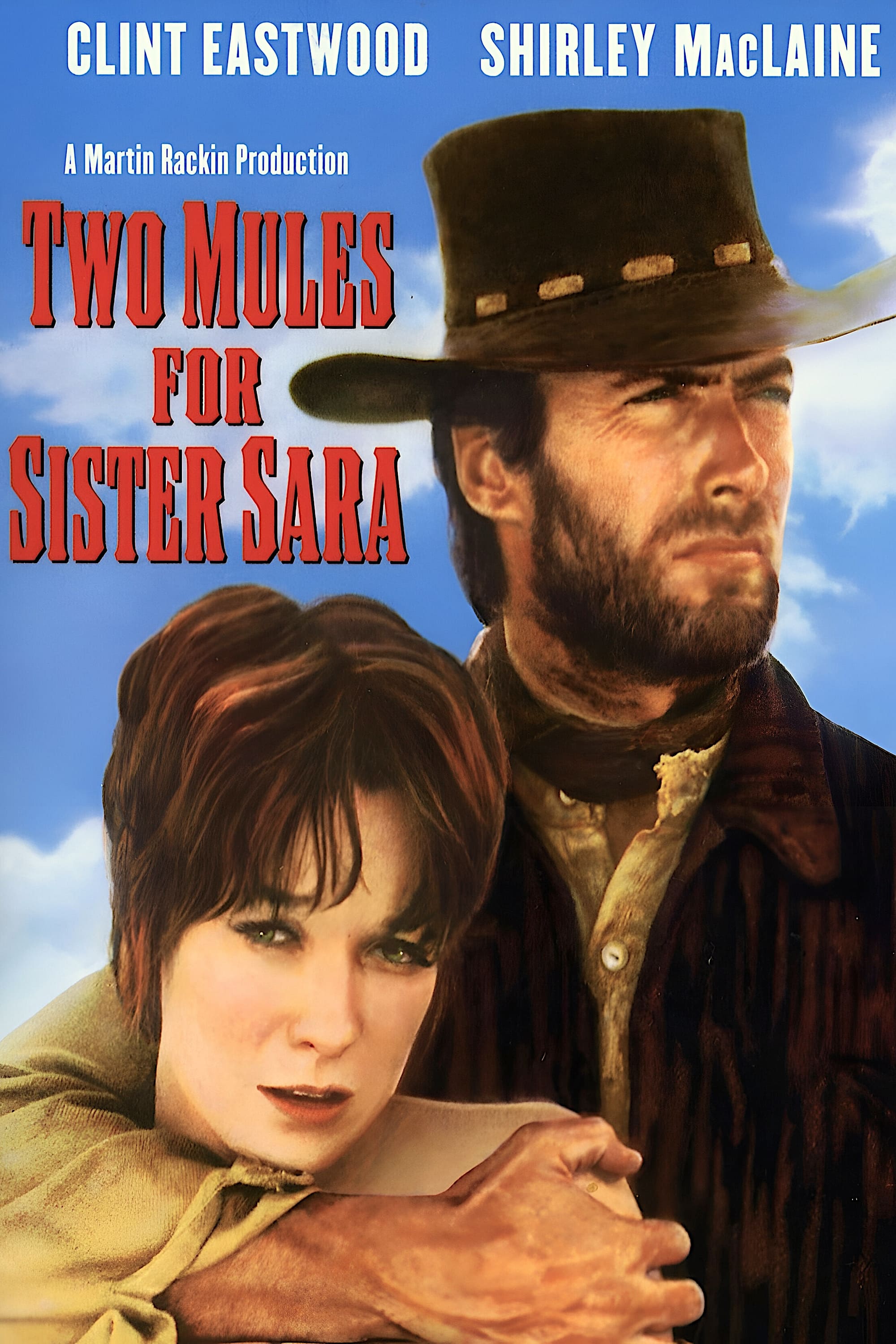
Clint Eastwood reunited with director Don Siegel for the Western ‘Two Mules for Sister Sara’. He played Hogan, a mercenary who rescues a nun, played by Shirley MacLaine, from attackers in Mexico. He agrees to help her and a group of Mexican revolutionaries fight the French in exchange for a share of their treasury.
The film combines action, adventure, and humor, with much of the comedy coming from the dynamic between the cynical Hogan and the seemingly devout Sister Sara, who is not what she appears to be. The movie was a commercial success, continuing the strong partnership between Eastwood and Siegel and further cementing his status as a top Western star.
Kelly’s Heroes (1970)
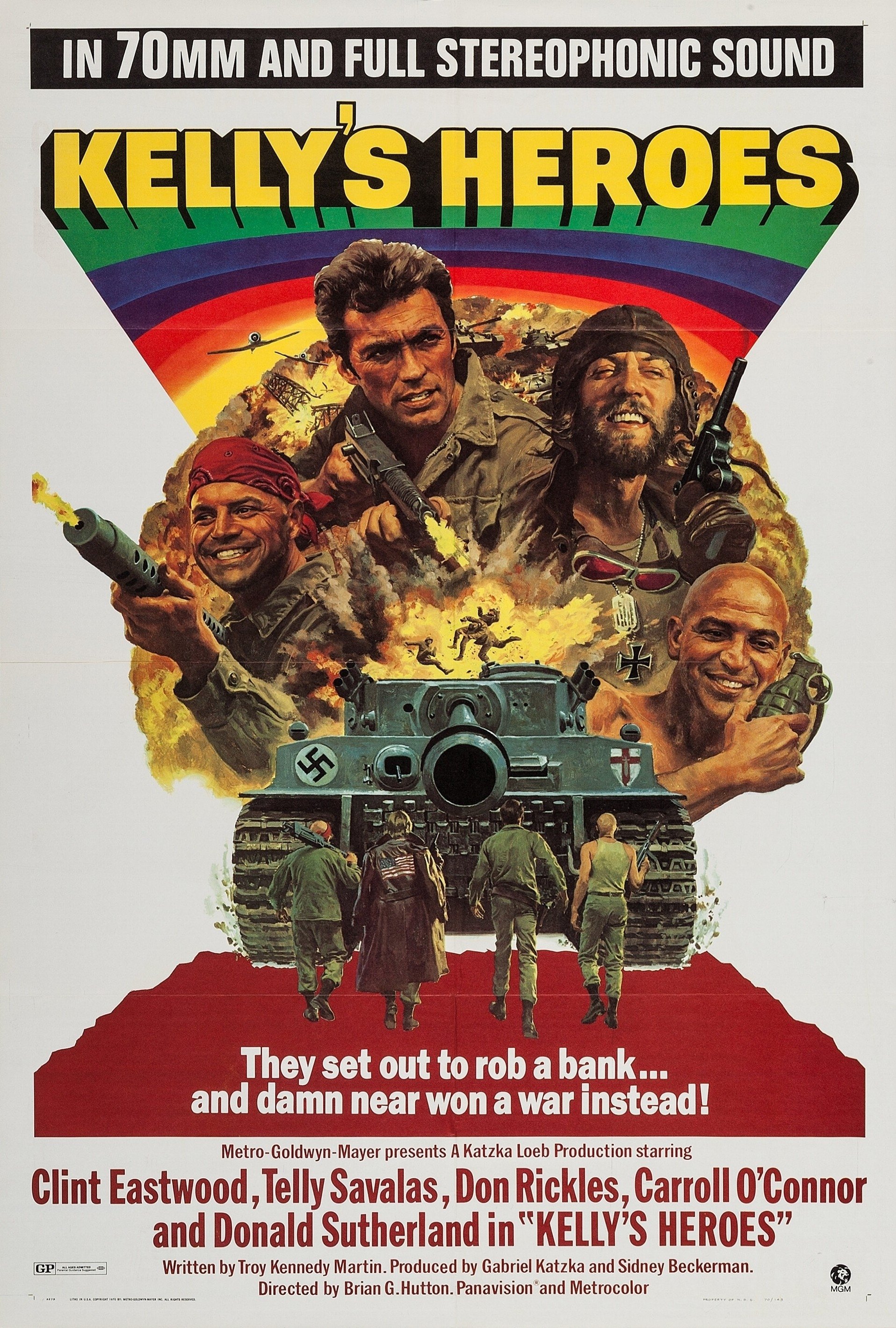
‘Kelly’s Heroes’ is a war-comedy film in which Clint Eastwood played the lead role of Private Kelly. His character, a disillusioned former officer, learns about a secret stash of Nazi gold behind enemy lines. He recruits a diverse group of misfit soldiers to go on an unauthorized mission to steal it for themselves.
The film features a large ensemble cast, including Telly Savalas, Don Rickles, and Donald Sutherland. It blends action and satire, presenting a cynical view of war. Though it was a challenging production, the movie was a box office hit and has since become a beloved cult classic for its humor and anti-establishment tone.
The Beguiled (1971)
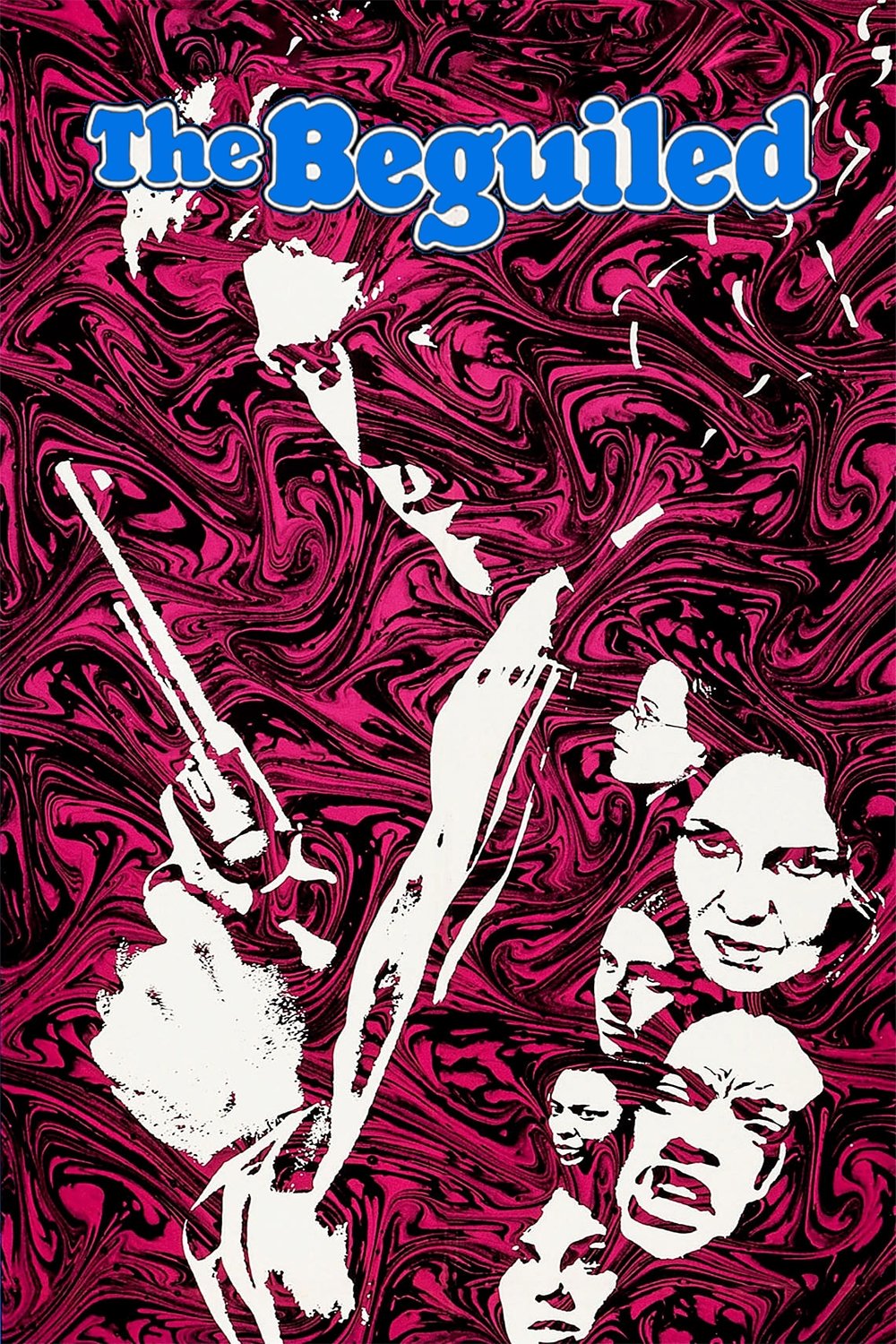
In another collaboration with director Don Siegel, Clint Eastwood starred in ‘The Beguiled’, a Southern Gothic thriller. He played John McBurney, a wounded Union soldier who is taken in by the staff and students of a secluded girls’ school in the Confederacy. His presence leads to jealousy, deceit, and ultimately, violent revenge.
The film was a significant departure from Eastwood’s typical action roles, allowing him to play a more complex and manipulative character. While it was not a commercial success at the time, ‘The Beguiled’ is highly regarded by critics for its dark, atmospheric tone and psychological depth. It remains one of the most unusual and daring films of his career.
Play Misty for Me (1971)
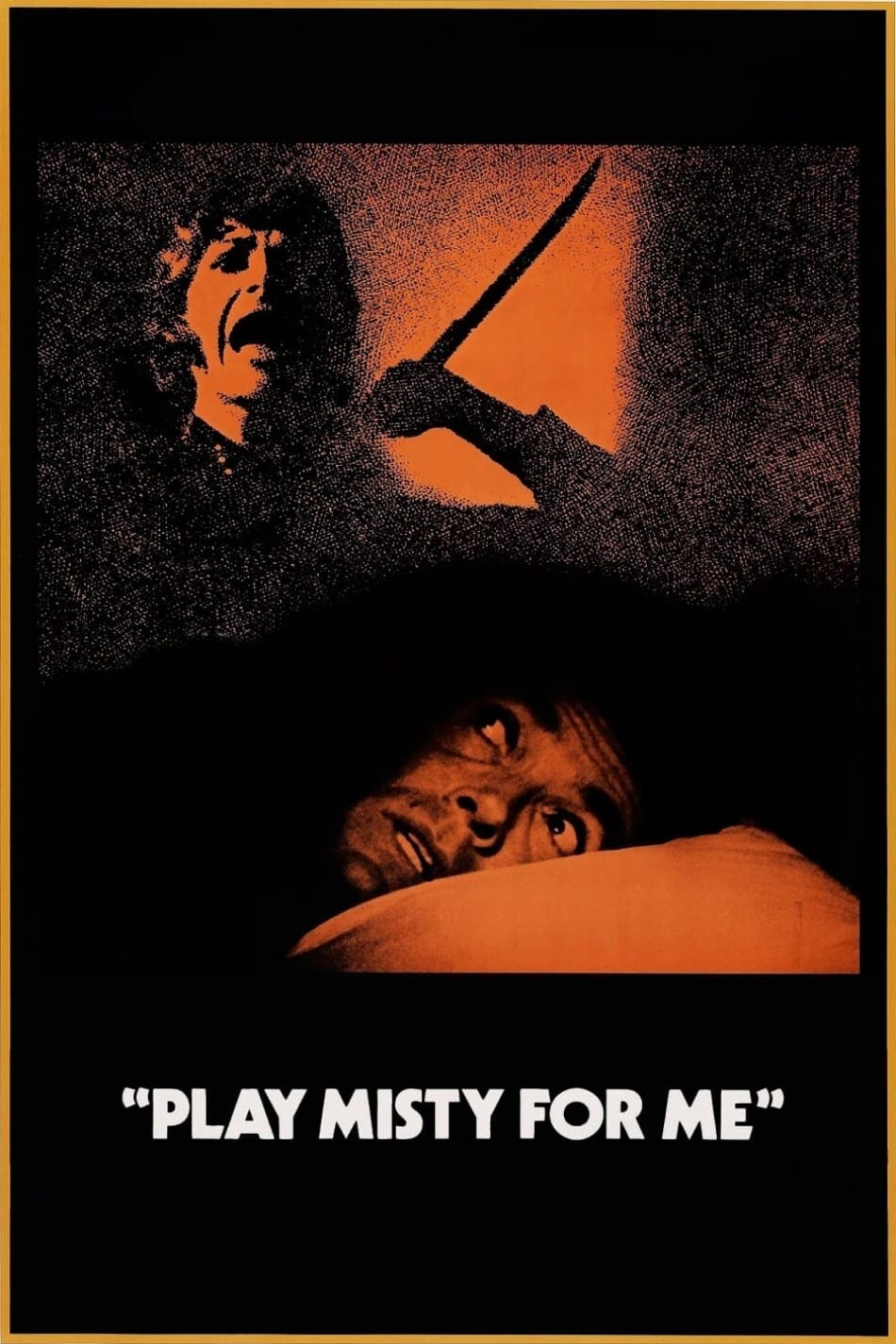
‘Play Misty for Me’ marked Clint Eastwood’s debut as a director. He also starred in the film as Dave Garver, a popular radio DJ in Carmel, California. His life is turned upside down when a casual fan, Evelyn Draper, becomes an obsessive and dangerously violent stalker after a one-night stand.
Eastwood demonstrated his talent behind the camera, crafting a tense and effective psychological thriller. He shot the film on location in his hometown of Carmel, adding a personal touch to the production. The movie was a critical and commercial success, launching a celebrated directing career that would run parallel to his acting work for decades.
Dirty Harry (1971)

Clint Eastwood created one of his most iconic characters in ‘Dirty Harry’. He played Harry Callahan, a tough, cynical San Francisco police inspector who defies authority to track down a deranged serial killer known as Scorpio. The film, directed by Don Siegel, was controversial for its portrayal of police brutality and its “ends justify the means” philosophy.
Callahan’s famous line, “Do I feel lucky? Well, do ya, punk?”, became a cultural catchphrase. Despite the controversy, the film was a massive box office success and established Eastwood as a definitive anti-hero of the era. The character of Dirty Harry would become a cultural icon, and the film spawned four sequels.
Joe Kidd (1972)
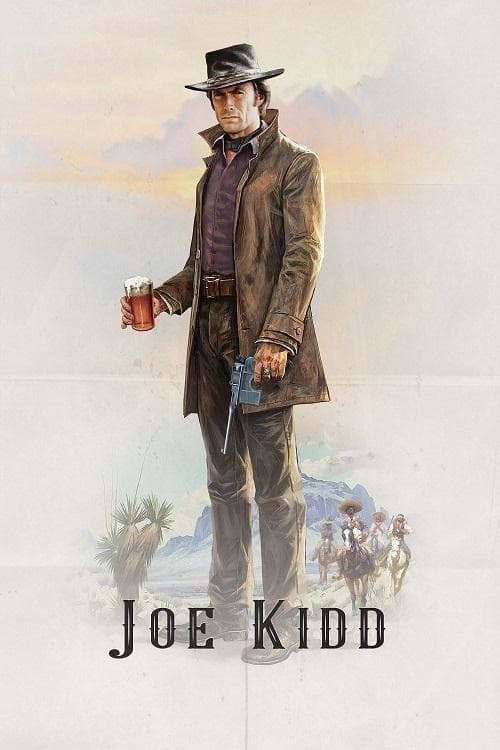
Clint Eastwood starred in the Western ‘Joe Kidd’, directed by John Sturges. He played the title character, a former bounty hunter and tracker in New Mexico who is hired by a wealthy landowner to help hunt down a Mexican-American revolutionary fighting for land rights. Joe Kidd finds himself caught between the two sides.
The film featured a screenplay co-written by novelist Elmore Leonard and provided Eastwood with another classic Western role. While not as iconic as his work with Sergio Leone, the film was a solid commercial success. It showcased his familiar tough-guy persona in a story that touched on themes of social justice and corruption.
High Plains Drifter (1973)
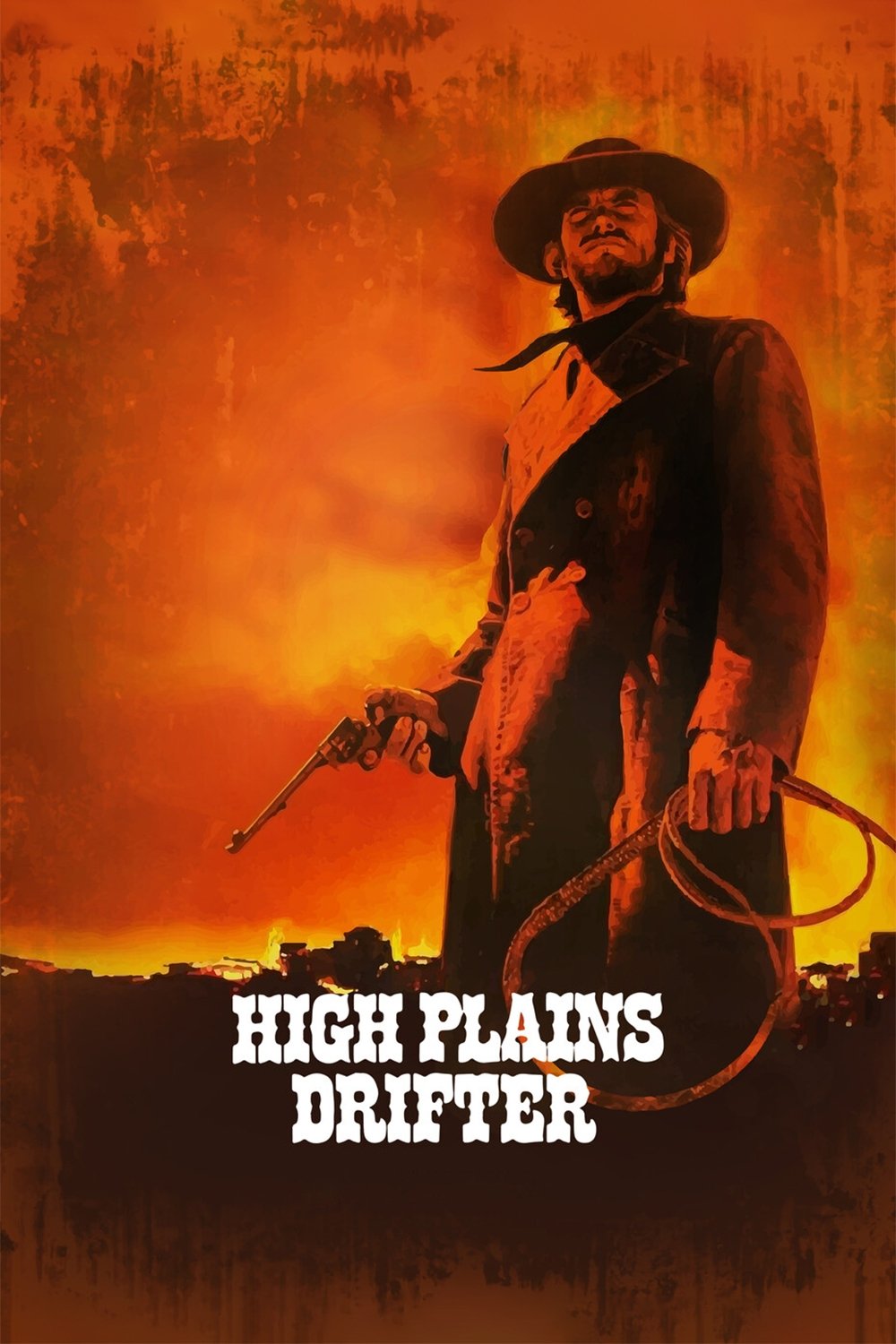
‘High Plains Drifter’ was the first Western directed by Clint Eastwood. He also starred as “The Stranger,” a mysterious gunslinger who rides into the corrupt mining town of Lago. The townspeople, desperate for protection from three outlaws they helped send to prison, hire him to defend them, only to have him enact his own form of brutal justice.
The film is a dark and surreal Western with supernatural undertones, suggesting that The Stranger may be a ghost seeking revenge. Eastwood’s direction was heavily influenced by his work with Sergio Leone and Don Siegel. The movie was a critical and financial success, proving his ability to direct in the genre that made him a star.
Breezy (1973)
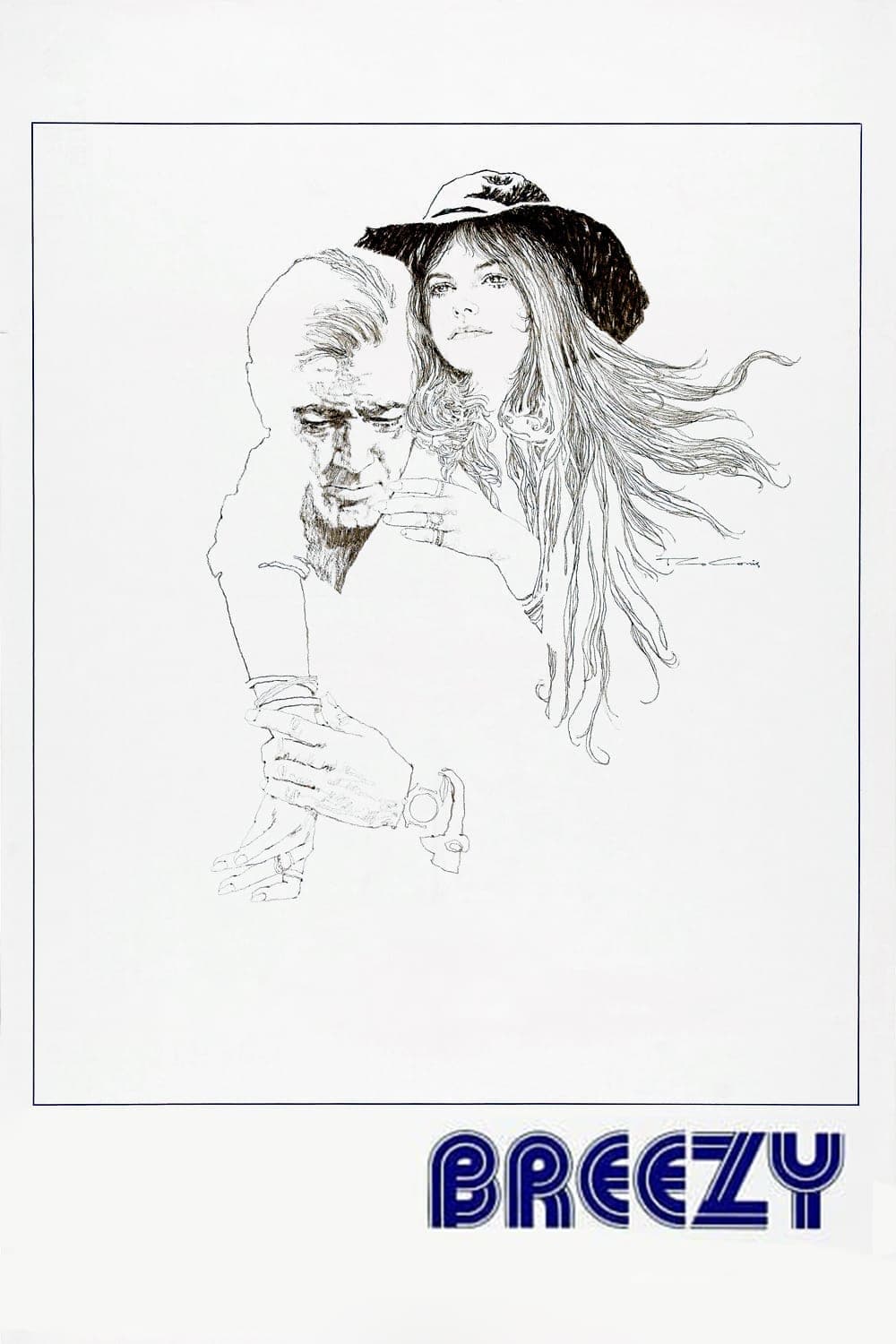
Clint Eastwood directed the romantic drama ‘Breezy’, but he only made a brief, uncredited cameo appearance. The film tells the story of an unlikely romance between a world-weary, middle-aged man, played by William Holden, and a free-spirited teenage hippie named Breezy, played by Kay Lenz.
Eastwood’s cameo is as a man in a crowd on a pier, a blink-and-you’ll-miss-it appearance. By staying mostly off-screen, he focused on telling a sensitive and character-driven story, a significant departure from the action films he was known for. While not a box office hit, the film received positive reviews for its tender direction.
Magnum Force (1973)
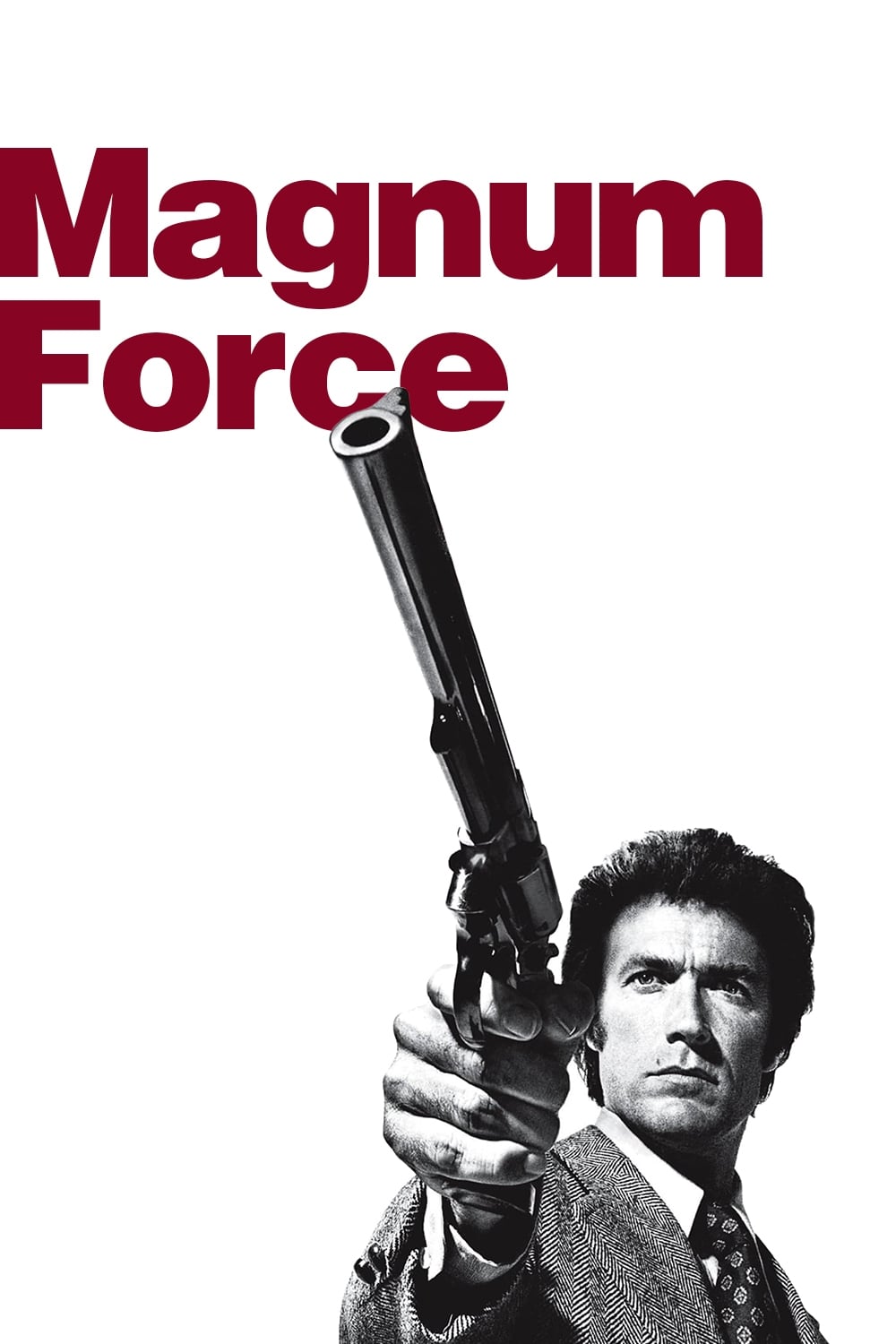
Clint Eastwood returned to his famous role as Inspector Harry Callahan in ‘Magnum Force’, the first sequel to ‘Dirty Harry’. In this film, Callahan investigates a series of vigilante killings targeting the city’s crime figures. He soon discovers that the killers are a rogue group of traffic cops within his own department.
The film’s theme, which explored the dangers of vigilantism, was seen by some as a response to the criticism of the first movie. ‘Magnum Force’ was even more successful at the box office than its predecessor. It solidified the ‘Dirty Harry’ franchise as a major cultural phenomenon of the 1970s.
Thunderbolt and Lightfoot (1974)
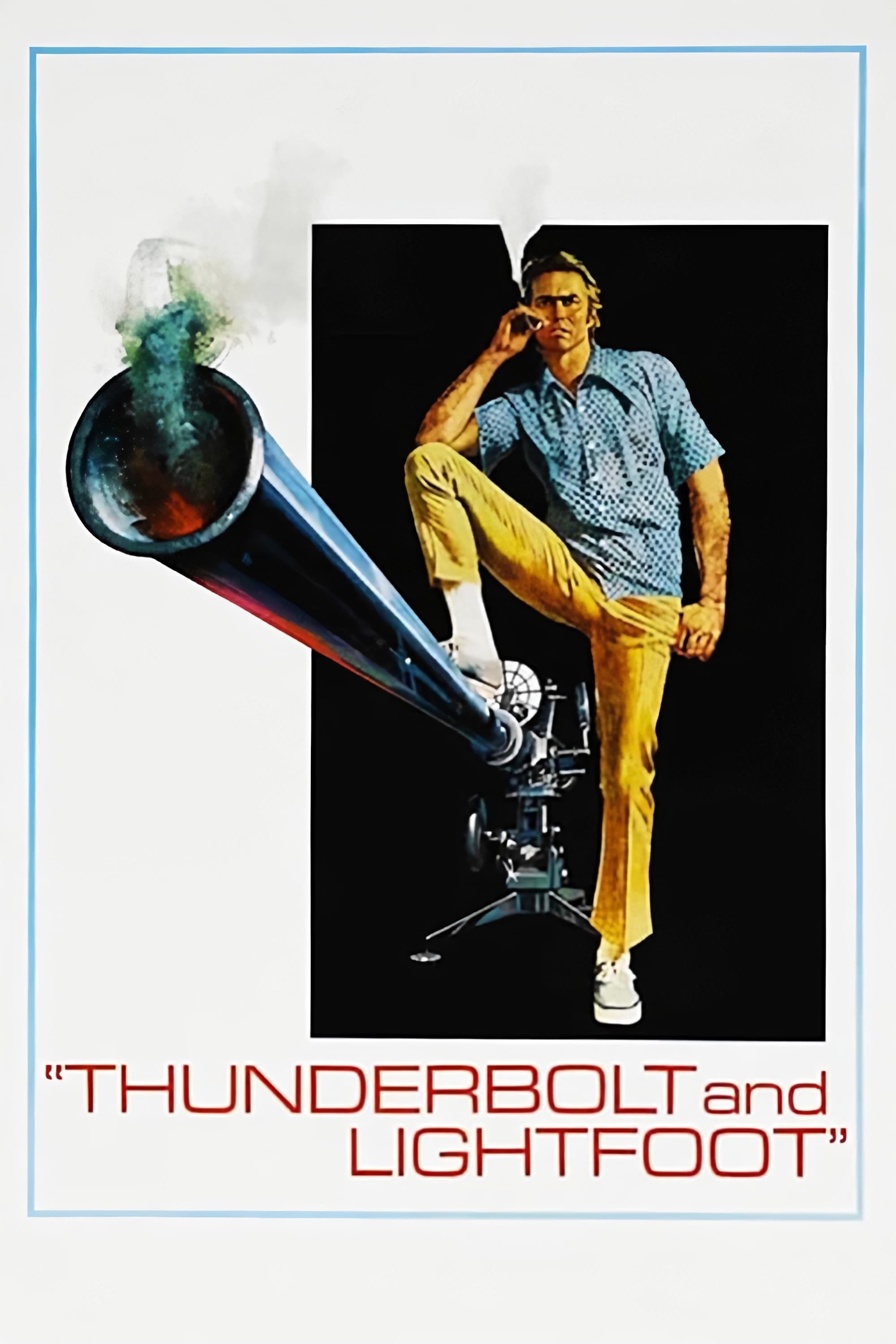
‘Thunderbolt and Lightfoot’ is a crime film that teamed Clint Eastwood with a young Jeff Bridges. Eastwood played Thunderbolt, a notorious bank robber who is on the run from his former gang. He forms an unlikely friendship with Lightfoot, a charming young drifter, and together they plan a daring heist.
The film, which marked the directorial debut of Michael Cimino, blends elements of a road movie, a heist film, and a buddy comedy. Eastwood’s restrained performance was praised, and Jeff Bridges received an Academy Award nomination for Best Supporting Actor. The movie was a critical and commercial success.
The Eiger Sanction (1975)
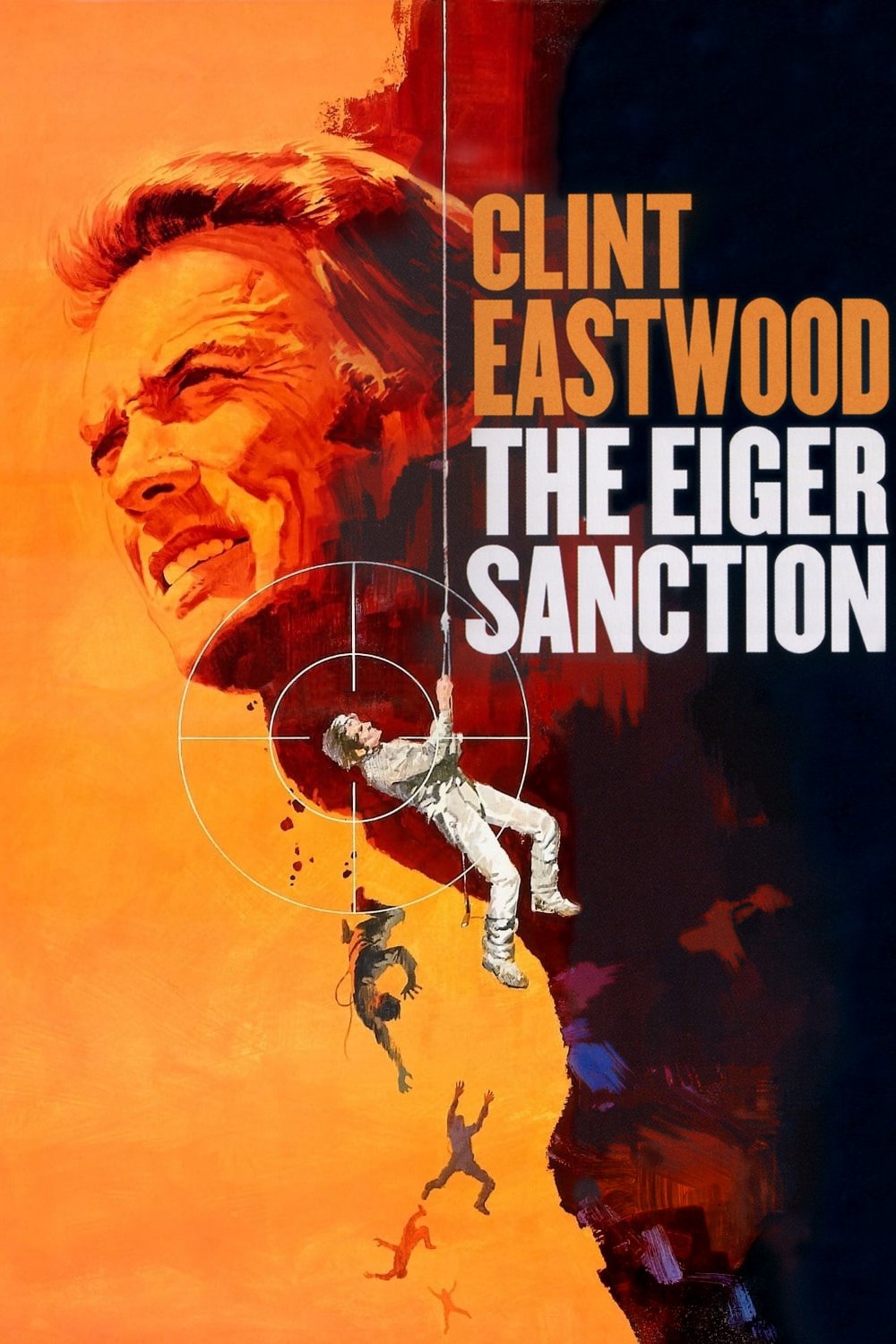
Clint Eastwood directed and starred in the action thriller ‘The Eiger Sanction’. He played Dr. Jonathan Hemlock, a retired government assassin who is also an art professor and mountain climber. He is blackmailed into performing one last “sanction,” or assassination, which requires him to join a climbing expedition on the treacherous Eiger mountain in Switzerland.
Eastwood, an experienced climber, performed his own stunts for the dangerous mountain climbing sequences, including a scene on a vertical rock face. The film is known for its stunning and authentic climbing footage. While it received mixed reviews for its plot, the action sequences were widely praised for their realism and intensity.
The Outlaw Josey Wales (1976)
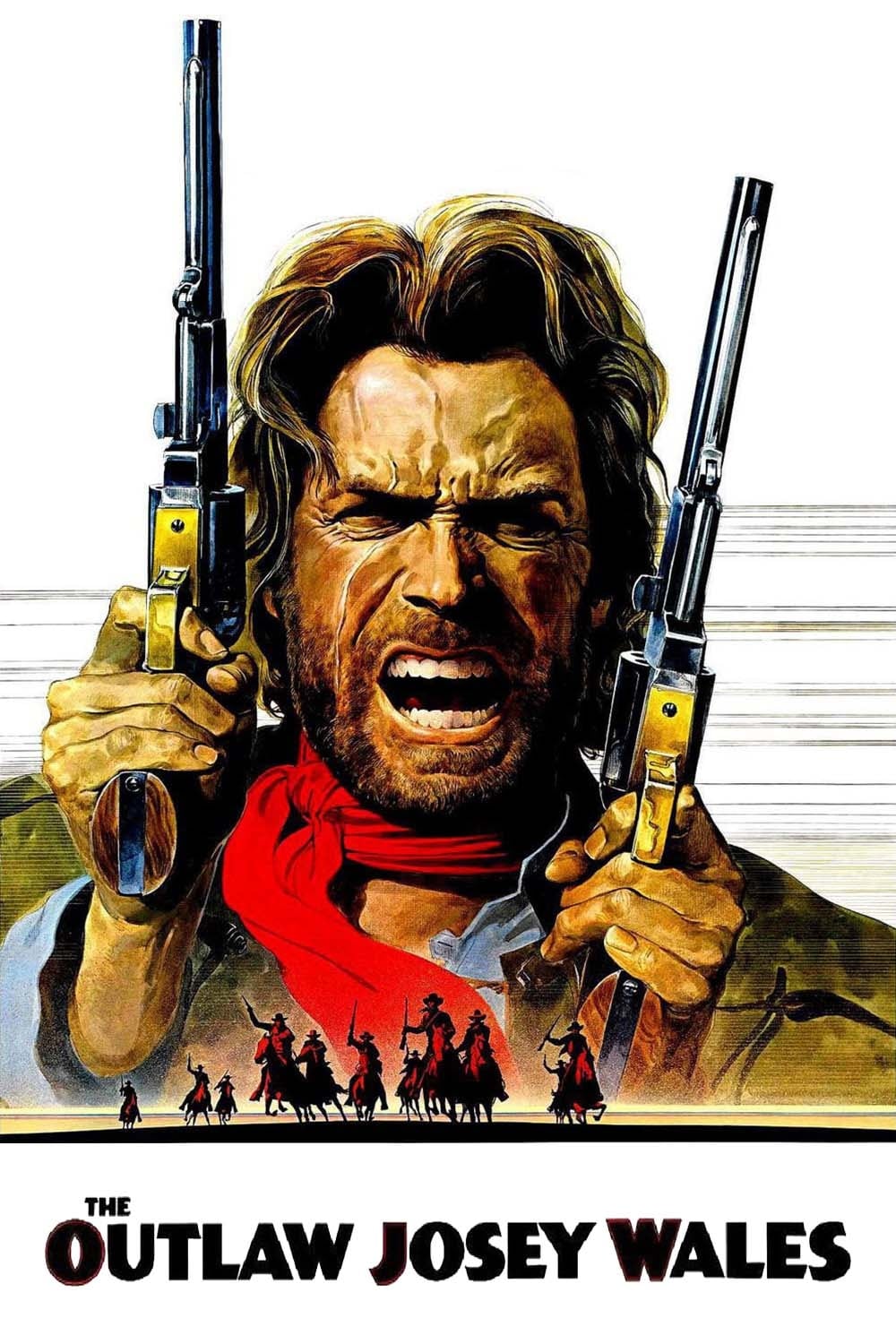
Directed by and starring Clint Eastwood, ‘The Outlaw Josey Wales’ is considered one of his finest Westerns. He played a Missouri farmer whose family is murdered by pro-Union militants during the Civil War. Seeking revenge, he becomes a Confederate guerrilla and is hunted by the Union army after refusing to surrender.
The film is noted for its complex portrayal of its hero and its examination of the consequences of violence. It was a major critical and commercial success and was added to the National Film Registry for its cultural significance. The movie subverted many Western conventions and presented a more nuanced version of the lone avenger archetype.
The Enforcer (1976)
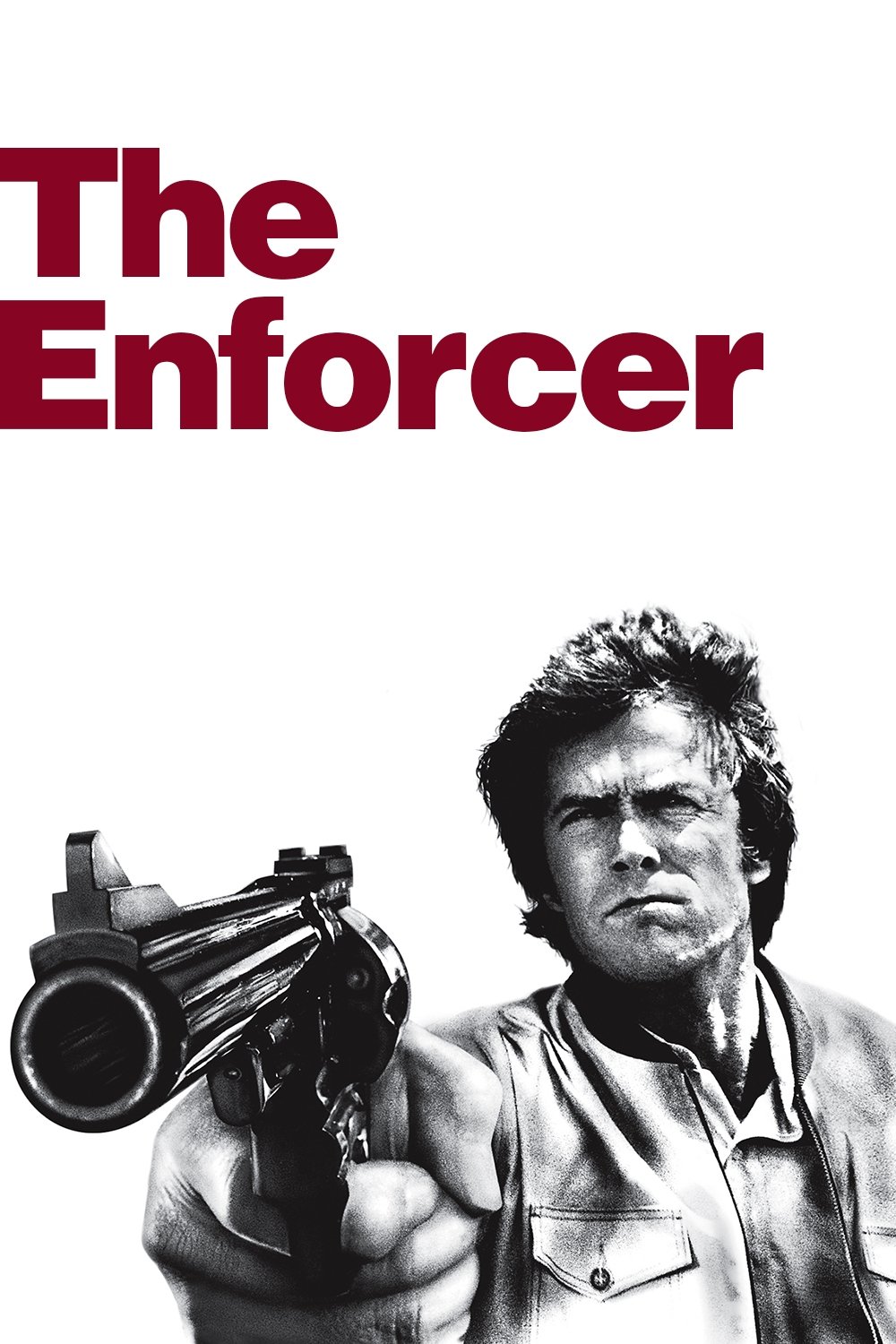
‘The Enforcer’ was the third film in the ‘Dirty Harry’ series. Clint Eastwood once again played Inspector Harry Callahan, who this time is partnered with a female inspector, played by Tyne Daly. Together, they work to stop a violent group of radical terrorists who have stolen military weapons.
The film continued the series’ tradition of high-stakes action and a no-nonsense approach to law enforcement. The addition of a female partner introduced a new dynamic and addressed contemporary debates about women in the police force. ‘The Enforcer’ was another major box office success for the popular franchise.
The Gauntlet (1977)
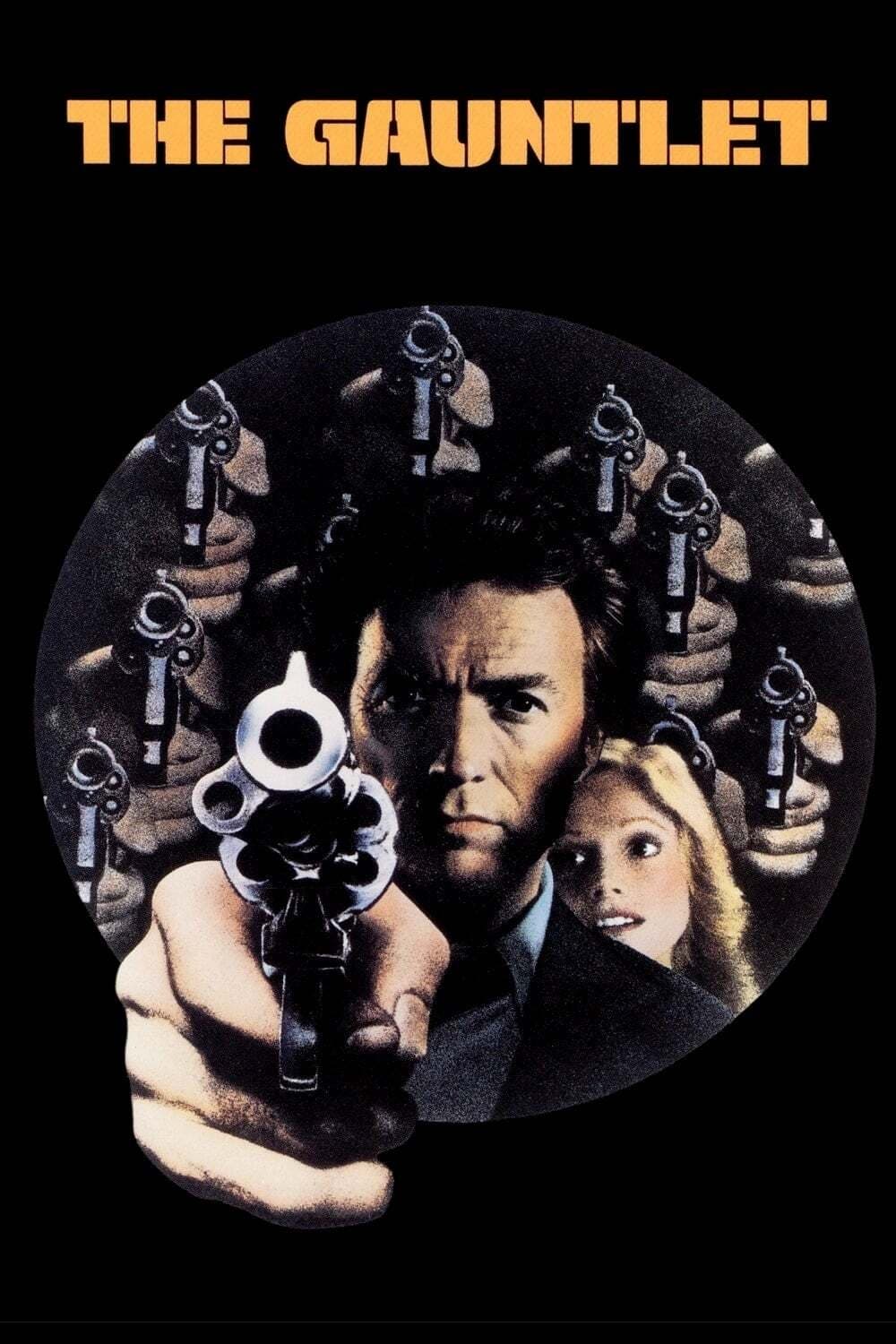
Clint Eastwood directed and starred in the action thriller ‘The Gauntlet’. He played Ben Shockley, a down-on-his-luck Phoenix cop who is assigned to transport a seemingly unimportant witness, played by Sondra Locke, from Las Vegas. He soon discovers that she is a key witness in a major mob trial and that powerful figures want them both dead.
The film is famous for its over-the-top action sequences, particularly the finale where an armored bus is driven through a “gauntlet” of police officers who fire thousands of rounds of ammunition at it. The movie was a commercial success, delivering the kind of high-octane spectacle audiences had come to expect from Eastwood.
Every Which Way but Loose (1978)
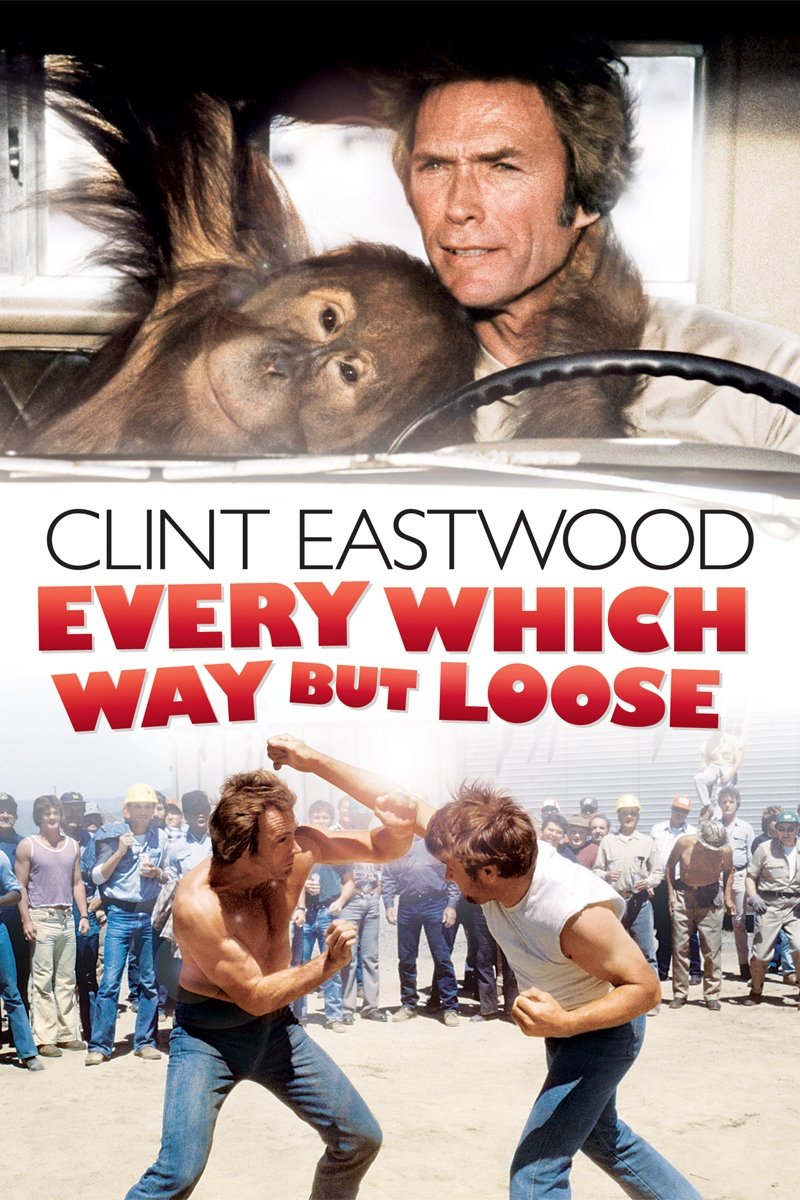
In a major departure from his usual roles, Clint Eastwood starred in the action-comedy ‘Every Which Way but Loose’. He played Philo Beddoe, a truck driver and bare-knuckle fighter who travels across the American West in search of a country singer he has fallen for. His constant companions are his brother and an orangutan named Clyde.
Despite being advised against making the film, Eastwood pushed forward, and it became a massive and unexpected box office hit, one of the biggest of his career. The film’s blend of broad comedy and brawling action resonated with audiences, leading to a successful sequel and showcasing his versatility and box office appeal.
Escape from Alcatraz (1979)
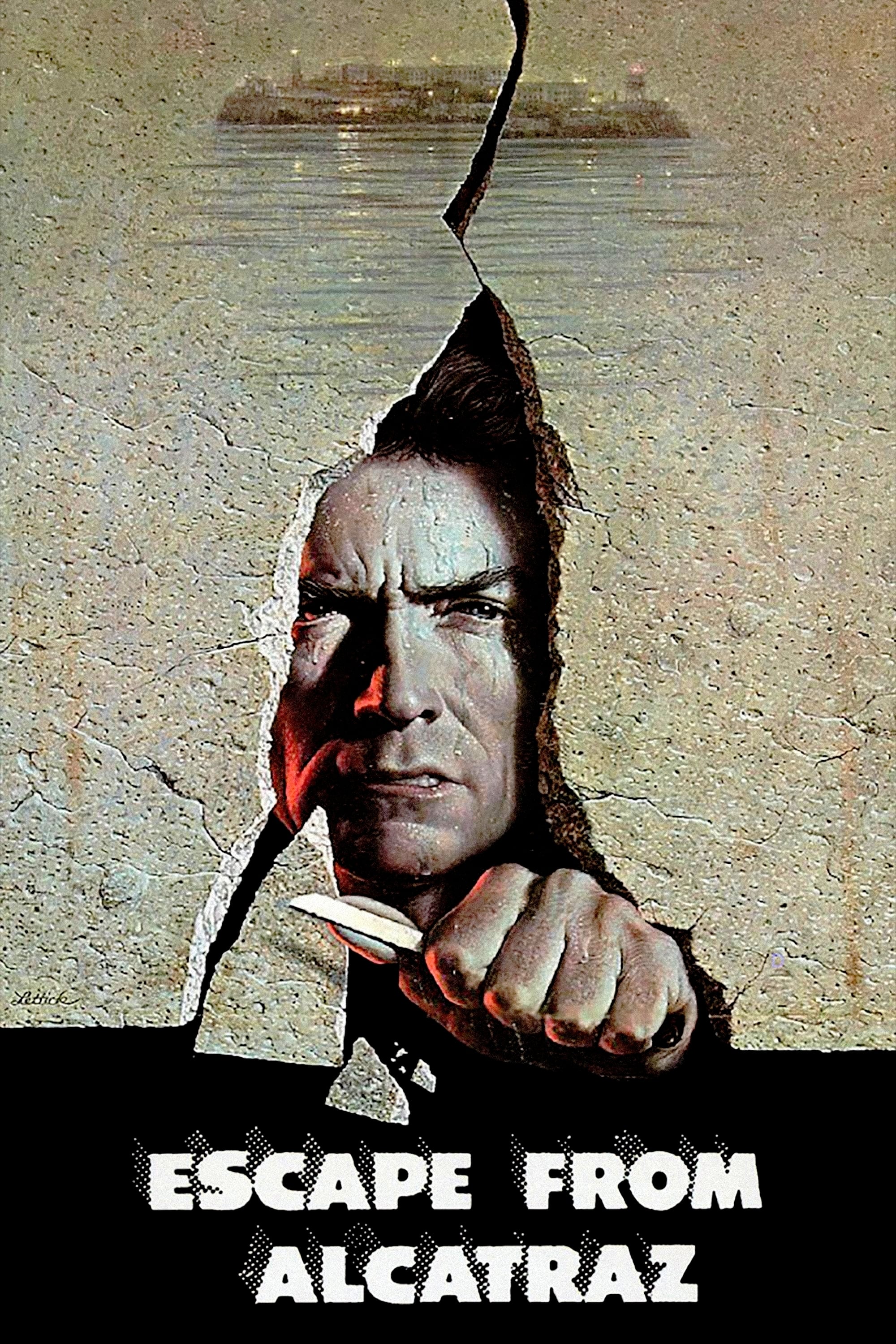
Clint Eastwood collaborated again with director Don Siegel for ‘Escape from Alcatraz’. He portrayed Frank Morris, a real-life convict who was the mastermind behind the only successful (though unconfirmed) escape from the infamous maximum-security prison on Alcatraz Island in 1962.
The film is a tense and methodical prison drama that details the intricate planning and execution of the escape. Eastwood gave a quiet and intense performance, perfectly suited to the character of the intelligent and determined Morris. The movie was a critical and commercial success, praised for its realism and suspense.
Bronco Billy (1980)
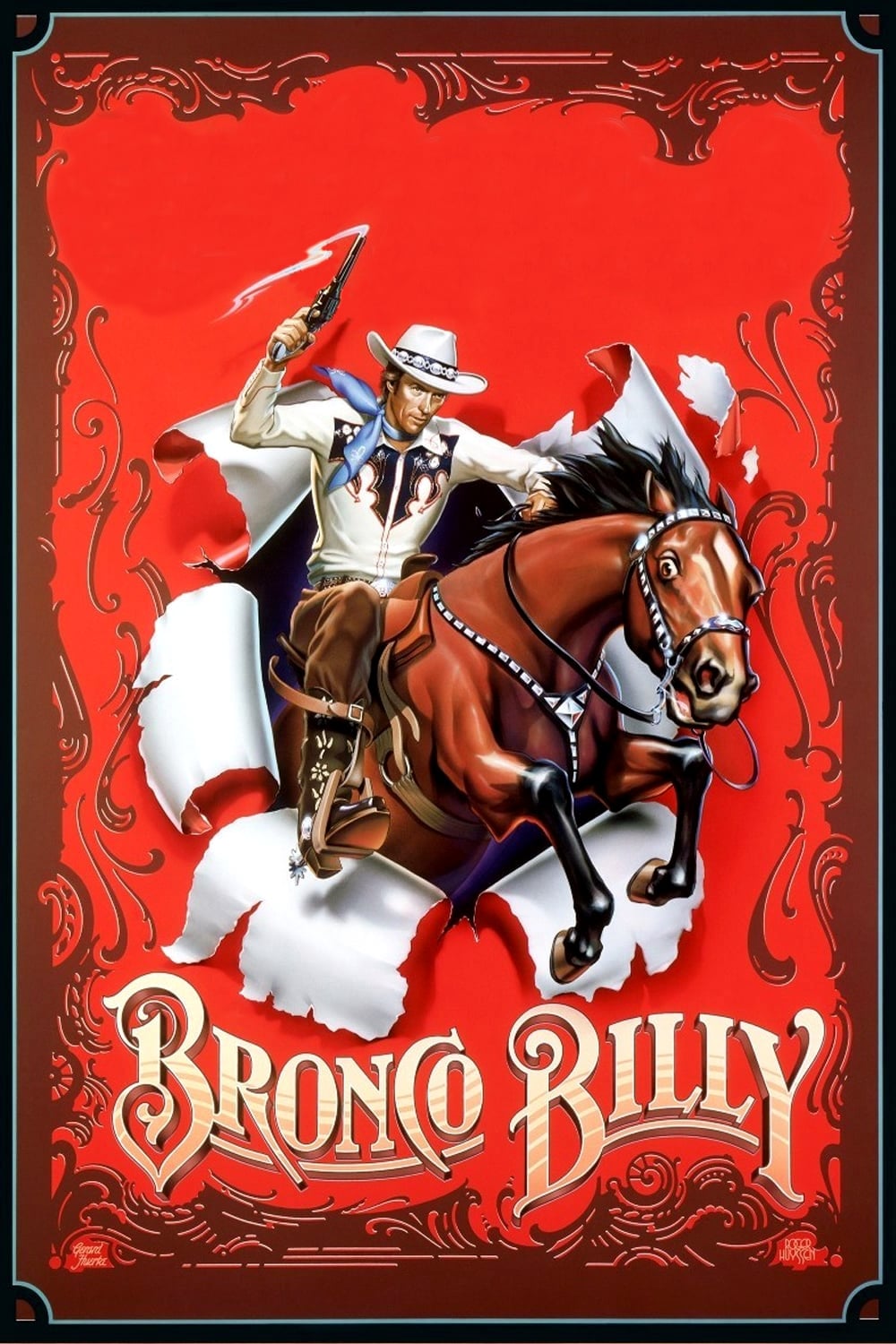
‘Bronco Billy’ was a personal project for Clint Eastwood, who directed and starred in the film. He played Bronco Billy McCoy, the owner of a small, struggling modern-day Wild West show. He lives out his cowboy fantasy while trying to keep his show and its band of misfits afloat, eventually falling for a spoiled heiress.
The film is a gentle and charming comedy-drama that explores themes of dreams and identity. While it was not a major box office success, it became a favorite among critics and with Eastwood himself, who considers it one of his most personal films. It showed a softer, more optimistic side to his on-screen persona.
Any Which Way You Can (1980)
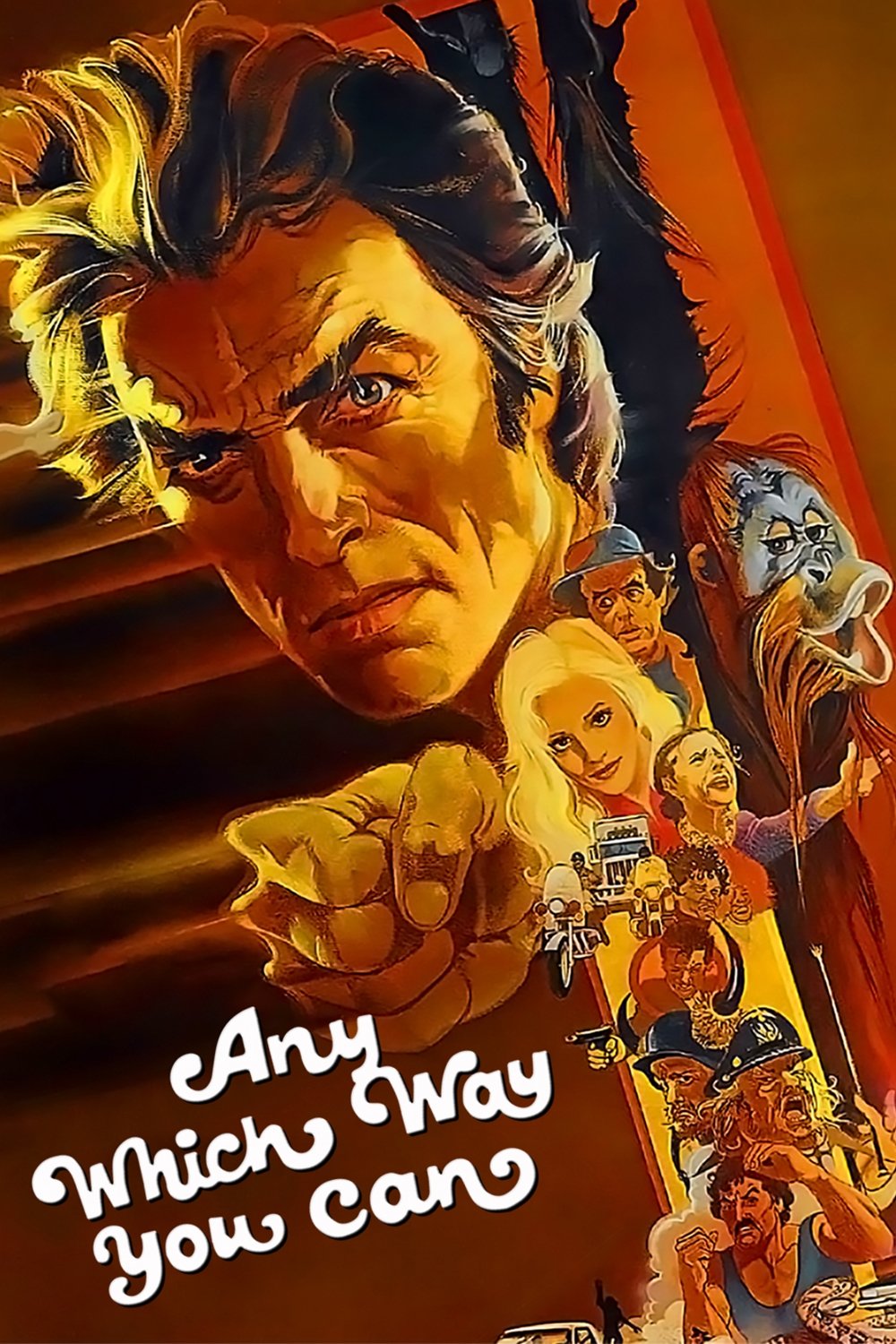
Clint Eastwood reprised his role as Philo Beddoe in ‘Any Which Way You Can’, the sequel to ‘Every Which Way but Loose’. In this film, Philo is preparing to retire from fighting but is drawn back in for one last lucrative bout against a champion from the East Coast. All the while, he has to deal with the mob and his ongoing relationship with singer Lynn Halsey-Taylor.
The sequel brought back the popular characters from the first film, including the orangutan Clyde. It was another huge commercial success, proving the continued appeal of the unconventional action-comedy formula. The film further demonstrated Eastwood’s reliable box office draw during this period.
Firefox (1982)
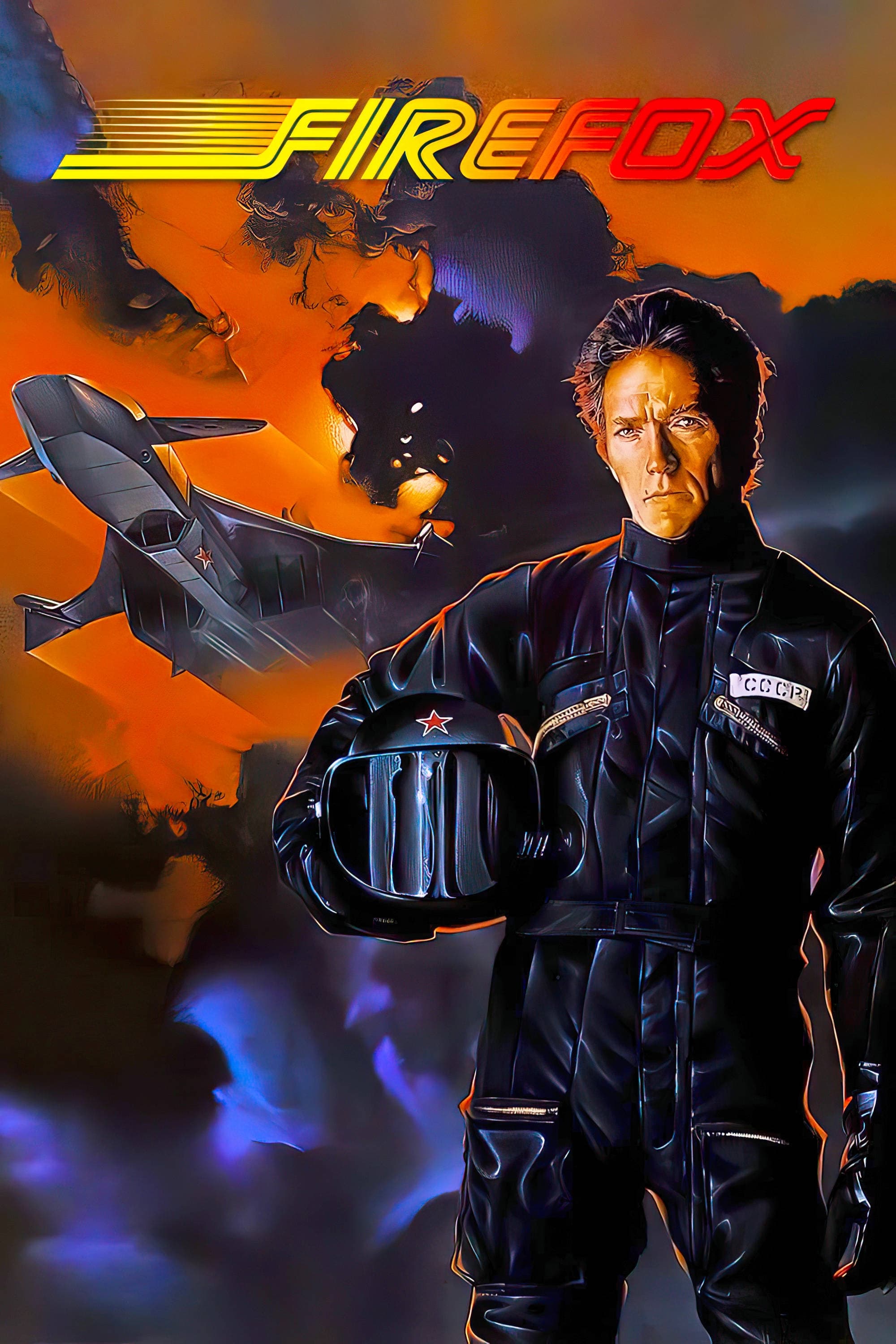
Clint Eastwood directed and starred in the Cold War spy thriller ‘Firefox’. He played Mitchell Gant, a traumatized Vietnam veteran and former pilot who is sent on a secret mission into the Soviet Union. His objective is to steal a technologically advanced supersonic fighter jet, codenamed “Firefox,” which is invisible to radar and has a thought-controlled weapons system.
The film combines espionage with high-tech action, culminating in thrilling aerial combat sequences. Eastwood’s character is a troubled hero, battling his own demons while undertaking a seemingly impossible mission. The movie was a commercial success, appealing to audiences with its blend of suspense and special effects.
Honkytonk Man (1982)
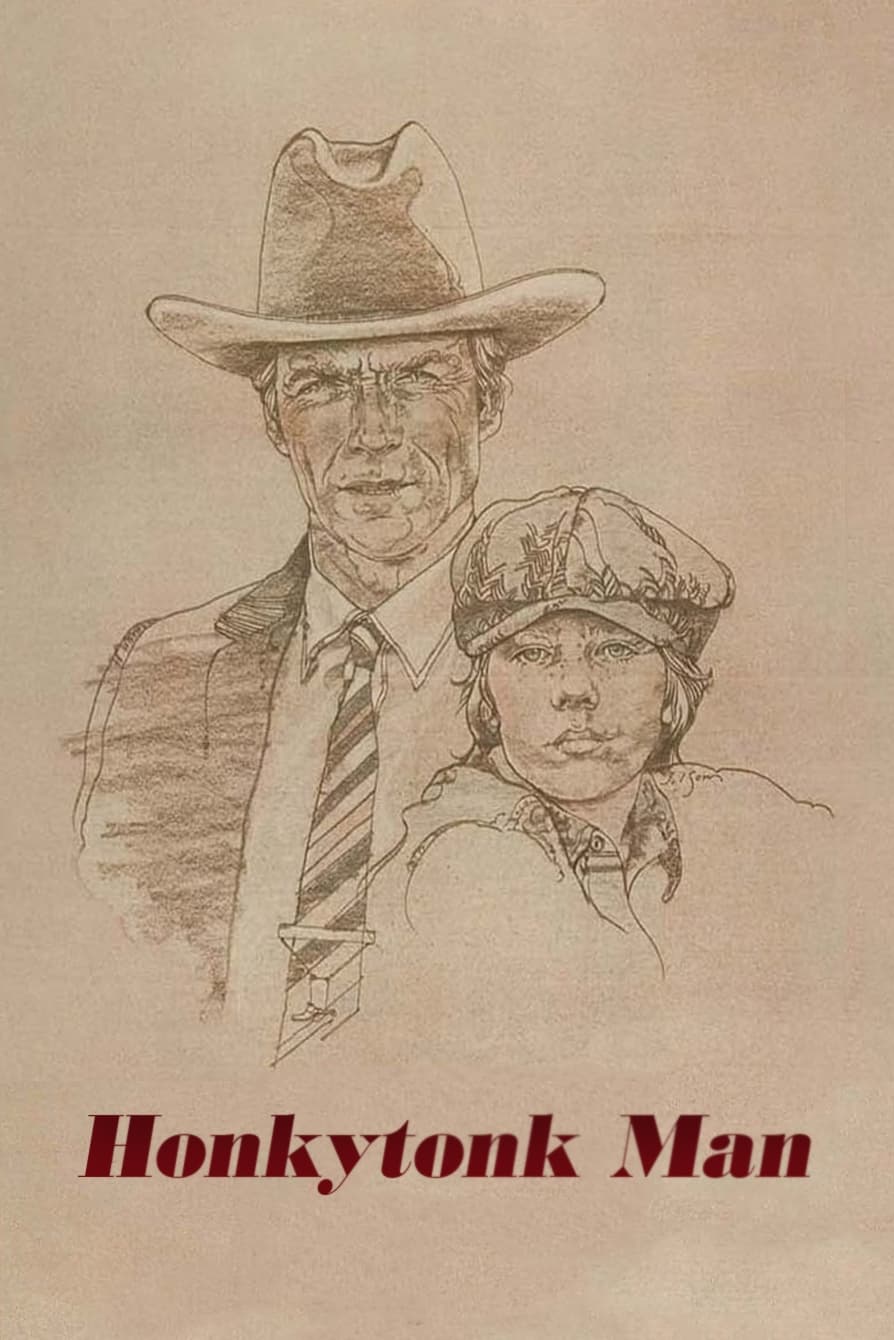
‘Honkytonk Man’ was another personal project directed by Clint Eastwood, in which he starred alongside his son, Kyle Eastwood. He played Red Stovall, an alcoholic, tuberculosis-ridden country singer trying to get to the Grand Ole Opry in Nashville for an audition during the Great Depression. He is accompanied by his young nephew.
The film is a poignant and bittersweet road movie and character study. Eastwood performed his own singing, showcasing his interest in music. While it was not a box office hit, the film was praised by many critics for its heartfelt story and Eastwood’s touching performance as the self-destructive but talented musician.
Sudden Impact (1983)

‘Sudden Impact’ is the fourth film in the ‘Dirty Harry’ series and the only one directed by Clint Eastwood himself. Harry Callahan travels to a small coastal town while investigating a series of revenge killings. He soon uncovers a vigilante who is hunting down the men who brutally assaulted her and her sister years before.
This film is famous for delivering one of cinema’s most iconic catchphrases: “Go ahead, make my day.” The line became a cultural phenomenon, even being quoted by President Ronald Reagan. ‘Sudden Impact’ was a major financial success, reviving the popular franchise and reinforcing Eastwood’s status as an action icon.
Tightrope (1984)
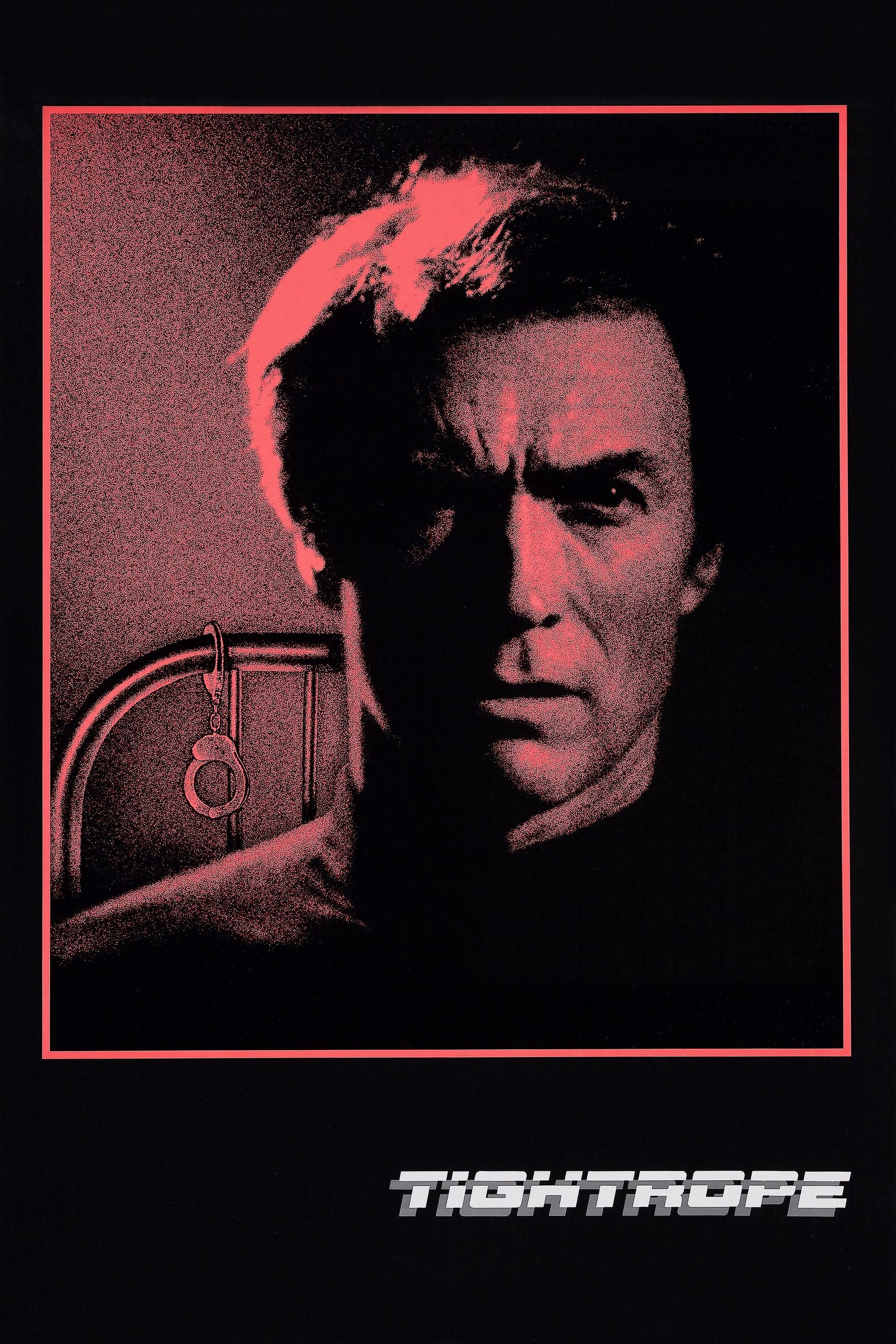
In the crime thriller ‘Tightrope’, Clint Eastwood played Wes Block, a New Orleans police detective hunting a serial killer who targets women. As he investigates the case, Block discovers that he and the killer share similar dark tastes, forcing him to confront his own personal demons. The case becomes dangerously personal when the killer begins to stalk Block’s own daughters.
The film was a dark and complex psychological thriller, more of a character study than a standard action movie. Eastwood gave a layered performance as a flawed hero struggling with his darker impulses. The movie was a critical and commercial success, praised for its suspenseful atmosphere and for taking Eastwood’s screen persona in a more vulnerable direction.
City Heat (1984)
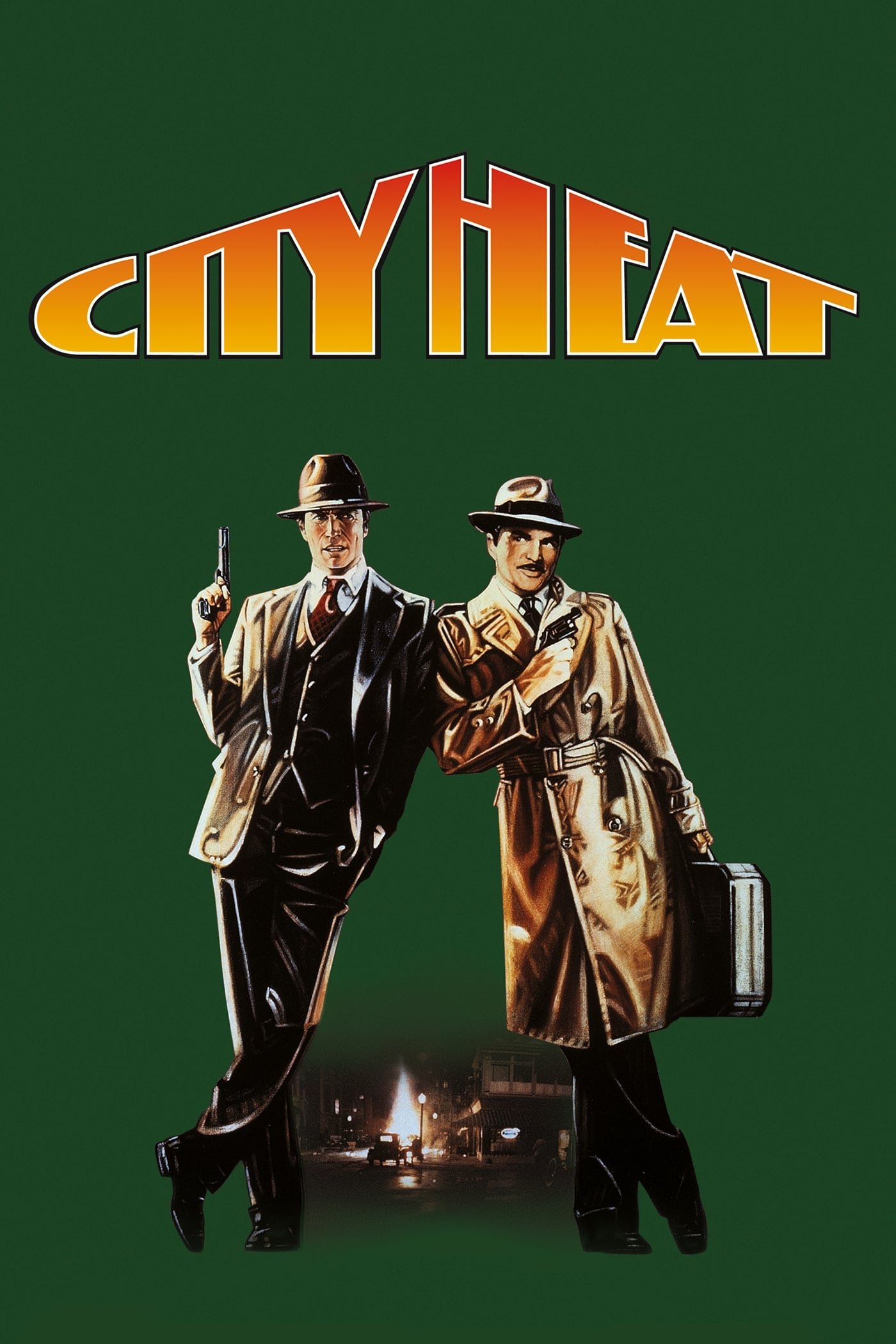
‘City Heat’ paired Clint Eastwood with Burt Reynolds in a 1930s-set action-comedy. Eastwood played Lieutenant Speer, a stoic and humorless police officer, while Reynolds played Mike Murphy, a wisecracking private investigator and Speer’s former partner. The two are forced to team up to take on mobsters in Kansas City.
The film was intended to be a major event, bringing together two of the era’s biggest box office stars. However, production was troubled, particularly after Reynolds suffered a serious injury on set. The movie received poor reviews and was a box office disappointment, failing to live up to the hype of its star pairing.
Pale Rider (1985)
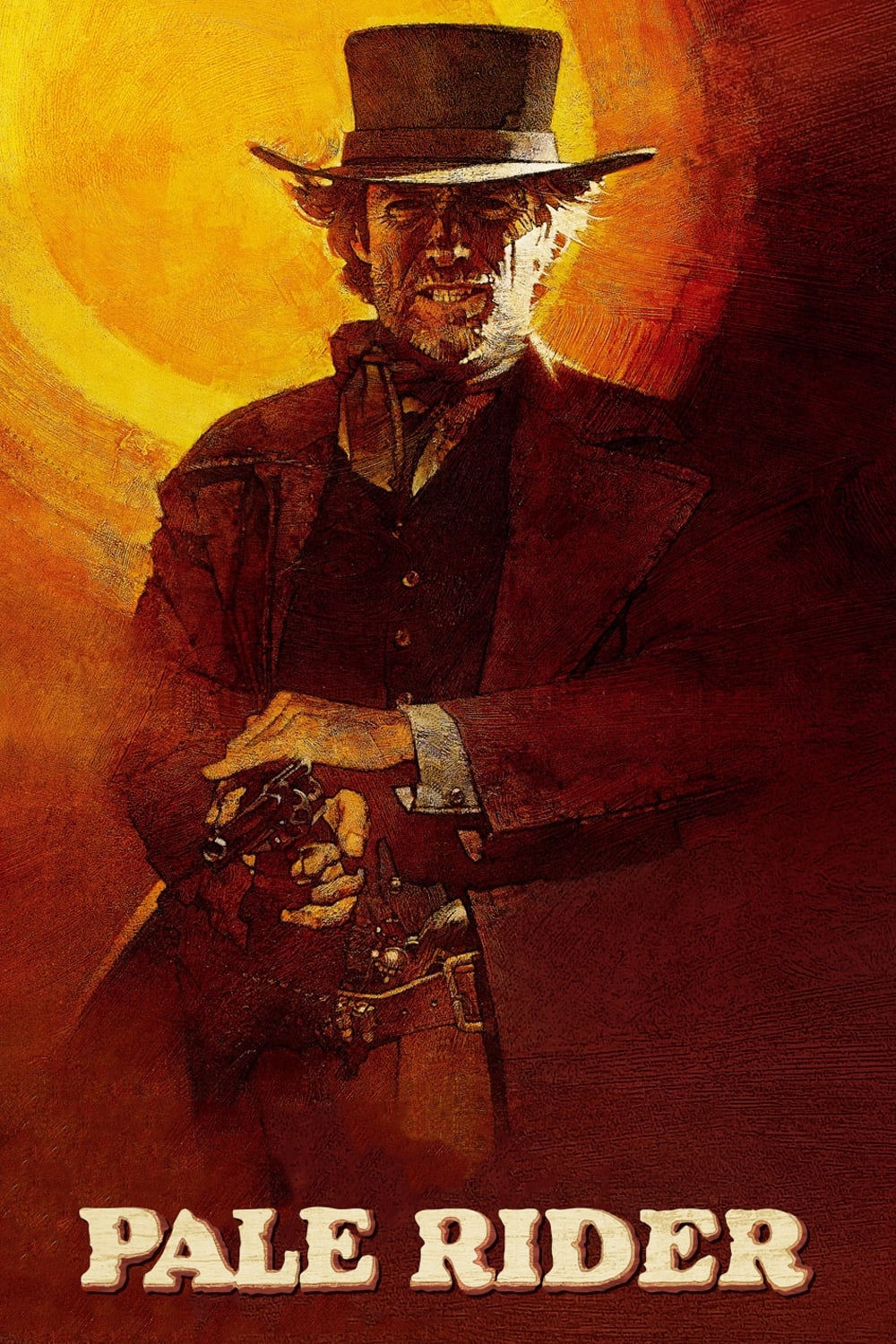
Clint Eastwood directed and starred in ‘Pale Rider’, a Western that paid homage to the classic 1953 film ‘Shane’. He played a mysterious, unnamed preacher who rides into a small gold-mining encampment that is being terrorized by a ruthless corporate mining boss. He becomes the community’s protector and fights to save them from the hired guns sent to drive them out.
The film has a mythical quality, with many suggesting that Eastwood’s character is a ghost or an avenging angel. It was a critical and commercial success and was the highest-grossing Western of the 1980s. ‘Pale Rider’ marked a successful return to the genre that had defined Eastwood’s early career.
Heartbreak Ridge (1986)
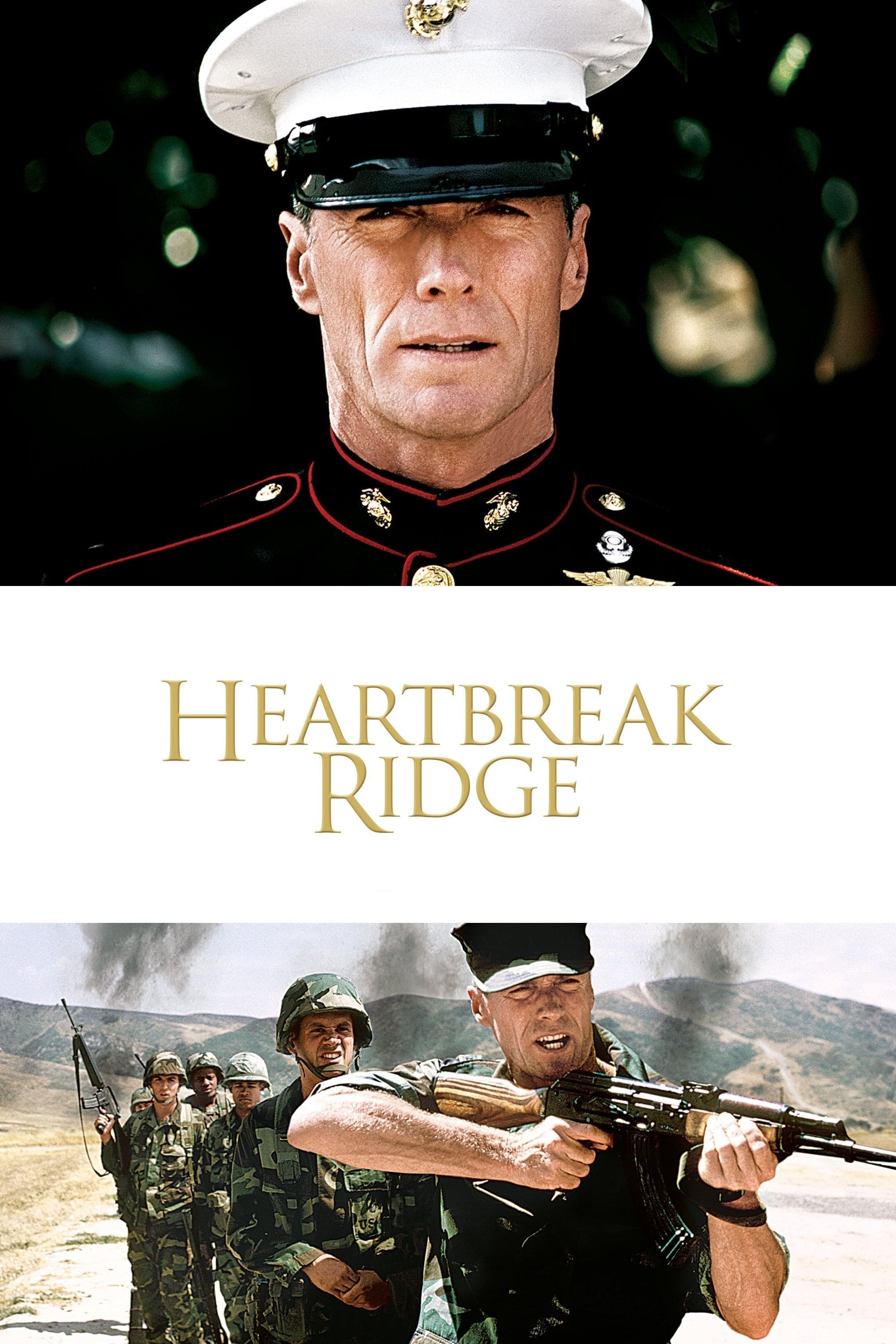
In ‘Heartbreak Ridge’, Clint Eastwood directed and starred as Gunnery Sergeant Thomas ‘Gunny’ Highway, a tough, old-school Marine nearing retirement. He takes on one last assignment: to whip a platoon of undisciplined reconnaissance Marines into shape. He must prepare them for combat, which they eventually see during the U.S. invasion of Grenada.
Eastwood’s character is a classic hard-nosed veteran, full of memorable one-liners and an unwavering dedication to the Marine Corps. The film was a box office success, appealing to audiences with its mix of military drama and comedy. It continued Eastwood’s streak of popular films in the 1980s.
The Dead Pool (1988)
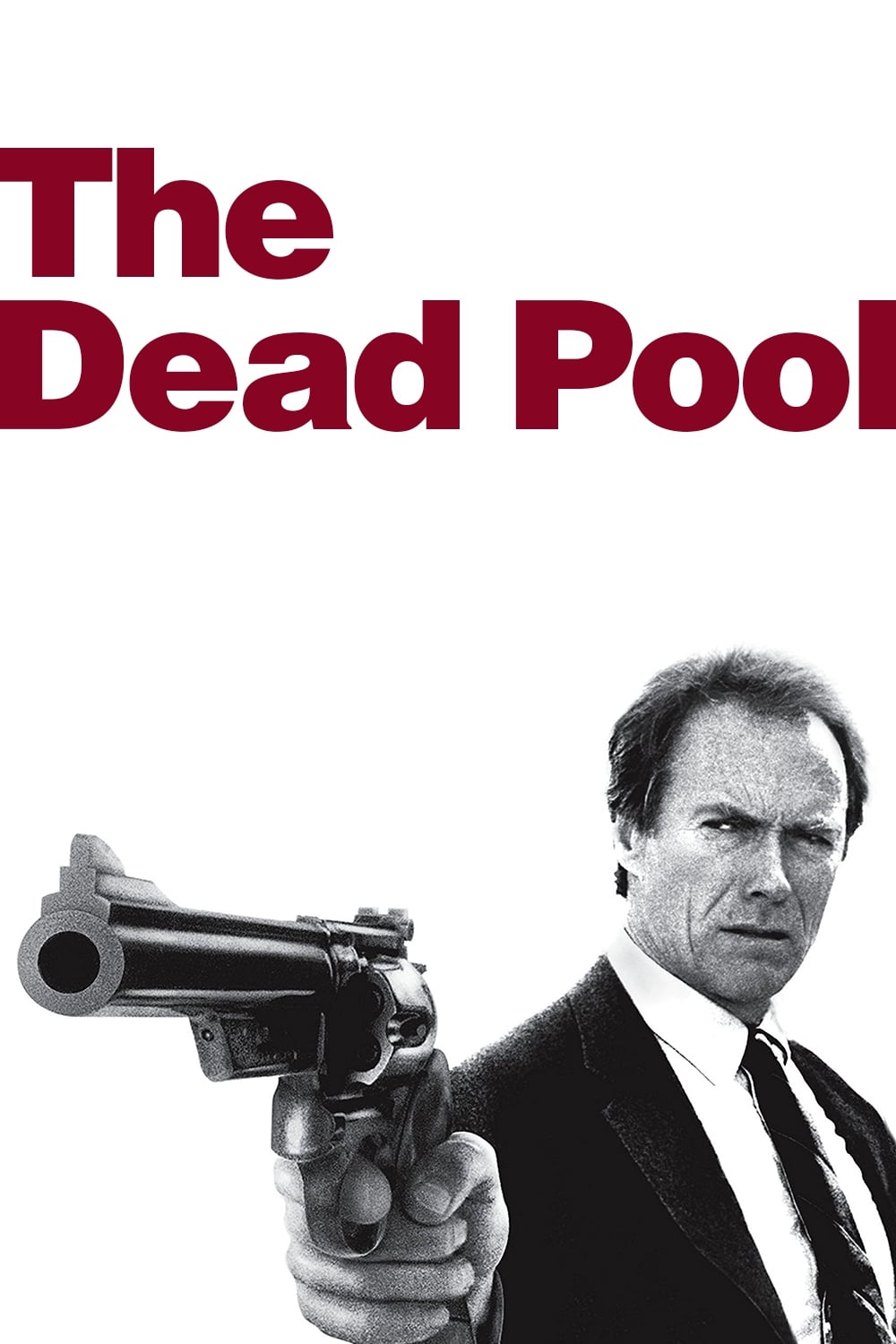
‘The Dead Pool’ was the fifth and final film in the ‘Dirty Harry’ series. Inspector Harry Callahan finds himself on a celebrity hit list in a “dead pool” game, a list that also includes him. He must find the killer before he becomes the next victim. The film also featured early performances by Liam Neeson and Jim Carrey.
The movie was a modest success but is generally considered the weakest entry in the franchise. It marked the end of an era for one of Eastwood’s most defining characters. With this film, he retired the iconic .44 Magnum, moving on to different kinds of roles in the next phase of his career.
Pink Cadillac (1989)
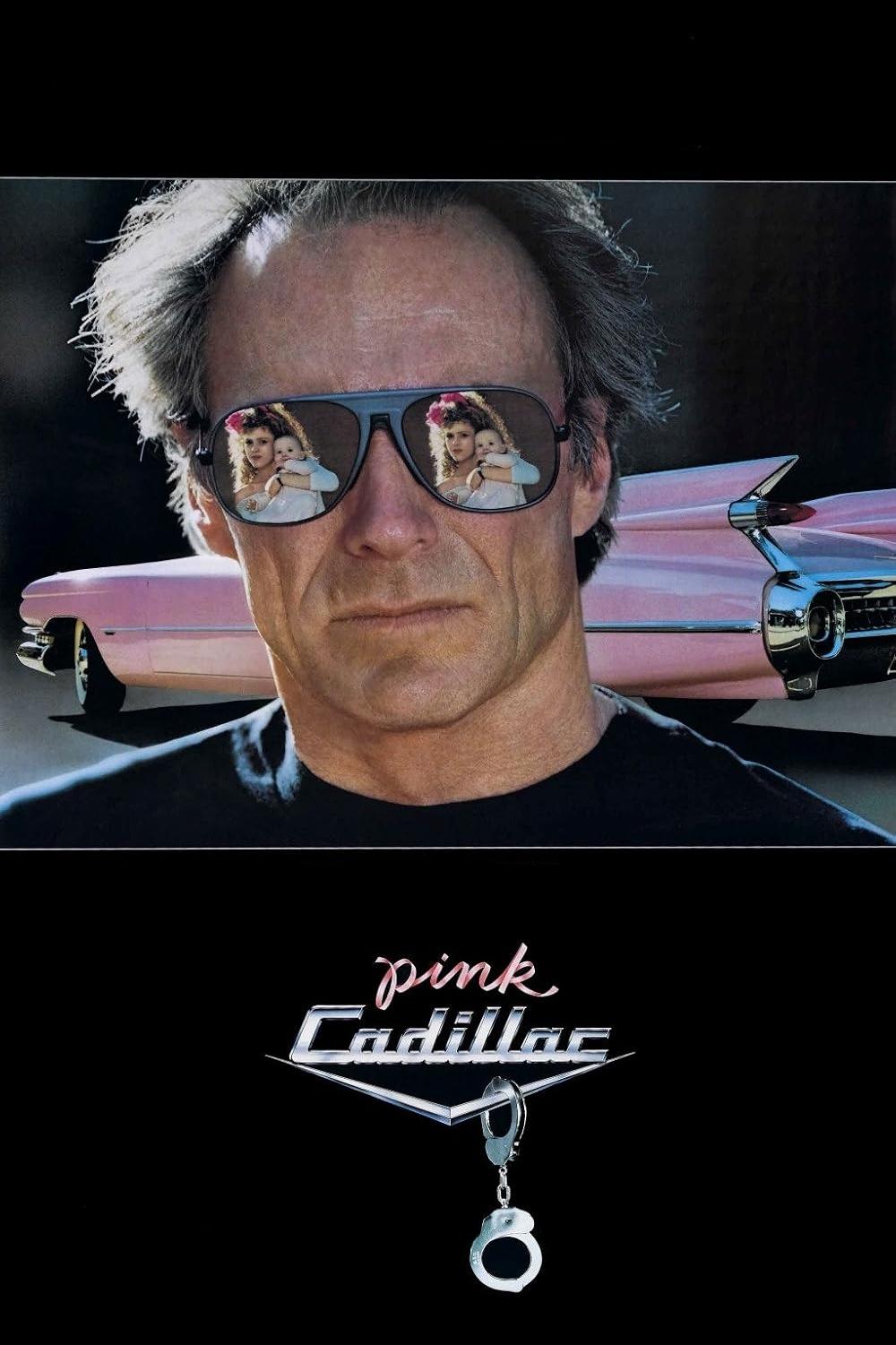
Clint Eastwood starred in the action-comedy ‘Pink Cadillac’. He played Tommy Nowak, a “skip tracer” who specializes in tracking down people who have jumped bail. His latest assignment is to find a young woman, played by Bernadette Peters, who has fled in her husband’s pink Cadillac, which happens to be full of counterfeit money.
The film attempted to combine action, comedy, and romance, but it received largely negative reviews from critics. It was also a disappointment at the box office. ‘Pink Cadillac’ is often cited as one of the lesser films from this period of Eastwood’s career.
White Hunter, Black Heart (1990)
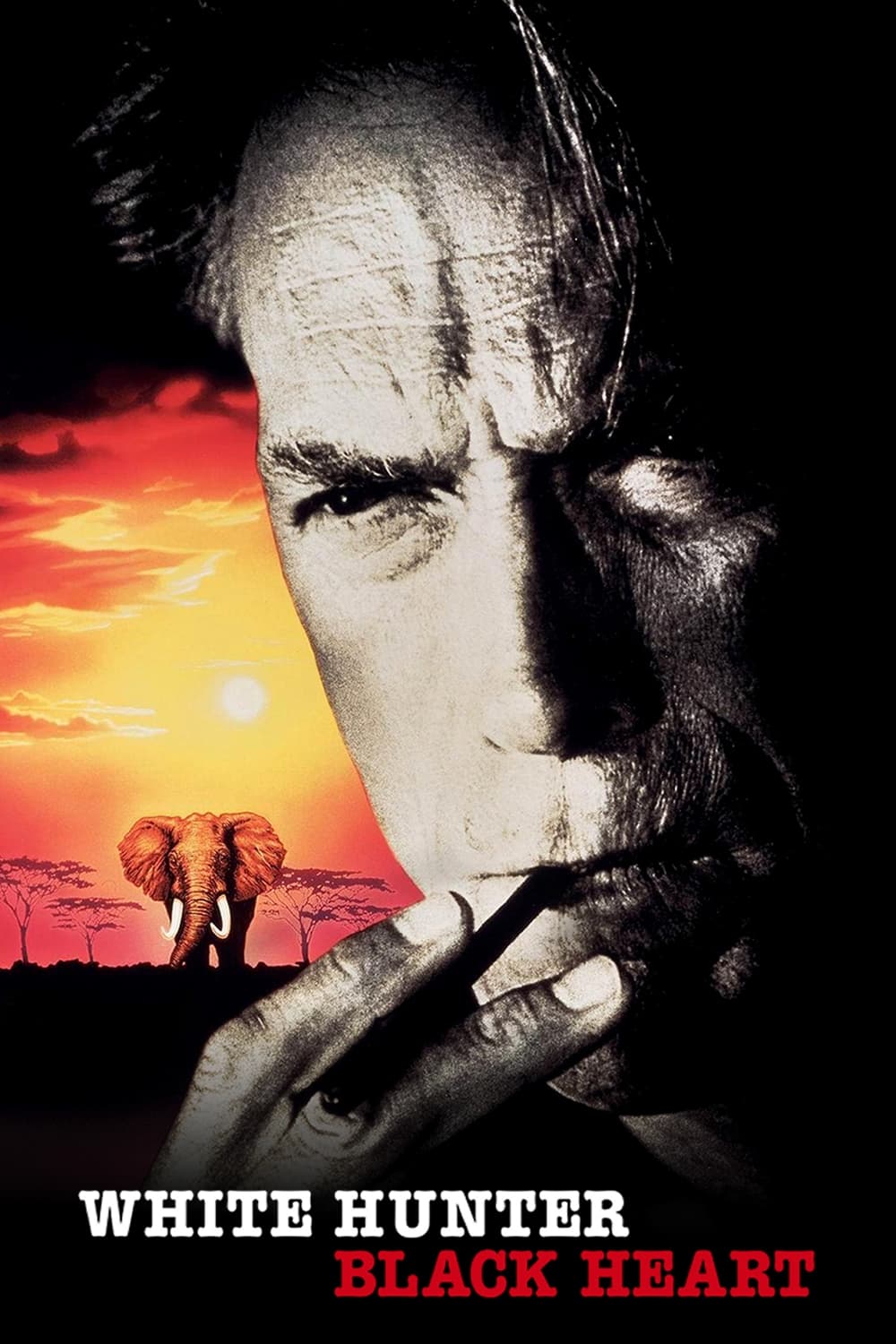
Clint Eastwood directed and starred in ‘White Hunter, Black Heart’, a film that was a significant departure from his commercial work. He portrayed John Wilson, a character heavily based on the legendary director John Huston. The story follows Wilson in Africa as he becomes more obsessed with hunting a great elephant than with directing his upcoming film.
The movie is an exploration of obsession and artistic self-destruction. Eastwood delivered a mannered performance, complete with an accent, to capture the essence of Huston. While not a commercial success, the film was praised by critics for its ambition and for Eastwood’s willingness to take on such a challenging and unconventional role.
The Rookie (1990)
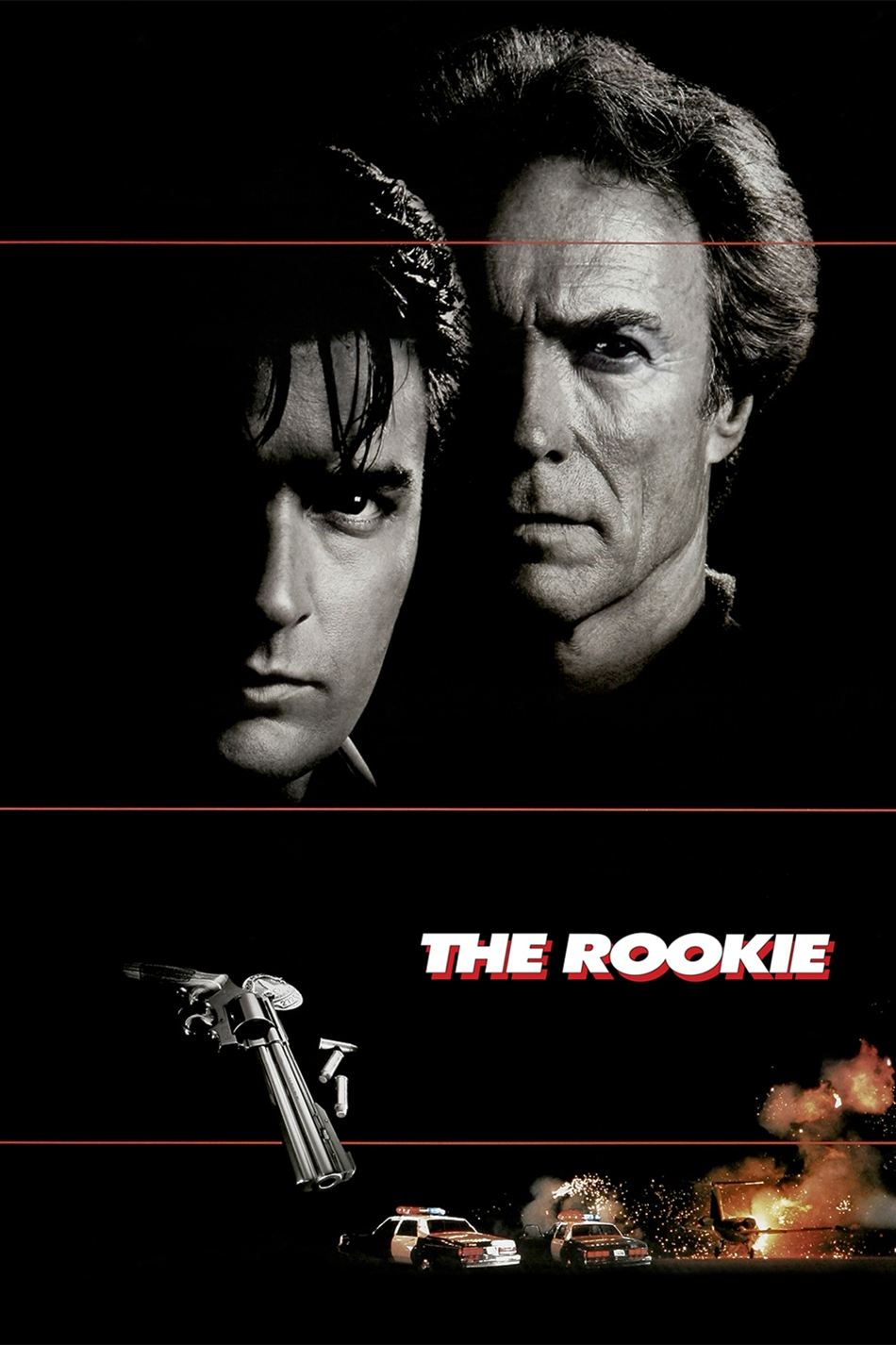
Clint Eastwood directed and starred in the action-thriller ‘The Rookie’. He played Nick Pulovski, a tough, veteran cop who partners with a young, inexperienced officer, played by Charlie Sheen. The two go after a German crime lord who has a massive car theft and chop shop operation.
The film is a buddy-cop movie filled with explosive action sequences and stunts. It was a return to the more commercial, action-oriented fare that audiences expected from Eastwood. While it was a moderate box office success, it received mixed reviews from critics, who found it to be a fairly standard entry in the genre.
Unforgiven (1992)
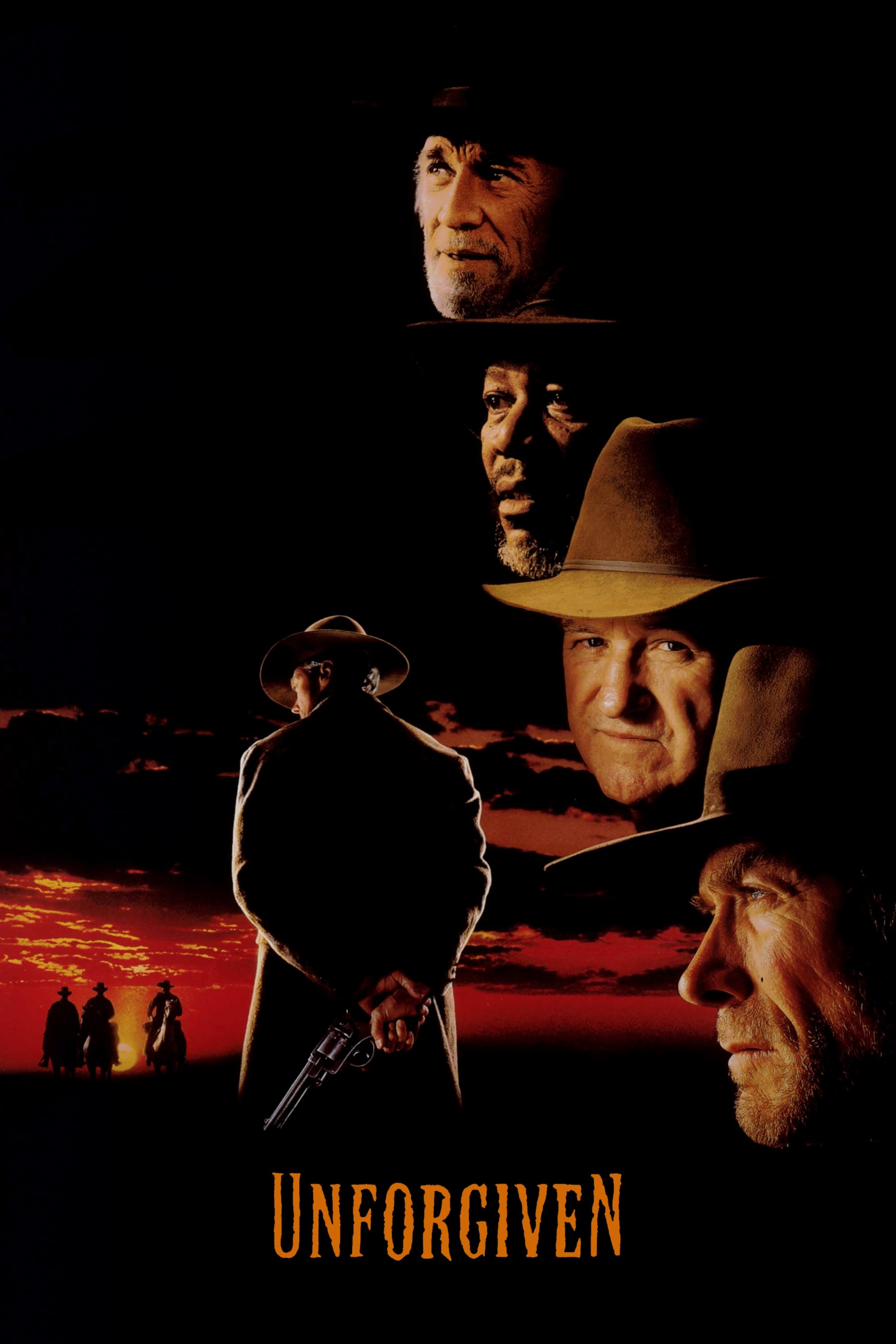
‘Unforgiven’ is widely considered to be one of Clint Eastwood’s masterpieces. He directed and starred in the film as William Munny, a retired, widowed gunslinger who takes on one last job to support his children. The film deconstructs the myths of the Old West, portraying violence as brutal and unglamorous.
The movie was a tremendous critical and commercial success. It won four Academy Awards, including Best Picture and Best Director for Eastwood, his first wins in these categories. ‘Unforgiven’ is regarded as a landmark film in the Western genre and a powerful statement on violence, aging, and redemption.
In the Line of Fire (1993)
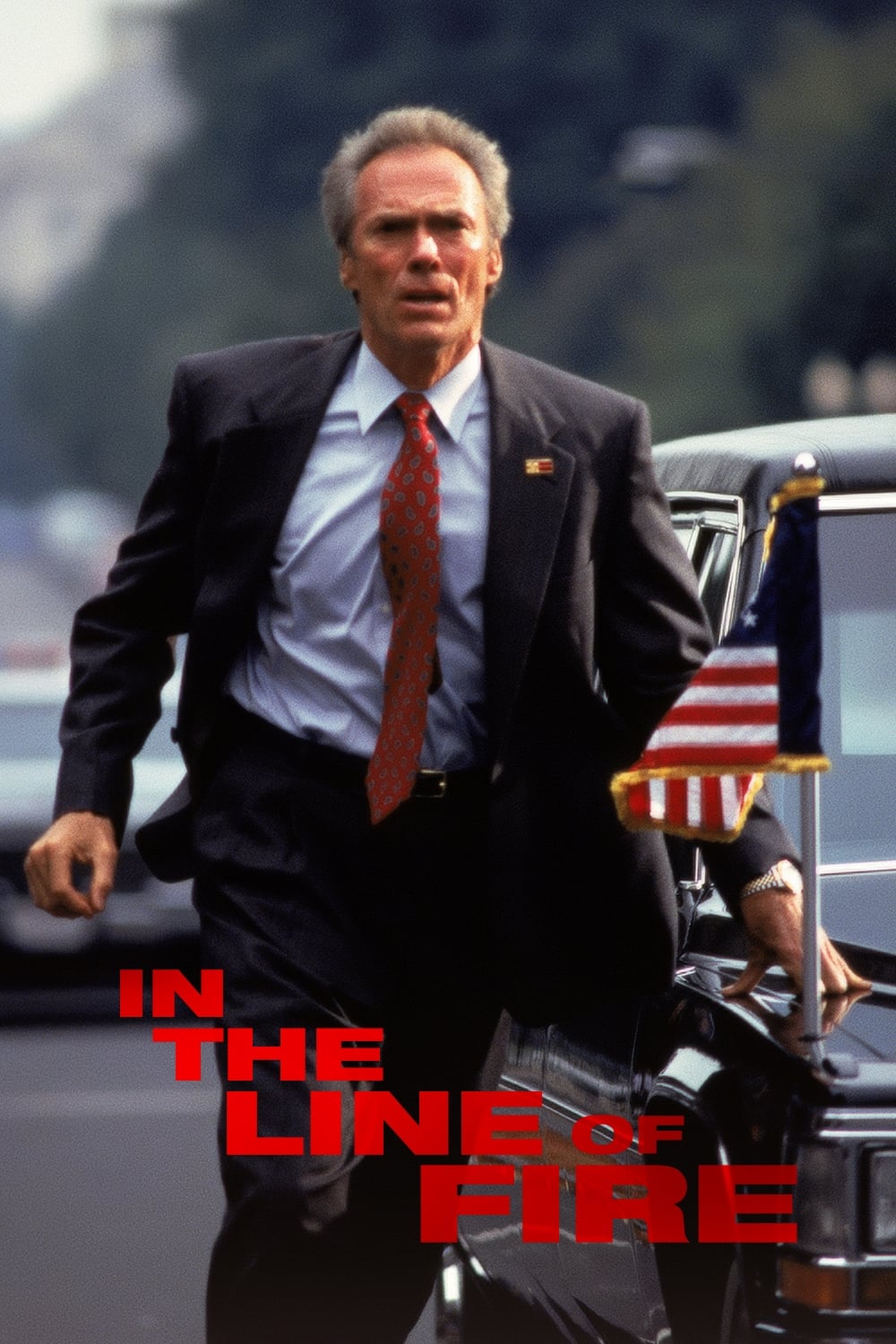
In the thriller ‘In the Line of Fire’, Clint Eastwood played Frank Horrigan, a veteran Secret Service agent who is haunted by his failure to protect President John F. Kennedy in 1963. He gets a chance at redemption when a brilliant and taunting assassin, played by John Malkovich, threatens the life of the current president.
Directed by Wolfgang Petersen, the film was a major critical and commercial success. Eastwood gave a strong, vulnerable performance as an aging agent confronting his past. The tense cat-and-mouse game between him and Malkovich was highly praised, making the film one of the most popular and well-regarded thrillers of the 1990s.
A Perfect World (1993)
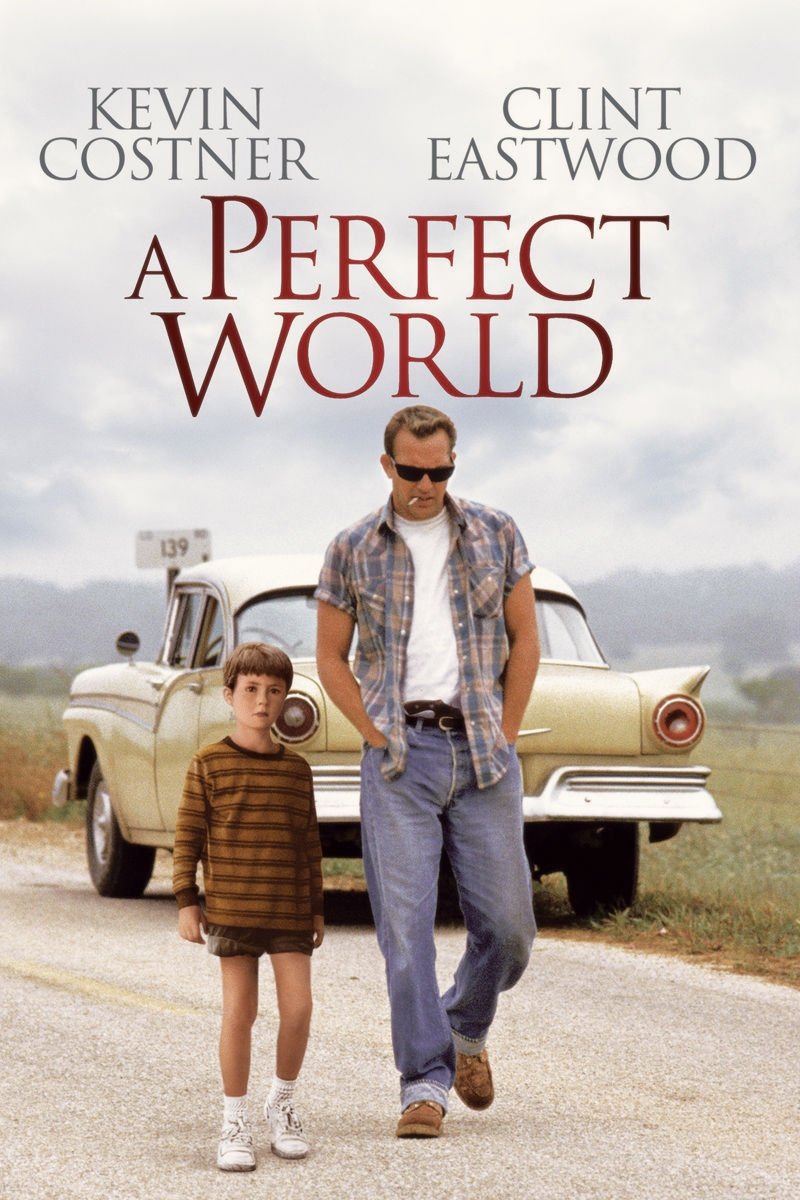
Clint Eastwood directed and co-starred in ‘A Perfect World’. The film stars Kevin Costner as an escaped convict who takes a young boy hostage and forms an unlikely bond with him while on the run. Eastwood played Texas Ranger Red Garnett, who leads the manhunt to track them down.
The film is a thoughtful and complex crime drama that focuses on the relationship between the convict and the boy. Eastwood’s direction was praised for its sensitivity and storytelling. While he had a supporting role on screen, his presence as the determined lawman provided the driving force for the narrative.
Casper (1995)
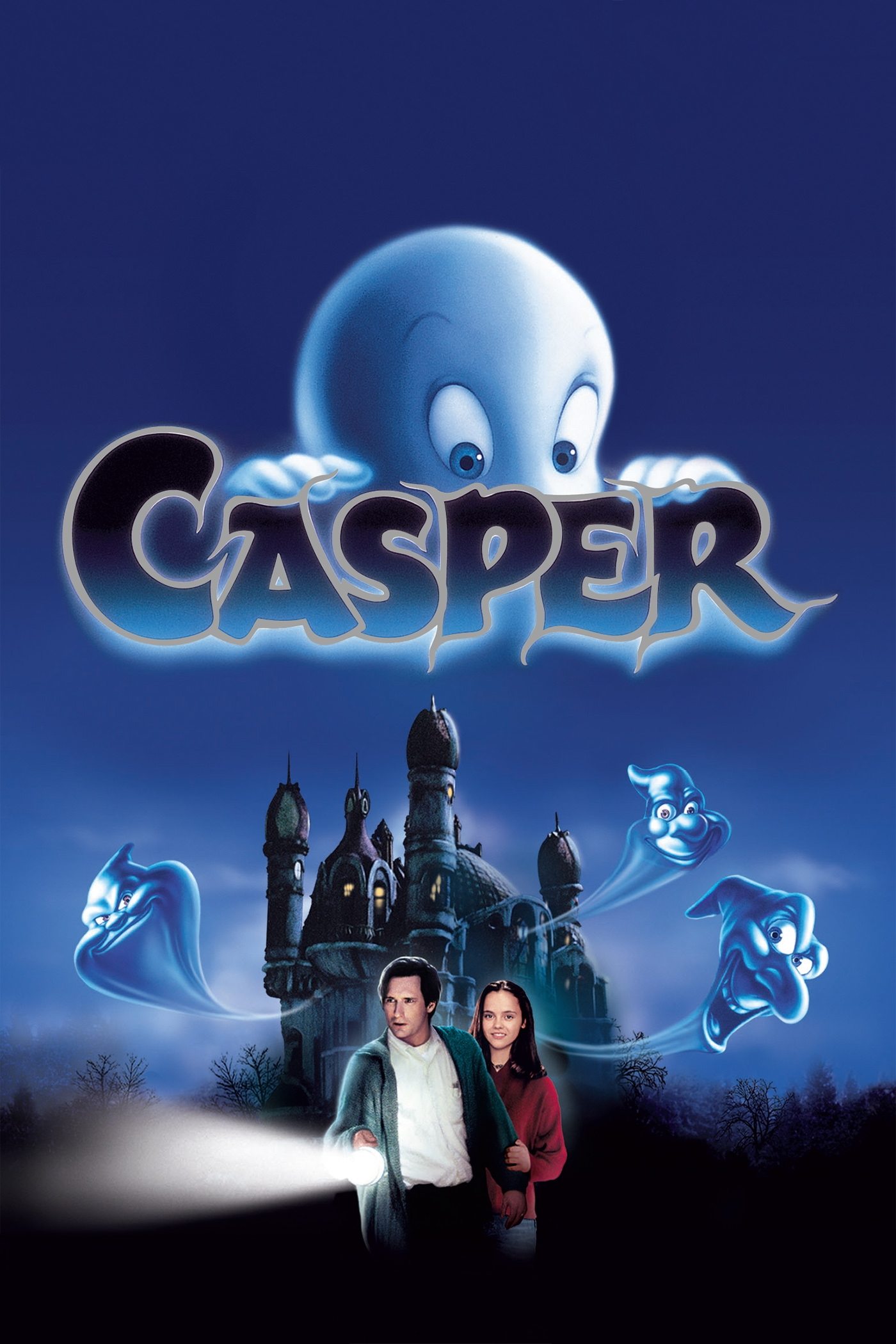
Clint Eastwood made a brief, uncredited cameo appearance in the family film ‘Casper’. In a comedic scene, the ghostly trio, Stretch, Stinkie, and Fatso, see their reflections in a mirror and are so horrified that they transform into other characters. One of these transformations is Clint Eastwood.
When Kat Harvey’s father sees the reflection, Eastwood turns to the camera, in character as one of his Western personas, before the ghosts change again. The quick, humorous cameo was a fun nod to his iconic screen image in a movie aimed at a much younger audience.
The Bridges of Madison County (1995)
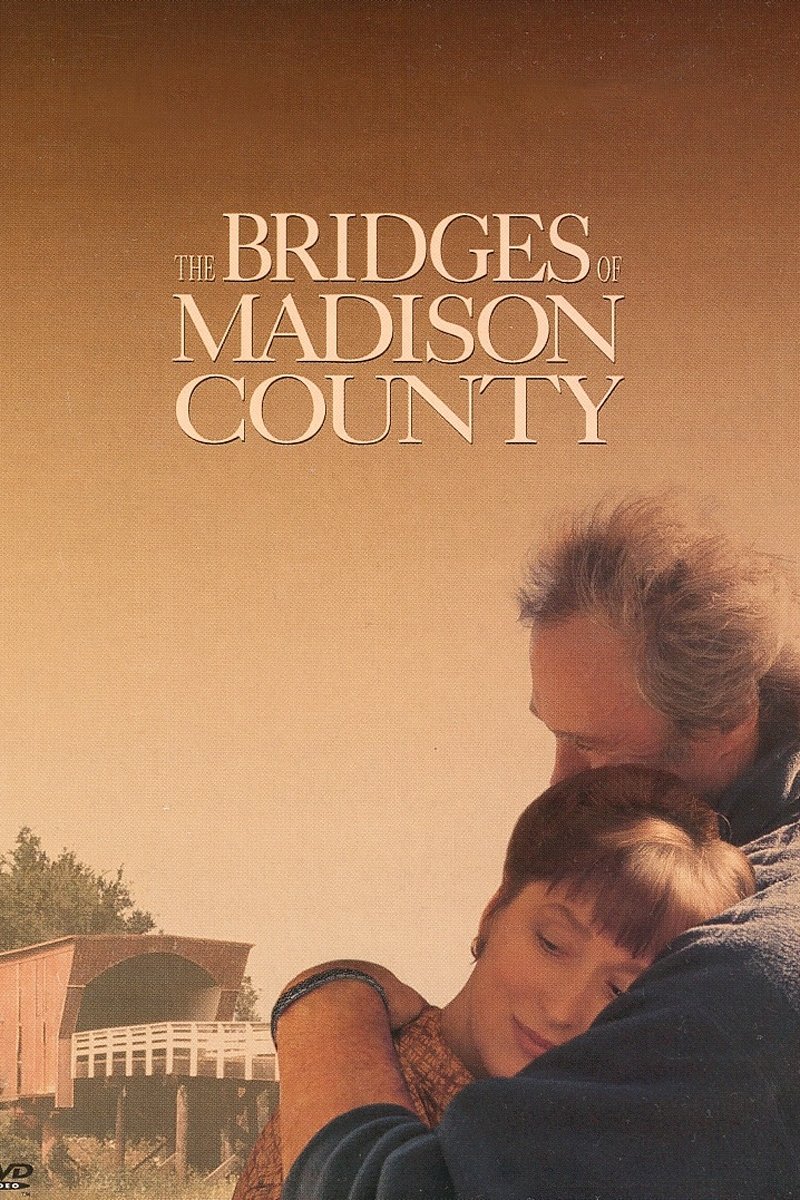
Clint Eastwood directed and starred opposite Meryl Streep in the romantic drama ‘The Bridges of Madison County’. Based on the best-selling novel, the film tells the story of Robert Kincaid, a National Geographic photographer, and his brief but life-altering four-day love affair with an Italian war bride living in Iowa.
Many were initially skeptical of Eastwood’s ability to pull off a sensitive romantic lead, but his performance was widely praised as tender and nuanced. The film was a huge critical and commercial success, earning Meryl Streep an Academy Award nomination. It demonstrated Eastwood’s range as both an actor and a director in a genre far from his usual territory.
Absolute Power (1997)
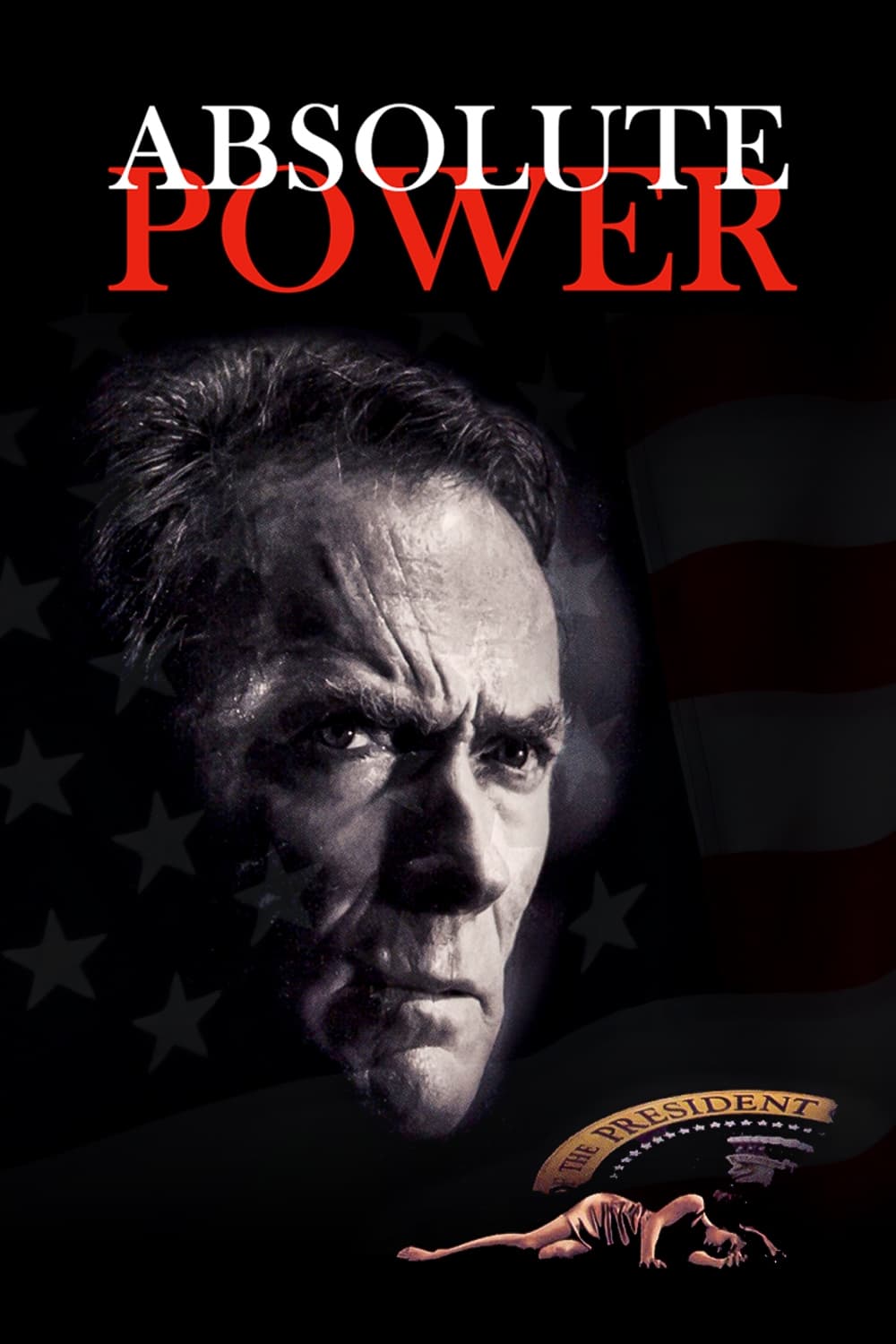
In ‘Absolute Power’, Clint Eastwood directed and starred as Luther Whitney, a master jewel thief. During a heist at a powerful billionaire’s mansion, he witnesses a brutal crime involving the President of the United States and the Secret Service. He finds himself on the run, hunted by assassins, as he holds evidence that could bring down the government.
The film is a political thriller that blends suspense with action. It features a strong cast, including Gene Hackman as the corrupt President. The movie was a moderate commercial success, delivering the kind of suspenseful, adult-oriented drama that had become a staple of Eastwood’s later career.
True Crime (1999)
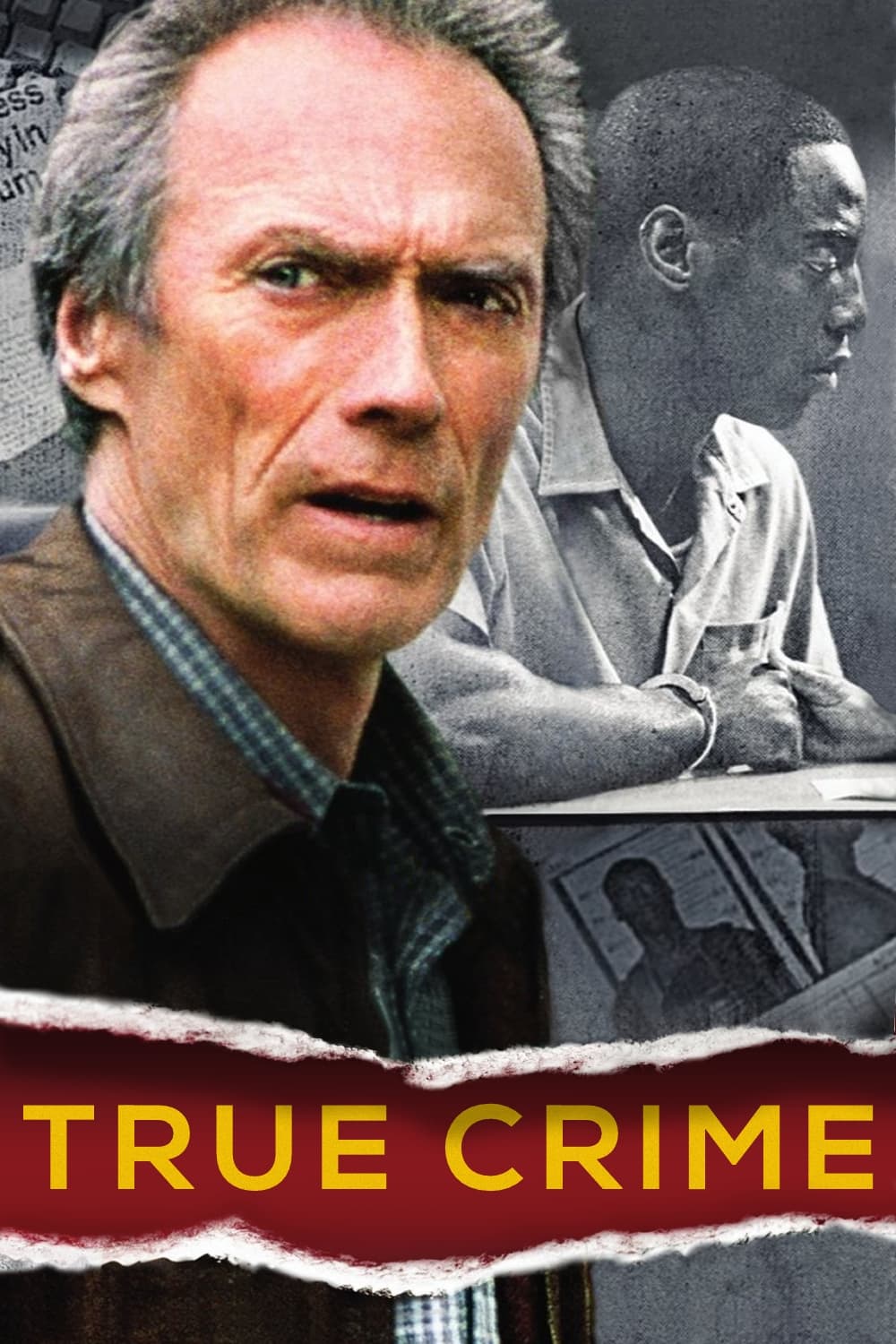
Clint Eastwood directed and starred in the thriller ‘True Crime’. He played Steve Everett, a troubled, womanizing journalist with a drinking problem. On the day a man is scheduled to be executed, Everett is assigned to cover the story and begins to suspect that the condemned man is actually innocent. He has only a few hours to uncover the truth and stop the execution.
The film is a race-against-time thriller that also serves as a character study of a flawed protagonist seeking redemption. Eastwood gave a compelling performance as the washed-up reporter. While ‘True Crime’ received mixed reviews and was not a major box office success, it was praised for its suspense and for Eastwood’s performance.
Space Cowboys (2000)
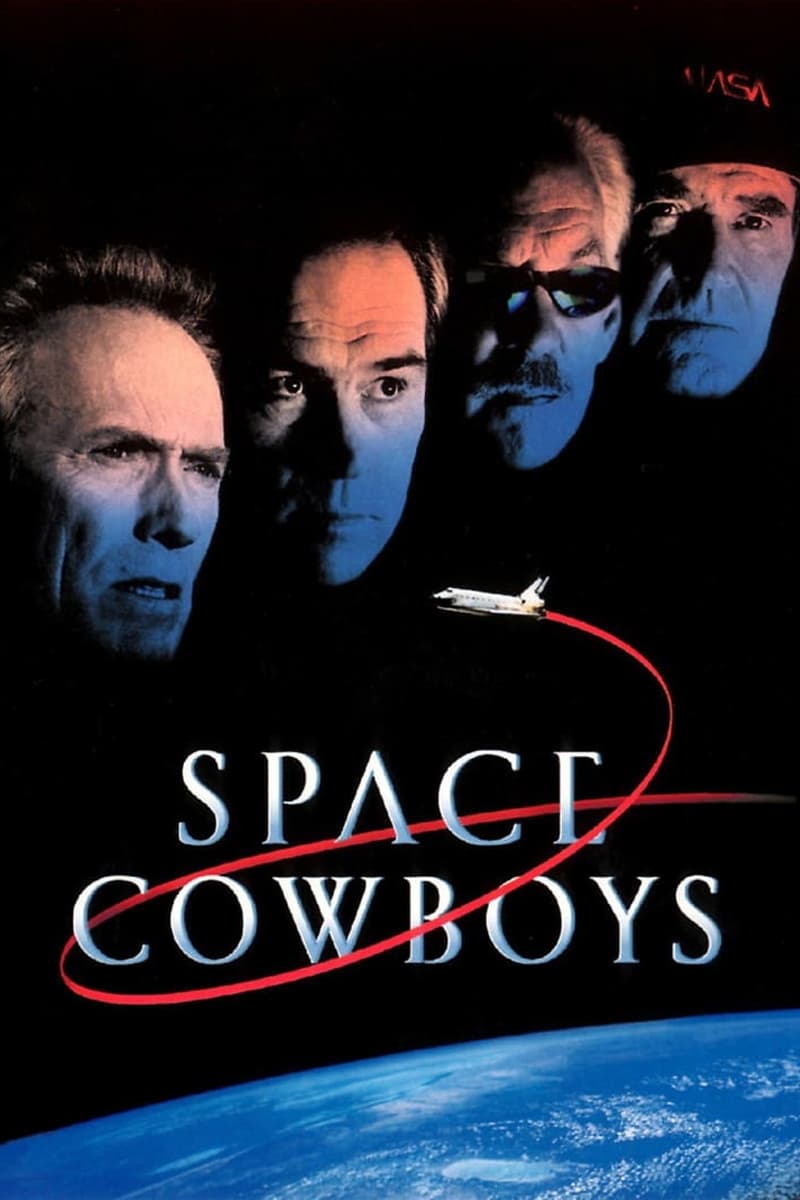
Clint Eastwood directed and starred in ‘Space Cowboys’, an adventure film that reunited him with an older generation of actors. He, along with Tommy Lee Jones, Donald Sutherland, and James Garner, played former Air Force test pilots who never got their chance to go to space. Decades later, they are called upon by NASA for a mission to repair a failing Soviet-era satellite that only they have the knowledge to fix.
The film is a lighthearted and entertaining adventure that celebrates age and experience. It was a significant commercial success, appealing to audiences with its humor, charm, and the chemistry between its veteran stars. The movie proved that Eastwood could still deliver a crowd-pleasing hit well into his later years.
Blood Work (2002)
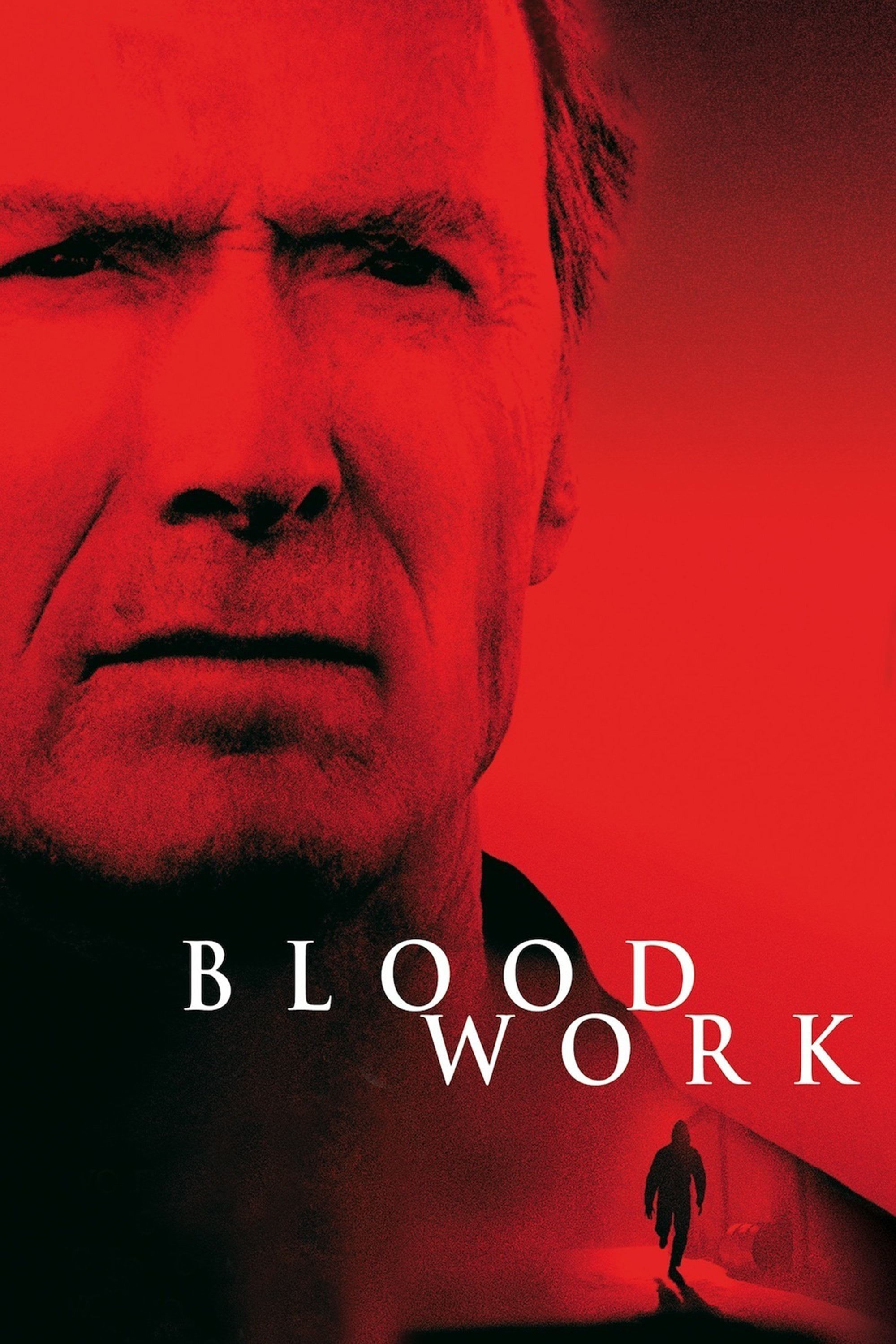
In ‘Blood Work’, Clint Eastwood directed and starred as Terry McCaleb, a retired FBI profiler who has recently undergone a heart transplant. He is hired by a woman to investigate the murder of her sister, who happens to be the donor of his new heart. McCaleb is drawn back into the world of crime-solving, despite his fragile health.
Based on a novel by Michael Connelly, the film is a solid, character-driven detective story. Eastwood gave a convincing performance as a man grappling with his own mortality while pursuing justice. The film was a modest success and was another example of Eastwood’s interest in stories about aging heroes.
Million Dollar Baby (2004)

‘Million Dollar Baby’ was a monumental achievement for Clint Eastwood. He directed, co-produced, scored, and starred in the film as Frankie Dunn, a hardened, old-school boxing trainer. He reluctantly agrees to train Maggie Fitzgerald, a determined woman from a poor background, and forms a deep, father-daughter-like bond with her.
The film was a critical masterpiece, earning rave reviews for its powerful and heartbreaking story. It won four Academy Awards, including Best Picture, Best Director for Eastwood (his second), Best Actress for Hilary Swank, and Best Supporting Actor for Morgan Freeman. The movie is widely regarded as one of the best films of the 21st century and a high point in Eastwood’s career.
Gran Torino (2008)
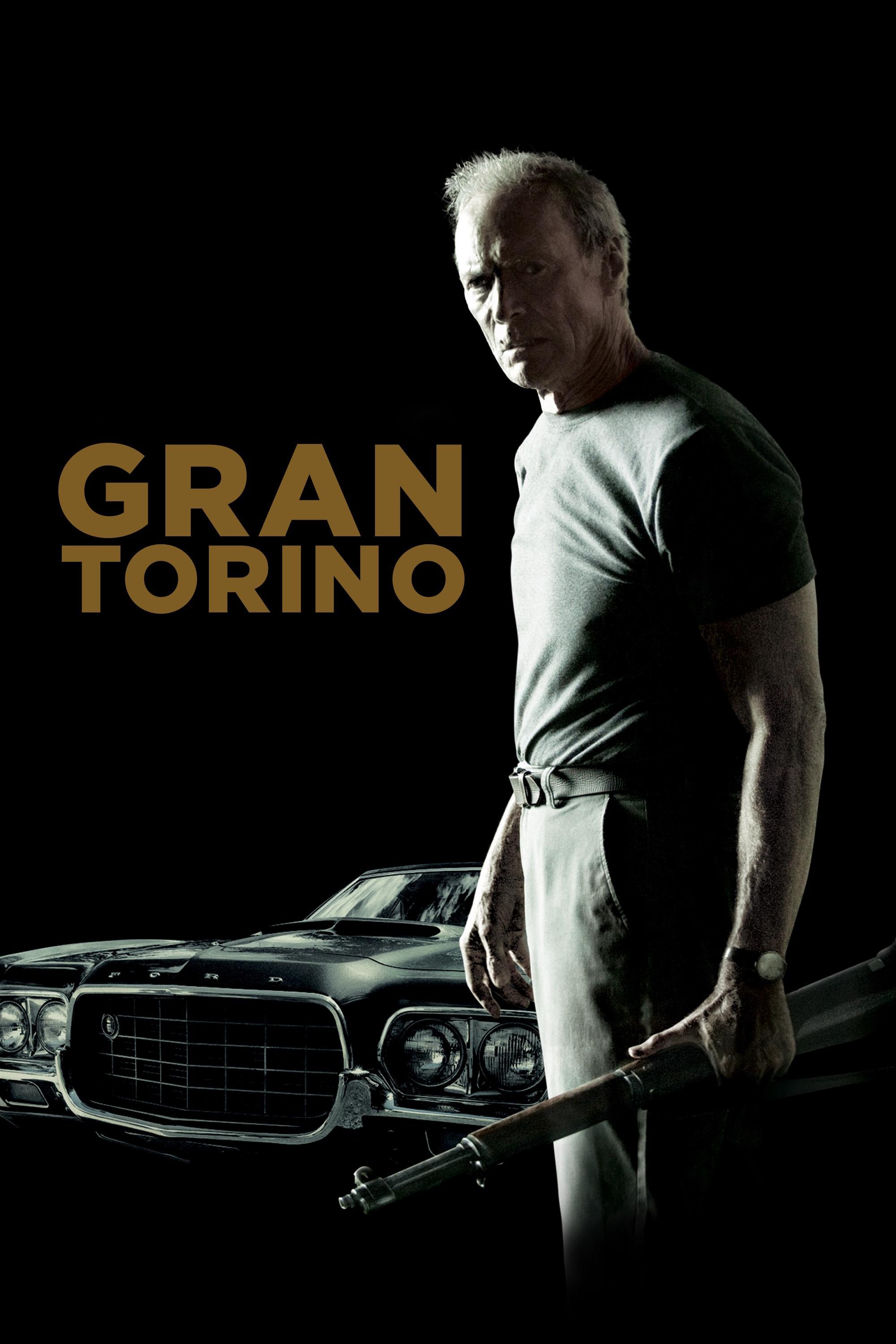
In ‘Gran Torino’, Clint Eastwood directed and starred as Walt Kowalski, a bigoted and disgruntled Korean War veteran living in a changing Detroit neighborhood. He forms an unlikely bond with his young Hmong neighbor after the boy tries to steal his prized 1972 Gran Torino. Walt becomes a reluctant protector and mentor to the boy and his family.
The film was a massive commercial success and received widespread critical acclaim, particularly for Eastwood’s performance, which many considered to be one of his best. It thoughtfully explores themes of prejudice, redemption, and cultural understanding. ‘Gran Torino’ was initially thought to be his final acting role, adding to its impact.
Trouble with the Curve (2012)
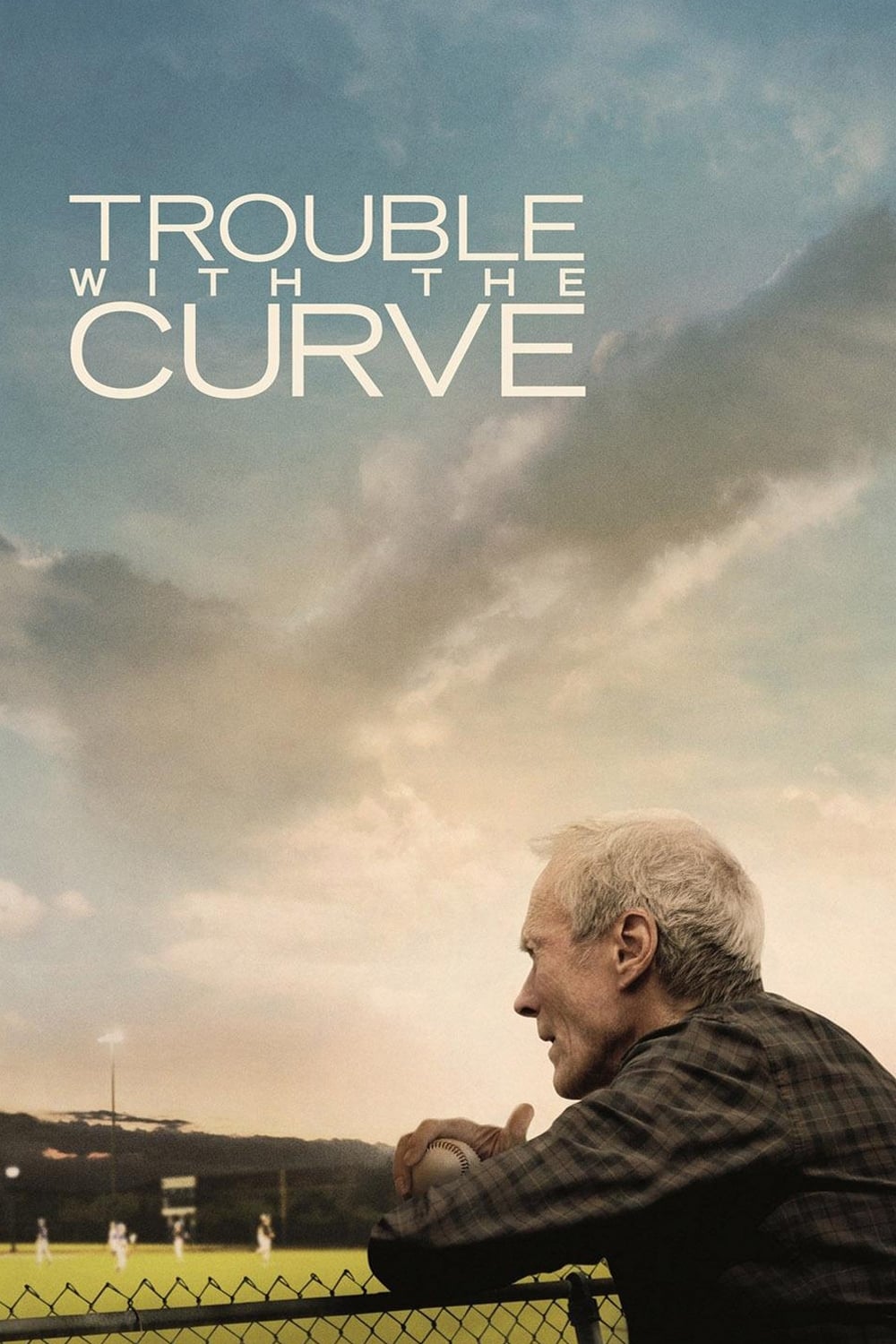
After a four-year break from acting, Clint Eastwood returned to the screen in ‘Trouble with the Curve’. He played Gus Lobel, an aging baseball scout who is losing his eyesight. His daughter, played by Amy Adams, joins him on what may be his final scouting trip to evaluate a top prospect. The film was directed by Robert Lorenz, Eastwood’s longtime producing partner.
This was a rare instance in his later career where Eastwood acted in a film he did not direct. The movie is a conventional but heartwarming drama about family and aging. Eastwood’s performance was praised, and the film offered him a role that fit comfortably within his established persona as a gruff but ultimately caring figure.
American Sniper (2014)
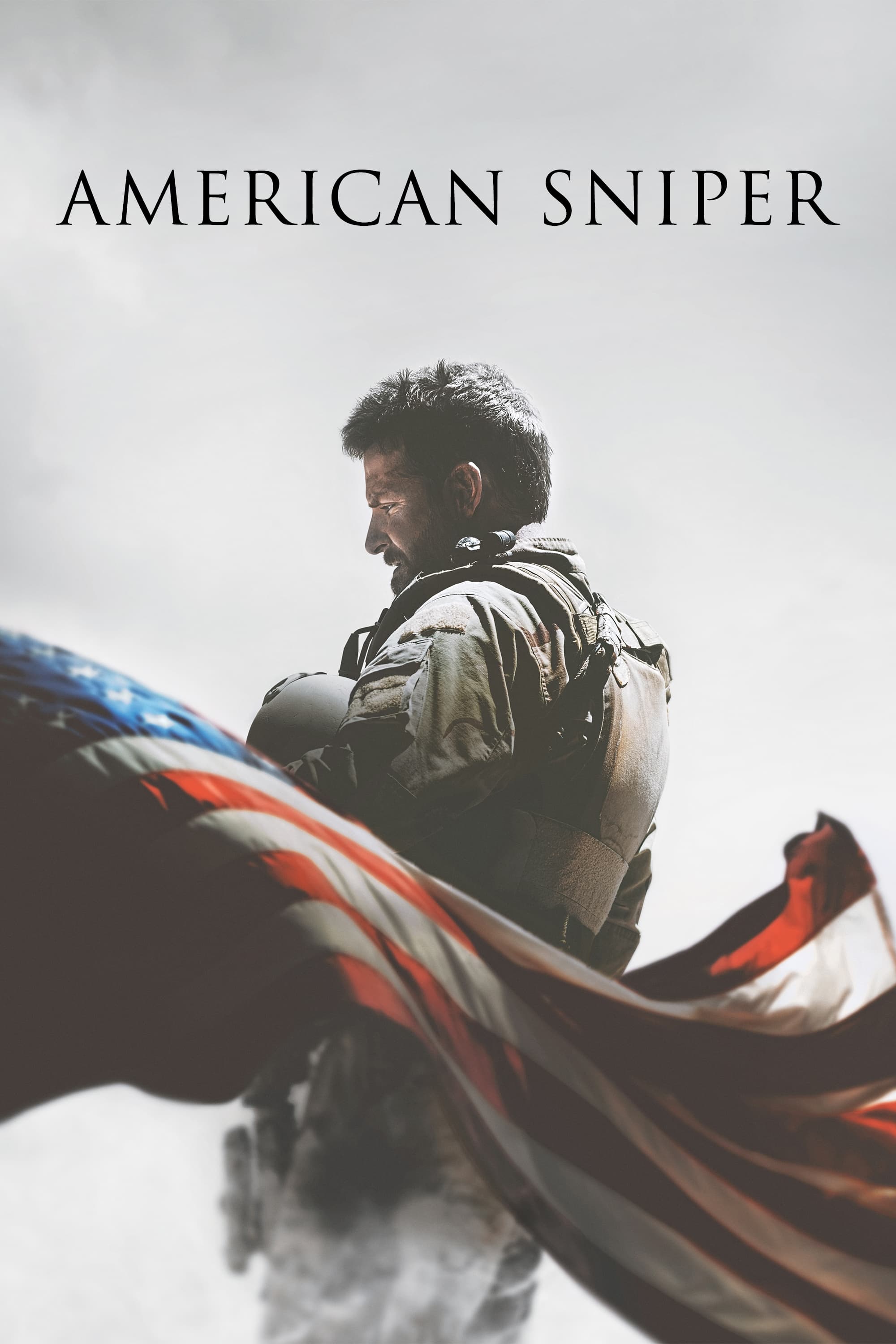
Clint Eastwood directed the critically and commercially successful war biopic ‘American Sniper’. The film tells the story of Chris Kyle, the deadliest sniper in U.S. military history. While Eastwood’s primary role was as director, he made a very brief, uncredited cameo appearance in the film.
He can be seen for a split second as a churchgoer entering the church where Kyle’s memorial service is held. The cameo is difficult to spot and was a small, personal touch in a film that became a cultural phenomenon and the highest-grossing movie of his directing career.
The Mule (2018)
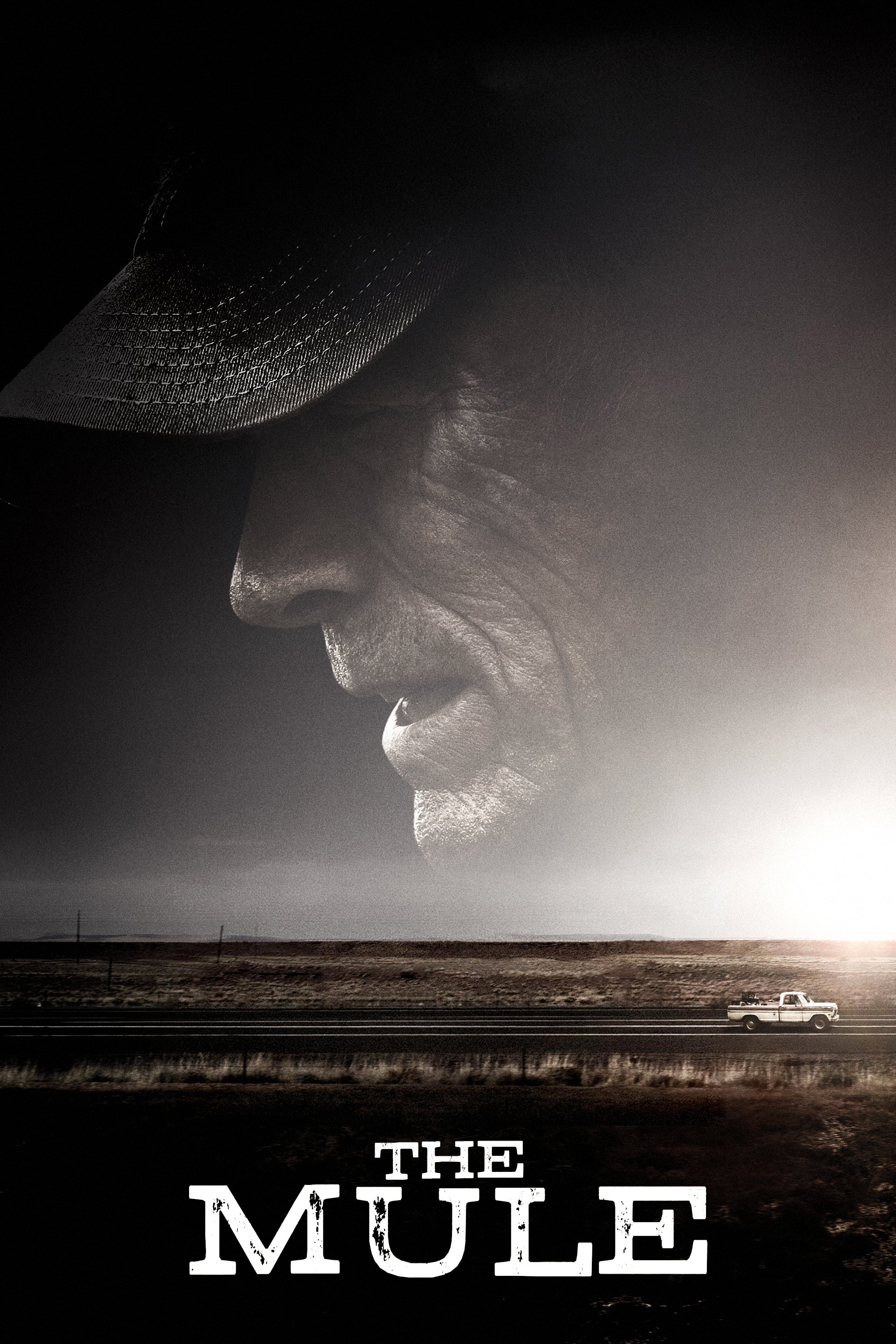
Clint Eastwood directed and starred in ‘The Mule’, based on the true story of Leo Sharp. He played Earl Stone, a man in his late 80s who is broke and estranged from his family. He takes a job as a driver, only to discover he has become a drug courier for a Mexican cartel. He proves to be surprisingly good at the job, but his actions soon attract the attention of the DEA.
Eastwood’s performance was praised for its charm and vulnerability, and the film was a commercial success. It continued his late-career exploration of themes of aging, regret, and family. The role allowed him to play a character who was both charismatic and deeply flawed.
Cry Macho (2021)
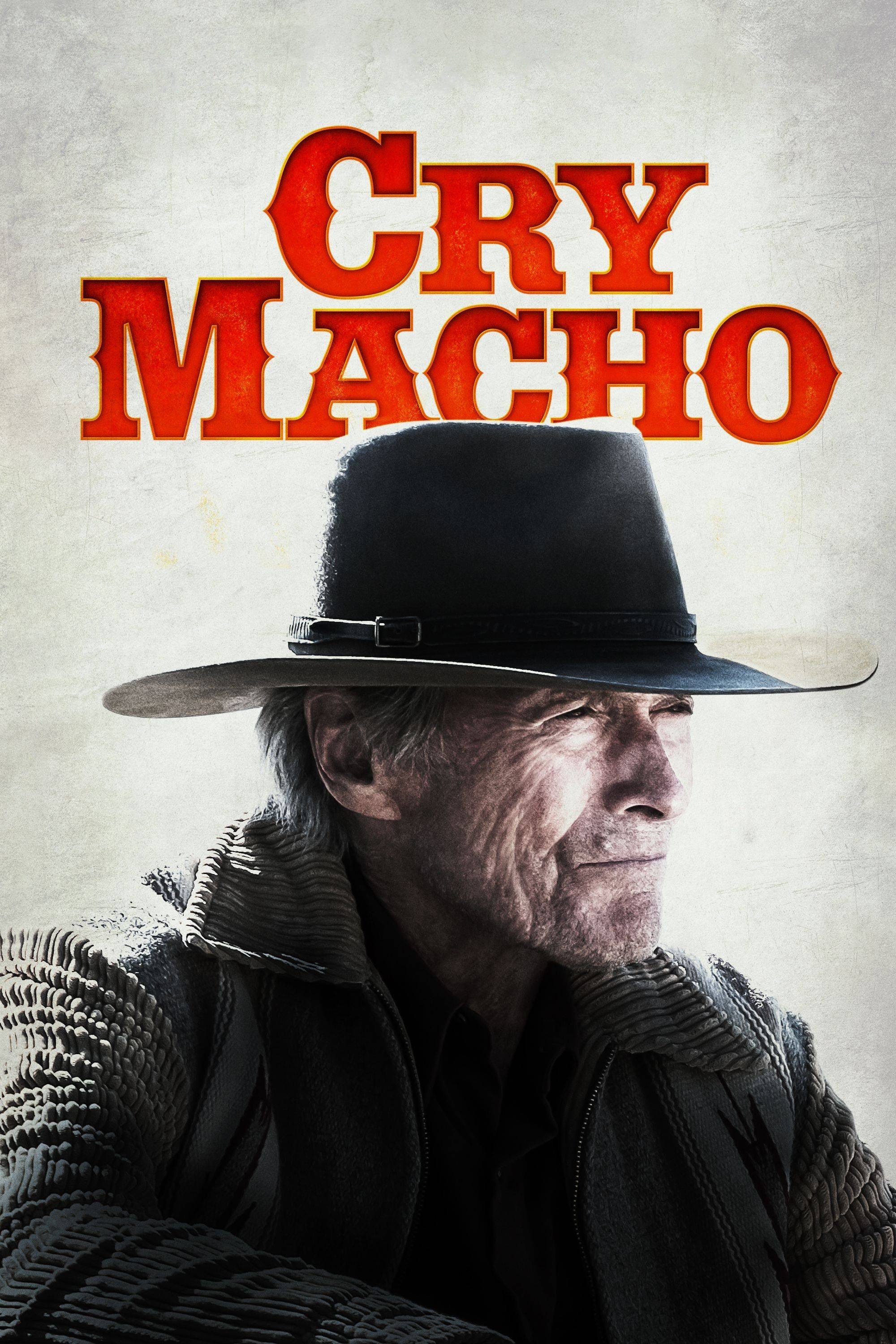
In ‘Cry Macho’, Clint Eastwood directed and starred as Mike Milo, a one-time rodeo star and washed-up horse breeder. In 1979, he takes a job from an ex-boss to travel to Mexico and bring the man’s young son home. The two form an unlikely bond during their challenging journey back to Texas.
The film is a gentle, reflective neo-Western drama. It allowed Eastwood to explore themes that have been present throughout his career, such as masculinity and redemption, from the perspective of a man in his 90s. The movie is a quiet and contemplative addition to his extensive filmography, showcasing his enduring passion for filmmaking.
Now, let us know which Clint Eastwood film has left the biggest impression on you and why in the comments below.