Best Alien Abduction Movies, Ranked

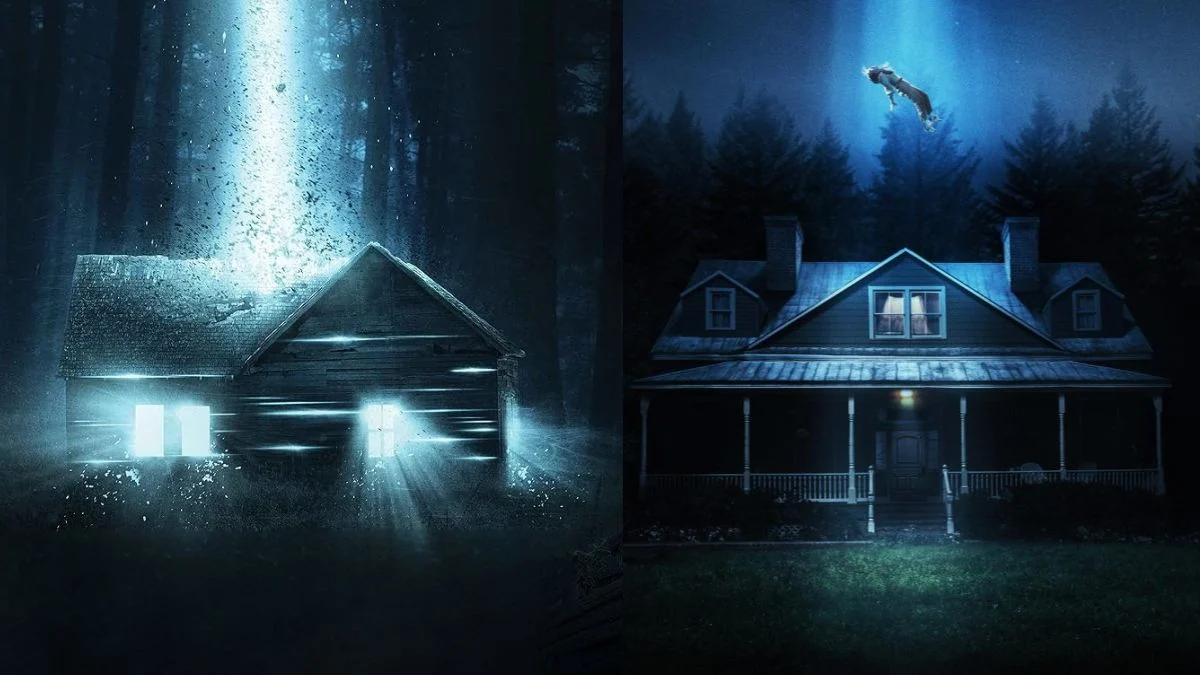

From whispered campfire stories to late-night talk radio, alien abduction tales dig under the skin in a way few sci-fi subgenres can. They turn the infinite mystery of the cosmos into something intimate—bedroom windows left ajar, a hum in the walls, the sudden certainty that we are not alone and not entirely safe. Filmmakers have chased that chill for decades, blending dread, wonder, and speculative paranoia into unforgettable cinema.
This countdown zeroes in on films where abduction is the engine, the threat, or the unspeakable aftermath—sometimes grounded in alleged real events, sometimes sprinting into nightmare fantasy. Expect found footage frights, domestic hauntings with visitors from the stars, and a few cerebral curveballs that redefine what “taken” can mean on screen.
‘Extraterrestrial’ (2014)
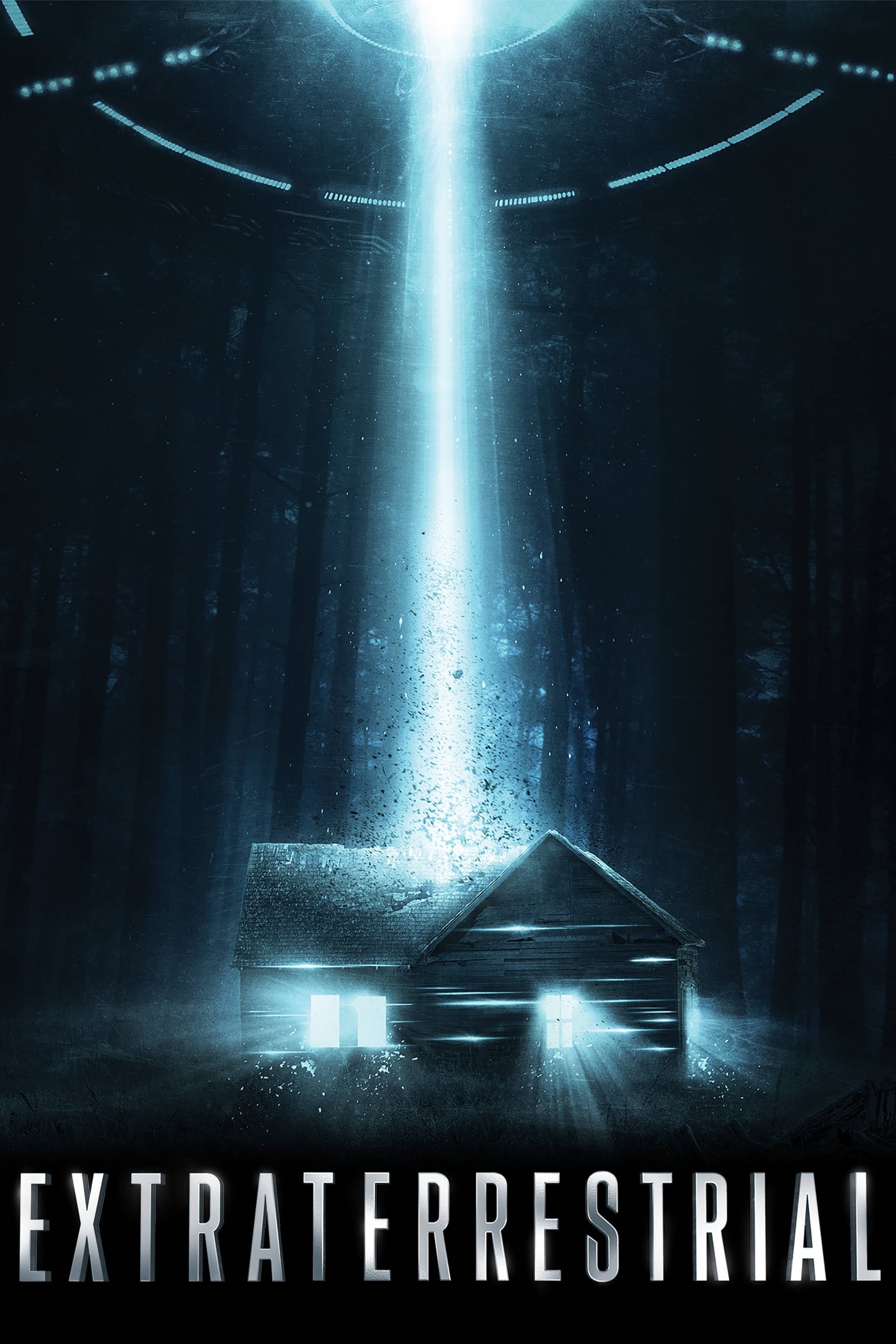
Colin Minihan’s splattery shocker takes the classic “cabin in the woods” setup and swaps masked slashers for uninvited beings with impossible tech and zero patience. It’s a pulpy, midnight-movie riff that treats abduction like a hard left into chaos, where bad decisions and worse luck collide with a ruthless intelligence.
What it lacks in subtlety, it makes up for with momentum and unapologetic menace. When the spotlight swings upward—literally—the movie delivers the primal fear this subgenre promises: no plan, no warning, and nowhere to hide when the sky itself opens.
‘Phoenix Forgotten’ (2017)

Leaning into found footage authenticity, this one tunnels through a cold case tied to strange lights in the desert. The film’s faux-documentary frame builds plausible breadcrumbs—old tapes, family interviews, and dusty box labels—until curiosity becomes compulsion.
Its slow-burn approach pays off with a finale that weaponizes grainy images and uncertain angles. The suggestion that the camera might be the only witness (and not a safe one) makes the final stretch feel like evidence you should never have watched.
‘Altered’ (2006)
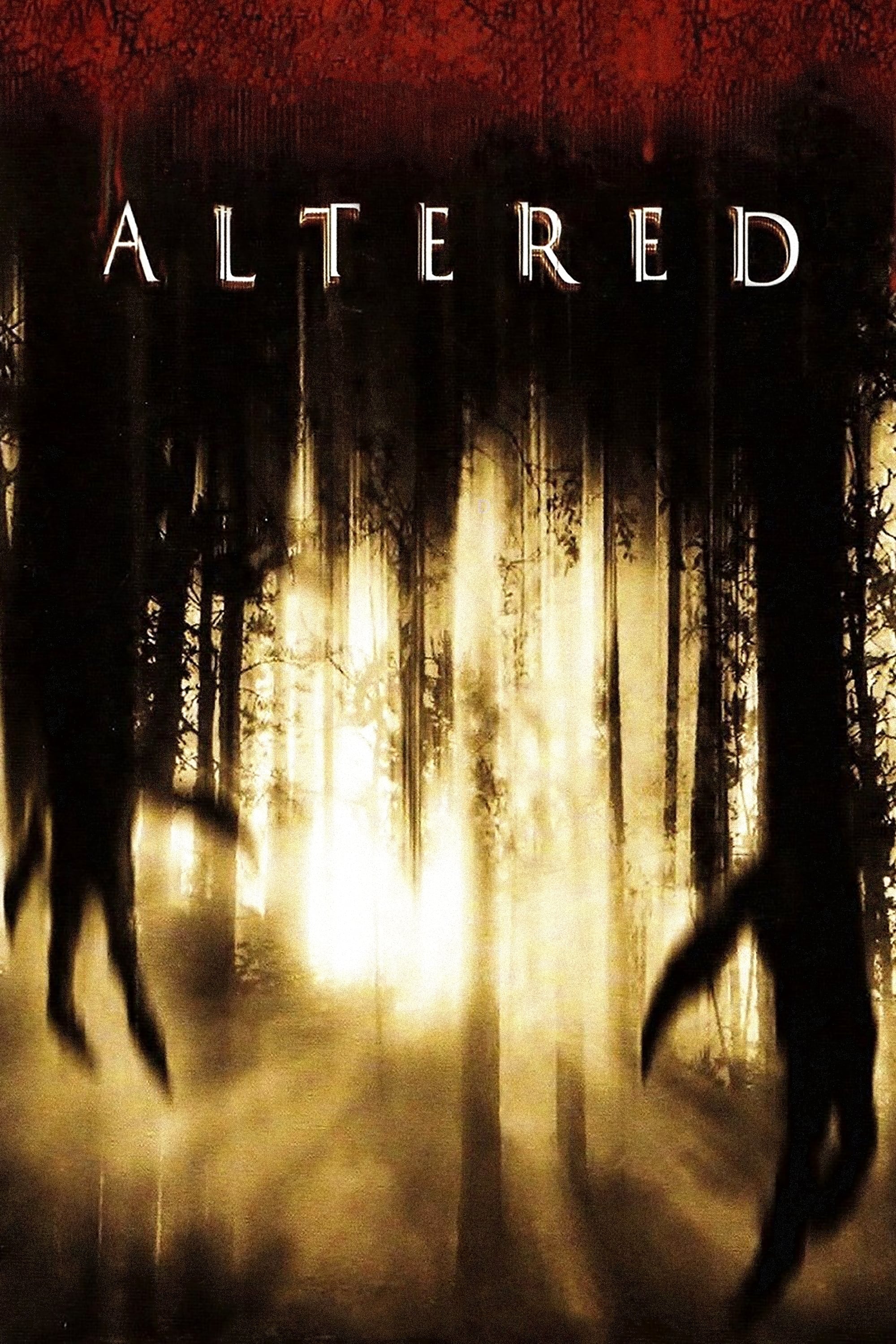
From one of the minds behind a genre-defining witch in the woods comes a gnarlier what-if: survivors of an earlier encounter capture one of “them.” The moral high ground evaporates fast; vengeance and fear ricochet through a backwoods garage already heavy with secrets.
Abduction trauma is the core here—what it does to memory, friendship, and the body. By flipping hunter and hunted, the film keeps tightening the screws, turning every choice into a lose-lose for humans who were never meant to be in control.
‘The Forgotten’ (2004)
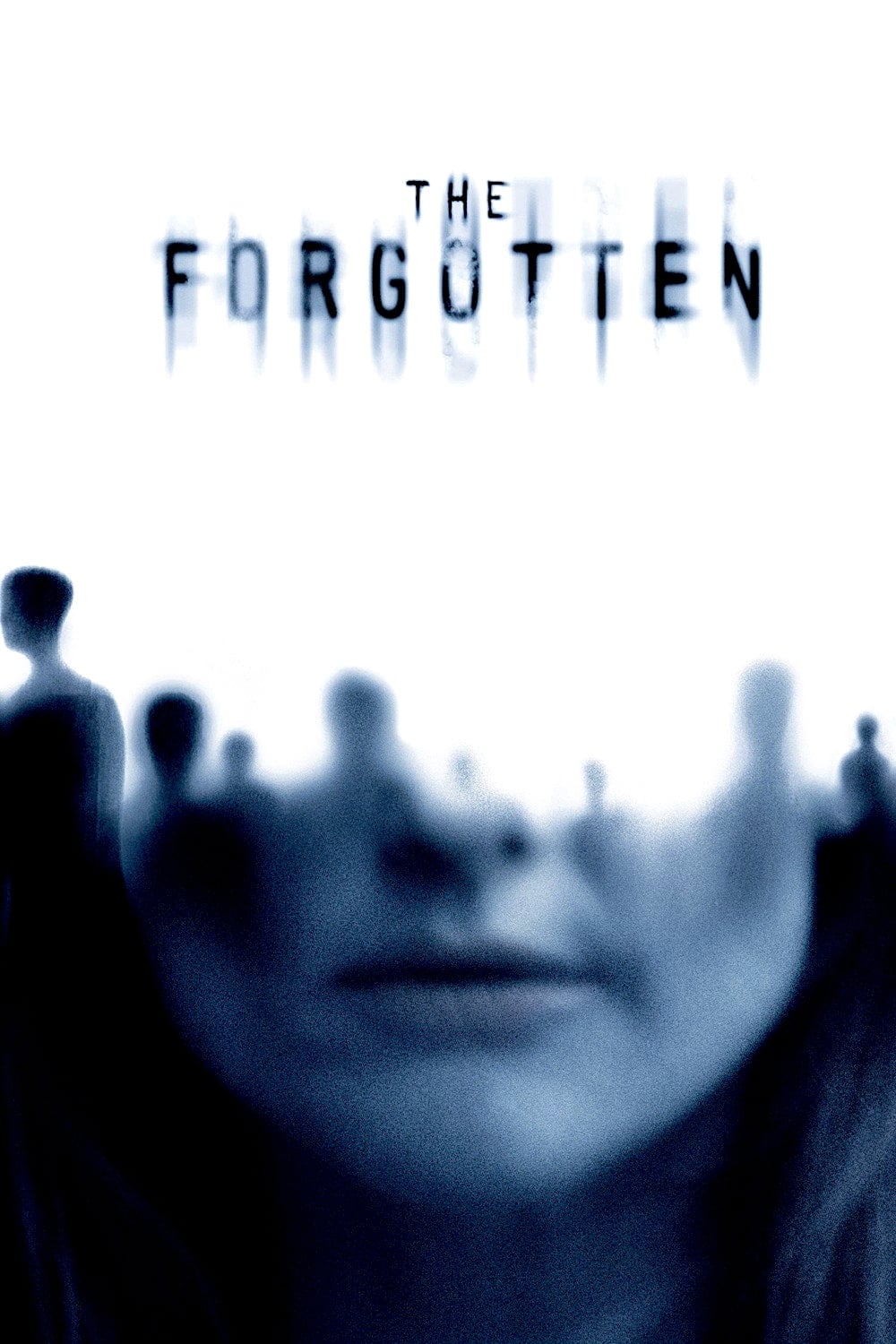
A grieving mother insists her child existed, even as everyone around her says otherwise. That gaslighting premise becomes a chilling spin on abduction: what if the proof of loss can be edited in real time, not just from records, but from the people who loved you?
The film’s best jolts fuse conspiracy-thriller propulsion with uncanny intrusions from somewhere above our pay grade. Doors don’t just slam—they erase. It’s the dread of being rewritten, the terror that your own memory can’t save you.
‘Communion’ (1989)
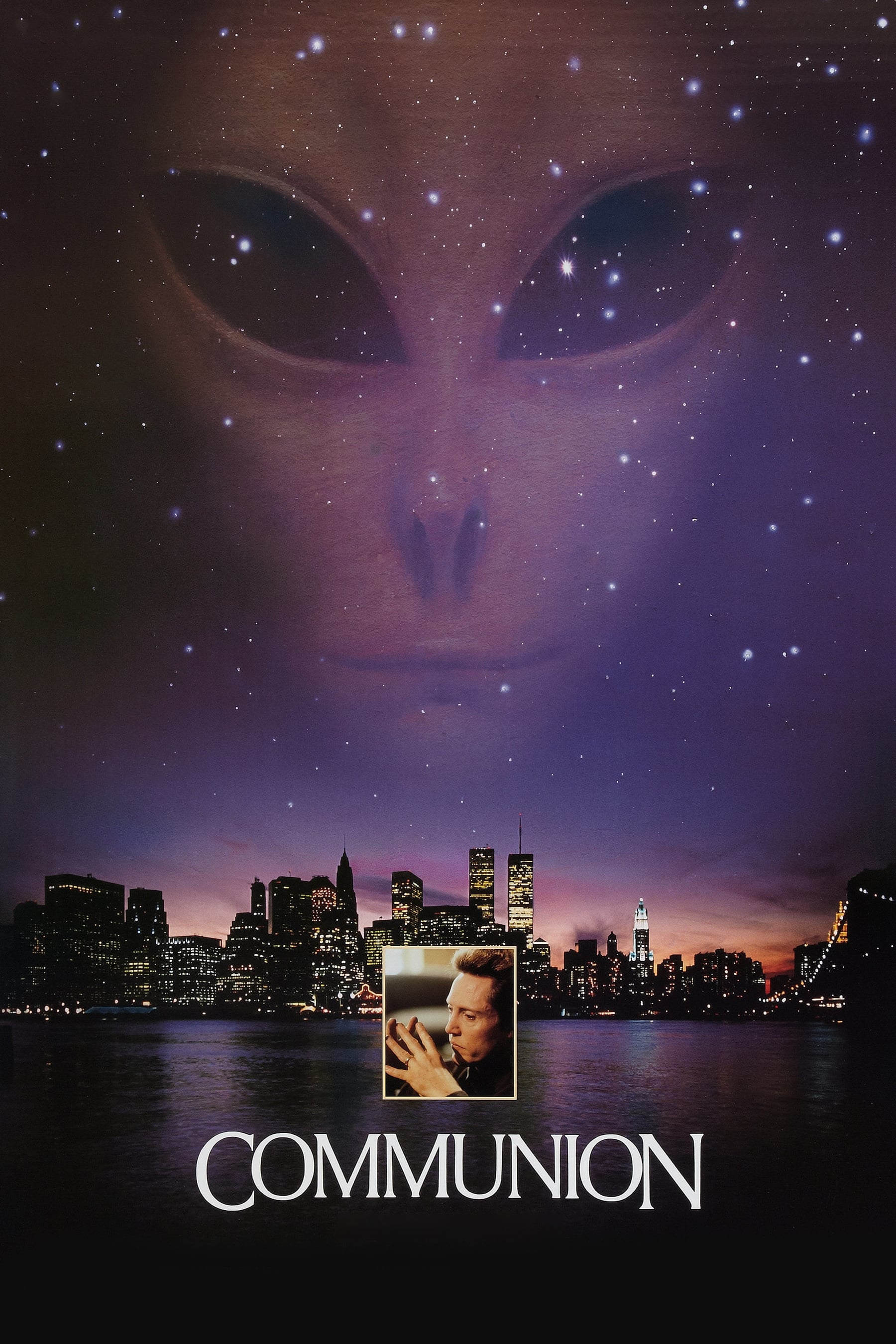
Adapted from an infamous account, this psychological drama keeps its feet planted in a writer’s crumbling certainty. Are the visitors real, or is the mind an unreliable witness to impossible nights? The movie lives in that unease, staging encounters that feel intimate, invasive, and weirdly ritualistic.
Its power comes from performance and ambiguity. By refusing to pin the phenomenon down, the story mirrors the maddening texture of abduction lore—fragmented, symbolic, and impossible to forget even when you desperately want to.
‘The Fourth Kind’ (2009)

A sinister collage of “archival” material and dramatization, this one argues that sleep is a doorway you can’t lock. Hypnosis sessions spiral; eyewitness accounts overlap; and an otherworldly presence seems to loom just outside the frame.
Whether you buy the framing or not, the technique is unnerving, turning therapy into a séance. When patterns emerge across testimonies, the film captures the cold, documentary-style horror of being studied by something that doesn’t mind if you scream.
‘The Signal’ (2014)
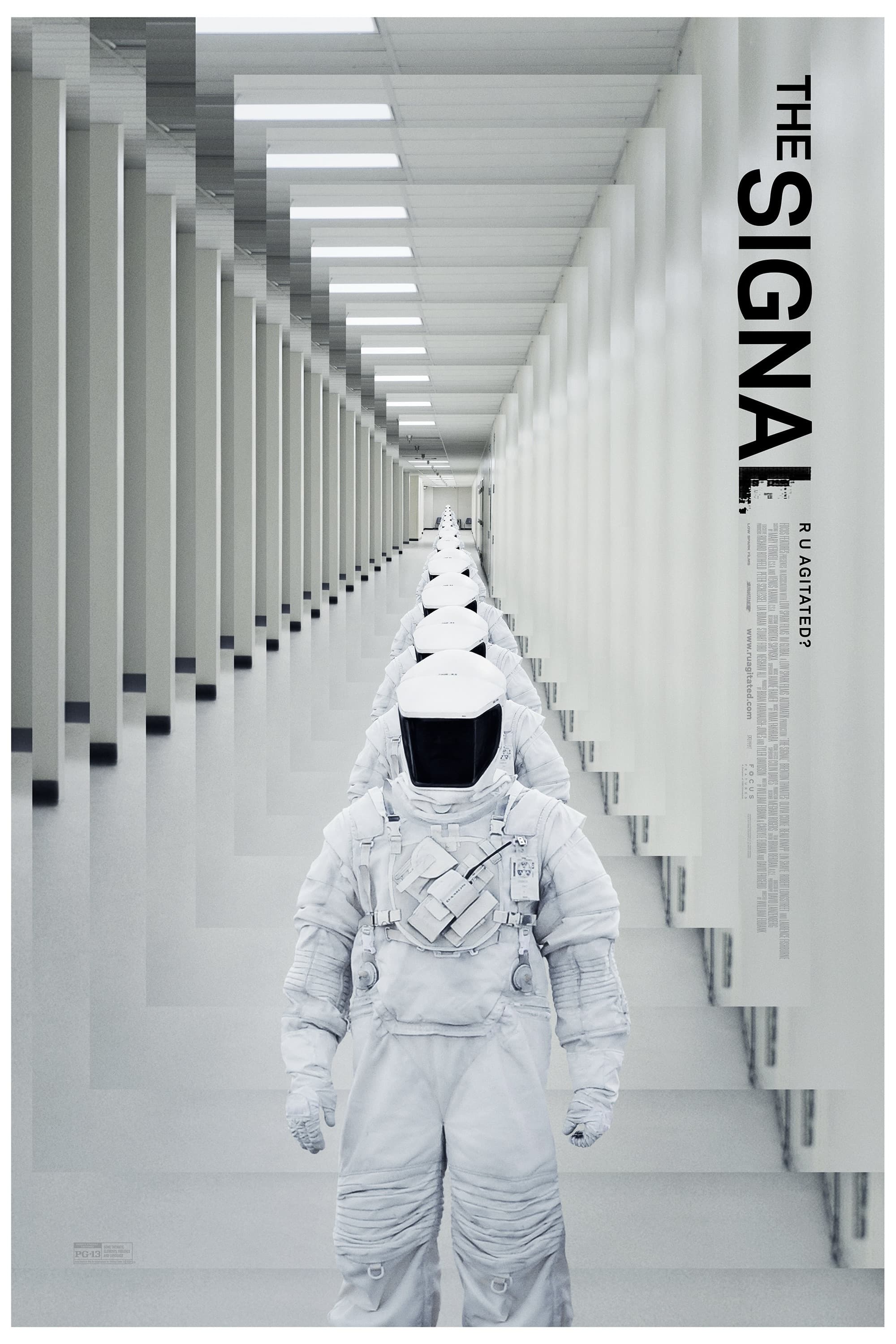
A road trip detours into a sterile maze of tests, corridors, and fluorescent truths. Abduction here is a waking puzzle, a controlled environment where every answer births a stranger question—and where what’s “outside” may be the biggest experiment of all.
Cooly constructed reveals and tactile sci-fi design make this a cerebral take on captivity. It’s less “beams of light” and more chess match, an uncomfortable reminder that the most terrifying cages are the ones we mistake for explanations.
‘The McPherson Tape’ (1989)
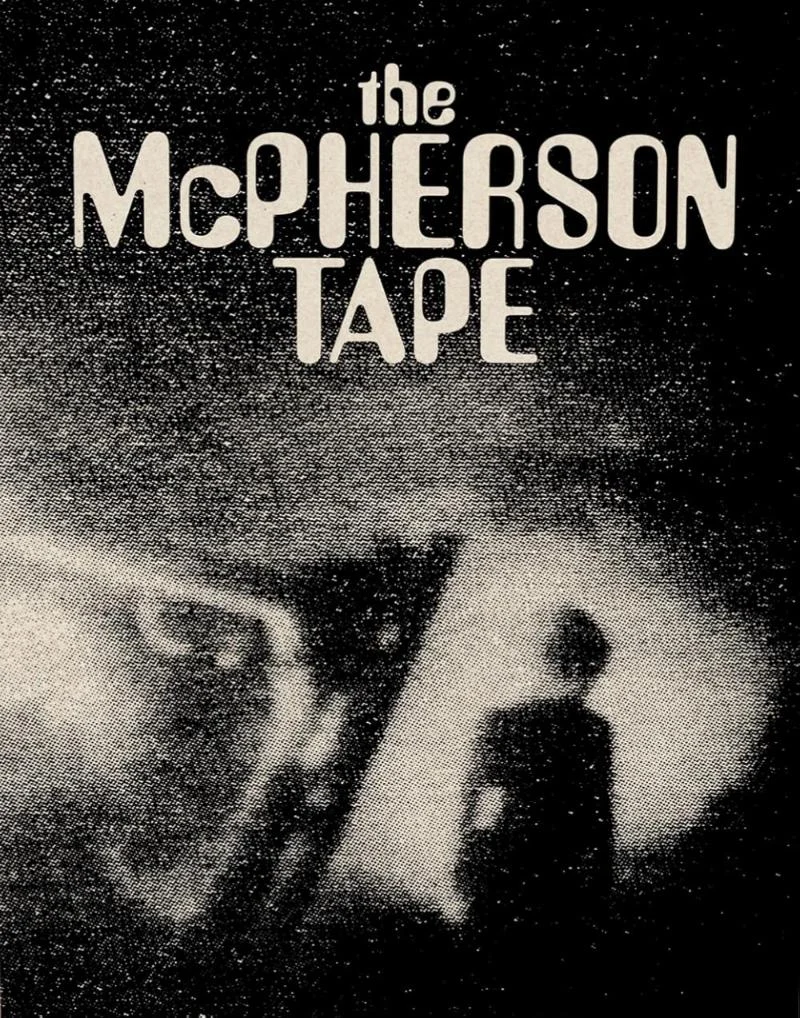
A trailblazing slice of found footage, this scrappy shocker weaponizes camcorder mundanity—birthday cake, family bickering, and then a knock at the window. The illusion of an unbroken tape sells the nightmare like few films have since.
What lingers is the claustrophobia: lights failing, whispers overlapping, and the awful sense that the house’s geometry no longer belongs to its owners. It’s an ur-text for the subgenre, proving that authenticity can be scarier than polish.
‘No One Will Save You’ (2023)
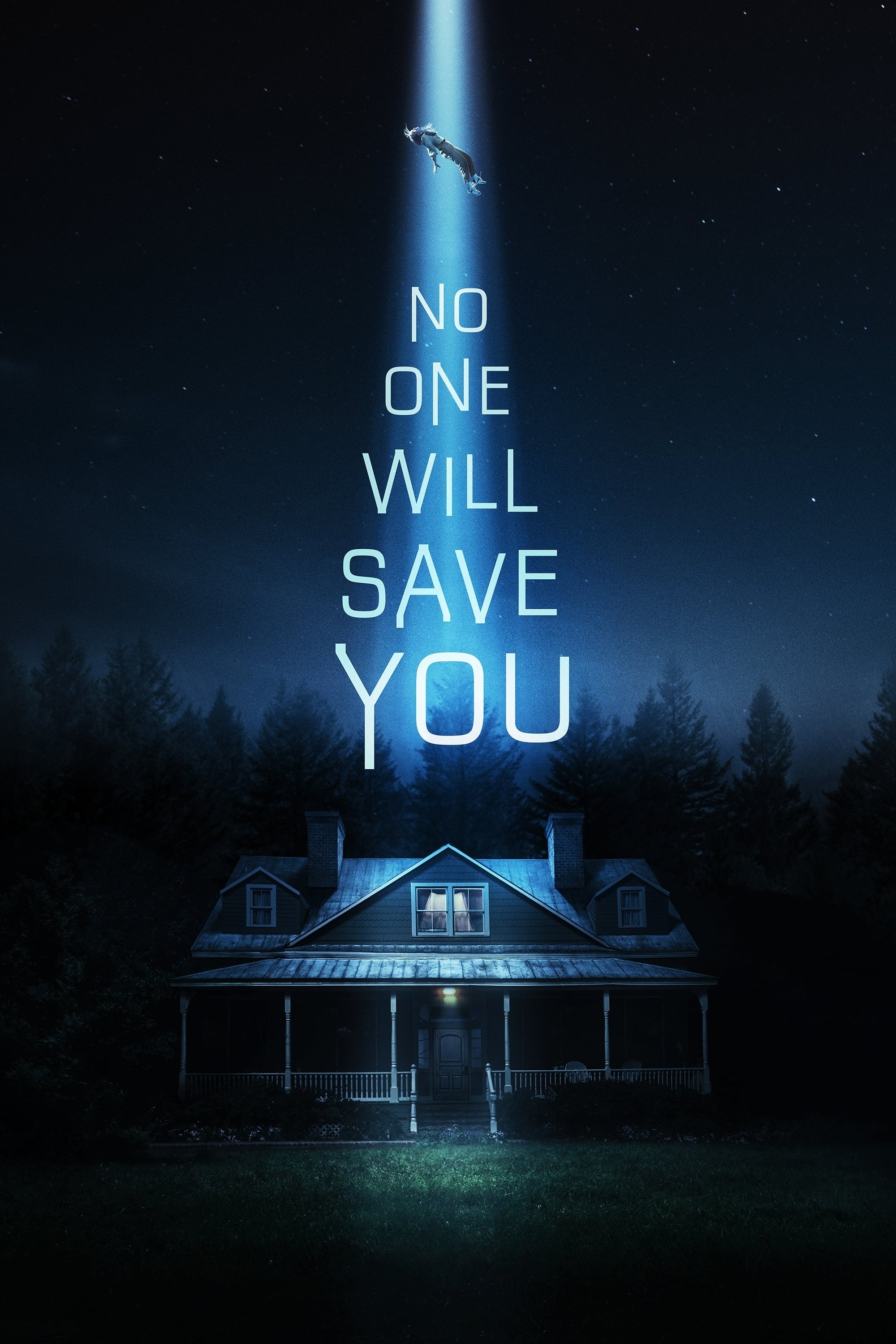
A near-silent home-invasion stunner, this film stages abduction as a drawn-out trial—relentless, intimate, and strangely judgmental. A solitary protagonist faces shapes she can barely process, moving through set-pieces that feel like traps designed for guilt and awe.
Its bold, almost wordless storytelling gives familiar “grey” imagery a fresh charge. By the time the sky asserts its will, the movie has woven character study and cosmic scale into a single, unsettling spell.
‘Dark Skies’ (2013)
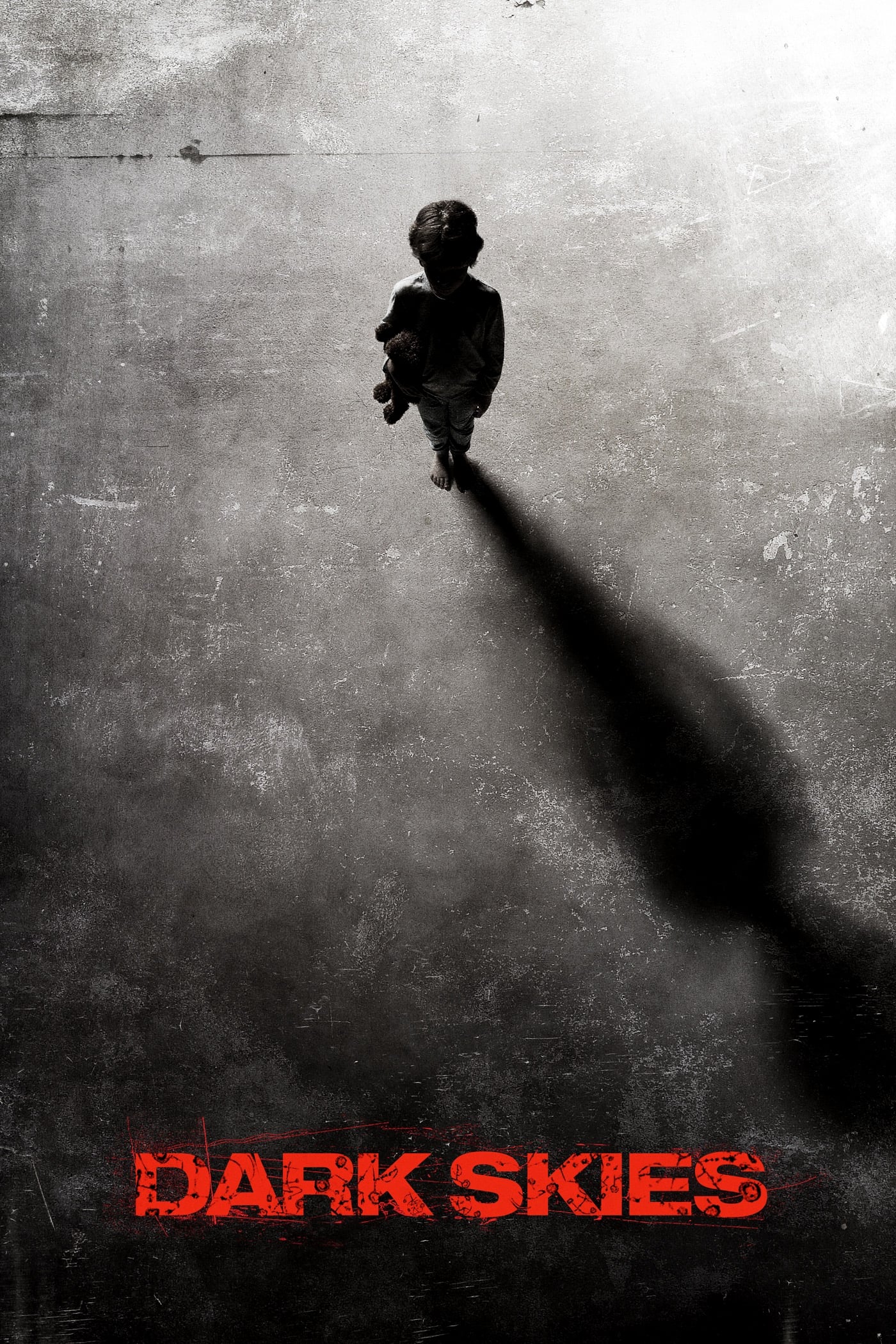
Domestic life frays thread by thread as signs accumulate—patterns in pantry items, missing time, a child’s blank stare pointed at an empty corner. The film imagines suburban space as a petri dish, and the homeowners as unconsenting participants.
It’s a horror movie of encroachment, where protective rituals and alarm systems fail against visitors who edit realities, not locks. When the final plan unfolds, the title proves literal, and the quiet dread finally speaks.
‘Fire in the Sky’ (1993)

A blue-collar logging crew witnesses the impossible; one of them disappears; and the town closes ranks around the living myth spiraling in their midst. The human fallout—suspicion, shame, survivor’s guilt—grounds everything.
Then come the memories, staged with clinical terror. Cold metal, inhuman focus, and a victim’s helpless perspective coalesce into one of the most harrowing abduction sequences ever put on screen—an ordeal that feels less like spectacle and more like evidence.
‘The Vast of Night’ (2019)
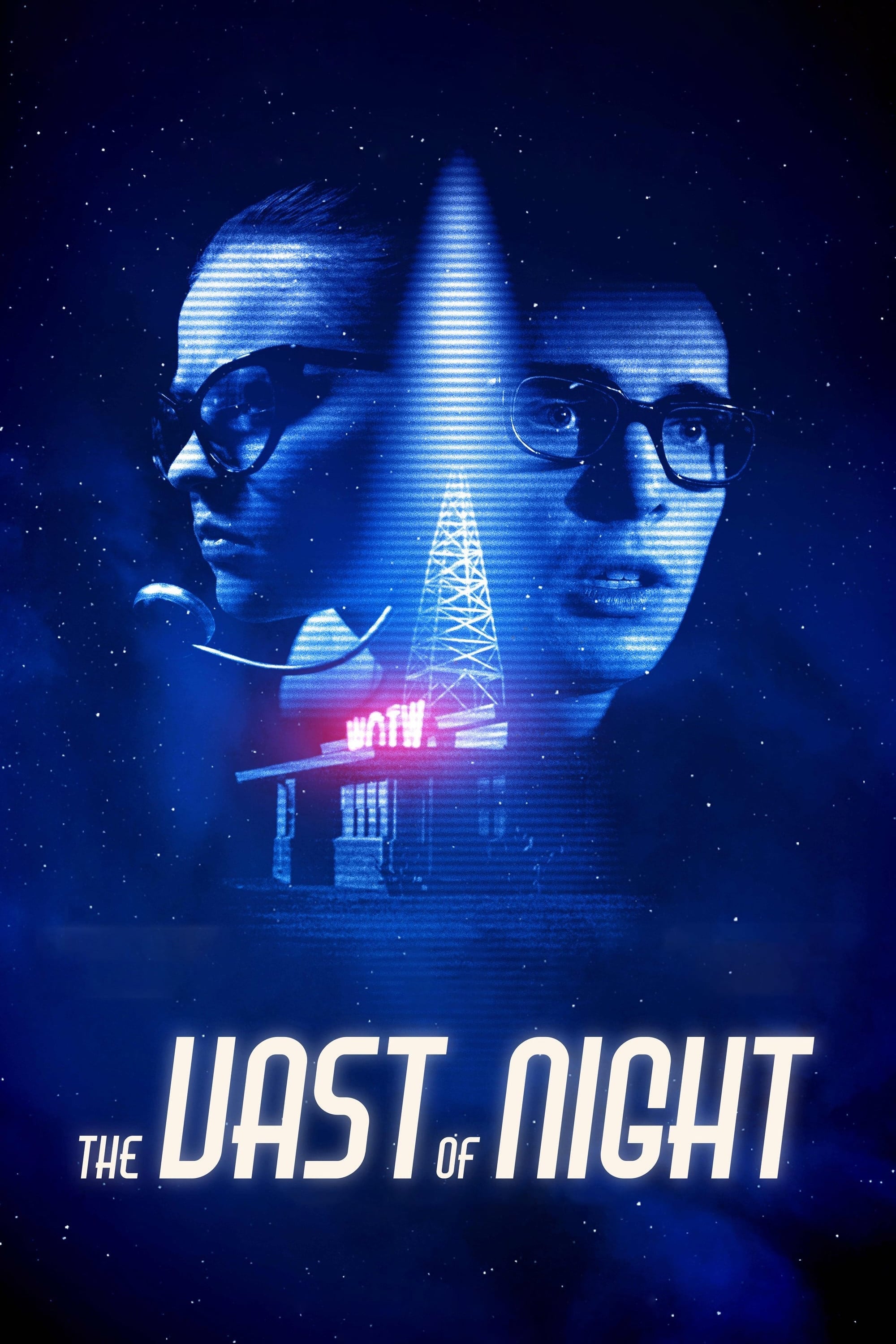
A switchboard operator and a radio DJ chase a strange frequency through empty streets and echoing gymnasiums. Abduction here is a whispered possibility, a folk tale told into vacuum tubes and crossed wires.
The film’s formal playfulness—long takes, low angles, voices that drift like static—builds a spell of curiosity turning to dread. By the time stories within stories surface, the night feels hungry, and the sky feels closer than it should.
‘Signs’ (2002)
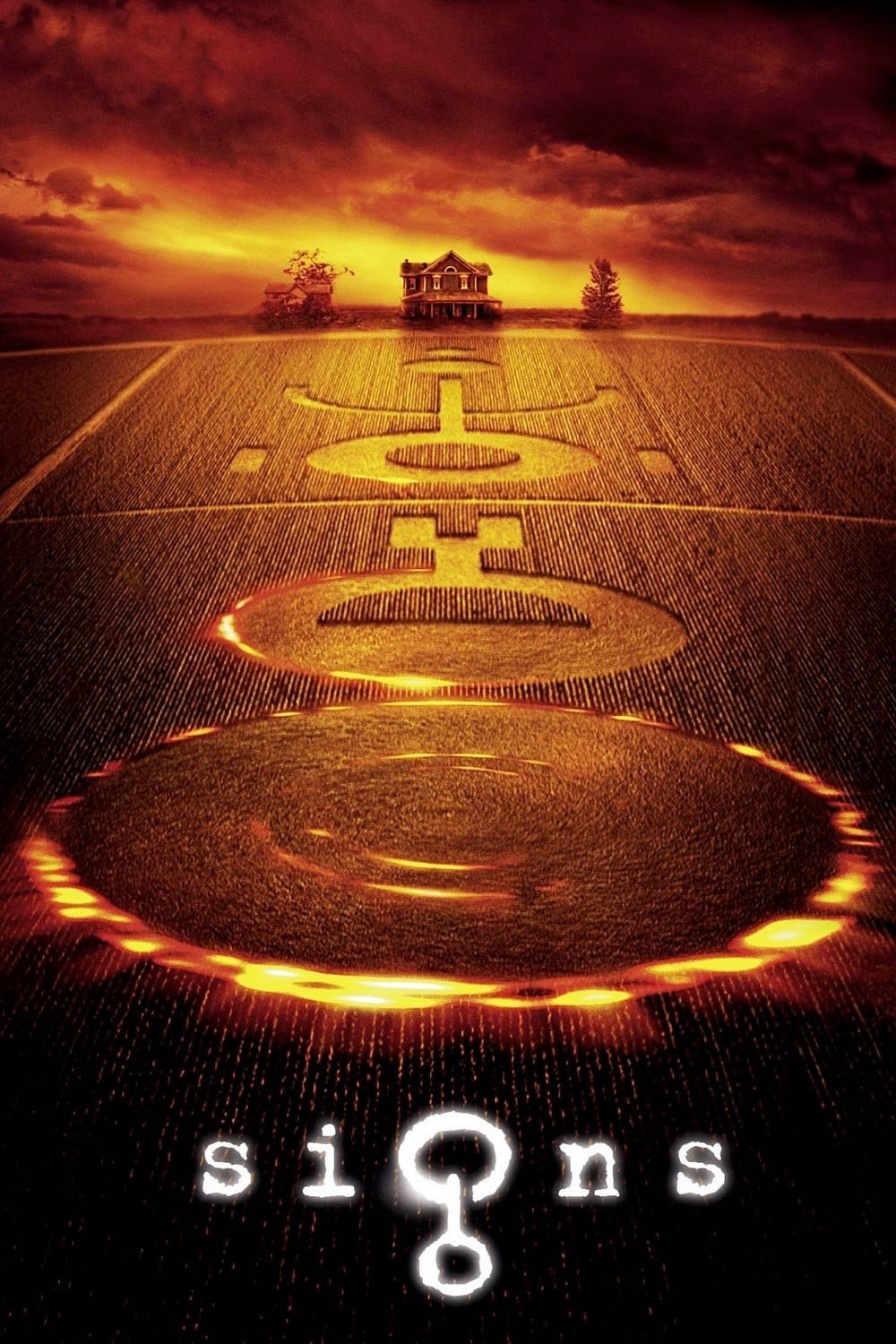
Faith, family, and crop circles collide in a thriller that understands the power of what’s just offscreen. The looming threat isn’t an army—it’s a handful of intruders testing doors, peering through vents, and reaching for what matters most.
Abduction functions as a spiritual stress test here, squeezing characters until their deepest beliefs crack or crystallize. The payoff is intimate: a house under siege, a father’s resolve, and a quiet, shattering realization that patterns might also be purpose.
‘Nope’ (2022)
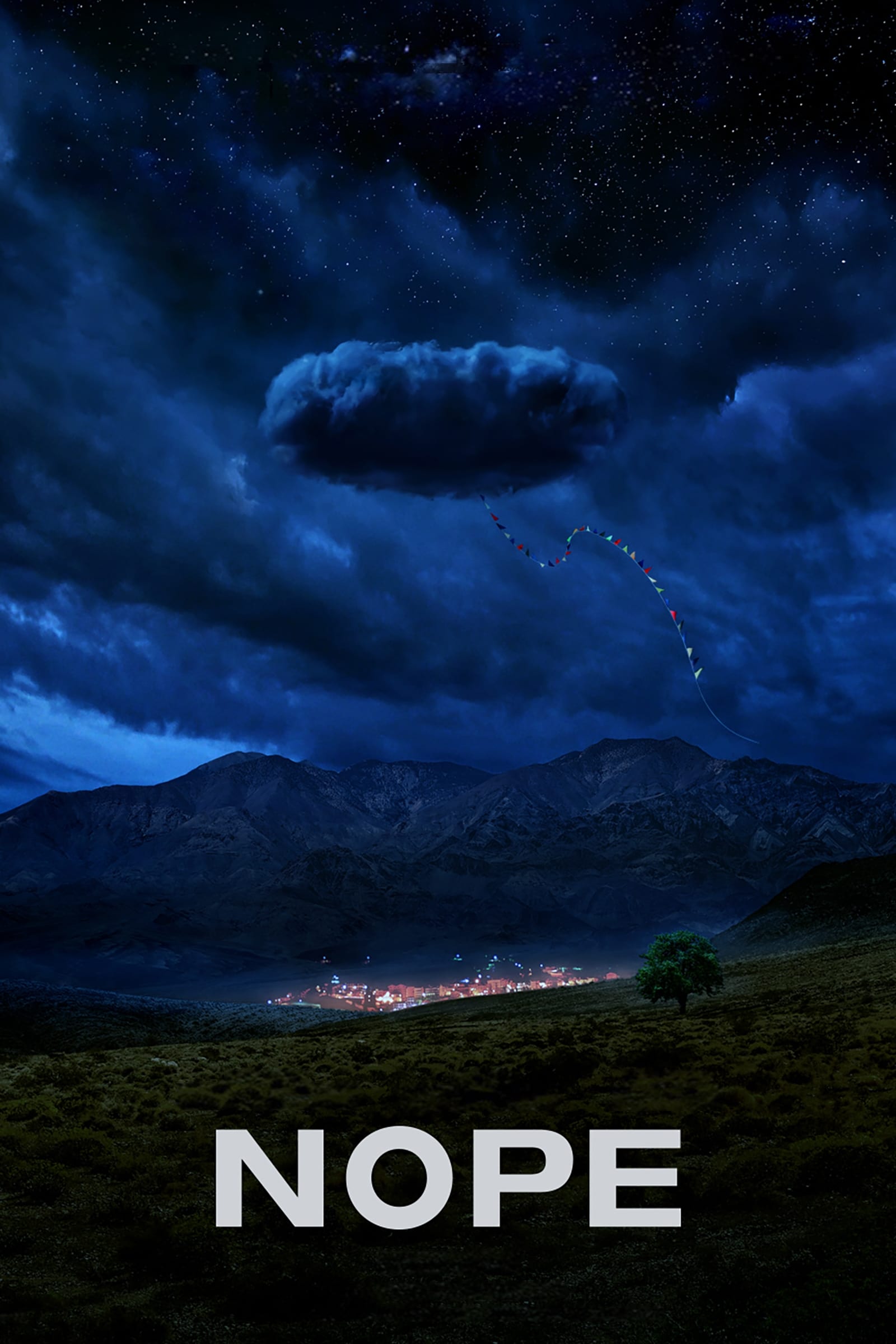
What if the thing in the clouds isn’t a vessel but a predator with rituals of its own? This genre-bender reframes “being taken” as feeding time, where attention is bait and spectacle is the trap.
Abduction becomes ecological horror, staged against canyons and wind-tossed fields. The film’s set-pieces—terrifying, majestic, and strange—turn skywatching into a survival skill, and legacy into the one tool that might outlast a hungry myth.
‘Close Encounters of the Third Kind’ (1977)
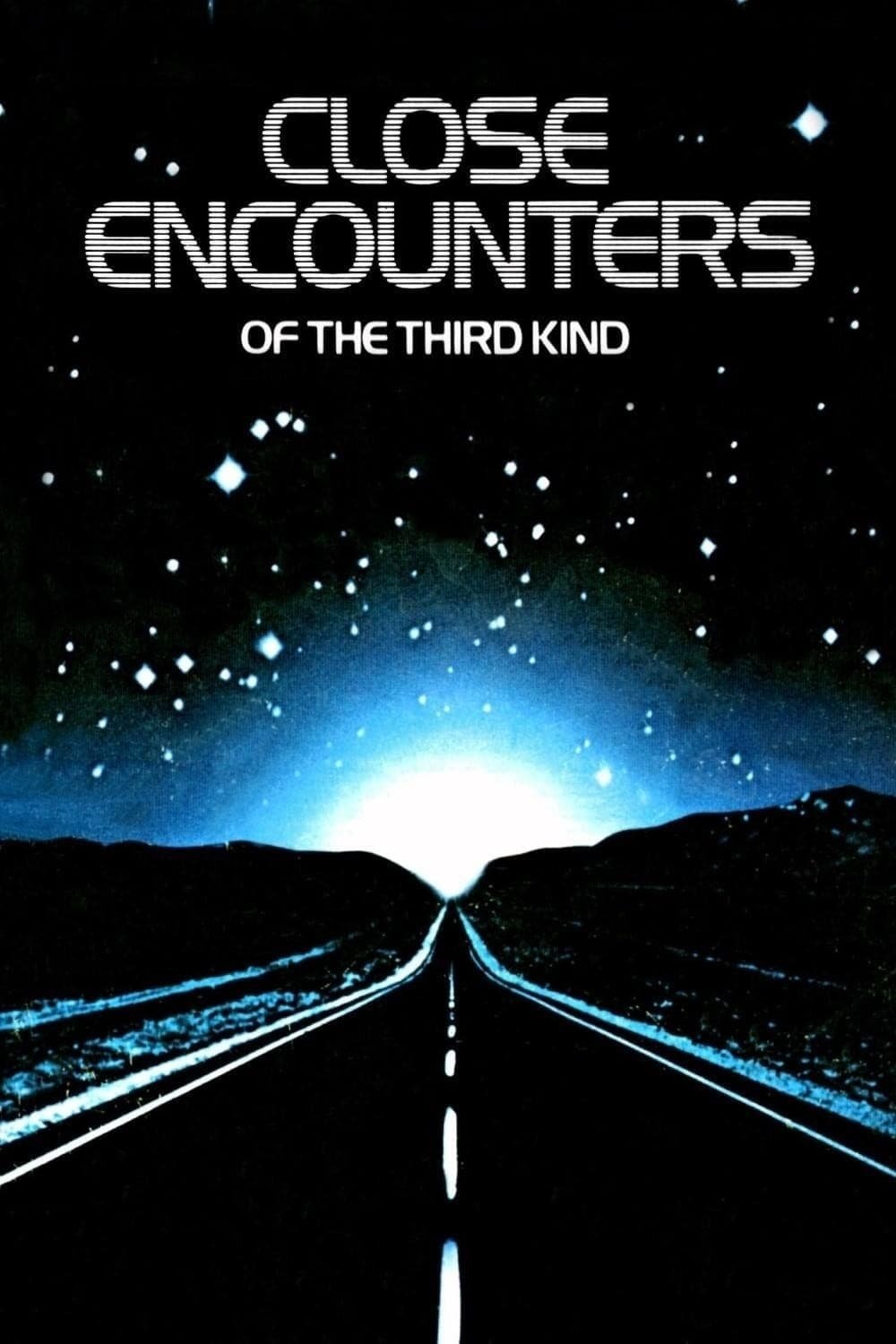
Wonder and terror share the same frame in this landmark about ordinary people pulled toward an extraordinary rendezvous. The film treats obsession like a signal—irresistible, destabilizing, and possibly benevolent.
Its vision of contact is as unsettling as it is transcendent, acknowledging human smallness without cruelty. When the lights finally arrange themselves into a language, abduction becomes invitation, and the cosmos feels vast, alive, and—just maybe—curious about us too.
Share your own picks for unforgettable abduction tales—and where you’d rank them—in the comments below.