Celebs Who Died on Stage or on Set

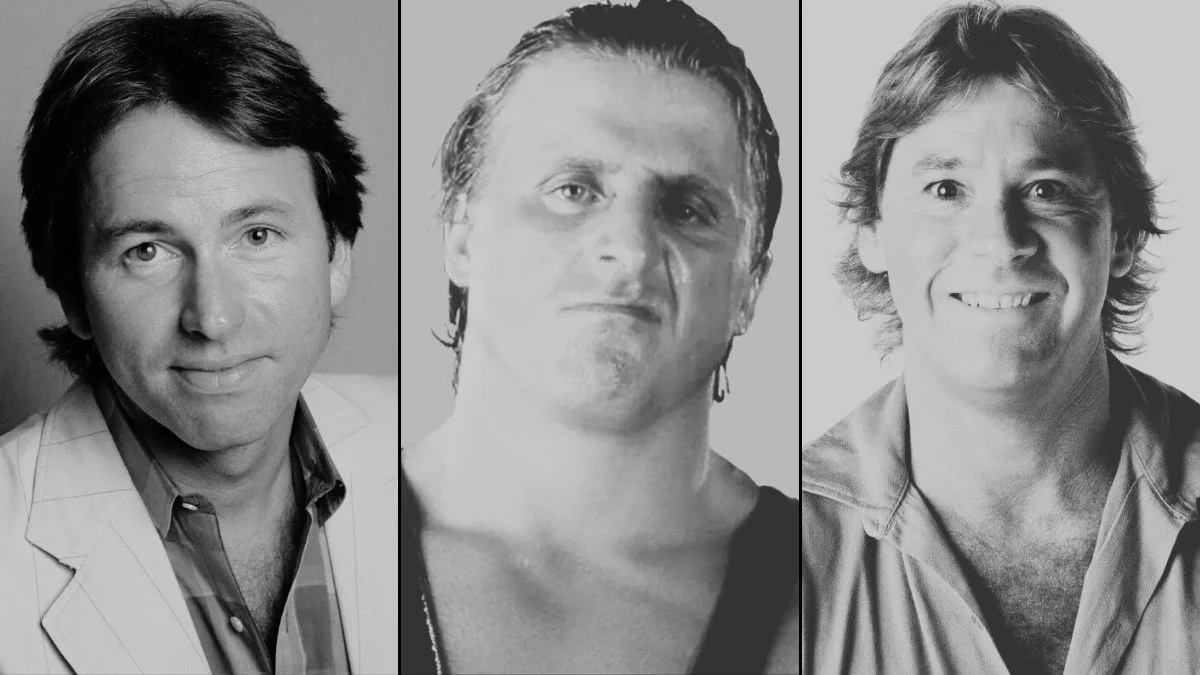

The spotlight can be dazzling—but it can also be unforgiving. Across film sets, TV studios, opera houses, comedy clubs, arenas, and wrestling rings, a heartbreaking handful of performers and on-camera personalities took their final bows while working, or collapsed moments after, with audiences and colleagues looking on in shock. These incidents left indelible marks on fans and shaped safety standards behind the scenes.
Below is a respectful look at notable figures who died on stage or on set. From sudden medical emergencies to tragic accidents and on-the-job violence, each story underscores both the fragility of life and the love these people had for their craft. Their legacies endure in the performances and projects they left behind.
Tommy Cooper
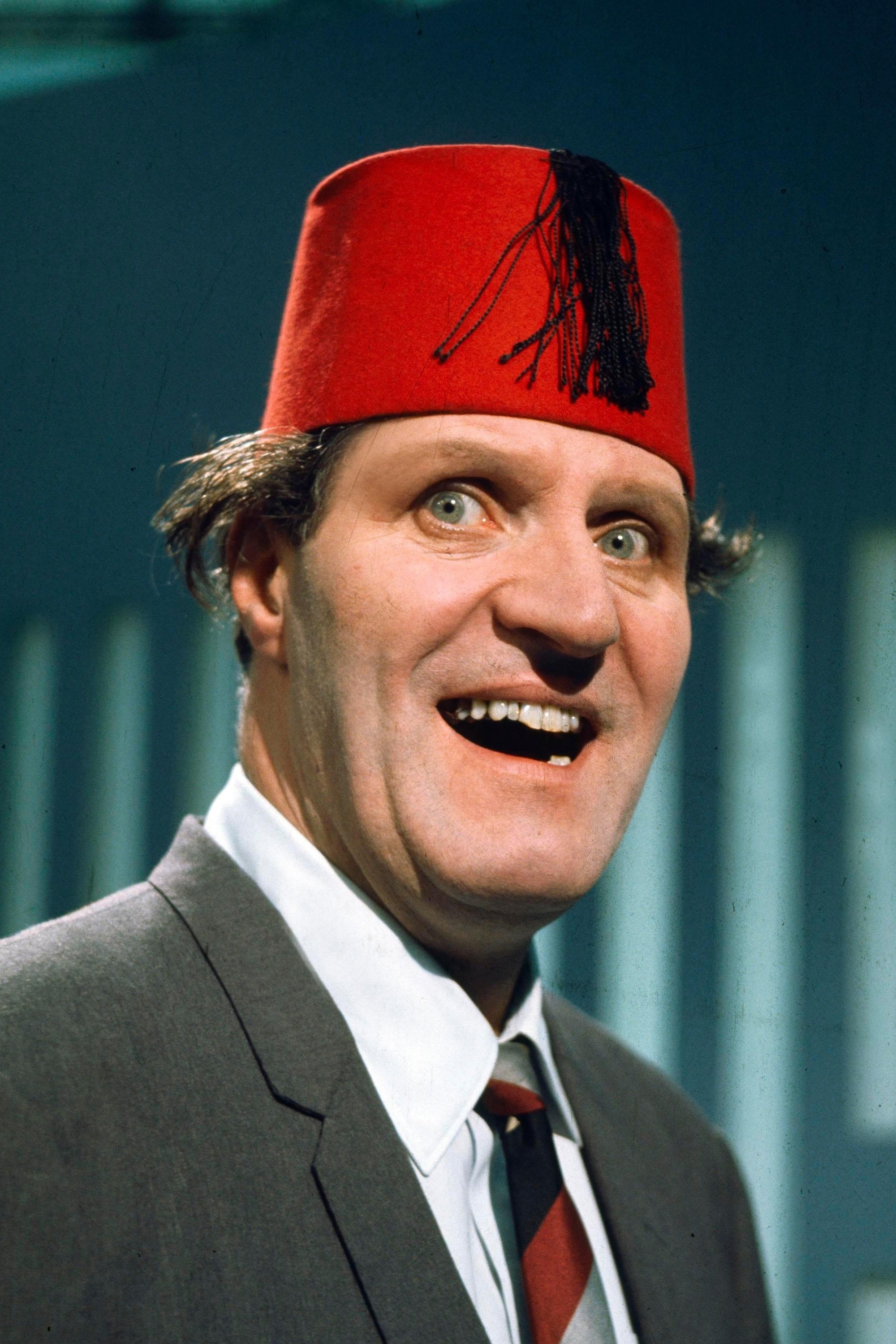
British comedy legend Tommy Cooper suffered a massive heart attack while performing live on ITV’s variety show ‘Live from Her Majesty’s’ in London in 1984. Because physical collapse was part of his slapstick style, many in the audience initially thought the fall was part of the gag before the curtain was hastily drawn and medics rushed in.
Cooper’s passing became one of the most talked-about moments in British television history. The shock prompted soul-searching about live-broadcast protocols and medical preparedness, while fans and fellow comics remembered him as a once-in-a-generation laugh machine whose timing and misdirection still influence stand-up today.
Redd Foxx
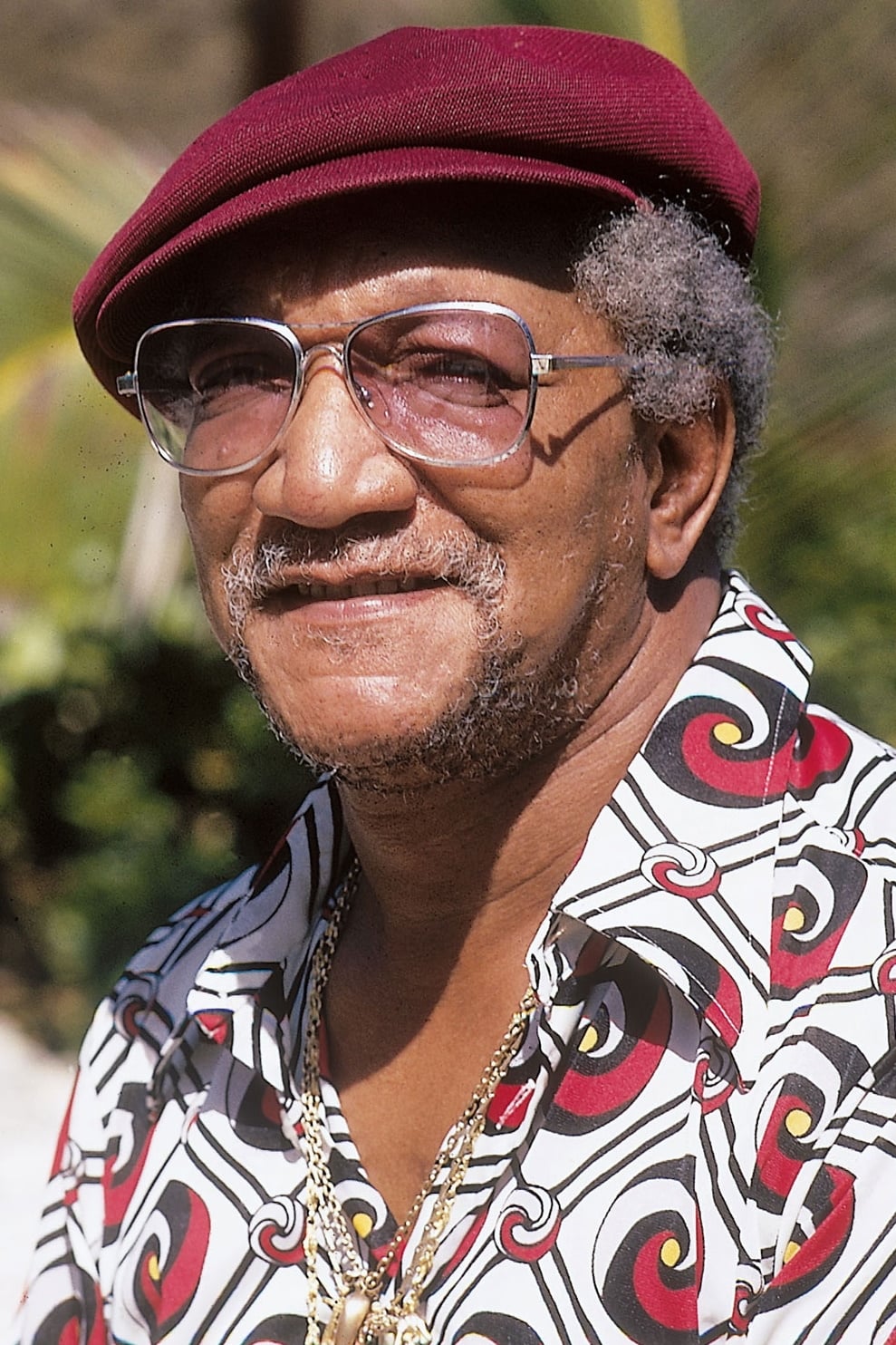
During a rehearsal for the CBS sitcom ‘The Royal Family’ in 1991, Redd Foxx collapsed on set from a heart attack. Colleagues reportedly mistook it for a bit—an eerie echo of his famous “heart attack” routine from ‘Sanford and Son’—before realizing the emergency was real.
Foxx’s death stunned television, halting production and prompting tributes to a trailblazer who helped redefine sitcom humor. The moment also sparked conversations about on-site medical response and how art can blur into reality, especially with iconic performers known for playing with mortality as a punchline.
John Ritter
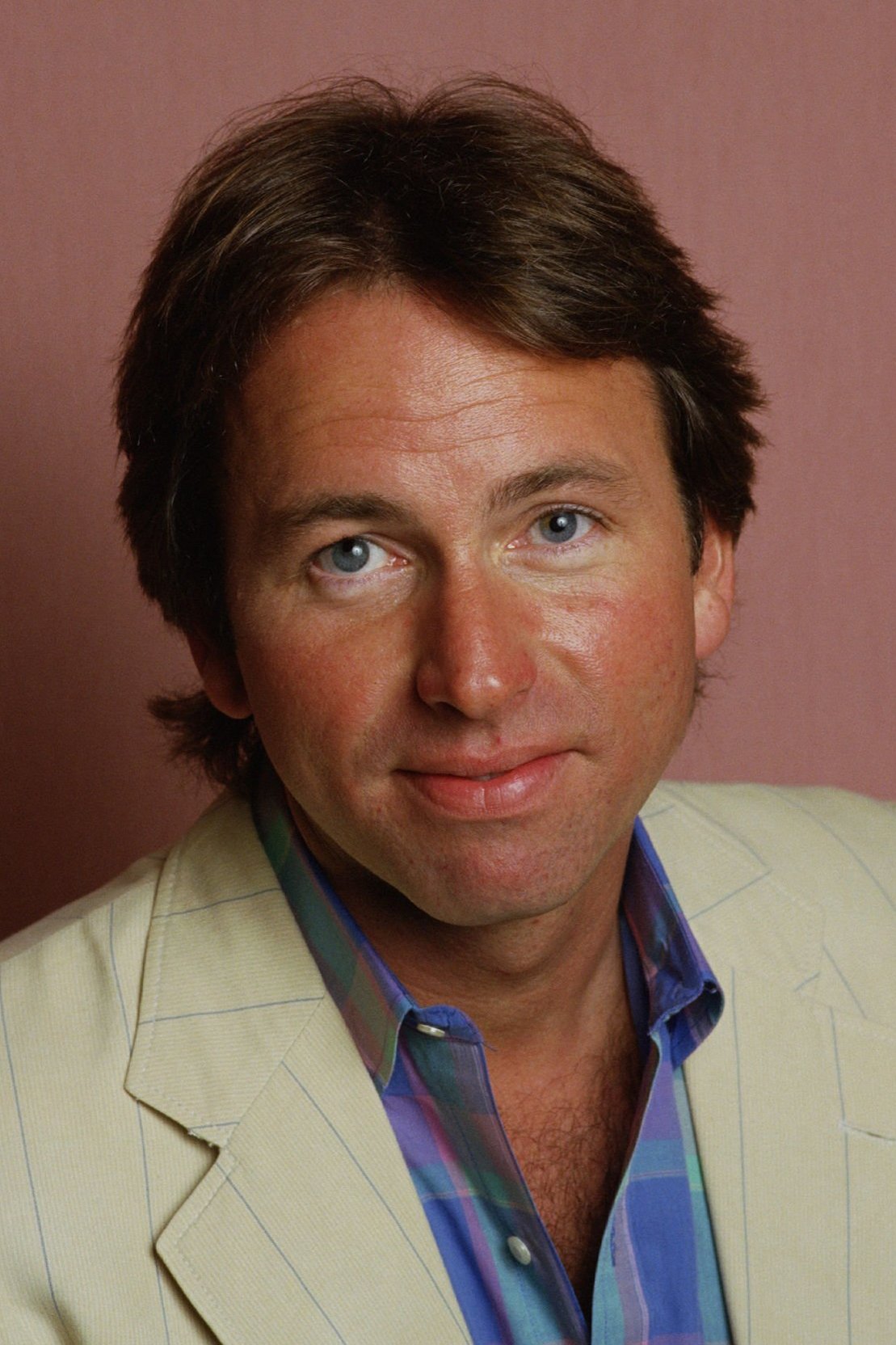
While working on the ABC series ‘8 Simple Rules’ in 2003, John Ritter experienced a sudden aortic dissection on the studio lot. He was rushed to a nearby hospital but could not be saved, leaving castmates, crew, and viewers grieving a beloved comedic presence.
Ritter’s loss led to increased public awareness of aortic conditions and their warning signs. The show adjusted course to honor him, and colleagues remembered his remarkable kindness, professionalism, and ability to make a set feel like a family.
Brandon Lee
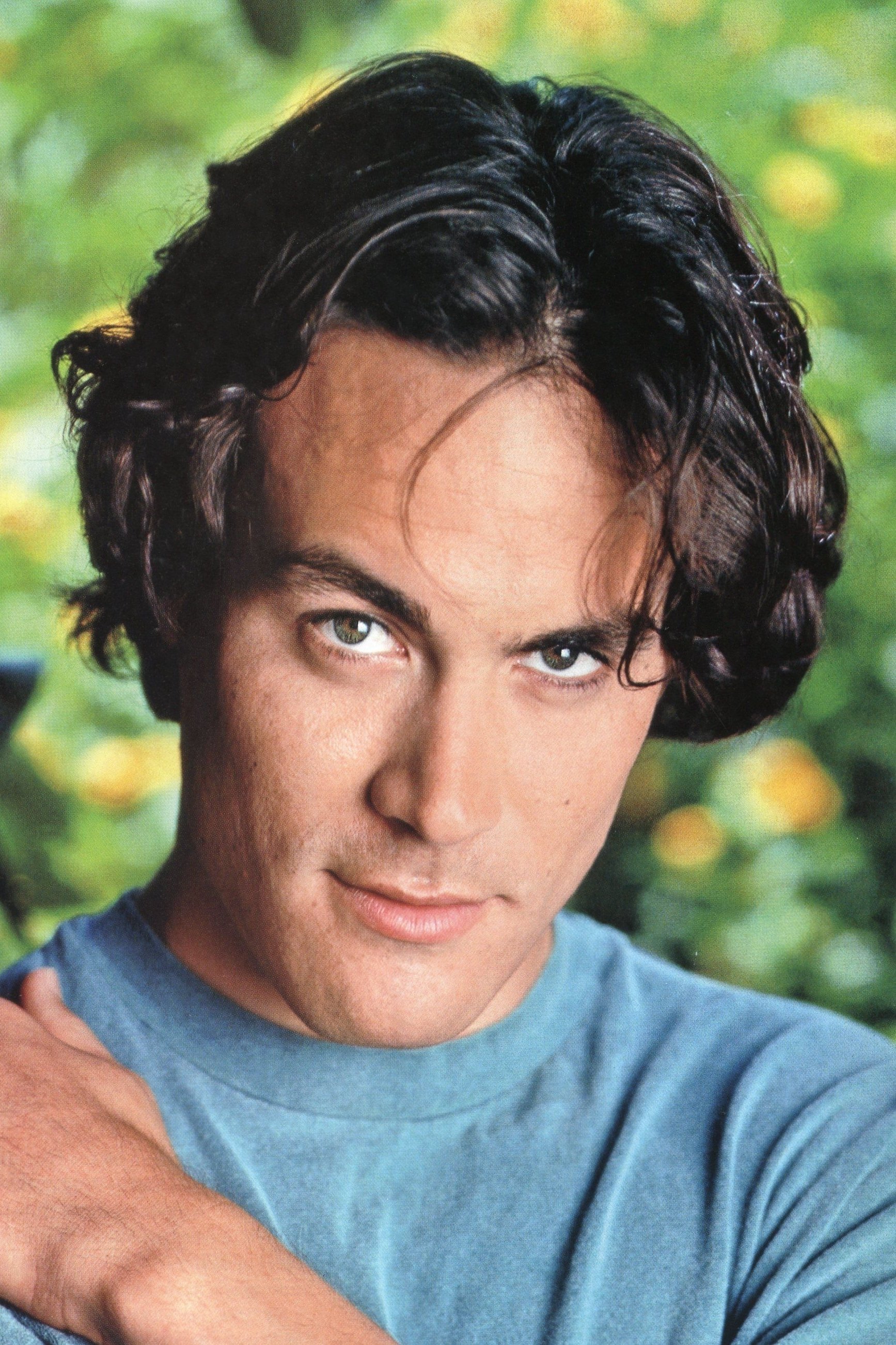
Brandon Lee was fatally wounded by a mishandled prop firearm while filming ‘The Crow’ in 1993. A chain of safety lapses allowed a dangerous projectile to be fired during a scene, turning a routine setup into a catastrophe.
His death accelerated industry-wide scrutiny of prop-gun protocols and sparked ongoing efforts to reduce or eliminate functional firearms on sets. Lee’s magnetic performance in ‘The Crow’ helped cement his legacy, and he remains a poignant symbol of unrealized potential.
Vic Morrow
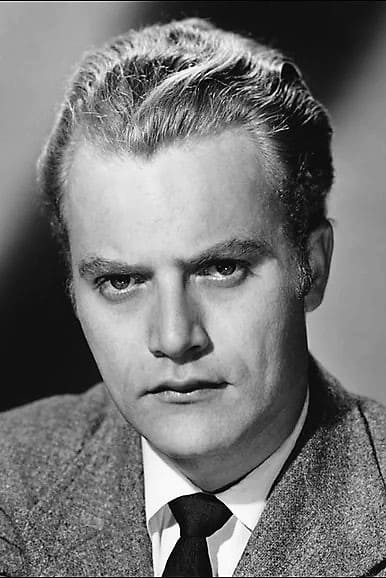
Actor Vic Morrow died in a helicopter accident while shooting a segment of ‘Twilight Zone: The Movie’ in 1982. Two child actors were also killed, and the tragedy led to a landmark legal case and intense examination of set safety, especially around stunts, special effects, and minors.
The incident reshaped how productions approach risk, permits, and oversight. Morrow’s career spanned television and film, and the safety reforms that followed stand as a sobering part of his legacy.
Jon-Erik Hexum

On the set of the TV series ‘Cover Up’ in 1984, Jon-Erik Hexum jokingly placed a blank-loaded prop gun to his head and pulled the trigger, not realizing the concussive force of a blank at close range can be lethal. The impact caused catastrophic injury.
Hexum’s death became a cautionary tale repeated in safety briefings across the industry: blanks aren’t toys, and “cold” props demand strict protocols, training, and respect. His rising-star status made the loss especially devastating for fans and colleagues.
Steve Irwin
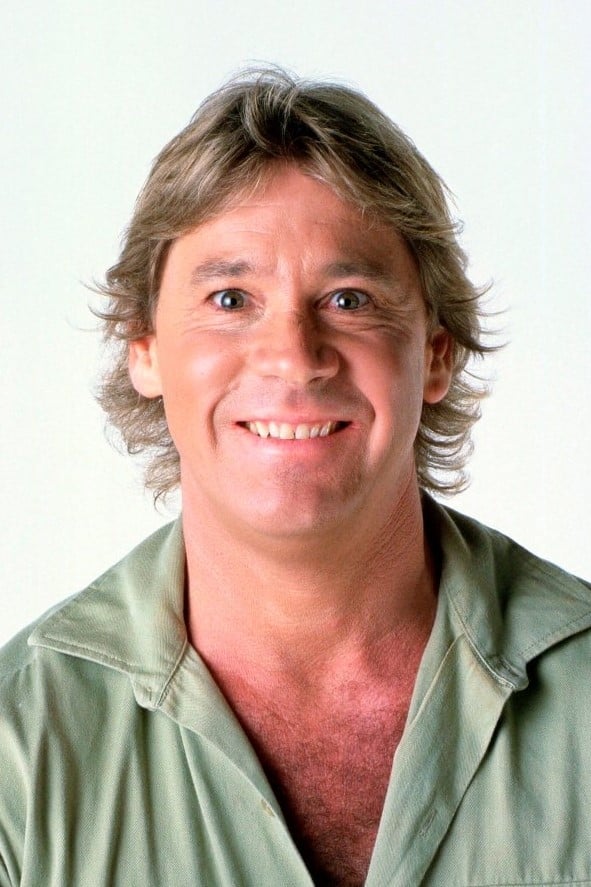
While filming a documentary segment in 2006, wildlife icon Steve Irwin was struck in the chest by a stingray. Despite immediate efforts by his crew, he succumbed to his injuries, shocking viewers who knew him for fearless—but deeply respectful—encounters with animals on ‘The Crocodile Hunter’ and related projects.
Irwin’s death led to renewed discussion of risk in nature programming and the importance of contingency planning, even for routine shoots. His conservation mission endures through his family and the projects and institutions he championed.
Roy Kinnear
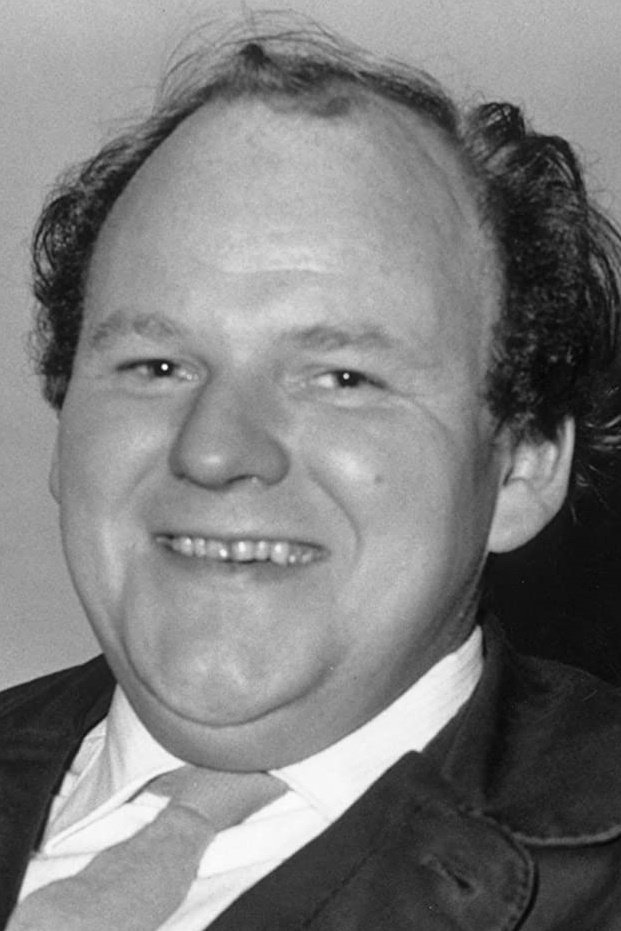
Character actor Roy Kinnear suffered fatal injuries after a fall from a horse during location filming for ‘The Return of the Musketeers’ in 1988. The production paused as colleagues processed the loss and evaluated how the accident happened.
Kinnear was treasured for infusing supporting roles with comic warmth and humanity. His death influenced how productions assess riding scenes, stunt doubles, and rehearsals, especially when terrain and weather introduce additional hazards.
Paul Mantz
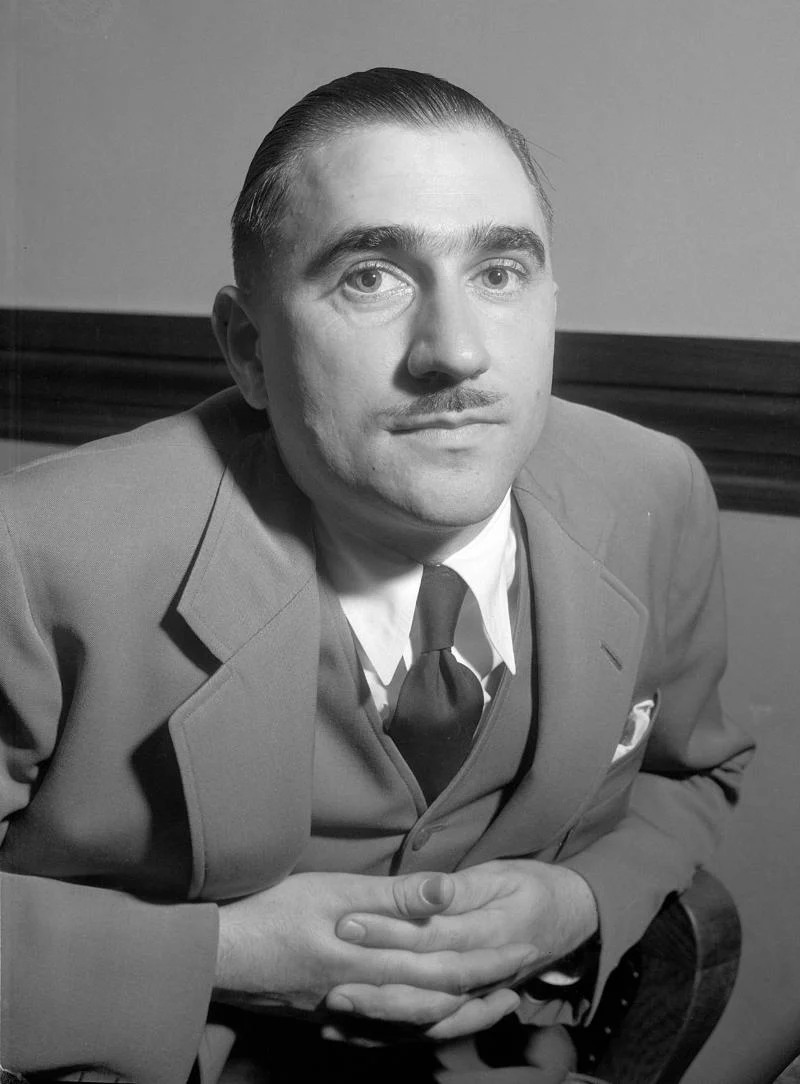
Legendary aviator and Hollywood stunt pilot Paul Mantz died in 1965 while performing a difficult landing maneuver for ‘The Flight of the Phoenix’. Flying a cobbled-together aircraft designed to look like a desert rescue plane, Mantz clipped terrain and crashed.
Mantz’s expertise had elevated aerial cinematography for decades, and his death underscored the razor-thin margins in practical flying sequences. Productions increasingly adopted stricter risk assessments and specialized coordination between pilots, directors, and camera teams.
Leonard Warren
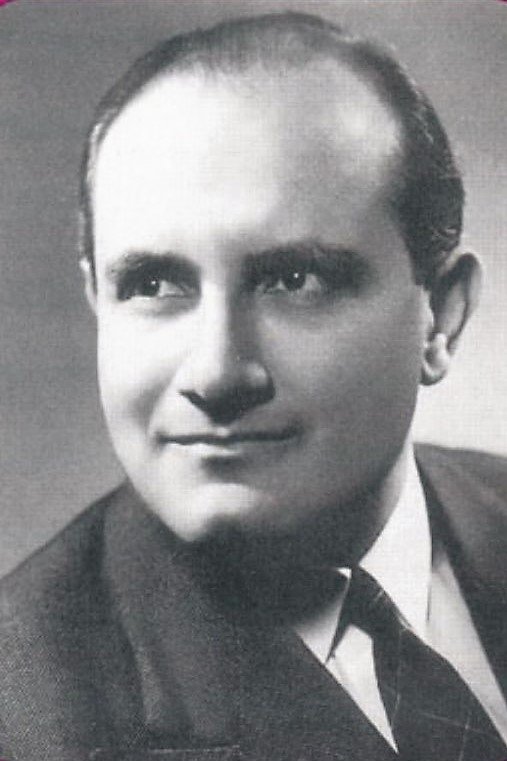
Celebrated baritone Leonard Warren collapsed and died mid-performance at the Metropolitan Opera in 1960 while singing in ‘La forza del destino’. The house immediately canceled the remainder of the evening.
Warren’s passing reverberated through the opera world, prompting opera companies to refine emergency response procedures. He’s remembered for a voice of uncommon amplitude and beauty, and for setting standards in Verdi interpretation that still inspire singers.
Richard Versalle
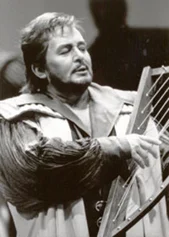
Tenor Richard Versalle died on stage at the Met in 1996 during ‘The Makropulos Case’, falling from a ladder soon after delivering an opening line. The performance was halted as medical teams responded.
Versalle’s death brought renewed focus to staging risk assessments—ladders, rakes, and elevated platforms—alongside vocal demands. Colleagues commemorated his integrity and artistry, emphasizing that staging ambition must always be matched by safety planning.
Giuseppe Sinopoli
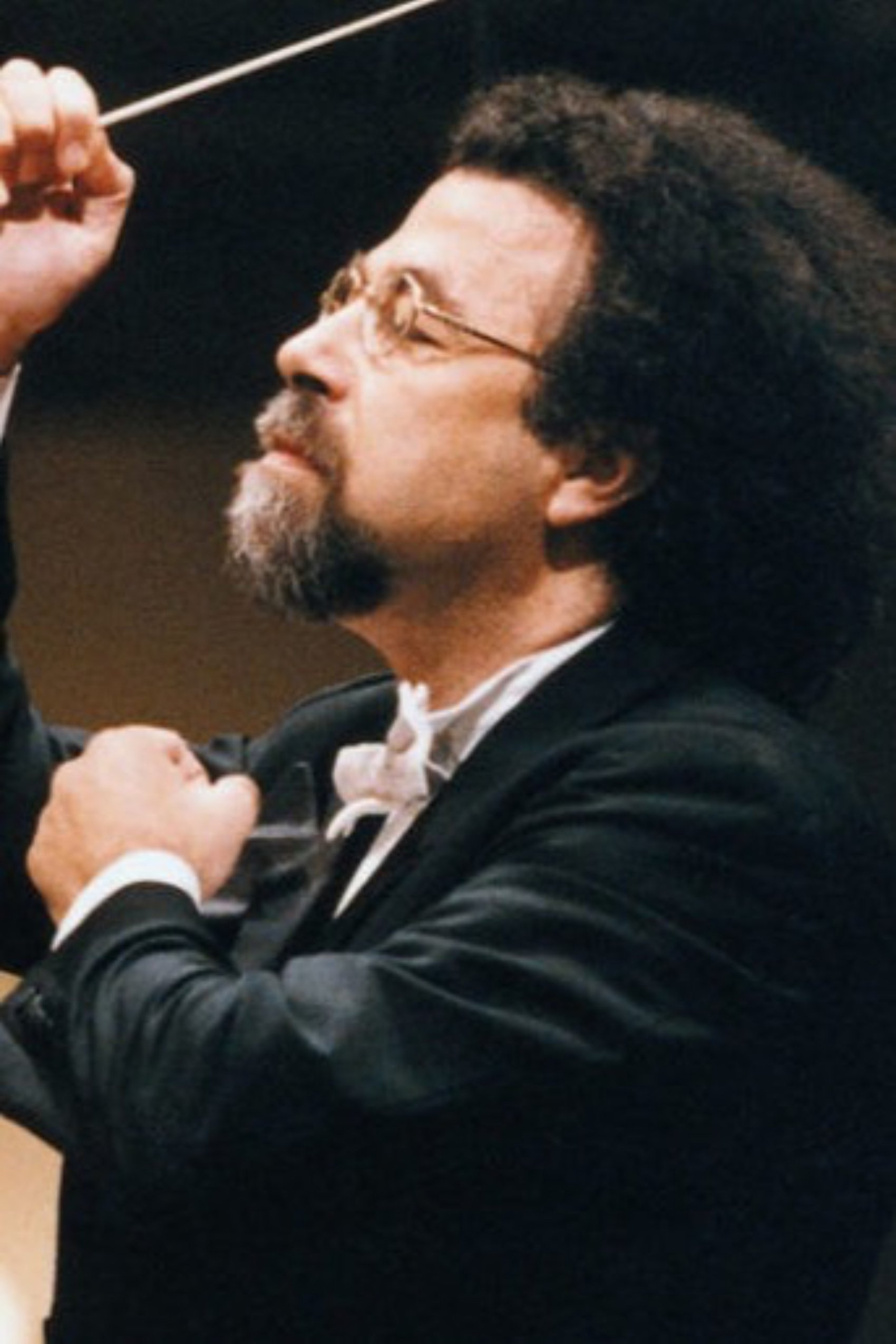
Conductor Giuseppe Sinopoli suffered a fatal heart attack while leading ‘Aida’ in Berlin in 2001. The suddenness of the event stunned the audience and orchestra, who had to stop mid-performance.
Sinopoli, also a medical doctor and composer, left a distinctive interpretive legacy. His death spurred houses and festivals to reevaluate on-site medical readiness, from defibrillators to response drills that minimize precious minutes in an emergency.
Mark Sandman
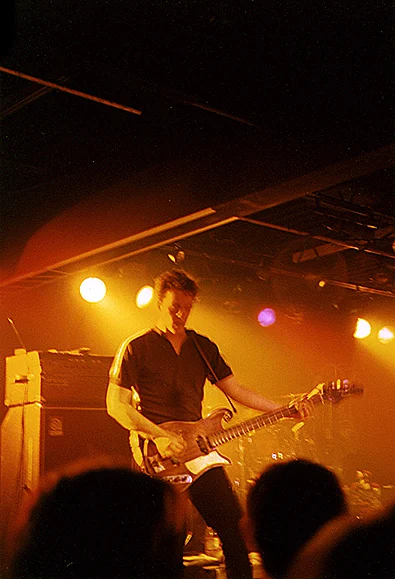
Morphine frontman Mark Sandman collapsed on stage in Palestrina, Italy, in 1999 and could not be revived. The band’s minimalist, low-slung sound made the moment feel unreal to some concertgoers until the gravity became clear.
Sandman’s passing froze a singular musical voice in time. Tributes highlighted his cool, economical style and songwriting, and venues took fresh looks at emergency plans for festivals and outdoor shows.
Dimebag Darrell
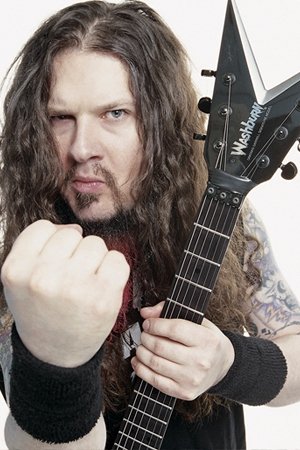
Guitar hero Dimebag Darrell was murdered on stage in Columbus, Ohio, in 2004 during a Damageplan concert when a gunman rushed the venue. Several others were also killed or injured in the attack before police intervened.
The crime shook live-music culture and catalyzed new security practices, from entry screening to rapid-response coordination. Fans worldwide honor Dimebag’s influence on metal guitar tone, feel, and showmanship.
Nick Menza
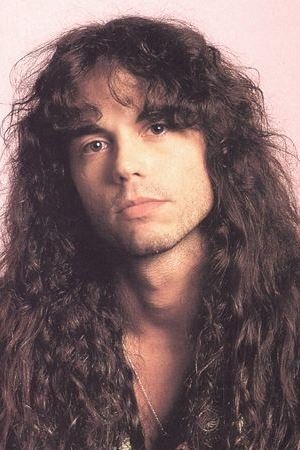
Former Megadeth drummer Nick Menza died on stage in 2016 while performing with OHM at The Baked Potato in Los Angeles. A sudden medical emergency struck mid-set, and attempts to save him were unsuccessful.
Menza’s precision and power had anchored era-defining recordings, and his passing reminded clubs and small venues of the importance of emergency equipment and clear access for responders, even in intimate spaces.
Les Harvey
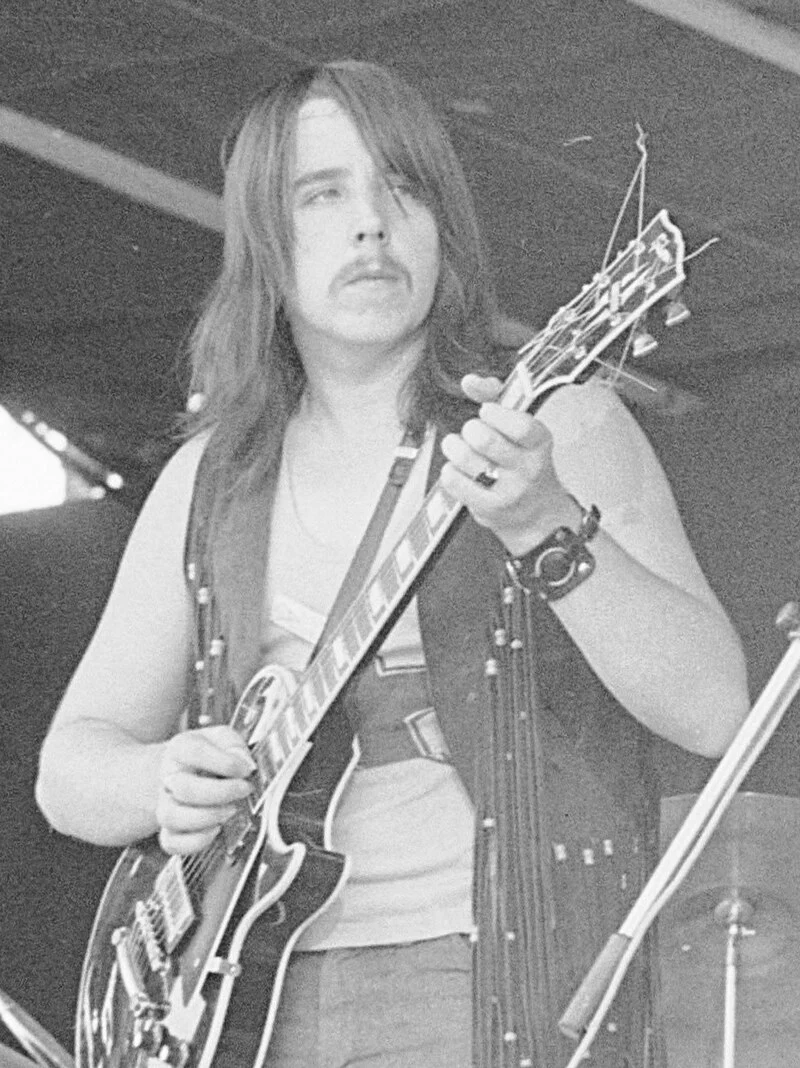
Stone the Crows guitarist Les Harvey was fatally electrocuted on stage in 1972 after touching an improperly grounded microphone during a gig in Swansea, Wales. Witnesses described a split second that changed everything.
The incident spurred widespread adoption of stricter electrical standards for live shows, from regular PAT testing to mandatory grounding checks. Harvey’s talent and promise are still celebrated within classic rock circles.
Tiny Tim
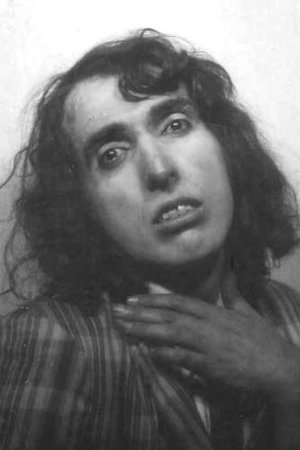
Tiny Tim collapsed on stage during a benefit performance in 1996 and died shortly afterward. The singer had a history of cardiac issues but insisted on performing, a decision that has since been debated by those close to him.
His eccentricity sometimes overshadowed real musical knowledge and a deep affection for early popular song. In the aftermath, venues and managers cited the need for clearer health go/no-go policies when artists are medically fragile.
Ian Cognito
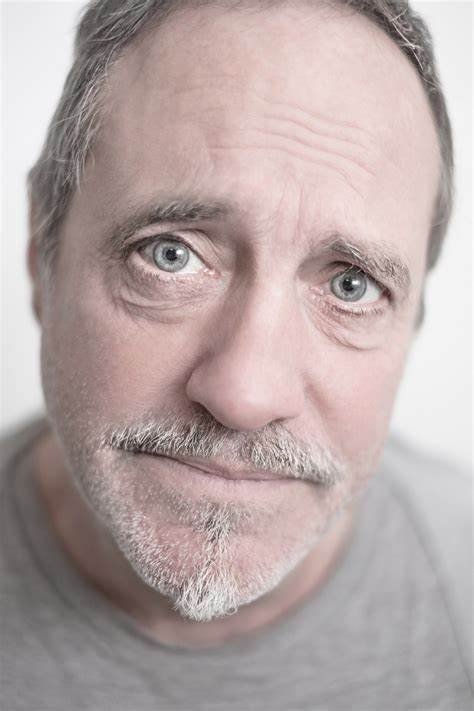
British comedian Ian Cognito died on stage in 2019 during a gig in Bicester. Minutes earlier, he had joked about having a stroke, causing some in the audience to think the collapse was part of the act.
The tragedy highlighted a unique risk in live comedy—audiences and even comics themselves can misread genuine distress as performance. Clubs reviewed protocols for stopping shows, checking unresponsive performers, and summoning help fast.
Mitsuharu Misawa
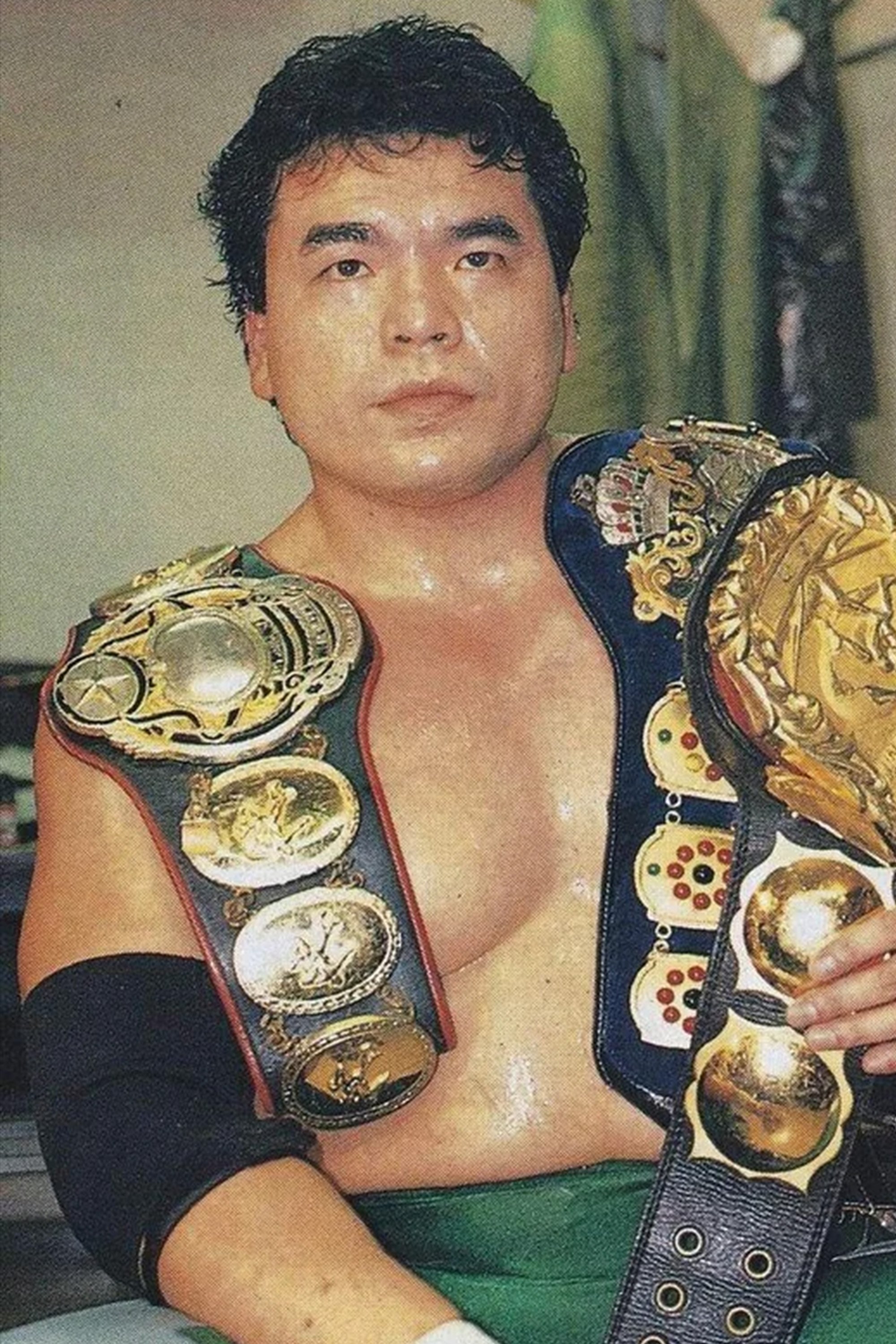
Japanese pro-wrestling icon Mitsuharu Misawa suffered a fatal cervical injury during a 2009 match in Hiroshima. The bout was stopped and he was rushed to the hospital, but he did not survive.
Misawa’s death accelerated discussions on ring safety, move sets, and medical staffing at events. His legacy in the squared circle—storytelling through athleticism and heart—remains foundational to generations of wrestlers.
Perro Aguayo Jr.
Mexican lucha libre star Perro Aguayo Jr. died in 2015 after a cervical injury sustained during a match in Tijuana that involved Rey Mysterio. Video of the incident raised difficult questions about seconds-long delays in recognizing a medical crisis.
The fallout led to calls for stricter ringside medical requirements and clearer communication between referees, wrestlers, and doctors. Aguayo Jr. is remembered for charisma that electrified arenas across Mexico.
Owen Hart

Owen Hart fell from the rafters in a tragic entrance stunt during the ‘Over the Edge’ pay-per-view in 1999. He was pronounced dead soon after the fall, and the decision to continue the show remains controversial.
Hart’s death triggered sweeping reviews of aerial stunts and harness protocols in live wrestling and beyond. Fans and colleagues celebrate his technical mastery and warmth, keeping his memory alive through foundations and tributes.
Godfrey Gao
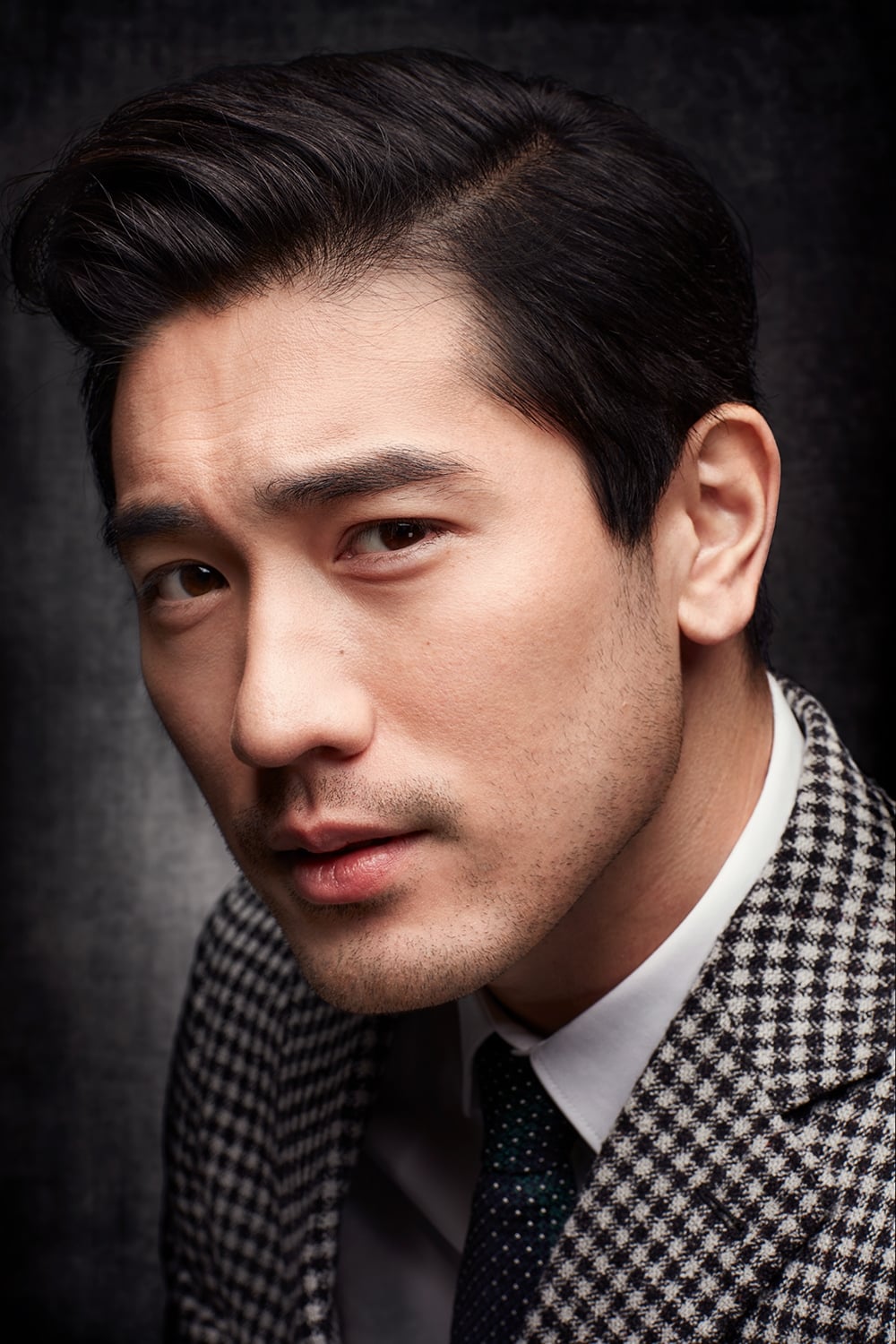
Actor and model Godfrey Gao collapsed in 2019 while filming the Chinese reality competition show ‘Chase Me’. He was rushed to a hospital but did not survive, and the intense, overnight nature of the production came under scrutiny.
Gao’s death sparked industry-wide conversations in Asia about grueling schedules, on-set medical support, and the pressures of high-stakes variety programming. Admirers remember him for barrier-breaking visibility and graciousness with fans.
Costa Titch
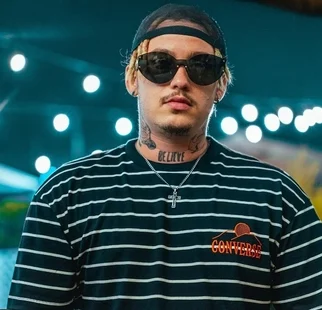
South African rapper Costa Titch collapsed on stage during a festival performance in Johannesburg in 2023 and died shortly afterward. Video captured the disorienting moments as dancers and crew realized something was seriously wrong.
His passing prompted renewed focus on heat, fatigue, and cardiac risks at high-energy concerts, especially under intense lighting and staging. The outpouring of tributes showcased a fast-rising artist whose crossover appeal was just coming into full view.
Share your thoughts below: which of these moments impacted you most, and are there others we should remember in the comments?