Richest Hollywood Directors in 2025


Hollywood’s most successful directors aren’t just creative powerhouses—they’re also savvy operators who turned box-office muscle, ownership stakes, and smart back-end deals into generational wealth. From universe-builders who monetized merchandising to brand-makers who parlayed hits into studios and streaming empires, these filmmakers show how vision can scale into vast fortunes.
This list looks at the directors whose portfolios stretch beyond the director’s chair: equity in franchises, producing fees, library ownership, theme-park tie-ins, and lucrative partnerships. It’s less about one hit and more about repeatable IP, diversified businesses, and the leverage to own a big piece of the worlds they created.
George Lucas
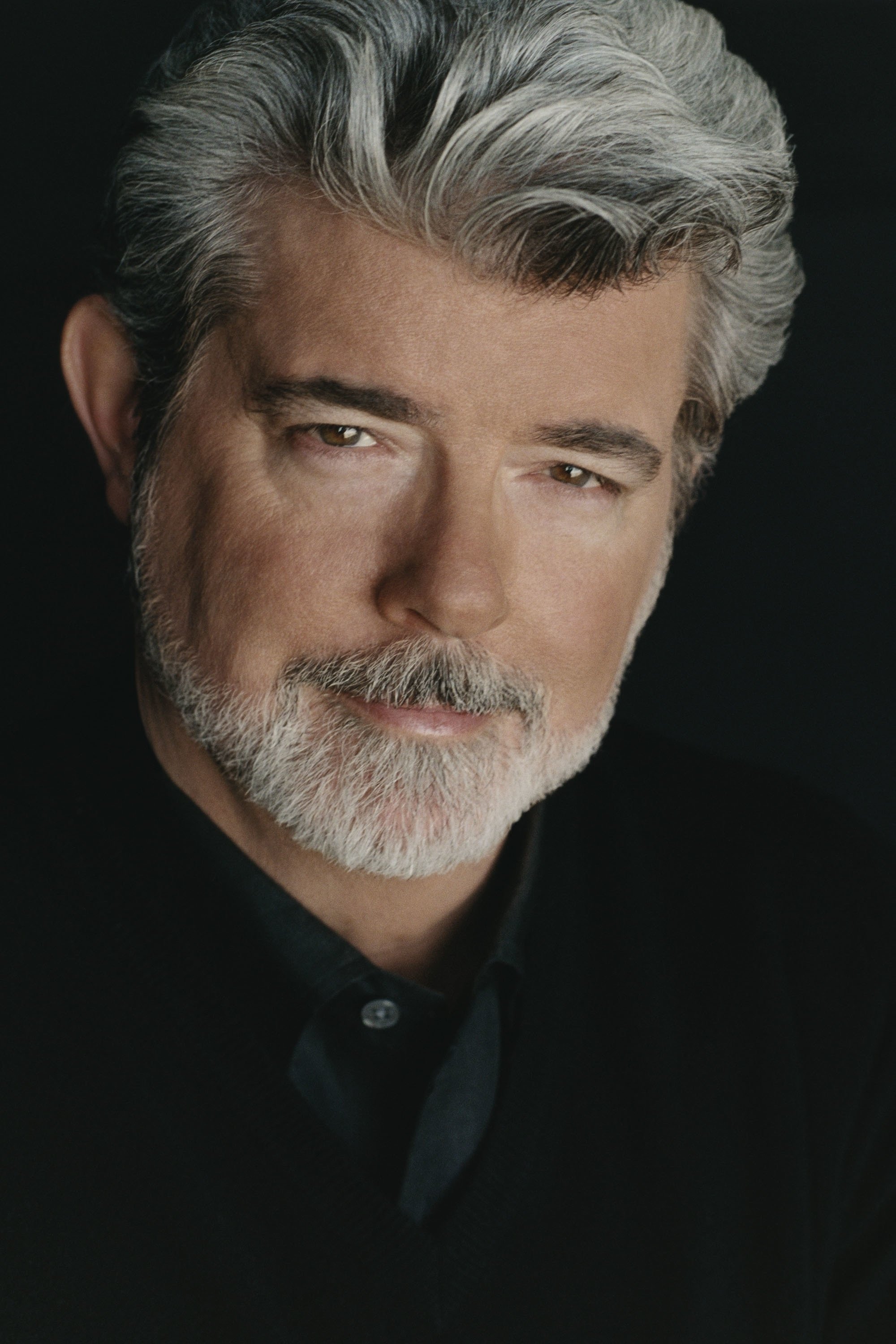
The architect of ‘Star Wars’ transformed a galaxy far, far away into a vertically integrated empire spanning toys, games, books, and beyond. By owning the underlying tech pipelines through Skywalker Sound and Industrial Light & Magic, he captured value from other people’s movies while expanding the footprint of his own universe.
Even after handing off stewardship of the saga, Lucas’s enduring stake in the brand he built keeps paying dividends through licensing, new installments, and global attractions. Few creators in any medium have matched his blend of IP ownership, merchandising foresight, and technical infrastructure.
Steven Spielberg
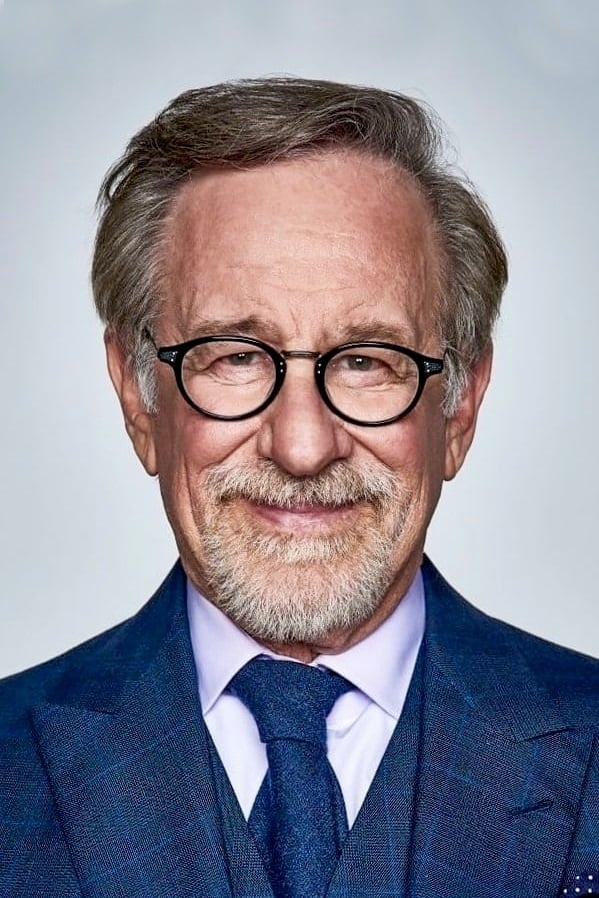
From ‘Jaws’ to ‘E.T.’ and ‘Jurassic Park’, Spielberg helped invent the modern blockbuster and then capitalized on it with producing power and theme-park synergy. His deals often include back-end participation and creative control, a combination that compounds across decades of hits.
Beyond directing, Amblin’s slate, long-running partnerships, and a reputation for global four-quadrant storytelling give Spielberg a durable pipeline. His influence stretches from theatrical tentpoles to prestige TV, ensuring multiple revenue streams across platforms.
Tyler Perry
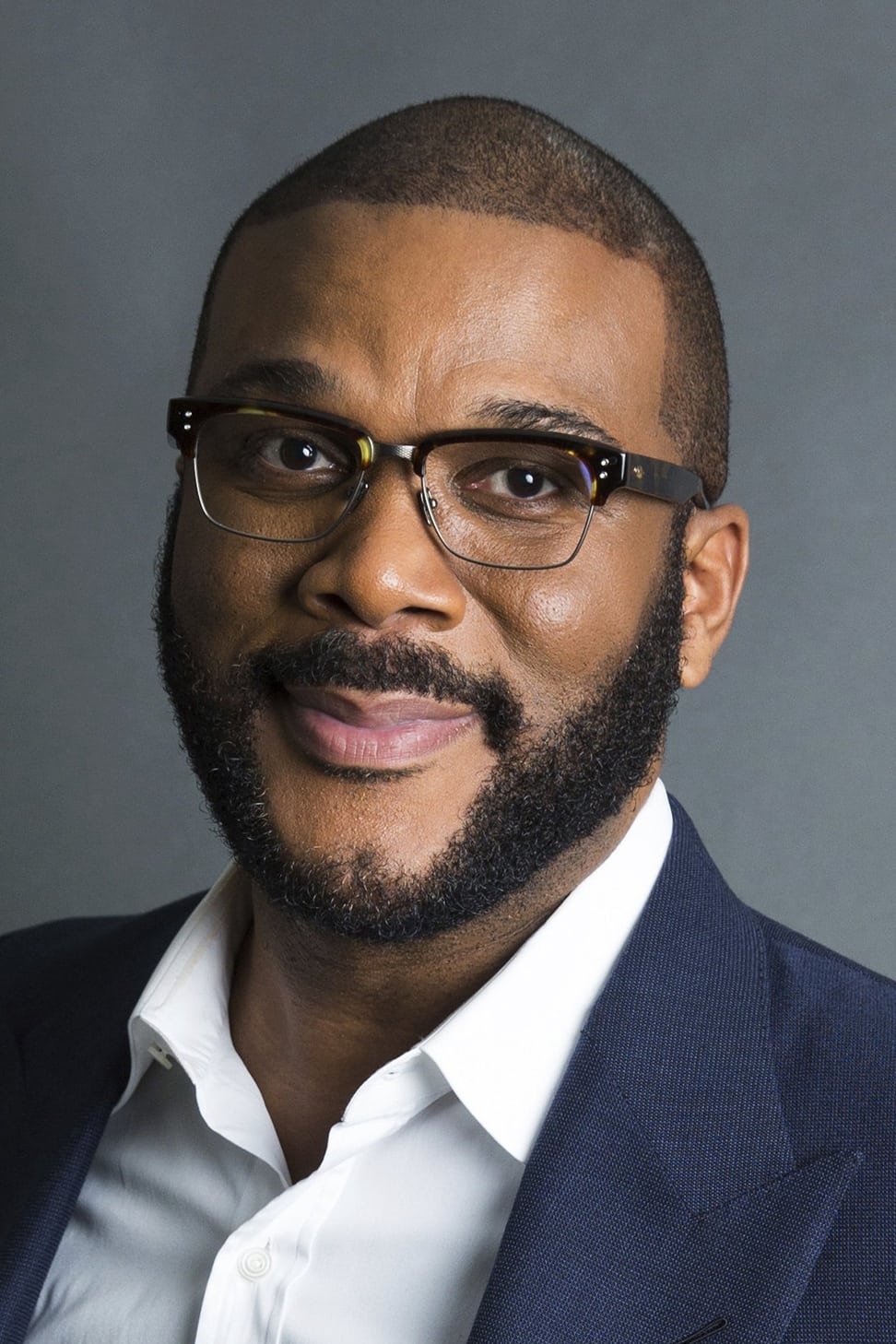
Perry built a self-sustaining content factory anchored by his Atlanta studio and a library packed with recurring characters like those in ‘Madea’ films and series. Owning the means of production lets him move quickly, keep costs lean, and retain a larger share of profits.
His hybrid of stage-to-screen storytelling, TV franchises, and streamer output turns volume into value. Diverse revenue—from film, television, and licensing—makes Perry one of the industry’s most financially independent auteurs.
Peter Jackson
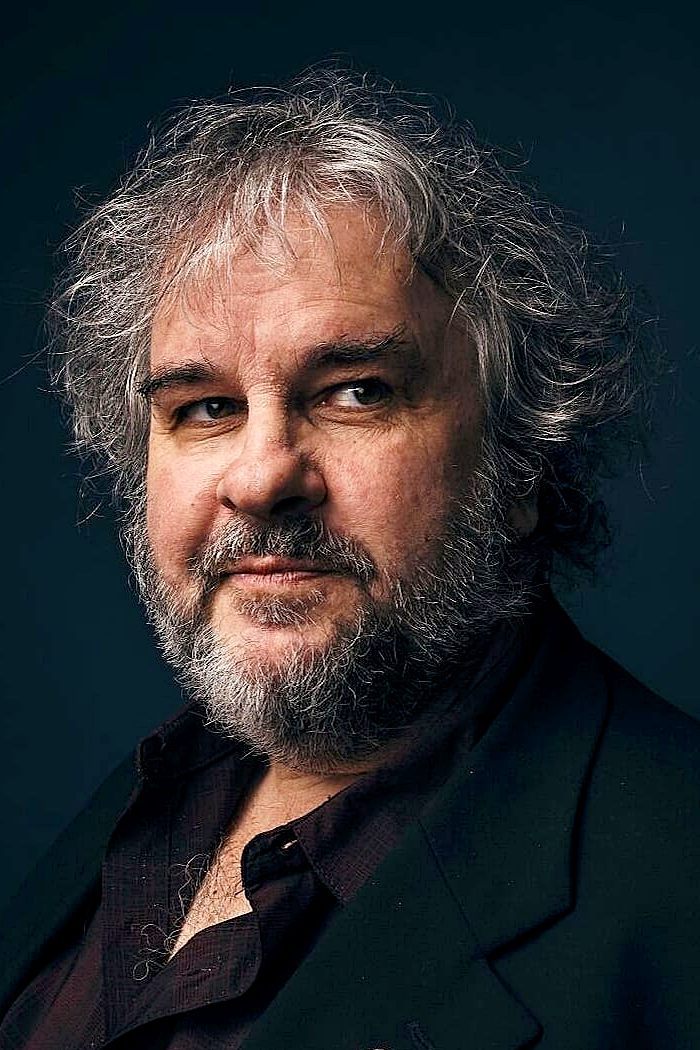
Jackson’s stewardship of ‘The Lord of the Rings’ and ‘The Hobbit’ forged a premium fantasy brand with enormous ancillary value. He coupled world-building with high-margin craftsmanship through Wētā, exporting visual-effects expertise to the entire industry.
That combination—tentpole IP plus a world-class VFX pipeline—creates both creative control and service revenue. Jackson’s library and vendor footprint keep his influence (and earnings) flowing well beyond Middle-earth.
James Cameron
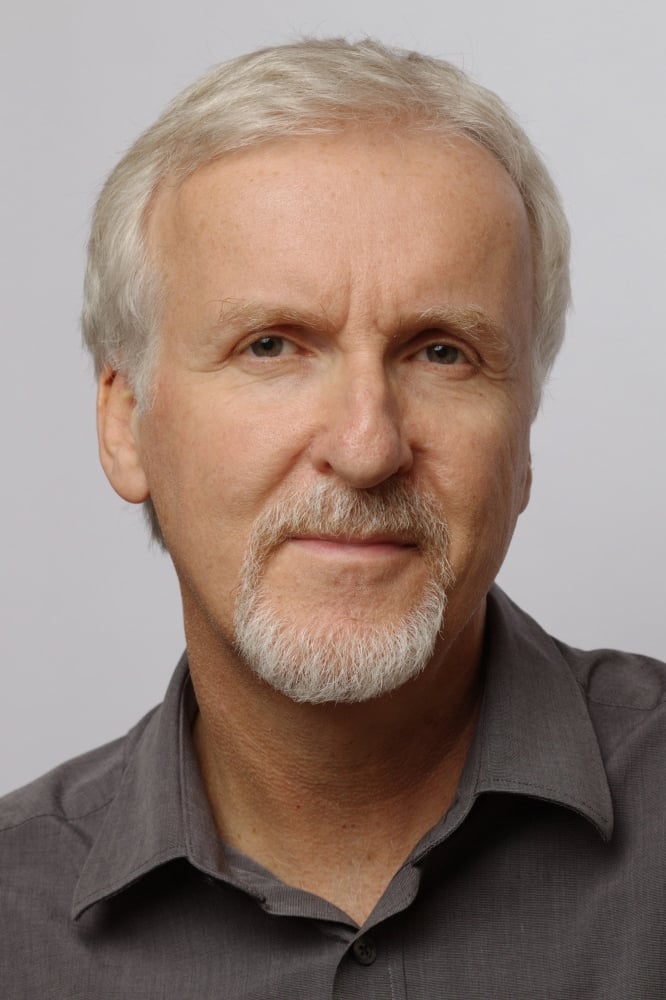
Cameron’s mastery of event cinema—from ‘Titanic’ to ‘Avatar’—turns technological leaps into box-office milestones. He pairs record-breaking grosses with strong participation structures and owns technology that others license.
With ‘Avatar’ expanding across sequels, merchandising, and themed attractions, Cameron’s ecosystem thrives on repeatable spectacle. His deep integration of R&D and storytelling translates innovation into enduring financial upside.
Michael Bay
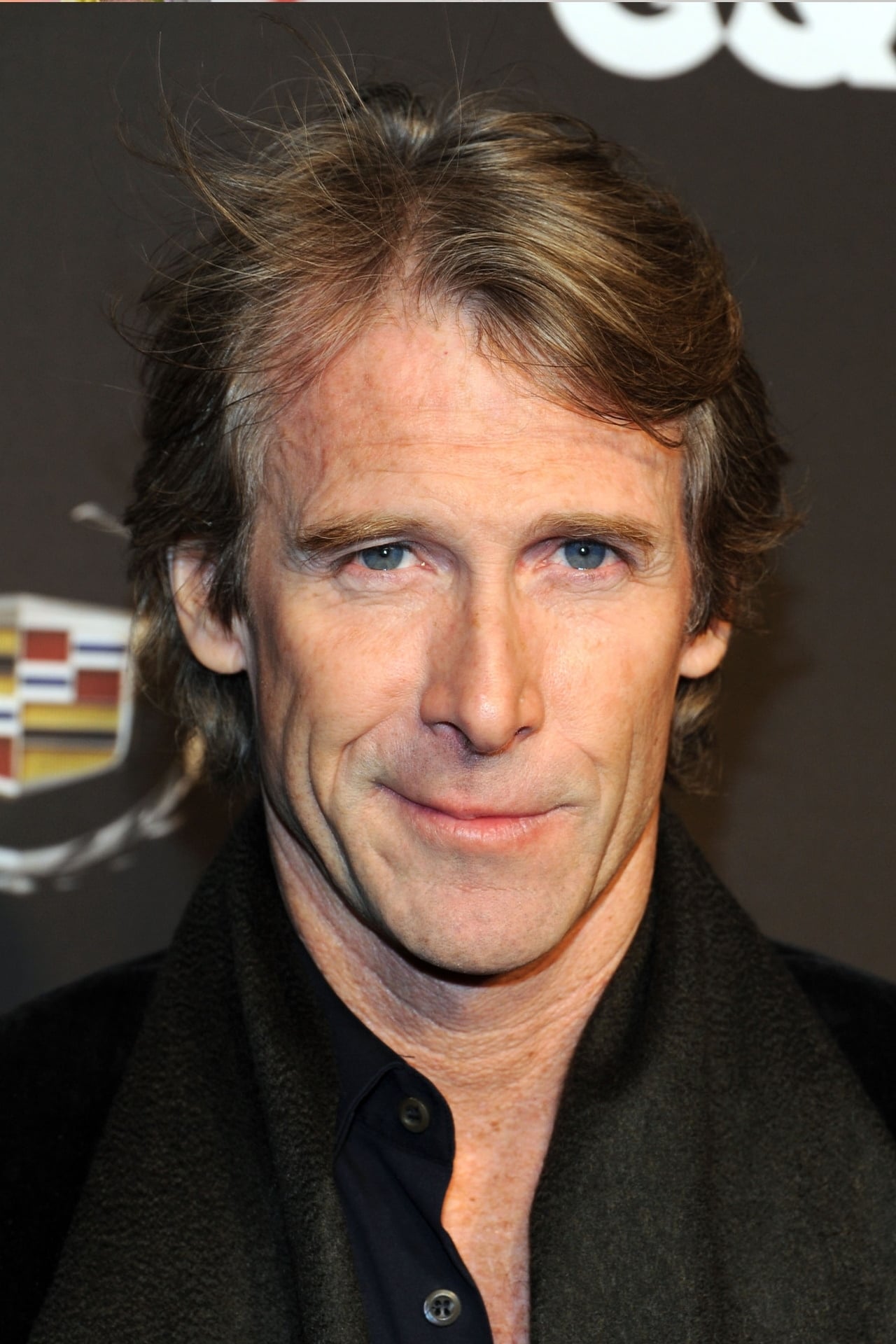
Bay’s signature style turned ‘Transformers’ and effects-heavy action into global merchandisable spectacles. His films travel well internationally, a key factor in outsized returns and blockbuster-friendly dealmaking.
As a prolific producer, Bay multiplies his exposure across projects he doesn’t direct. Commercials, series work, and brand collaborations round out a portfolio built on scale, speed, and audience appetite for high-impact thrills.
Christopher Nolan

Nolan couples auteur credibility with blockbuster performance—think ‘The Dark Knight’ trilogy and original tentpoles like ‘Inception’. His leverage yields premium back-end terms, long theatrical windows, and strong positioning with exhibitors.
By building an audience that shows up for original ideas, Nolan maintains negotiating power rare in modern studio dynamics. He benefits from prestige, repeat viewership, and collector-friendly home releases that keep his titles evergreen.
J.J. Abrams
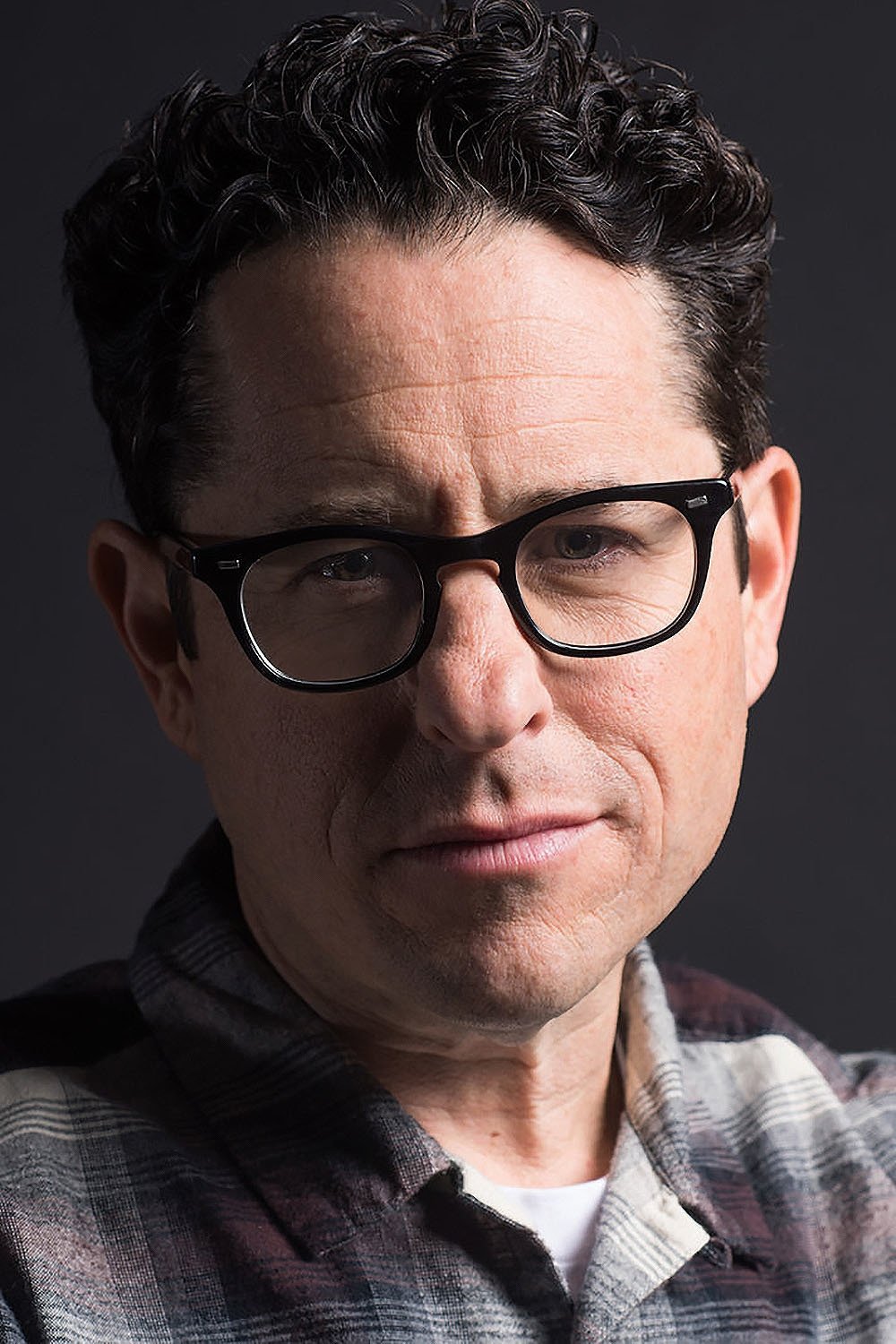
Abrams turned cross-medium storytelling into a business model: films like ‘Star Trek’ and ‘Star Wars: The Force Awakens’, plus TV pillars such as ‘Lost’ and ‘Westworld’. Bad Robot’s production pipeline spreads risk across formats and platforms.
His brand—mystery-box mythmaking with broad appeal—commands premium deals with streamers and studios. Library value, franchise stewardship, and multi-year pacts underpin a diversified, resilient income base.
Jon Favreau
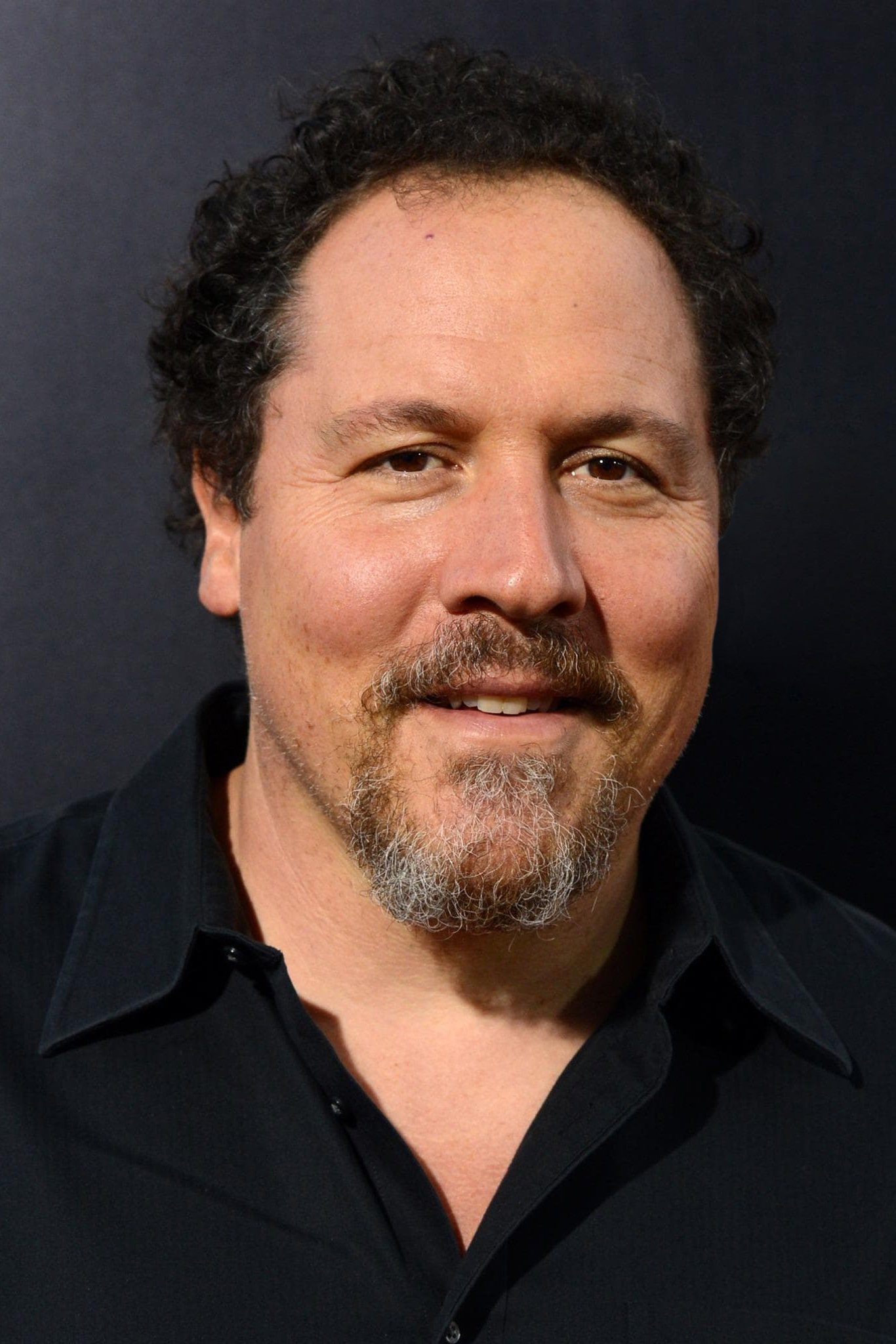
Favreau straddles massive franchises and cutting-edge production, from ‘Iron Man’ jump-starting a superhero era to ‘The Mandalorian’ redefining virtual production. His creative leadership harmonizes tech, storytelling, and merchandising.
By shaping worlds that spawn toys, series, and park tie-ins, Favreau participates in value far beyond a single release. His role as director, producer, and world-builder turns each success into a platform for the next.
Ridley Scott
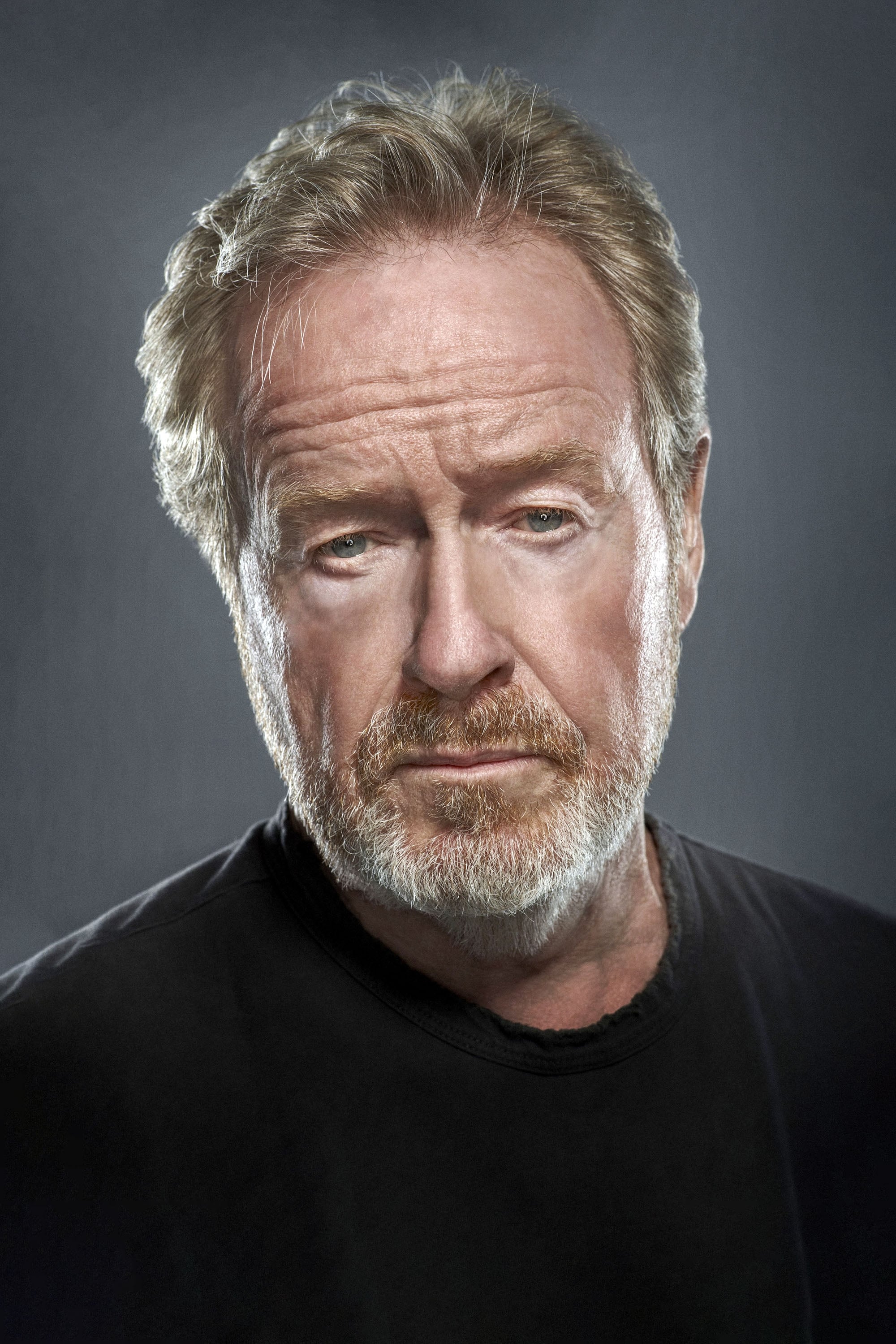
Scott’s versatility—from ‘Alien’ and ‘Blade Runner’ to sprawling historical epics—keeps his catalog in perpetual cultural rotation. With Scott Free Productions, he extends his influence across film and television, stacking producing fees and backend.
Long-tail value is Scott’s secret weapon: restoration, re-releases, and franchise revivals refresh interest in his worlds. That steady drumbeat of relevance sustains high-end opportunities and library monetization.
Robert Zemeckis
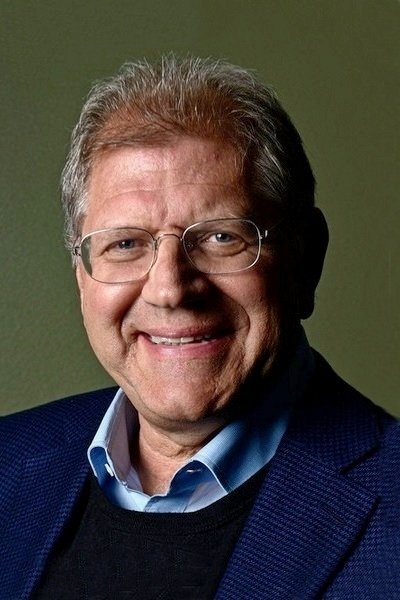
Zemeckis blends crowd-pleasing storytelling with technological curiosity, delivering evergreen hits like ‘Back to the Future’ and ‘Forrest Gump’. Those classics anchor a library that continues to sell across generations and formats.
As a producer and innovator, he benefits from catalog uplift whenever nostalgia cycles or new formats emerge. His titles remain staples for bundles, theatrical revivals, and premium home releases.
Tim Burton
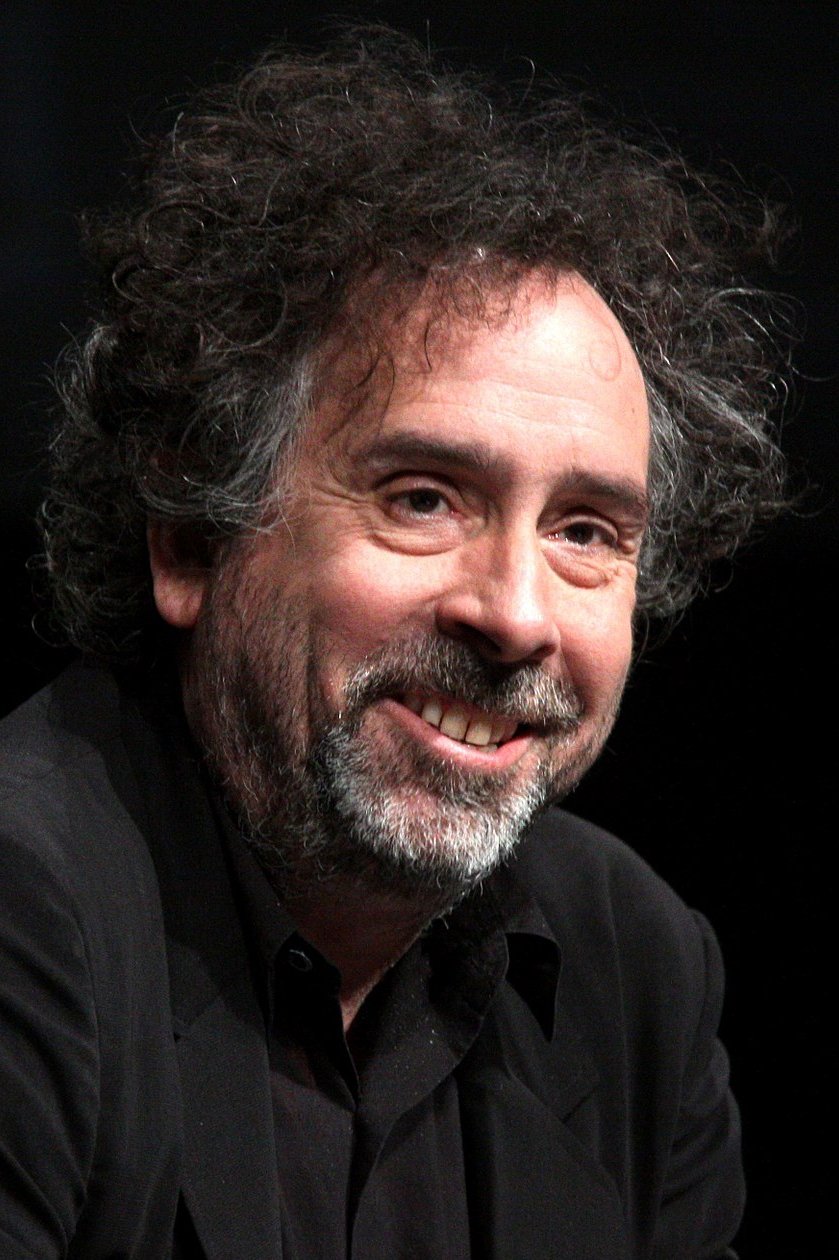
Burton’s unmistakable style turned films like ‘Batman’, ‘Beetlejuice’, and ‘Alice in Wonderland’ into merchandising-friendly phenomena. His aesthetic translates into collectibles, fashion tie-ins, and theme-park adjacent experiences.
On television, Burton’s brand extends to series that ignite renewed interest in his classic characters. The combination of visual identity and cross-platform appeal keeps his commercial footprint outsized.
Francis Ford Coppola
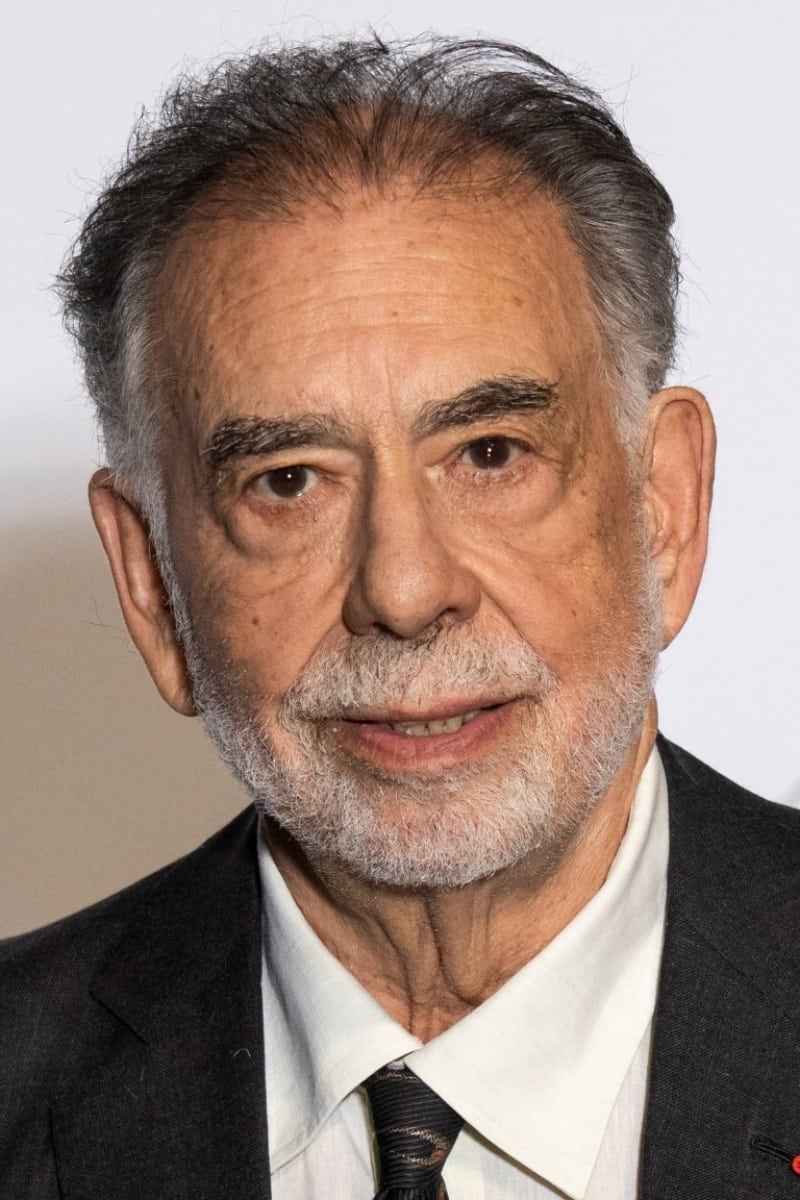
Coppola’s ‘The Godfather’ saga and ‘Apocalypse Now’ anchor one of cinema’s most prestigious libraries. While his career spans risk and reinvention, the enduring value of those cornerstones remains significant.
Beyond filmmaking, ventures in hospitality and wine diversify his portfolio. Cultural cachet plus diversified businesses create a wealth profile not solely tied to new releases.
Gore Verbinski
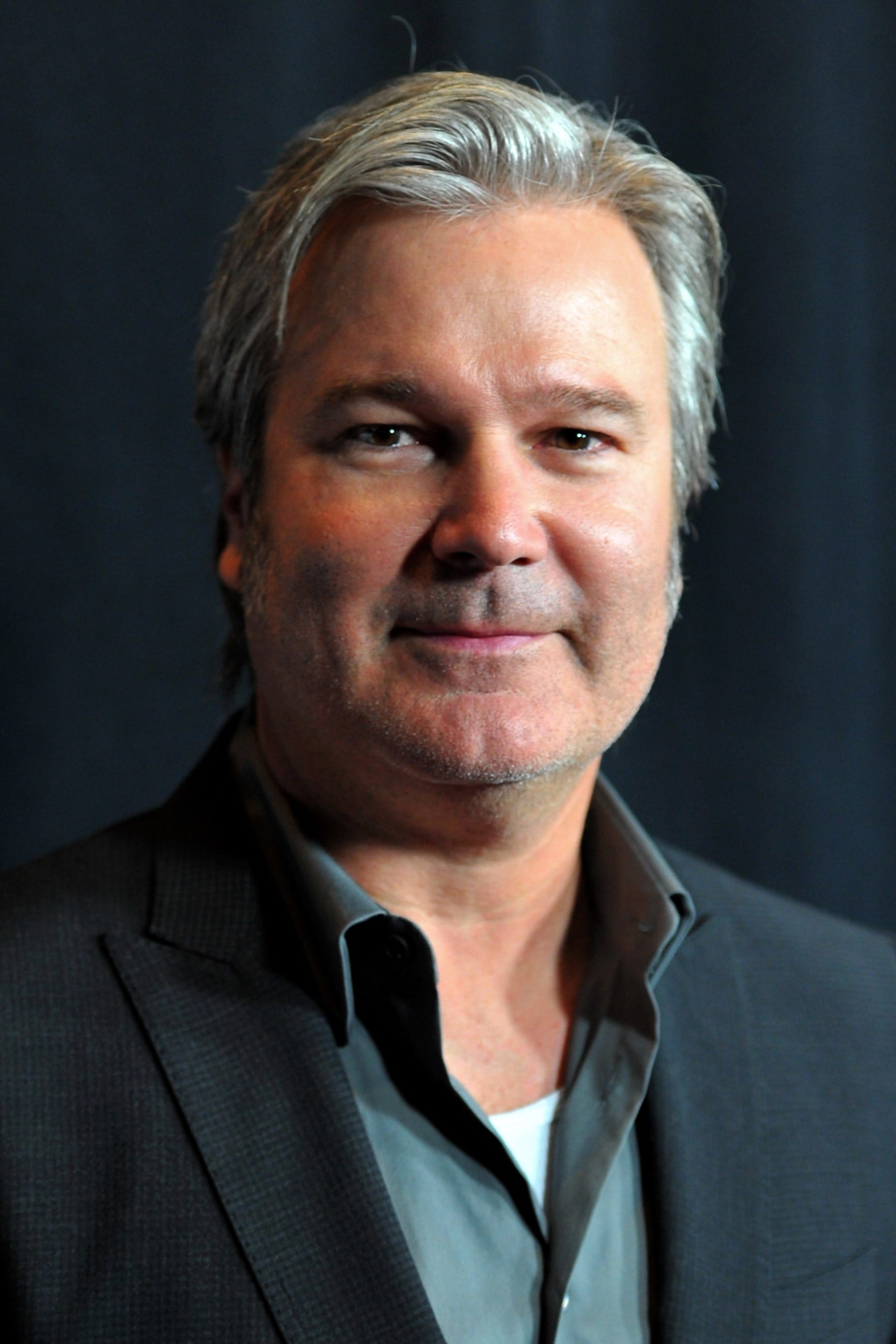
Verbinski turned genre mashups into mega-franchises, most notably with ‘Pirates of the Caribbean’. Box-office scale, merchandising, and theme-park synergy from that universe established long-running value.
His ability to craft high-concept crowd-pleasers makes him a go-to for IP with global upside. That keeps Verbinski in the conversation for projects with outsized financial potential.
Ron Howard
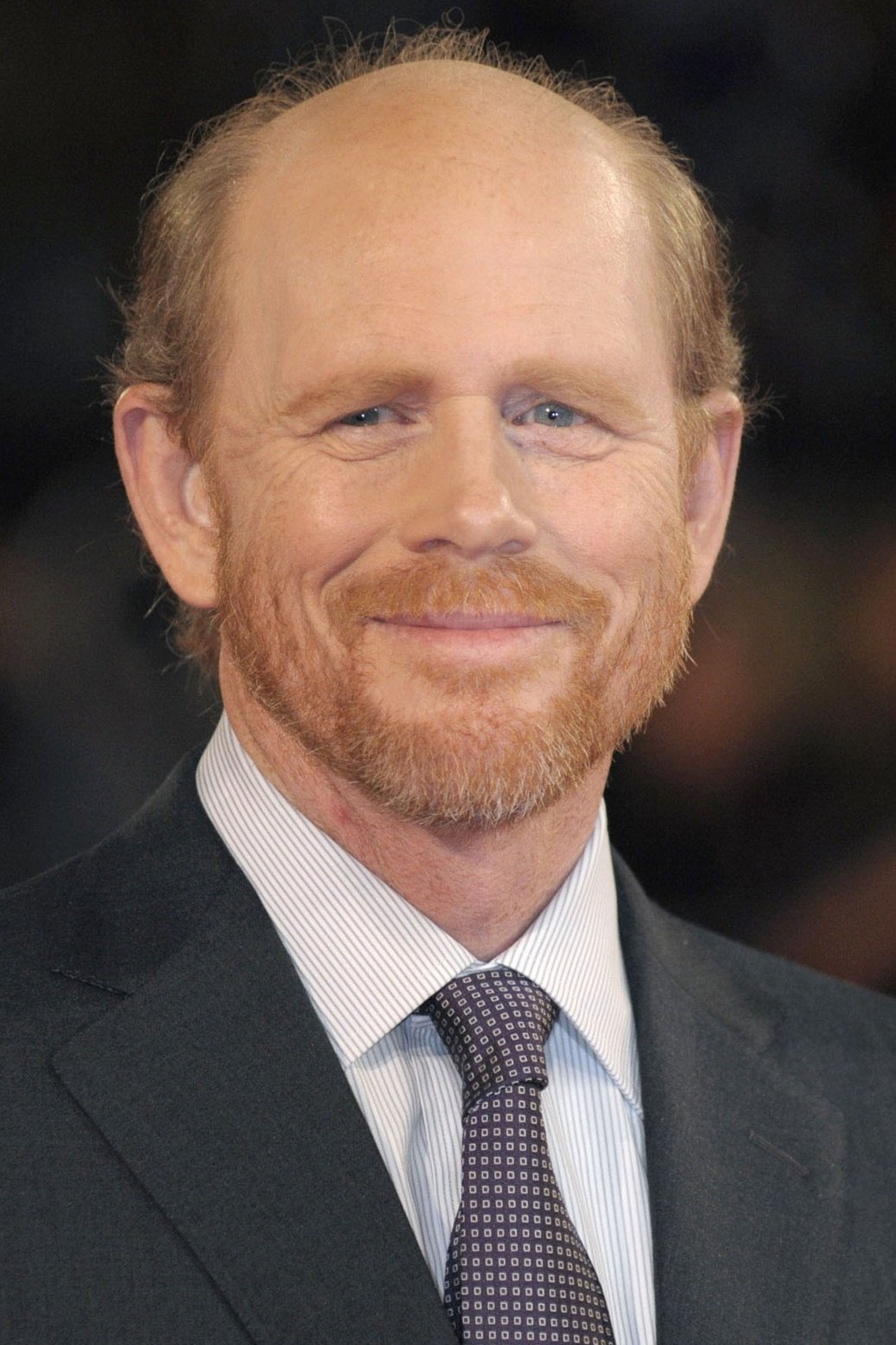
Howard’s mix of commercial hits and awards-caliber dramas—from ‘Apollo 13’ to ‘A Beautiful Mind’—powers a balanced, enduring career. Through Imagine Entertainment, he captures producer upside across film and television.
The company’s series pipeline, documentary work, and partnerships ensure steady, diversified revenue. Howard’s longevity and business acumen make him a fixture among Hollywood’s financial heavyweights.
Share your take: which director’s money moves impress you most—drop your thoughts in the comments.