Anime Villains With a Point (Admit It)



Not every anime villain is a one-dimensional force of evil. Sometimes, their motivations are surprisingly relatable—or at least understandable—once you take a closer look. Whether they’re fighting for justice in their own twisted way or reacting to a lifetime of pain and betrayal, these antagonists blur the line between hero and villain. In fact, some of them might have been the real heroes in a different story.
Here are fifteen anime villains whose perspectives, when stripped of the bloodshed and chaos, carry a certain uncomfortable truth. You may not agree with their methods, but you can’t completely dismiss their reasoning—and that’s what makes them unforgettable.
Pain – ‘Naruto: Shippuden’

Pain sought to end the cycle of hatred through a brutal, shocking approach: by making everyone understand the pain of loss. His belief was that only shared suffering could bring true peace, a philosophy born from his own war-torn childhood and endless grief. While his plan was extreme, his core idea—that understanding and empathy can grow from shared experience—wasn’t entirely wrong.
In a world plagued by ninja wars, Pain’s desire to break the cycle was noble in intent. The tragedy lies in his choice of means, where fear and destruction replaced dialogue and cooperation. Still, his vision of a united world resonates with those tired of endless conflict.
Meruem – ‘Hunter x Hunter’

Meruem began as a ruthless leader of the Chimera Ants, seeing humanity as inferior. However, his encounters with Komugi changed him, sparking curiosity and respect for human potential. His evolution from conqueror to a ruler who values compassion and understanding was profound.
By the end, Meruem’s vision was no longer about domination, but coexistence. His journey highlighted that even the most fearsome beings can change when faced with genuine connection—a truth that challenges the idea of irreversible villainy.
Stain – ‘My Hero Academia’

Stain’s mission was to purge the world of false heroes—those motivated by fame and money rather than true justice. While his methods were violent and extremist, his criticism of hero society wasn’t baseless. He recognized the moral decay hidden beneath the hero industry’s shining exterior.
His message struck a chord, even among those who opposed him, because it forced people to confront uncomfortable truths about what it means to be a hero. In another life, Stain might have been a reformer instead of a killer.
Shogo Makishima – ‘Psycho-Pass’
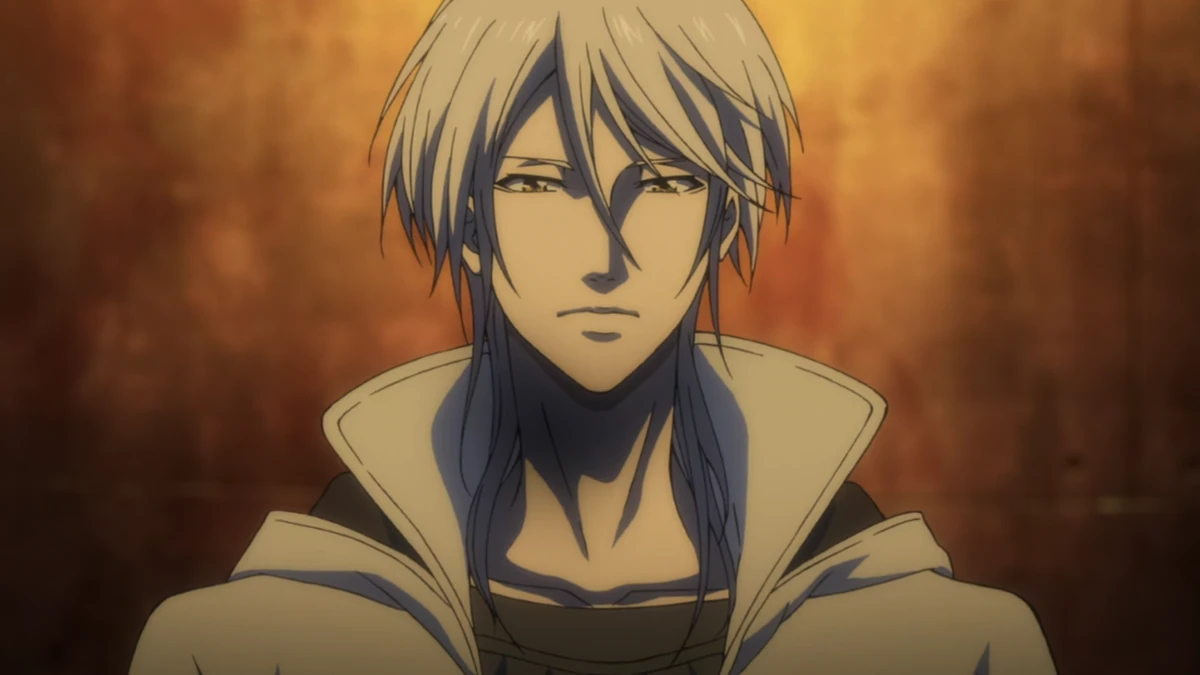
Makishima opposed the Sibyl System, a dystopian network that dictated people’s lives and labeled them as criminals before they acted. His rebellion against this system came from a belief in free will and individuality. In a society stripped of personal agency, his resistance had merit.
The flaw was in his execution—he inflicted chaos to expose Sibyl’s flaws, disregarding innocent lives. Yet, his fight for autonomy remains a haunting reminder of the dangers of sacrificing freedom for security.
Askeladd – ‘Vinland Saga’
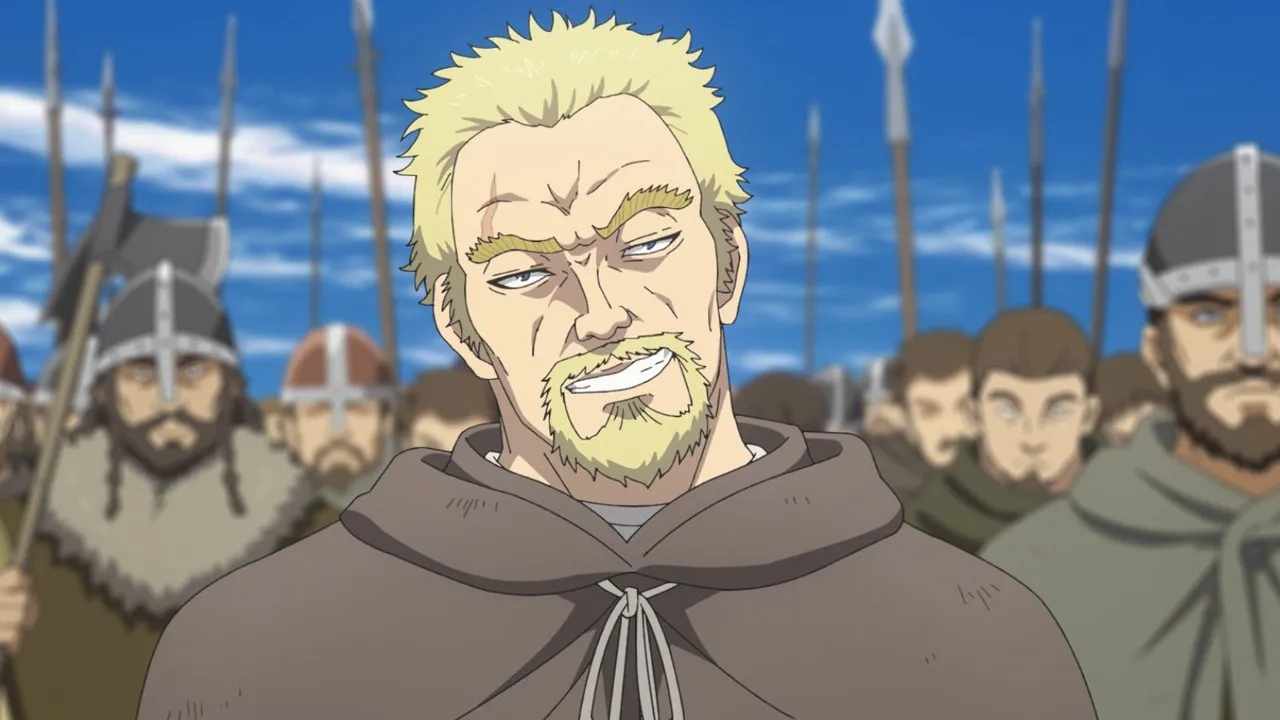
Askeladd was manipulative, cunning, and ruthless, yet everything he did was shaped by his complicated heritage and a burning desire to protect Wales from conquest. His moral compass was skewed, but it was grounded in loyalty to his people and a deep understanding of political survival.
In a violent world where power determined fate, his pragmatism made sense. He wasn’t seeking glory, just a way to shield his homeland from destruction—even if it meant blood on his hands.
Griffith – ‘Berserk’

Griffith’s ambition was to create his own kingdom, and his drive for greatness pushed him to achieve the impossible. His dream wasn’t inherently evil, but it left no room for loyalty or morality when they stood in his way.
The Eclipse remains one of anime’s most shocking betrayals, but Griffith’s reasoning—putting his lifelong vision above all else—was consistent with his character. It’s a cold, utilitarian philosophy that many leaders throughout history have shared.
Char Aznable – ‘Mobile Suit Gundam’
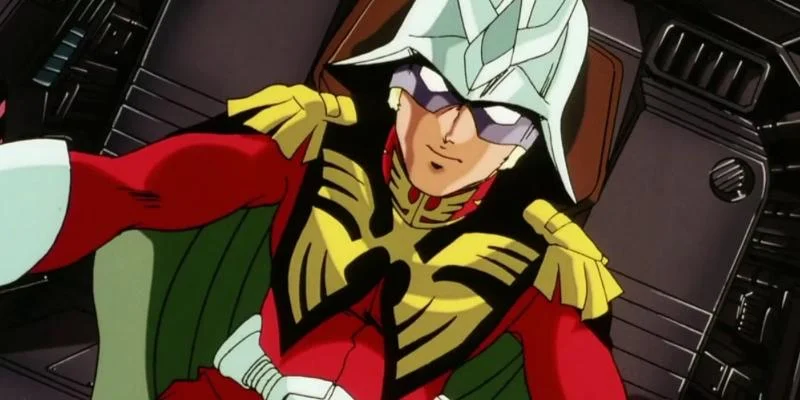
Char sought to uplift the space-born citizens of Zeon, who he believed were destined for greatness away from Earth’s corruption. His disdain for Earth’s governments was rooted in their exploitation of spacenoids.
Though his methods veered into vengeance and manipulation, Char’s core belief in independence and self-determination for oppressed groups mirrors real-world liberation struggles.
Shishio Makoto – ‘Rurouni Kenshin’

Burned alive by his own government, Shishio’s vendetta against the Meiji regime stemmed from betrayal. His belief that only the strongest survive was brutal, yet understandable given his treatment.
While his philosophy justified cruelty, it was also shaped by a harsh reality—those in power often discard their tools once they’re no longer useful. His war was as much about survival as revenge.
Obito Uchiha – ‘Naruto: Shippuden’

Obito’s dream of creating an ideal world without pain was born from personal tragedy. The loss of Rin shattered him, pushing him into the illusionary promise of the Infinite Tsukuyomi.
Though his plan meant erasing free will, the emotional root—wanting to protect people from suffering—was heartbreakingly human. His downfall was believing that peace could come from forced harmony.
Satsuki Kiryuin – ‘Kill la Kill’
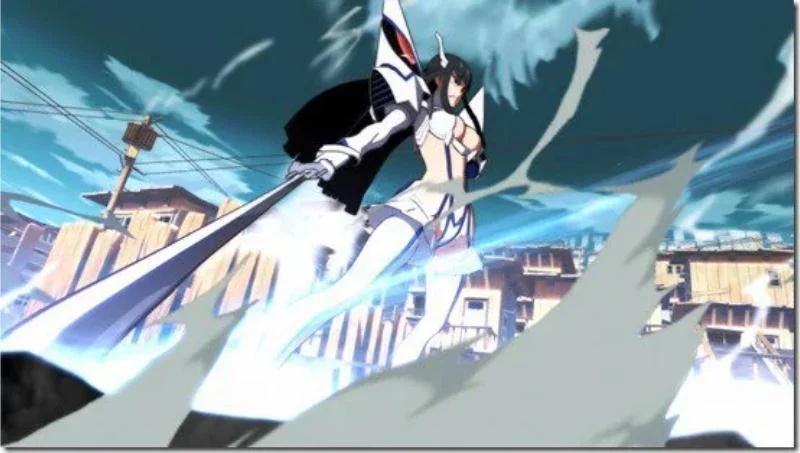
Satsuki’s iron-fisted rule over Honnouji Academy masked a deeper plan to overthrow her tyrannical mother. She enforced strict order not out of cruelty, but as a means to build the strength and loyalty needed for rebellion.
Her authoritarian methods were questionable, but they were a calculated step toward a greater liberation. In a twisted way, her reign prepared her followers for freedom.
Madara Uchiha – ‘Naruto: Shippuden’

Madara’s vision was eerily similar to Obito’s: a unified world free from war. Having lived through countless conflicts, he saw no other way to end the cycle but through the Infinite Tsukuyomi.
His flaw was in believing that peace and freedom were incompatible, choosing an eternal dream over imperfect reality. Yet, his desire to protect the world from itself was rooted in genuine care.
Eren Yeager – ‘Attack on Titan’

Eren’s shift from hero to destroyer came from his realization that freedom for his people meant annihilation for others. His plan to unleash the Rumbling was horrific, but it stemmed from a desperate need to protect Paradis Island from extinction.
It’s a chilling example of utilitarian ethics pushed to the extreme—sacrificing the world to save your own. While his decision horrifies, his motive is tragically understandable.
Light Yagami – ‘Death Note’
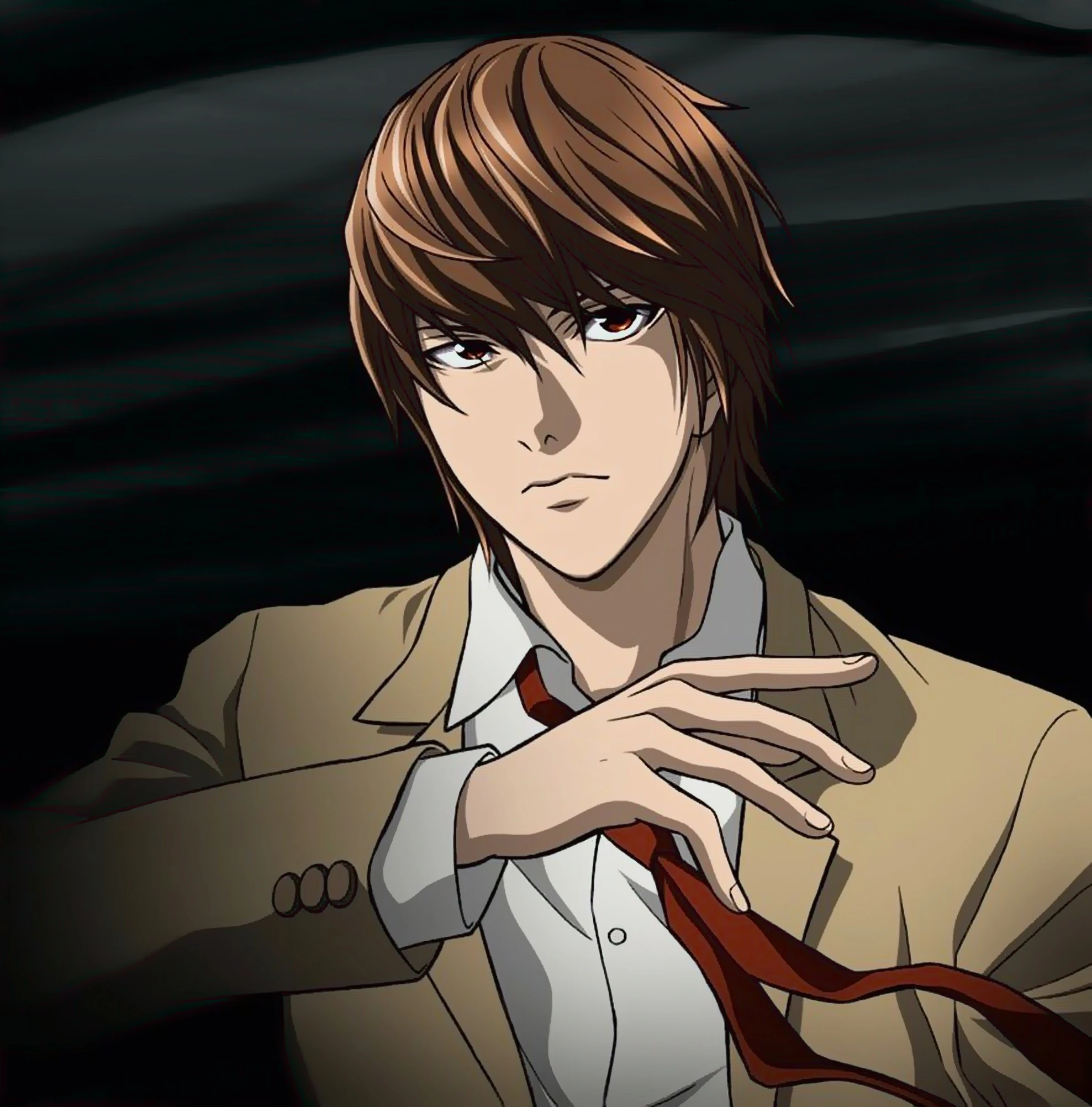
Light’s crusade began with the idea of eradicating crime by eliminating criminals. His logic—that fear of death would deter wrongdoing—wasn’t unfounded, but it quickly spiraled into self-righteous tyranny.
What began as a warped form of justice became a dictatorship under one man’s moral code. Light’s initial point—that the justice system has flaws—still resonates, even if his solution was monstrous.
Shou Tucker – ‘Fullmetal Alchemist: Brotherhood’
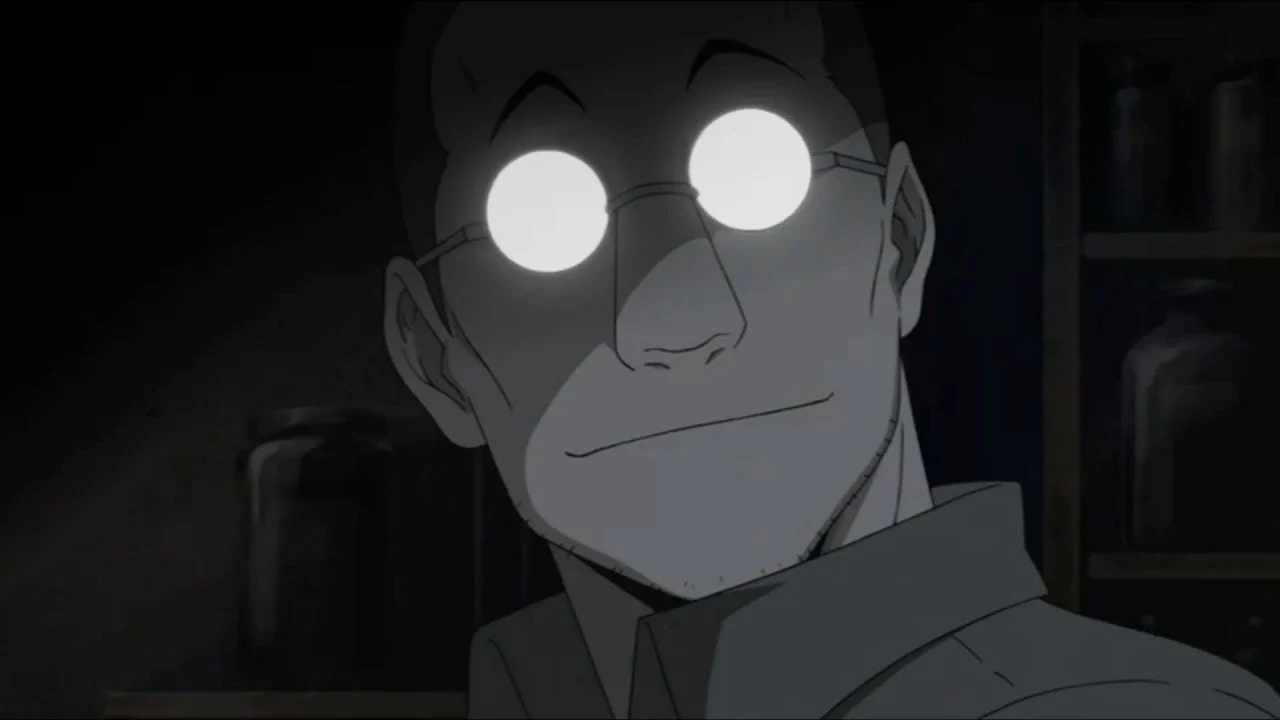
Shou Tucker’s act of fusing his daughter with her dog was unforgivable, yet his motivation came from the crushing pressure to achieve results in a cutthroat research environment. His desperation turned to obsession, blinding him to morality.
While nothing excuses his cruelty, his story is a cautionary tale about how institutional pressure can push individuals to cross unthinkable lines in pursuit of survival.
Kyubey – ‘Puella Magi Madoka Magica’

Kyubey’s cold logic saw human emotions as a resource for the survival of the universe. To him, sacrificing a few for cosmic balance was simply pragmatic.
His lack of empathy makes him villainous, yet his mission—preventing universal heat death—was undeniably important. The horror comes from realizing that his point was never about malice, just a perspective utterly alien to human compassion.
Which of these villains do you think was the most justified in their actions? Share your thoughts in the comments.