Celebrities Who Have Been Sued by Their Own Fans

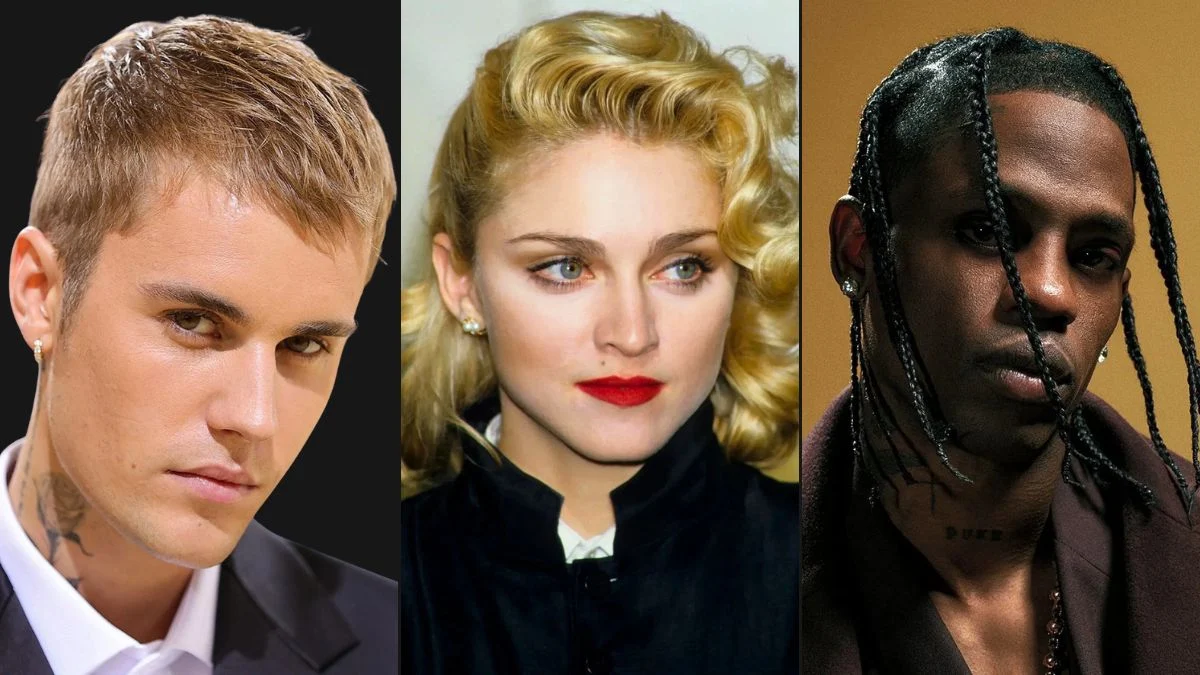

Sometimes the spotlight comes with surprises that no one expects. Fans do not just cheer from the crowd. They also buy tickets, follow launches, and trust what their favorite stars promote. When something goes wrong, that passion can turn into a legal fight. Over the years, plenty of famous names have been pulled into court by the very people who once lined up to see them.
These cases run from concert complaints to cancelled events to bold claims about products and promotions. Some end quietly with settlements. Others drag on for years while everyone argues about who is responsible. Here are well known examples of celebrities who have faced lawsuits from their own fans and supporters.
Madonna

Madonna has been sued by fans who said her shows started far later than advertised. People argued they planned travel and childcare around a posted time and felt misled when the lights went down much later. The complaints often focused on refunds and the idea that the time on a ticket should mean something clear.
Her team has pushed back by pointing to standard language that times can change and that live events are unpredictable. Supporters note that late starts are common in pop and that most fans still get the full set. The court filings show a bigger debate about what a ticket really promises.
Travis Scott
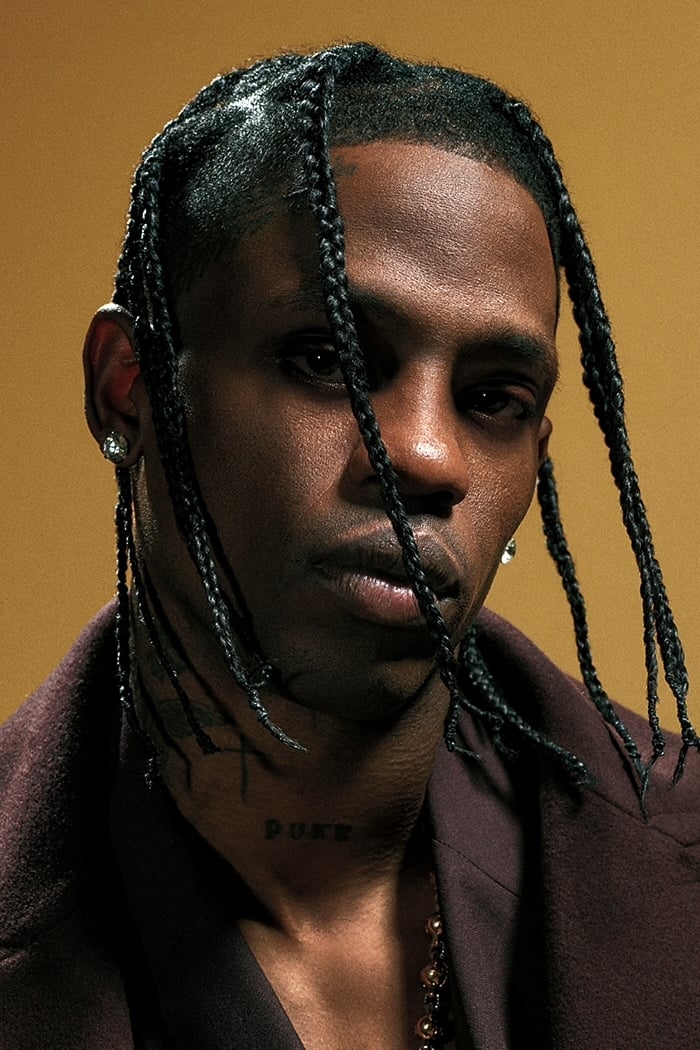
After the tragedy at the Astroworld festival, Travis Scott was named in many lawsuits from attendees and families. Fans claimed the event was unsafe and that warnings were not acted on quickly enough. The filings covered everything from crowd control to emergency planning and signaled how complex massive shows can be.
Scott has expressed sympathy and has fought the suits while also working on charity and safety efforts. Large crowd cases move slowly and often end in a mix of settlements and dismissals. For fans, the legal path became a way to demand accountability after a night that went terribly wrong.
Kanye West
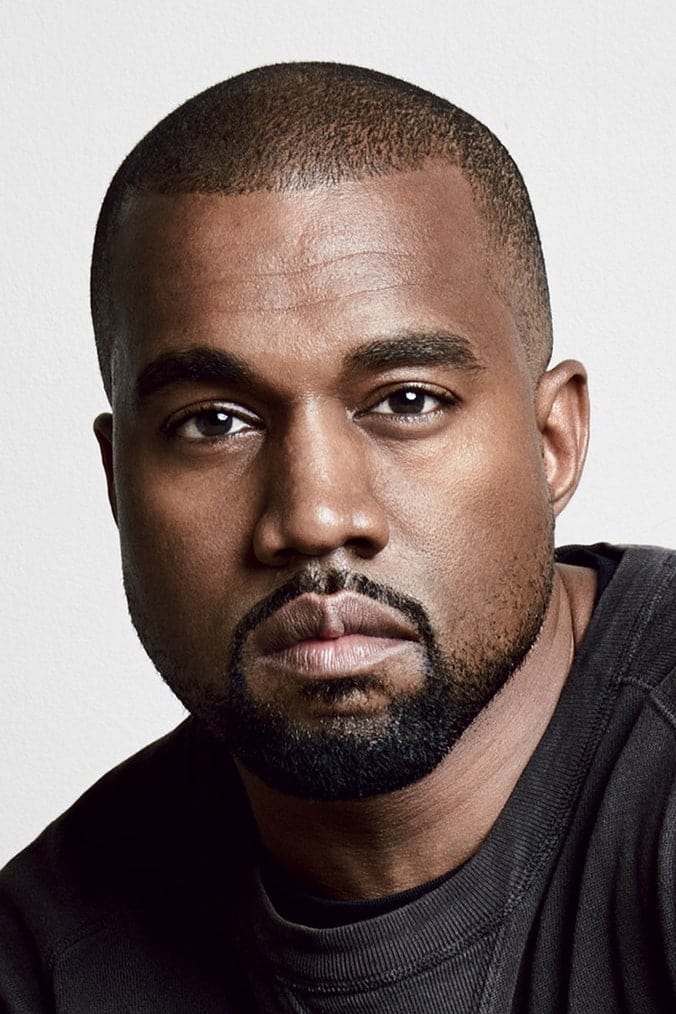
Kanye West was sued by fans who said they signed up for a streaming service because an album was described as exclusive. When the music later appeared elsewhere, listeners felt misled and took the dispute to court. The case raised questions about what artists and platforms can promise during splashy rollouts.
Music releases change fast and the line between marketing and guarantees can be blurry. The fight showed how fan loyalty can turn into legal pressure when expectations are not met. It also hinted at how digital exclusives can create confusion once plans shift.
Justin Bieber
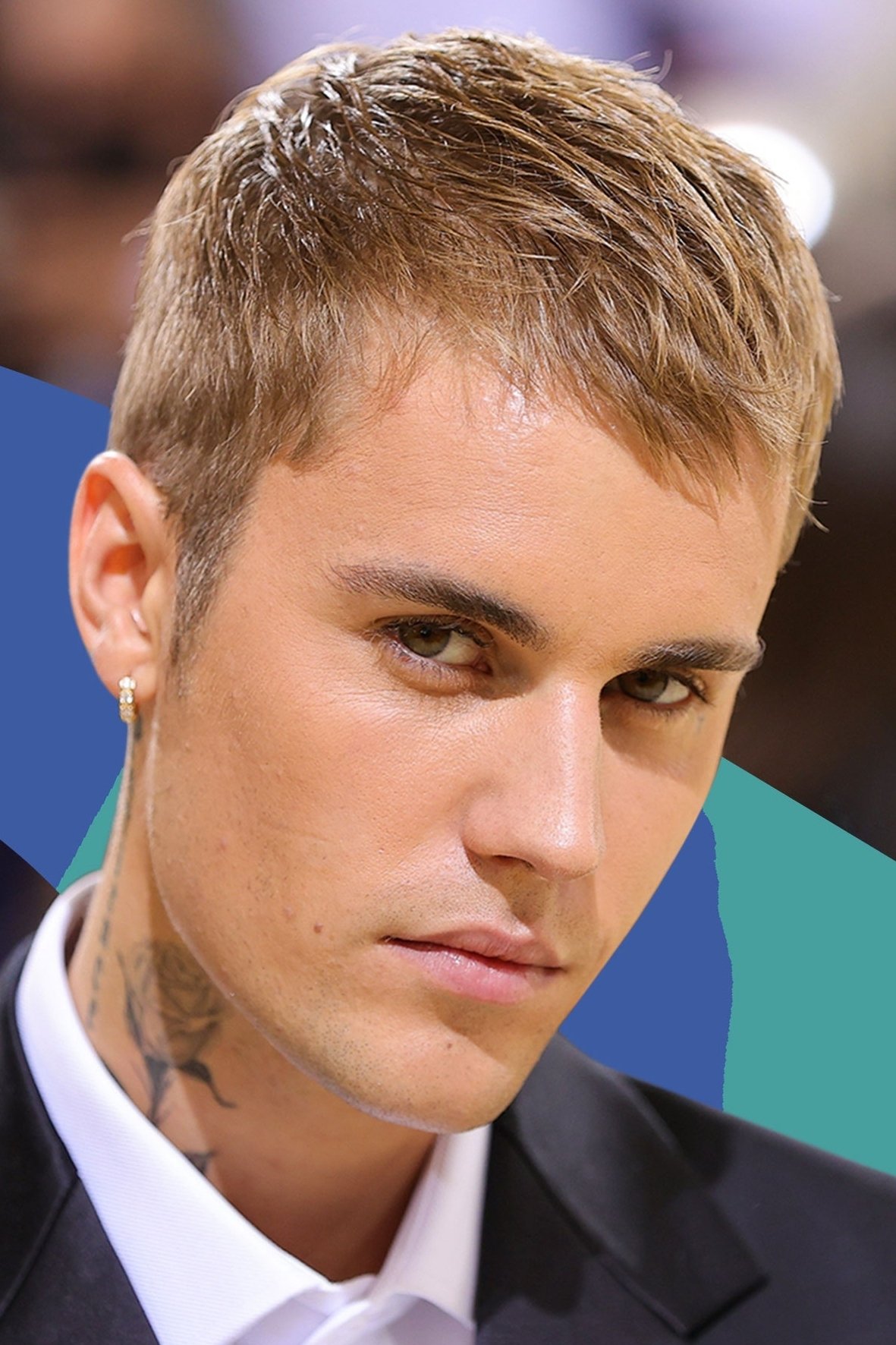
A concert goer once sued Justin Bieber after claiming she suffered hearing damage at one of his shows. The fan said the sound was too loud and that stage antics fed the noise in a way that made things worse. Claims like these rely on medical reports and venue records to show what really happened inside the arena.
Artists and venues counter that levels are monitored and that ear protection is available. Most people leave concerts smiling and safe, but a single bad experience can lead to a courtroom. The Bieber case reminded touring teams how small choices on stage can carry risk.
Beyoncé
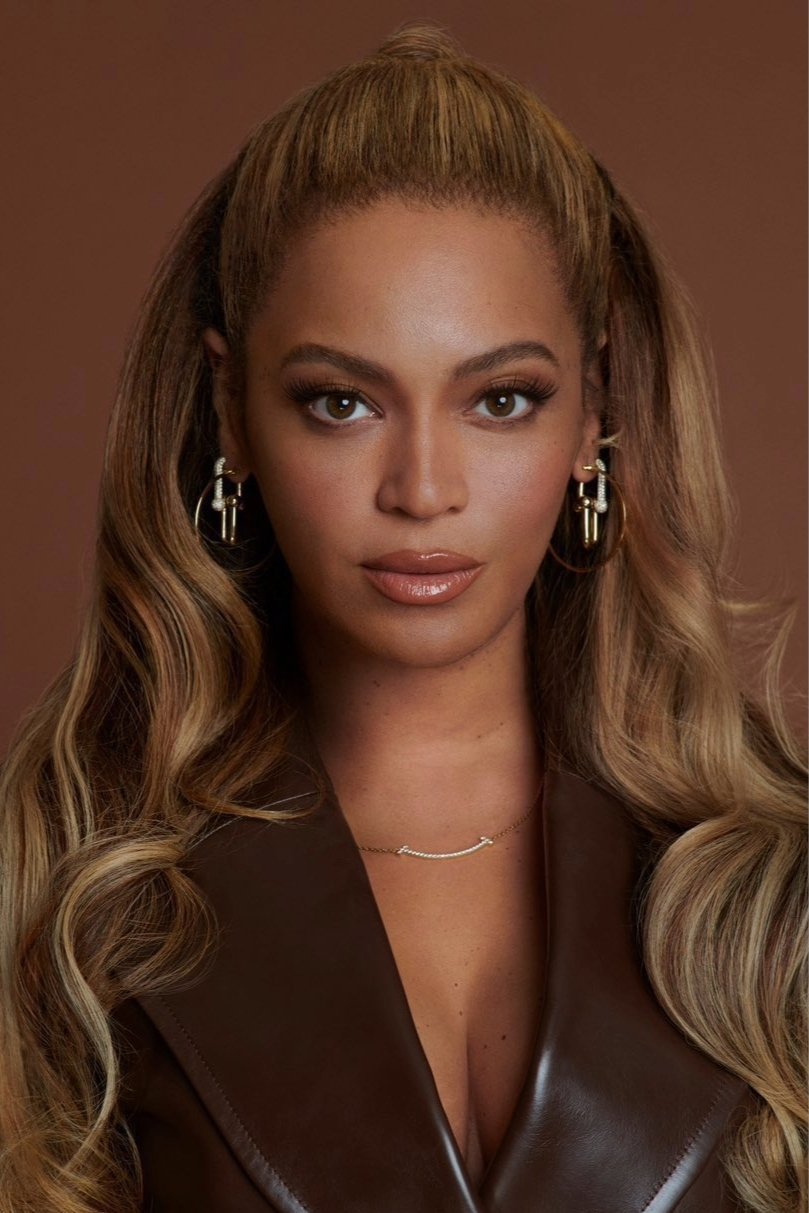
A visually impaired woman sued Beyoncé’s company over website accessibility. She said she wanted to browse and buy merchandise like any other fan but ran into barriers that screen readers could not handle. The suit argued that a merch site connected to a star is still a public space that needs to be usable by everyone.
These cases have pushed celebrity brands to upgrade code and design. What seems like a small web fix can decide whether a fan feels included. The legal pressure made accessibility part of the checklists for tours and launches.
Drake
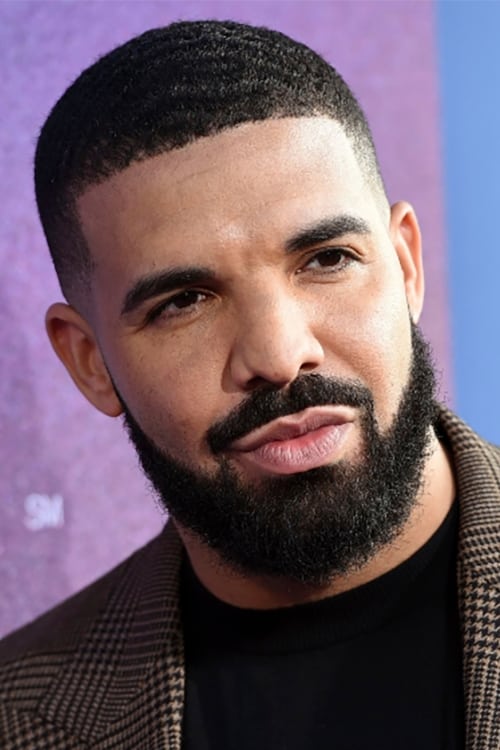
Drake has been named in lawsuits by attendees who said they were injured at shows. Some fans claimed crowd surges or chaotic moments left them with medical bills and long recoveries. The filings often list the artist along with venues and promoters since everyone shares the stage environment.
Artists usually argue that security and safety are managed by professional teams and that personal responsibility still matters. Even so, these suits show how fast a fun night can tip into risk. They also push tours to rethink barriers, staffing, and pacing.
Cardi B
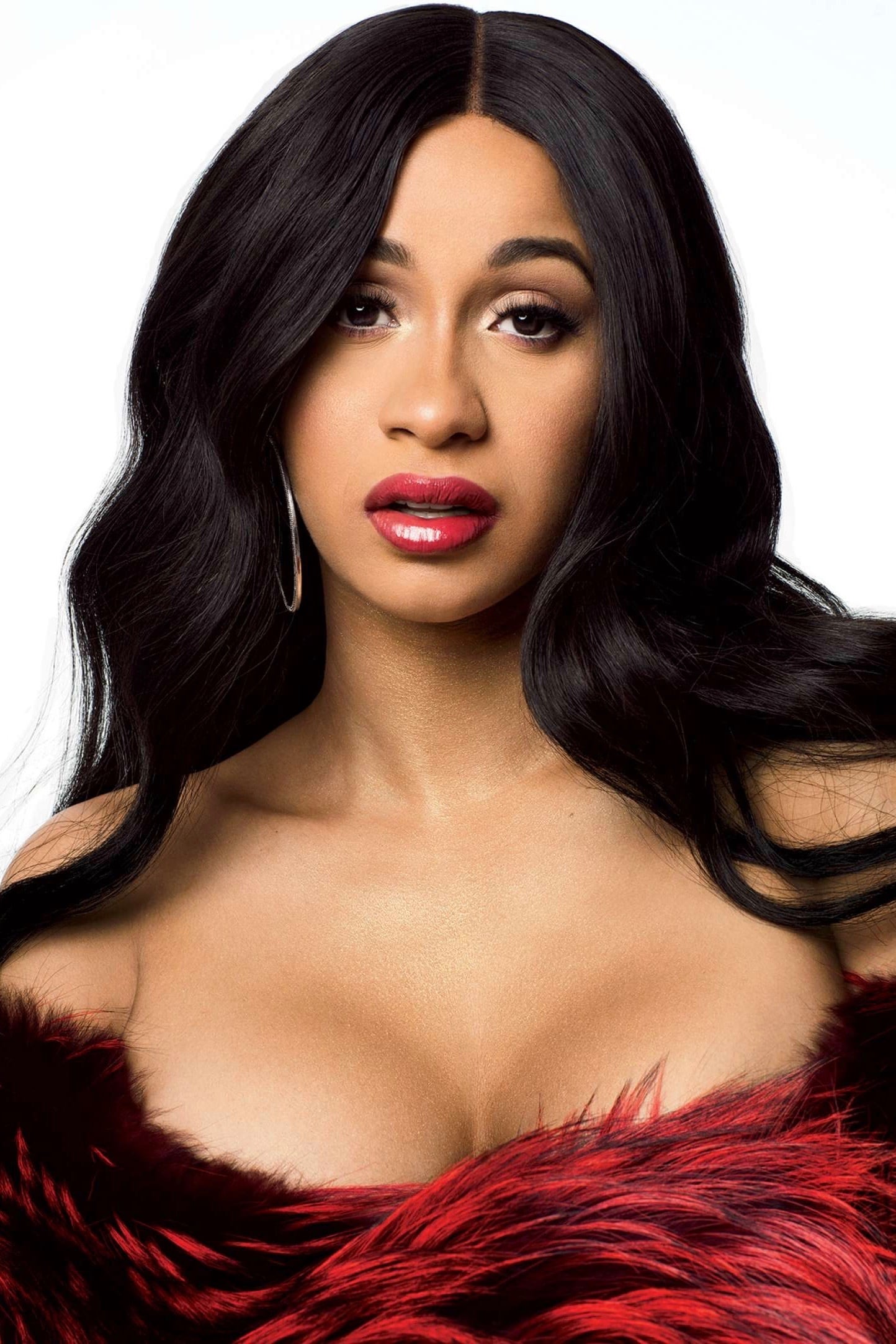
A fan filed legal action after being struck by a microphone at a Cardi B show. The incident became a viral clip and then a dispute over intent and injury. In a packed venue, a split second choice can spark months of arguments over who is at fault.
For performers, it highlighted the fine line between crowd interplay and potential harm. For fans, it became a reminder that anything tossed from a stage can be more than a prop. Courts end up sorting through angles, testimonies, and policy notes from the venue.
Ja Rule
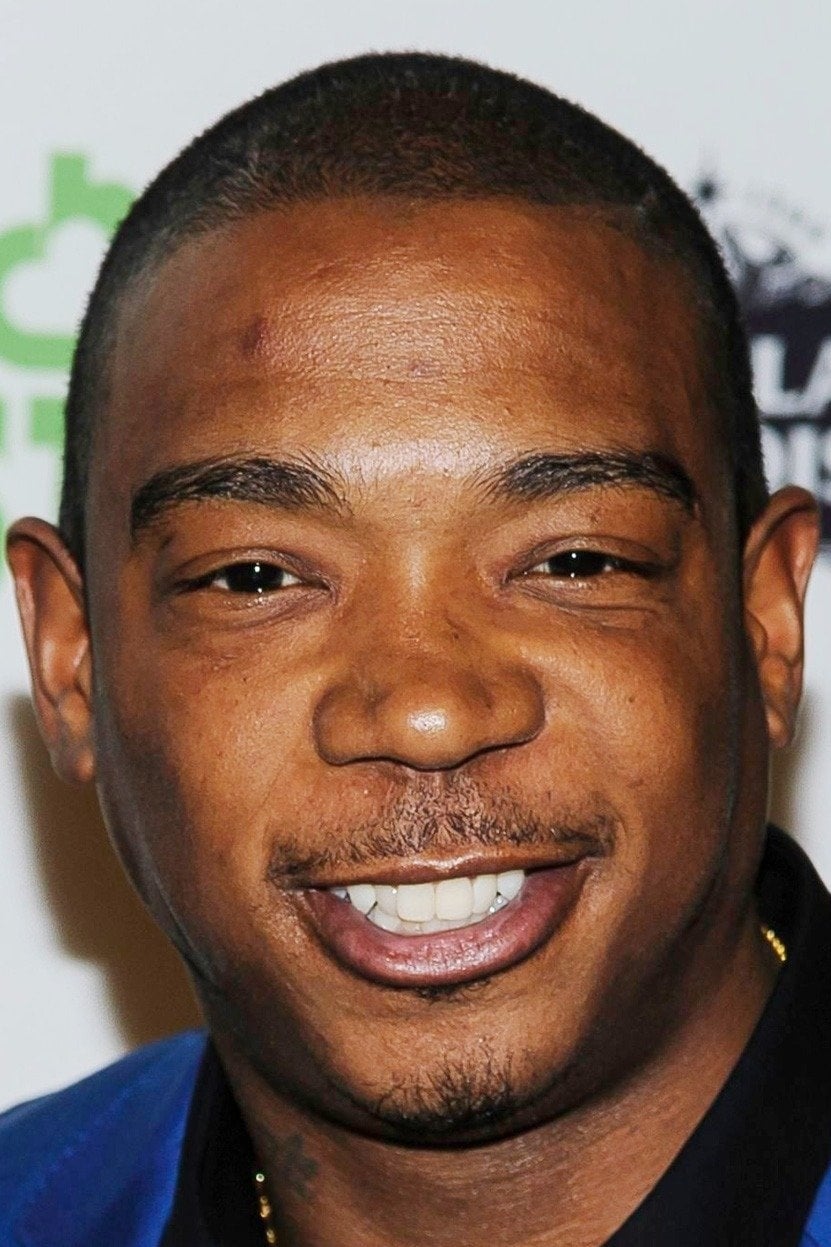
Fans who traveled to the infamous Fyre Festival sued Ja Rule along with other organizers and promoters. They said the event was marketed as a luxury experience and delivered something very different. The gap between glossy teasers and the reality on site became the heart of the claims.
While different defendants faced different outcomes, the message to celebrity partners was clear. If your name helps sell an event, fans may look to you when things collapse. The case changed how stars approach endorsements for large scale experiences.
Logan Paul
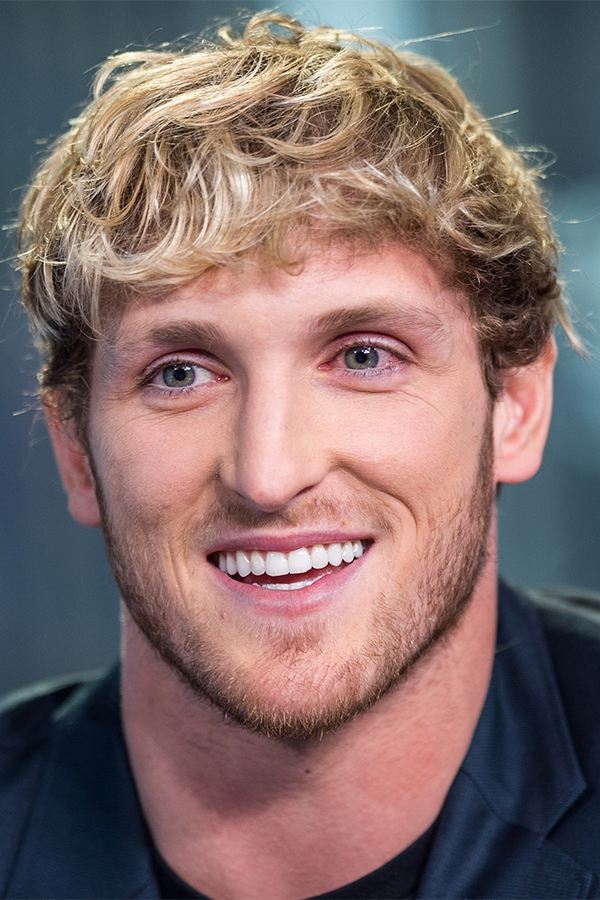
Buyers of a crypto project linked to Logan Paul sued after the rollout unraveled. Fans said they trusted his branding and public statements, then watched values drop and development stall. The suit framed the purchase as something driven by fandom as much as finance.
Influencer led ventures blur the line between entertainment and investment. When projects falter, followers feel both consumer and supporter losses. The legal system has started treating those promises with the same scrutiny used for traditional launches.
Jake Paul
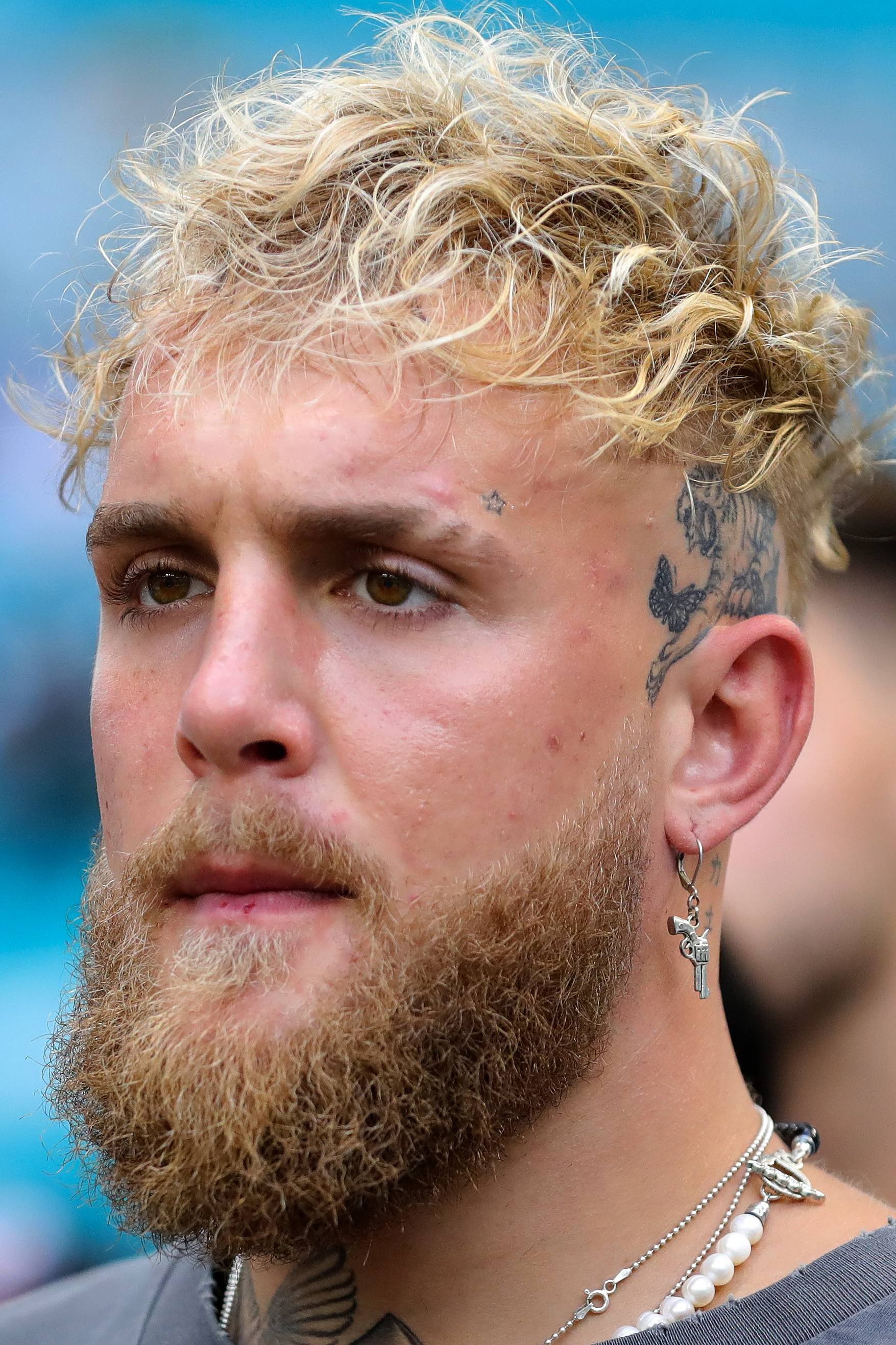
Jake Paul has been named in investor lawsuits tied to promoted tokens. Plaintiffs argued that a familiar face amplified hype and made risky products look safer than they were. Many buyers were fans who follow his content and took cues from his posts.
These cases push creators to add clearer disclosures and to think hard about what they put their name on. A single shoutout can move markets and invite regulatory attention. Fans now expect the same care they would get from any brand, not just a favorite star.
Kim Kardashian
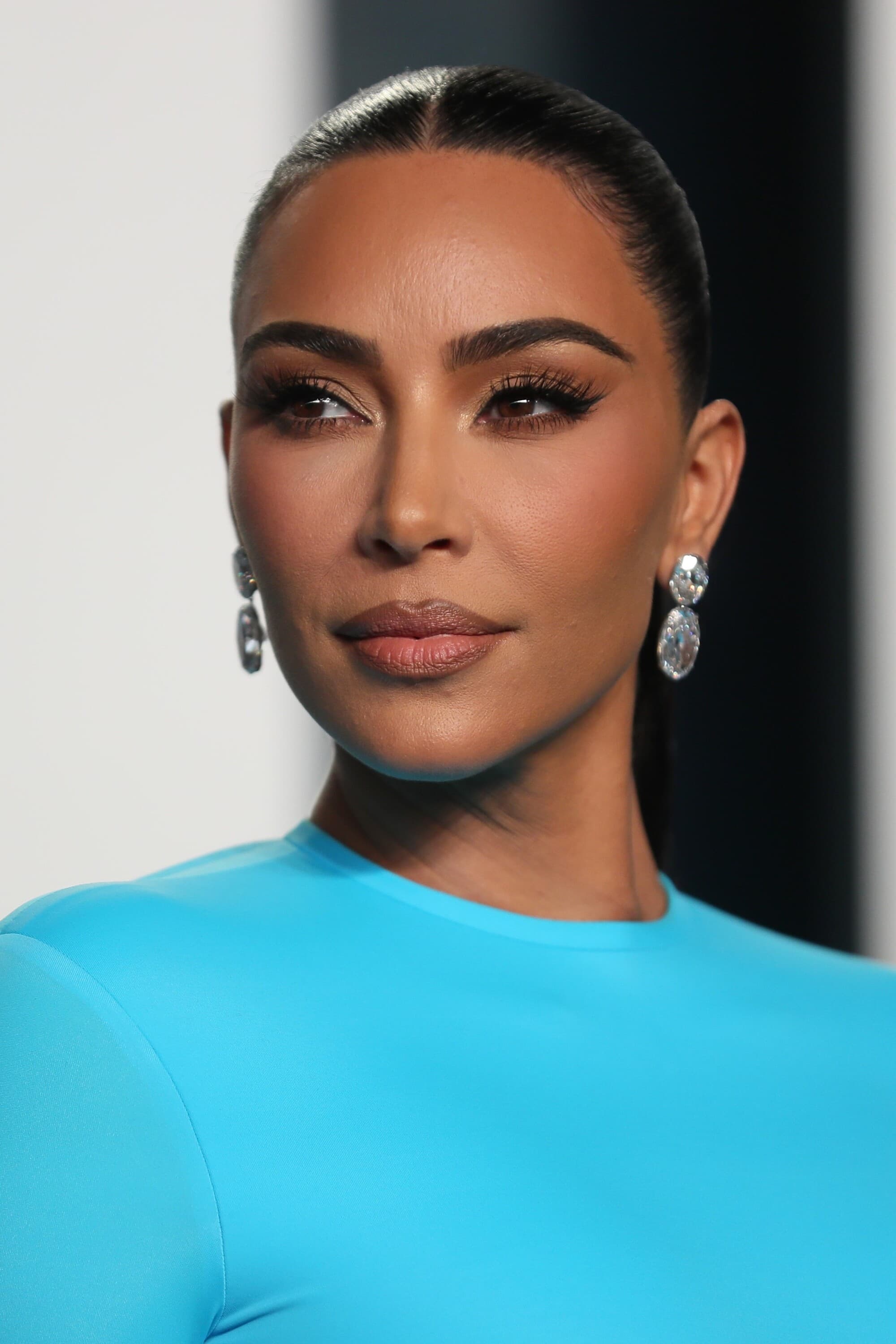
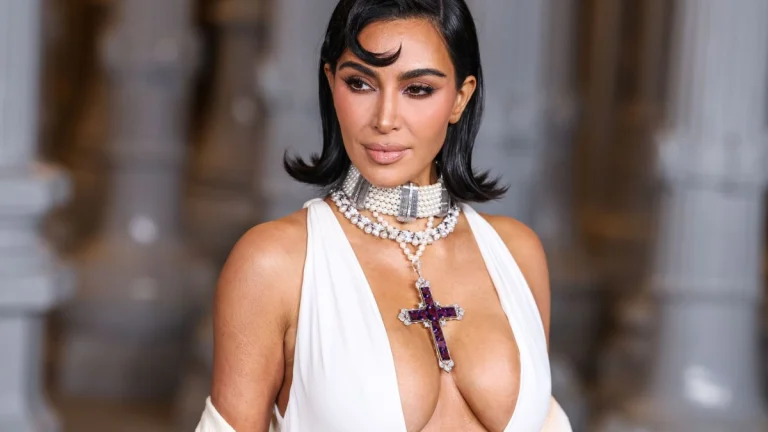
Investors sued Kim Kardashian after promotions for a token that later plunged. They said her reach turned a niche product into a wave that swept up casual buyers. The filings argued that a paid post can still create real world expectations for fans who want to be part of the moment.
The fallout made celebrities more cautious about financial endorsements. Clear labels and careful partner choices are now standard steps. Fans still follow what stars recommend, but courts have shown that influence carries responsibility.
Soulja Boy
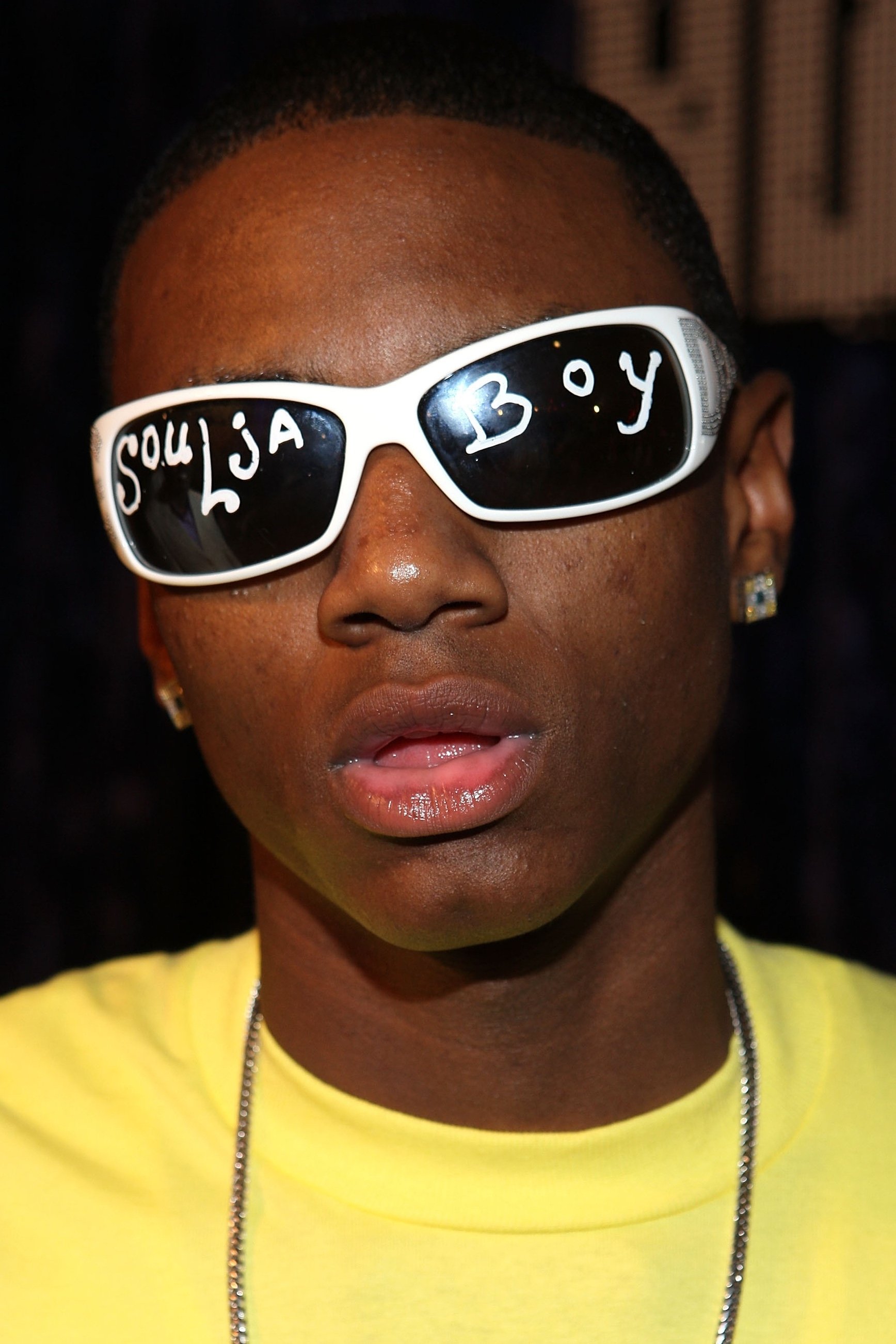
Soulja Boy has faced lawsuits from buyers who said they relied on his promotion of crypto projects. Fans claimed they joined because they trusted his voice and then lost money when the tokens crashed. The complaints mirror a broader trend where online hype meets legal rules.
For artists, it is a lesson in how fast a tweet can become evidence. For fans, it is a warning to research before jumping in, even when a favorite celebrity is excited. The courtroom becomes the place where fandom and finance are forced to slow down and explain themselves.
Share your thoughts in the comments and tell us which case surprised you the most and why.