5 Things About ‘Predator’ That Made Zero Sense and 5 Things That Made Perfect Sense

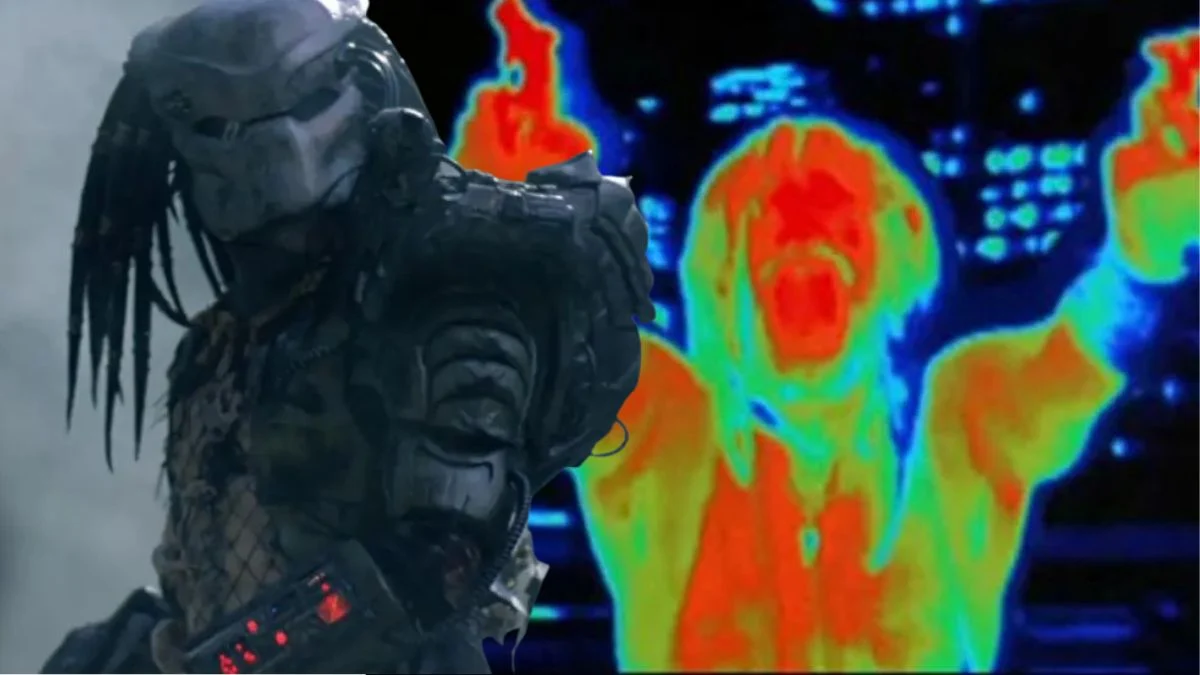

The original Predator is a classic action movie with a mix of sci-fi and horror. It gave us a relentless alien hunter, memorable one-liners, and a tense jungle setting. But looking closely, not everything adds up. Some moments leave you scratching your head, while others are surprisingly logical for such an over-the-top film.
In this list, we’ll switch between things that made no sense at all and moments that actually made perfect sense. From strange character decisions to smart tactical moves, here’s a breakdown of the best and worst logic in Predator.
Zero Sense: The Predator Playing With Its Prey

The Predator clearly had the firepower to take out the team quickly. Instead, it stalked them, picked them off one by one, and even toyed with them. This makes for a tense movie but doesn’t line up with the idea of an efficient hunter. A real predator would strike fast to avoid giving its prey a chance to fight back.
This slow hunt put the alien at risk. By dragging things out, it allowed Dutch and his team to regroup, plan, and fight back. It was more like a game than survival, which doesn’t make much sense for a supposedly deadly warrior.
Perfect Sense: Using Heat Vision to Track Targets

The Predator’s heat vision was a practical way to hunt in the dense jungle. With so much cover, normal sight would make it harder to spot prey. Heat signatures gave the alien a clear advantage, even in the dark or through smoke.
It also explained how the alien could detect hidden soldiers. Camouflage or foliage didn’t matter because body heat stood out. This was one of the most believable pieces of tech in the movie.
Zero Sense: Dutch Lighting a Huge Fire for a Trap

When Dutch set his traps, he lit a massive bonfire. This would give away his position to anyone—especially a skilled hunter with advanced sensors. It was the opposite of stealth.
The fire might have been meant to lure the Predator in, but it also risked warning it. A clever hunter would avoid such an obvious bait, making this move questionable at best.
Perfect Sense: Covering Himself in Mud to Hide Heat

Dutch using mud to block his body heat was a smart survival tactic. It played directly into the Predator’s weakness, turning the alien’s heat vision into a disadvantage.
The scene also showed quick thinking under pressure. Dutch adapted to the alien’s technology without even fully understanding it, which felt believable.
Zero Sense: The Predator Removing Its Mask to Fight

At the end, the Predator removes its mask for a hand-to-hand fight with Dutch. This makes no tactical sense. Losing the mask means losing heat vision and possibly other sensors.
The choice seemed to be about honor or intimidation, but from a survival point of view, it was foolish. A trained hunter wouldn’t throw away its best tools in a fight.
Perfect Sense: The Predator Mimicking Voices

The Predator’s ability to mimic human voices was a clever hunting trick. It could lure prey into traps or create confusion in the team.
Using sound to draw someone out is a known hunting method in nature, and applying it to this alien felt realistic. It was a small but smart touch.
Zero Sense: Carrying So Much Heavy Gear in the Jungle

Dutch’s team was loaded with massive guns, ammo, and gear. In a dense jungle, this would slow them down and make them easier targets. Real special forces would likely carry lighter, more practical loads for mobility.
The huge weapons looked cool on screen, but in reality, they would be a disadvantage in such terrain. It was more about style than practicality.
Perfect Sense: The Predator Using the Jungle as Cover

The Predator blended into the jungle with its cloaking technology, making it nearly invisible. In a natural environment full of movement and sound, this gave it a huge edge.
This strategy made perfect sense for a stealth hunter. It maximized its environment and forced its prey to fight an enemy they could barely see.
Zero Sense: The Predator’s Self-Destruct Device

When defeated, the Predator activates a self-destruct device. While this might make sense as a way to protect its technology, the massive explosion risked destroying valuable trophies it collected from hunts.
It also drew unnecessary attention to the Predator’s presence. For a species that relies on stealth, this seemed extreme.
Perfect Sense: Dutch Outsmarting the Predator with Traps

In the end, Dutch uses simple but effective traps to take down the Predator. These worked because they relied on the alien’s overconfidence and tendency to close in for the kill.
By using low-tech solutions, Dutch turned the environment into a weapon. This was a believable way for a human to level the playing field against a high-tech alien.