Marlon Brando’s Biggest Regret: The Movie He Called a “Horrible Picture” and His Miscast Role

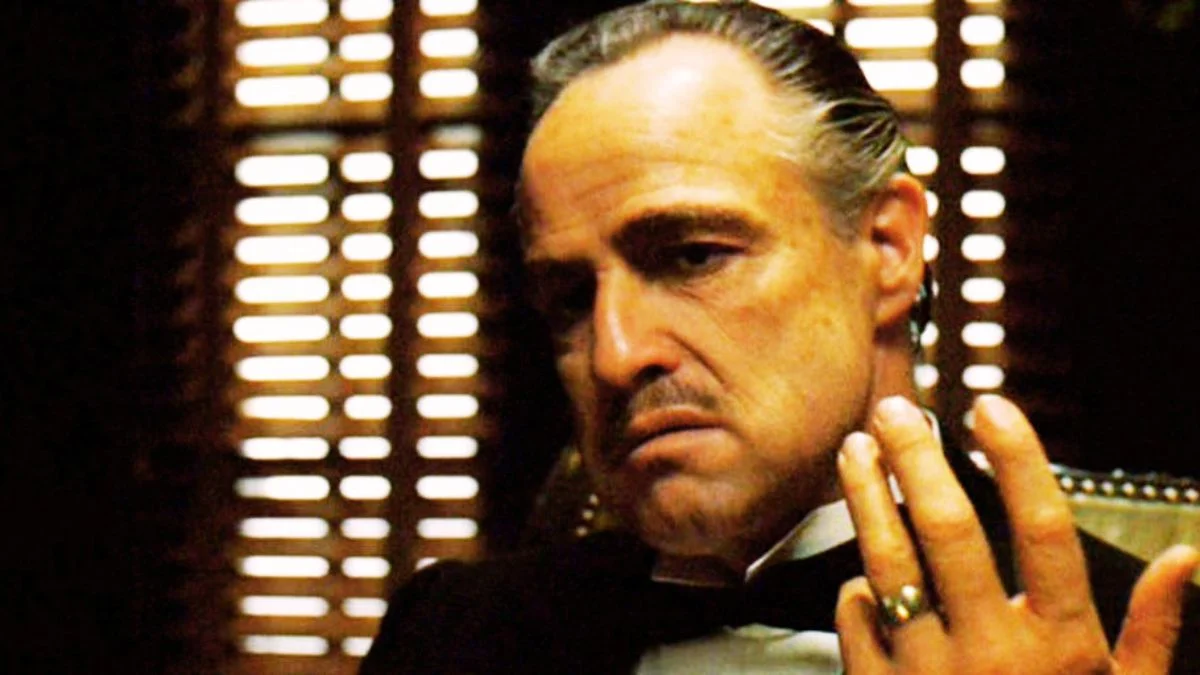

Marlon Brando is often called one of the greatest actors in movie history. Over a career that lasted six decades, he won many big awards, including two Oscars and several Golden Globes. Brando is famous for bringing a new style of acting, called method acting, to a wide audience. But despite all his success, there was one role he deeply regretted taking.
In his autobiography, Brando talked about his role in the 1956 movie The Teahouse of the August Moon. He played Sakini, an interpreter on the island of Okinawa, who spends much of the film clashing with an American officer played by Glenn Ford.
Brando said, “In The Teahouse of the August Moon, I played an interpreter on Okinawa named Sakini, who spends most of the movie dueling with Glenn Ford, an American Army officer assigned to bring democracy and free enterprise to the island.”
He admired the original Broadway play where David Wayne played Sakini, calling it “a delicate, amusing comedy of manners set against the backdrop of a stormy clash of cultures.” But when it came to his own performance in the film, Brando was much more critical.
He said, “As I’ve said, a well-written play is nearly actor-proof, but in Teahouse, Glenn Ford and I proved how easily actors can ruin a good play or movie when they’re so absorbed with themselves and their performances that they don’t act in concert. It was a horrible picture, and I was miscast.”
The Teahouse of the August Moon is a comedy directed by Daniel Mann that satirizes the American occupation of Okinawa after World War II. It was based on a Pulitzer Prize-winning Broadway play by John Patrick, which itself was adapted from a novel by Vern J. Sneider.
The film was a commercial success for MGM, earning over $8 million worldwide, and even got nominated for a Golden Globe Award for promoting international understanding.
Despite its success, the film has faced criticism over the years. Scholars argue that it both helped and hurt the portrayal of Asian characters. Some say it encouraged tolerance by showing interracial marriages openly, while others criticize it for using Asian stereotypes, especially in the way it portrayed women. Brando’s role has also been called an example of “yellowface,” a white actor playing an Asian character.
In 1980, film critic Michael Medved gave Brando a Golden Turkey Award for what he called “Most Ludicrous Racial Impersonation”. This shows how much the role and the movie’s approach have been questioned in hindsight.
Brando’s honest reflection reveals that even legendary actors can look back on parts of their career with regret. He admitted openly that “I was miscast” and called the movie “a horrible picture”, reminding us that not every project, even from the biggest stars, hits the mark.
Have something to add? Let us know in the comments!