Sean Connery’s Career: From: ‘Lilacs in the Spring’ to ‘The League of Extraordinary Gentlemen’

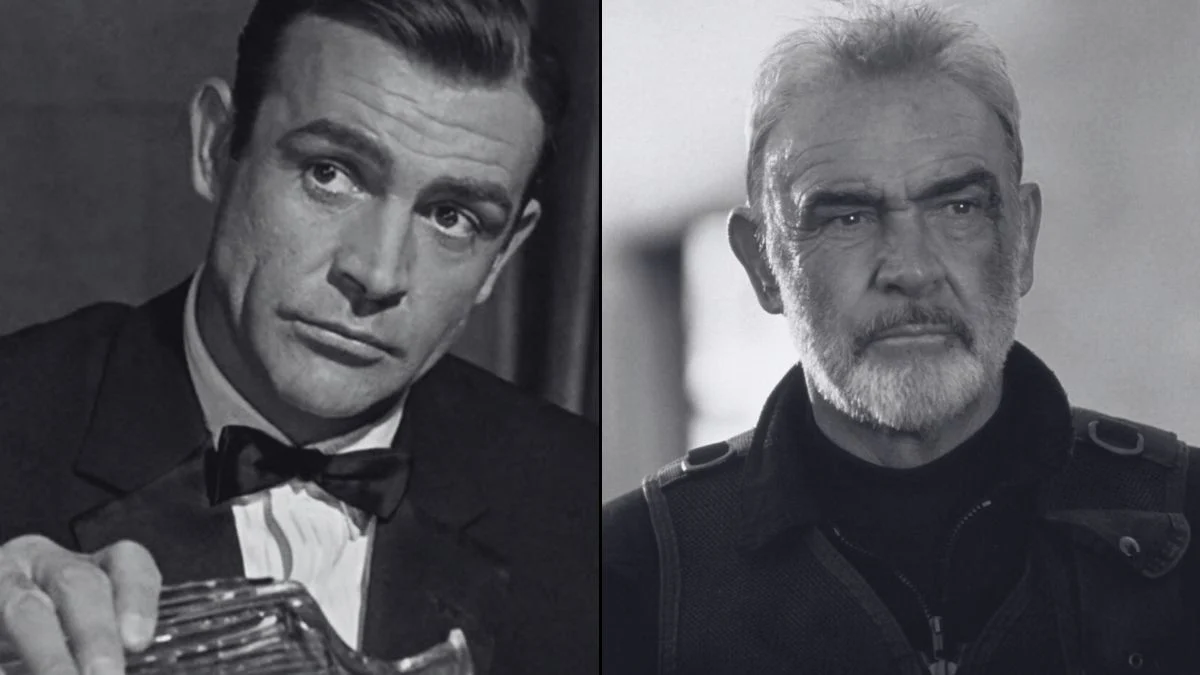

Sean Connery’s career was a remarkable journey, spanning nearly five decades and showcasing his evolution from an unknown actor to a global superstar. He began with minor, often uncredited roles in the mid-1950s, slowly building a reputation in British film and television. During these early years, he took on any part he could, from small background appearances to more substantial supporting characters. This period was crucial for honing his craft and gaining experience, laying the groundwork for the monumental success that was to come.
The trajectory of his career shifted dramatically in 1962 when he was cast as James Bond in ‘Dr. No’. This role catapulted him to international fame and defined him in the public eye for years. While he would forever be associated with the suave secret agent, Connery was determined not to be typecast. He actively sought out diverse and challenging roles, moving between big-budget blockbusters and smaller, character-driven films. His filmography, stretching from his first minor appearance in ‘Lilacs in the Spring’ to his final leading role in ‘The League of Extraordinary Gentlemen’, reflects a versatile and enduring talent who left a permanent mark on cinema.
‘Lilacs in the Spring’ (1954)

Sean Connery’s film career began with an uncredited role as an extra in ‘Lilacs in the Spring’. This British musical film starred Errol Flynn and Anna Neagle. The story follows an actress who is knocked unconscious during an air raid and dreams of the various historical women she has portrayed on stage. Connery’s appearance is brief and easy to miss, a humble start for an actor who would become a major star.
The film itself was a moderate success in the United Kingdom. For Connery, it was simply a stepping stone. At this point in his career, he was taking any work he could find to gain experience in the film industry. This uncredited part represents the very first entry in a long and celebrated filmography, making it a significant, if small, piece of his history.
‘No Road Back’ (1957)
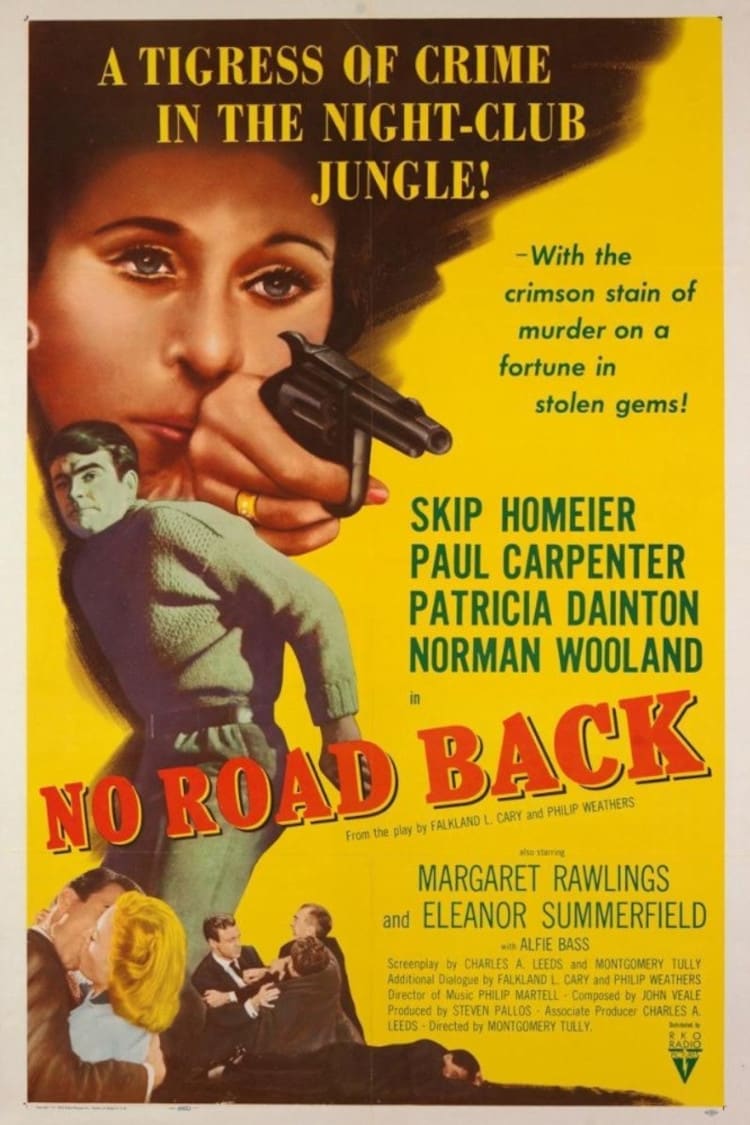
In this crime noir film, Sean Connery played the role of “Spike,” a gangster with a speech impediment. The movie centers on a blind and deaf-mute man who runs a club and gets involved with criminals. Connery’s character is part of the gang, and the role gave him an opportunity to play a more defined character than his previous extra work.
‘No Road Back’ was a low-budget British B-movie, but it was an important step for Connery. It was one of his first credited film roles and allowed him to showcase his ability to play a tough character. The part required him to affect a stutter, demonstrating his willingness to take on character-specific challenges early in his career.
‘Hell Drivers’ (1957)
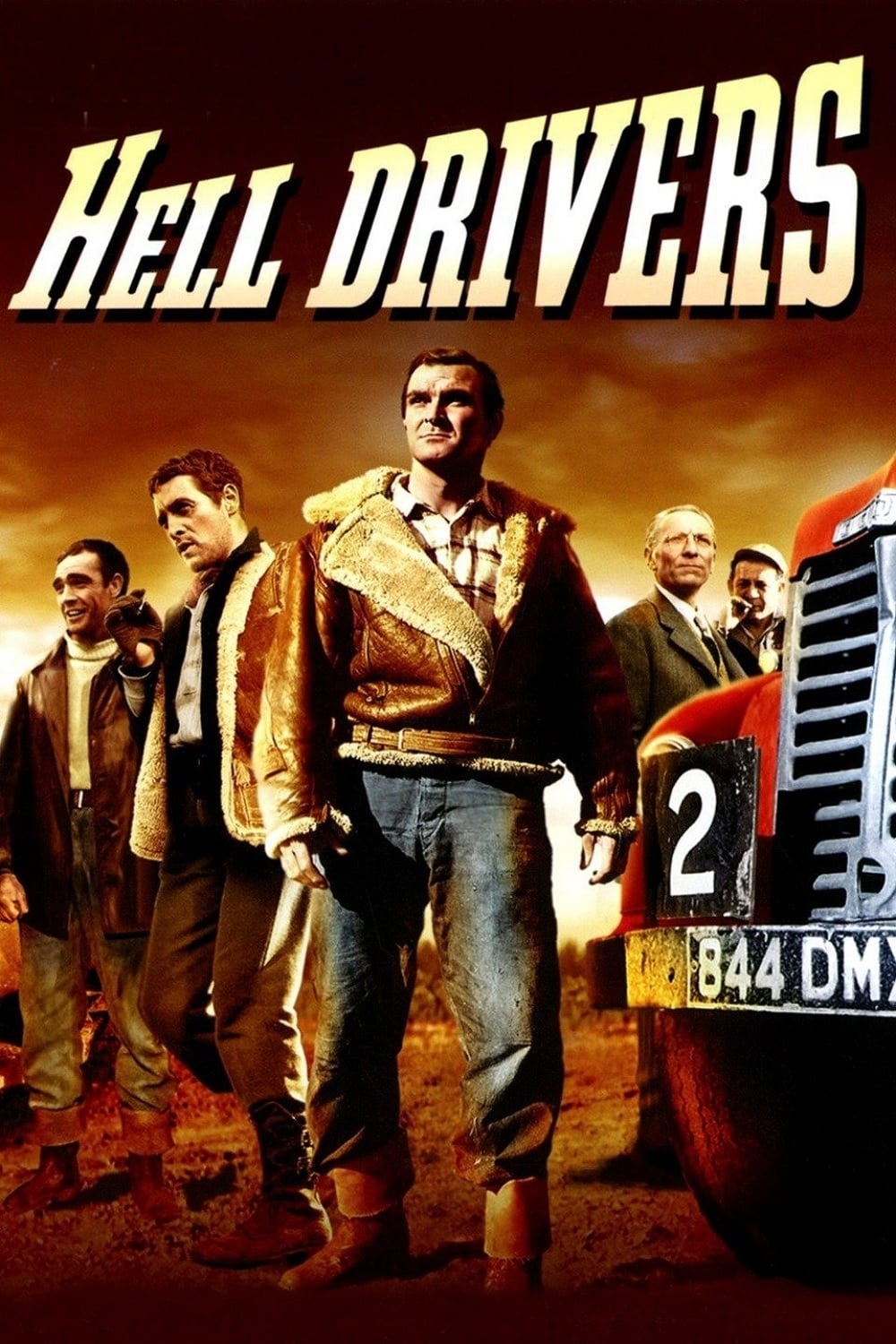
‘Hell Drivers’ is a British thriller set in the world of aggressive truck drivers. The film stars Stanley Baker as an ex-convict who takes a job at a haulage company where drivers are encouraged to drive recklessly to earn bonuses. Connery plays Johnny Kates, one of the drivers who befriends the main character.
The film featured a cast of actors who would go on to become well-known, including Patrick McGoohan and Herbert Lom. Connery’s role as Johnny is significant, and he holds his own among the other strong performers. ‘Hell Drivers’ is remembered for its tense action sequences and gritty realism, and it remains a notable entry in Connery’s early filmography.
‘Action of the Tiger’ (1957)
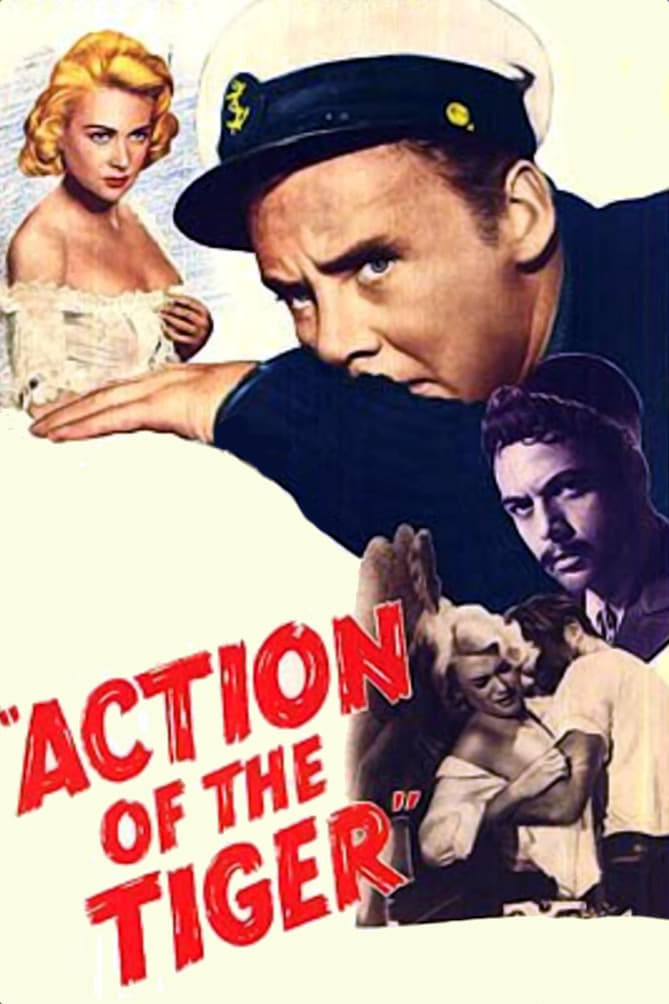
In this adventure film, Sean Connery plays Mike, a secondary character who is part of the crew of a boat for hire. The story follows an American adventurer, played by Van Johnson, who is hired by a French woman to rescue her brother from communist Albania. Connery’s role as the first mate is a supporting part, but he has several noticeable scenes.
During the filming of ‘Action of the Tiger’, Connery met the film’s director, Terence Young. Young was impressed by Connery’s presence and would later become instrumental in his career. It was Young who would go on to direct Connery in his first three James Bond films, making this early collaboration a pivotal moment.
‘Time Lock’ (1957)
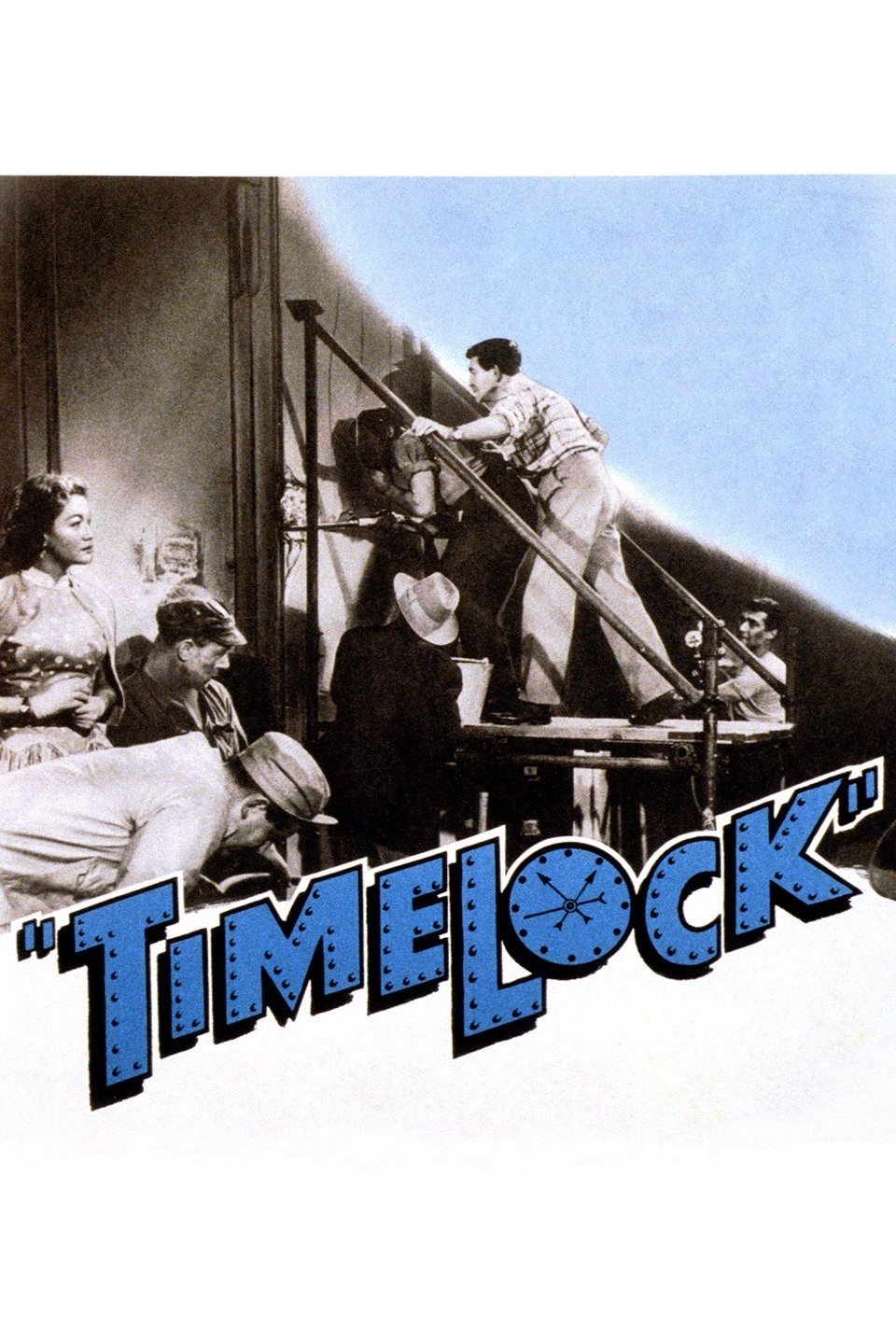
‘Time Lock’ is a tense British thriller about a young boy who accidentally gets locked inside a bank vault. The vault has a time lock and cannot be opened before the scheduled time, leaving the boy with a limited supply of air. Sean Connery has a small role in the film as Welder #1, part of the team trying to break into the vault.
The role is minor, but it placed Connery in another credited film production. His appearance is brief, focusing on the efforts of the rescue team. The film’s suspense comes from the race against time to save the child, and Connery’s character contributes to that tension as one of the skilled workers on the scene.
‘Another Time, Another Place’ (1958)
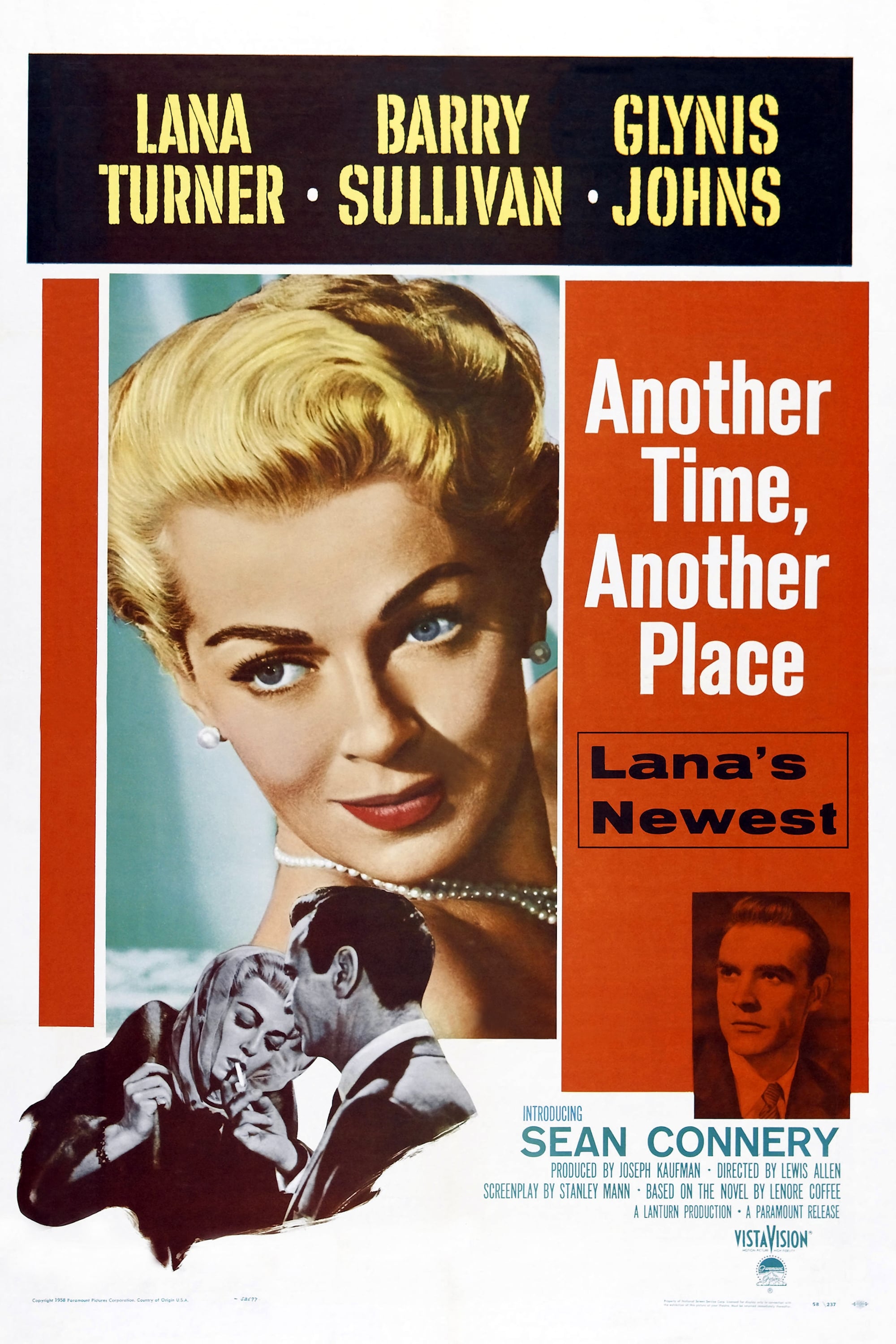
This romantic drama gave Sean Connery his first major leading role opposite Hollywood star Lana Turner. Connery plays Mark Trevor, a British war correspondent who has an affair with an American journalist, played by Turner, during World War II. The relationship ends tragically, and the rest of the film deals with the emotional aftermath for Turner’s character.
The film gained notoriety due to an off-screen incident involving Turner’s real-life gangster boyfriend, who threatened Connery. On screen, the role was a significant step up for Connery, pairing him with a major international star. His performance as the charming and doomed lover showcased his potential as a romantic lead and was a key part of his journey toward stardom.
‘A Night to Remember’ (1958)
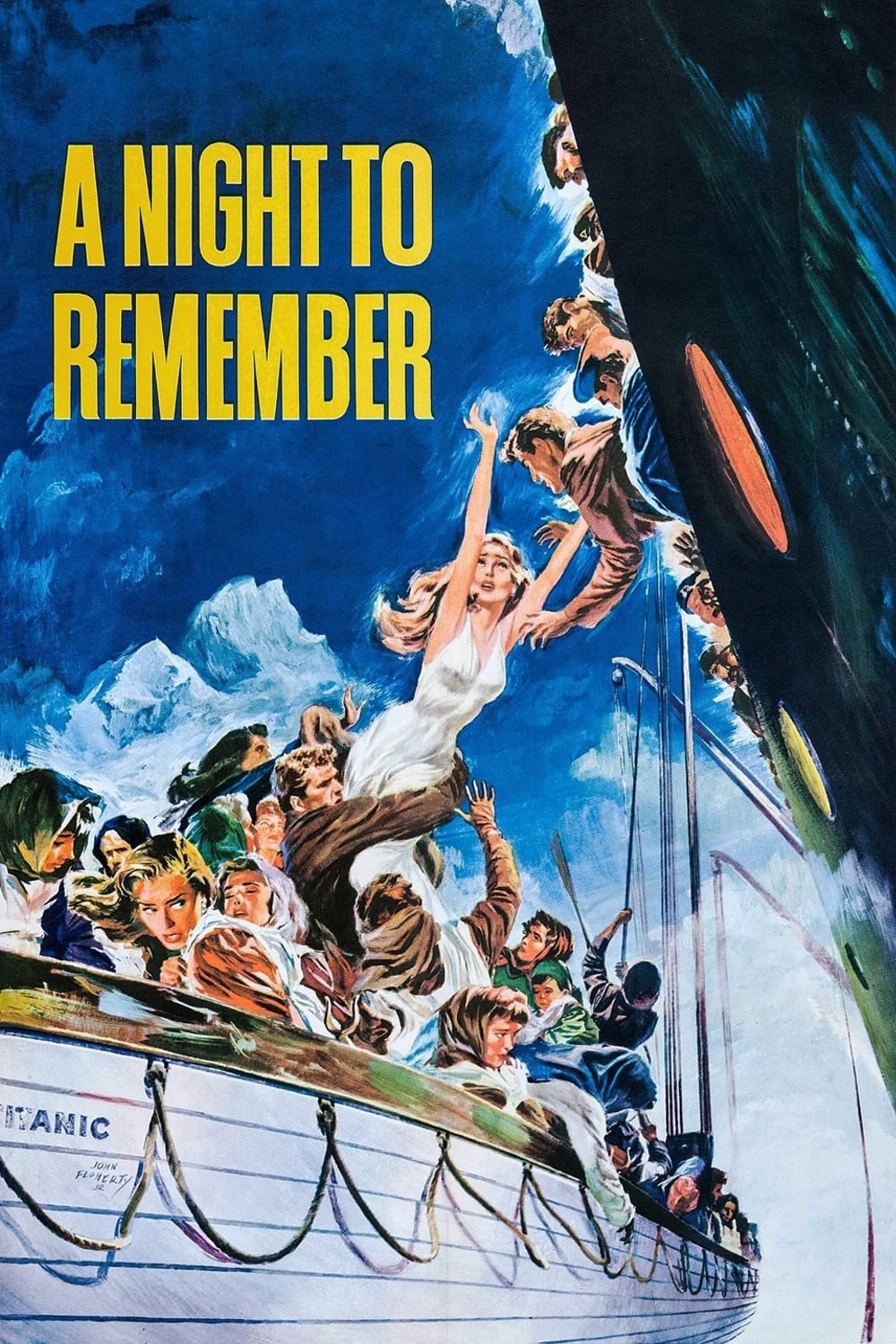
This acclaimed British film is a docudrama depicting the sinking of the RMS Titanic. The movie is known for its historical accuracy and its focus on the human stories of the passengers and crew. Sean Connery has a small, uncredited role as a lifeboat survivor on the deck of the rescue ship, the Carpathia.
His appearance is very brief, and he is seen as one of the many survivors wrapped in blankets. Although it was a step back to uncredited work, ‘A Night to Remember’ was a high-profile and prestigious production. Being a part of such a well-regarded film, even in a minor capacity, added another credit to his growing resume.
‘Darby O’Gill and the Little People’ (1959)
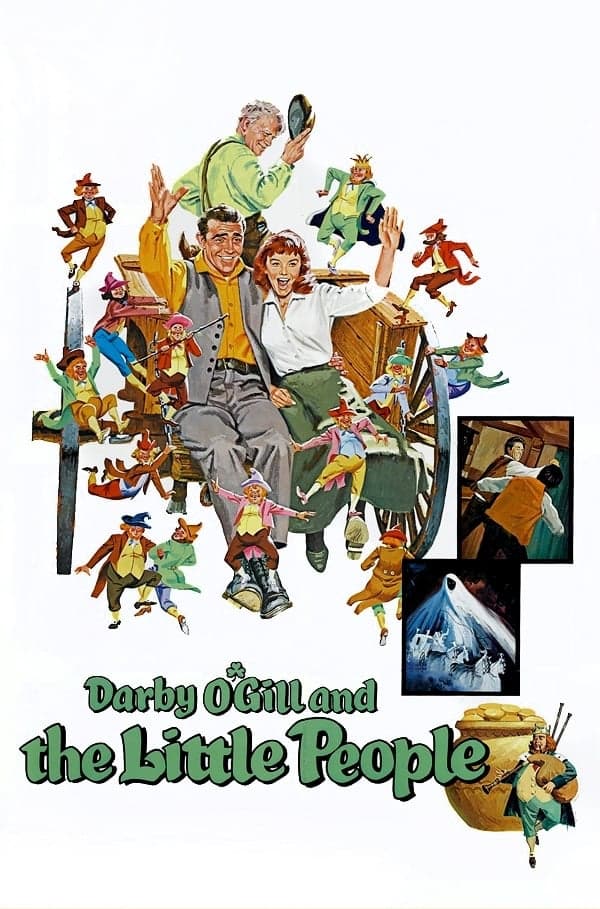
In this Walt Disney production, Sean Connery plays Michael McBride, a handsome young man who gets the job of an aging caretaker. The film is a fantasy based on Irish folklore, centered on the caretaker’s interactions with the king of the leprechauns. Connery’s character falls in love with the caretaker’s daughter, played by Janet Munro.
The role required Connery to sing, and his musical number, ‘Pretty Irish Girl’, is a memorable part of the film. ‘Darby O’Gill and the Little People’ showcased a lighter, more charming side of Connery and introduced him to a wider, family-oriented audience. His performance as the romantic hero was well-received and demonstrated his versatility as an actor.
‘Tarzan’s Greatest Adventure’ (1959)
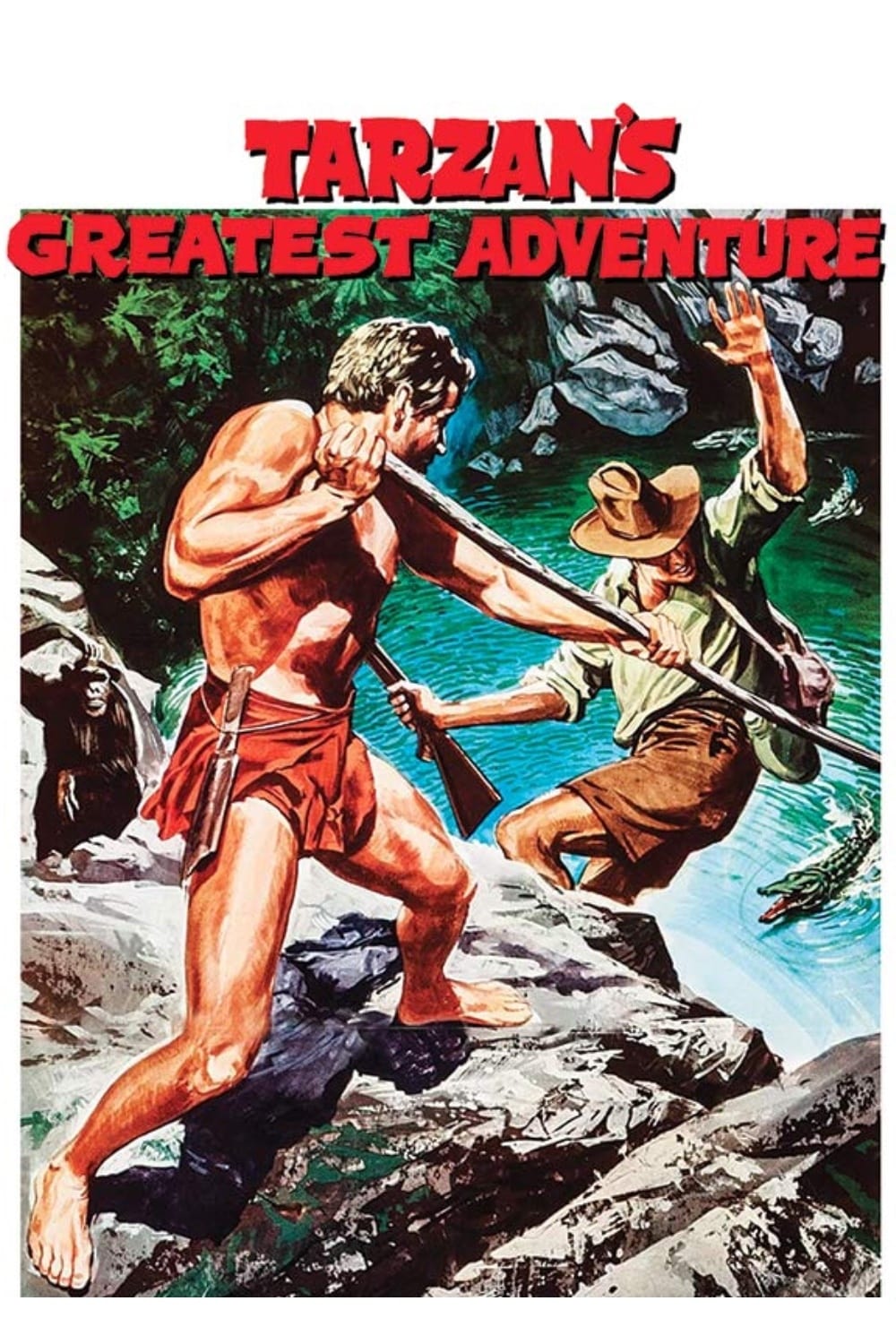
In this installment of the Tarzan series, Sean Connery plays a villainous character named O’Bannion. The film, which stars Gordon Scott as Tarzan, is considered one of the best in the series due to its more serious tone and adult-oriented plot. The story follows Tarzan as he hunts a group of British criminals who have raided a settlement.
Connery’s character is a boisterous and arrogant member of the criminal gang. The role allowed him to play a menacing figure, a sharp contrast to his heroic character in ‘Darby O’Gill and the Little People’. This performance further demonstrated his range and his ability to portray a convincing antagonist.
‘On the Fiddle’ (1961)
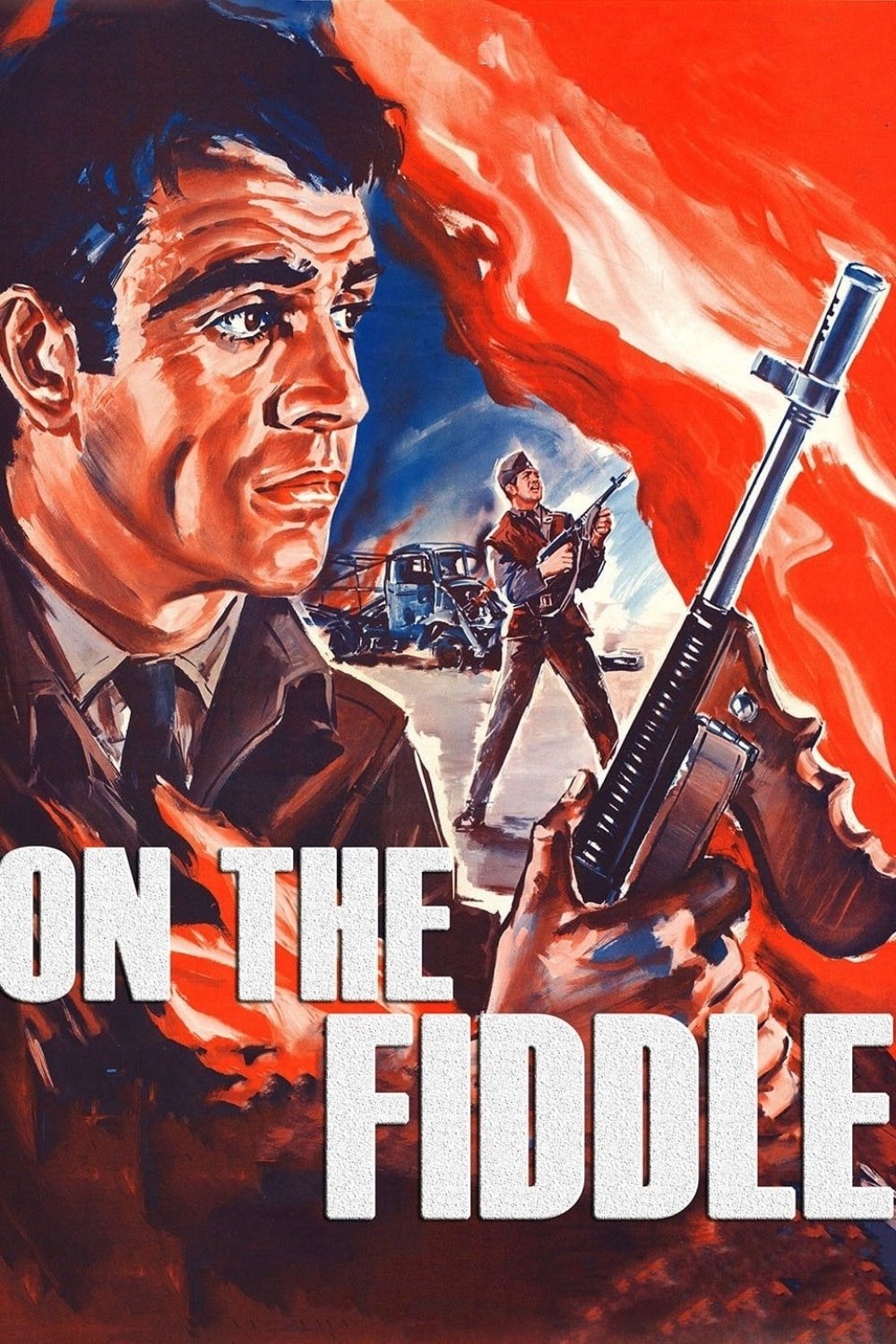
‘On the Fiddle’, released in the U.S. as ‘Operation Snafu’, is a British comedy set during World War II. The film stars Alfred Lynch as a man who tries to avoid military service but ends up in the Royal Air Force. Sean Connery plays Pedlar Pascoe, a seasoned con man who takes the new recruit under his wing and teaches him how to profit from the war.
Connery’s role as the crafty and resourceful Pedlar is a central part of the film. He displays a natural comedic timing and charisma that would become hallmarks of his later performances. The movie was a lighthearted romp, and Connery’s performance was a highlight, showing his skill in a leading comedic role.
‘The Frightened City’ (1961)
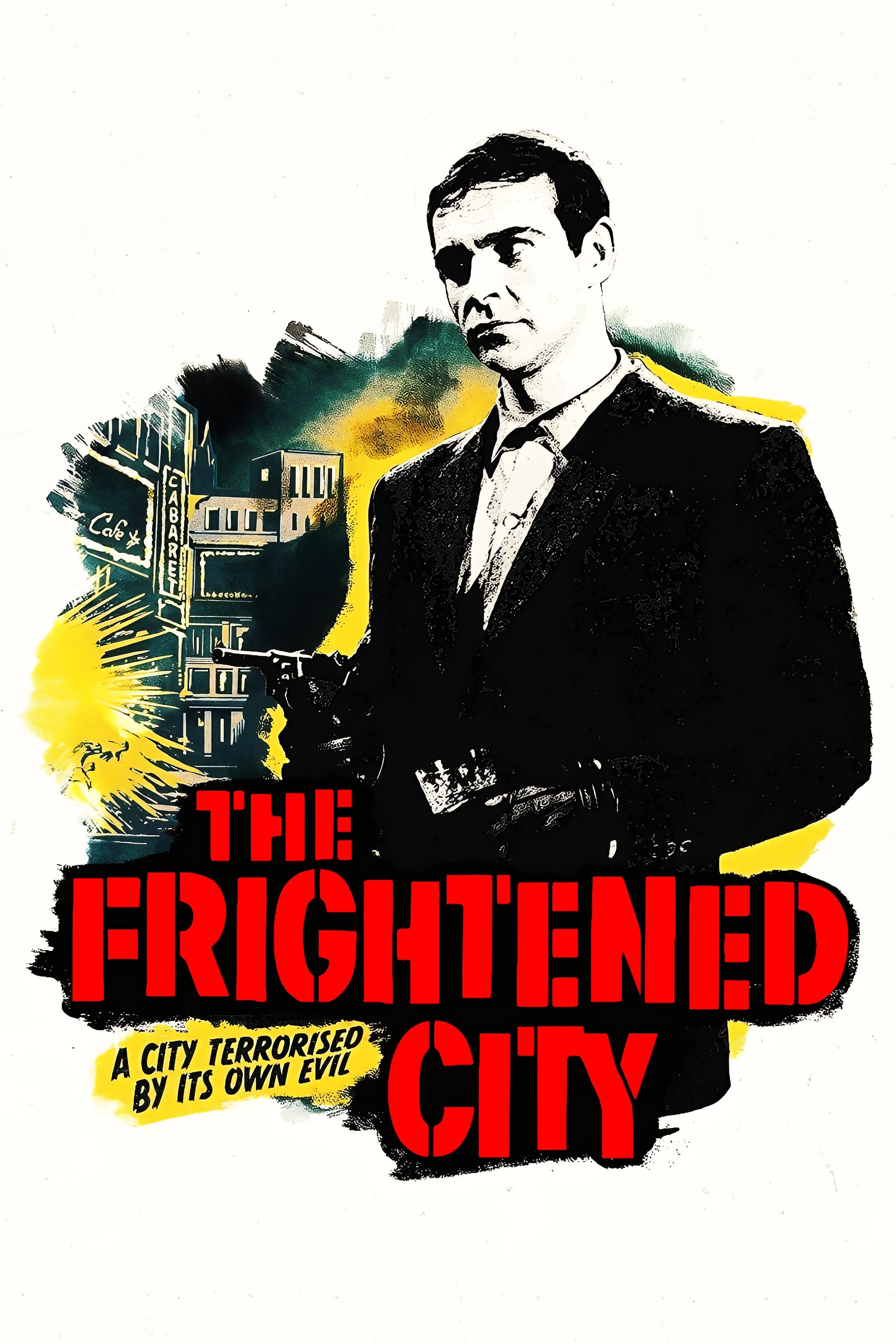
In this British crime film, Sean Connery stars as Paddy Damion, a thief who gets involved in a protection racket. His character is a key player in a criminal enterprise that attempts to consolidate various London gangs into a single syndicate. The film explores themes of crime, corruption, and loyalty within the city’s underworld.
Connery delivers a strong and magnetic performance as the tough and ambitious criminal. The role of Paddy Damion was a significant one for him, as it was one of his last major roles before being cast as James Bond. His portrayal of the confident and dangerous Paddy is often seen as a precursor to the coolness he would bring to the role of 007.
‘The Longest Day’ (1962)
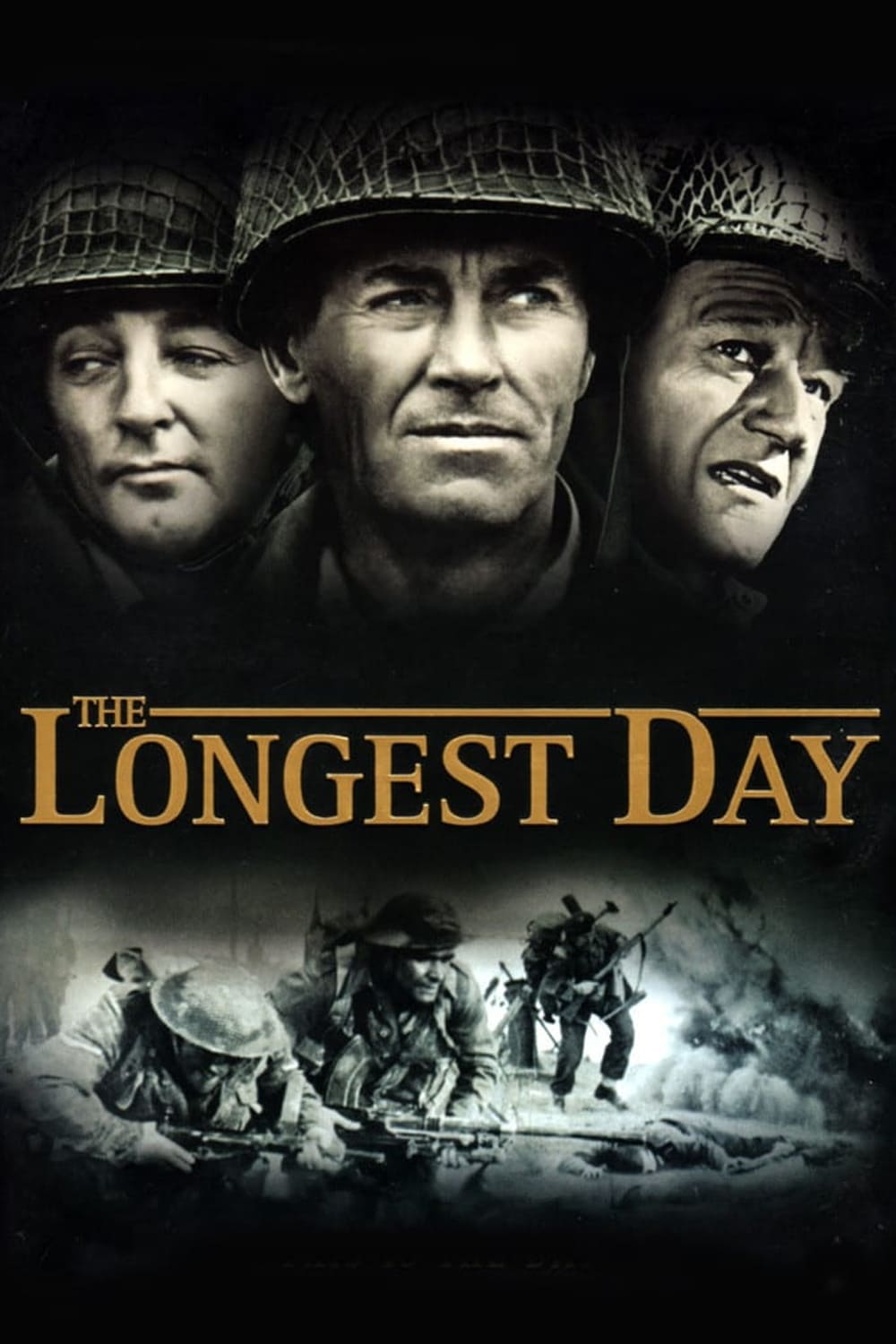
‘The Longest Day’ is an epic war film that chronicles the D-Day landings at Normandy from the perspective of both the Allied and German forces. The movie features a massive international all-star cast, including John Wayne, Henry Fonda, and Richard Burton. Sean Connery appears in a smaller role as Private Flanagan, a wisecracking Irish soldier.
His character is part of the British forces landing on Sword Beach, and he shares a few memorable scenes with other soldiers. Although his screen time is limited, his inclusion in such a large-scale, prestigious production was a notable achievement. The film was a critical and commercial success, and Connery’s appearance put him alongside some of the biggest names in Hollywood.
‘Dr. No’ (1962)
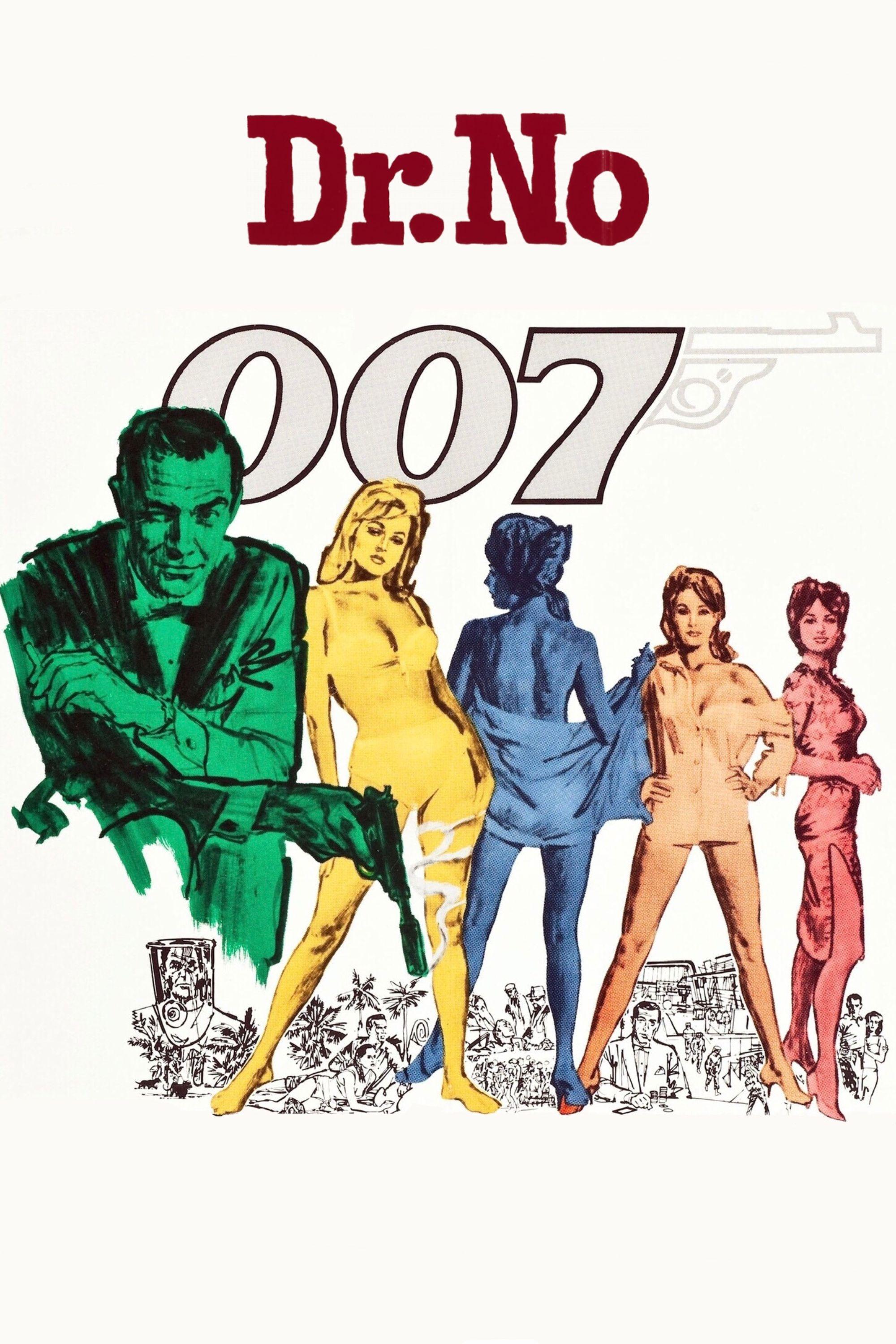
This film marks the cinematic debut of James Bond and the role that would make Sean Connery an international icon. As the suave and sophisticated British secret agent 007, Connery travels to Jamaica to investigate the disappearance of a fellow agent. There, he uncovers the plot of the mysterious Dr. No, a scientific genius bent on disrupting the American space program.
Connery’s portrayal of Bond set the standard for the character, blending ruthlessness, charm, and a dry wit. His delivery of the now-famous line, “Bond, James Bond,” became an iconic movie moment. ‘Dr. No’ was a box office success that launched one of the most enduring film franchises in history and instantly transformed Sean Connery into a major star.
‘From Russia with Love’ (1963)
Sean Connery returned as James Bond in the second film of the series, a tense Cold War thriller. In ‘From Russia with Love’, Bond is targeted by the criminal organization SPECTRE, which seeks revenge for the death of Dr. No. The plot involves a beautiful Soviet consulate clerk who is used as a pawn to lure Bond into a trap involving a stolen cryptography device.
The film is often praised for its intricate plot, gritty action, and character development. Connery further solidified his portrayal of Bond, showcasing a more vulnerable and resourceful side of the agent. The movie was another commercial success and is considered by many fans and critics to be one of the high points of the entire Bond series.
‘Goldfinger’ (1964)

The third James Bond film, ‘Goldfinger’, became a cultural phenomenon and cemented the formula for future installments. Sean Connery’s 007 investigates the gold-smuggling activities of the villainous Auric Goldfinger and uncovers a plot to contaminate the United States Bullion Depository at Fort Knox. The film introduced iconic elements like the Aston Martin DB5 and the formidable henchman, Oddjob.
‘Goldfinger’ was a massive international hit, significantly elevating the popularity of the James Bond franchise. Connery’s performance is often cited as the definitive portrayal of the character, perfectly balancing sophistication with a deadly edge. The film’s blend of action, gadgets, and memorable villains set a blockbuster standard that continues to influence the action genre.
‘Marnie’ (1964)
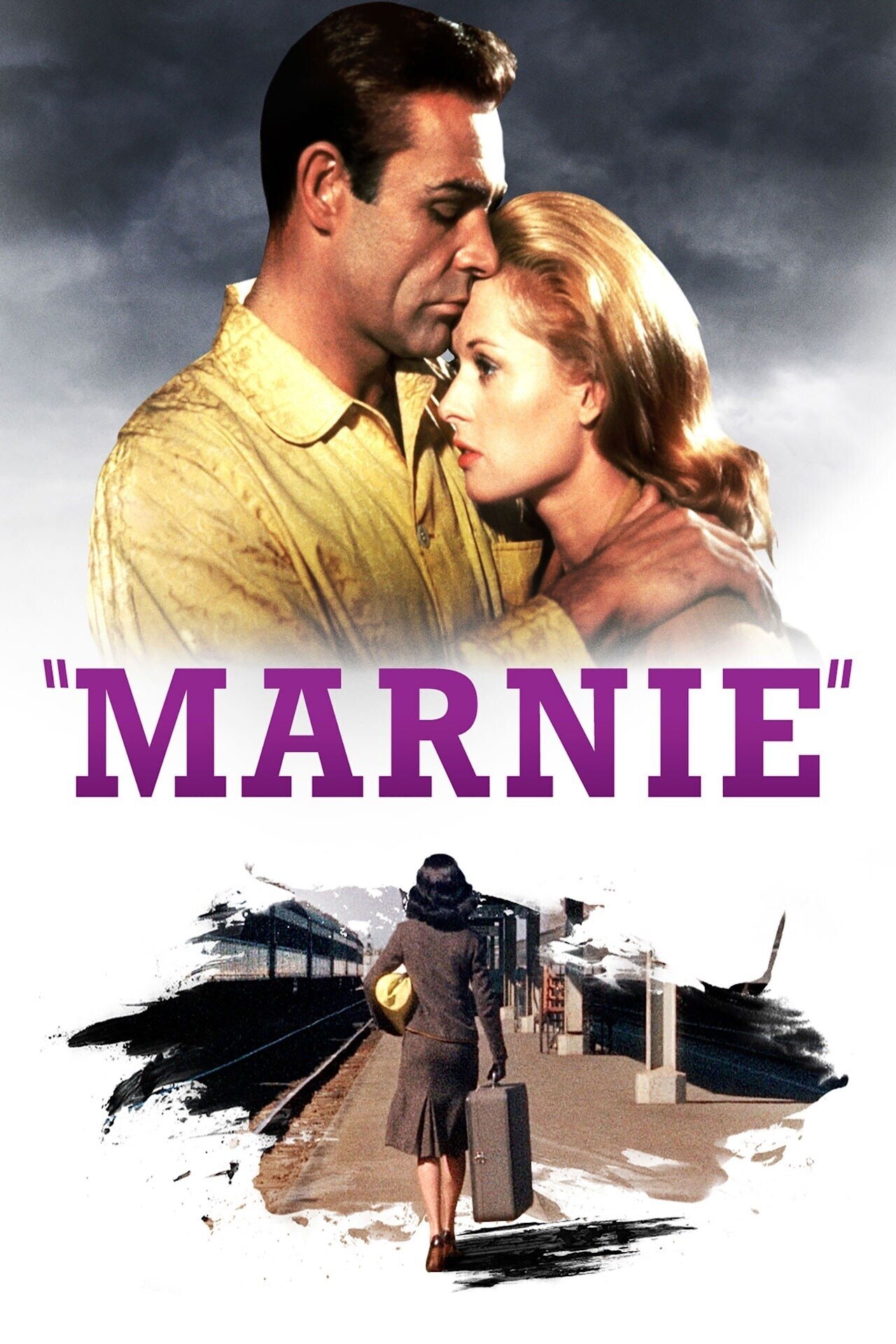
Stepping away from James Bond, Sean Connery collaborated with legendary director Alfred Hitchcock on this psychological thriller. He plays Mark Rutland, a wealthy widower who becomes obsessed with a troubled young woman named Marnie, played by Tippi Hedren, who is a habitual thief. After catching her stealing from his company, he blackmails her into marriage, hoping to uncover the root of her compulsive behavior.
The film delves into complex psychological themes, and Connery’s role as the dominant and inquisitive husband was a departure from his action-hero persona. Working with Hitchcock was a significant milestone in his career, allowing him to explore a more dramatic and morally ambiguous character. While the film received mixed reviews upon release, it has since been re-evaluated and is now considered a complex and fascinating work.
‘Woman of Straw’ (1964)
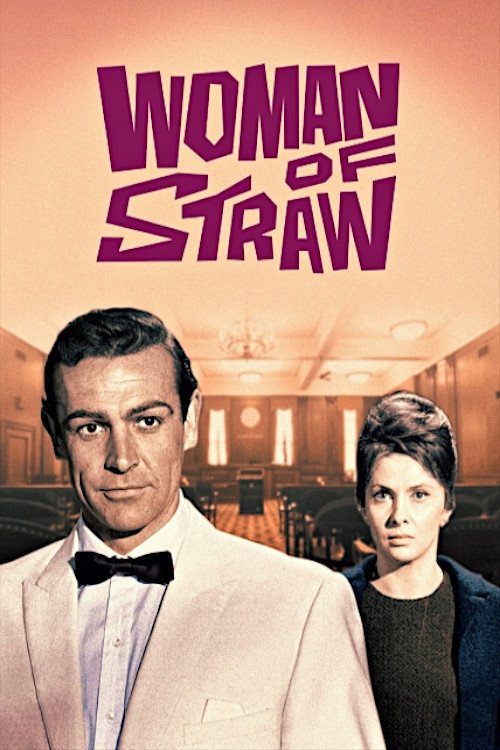
In this crime thriller, Sean Connery stars alongside Italian actress Gina Lollobrigida. He plays Anthony “Tony” Richmond, a man who persuades a nurse, played by Lollobrigida, to become the caregiver for his wealthy and unpleasant uncle. His ultimate goal is to have her inherit the old man’s fortune, which he then plans to take for himself.
The film is a suspenseful story of greed, manipulation, and murder. Connery portrays a charming but ruthless schemer, a character that uses his charisma for sinister purposes. The role allowed him to play a villainous lead, showcasing a darker side of his acting range in contrast to his heroic image as James Bond.
‘The Hill’ (1965)
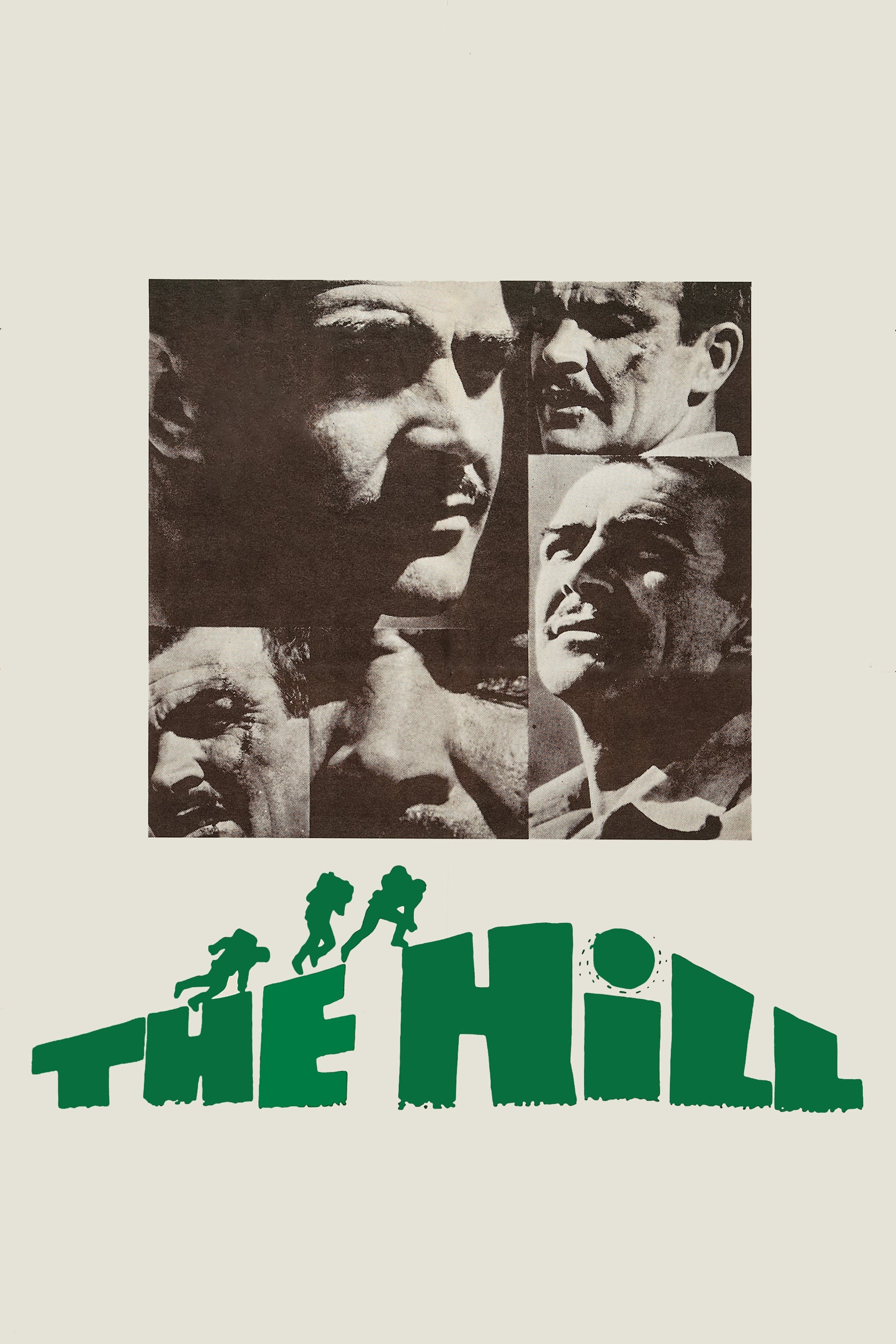
In a dramatic and critically acclaimed role, Sean Connery stars in this intense military prison drama directed by Sidney Lumet. He plays Joe Roberts, a former sergeant major who is sent to a British military detention camp in North Africa during World War II. Roberts clashes with the brutal staff sergeant, who runs the camp’s main punishment, a man-made hill that prisoners are forced to climb repeatedly in the punishing heat.
Connery’s performance as the defiant and principled Roberts is powerful and intense, earning him widespread praise and a BAFTA Award nomination for Best British Actor. The film was a stark, black-and-white drama that stood in sharp contrast to the glamour of his Bond films. ‘The Hill’ proved his capabilities as a serious dramatic actor and remains one of his most respected performances.
‘Thunderball’ (1965)
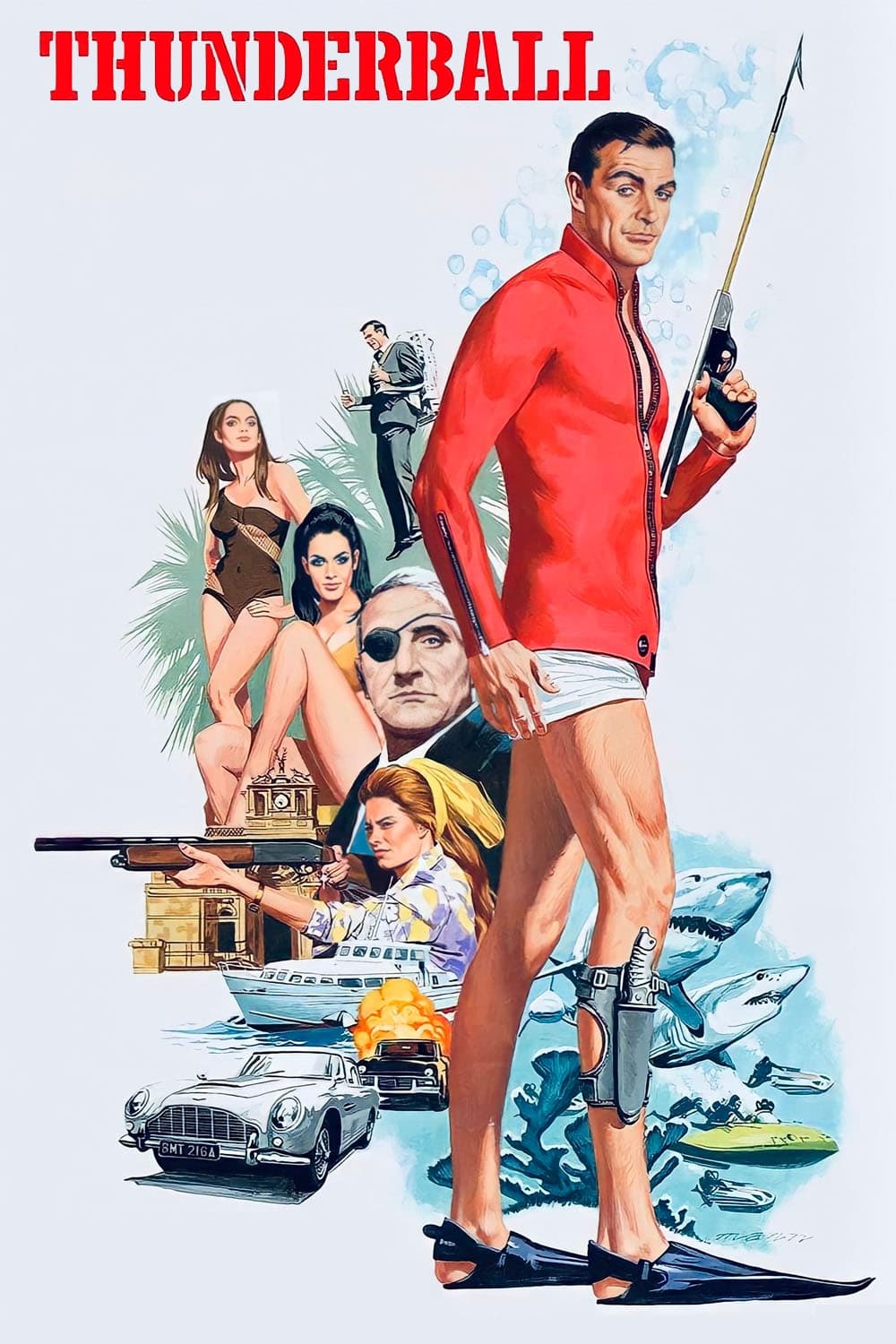
Sean Connery reprised his role as James Bond for the fourth time in ‘Thunderball’. The film’s plot has the criminal organization SPECTRE hijacking a NATO plane carrying two atomic bombs and threatening to destroy a major city unless a massive ransom is paid. Bond is sent to the Bahamas to locate the weapons, leading to spectacular underwater action sequences.
‘Thunderball’ was a massive commercial success, becoming the highest-grossing Bond film up to that point. The movie was noted for its elaborate underwater battles and impressive special effects, which earned it an Academy Award. Connery’s portrayal of Bond was as confident and popular as ever, solidifying the franchise’s status as a global phenomenon.
A Young World (1966)
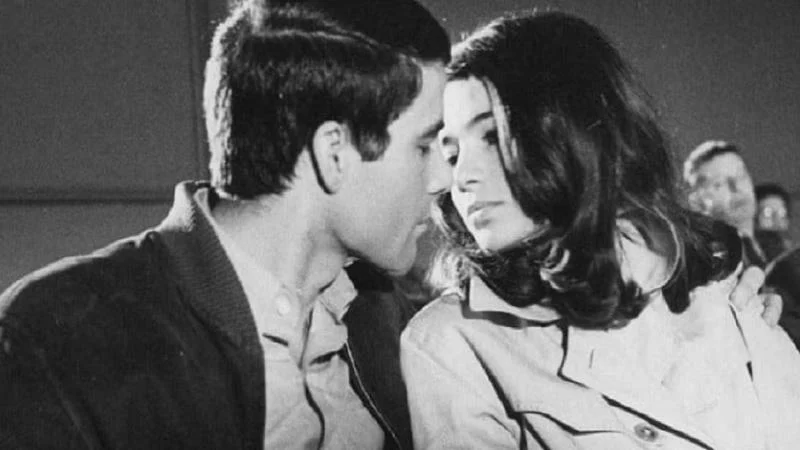
‘Un monde nouveau’, released in English as ‘A New World’, is a French-Italian drama directed by Vittorio De Sica. The story revolves around a young Parisian couple and their romantic entanglements. Sean Connery makes a brief, uncredited cameo appearance in the film as himself.
His appearance is very short, simply a recognizable face in a party scene. This type of cameo was common for major stars at the time, and it reflects his international fame and status in the mid-1960s. While not a significant role, it places him within the work of a celebrated Italian neorealist director.
‘A Fine Madness’ (1966)

In this quirky comedy, Sean Connery takes on the role of Samson Shillitoe, a rebellious poet and womanizer living in New York’s Greenwich Village. Frustrated by a creative block, his wild and often destructive behavior leads him through a series of misadventures. His exasperated wife eventually conspires with a psychiatrist to have him undergo a lobotomy to “cure” him of his poetic passions.
The role was a significant departure for Connery, allowing him to explore a character who was both comedic and tragic. He portrays Shillitoe with a manic energy, fully embracing the chaotic nature of the character. The film was an unconventional choice that demonstrated his desire to take on unique and challenging roles outside of the James Bond persona.
‘You Only Live Twice’ (1967)

Sean Connery’s fifth outing as James Bond takes the secret agent to Japan. The story involves the hijacking of American and Soviet spacecraft, bringing the two superpowers to the brink of war. Bond fakes his own death and travels to Japan to investigate, uncovering a massive secret operation run by the criminal organization SPECTRE and its leader, Ernst Stavro Blofeld.
The film is known for its large-scale spectacle, including the iconic volcano lair set designed by Ken Adam. It also features a screenplay by renowned author Roald Dahl. By this point, Connery had grown somewhat weary of the role, but his performance remained a key element of the film’s success. ‘You Only Live Twice’ continued the franchise’s blockbuster run at the box office.
‘The Bowler and the Bunnet’ (1967)
This television documentary marked Sean Connery’s directorial debut. The film focuses on the Fairfields shipyard in his native Scotland, which was facing closure. The documentary explores the controversial labor agreement that was put in place to save the shipyard, aiming to break down the traditional class barriers between management and workers.
Connery not only directed the documentary but also appeared in it as himself, interviewing workers and managers. The film reflects his personal interest in the social and economic issues affecting his home country. It was a passion project that allowed him to step behind the camera and explore a different aspect of filmmaking, showcasing his concern for the working class from which he came.
‘Shalako’ (1968)
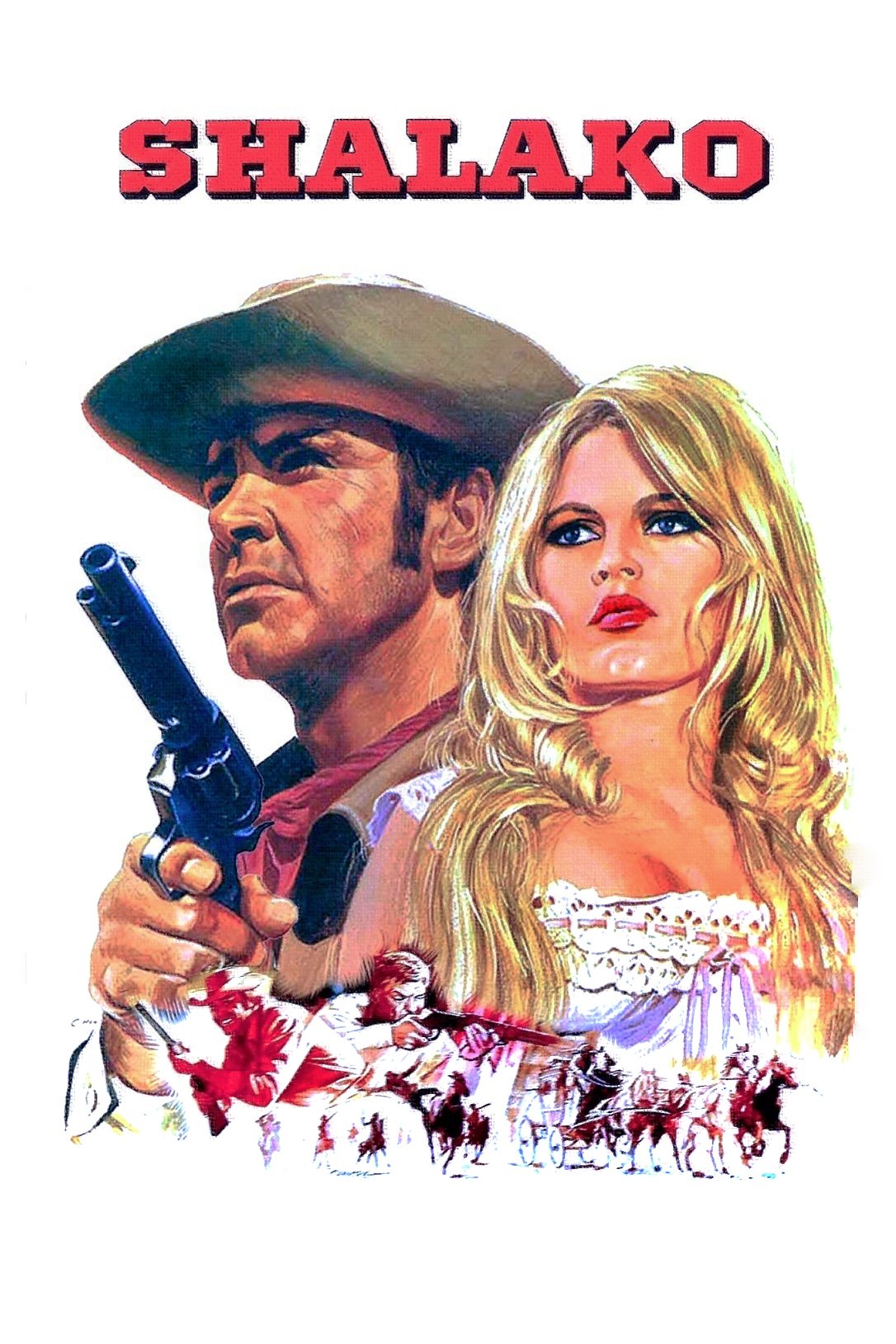
In this Western film, Sean Connery stars as Shalako, a rugged, former U.S. Cavalry officer who now guides and protects a group of European nobles on a hunting expedition in Apache territory. When the group foolishly enters a sacred Apache reservation, they are attacked, and it falls to Shalako to lead them to safety. He is joined by French actress Brigitte Bardot, who plays a countess.
The film was an attempt to cast Connery as a classic Western hero in the mold of John Wayne or Clint Eastwood. He convincingly portrays the tough and resourceful guide, and the movie features expansive desert landscapes and action sequences. ‘Shalako’ was an international co-production that aimed to capitalize on the global appeal of its two lead stars.
‘The Red Tent’ (1969)
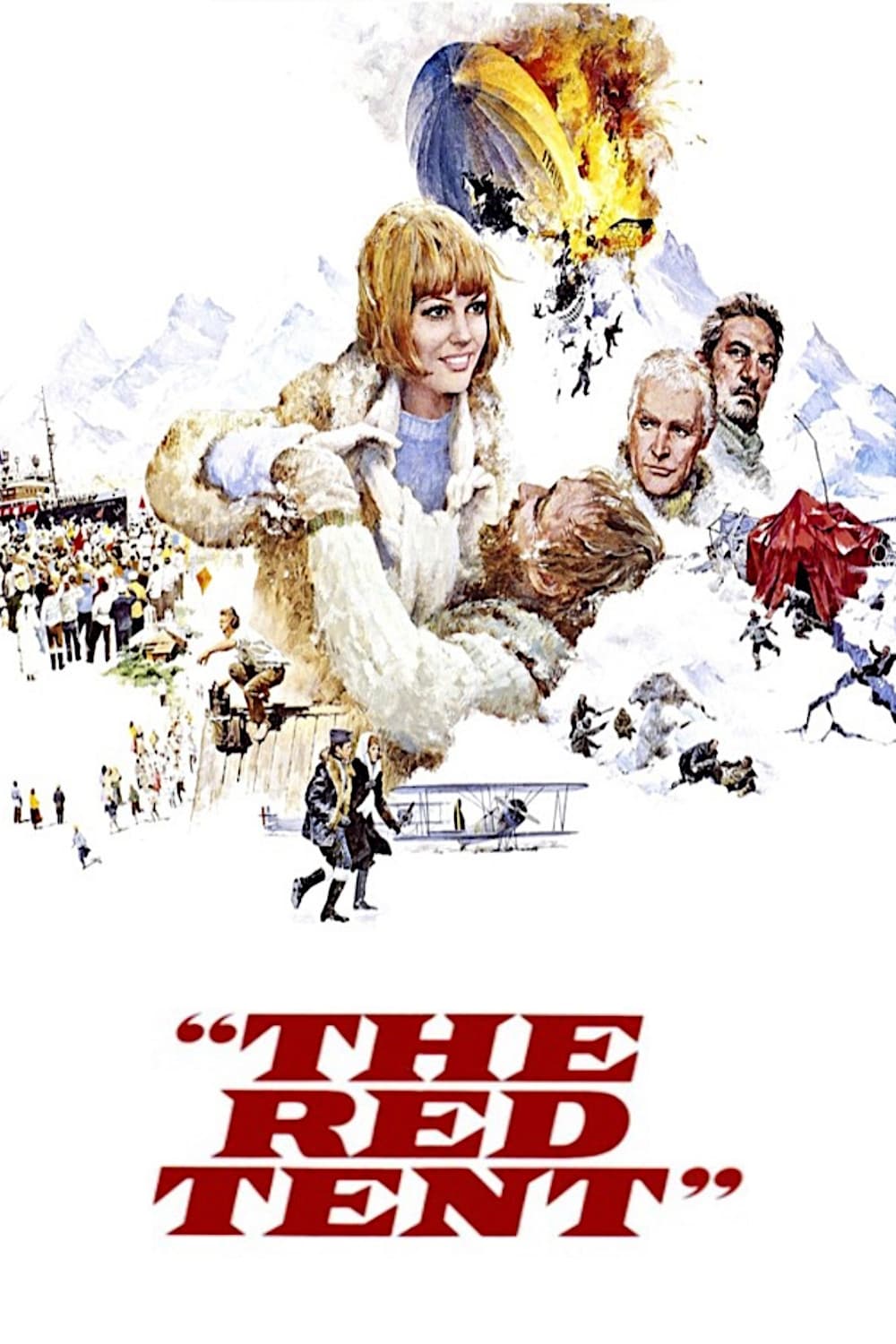
‘The Red Tent’ is an international co-production that dramatizes the 1928 expedition to the North Pole led by Italian general Umberto Nobile. The expedition ends in disaster when their airship crashes. Sean Connery plays the famous Norwegian explorer Roald Amundsen, who embarks on a rescue mission to find the survivors, only to disappear himself.
Although Connery’s role is not the main focus of the film, his portrayal of the legendary polar explorer is a key part of the story. He appears in the latter half of the movie, bringing a sense of gravity and historical weight to the proceedings. The film featured a notable international cast, including Peter Finch and Claudia Cardinale.
‘The Molly Maguires’ (1970)
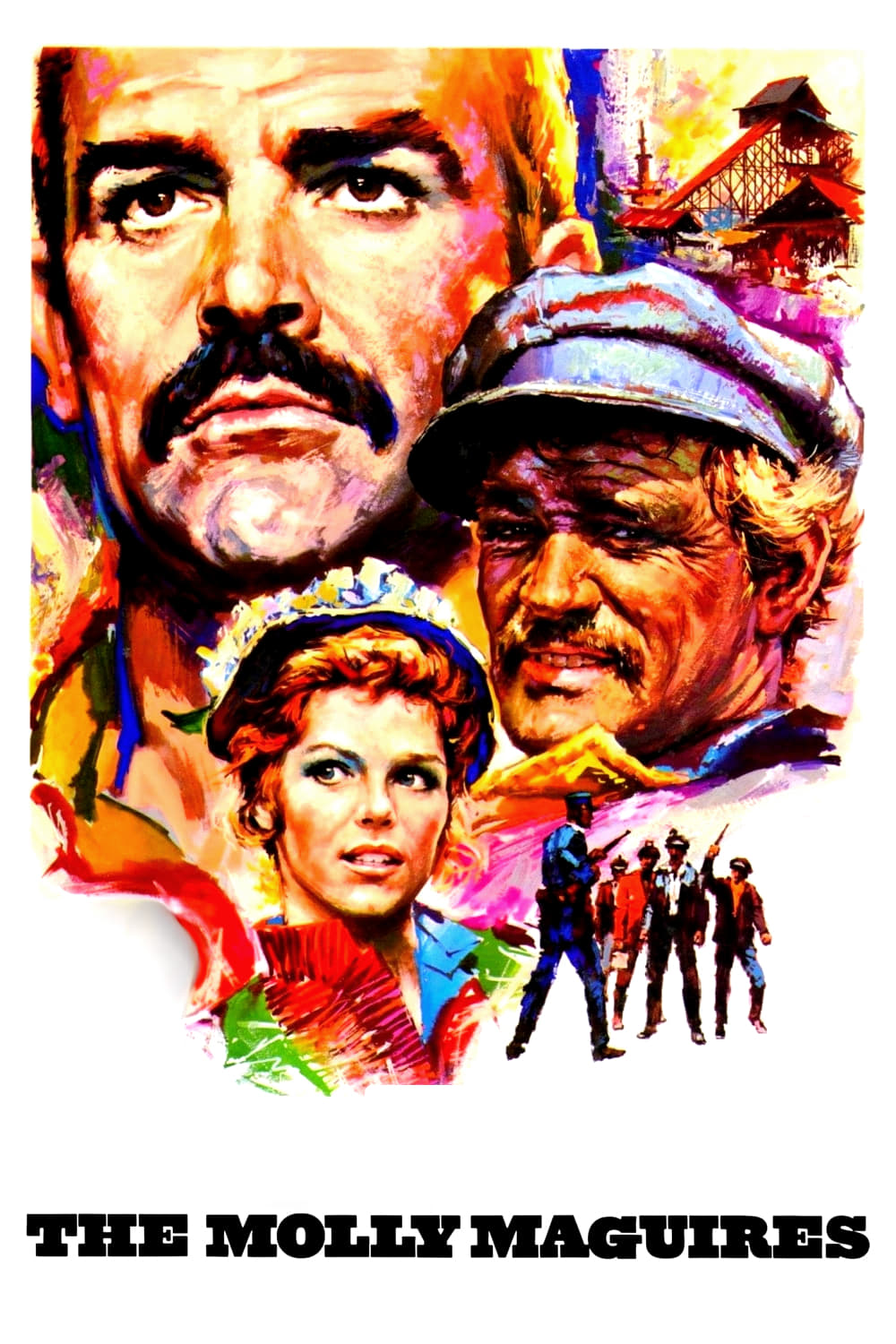
Set in the coal mines of Pennsylvania in the 1870s, this historical drama tells the story of the Molly Maguires, a secret society of Irish-American miners who resort to violence to fight against the oppressive mine owners. Sean Connery plays Jack Kehoe, the tough and charismatic leader of the group. The story is told through the eyes of an undercover detective, played by Richard Harris, sent to infiltrate the society.
Connery delivers a powerful performance as the passionate and defiant Kehoe, a man driven to extremes by injustice. The film is known for its authentic depiction of the harsh conditions of the miners and its morally complex story. Despite being a box office failure at the time, ‘The Molly Maguires’ is now well-regarded for its strong performances and serious tone.
‘The Anderson Tapes’ (1971)

In this heist film directed by Sidney Lumet, Sean Connery plays Duke Anderson, a safe-cracker who is released from prison after ten years. Almost immediately, he begins to plan an elaborate robbery of an entire luxury apartment building in New York City. Unbeknownst to him, his every move is being recorded by various surveillance devices, none of which are connected to the police.
The film was notable for its then-contemporary theme of pervasive surveillance. Connery gives a charismatic performance as the confident and meticulous thief, leading a crew that includes a young Christopher Walken in one of his first film roles. ‘The Anderson Tapes’ was a stylish and suspenseful thriller that proved to be a commercial success.
‘Diamonds Are Forever’ (1971)
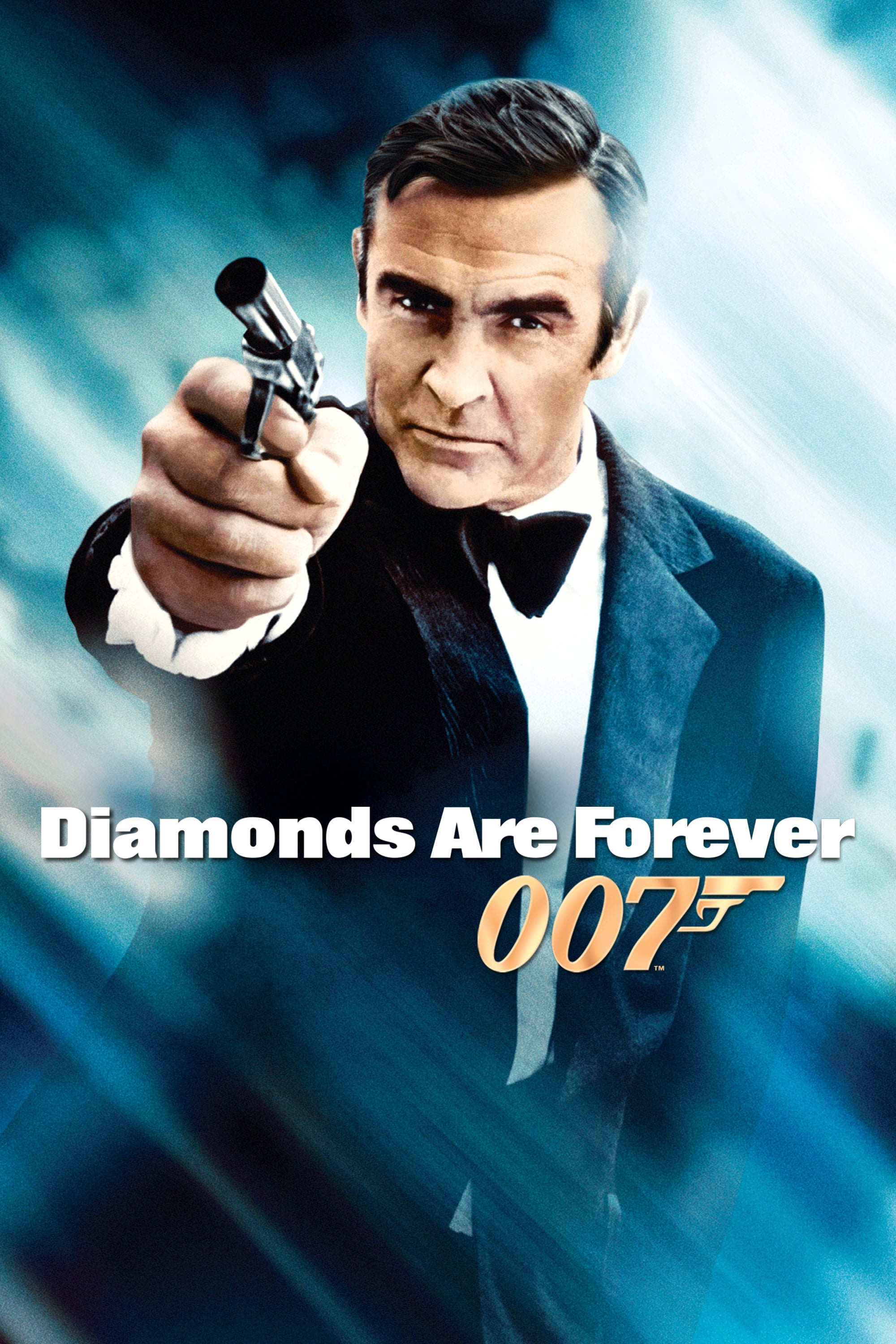
After George Lazenby’s single appearance as James Bond, Sean Connery was lured back to the role for a then-record salary. In ‘Diamonds Are Forever’, Bond investigates a diamond smuggling pipeline and uncovers a plot by his old nemesis, Ernst Stavro Blofeld, to build a satellite-based laser weapon. The investigation takes him from Amsterdam to Las Vegas.
The film marked a return to a more lighthearted and campy tone compared to the previous entries. Connery’s return was heavily promoted and resulted in a major box office success. While it was his last official Bond film for Eon Productions, his performance was a welcome comeback for audiences, reaffirming his definitive association with the character.
‘The Offence’ (1972)
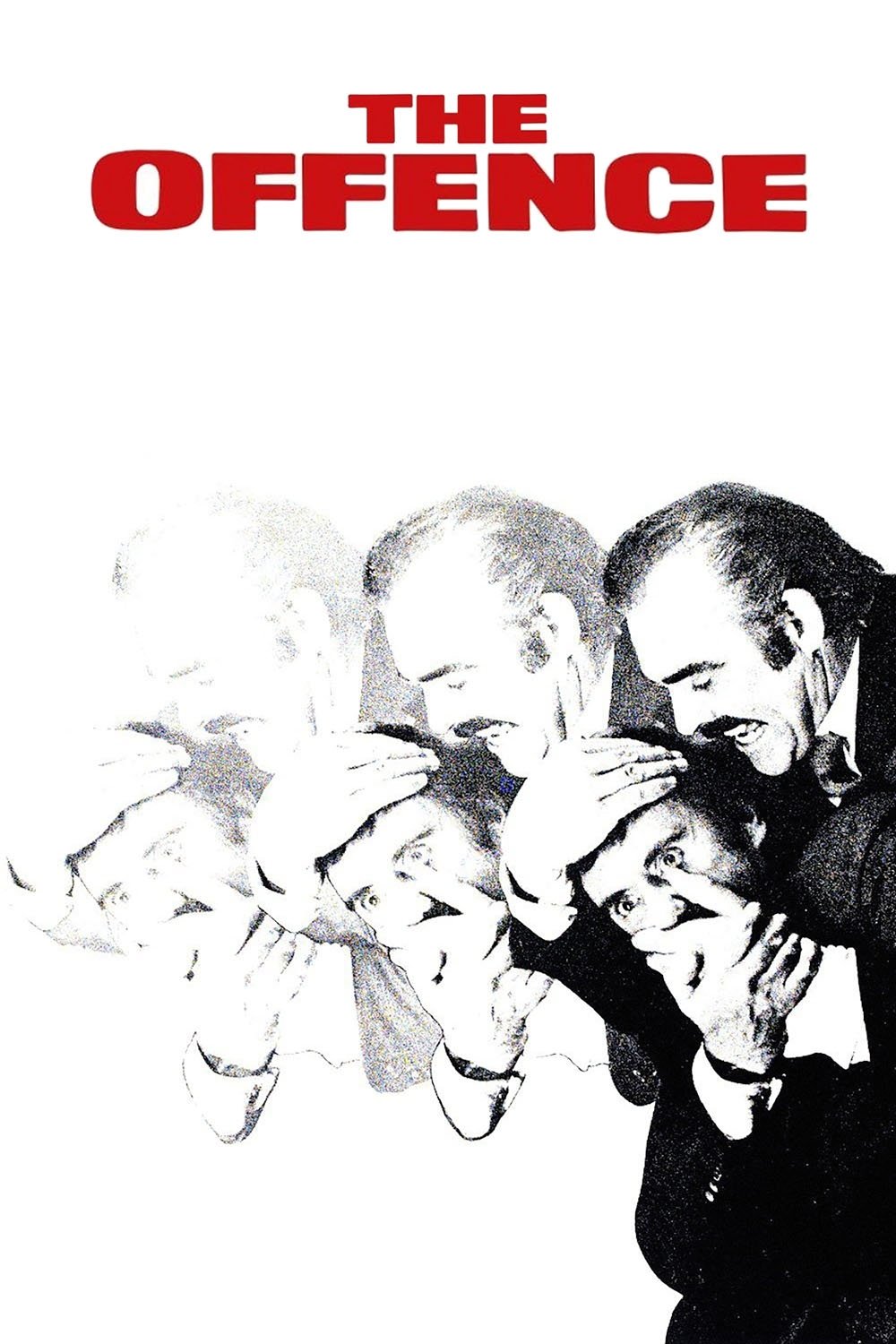
In his third collaboration with director Sidney Lumet, Sean Connery gave one of the most intense and darkest performances of his career. He plays Detective Sergeant Johnson, a British police officer who, after 20 years of dealing with violent crime, finally snaps during the interrogation of a suspected child molester. The film is a brutal psychological drama that explores the toll that a career in law enforcement has taken on Johnson’s mind.
Connery was passionate about this project and used his star power to get it made. His portrayal of the tormented and violent detective is raw and uncompromising, a stark departure from any other role he had played. While ‘The Offence’ was not a commercial success, it is a powerful and disturbing film that features what many consider to be Connery’s finest acting performance.
‘Zardoz’ (1974)
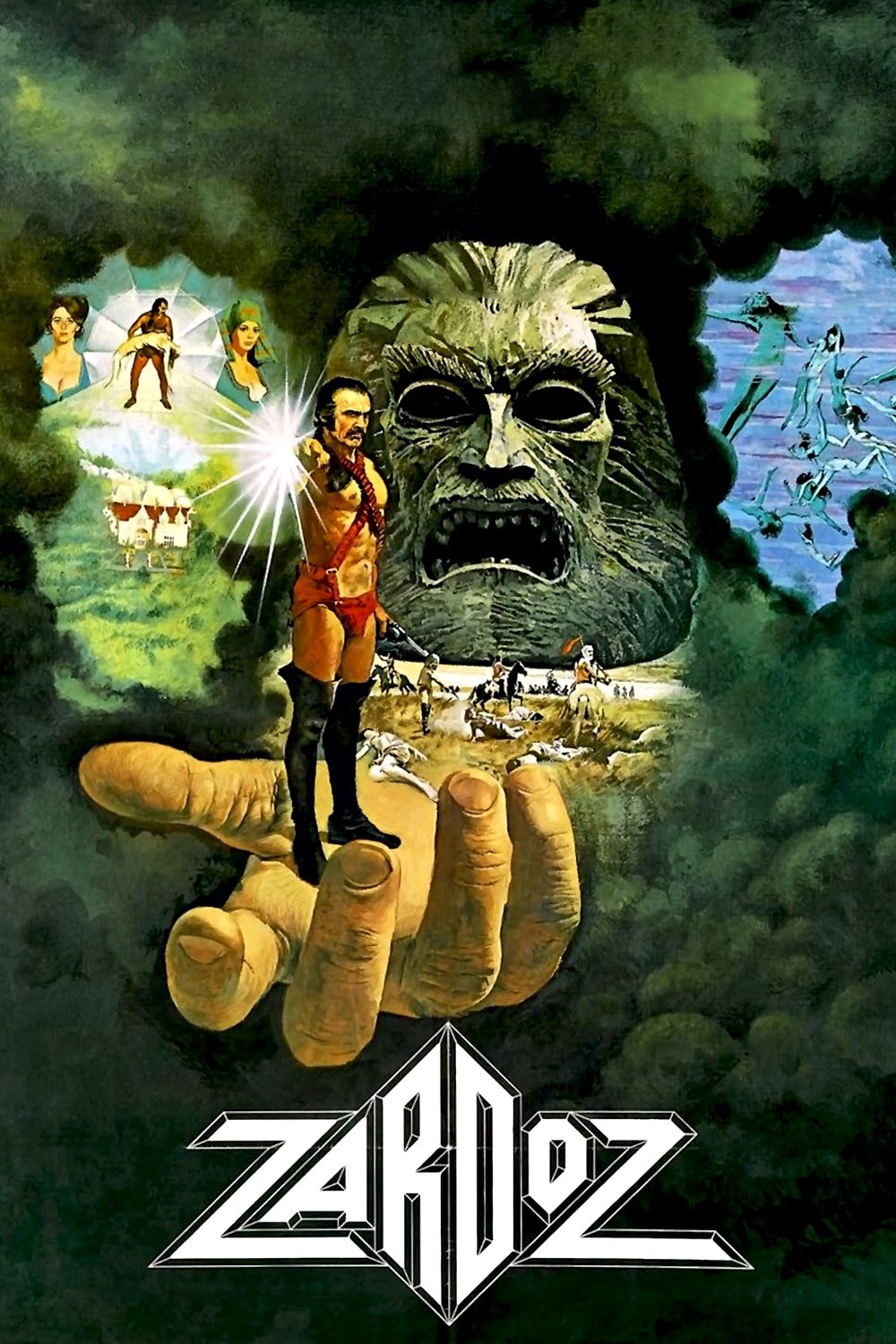
‘Zardoz’ is a bizarre and ambitious science fiction film written and directed by John Boorman. Sean Connery stars as Zed, a savage “Exterminator” who lives in a post-apocalyptic wasteland and worships a giant, stone head god named Zardoz. When Zed stows away inside the stone head, he is transported to the Vortex, a technologically advanced society inhabited by a group of decadent, immortal “Eternals.”
The film is famous for its strange imagery, including Connery’s memorable costume of a red loincloth, bandoliers, and thigh-high boots. It is a philosophical and allegorical film that explores themes of mortality, religion, and societal decay. ‘Zardoz’ has become a cult classic, admired for its originality and ambition, and Connery’s committed performance in a challenging role.
‘Murder on the Orient Express’ (1974)
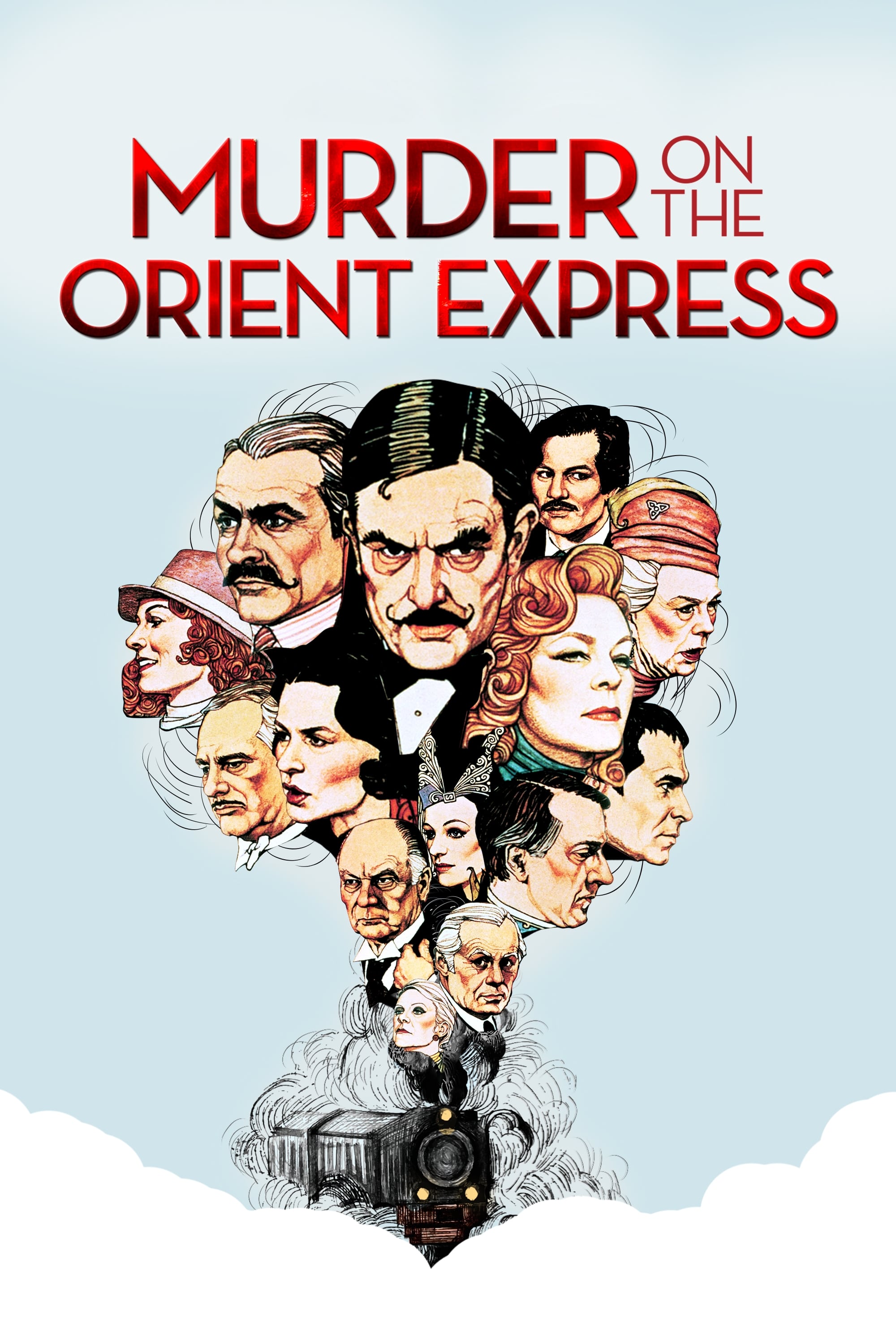
Directed by Sidney Lumet, this film is a lavish and star-studded adaptation of Agatha Christie’s famous mystery novel. The story features the brilliant Belgian detective Hercule Poirot, who must solve a murder that takes place on the luxurious Orient Express train while it is stranded by snow. Sean Connery plays Colonel Arbuthnot, one of the many passengers who are all suspects in the crime.
Connery was part of an incredible ensemble cast that included Albert Finney, Lauren Bacall, Ingrid Bergman, and John Gielgud. His role as the stiff-upper-lip British colonel is a key part of the intricate puzzle that Poirot must solve. The film was a major critical and commercial success, celebrated for its style, wit, and the performances of its esteemed cast.
‘Ransom’ (1974)
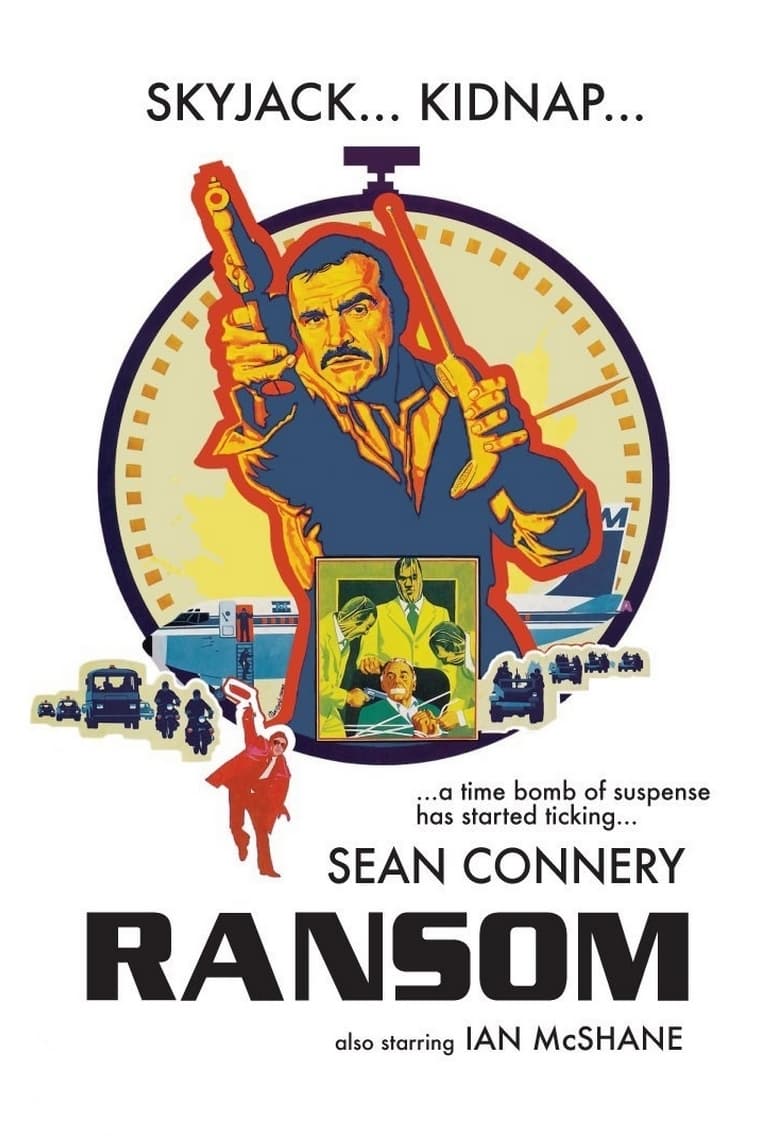
Also known in some markets as ‘The Terrorists’, this thriller stars Sean Connery as Colonel Tahlvik, the security chief of a fictional Scandinavian country. The plot is set in motion when a group of terrorists takes the British ambassador hostage and occupies the embassy. Tahlvik finds himself in a tense standoff, clashing with his own government’s policy of refusing to negotiate with the captors.
The film is a tight and suspenseful political thriller that focuses on the psychological battle between Tahlvik and the terrorist leader. Connery delivers a commanding performance as the cool-headed and determined security expert who must use his wits to resolve the crisis. The movie explores the difficult moral and political questions surrounding terrorism and negotiation.
‘The Wind and the Lion’ (1975)
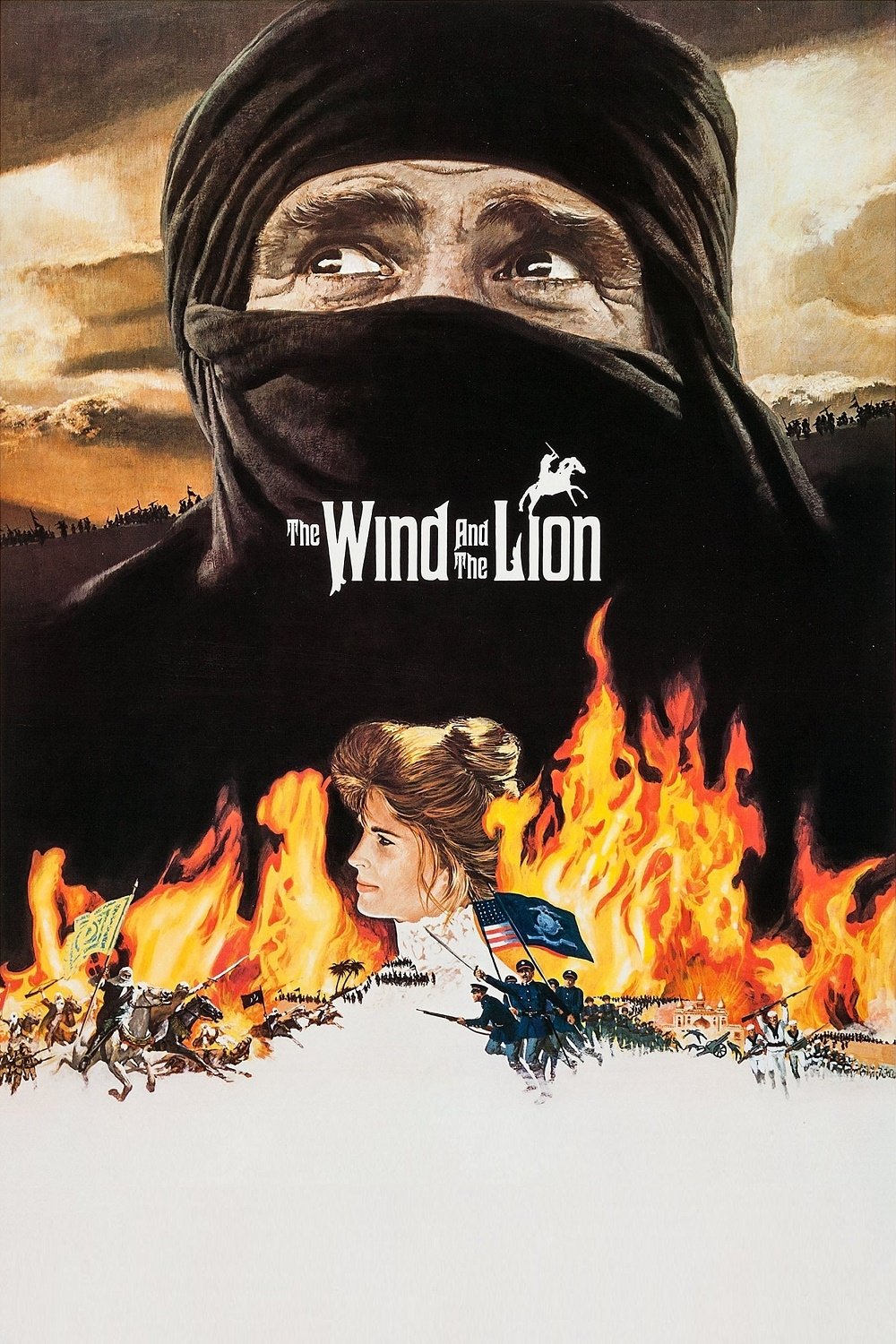
This epic adventure film is loosely based on a real historical incident from 1904. Sean Connery stars as Mulai Ahmed er Raisuni, the charismatic leader of a group of Berber insurgents in Morocco. Raisuni kidnaps an American woman and her children, leading to a diplomatic crisis and intervention from U.S. President Theodore Roosevelt.
Connery gives a powerful and charismatic performance as the Berber chieftain, a role for which he received critical praise. He portrays Raisuni as a man of honor and principle, despite his actions. The film is a grand, old-fashioned adventure with sweeping desert landscapes, exciting action, and a strong sense of historical romance.
‘The Man Who Would Be King’ (1975)
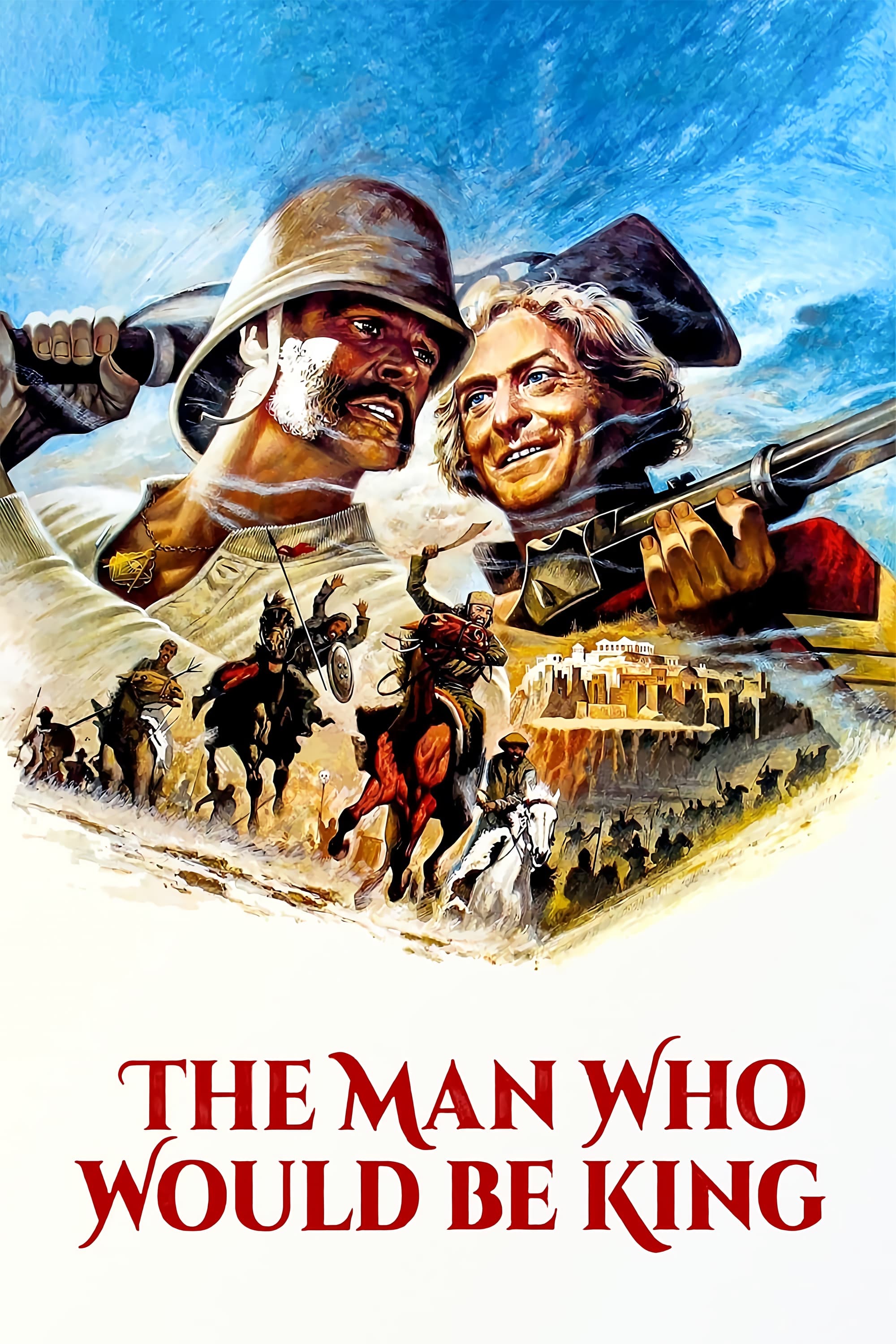
Directed by John Huston, this classic adventure film is based on a Rudyard Kipling story. Sean Connery and Michael Caine star as Daniel Dravot and Peachy Carnehan, two roguish former British soldiers in 19th-century India who decide to travel to the remote land of Kafiristan to set themselves up as kings. Their ambitious plan succeeds beyond their wildest dreams when Dravot is mistaken for a god.
The on-screen chemistry between Connery and Caine is a major highlight of the film, and their performances are filled with humor and bravado. ‘The Man Who Would Be King’ is a thrilling adventure that also explores themes of greed, friendship, and the corrupting nature of power. It is widely regarded as one of the greatest adventure films ever made and features one of Connery’s most beloved performances.
‘Robin and Marian’ (1976)
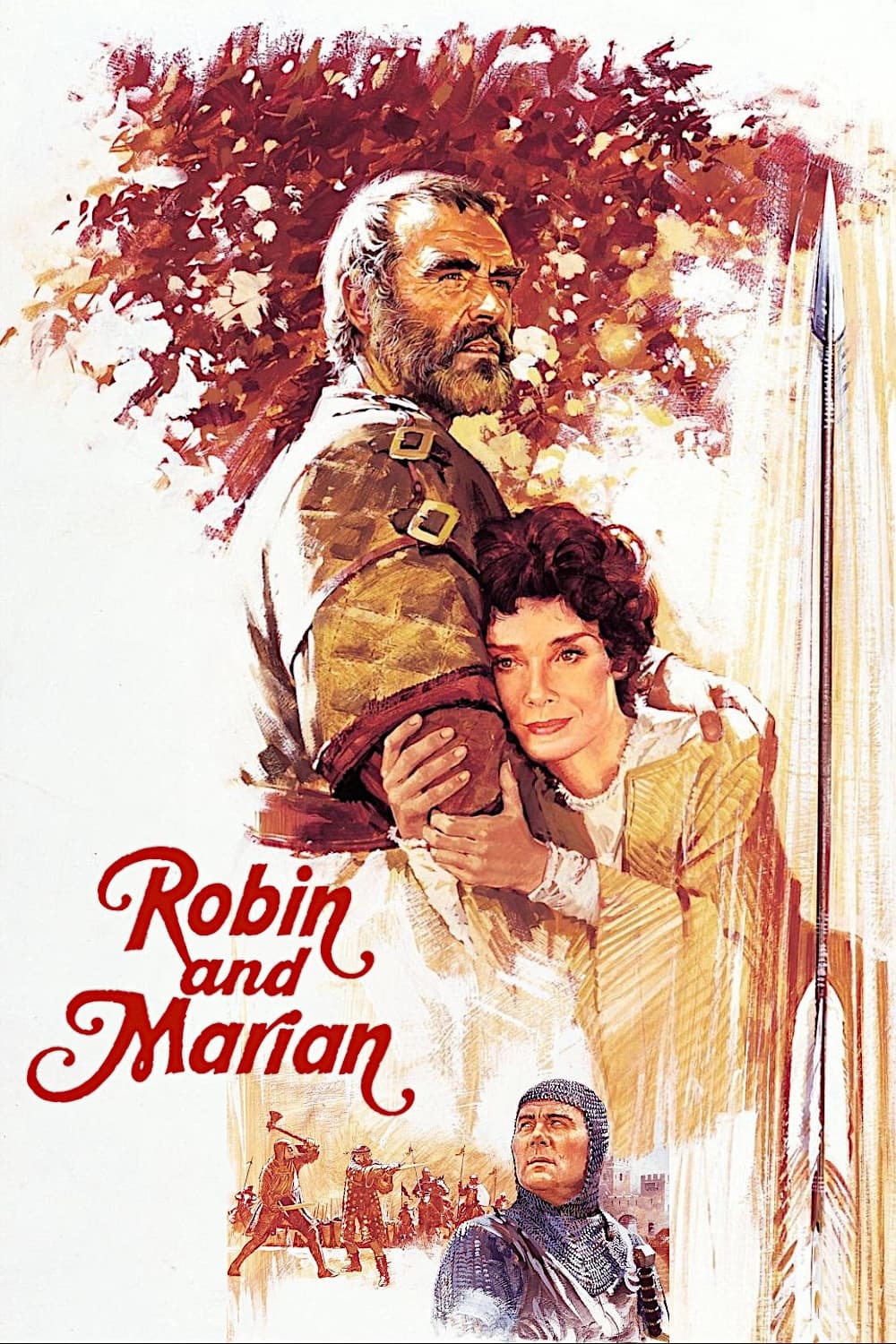
In this revisionist take on the Robin Hood legend, Sean Connery portrays an aging Robin Hood who returns to Sherwood Forest after twenty years away fighting in the Crusades. He reunites with an older Maid Marian, now a nun played by Audrey Hepburn, and his old adversary, the Sheriff of Nottingham. The film explores the reality of what happens after the legend ends, focusing on the characters in their middle age.
Connery brings a sense of world-weariness and poignant regret to the role of the legendary outlaw. The film is a bittersweet and elegiac look at heroism, love, and mortality. The pairing of Connery and Hepburn as the aging lovers was praised, and the film is admired for its mature and thoughtful approach to the classic tale.
‘The Next Man’ (1976)
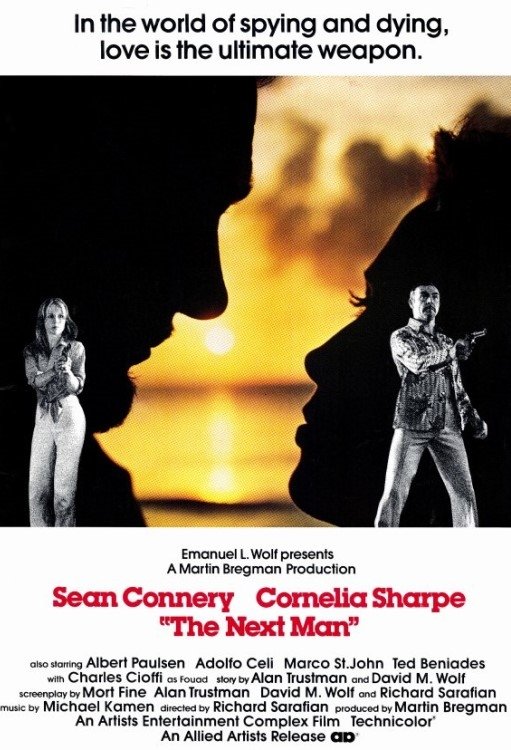
‘The Next Man’ is a political thriller in which Sean Connery plays Khalil Abdul-Muhsen, a visionary but controversial Saudi Arabian diplomat. After proposing a plan for peace with Israel that includes selling oil to them, he becomes the target of assassins sent by his own people. A female assassin is sent to get close to him, but the two develop a complicated personal relationship.
The film touches on complex international politics and the personal sacrifices of those in power. Connery portrays the diplomat as a man of conviction and courage, aware of the dangers he faces. The movie is a tense and globe-trotting thriller that mixes political intrigue with personal drama.
‘A Bridge Too Far’ (1977)
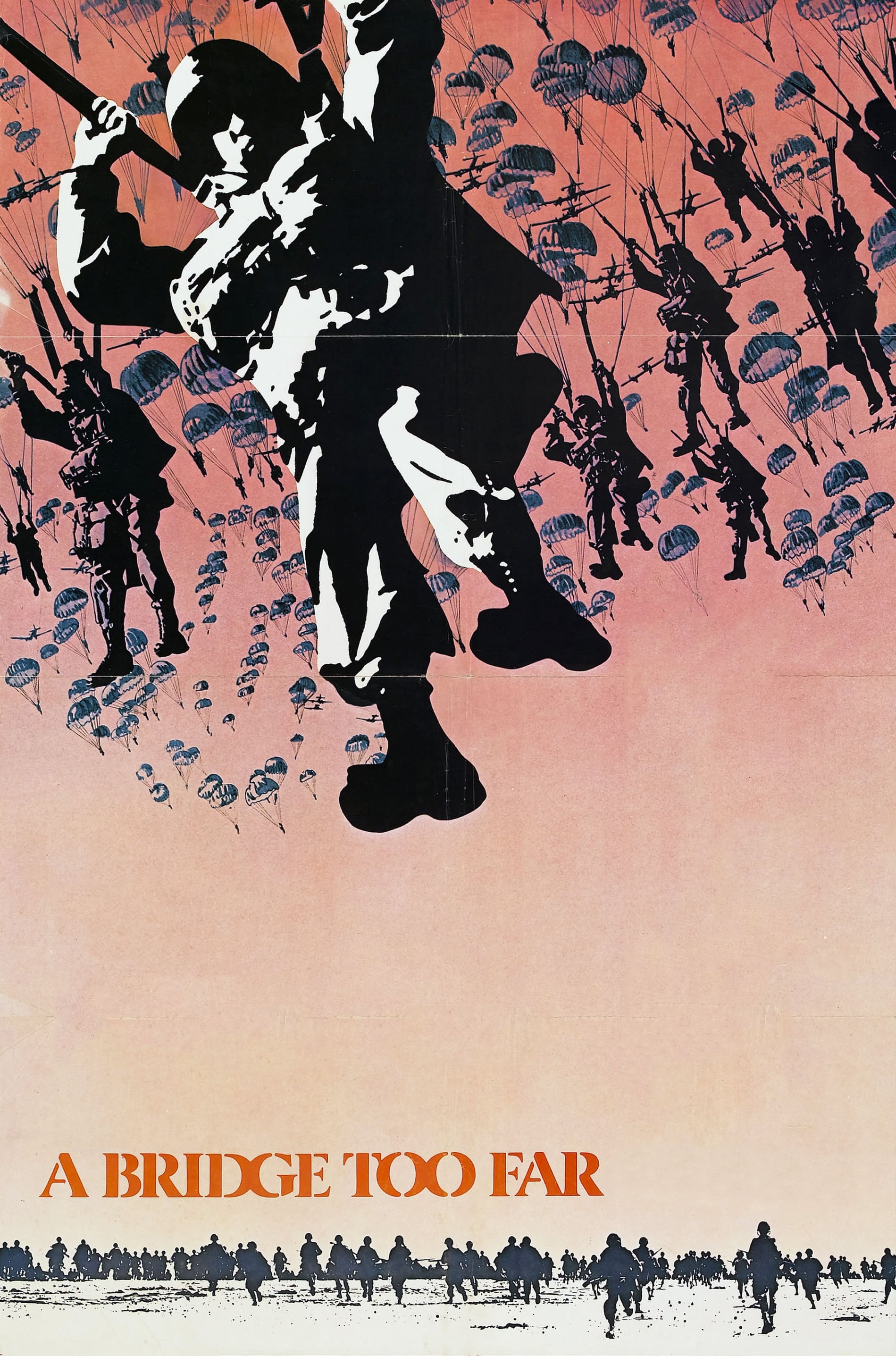
This epic war film, directed by Richard Attenborough, recounts the story of Operation Market Garden, a failed Allied attempt to seize several bridges in the Netherlands during World War II. The film features a massive ensemble cast of stars representing the different Allied nations involved. Sean Connery portrays Major General Roy Urquhart, the commander of the British 1st Airborne Division, which was trapped at the “bridge too far” in Arnhem.
Connery delivers a strong, stoic performance as the general who must lead his men in a desperate and ultimately futile battle. His portrayal captures the immense pressure and responsibility of command in the face of overwhelming odds. The film is a sprawling and detailed account of the historical battle, and Connery’s performance is a standout in a cast filled with major talent.
‘The First Great Train Robbery’ (1978)
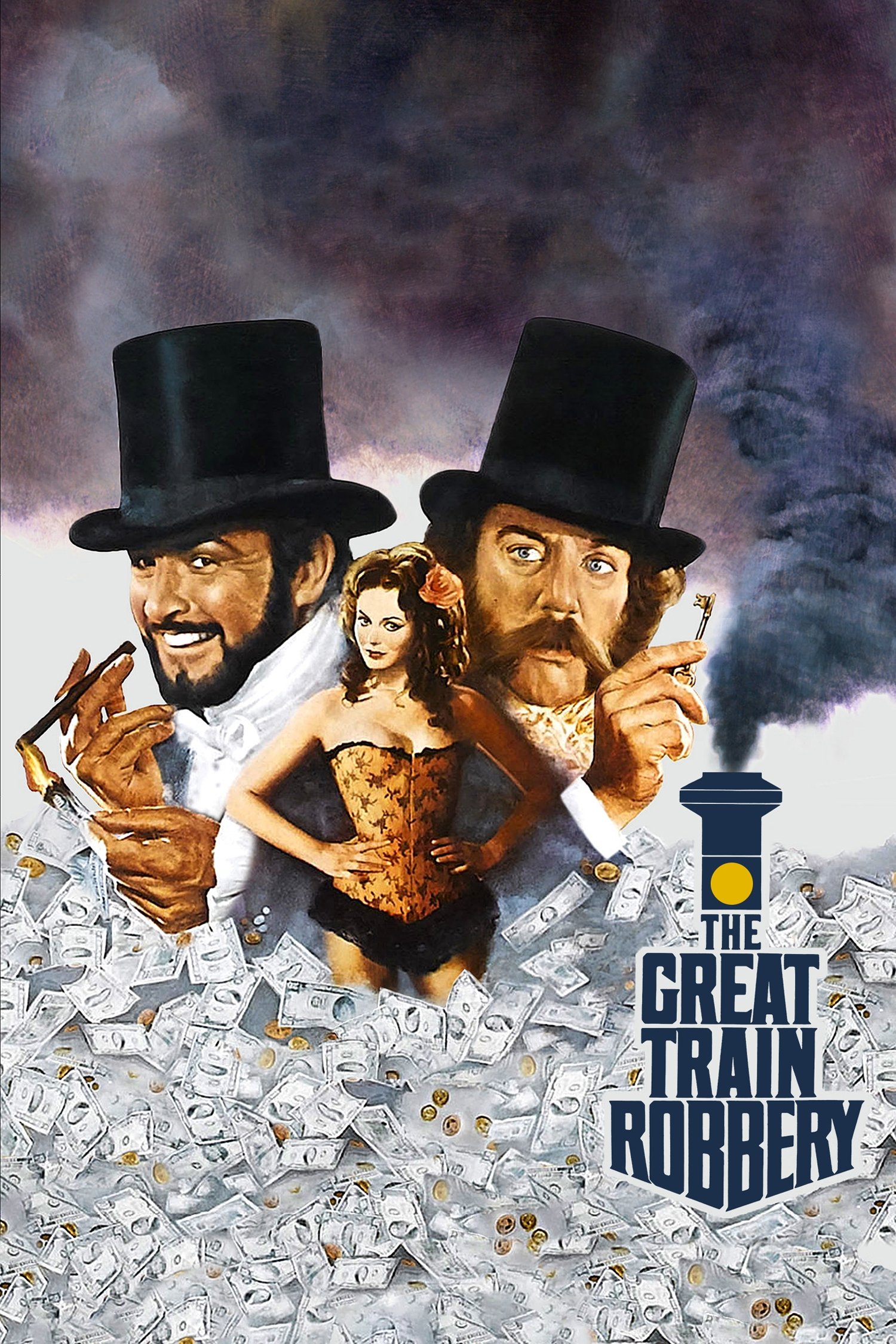
Based on a novel by Michael Crichton, who also directed the film, ‘The First Great Train Robbery’ is a Victorian-era heist movie. Sean Connery stars as Edward Pierce, a master thief who plans to steal a shipment of gold from a moving train in 1855. He assembles a team, including a skilled pickpocket played by Donald Sutherland, to pull off the daring and complicated robbery.
Connery is perfectly cast as the charming and brilliant criminal mastermind. The film is a stylish and entertaining caper, highlighted by an exciting sequence in which Connery’s character performs dangerous stunts on top of the speeding train. The movie’s period detail and witty script make it a fun and engaging adventure.
‘Meteor’ (1979)
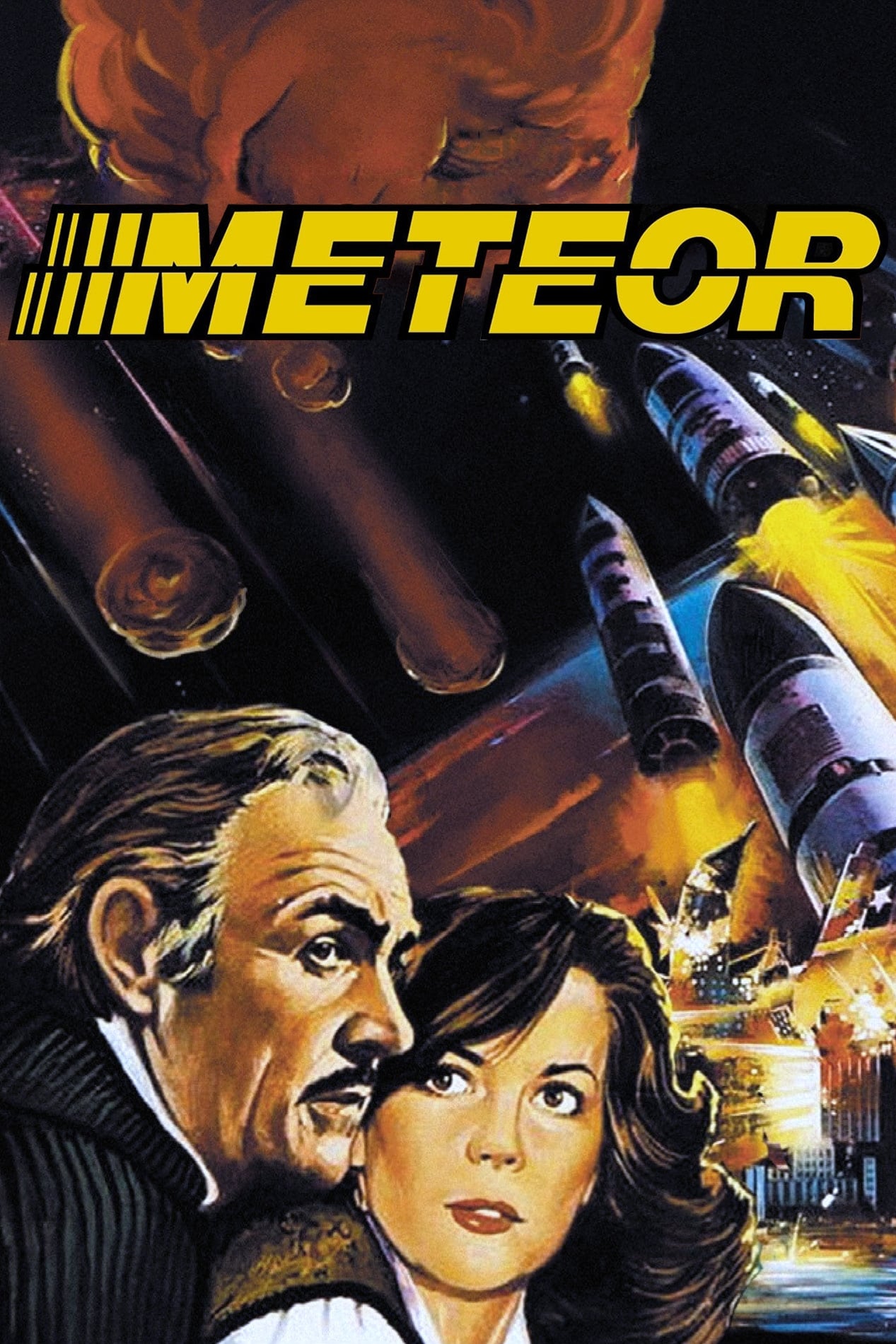
‘Meteor’ is a disaster film with an all-star cast, a popular genre in the 1970s. The plot involves a massive asteroid on a collision course with Earth. Sean Connery plays Dr. Paul Bradley, a scientist who had previously designed a secret orbital nuclear missile platform that is now the planet’s only hope for survival. He must work with the U.S. military and his Soviet counterparts to use the illegal weapon to stop the meteor.
The film combines the tension of the space race with the spectacle of a disaster movie. Connery provides a grounding presence as the scientist who finds himself at the center of a global crisis. The movie features elaborate special effects for its time, depicting the destruction caused by smaller meteor fragments that hit Earth before the main body.
‘Cuba’ (1979)
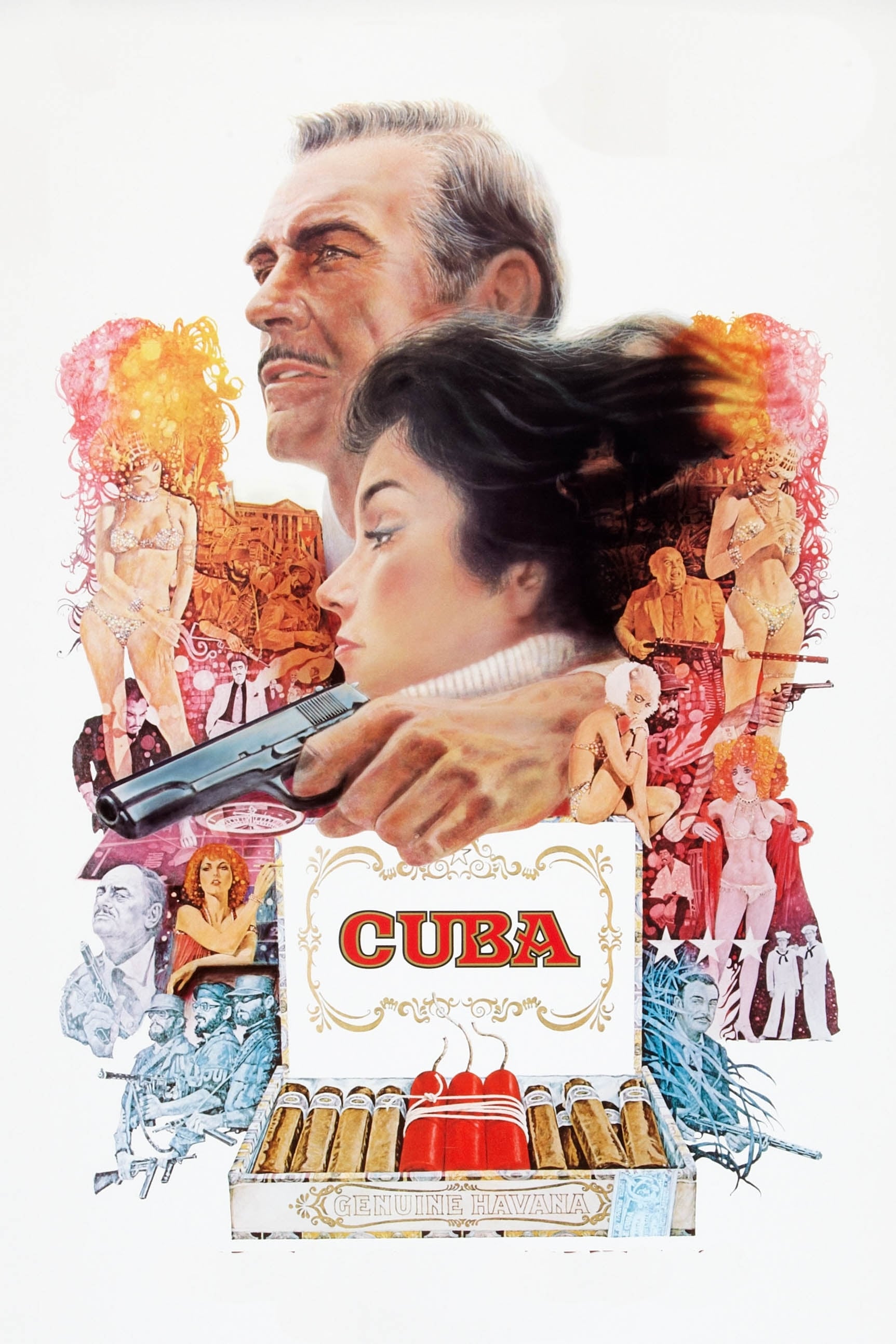
Directed by Richard Lester, this film is set in Cuba in 1959, on the eve of Fidel Castro’s revolution. Sean Connery plays Major Robert Dapes, a cynical British mercenary hired by the corrupt Batista government to help train its army against the coming rebellion. While in Havana, he encounters a former lover, played by Brooke Adams, who is now married to a corrupt Cuban official.
The film attempts to blend a romantic drama with the political turmoil of the Cuban Revolution. Connery portrays the world-weary soldier of fortune who becomes disillusioned with the cause he is being paid to support. ‘Cuba’ received mixed reviews but was noted for its atmospheric depiction of a society on the verge of collapse.
‘Outland’ (1981)
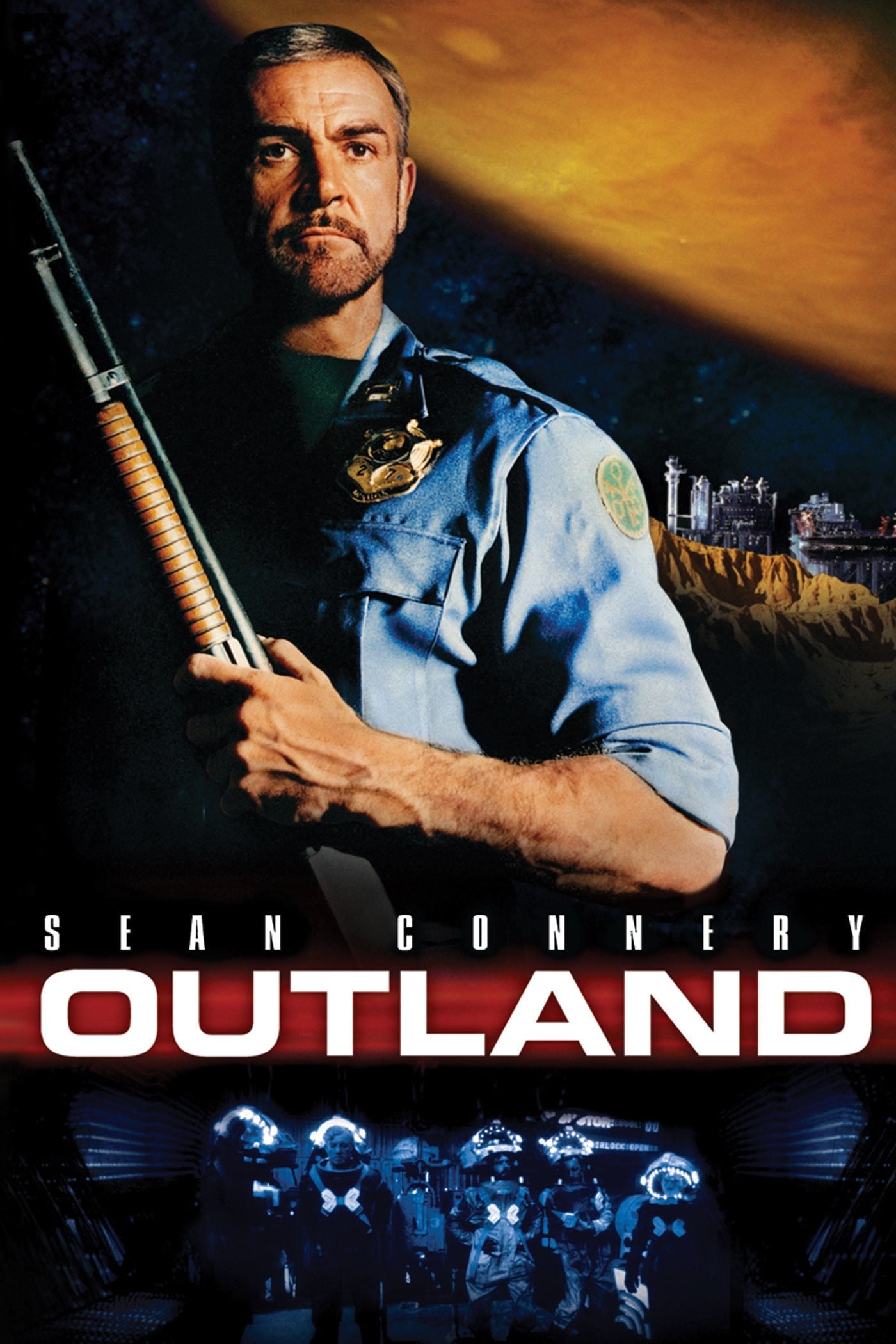
‘Outland’ is a science fiction thriller that has been described as a remake of the classic Western ‘High Noon’ set in space. Sean Connery stars as Marshal William T. O’Niel, who is assigned to a mining outpost on Jupiter’s moon, Io. When he discovers that the miners are being given a dangerous performance-enhancing drug that is driving them insane, he must stand alone against the corrupt system and the hired killers sent to eliminate him.
Connery gives a commanding performance as the principled and determined lawman who refuses to back down. The film is a gritty and suspenseful thriller, praised for its realistic depiction of a working-class future in space. ‘Outland’ was a solid box office success and is considered a strong entry in the sci-fi genre.
‘Time Bandits’ (1981)
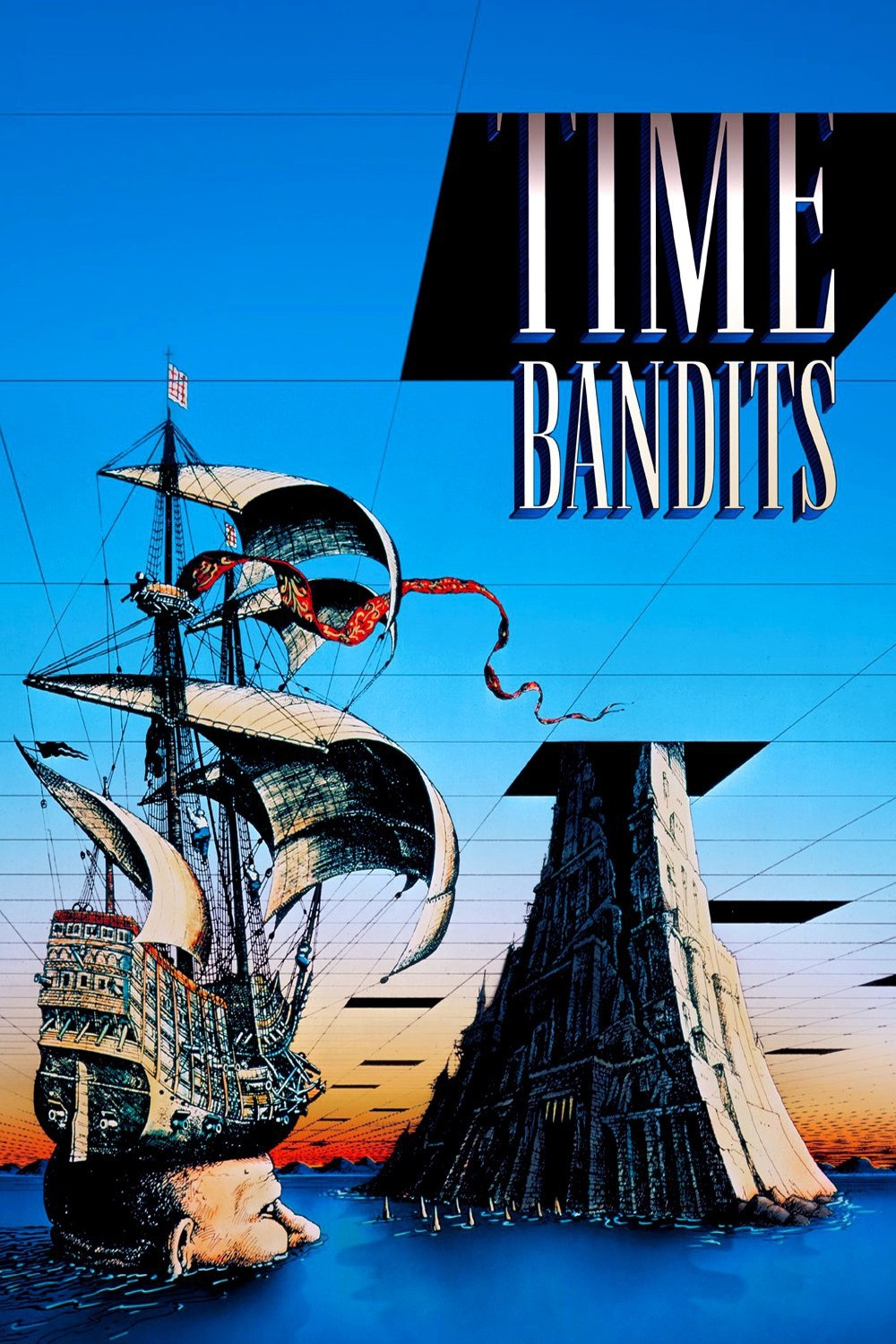
In this imaginative fantasy adventure from director Terry Gilliam, Sean Connery makes a memorable appearance as King Agamemnon. The film follows a young boy who joins a group of time-traveling dwarves as they steal treasures from different historical eras. During their journey, they encounter various historical and mythical figures, including Napoleon Bonaparte and Robin Hood.
Connery’s role as the legendary Greek king is a warm and heroic cameo. According to Gilliam, the script described the character as looking “exactly like Sean Connery,” and they were thrilled when the actor agreed to play the part. He also makes a brief appearance at the end of the film as a fireman, adding to the movie’s whimsical and surreal tone.
‘G’olé!’ (1982)
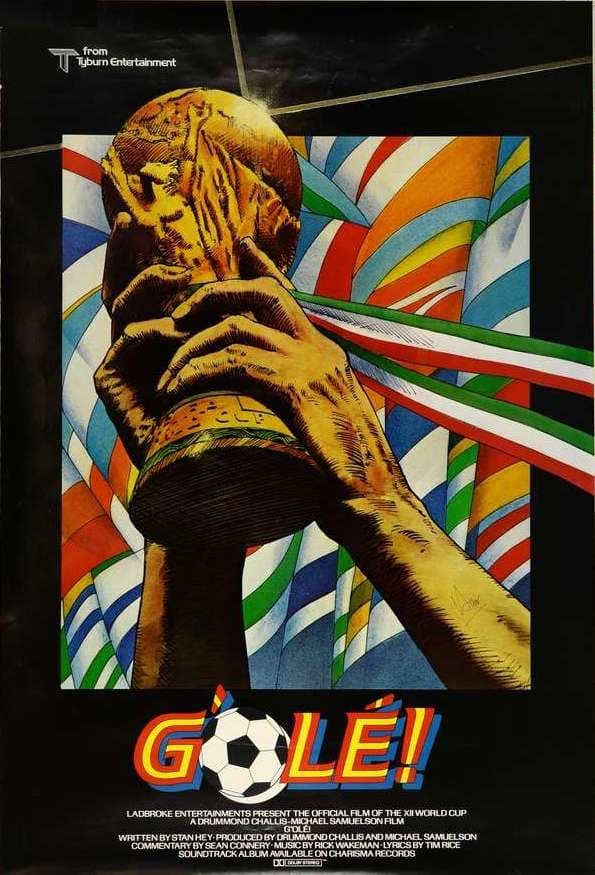
This documentary film chronicles the 1982 FIFA World Cup, which was held in Spain. The movie captures the drama, excitement, and passion of the international soccer tournament, featuring highlights from the key matches and showcasing the skills of legendary players like Diego Maradona and Paolo Rossi.
Sean Connery served as the narrator for the film. His distinctive and authoritative voice guides the audience through the story of the World Cup, from the opening rounds to the final match. His involvement lent a sense of gravitas and prestige to the documentary, making it more than just a collection of sports highlights.
‘Five Days One Summer’ (1982)
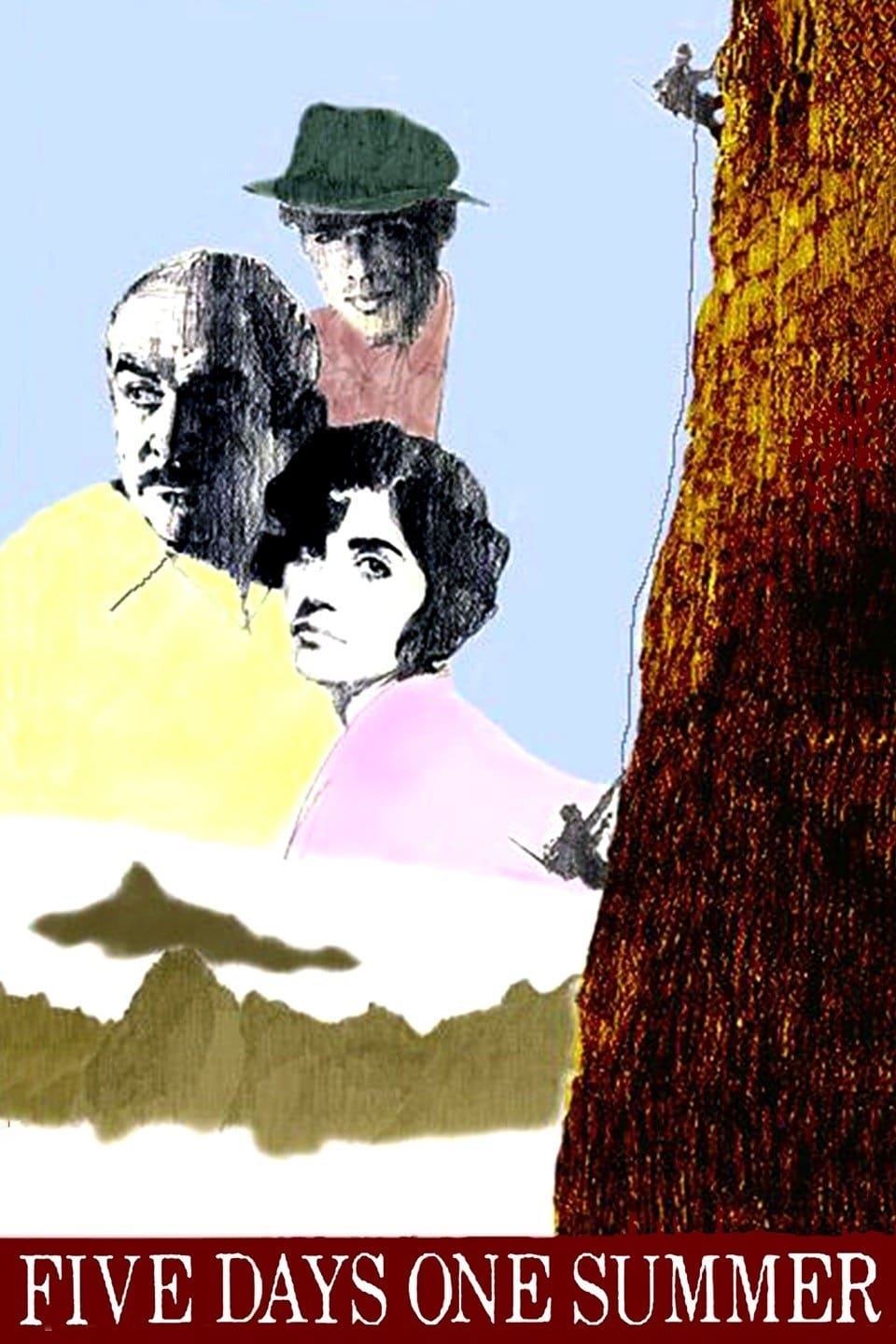
Directed by Fred Zinnemann, this romantic drama is set in the Swiss Alps in the 1930s. Sean Connery plays Douglas Meredith, a middle-aged Scottish doctor who is on a mountain-climbing holiday with a young woman he presents as his wife but is actually his niece, with whom he is having an affair. Their relationship is complicated by the arrival of a young mountain guide who develops feelings for the girl.
The film is a mature and visually stunning drama that uses the majestic and dangerous backdrop of the Alps to reflect the characters’ emotional turmoil. Connery gives a nuanced performance as a man caught in a forbidden and ultimately doomed relationship. The movie is known for its spectacular mountaineering sequences and its thoughtful exploration of love and morality.
‘Wrong Is Right’ (1982)
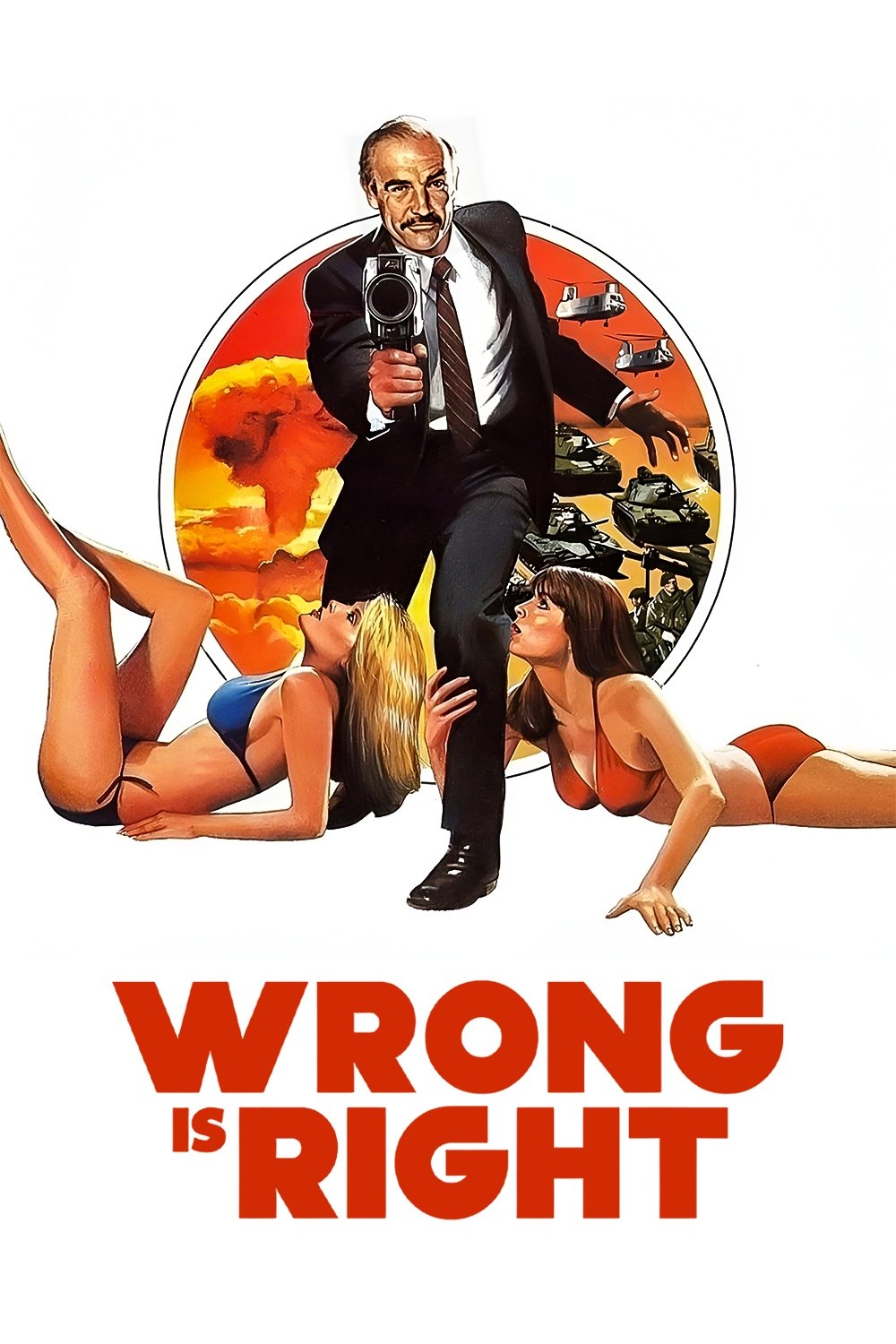
‘Wrong Is Right’, also released as ‘The Man with the Deadly Lens’, is a satirical thriller that lampoons American politics, the news media, and international espionage. Sean Connery stars as Patrick Hale, a globetrotting television journalist with a knack for being in the middle of major international incidents. He uncovers a conspiracy involving an Arab terrorist, a U.S. presidential candidate, and the sale of nuclear weapons.
The film is a fast-paced and chaotic black comedy that satirizes the sensationalism of television news. Connery plays the charismatic and highly skilled journalist with a sense of energy and wit. The movie’s cynical take on world affairs and media manipulation proved to be prescient of many later trends.
‘Sean Connery’s Edinburgh’ (1983)
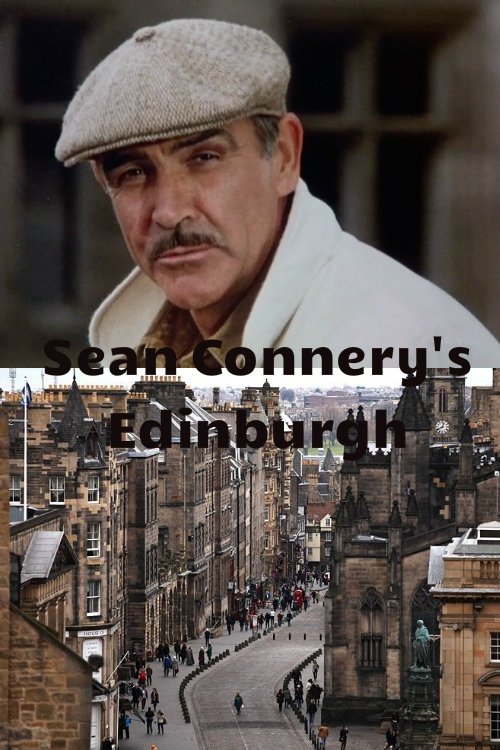
This short television documentary features Sean Connery giving a personal tour of his hometown of Edinburgh, Scotland. He revisits the places where he grew up, including his childhood home and the places where he worked before becoming an actor. The film is a tribute to the city that shaped him and an exploration of his own roots.
Connery narrates the documentary and appears on screen, sharing his personal memories and feelings about the city. The film was a chance for him to connect with his past and share a more personal side of himself with the public. It reflects his deep and lifelong connection to his Scottish heritage.
‘Never Say Never Again’ (1983)
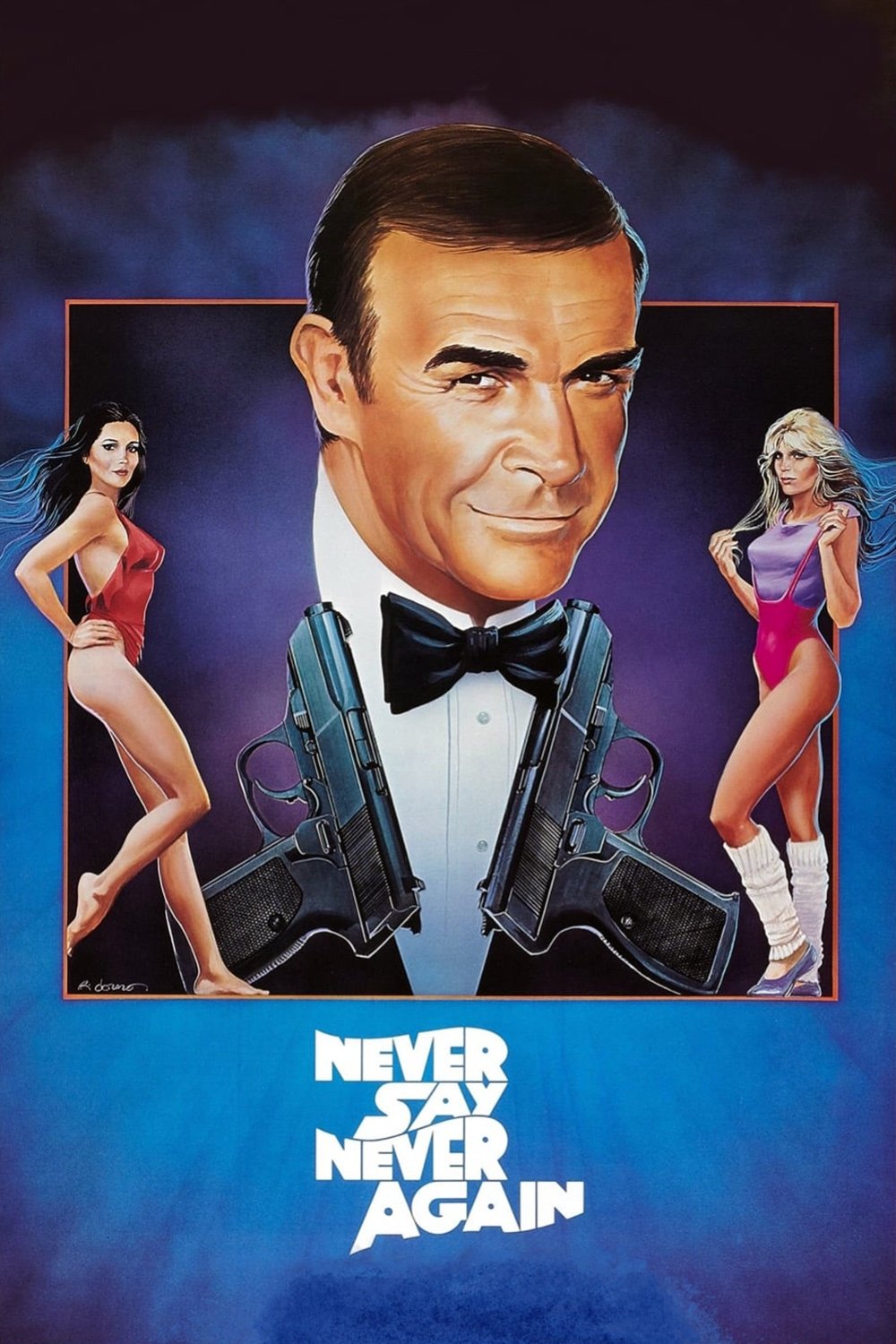
In ‘Never Say Never Again’, Sean Connery made a surprise return to the role of James Bond in a film produced outside of the official Eon Productions series. The movie is a remake of the 1965 film ‘Thunderball’, the rights to which were held by a different producer. The plot once again involves the theft of two nuclear warheads by the criminal organization SPECTRE.
The film’s title is a reference to Connery’s earlier statement that he would “never again” play the role of 007. His comeback as an older, more seasoned Bond was a major cinematic event. The movie competed with the official Bond film of that year, ‘Octopussy’, and was a significant box office success, proving that Connery’s appeal as the iconic secret agent was as strong as ever.
‘The Legend of Sir Gawain and the Green Knight’ (1984)
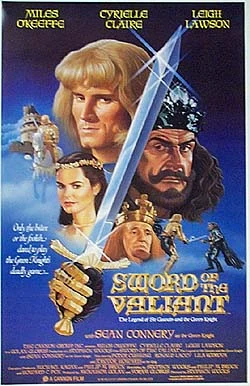
‘Sword of the Valiant: The Legend of Sir Gawain and the Green Knight’ is a fantasy film based on the famous 14th-century poem. The story follows Sir Gawain, a young knight of King Arthur’s court, who accepts a deadly challenge from a mysterious, supernatural Green Knight. Sean Connery appears in a key role as the formidable Green Knight himself.
Covered in elaborate green makeup and costume, Connery’s character is a mystical and otherworldly presence who sets the film’s plot in motion. Although his screen time is limited, his powerful portrayal of the magical knight is a memorable part of the film. The movie is a classic tale of chivalry, honor, and magic.
‘Highlander’ (1986)
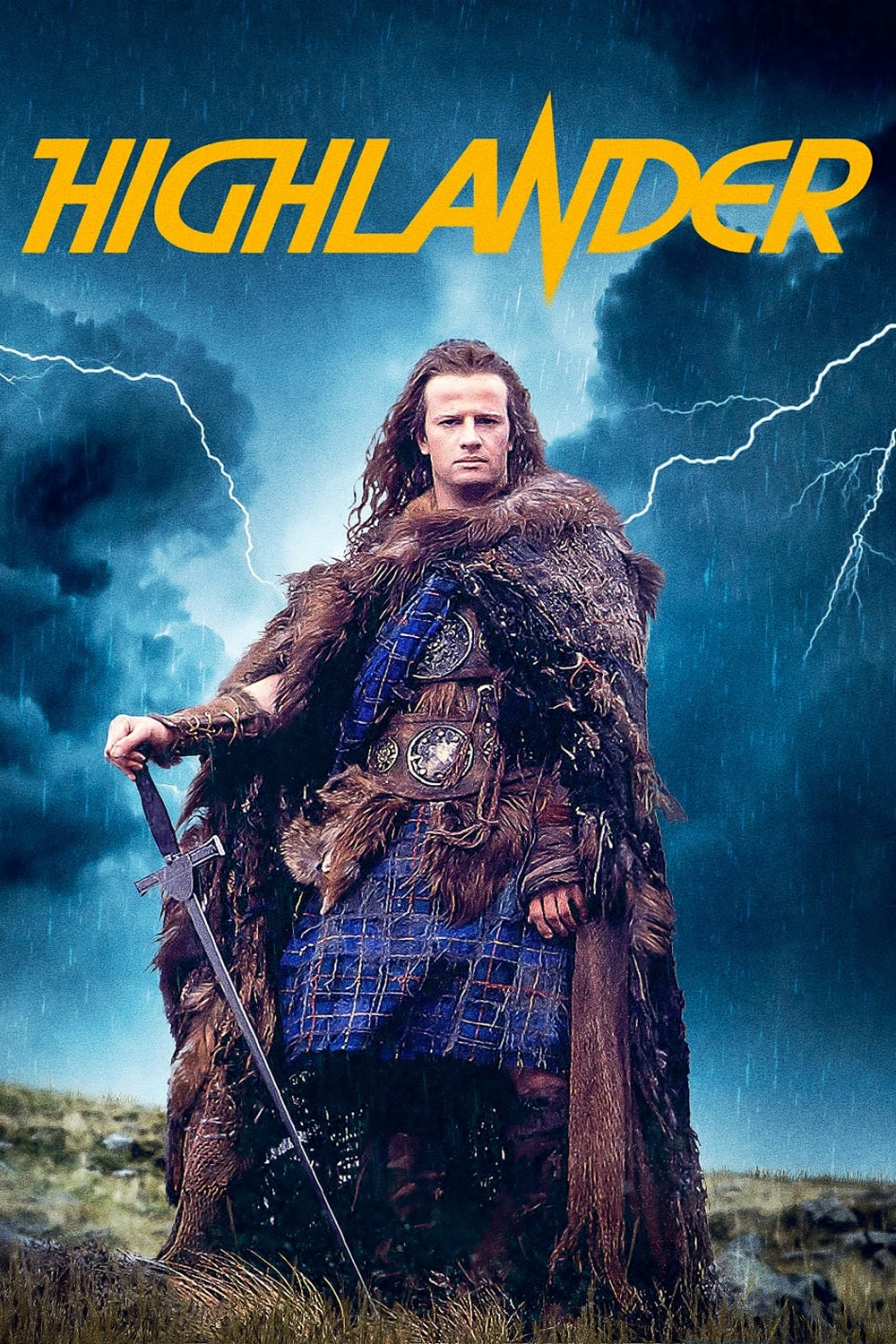
In this cult classic fantasy action film, Sean Connery plays Juan Sánchez Villa-Lobos Ramírez, an immortal Egyptian swordsman who becomes the mentor to the film’s hero, Connor MacLeod. Ramírez teaches MacLeod about the Game, a secret war between immortals who must fight each other until only one remains to claim the Prize.
Although he is killed off partway through the film, Connery’s character is one of the most memorable and beloved parts of ‘Highlander’. His portrayal of the flamboyant and wise Ramírez, with his Spanish-Egyptian accent, is charismatic and highly entertaining. The role became one of his most iconic of the 1980s and is a fan favorite.
‘The Name of the Rose’ (1986)
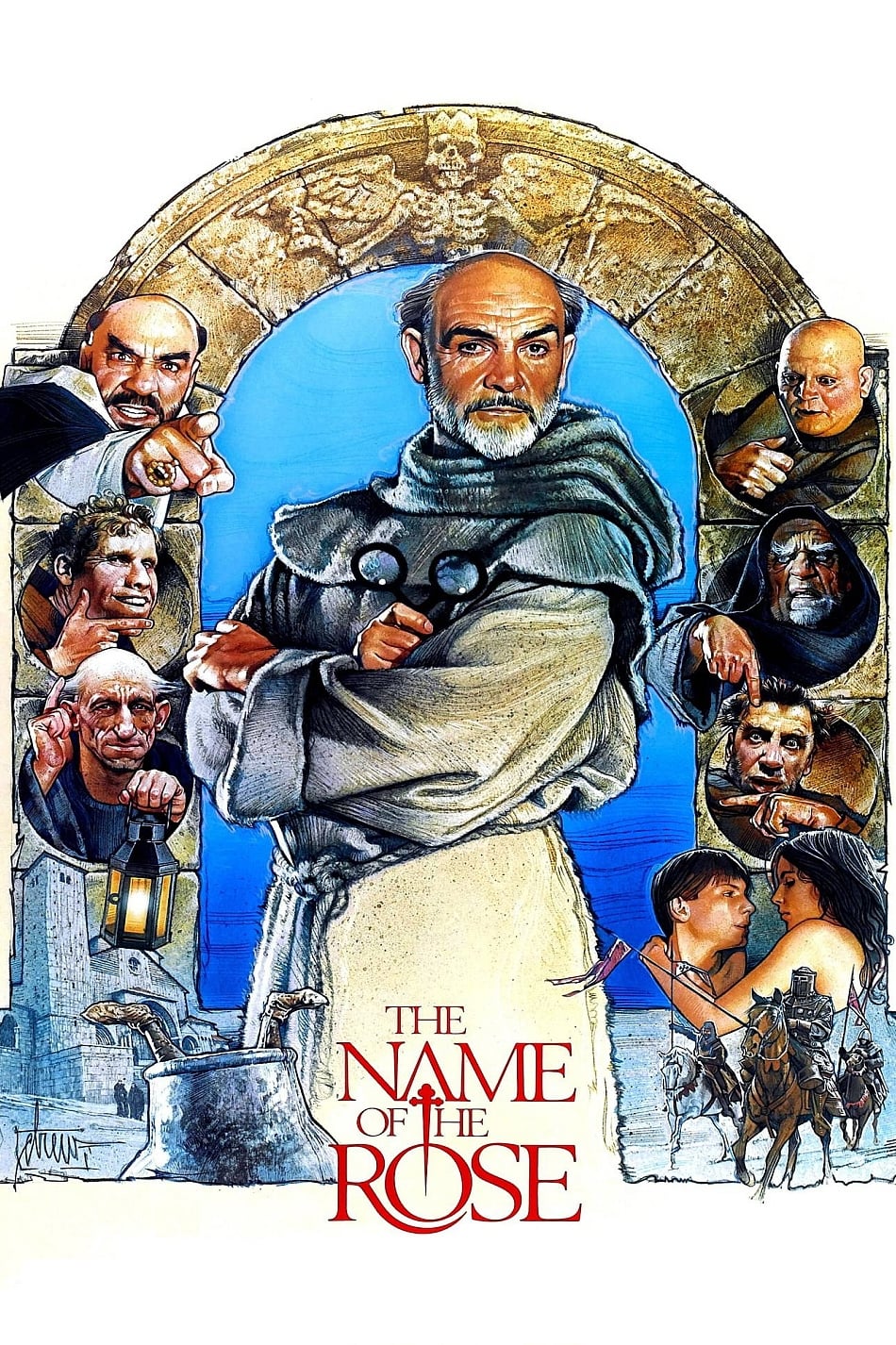
Based on the acclaimed novel by Umberto Eco, this historical mystery film stars Sean Connery as William of Baskerville, a brilliant 14th-century Franciscan friar. He and his young novice, played by a teenage Christian Slater, travel to a remote Italian abbey where a series of bizarre deaths have occurred. William uses his keen powers of deduction to investigate the murders, uncovering a hidden world of secrets and intellectual suppression within the monastery.
Connery’s performance as the monk-detective was highly praised and earned him a BAFTA Award for Best Actor. The role allowed him to showcase his intelligence and gravitas, and it is considered one of the best performances of his career. The film was a critical and commercial success, celebrated for its atmospheric setting and intricate plot.
‘The Untouchables’ (1987)
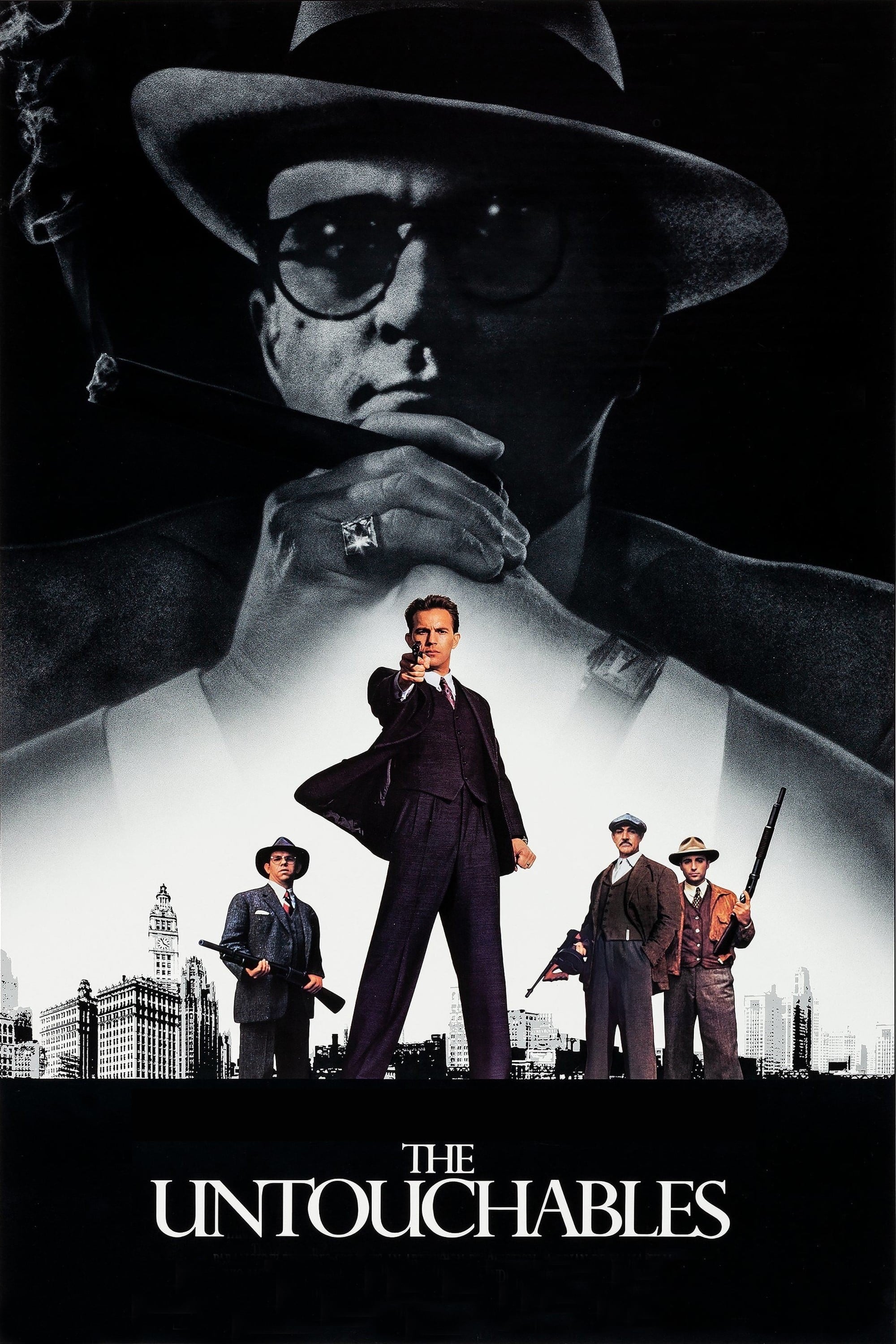
In this stylish crime drama directed by Brian De Palma, Sean Connery plays Jim Malone, a tough, streetwise Irish-American cop in Prohibition-era Chicago. Malone becomes the mentor to federal agent Eliot Ness, played by Kevin Costner, teaching him how to fight the city’s rampant corruption and take on the ruthless gangster Al Capone. He is the heart and soul of Ness’s small team of “Untouchables.”
For his performance, Connery won the Academy Award for Best Supporting Actor, the only Oscar of his career. His portrayal of the cynical but honorable veteran cop was universally acclaimed and became one of his most iconic roles. The “Chicago way” speech he delivers to Ness is a classic movie moment, and his performance is the emotional core of the film.
‘The Presidio’ (1988)
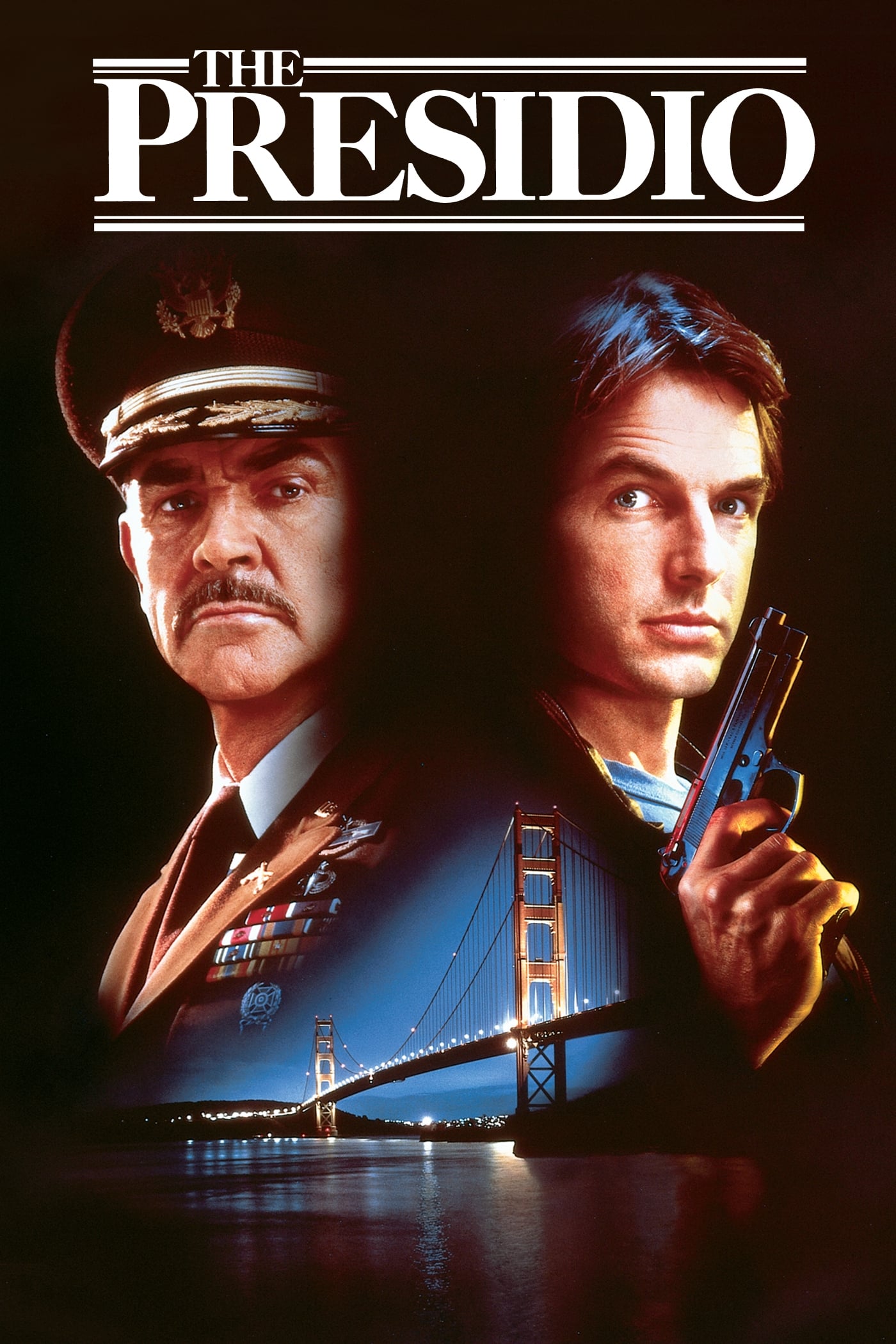
‘The Presidio’ is a crime thriller that reunites Sean Connery with director Peter Hyams, who also directed ‘Outland’. Connery plays Lieutenant Colonel Alan Caldwell, the provost marshal of a military base in San Francisco. He is forced to team up with a city police inspector, played by Mark Harmon, to investigate a murder that took place on the base. The investigation is complicated by the fact that the inspector is dating Caldwell’s daughter.
Connery delivers a solid performance as the tough, by-the-book military officer who clashes with the civilian detective. The film is a standard but effective action thriller, elevated by the strong screen presence of its star. The dynamic between the older, experienced military man and the younger, hot-headed cop drives the narrative.
‘Memories of Me’ (1988)
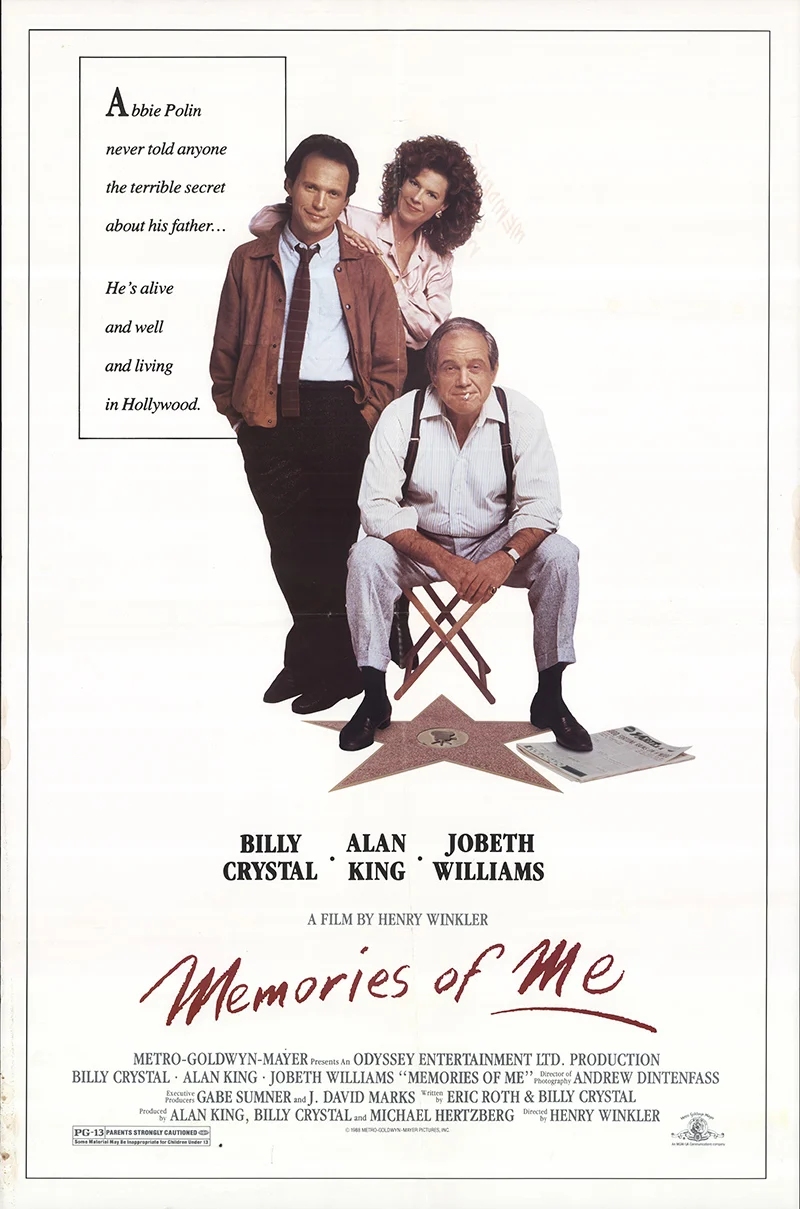
‘Memories of Me’ is a comedy-drama starring Billy Crystal as a New York surgeon who, after a health scare, attempts to reconcile with his estranged father, played by Alan King. The father is a movie extra in Hollywood, known as the “King of the Extras.” The film explores their difficult relationship as the son spends time with his father on movie sets.
Sean Connery makes a brief, uncredited cameo appearance as himself. In the scene, he is shown filming a movie and interacts with Crystal and King’s characters. His good-humored cameo adds a touch of Hollywood authenticity to the film’s setting and pokes gentle fun at his own star image.
‘Indiana Jones and the Last Crusade’ (1989)
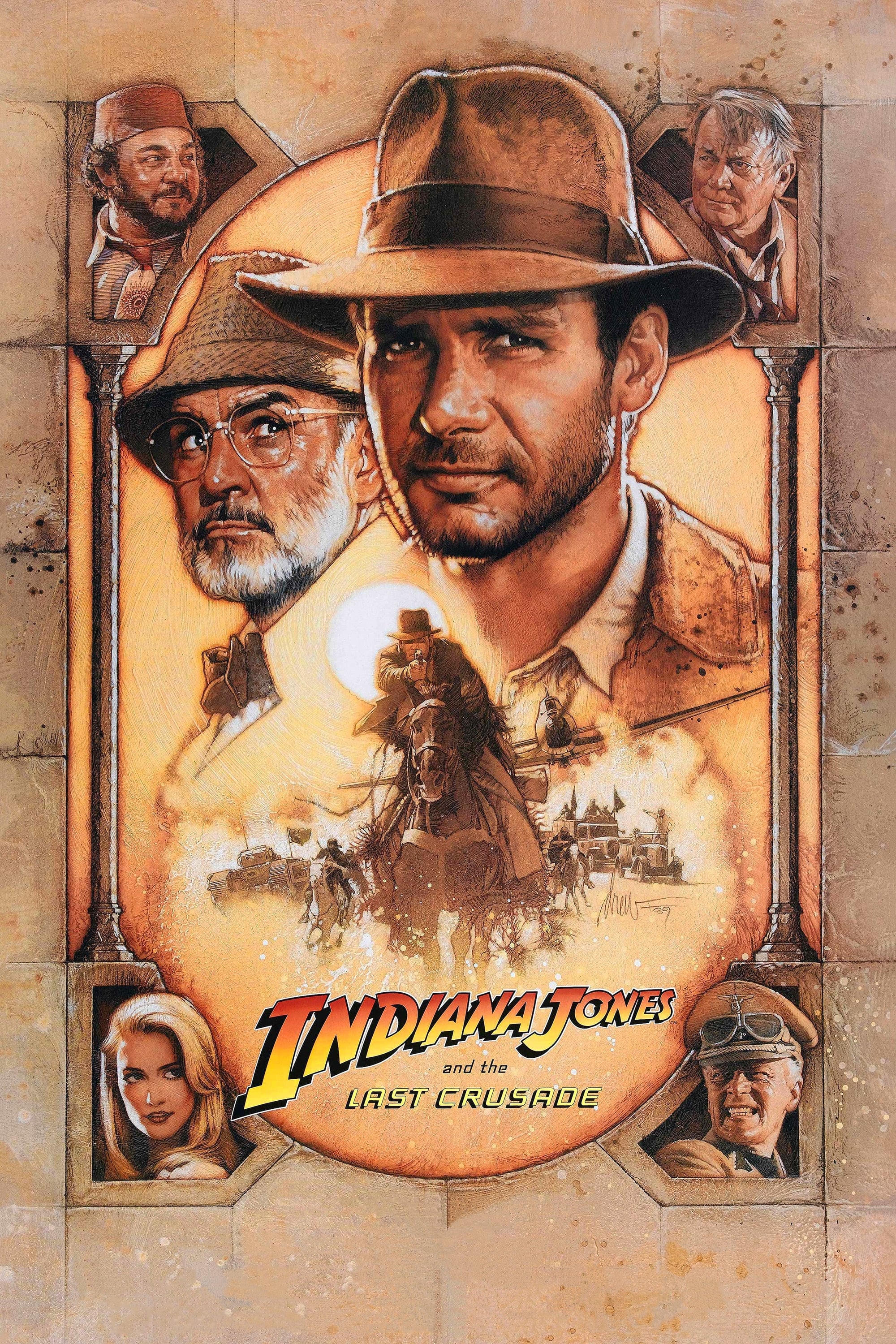
In the third installment of the Indiana Jones series, Sean Connery plays one of his most beloved roles: Professor Henry Jones Sr., the father of Indiana Jones. The film follows Indy’s quest to find his father, a scholar of medieval literature who has disappeared while searching for the Holy Grail. Once reunited, the father-and-son duo must navigate traps, outsmart enemies, and work together to find the sacred artifact.
Despite being only twelve years older than Harrison Ford, Connery was perfectly cast as the elder Jones. The bickering, comedic chemistry between the two actors is the heart of the film. His portrayal of the bookish, disapproving, yet ultimately loving father was a critical and commercial triumph, and the role introduced him to a new generation of moviegoers.
‘Family Business’ (1989)
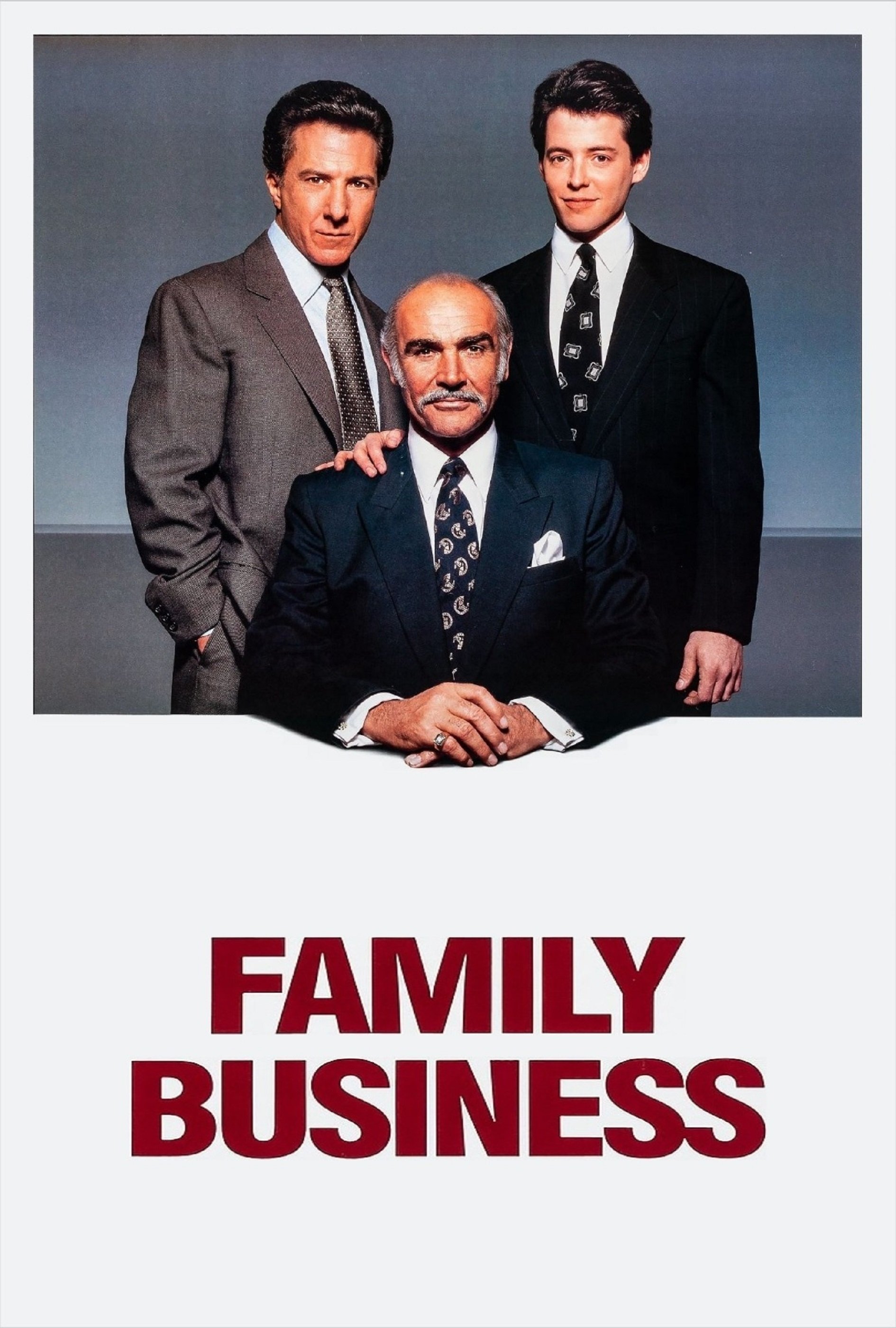
This crime comedy-drama brought together three generations of acting talent. Sean Connery, Dustin Hoffman, and Matthew Broderick play a family of criminals. Connery is Jessie McMullen, a charismatic career criminal; Hoffman is his son Vito, who tried to go straight; and Broderick is his grandson Adam, a bright college student who gets drawn into the family business. The three team up to pull off a major heist.
Directed by Sidney Lumet, the film explores the complex relationships and loyalties within the family. Connery shines as the proud and unrepentant patriarch who represents a lifetime of crime. The movie was noted for the casting of its three lead stars, each representing a different generation of Hollywood.
‘The Hunt for Red October’ (1990)
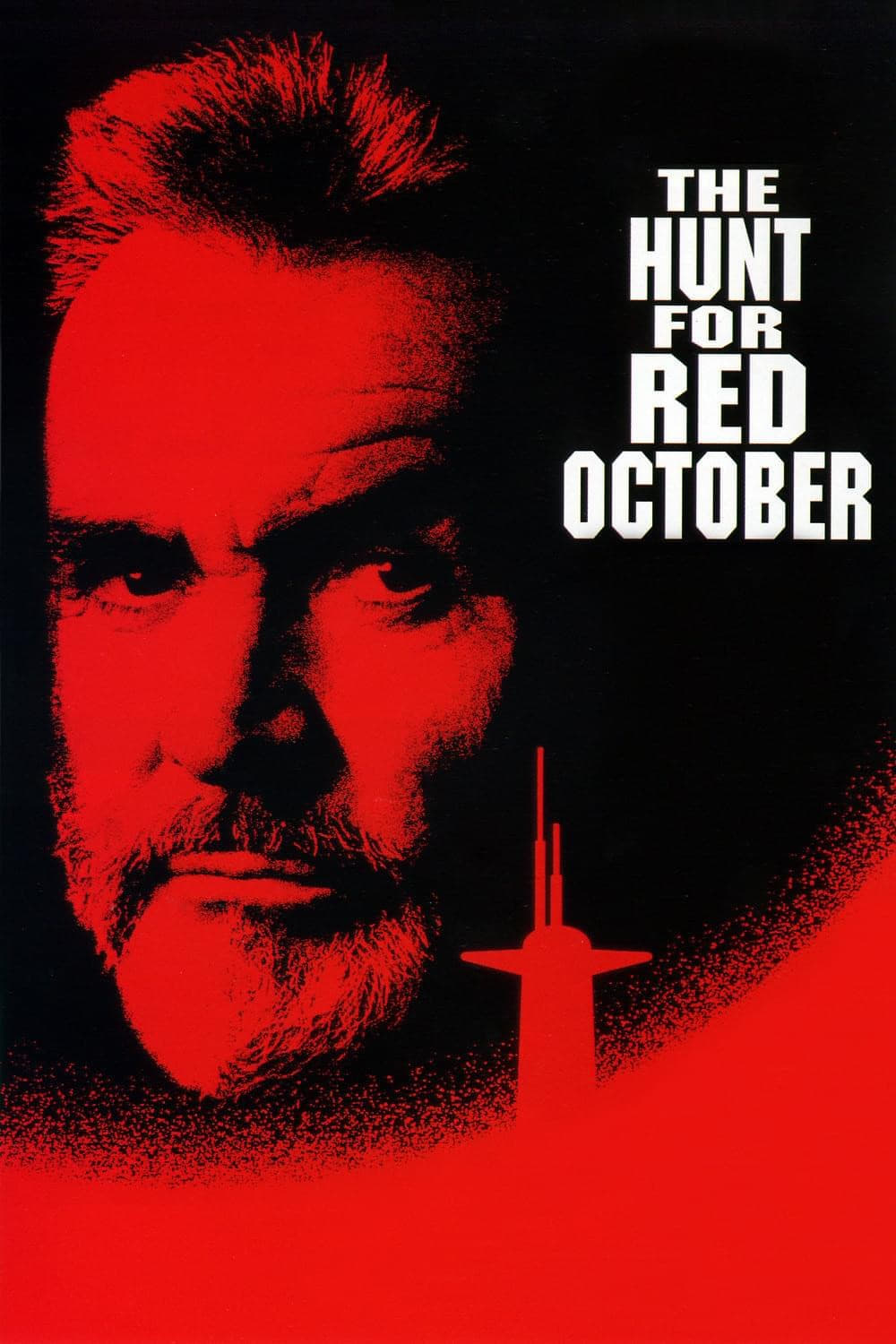
Based on the best-selling Tom Clancy novel, this Cold War thriller stars Sean Connery as Captain Marko Ramius, the brilliant and respected commander of the Soviet Union’s new, undetectable submarine, the Red October. Ramius goes rogue, steering the submarine toward the United States. The American military doesn’t know if he plans to attack or defect, and CIA analyst Jack Ryan, played by Alec Baldwin, must figure out his intentions before the situation escalates into war.
Connery delivers a commanding performance as the enigmatic and determined submarine captain. His portrayal is a key reason for the film’s success, bringing intelligence and gravitas to the role. ‘The Hunt for Red October’ was a major critical and commercial hit, launching a successful film franchise based on the Jack Ryan character.
‘The Russia House’ (1990)

Adapted from the novel by John le Carré, ‘The Russia House’ is a spy thriller that stars Sean Connery as Bartholomew “Barley” Scott Blair, a boozy British publisher. He is unexpectedly drawn into the world of espionage when a mysterious Soviet scientist tries to use him to pass military secrets to the West. During the operation, he falls for the Russian woman, played by Michelle Pfeiffer, who is acting as the intermediary.
The film is a more realistic and character-driven spy story than the James Bond films. Connery’s performance as the world-weary and morally conflicted publisher was praised. He perfectly captures the character’s transformation from a cynical outsider to a man willing to risk everything for love.
‘Highlander II: The Quickening’ (1991)
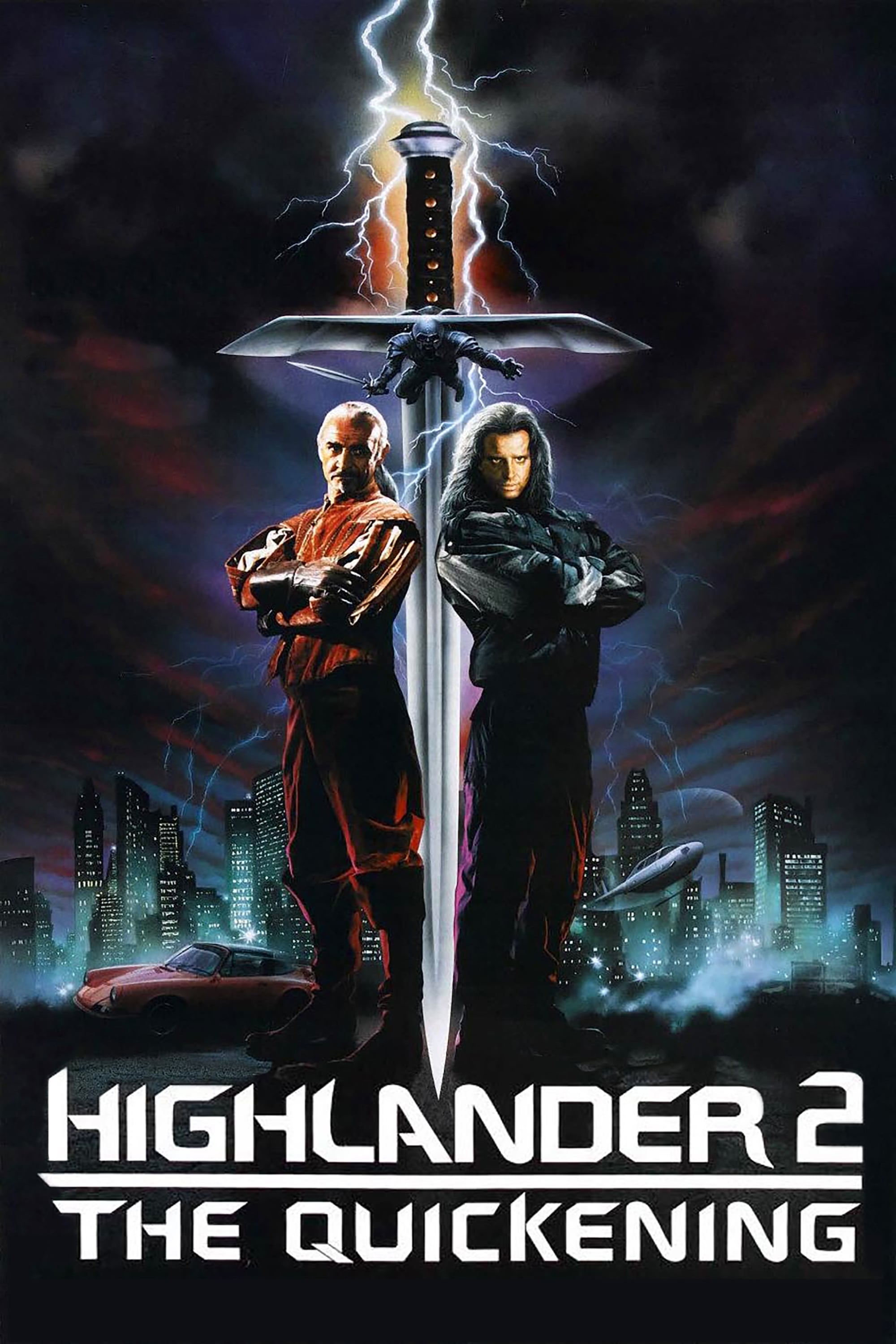
Sean Connery reprised his role as Juan Sánchez Villa-Lobos Ramírez in this much-maligned sequel to ‘Highlander’. The film is set in a dystopian future where Connor MacLeod is now an old man. The plot controversially retcons the immortals’ origin, revealing that they are aliens from a planet called Zeist. Ramírez is resurrected to help MacLeod fight a new villain from their home planet.
Despite Connery’s charismatic return as Ramírez, the film was a critical and commercial failure. Its convoluted plot and contradictions to the original film were heavily criticized by fans. Over the years, different versions of the film have been released in an attempt to fix the story, but it remains one of the most disliked sequels ever made.
‘Robin Hood: Prince of Thieves’ (1991)
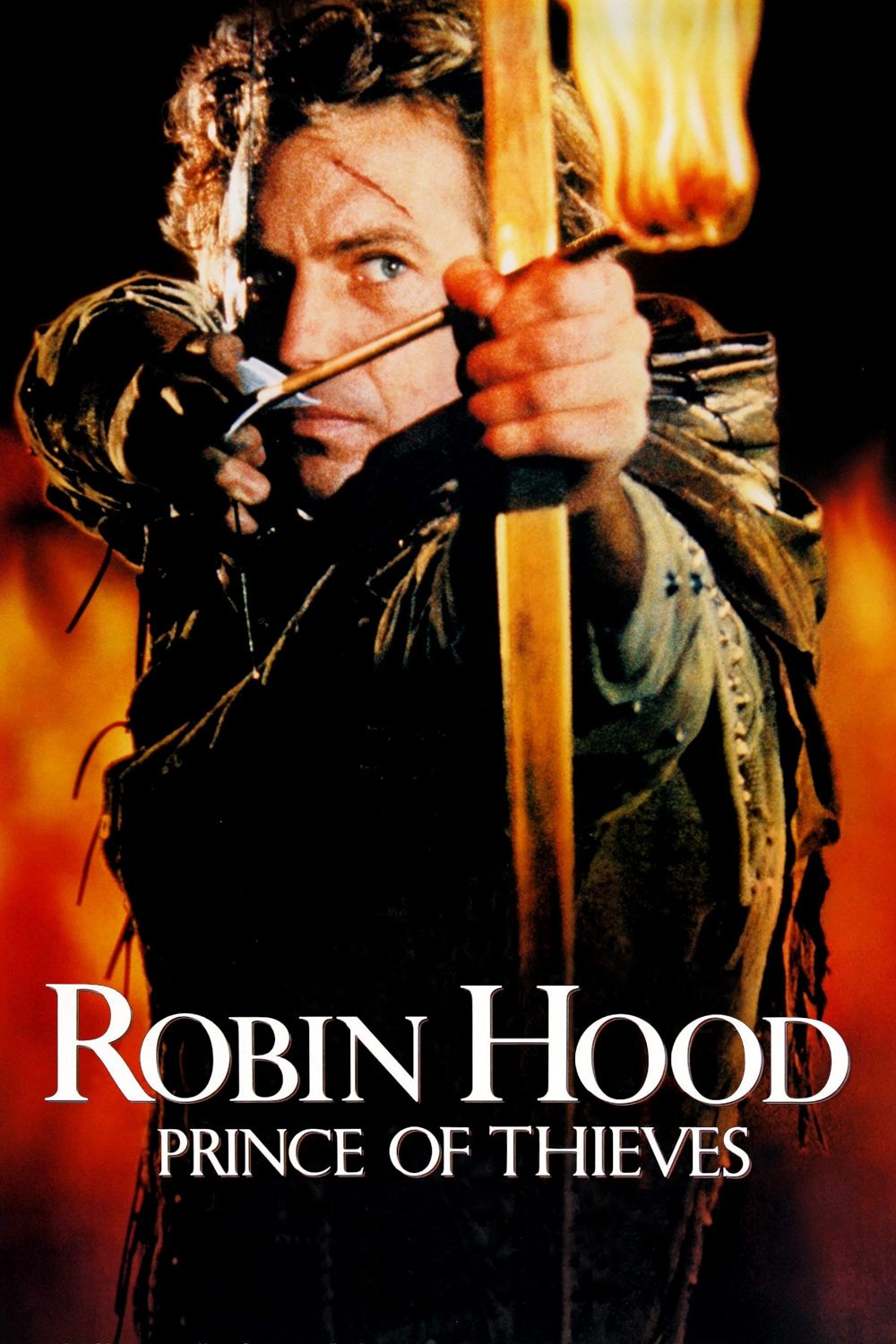
In this blockbuster version of the Robin Hood story starring Kevin Costner, Sean Connery makes a surprise, uncredited cameo appearance at the very end of the film. He appears as King Richard the Lionheart, returning to England from the Crusades to reclaim his throne. His brief appearance provides a grand and satisfying conclusion to the film.
Connery reportedly donated his salary for the two days of filming to charity. Although he is on screen for only a couple of minutes, his powerful presence and iconic status make the cameo one of the most memorable in movie history. It was a fitting appearance, given that he had played an aging Robin Hood himself fifteen years earlier.
‘Medicine Man’ (1992)
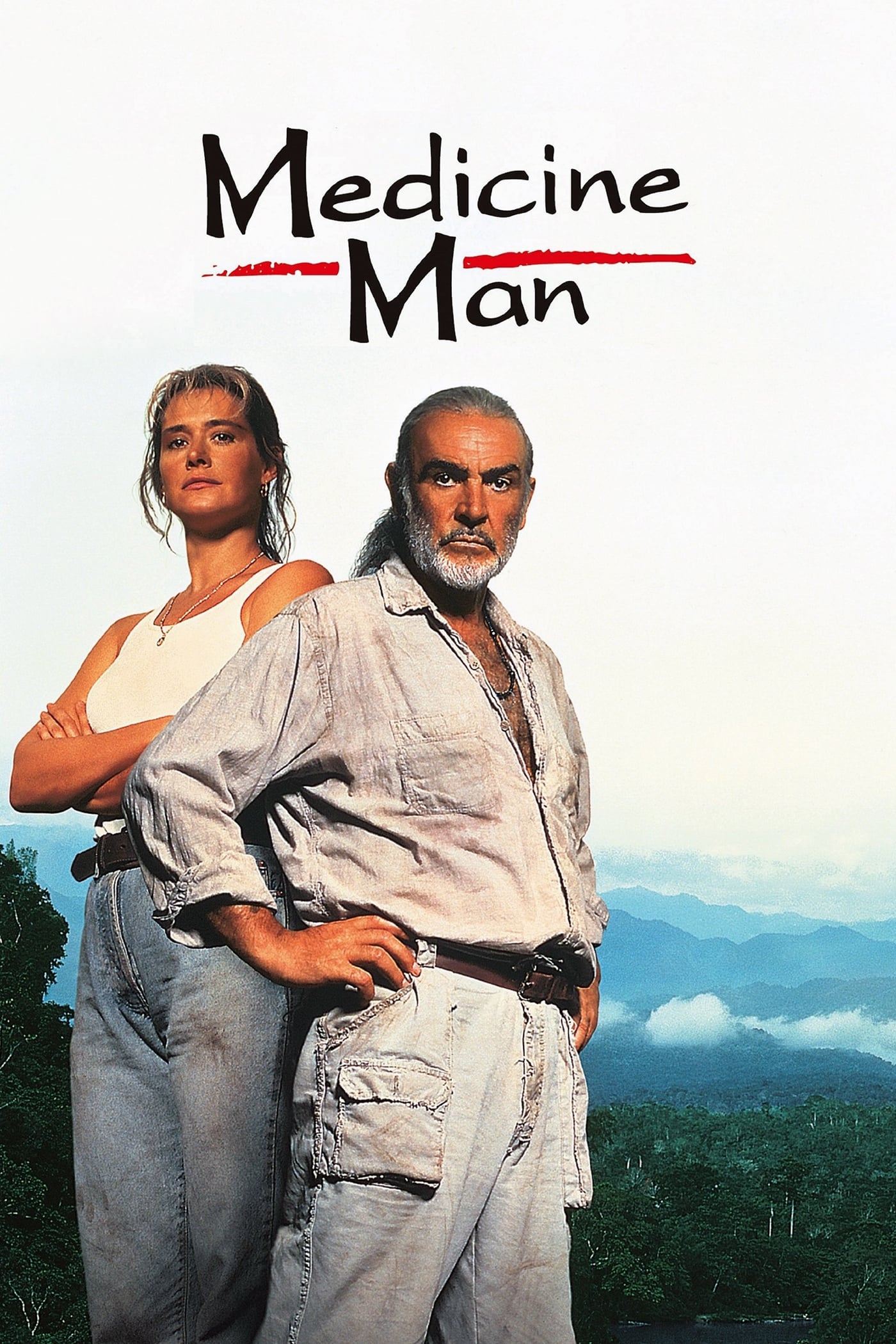
In this adventure-drama set in the Amazon rainforest, Sean Connery plays Dr. Robert Campbell, an eccentric and reclusive research scientist. He has been living in the jungle for years and may have discovered a cure for cancer derived from a rare flower. A pharmaceutical company sends another scientist, played by Lorraine Bracco, to find him and verify his research before a logging company destroys the area.
Connery portrays the grumpy but brilliant scientist who is passionate about his work and protective of the indigenous community he lives with. The film features stunning rainforest scenery and explores themes of environmentalism and the clash between modern science and the natural world.
‘Rising Sun’ (1993)
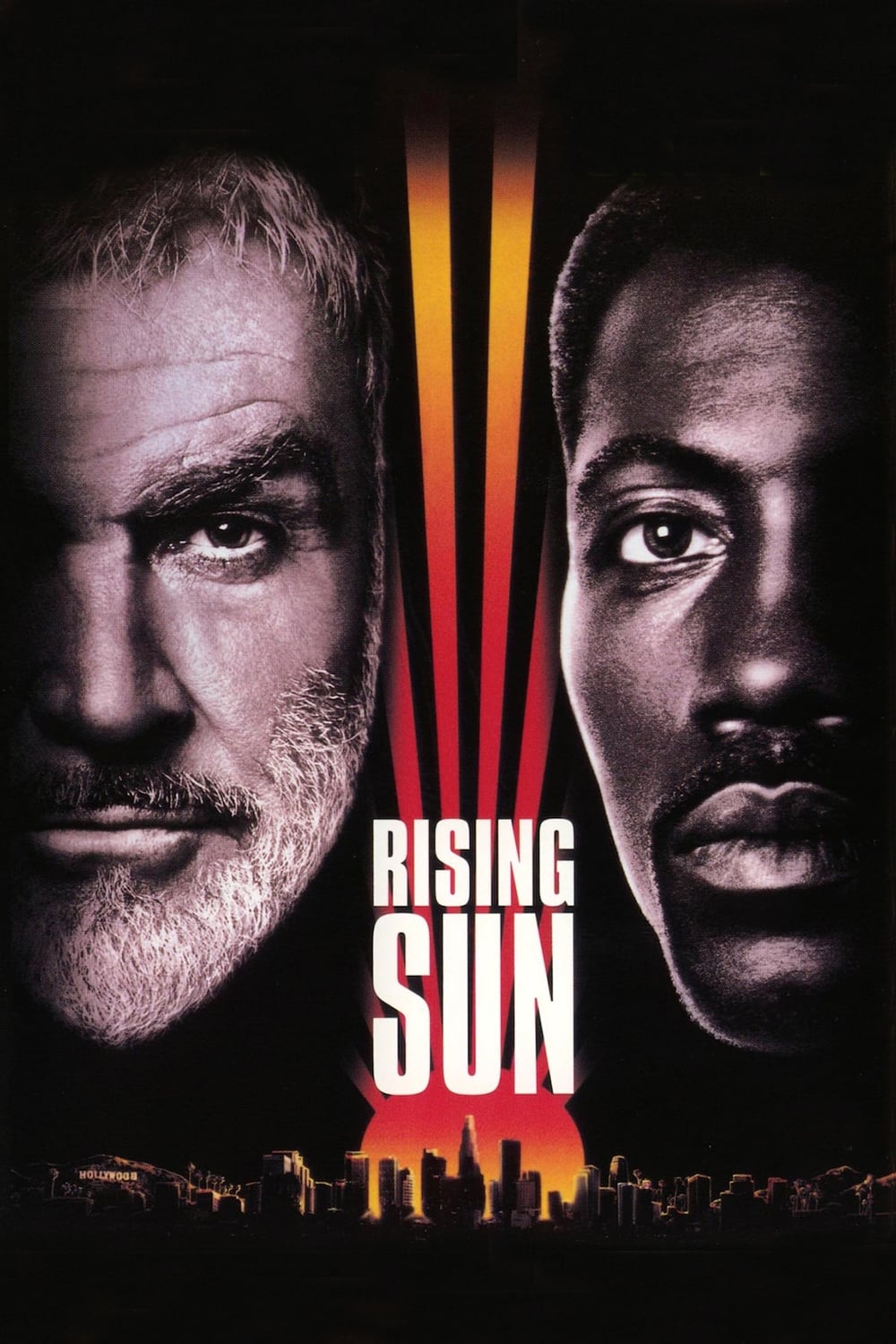
Based on a novel by Michael Crichton, this crime thriller stars Sean Connery as Captain John Connor, a retired police officer and an expert on Japanese culture. He is called in to help a detective, played by Wesley Snipes, investigate a murder that takes place at the Los Angeles headquarters of a major Japanese corporation. The two detectives must navigate the complex and often misunderstood customs of the Japanese business world to solve the crime.
Connery’s character serves as a wise mentor figure, guiding the younger detective through the cultural and political intricacies of the case. He brings a sense of authority and worldly wisdom to the role. The film was a stylish thriller that explored the theme of cultural clashes between the United States and Japan.
‘A Good Man in Africa’ (1994)
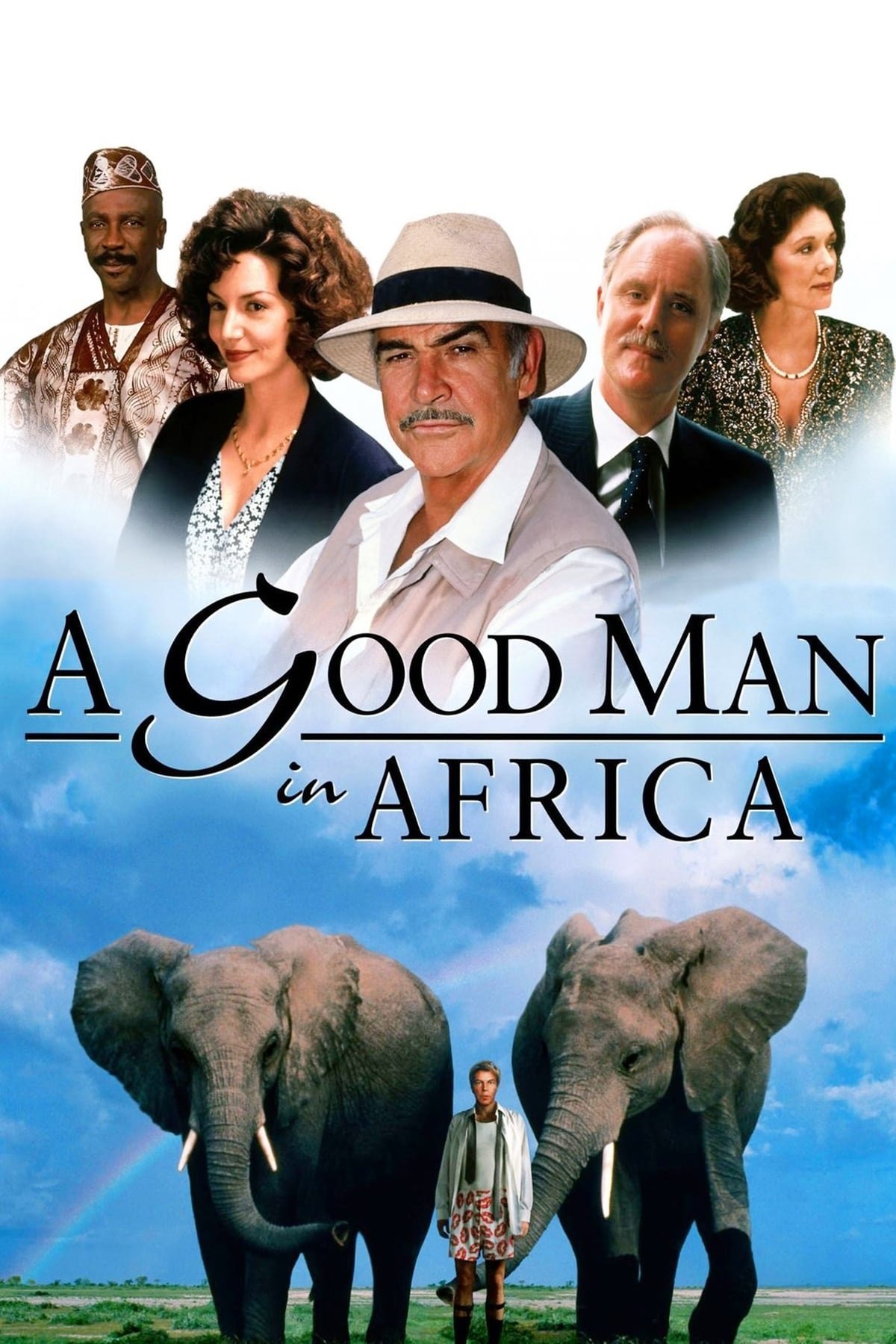
This comedy film, based on a novel by William Boyd, stars Colin Friels as a British diplomat stationed in a small West African country. Sean Connery plays Dr. Alex Murray, a cynical and cantankerous Scottish doctor who is trying to keep a local hospital running despite the rampant corruption around him. The diplomat finds himself caught between the doctor’s moral stubbornness and the corrupt local politicians.
Connery’s role as the grumpy, bribable doctor is a supporting part, but he provides some of the film’s most entertaining moments. The character allowed him to use his native Scottish accent and play a curmudgeonly but ultimately principled figure. The film is a satire of post-colonial politics and the challenges faced by outsiders in a foreign land.
‘Just Cause’ (1995)
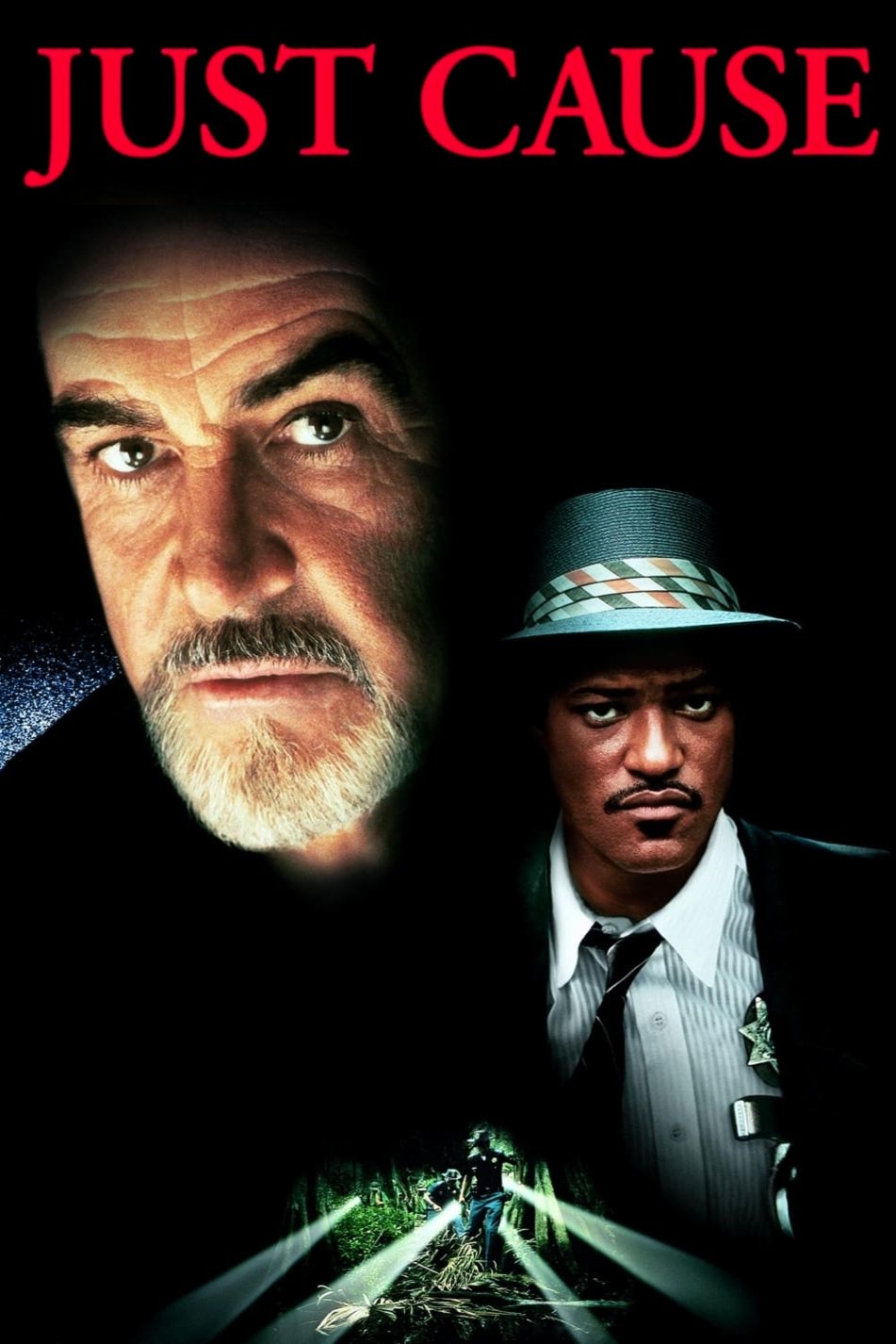
In this legal thriller, Sean Connery plays Paul Armstrong, a liberal Harvard law professor who is opposed to capital punishment. He is persuaded to investigate the case of a young black man on death row in Florida, who claims he was tortured into confessing to the murder of a young girl. As Armstrong digs deeper, he uncovers a web of corruption and secrets in the small southern town.
Connery gives a solid performance as the academic who is forced to confront a brutal reality that challenges his own beliefs. The film is a suspenseful mystery with several plot twists. Connery also served as an executive producer on the project, showing his continued involvement in the filmmaking process.
‘First Knight’ (1995)
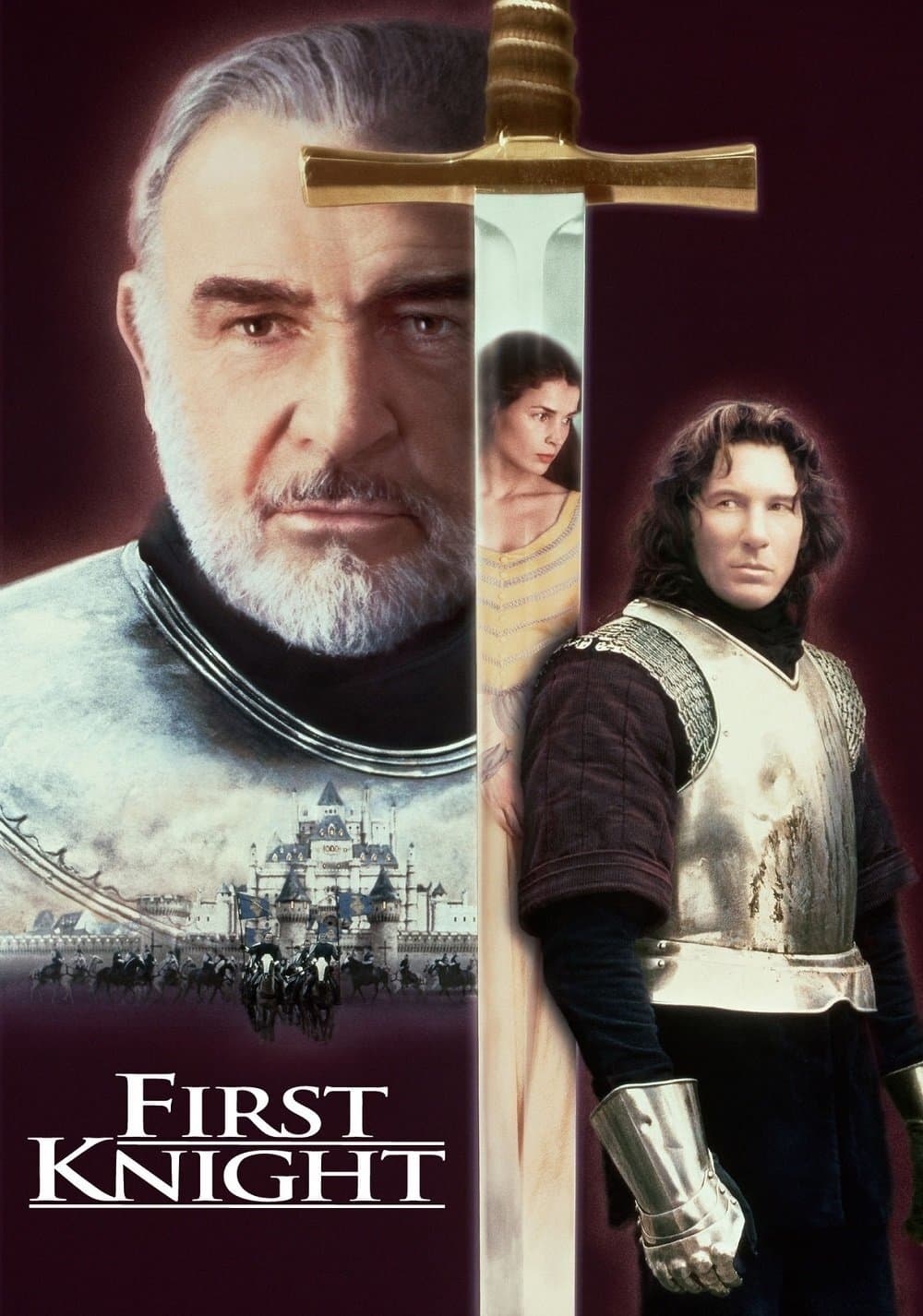
In this romantic adventure based on Arthurian legend, Sean Connery portrays the noble and wise King Arthur of Camelot. The story focuses on the love triangle that develops between Arthur, his queen Guinevere (played by Julia Ormond), and the skilled but wandering swordsman Lancelot (played by Richard Gere). The kingdom is also threatened by the villainous knight Malagant.
Connery brings a great deal of dignity and gravitas to the role of the legendary king. His portrayal is that of an older, benevolent ruler who is faced with both a political threat to his kingdom and a personal betrayal. The film is a visually grand production with large-scale battles and romantic spectacle.
‘Dragonheart’ (1996)
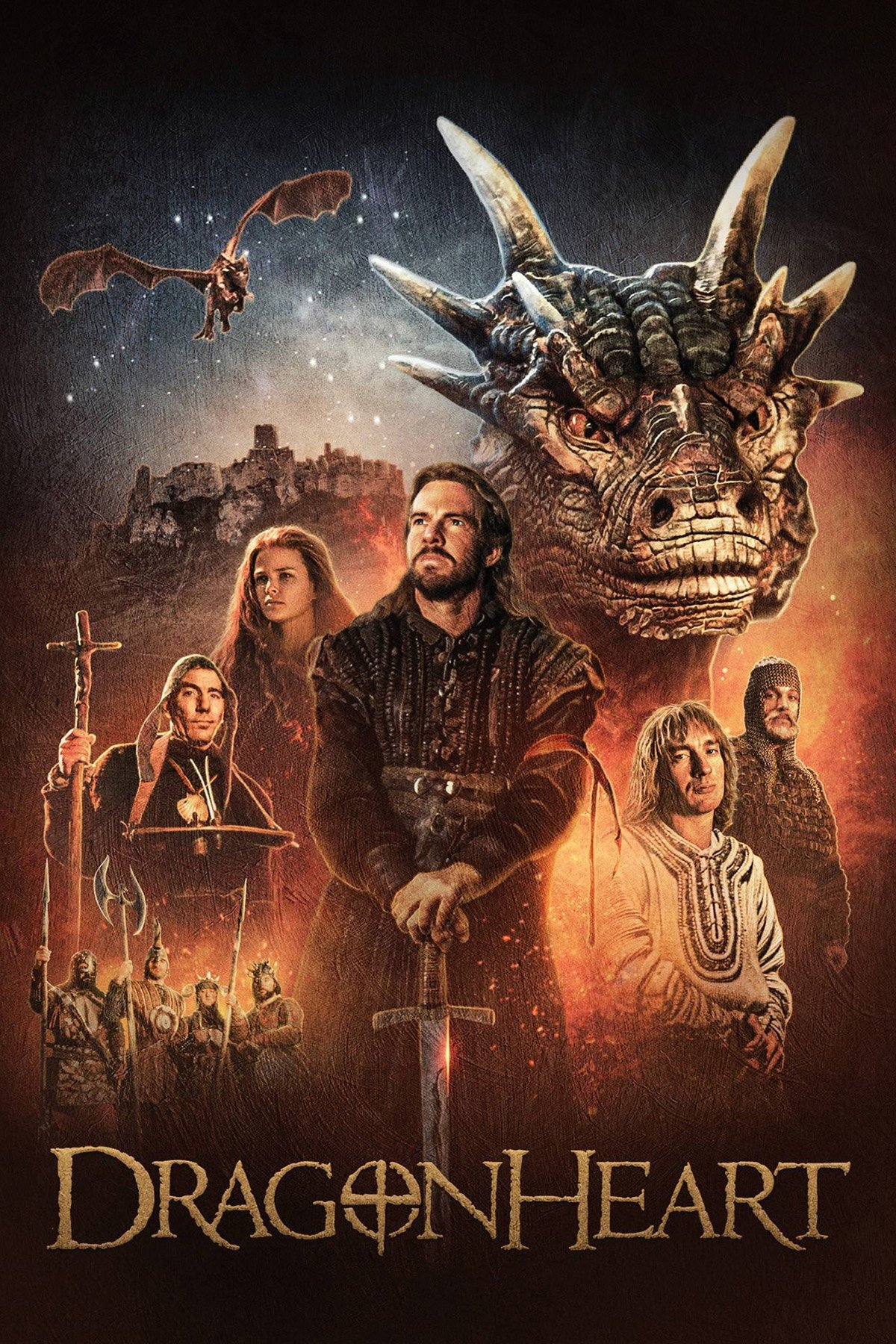
In this fantasy adventure film, Sean Connery provides the voice for Draco, the last living dragon. A cynical knight, played by Dennis Quaid, forms an unlikely partnership with Draco. The two work together to con villages by having the knight pretend to slay the dragon, but they are eventually forced to become true heroes to stop a tyrannical king who has a dark connection to Draco.
Connery’s distinctive voice and personality were a perfect match for the wise and witty dragon. His vocal performance was widely praised and is a major reason for the film’s enduring charm. The character of Draco was also a groundbreaking achievement in computer-generated imagery, with the animators incorporating some of Connery’s own facial expressions into the dragon’s design.
‘The Rock’ (1996)
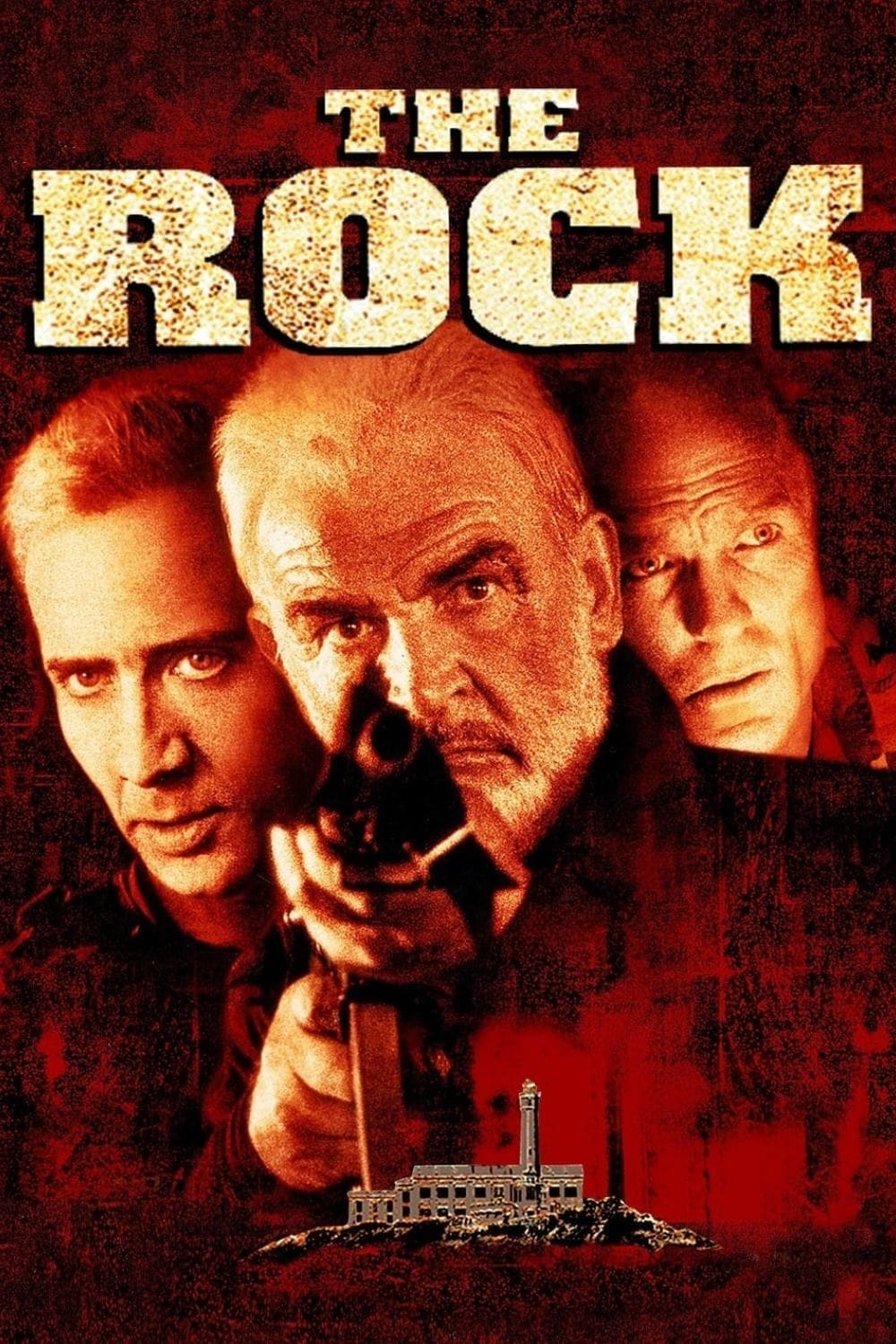
‘The Rock’ is a high-octane action thriller directed by Michael Bay. Sean Connery stars as John Patrick Mason, a former British intelligence agent and the only man to have ever escaped from Alcatraz prison. He is recruited by the U.S. government to help a team of Navy SEALs, led by a chemical weapons expert played by Nicolas Cage, break back into the prison, which has been taken over by rogue Marines threatening to launch chemical rockets at San Francisco.
Connery’s role as the aging but still incredibly dangerous super-spy is one of the highlights of his later career. The film was a massive blockbuster, and his charismatic and action-packed performance was a major contributor to its success. He also served as an executive producer on the film, demonstrating his continued influence in Hollywood.
‘The Avengers’ (1998)
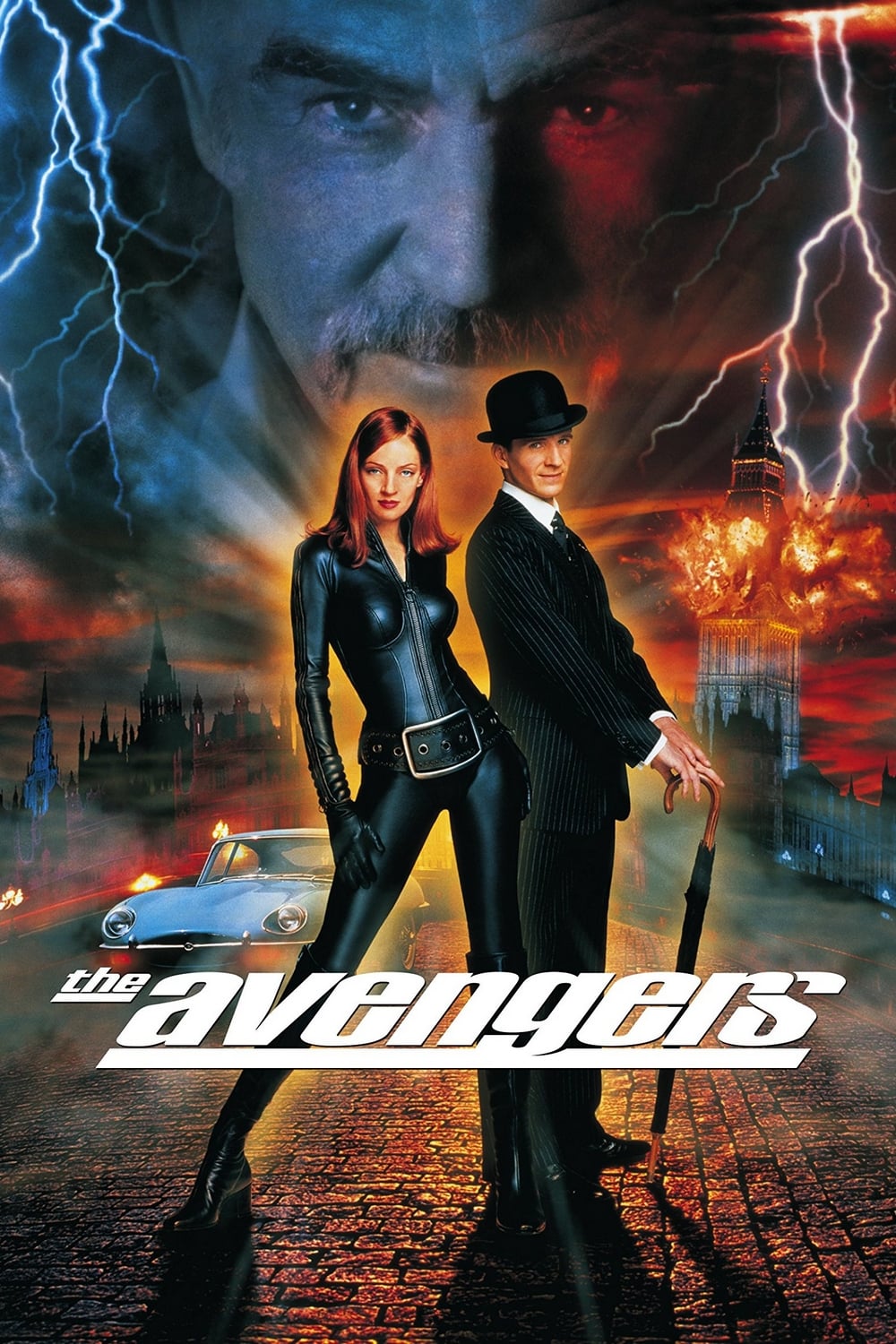
This film is a big-screen adaptation of the classic 1960s British television series of the same name. The movie follows secret agents John Steed and Emma Peel as they try to stop a mad scientist from controlling the world’s weather. Sean Connery plays the villain of the film, Sir August de Wynter, a brilliant but megalomaniacal scientist who has created the weather-controlling machine.
Connery hams it up as the theatrical villain, complete with outlandish costumes, including a teddy bear suit. Despite a cast that included Ralph Fiennes and Uma Thurman, the film was a notorious critical and commercial failure. It is often cited as one of the worst films of the 1990s and was a rare misstep in Connery’s later career.
‘Playing by Heart’ (1998)
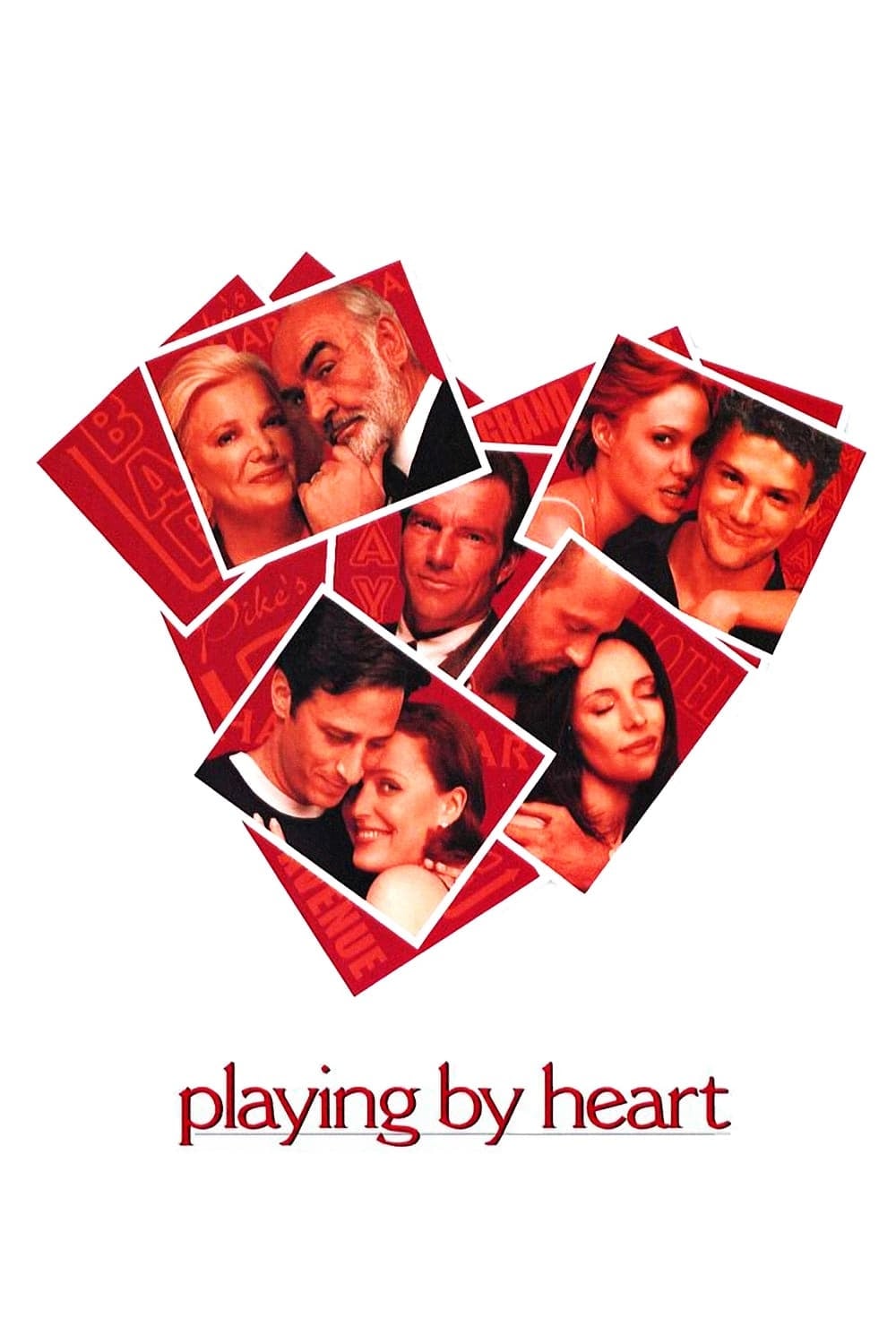
‘Playing by Heart’ is an ensemble romantic comedy-drama that tells the interconnected stories of several characters in Los Angeles dealing with love, loss, and relationships. Sean Connery and Gena Rowlands play Paul and Hannah, a long-married couple who are facing a moment of truth as Hannah considers an affair and Paul reveals a past secret.
Connery gives a warm and moving performance as the aging husband who is deeply in love with his wife. His storyline with Rowlands is the emotional anchor of the film. The cast also includes Angelina Jolie, Ryan Phillippe, and Gillian Anderson. The film was praised for its strong performances and its touching exploration of modern relationships.
‘Entrapment’ (1999)
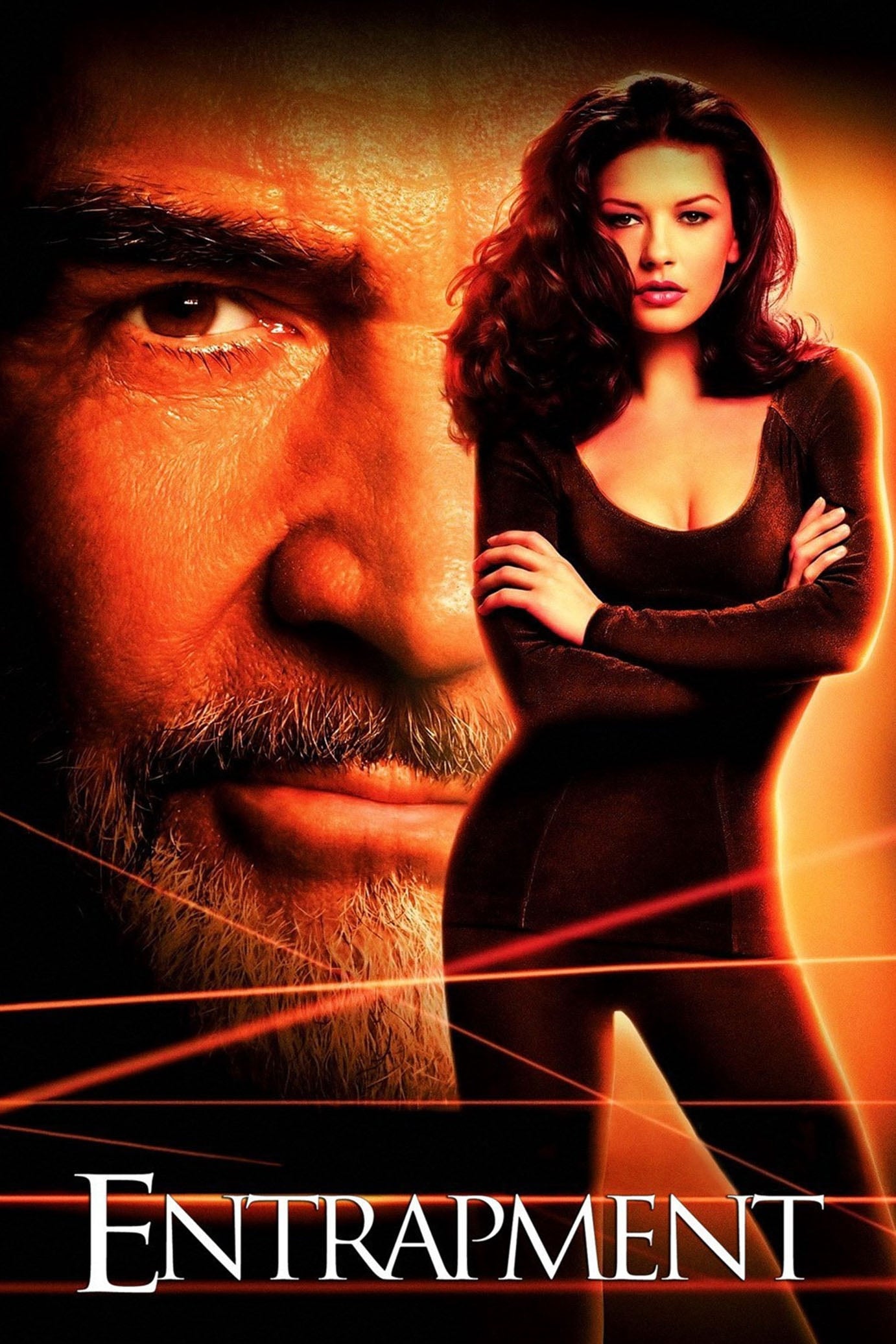
In this stylish heist film, Sean Connery plays Robert “Mac” MacDougal, a legendary international art thief. Catherine Zeta-Jones plays Virginia “Gin” Baker, an insurance investigator who poses as a fellow thief to gain his trust and help the authorities capture him. The two team up to attempt a series of daring heists, including a massive score on the eve of the new millennium.
Connery, who also produced the film, is charismatic and suave as the master thief. The movie is a fun and glamorous caper with exotic locations and intricate robbery sequences. The chemistry between Connery and the much younger Zeta-Jones was a major topic of discussion, but the film was a significant box office success.
‘Finding Forrester’ (2000)
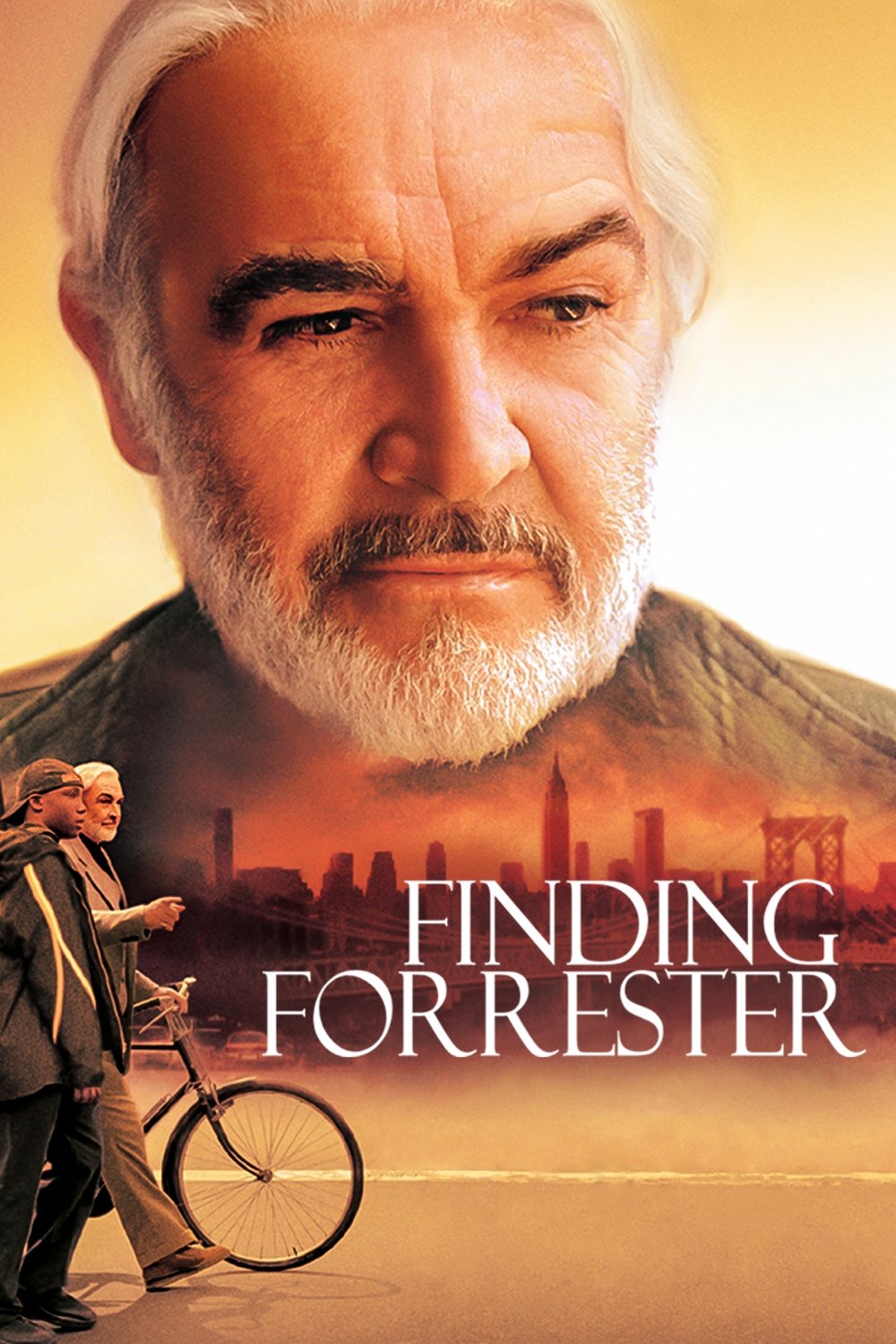
In one of his last major roles, Sean Connery plays William Forrester, a reclusive, Pulitzer Prize-winning novelist who has not published a book in decades and has withdrawn from public life. He forms an unlikely friendship with Jamal Wallace, a gifted African-American teenager from the Bronx who is a talented writer and basketball player. Forrester becomes a mentor to the young man, helping him find his own voice as a writer.
Directed by Gus Van Sant, the film is a heartwarming drama about mentorship and overcoming prejudice. Connery’s performance as the brilliant but cantankerous author was widely acclaimed and earned him strong reviews. The role was a fitting one for his later career, allowing him to play a wise, mentor-like figure.
‘The League of Extraordinary Gentlemen’ (2003)
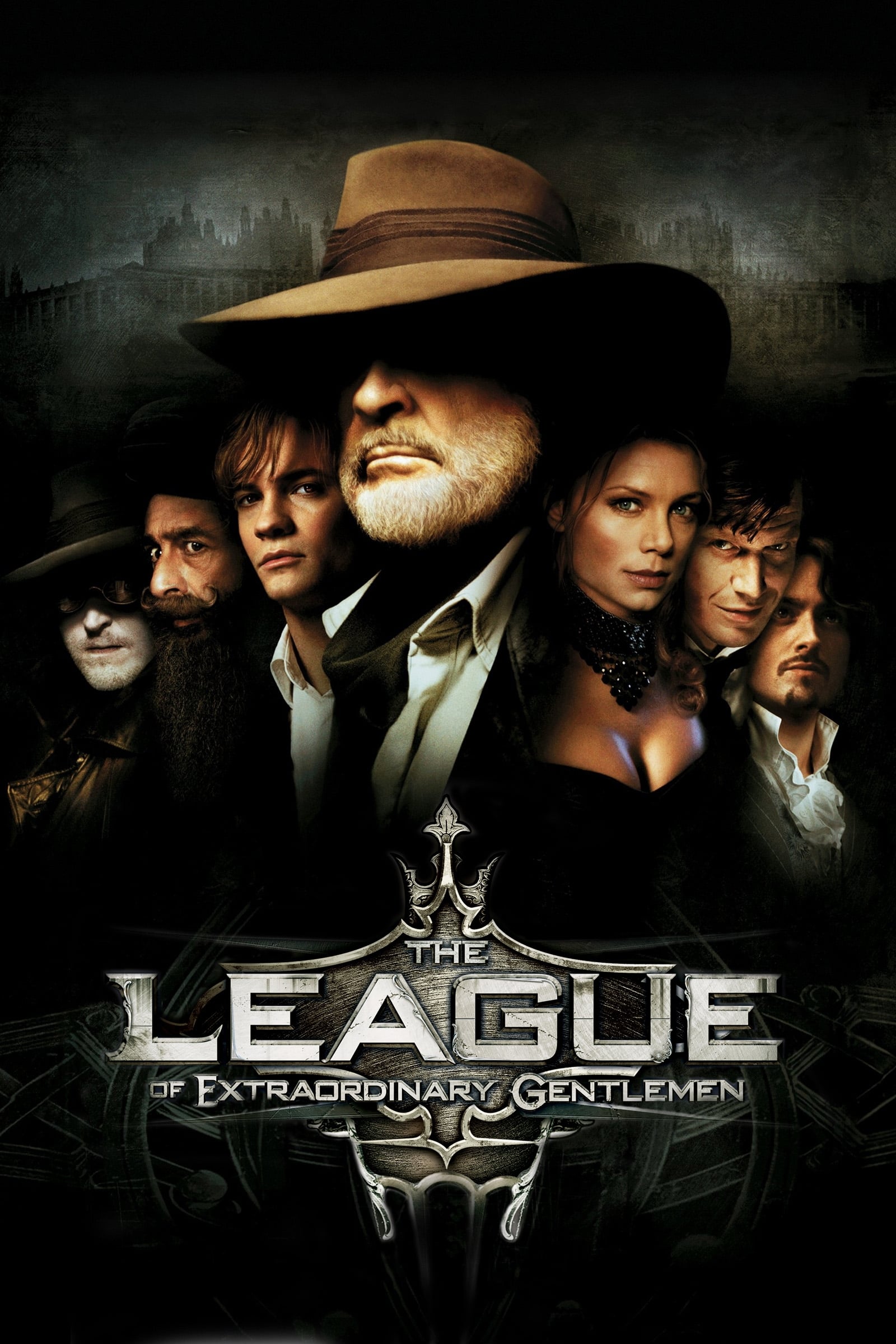
This was Sean Connery’s final on-screen film role before his retirement from acting. Based on a graphic novel by Alan Moore, the film brings together a group of famous literary characters from the Victorian era to form a team of superheroes. Connery stars as the team’s leader, the legendary adventurer Allan Quatermain. The League is assembled to stop a villain known as “The Fantom” from starting a world war.
The production of the film was reportedly very difficult, with Connery clashing with the director. The movie received mostly negative reviews and was a disappointment at the box office. The frustrating experience on this film is often cited as a major reason for Connery’s decision to retire from acting, making it a somewhat unfortunate end to a legendary career.
What are your favorite Sean Connery films from his long and varied career?