Shows That Swapped Showrunners Mid-Season—and It Shows

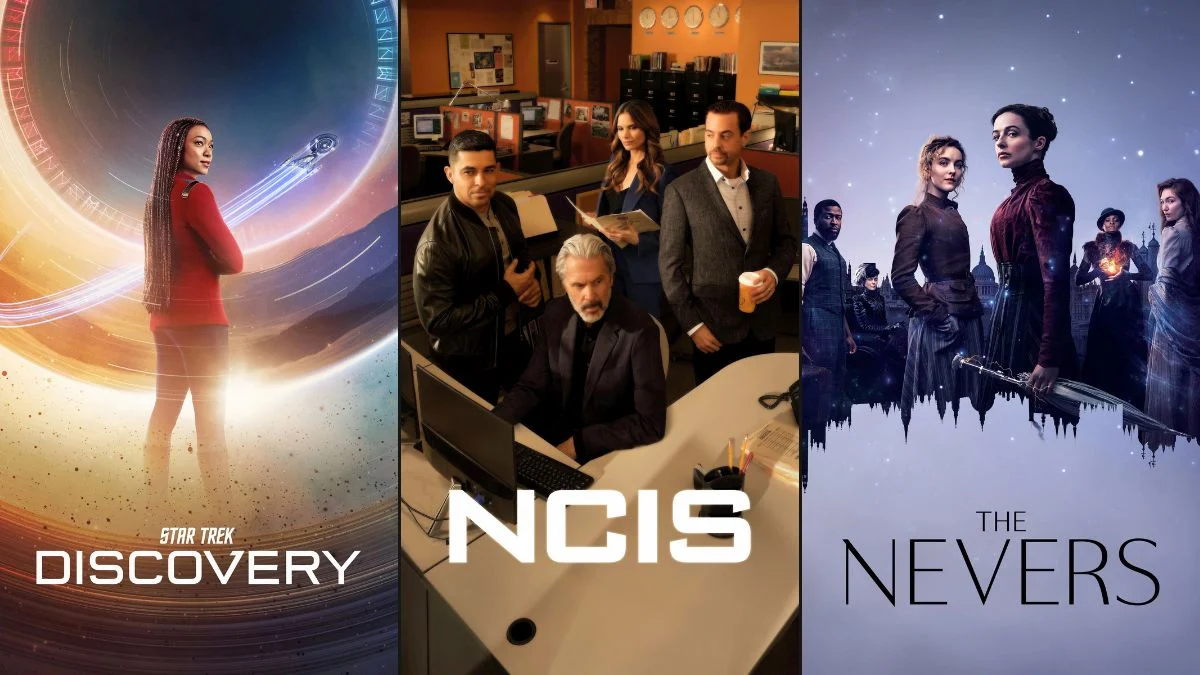

Every TV fan knows when a series suddenly starts to feel different. Maybe the pacing changes, maybe the jokes land in a new way, or maybe a show that once felt laser focused suddenly wanders. Often that vibe shift is not your imagination. Sometimes a show changes leaders in the middle of a season and the ripple effects reach the screen fast.
Here are notable cases where a mid season handoff left fingerprints you can spot on the air. Each one came with its own behind the scenes story, and in every case there is a clear before and after once the new voice settles in.
‘The Walking Dead’ (2010–2022)
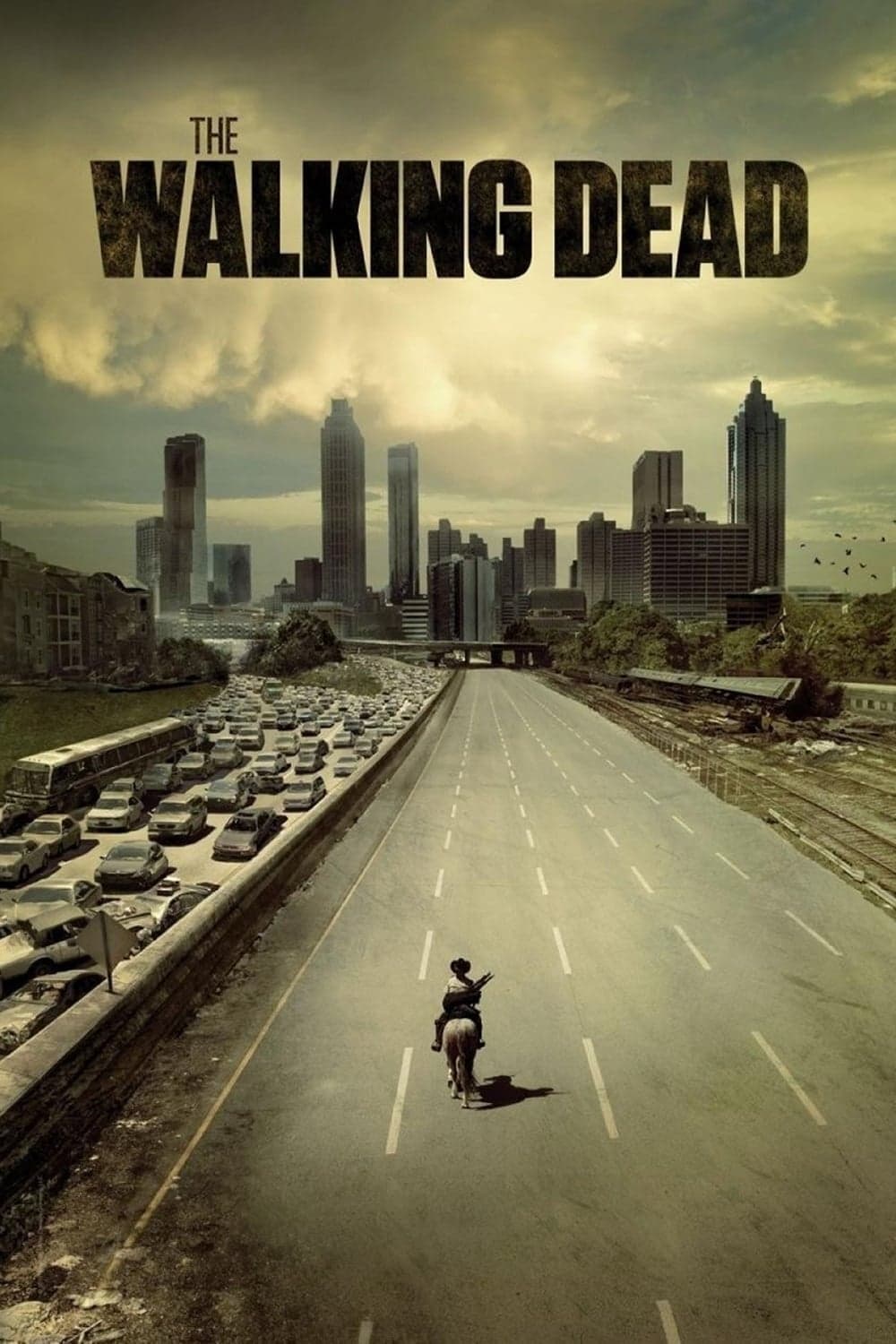
During season two, Frank Darabont exited and Glen Mazzara took over while episodes were already in the pipeline. The switch arrived right as the group was stuck on the farm and the show was still figuring out how much it wanted to slow down.
Viewers could feel a shift when the season returned from its break. The back half tightened the action and pushed character conflicts harder, trading the slow burn for louder confrontations that set the stage for the prison run that followed.
‘Star Trek: Discovery’ (2017–2024)
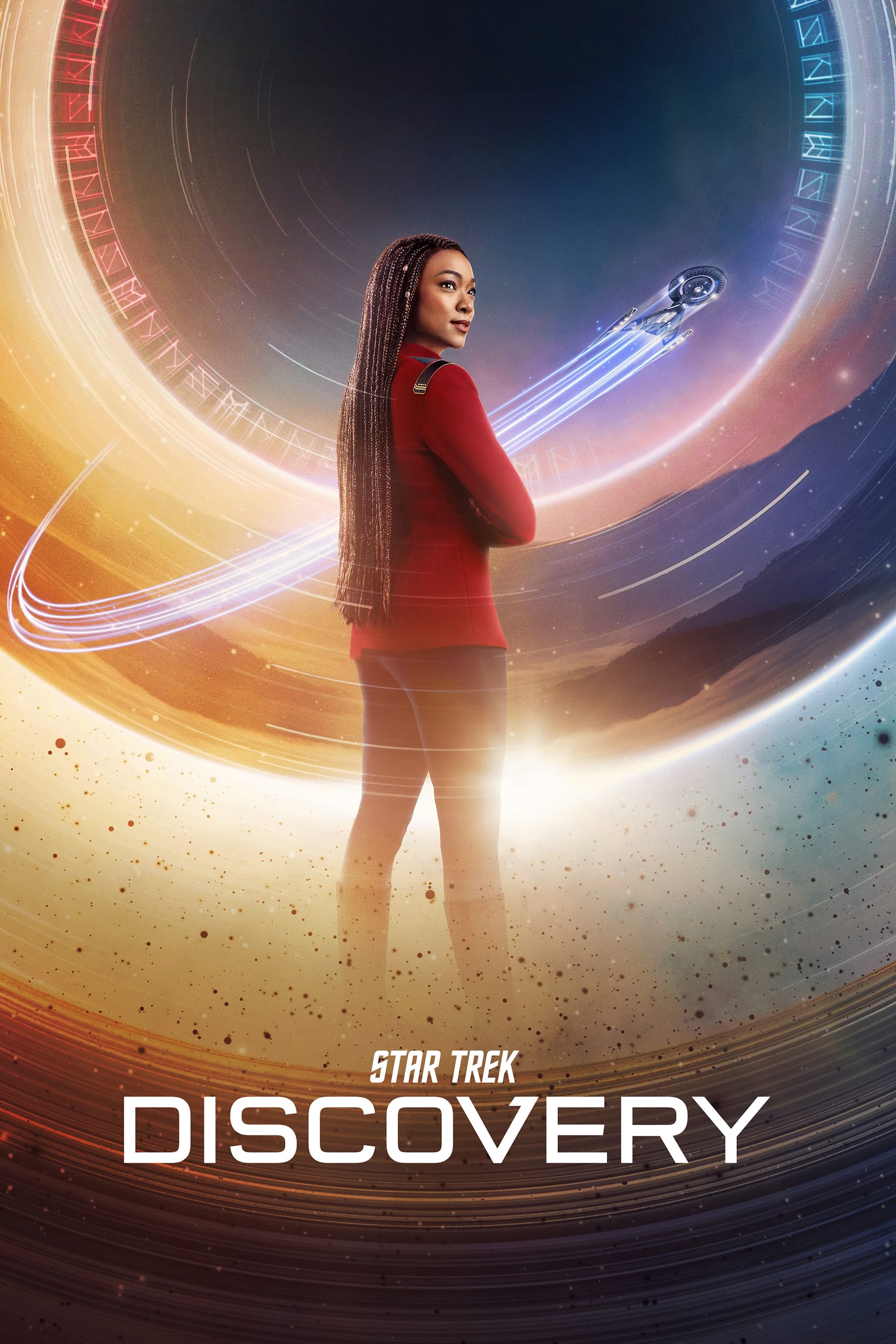
Midway through season two, Gretchen Berg and Aaron Harberts were replaced and Alex Kurtzman stepped in after the early batch of episodes had been finished. That meant the season had two creative hands guiding different stretches.
From that point the Red Angel mystery locked into a cleaner arc and the show steadied its tone. The later episodes leaned into adventure and momentum, which helped the finale land with clearer focus.
‘The Nevers’ (2021–2023)
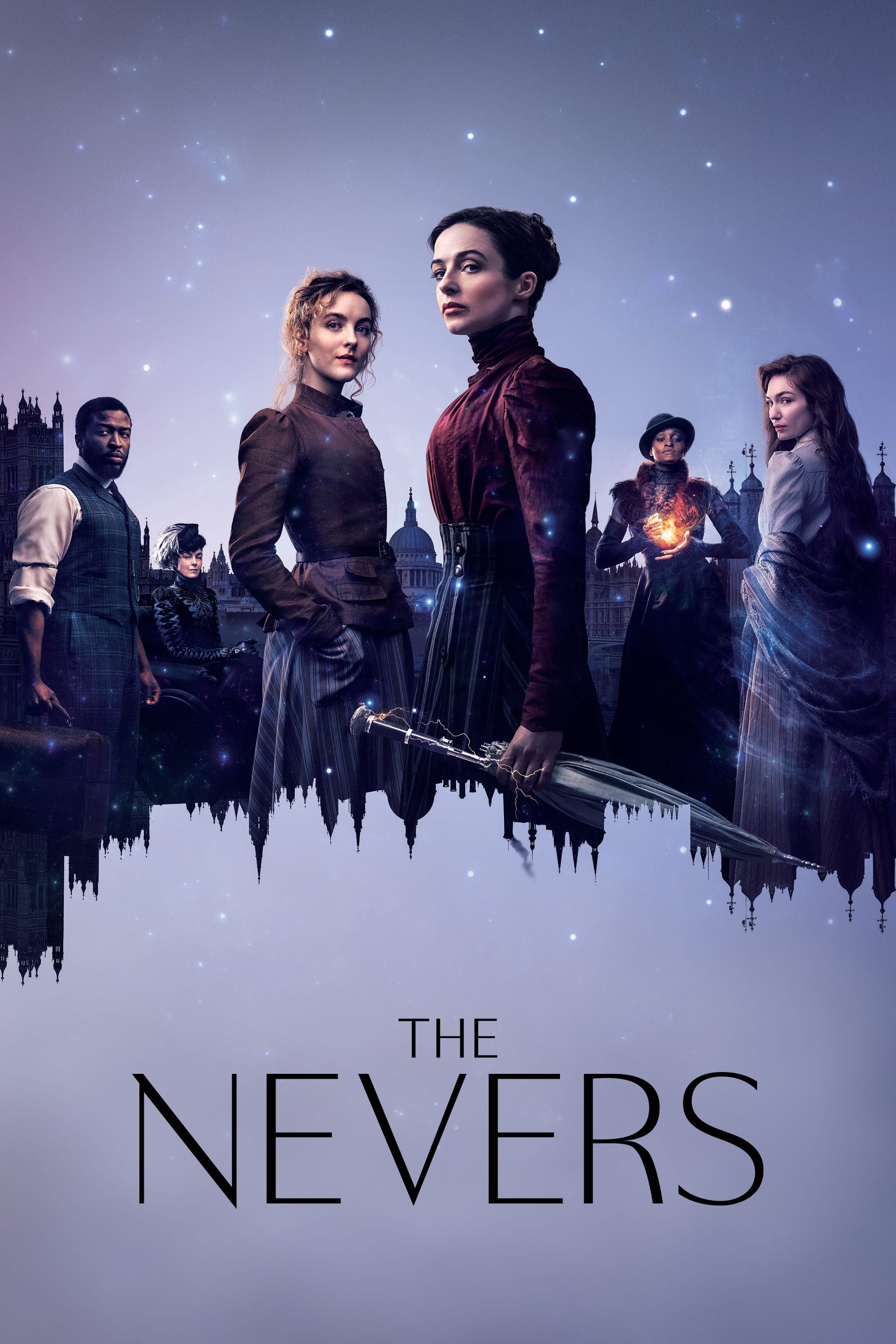
Joss Whedon departed during production on season one and Philippa Goslett took the reins. The show ended up airing in two parts, which made the handoff easy to notice on screen.
When the series returned, the world building felt more direct and the ensemble got more balanced attention. The tone eased away from quippy bursts and leaned into moodier character work that gave the story a surer footing.
‘Law & Order: Organized Crime’ (2021–present)

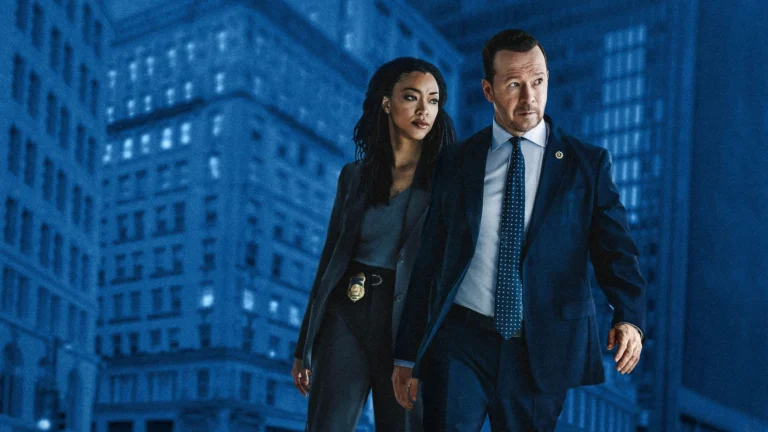
In the middle of season two, Ilene Chaiken left and Barry O’Brien took over for the remaining episodes. The change arrived while the show was still figuring out how to mix serialized storytelling with case driven beats.
Soon after, cases of the week blended with the ongoing arc in a tidier way. Dialogue cooled a bit and the pacing found a more procedural rhythm, which made the larger villain story feel less scattered.
‘Quantum Leap’ (2022–2024)

After the reboot filmed its first run of episodes, Martin Gero moved into the showrunner role while the season was still being assembled. That brought a course correction while the machine was already running.
Once that switch kicked in, the mission structure sharpened and the mix of weekly leaps with the lab drama smoothed out. Character dynamics at HQ settled and the emotional beats landed with more confidence.
‘The Muppets’ (2015–2016)
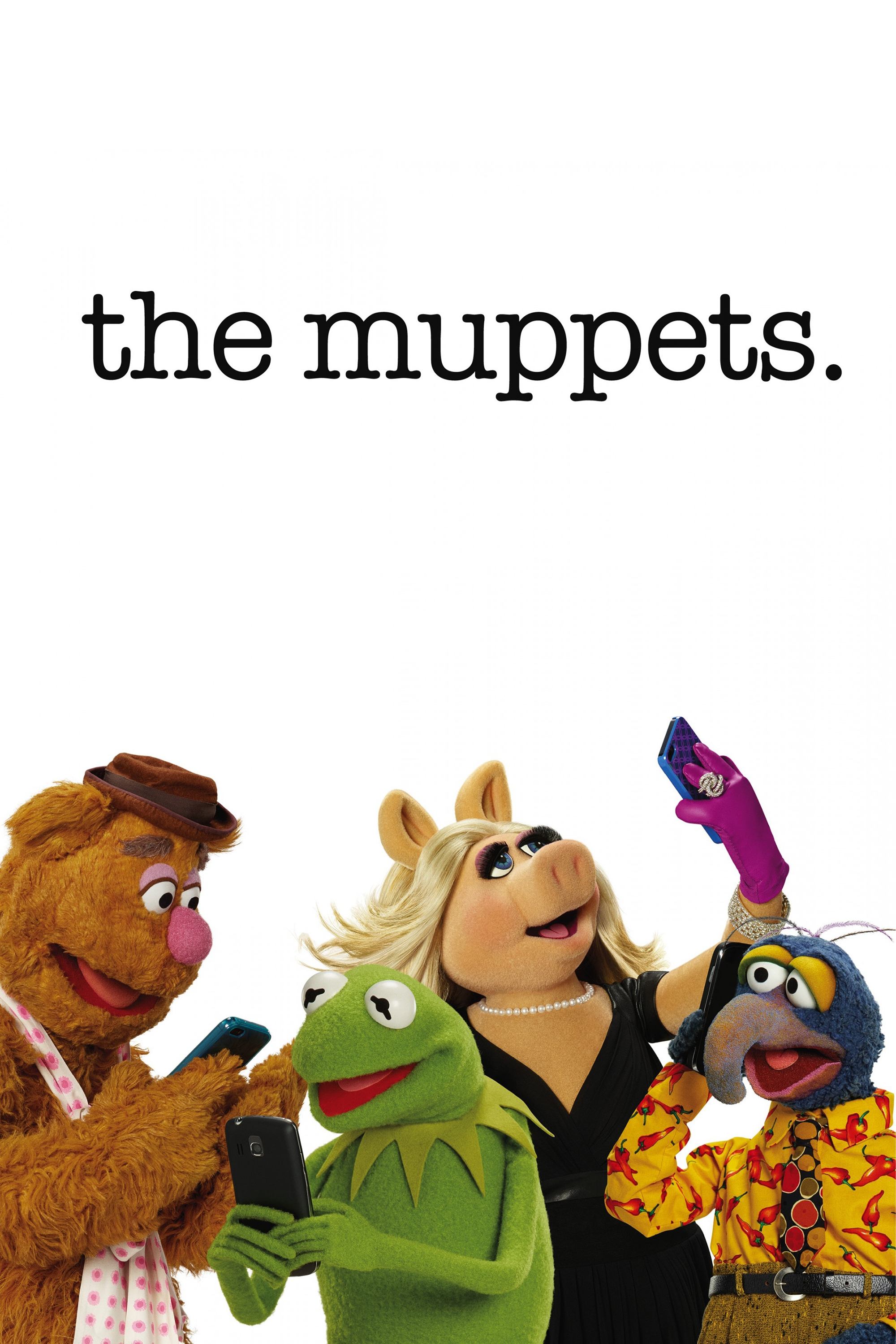
At midseason, ABC replaced original showrunner Bob Kushell with Kristin Newman and promoted a soft reboot focused on a lighter tone. The new approach aimed to bring the series closer to classic Muppet energy.
The shift is easy to spot. Jokes grew warmer, the backstage sniping eased up, and the show leaned back into heart and romance that felt more in tune with what fans expect from ‘The Muppets’.
‘NCIS’ (2003–present)
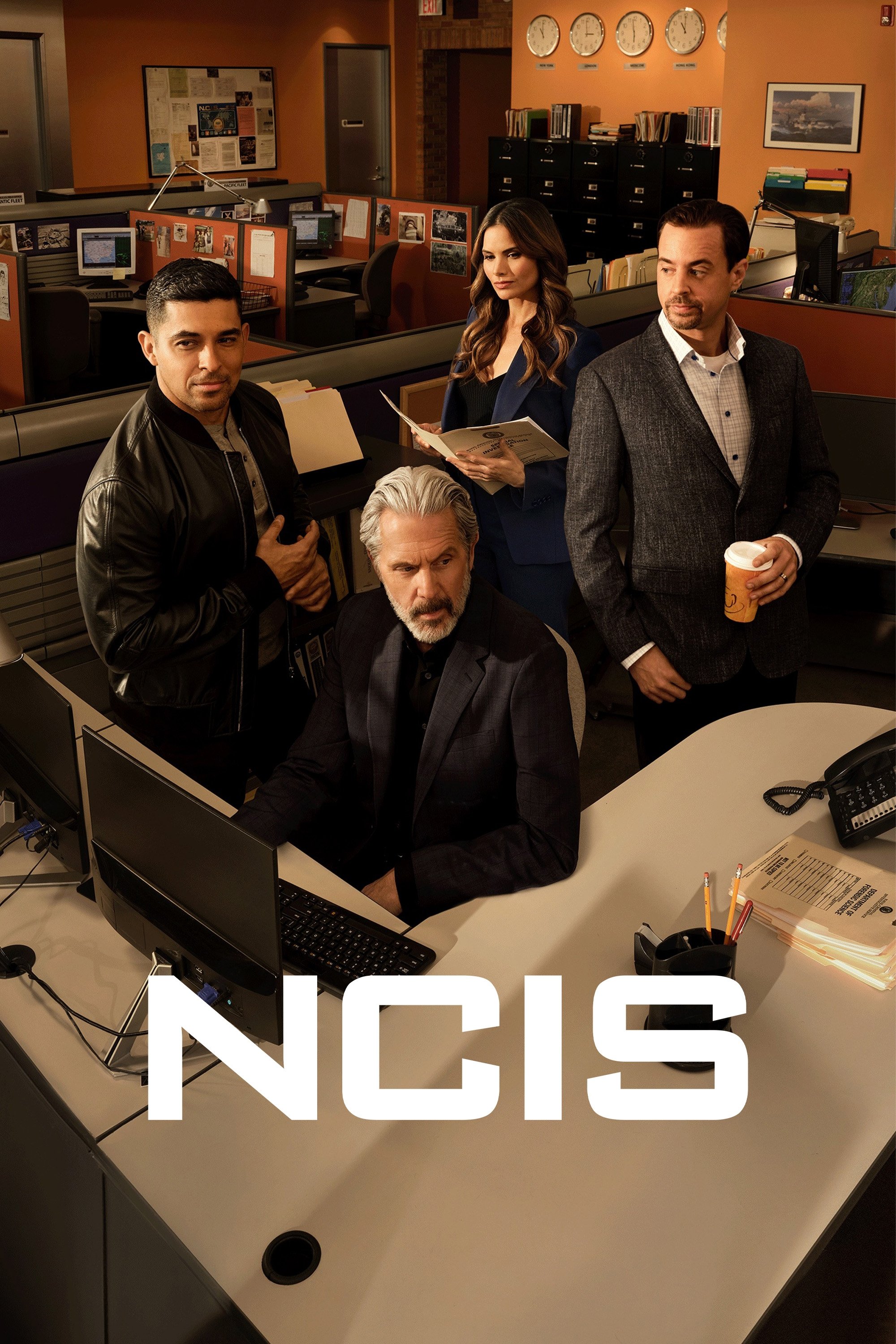
Early in season fourteen, longtime showrunner Gary Glasberg passed away and CBS elevated George Schenck and Frank Cardea to steer the rest of the season. It was a sudden and difficult transition for a well oiled procedural.
The handoff kept the series steady but viewers could feel a gentle recalibration. Team centric plots moved toward a more traditional case first focus while character subplots played a touch safer to maintain the weekly groove.
‘American Gods’ (2017–2021)
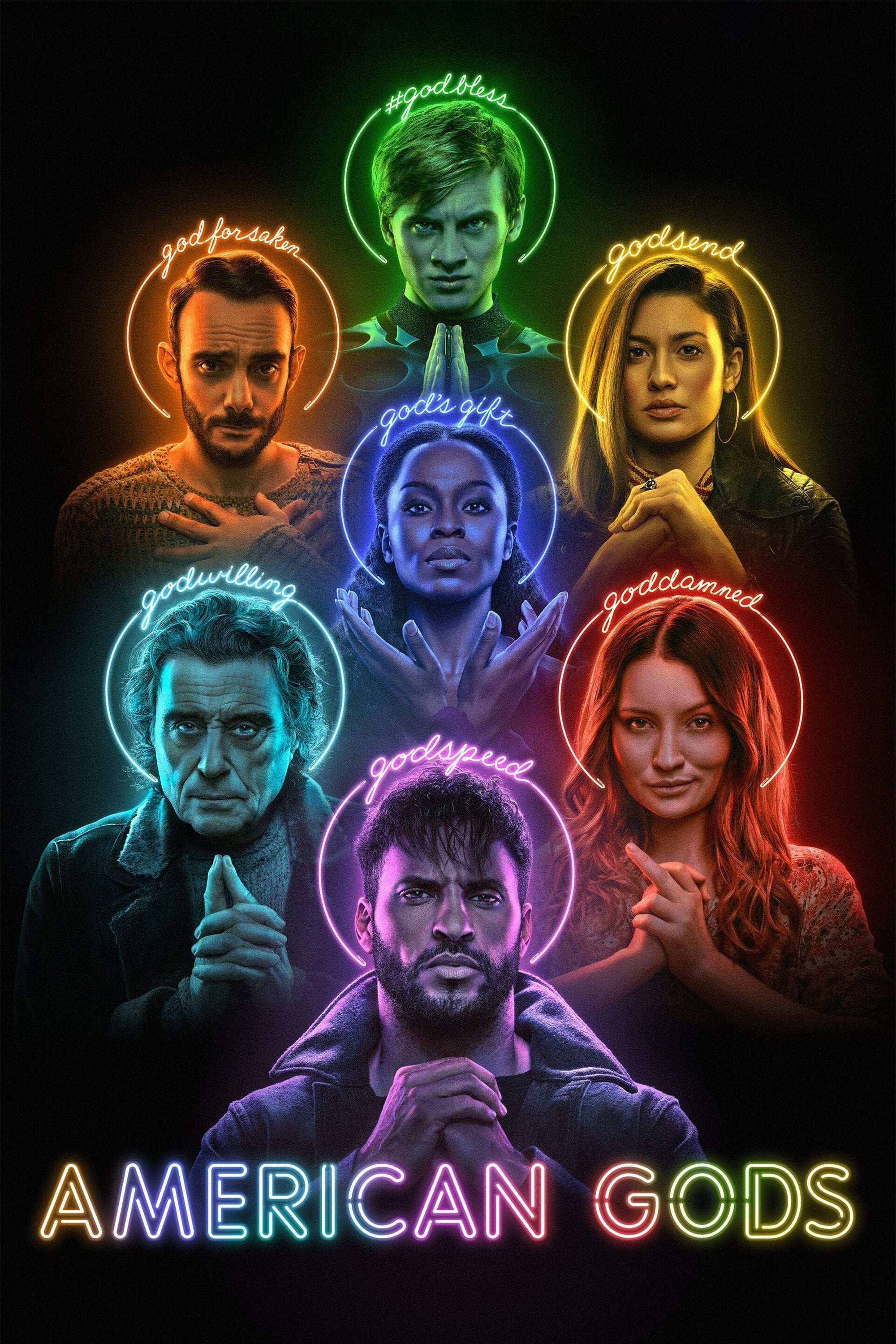
During the troubled second season, showrunner Jesse Alexander was sidelined while the finale was still in flux. Production delays and creative disagreements left their imprint on the back half of the season.
On screen the result was a run that shifted tone mid stream. The early episodes felt bolder and dreamlike, while the later stretch leaned into table setting that blunted the show’s once electric momentum.
Tell us which mid season switch up you noticed most and how it changed your viewing experience in the comments.