Legends of the West: The 25 Greatest Western Actors Who Have Passed Away

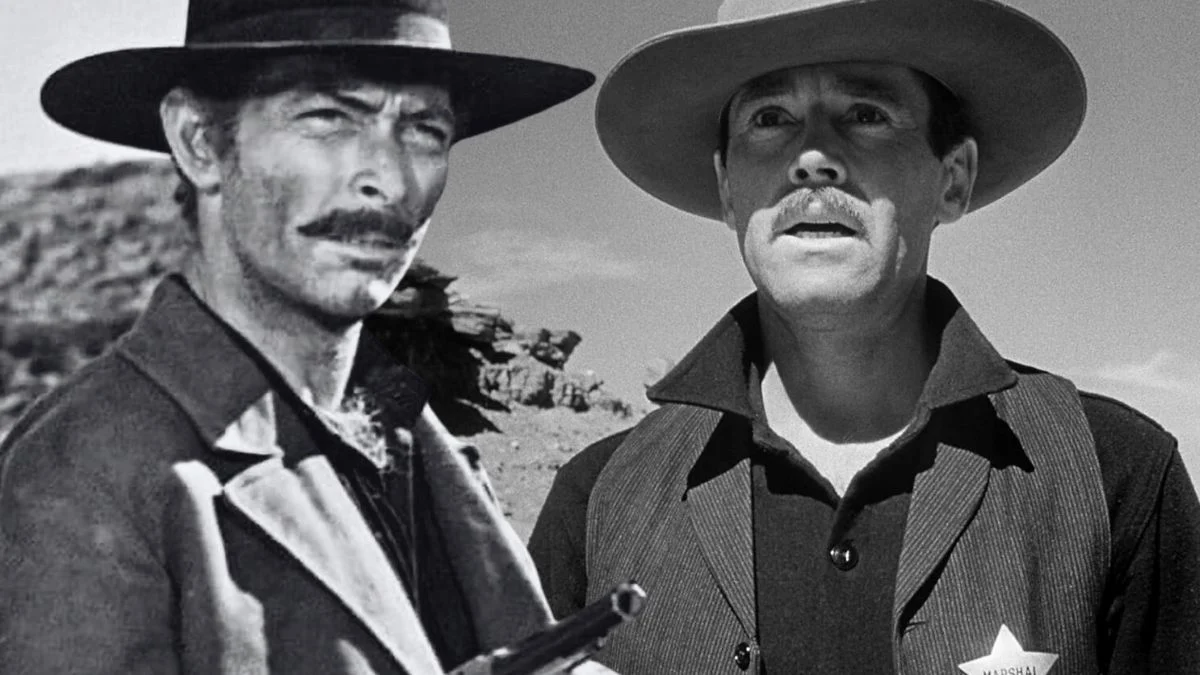

The Western has always been a place where larger than life personalities meet simple stories about courage, justice, and wide open skies. Generations of actors brought those worlds to life with grit and grace, leaving performances that still feel fresh when the dust settles. Many of the finest have ridden into the sunset, but their work remains easy to love and even easier to revisit.
This list celebrates the faces that defined the frontier on both the big and small screen. Some sang, some scowled, some grinned through danger, and some barely spoke at all. Each one left a mark that shaped how we picture the West today and how we measure a true screen cowboy or a scene stealing character hand.
John Wayne
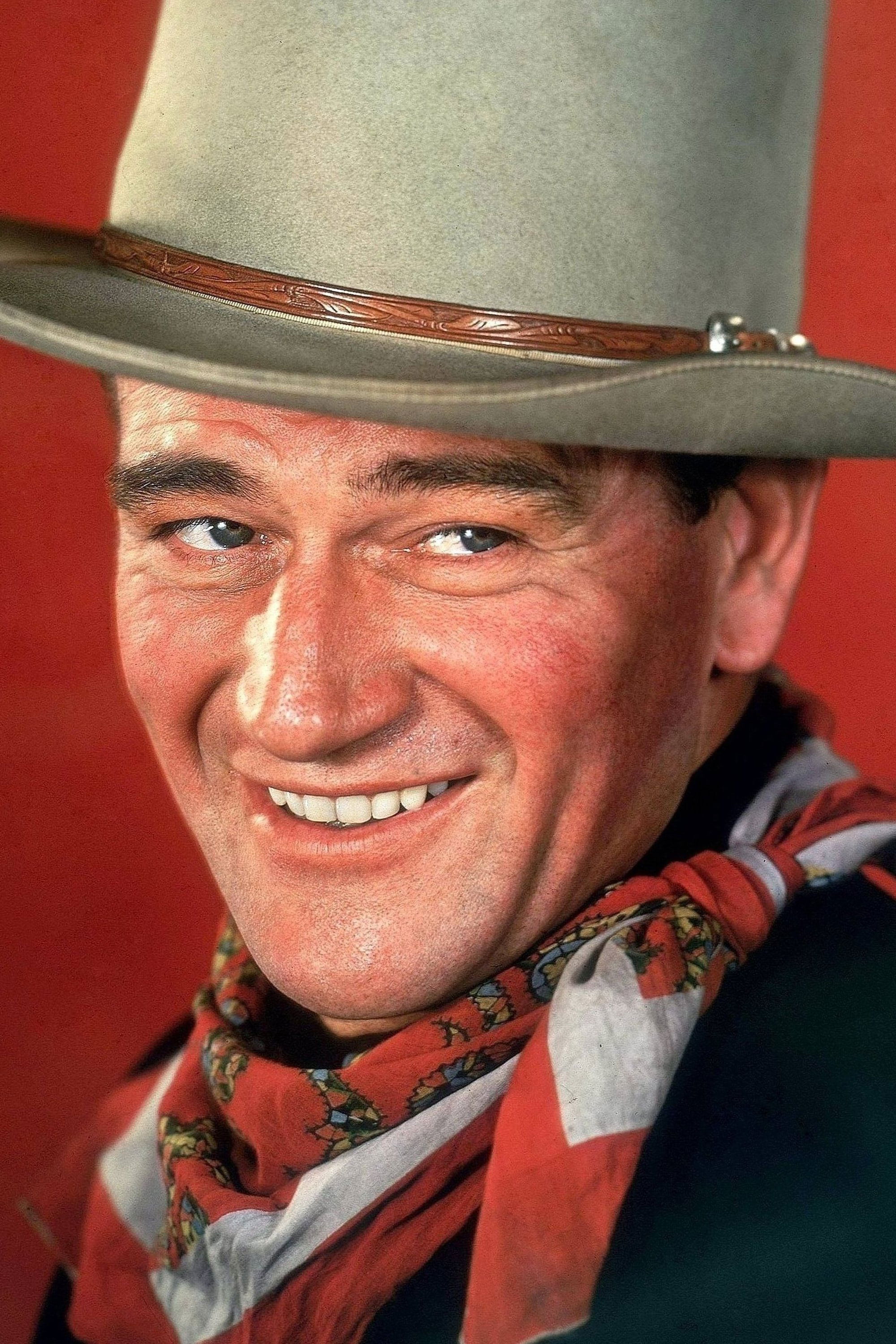
John Wayne stands as the emblem of Western heroism for many viewers. He brought quiet authority to roles in classics like ‘Stagecoach’, ‘Red River’, and ‘Rio Bravo’, and gave raw emotion to ‘The Searchers’. His presence filled the frame, and his voice carried a steady calm that made simple lines feel like hard earned wisdom.
He also had a gift for pairing toughness with warmth. In ‘True Grit’ he showed he could be playful without losing his edge, giving us a hero who felt human and flawed. Few stars have made the saddle feel like home the way he did.
Gary Cooper
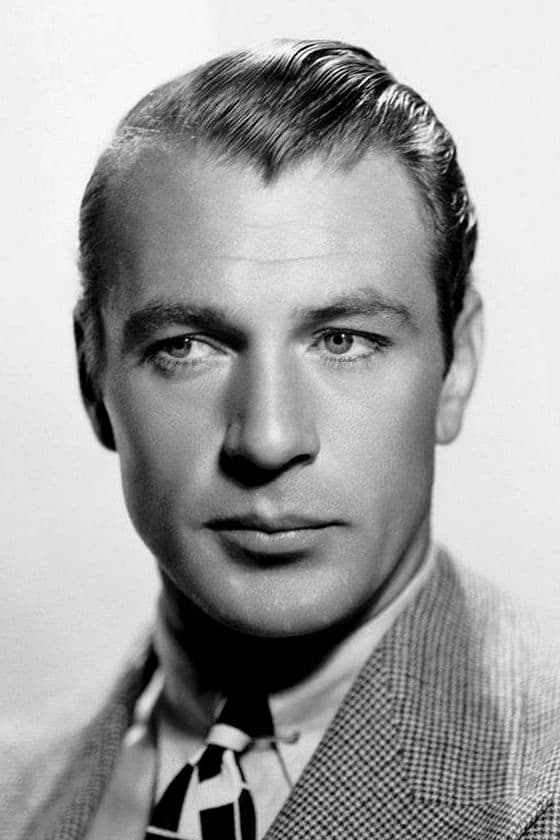
Gary Cooper radiated honesty and resolve. In ‘High Noon’ he played a lone marshal who stands his ground when everyone else looks away, and his face told the whole story of fear and duty. He also brought quiet strength to ‘The Virginian’ and the rugged power of ‘Man of the West’.
Cooper never needed a lot of words. He could suggest a lifetime with a glance, and he gave the Western a thoughtful center. His style set a template for the decent man who does the right thing even when it hurts.
James Stewart
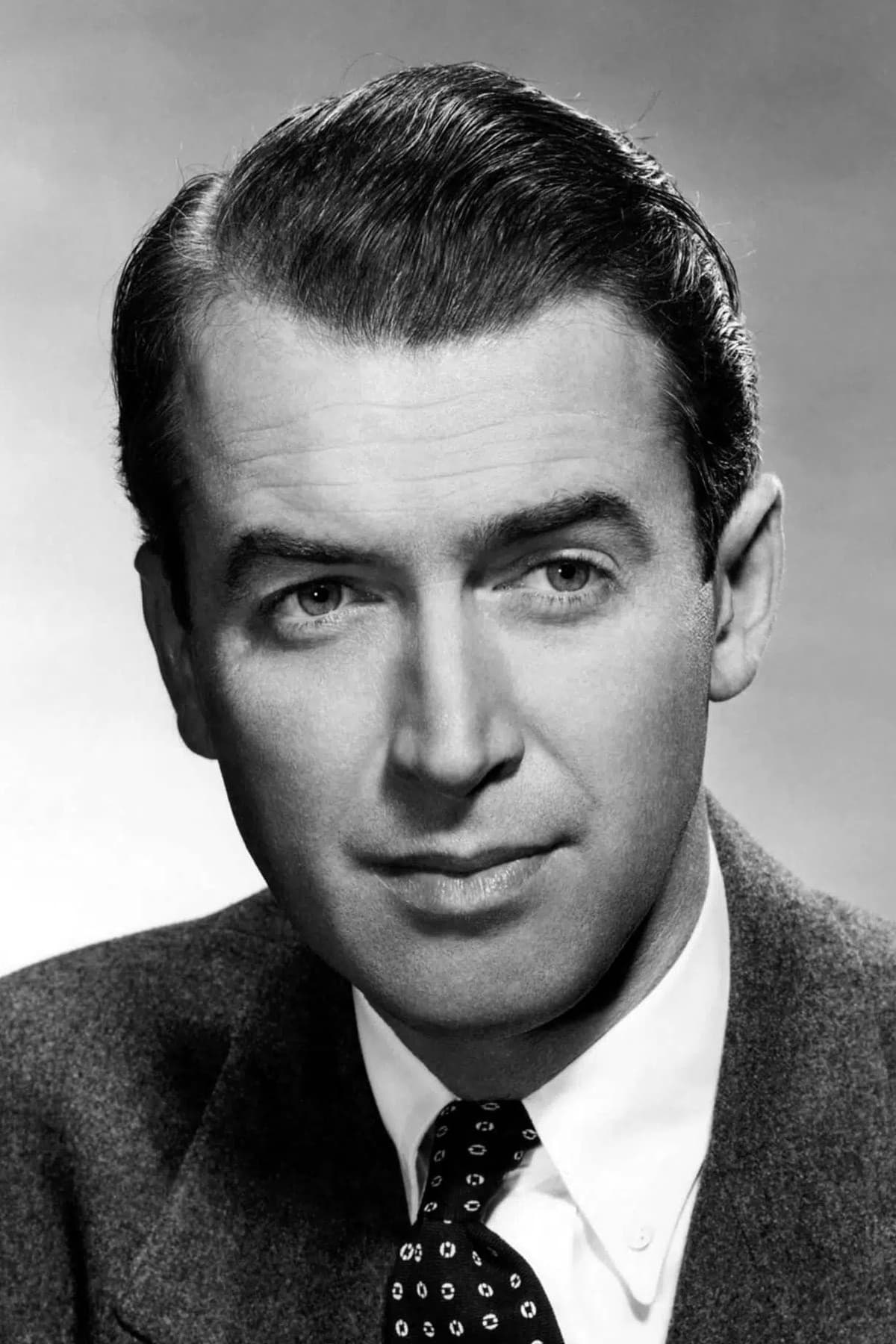
James Stewart found something flinty in the West and matched it with his natural warmth. He worked with Anthony Mann on tough stories like ‘Winchester 73’, ‘The Naked Spur’, and ‘The Man from Laramie’, and each one pushed his screen image into darker territory.
He could also anchor more hopeful tales like ‘Bend of the River’ and ‘Broken Arrow’. Stewart brought a restless energy to the frontier, showing how a good man can wrestle with anger and still reach for grace.
Henry Fonda
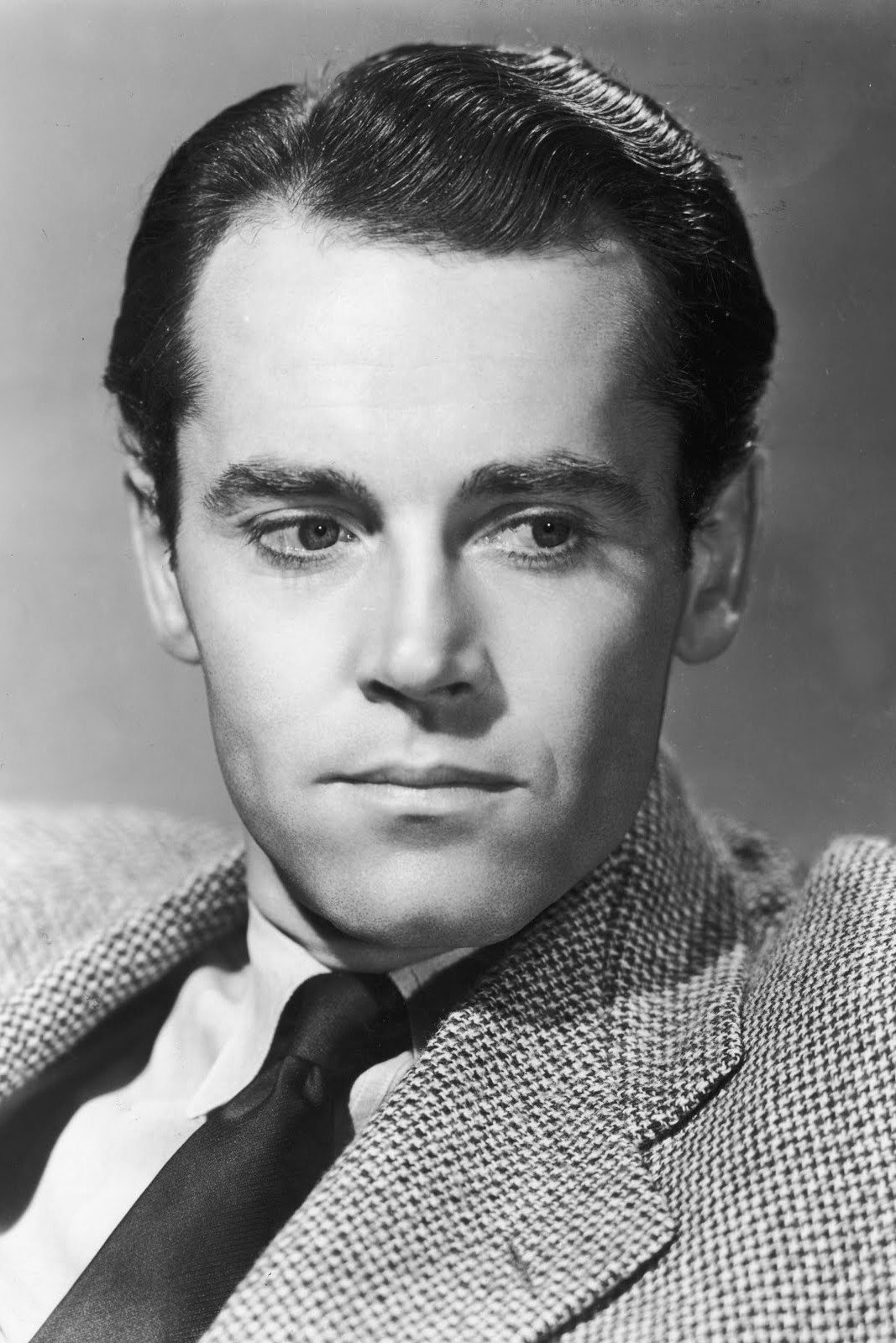
Henry Fonda could play a noble lawman or a chilling villain with the same steady focus. He gave us an ideal Wyatt Earp in ‘My Darling Clementine’ and a conscience torn rancher in ‘The Ox Bow Incident’. His eyes seemed to hold the weight of the West.
When he turned cold in ‘Once Upon a Time in the West’, the effect was startling. The calm voice and measured step became something menacing. That range helped broaden what a Western could be.
Lee Van Cleef
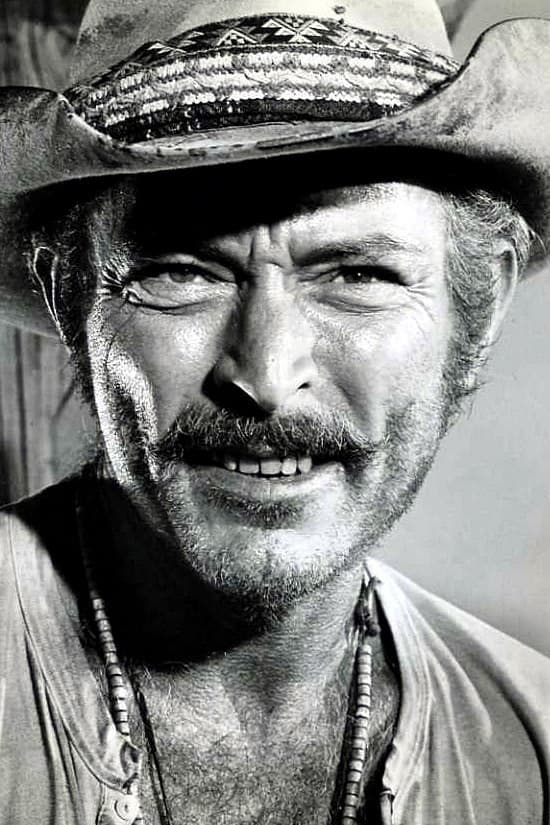
Lee Van Cleef had a hawk like profile and a gaze that could slice through a saloon. He became an icon in ‘For a Few Dollars More’ and ‘The Good, the Bad and the Ugly’, bringing style and steel to each showdown. His walk, his hat, his stare, all of it felt precise.
He carried that presence into star turns like ‘Sabata’. Van Cleef made the antihero feel elegant and dangerous. He gave the genre a cool edge that still looks modern.
Charles Bronson
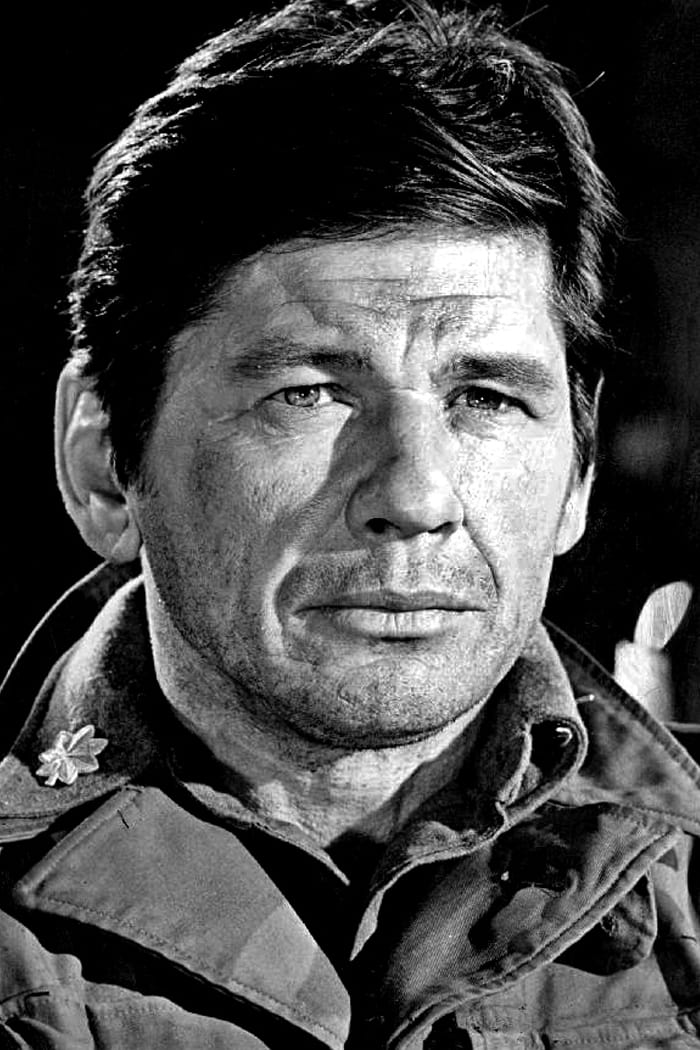
Charles Bronson spoke little and said plenty. In ‘Once Upon a Time in the West’ he turned quiet watchfulness into poetry, and in ‘The Magnificent Seven’ he mixed toughness with an unexpected tenderness toward children who look up to him.
He kept exploring the frontier with ‘Breakheart Pass’ and other tales of survival. Bronson made stillness feel powerful, and he let the landscape and the moment do the talking.
Lee Marvin
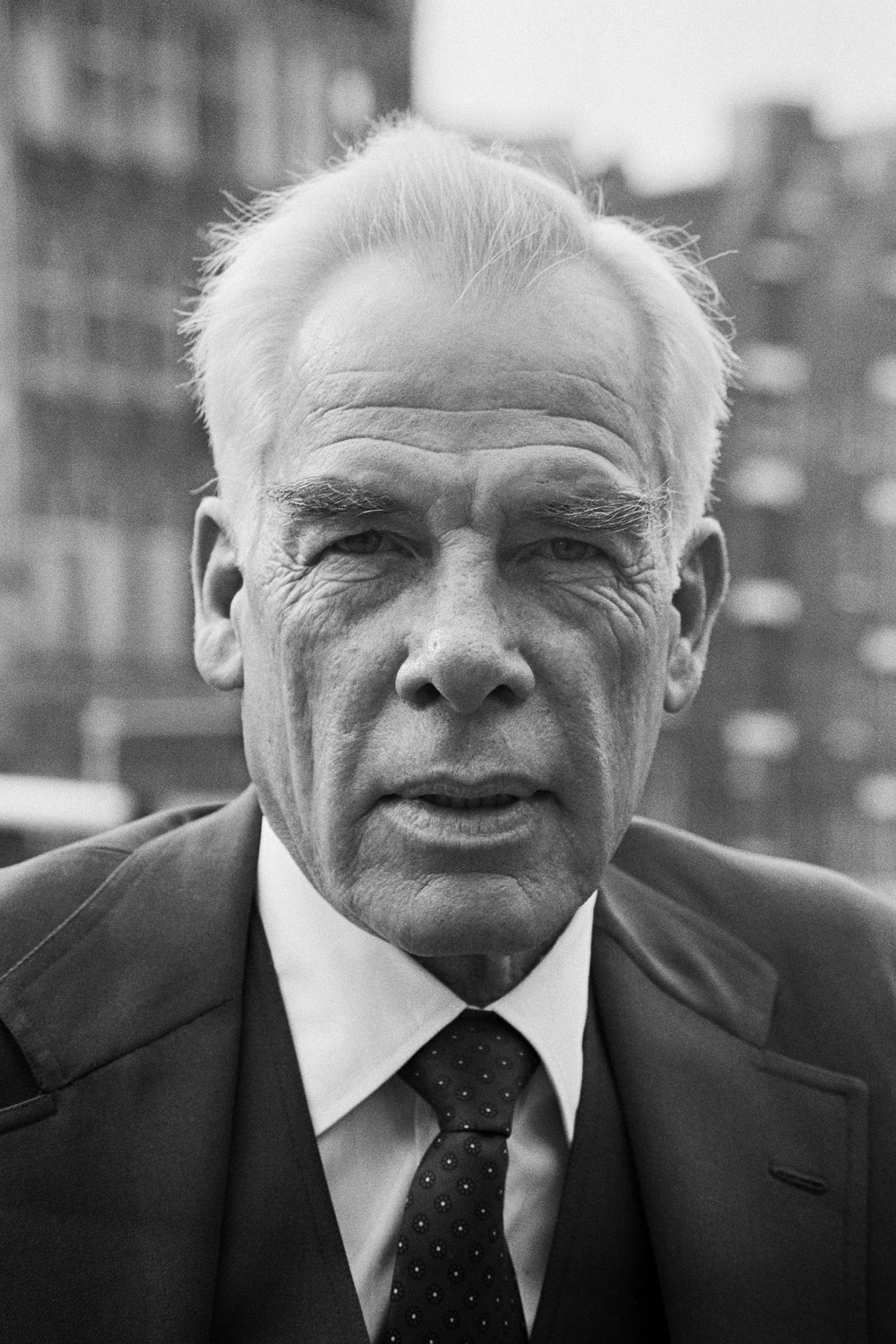
Lee Marvin brought a battered charm to the saddle. He could swagger in ‘The Professionals’ and clown with bite in ‘Cat Ballou’, then show weary dignity in ‘Monte Walsh’. His voice had gravel and his smile had mischief.
Marvin felt like a man who had seen it all and kept riding anyway. He made cowboys complicated, not by speeches, but by carrying the past in his posture and eyes.
Robert Mitchum
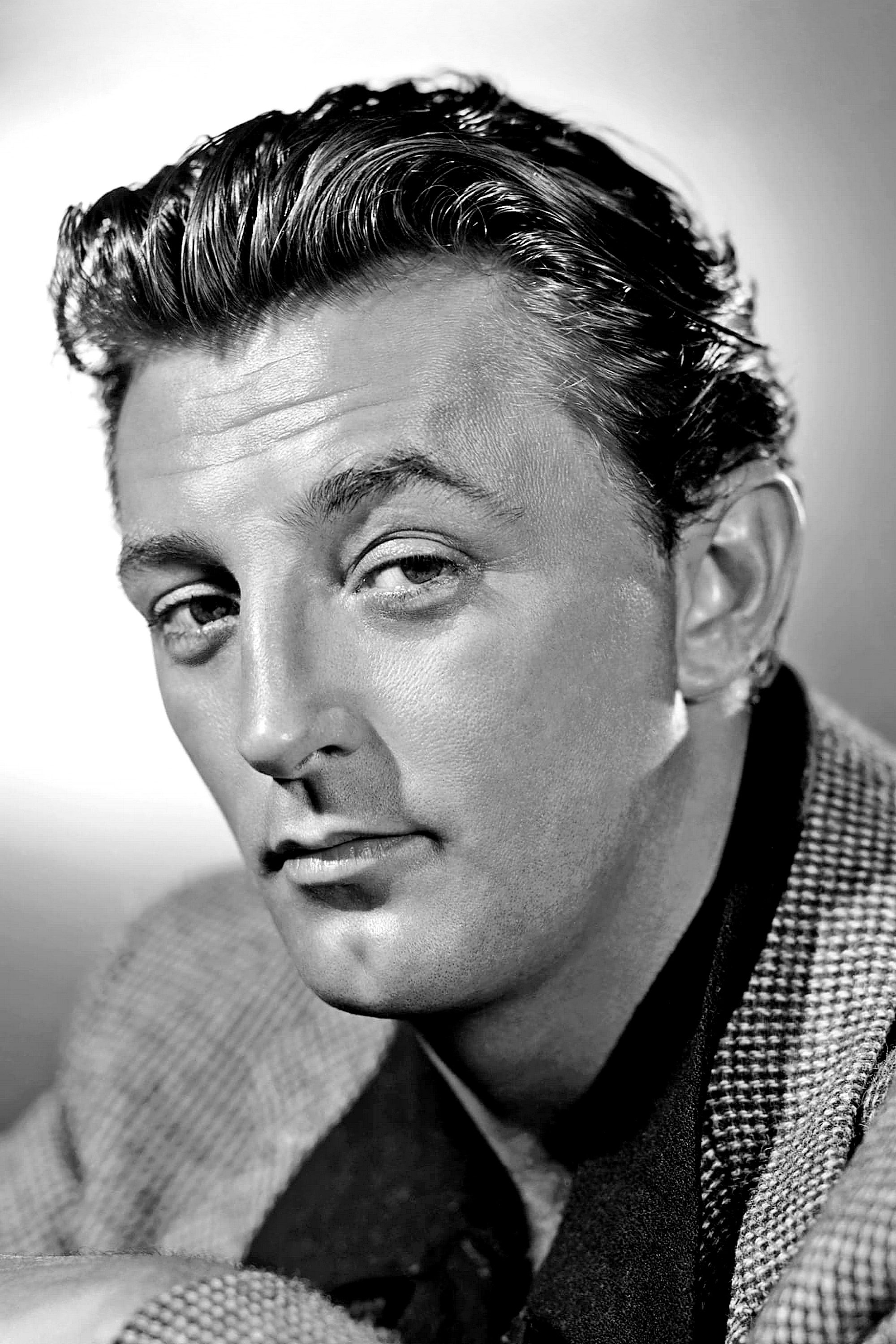
Robert Mitchum drifted through the West like a shadow with a slow grin. He gave the genre sly power in ‘River of No Return’ and ‘The Wonderful Country’. Even when he played second to other stars in ‘El Dorado’ or ‘Five Card Stud’, the camera loved his easy cool.
Mitchum could be gentle or lethal without changing his tone. He seemed to move at his own natural pace, which made every scene feel lived in and true.
Randolph Scott

Randolph Scott devoted much of his career to the Western and helped it grow up. His work with director Budd Boetticher, including ‘Ride Lonesome’, ‘The Tall T’, and ‘Seven Men from Now’, gave the genre lean stories about pride and redemption.
Scott had a clean, upright presence. He made hard choices look simple because the code inside him was clear. Those late career films remain a lesson in efficiency and heart.
Alan Ladd
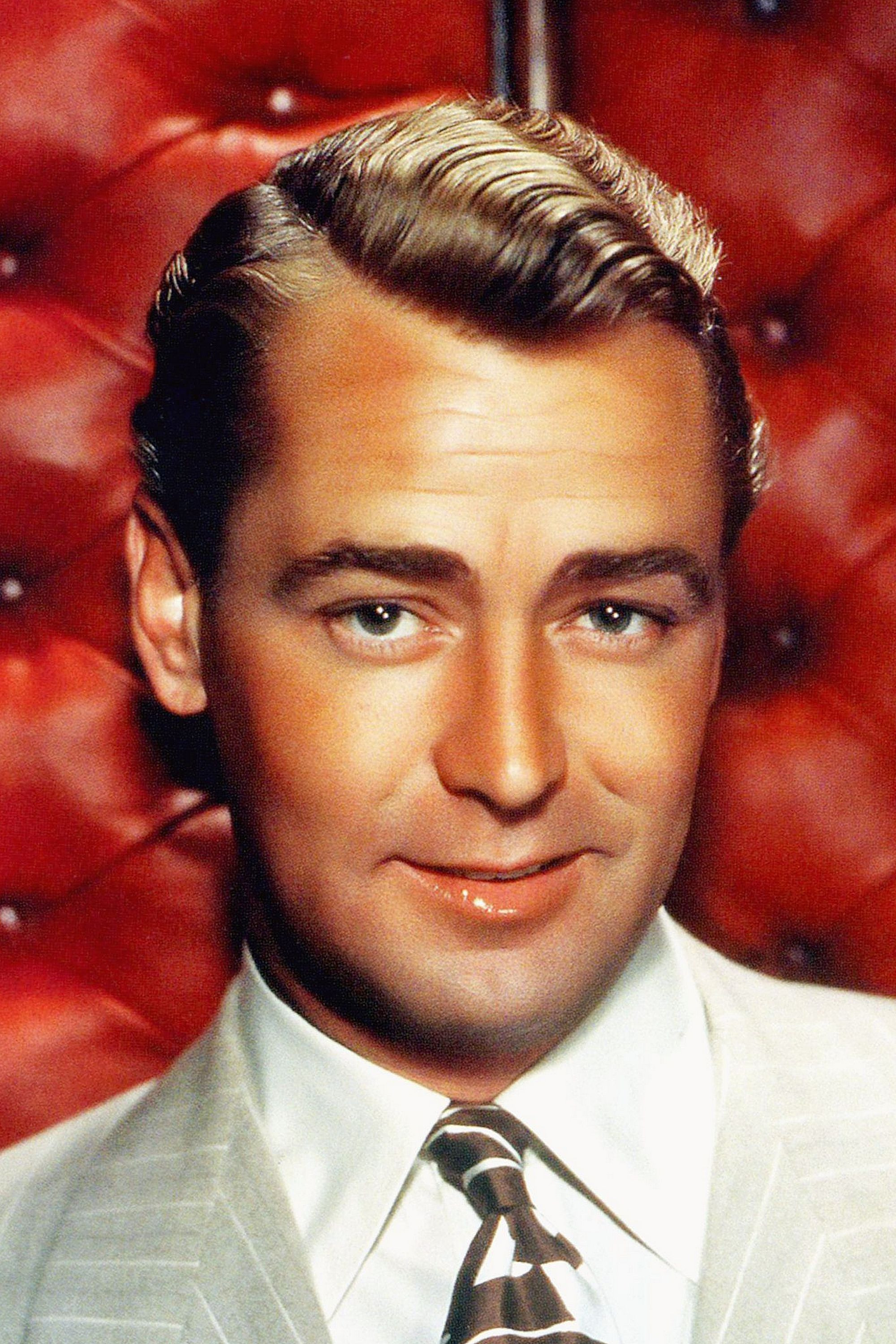
Alan Ladd gave the West one of its most enduring heroes in ‘Shane’. He brought a soft voice and a quiet sadness to the role, and the result feels timeless. He also showed range in entries like ‘Branded’ and ‘Whispering Smith’.
Ladd proved that a smaller frame and gentle manner could still carry the day. His characters often felt haunted, which gave the gunplay real stakes and emotion.
Joel McCrea
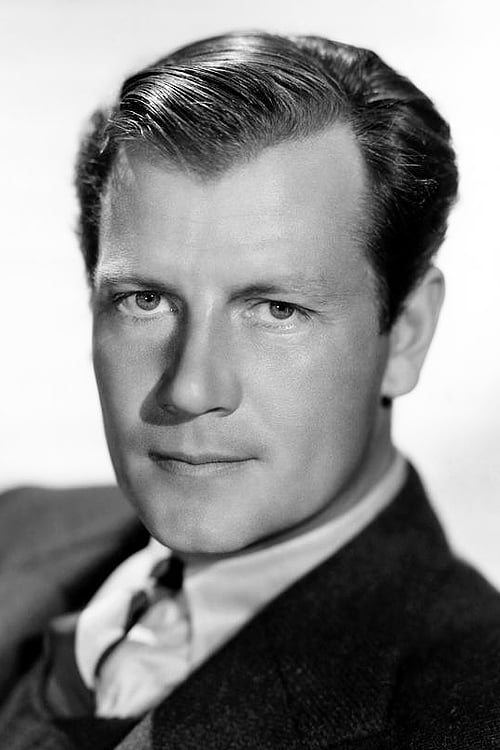
Joel McCrea aged into the Western with grace. He was upright and open in ‘Wichita’, capable and steady in ‘Fort Massacre’, then deeply moving opposite Randolph Scott in ‘Ride the High Country’.
McCrea had a way of letting the story breathe. He never pushed too hard, and that ease let the moral choices shine. He felt like a neighbor who could also outdraw you if needed.
Audie Murphy
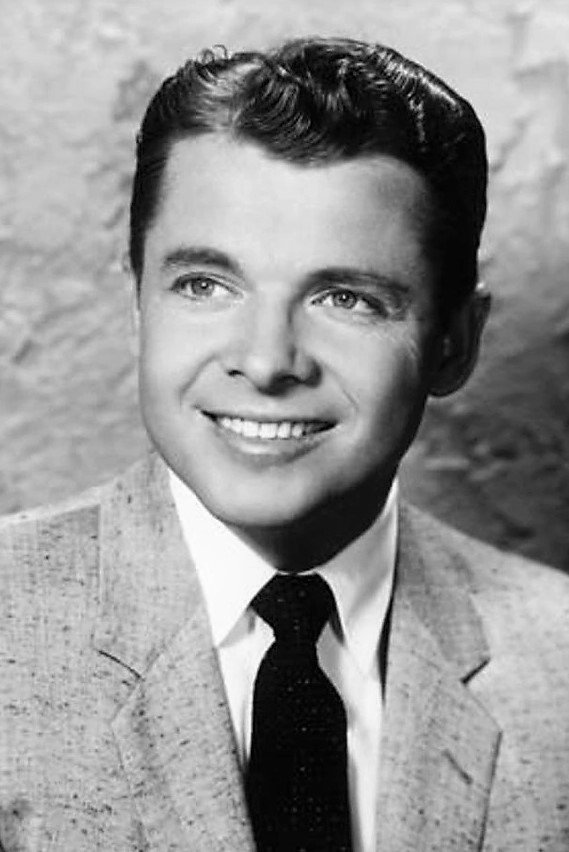
Audie Murphy brought his real life courage to the screen and made it look natural. He handled lighthearted fare with ease, then surprised with darker parts in ‘No Name on the Bullet’ and ‘The Kid from Texas’. He also charmed in his reworking of ‘Destry’.
Murphy kept his heroes grounded. He looked like a man who would rather avoid trouble, which made it count when he finally stood tall. His presence honored both humility and bravery.
Walter Brennan
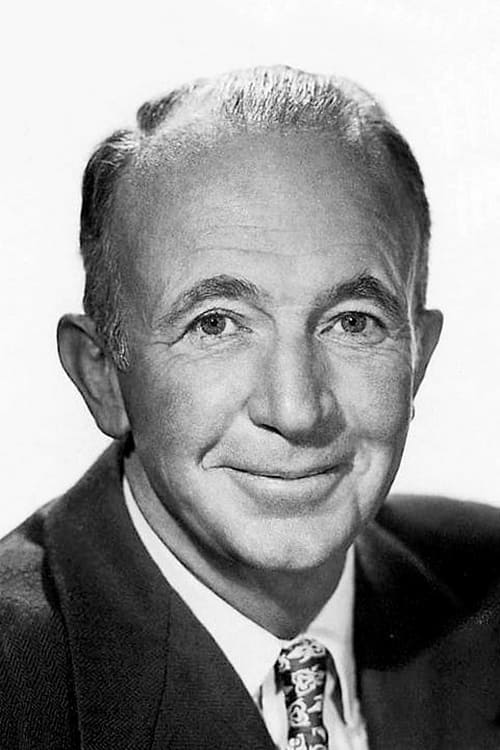
Walter Brennan gave the Western its finest sidekick and character work. He traded banter and wisdom with John Wayne in ‘Rio Bravo’ and ‘Red River’, and added warmth to ‘My Darling Clementine’.
He could cackle or scowl, then slip in a line that lands straight in the heart. Brennan showed how a supporting player can deepen the world and make the hero feel more human.
Roy Rogers
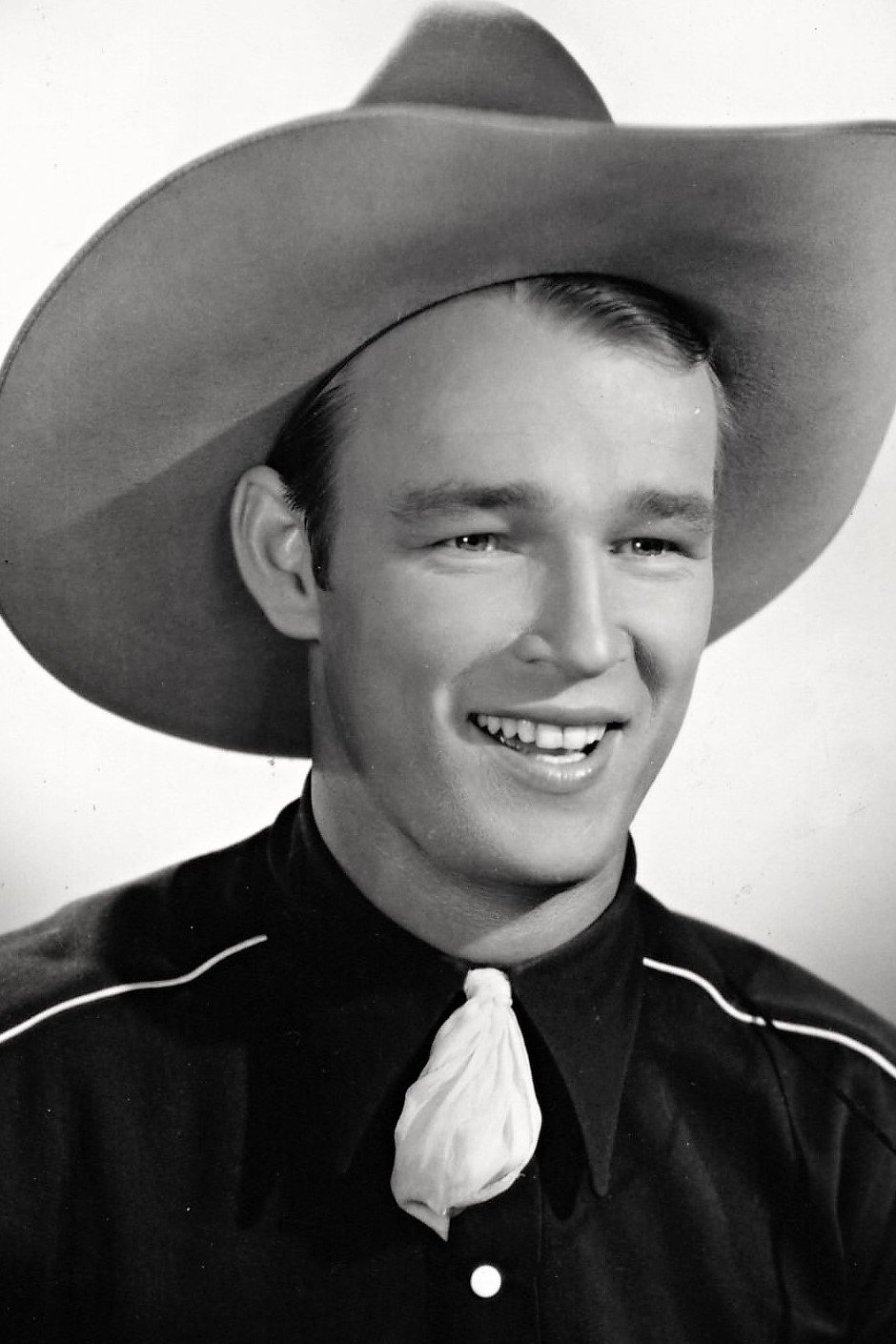
Roy Rogers carried a sunny spirit through hundreds of adventures. With his trusted horse Trigger and the charm of ‘The Roy Rogers Show’, he turned the singing cowboy into a household favorite. Films like ‘Under Western Stars’ and ‘The Golden Stallion’ kept that appeal rolling.
He stood for kindness and fair play, and families followed along with smiles. Rogers helped the genre reach younger viewers and brought music to the trail.
Gene Autry
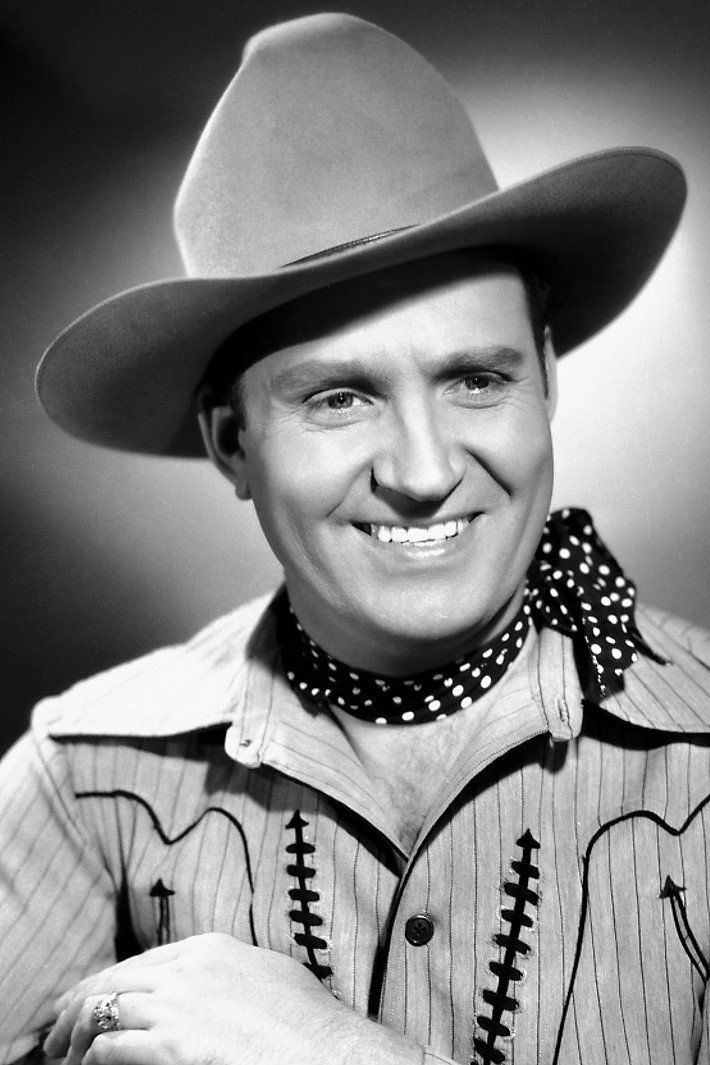
Gene Autry laid the groundwork for the singing cowboy with an easy voice and a good guy glow. His films like ‘Tumbling Tumbleweeds’ and ‘Back in the Saddle’ and his run on ‘The Gene Autry Show’ made the West feel welcoming.
Autry blended tunes, humor, and clean cut adventure. He gave kids a hero to trust and adults a star with real poise. His mix of music and action never goes out of style.
James Garner
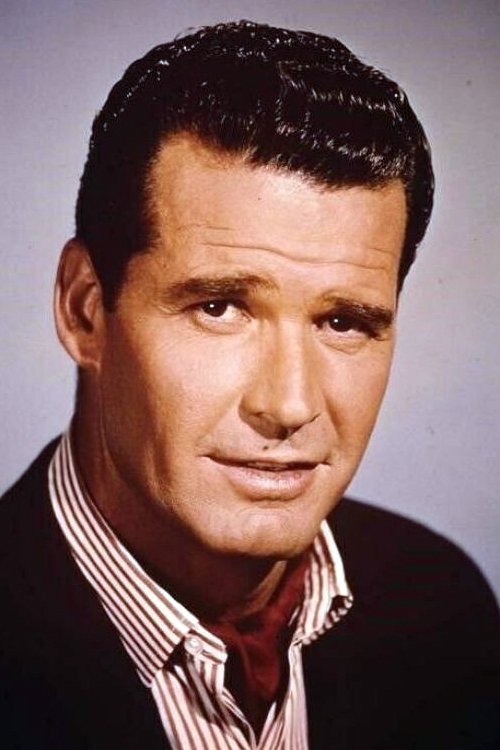
James Garner made the charming rogue a Western favorite. He winked through trouble in ‘Maverick’, then proved he could anchor big screen fun with ‘Support Your Local Sheriff’ and ‘Support Your Local Gunfighter’.
Garner never seemed rattled. He solved problems with brains and timing, which gave the genre a lighter touch without losing excitement. His smile could disarm a room.
Steve McQueen
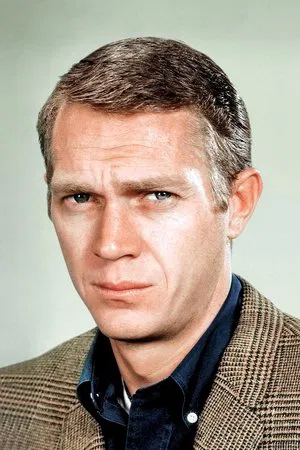
Steve McQueen brought cool economy to the frontier. He stood out in ‘The Magnificent Seven’, then carried that quiet intensity into ‘Nevada Smith’ and the poignant ‘Tom Horn’.
He let silence do the work and kept movement minimal and exact. McQueen made the Western feel stripped down and modern, and his heroes felt real enough to bleed.
Kirk Douglas
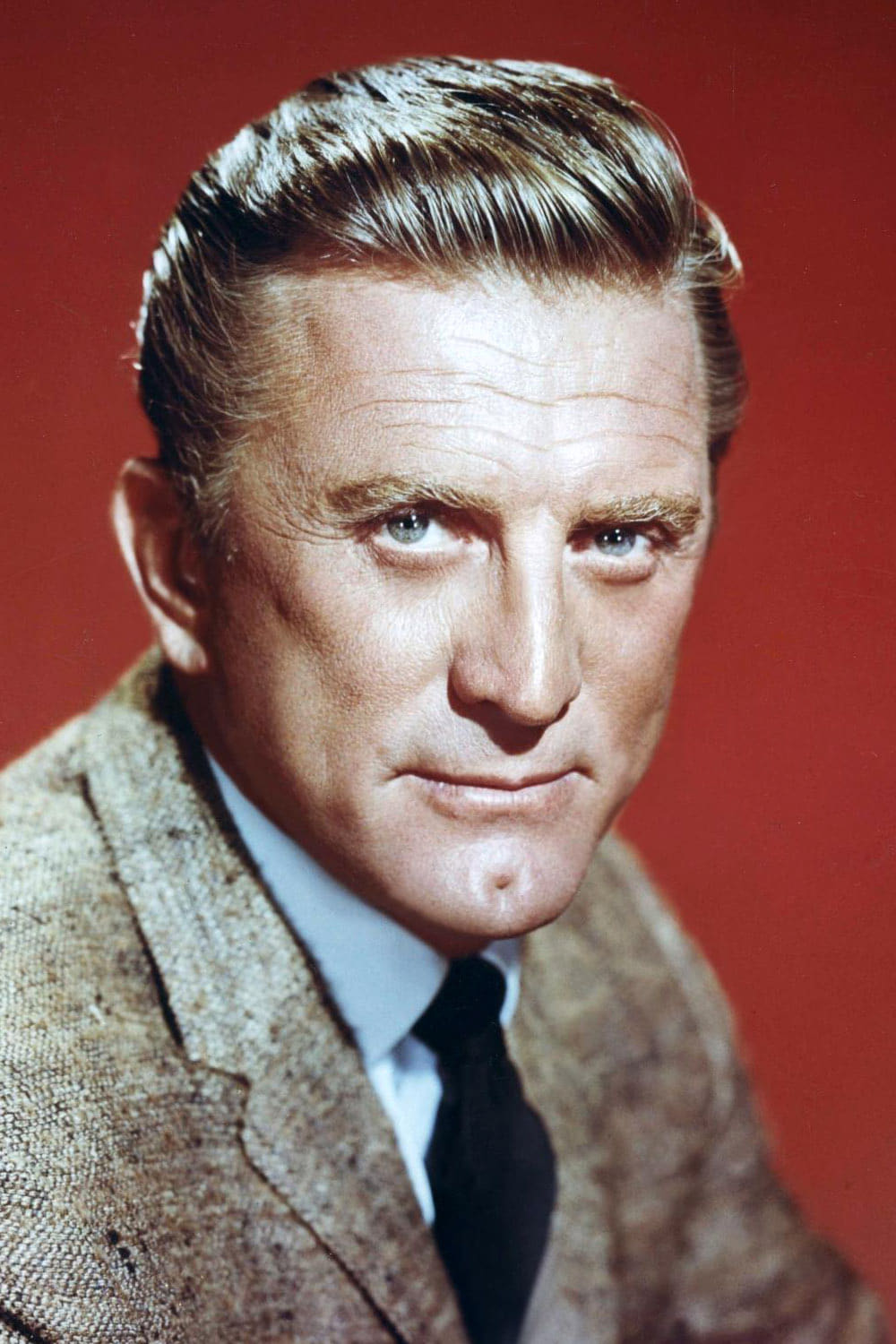
Kirk Douglas cut a bold figure with fierce energy. He went toe to toe with legends in ‘Gunfight at the O.K. Corral’, rode with swagger in ‘The War Wagon’, and gave the West a modern loner in ‘Lonely Are the Brave’.
Douglas played men who refused to bend. He brought edge and intelligence to every scene, and he kept the genre sharp by never coasting.
Burt Lancaster
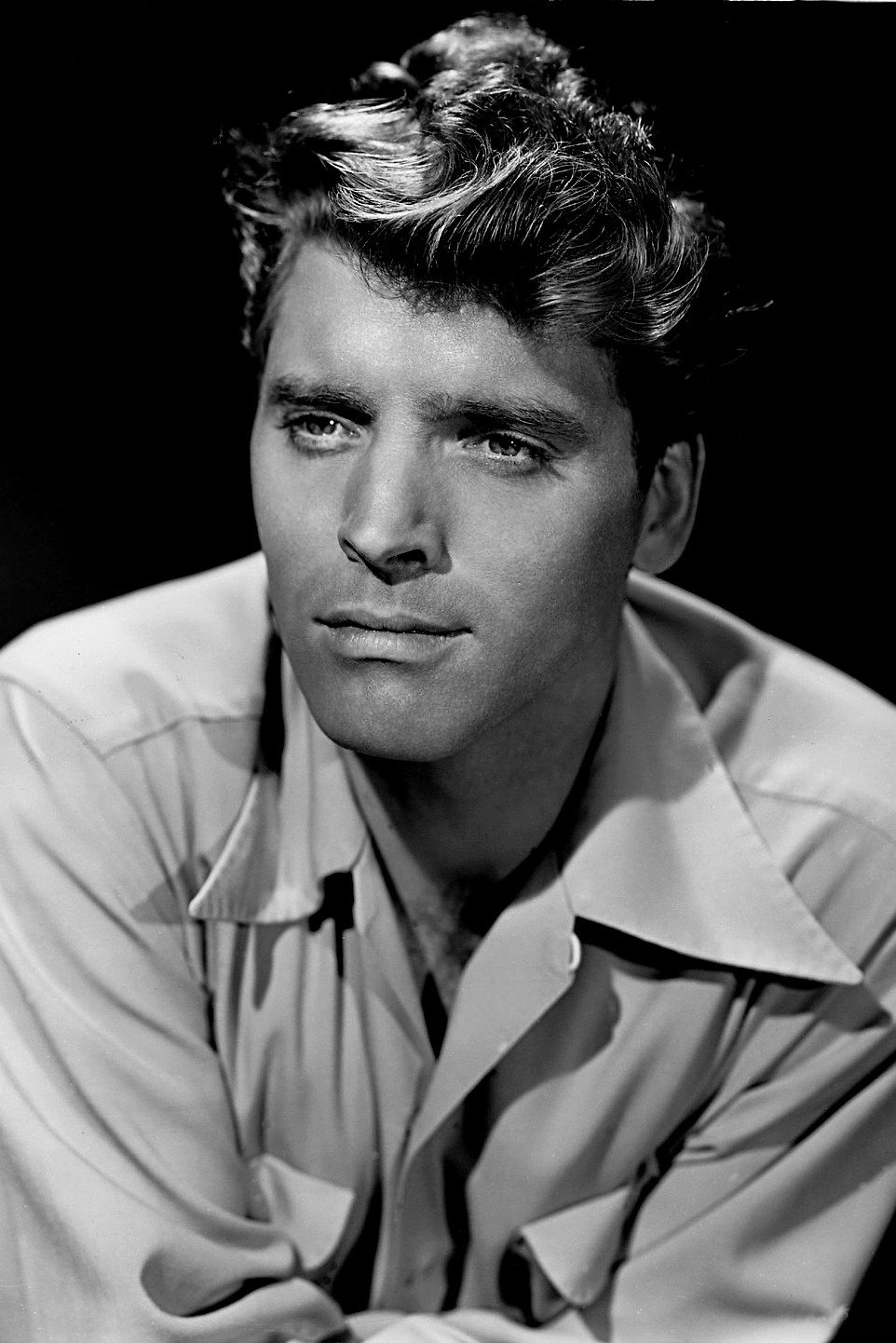
Burt Lancaster had an athlete’s grace and a showman’s spark. He lit up ‘Vera Cruz’ with charm and danger, then showed stern force in ‘Lawman’ and the tough honesty of ‘Ulzana’s Raid’.
Lancaster liked characters with grit and complicated motives. He made the frontier feel unpredictable, and his screen power could turn a simple standoff into a moment you remember.
Eli Wallach

Eli Wallach gave the West one of its great rascals. He stole scenes as Tuco in ‘The Good, the Bad and the Ugly’, mixed menace and warmth in ‘The Magnificent Seven’, and added color to ‘How the West Was Won’.
Wallach loved contradiction. He could be funny and scary in the same minute, which made the world feel alive. His characters always seemed to have another trick ready.
Ben Johnson
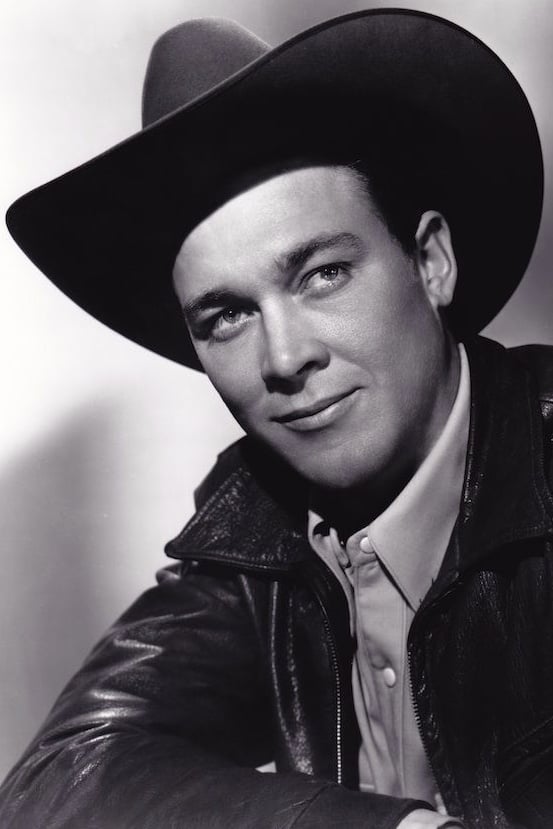
Ben Johnson moved like a real cowboy because he was one. He brought quiet authenticity to ‘Rio Grande’ and ‘She Wore a Yellow Ribbon’, then showed seasoned depth in ‘The Wild Bunch’.
He did not push for attention, yet you always knew where he was. Johnson gave the Western a lived in texture, the feel of dust on boots and a rope that fits the hand.
James Arness
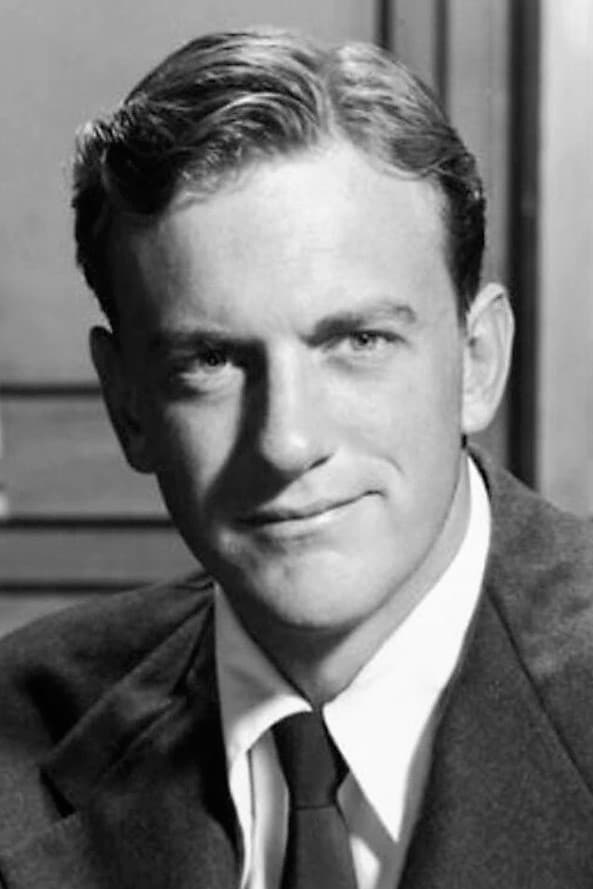
James Arness defined the small screen lawman for two decades. As Marshal Matt Dillon in ‘Gunsmoke’, he created a steady figure who could be stern, kind, and relentless when the town needed it.
Arness made weekly stories feel rich by playing the long game with character. He also carried that authority into other frontier adventures like ‘How the West Was Won’ on television, proving his hold on the genre.
William S. Hart
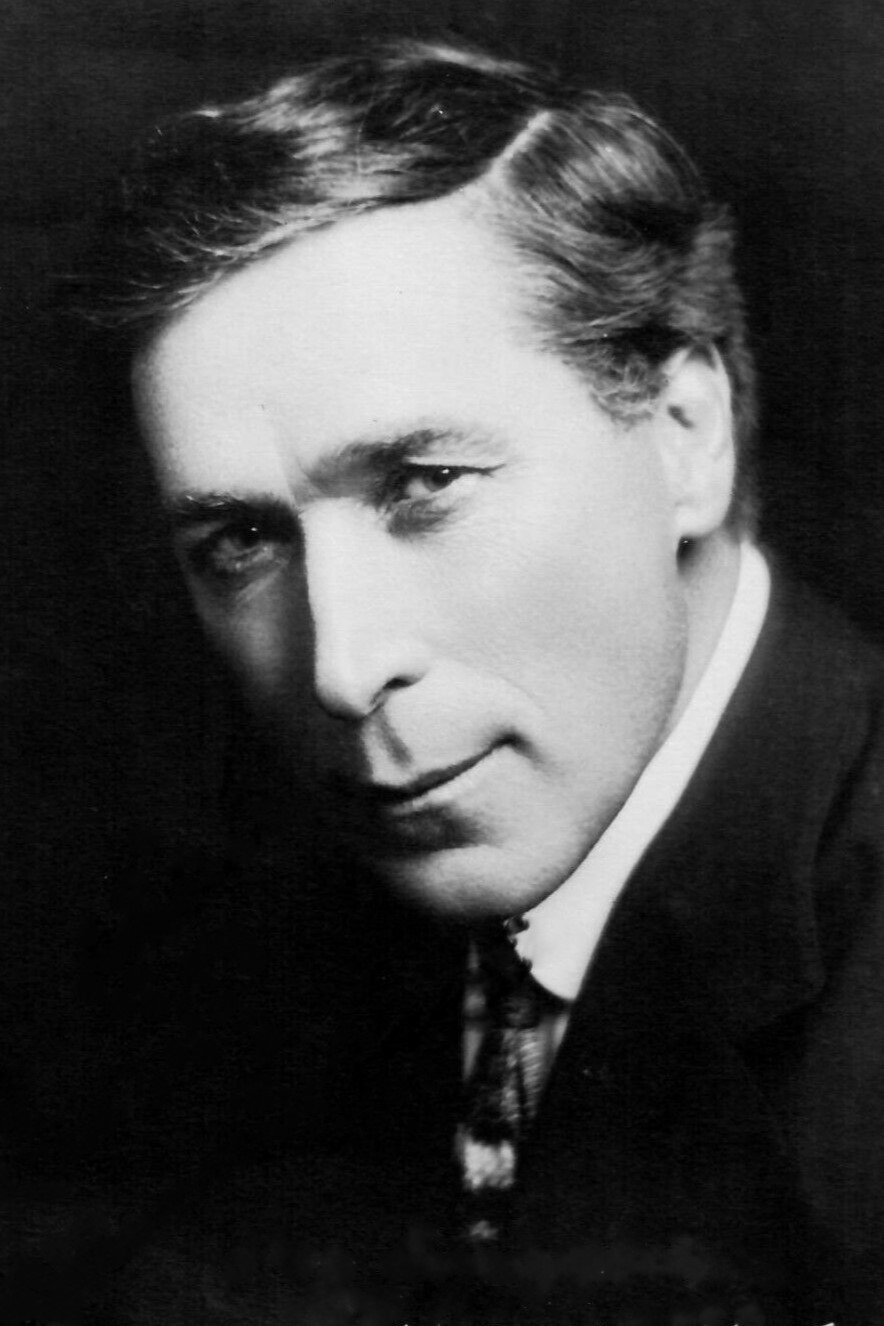
William S. Hart brought moral weight to the silent era. In films like ‘Hell’s Hinges’ and ‘Tumbleweeds’, he played rugged men who learn hard lessons about honor and mercy.
Hart’s solemn style gave early Westerns a sense of purpose. He set the stage for the archetype of the reformed outlaw and helped the genre take itself seriously.
Tom Mix

Tom Mix turned stunt work into star power and made kids dream of spurs and silver saddles. He raced across cliffs in ‘The Great K and A Train Robbery’ and thrilled crowds in ‘Riders of the Purple Sage’.
Mix gave the Western speed and spectacle. He showed that action could be clean and joyful, and his daredevil spirit still echoes in every galloping chase.
Glenn Ford
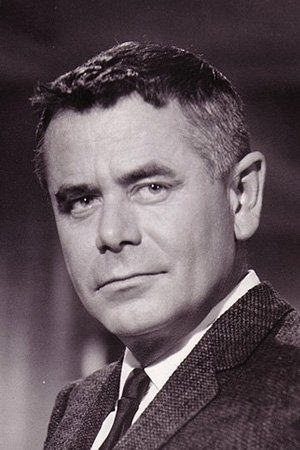
Glenn Ford brought quiet tension to ‘3:10 to Yuma’, playing a charming outlaw who tests a decent man’s resolve. He also shone in ‘The Fastest Gun Alive’ and teamed smoothly with Henry Fonda in ‘The Rounders’.
Ford excelled at characters who keep their cards close. He let small gestures carry big meaning, and he gave the Western a thoughtful pulse that lingers after the credits.
Share your favorite late Western greats in the comments and tell us who you would add to this roundup.