Mind-Blowing Practical Effects You Won’t Believe Aren’t CGI


In an era where computer-generated imagery dominates the big screen, it can be hard to believe that some of the most jaw-dropping visuals ever filmed were created without a single pixel of digital trickery. Practical effects, whether through elaborate sets, clever camera work, or groundbreaking makeup, bring a tangible sense of realism that CGI often struggles to replicate. They have a physicality and weight that makes audiences feel like they could reach out and touch them.
Some filmmakers go to incredible lengths to keep their effects grounded in reality, often spending months or even years to get just the right shot. These moments stick with us because they feel authentic and have an almost magical quality. Whether it’s an unforgettable action sequence or an otherworldly creature, these effects are proof that with enough creativity and dedication, you don’t need a computer to wow an audience.
‘Inception’ (2010) – Rotating Hallway Fight
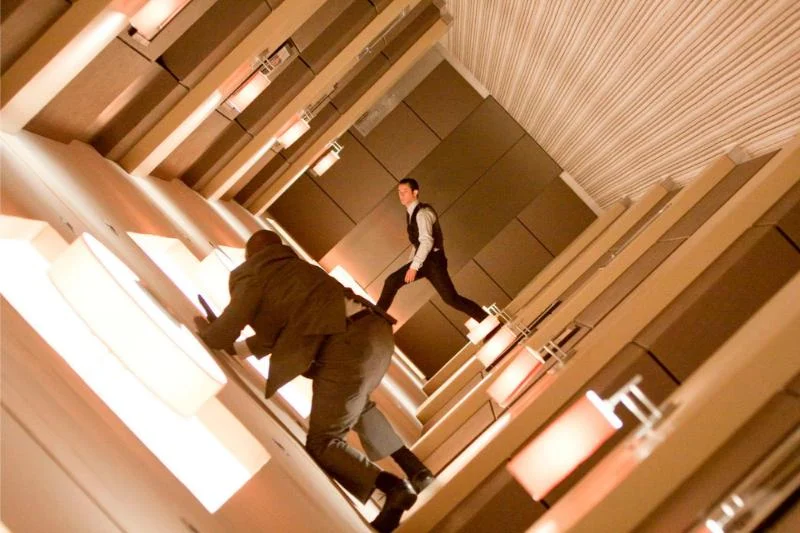
The zero-gravity hallway fight wasn’t made with digital manipulation. Instead, the crew built a massive hallway set on a gimbal that could rotate a full 360 degrees. Joseph Gordon-Levitt trained for weeks to perform the stunts while the set spun around him, creating that mind-bending illusion of shifting gravity in real time.
This rotating set gave the scene a weight and authenticity that no CGI could match. The camera moved fluidly with the action, making the sequence one of the most talked-about movie moments of the decade.
‘The Dark Knight’ (2008) – The Truck Flip
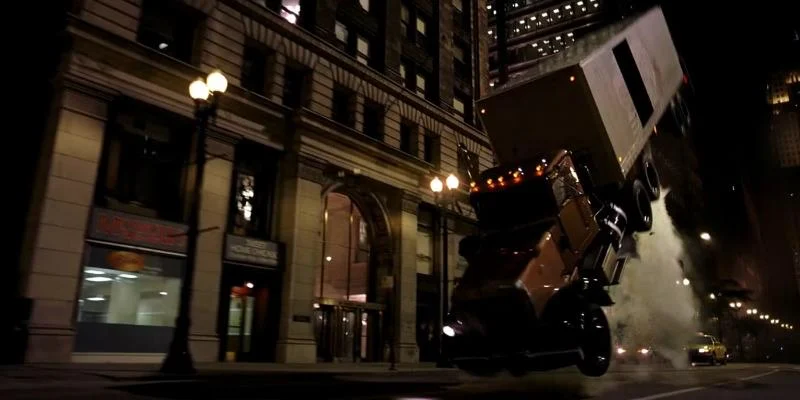
Christopher Nolan is known for his practical approach, and the iconic truck flip is a perfect example. Instead of resorting to digital effects, the crew actually flipped an 18-wheeler in the middle of a Chicago street using a carefully hidden ramp and an air piston system.
The resulting shot is incredibly satisfying because it really happened. You can almost feel the impact and see the physical strain on the vehicle, making it far more convincing than any computer-generated crash.
‘Mad Max: Fury Road’ (2015) – The Pole Cats
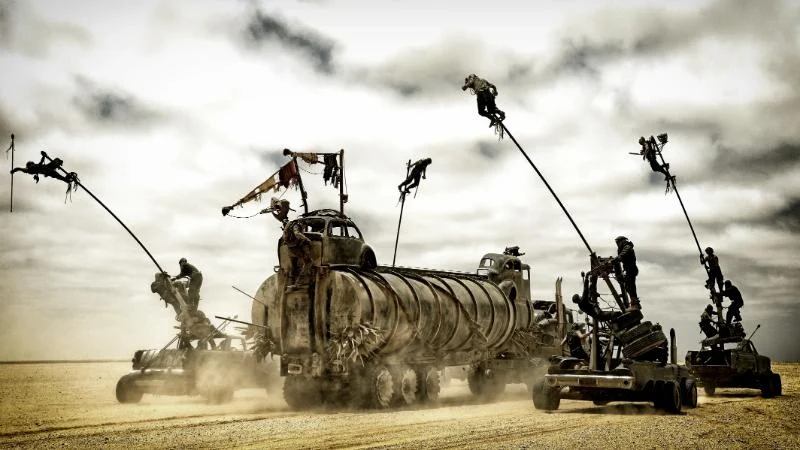
The intense pole cat sequence wasn’t CGI at all. Stunt performers balanced on long swaying poles attached to moving vehicles, all while racing across the desert at high speed. The coordination and timing required were beyond impressive.
Because everything was done for real, the sequence has a raw, chaotic energy that makes the danger feel immediate. Every sway, every lurch, and every moment of impact is captured exactly as it happened.
‘The Thing’ (1982) – Creature Effects
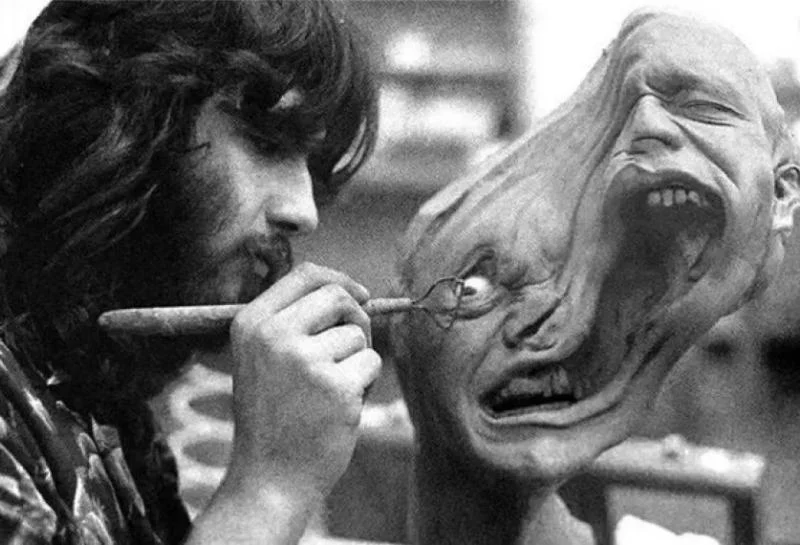
The grotesque alien transformations in this horror classic were achieved entirely with practical effects. Rob Bottin and his team used puppetry, animatronics, prosthetics, and buckets of fake slime to create the nightmarish creatures.
These effects still hold up decades later because they have a tactile presence. The sheer detail and texture make them feel disturbingly real, heightening the film’s atmosphere of paranoia and fear.
‘The Matrix’ (1999) – Bullet Time
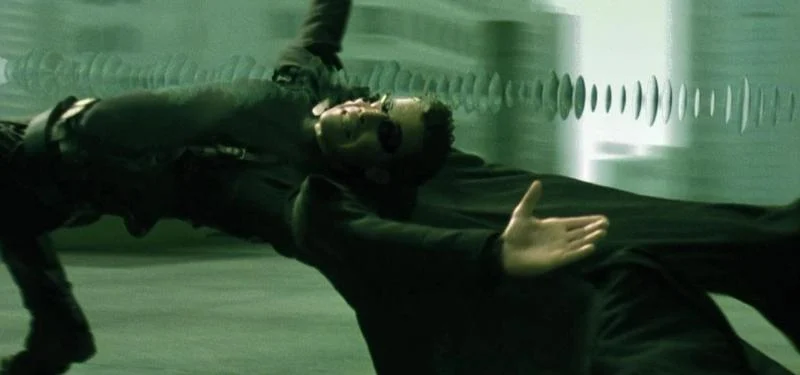
While bullet time might feel like early CGI, the groundbreaking effect was actually created using an array of still cameras arranged in a circle. Each camera was triggered in rapid sequence, capturing the action from multiple angles and allowing the footage to be stitched together seamlessly.
This approach gave the effect its signature smoothness and immersive feel. It revolutionized action cinematography and proved that sometimes the best tech isn’t purely digital.
‘Jurassic Park’ (1993) – The T. Rex Animatronic
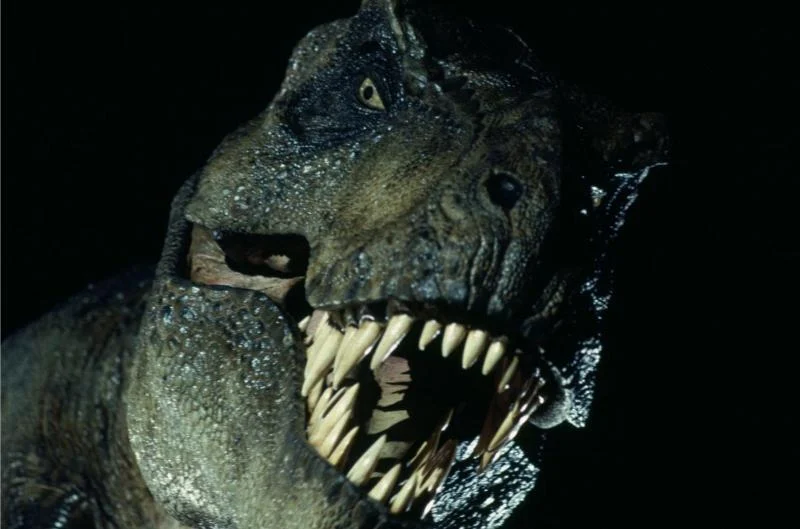
The life-sized T. rex was a mechanical marvel, standing over 20 feet tall and weighing several tons. It was controlled by a team of puppeteers who could make it blink, roar, and move with eerie realism.
Because the dinosaur physically existed on set, the actors could react to it naturally. This gave the film’s dinosaur encounters an immediacy that still makes them thrilling today.
‘Aliens’ (1986) – The Alien Queen

James Cameron’s massive Alien Queen wasn’t a digital creation. Instead, it was a complex puppet controlled by up to 14 operators using cables, hydraulics, and rods hidden out of frame.
The combination of mechanical precision and human control made the creature feel alive. Every twitch, glare, and lunge had a terrifying believability that CGI often struggles to achieve.
‘Interstellar’ (2014) – The Tesseract Set
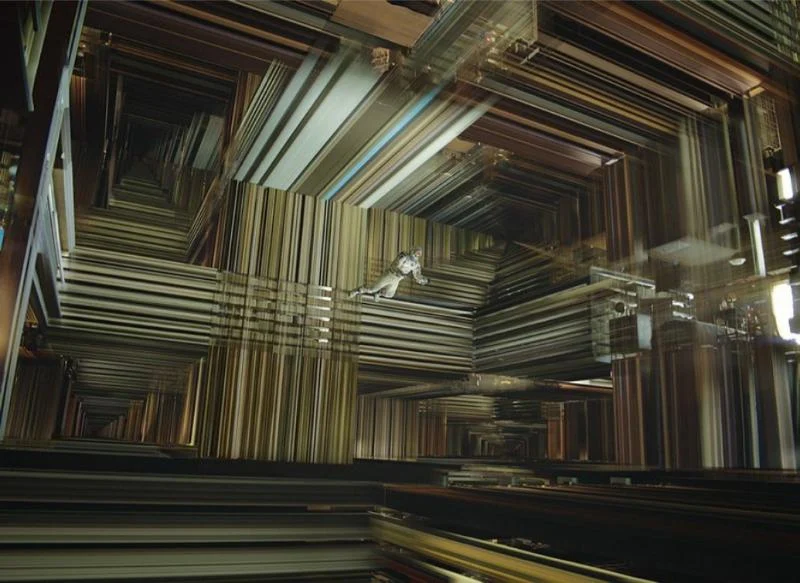
The inside of the tesseract wasn’t just green screen magic. Christopher Nolan’s team built a massive practical set with endless bookshelves, mirrors, and projected visuals to create the feeling of infinite space.
Because the actors could physically interact with the environment, the scene carried an emotional authenticity that grounded the mind-bending concept.
‘Lord of the Rings: The Fellowship of the Ring’ (2001) – Forced Perspective Hobbits
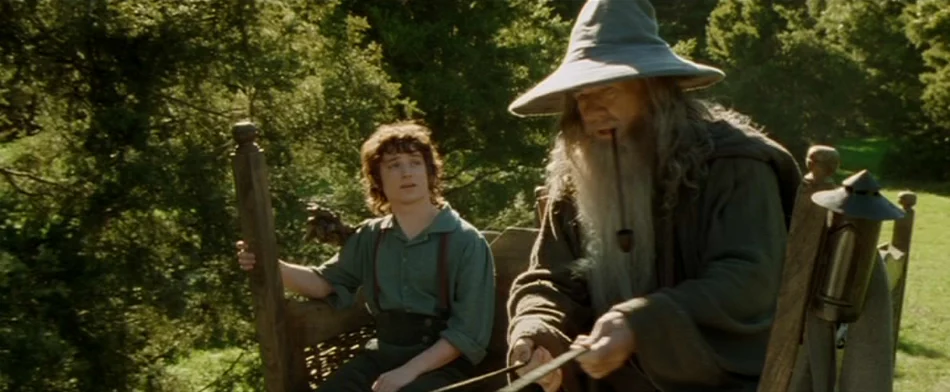
To make Hobbits appear shorter than humans, Peter Jackson used forced perspective instead of shrinking actors digitally. Sets and props were built at specific angles so characters appeared to be vastly different sizes even when standing next to each other.
This old-school camera trick allowed actors to truly share the scene, making their interactions feel more genuine than if one had been added later in post-production.
‘Mission: Impossible – Ghost Protocol’ (2011) – Burj Khalifa Climb
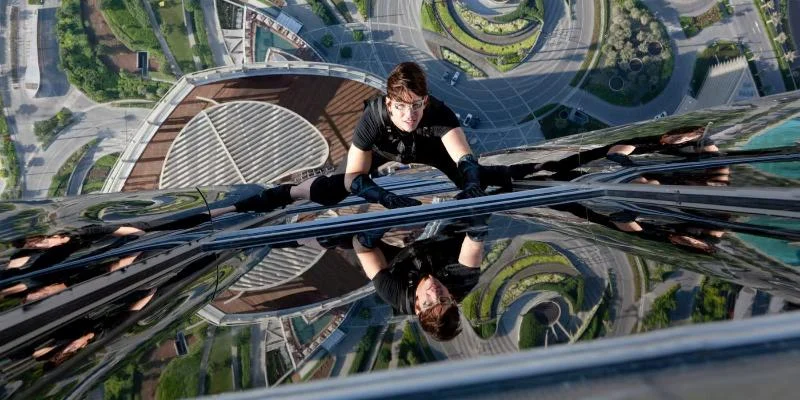
Tom Cruise really scaled the world’s tallest building, secured by safety cables that were later digitally removed. The stunt was as dangerous as it looked, with the actor performing much of it himself hundreds of stories above the ground.
The genuine height and danger come across on screen in a way that no computer-generated background could match. Every gust of wind and every shift in footing feels real because it was.
‘The Revenant’ (2015) – Bear Attack Scene
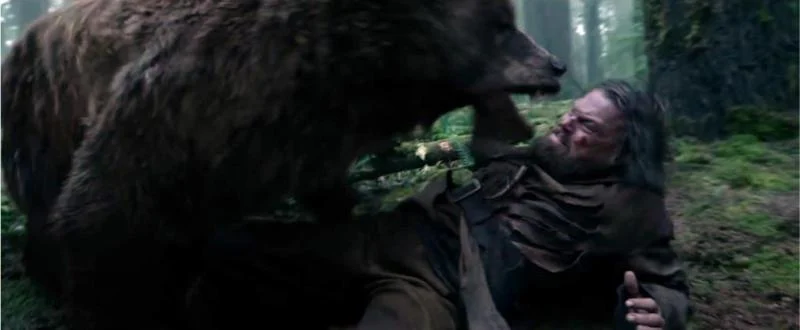
While the bear itself was partly enhanced with effects, the violent choreography and physical interaction between Leonardo DiCaprio and the stunt performer were done practically. Harnesses, rigs, and brutal rehearsals gave the fight its visceral impact.
The combination of real physical strain and careful stunt work made the scene one of the most talked-about moments in recent cinema.
‘Gravity’ (2013) – Lightbox Illusion
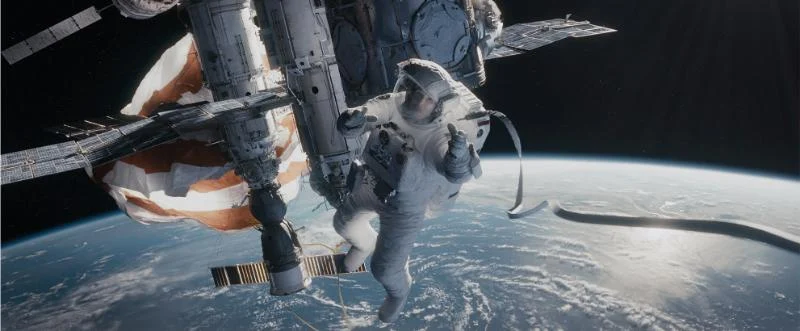
To create the illusion of floating in space, the cast was placed inside a giant LED lightbox that surrounded them with shifting images of Earth and stars. This allowed realistic lighting to reflect off their suits and faces.
Because the light and reflections were captured in-camera, the sense of immersion was far greater than it would have been with entirely digital backgrounds.
‘Titanic’ (1997) – Full-Scale Ship Deck
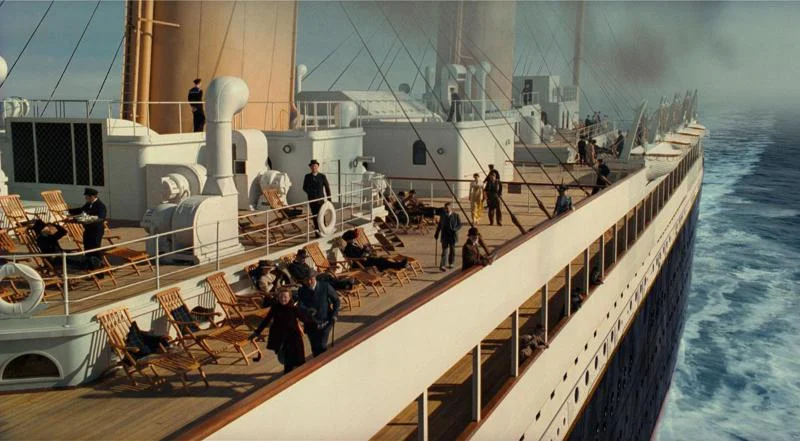
James Cameron built a near full-scale replica of the Titanic’s exterior deck to film many of the shipboard scenes. This allowed the cast to move around in a real environment, enhancing the authenticity of the interactions.
When combined with water tanks and careful set dressing, the result was a world that felt completely believable without heavy reliance on CGI.
‘The Shining’ (1980) – The Elevator Blood Scene
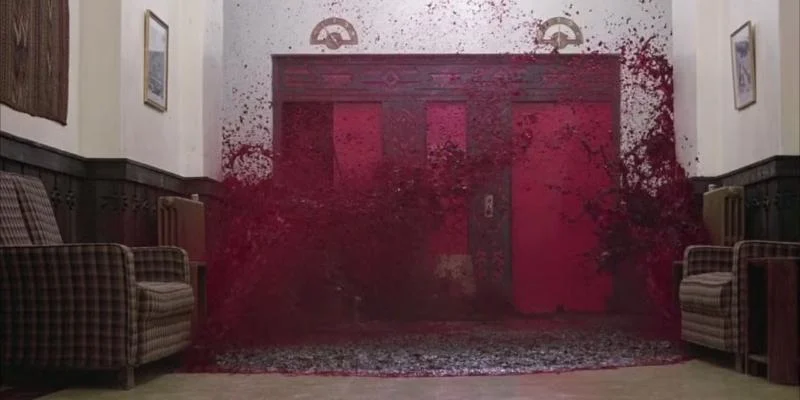
Stanley Kubrick’s infamous elevator shot used over 3,000 gallons of fake blood poured from the set’s elevator doors. The take had to be repeated several times until the flow looked just right.
The overwhelming visual impact works precisely because it’s real liquid rushing toward the camera, with all the unpredictable chaos that entails.
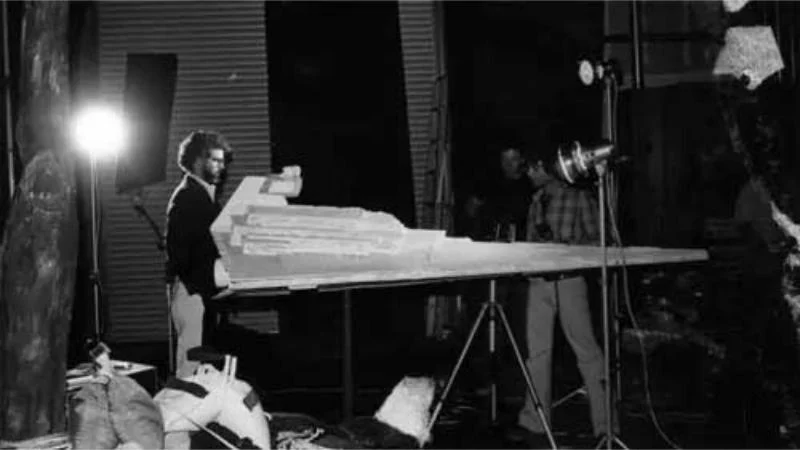
‘Star Wars: A New Hope’ (1977) – Miniature Star Destroyer
The opening shot of the massive Star Destroyer was achieved with a highly detailed miniature model filmed against a black backdrop. Clever lighting and camera moves made it appear enormous and menacing.
These physical models gave the film a timeless quality, grounding the fantastical world in something tangible.
‘Terminator 2: Judgment Day’ (1991) – Practical Explosions

James Cameron staged massive real explosions for many of the film’s action sequences, including the famous chase scenes. These weren’t scaled-down effects but full-scale pyrotechnics timed with precision.
The weight and force of actual fireballs exploding on set gave the scenes a level of danger and energy that digital explosions rarely capture.
‘Indiana Jones: Raiders of the Lost Ark’ (1981) – Boulder Chase
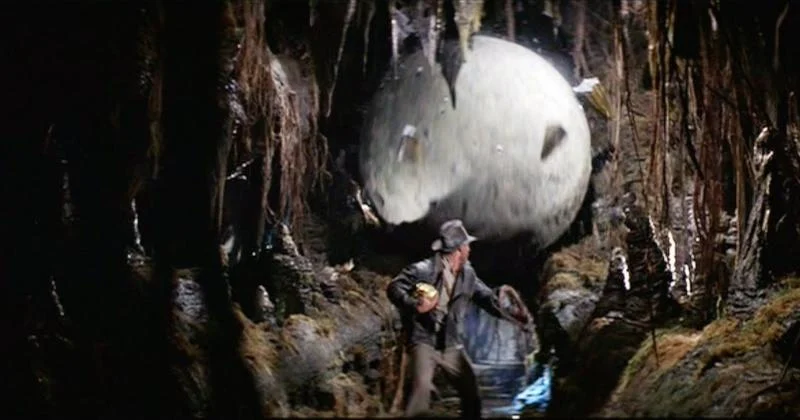
The giant boulder chasing Indiana Jones wasn’t CGI. It was a massive fiberglass prop weighing hundreds of pounds, rolled down a specially built track toward Harrison Ford.
Because Ford had to physically run from it, the danger and adrenaline in the scene feel absolutely real.
‘Pirates of the Caribbean: Dead Man’s Chest’ (2006) – Davy Jones Makeup

While many assume Davy Jones was fully CGI, actor Bill Nighy actually wore a motion-capture suit with some practical facial prosthetics, and much of the on-set lighting and texture were real. The integration was so seamless that it’s still mistaken for pure CGI.
This combination of real and enhanced elements gave the character a presence and weight that felt natural on screen.
‘Close Encounters of the Third Kind’ (1977) – Mothership Model
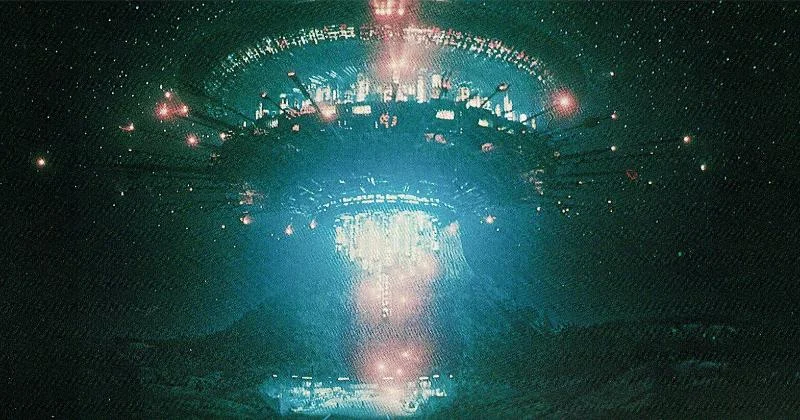
The massive alien mothership was a practical model lit from within using hundreds of tiny bulbs. The camera movements and lighting effects gave it a majestic, otherworldly presence.
Because it was a physical object, the way light interacted with it looked entirely natural, making it even more awe-inspiring.
Which of these practical effects surprised you the most? Share your favorite in the comments!