5 Things About ‘Alien vs. Predator’ That Made Zero Sense and 5 Things That Made Perfect Sense

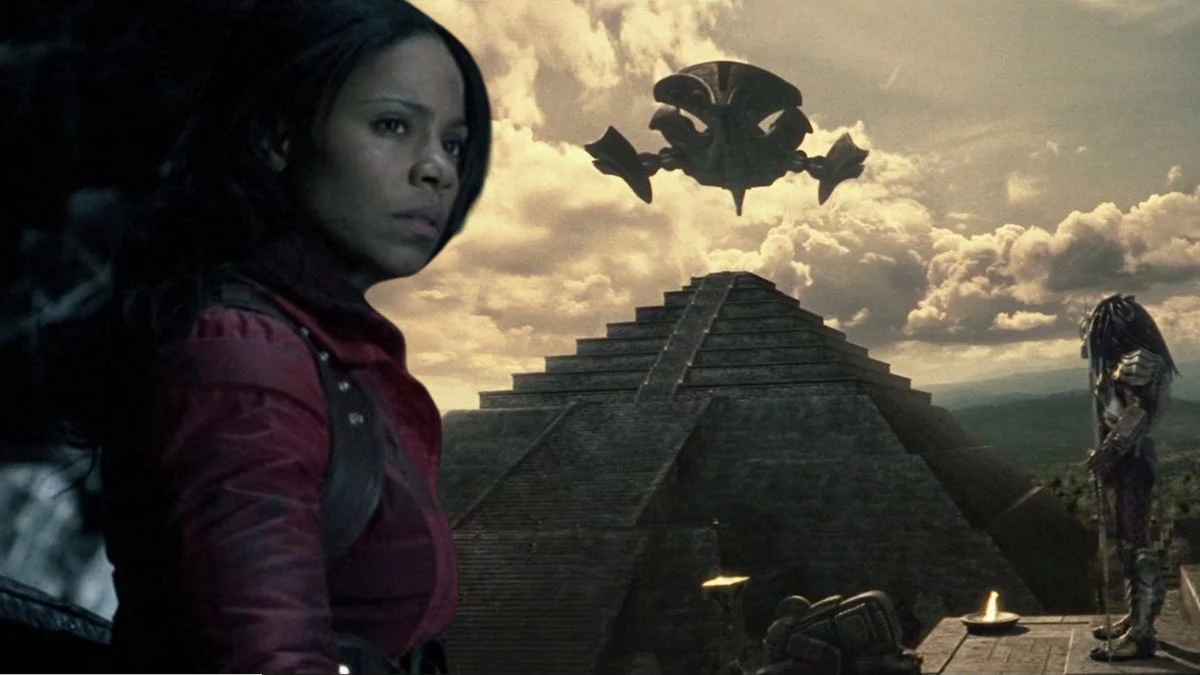

“Alien vs. Predator” mixes two big sci-fi monsters in one story. It gives fans fast action, cool tech, and a harsh setting. It also asks you to accept some bold ideas.
Some parts work well within the two franchises. Others stretch logic or break the rules set by earlier films. Here are five that made zero sense and five that made perfect sense—taking turns.
Zero sense: The ever-shifting pyramid’s clockwork underground
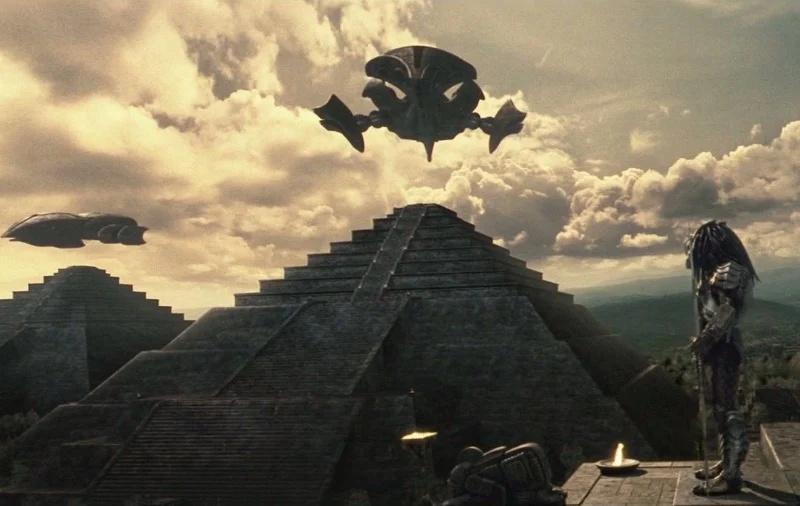
A giant pyramid keeps changing its layout on a strict timer. It moves whole stone halls like gears in a watch. That would need huge power, constant maintenance, and perfect engineering in deep ice. None of that is shown.
The tunnels also line up at just the right moments for the plot. People get split up, then reunited, then trapped again. The timing feels more like a puzzle game than an ancient structure that could run on its own for centuries.
Perfect sense: The hunt as a rite of passage
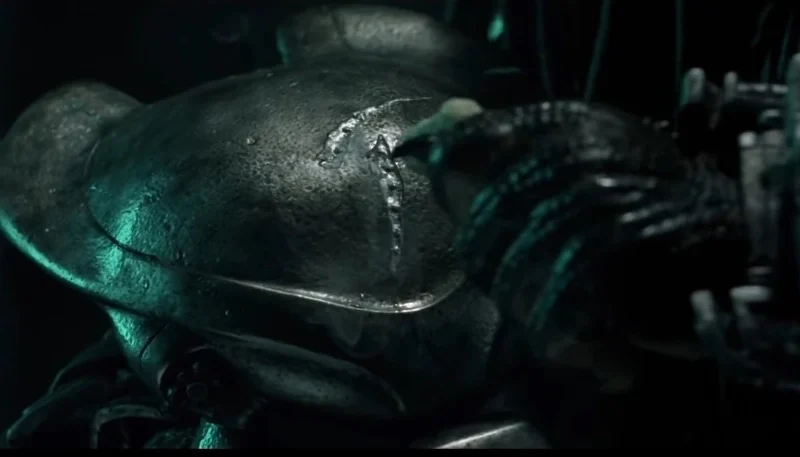
Young Predators take a dangerous trial. They enter a sealed arena, face the hardest prey, and earn trophies. This fits the series. The Yautja are hunters first. Their culture values risk, skill, and proof.
Using a remote site also tracks. It limits witnesses, keeps the challenge controlled, and sets clear start and end points. The trial feels like a tradition that could repeat over ages.
Zero sense: Blink-and-you-miss-it Xenomorph growth
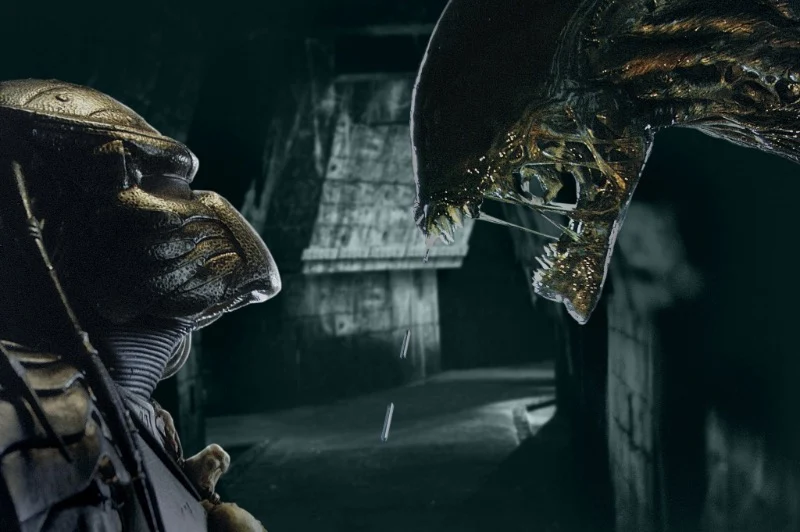
Facehugger to chestburster to full drone happens in a tiny window. Earlier stories show a fast cycle, but not minutes. Here it is so quick that strategy becomes guesswork, not survival.
That speed breaks tension. Characters lose any chance to plan or contain an outbreak. It looks cool on screen, but it bends the rules the Alien films taught us.
Perfect sense: Predator tools and tactics match their lore
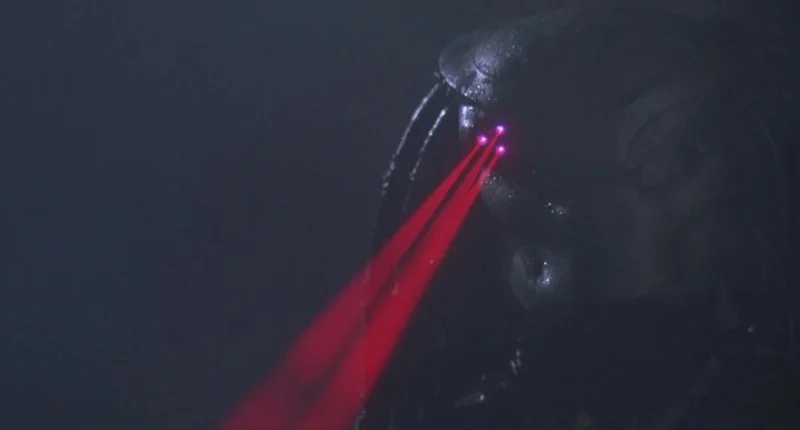
Cloaks, masks, thermal vision, nets, spears, and plasma casters all show up. They work the way fans expect. The gear supports stealth, tracking, and up-close tests of strength.
The tactics also fit. Scouts observe first. They mark targets. They avoid needless noise. When the hunt turns messy, they adjust and escalate. That all aligns with prior Predator behavior.
Zero sense: Lightning-fast translation of ancient scripts
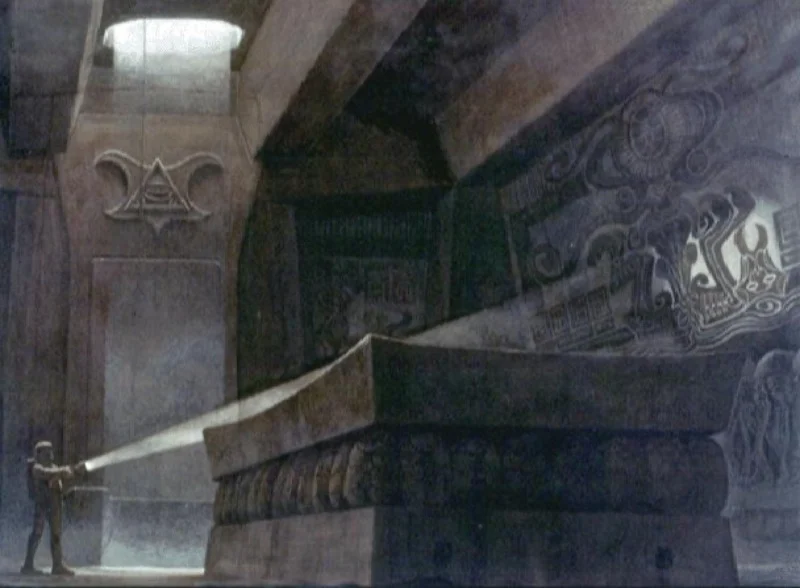
The humans read mixed symbols almost at once. They crack warnings and complex lore in a cold, dark ruin under time pressure. That is not how field archaeology works.
Fast translation removes risk and debate from the team’s choices. It also undercuts the mystery. The script becomes a plot button: press to learn the next twist.
Perfect sense: A practical truce between hunter and human
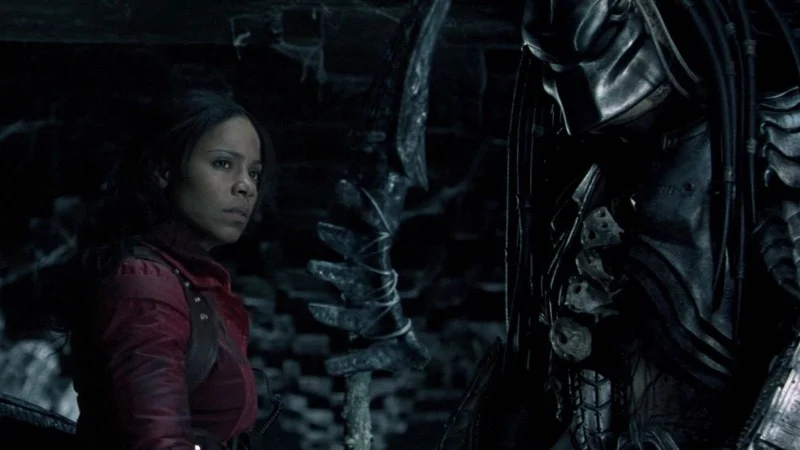
A Predator teams up with the last capable human when both face a bigger threat. That is cold logic. The Yautja respect worthy allies and kills that require skill.
The truce is limited and clear. They share tools, set a goal, and move. When the job is done, the bond ends. It is not friendship; it is survival math.
Zero sense: Acid blood damage that changes when the plot needs it
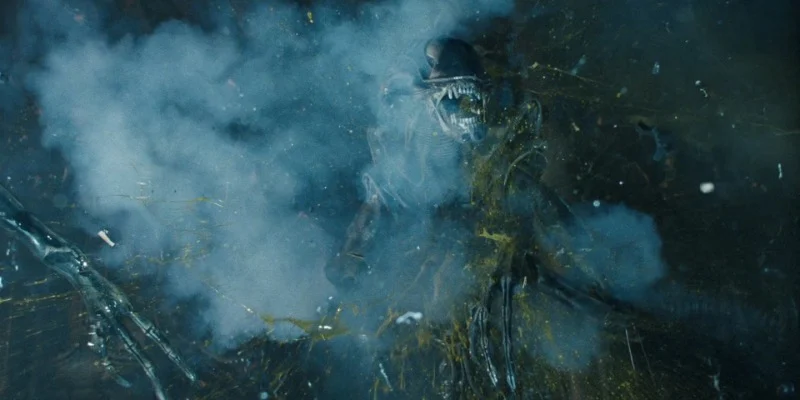
Xenomorph blood can melt through floors in seconds. Yet armor, weapons, and even clothes sometimes take mild splashes and keep going. The effect varies scene by scene.
This inconsistency lowers stakes. If acid burns are unpredictable, viewers cannot track danger. It feels like the rules bend to protect certain characters or props.
Perfect sense: The wrist-bomb fail-safe
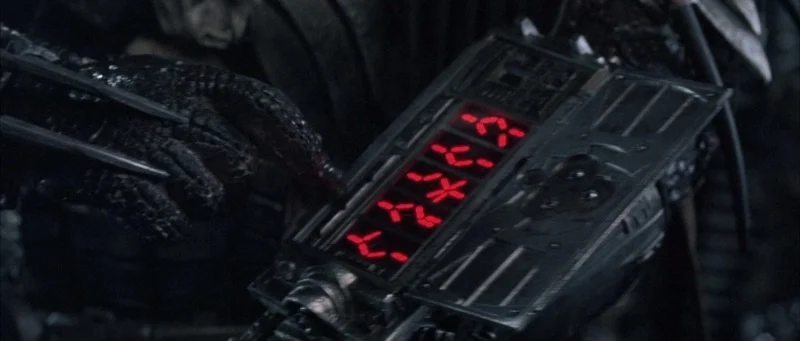
When the hunt is lost, a Predator triggers a self-destruct to erase tech and prey. This matches the earlier films and the code of honor. No trophies for the unworthy. No evidence left behind.
A bomb also resets the board. It stops a wider outbreak and keeps human eyes off advanced gear. It’s brutal, but it serves the culture and the secrecy.
Zero sense: Weyland’s choices put profit over survival
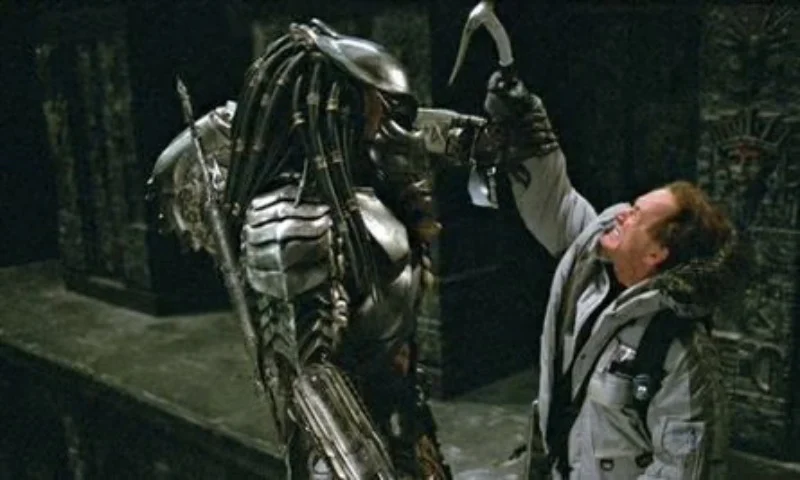
The expedition leader is sick, yet he forces the mission ahead into a deadly unknown. He ignores clear warning signs. He risks the team to chase a headline and a patent.
Corporate greed is a series staple, but here the calls are reckless even by that standard. Smart leaders cut losses. He doubles down until people die.
Perfect sense: Seeding a contained hunt to test young warriors
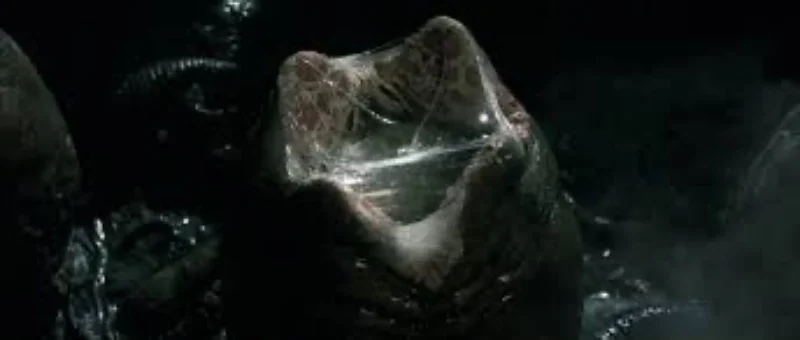
The site holds a captive Queen to produce eggs on cue. The structure funnels hosts, spreads eggs, and locks the arena. That is a controlled challenge, not random chaos.
This setup lets elders grade the trial. It creates repeatable tests and a clean scoreboard: recover a mark, earn a trophy, survive the cycle. It’s cruel, but it’s coherent.
Share your own “zero sense” and “perfect sense” moments from the AVP hunt in the comments!