5 Ways ‘Alien vs. Predator’ Aged Poorly (And 5 Ways It Aged Masterfully)

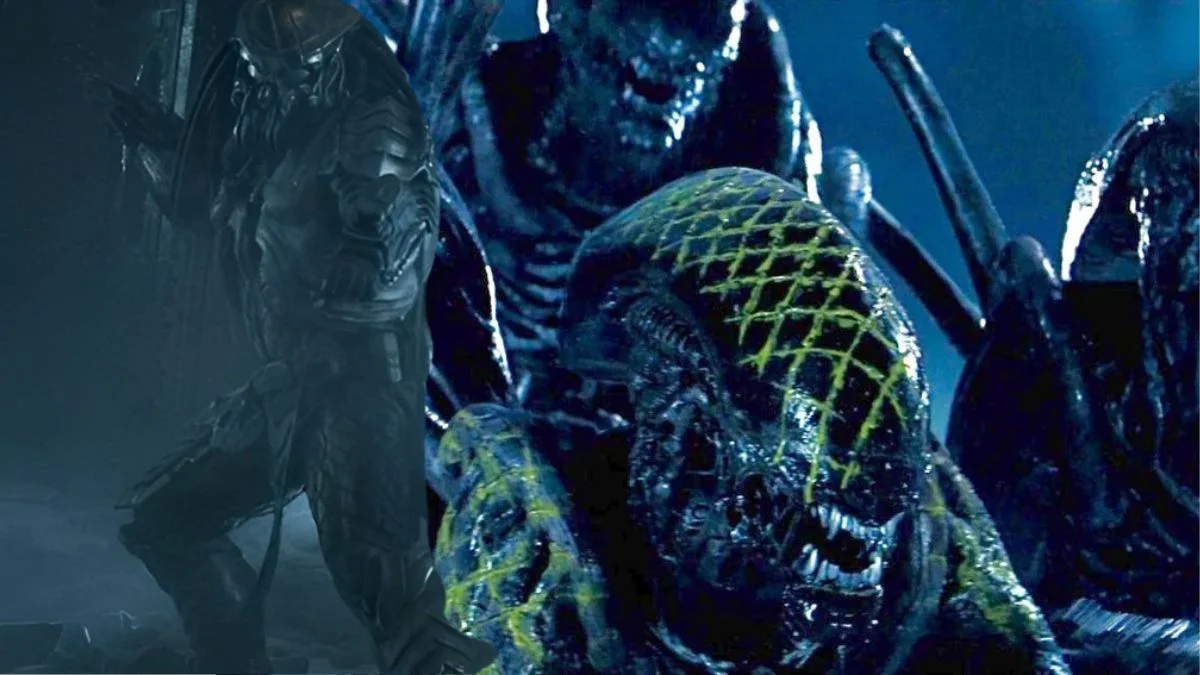

The clash of two famous monsters promised big thrills. Over time, fans have debated what held up and what fell flat. Some parts still work well. Some do not.
Here is a look at both sides. The list moves back and forth between wins and misses. It sticks to clear points and simple facts.
PG-13 kills the bite (aged poorly)
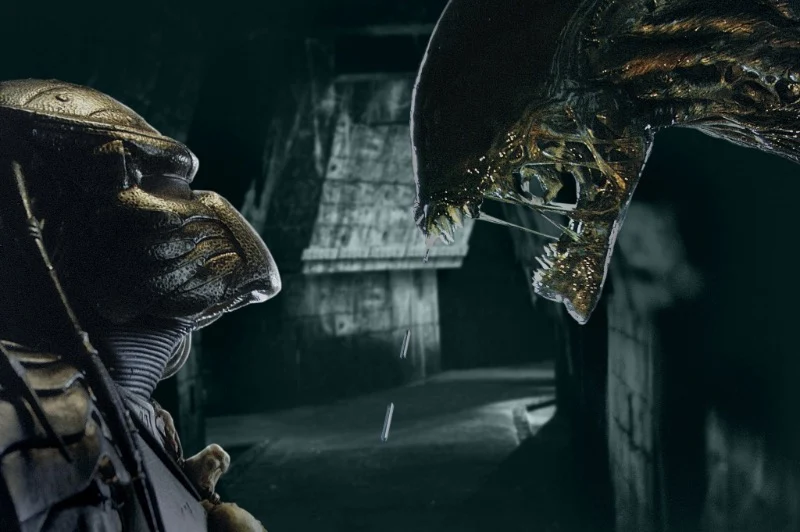
The film went for a wider audience. That meant less blood, fewer on-screen kills, and safer shots. The result softens a story built on fear and carnage.
Many key moments cut away just when tension peaks. The creatures feel less dangerous. The danger feels less real.
Creature suits and animatronics still impress (aged masterfully)
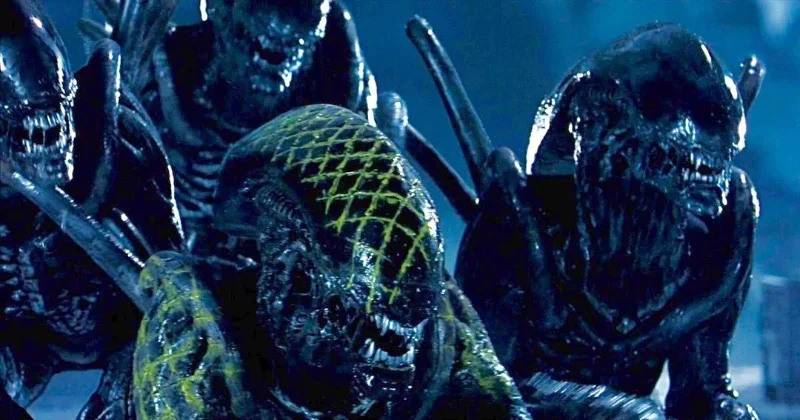
The practical effects give weight to every scene. You can see armor scrape, claws grip, and slime cling. The suits look solid, not floaty.
Close-ups sell the illusion. Costumes, masks, and props move with the actors. The monsters feel present in the space.
Early CGI shows its seams (aged poorly)
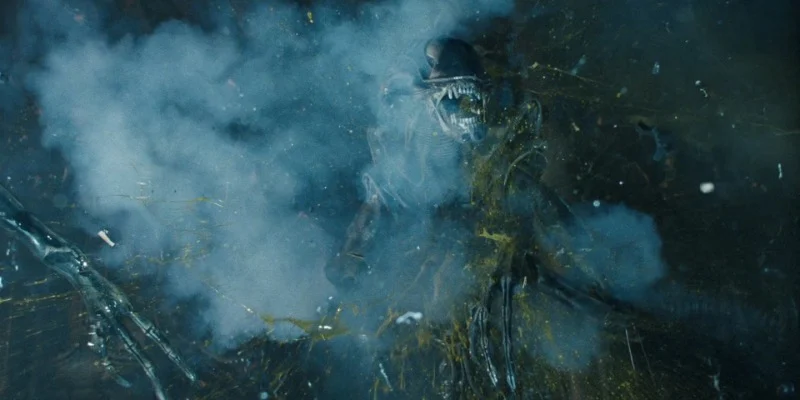
Some digital shots look flat and shiny. Fast creature moves blur. Smoke, snow, and debris do not blend well with the real sets.
You notice switches between real and digital. That breaks immersion. It also dates the action more than anything else.
The crossover premise stays bold (aged masterfully)
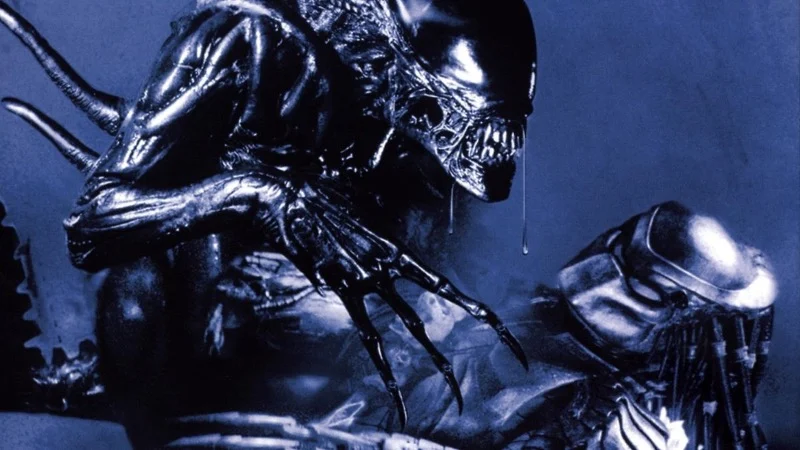
Hunters using another species as prey is a clean, strong hook. It gives a clear reason for both monsters to meet on Earth. It also sets simple stakes for humans caught in the middle.
The idea sparks imagination beyond the movie. Fans still talk about “what if” matchups, weapons, and tactics. The core concept keeps pulling people back.
Human characters feel thin (aged poorly)
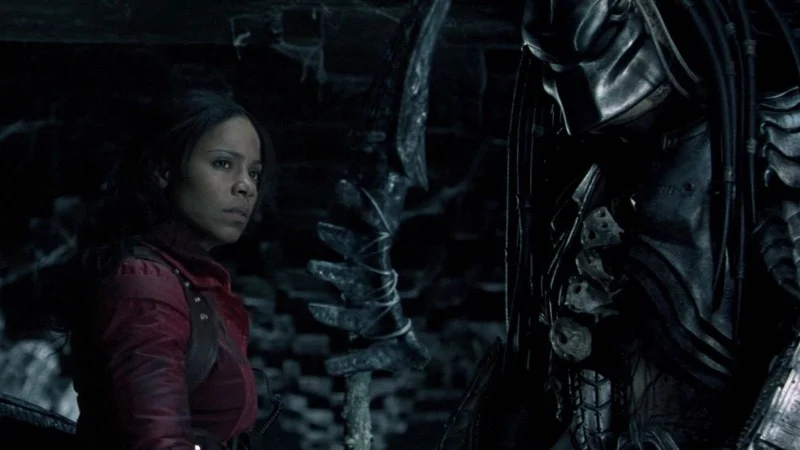
Most people on screen get little setup. Goals are simple, and backstories are brief. When danger hits, it is hard to care who makes it out.
The dialogue leans on basic lines. You can predict many choices. The focus on monsters leaves the team light on personality.
The pyramid and trap design shine (aged masterfully)
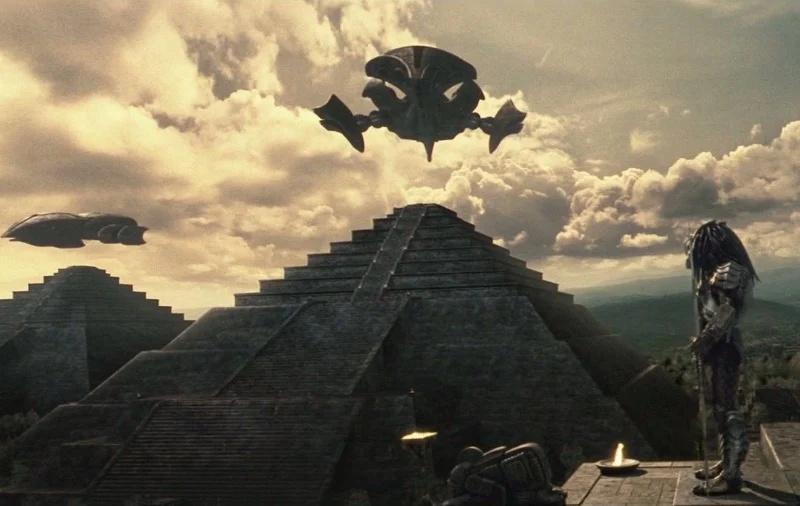
The shifting structure is a smart arena. Rooms move, doors seal, and paths reset like a maze. It fits the hunters’ test theme.
Props and glyphs add texture. The sets look built, not just painted. The place feels cold, heavy, and old.
Lore clashes and retcons nag (aged poorly)
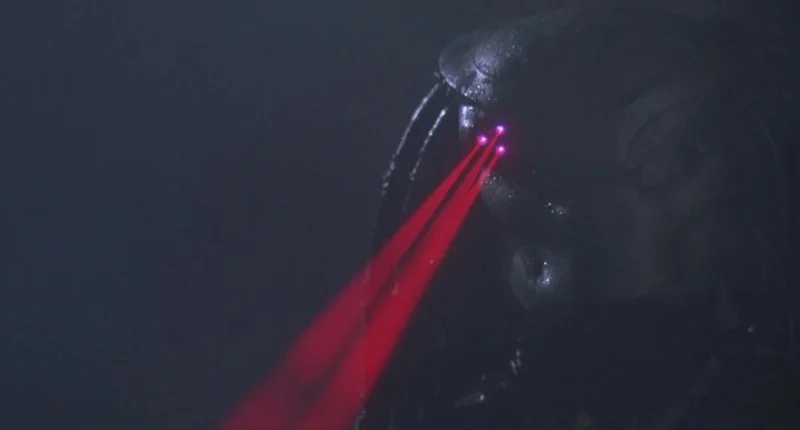
Tying ancient cultures to the hunters raises big timeline questions. It also muddles how each series explains its creatures. Some links feel forced.
Fans still debate what this means for other entries. The connections create gaps and contradictions. That noise pulls focus from the action.
Predator honor code adds depth (aged masterfully)
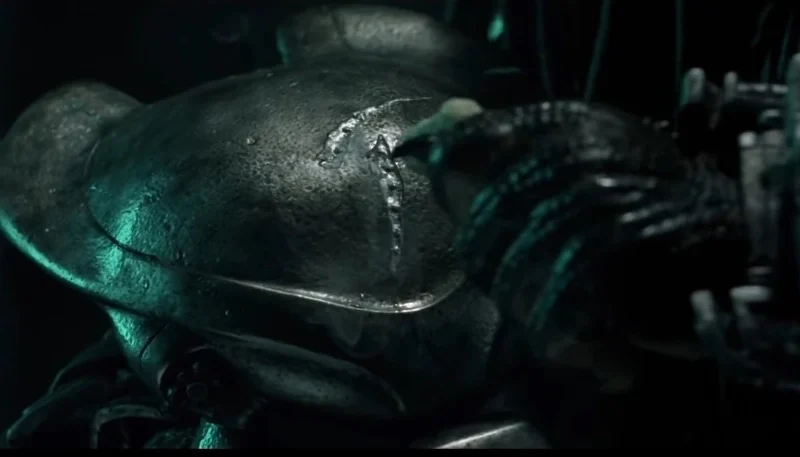
The hunters follow rules. They test worth, mark victories, and spare those who earn respect. That gives the conflict shape beyond simple killing.
A brief alliance shows respect across species. It turns one set piece into a story beat. It also hints at a larger culture.
Mid-2000s look gives it a dated finish (aged poorly)
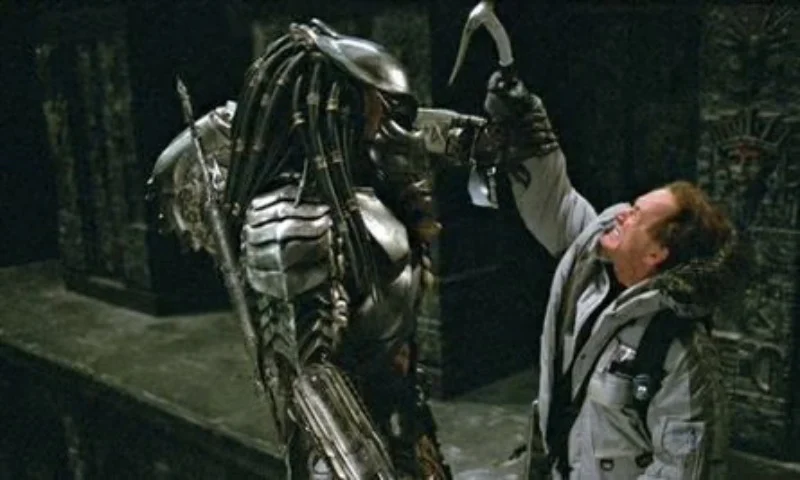
Heavy shadows, cool tones, and crushed blacks hide detail. Some scenes turn murky. Creature textures get lost.
The color palette feels of its time. It signals the era at a glance. That makes the film feel older than it is.
Monster-versus-monster moments still deliver (aged masterfully)
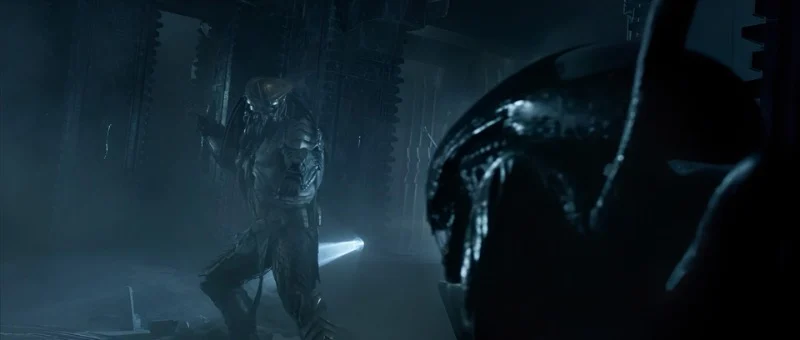
When claws, tails, spears, and nets clash, the film clicks. You can track moves and see impacts. The action has clear beats.
Trophy marks, masks, and acid burns leave vivid images. These shots still circulate in fan talks and clips. The face-off remains fun to revisit.
Share your own take: did the hunters and the Xenomorphs age like legends or leftovers—drop your thoughts in the comments!