5 Things About “Alien: Resurrection” That Made Zero Sense and 5 Things That Made Perfect Sense


The fourth Alien film swings for big ideas. Some of them land. Some do not.
Here are ten clear examples, split between choices that work and choices that don’t.
Ripley 8’s Human Memories — Zero Sense
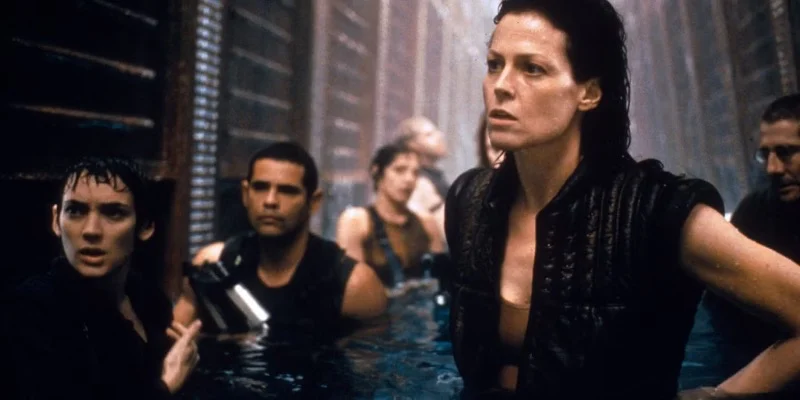
Ripley 8 is a clone grown from a blood sample. Yet she remembers people and places from a past life. DNA does not store personal memories, so this leap breaks basic logic.
The movie links her memories to an alien embryo inside her. But memory transfer across species has no support in the series’ rules. It feels like a shortcut to keep the character familiar.
The Military’s Plan to Weaponize Xenomorphs — Perfect Sense
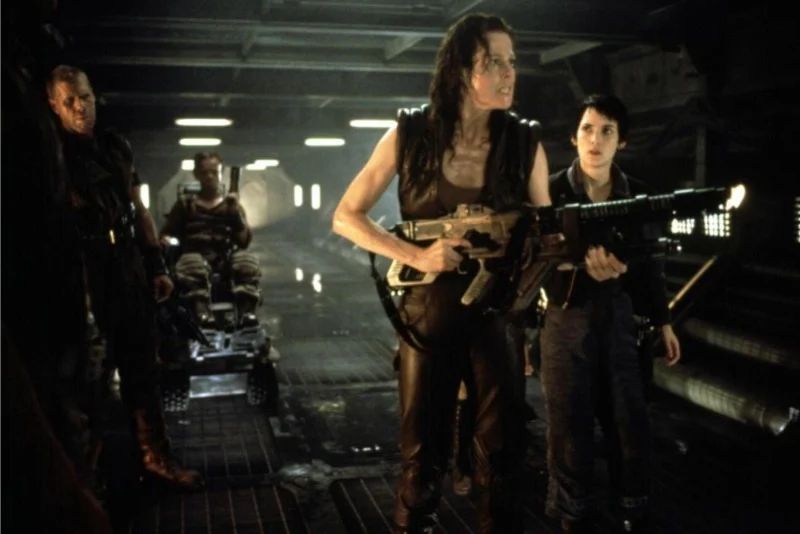
Greedy groups have always tried to turn the aliens into weapons. That drive fits the world of this series. Black-ops labs, paid hosts, and secret ships line up with past motives.
This plan also explains the cold behavior of the scientists and brass. They want results, not safety. That is sadly believable.
Sloppy Containment on the Auriga — Zero Sense
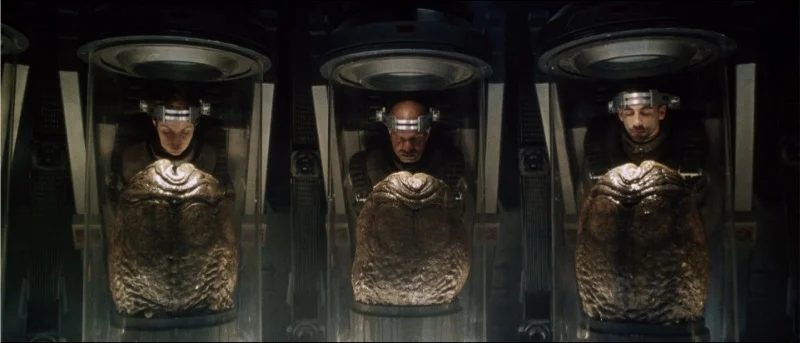
Cells that can be melted by acid blood make no sense. There are no secondary barriers, drain systems, or real backups. One breach brings the whole ship down.
A live-specimen lab should have layered walls, foam floods, and auto-locks that seal fast. Instead, the systems fail in minutes. That feels lazy, not tragic.
The Aliens’ Cooperative Escape — Perfect Sense
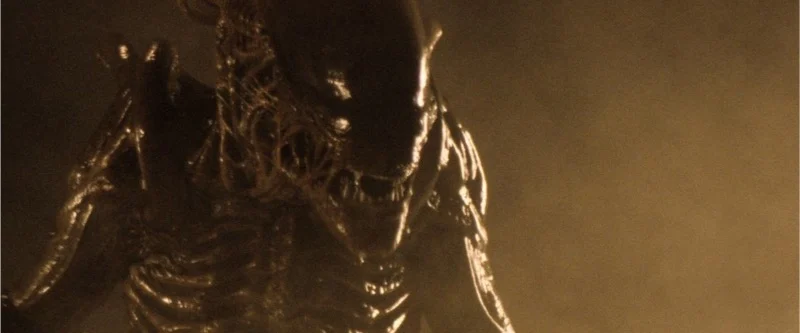
The hive works like a team. One drone lets itself be killed so its blood can burn a path. That shows planning and shared goals.
We have seen the creatures learn and test defenses before. Using their own biology as a tool fits that pattern.
The Newborn’s Imprinting on Ripley — Zero Sense
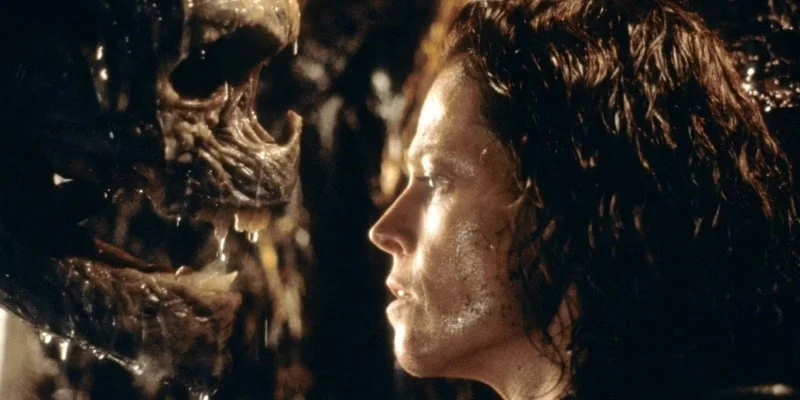
The hybrid bonds with Ripley as its mother. But the Queen created it. The switch undercuts the story’s own setup.
Imprinting is powerful, but it needs a clear cause. Here, the choice seems driven by shock value, not by rules the film has taught us.
The Betty Crew’s Role — Perfect Sense
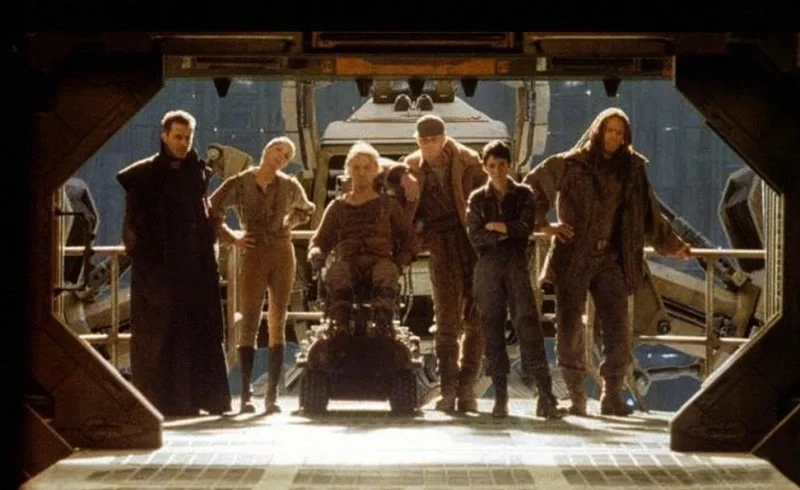
Space has smugglers, mechanics, and hired guns. The Betty crew fits right in. They move cargo, take risks, and know how to survive.
They also bring skills the lab lacks: quick fixes, tight flying, and street sense. That balance makes the team-up feel natural.
Explosive Decompression Finale — Zero Sense

The hybrid gets sucked through a tiny hole like liquid. The effect is extreme and cartoonish. It breaks the gritty tone the series aims for.
Rapid decompression is bad, but bodies do not puree through pinholes. The scene looks cool, but it does not track with physics or prior films.
Call’s Auton Identity — Perfect Sense
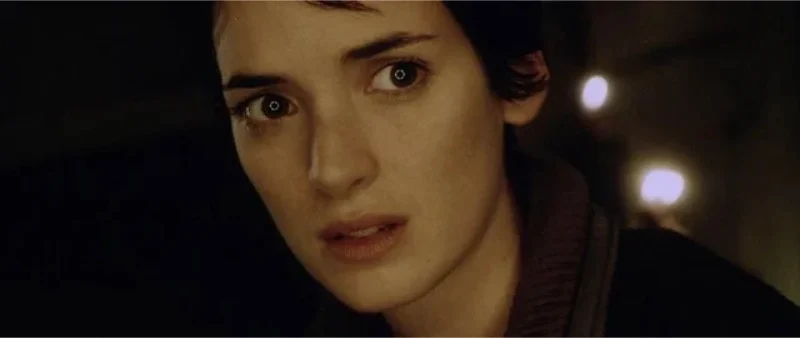
Call is a next-gen android built by machines. Her empathy and moral drive explain why she wants to stop the project. That twist enriches the android theme in the series.
Her hacking skills, quiet focus, and network access line up with her design. She is different from past models, yet still fits the world.
The Queen’s Sudden Womb — Zero Sense

The cloned Queen shifts from laying eggs to giving live birth. The movie offers no slow change or steps. It just happens.
Hybrid DNA could alter traits, but a full flip in reproduction is huge. Without groundwork, it feels like a wild detour.
The Auriga’s Auto-Return to Earth — Perfect Sense

A military ship snapping to a default course back to base is a believable protocol. It explains the ticking clock and the panic to stop the crash.
That rule also raises the stakes in a clean way. A single fail-safe turns a local outbreak into a global threat, which makes sense for a warship.
Share your take: which parts of Ripley’s return worked for you, and which didn’t—drop your thoughts in the comments.