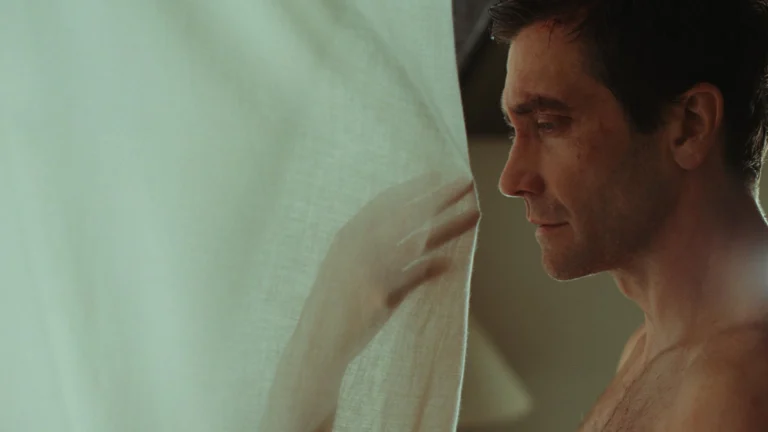
5 Ways ’28 Weeks Later’ Aged Poorly (And 5 Ways It Aged Masterfully)

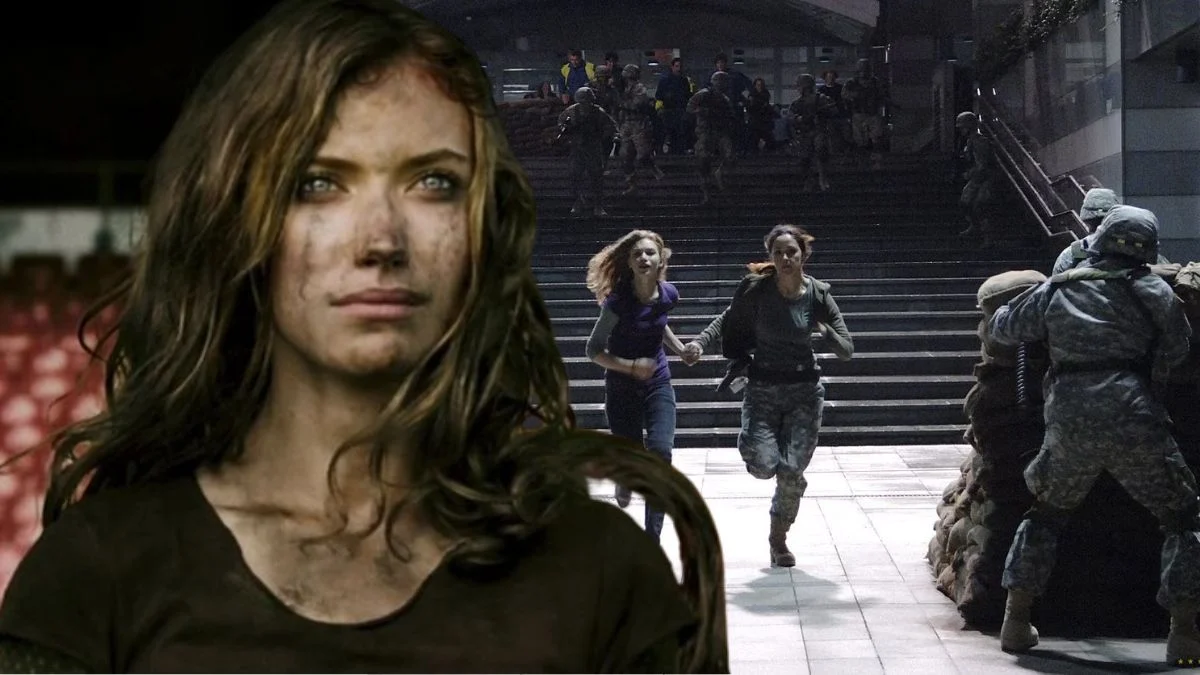

“28 Weeks Later” still sparks debate. Some parts feel fresh and bold. Others show their age. The film swings between sharp ideas and rough edges.
Below, we look at both sides. We move point by point. We keep things simple and clear. No fluff, just what holds up and what does not.
Aged Poorly: The “immune child” twist strains belief
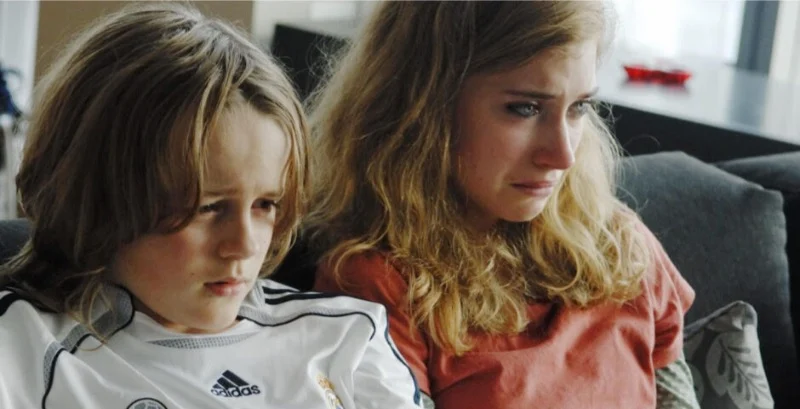
The story leans hard on one child’s special biology. It drives every big turn. It also makes many choices feel forced.
The twist creates easy shortcuts. It pushes characters into unsafe moves that seem unlikely. The virus rules also feel bent to make scenes happen.
Aged Masterfully: The opening escape is still brutal and unforgettable
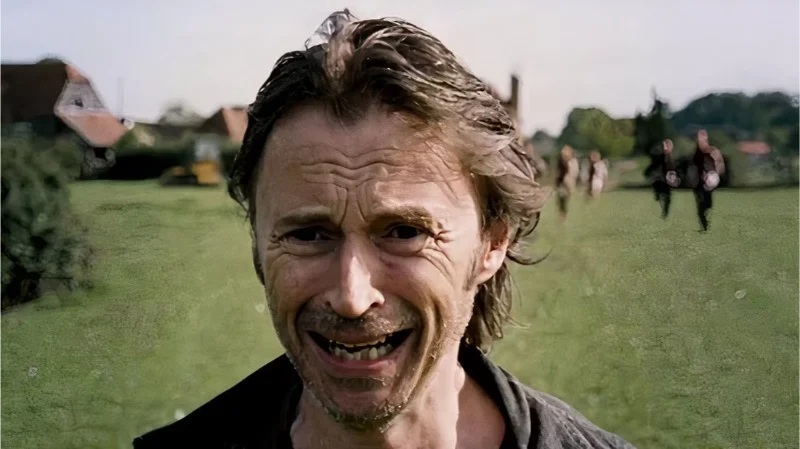
The first set piece hits fast and hard. It shows fear, betrayal, and split-second survival. You feel the cost from the first minutes.
That early shock sets the tone. It tells you no one is safe. It also explains the guilt and grief that echo through the rest of the film.
Aged Poorly: The containment plan looks shaky by modern standards
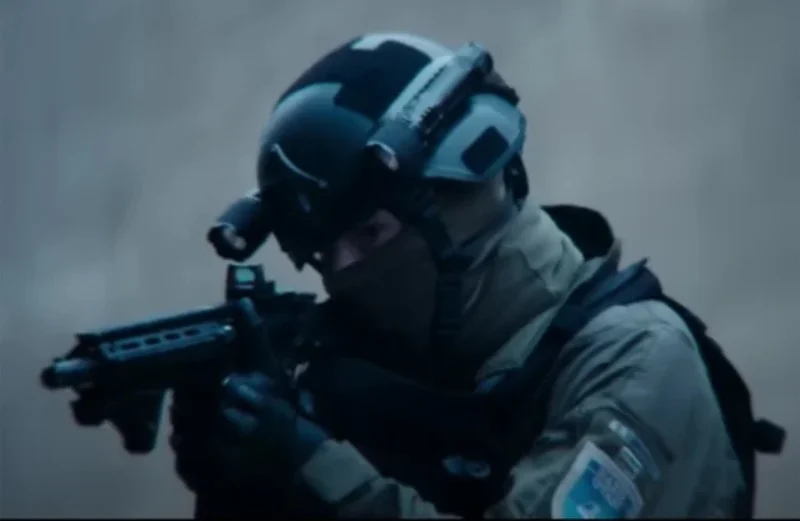
The rebuild zone promises safety and order. But rules are thin and checks are weak. People move too freely for such a threat.
When things go wrong, the response swings to extremes. It feels less like a plan and more like a plot switch. Today, it reads as unlikely.
Aged Masterfully: Empty-city imagery still chills
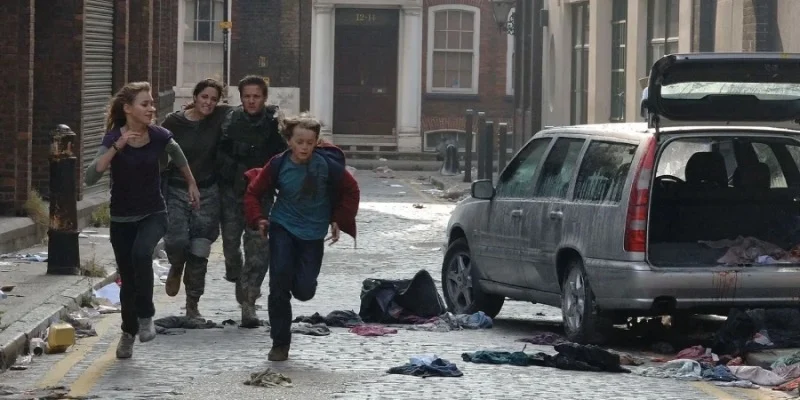
Wide shots of silent streets and vacant towers feel real. The calm is eerie. The small human figures sell the scale of loss.
Those images stick. They need no long setup. One look at an empty landmark tells the whole story of a world gone quiet.
Aged Poorly: Some CG blood and fire look dated
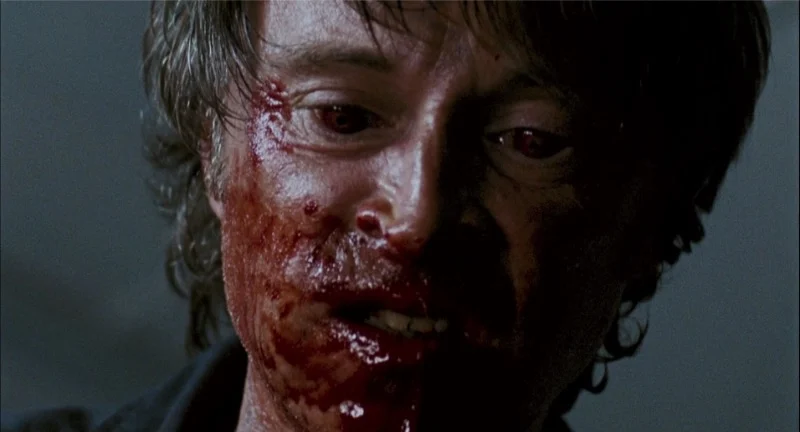
A few effects stand out now, and not in a good way. Digital splashes and flames break the illusion.
The helicopter sequence is the clearest case. It is wild, but the physics look loose. The moment lands, yet it also pulls you out.
Aged Masterfully: The cast gives the story weight

The actors make the danger feel close. Faces carry fear, guilt, and sudden resolve without big speeches.
Small beats between people sell the stakes. You believe their bonds. That keeps the drama grounded even when the plot goes big.
Aged Poorly: Key decisions feel unlikely
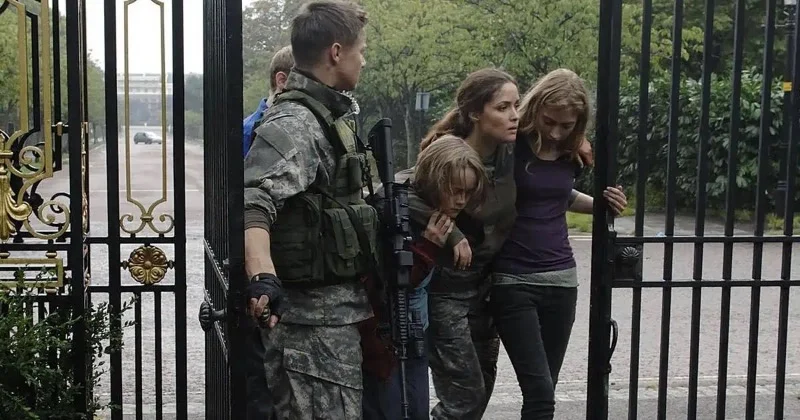
People in charge miss basic steps. Doors open that should stay shut. Kids slip past checks with ease.
These choices move the plot, but they break trust. Viewers today expect tighter controls in a crisis. The lapses feel built for convenience.
Aged Masterfully: The moral outlook is grim and honest
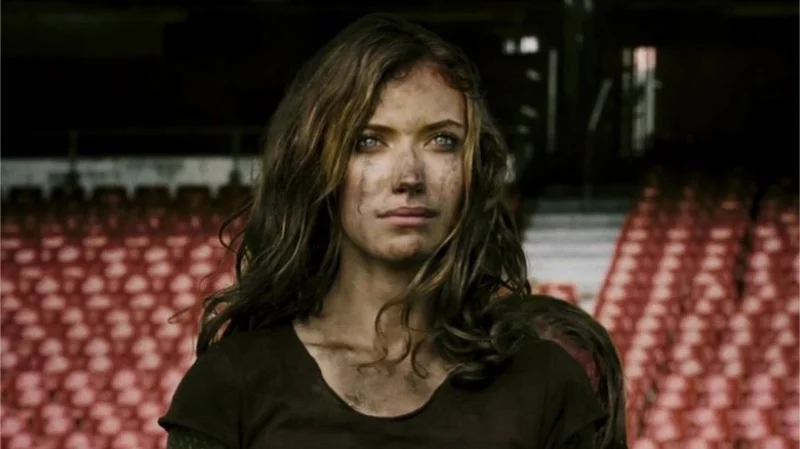
The film does not hand out easy wins. Survival has a price. Love and duty collide, and no one walks away clean.
That hard tone still works. It respects the audience. It shows how fear can twist even good people.
Aged Poorly: Some action is hard to read
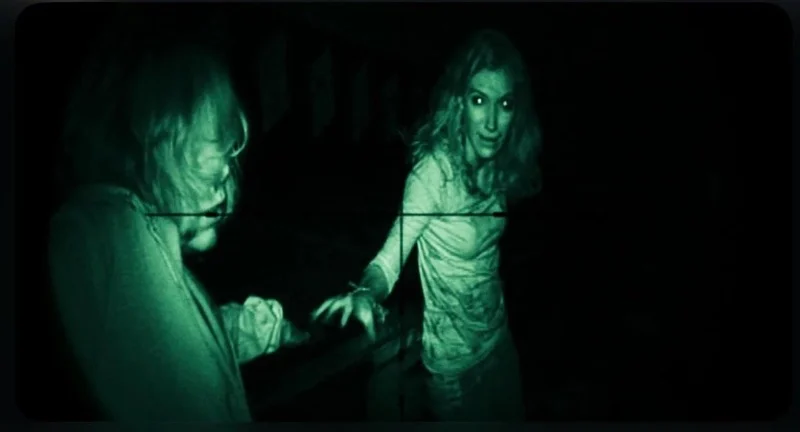
A few scenes are murky. Heavy shake and low light make it tough to track who is where.
The chaos fits the threat, but clarity drops. The result can tire the eyes and mute the impact.
Aged Masterfully: The global-final note still haunts
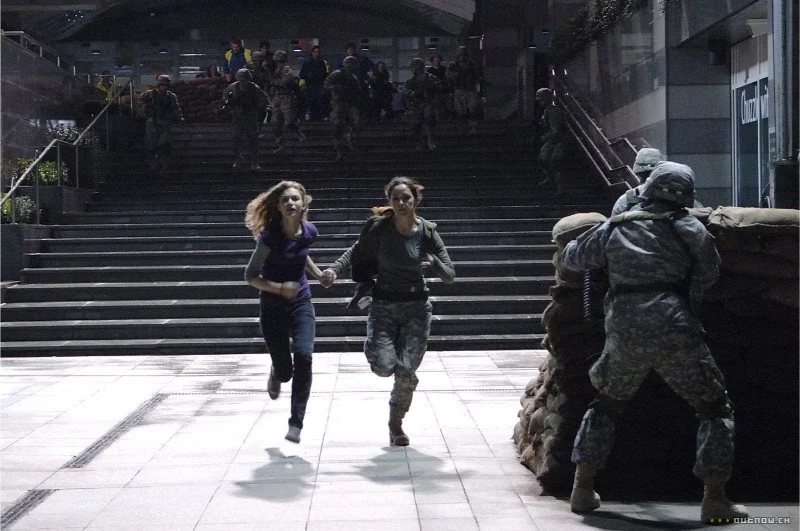
The last beat hints that the outbreak will not stay contained. One quick image says the problem just grew.
It leaves a cold echo. The idea of spread across borders feels all too real. The story ends on a sting that lingers.
Share your take: which moments from “28 Weeks Later” aged worst—and which aged best—tell us in the comments!