Woody Allen’s Career: From ‘What’s New Pussycat?’ to ‘Café Society’

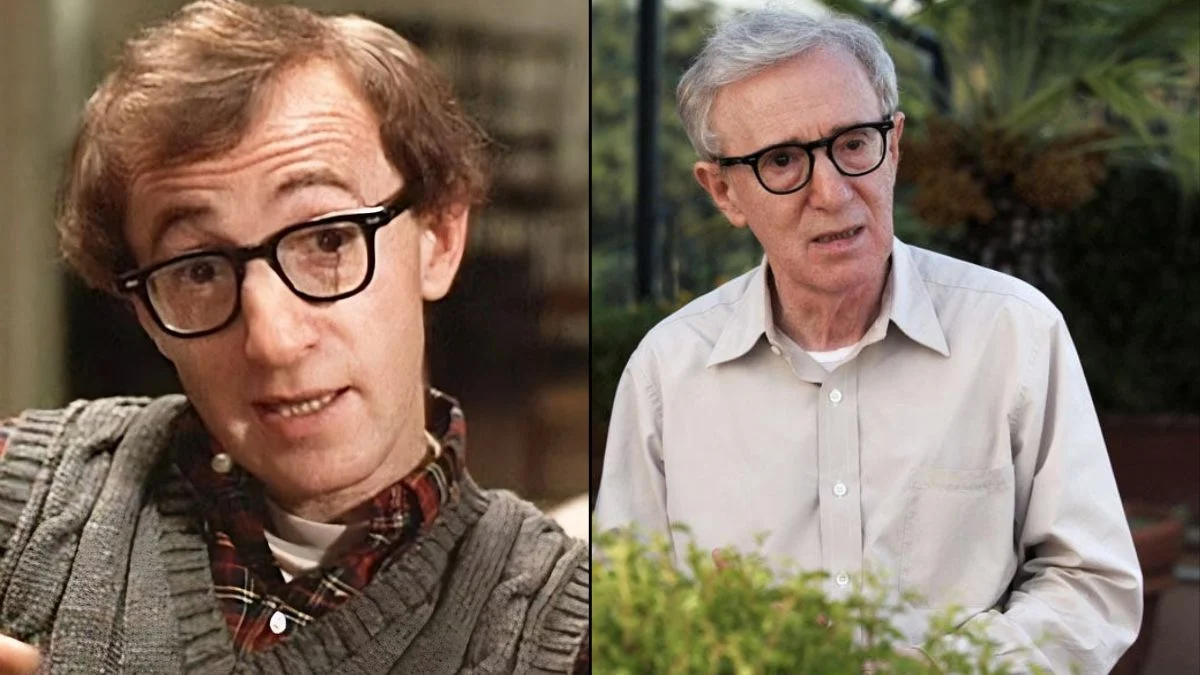

Woody Allen is a major figure in American film, known for his work as a director, writer, and actor. For over fifty years, he created a unique brand of comedy and drama, often exploring themes of love, death, and the meaning of life through a humorous and intellectual lens. His on-screen persona, typically a nervous, witty, and insecure New Yorker, became an iconic character in cinema. This character evolved over time but remained central to many of his most famous films.
From his early days as a screenwriter and stand-up comedian, Allen’s journey into acting was a natural progression. His first major acting roles in the 1960s established the persona that would define much of his career. He often played characters who were unlucky in love and out of place in the world, using sharp dialogue and physical comedy to great effect. This list explores some of the key films where Woody Allen appeared on screen, tracing the evolution of his acting career from slapstick comedy to more complex dramatic roles.
‘What’s New Pussycat?’ (1965)
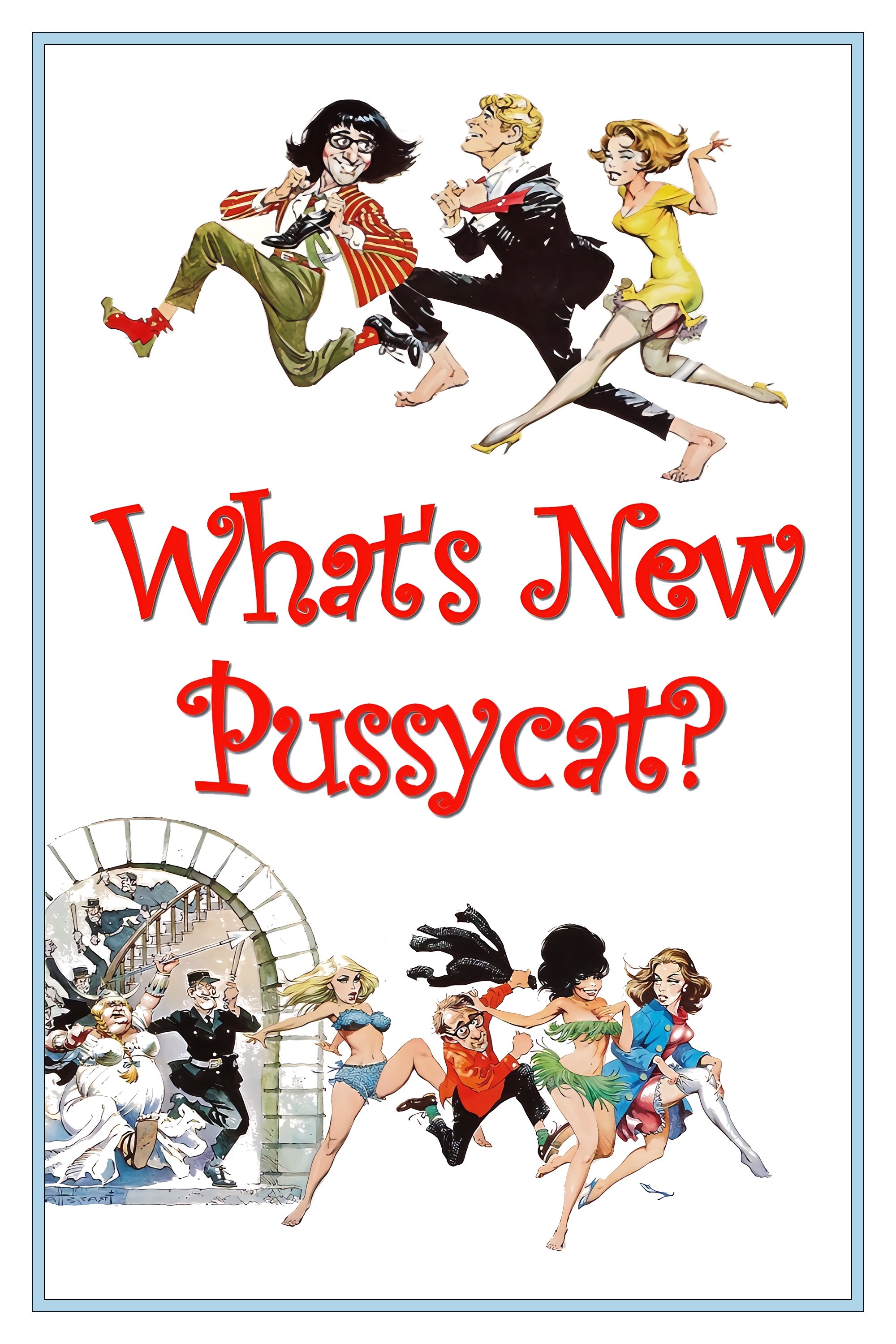
‘What’s New Pussycat?’ was Woody Allen’s first produced screenplay and his debut as an actor in a feature film. The movie is a chaotic comedy about a fashion editor who cannot stop cheating on his fiancée. Peter O’Toole plays the editor, Michael James, and Allen plays his nervous therapist, Victor Shakapopulis. The therapist himself has his own romantic problems and becomes entangled in the complicated love lives of his patients.
Allen’s role as Victor introduces the early version of his famous on-screen personality. He is anxious, socially awkward, and obsessed with his own failings, which creates much of the film’s humor. The movie was a commercial success and showed audiences Allen’s unique style of comedy for the first time. It set the stage for his future work, where he would continue to refine his character.
‘Take the Money and Run’ (1969)
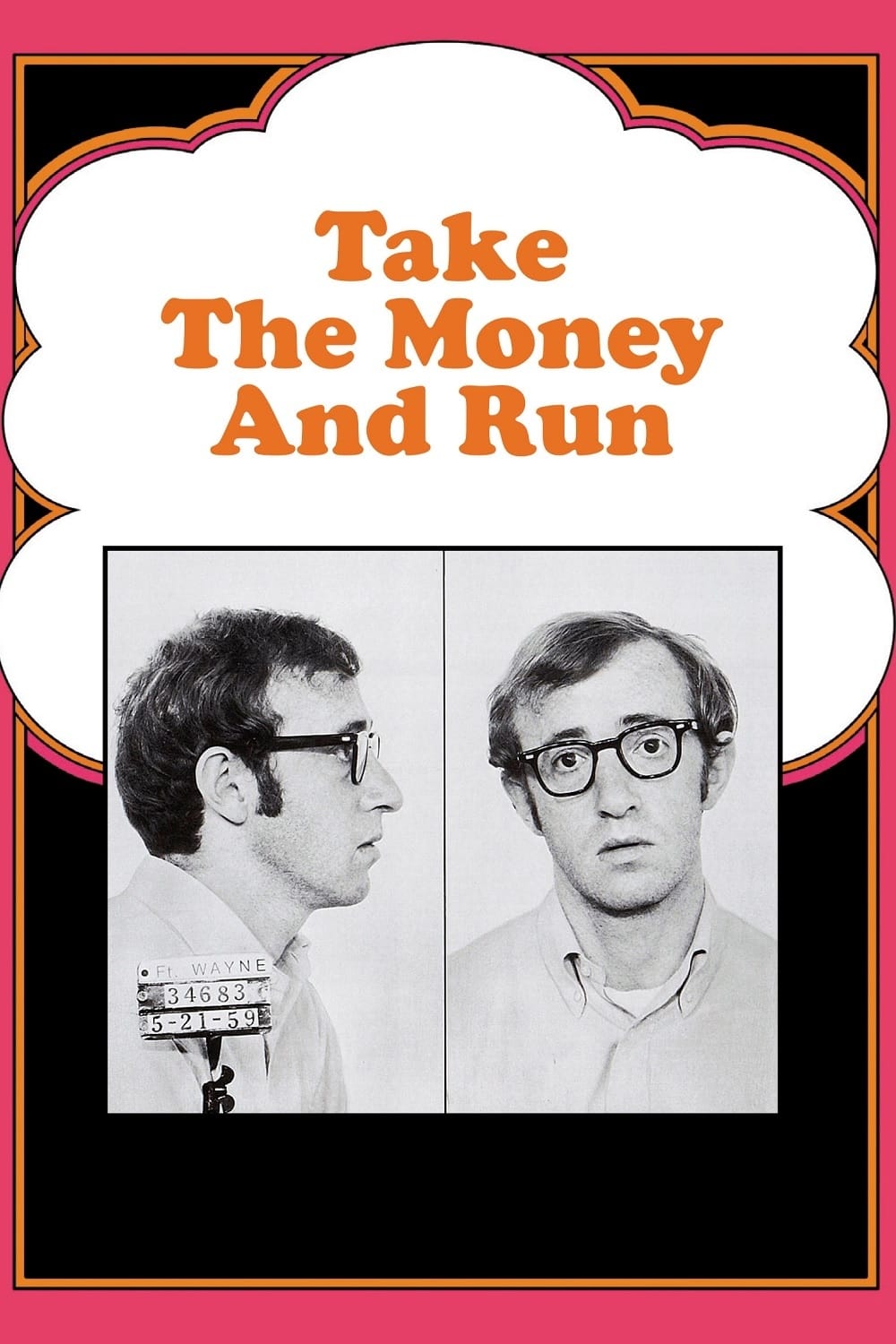
In ‘Take the Money and Run’, Woody Allen stars as Virgil Starkwell, an incompetent and clumsy criminal. The film is presented as a documentary, following Virgil’s life of crime from his childhood to his many failed robberies and prison escapes. Allen directed, co-wrote, and starred in the movie, giving him full creative control to showcase his brand of slapstick and absurd humor.
The character of Virgil Starkwell is a classic Allen creation: a man who tries hard but fails spectacularly at everything he does. His attempts at being a tough criminal, like robbing a bank with a poorly written note, are hilariously unsuccessful. The mockumentary format allows for a series of funny sketches and interviews that highlight the absurdity of Virgil’s life. It was a key film in establishing Allen as a leading comedic filmmaker and actor.
‘Bananas’ (1971)
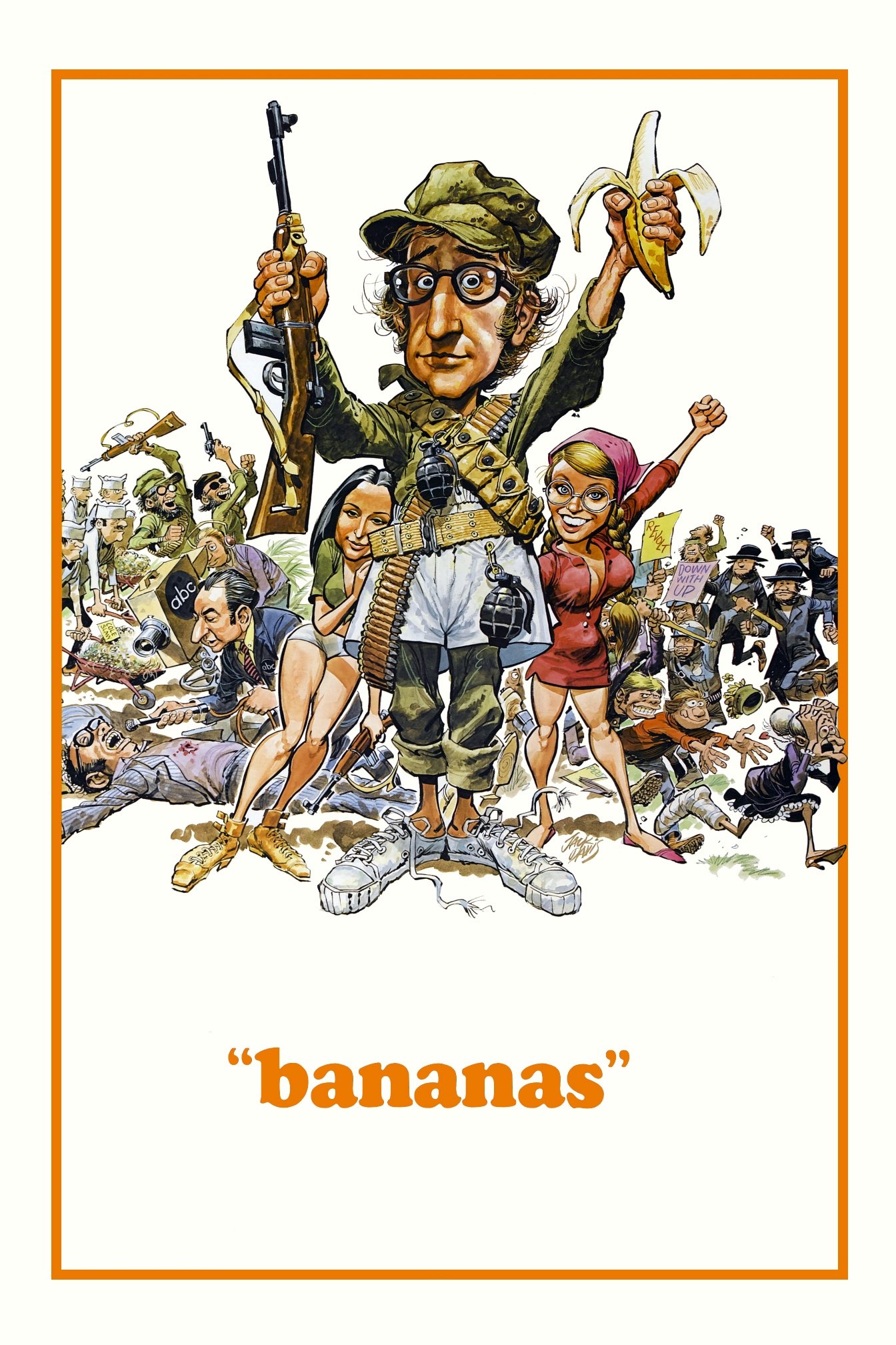
In ‘Bananas’, Allen plays Fielding Mellish, a bumbling New Yorker who gets dumped by his activist girlfriend. To win her back, he travels to a small Latin American nation and accidentally becomes involved in its revolution. Through a series of absurd events, the clumsy and neurotic Mellish ends up leading the rebels and eventually becomes the country’s president.
The film is a prime example of Allen’s early, purely comedic style, filled with slapstick, political satire, and surreal jokes. Allen’s character is an everyman thrown into an extraordinary situation, highlighting the absurdity of politics and revolutions. One famous scene involves Mellish ordering thousands of deli sandwiches to feed the rebel army. ‘Bananas’ solidified Allen’s reputation as a top comedic director and star of the 1970s.
‘Play It Again, Sam’ (1972)
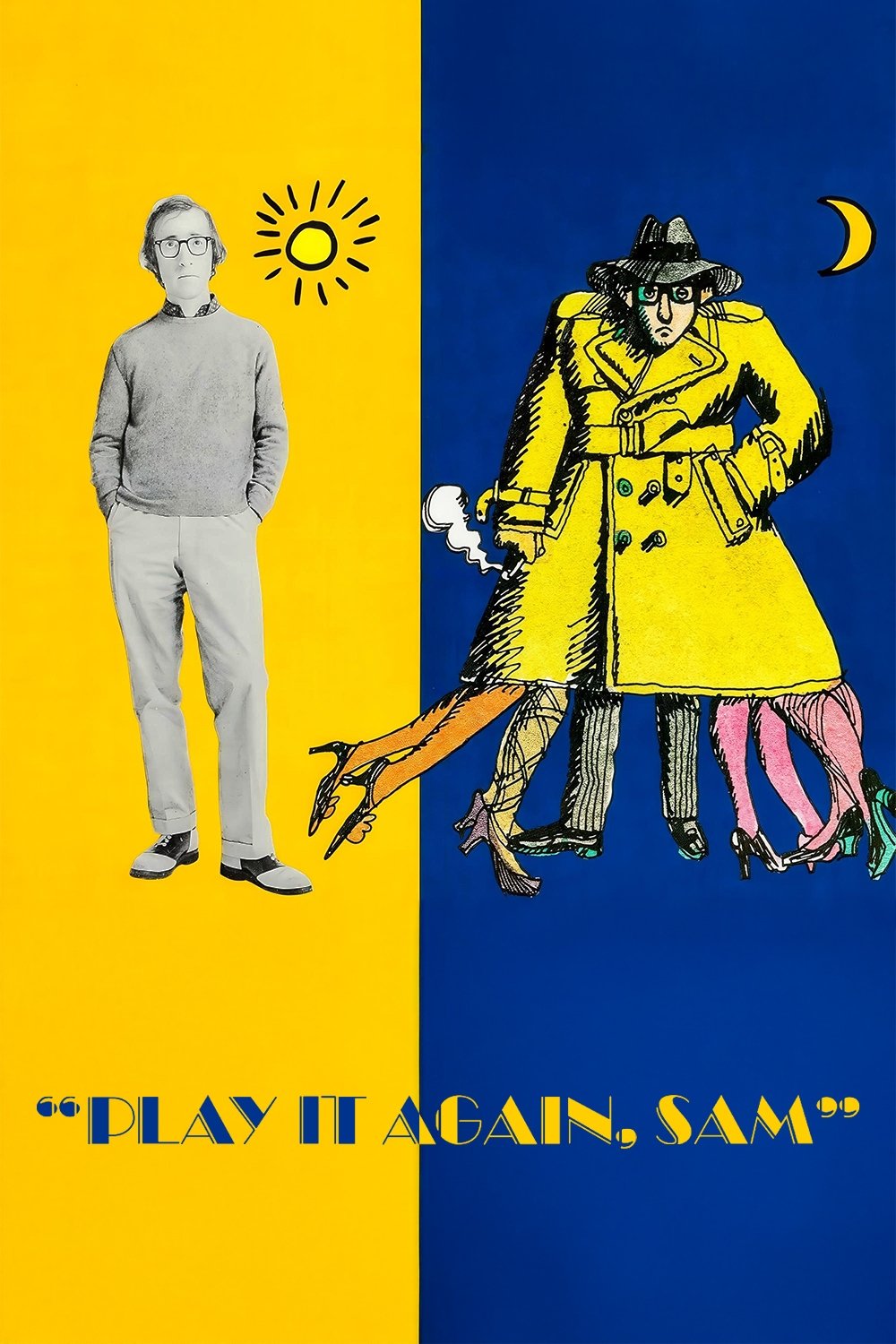
Woody Allen wrote and stars in ‘Play It Again, Sam’, though he did not direct it. He plays Allan Felix, a recently divorced film critic who is struggling to get back into the dating world. To help him, he receives imaginary advice from his hero, Humphrey Bogart, the star of ‘Casablanca’. His best friend, Dick, and his wife, Linda, also try to set him up on dates, which lead to a series of comedic disasters.
Allen’s character is a perfect example of his neurotic persona, obsessed with movies and insecure about his own life. The film explores his romantic anxieties as he eventually develops feelings for Linda, played by Diane Keaton. The chemistry between Allen and Keaton became a central part of many of his later films. ‘Play It Again, Sam’ is a funny and touching tribute to classic Hollywood movies and the challenges of modern romance.
‘Sleeper’ (1973)

‘Sleeper’ is a science fiction comedy directed by and starring Woody Allen. He plays Miles Monroe, a health-food store owner from 1973 who is cryogenically frozen after a botched operation. He wakes up 200 years later in a futuristic police state. The society is filled with strange technologies like the Orgasmatron and robot butlers. Miles is soon drawn into a rebellion against the country’s oppressive leader.
The film is a classic example of Allen’s early slapstick style, filled with visual gags and witty one-liners. As Miles, Allen is a man from the past trying to make sense of a bizarre future, which provides endless opportunities for comedy. He is paired with Diane Keaton, who plays the socialite Luna Schlosser. Their comedic partnership is central to the film’s charm as they run from the authorities and try to start a revolution.
‘Love and Death’ (1975)
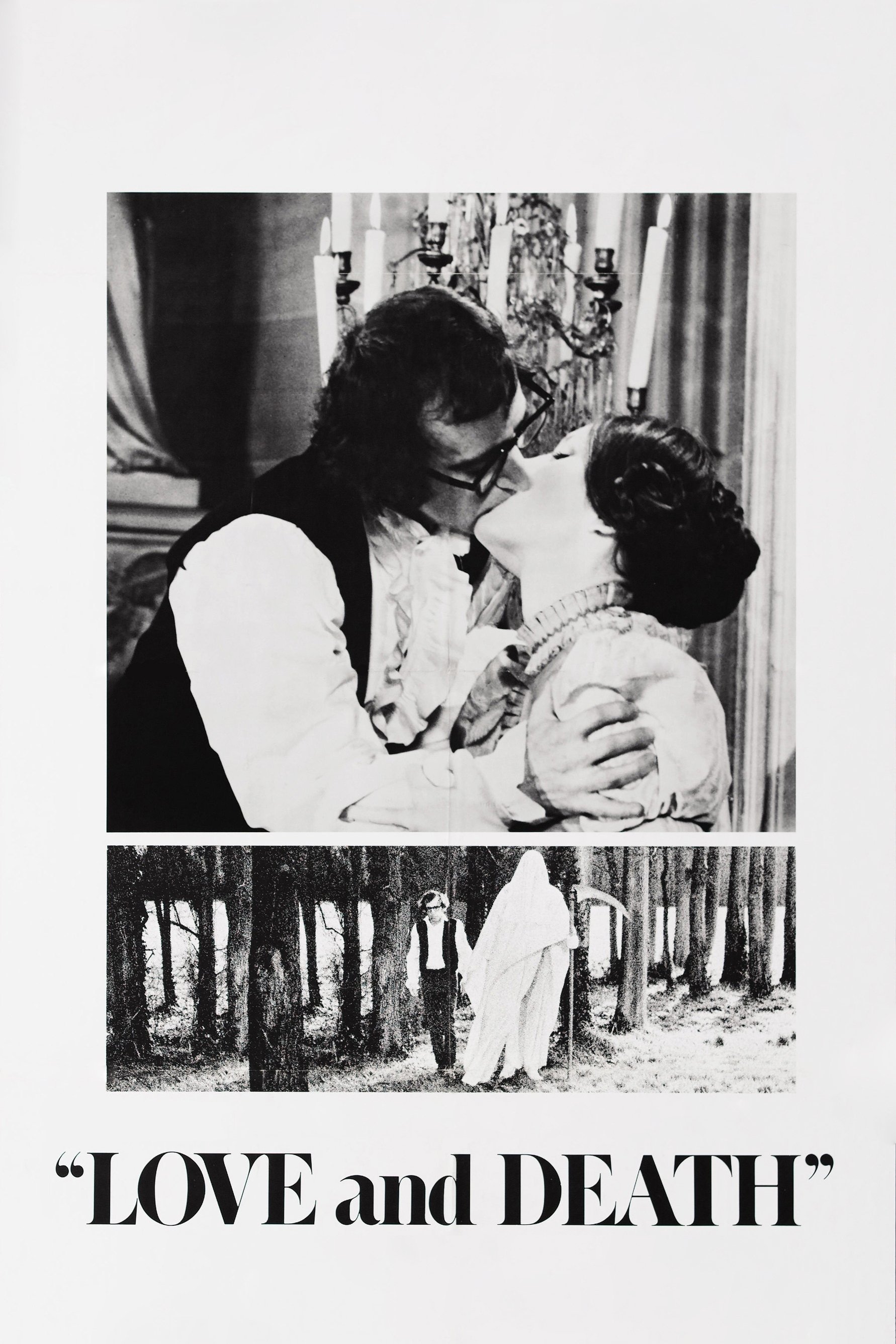
A satire of Russian literature and films, ‘Love and Death’ stars Woody Allen as Boris Grushenko, a cowardly and philosophical Russian living during the Napoleonic Wars. The film follows his misadventures as he is forced into the army, accidentally becomes a war hero, and gets involved in a plot to assassinate Napoleon. Diane Keaton co-stars as his cousin Sonja, with whom he shares long, mock-serious debates about life’s big questions.
‘Love and Death’ is considered by Allen to be one of his funniest early films. It combines his intellectual humor with slapstick comedy and parodies of classic Russian novels like ‘War and Peace’. Allen’s character, Boris, is terrified of death and unlucky in love, constantly wrestling with his anxieties in a comically absurd historical setting. The film is known for its witty dialogue and visual gags, representing a high point of his “early, funny” period.
‘Annie Hall’ (1977)
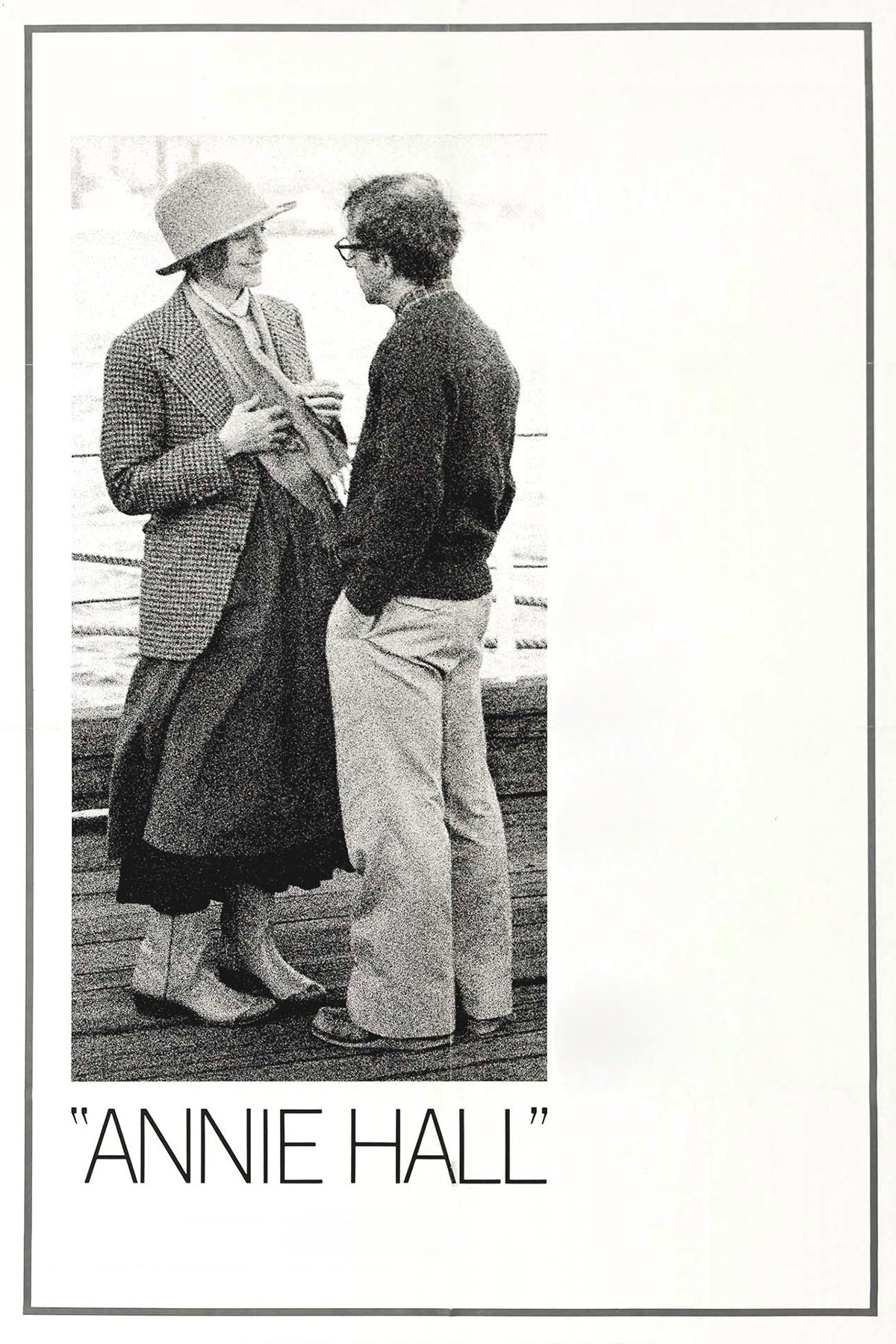
‘Annie Hall’ is one of Woody Allen’s most celebrated films, winning four Academy Awards, including Best Picture. Allen directed, co-wrote, and stars as Alvy Singer, a neurotic New York comedian who reflects on the end of his relationship with Annie Hall, played by Diane Keaton. The film tells their story in a non-linear way, jumping through time to show the beginning, middle, and end of their romance.
Alvy Singer is arguably the most definitive version of Allen’s on-screen persona. The character is known for his anxieties about life and death, his quick wit, and his intellectual commentary. The film breaks conventional storytelling rules by having characters talk directly to the audience and using animated sequences. It was a major step in Allen’s career, blending comedy with serious emotional depth and changing the romantic comedy genre.
‘Manhattan’ (1979)
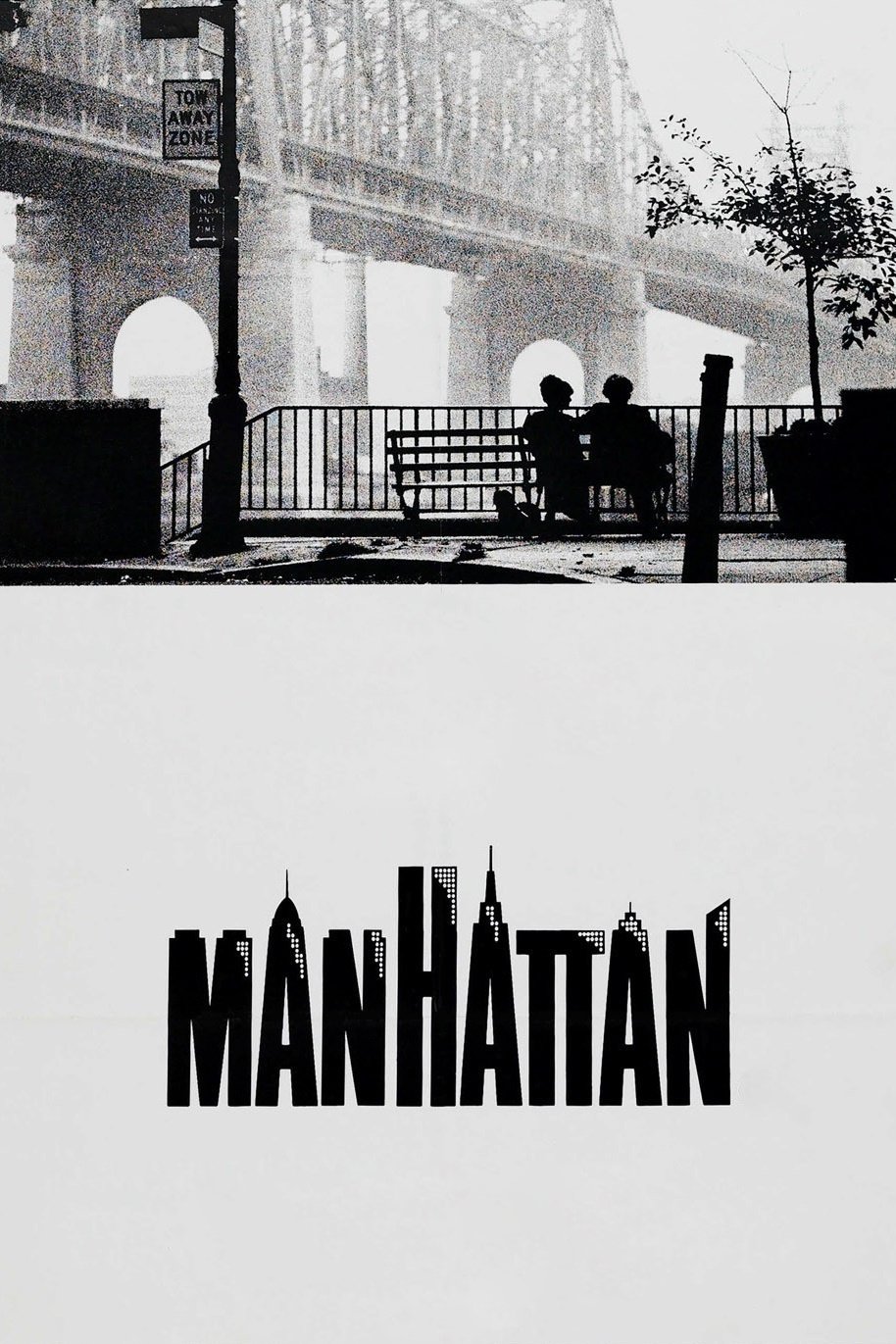
Shot in black and white, ‘Manhattan’ is a visual tribute to New York City and a complex story about relationships. Woody Allen plays Isaac Davis, a twice-divorced television writer who is unhappy with his job and his love life. He is dating a 17-year-old high school student but finds himself falling for his best friend’s mistress, Mary, played by Diane Keaton.
The film is celebrated for its beautiful cinematography, George Gershwin’s score, and its sharp, intelligent dialogue. Allen’s character, Isaac, struggles with moral questions about love and desire in a modern urban world. He represents a certain kind of New York intellectual, constantly analyzing his own feelings and the motivations of those around him. ‘Manhattan’ is a mature work that combines Allen’s signature humor with a more serious and sometimes somber look at human connections.
‘Zelig’ (1983)

Presented as a 1920s-style documentary, ‘Zelig’ is one of Allen’s most technically ambitious films. He stars as Leonard Zelig, a “human chameleon” who has a strange disorder that causes him to physically and mentally take on the characteristics of the people around him. This ability makes him a celebrity, and he becomes a pop culture phenomenon. The film uses a mix of new footage and cleverly integrated archival newsreels to tell his story.
Allen’s performance as Zelig is a commentary on conformity and the desire to fit in. The character is a blank slate, reflecting the personalities of everyone from gangsters to historical figures like Adolf Hitler. The film is both a funny mockocumentary and a thoughtful exploration of identity. Dr. Eudora Fletcher, played by Mia Farrow, studies Zelig and tries to cure him, leading to a unique and complicated love story.
‘Broadway Danny Rose’ (1984)
In this black-and-white comedy, Woody Allen plays the title character, a kind-hearted but unsuccessful theatrical agent. Danny Rose represents a collection of odd and untalented acts, like a blind xylophone player and a stuttering ventriloquist. His one promising client is a lounge singer named Lou Canova. The plot gets complicated when Danny has to pretend to be the boyfriend of Lou’s mistress, Tina (played by Mia Farrow), which gets him in trouble with the mob.
The story is told in flashback by a group of comedians reminiscing at New York’s Carnegie Deli. Allen portrays Danny Rose as a lovable loser who is completely dedicated to his clients, even when they eventually leave him for better agents once they find success. The film is considered a funny and affectionate tribute to the lower levels of show business and features one of Allen’s most touching and memorable characters.
‘Hannah and Her Sisters’ (1986)

‘Hannah and Her Sisters’ tells the story of a large and complicated family over the course of two years. The film’s narrative is woven around three sisters: Hannah, Holly, and Lee. Woody Allen plays Mickey Sachs, Hannah’s ex-husband, a hypochondriac television producer who has an existential crisis after a health scare. His search for meaning leads him to explore different religions and ways of life.
Mickey’s story is one of the film’s central plots and provides much of its comedy and emotional weight. His journey is filled with anxiety and despair, but it ultimately leads to a hopeful conclusion about finding happiness in life’s simple moments. The film was a major critical and commercial success, winning three Academy Awards. It is considered one of Allen’s best films for its skillful blend of comedy and drama and its complex, realistic characters.
‘Crimes and Misdemeanors’ (1989)
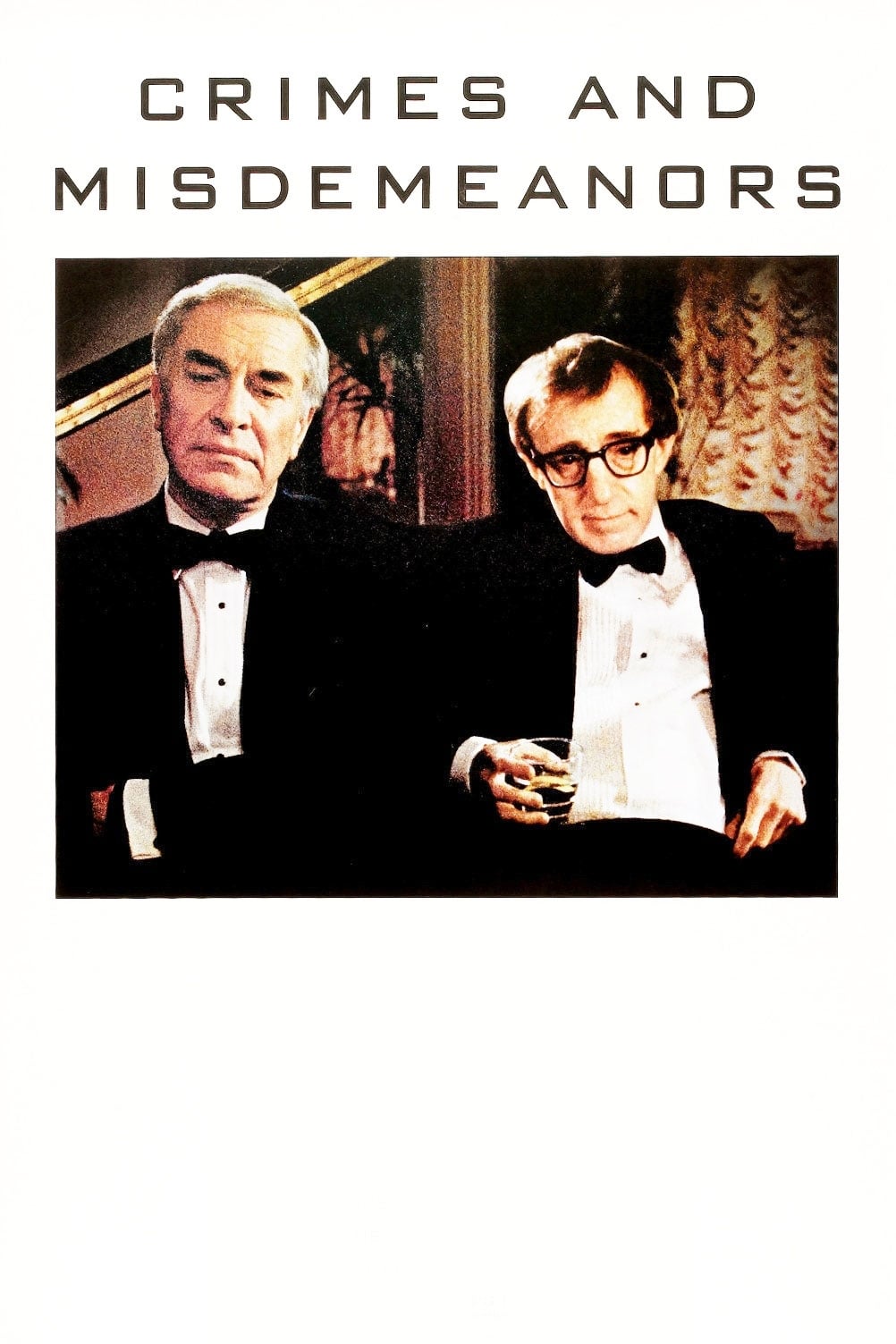
‘Crimes and Misdemeanors’ is a serious film that explores questions of morality and guilt through two separate storylines that eventually connect. In one story, an ophthalmologist murders his mistress to protect his reputation. In the other, Woody Allen plays Cliff Stern, a documentary filmmaker who is hired to make a film about his arrogant brother-in-law, a successful TV producer.
Allen’s character, Cliff, is an idealist who struggles with his lack of success and his failing marriage. He falls in love with a producer, played by Mia Farrow, but finds himself competing for her affection with the very man he despises. The film contrasts Cliff’s minor personal struggles with the major moral crimes of the ophthalmologist. It is a dark and thought-provoking work that questions whether there is any real justice in the universe.
‘Mighty Aphrodite’ (1995)
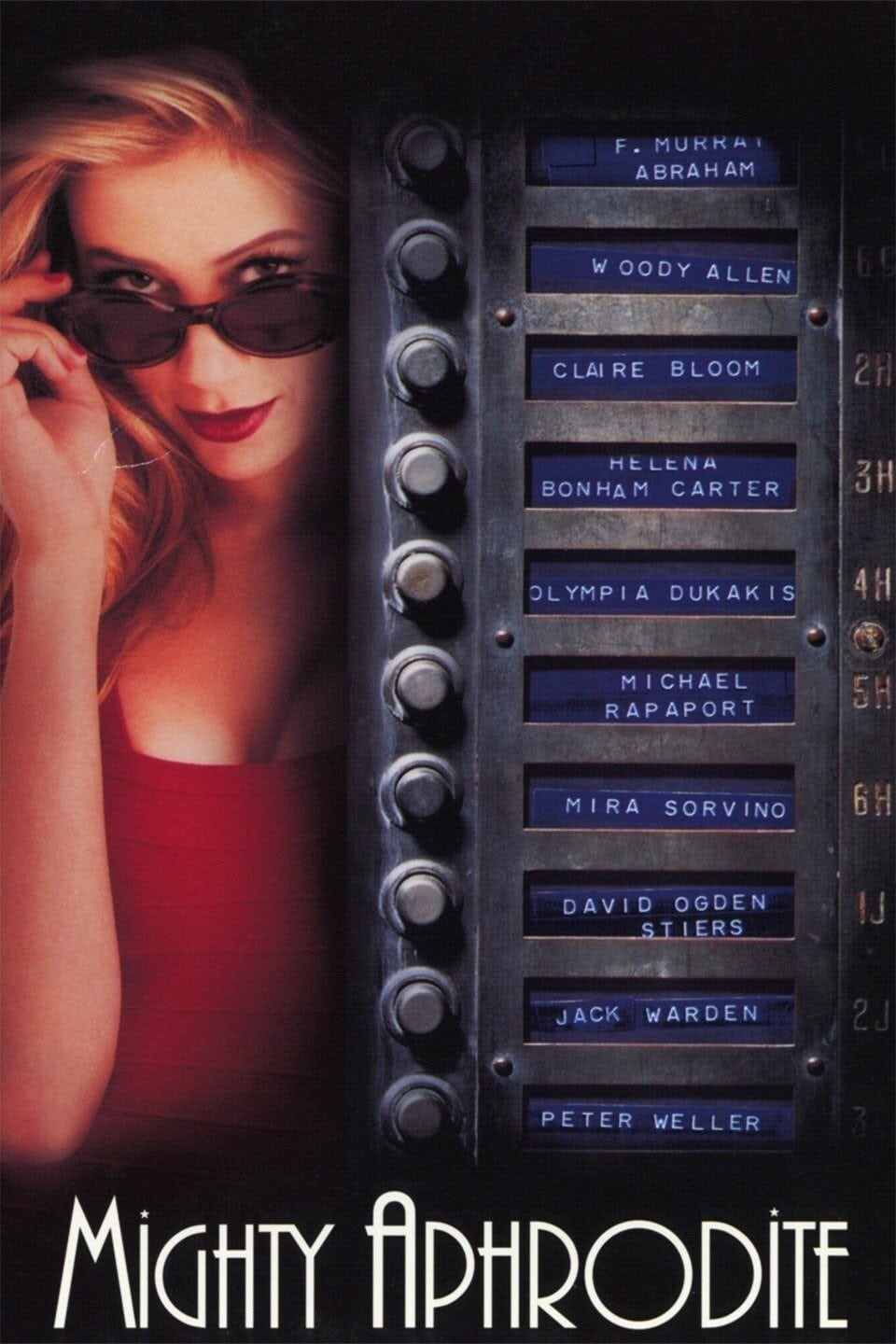
In ‘Mighty Aphrodite’, Woody Allen plays Lenny Weinrib, a sportswriter who becomes obsessed with finding the biological mother of his brilliant adopted son. His search leads him to Linda Ash, a dim-witted but kind-hearted prostitute and part-time adult film actress, played by Mira Sorvino. The film’s structure is inspired by Greek tragedy, featuring a Greek chorus that comments on the action from an ancient theater.
Lenny is shocked by Linda’s profession and personality but also grows fond of her innocence and good nature. He takes it upon himself to “fix” her life, trying to set her up with a more suitable partner and get her out of the sex trade. Allen’s character is a classic neurotic New Yorker, but his quest to understand his son’s origins leads him into an unlikely and touching friendship. Mira Sorvino won an Academy Award for her performance in the film.
‘Deconstructing Harry’ (1997)
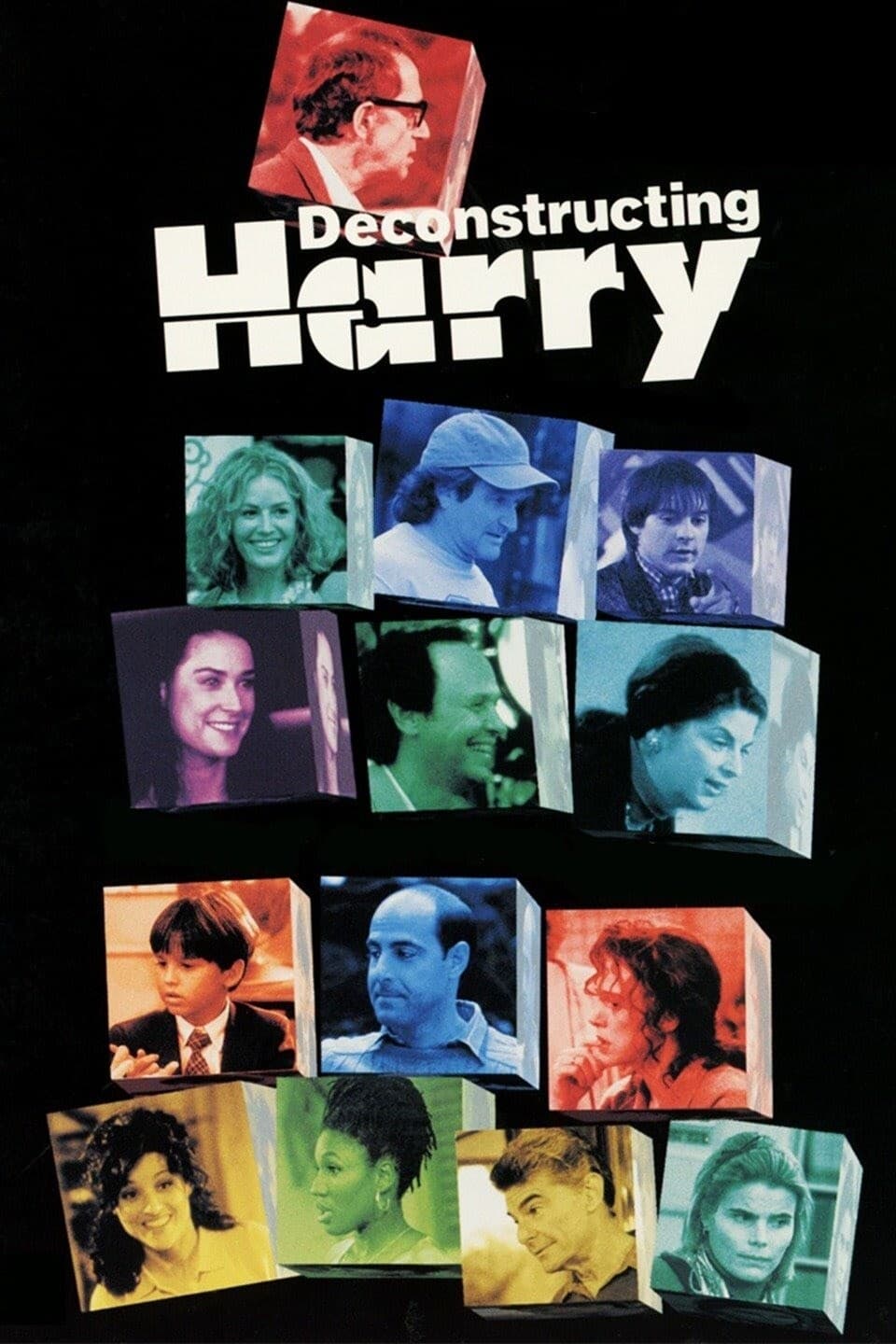
‘Deconstructing Harry’ is a dark comedy starring Woody Allen as Harry Block, a successful novelist who has angered his family and ex-lovers by using details of their lives in his books. The film follows Harry as he travels to his old university to accept an award, bringing along a friend, a prostitute, and his kidnapped son. Along the way, he is confronted by the real people from his past and the fictional characters he created.
The film’s structure is unconventional, mixing Harry’s real-life journey with scenes from his novels. This allows the story to explore the relationship between art and life in a creative way. Allen plays Harry as a deeply flawed and selfish man who is struggling with the consequences of his actions. It is a very direct and sometimes harsh comedy that examines the responsibilities of an artist.
‘Antz’ (1998)

In the animated film ‘Antz’, Woody Allen voices Z, a neurotic and individualistic worker ant. Z feels insignificant in his conformist colony and dreams of a better life. He falls in love with the rebellious Princess Bala and, through a series of mix-ups, ends up leading a revolution against the colony’s militaristic leader, General Mandible.
Allen’s voice work brings his classic on-screen persona to the character of Z. The ant is anxious, full of witty complaints, and yearns for personal fulfillment, much like the human characters Allen often plays. The film was the first animated feature from DreamWorks Animation and was praised for its humor and themes of individuality. Allen’s character shares facial similarities with the actor, adding to the connection between the voice and the animation.
‘Scoop’ (2006)
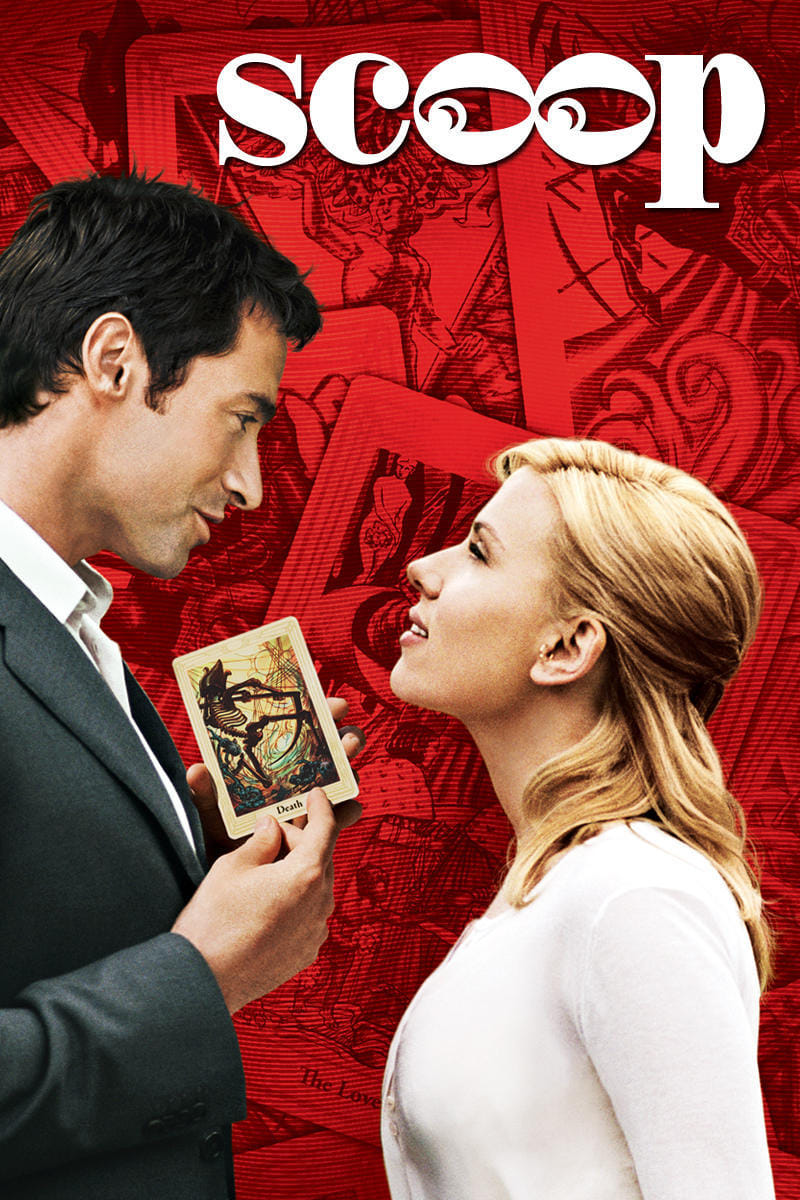
‘Scoop’ is a lighthearted comedy that pairs Woody Allen with Scarlett Johansson. Johansson plays Sondra Pransky, an American journalism student in London who receives a career-making tip from the ghost of a dead reporter. The ghost claims that a wealthy aristocrat is a serial killer. To investigate the story, Sondra enlists the help of a clumsy stage magician named Sid Waterman, played by Allen.
In this film, Allen returns to a more purely comedic role, similar to his earlier work. As Sid, he is a classic Allen character: nervous, full of wisecracks, and reluctantly drawn into a dangerous situation. He poses as Sondra’s father as they try to get close to the suspected killer. The chemistry between Allen and Johansson drives the film, which blends murder mystery with screwball comedy.
‘To Rome with Love’ (2012)
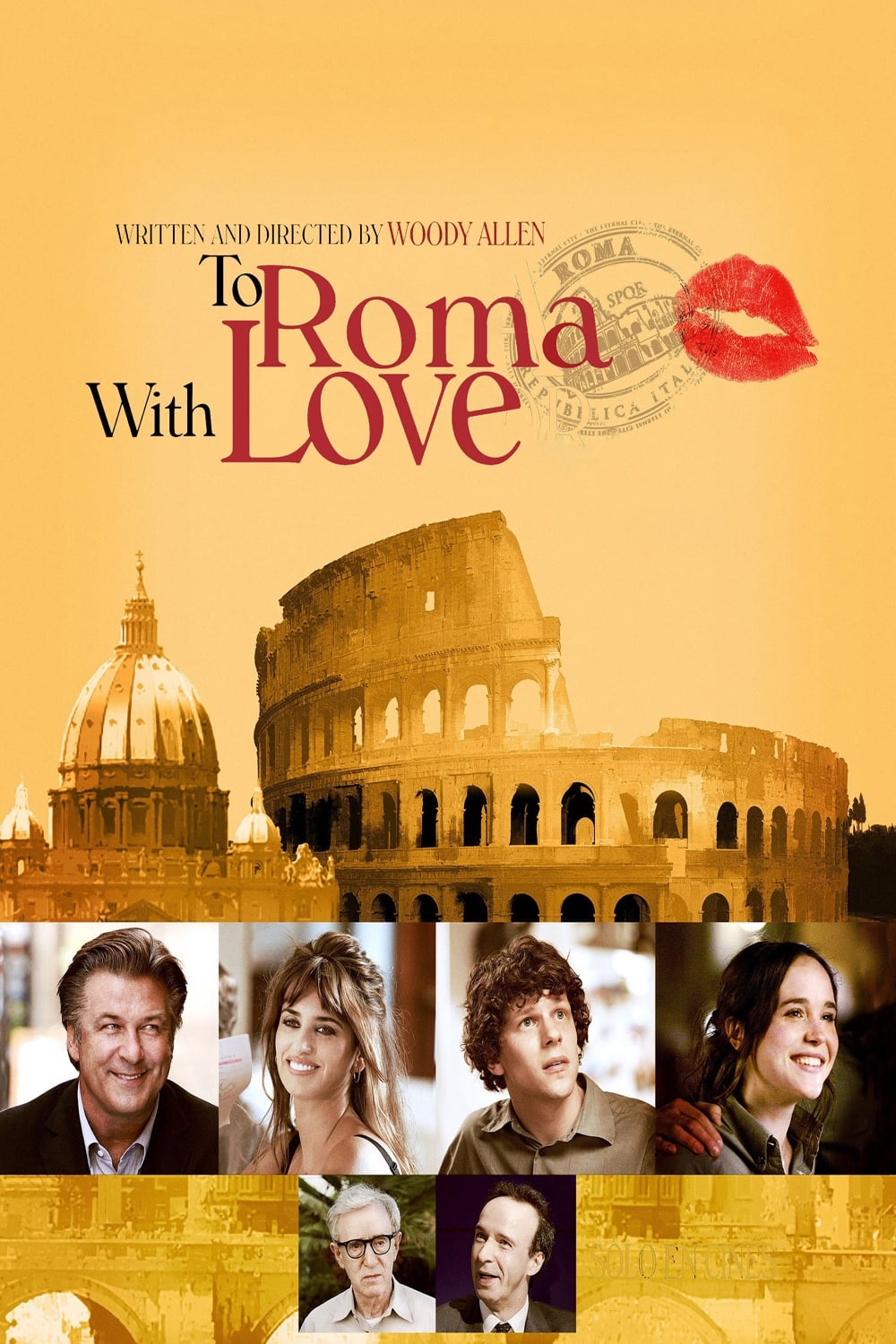
This film presents four separate stories that take place in Rome, and it marked Woody Allen’s first on-screen acting role since 2006. Allen plays Jerry, a retired and neurotic opera director visiting the city with his wife, Phyllis. He discovers that his daughter’s future father-in-law has an incredible operatic voice, but only when he sings in the shower.
Jerry becomes obsessed with bringing this hidden talent to the world, leading to the absurd spectacle of putting a working shower on an opera stage. Allen’s character embodies his familiar anxieties and obsessive tendencies, this time channeled into the world of high culture. The film is a light, magical realist comedy that uses the city of Rome as a backdrop for its various romantic and farcical tales.
‘Café Society’ (2016)
While not appearing on screen, Woody Allen serves as the narrator for ‘Café Society’. His voice guides the audience through the story of Bobby Dorfman, a young man from the Bronx who moves to Hollywood in the 1930s. There, he falls in love with his uncle’s secretary, Vonnie, and gets swept up in the glamorous world of movie stars and socialites.
Allen’s narration provides a nostalgic and often weary commentary on the characters’ lives, reflecting on themes of love, ambition, and regret. The voice-over acts as a guide into the world of the film, connecting the different parts of the story and adding to its reflective tone. Although the film is not directly autobiographical, the main character, played by Jesse Eisenberg, has many of Allen’s classic neurotic and fast-talking mannerisms.
Which other acting roles from Woody Allen’s extensive filmography do you think are the most memorable?