Weird Celebrity Deaths You’ve Never Heard Of


Some celebrity deaths are so unusual that they changed safety rules, inspired new laws, or left experts reviewing what went wrong. These cases span a full century of entertainment history and include accidents on film sets, freak equipment failures, and encounters with animals that rarely turn deadly. Each entry below includes clear details on what happened, where it happened, and what followed.
The goal here is to give you straightforward facts that can be checked against records and reports. You will find dates, locations, and outcomes, along with any documented aftermath such as investigations or industry reforms. No speculation is included, only details that help explain why each case still gets cited in safety briefings and biographies.
Isadora Duncan
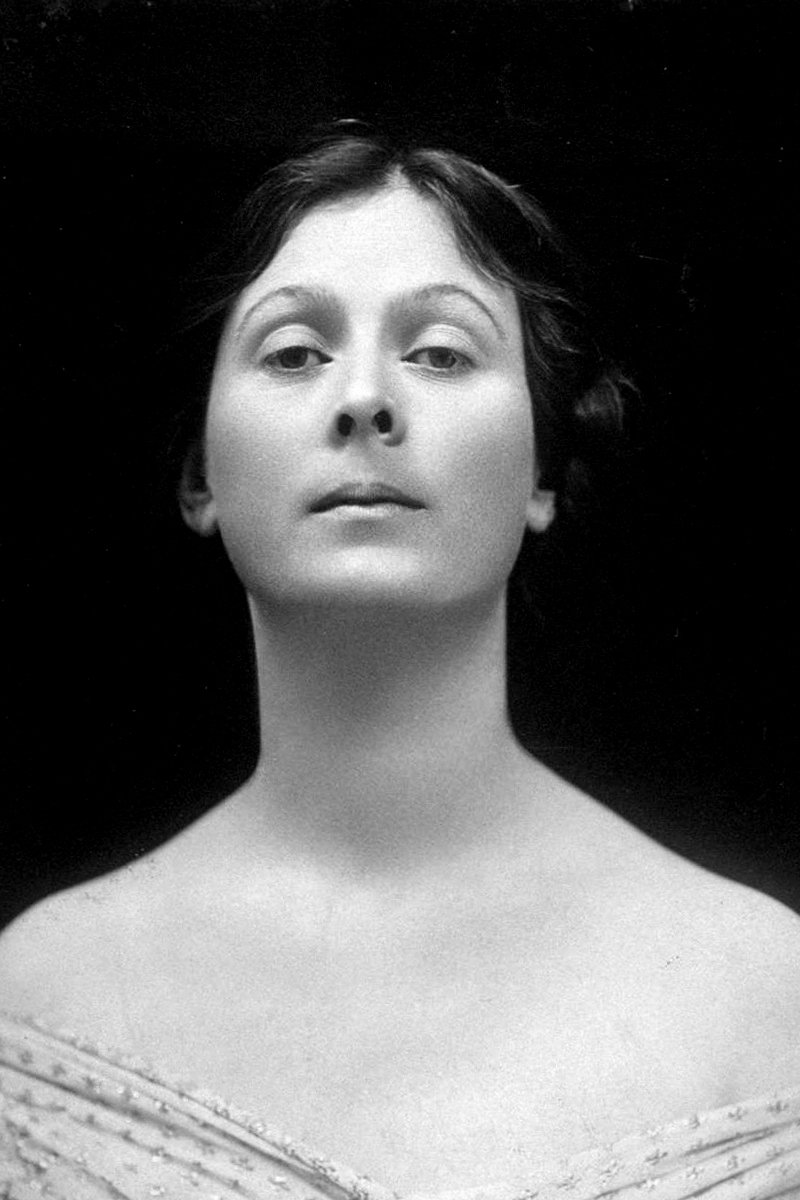
The dancer died in Nice in 1927 when a long silk scarf became entangled in the wheel assembly of an open car and pulled tight around her neck. Witness accounts describe the car moving only a short distance before the scarf tightened and caused a fatal neck injury. She was pronounced dead at the scene and her companion was not charged.
Newspapers and legal records from that week note that the car was a sporty convertible and that the scarf had trailing ends far longer than common streetwear. The incident prompted fashion column notes and driving advisories in Europe that warned about loose garments near moving parts.
Tennessee Williams
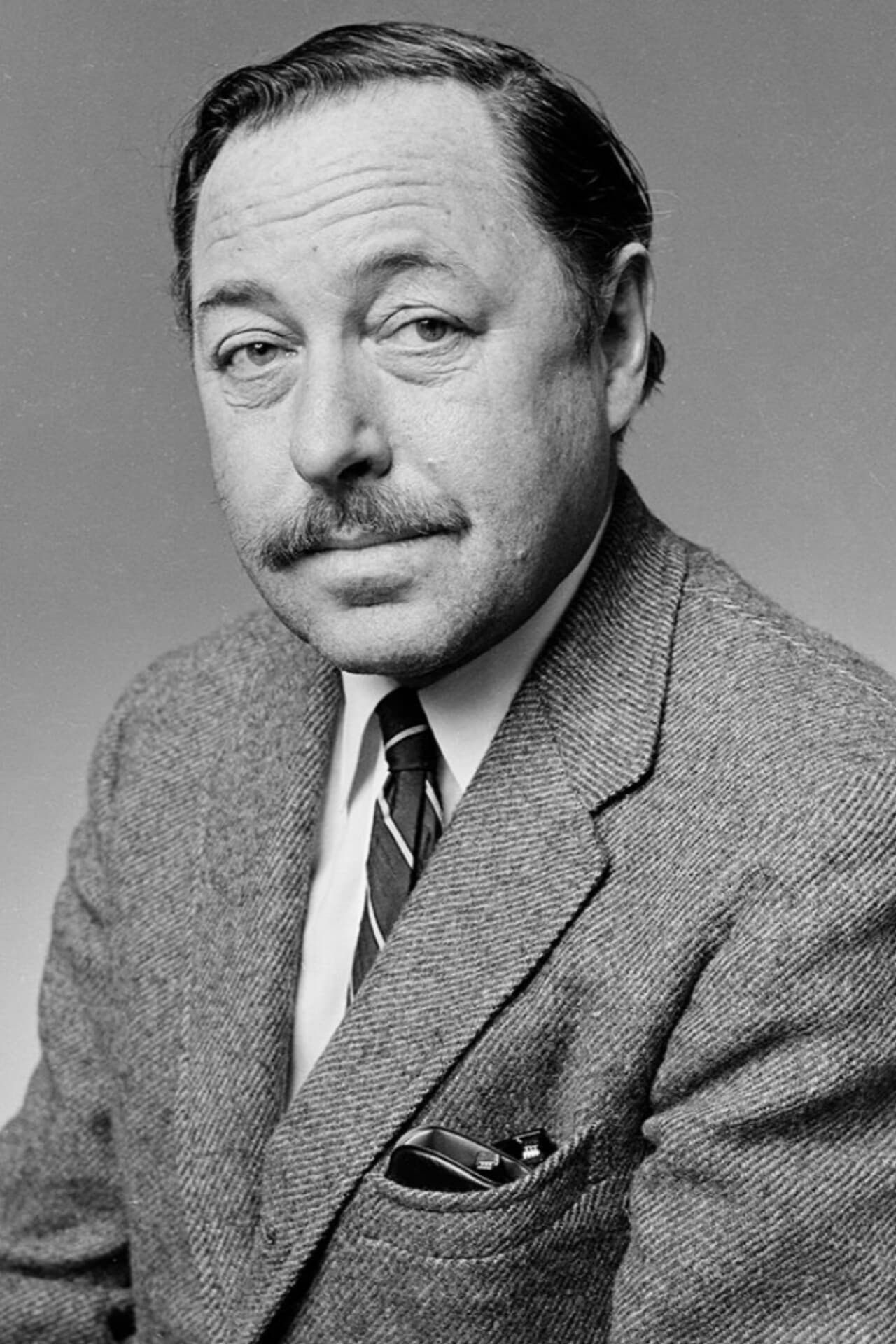
The playwright died in New York City in 1983. The medical examiner reported that he choked on a small plastic cap from a medicine container that was in his mouth while he was preparing to use it. The death was ruled accidental and no foul play was indicated in the report.
Court filings and estate documents show that his effects were inventoried and that routine toxicology was completed. The finding led to renewed packaging guidance for small caps on over the counter products since similar caps had been linked to prior choking incidents.
Vic Morrow
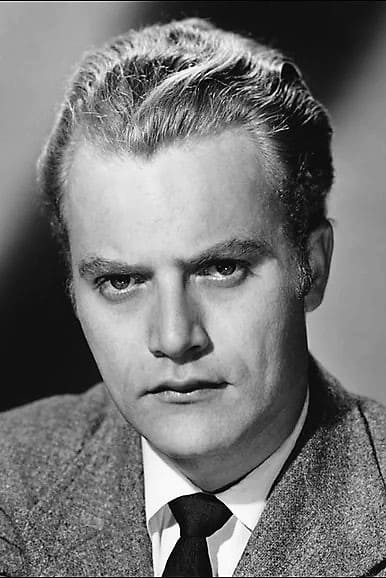
The actor died in California in 1982 during a night shoot for the anthology film ‘Twilight Zone: The Movie’. A low flying helicopter lost control during a special effects sequence and crashed near him and two child actors, resulting in three fatalities. The production halted and state and federal investigations began immediately.
The criminal case that followed examined set safety, pilot briefings, and the use of pyrotechnics near aircraft. Civil settlements were reached and studios strengthened risk assessments for scenes that combined children, explosives, and aircraft. The accident is still used in production safety training.
Brandon Lee
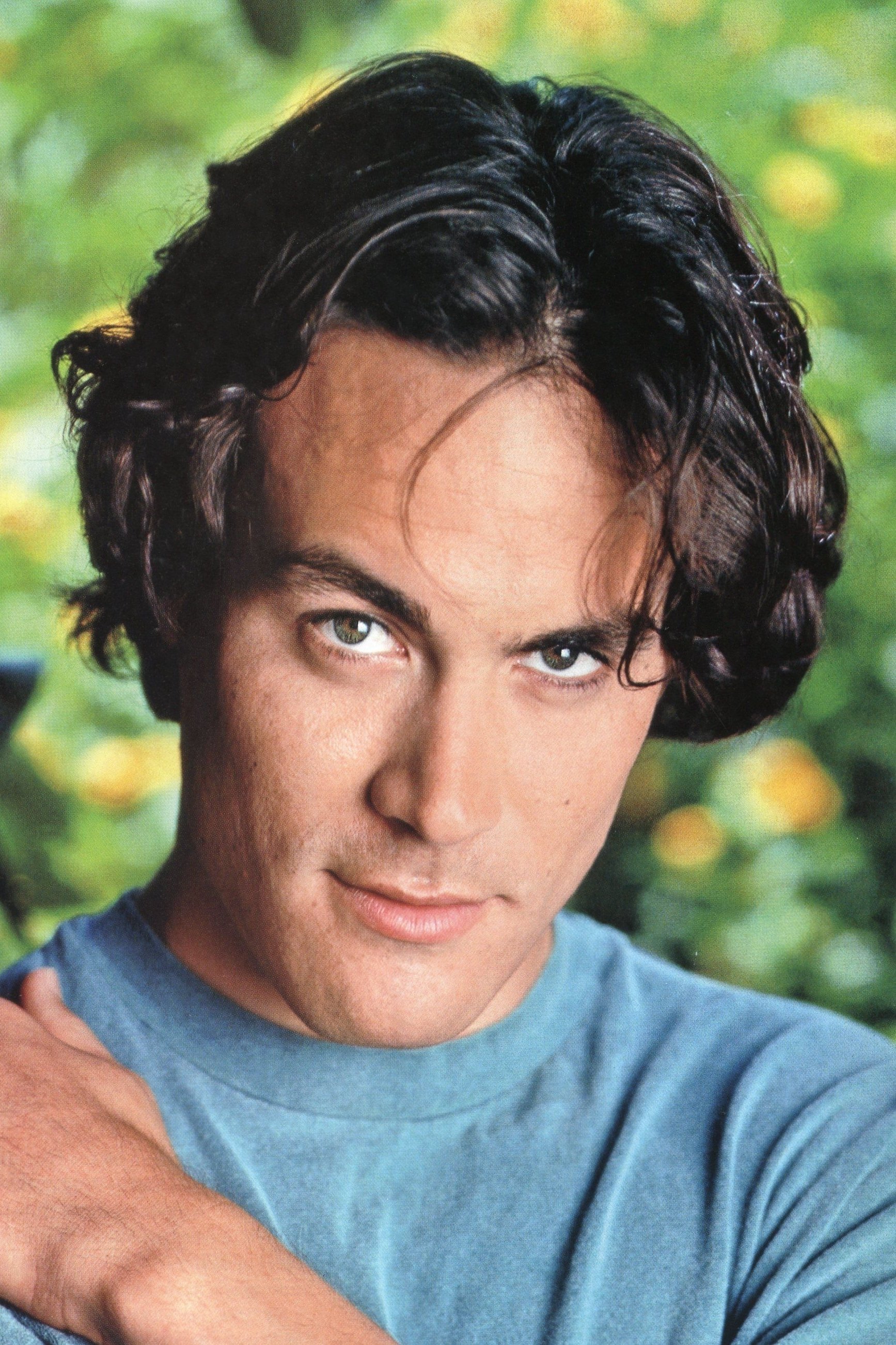
The actor died in North Carolina in 1993 while filming ‘The Crow’. A revolver that was meant to fire blanks discharged a projectile because an earlier dummy round had left a bullet component lodged in the barrel. When a blank was fired, the gas pressure propelled the lodged piece into his abdomen and he later died at a hospital.
Production logs and safety reviews show that the prop department had changed ammunition types during the shoot. The case prompted stricter chain of custody rules for firearms on sets and expanded the use of non firing replicas with digital muzzle flashes in post production.
Martha Mansfield
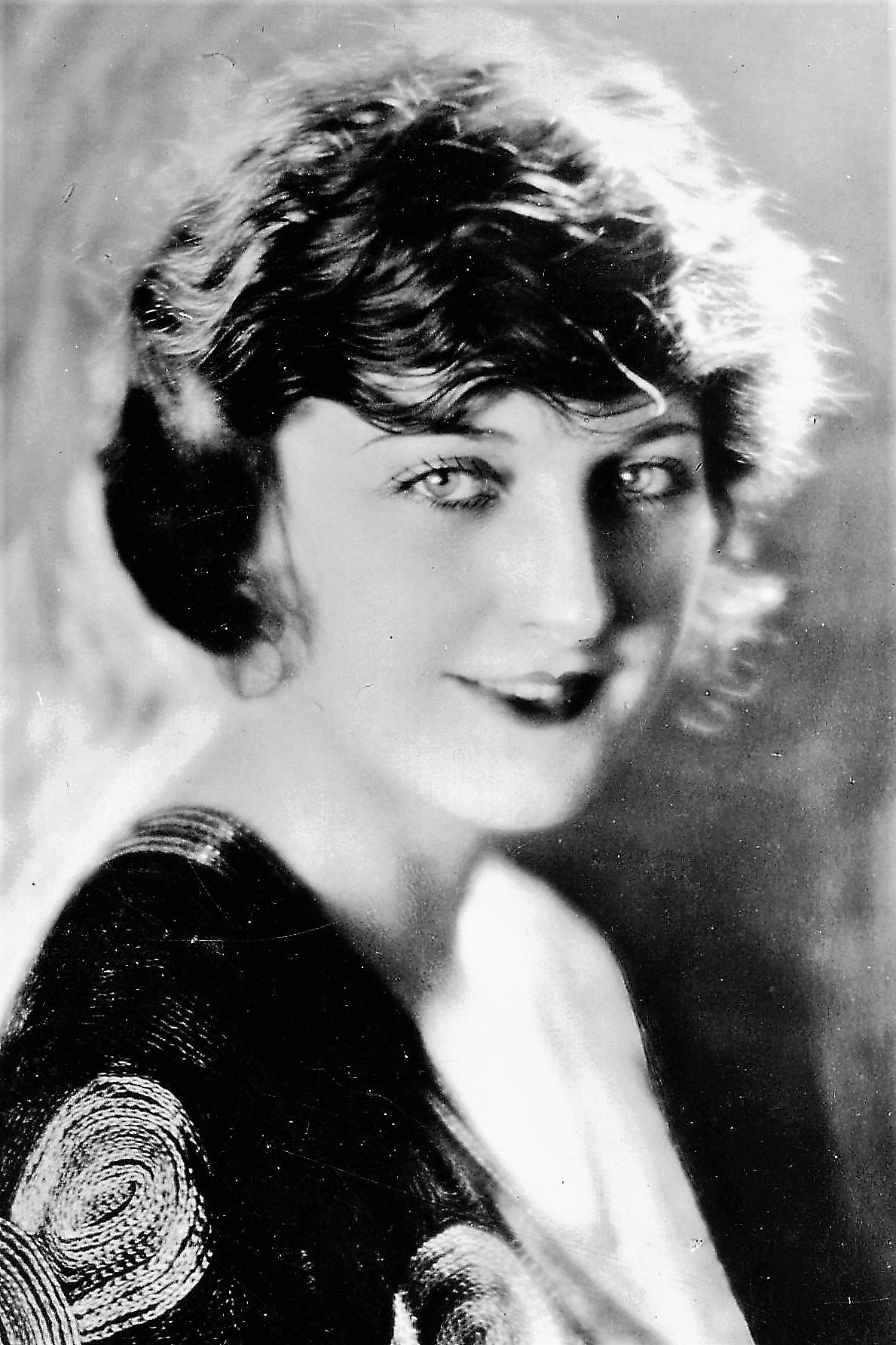
The silent film star died in Texas in 1923 after her costume caught fire near a set for ‘The Warrens of Virginia’. Accounts from crew members say a match or cigarette ignited the highly flammable fabric and she sustained severe burns before colleagues tore away parts of the dress. She died the next day at a San Antonio hospital.
Industry safety notes from the period show that studios began limiting the use of certain costume materials and started requiring on site fire equipment for exterior scenes. Fire brigades in filming districts also added response procedures for location shoots.
Steve Irwin
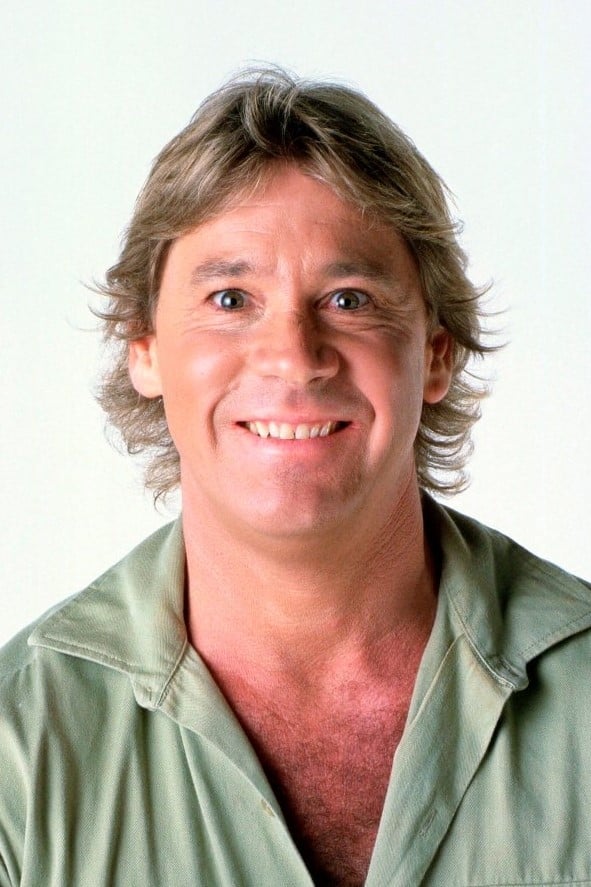
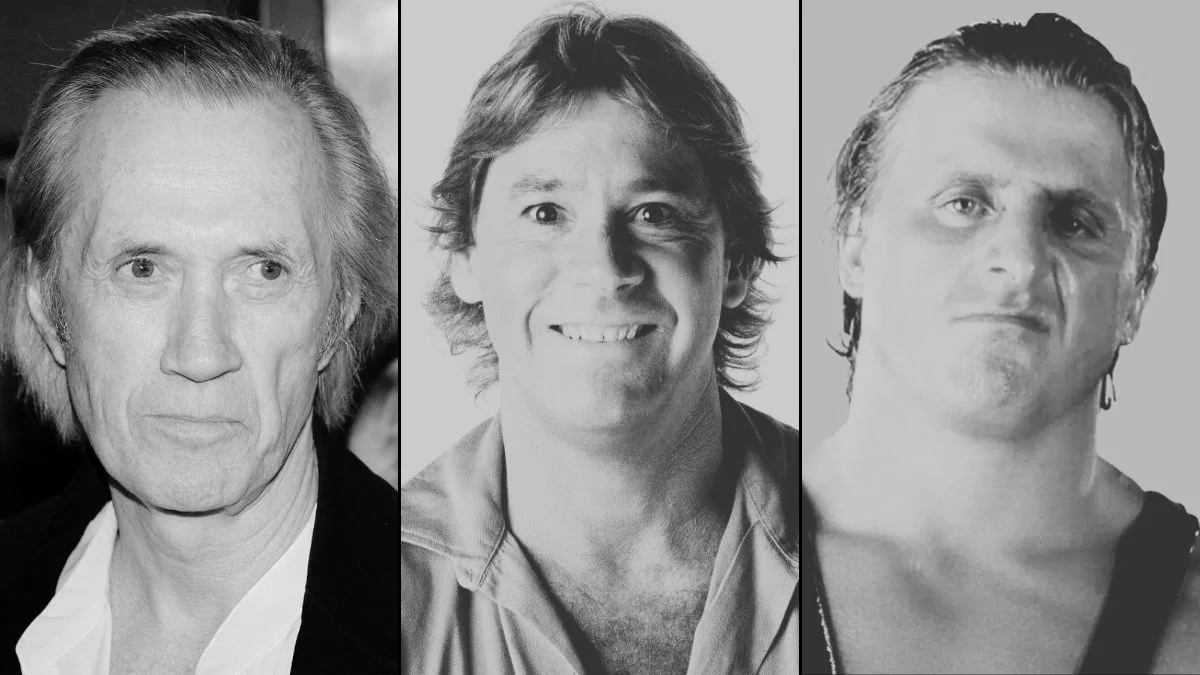
The wildlife presenter died off the coast of Queensland in 2006 while filming in shallow water near Port Douglas. A stingray struck him in the chest with a barb during an encounter that was being recorded by his crew. He was brought to a nearby vessel and then to shore where he was pronounced dead.
Queensland authorities investigated and concluded the event was a rare defensive response. The footage was retained by investigators and not released. The case is frequently cited in marine safety briefings that address the difference between approach behaviors for rays and more commonly handled species.
Owen Hart

The professional wrestler died in Kansas City in 1999 during a live pay per view event called ‘Over the Edge’. He was performing a high rappel entrance when a release mechanism activated and he fell from the rafters to the ring area. Medical staff responded on site and he was pronounced dead after transport.
After the event, lawsuits and internal reviews examined the harness hardware and rehearsal procedures. The promotion made changes to aerial stunt approvals and venue rigging checks and reduced the use of live descent gags in crowded arenas.
Anton Yelchin
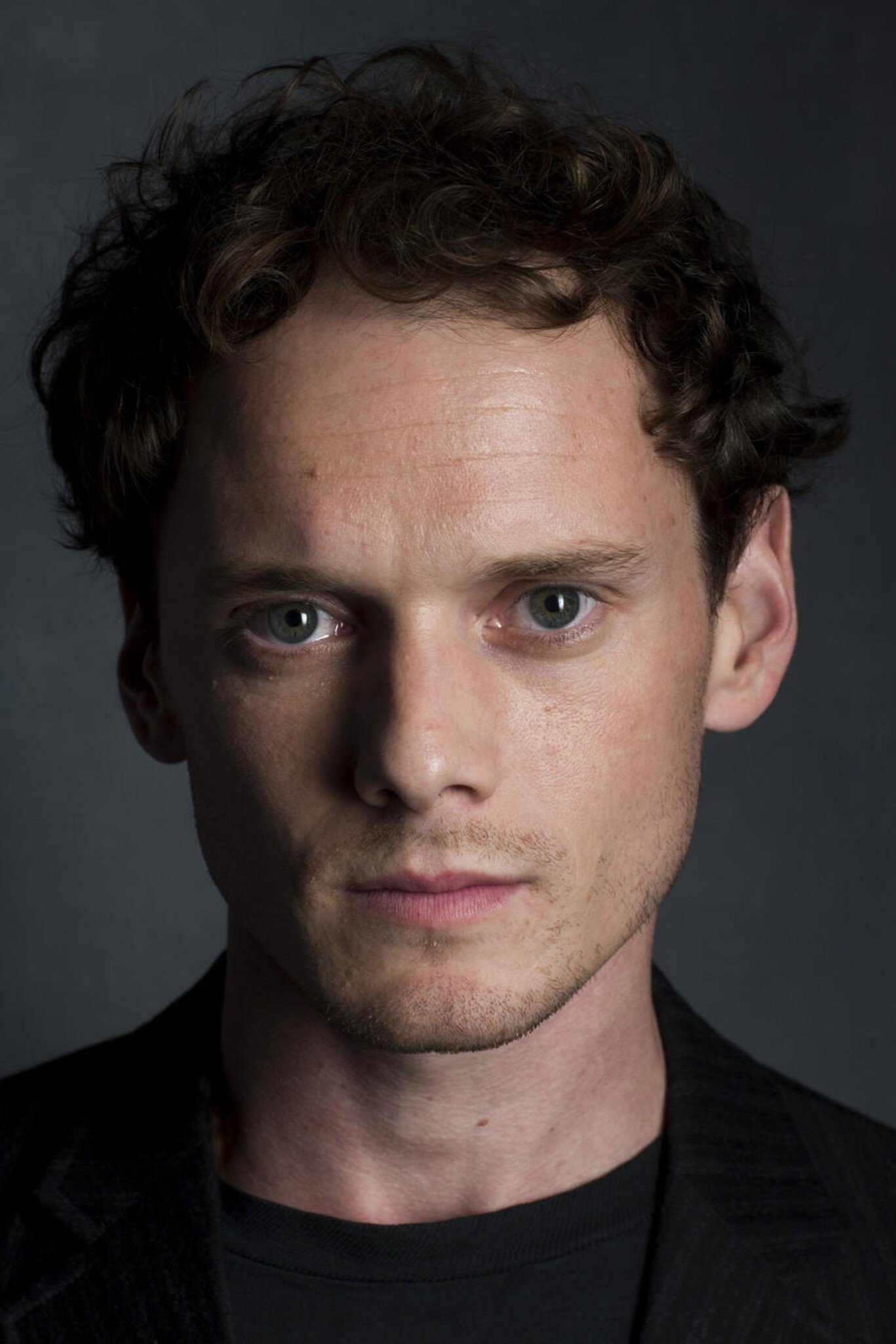
The actor died in Los Angeles in 2016 when his vehicle rolled down a driveway and pinned him against a pillar and security gate. The Jeep model he owned had an electronic gear selector that had been the subject of a recall related to roll away risk. Records show a recall notice had been mailed shortly before the incident.
Regulatory filings and civil actions that followed documented the timeline of the recall and the design changes that were introduced. The manufacturer later updated software and user interface cues on gear selectors for affected models to reduce driver confusion.
Jon-Erik Hexum

The television actor died in Los Angeles in 1984 on the set of the series ‘Cover Up’. During a break he handled a prop handgun loaded with blanks and pressed it to his head. The blast pressure fractured his skull and caused catastrophic brain injury. He was declared brain dead days later and his organs were donated.
Studios responded by tightening prop weapons briefings and requiring an armorer to retain physical control of firearms between takes. Training materials began to include warnings that blanks can cause lethal injuries at close range even without a bullet.
Leslie Harvey
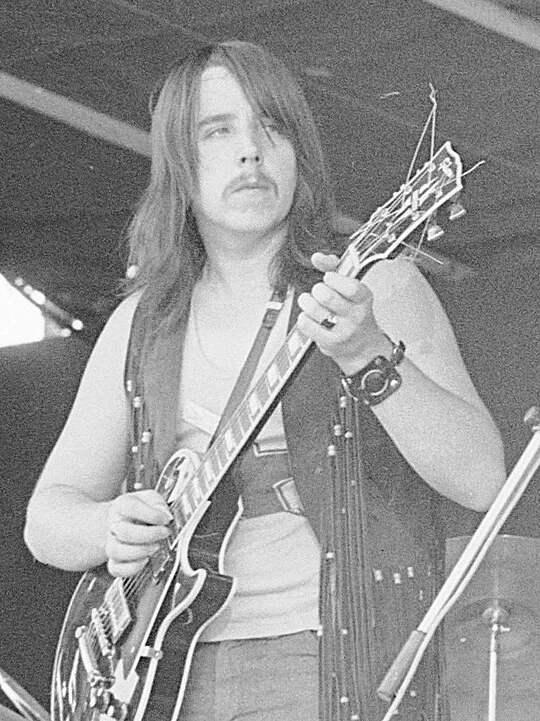
The guitarist for Stone the Crows died in Swansea in 1972 after receiving an electric shock on stage. The venue roof had leaked during the day and parts of the stage were wet. When he touched a microphone that was not properly grounded, he was electrocuted in front of the audience.
Reports from the local inquiry led to more consistent use of residual current devices and ground checks at concert halls. Promoters and tour managers began documenting electrical inspections in advance of sound checks, especially in older buildings that had seen water ingress.
Roy Kinnear
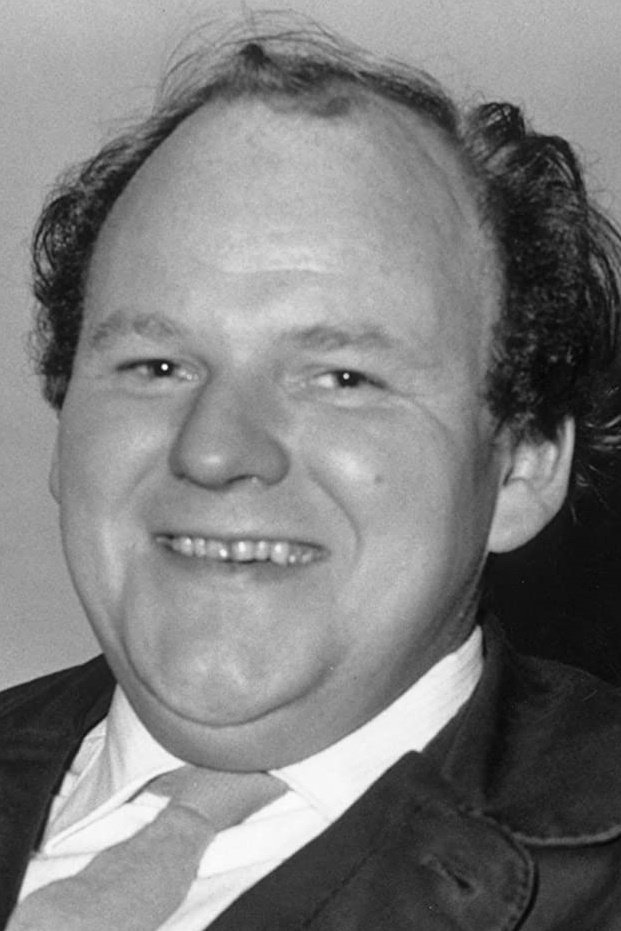
The British actor died in Spain in 1988 while filming ‘The Return of the Musketeers’. He fell from a horse during a scene that involved crossing a cobbled bridge and suffered a fractured pelvis. He died in a Madrid hospital the next day from cardiac complications.
The production company faced legal claims and the director later stated that fall protection and rehearsal changes were adopted for similar sequences. British Equity cited the case in updates to stunt coordination guidance for actors who are not professional riders.
David Carradine
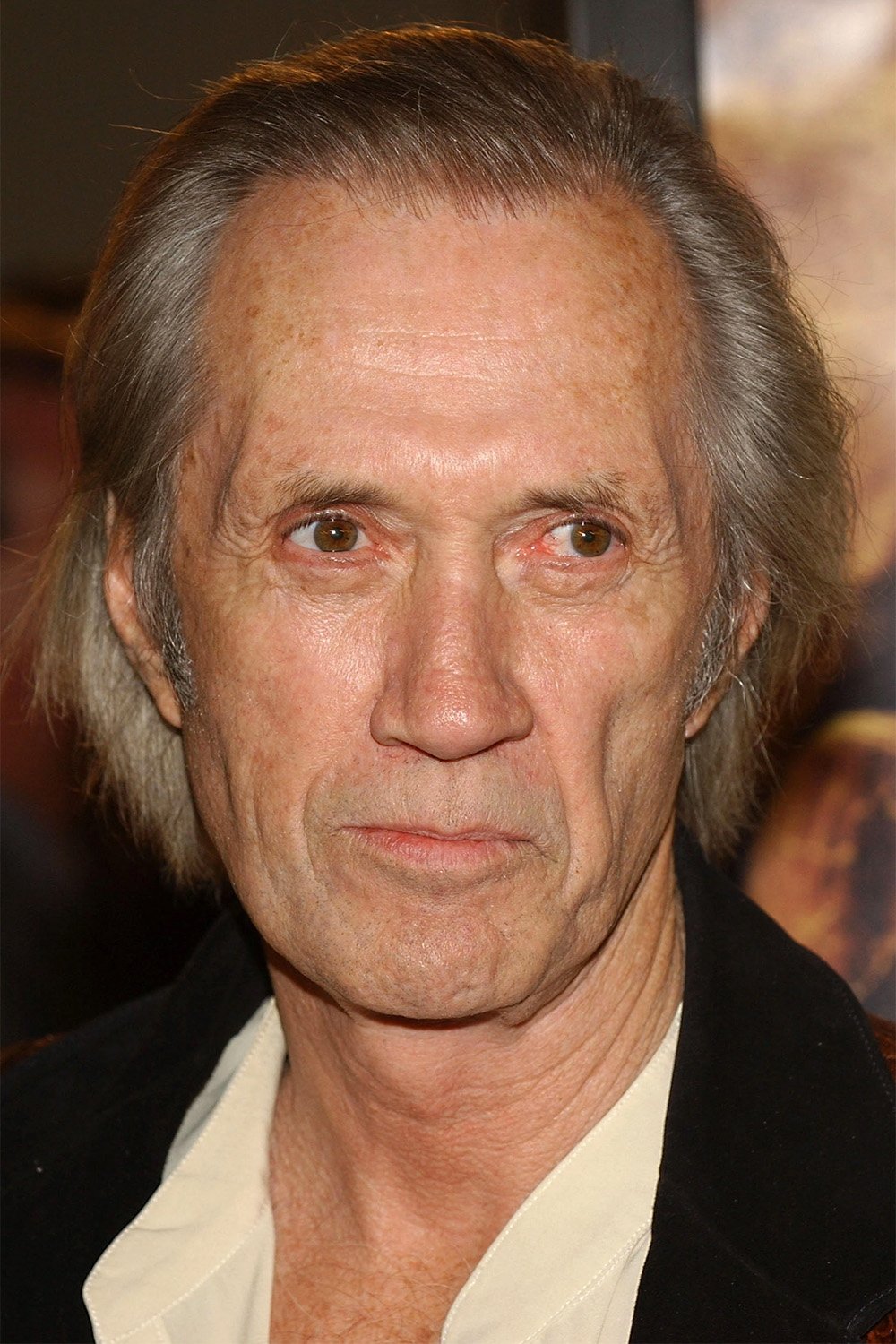
The actor was found dead in Bangkok in 2009. Thai authorities reported accidental asphyxiation after examining the scene and conducting an autopsy. His family requested additional review in the United States and the second autopsy did not contradict the core findings.
Insurance and legal documents from the production he was working on detailed the steps taken to conclude the case and settle claims. The event is referenced in travel and production handbooks that address local investigative procedures and next of kin coordination abroad.
Mike Edwards
The former Electric Light Orchestra cellist died in Devon in 2010 when a large round hay bale rolled down a hillside and collided with his van. Investigators reconstructed the path of the bale and concluded that it had broken free from a field above a narrow country road. He was identified by documentation found in the vehicle.
The coroner recorded a verdict of accidental death and recommended fencing and chocking practices on sloping farmland near public roads. Local councils circulated safety reminders to landowners before harvest seasons in subsequent years.
Taylor Mitchell

The Canadian folk singer died in Nova Scotia in 2009 after a rare predatory coyote attack in Cape Breton Highlands National Park. Hikers and rangers responded and she was airlifted to a Halifax hospital where she died the next day. Wildlife experts documented injuries and reviewed prior coyote reports in the region.
Parks authorities updated visitor guidance and added signage that explained coyote behavior and response steps. Researchers published follow up work on food conditioning and human presence in the park to reduce the chance of similar incidents.
Share any other unusual cases you know in the comments so readers can learn more about the history and safety lessons behind them.