20 Must-Watch Sports Films from the 1970s You Cannot Skip



Sports films from this decade covered everything from neighborhood diamonds to world stages and even imagined arenas, capturing athletes at youth, amateur, and professional levels across many disciplines. Studios backed stories rooted in real teams, historical figures, and major events, while filmmakers also built original worlds around invented games and leagues.
This list brings together titles from boxing, football, hockey, baseball, cycling, tennis, equestrian sports, auto racing, bodybuilding, wrestling, and more. You will find theatrical releases and documentaries, plus a few films that intersect with music and television, with details on creators, casts, settings, and the sports moments they depict.
‘Rocky’ (1976)
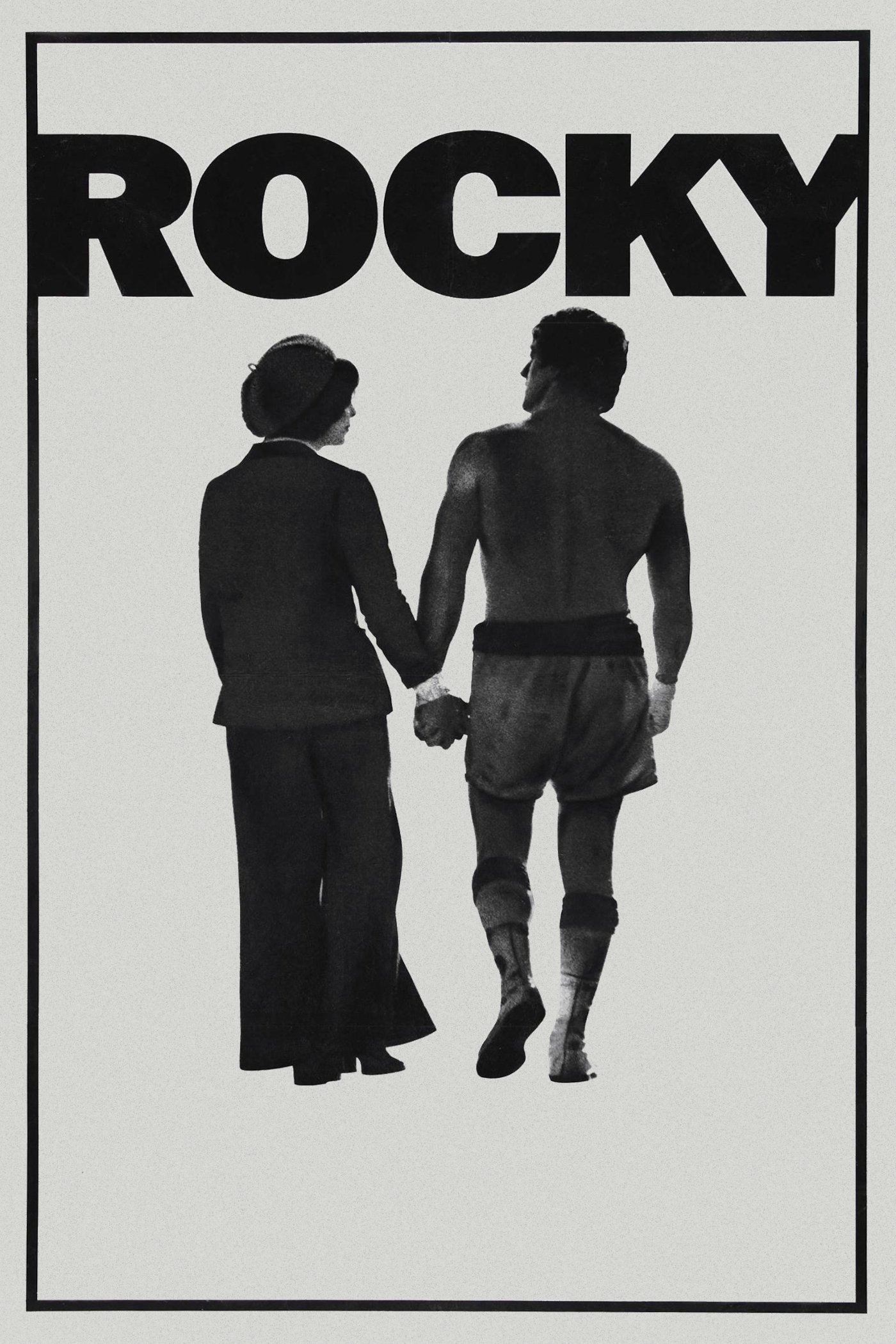
Writer and star Sylvester Stallone created the story of a Philadelphia club fighter who gets a heavyweight title shot, with John G. Avildsen directing and United Artists distributing. The film features Talia Shire, Carl Weathers, and Burgess Meredith, and includes training and fight sequences shot around Philadelphia locations such as the steps of the art museum.
The production worked from a modest budget and used steadicam and handheld work to cover running and in-ring movement. The film received multiple Academy Award nominations and won Best Picture, Best Director, and Best Film Editing, and it launched a long running franchise that continued with ‘Rocky II’ and later entries.
‘Breaking Away’ (1979)
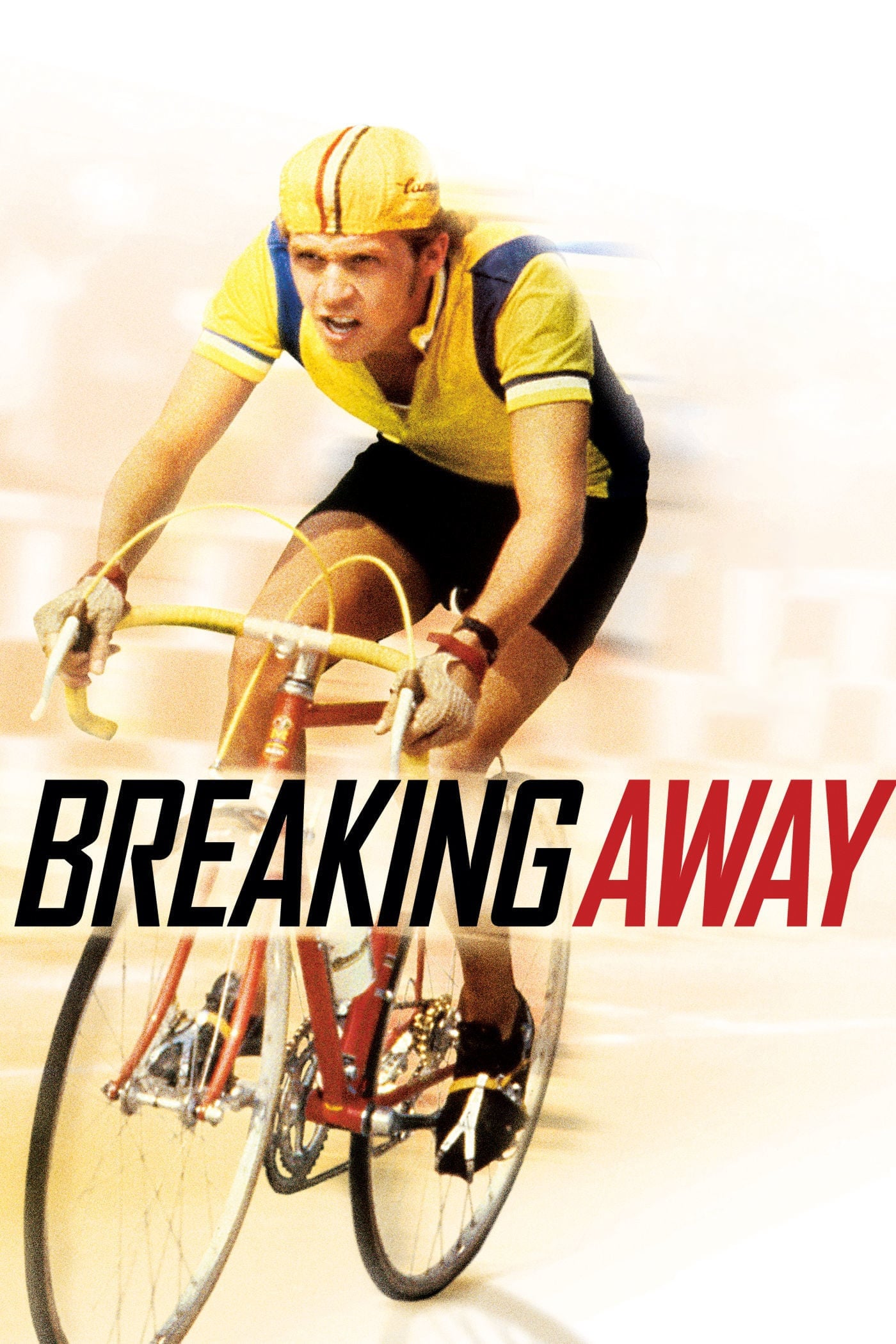
Director Peter Yates and screenwriter Steve Tesich set this cycling story in Bloomington, Indiana, centered on the Little 500 race at Indiana University. Dennis Christopher leads the cast with Dennis Quaid, Daniel Stern, and Jackie Earle Haley as a local quartet navigating town and gown friction and competitive cycling.
The production filmed in and around the university and local quarries, using real race procedures and campus venues for authenticity. The film won the Academy Award for Best Original Screenplay and received nominations for Best Picture, Best Director, and Best Supporting Actress for Barbara Barrie.
‘Slap Shot’ (1977)
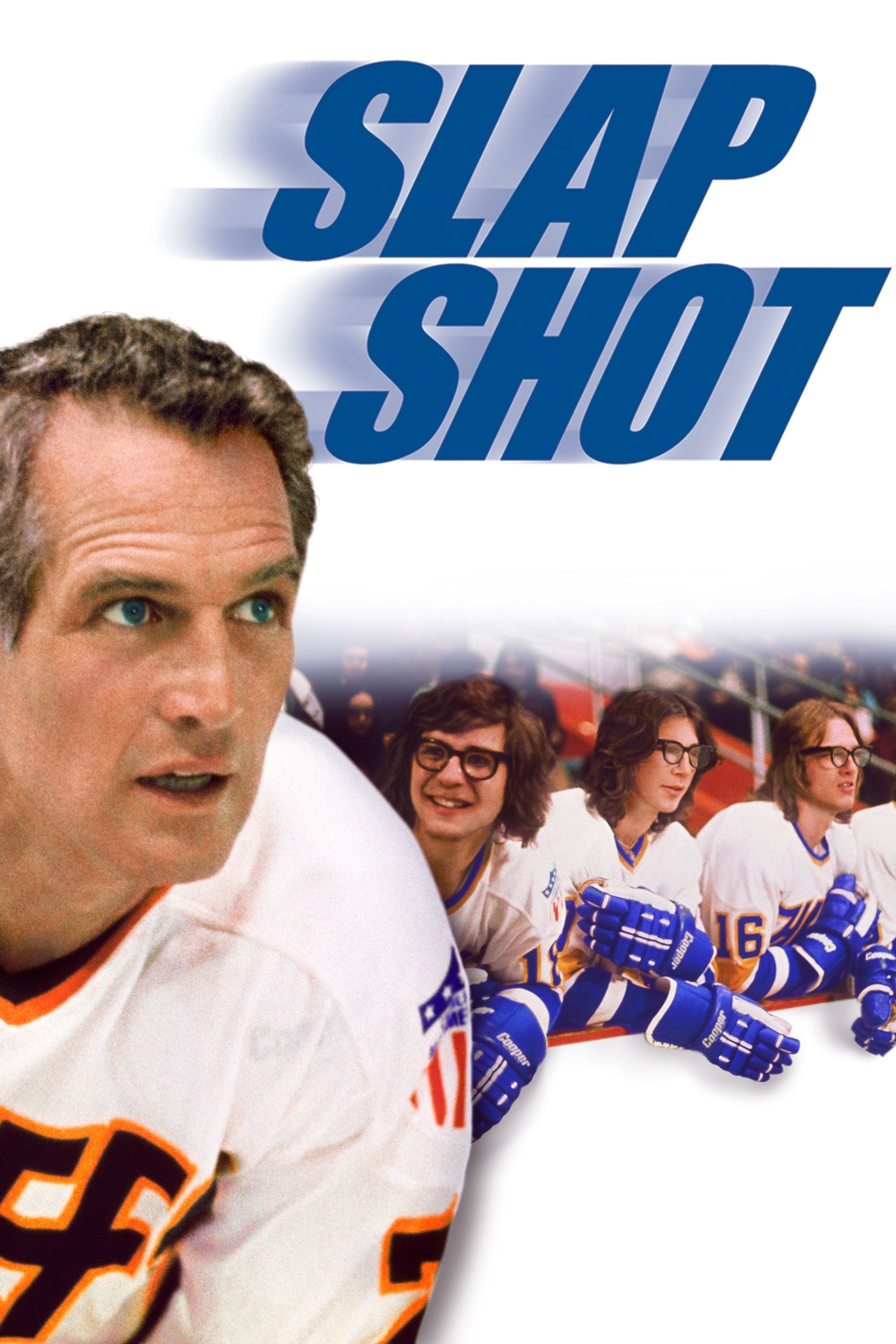
George Roy Hill directed this minor league hockey story from a screenplay by Nancy Dowd, inspired by experiences connected to the Johnstown Jets. Paul Newman stars with Michael Ontkean and the trio known as the Hanson Brothers, with game sequences shot in Pennsylvania rinks.
The film portrays team finances, player trades, and publicity stunts common to small market clubs. It grossed strongly in North America and became a reference point for depictions of minor league hockey operations and player culture.
‘The Bad News Bears’ (1976)
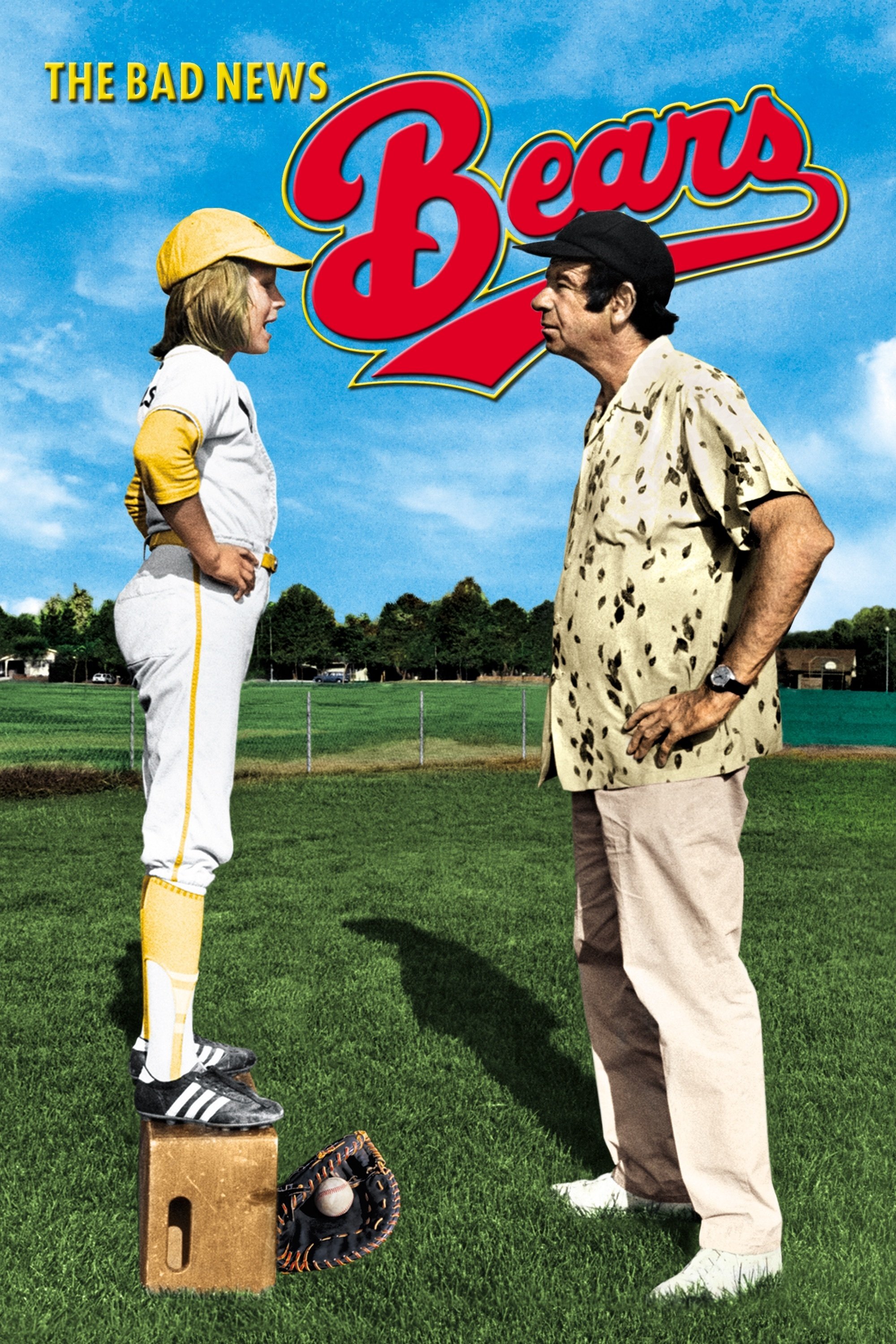
Michael Ritchie directed this youth baseball film starring Walter Matthau as a pool cleaner turned coach and Tatum O’Neal as a pitcher recruited to change the team’s fortunes. The story follows a misfit Little League roster facing better funded rivals, with shooting on suburban Los Angeles fields.
The film opened the door to sequels and a television adaptation and became a touchstone for youth league dynamics, sponsor involvement, and coaching practices at the time. Its box office success led studios to explore additional baseball projects featuring younger casts.
‘The Longest Yard’ (1974)
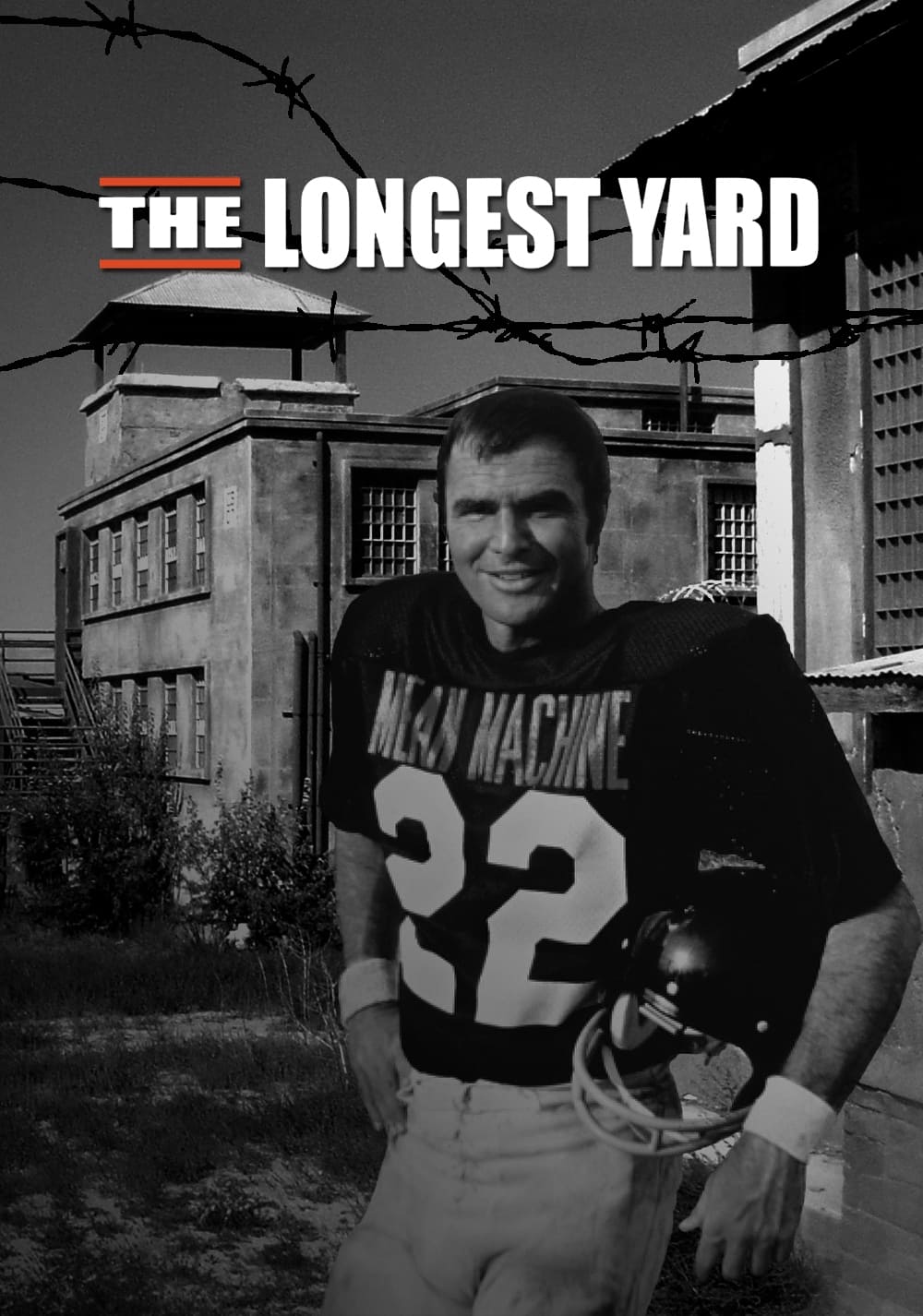
Robert Aldrich directed this story of a former professional quarterback who assembles a prison team to face the guards. Burt Reynolds leads the cast with Eddie Albert and a supporting group that includes real football players, and the production shot at Georgia State Prison.
The film details play design, practice regimens inside a correctional facility, and how inmate rosters are built around distinct football skills. It performed strongly at the box office and later inspired remakes and international adaptations that kept the core matchup structure.
‘Rollerball’ (1975)
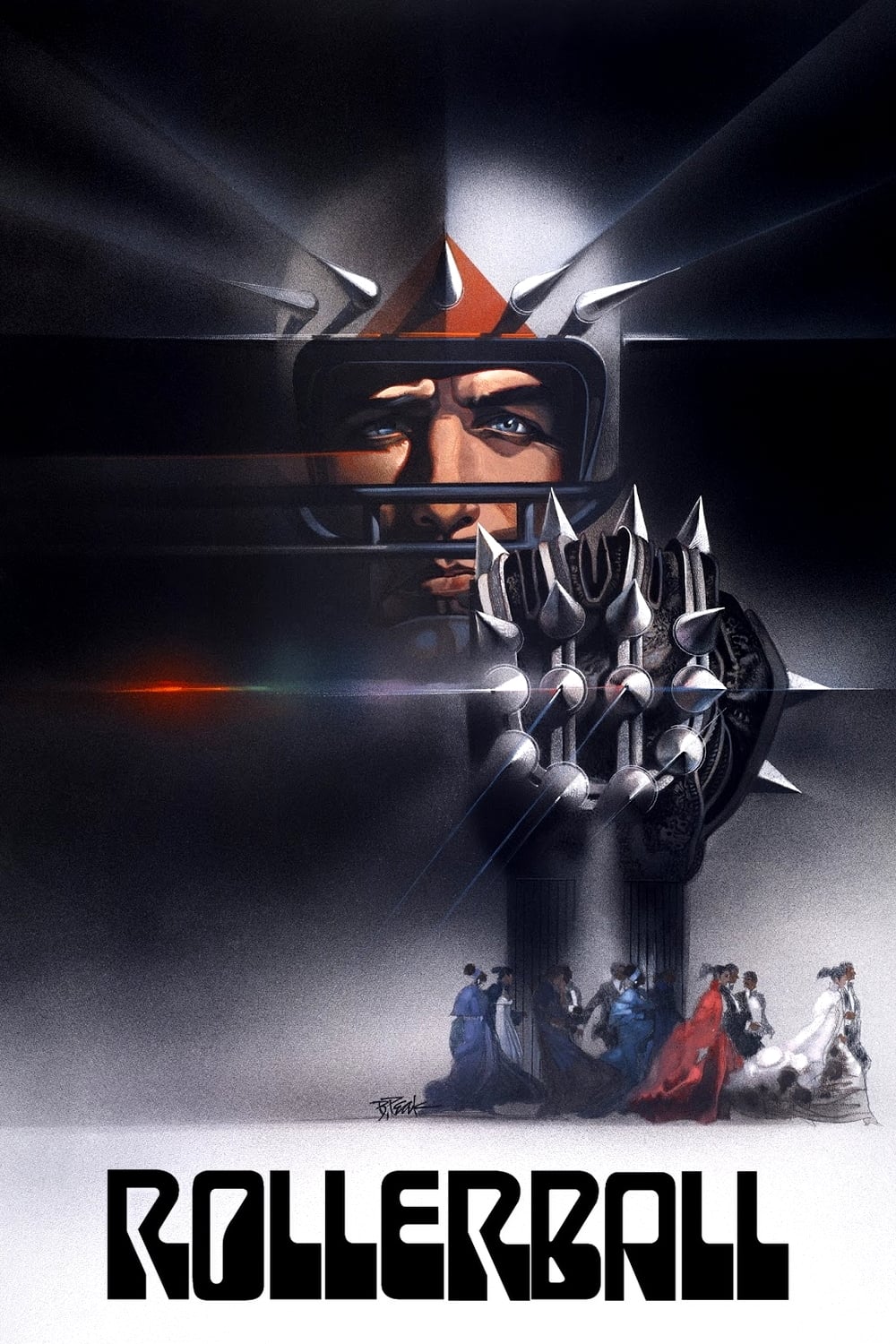
Norman Jewison directed this science fiction sports film starring James Caan as the top player in a full contact league that combines roller skating and motorcycle escorts. The production staged matches on custom built tracks in European arenas, using professional skaters and choreographed collisions.
Set within a corporate controlled league structure, the film outlines rules, penalties, and equipment that evolve during the season. Its design work influenced later staged competitions and promotional events that borrowed costuming and arena presentation ideas.
‘Fat City’ (1972)
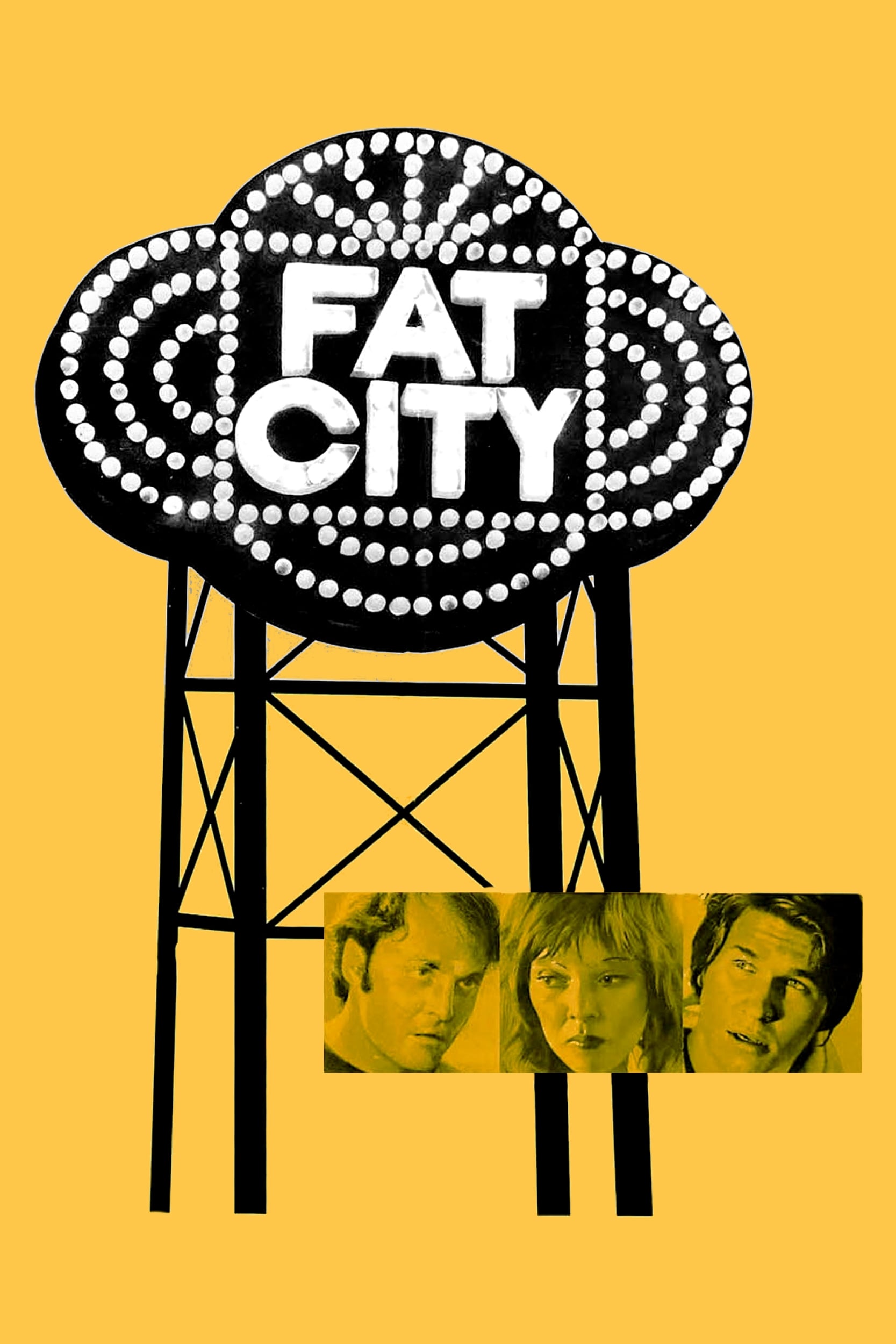
John Huston adapted Leonard Gardner’s novel about small gym boxers in Stockton, California, casting Stacy Keach and Jeff Bridges as fighters on different arcs. Filming used local streets, bars, and gyms to document training cycles and the regional club circuit.
The film shows how managers book fights, how weigh ins and medical checks run at the lower tiers, and how purses are split after venue fees. Susan Tyrrell earned an Academy Award nomination for her supporting performance as part of the story’s community of fighters and hangers on.
‘Bang the Drum Slowly’ (1973)
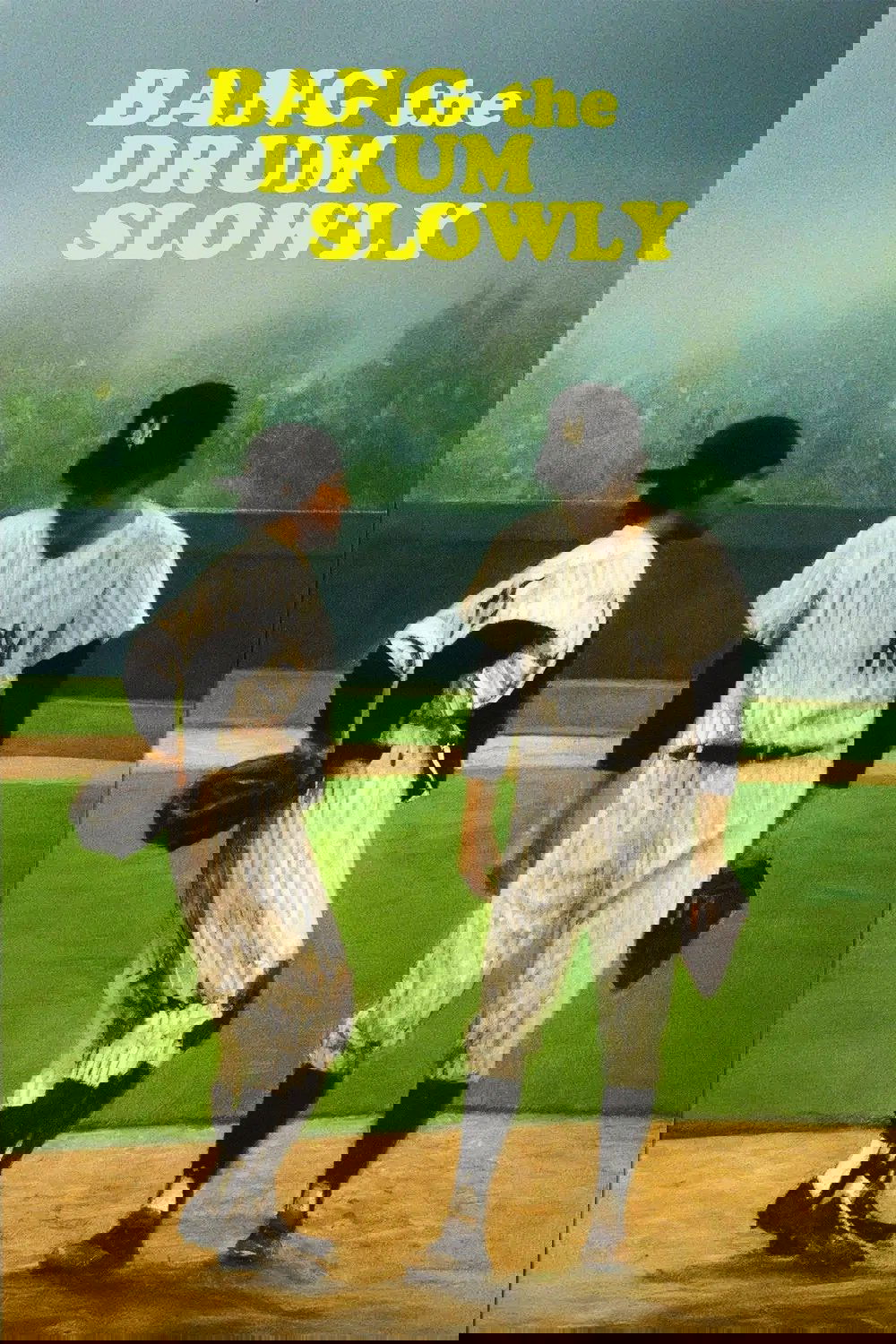
John D. Hancock directed this adaptation of Mark Harris’s novel about a pitcher and his catcher on a fictional big league club called the New York Mammoths. Michael Moriarty and Robert De Niro play the battery mates, with scenes that cover spring training, clubhouse life, and the regular season.
The film explains contracts, player options, and how illness affects roster decisions inside a front office. Stadium sequences combine real parks and staged sets to present in game strategy, signals, and the interaction between pitchers and catchers.
‘North Dallas Forty’ (1979)
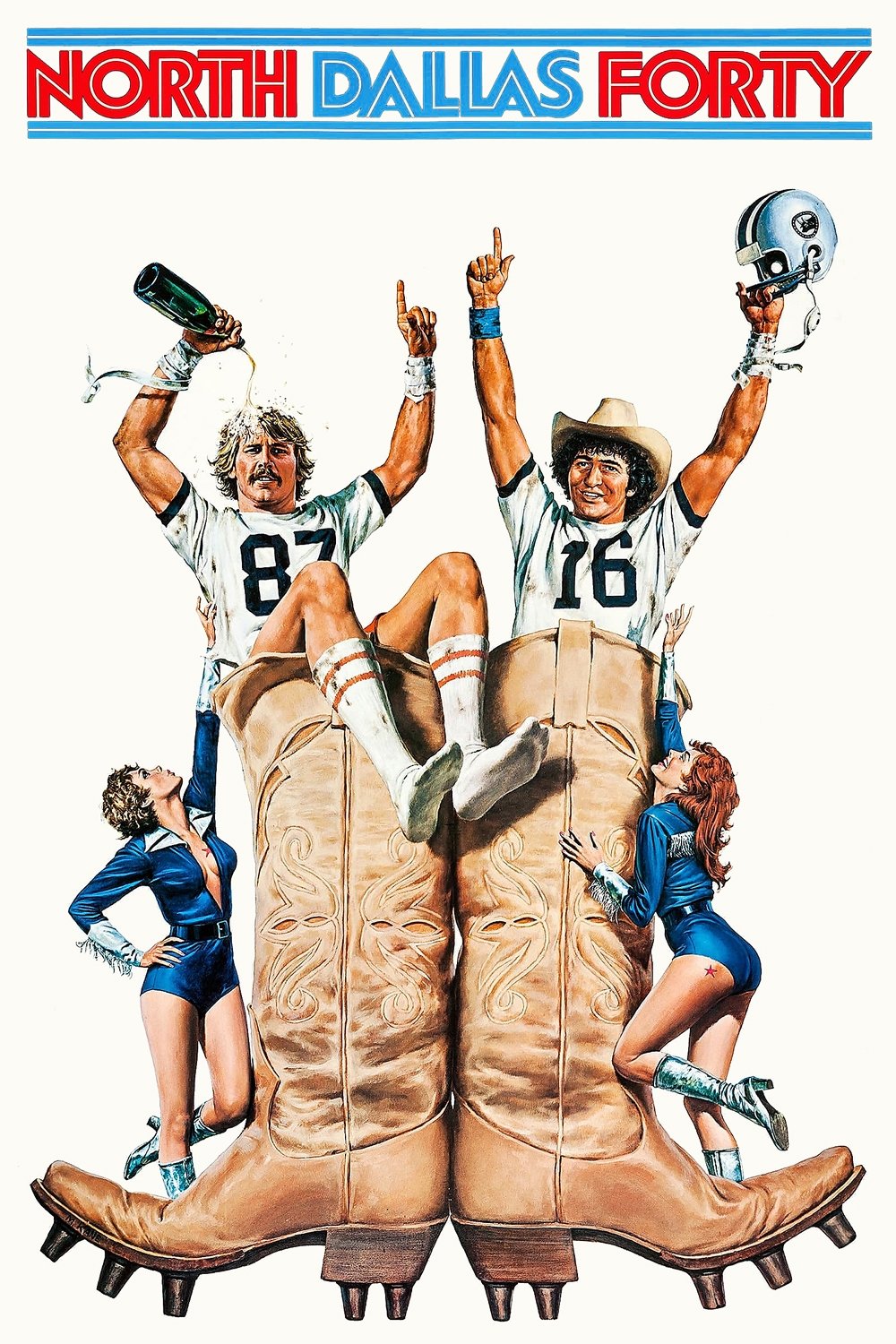
Director Ted Kotcheff worked from Peter Gent’s novel to depict a pro football team called the North Dallas Bulls, with Nick Nolte and Mac Davis leading the cast. The film uses practice fields, locker rooms, and meeting spaces to show game planning and position group meetings.
It addresses the use of pain management, roster cutdowns, and the relationship between ownership and coaching staffs. Uniforms and plays are designed to mirror professional schemes of the period while operating under fictional league branding.
‘Pumping Iron’ (1977)
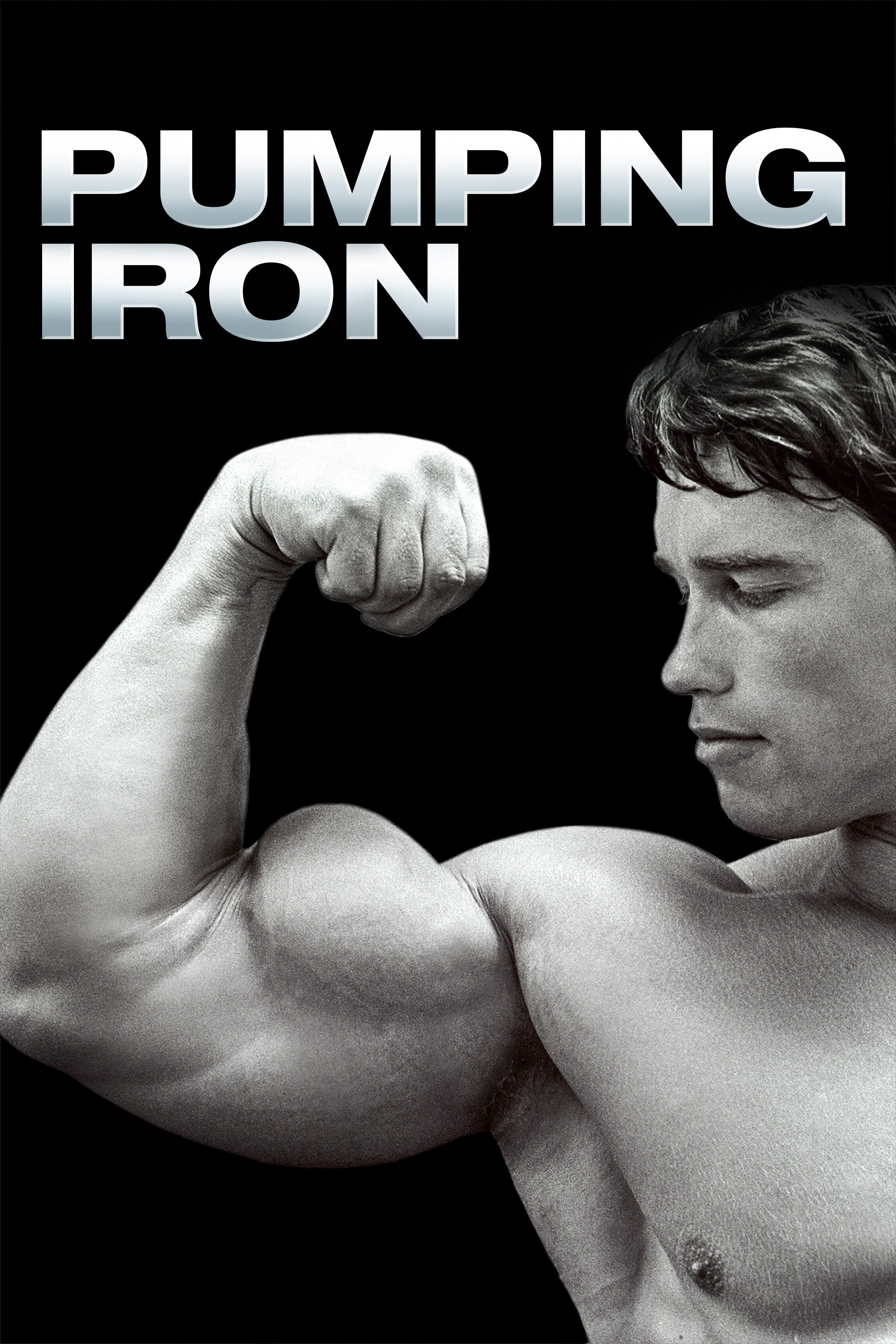
This documentary by George Butler and Robert Fiore follows professional and amateur bodybuilders as they prepare for major competitions, with Arnold Schwarzenegger, Lou Ferrigno, Franco Columbu, and Mike Katz among the featured athletes. Cameras capture training at Gold’s Gym in Venice and other facilities, along with posing practice and stage routines.
The film documents nutrition, cutting and bulking cycles, and judging criteria for symmetry and mass. It brought wider attention to bodybuilding organizations and events and helped introduce gym culture and training vocabulary to mainstream audiences.
‘The Black Stallion’ (1979)
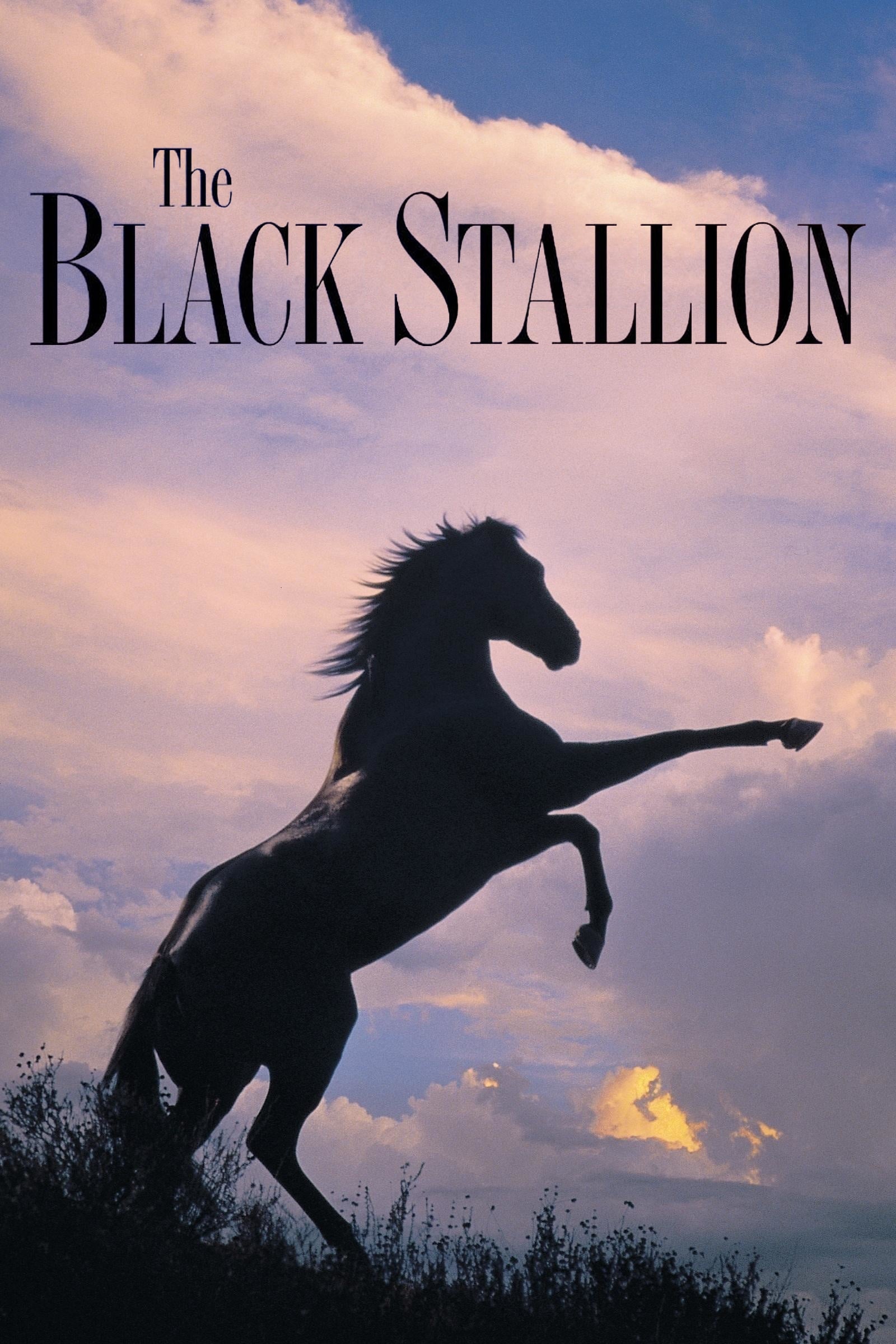
Carroll Ballard directed this adaptation of Walter Farley’s novel about a boy and a remarkable horse that later enters competitive racing. Kelly Reno stars with Mickey Rooney, and the production filmed coastal sequences on Mediterranean locations before moving to racetracks in North America.
The film covers conditioning, gate work, and race tactics from the perspective of a small team managing a single horse. It received Academy Award nominations that included recognition for Mickey Rooney and for film editing, and it later continued with the companion film ‘The Black Stallion Returns’.
‘The Bingo Long Traveling All-Stars & Motor Kings’ (1976)

John Badham directed this story set in the Negro leagues, with Billy Dee Williams, James Earl Jones, and Richard Pryor portraying players who form a barnstorming club. The production came from Motown Productions and uses period uniforms, buses, and small town parks to stage games across the Midwest and South.
The film depicts revenue splits with local promoters, gate sharing practices, and game day showmanship used to draw crowds. It brought attention to the business side of independent teams and the travel demands on players outside organized league schedules.
‘Kansas City Bomber’ (1972)
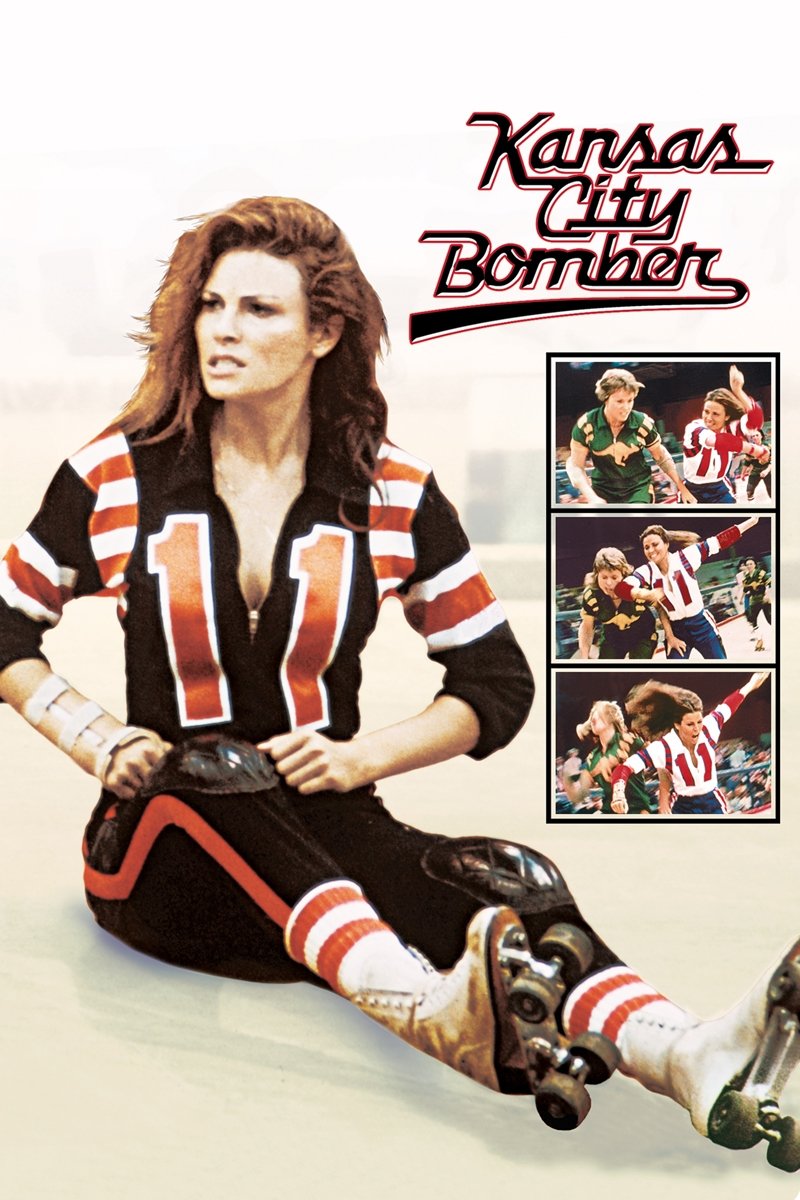
Jerrold Freedman directed this roller derby film starring Raquel Welch as a skater navigating team trades and rivalries. The production shot game action on tracks in Portland and Los Angeles with crowds brought in to create league atmosphere and sound.
The story follows contract negotiations, owner interests, and the emphasis on crowd pleasing roles within derby teams. Equipment, uniforms, and track maintenance are shown in detail, including padding, rails, and skates specific to banked track play.
‘Greased Lightning’ (1977)
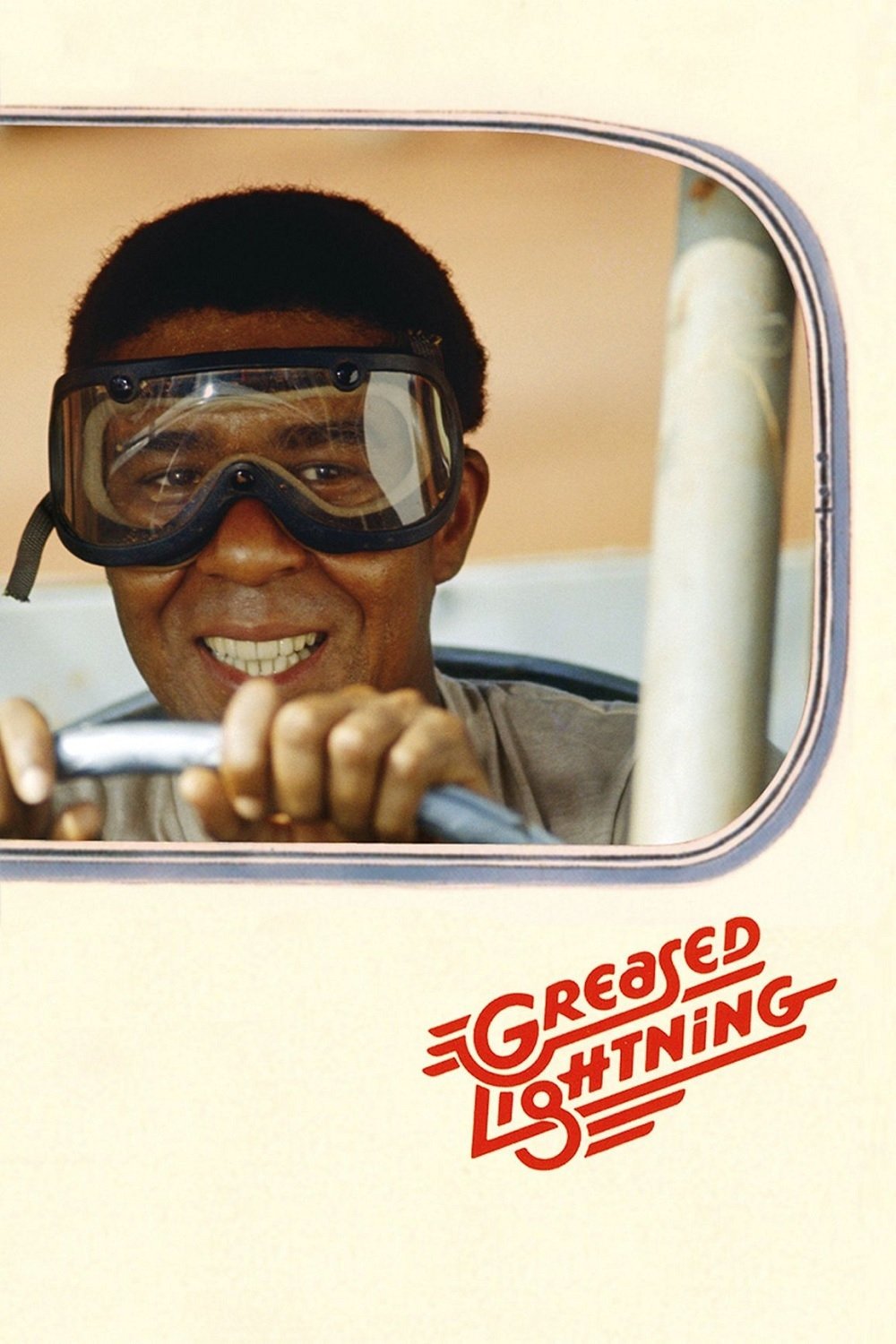
Director Michael Schultz tells the story of Wendell Scott, portrayed by Richard Pryor, focusing on his path from moonshine runner to professional stock car driver. The cast includes Beau Bridges and Pam Grier, and the film follows garage work, car setup, and regional track racing.
It covers licensing, sponsorship, and the process of acquiring parts and tires for weekly competition. The film shows how an entrant navigates qualifying, pit crew operations, and prize money distribution in the stock car world of the period.
‘The Champ’ (1979)
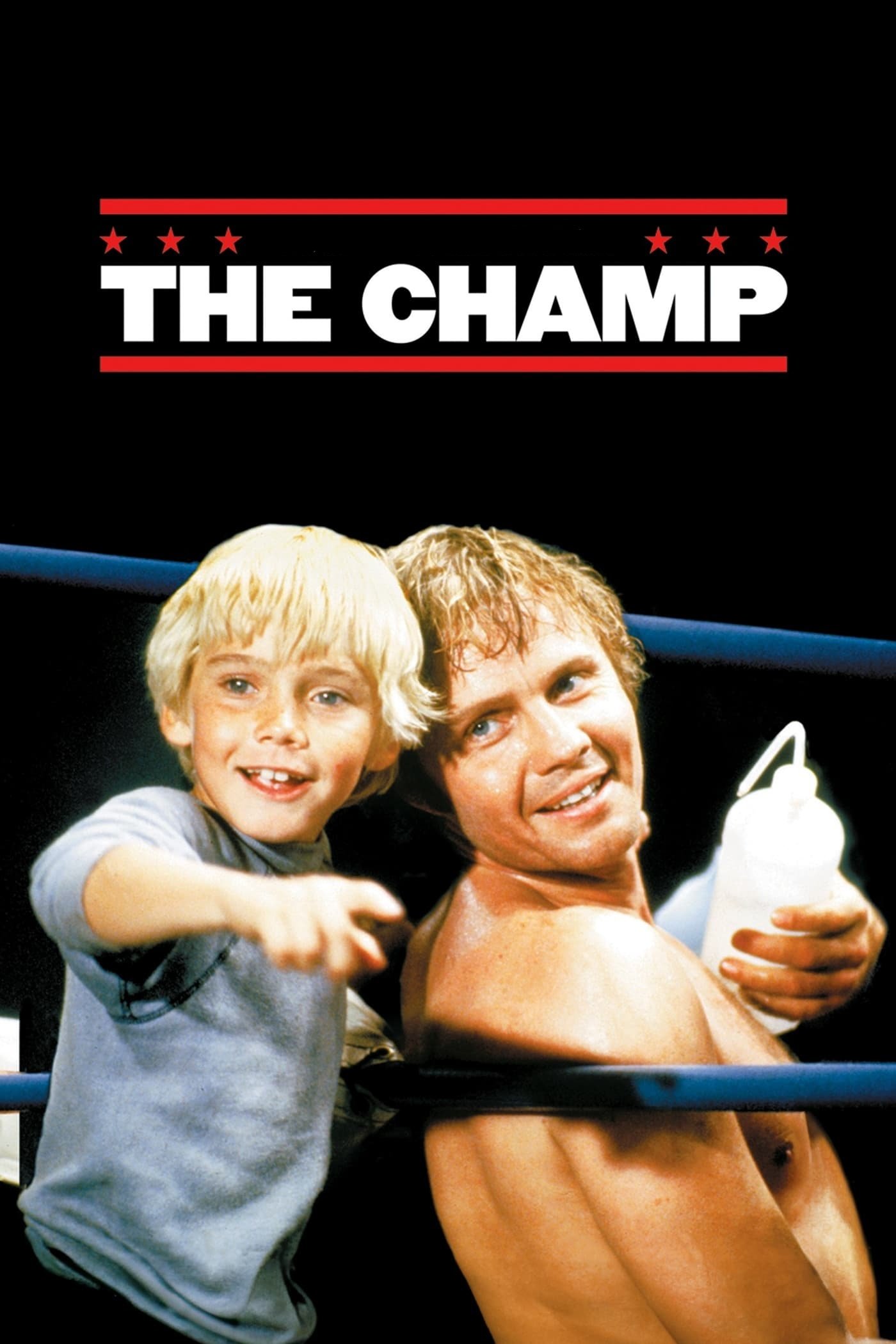
Franco Zeffirelli directed this boxing drama with Jon Voight as a former champion managing a comeback while caring for his young son played by Ricky Schroder. Faye Dunaway co stars, and the film stages training camps and arena bouts with full undercards and ring personnel.
Production involved boxing consultants to choreograph rounds and corner work, including cut management and between round tactics. Ricky Schroder received a Golden Globe as New Star of the Year, and the film contributed to renewed interest in boxing stories for mainstream audiences.
‘International Velvet’ (1978)
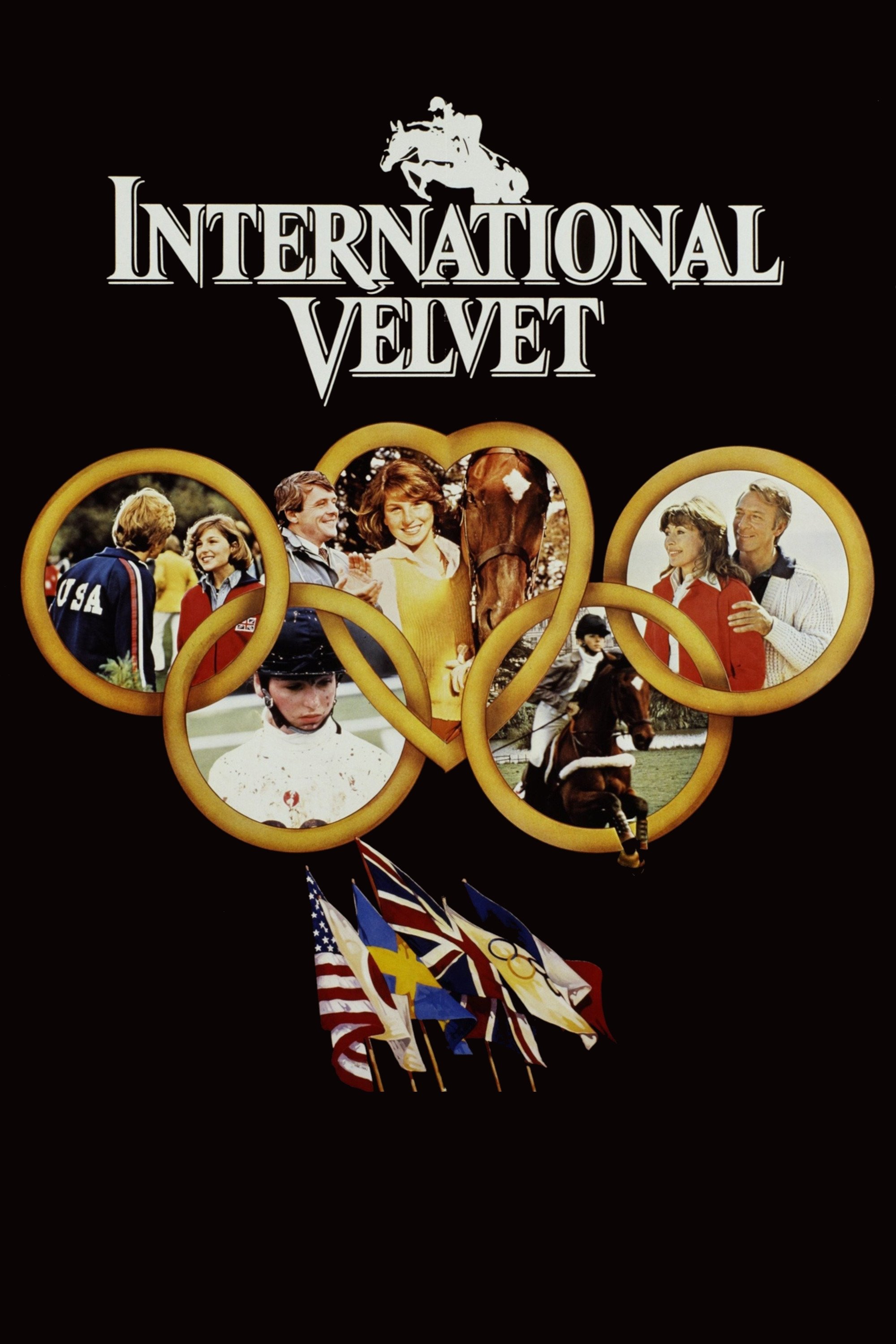
Bryan Forbes directed this sequel to ‘National Velvet’ with Tatum O’Neal as Sarah Brown, a young rider who trains in eventing and represents Britain in international competition. The film features Christopher Plummer and Anthony Hopkins and uses countryside locations and training yards in England.
The production presents the three day format that includes dressage, cross country, and show jumping. It shows rider selection, coaching, and team management for major meets, and it details horse care routines across travel and competition weeks.
‘Bobby Deerfield’ (1977)

Sydney Pollack directed this drama about a Formula One driver played by Al Pacino, with Marthe Keller co starring. The production filmed at European circuits and used cooperation from teams to access pit lanes and paddocks.
The film captures testing sessions, pre race briefings, and the technical work of race engineers and mechanics. It incorporates period cars and safety gear and shows how sponsors and media interact with teams during a Grand Prix weekend.
‘Players’ (1979)
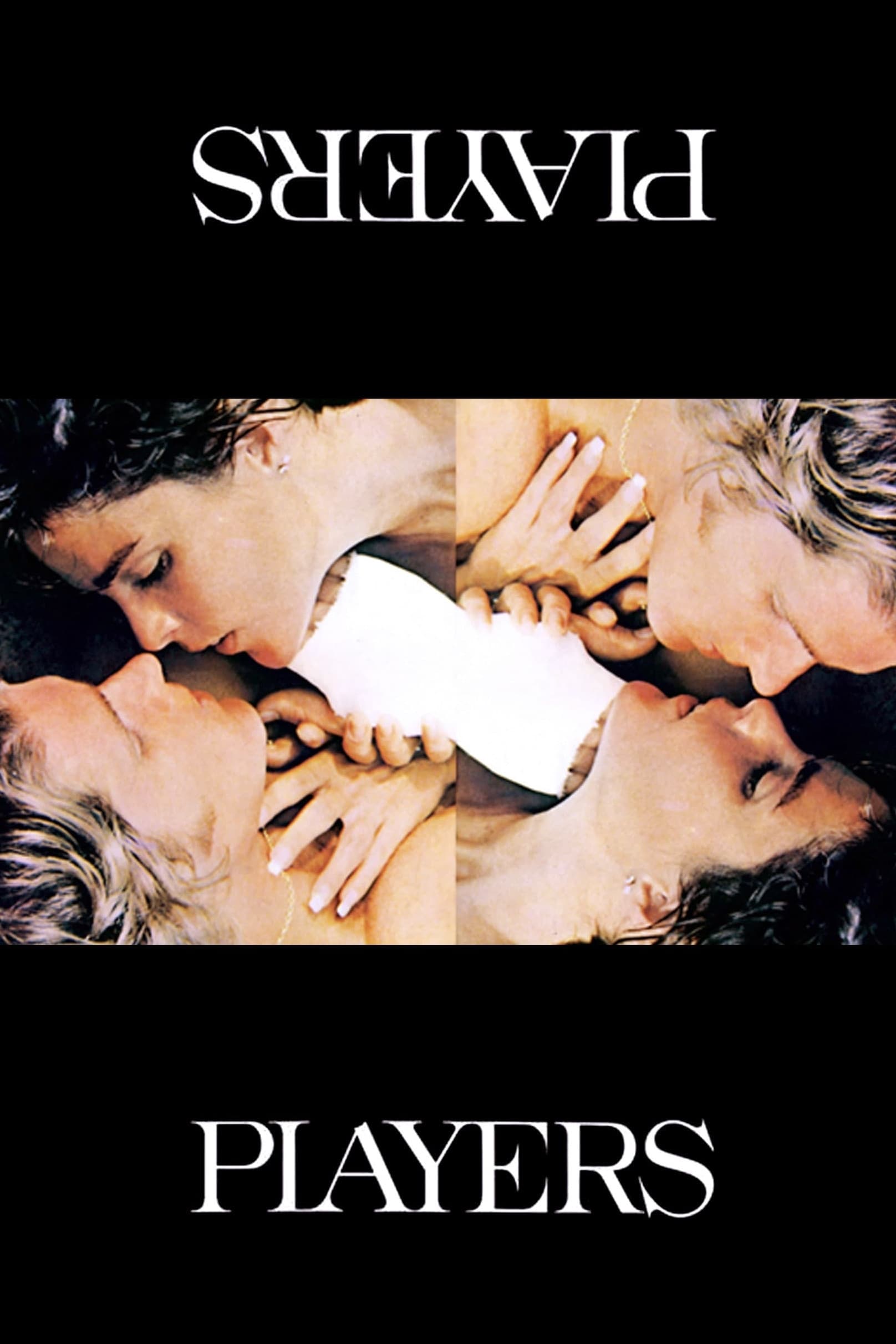
Anthony Harvey directed this tennis drama starring Ali MacGraw and Dean Paul Martin, with location work that includes major tournament sites. The film features cameos from well known players and uses official courts and officiating crews to stage matches.
It follows coaching, practice drills, and the tournament travel schedule that defines the professional tour. Wardrobe, racquet technology, and stringing practices of the period are presented, along with ranking pressures tied to performance at key events.
‘The Wrestler’ (1974)
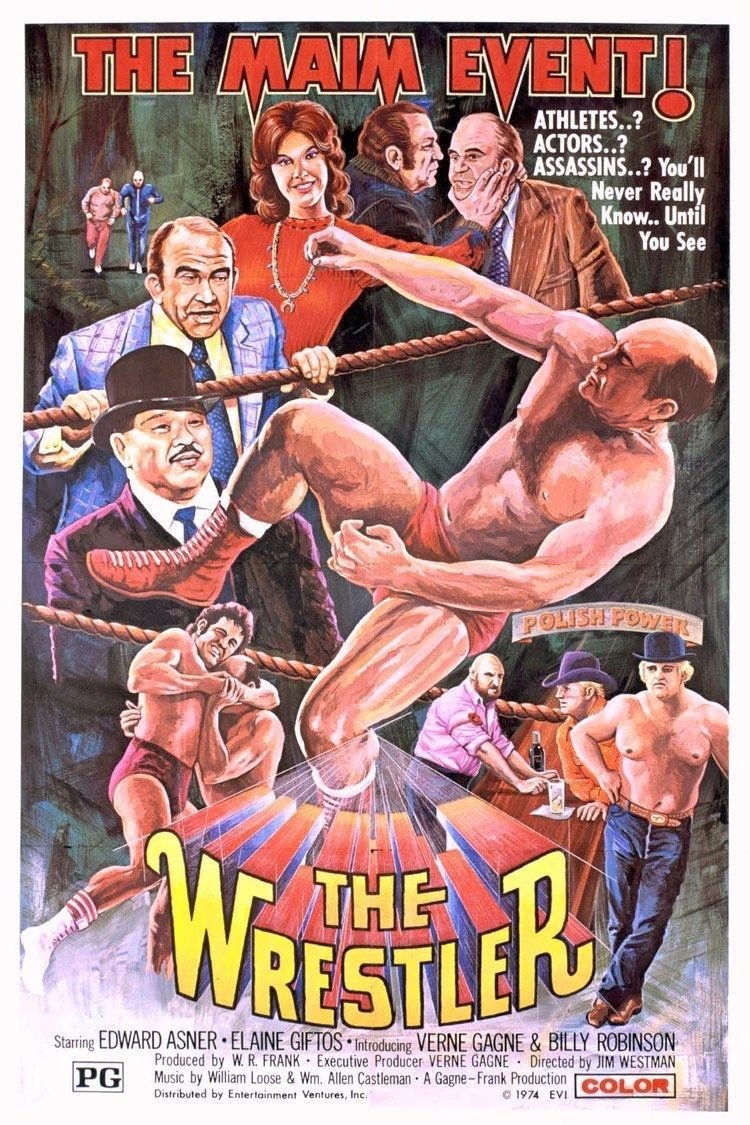
Produced by Verne Gagne and directed by Jim Westman, this film stars Ed Asner as a promoter and features appearances by prominent professional wrestlers including Verne Gagne himself. Matches were staged with cooperation from regional promotions and filmed in Midwestern arenas.
The film illustrates booking decisions, territory systems, and television taping schedules used by promoters. It shows training in local gyms and how travel and venue contracts were handled for cards across neighboring cities.
‘Yesterday’s Hero’ (1979)
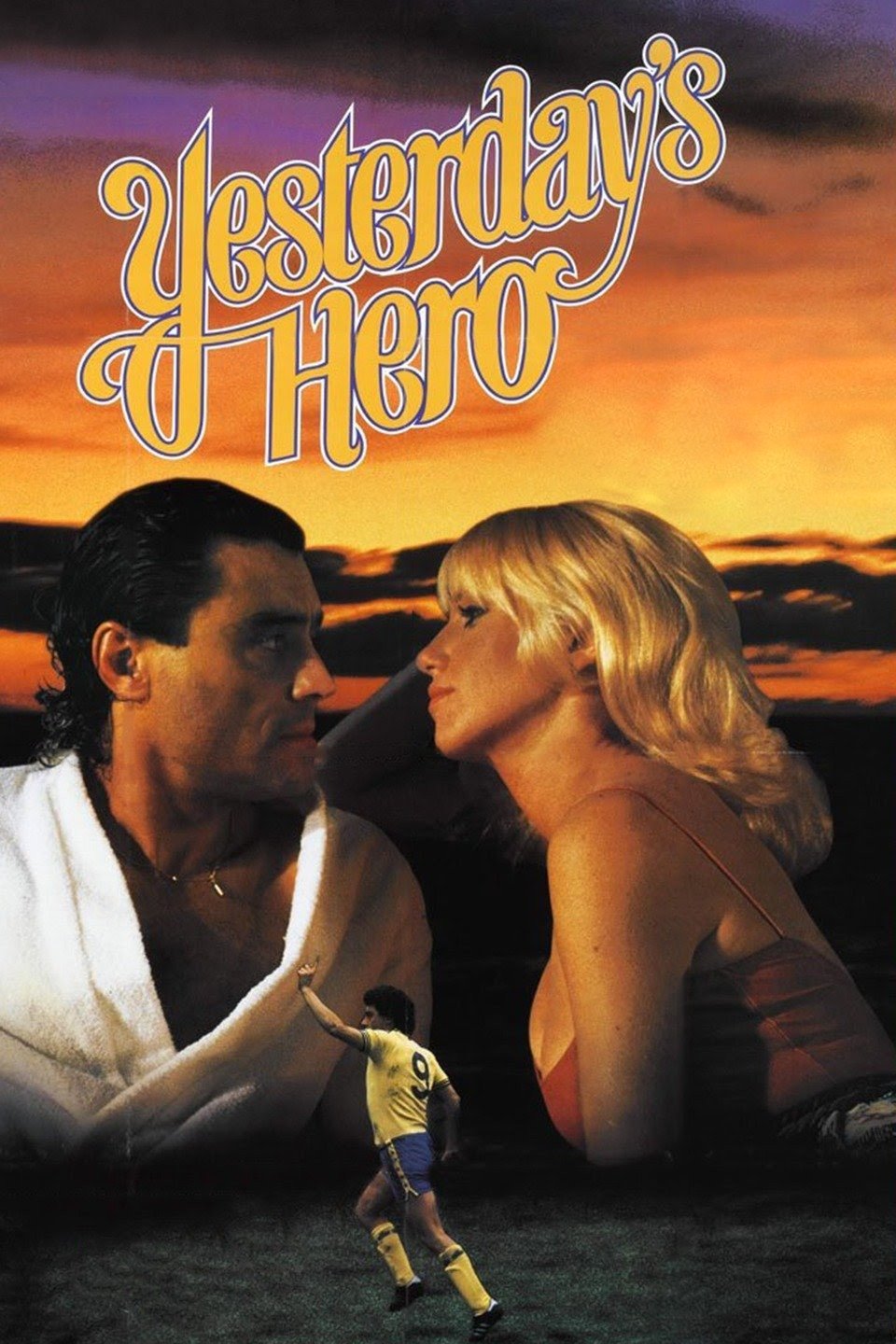
Neil Leifer directed this British football story starring Ian McShane as a former star brought in by a struggling club seeking a cup run. The production used English grounds and training facilities to stage matches with professional extras and standard officiating.
The film deals with fitness tests, contracts, and the press attention that follows a midseason signing. It includes boardroom scenes on club finances and shows how teams manage injuries and selection choices across league and cup fixtures.
Share your favorite titles from this list in the comments and tell which other ’70s sports films you want added next.