10 Underrated Films by Ron Perlman You Must See



Ron Perlman has built a remarkable screen career across genres, languages, and continents. He has worked with visionary directors, tackled demanding physical transformations, and moved between leading roles and memorable supporting turns with ease. His filmography reaches from literary adaptations to stylish science fiction and intimate character pieces, and it shows how often he anchors a story with precise choices.
This list highlights films that showcase his range and craft in ways casual viewers sometimes miss. You will find international productions, bilingual work, effects heavy worlds, and smaller independent features that rely on grounded performances. Each entry notes what the film is about, the role he plays, and useful production context that helps you place the work in Perlman’s long running career.
‘The Name of the Rose’ (1986)
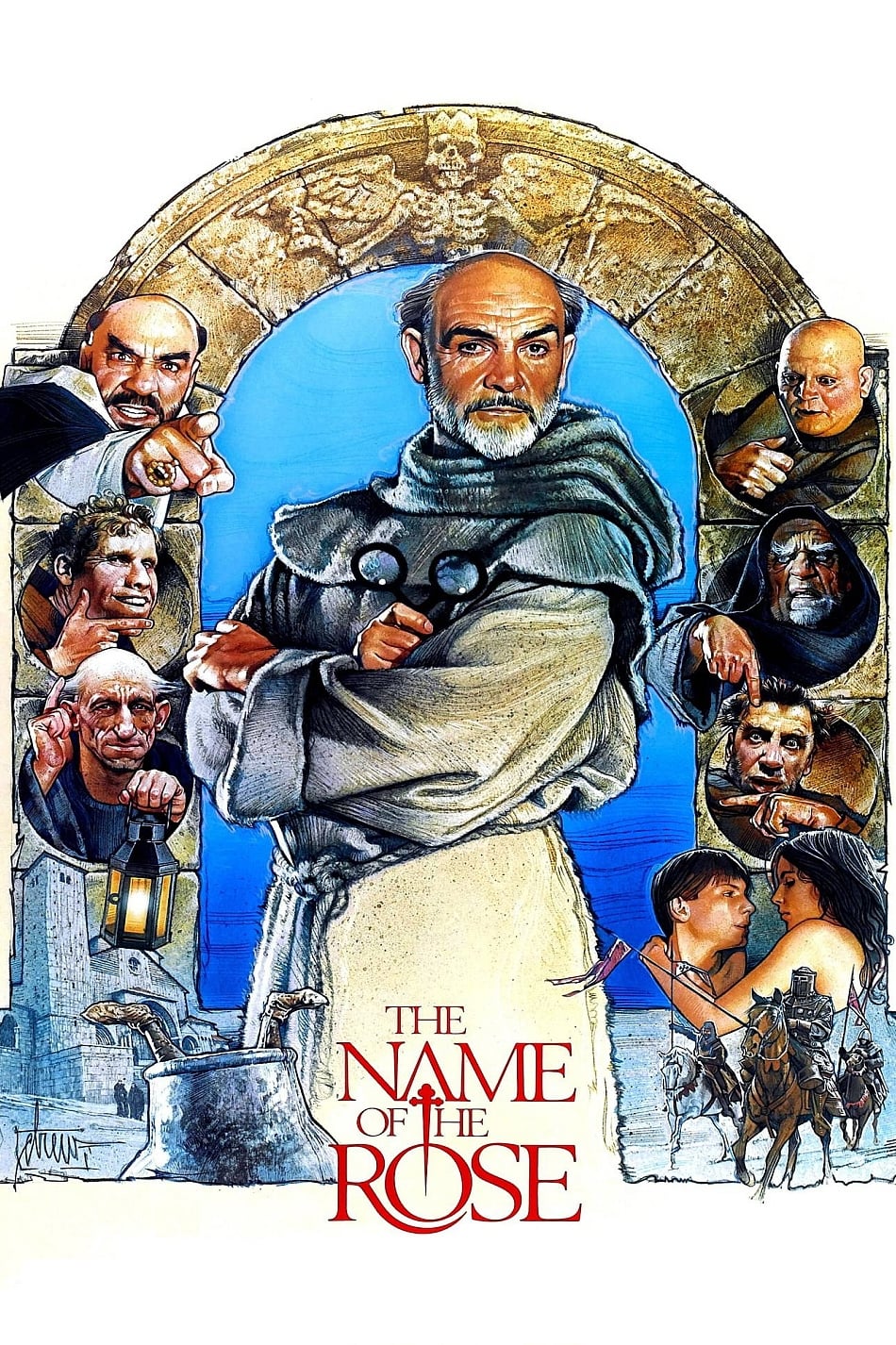
Based on Umberto Eco’s novel, ‘The Name of the Rose’ follows a Franciscan friar and his novice as they investigate deaths inside a secluded monastery. Ron Perlman plays Salvatore, a monk who communicates in a jumbled mix of tongues and reveals how fear and secrecy shape life inside the abbey. The film stars Sean Connery and Christian Slater and was directed by Jean Jacques Annaud.
Perlman’s portrayal required extensive prosthetic makeup and a physically expressive performance that emphasized Salvatore’s fractured speech and movements. The production used large scale sets and historic European locations to recreate monastic life with detailed costumes, manuscripts, and labyrinthine library spaces.
‘Cronos’ (1993)

Guillermo del Toro’s debut feature ‘Cronos’ centers on an elderly antiques dealer who discovers a scarab shaped device that grants renewal at a steep cost. Ron Perlman plays Angel de la Guardia, the ambitious nephew of a dying industrialist who is determined to seize the device. The story combines body horror with a family drama and moves between Spanish and English dialogue.
Perlman prepared Spanish lines for key scenes and works against veteran performers including Federico Luppi. The film earned major honors in Mexico and at international festivals, used intricate practical effects for the device and its aftermath, and established a long collaboration between Perlman and del Toro.
‘The City of Lost Children’ (1995)
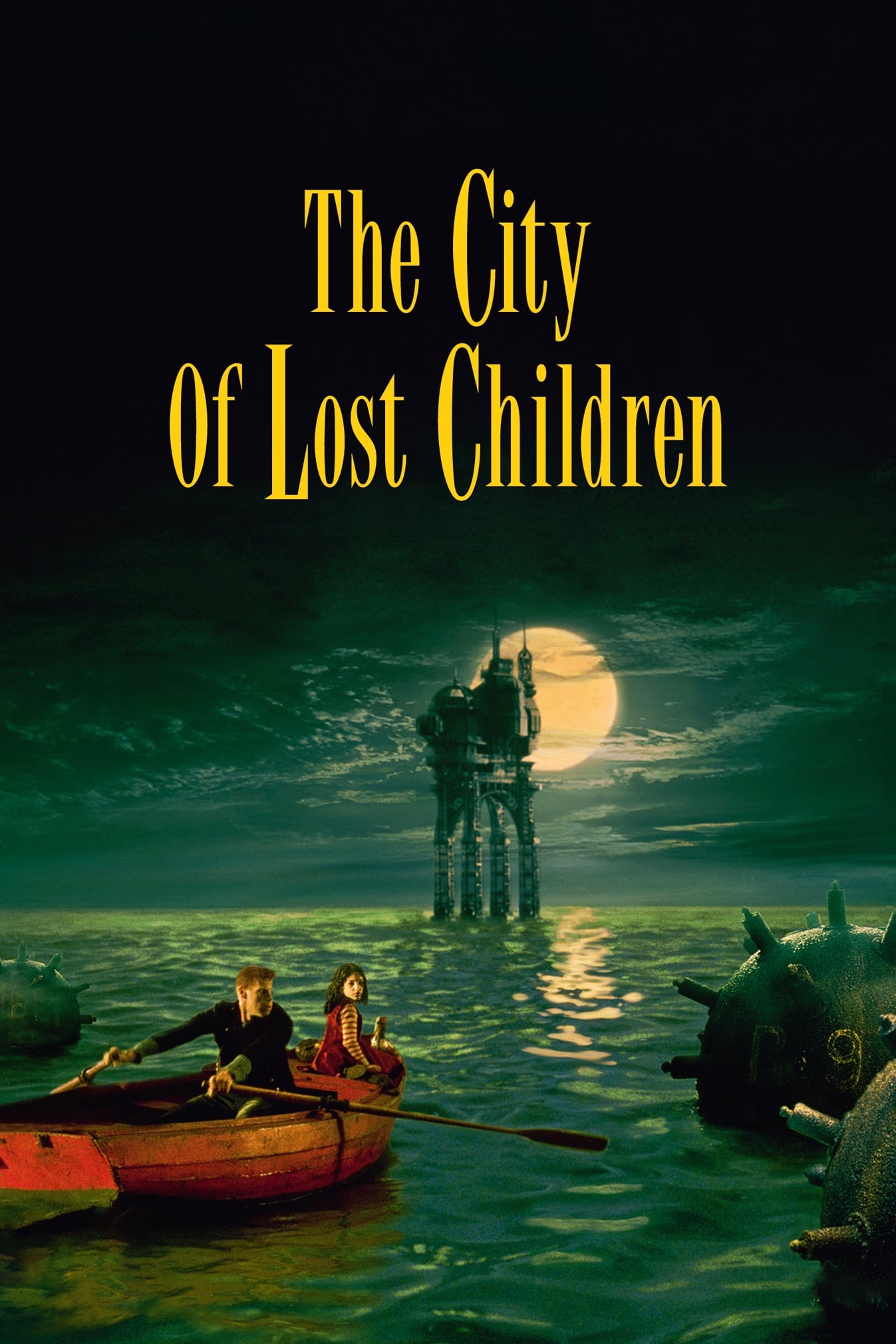
In ‘The City of Lost Children’ a scientist named Krank steals children to siphon their dreams, while a circus strongman named One searches for a kidnapped boy. Ron Perlman plays One and shares the screen with a young orphan named Miette, creating a central partnership that drives the rescue. The film was directed by Jean Pierre Jeunet and Marc Caro and features production design that mixes industrial machinery with storybook imagery.
Perlman delivered his lines in French after learning them phonetically and coordinated closely with child actors and stunt teams for the film’s intricate set pieces. Cinematographer Darius Khondji shaped the distinctive green tinged visuals, while composer Angelo Badalamenti’s score supports the dark fairy tale tone through recurring motifs.
‘Fluke’ (1995)

‘Fluke’ adapts a novel by James Herbert about a man who dies and returns as a dog while holding fragmented memories of his past life. Ron Perlman voices Rumbo, a streetwise companion who guides the title dog through city dangers and moments of recognition. Matthew Modine and Nancy Travis lead the human cast across parallel story threads that connect family, grief, and rediscovery.
The production relied on trained animal performers with voice recording scheduled to match mouth movements captured on set. Practical dog work, second unit city shooting, and a restrained effects approach keep the focus on vocal performance and music cues that signal memory flashes and shifting point of view.
‘Alien Resurrection’ (1997)
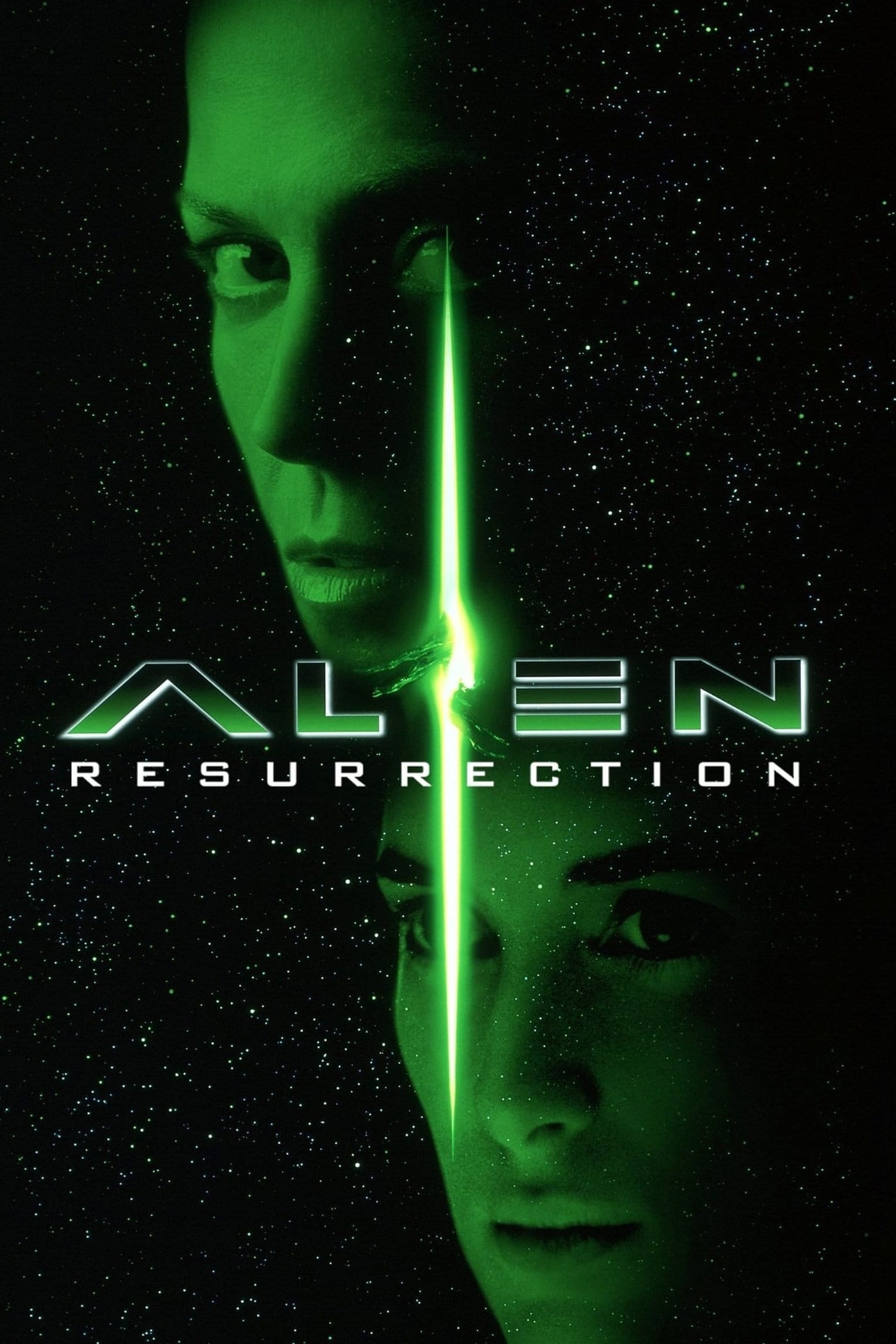
‘Alien: Resurrection’ continues the ‘Alien’ saga with a clone of Ellen Ripley aboard a military research ship where xenomorph experiments spiral out of control. Ron Perlman plays Johner, a member of the mercenary crew that arrives with cargo and gets pulled into the outbreak. The film was directed by Jean Pierre Jeunet and stars Sigourney Weaver and Winona Ryder.
Production combined animatronic creature work with digital effects, including an extended underwater sequence that required cast training and specialized safety teams. Sets were engineered for vertical action with climbing rigs, cable runs, and modular corridors, which allowed the mercenary group to move through the ship in coordinated tactical formations.
‘Blade II’ (2002)
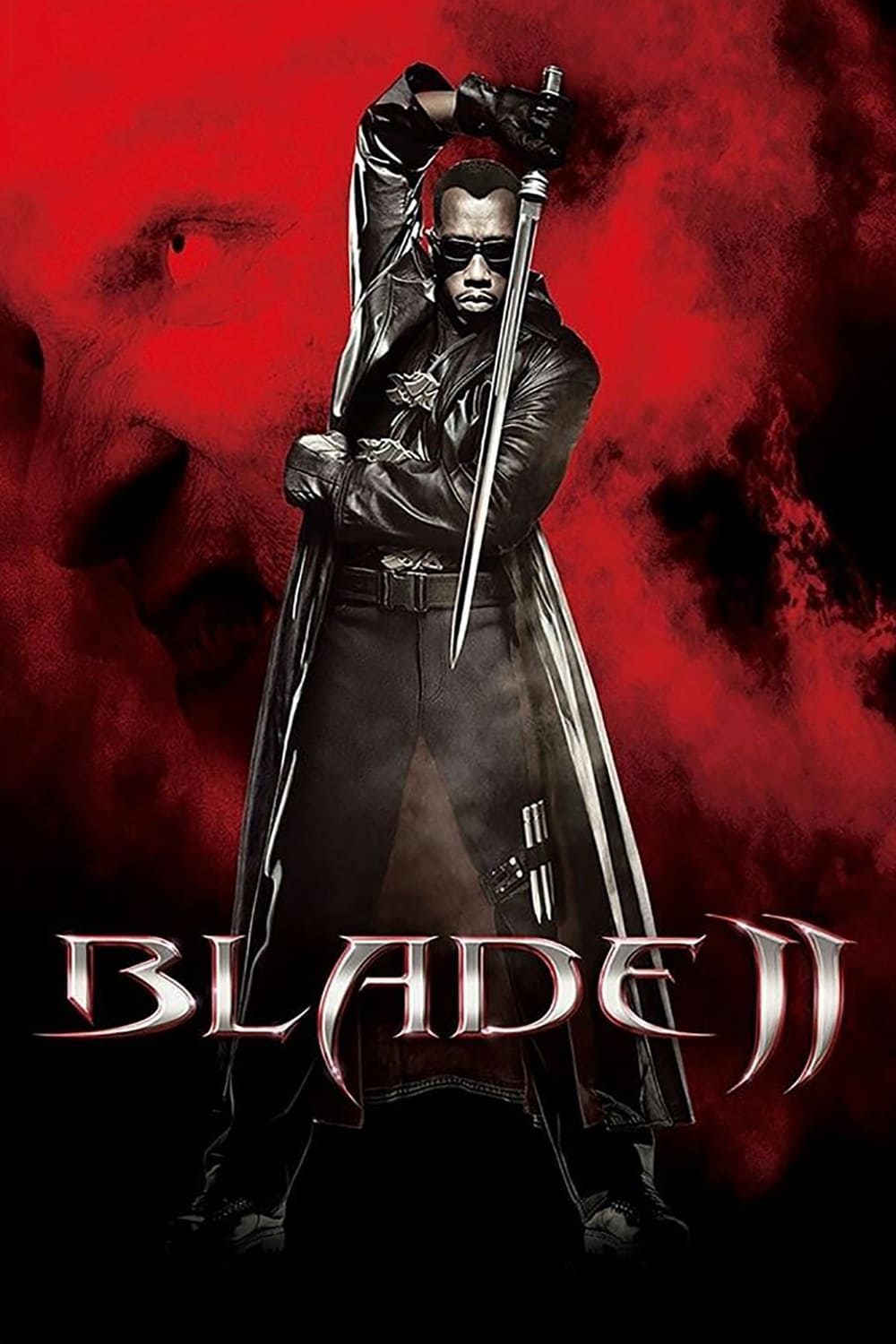
In ‘Blade II’ the vampire hunter forms an uneasy alliance with an elite unit to confront a new strain of predator known as Reapers. Ron Perlman plays Reinhardt, a veteran member of the Bloodpack who clashes with the title character while trying to complete the mission. Wesley Snipes returns in the lead with support from Kris Kristofferson, Norman Reedus, and Donnie Yen.
Director Guillermo del Toro staged close quarters fights that showcase martial arts choreography and creature design with splitting mandibles and skeletal torsos. The shoot took place largely in Prague using industrial locations, and visual effects teams blended prosthetics, wire work, and digital augmentation to depict the Reaper threat at multiple scales.
‘The Last Winter’ (2006)

‘The Last Winter’ is an Arctic set thriller about an energy company outpost where a field team documents environmental anomalies and psychological strain. Ron Perlman plays Ed Pollack, the project lead responsible for logistics and safety while investigators push for caution as conditions worsen. James Le Gros and Connie Britton round out the core ensemble in an ensemble structure that alternates between field surveys and base operations.
Filming in Iceland provided snowbound vistas and unpredictable weather that the production folded into the schedule. The film limits digital imagery in favor of location photography, diegetic sound, and sparse visual effects, using ice fog, whiteout shots, and long takes to place the viewer inside the crew’s isolation.
‘I Sell the Dead’ (2008)
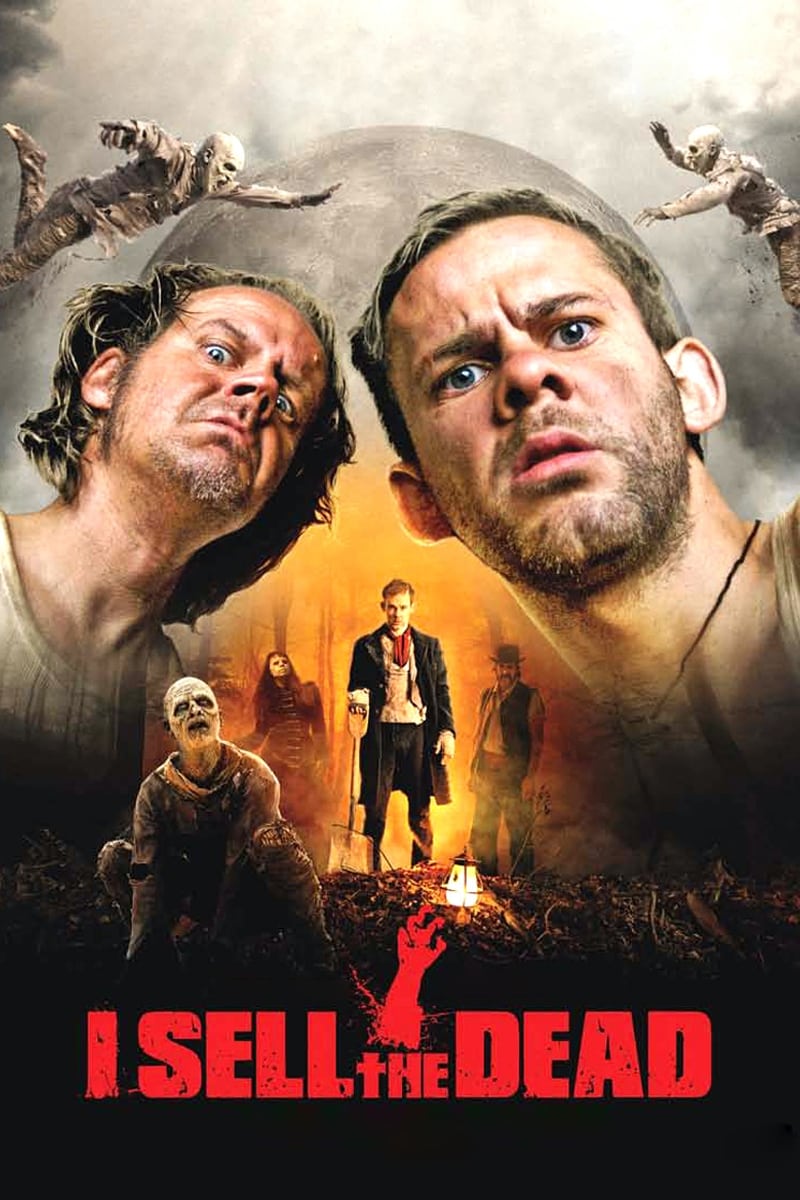
‘I Sell the Dead’ follows grave robbers Arthur Blake and Willie Grimes as one of them recounts a career in body snatching to a waiting priest. Ron Perlman plays Father Duffy, whose questions frame a series of stories involving ghouls, rival crews, and escalating risks. Dominic Monaghan and Larry Fessenden lead the cast through episodes that mix horror and dark humor.
The film uses practical makeup, miniature effects, and period costumes to stage each tale with a handcrafted look. Structured as linked vignettes, it moves between interrogation room scenes and flashbacks, which allowed the production to shoot on compact sets and design distinctive creature encounters for each chapter.
‘Bunraku’ (2010)

Set in a world that outlaws guns, ‘Bunraku’ tracks a drifter and a swordsman who challenge a powerful crime boss and his enforcers. Ron Perlman plays Nicola the Woodcutter, the ruling figure whose organization controls the city through a strict hierarchy. The cast includes Josh Hartnett, Gackt, Woody Harrelson, and Demi Moore, with each faction identified by color coded uniforms and signature fight styles.
Director Guy Moshe builds the film like a stage production with sliding flats, painted backdrops, and transitions that mimic a pop up book. The title references Japanese puppet theater and the choreography reflects that heritage through rhythmic movement, visible scene changes, and stylized combat that reads like a live performance translated to the screen.
‘Asher’ (2018)
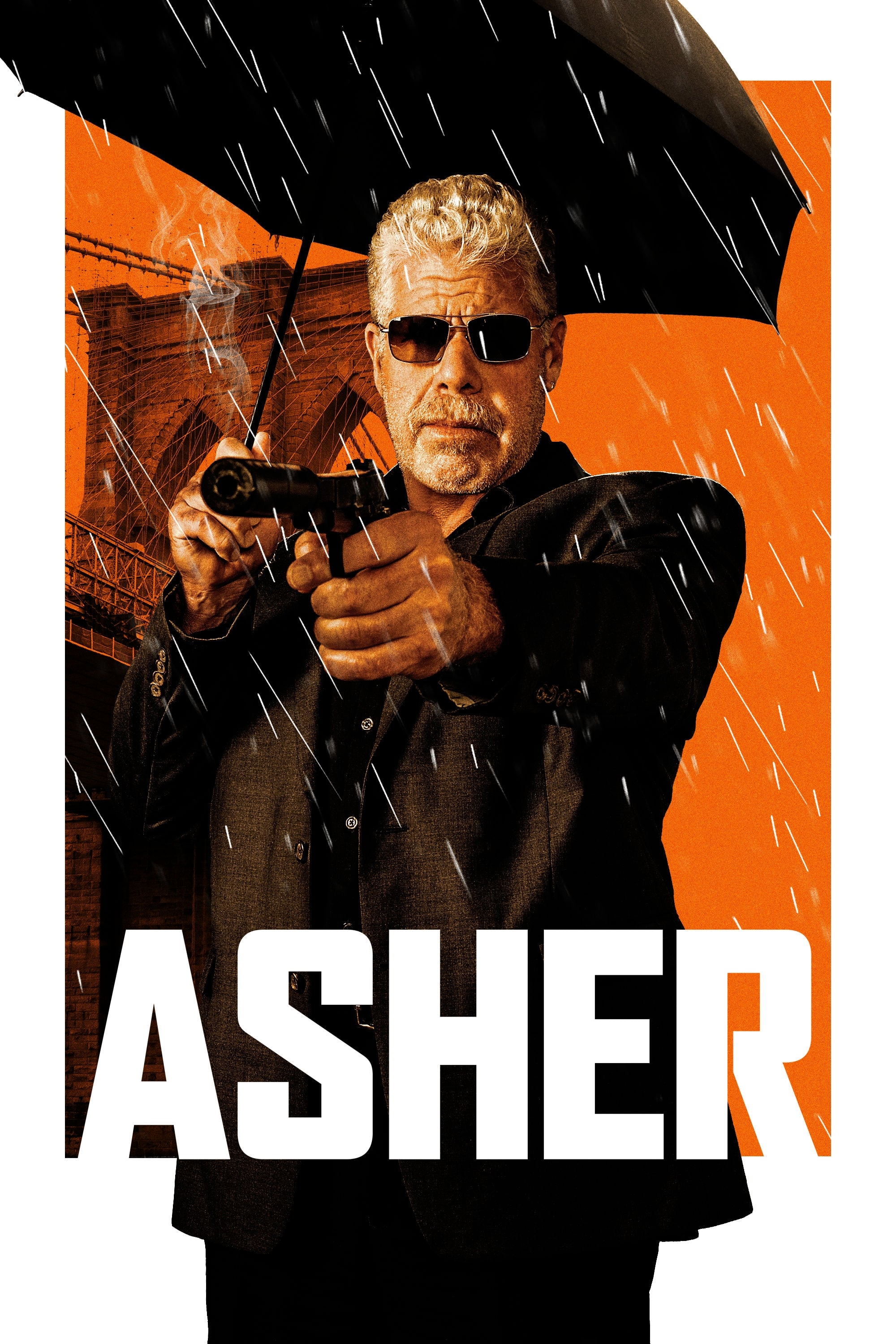
‘Asher’ is a character driven crime drama about a former Mossad operative working as a contract killer in Brooklyn who begins to reconsider his routines after an unexpected meeting. Ron Perlman plays the title role opposite Famke Janssen, with supporting turns from Richard Dreyfuss and Peter Facinelli. Director Michael Caton Jones focuses on quiet interactions, careful surveillance, and the logistics of a job done by habit.
The production shot extensively on location in New York City apartments, diners, and side streets, using available light and close framing to place viewers inside the lead character’s day to day world. Stunt work stays grounded with practical effects and controlled camera setups that emphasize proximity and timing rather than spectacle.
Share your favorite lesser known Ron Perlman performances in the comments so everyone can compare notes and discover a new watch.