The Most Controversial Movies Of 2025 (So Far)

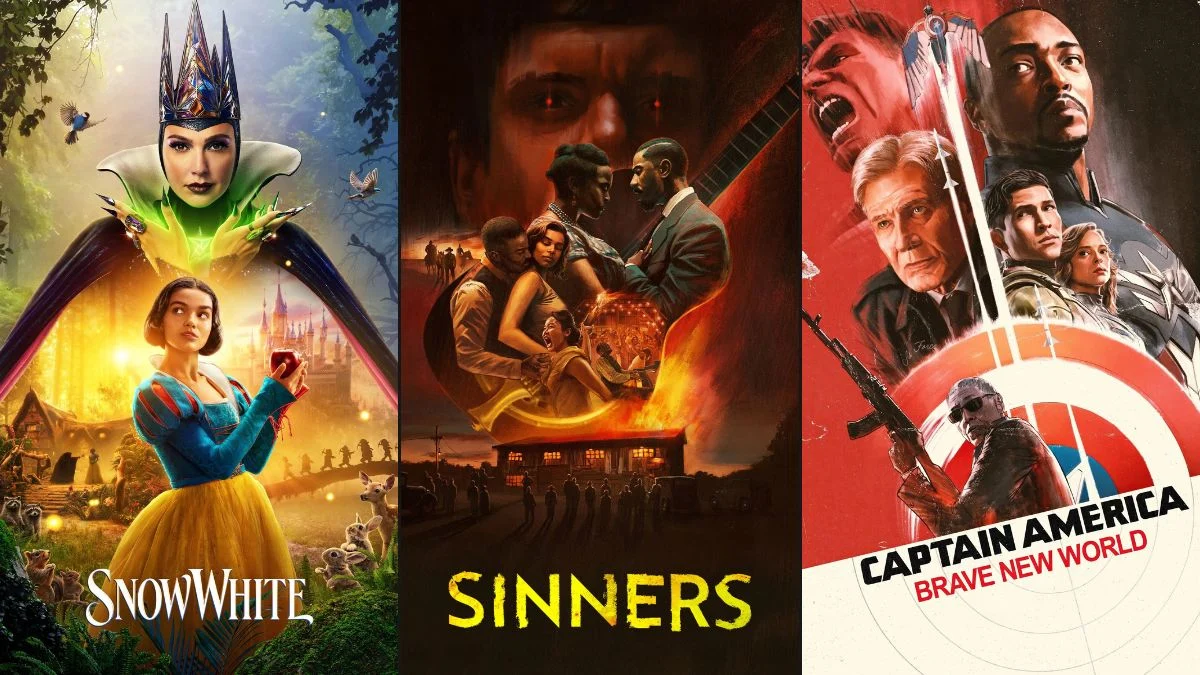

Movies make headlines for more than plots and premieres this year. Production choices, casting debates, marketing missteps, and online firestorms have pushed certain titles into the center of bigger cultural conversations. Audiences have weighed in loudly, theaters have had to adapt in real time, and studios have responded with edits, statements, and sometimes silence.
This roundup looks at the releases that stirred the biggest arguments and raised the most questions. You will find everything from franchise tentpoles to intimate documentaries and festival darlings that finally reached general audiences. Each entry explains what sparked the outcry and what actually happened on screens and behind the scenes.
‘Snow White’ (2025)
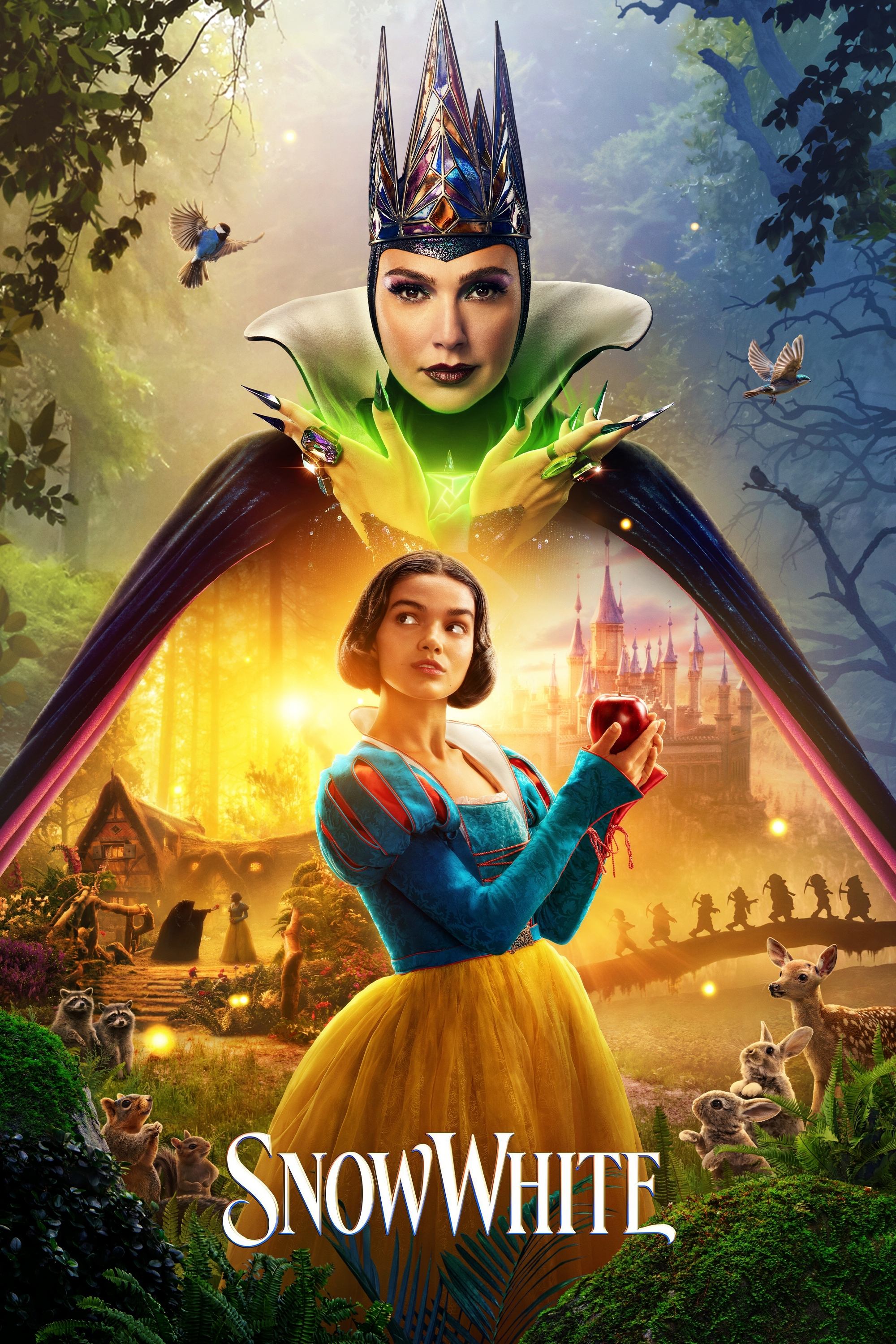
The live action update drew early backlash over casting and comments made during promotion, then faced new criticism when the dwarfs were depicted with heavy CGI rather than with a practical or traditional approach. The project also became a flashpoint for competing political campaigns that pushed boycotts from different sides, which kept the film in the news throughout marketing and release.
Once audiences saw it, the conversation shifted to creative choices that departed from the animated classic. Viewers singled out the handling of the seven companions, the tone of the story, and the overall look of the visual effects, while box office performance and reports of friction around publicity appearances amplified the controversy.
‘Captain America: Brave New World’ (2025)
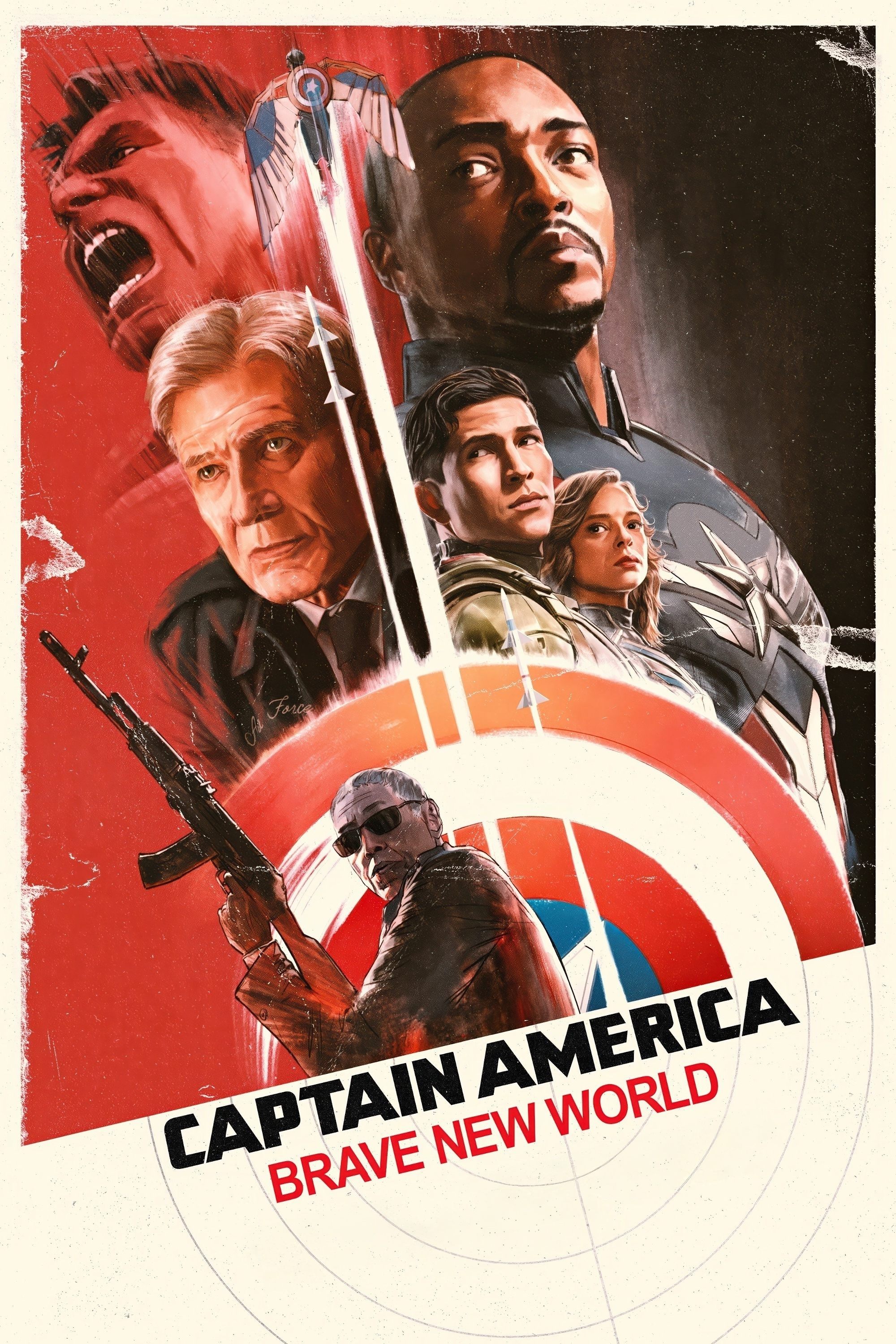
Discussion began long before opening weekend due to a title change, extensive reshoots, and the introduction and revision of characters with loaded geopolitical baggage. The portrayal of an Israeli character and the way the story framed government power invited organized campaigns from opposing groups, which kept attention focused on messaging rather than plot.
After release, debate centered on the ending and the treatment of accountability within the film’s leadership arc. Commentators compared the final act to earlier entries in the franchise and questioned whether the script tried to avoid politics while still leaning on political symbols, which sustained arguments across fan spaces and mainstream outlets.
‘Lilo & Stitch’ (2025)
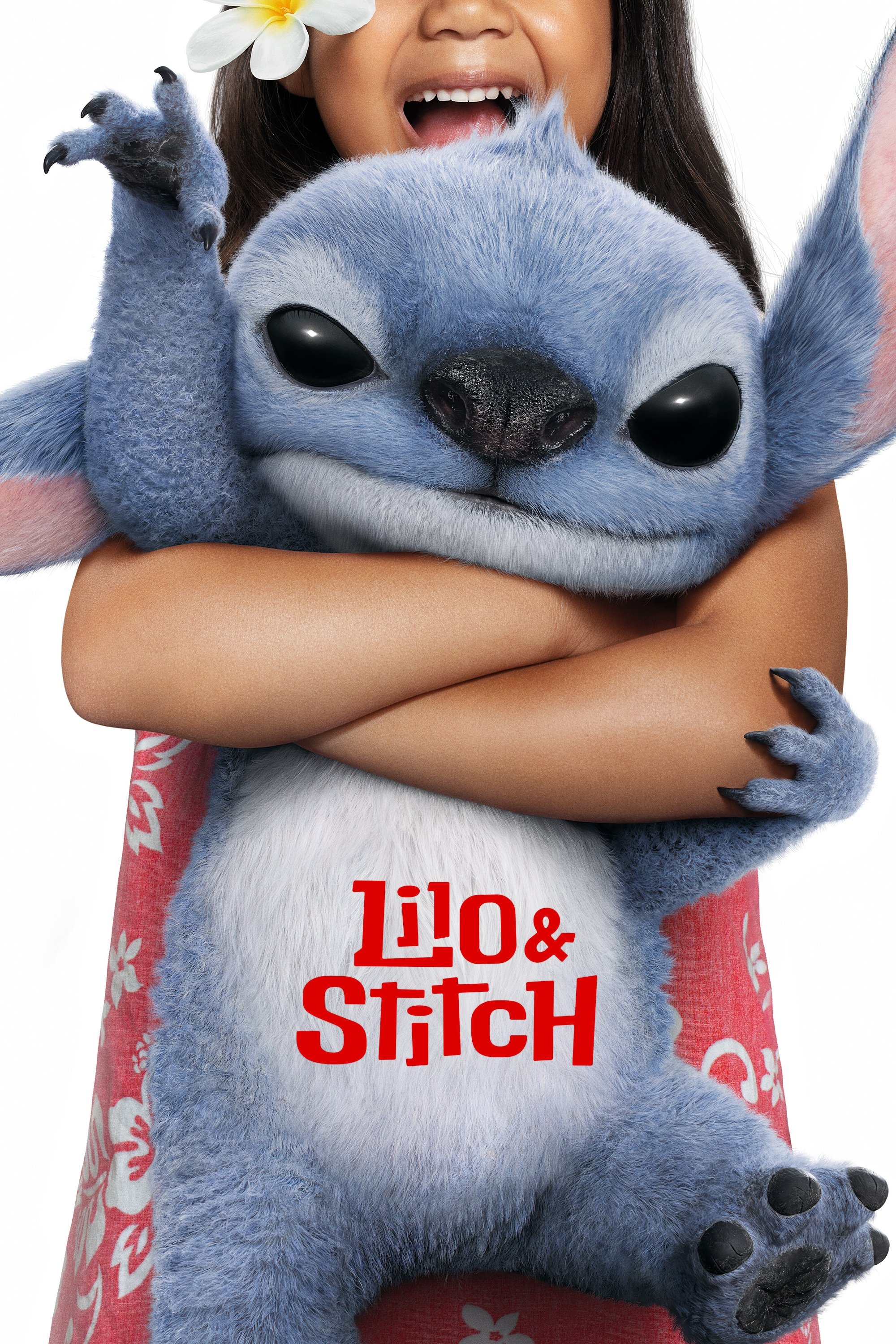
The remake changed key story beats that defined the original, especially the resolution of Lilo’s family situation. Viewers from Hawaiʻi and beyond highlighted how those choices intersect with real histories of family separation and foster systems, which turned a seemingly small rewrite into a bigger cultural discussion.
Fans also noticed adjustments to character presentation that removed comic gender play from a popular side character and reduced screen time for certain aliens. Interviews with creatives appeared to confirm that some choices were constrained by budget or mandate, which kept speculation going about the studio’s approach to representation.
‘A Minecraft Movie’ (2025)
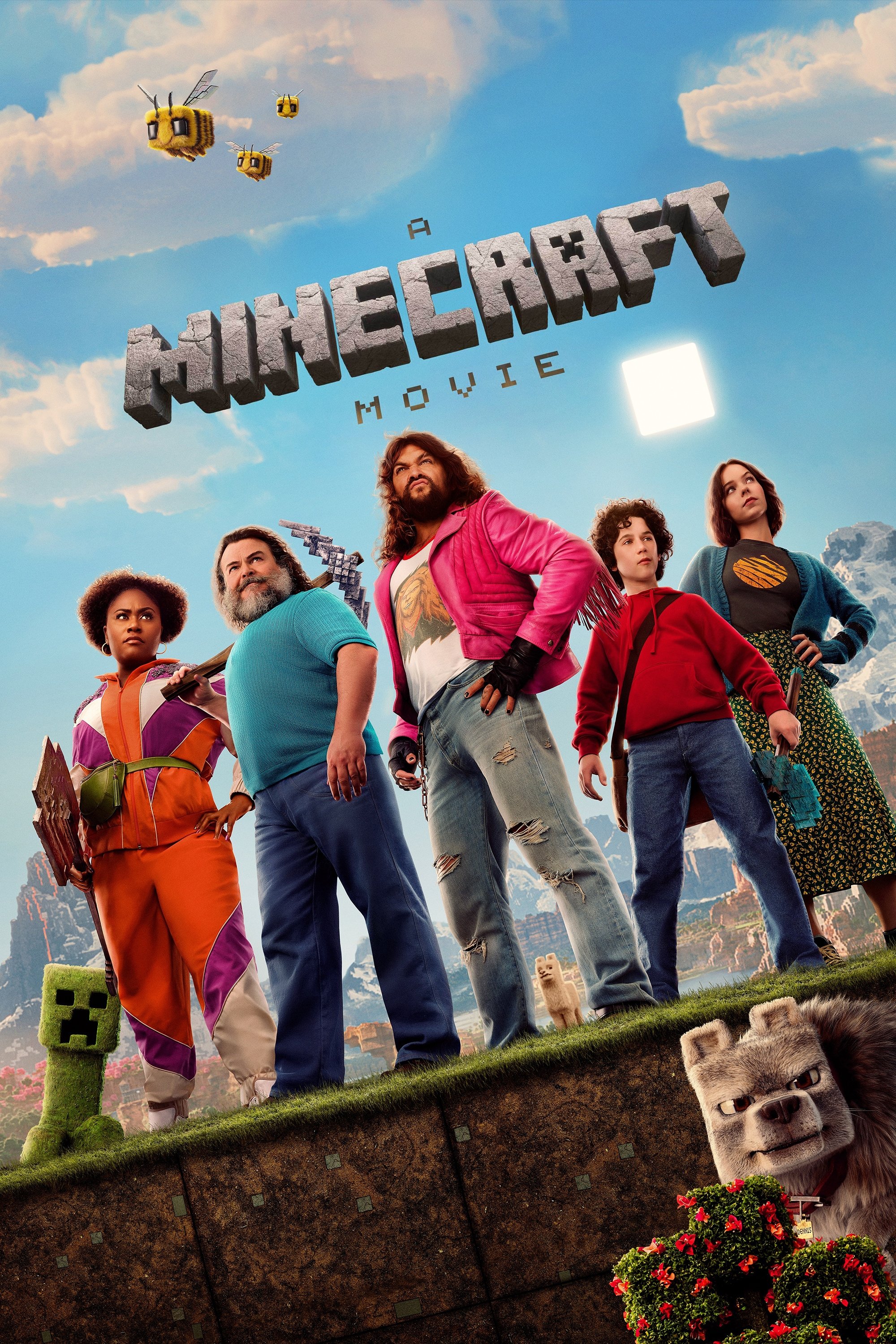
The family blockbuster became a phenomenon inside theaters where groups of young viewers turned key scenes into rowdy rituals. Exhibitors circulated new pre show announcements asking audiences to remain seated and keep food out of the air, while some chains experimented with event style screenings to manage expectations.
Outside theaters, videos of the behavior circulated widely and sparked debates about etiquette and how participatory a moviegoing experience should be. The film’s strong commercial run collided with those viral clips, so box office headlines often arrived paired with discussions about venue policy and staff safety.
‘The Electric State’ (2025)
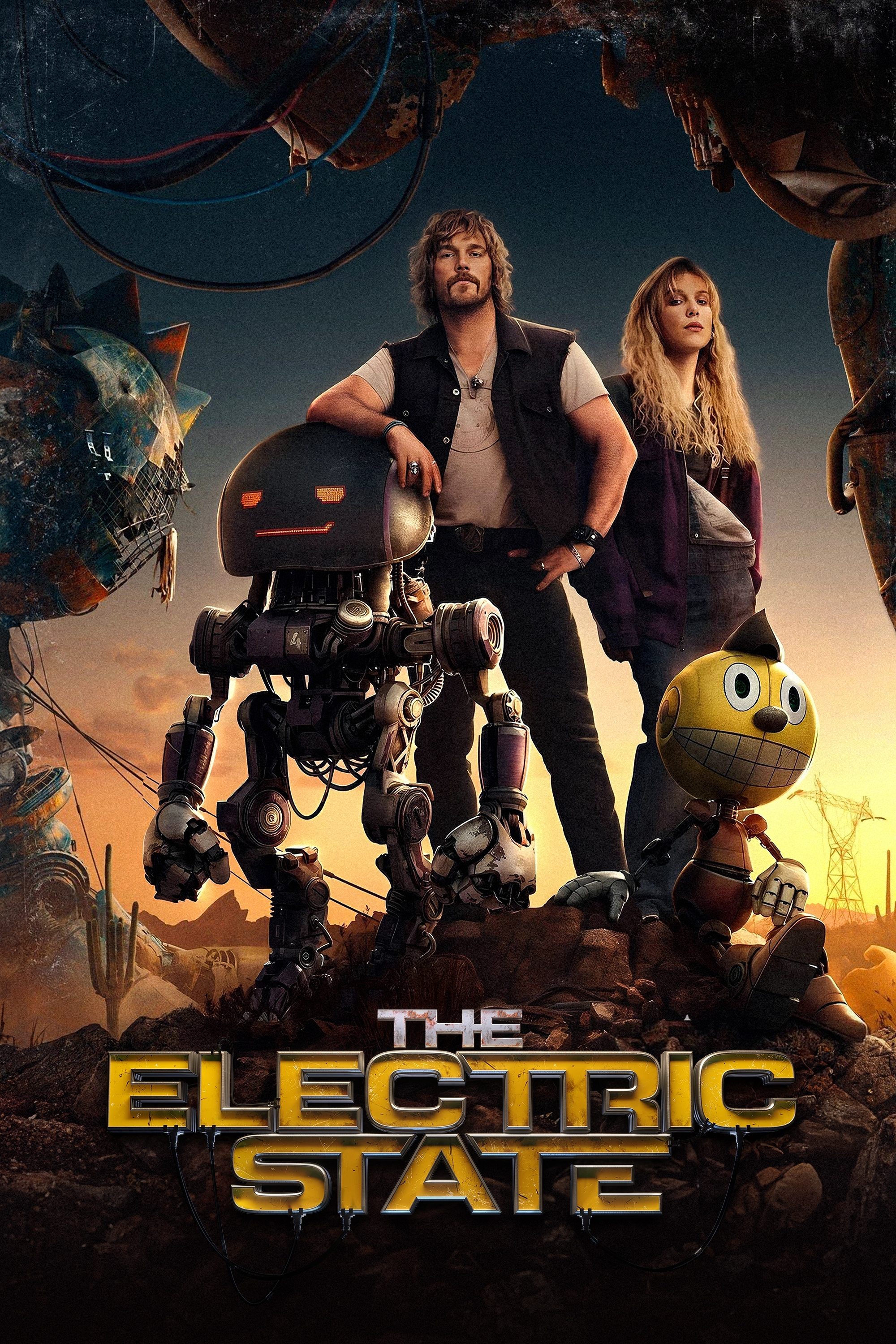
The streaming release drew scrutiny for a production price that rivaled the most expensive theatrical spectacles. Viewers and critics questioned how that level of spending translated on screen, especially with heavy reliance on digital effects and a story adapted from a beloved illustrated book with a distinct aesthetic.
The directors’ public comments about artificial intelligence reignited ongoing industry fights about creative labor. Even limited use of voice tools within the project became a rallying point for unions and artists who are pushing for clearer guardrails, which made the film a case study in the future of production.
‘Rust’ (2025)
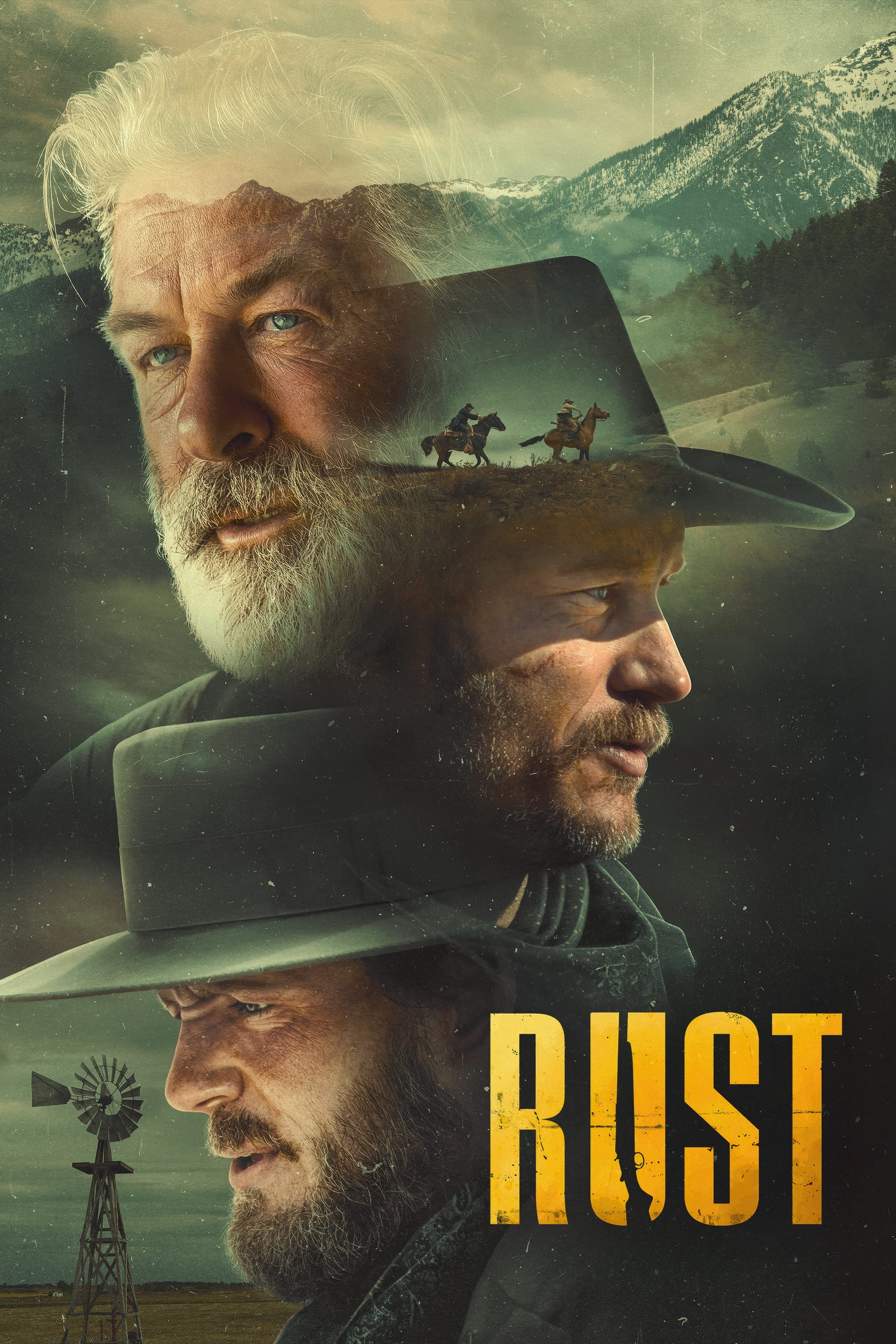
Conversation around the western was defined by the on set tragedy that claimed the life of cinematographer Halyna Hutchins. Court proceedings for crew members and renewed attention on firearm protocols placed the release under an unusual spotlight, with calls from safety advocates to eliminate functional prop weapons from sets.
When the film finally reached audiences, critics addressed craft elements while acknowledging the circumstances of its making. Trade groups and guilds used the moment to share updated safety guidance, and theaters fielded questions from moviegoers who were still learning details about protocols and responsibility.
‘Magazine Dreams’ (2025)
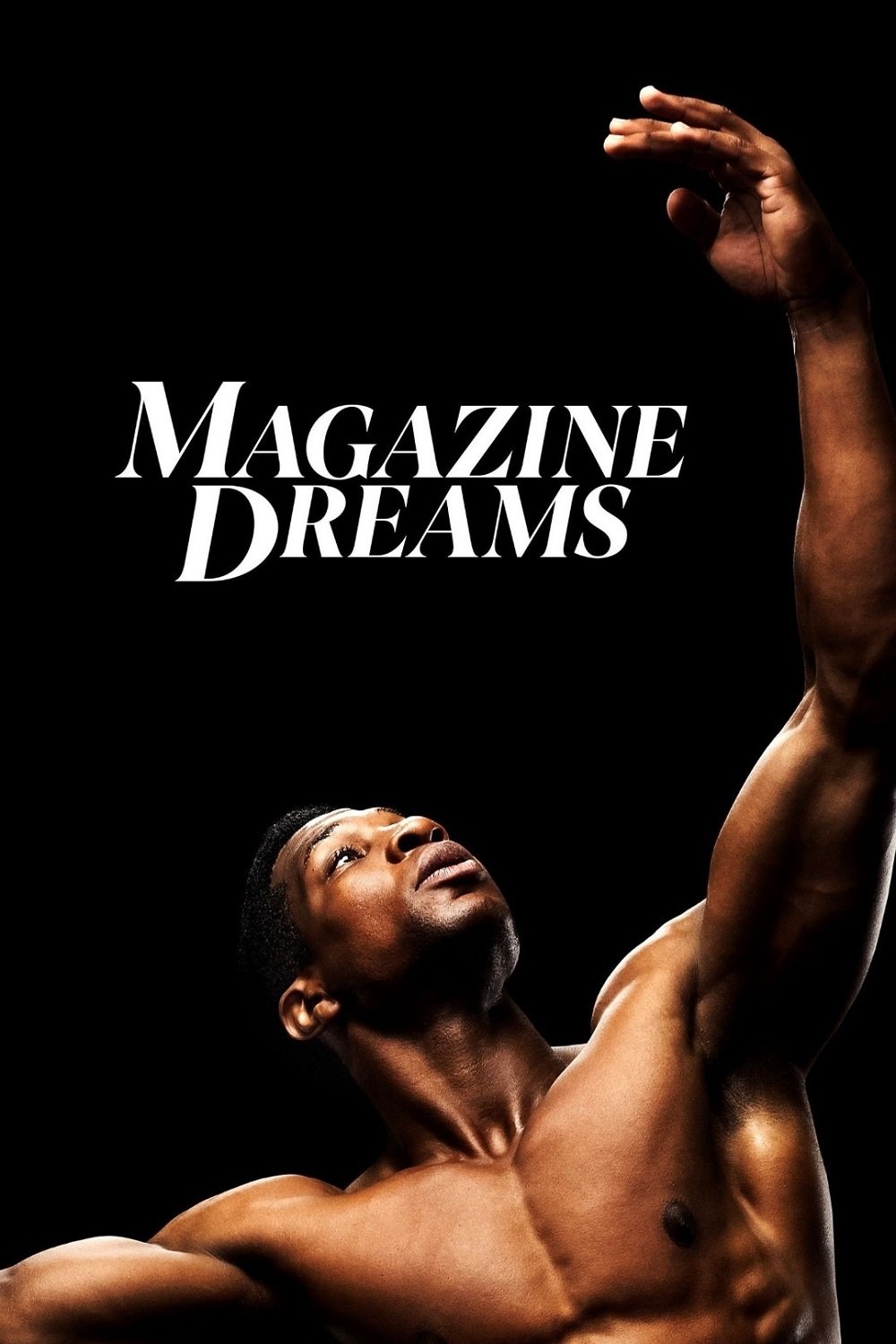
The film’s path to release was reshaped by the criminal case involving its star. After an initial wave of acclaim at a major festival and a planned campaign from an earlier distributor, the project was dropped and later acquired by a different company that positioned it for a quieter rollout.
The change sparked a broader debate about how studios handle finished work when a lead actor faces legal consequences. Programming decisions by theaters, coverage choices by media, and audience discussions about separating performance from personal conduct kept the film at the center of an ethics focused conversation.
‘No Other Land’ (2025)
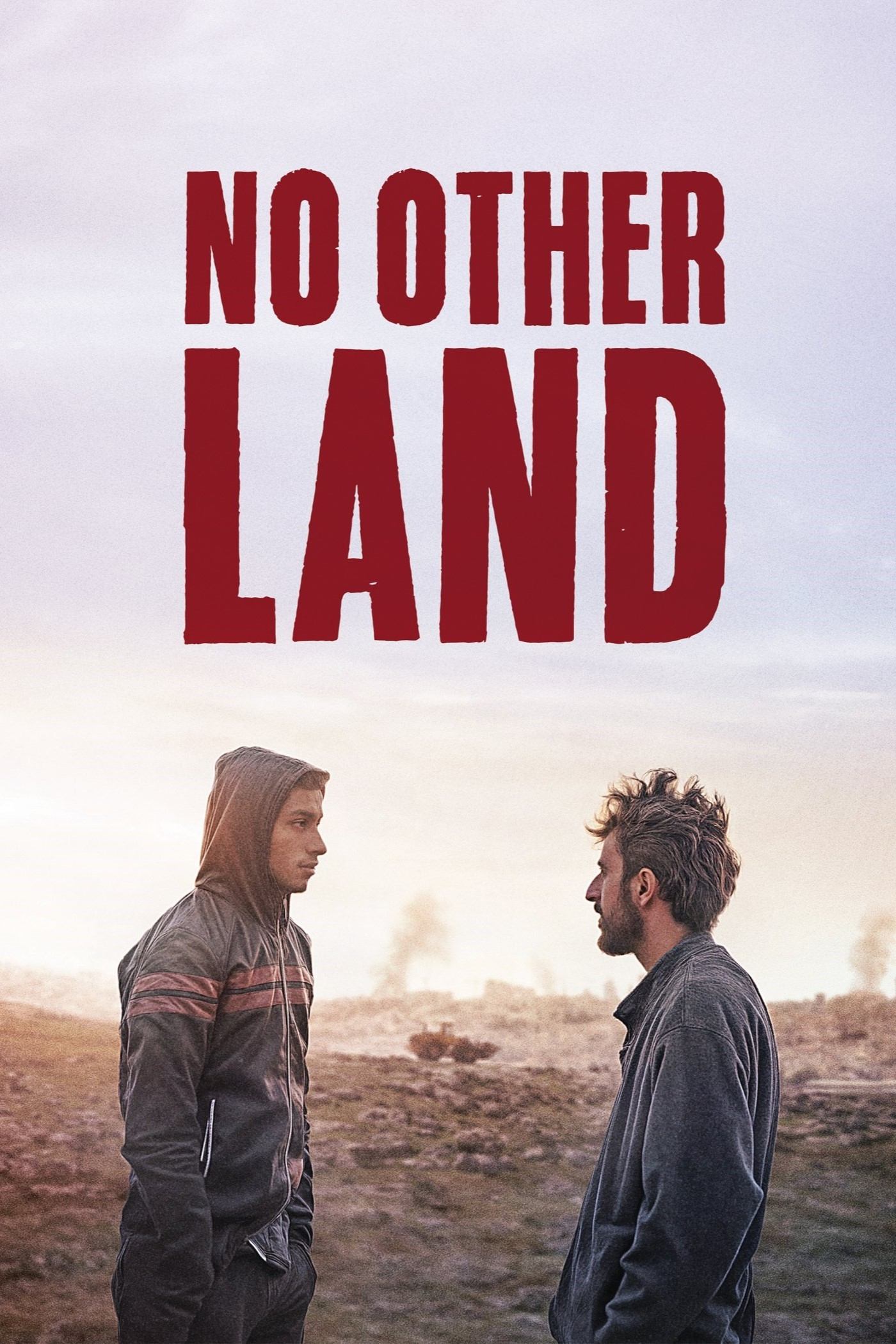
This documentary about communities in the South Hebron Hills encountered resistance from organizations and officials across multiple countries. Protest calls came from opposing political movements, and one director faced detention shortly after screenings drew attention to the subject, which turned a release plan into a security concern.
Distribution in the United States became unusually complicated as major companies passed on the film and independent venues weighed potential risks. Advocacy groups petitioned cultural institutions for statements of support, while programmers used panel discussions to provide context at showings that did proceed.
‘Warfare’ (2025)
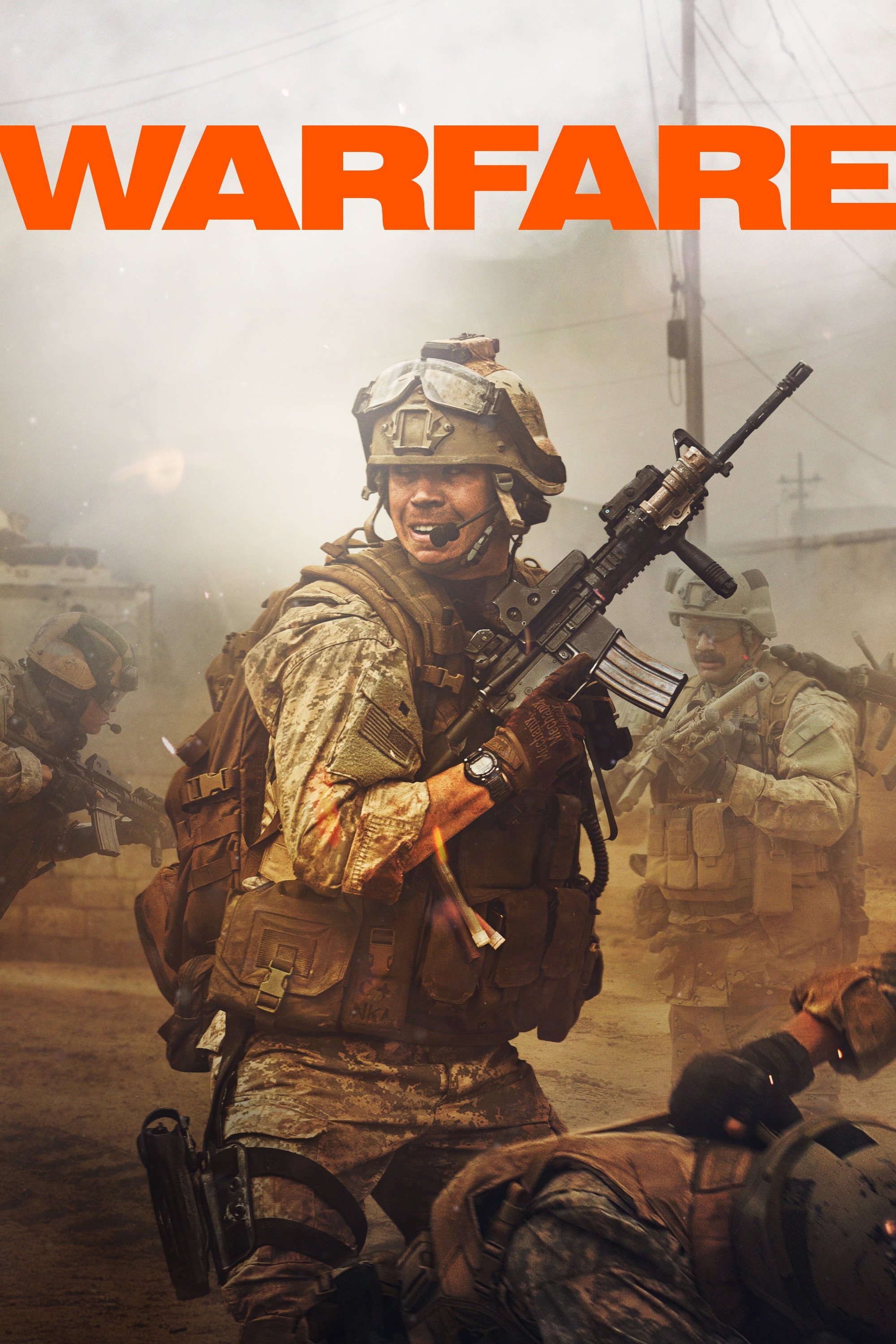
The modern combat drama drew early accusations of propaganda from viewers who reacted to marketing materials without the film’s full context. The production chose to simulate military hardware rather than use official resources, which prompted industry talk about creative independence and the trade offs that come with government cooperation.
Reviews praised craft while questioning perspective and omission. Commentators compared the film’s stripped down approach to the director’s previous work and asked whether a similar story from local viewpoints would receive backing at the same scale, which kept the conversation active beyond opening weekend.
‘Sinners’ (2025)
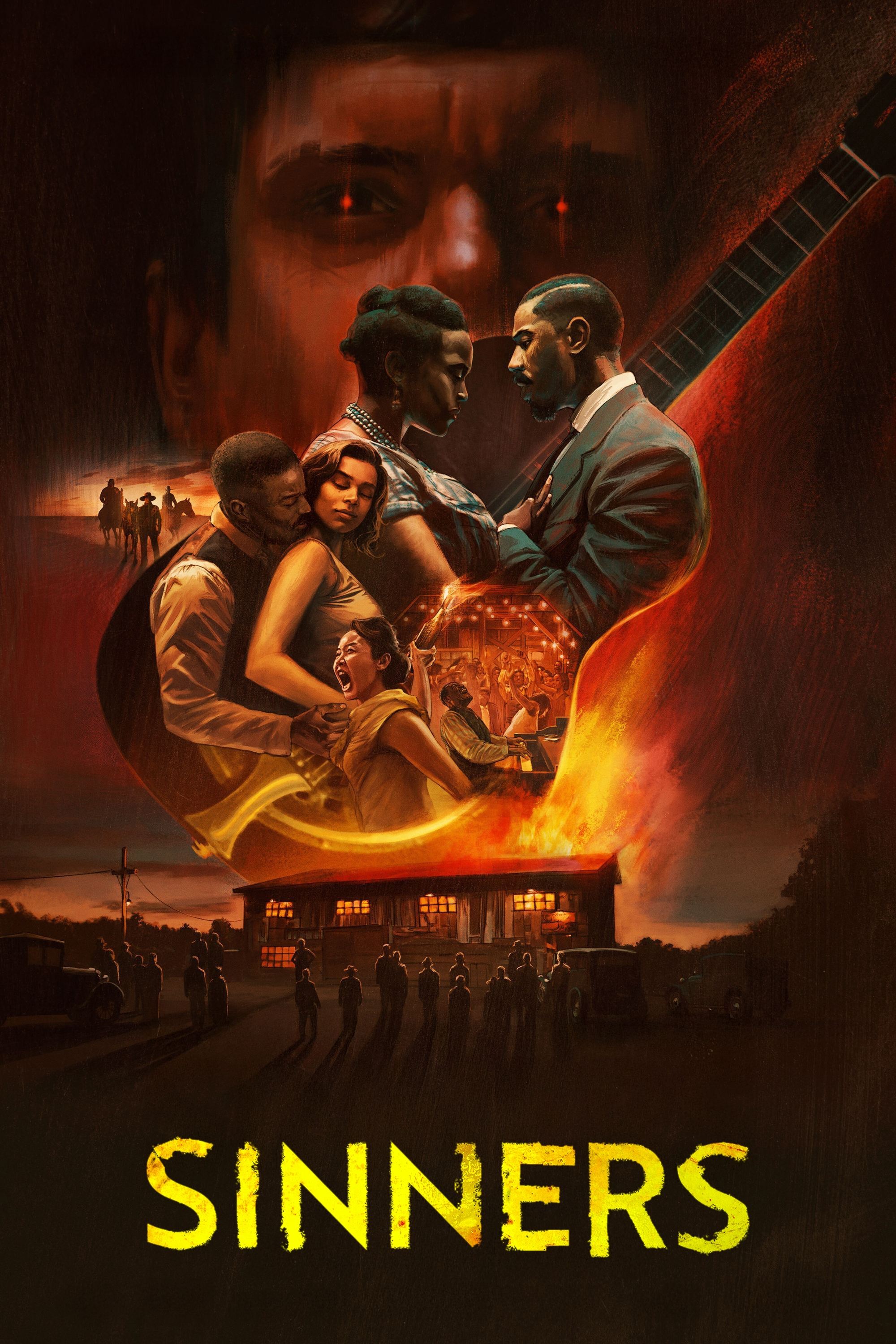
The original genre film made headlines for an uncommon rights arrangement that returns ownership to the filmmaker after a set period. Reports suggested that some studio executives worried the deal could encourage more directors to seek similar terms, which created a narrative about business risk around a high profile release.
Coverage of the movie’s strong audience turnout often included attempts to frame the cost against opening weekend numbers in minimizing ways. That pattern prompted media critics and industry watchers to compare the tone of reporting to coverage of comparable projects by different filmmakers, which fed a sustained discussion about equity in credit and celebration.
Share your picks for the year’s most talked about releases in the comments and tell us which titles you think should be added next.