The Most Infuriating Reasons Actors Lost Out On Movie Roles


Sometimes an actor lines up a dream role, trains, rehearses, and even starts work, only to see it vanish for reasons that feel avoidable or plain bewildering. Contracts collide with schedules, a new director changes course after cameras roll, or a studio decides an image does not fit the part after months of preparation. Careers can turn on choices like these, and the stories behind them are packed with concrete details.
This list gathers specific cases where an actor missed out despite having the part in hand or being close enough to touch it. You will find timelines, contract notes, and production decisions that explain exactly what happened and who ultimately stepped in.
Stuart Townsend – ‘The Lord of the Rings’ (2001–2003)
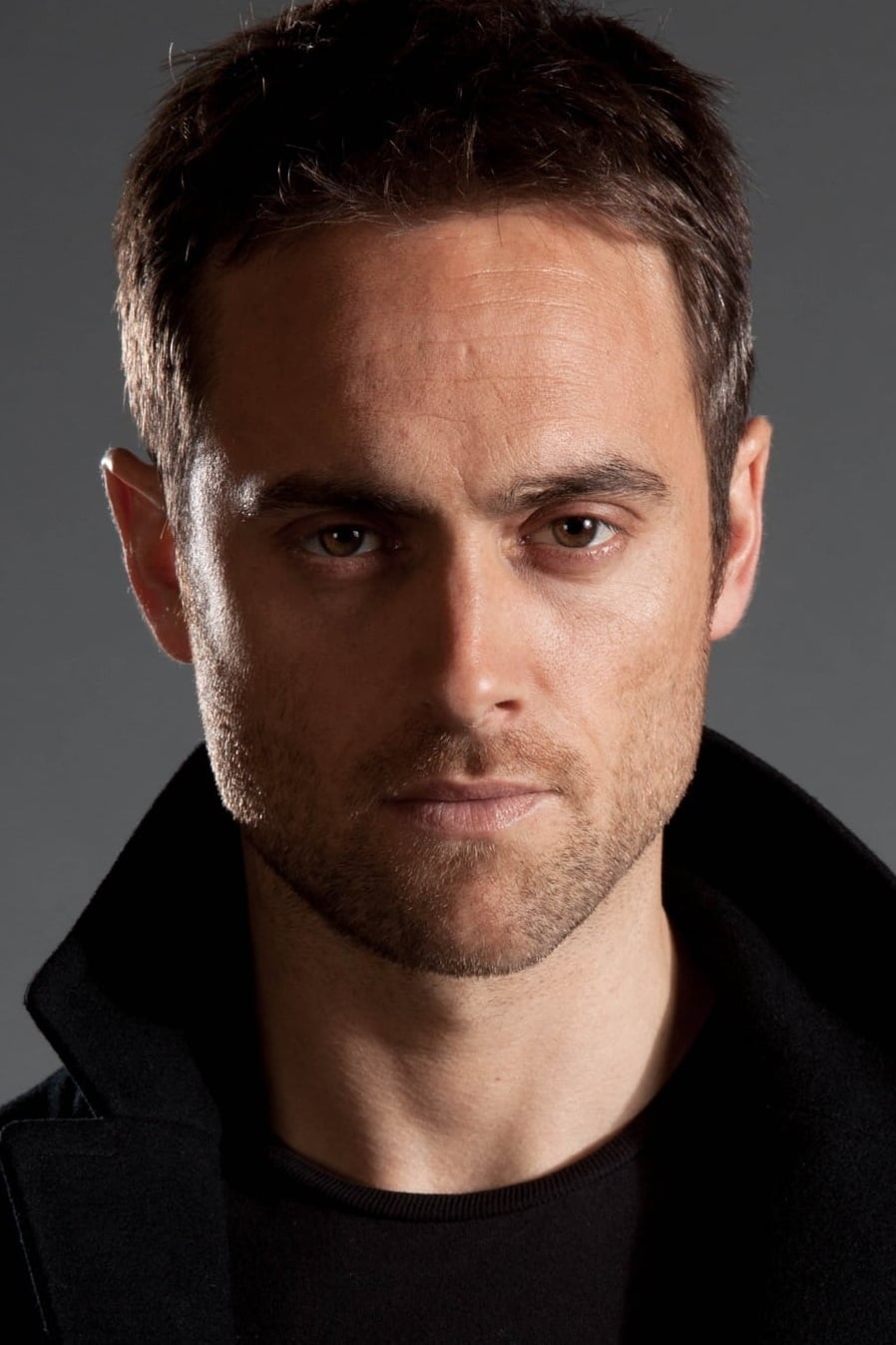
Stuart Townsend was hired to play Aragorn after extensive auditions, then spent weeks in physical training and fight rehearsal in New Zealand. When principal photography began, he filmed for only a few days before producers concluded the character needed to skew older, which meant the portrayal they had prepared no longer matched the new direction for the role.
Viggo Mortensen accepted the part on short notice and re-shot the material. Townsend had already completed costume fittings and sword work, so the switch forced the production to adjust stunt plans, reschedule action units, and rebuild scenes that had been blocked for a different lead.
Dougray Scott – ‘X-Men’ (2000)
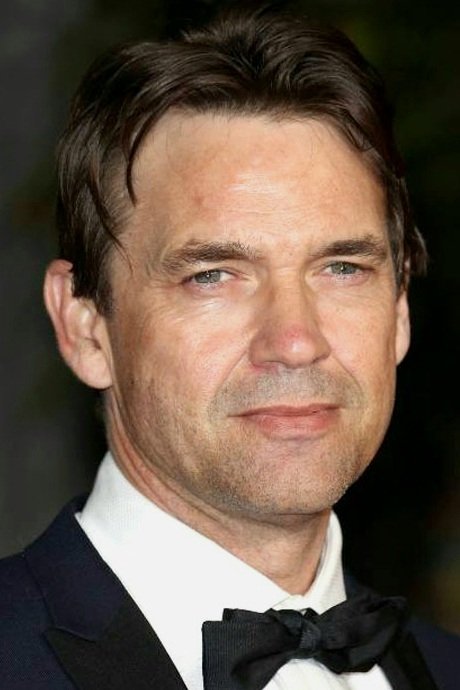
Dougray Scott was cast as Wolverine and planned to jump from ‘Mission: Impossible 2’ into ‘X-Men’. Delays on the other production extended his shoot and a motorcycle sequence led to injuries that pushed his availability past the dates the superhero film needed for its opening weeks.
With the schedule locked, the studio recast quickly to keep the start on track. Hugh Jackman joined late in preproduction and began training under a compressed timeline, which meant stunt choreography, hair and makeup tests, and costume builds were rebuilt around a new lead after prep work had already begun.
Emily Blunt – ‘Iron Man 2’ (2010)
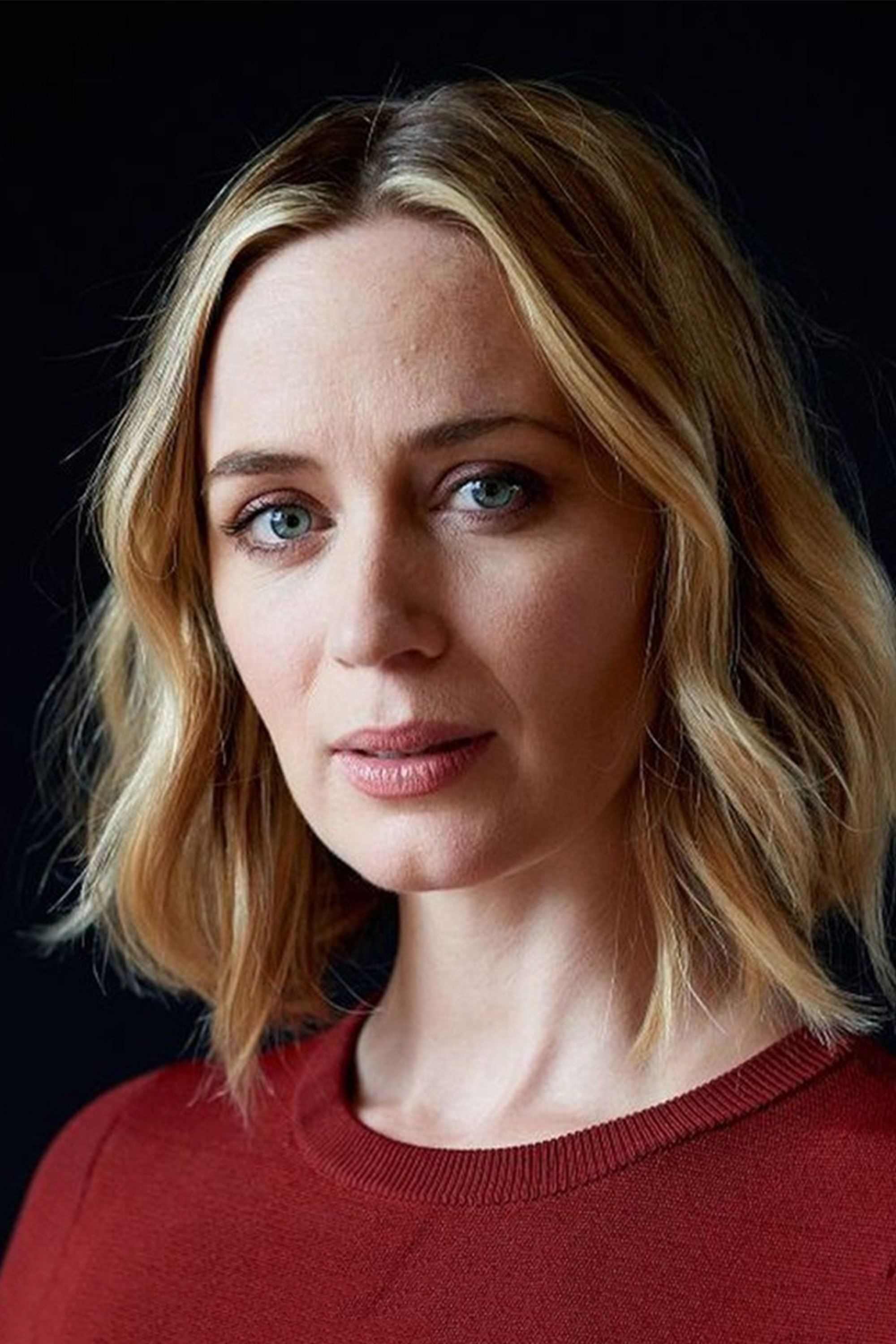
Emily Blunt was the first choice for Natasha Romanoff in ‘Iron Man 2’, but a prior studio agreement triggered a service option that obligated her to star in ‘Gulliver’s Travels’. The contract left no room for overlapping dates with Marvel and the legal timelines on that deal made a waiver impractical within the sequel’s locked calendar.
Marvel pivoted to secure Scarlett Johansson, who tested and entered training on a tight runway. Blunt’s conflict came down to binding contract language that overrode creative preference and forced a clean break before fight training and costume builds could begin on the role.
Terrence Howard – ‘Iron Man 2’ (2010)
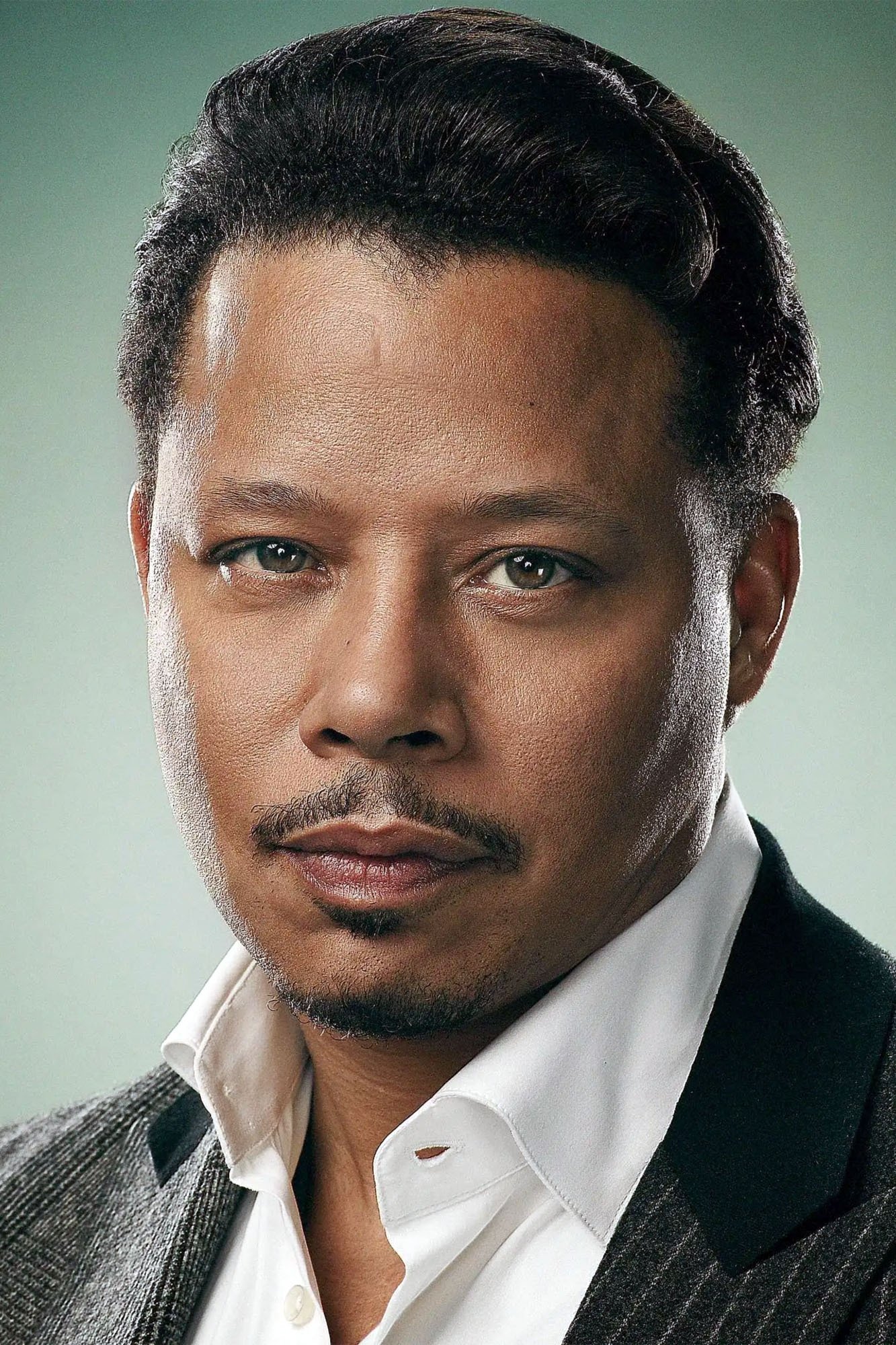
Terrence Howard played James Rhodes in ‘Iron Man’ and was lined up to return. During sequel negotiations, the offer he received reflected a reduced salary and a smaller role than initially discussed, and talks stalled as production moved toward its start. The studio chose to recast rather than slide the calendar.
Don Cheadle stepped into the part during the final stretch of preproduction. The transition required quick adjustments to suit fittings, dialogue work, and continuity planning so that visual effects and action beats with the armored character could proceed without slipping delivery targets.
James Purefoy – ‘V for Vendetta’ (2005)
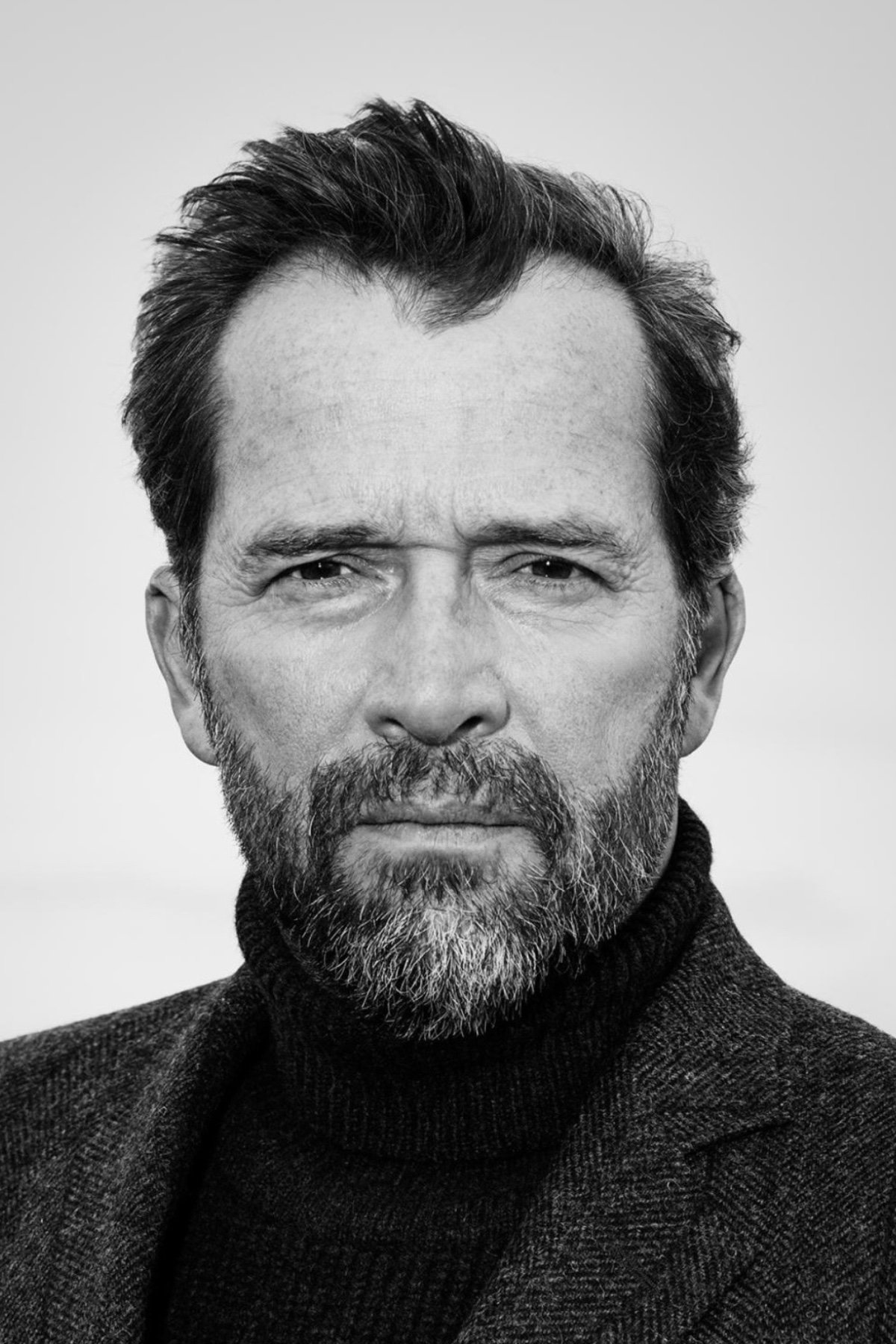
James Purefoy originated the masked role of V and spent weeks filming in the full-face Guy Fawkes mask. Performing lengthy dialogue through a rigid mask proved difficult and creative differences over performance approach could not be resolved on set, which led to his departure mid-shoot.
Hugo Weaving replaced him and recorded the character’s voice, while selected physical shots from earlier units remained usable with a double for continuity. Postproduction reworked dialogue tracks, aligned new line readings to existing picture, and updated sound design to match blocking and lighting already captured.
Samantha Morton – ‘Her’ (2013)
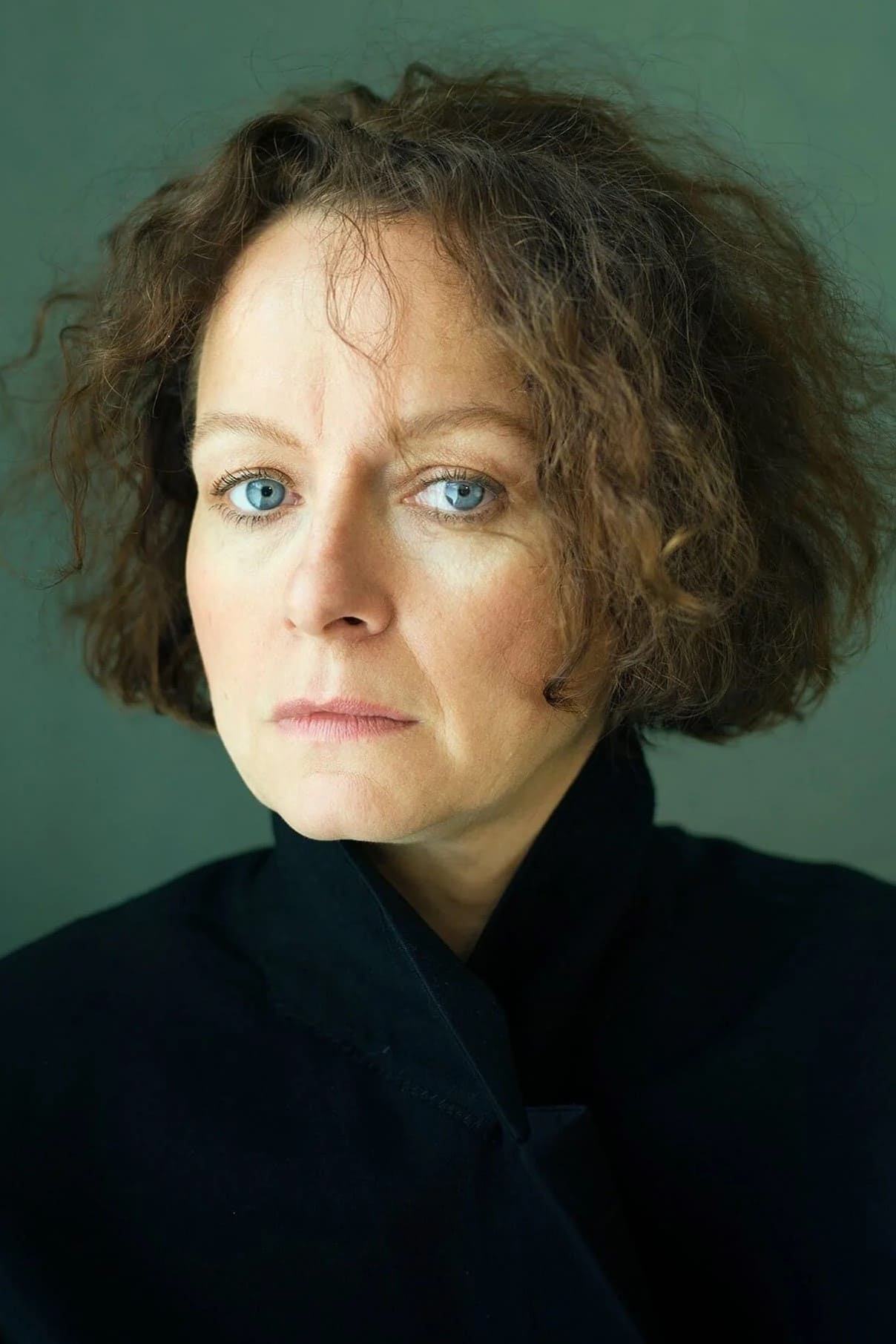
Samantha Morton recorded the operating system’s voice on set and worked through the entire shoot opposite Joaquin Phoenix, giving the editor a complete performance to cut against. In postproduction, the director decided the emotional tone needed to shift, which led to a full recast of the AI voice after principal photography had wrapped.
Scarlett Johansson came in to re-record the character, and the team rebuilt scenes by aligning new audio with the existing footage. The decision required fresh editorial passes, new sound design choices, and updates to the final mix so the changed vocal performance felt organic to the image.
Michael Kenneth Williams – ‘Solo: A Star Wars Story’ (2018)
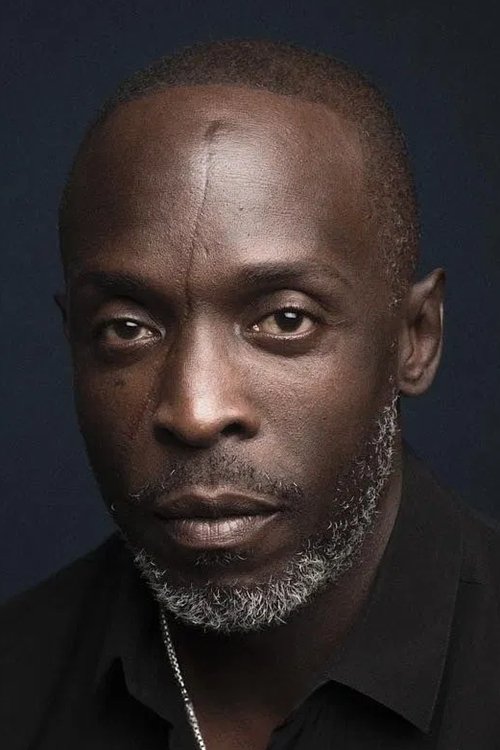
Michael K. Williams shot a major role under the original directing team, playing a crime figure conceived with extensive creature effects. When Ron Howard took over, wide reshoots were scheduled and Williams was filming another project on different continents, which kept him from returning within the new dates.
Paul Bettany joined to portray Dryden Vos in a reimagined form that could be executed quickly without creature builds. The change allowed the film to keep its revised timeline but required discarding earlier material and reworking story beats that had been built around the original character design.
Scarlett Johansson – ‘The Girl With the Dragon Tattoo’ (2011)
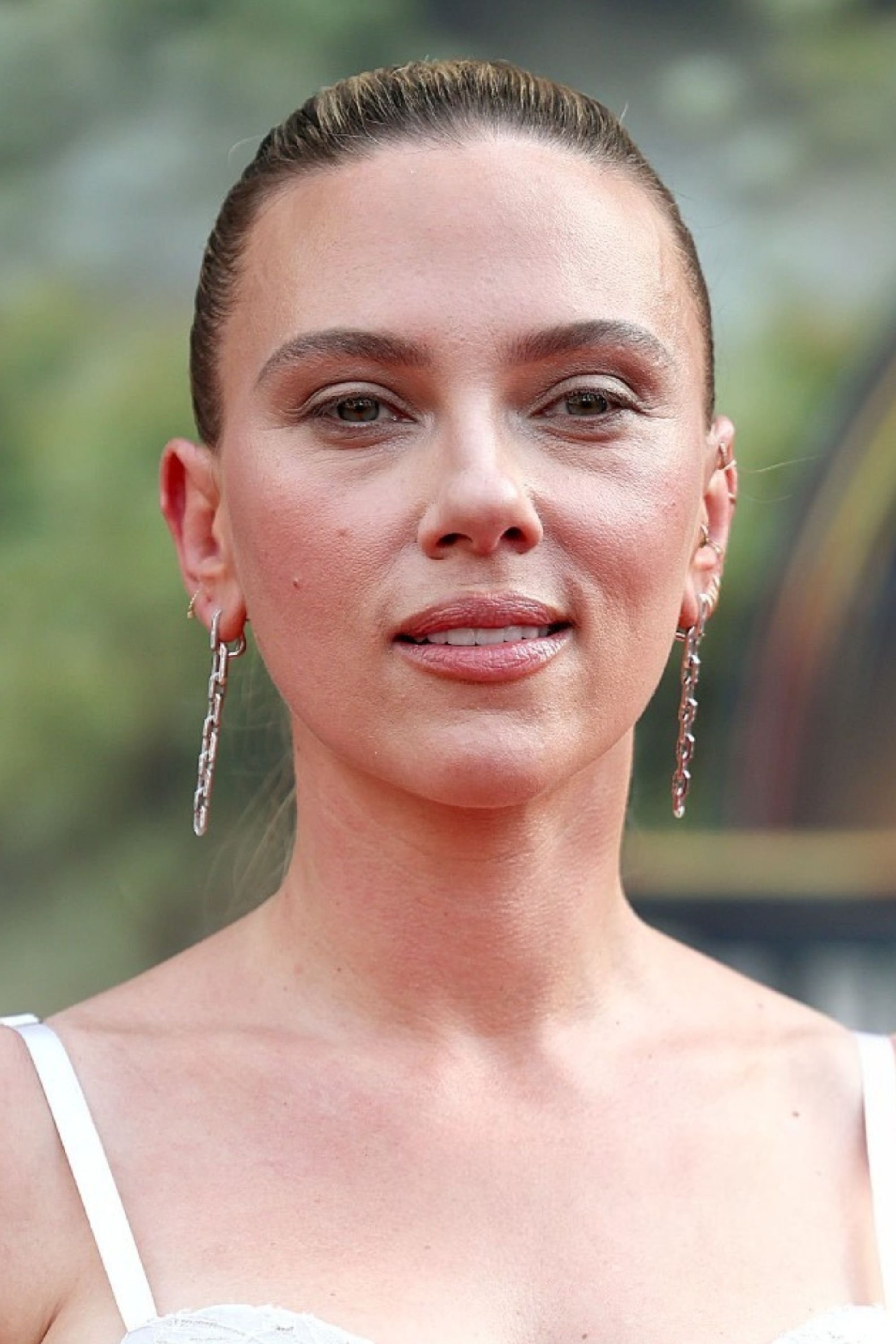
Scarlett Johansson auditioned for Lisbeth Salander and delivered a strong test, but the director wanted a performer whose public image aligned more closely with the character’s anonymity. Concerns about audience perception led the team to continue testing rather than close a deal after promising reads.
Rooney Mara ultimately won the part following additional screen tests and camera work. The choice reflected a casting strategy focused on minimizing preexisting star associations, which shaped wardrobe tests, hair and makeup decisions, and the marketing approach used to introduce the character.
Eric Stoltz – ‘Back to the Future’ (1985)
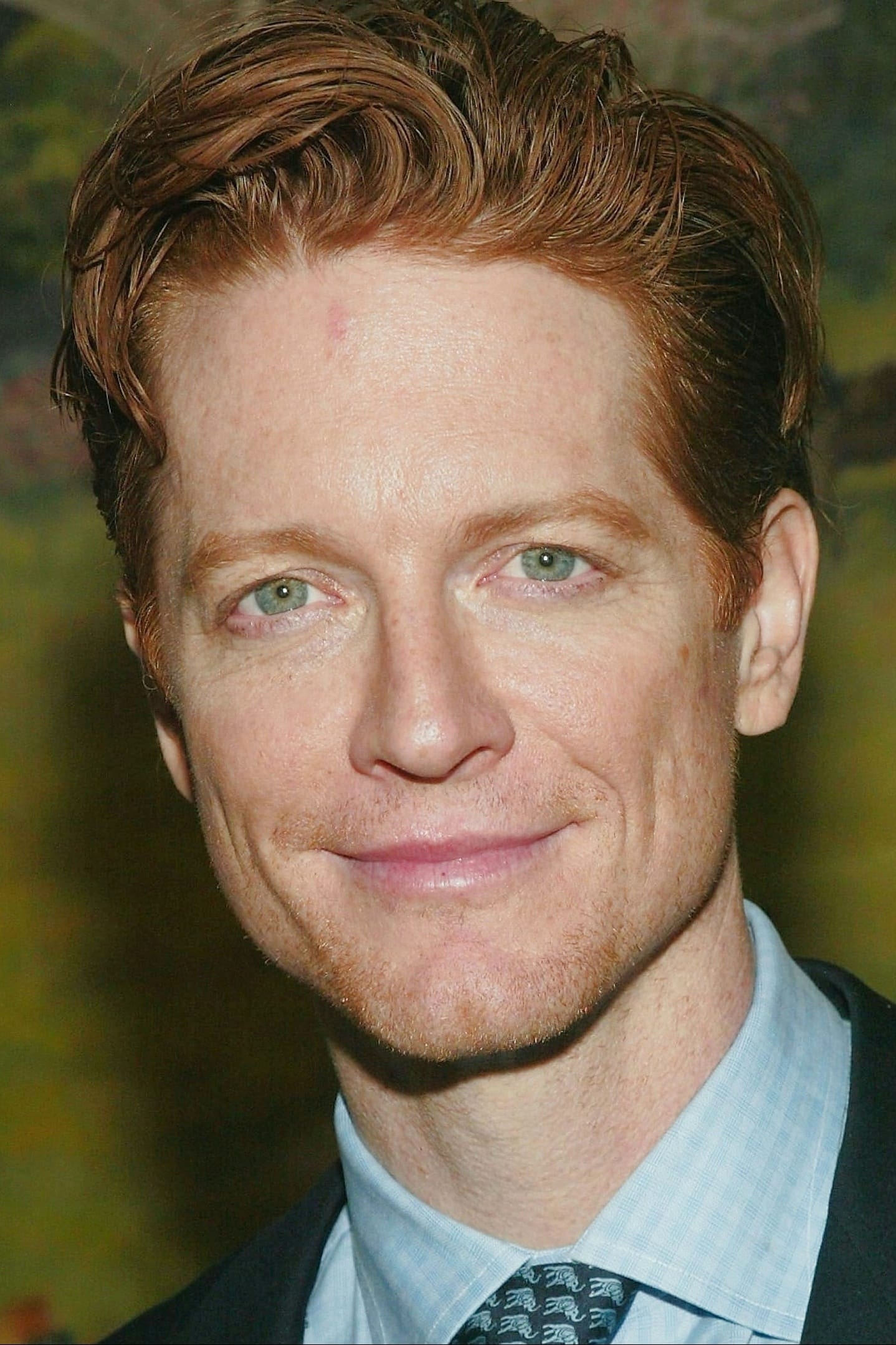
Eric Stoltz was hired as Marty McFly and filmed across multiple sets for several weeks. As footage accumulated, the creative team concluded the tone leaned more dramatic than intended for the character, which created a gap between the script’s energy and what they saw in dailies.
They negotiated a switch to Michael J. Fox, whose television schedule had initially blocked full participation. The production re-shot scenes already in the can, adjusted stunt and guitar sequences to match different timing, and rebuilt certain set schedules to align with night shooting windows from the sitcom.
Mira Sorvino – ‘The Lord of the Rings’ (2001–2003)
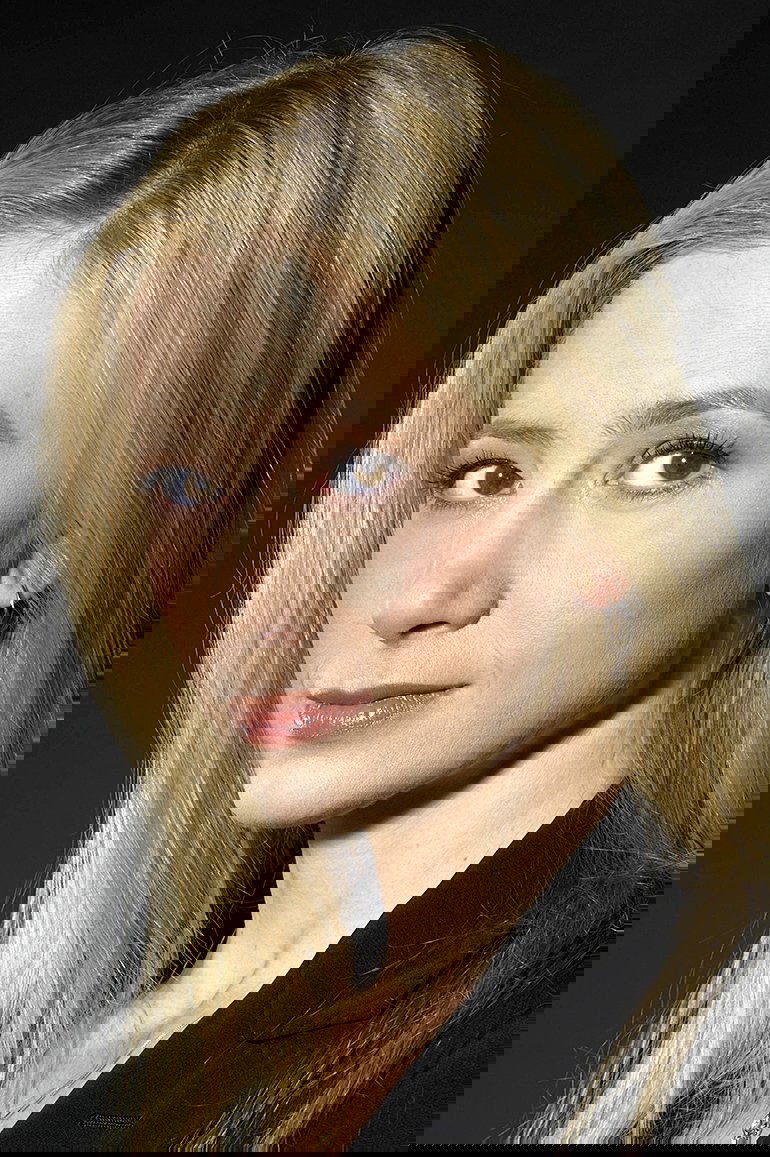
Mira Sorvino pursued opportunities on the trilogy, but the director later said he was advised early on that she and Ashley Judd were difficult to work with. He said that guidance affected casting lists during development and that he learned later those warnings were not grounded in his team’s experience.
By the time the issue came to light, roles had been assigned and timelines were set, so revisiting early choices was not feasible. The account explains how informal industry feedback can shape decisions long before final casting calls and how unverified reputational claims can limit access to auditions.
Tell us which near misses you would add and share the casting stories you think readers should see in the comments.