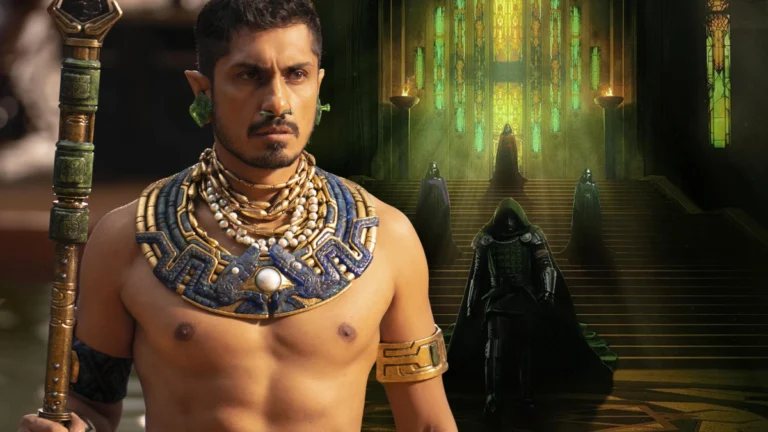
15 Best Terence Stamp Movies, Ranked



Terence Stamp has moved through decades of film with a mix of breakout leads, unforgettable supporting turns, and surprising late career roles. His name shows up with directors who defined entire eras, and his characters leave a mark whether they occupy a few scenes or carry the story from start to finish. This countdown highlights the breadth of that work across British classics, international art cinema, and major studio hits.
You will find everything from early milestones to acclaimed collaborations and franchise appearances. Taken together, these films map the arc of a performer who has worked with celebrated storytellers across many styles and countries.
‘Star Wars: Episode I – The Phantom Menace’ (1999)
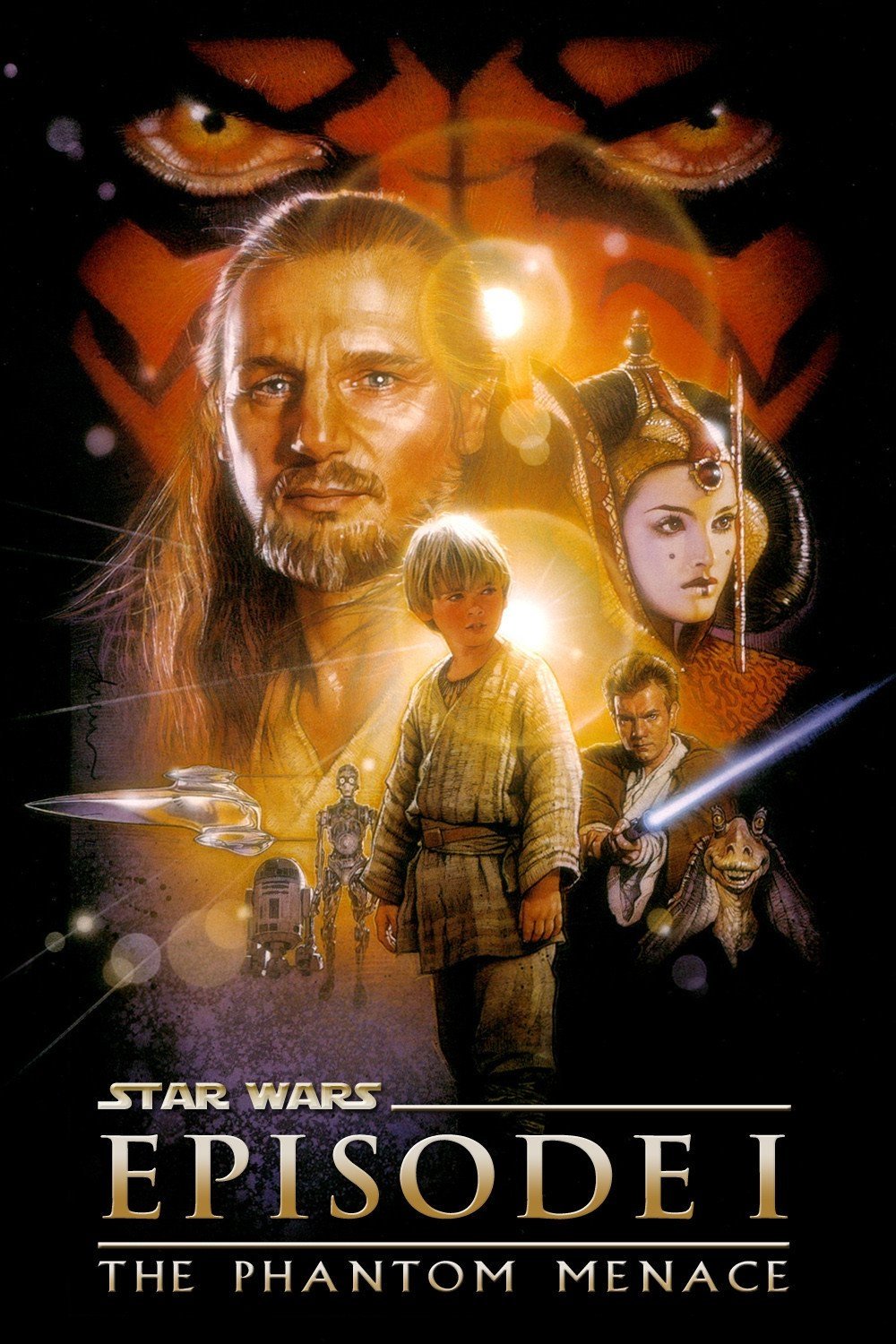
George Lucas returned to the space saga with a new chapter that introduced the Galactic Senate, the Jedi Council, and a younger generation of heroes. Terence Stamp appears as Supreme Chancellor Finis Valorum, whose position places him at the center of political maneuvering that sets the larger conflict in motion, sharing scenes with Natalie Portman and Ewan McGregor.
Production combined large sets at Leavesden Studios with location work that expanded the visual scope of the series. The film launched a new wave of visual effects techniques and drew massive global audiences, with Stamp’s role anchoring key scenes in the story’s government chamber and diplomatic threads.
‘The Company of Wolves’ (1984)
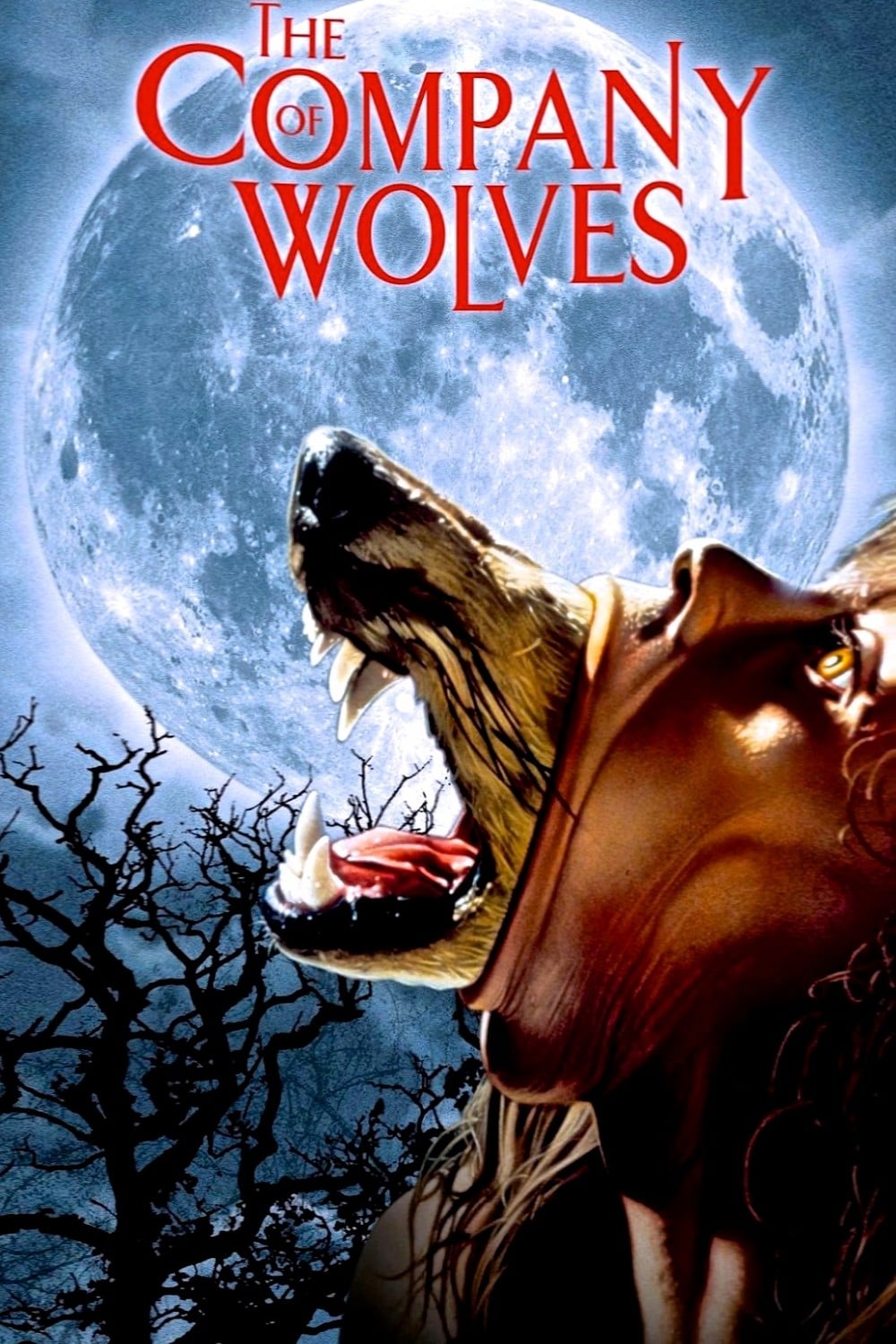
Neil Jordan reimagines folk tales with dream logic and atmospheric storytelling drawn from Angela Carter’s work. Terence Stamp arrives in a striking cameo as a devilish figure who intrudes on the narrative at a pivotal moment, adding a jolt to the film’s blend of fantasy and horror.
The production built elaborate fairy tale sets in the United Kingdom, relying on practical effects and detailed makeup to create transformations and uncanny imagery. The film’s anthology style lets Stamp’s appearance function as a memorable hinge between episodes that explore desire, fear, and superstition.
‘Superman II’ (1980)
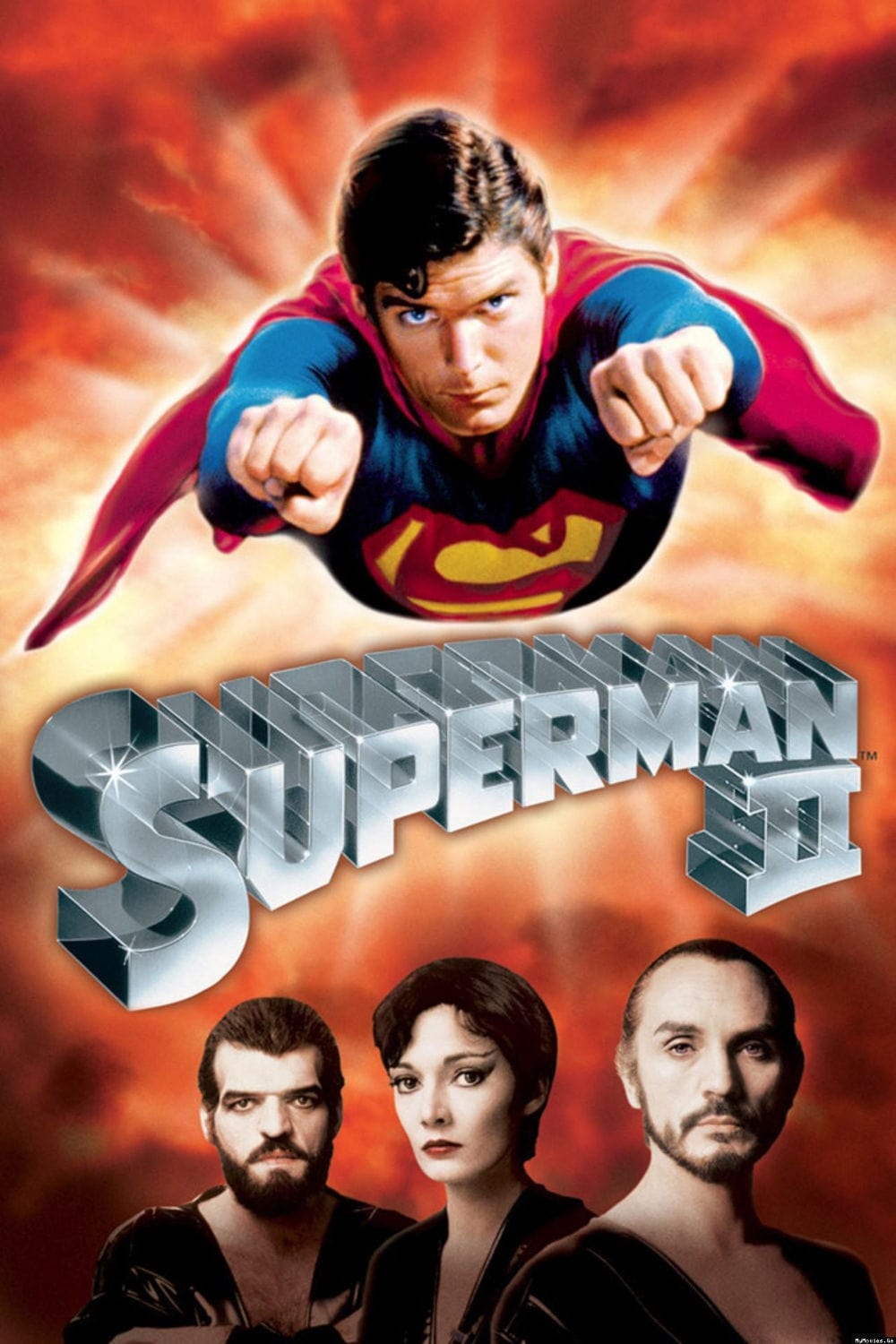
Richard Lester completed this sequel using material shot by Richard Donner, bringing back General Zod along with Ursa and Non as the central threat. Terence Stamp reprises Zod, facing Christopher Reeve’s Superman across Metropolis and the White House while Margot Kidder and Gene Hackman return to key roles.
The movie’s development included footage filmed alongside the original entry, then additional work under new leadership to complete the story. A later director’s cut restored much of the earlier approach, and Stamp’s performance as Zod remained the connective tissue across versions through his courtroom banishment and final confrontation.
‘Poor Cow’ (1967)
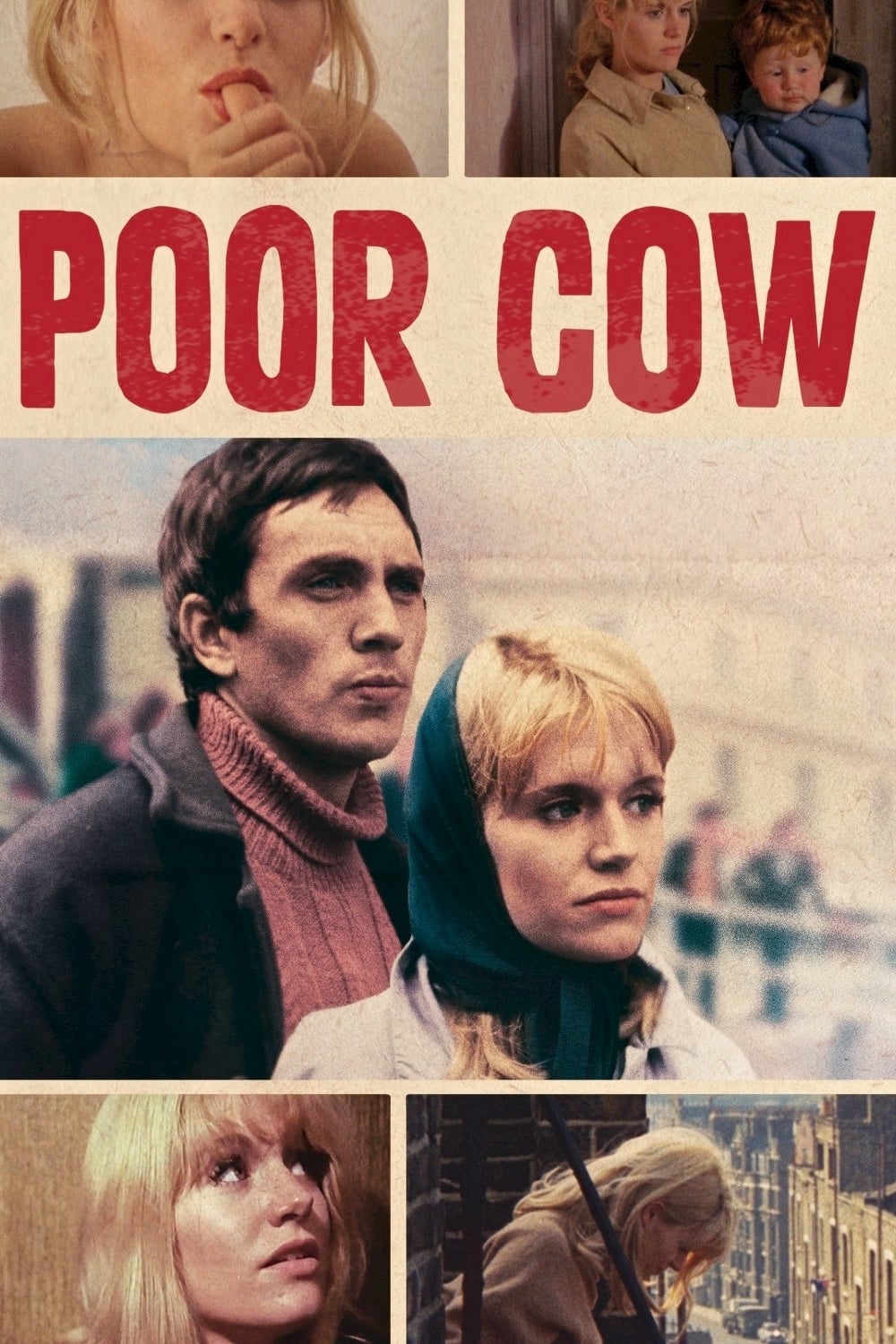
Ken Loach directed this social realist drama about a young mother navigating relationships and limited options in working class London. Terence Stamp plays Dave, a small time criminal whose charm and instability pull the lead character into trouble, opposite Carol White.
Shot on location with a documentary feel, the film used handheld cameras and natural light to capture streets, pubs, and flats with an unvarnished look. Decades later, Steven Soderbergh repurposed footage of Stamp from this production in another feature, linking the two projects through a clever piece of cinematic memory.
‘Spirits of the Dead’ (1968)
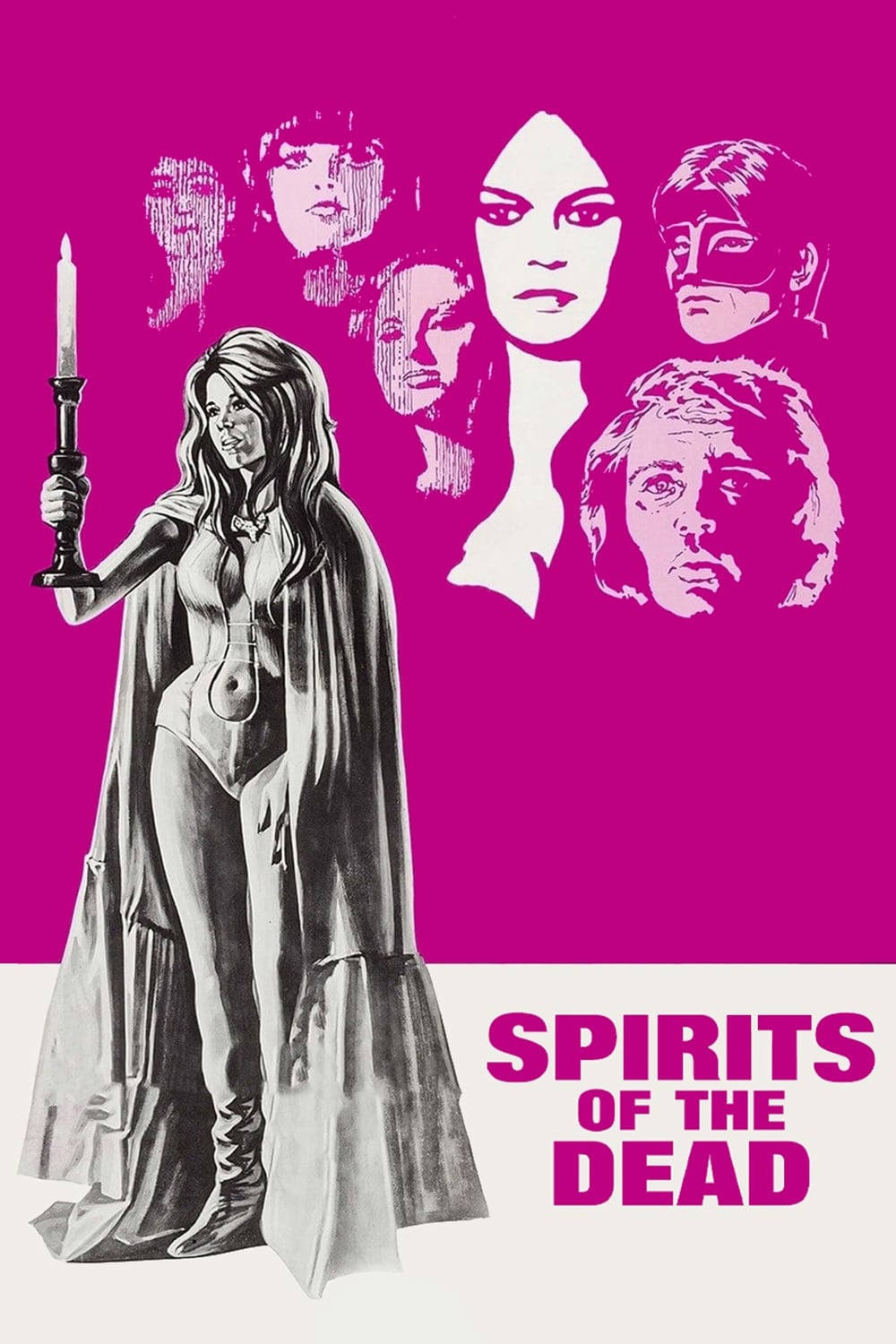
This anthology adapts Edgar Allan Poe tales into three segments by Roger Vadim, Louis Malle, and Federico Fellini. Terence Stamp stars in Fellini’s section titled ‘Toby Dammit’, portraying a weary actor lured to Rome by a phony award and a lucrative offer.
The segment blends baroque sets and night drives through Rome with surreal touches that place Stamp’s character in a carnival of fame and dread. The omnibus format lets each director imprint a distinct tone, and Stamp’s role anchors the finale with a performance built around movement, gaze, and a haunting final image.
‘Song for Marion’ (2012)
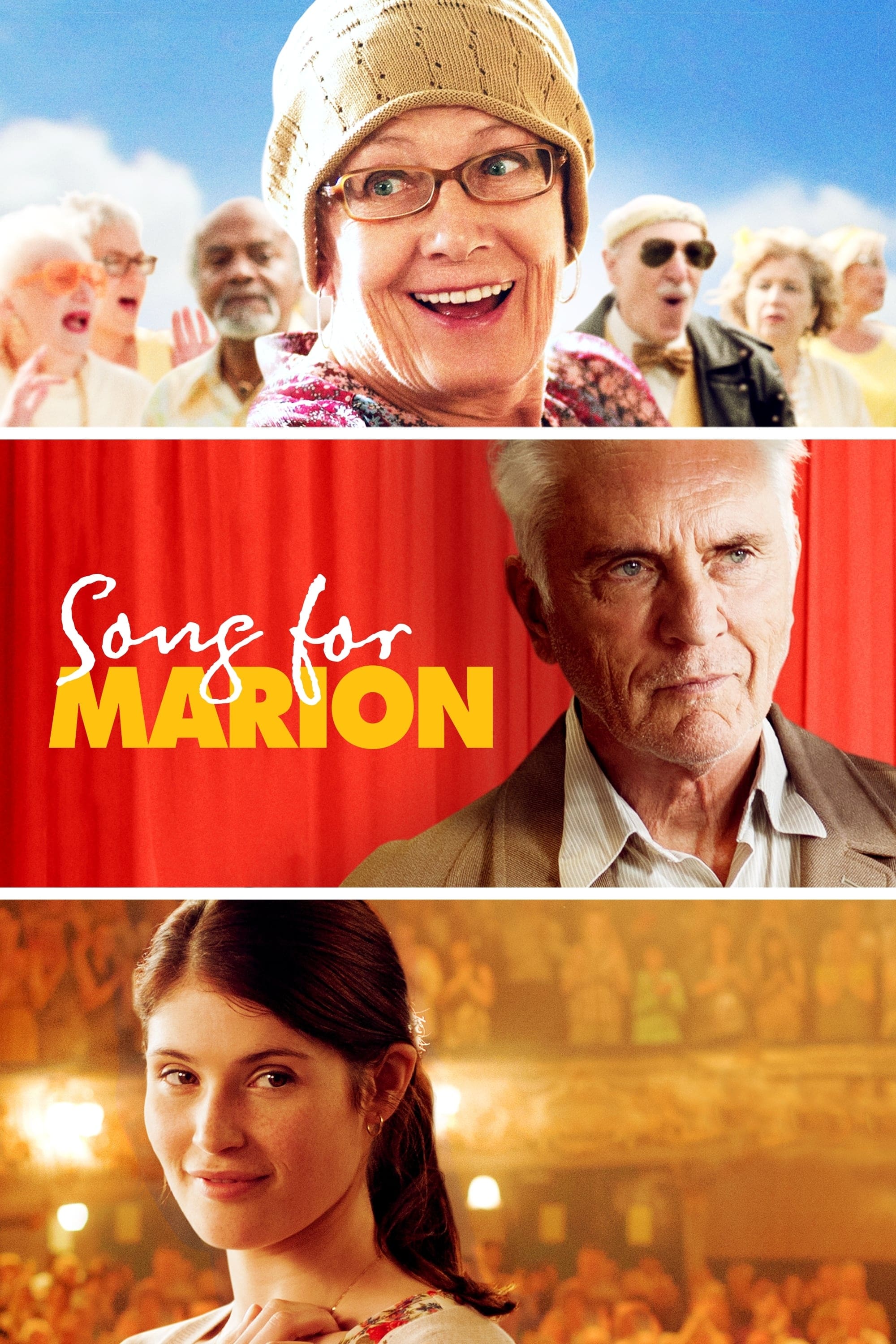
Paul Andrew Williams directs this British drama about a gruff husband who gradually connects with a community choir after supporting his ailing wife. Terence Stamp plays Arthur, sharing the screen with Vanessa Redgrave and Gemma Arterton as he learns new music and faces long avoided emotions.
The production filmed in the United Kingdom with a focus on neighborhood halls and everyday spaces that suit the story’s scale. Music rehearsals and performances were staged with real ensemble work, and Stamp’s scenes place character development inside tangible rehearsal rooms and public concerts.
‘The Limey’ (1999)
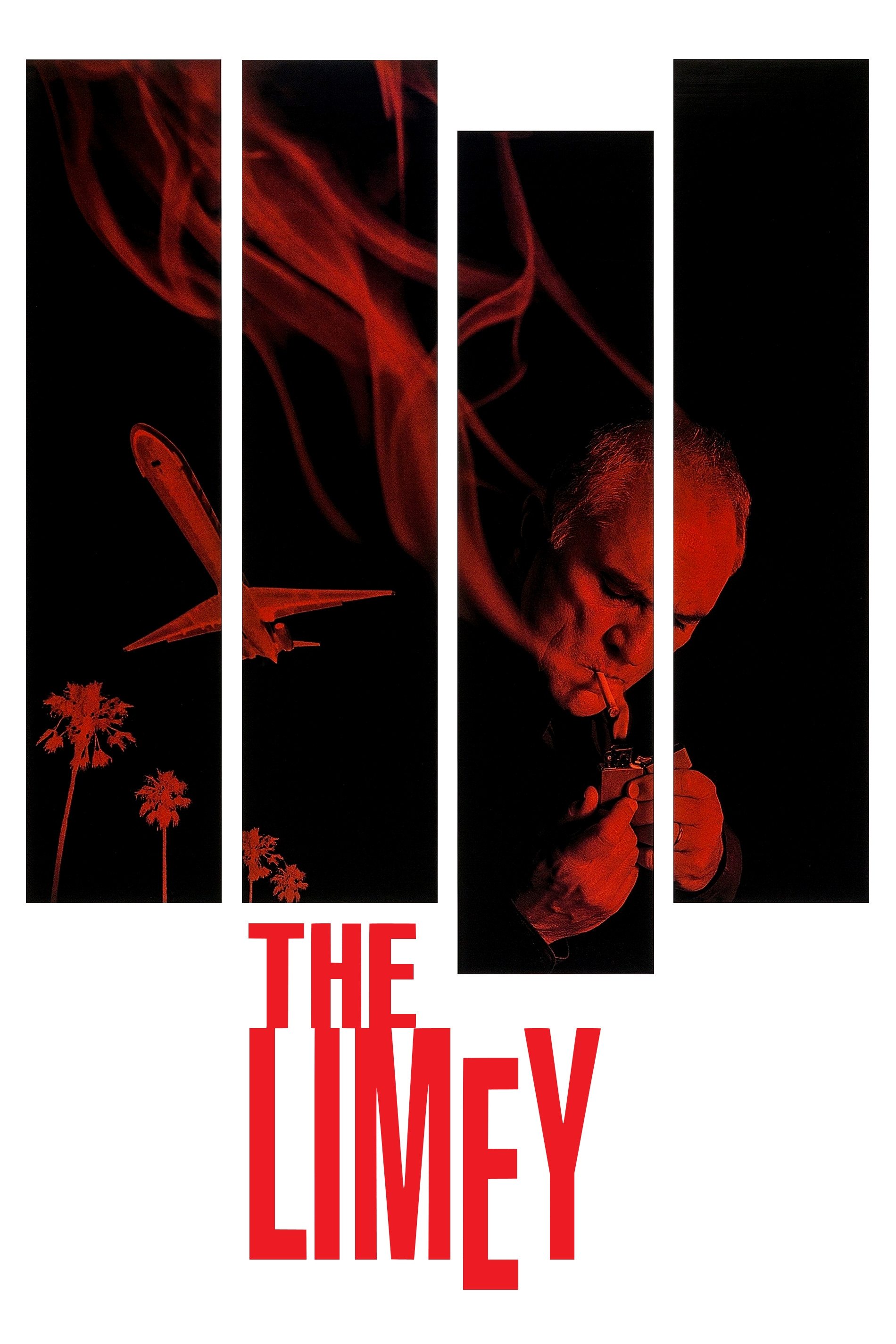
Steven Soderbergh crafts a revenge story about a British ex convict who travels to Los Angeles after his daughter’s death. Terence Stamp takes the lead as Wilson, interacting with Peter Fonda, Lesley Ann Warren, and Luis Guzmán while navigating music industry circles and the city’s layered geography.
Editing and sound design play a major role, with intercut dialogue and images that fold time to reflect memory. The movie also incorporates footage of Stamp from an earlier film to create flashbacks of the same character’s youth, turning archival material into a narrative device that deepens the present day plot.
‘The Hit’ (1984)
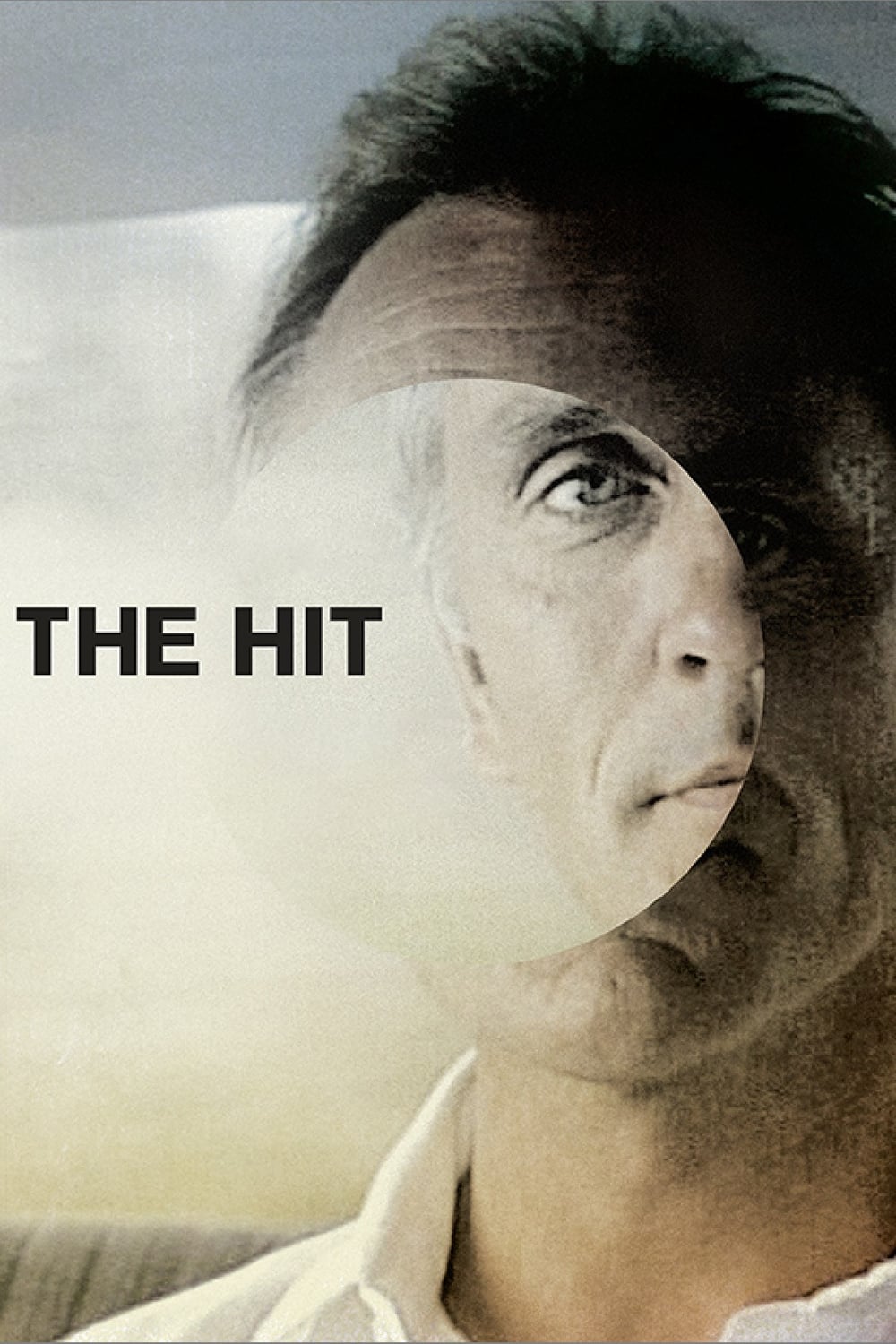
Stephen Frears follows a former gangster turned informant who is abducted and driven across Spain by two hired killers. Terence Stamp plays Willie Parker, set against John Hurt and a young Tim Roth during a long road journey that crosses cities, villages, and quiet back roads.
The production shot on striking Spanish locations that give the story sun blasted landscapes and empty stretches of highway. Dialogues unfold inside cars and roadside stops, letting Stamp’s character match calm conversation with practical survival choices as the trip edges toward a final stop.
‘Far from the Madding Crowd’ (1967)
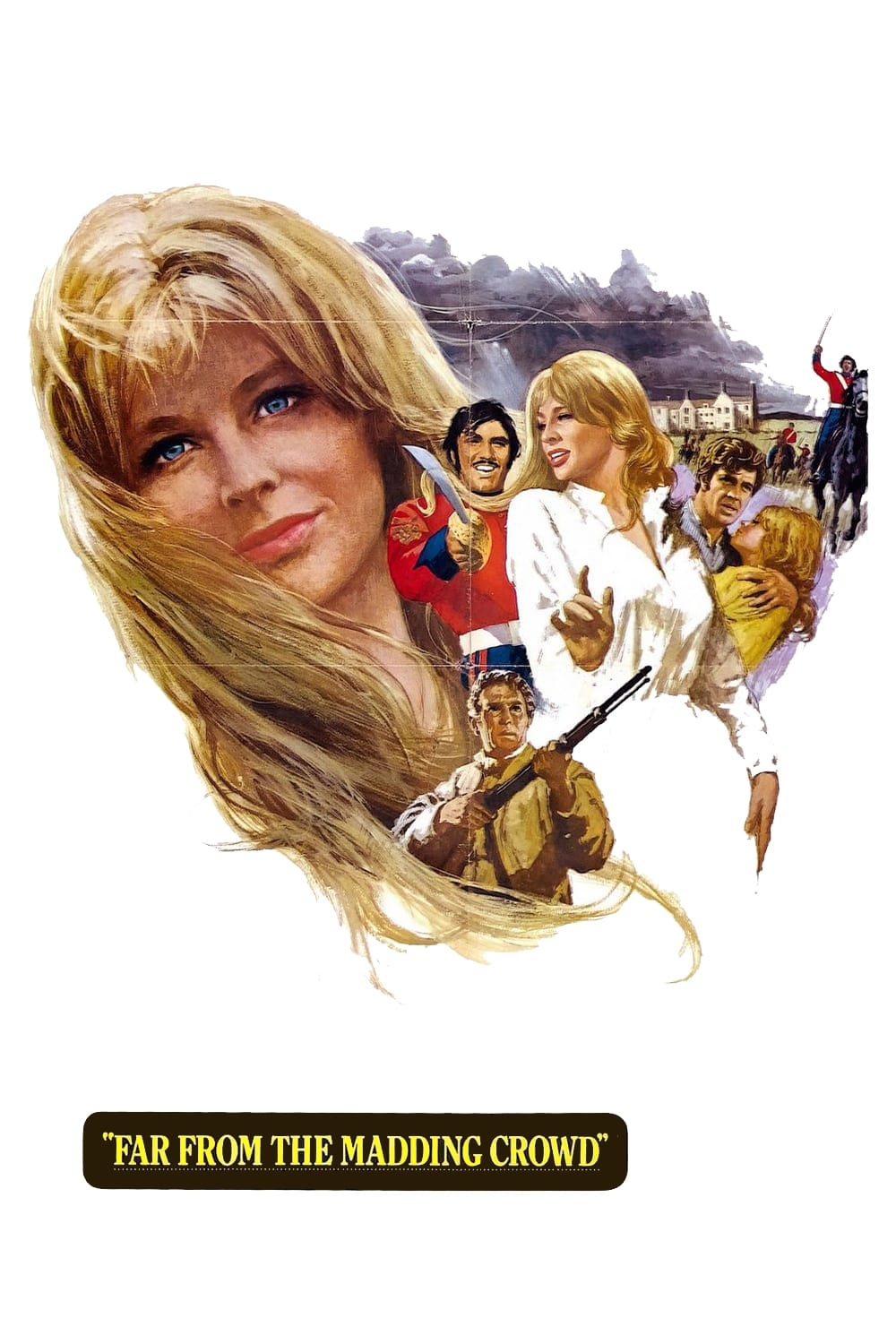
John Schlesinger adapts Thomas Hardy’s novel about Bathsheba Everdene and the men drawn to her. Terence Stamp appears as Sergeant Frank Troy, a charismatic soldier whose presence complicates the lives of characters played by Julie Christie, Alan Bates, and Peter Finch.
Filming took place across rural southern England, where farms, coastal cliffs, and village greens provided period settings. The production mounted large harvest scenes and military drills, and Stamp’s uniformed figure moves between countryside expanses and intimate interiors as the story shifts through courtship, marriage, and loss.
‘Theorem’ (1968)
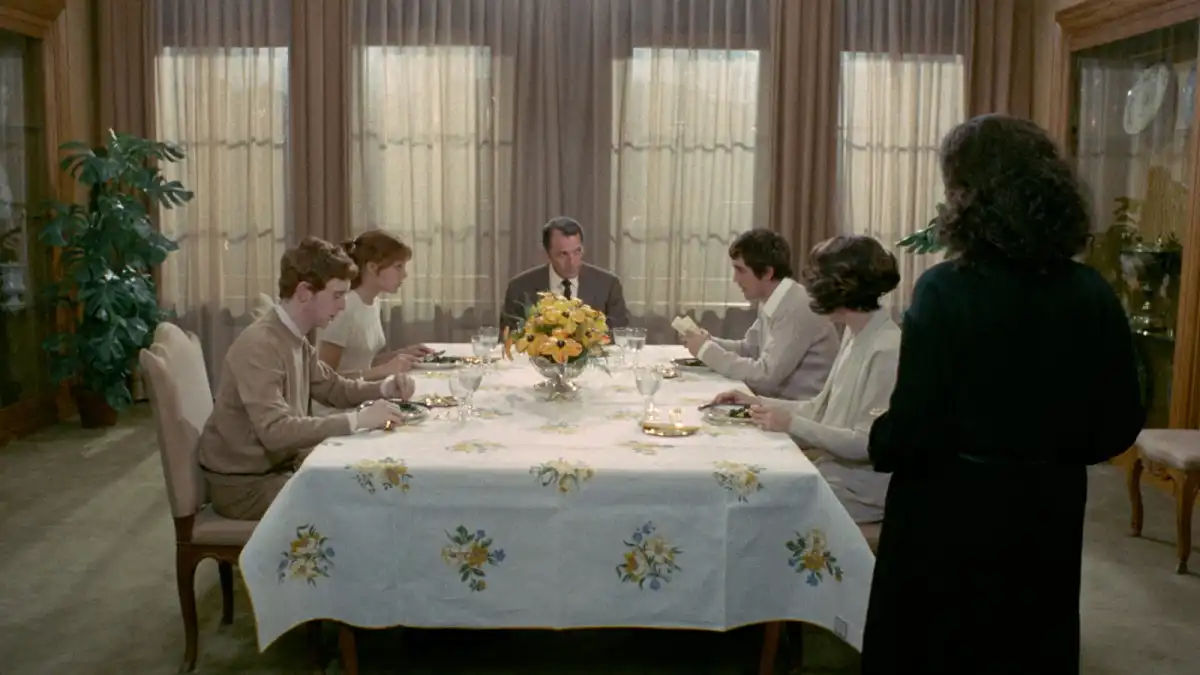
Pier Paolo Pasolini’s Italian drama centers on a mysterious visitor who appears at a wealthy family’s home and transforms each person’s life. Terence Stamp plays the visitor, sharing the screen with an ensemble that includes Silvana Mangano and Massimo Girotti.
Cinematography and framing create stillness inside a modernist house, then widen into rural and industrial spaces as characters disperse. The film screened at Venice and sparked legal controversy in Italy that prompted debates over art and censorship, and Stamp’s quiet presence works as the narrative catalyst for every subsequent act.
‘Wall Street’ (1987)
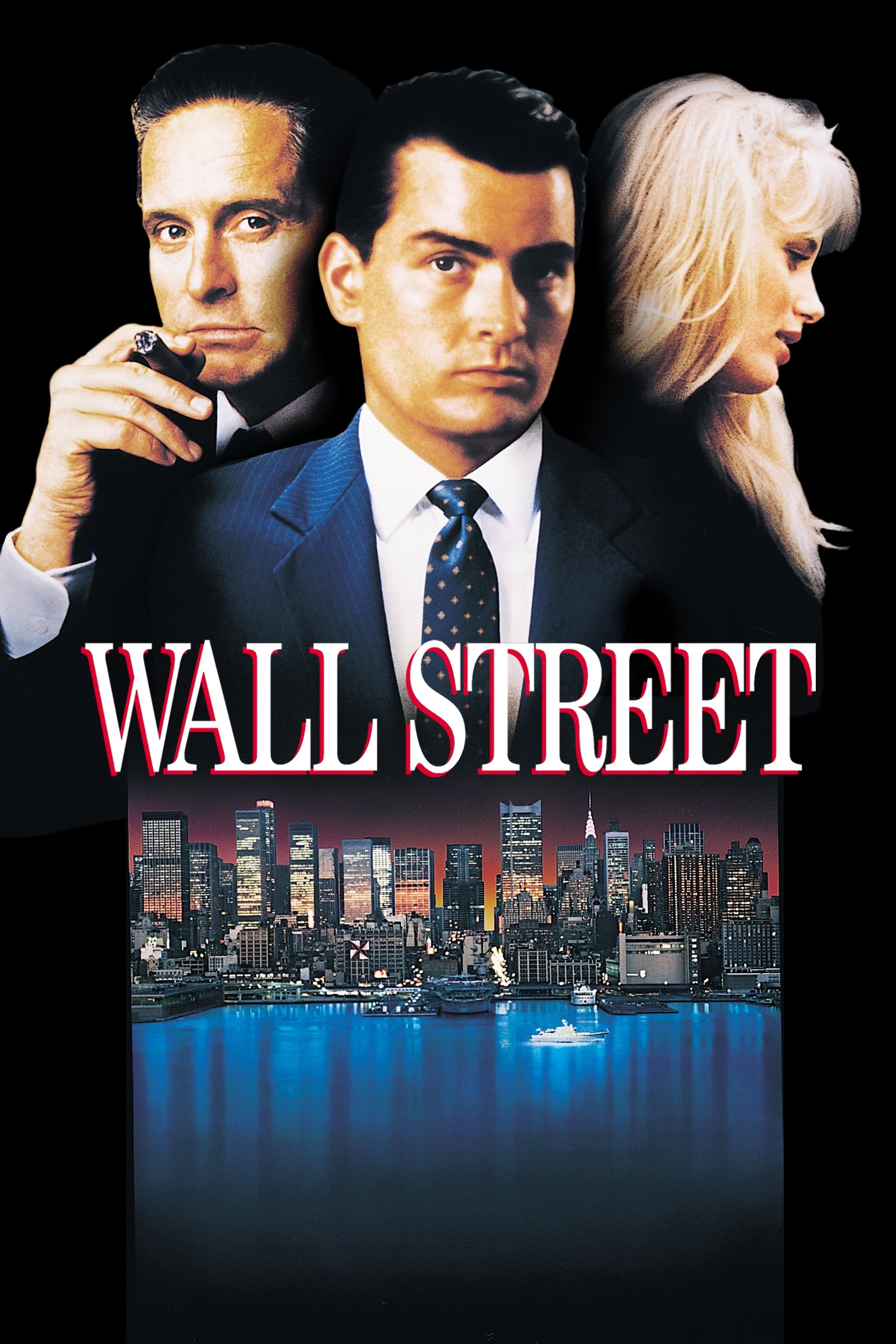
Oliver Stone tells the story of Bud Fox and his rise under corporate raider Gordon Gekko. Terence Stamp plays Sir Larry Wildman, a rival executive whose moves and countermoves shape key trades and negotiations during the battle for control of companies.
The production filmed in real financial environments including trading floors and midtown offices, capturing the speed of market action. Stamp’s character functions as a practical counterweight inside the plot’s mergers and acquisitions chessboard, and his scenes define shifting alliances that drive the final deals.
‘Superman’ (1978)
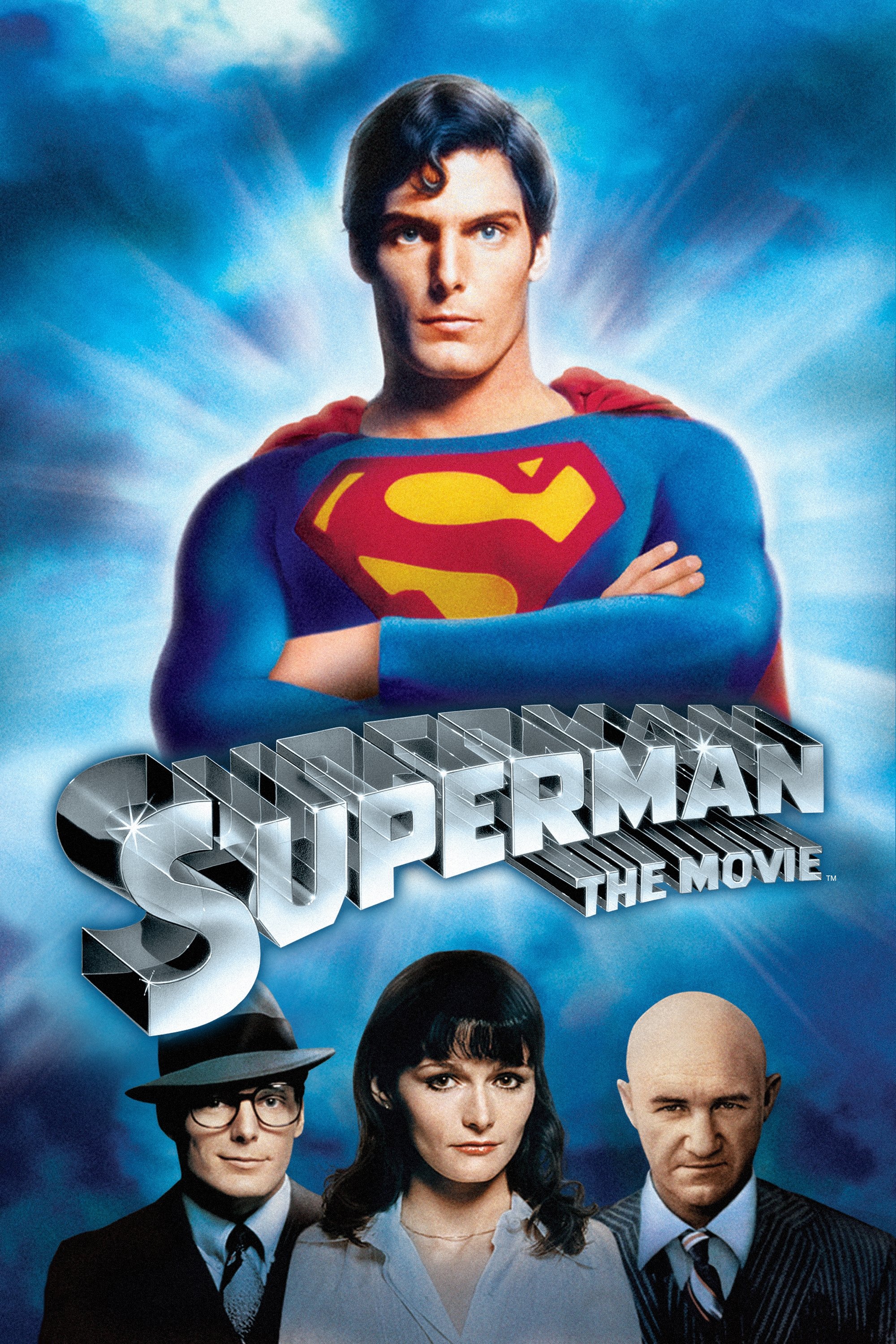
Richard Donner’s superhero epic introduces Krypton, Smallville, and Metropolis with an origin that follows Clark Kent from childhood to the Daily Planet. Terence Stamp appears as General Zod during the opening trial and banishment, setting up a threat that echoes across the series.
Large soundstage builds at Pinewood Studios combined with location shoots in New York and the Canadian plains to create both city skylines and heartland farmland. Visual effects teams used wire work, optical composites, and miniature photography, and the film’s global success brought renewed attention to Stamp’s imposing figure inside the franchise.
‘The Adventures of Priscilla, Queen of the Desert’ (1994)
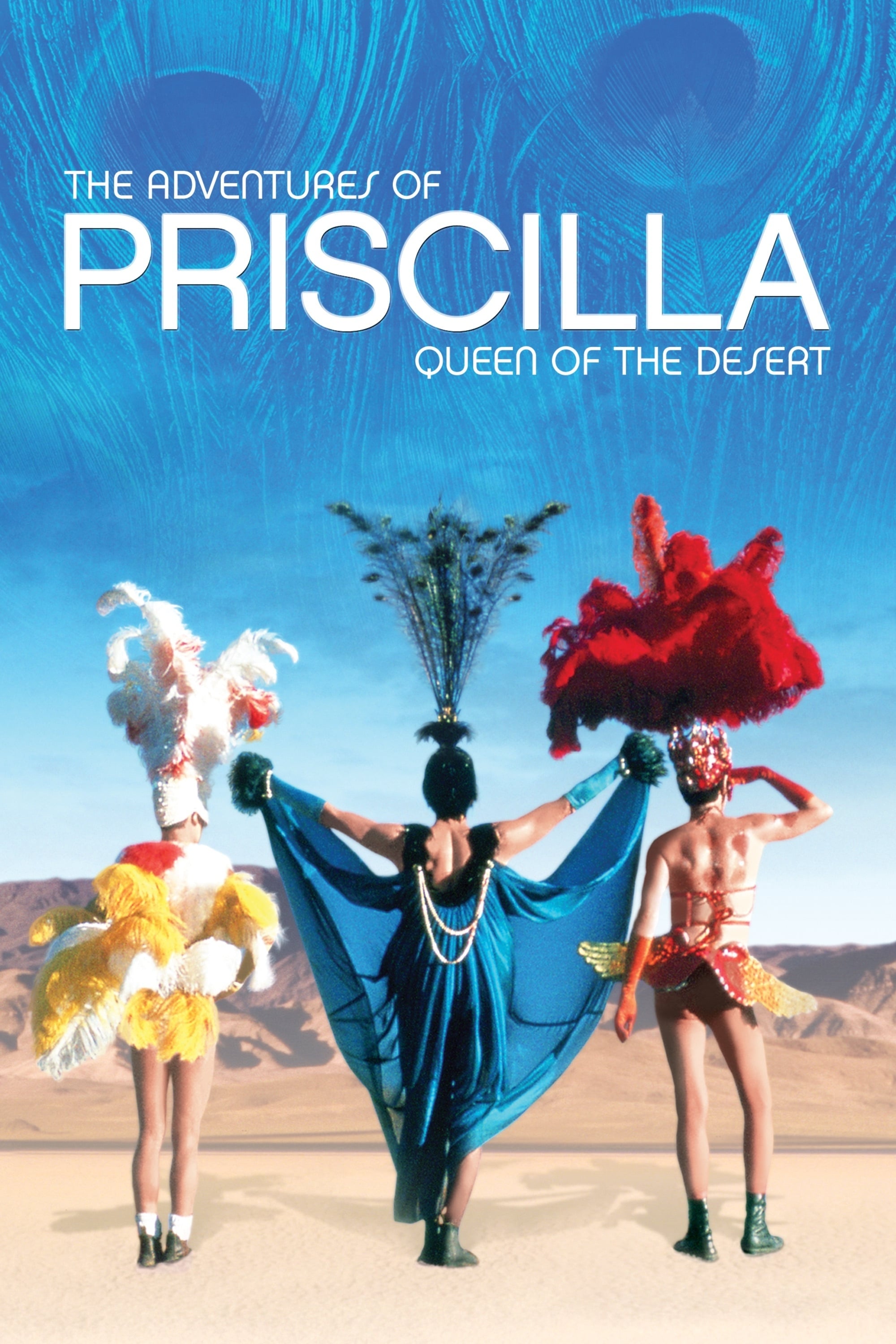
Stephan Elliott’s road movie follows three performers who drive a bus named Priscilla from Sydney to a show in the Outback. Terence Stamp plays Bernadette, joining Hugo Weaving and Guy Pearce as the trio travels through small towns and desert highways while preparing costumes and dance numbers.
Filming stretched across long distances in Australia, with stops that capture roadhouses, tourist sites, and open desert. The production won the Academy Award for Best Costume Design, and international distribution brought the film to a wide audience along with a soundtrack built around pop anthems.
‘The Collector’ (1965)
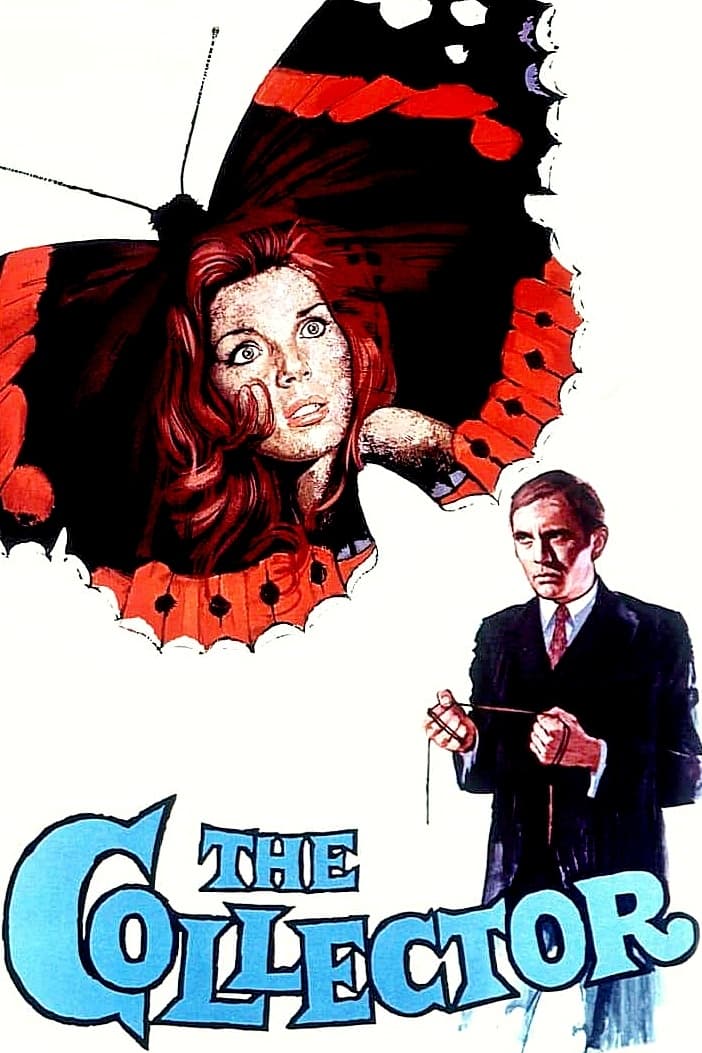
William Wyler adapts John Fowles’s novel about a solitary butterfly collector who kidnaps an art student. Terence Stamp plays Frederick Clegg opposite Samantha Eggar’s Miranda, with most of the action confined to a hidden country home where the power dynamic shifts scene by scene.
The film premiered at Cannes, where both leads received acting awards from the jury. Production design emphasized sealed rooms and sparse furnishings, while Wyler’s measured staging highlights specific props, locked doors, and diary pages that chart a disturbing standoff.
‘Billy Budd’ (1962)
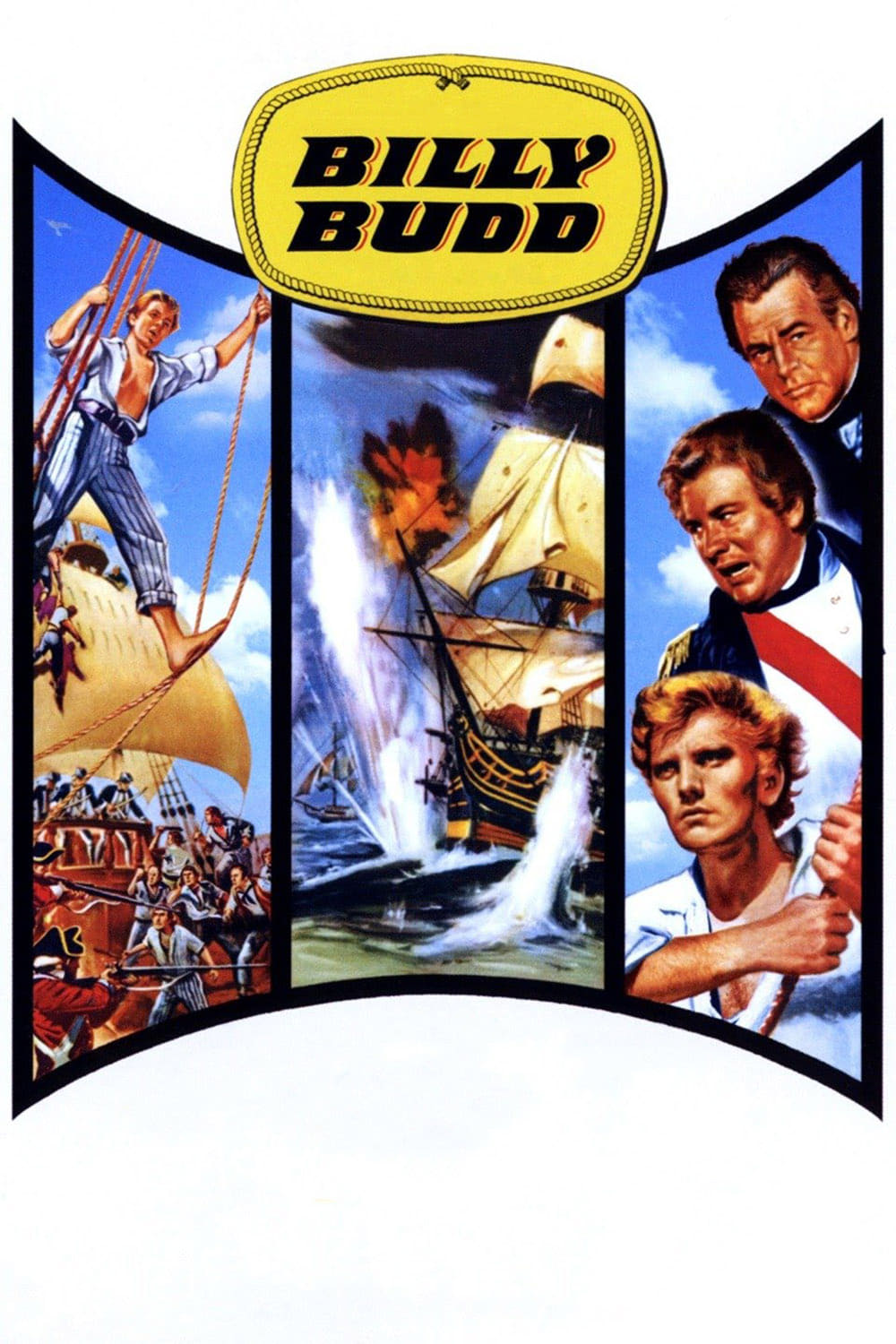
Peter Ustinov directs and stars in this adaptation of Herman Melville’s tale of a young sailor pressed into service on a British warship. Terence Stamp plays Billy, whose honest nature collides with the hard discipline of Master at Arms John Claggart, played by Robert Ryan, under Ustinov’s Captain Vere.
Tall ship sets and open water sequences give the story authentic rigging, sails, and cramped decks. Stamp earned an Academy Award nomination for his performance and received a Golden Globe as a new star, marking a major debut that set the course for an international career.
Share your own Terence Stamp favorites in the comments so we can compare notes on which roles stood out most to you.