15 Times Hollywood Stars Nailed a Silent Role

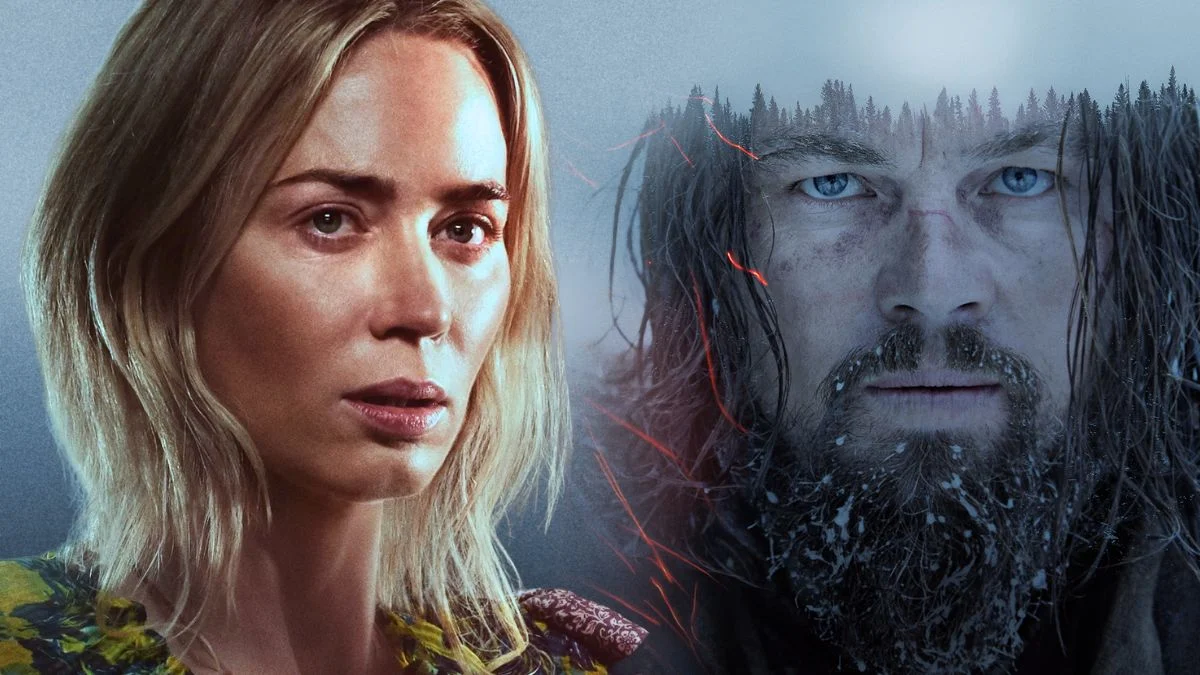

Some performances say everything without saying a word. Across thrillers, dramas, westerns, and even modern studio hits, actors have built unforgettable characters through movement, expression, and carefully chosen moments of quiet. These roles often rely on physical storytelling, sound design, and editing to carry the story when dialogue steps aside.
This list looks at times when well known actors took on parts with little or no spoken dialogue and let silence do the heavy lifting. You will find films that won major awards, launched franchises, or stood out for unusual production choices, all unified by performances that communicate through presence rather than speech.
Holly Hunter in ‘The Piano’ (1993)
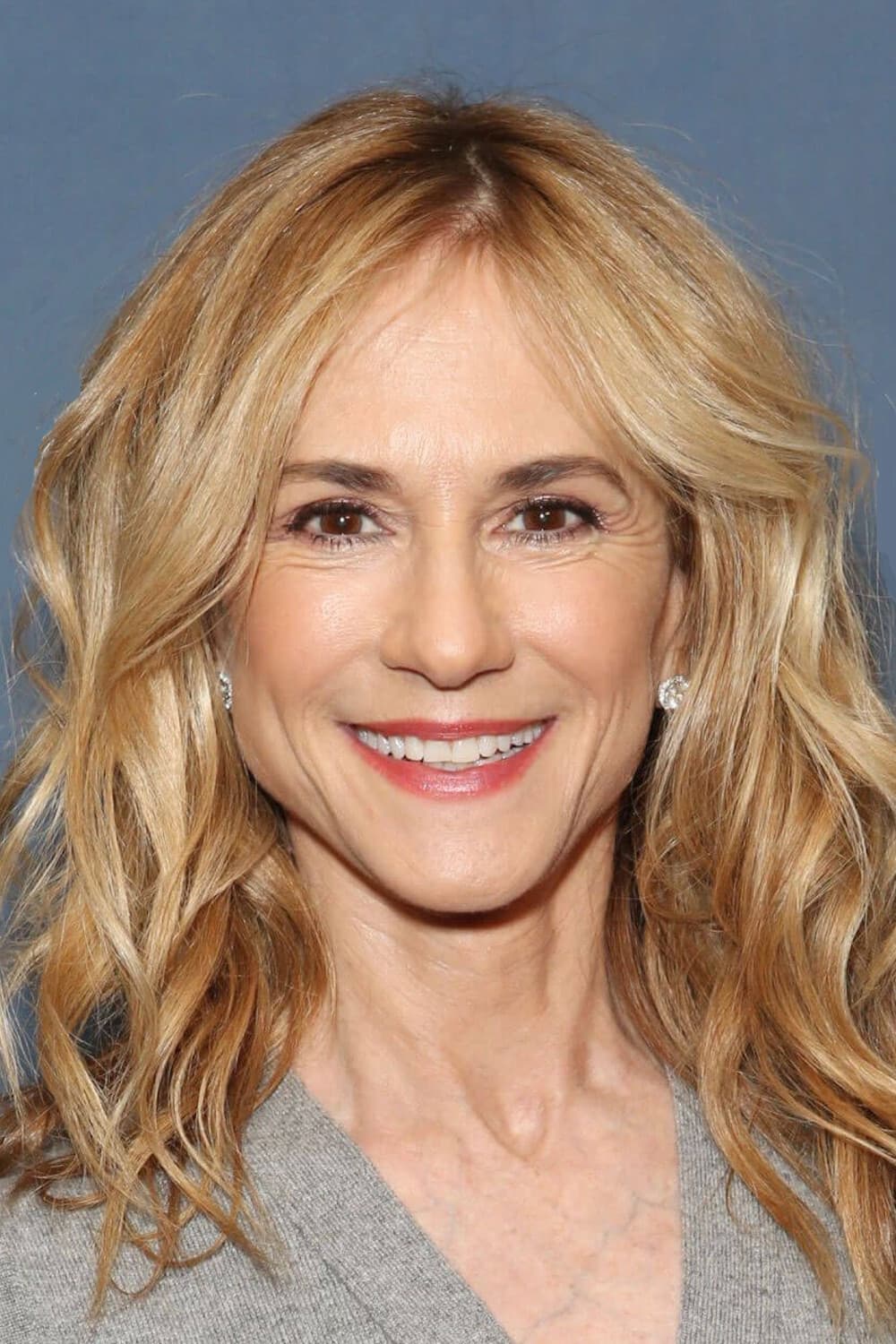
Holly Hunter plays Ada McGrath, a woman who does not speak and communicates through signing and music after arriving in nineteenth century New Zealand. The character’s voice comes through a piano that is central to the plot and through interactions where her young daughter serves as interpreter.
The film earned international recognition including Academy Awards for Hunter, Anna Paquin, and Jane Campion’s screenplay. It premiered at Cannes and received the festival’s top prize, and production took place on remote beaches and rainforests that shaped the film’s sound and visual atmosphere.
Robert Redford in ‘All Is Lost’ (2013)
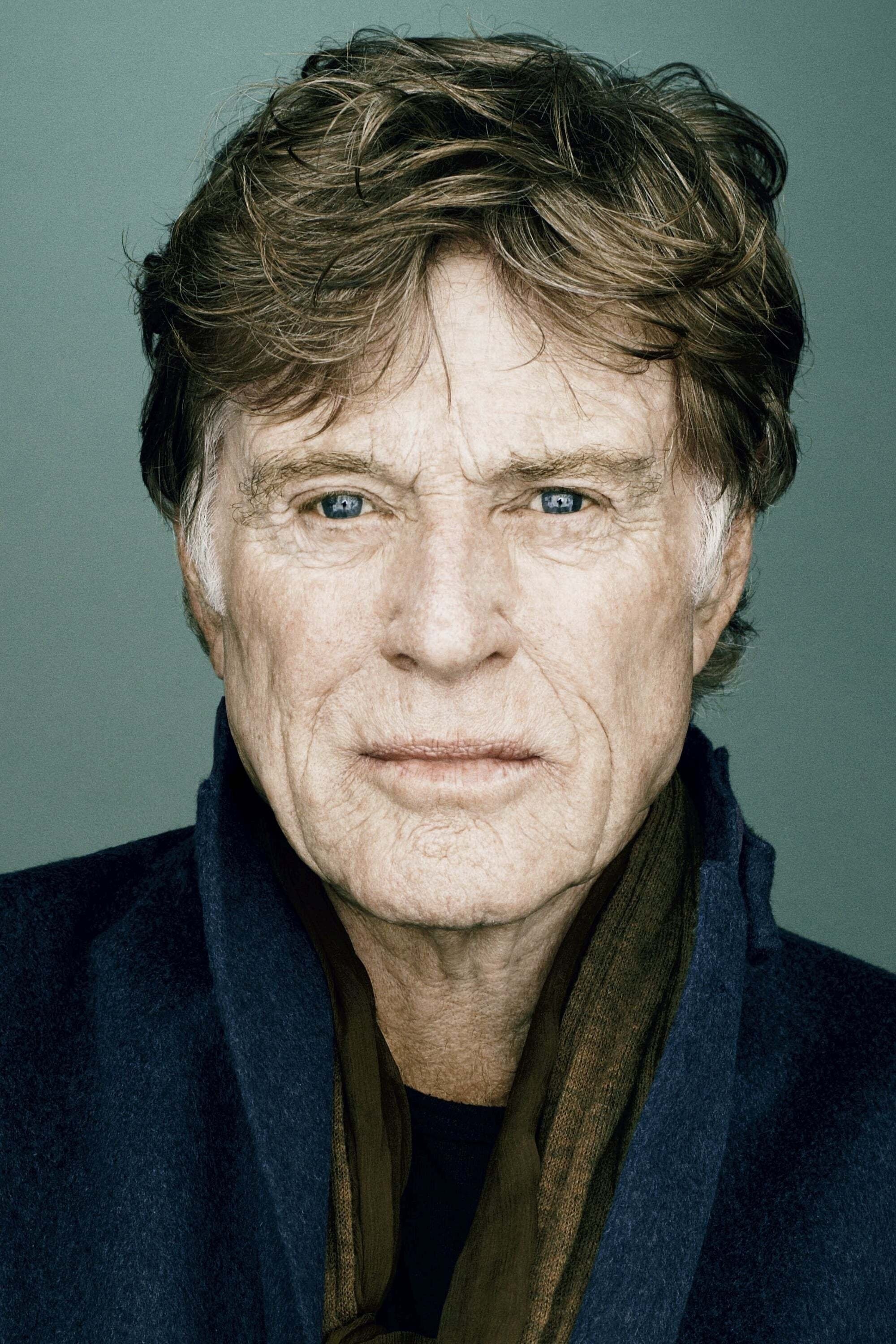
Robert Redford appears almost entirely alone on screen as a sailor whose boat is damaged in the Indian Ocean. The film uses minimal spoken words and relies on navigation tasks, repairs, and survival steps to track his decisions and setbacks.
J C Chandor directed with a focus on practical maritime detail, and Redford is the only credited cast member. The score by Alex Ebert won a Golden Globe, and the film received an Academy Award nomination for sound editing, highlighting how effects and music replace dialogue.
Leonardo DiCaprio in ‘The Revenant’ (2015)
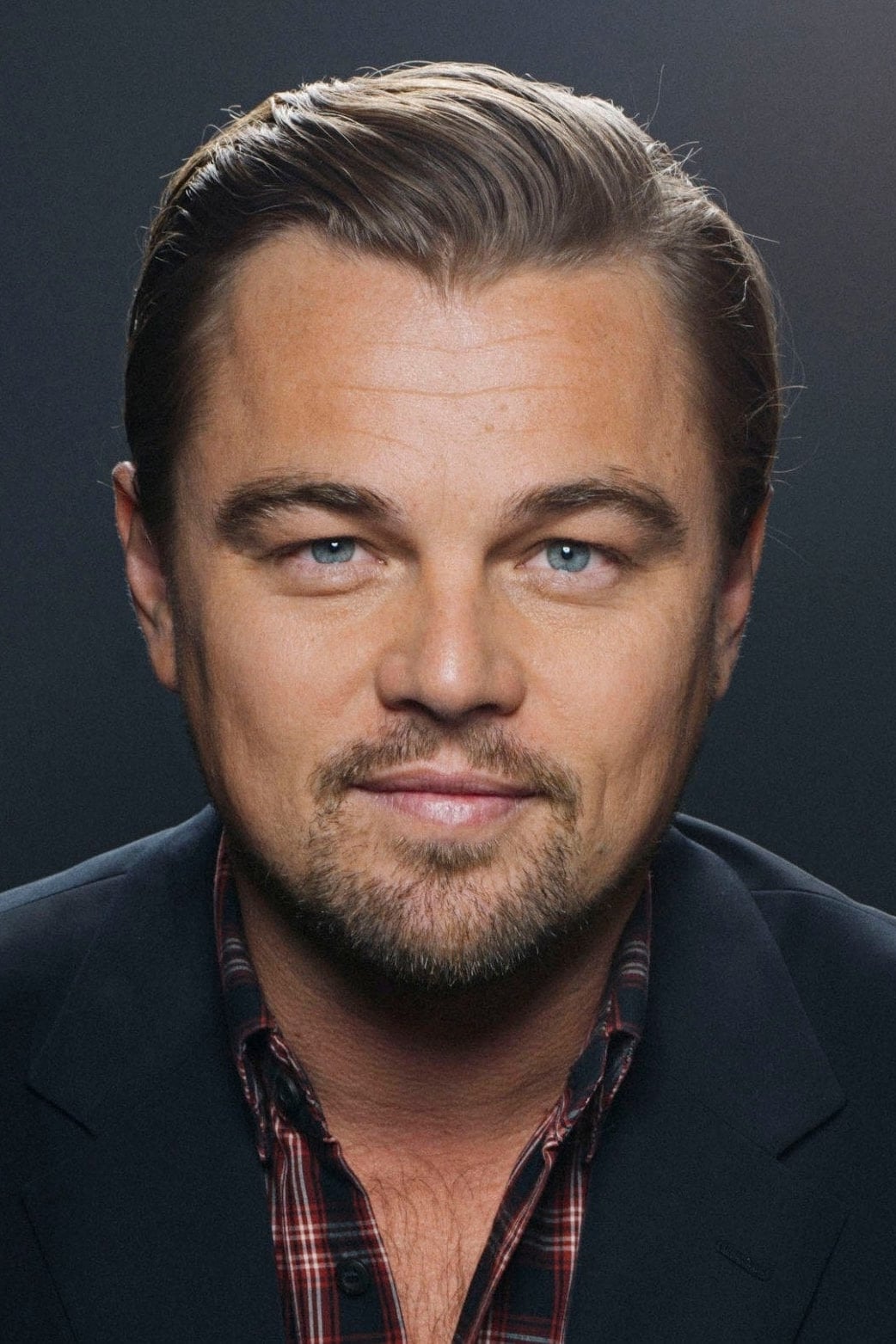
Leonardo DiCaprio portrays frontiersman Hugh Glass, a man left for dead who endures harsh winter conditions while recovering from injuries. The role features little dialogue, with long stretches built around movement, breathing, and environmental sound.
Alejandro G Iñárritu directed and Emmanuel Lubezki shot using natural light in remote locations in Canada and Argentina. The film won Academy Awards for DiCaprio, direction, and cinematography, and its production is noted for challenging weather and a commitment to on location shooting.
Tom Hardy in ‘Mad Max: Fury Road’ (2015)
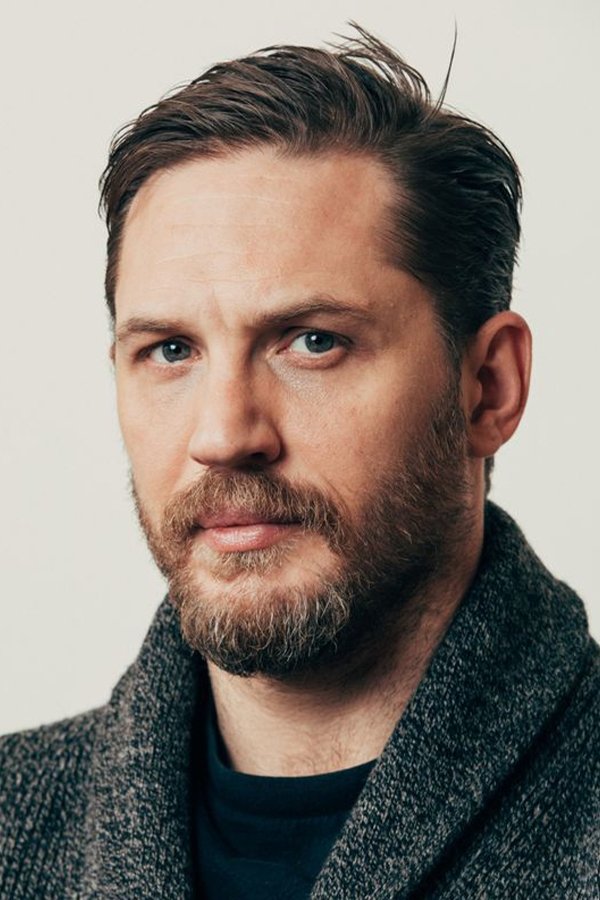
Tom Hardy’s Max speaks sparingly while the story focuses on pursuit, escape routes, and mechanical problem solving across the desert. Communication often occurs through gestures, eye contact, and action beats that move the convoy forward.
George Miller filmed large scale practical stunts in Namibia and used minimal computer generated shots for vehicles and crashes. The movie won multiple Academy Awards in technical categories and was nominated for Best Picture and Best Director, underscoring how design and sound supported a dialogue light performance.
Sally Hawkins in ‘The Shape of Water’ (2017)
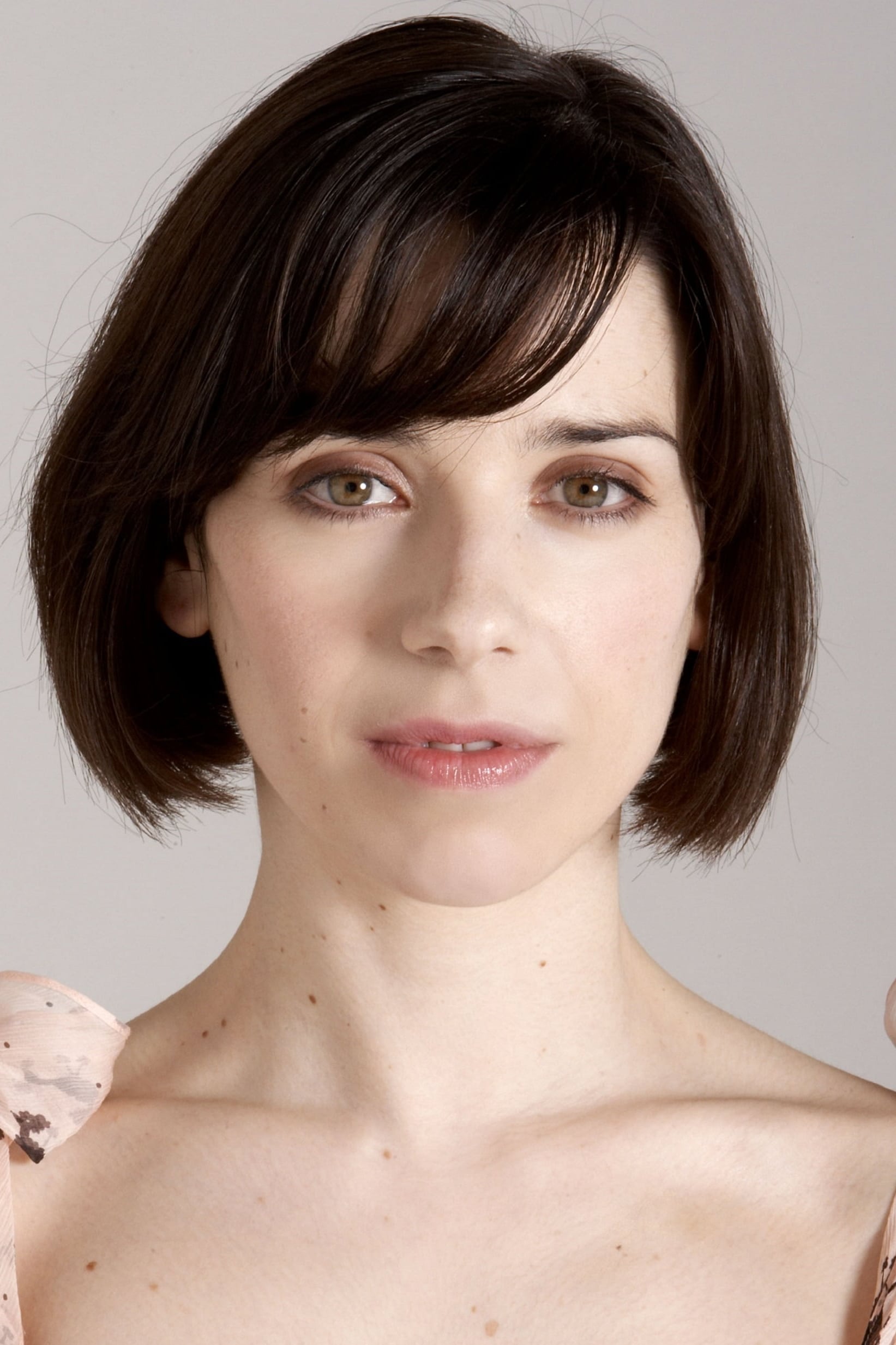
Sally Hawkins plays Elisa Esposito, a cleaner in a Cold War era laboratory who is mute and signs to connect with the people around her. The character’s relationships develop through signing, written notes, and carefully staged routines at work and home.
Guillermo del Toro set the story in early 1960s Baltimore with period production design and water themed visual motifs. The film won the Academy Award for Best Picture and additional Oscars for direction, score, and production design, and Hawkins received a Best Actress nomination for a performance built on nonverbal expression.
Casey Affleck in ‘A Ghost Story’ (2017)
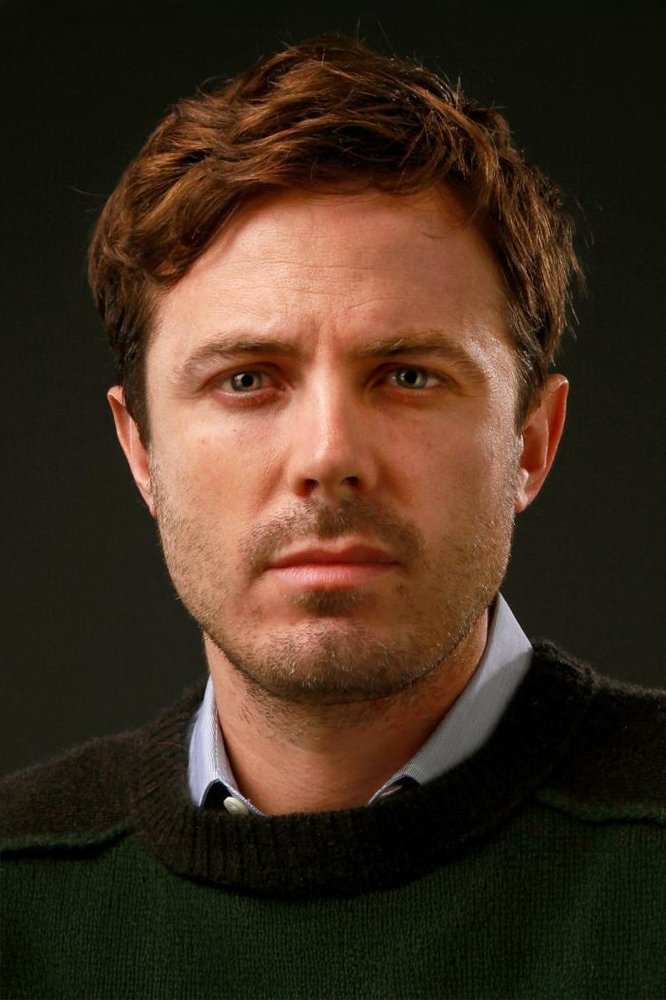
Casey Affleck spends most of the film beneath a simple sheet as a spectral presence who observes the passage of time inside a small house. The role is nearly wordless and uses long static shots to show how the character watches the living occupants come and go.
David Lowery directed with a square frame and extended takes that emphasize stillness. The movie premiered at Sundance, features a score by Daniel Hart, and pairs Affleck with Rooney Mara in scenes that rely on blocking and duration rather than dialogue.
Scarlett Johansson in ‘Under the Skin’ (2013)
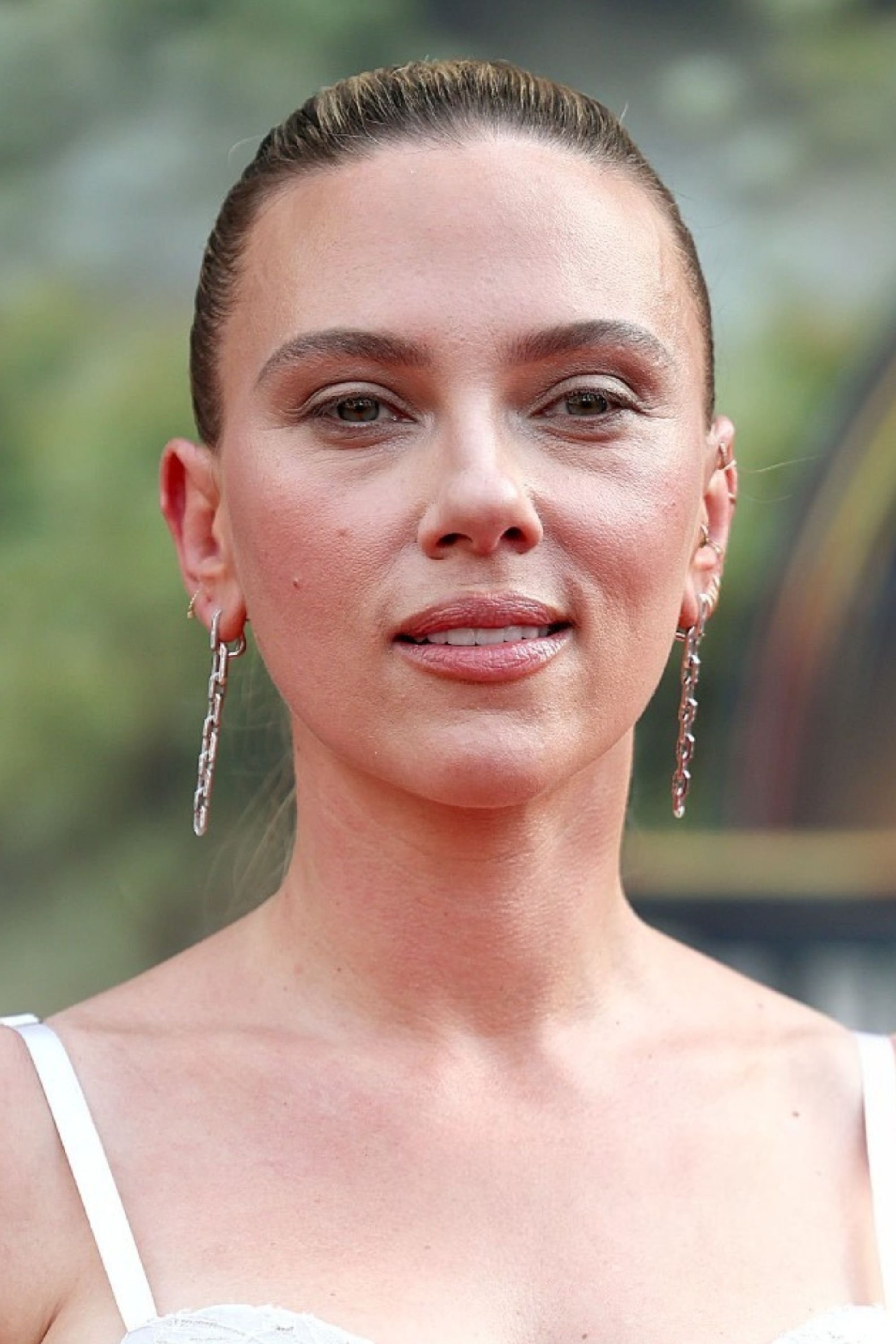
Scarlett Johansson plays an alien figure who drives through Scotland and engages strangers she meets on the road. Dialogue is sparse, with many interactions captured using concealed cameras that record real conversations which are then shaped in the edit.
Jonathan Glazer blends documentary methods with controlled visual effects and original music by Mica Levi. The shoot used non actors alongside Johansson and filmed on public streets, creating scenes where silence and observation carry the story forward.
Ryan Gosling in ‘Drive’ (2011)
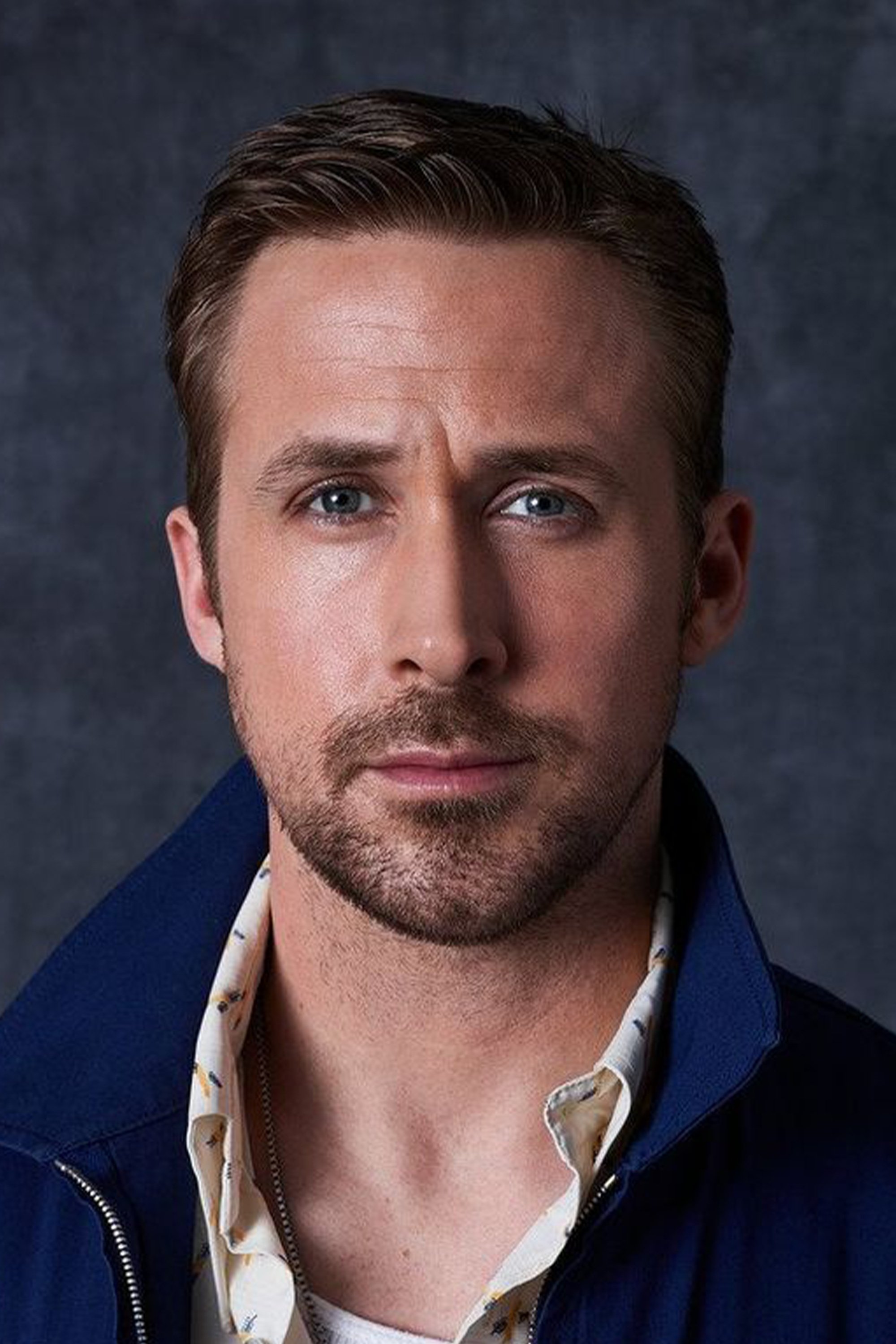
Ryan Gosling’s character works as a stunt driver and getaway driver who speaks only when necessary. The film tracks his routines through planning, timing, and car control, using quiet stretches that build tension during stakeouts and escapes.
Nicolas Winding Refn directed from a novel by James Sallis and set the story in Los Angeles. The soundtrack and score by Cliff Martinez shape the mood, and the film won Best Director at Cannes, reflecting an approach where atmosphere and action take precedence over extended dialogue.
Arnold Schwarzenegger in ‘The Terminator’ (1984)
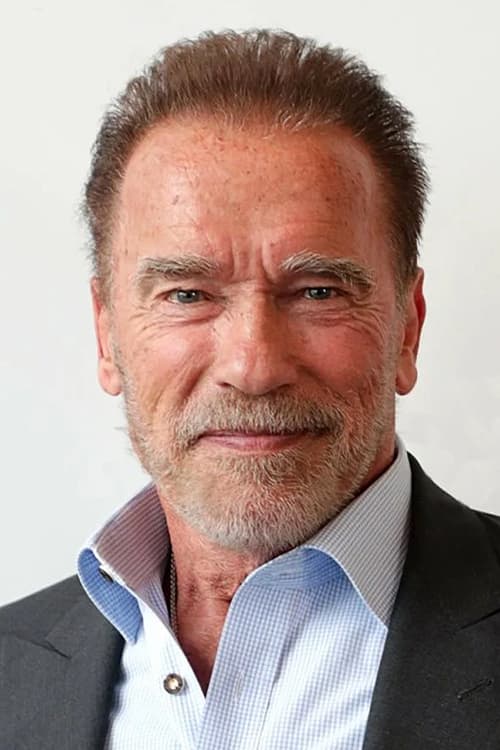
Arnold Schwarzenegger’s cyborg speaks a limited number of lines and communicates intent through movement and target acquisition. The character follows mission steps that unfold through tracking, infiltration, and pursuit rather than conversation.
James Cameron directed on a modest budget with makeup and animatronics by Stan Winston’s team. The movie became a breakout success and launched a long running franchise, with the title role defined by physical presence and concise speech.
Charles Bronson in ‘Once Upon a Time in the West’ (1968)
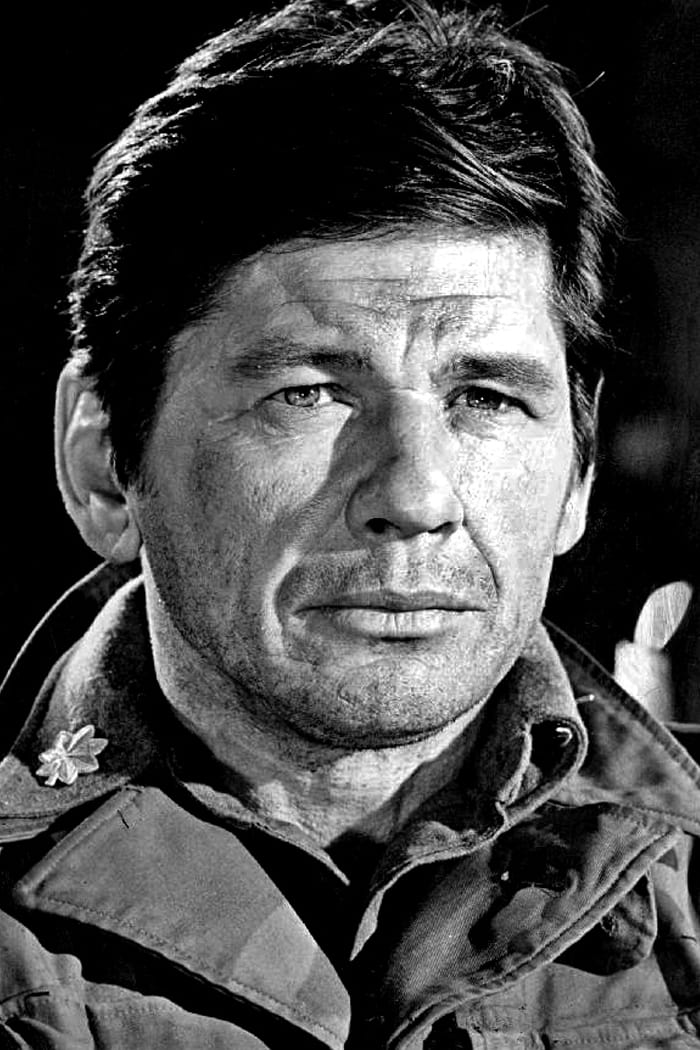
Charles Bronson appears as Harmonica, a man who rarely speaks and often answers questions with music from the instrument he carries. The performance relies on stillness and close ups that let Morricone’s theme communicate motive.
Sergio Leone staged the story with extended sequences that minimize dialogue, including a famous opening built around ambient sounds. The film stars Henry Fonda, Claudia Cardinale, and Jason Robards, and it is known for its widescreen photography and carefully timed sound cues.
Clint Eastwood in ‘A Fistful of Dollars’ (1964)
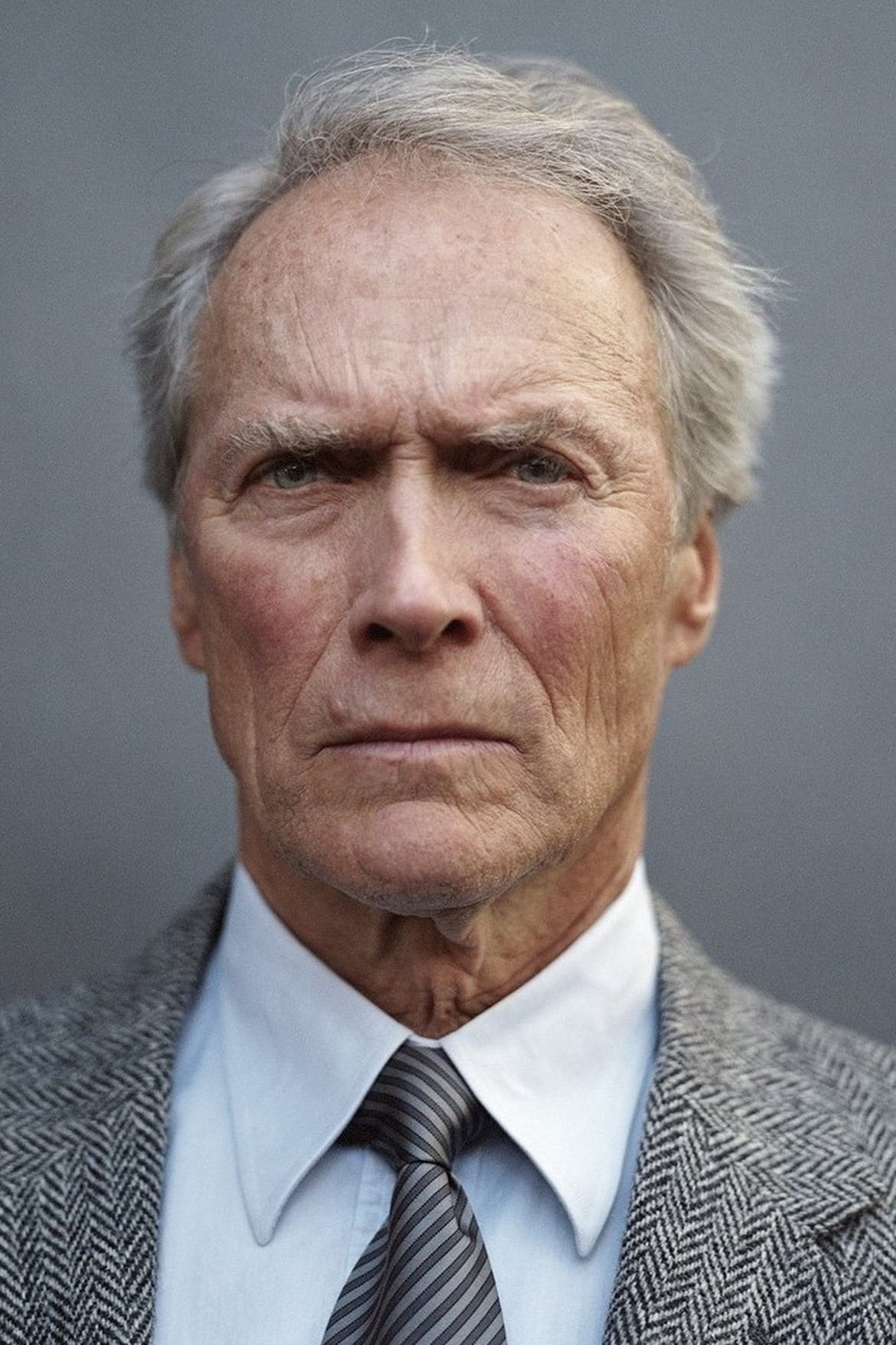
Clint Eastwood’s Man With No Name talks little and watches opponents before acting. The character communicates through posture, wardrobe choices, and measured reactions that establish his role in the town’s standoff.
Sergio Leone filmed in Spain with music by Ennio Morricone and introduced a trilogy that continued with two more features. The movie’s lean script and visual storytelling helped define a style where silence and pauses are integral to the pacing.
Ron Perlman in ‘Quest for Fire’ (1981)
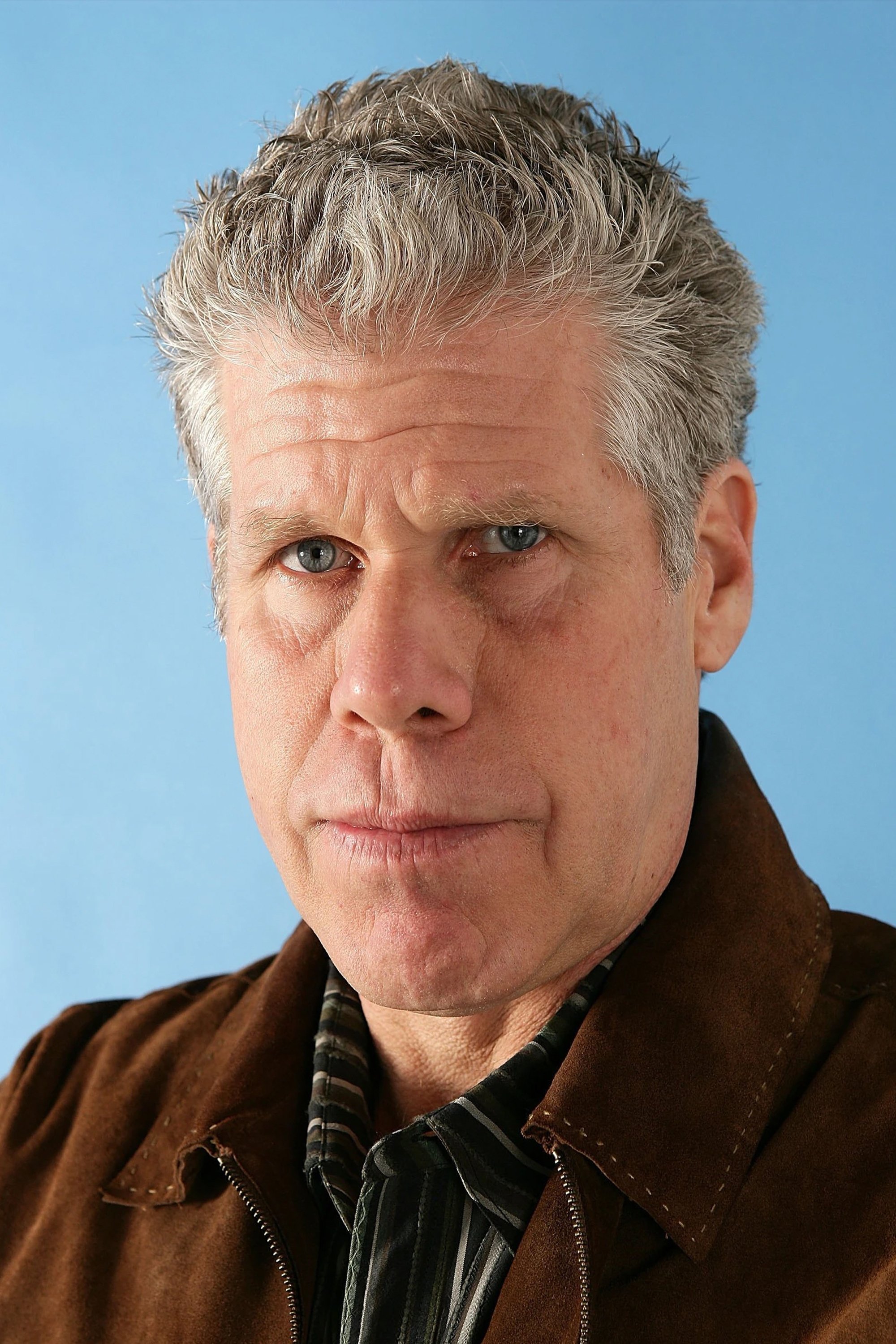
Ron Perlman plays Amoukar in a prehistoric survival story that avoids modern language. The production uses invented speech and gestures created for the film, so much of the character’s intent is delivered through movement and group dynamics.
Jean Jacques Annaud employed anthropologists and language consultants to shape behavior and communication systems. The makeup work earned an Academy Award, and the film focuses on tool use, fire making, and migration patterns to tell its story without contemporary dialogue.
Emily Blunt in ‘A Quiet Place’ (2018)
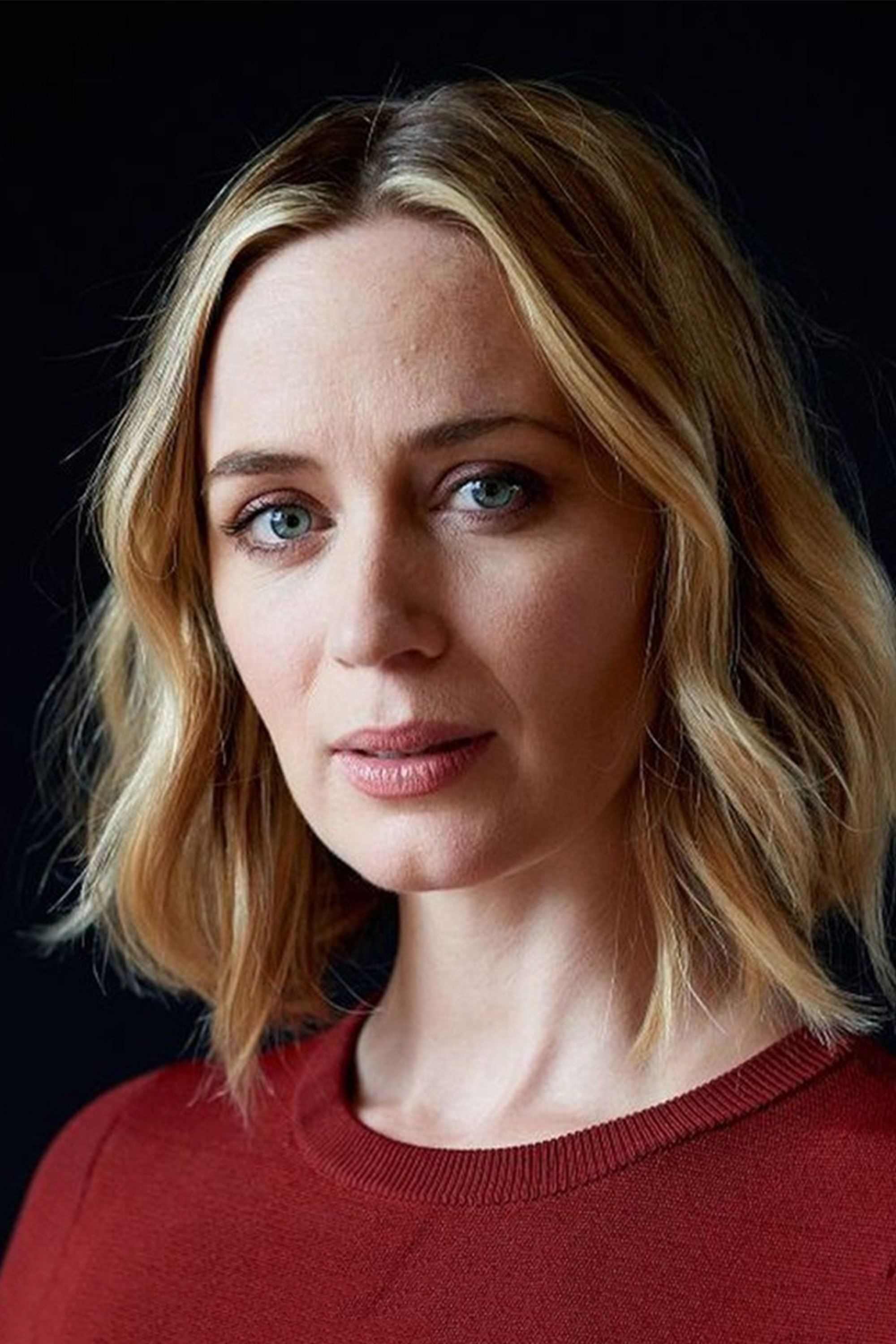
Emily Blunt portrays Evelyn Abbott, a mother navigating a world where sound attracts deadly creatures. Spoken lines are rare, and the family depends on signing, soft footpaths, and timed actions to move, farm, and prepare for emergencies.
John Krasinski directed and starred, and production incorporated American Sign Language with coaching for hearing cast members. The film became a major box office success and earned awards recognition for sound design, while Blunt received a Screen Actors Guild Award for Supporting Actress.
Buster Keaton in ‘The General’ (1926)
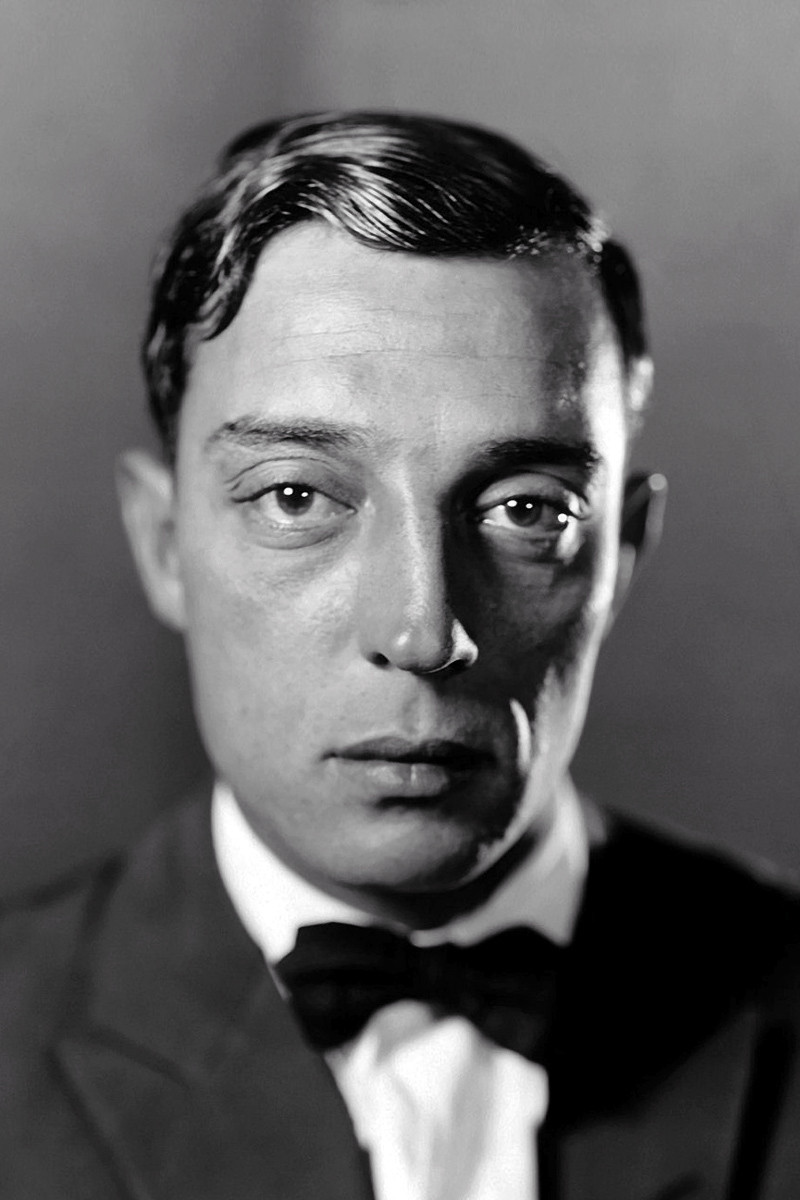
Buster Keaton plays a train engineer whose engine is stolen during the American Civil War. The performance is silent and built around large scale gags, precise stunts, and clear cause and effect that require no spoken explanation.
Keaton co directed and performed hazardous set pieces on moving locomotives. The production used full size trains and real bridges, and although initial reception was mixed, the film later gained wide recognition for its craftsmanship and physical storytelling.
Charlie Chaplin in ‘City Lights’ (1931)
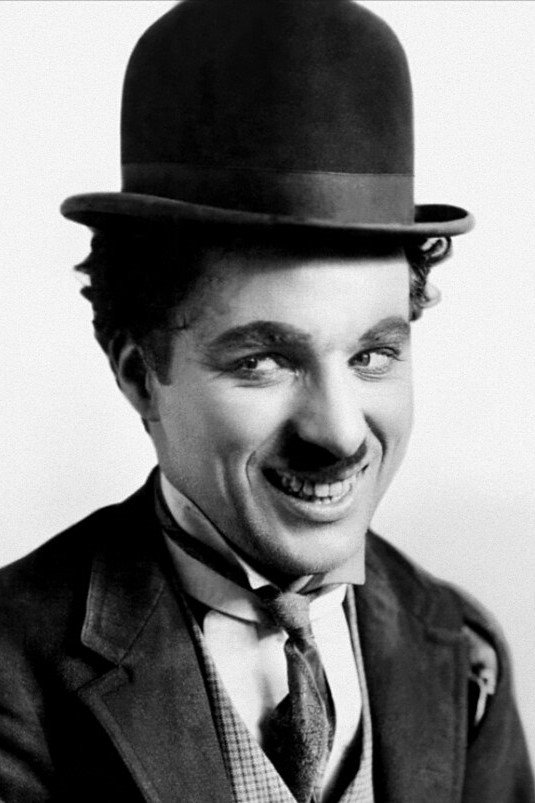
Charlie Chaplin returns as the Tramp in a feature released after the arrival of synchronized sound. The film uses music and effects while keeping intertitles and pantomime for dialogue, allowing the character to express himself without words.
Chaplin wrote, directed, produced, and composed the score, and the shoot extended over a long period with multiple retakes to refine timing. The movie pairs the Tramp with a blind flower seller and a millionaire, using visual setups and payoffs to advance the plot without spoken lines.
Share your favorite quiet performances in the comments and tell us which ones deserve a spot on this list.